HANOI EYES SMART, CLEAN, SUSTAINABLE FUTURE WITH LOW-EMISSION ZONE
VNA•21/05/2026 16:36
Hanoi is expediting the development of a plan to establish a low-emission zone (LEZ) within Ring Road 1 to align with its environmental protection goals and sustainable urban development agenda.
The initiative is seen as a breakthrough not only to curb worsening air pollution in the city’s central areas but also to catalyse green transport transition, toward a smarter, cleaner, and more sustainable capital.
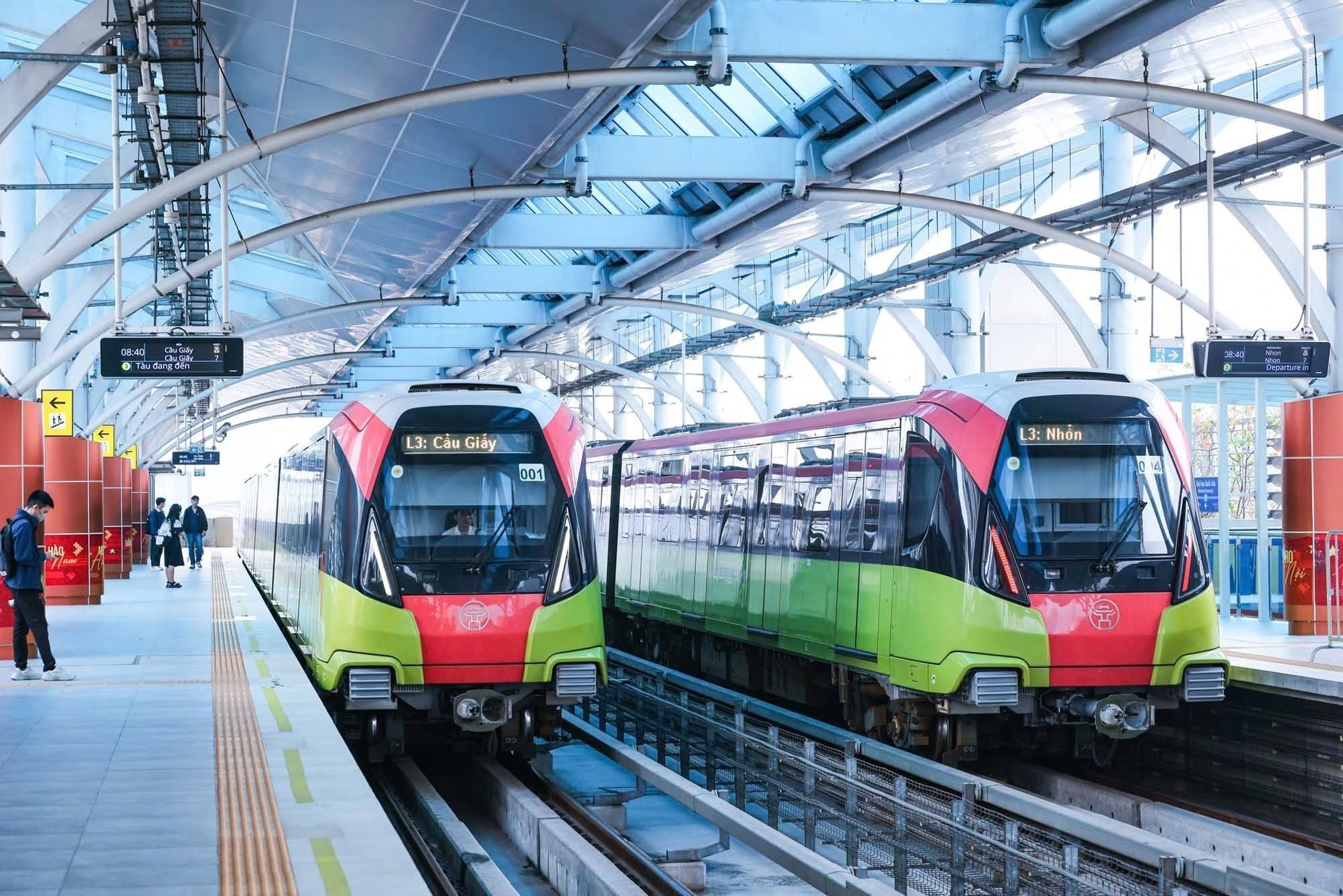
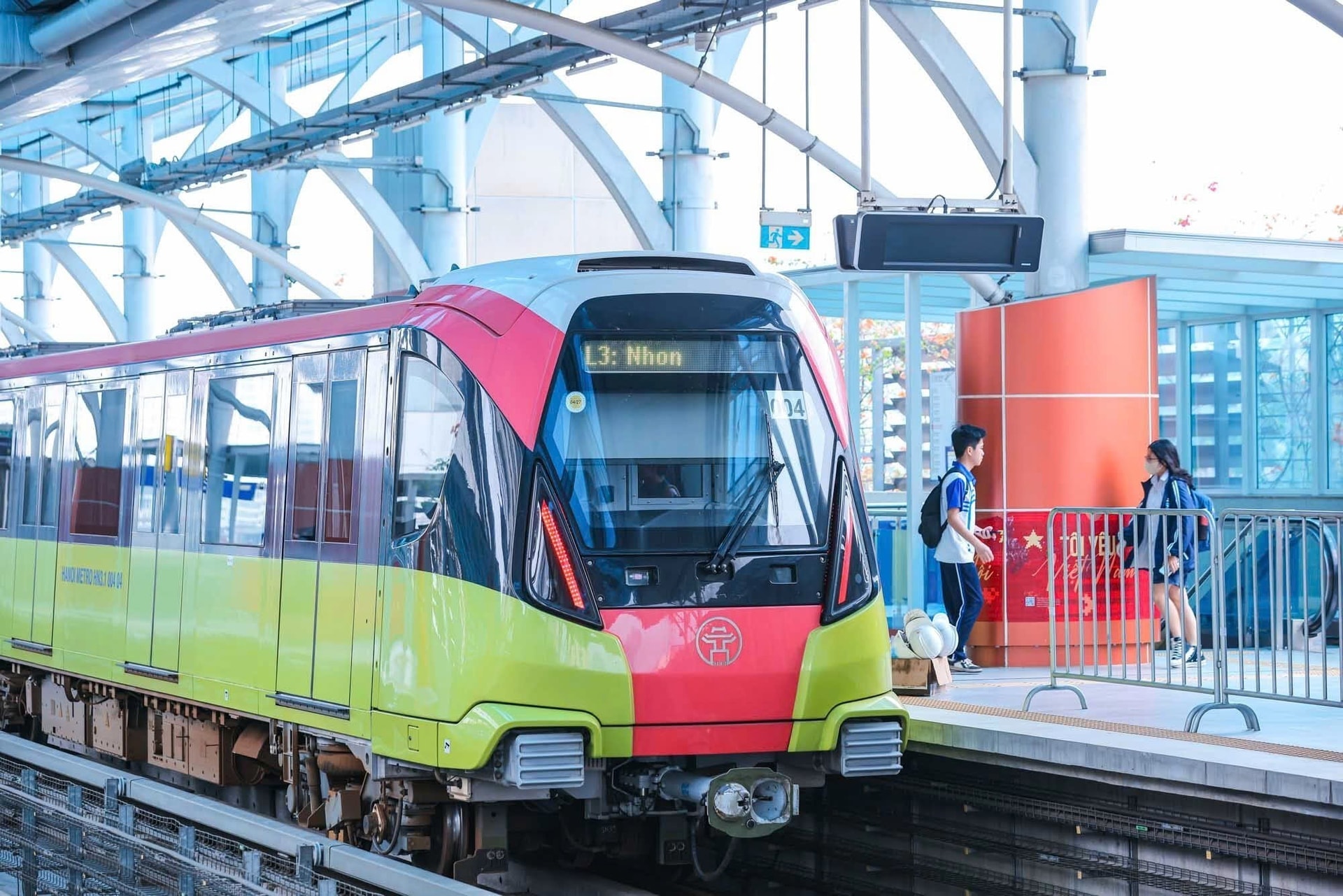
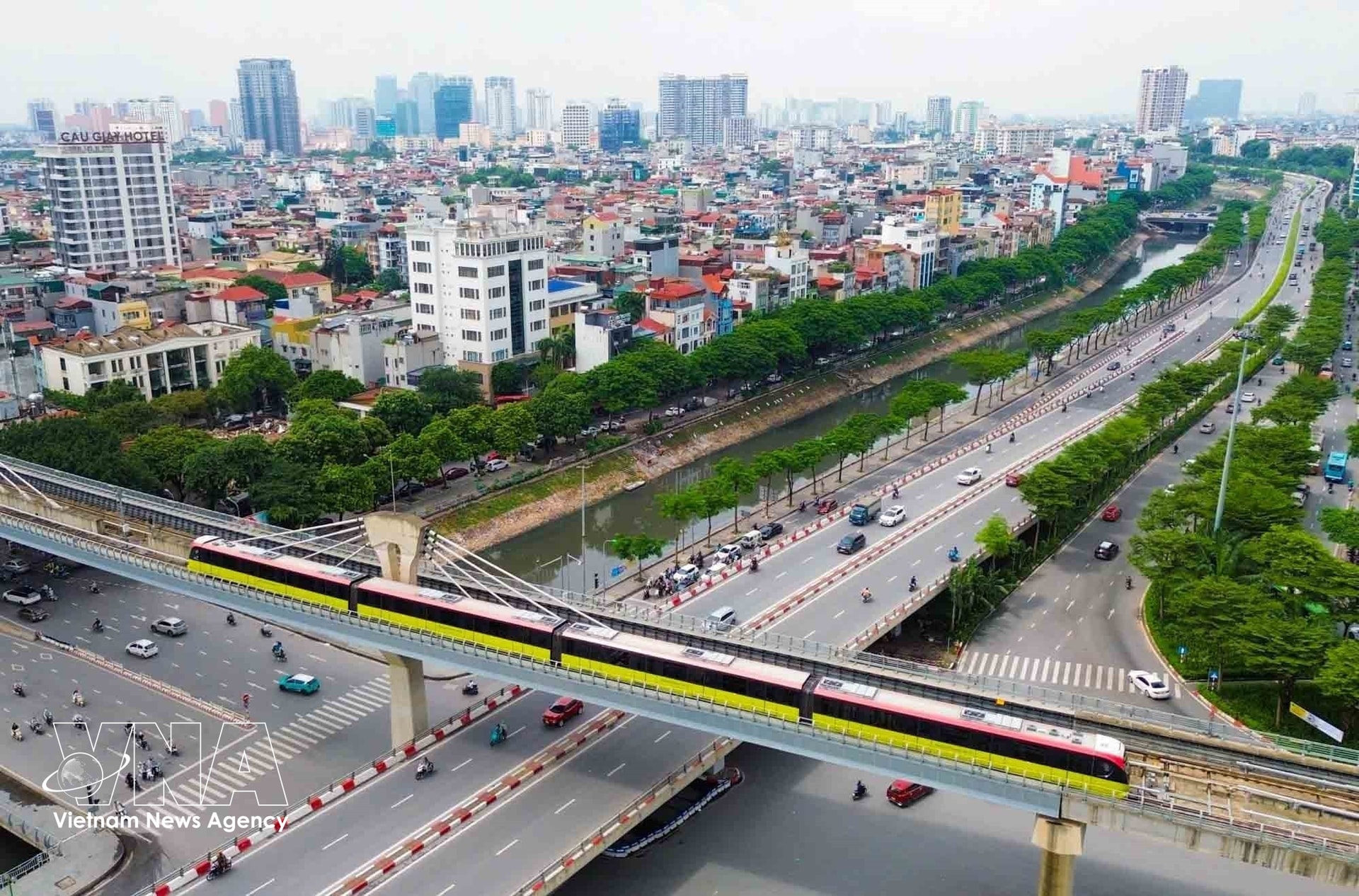
The elevated section of the Nhon - Hanoi Station urban railway line. (Photo: VNA)
A boy enjoys experiencing an urban railway trip. (Photo: VNA)
Urgent needs and a cautious roadmap
In recent years, air quality in Hanoi has deteriorated noticeably, particularly in the densely populated urban core where traffic volume is high and socio-economic activity is concentrated.
According to studies conducted by the Ministry of Agriculture and Environment between 2023 and 2025, the transport sector accounts for 25% of PM2.5 emissions citywide. However, emissions inventories indicate that within the inner city alone, traffic produces up to 59% of direct emissions, while road dust and construction activities 28%.
Notably, a 2025 quantitative study by the Asian Development Bank (ADB) focusing on the Ring Road 1 area identified road transport as the largest source of fine particulate matter emissions. Motorcycles account for 43.4% of emissions, followed by buses at 30.7%, light-duty vehicles at 20.4%, and cars with fewer than nine seats at 5.5%.
Highlighting the significance of the LEZ initiative, Vice Chairwoman of the municipal People’s Council Pham Thi Thanh Mai stressed:
“
This is a new and complex policy with far-reaching impact on residents, business activities, and urban spatial organisation. Therefore, it is necessary to clearly define the scope, target groups, and implementation roadmap, develop feasible policy mechanisms and clarify institutional responsibilities and coordination frameworks.
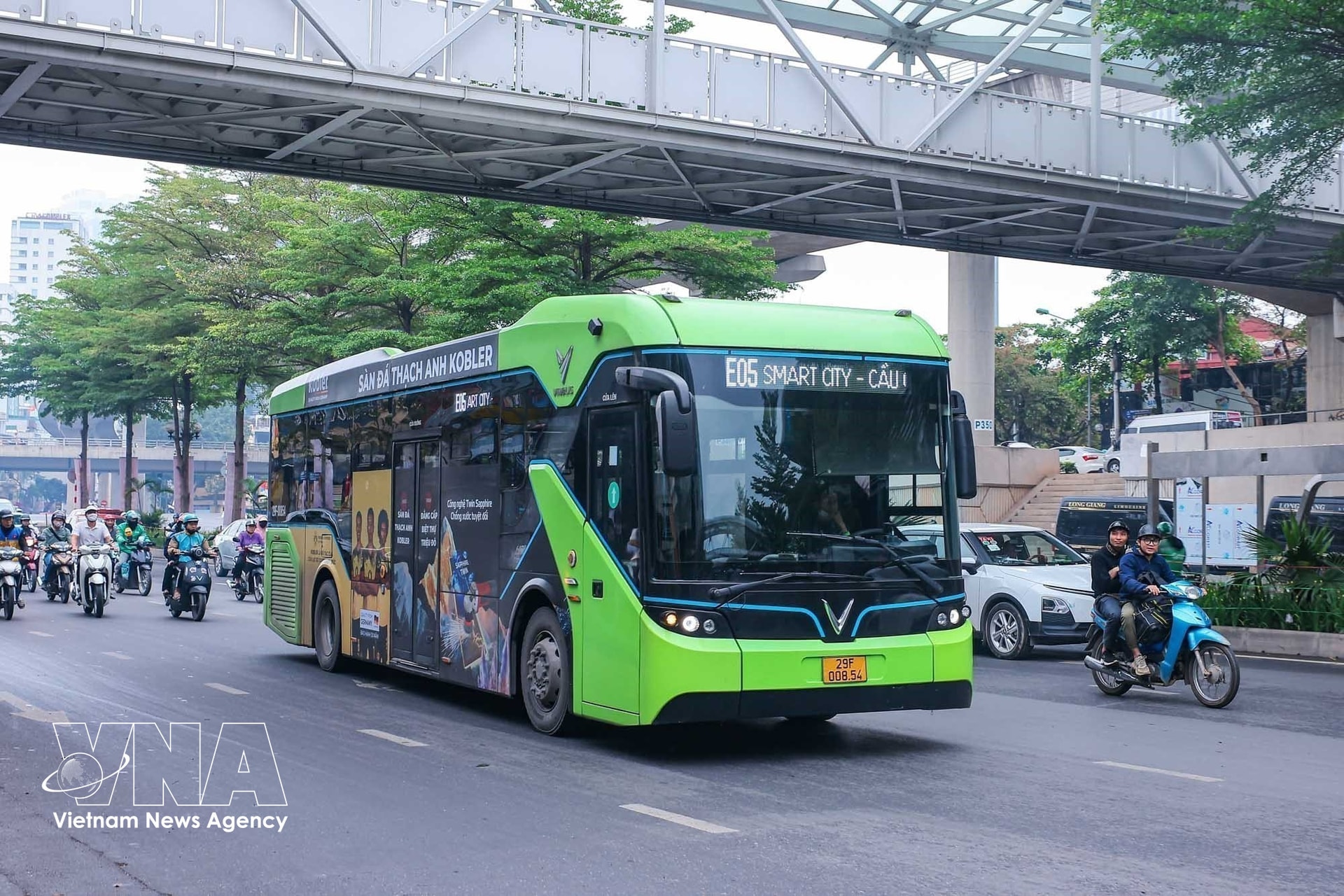
An electric bus operates in Hanoi. (Photo: VNA)
Ring Road 1 - Core central area of the capital
Ring Road 1 constitutes the core central area of the capital, home to numerous central and municipal administrative agencies, residential areas, historical sites, schools, hospitals, and vibrant commercial and service activities.
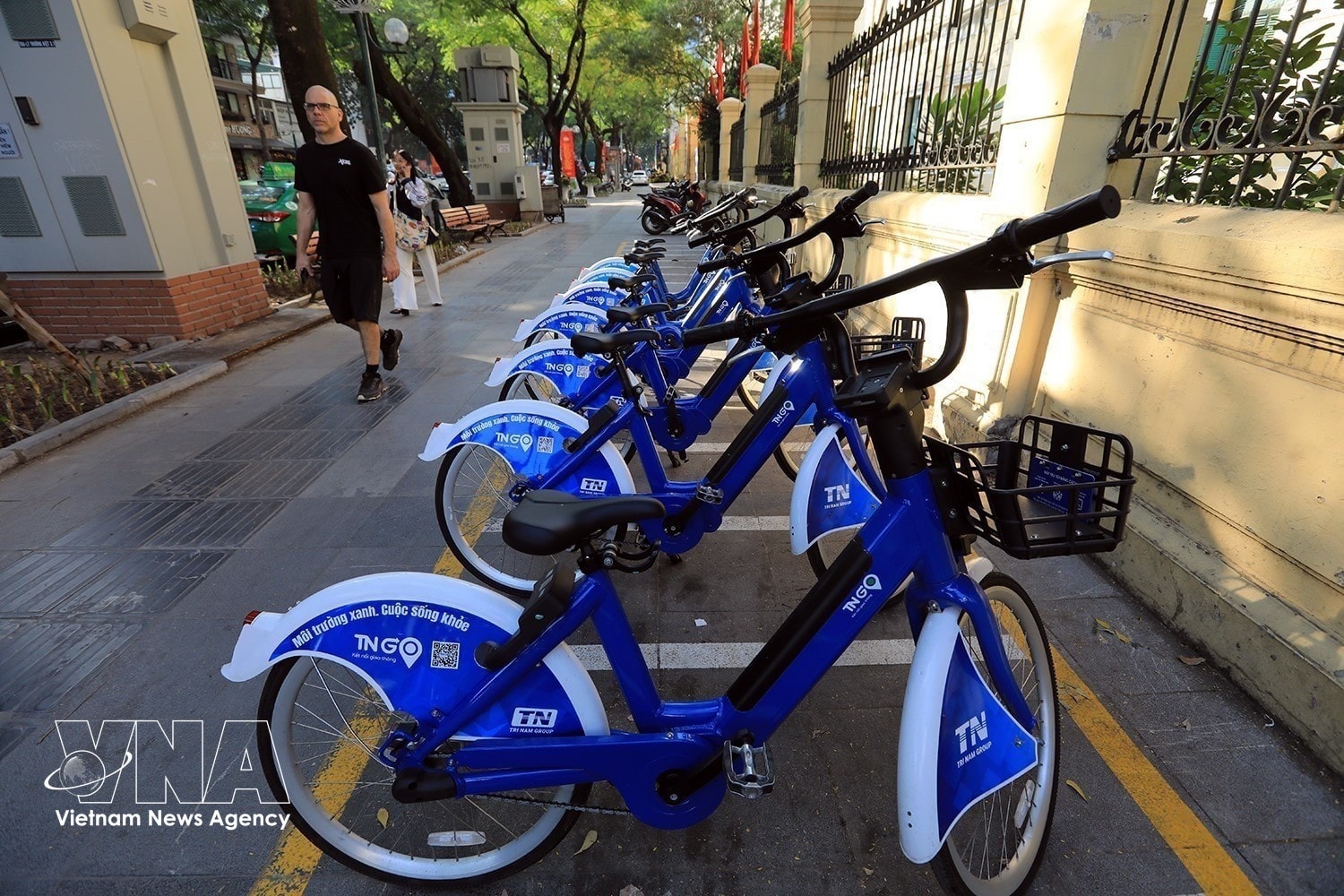
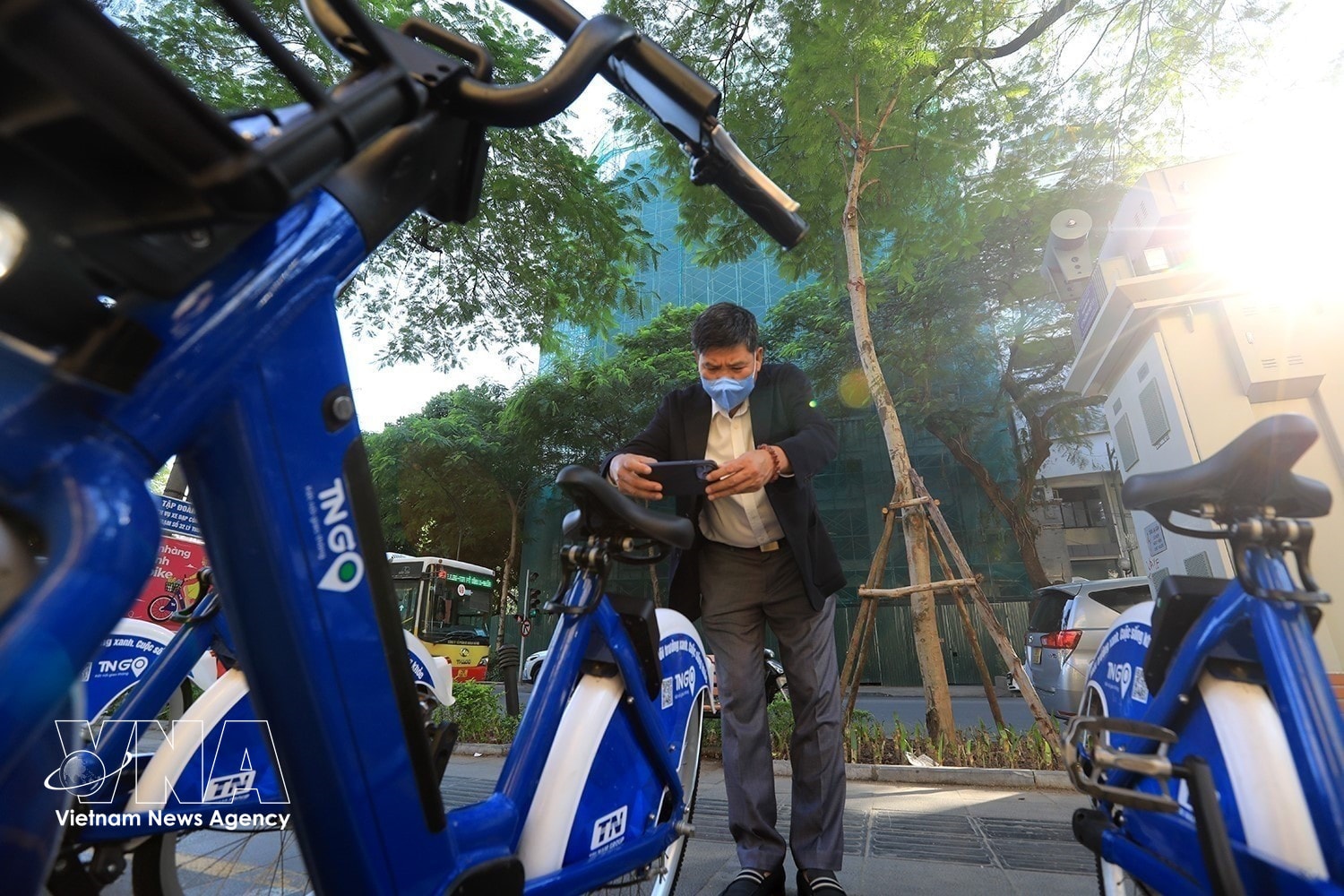
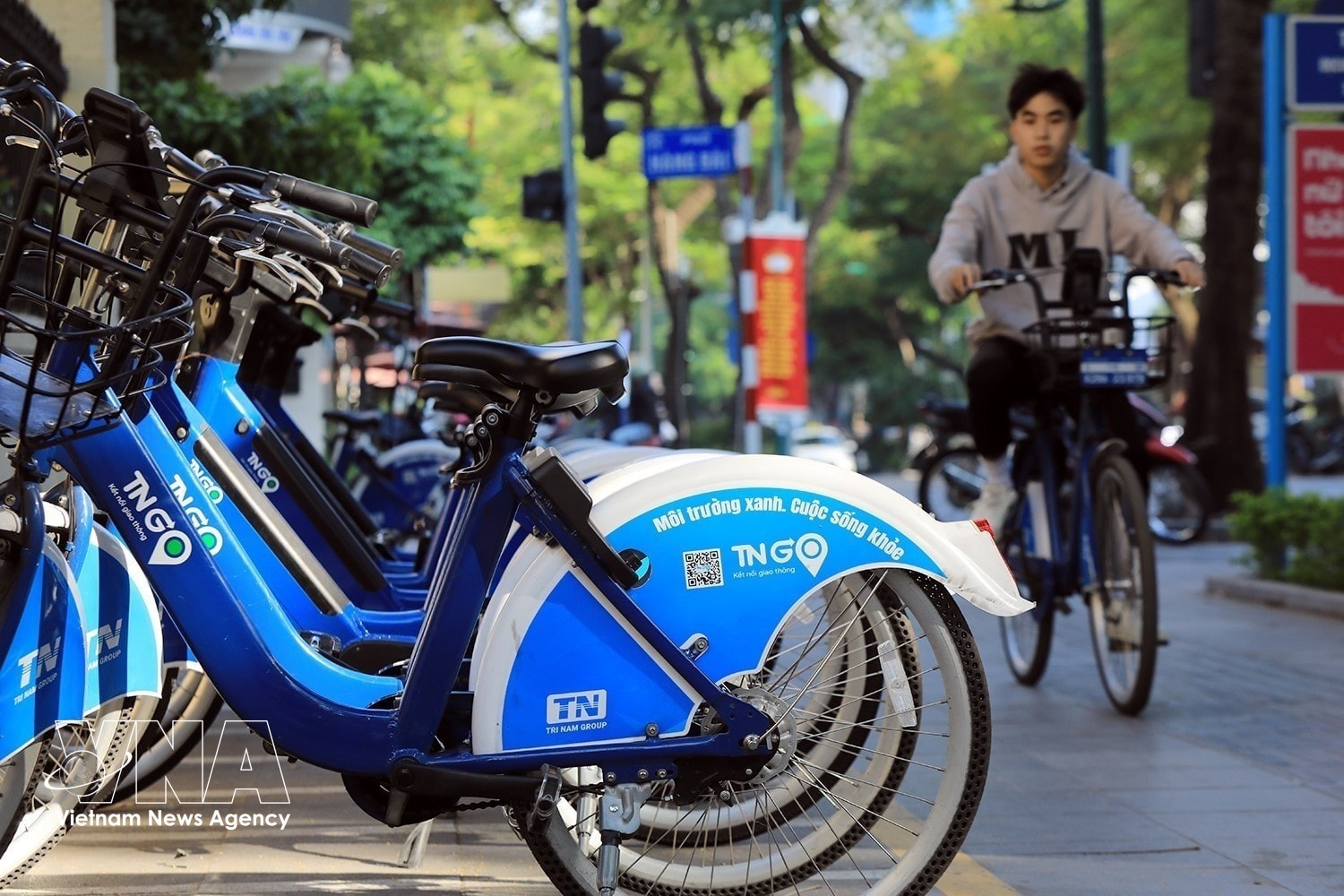
Residents use electric bicycles in Hanoi. (Photo: VNA)
To ensure feasibility and balance environmental objectives with residents’ mobility, livelihoods, and economic development needs, the city has outlined a three-phase implementation roadmap.
1
Phase 1 (from July 1 to December 31, 2026)
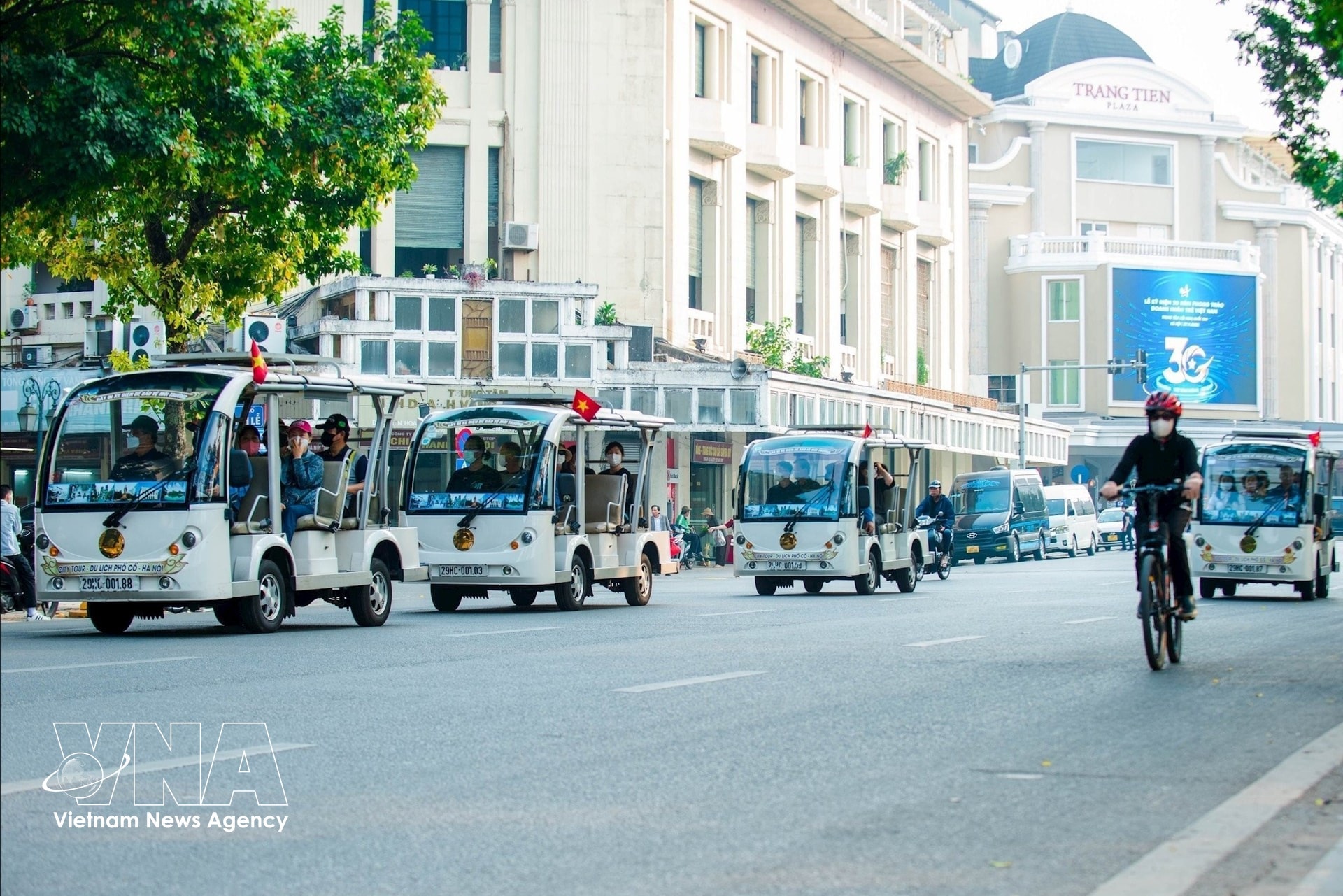
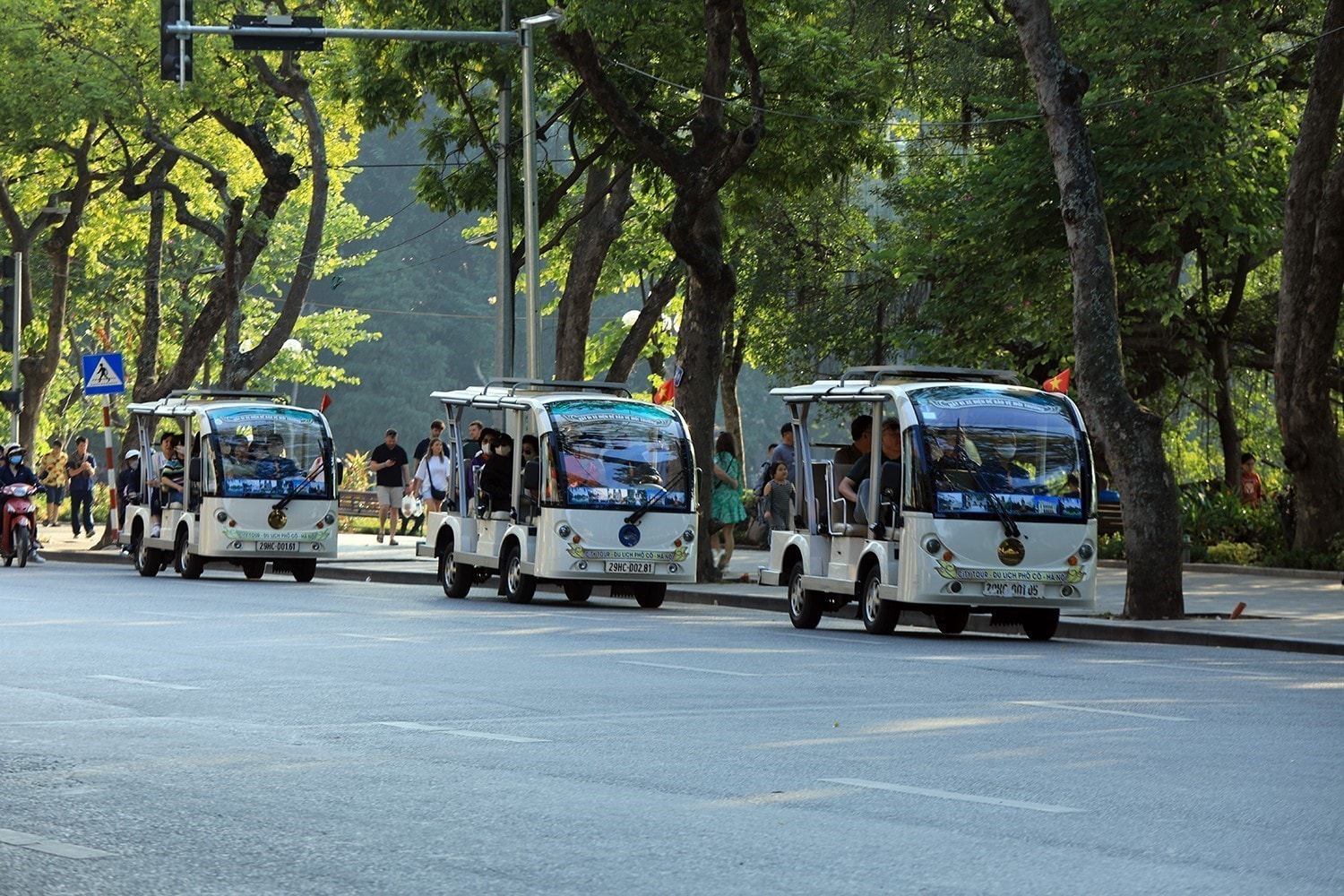
Tourists experience electric buggies around Hoan Kiem Lake. (Photo: VNA)
Phase 1 will pilot the scheme in the core area of Hoan Kiem ward. Covering 0.5 sq.km with a perimeter of 3.5 km, the zone includes 11 surrounding streets, namely Trang Tien, Hang Khay, Le Thai To, Hang Dao, Hang Ngang, Hang Buom, Ma May, Hang Bac, Hang Mam, Nguyen Huu Huan, and Ly Thai To; and is home to around 20,000 residents.
2
Phase 2 (from January 1 to December 31, 2027)
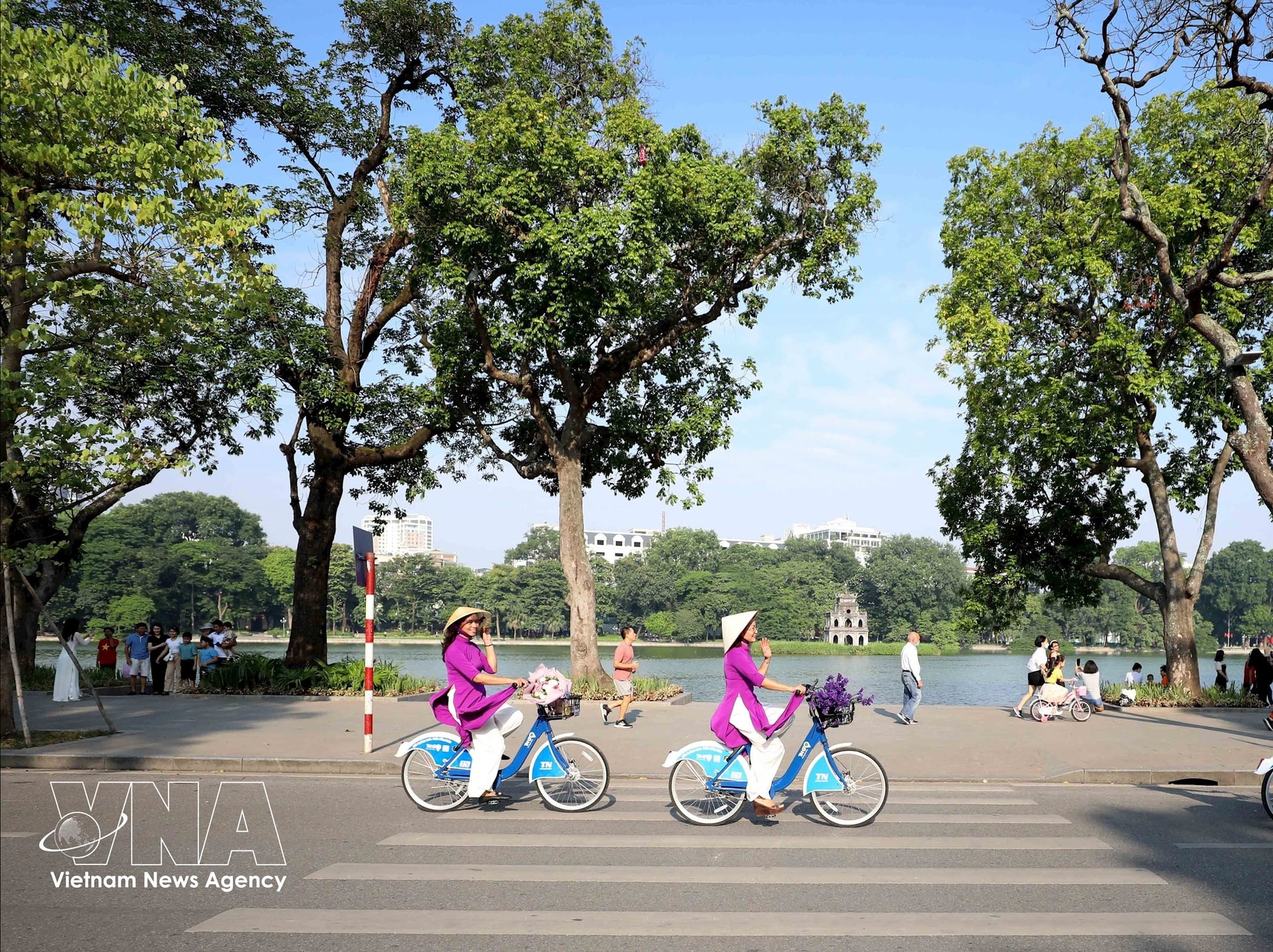
Women ride bicycles on a street around Hoan Kiem Lake in Hanoi. (Photo: VNA)
Phase 2 will expand the pilot area to include Hoan Kiem and Cua Nam wards. The coverage will increase to 3.6 sq.km, with a perimeter of 8.3 km, encompassing 14 boundary streets: Nguyen Du, Han Thuyen, Tran Hung Dao, Tran Khanh Du, Tran Quang Khai, Tran Nhat Duat, Hang Dau, Cua Dong, Ly Nam De, Ton That Thiep, Dien Bien Phu, Hang Bong, Cua Nam, and Le Duan. The affected population is estimated at approximately 136,947.
3
Phase 3 (from January 1, 2028, to December 31, 2029)
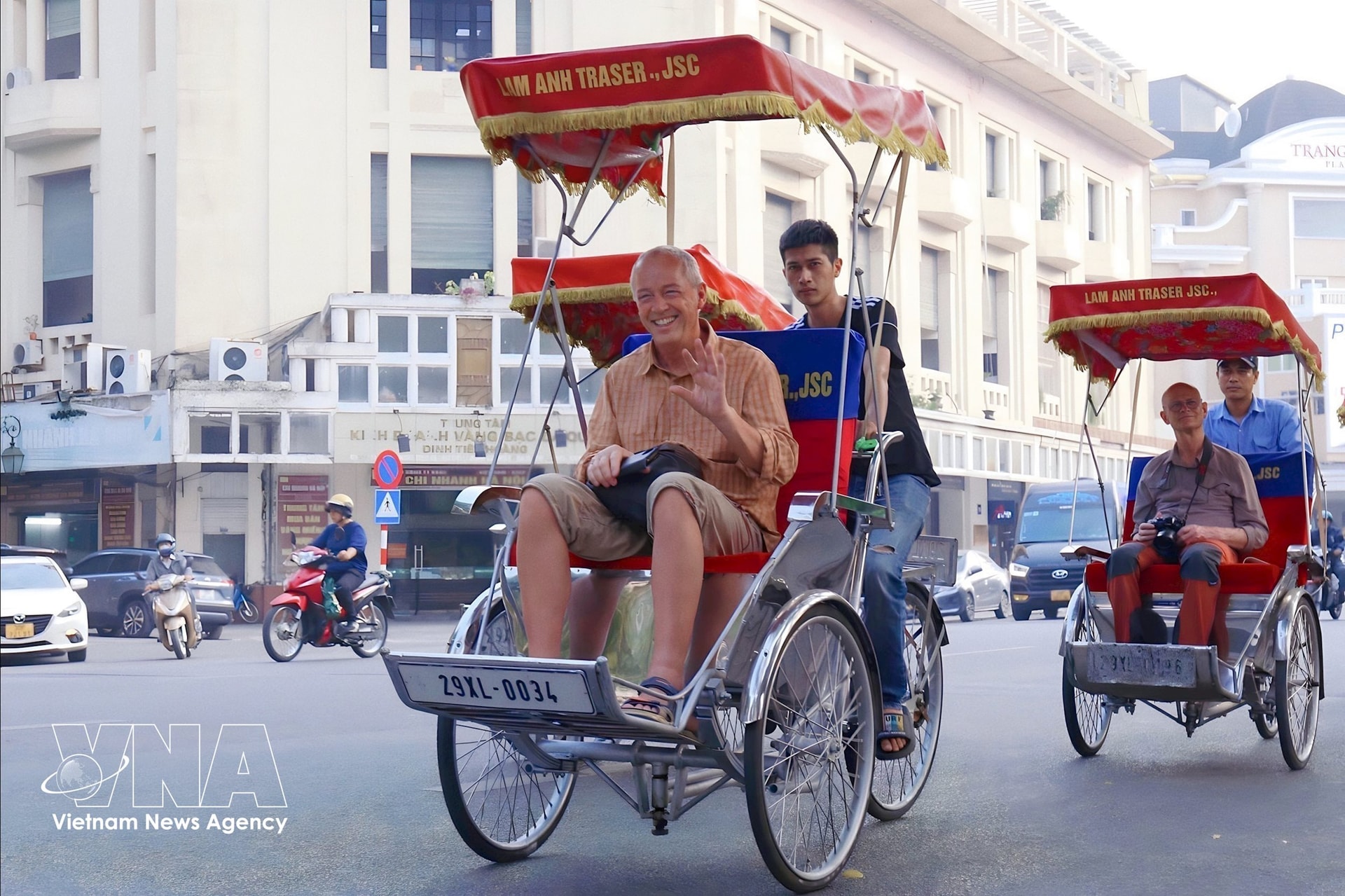
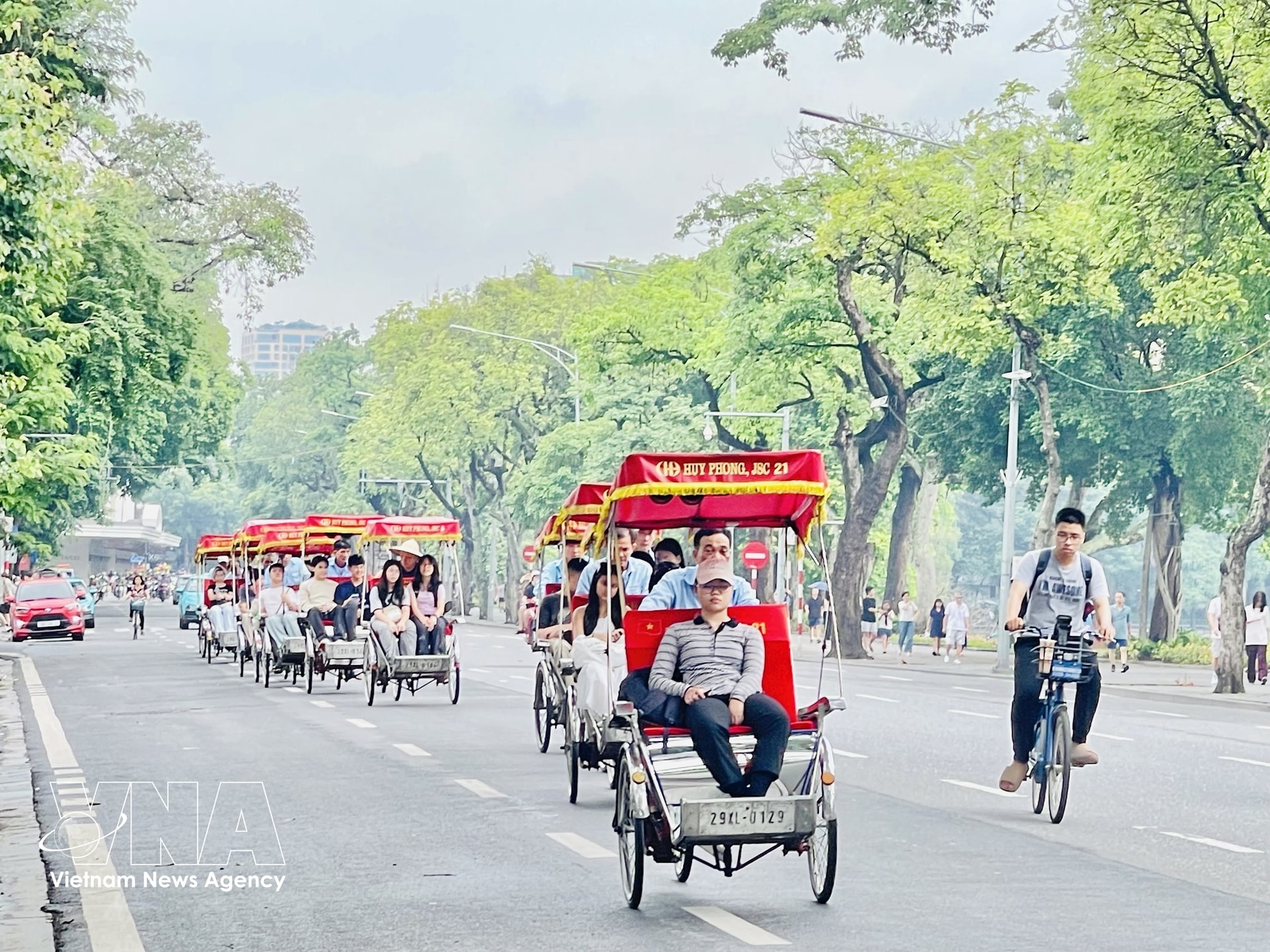
Visitors enjoy sightseeing tours of Hanoi's Old Quarter by cyclo. (Photo: VNA)
Phase 3 will see the full rollout of the low-emission zone across the entire Ring Road 1 area. This zone spans 26.07 sq.km, with a perimeter of 25 km and a population of about 625,000. It covers nine wards enclosed by major routes, including Hoang Cau, De La Thanh, O Cho Dua, Xa Dan, Dai Co Viet, Tran Khat Chan, Nguyen Khoai, Tran Khanh Du, Tran Quang Khai, Tran Nhat Duat, Yen Phu, Nghi Tam, Au Co, An Duong Vuong, Lac Long Quan, Buoi, and Cau Giay.
Ensuring feasible transition in practice
To realise the objectives of the low-emission zone, Hanoi is not only introducing administrative measures to curb private vehicle use but is also prioritising the development of green transport infrastructure, deploying smart monitoring technologies, and, notably, rolling out practical financial support policies for residents.
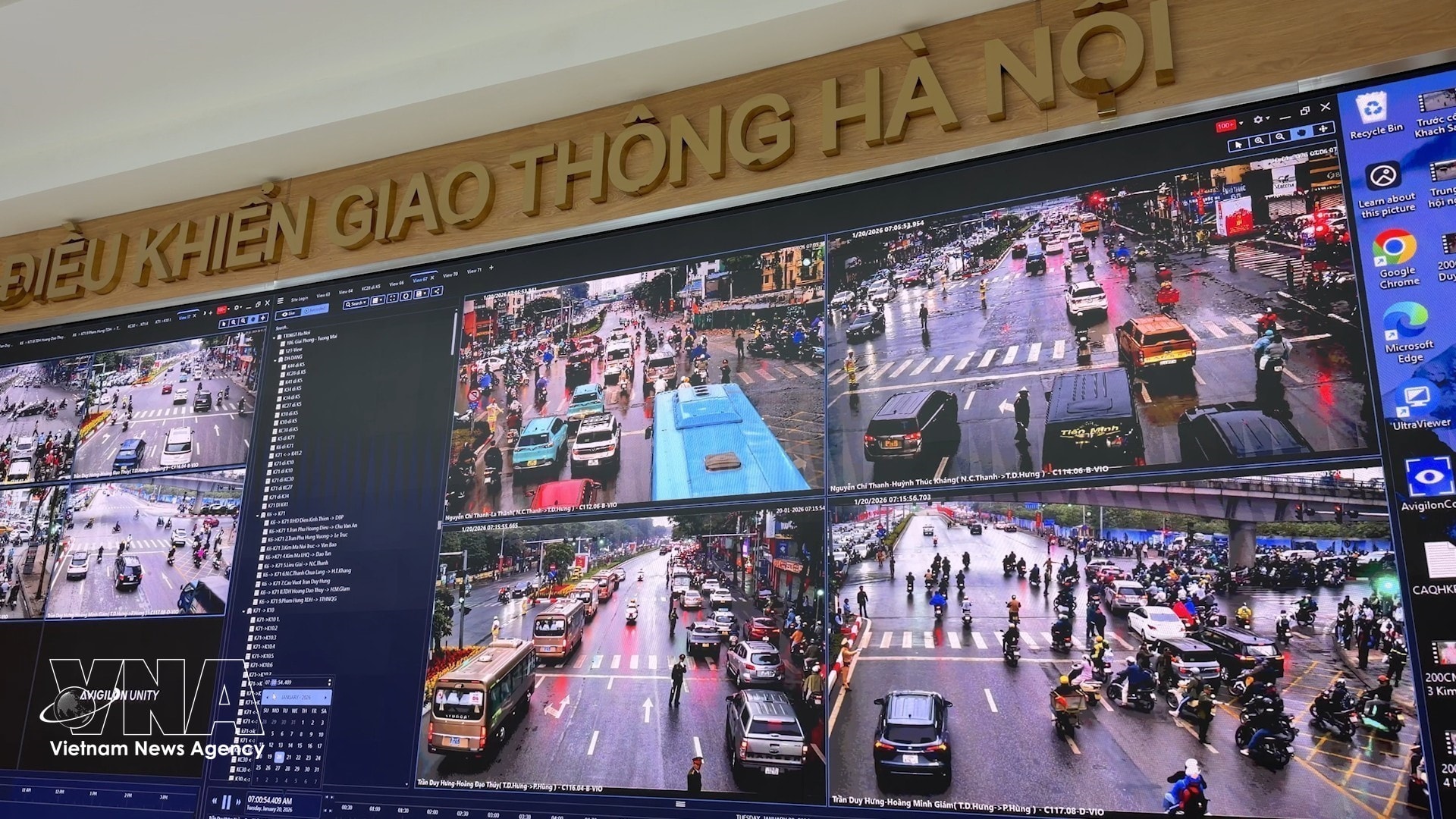
To enhance enforcement, the city plans to install an additional 22 AI-powered automatic number plate recognition (ANPR) cameras in June at key entrances to the pilot zone.
These will be positioned at major intersections such as Ly Thai To–Trang Tien, Nguyen Huu Huan–Lo Su, Ma May–Hang Bac, Hang Dao–Hang Bac, and Le Thai To–Dinh Tien Hoang.
Data from the system will be integrated to enable automated and transparent detection and handling of violations.
Alongside tighter emission standards, Hanoi is placing strong emphasis on developing parking infrastructure and green transport systems to support the transition.
Hanoi is stepping up the use of AI-powered cameras to ensure transparent handling of traffic violations. (Photo: VNA)
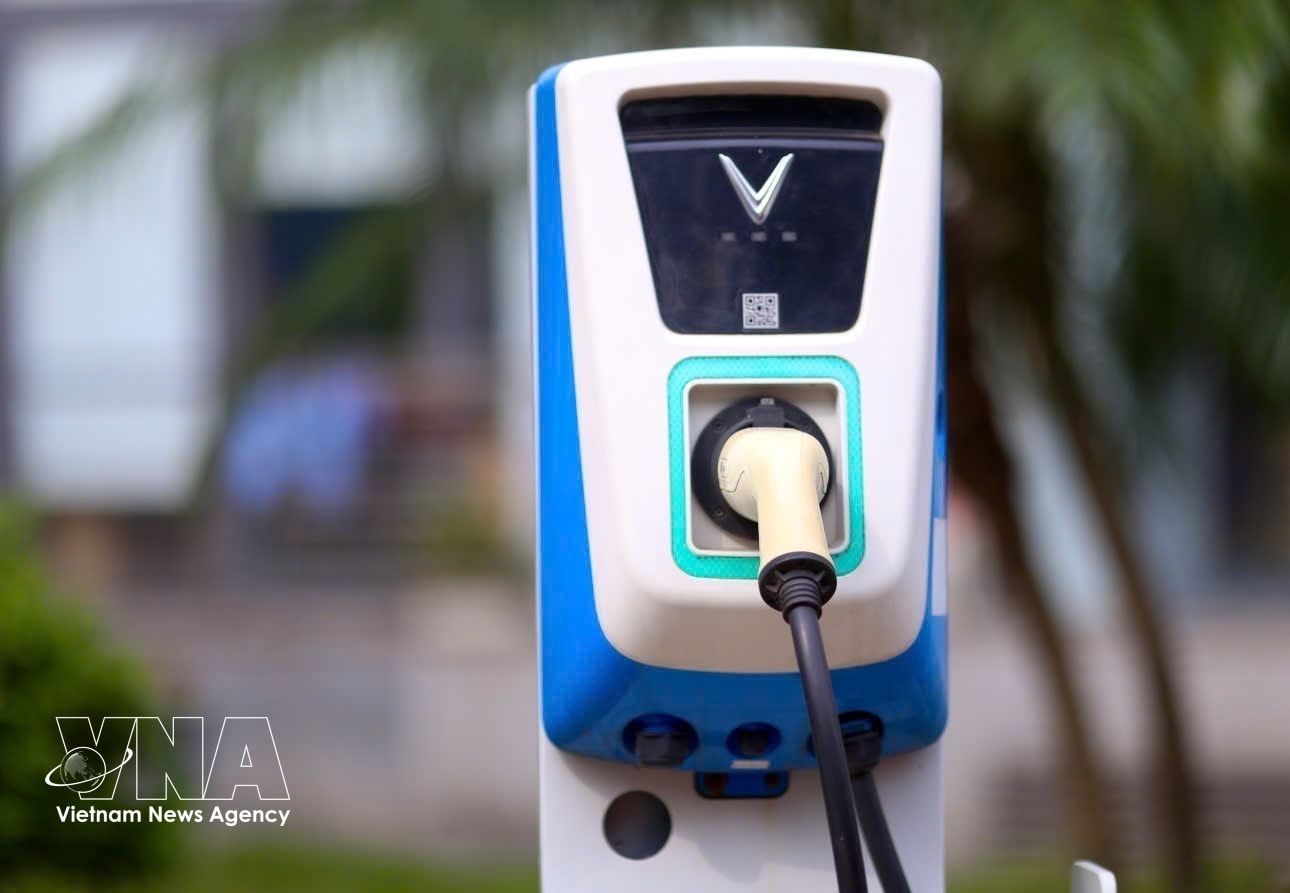
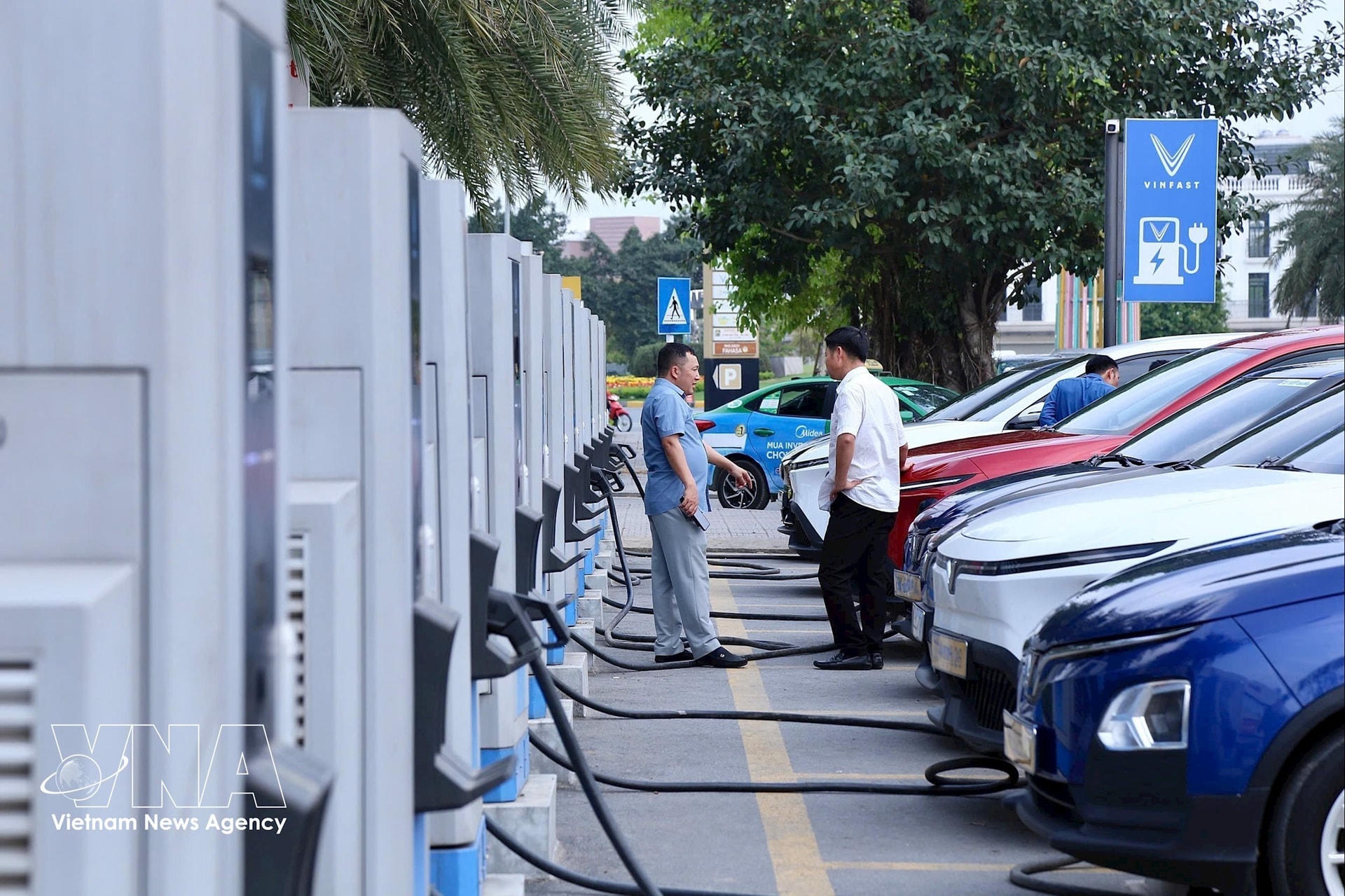
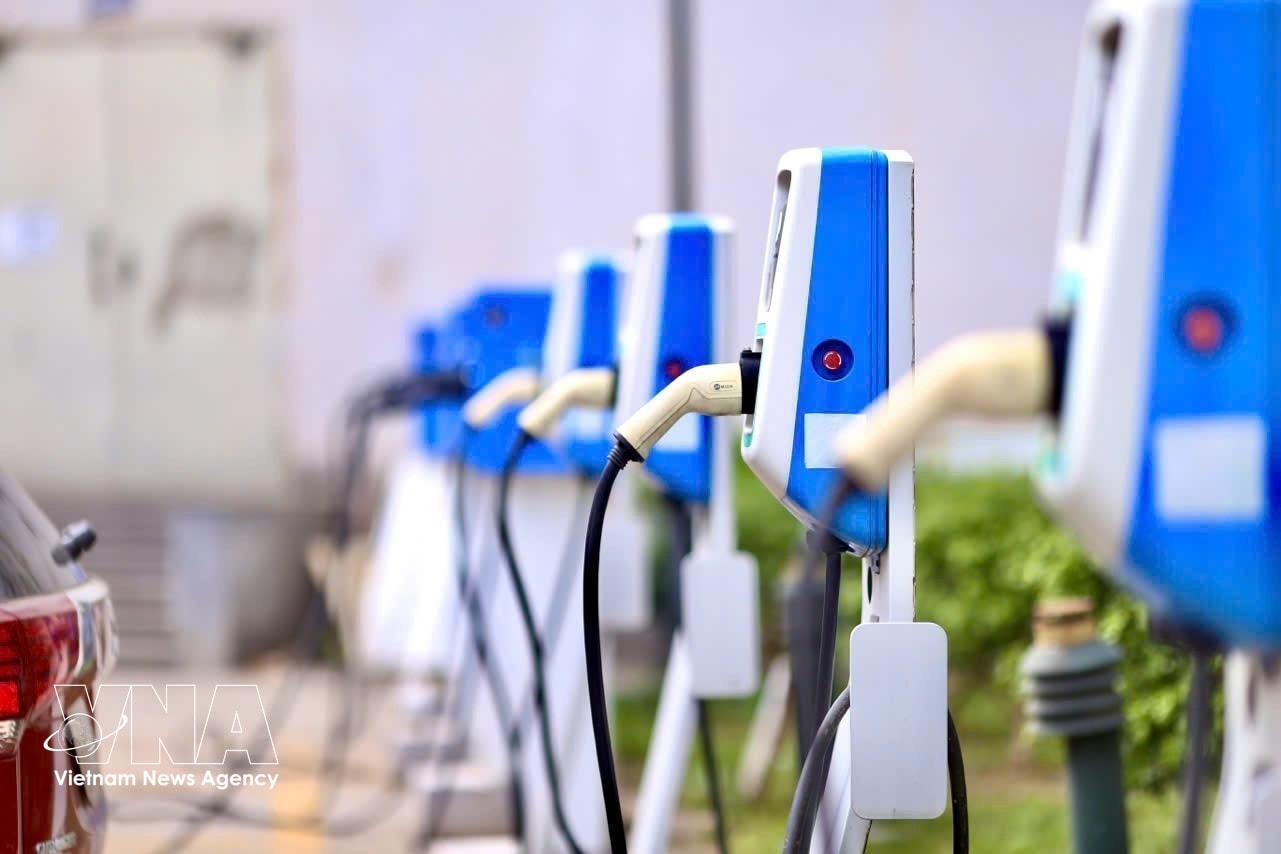
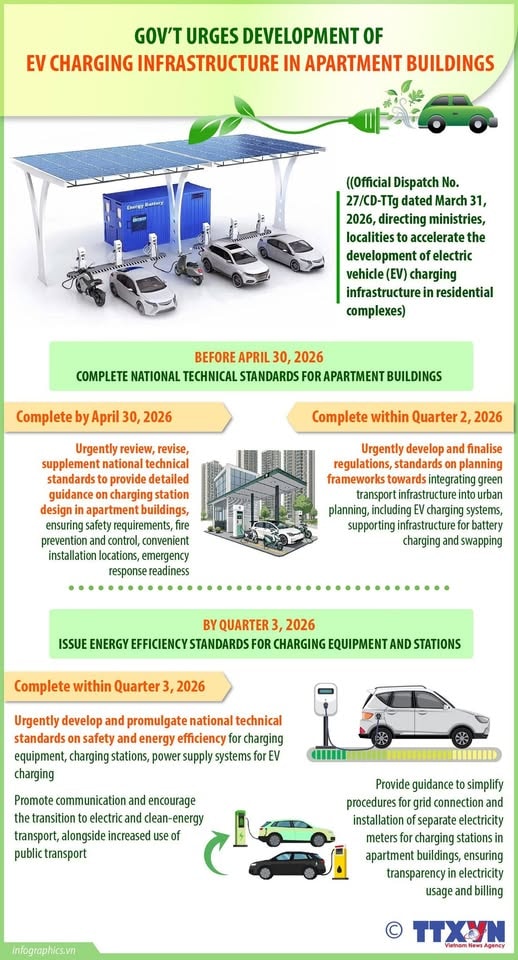
The city also intends to introduce a resolution outlining measures and financial support to facilitate the shift toward clean-energy vehicles. Incentives will be designed to encourage businesses to invest in charging stations, battery-swapping facilities, and related infrastructure.
A charging station for VinFast electric vehicles (Photo: VNA)
Results from a public consultation involving residents and organisations in the proposed low-emission zone indicate broad support for the initiative. Respondents generally view it as a necessary step to improve air quality, while also calling for a clear implementation roadmap and adequate support mechanisms to ensure they can effectively adapt to the transition.
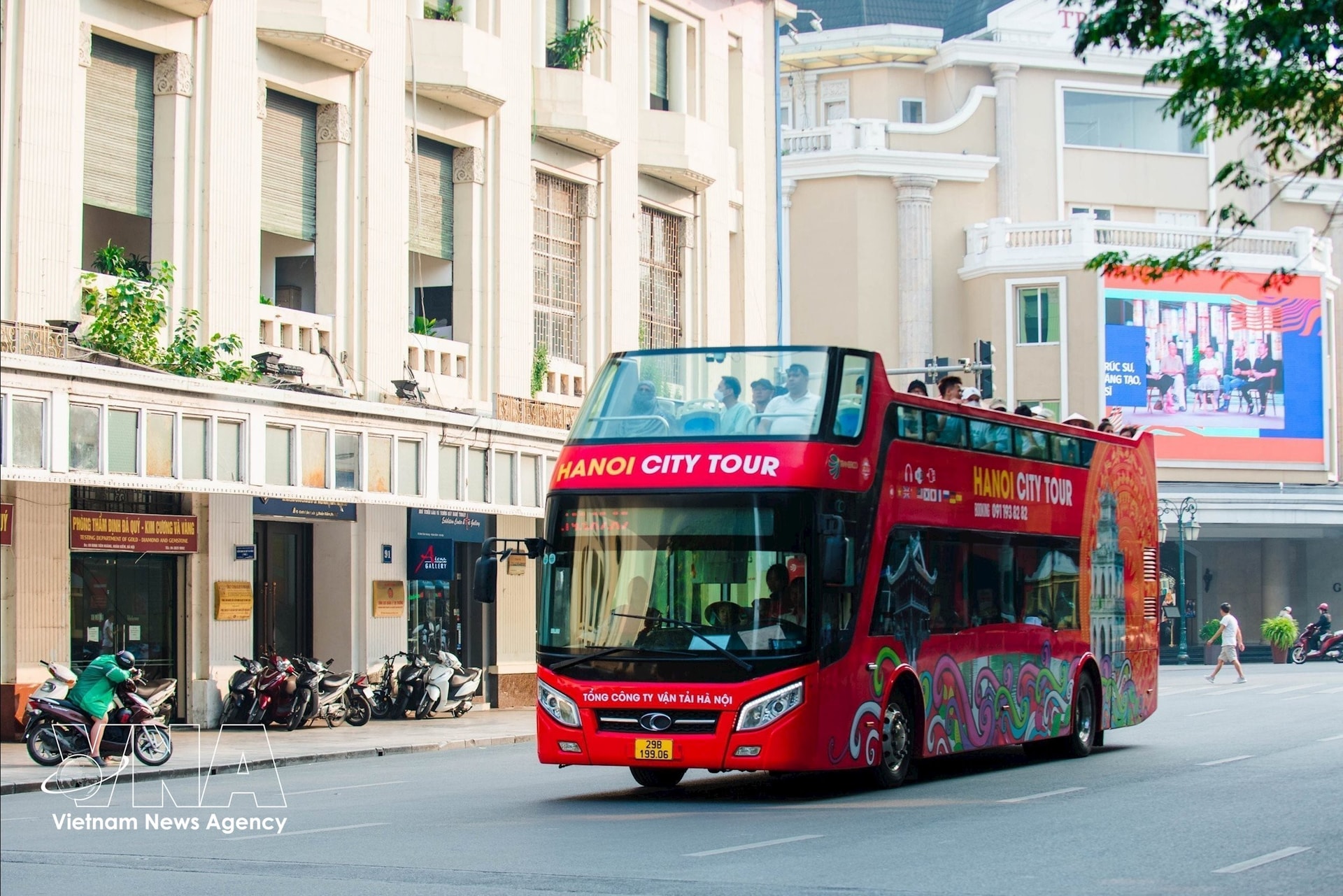
Cyclos, double-decker buses and electric buggies are among the favourite means of transport for international visitors to Hanoi. (Photo: VNA)
Field observations in the Old Quarter and the “core zone” of Hoan Kiem, where the pilot is expected to begin, indicate broad public support. Nguyen Thi Lan, a resident of Hang Bac street, said that no one wants to live in a polluted environment, making emission reduction both necessary and welcome. Her family, she noted, fully backs the initiative.
However, she also pointed out that daily mobility still relies heavily on motorcycles. If private vehicles are restricted before public transport becomes sufficiently convenient, particularly in the evenings or on weekends, residents’ daily lives could be adversely affected. In her view, an effective and reliable alternative transport system needs to be in place before stricter controls are enforced.
While a broad consensus has been observed, some respondents have also voiced concerns over safety during the transition to electric vehicles (EVs), particularly in light of several recent fire incidents involving EV batteries.
“
Reducing emissions is an inevitable trend, but transitioning vehicles, meeting emission standards or shifting to electric vehicles requires substantial initial investment. Without a clear roadmap and sufficiently strong credit support packages, small businesses will find it difficult to keep pace.
Le Minh Tuan, representative of a small transport company in Hanoi’s Old Quarter
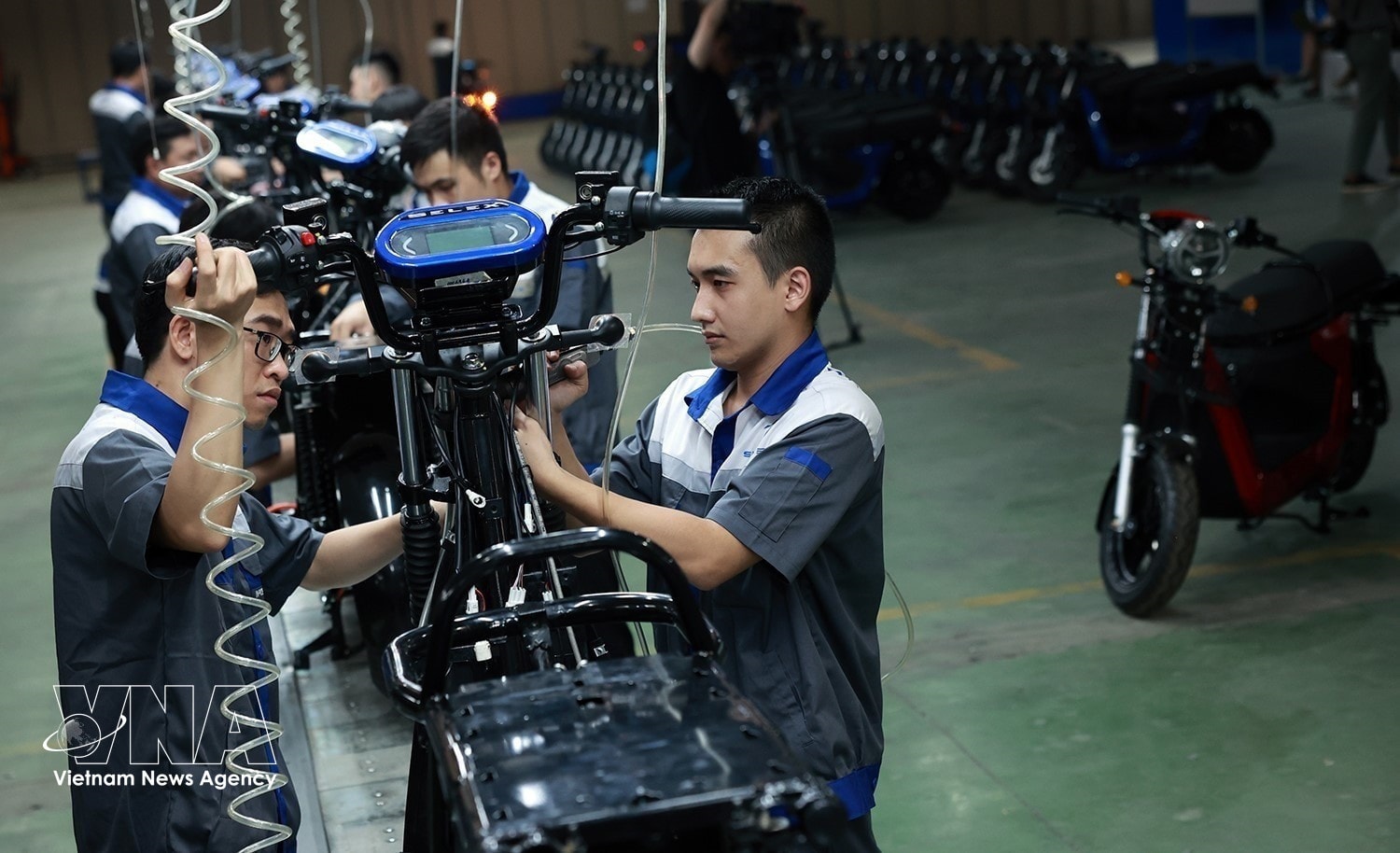
Electric vehicles are manufactured in Hanoi. (Photo: VNA)
These practical insights indicate that while public support for emission reduction policies is clearly evident, it must be accompanied by “soft” policy design and a reasonable transition timeline. Expanding public transport, especially with electric buses and transit infrastructure, combined with financial support, favourable credit options, and clear implementation roadmaps, will be key to making the low-emission zone not just a good idea on paper but also a feasible policy, with active involvement from both citizens and businesses.
Green spaces around Hoan Kiem Lake in Hanoi (Photo: VNA)The pedestrian area around Hoan Kiem Lake is a favourite destination for local residents and international visitors. (Photo: VNA)
With a coordinated approach combining strong political commitment, a well-structured implementation roadmap, and people-centred support policies, the LEZ initiative within Ring Road 1 will create a fundamental shift. By 2030, Hanoi aims to reduce CO₂ and NO₂ emissions by around 30% and PM2.5 emissions from transport by 20% in the area, bringing the annual average PM2.5 concentration to below 40 µg/cu.m. This represents a strong commitment by the capital to protect public health, foster a more livable, green, clean, and sustainable urban environment, and contribute to national response to global climate change./.
Hanoi is striving to become a smart, green and sustainably developed capital city. (Video: VNA)
Bình luận của bạn đã được gửi và sẽ hiển thị sau khi được duyệt bởi ban biên tập.
Ban biên tập giữ quyền biên tập nội dung bình luận để phù hợp với qui định nội dung của Báo.






.jpg)