.jpg "Превращение культуры во внутренний ресурс и движущую силу развития")

Gửi bình luận
Blog
UNLOCKING TOURISM POTENTIAL OF HOI AN’S SOUTHERN COASTLINE
Da Nang possesses nearly 200km of coastline - the longest in Vietnam, with scenic landscapes and favourable natural conditions for tourism and service development.
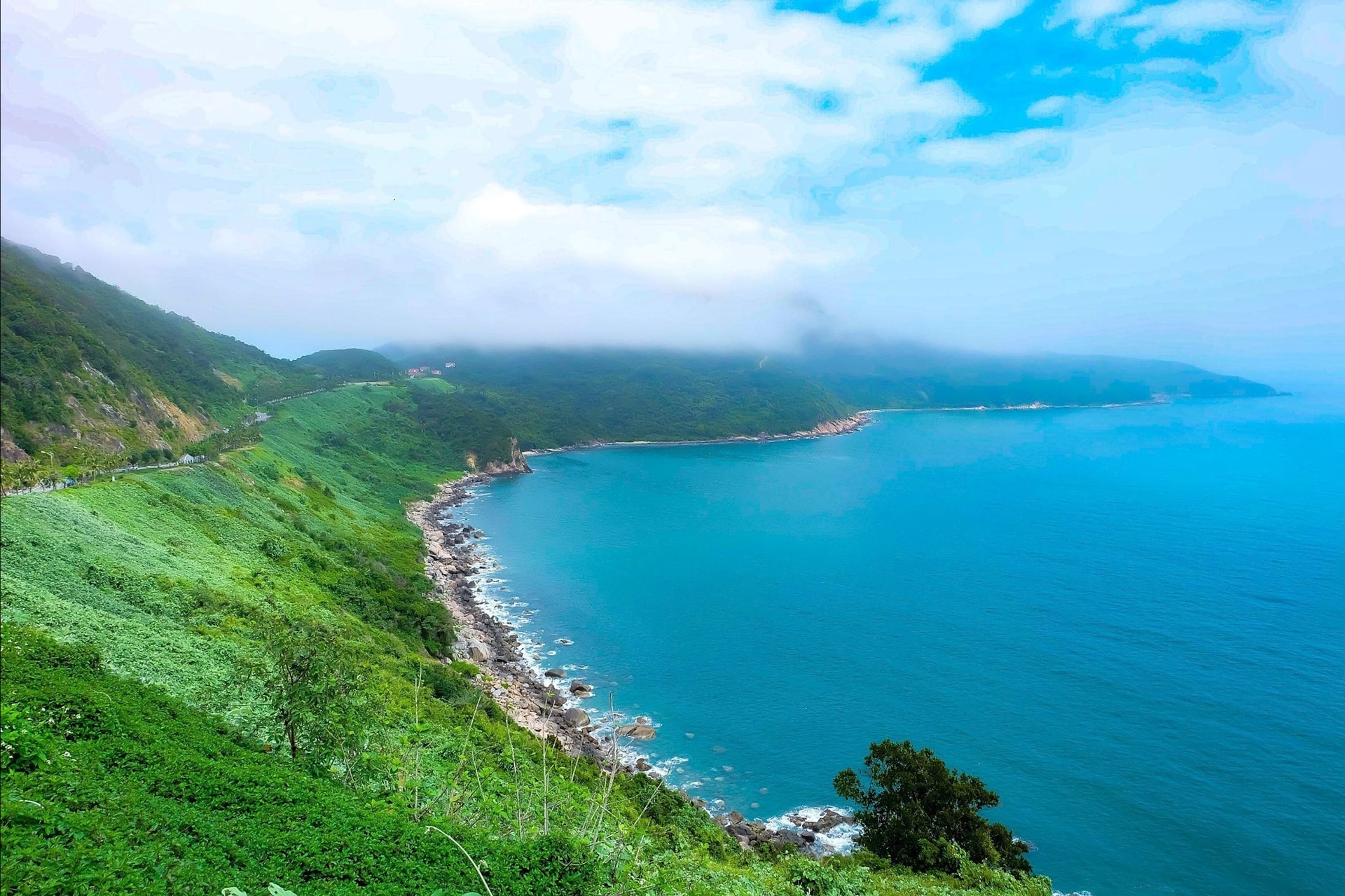
The central city of Da Nang possesses nearly 200km of coastline - the longest in Vietnam, with scenic landscapes and favourable natural conditions for tourism and service development. However, only about half of this coastline has been utilised for tourism activities, mainly concentrated in central Da Nang and Hoi An Ancient Town. Large stretches of coastline south of Hoi An remain largely untouched, holding significant potential for future development.
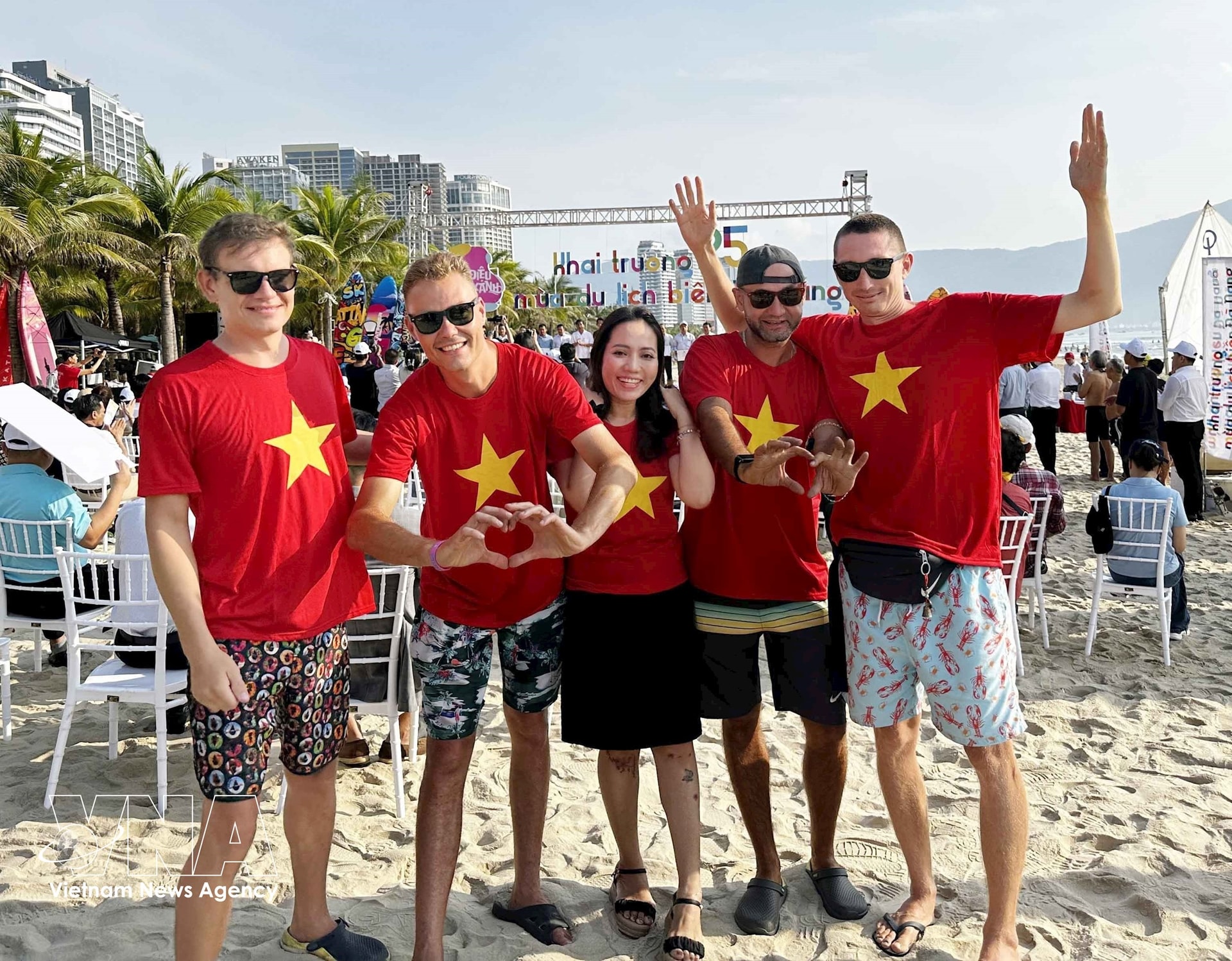

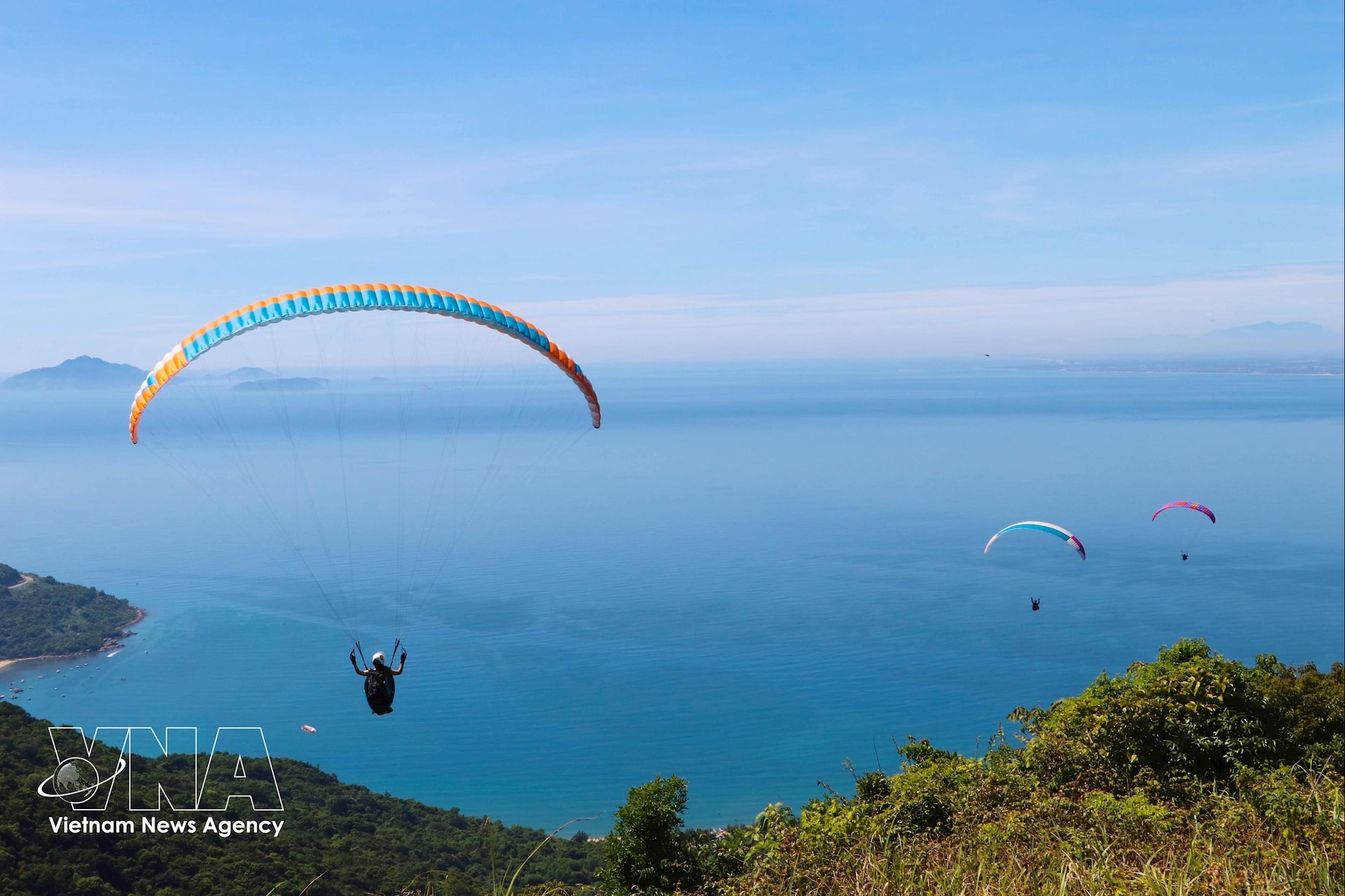
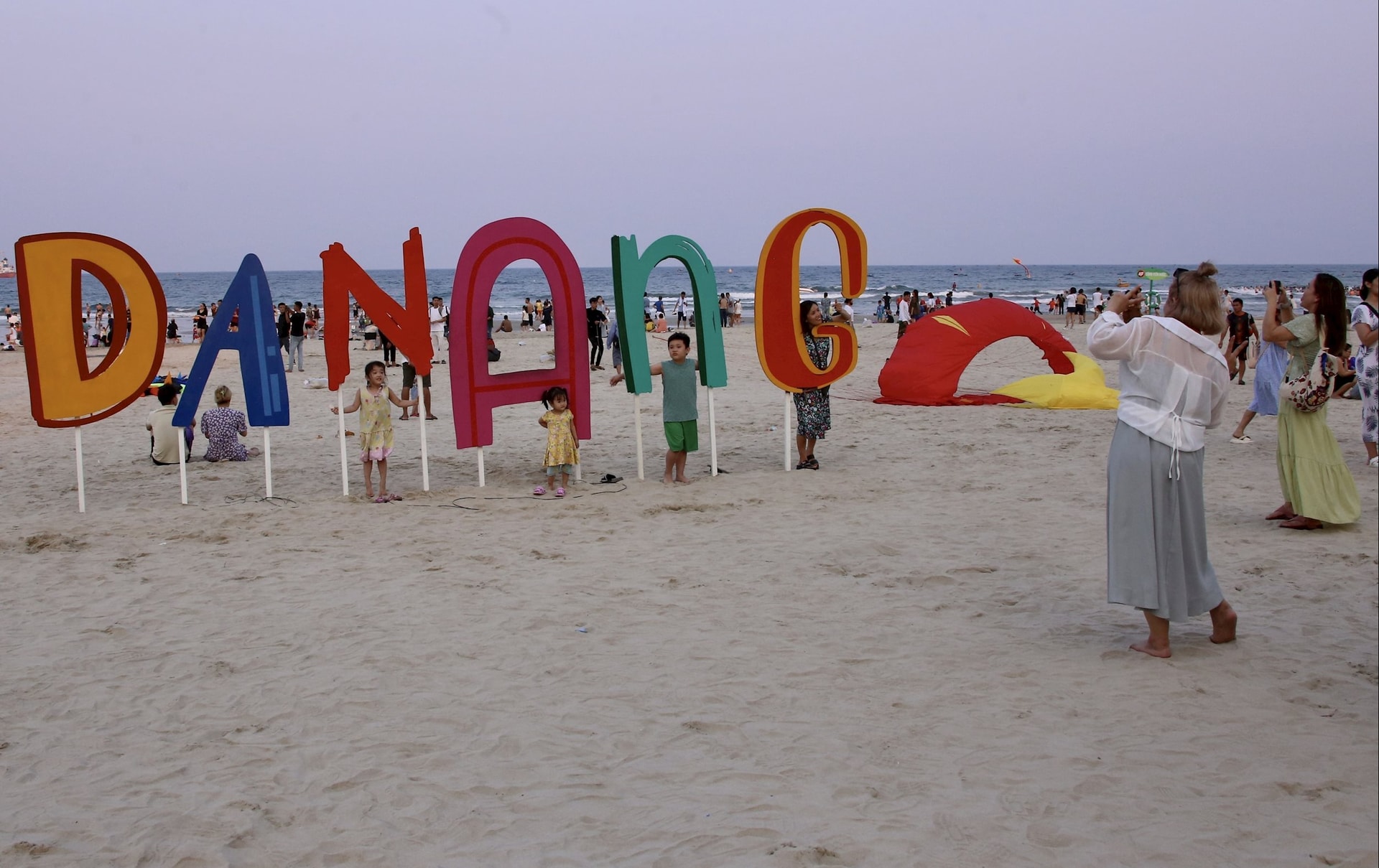
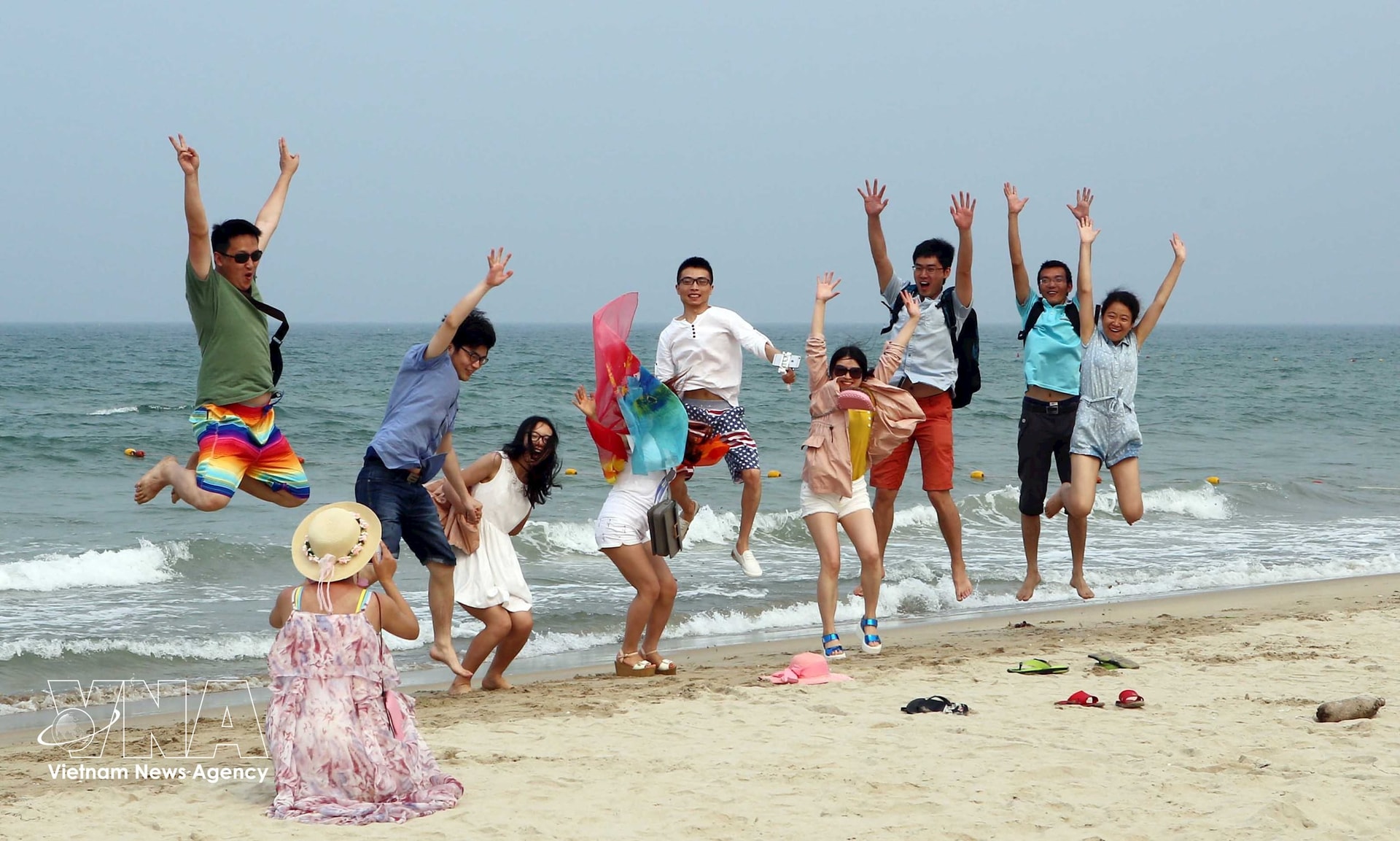
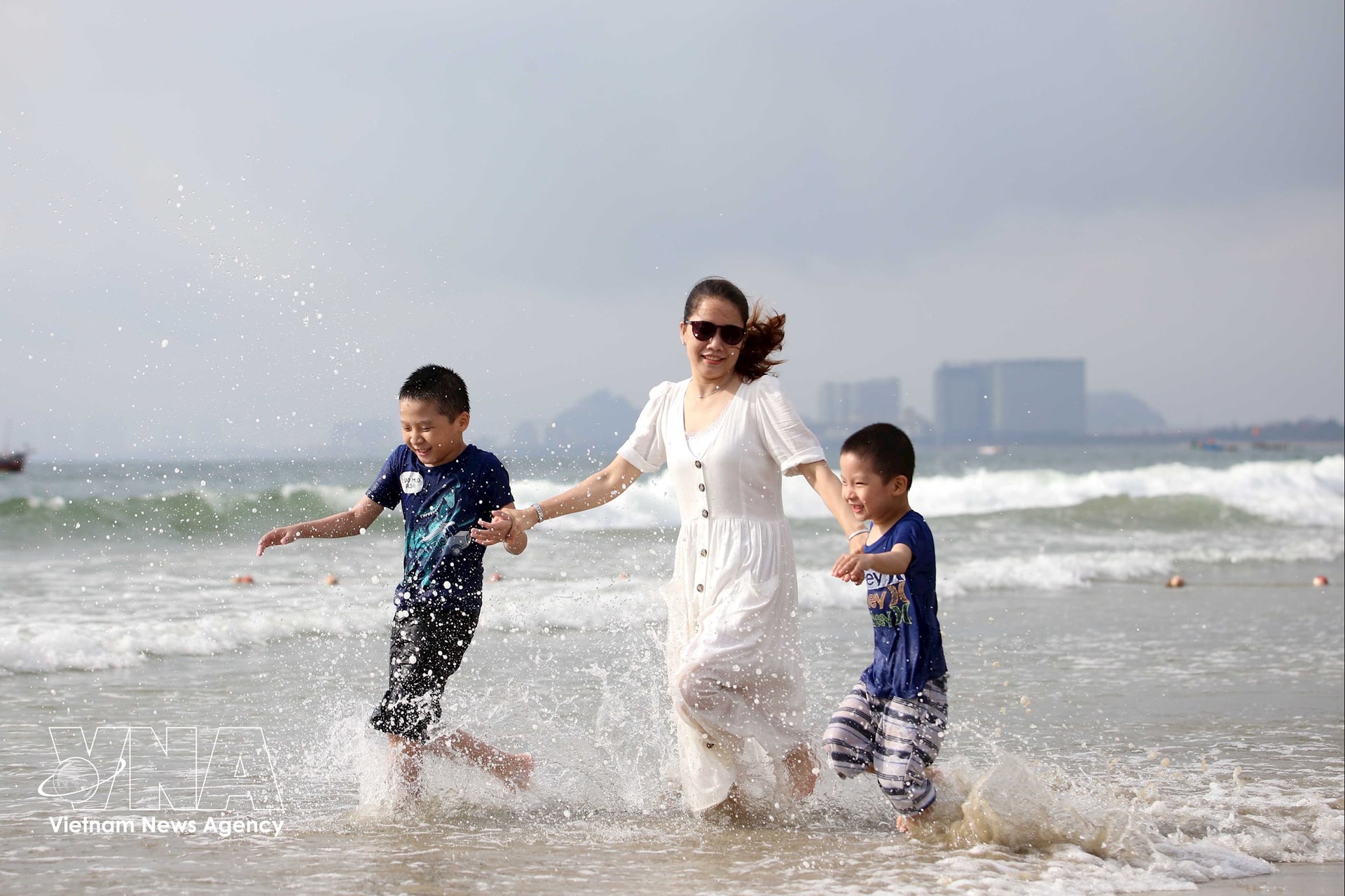
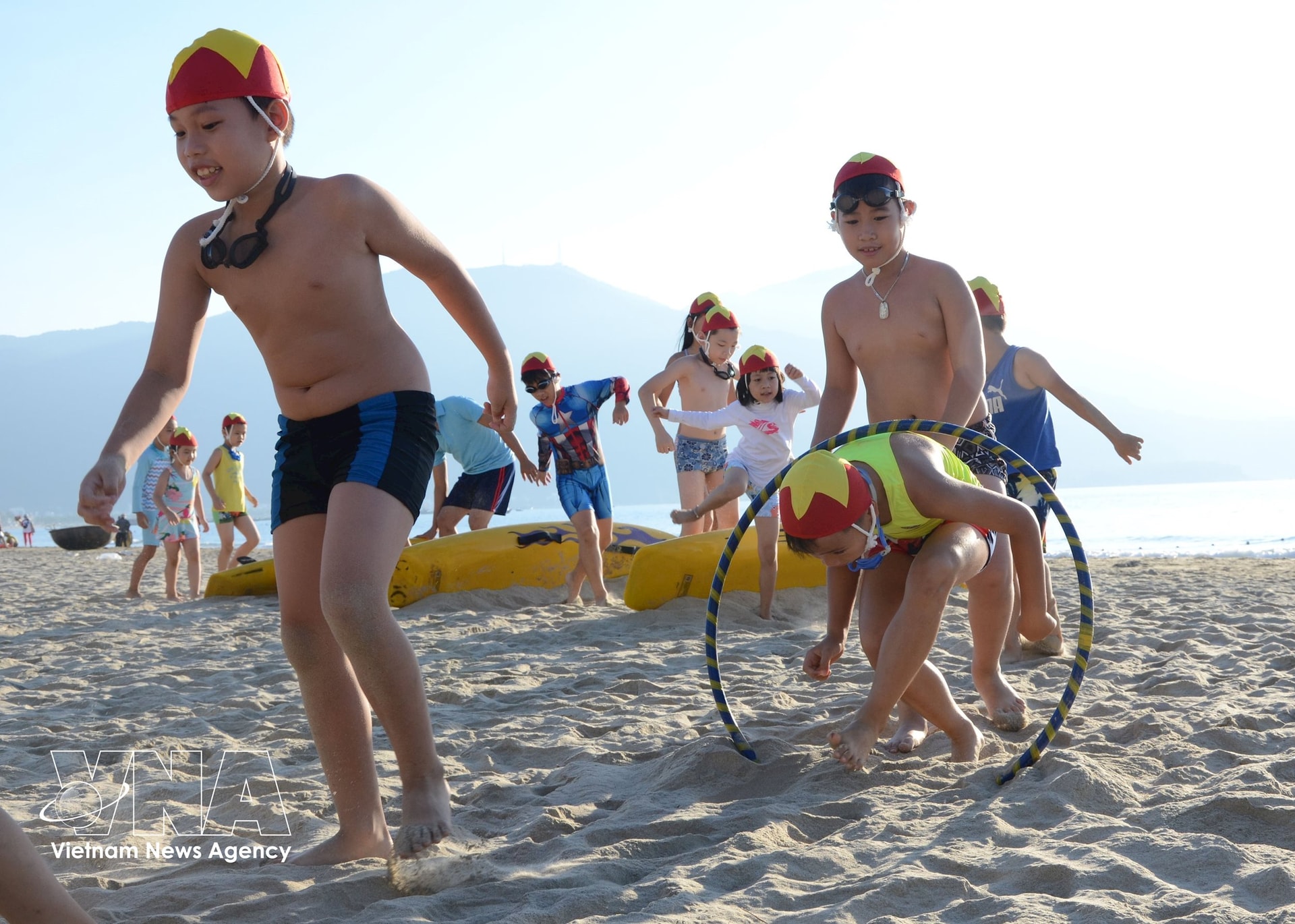
Various sea-themed activities in Da Nang attract both local residents and international visitors. (Photo: VNA)

Gradual development of community-based tourism
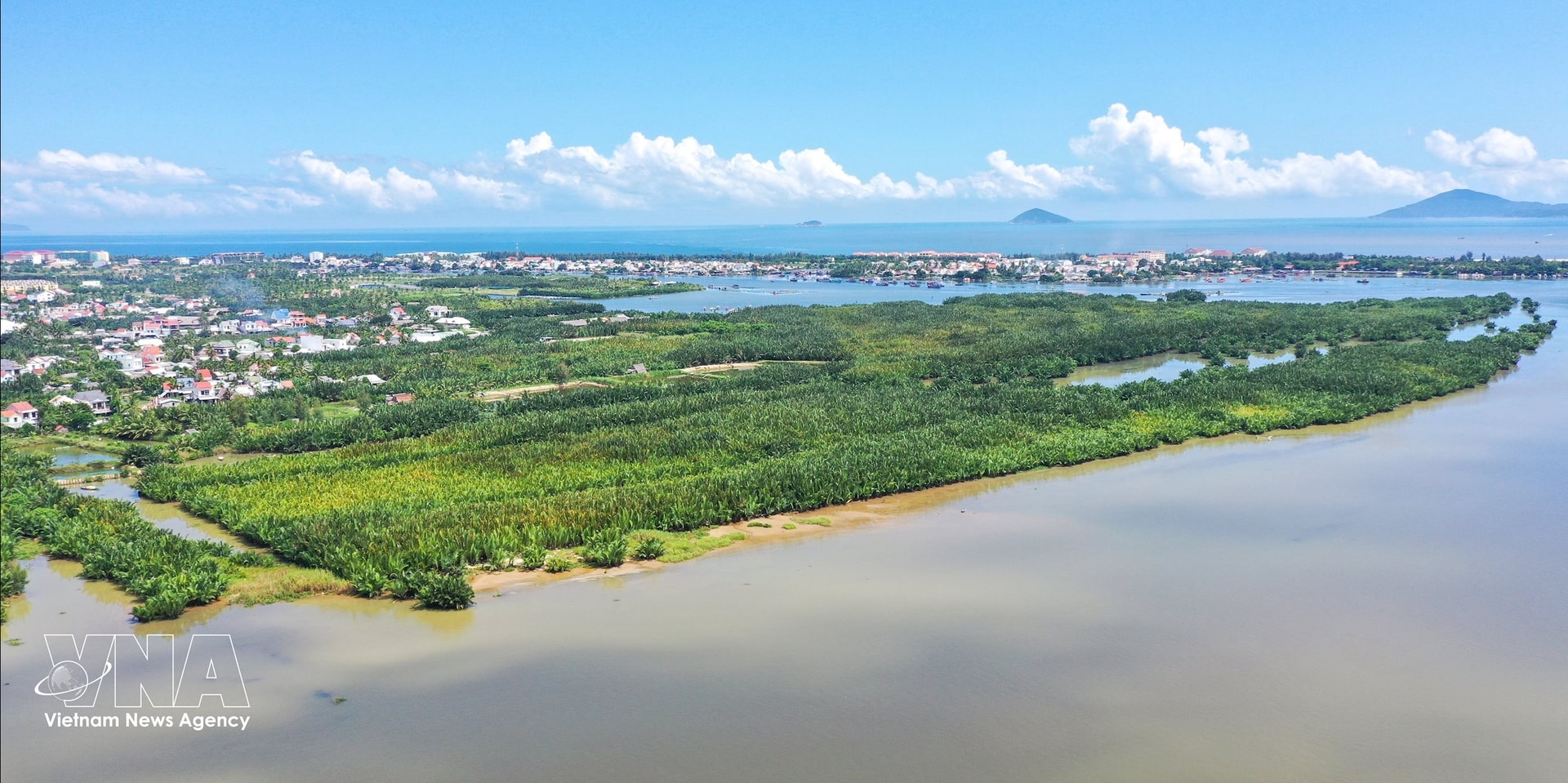
Thang An commune in Da Nang, formerly comprising Binh Duong, Binh Dao, Binh Minh, Binh Giang and Binh Trieu communes of Thang Binh district in the former Quang Nam province, has favourable conditions for tourism development. Located just south of Hoi An Ancient Town, the commune features dozens of kilometres of coastline with unspoiled fishing villages and friendly local communities. Following the completion of the Vo Chi Cong coastal road, tourism and service activities in the area have gradually developed, attracting both domestic and international visitors.
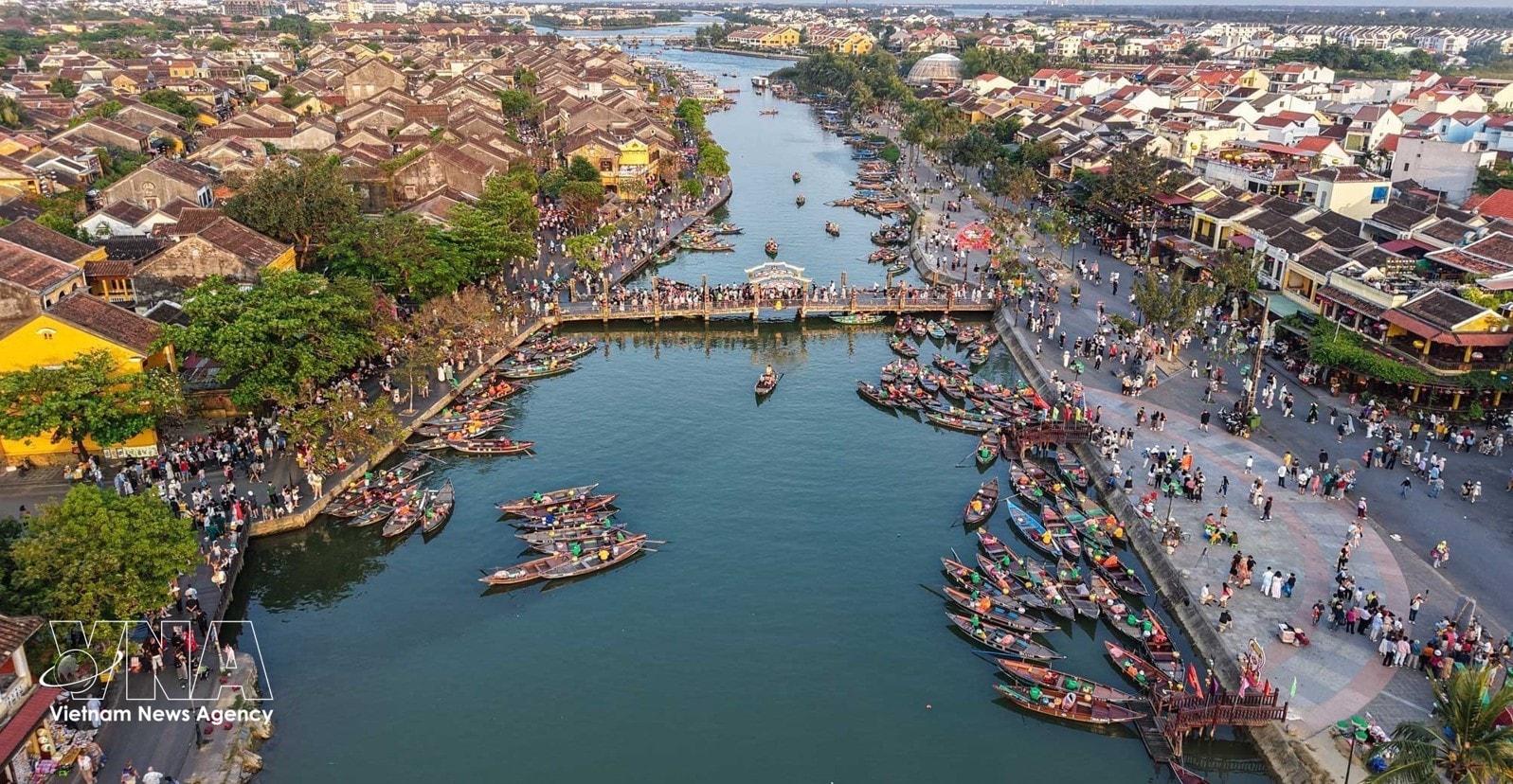
Hoi An Ancient Town, with its distinctive historic charm, remains a popular destination for both domestic and international visitors. (Photo: VNA)

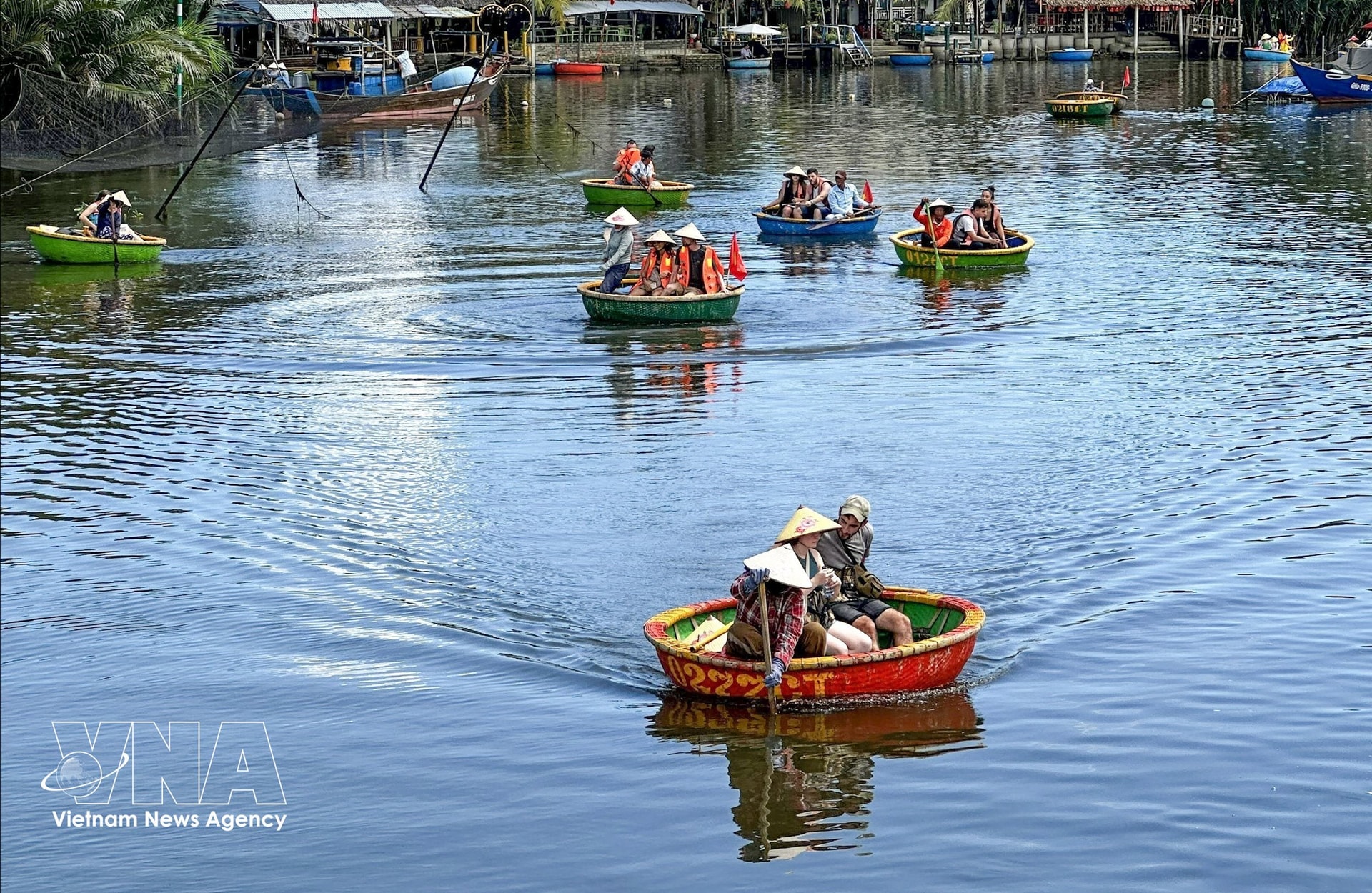
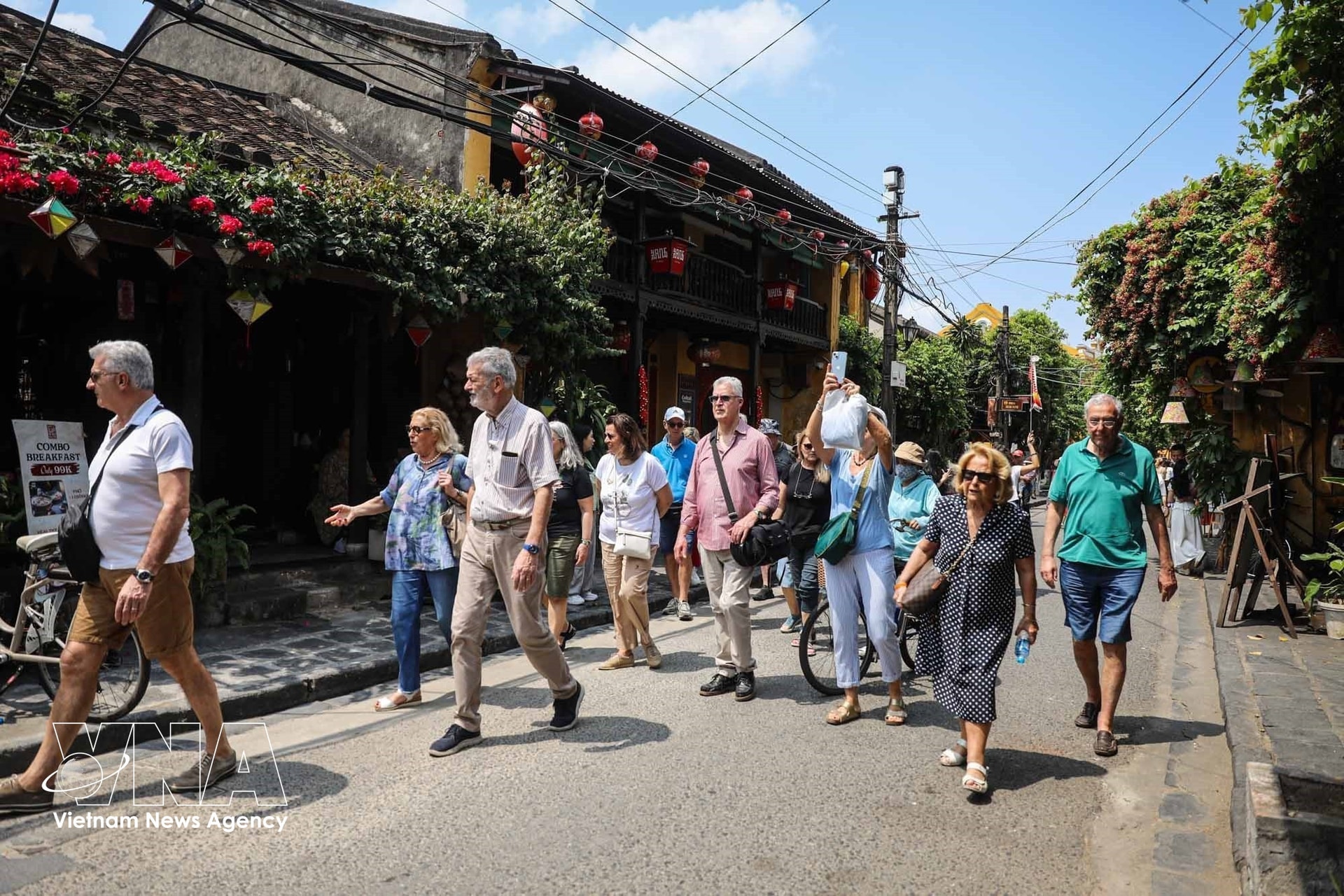
Basket boat rides along rivers are a popular experience among visitors to Cam Thanh village, which was named one of the world’s 50 most beautiful villages in 2025 by US magazine Forbes. (Photo: VNA)
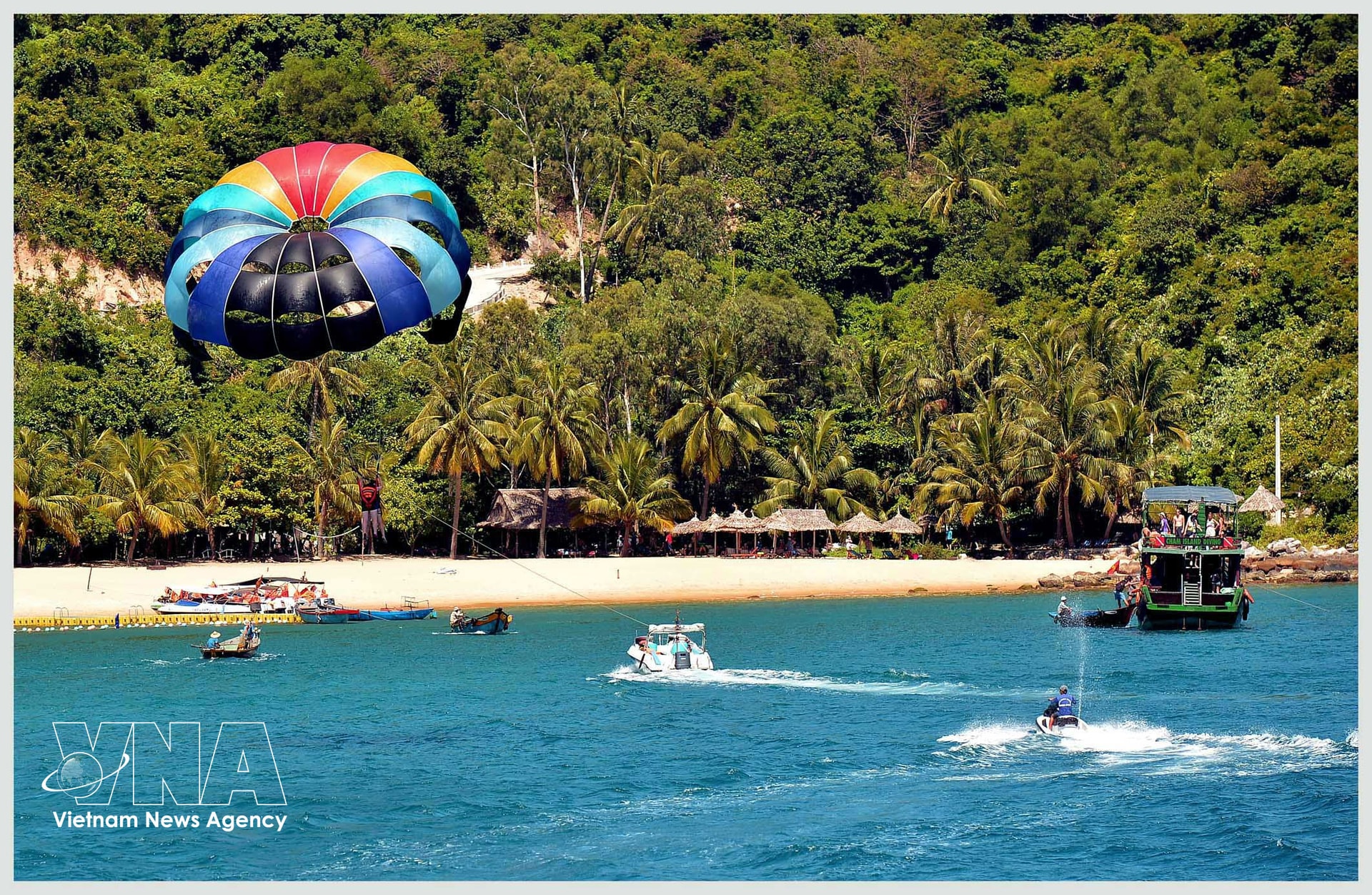
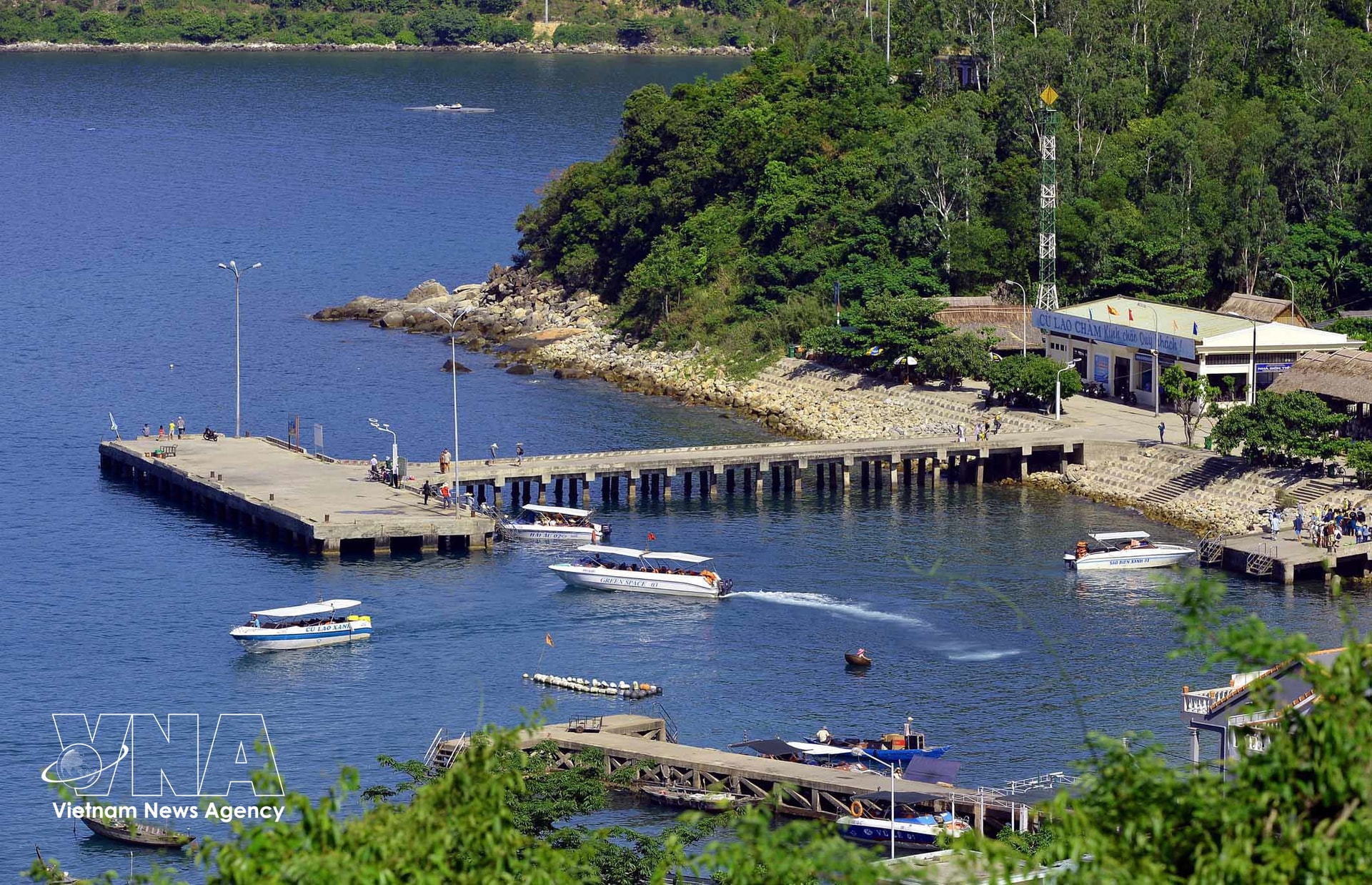
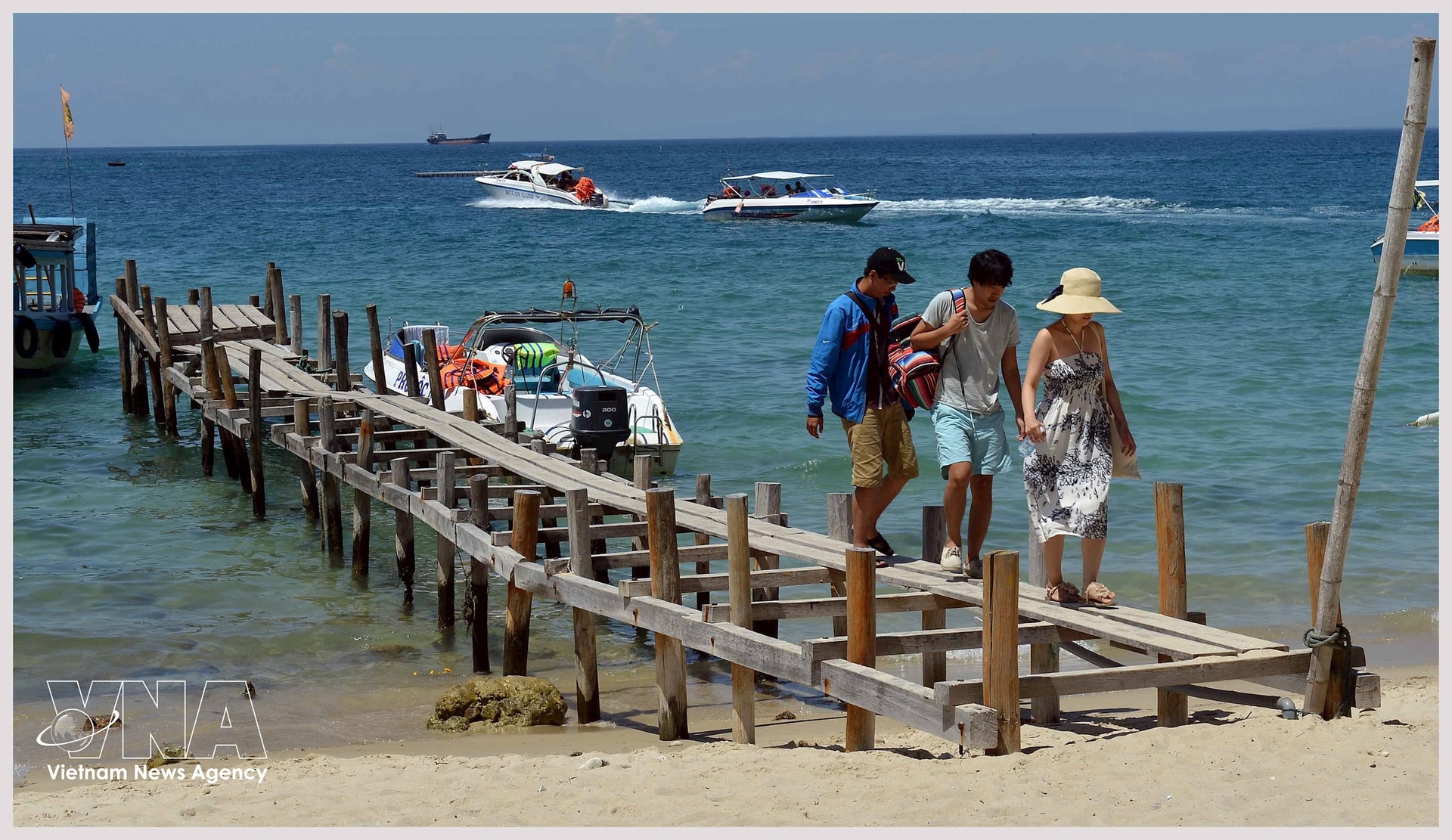
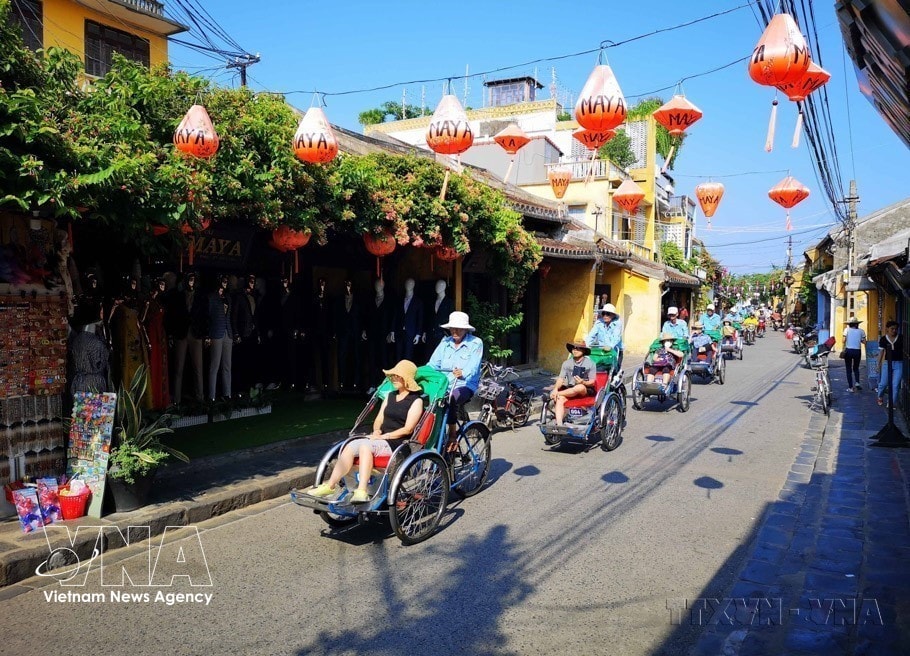
Recognised by UNESCO as a World Biosphere Reserve, Cu Lao Cham is a popular attraction for visitors to Hoi An. (Photo: VNA)
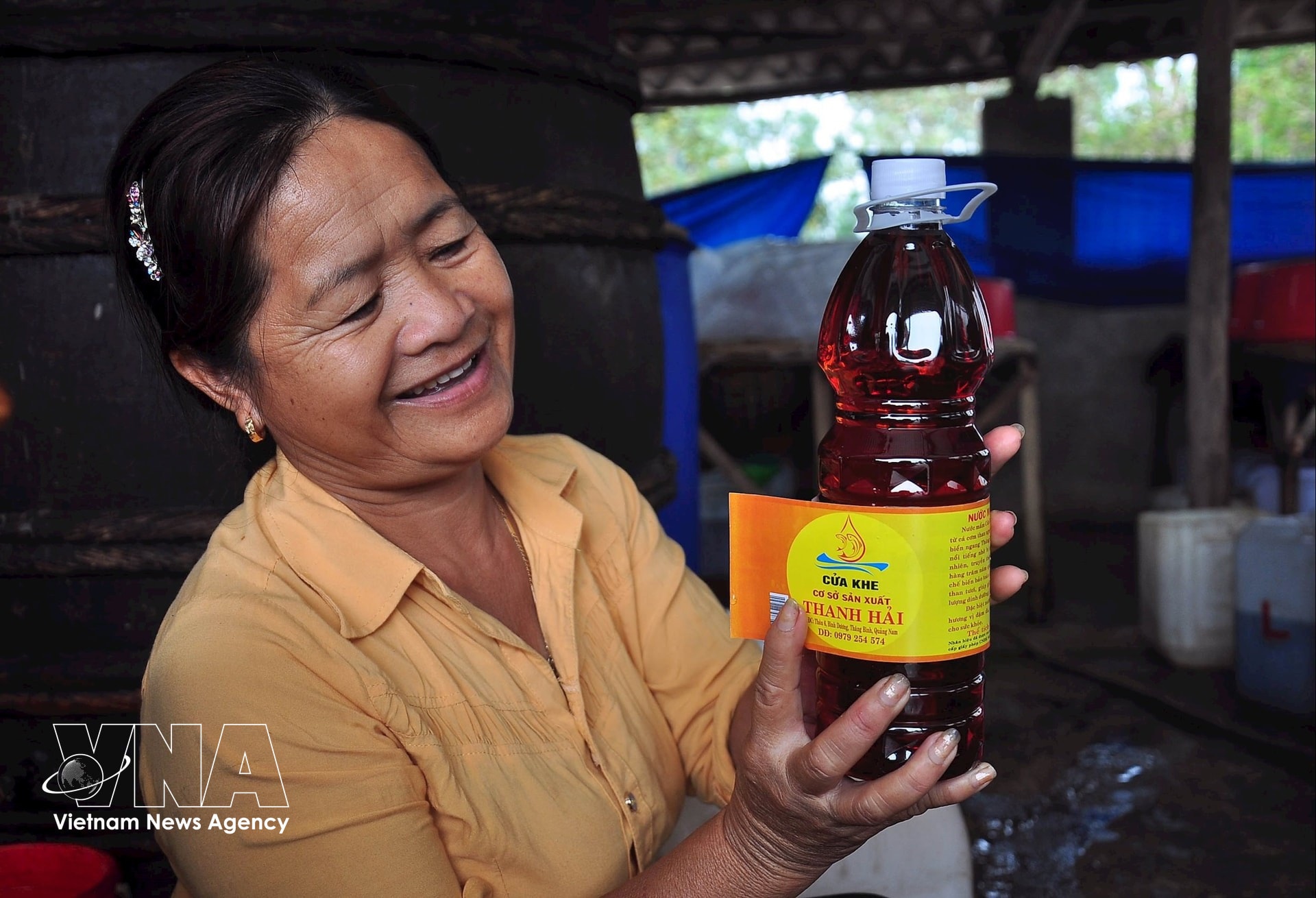
Ha Thanh Tuoi, owner of the Cua Khe Tam Tuoi fish sauce facility in Thang An commune, said an increasing number of international tourists have visited the production site and purchased fish sauce as gift. His family has arranged a garden space to display traditional fish sauce-making practices, fishing tools and mural paintings to serve visitors. Many households in the Cua Khe fish sauce village have also opened homestays and food services to cater to tourists seeking local experiences and beach activities.
Nguyen Thanh Phong, Deputy Secretary of the communal Party Committee and Chairman of the communal People’s Committee, said the locality aims to complete its master plan by 2030, with tourism and services identified as key economic sectors. Marine tourism development is considered a strategic direction. However, alongside attracting visitors, the commune will strengthen planning management, preserve coastal green belts and guide residents in developing professional homestay and catering services while ensuring environmental protection.
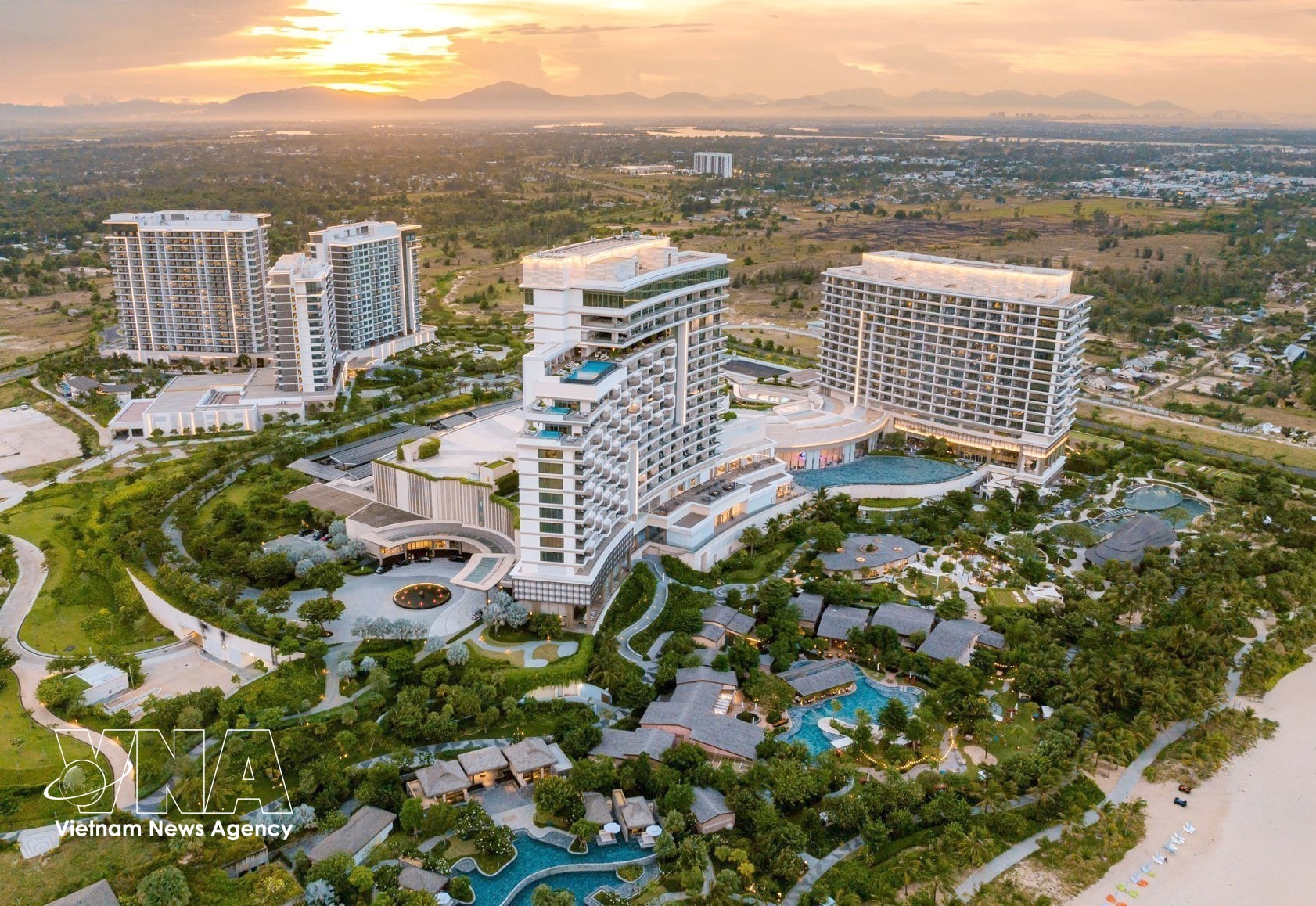
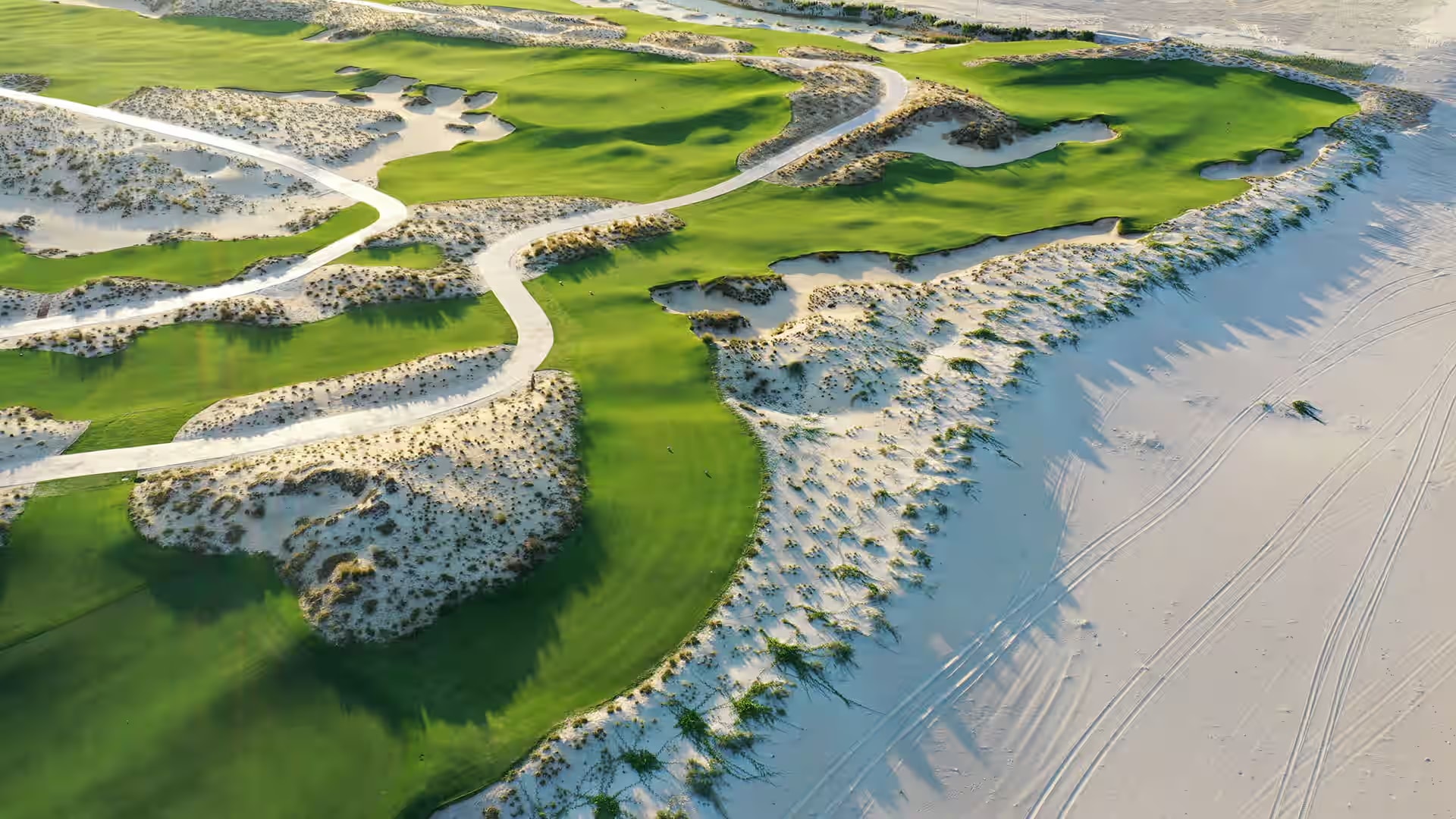
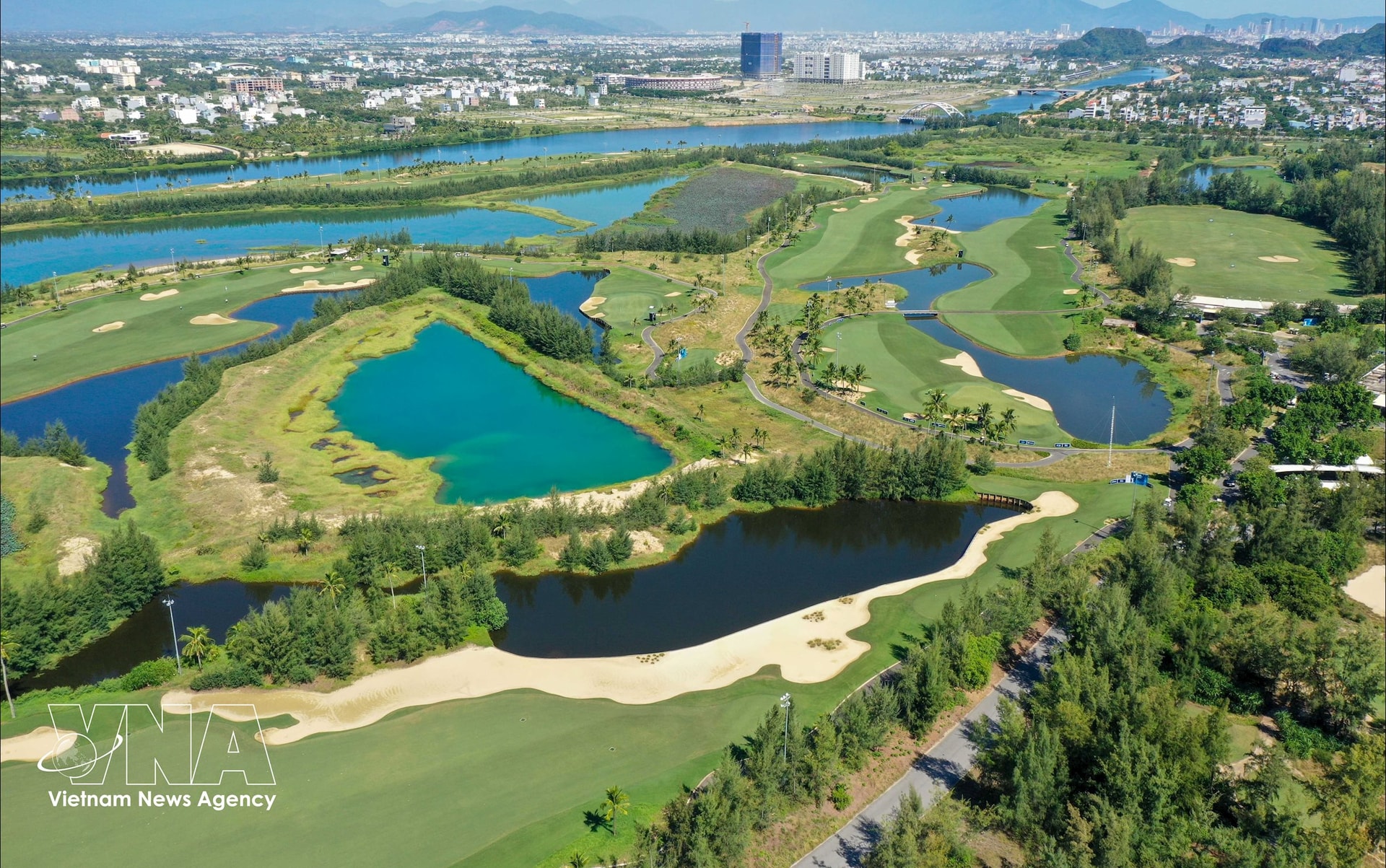
Hoiana Resort & Golf, one of the first major projects developed along the southern coast of Da Nang.
(Source: VNA, Hoiana Resort & Golf)
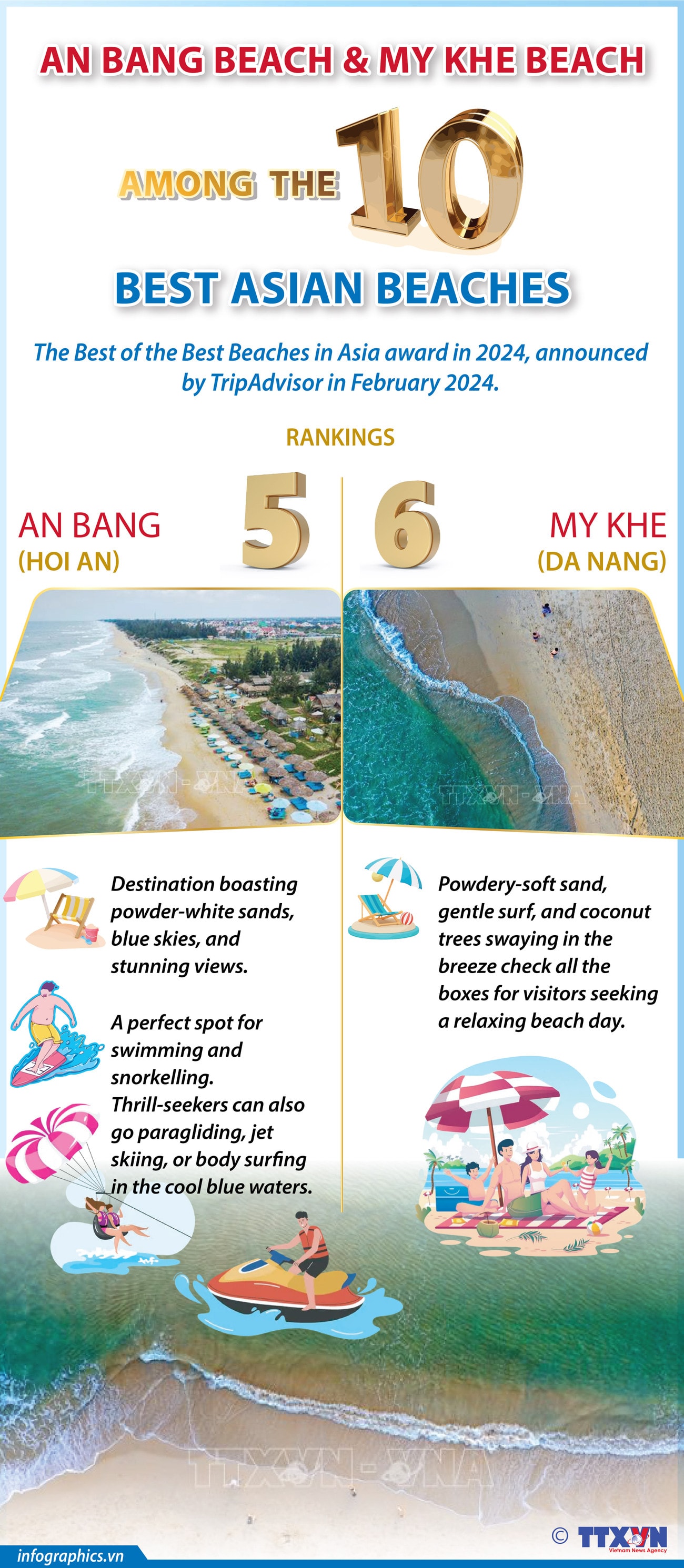
Nguyen Ha Nam, Director of the Da Nang Department of Construction, said that under the city’s master plan, the new urban pole south of Hoi An is expected to become a key development highlight. Located south of Thu Bon River, the area possesses extensive land resources, attractive landscapes, favourable natural conditions and synchronised infrastructure connectivity. It is oriented towards becoming a comprehensive green and smart urban area, as well as a regional centre for events, tourism, entertainment and sports.
Upgrading infrastructure to attract strategic investors
Many well-known tourism and resort projects are already operating effectively in Thang An commune, including Hoiana Resort & Golf, Vinpearl Resort & Golf and Bliss Hoi An Beach Resort. Nevertheless, significant coastal land resources remain available for investment and future development.
Nguyen Vinh Tran, General Director of Nam Hoi An Development Co., Ltd., said that following administrative restructuring, the southern coastal area of Da Nang remains a region with substantial development space. With abundant land resources, a gateway location connecting Da Nang, Hoi An and Chu Lai, and proximity to heritage sites, the area has strong potential to develop distinctive tourism products such as high-end resorts, interregional cultural and heritage tourism, MICE tourism, marine sports and golf tourism.
He noted that within the next five years, once transport connectivity is fully completed — including road, waterway and urban rail systems — the southern Da Nang coastline could evolve into a modern coastal urban complex where tourism, commerce, entertainment and marine sports complement one another, forming a sustainable and distinctive ecosystem for the central region.
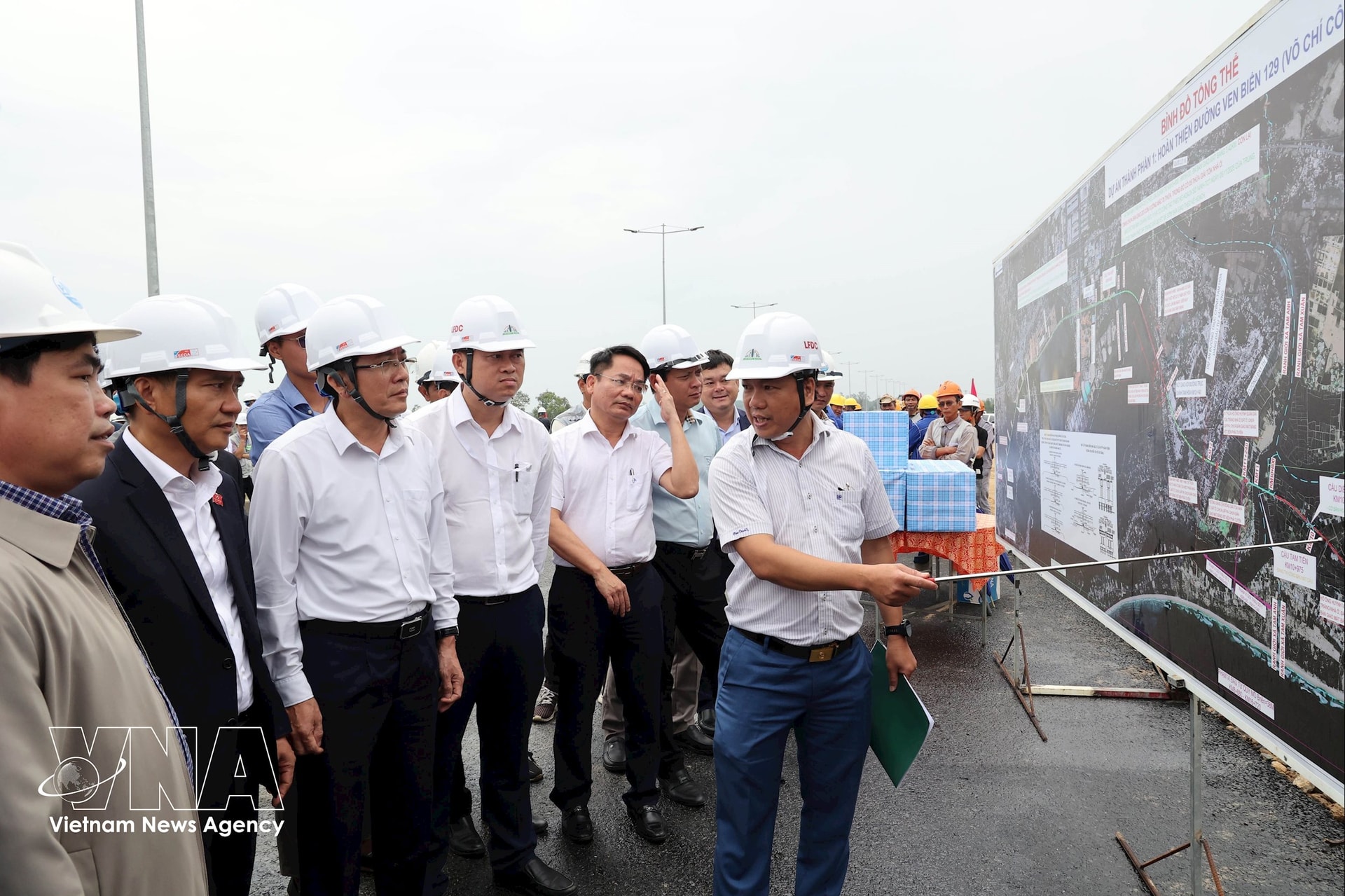
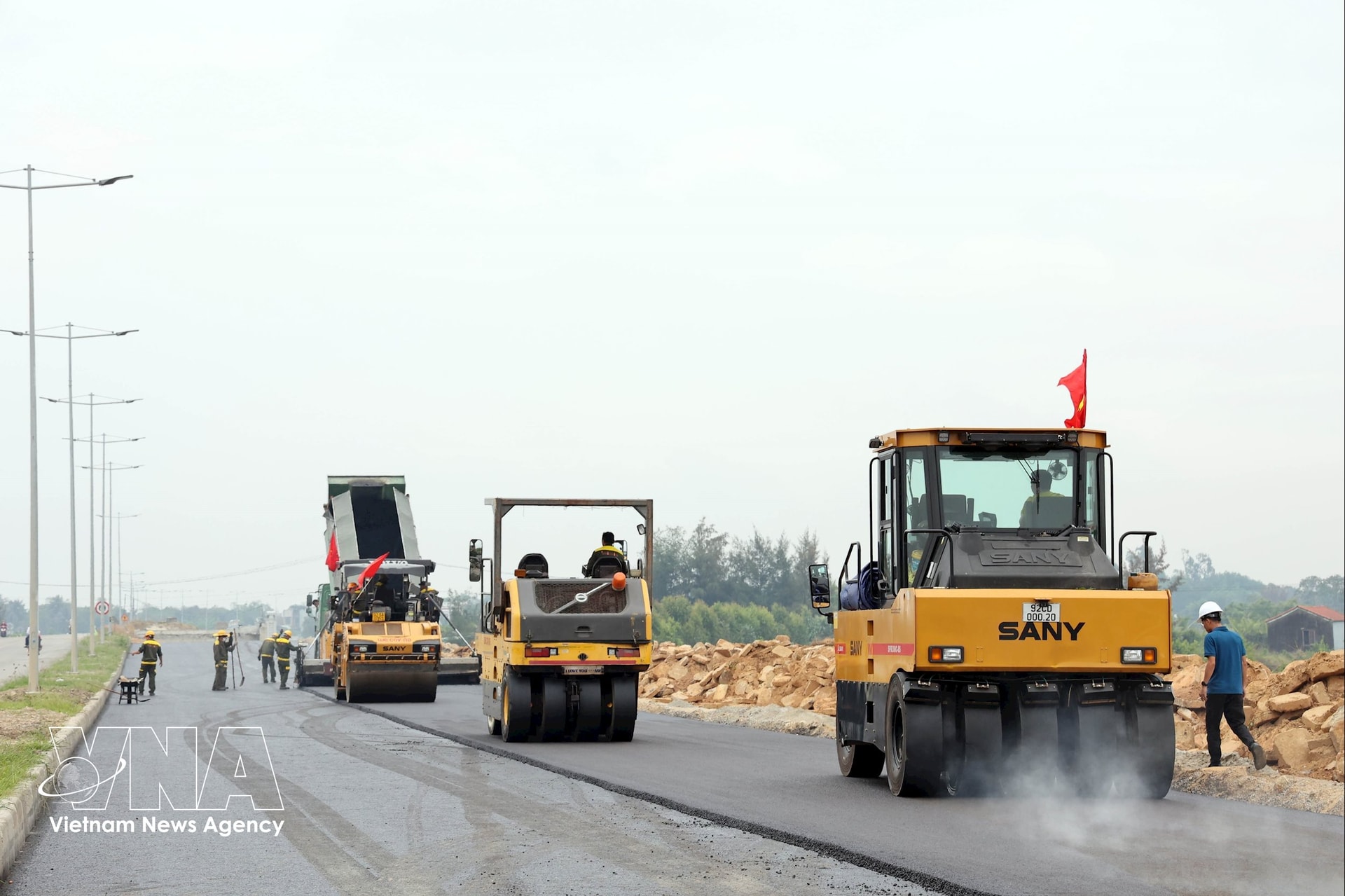
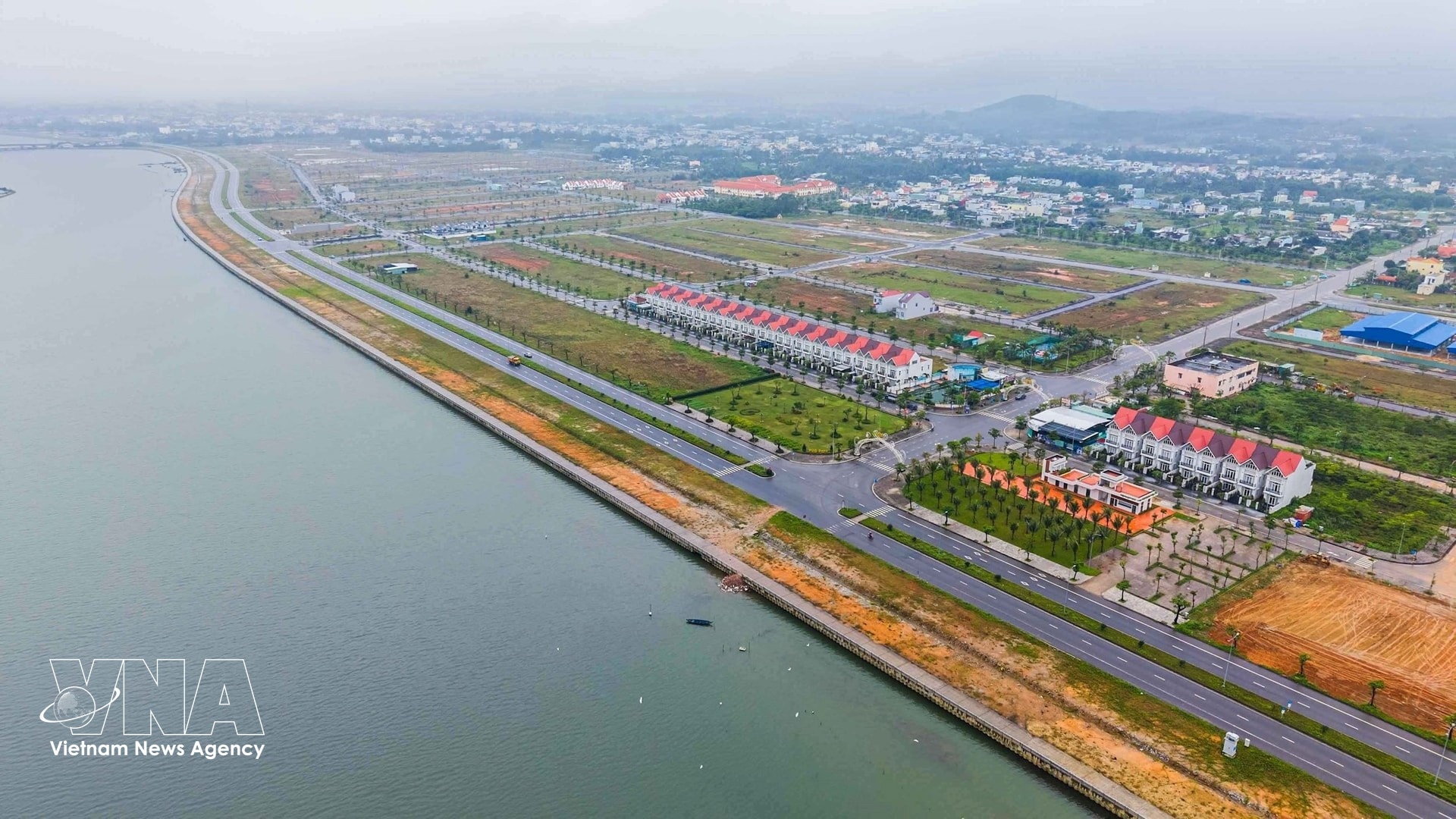
Priority is being given to building coastal Road 129 (Vo Chi Cong), contributing to socio-economic development in southern Da Nang. (Photo: VNA)
To capitalise on this opportunity, the company has developed Hoiana Resort & Golf to anticipate future growth. In the coming period, investment will focus on expanding a modern MICE complex to meet rising demand for conferences, exhibitions and international events, while enlarging the golf system from one to three courses to create an international-standard golf destination.
Building a comprehensive tourism ecosystem is expected to help transform the southern Da Nang coastline into a strategic destination on both the Vietnamese and global tourism map.


According to Phong, Thang An commune holds strong advantages for investment attraction thanks to its proximity to Hoi An and its connection via the Vo Chi Cong coastal road linking Da Nang centre and the former Tam Ky city within about 40km. However, to attract large-scale commercial and service projects, coastal residential areas need to be replanned and resettlement zones arranged to create clean land funds for investors. The commune has proposed continued investment in upgrading north–south and east–west transport routes, particularly completing the road linking the commune centre to Binh Duong Beach.
Regarding regional development planning, Nam said that by 2030, the eastern coastal plain of Da Nang, stretching from the city centre to Nui Thanh commune, will complete planning and institutional frameworks, develop smart infrastructure connectivity and invest in digital infrastructure to shorten travel times between urban nodes. Transit-oriented development (TOD) models will be implemented to form new urban areas and reduce pressure on central areas. By 2035, integrated infrastructure systems, including urban railways and bus rapid transit routes, are expected to operate synchronously, supporting the development of the Nam Hoi An tourism and entertainment centre./.