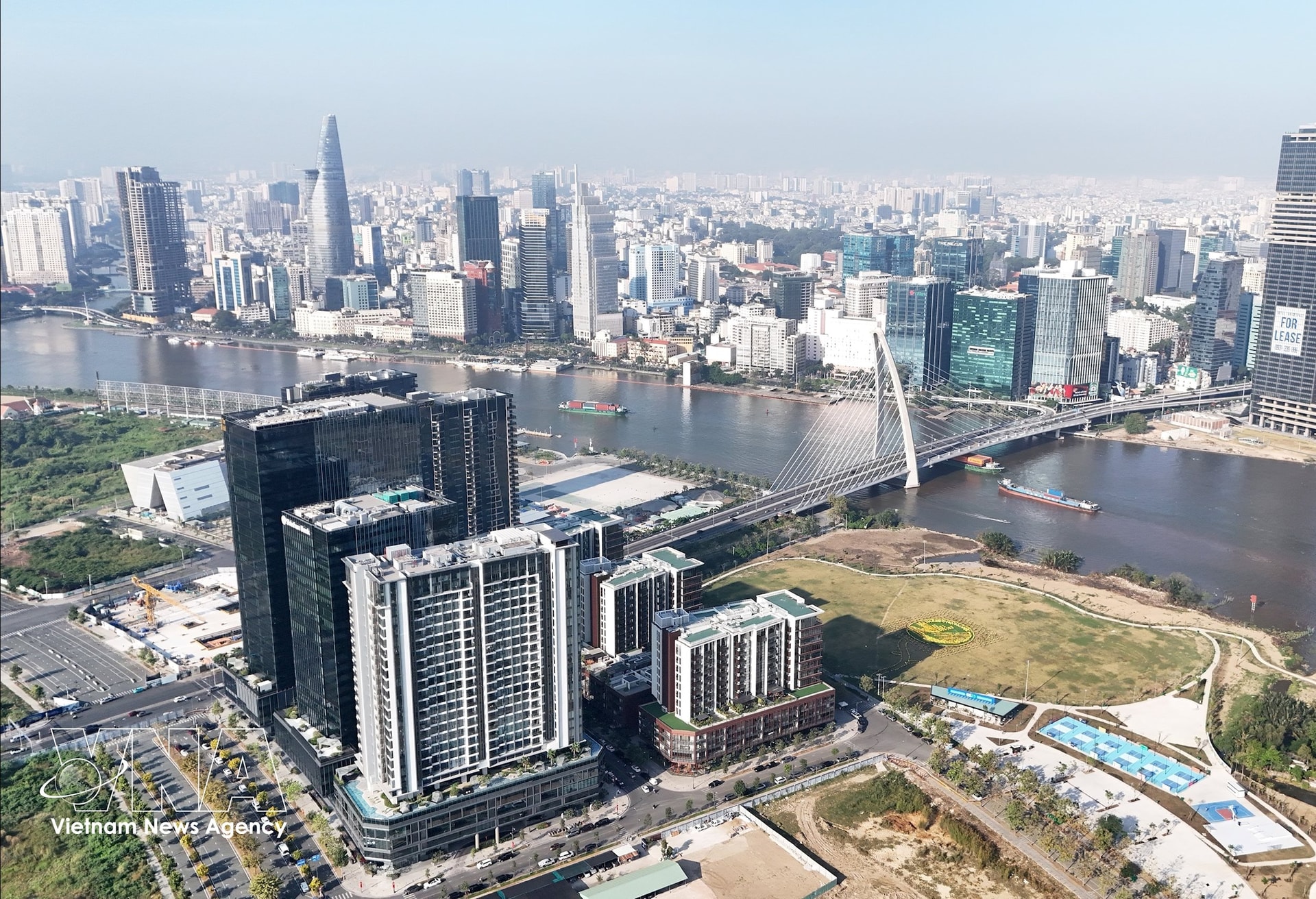
NEW INSTITUTIONAL FRAMEWORK POWERS HO CHI MINH CITY’S NEXT GROWTH LEAP
VNA•11/06/2026 15:25
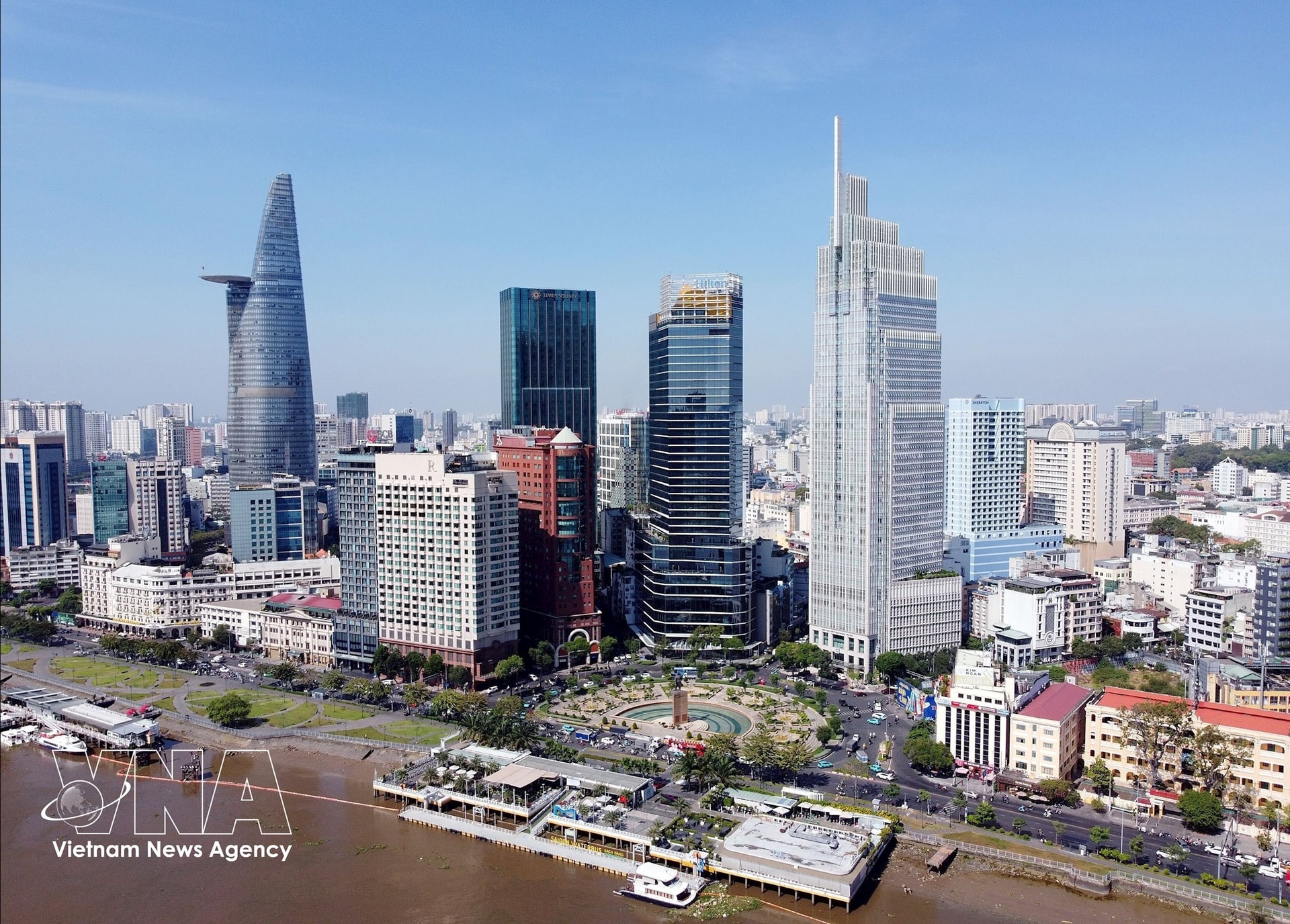
Anh minh hoa: TTXVN
The Politburo’s issuance of Resolution No. 09-NQ/TW on May 19, 2026, on building and developing Ho Chi Minh City in a new era has provided a strong political foundation for the city to accelerate its development in the years ahead.
The resolution sets out strategic priorities and key directions while serving as a crucial basis for aligning thinking and action across central agencies, Party committees, Party organisations and the entire political system in Ho Chi Minh City, ensuring its swift implementation.
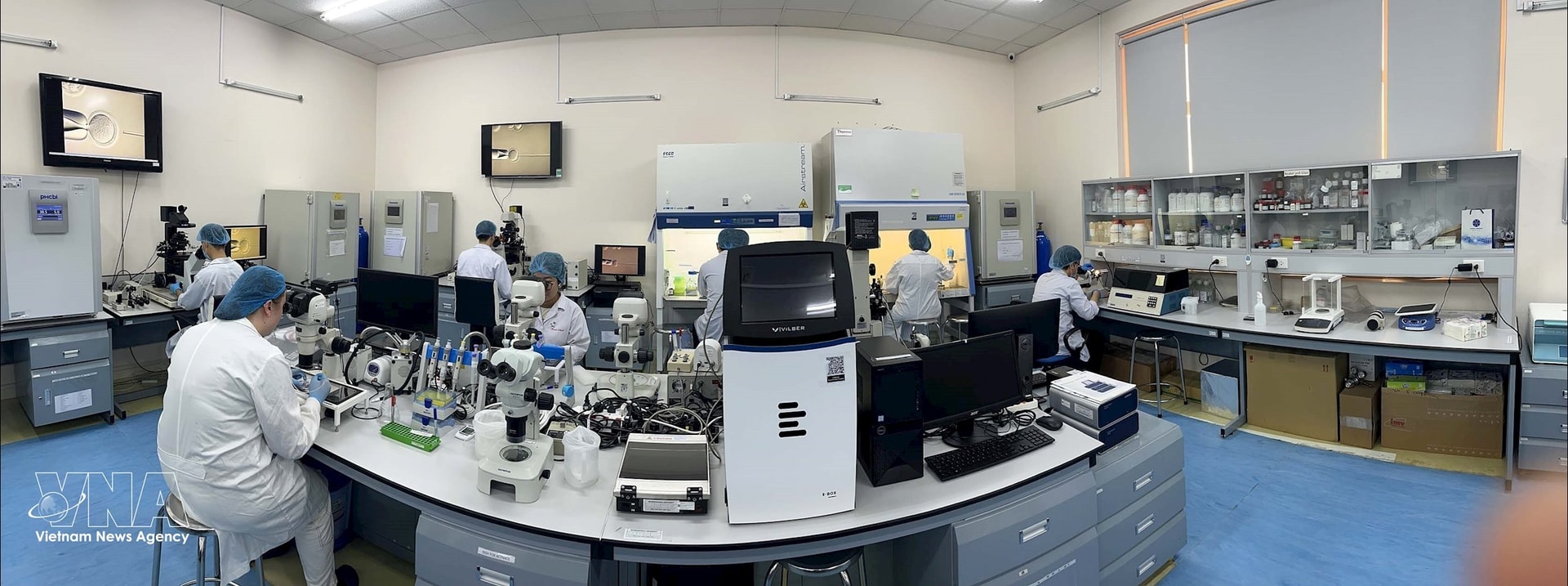
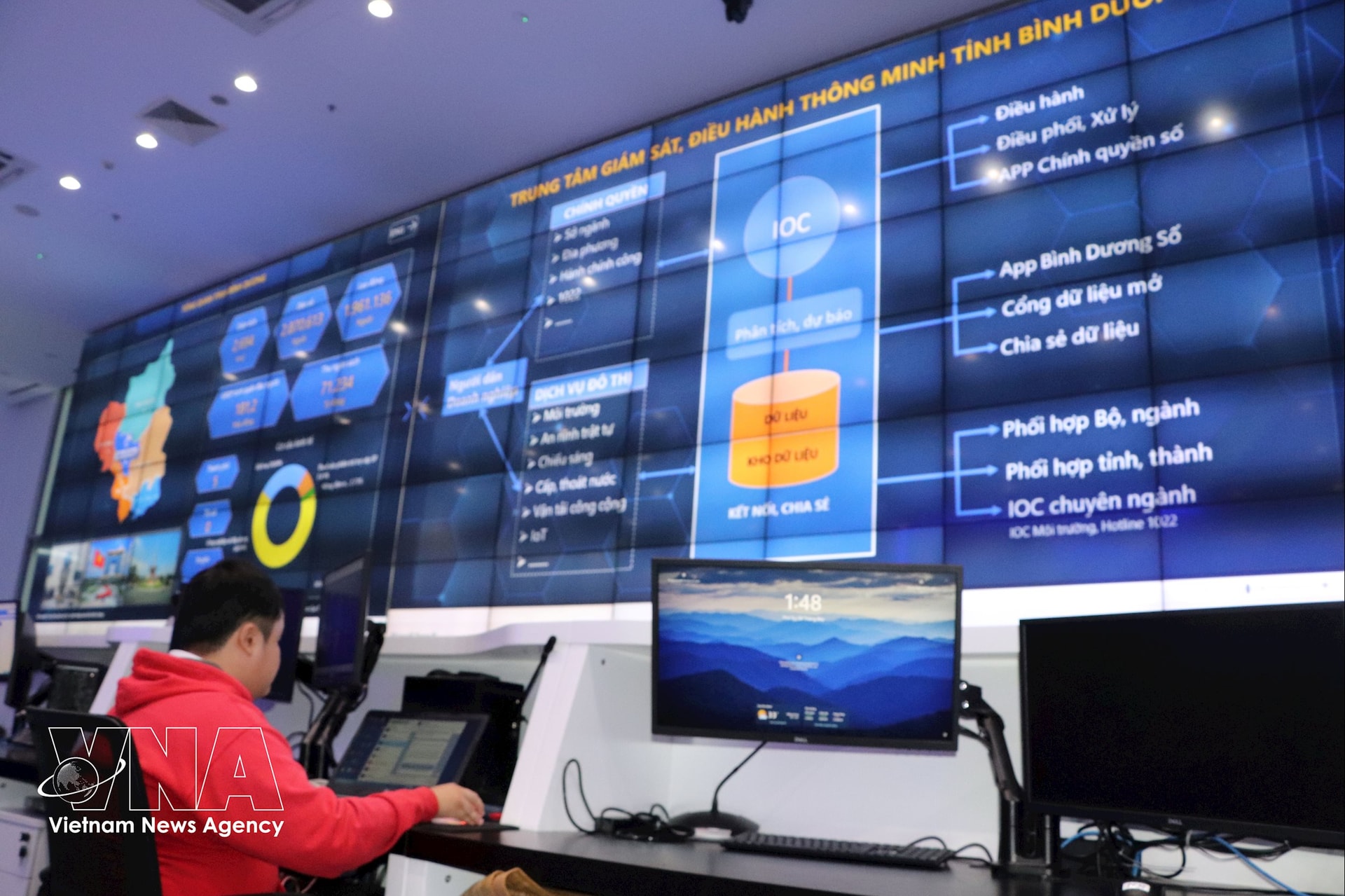
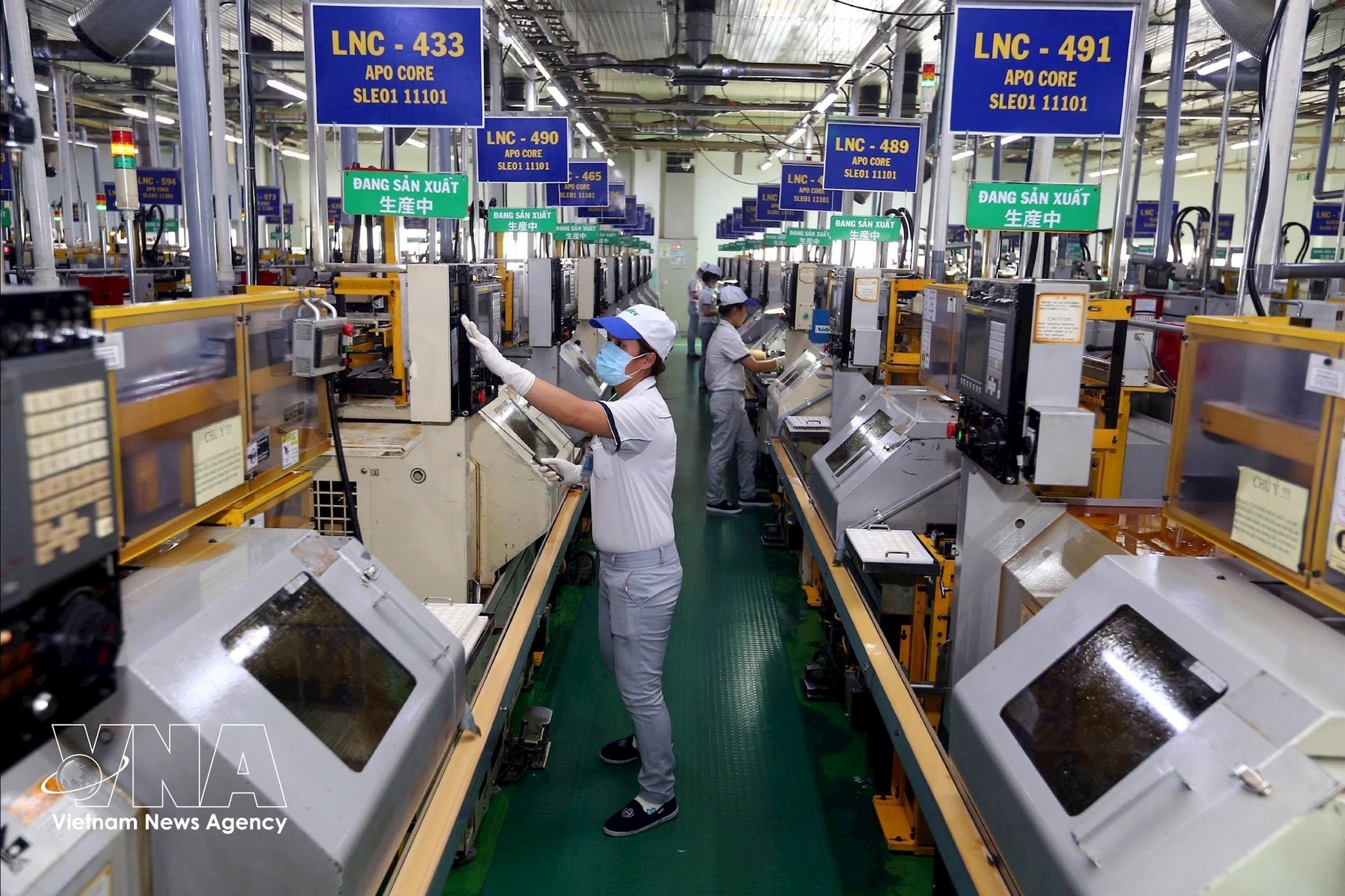
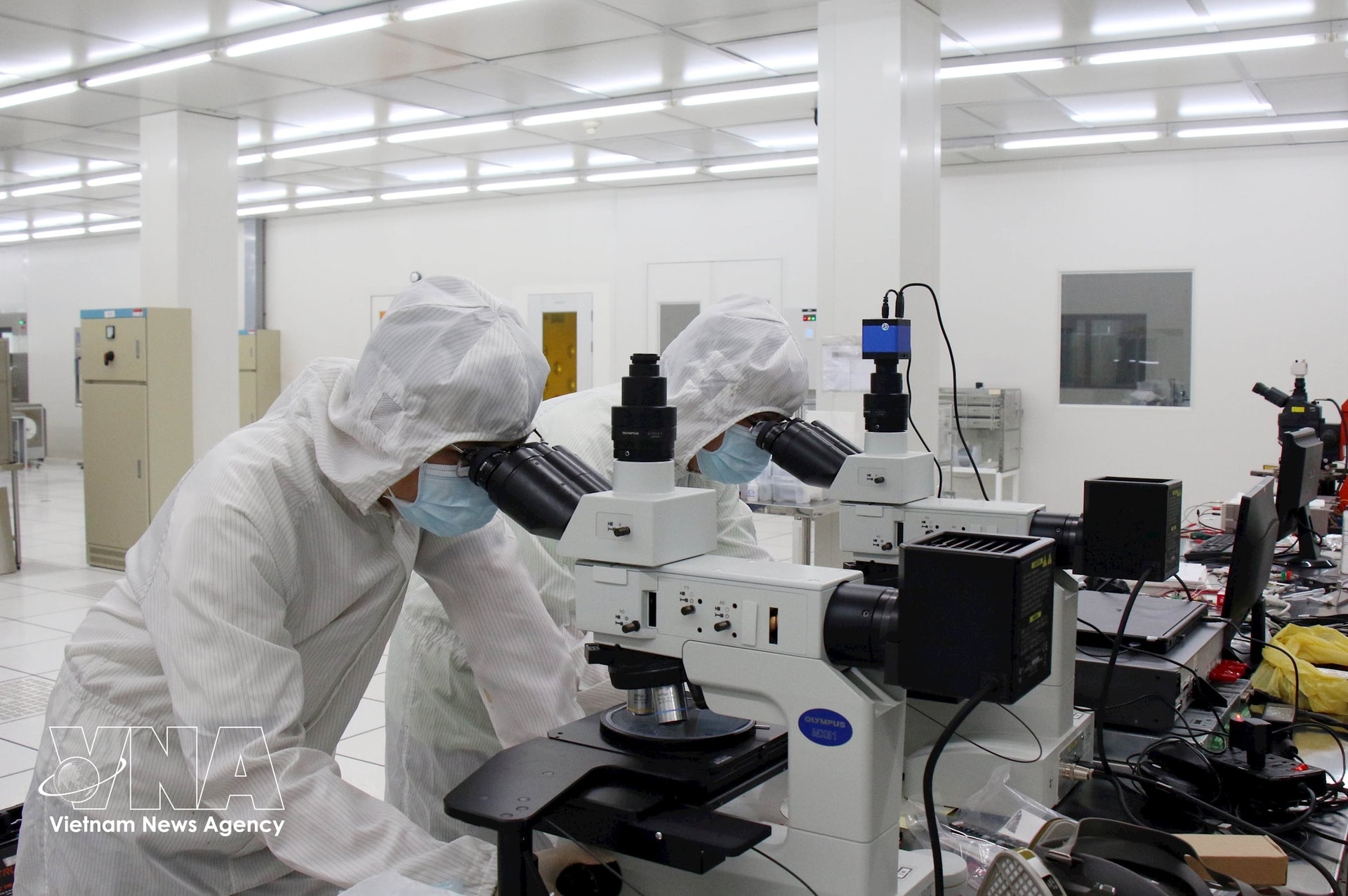
The Public Administrative Service Centre of Binh Duong ward, Ho Chi Minh City. (Photo: VNA)A Japanese-invested manufacturing enterprise operates at the Tan Thuan Export Processing Zone in Ho Chi Minh City. (Photo: VNA)In the photo: Researchers work with advanced technologies in the cleanroom facility at the Research and Development Centre of the Ho Chi Minh City High-Tech Park. (Photo: VNA)
Looking back, before Resolution 09, the Politburo had issued four resolutions dedicated to Ho Chi Minh City – Resolution No. 01-NQ/TW dated September 14, 1982; Resolution No. 20-NQ/TW dated November 18, 2002; Resolution No. 16-NQ/TW dated August 10, 2012; and Resolution No. 31-NQ/TW dated December 30, 2022. While each resolution reflected the city’s development needs at different historical stages, they all shared a consistent vision. Ho Chi Minh City is a major centre for the economy, culture, education and training, science and technology, with a vital political position and a strong capacity to drive growth across the Southeast region, the Southern Key Economic Region and the nation as a whole.
Resolution 09 - NQ/TW
May 19, 2026
Resolution 01-NQ/TW September 14, 1982
Resolution 20-NQ/TW November 18, 2002
Resolution 16-NQ/TW August 10, 2012
Resolution 31-NQ/TW December 30, 2022
“
All the resolutions shared a consistent vision: Ho Chi Minh City is a major centre for the economy, culture, education and training, science and technology, with a vital political position and a strong capacity to drive growth across the Southeast region, the Southern Key Economic Region and the nation as a whole.
In its latest assessment under Resolution 09, the Politburo noted that after more than 50 years of development since being named after President Ho Chi Minh, and particularly after more than three years implementing Resolution No. 31-NQ/TW of the 13th-tenure Politburo, Ho Chi Minh City has consistently maintained its role as a leading centre for the economy, culture, science, technology, innovation and international integration, serving as the country’s primary growth engine and one of its most important development poles.
The Public Administrative Service Centre of Thu Duc ward, Ho Chi Minh City, introduces PAN Robotics service robots equipped with Vietnamese and English voice capabilities to assist residents and help streamline administrative procedures. (Photo: VNA)A Metro train arrives at Rach Chiec Station on Metro Line No. 1 (Ben Thanh–Suoi Tien) in Ho Chi Minh City. (Photo: VNA)Cai Mep International Terminal in Ho Chi Minh City, a key port in the Gemini Cooperation network, plays an important role in enhancing connectivity between the Cai Mep–Thi Vai port cluster and international shipping routes. (Photo: VNA)An aerial view of Vinh Loc Industrial Park in Ho Chi Minh City. (Photo: VNA)Fifty years after national reunification (1975–2025), Ho Chi Minh City has emerged as one of Vietnam’s leading centres for education and human resources development. (Photo: VNA)
Recent developments also show that following its merger with the former provinces of Binh Duong and Ba Ria–Vung Tau, Ho Chi Minh City has evolved into a megacity with a vast socio-economic space and a population of nearly 14 million. Its gross regional domestic product (GRDP) stands at approximately 2.97 quadrillion VND (120.8 billion USD), accounting for 23.6% of the national total. The city contributes 681 trillion VND to the state budget, equivalent to 33.4% of total state budget revenue, while budget expenditure amounts to 237.5 trillion VND, representing 10.4% of total national spending.
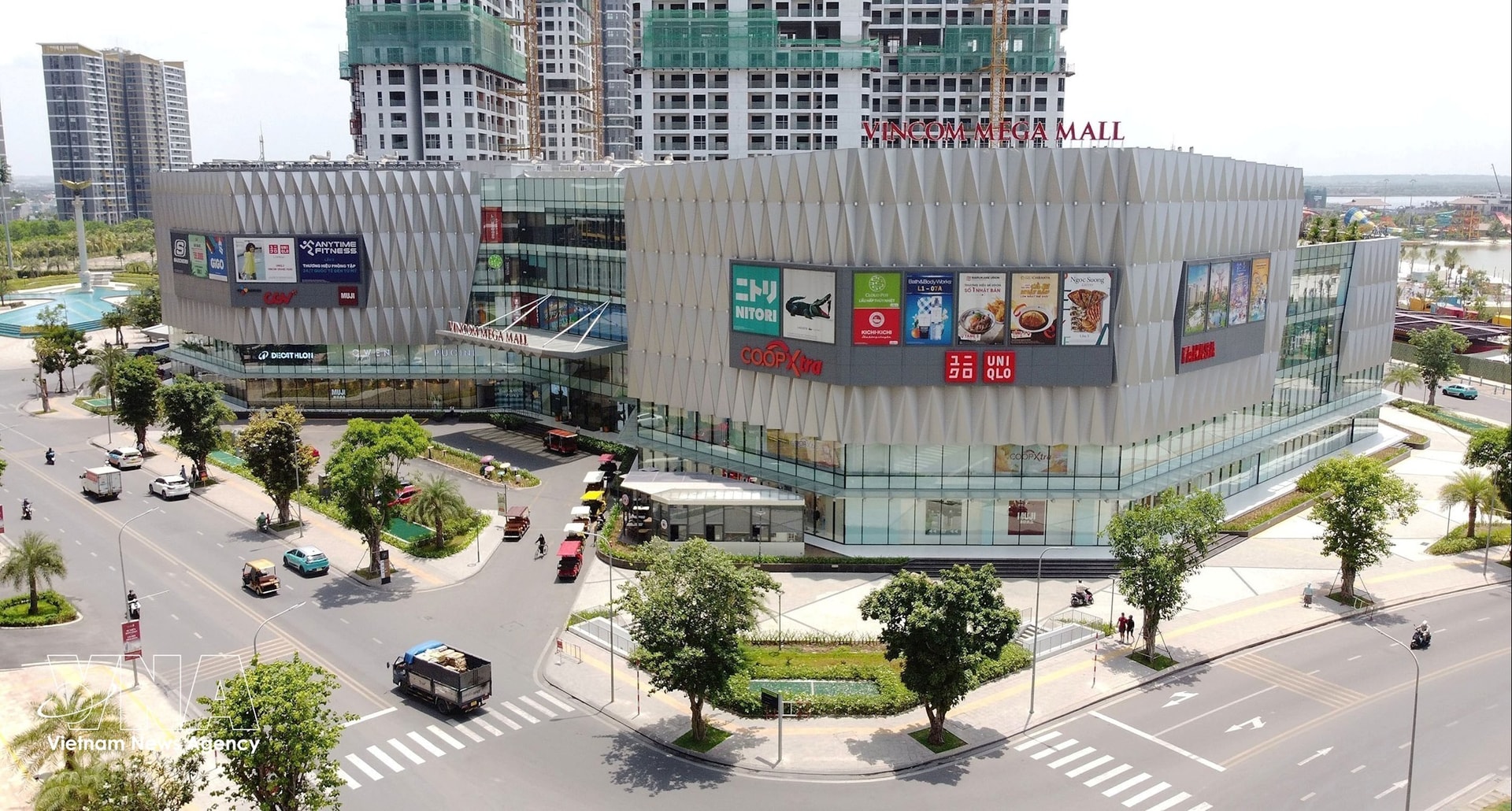
Illustrative image: Shoppers enjoy retail experiences and modern amenities at large-scale supermarkets in Ho Chi Minh City. (Photo: VNA)
These figures underscore the new Ho Chi Minh City’s fiscal importance to the national budget. External trade remains highly dynamic, with total import-export turnover reaching 179.3 billion USD, accounting for 22.8% of the country’s total trade. Retail sales of goods and services totalled 1.683 quadrillion VND, equivalent to 26.3% of the national figure, reflecting robust consumer demand and a well-developed distribution network.
However, the Politburo pointed out that the city’s development has yet to match its potential, advantages and strategic role. Bottlenecks related to institutions, infrastructure, resources and urban governance have been slow to resolve, while growth quality, labour productivity and international competitiveness remain constrained. Several social and environmental challenges have yet to be addressed effectively.
Against this backdrop, and reflecting the special attention devoted to the city, Resolution 09 introduces a comprehensive framework of viewpoints, objectives and solutions, demonstrating the Central Party Committee’s breakthrough strategic vision and strong political determination. It aims to create conditions for Ho Chi Minh City, as a special urban centre, to become a symbol of Vietnam’s dynamic development in the 21st century.
To establish a breakthrough institutional framework for the city’s development in the new era, the resolution calls for the formulation and enactment of a Special Urban Law. The legislation is intended to create an exceptional institutional model and a comprehensive legal framework, serving as a “breakthrough among breakthroughs” that will enable Ho Chi Minh City to fully harness its potential and strengths, mobilise all available resources and achieve rapid, sustainable growth.
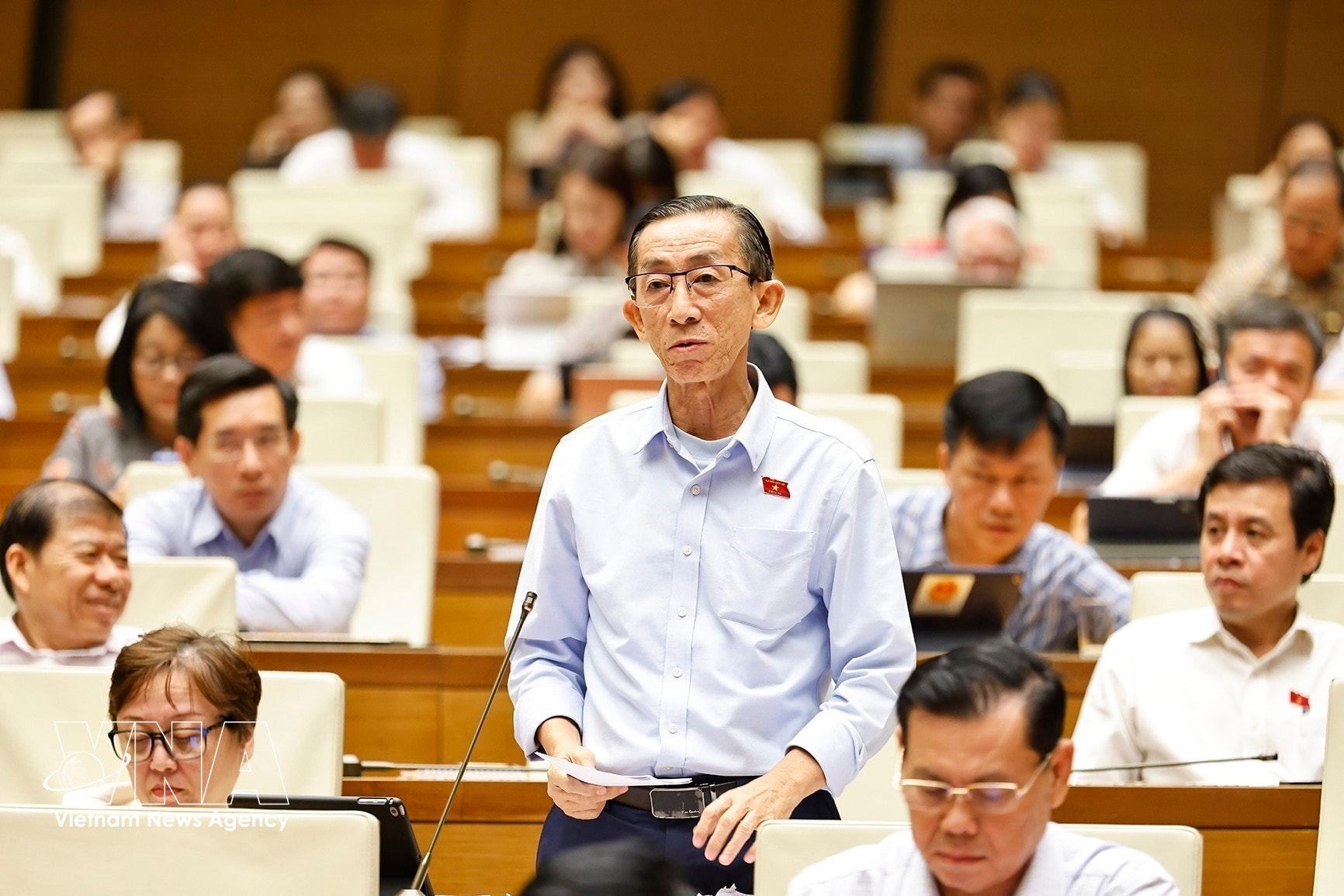
Assoc. Prof. Dr. Tran Hoang Ngan, National Assembly deputy and Chairman of the Advisory Council for Breakthrough Development at Saigon University. (Photo: VNA)
According to Assoc. Prof. Dr. Tran Hoang Ngan, Chairman of the Advisory Council for Breakthrough Development at Saigon University, said that the Special Urban Law will provide Ho Chi Minh City with a more stable, long-term and robust legal foundation. Institutional arrangements, he said, must correspond to socio-economic realities. A key innovation of the resolution is its extensive decentralisation and delegation of authority to the city across nearly all sectors, except national defence, security, foreign affairs and religion.
The Vietnam Fatherland Front Committee of Ho Chi Minh City held a conference on May 29, 2026 to gather feedback on the draft Law on Special Urban Areas, with the participation of legal experts, researchers and representatives from various sectors of the city’s population. (Photo: VNA)
The draft Special Urban Law is currently being finalised by the Ho Chi Minh City People’s Committee in coordination with central agencies before submission to the NA. The legislation is highly specialised in nature and designed to equip the city with powerful legal tools, including the transfer of nearly 300 State management powers across multiple sectors to the municipal administration.
According to the municipal People’s Committee, the Special Urban Law will closely follow the contents of Resolution 09, inherit special mechanisms previously granted to Ho Chi Minh City by the NA, and build on effective policies incorporated in the Capital Law. The city also intends to propose bold new mechanisms that go beyond existing regulatory limits to support its future development.
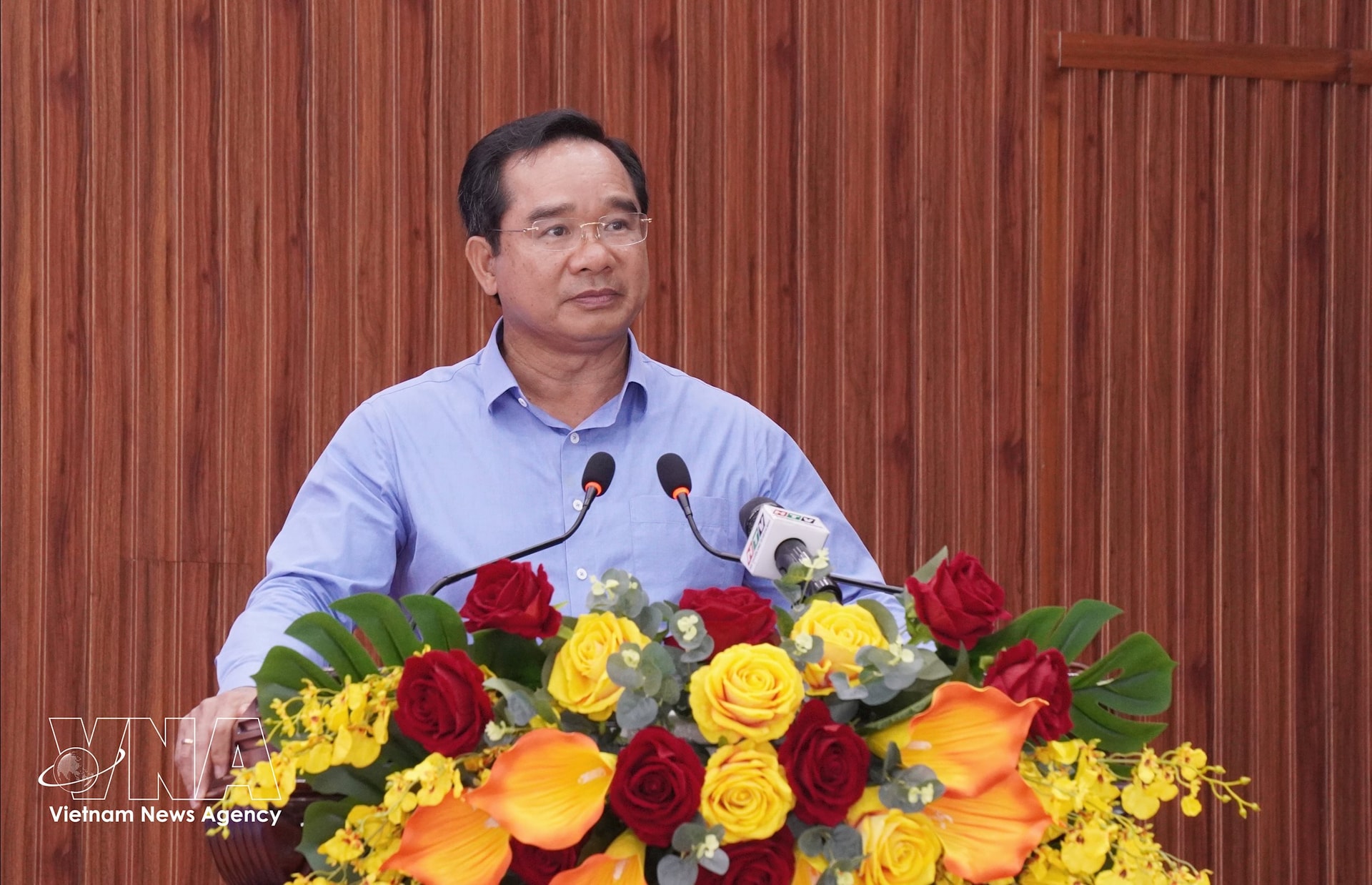
Chairman of the Ho Chi Minh City People’s Committee Nguyen Van Duoc. (Photo: VNA)
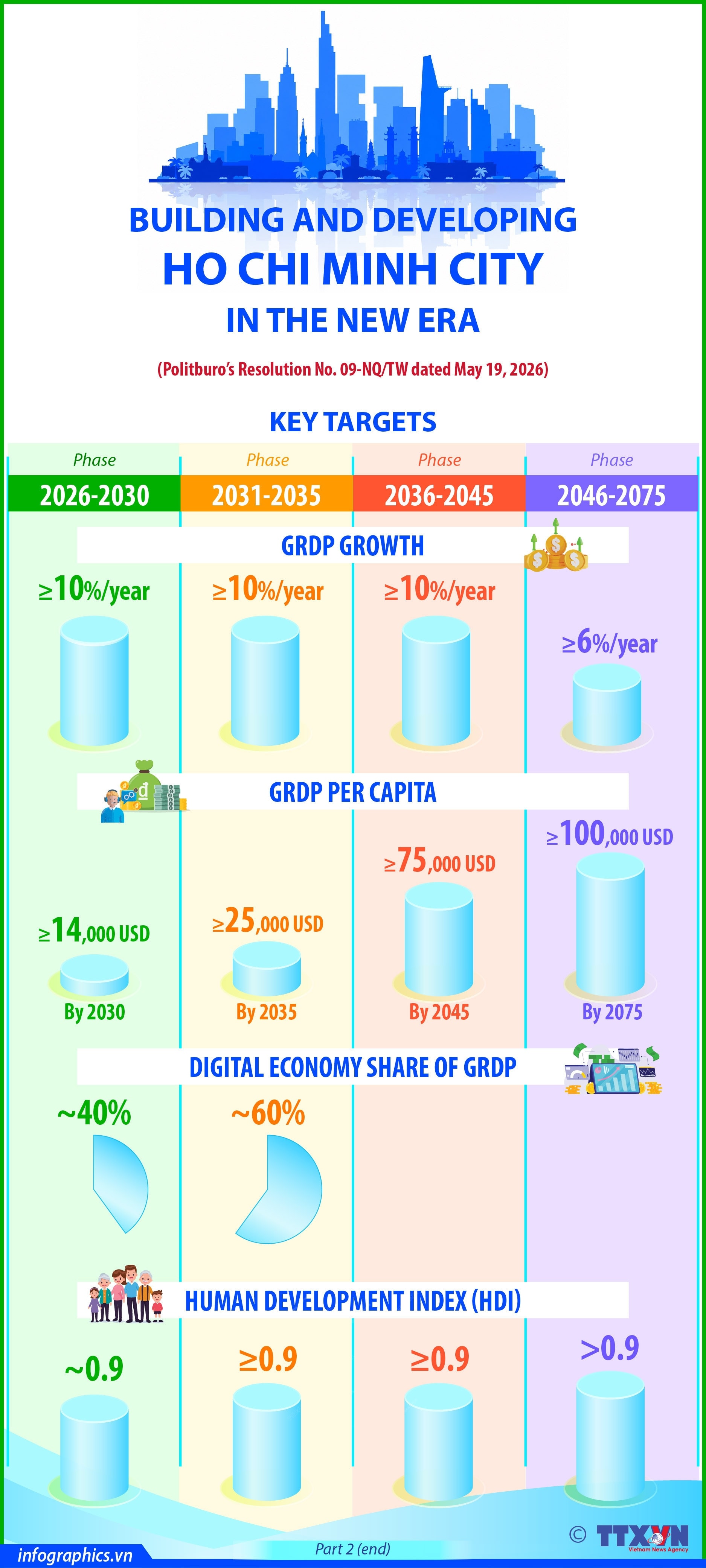
Commenting on the Politburo’s issuance of the new resolution, Chairman of the Ho Chi Minh City People’s Committee Nguyen Van Duoc stressed that it presents a major opportunity for the city to achieve a breakthrough and more sustainable development. The resolution authorises the city to develop the Special Urban Law, which will provide long-term stability, strengthen investor confidence and create a predictable investment environment, helping the city achieve the double-digit growth targets set by the Party Congress's Resolution and emphasised by Party General Secretary and State President To Lam.
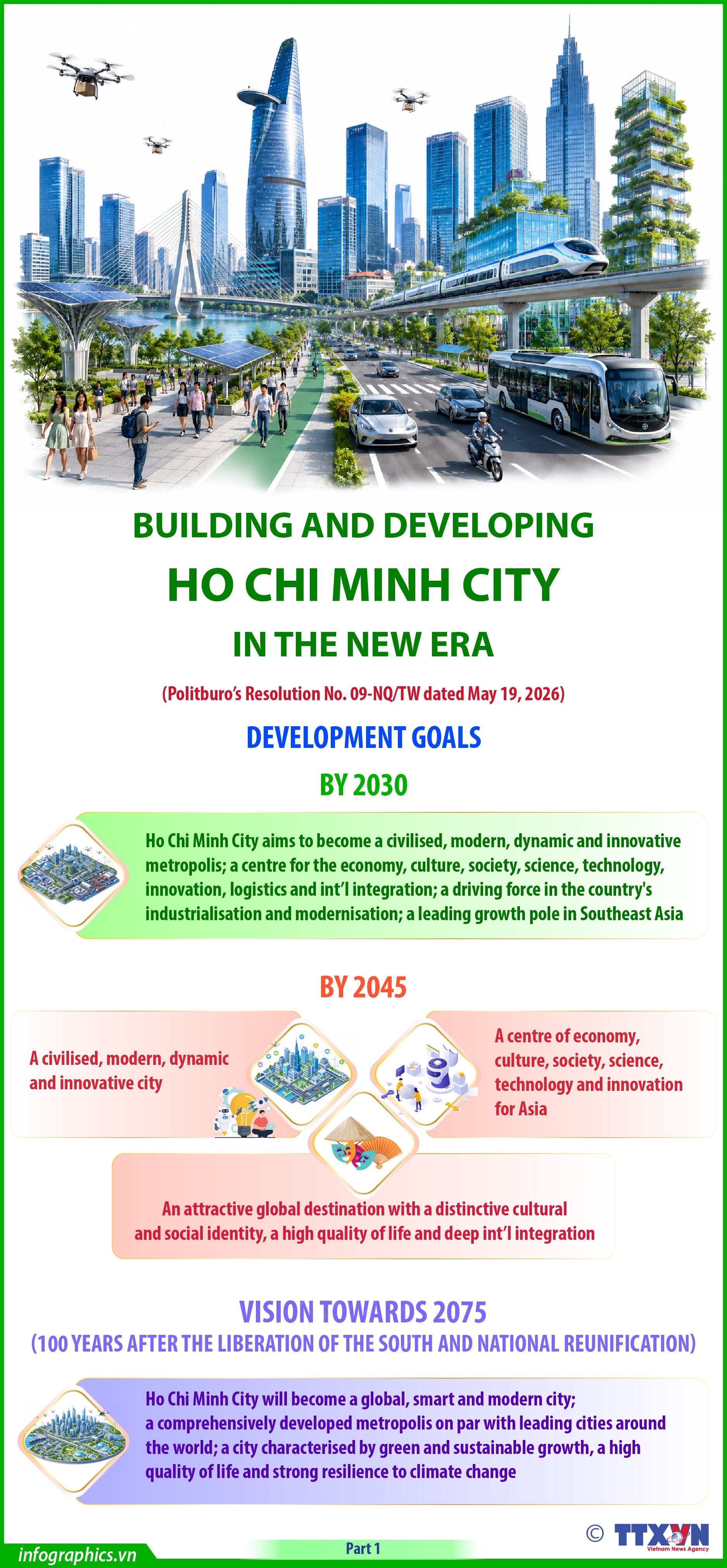
Alongside the Special Urban Law, the resolution elevates the city’s development ambitions beyond national and regional boundaries. By 2030, Ho Chi Minh City is expected to consolidate its leading position in Southeast Asia. By 2045, it aims to become a major Asian centre for the economy, culture, society, science, technology and innovation, as well as an attractive global destination. Looking further ahead, by 2075, the city is envisioned as a smart, modern and fully developed global city on par with the world’s leading urban centres.
This vision makes clear that Ho Chi Minh City is not only expected to remain the nation’s economic locomotive, but also to pursue the long-term goal of becoming a globally competitive, smart and modern metropolis.
The core area designated for the International Financial Centre on the Thu Thiem peninsula in Ho Chi Minh City. (Photo: VNA)
The resolution identifies science, technology, innovation and digital transformation as the core drivers of the city’s new growth model. Strategic priority will be given to key sectors such as semiconductors, artificial intelligence (AI), biotechnology and clean energy.
The city will also be permitted to pilot new mechanisms and policies through regulatory sandbox frameworks for business models, products and services that are not yet covered by existing laws. This will enable Ho Chi Minh City to maintain its role as the nation’s innovation hub and a testing ground for modern governance and development approaches.
To realise the strategic orientations set out in Resolution 09, Ho Chi Minh City must quickly internalise the resolution throughout the political system and translate it into concrete actions, while establishing a superior legal and institutional framework capable of governing a megacity. In doing so, the city can continue to affirm and strengthen its position as a special urban centre, pioneer new development models, institutional reforms and modern governance practices, generate powerful spillover effects and make ever-greater contributions to the country’s rapid and sustainable development./.
Bình luận của bạn đã được gửi và sẽ hiển thị sau khi được duyệt bởi ban biên tập.
Ban biên tập giữ quyền biên tập nội dung bình luận để phù hợp với qui định nội dung của Báo.



.jpg)

.jpg)