HO CHI MINH CITY:RISING HUB FOR SCIENCE, TECHNOLOGY, INNOVATION
VNA•27/05/2026 14:08
As Vietnam’s leading economic powerhouse, Ho Chi Minh City is entering a new phase of development in which science, technology and innovation have been identified as key engines of growth as in line with Politburo Resolution No. 57-NQ/TW on breakthroughs in science – technology development, innovation and national digital transformation.
An increasingly attractive destination for technology investment
Ho Chi Minh City is home to three of Vietnam’s technology unicorns — VNG, MoMo and Sky Mavis. (Photo: VNG, MoMo, Sky Mavis)
In 2025, Ho Chi Minh City’s startup ecosystem continued to expand, ranking among the world’s top 110 ecosystems. Making further progress, the southern economic hub climbs 12 places from last year to rank 98th worldwide in the Global Startup Ecosystem Index 2026 released by StartupBlink, marking its highest position ever in the rankings.
The Tech Awards 2025 ceremony, honouring outstanding technological products and brands across various categories, in Ho Chi Minh City on January 8, 2026. (Photo: VNA)
It is home to nearly half of Vietnam’s startups and has produced three of the country’s technology “unicorns” – VNG, MoMo and Sky Mavis. The city currently hosts 143 science and technology enterprises, accounting for around 20% of the national total. Total factor productivity (TFP) contributes 59% to the city’s GRDP growth, with science and technology responsible for 74% of TFP growth.
These achievements stem from the metropolis’s coordinated implementation of startup support policies, alongside a large-scale foundation for science, technology and education. Ho Chi Minh City accommodates dozens of universities and colleges, hundreds of science – technology organisations and innovation support intermediaries, as well as a growing network of modern laboratories.
Building on this cornerstone, the city continues to strengthen its position as an attractive destination for both domestic and international technology investment. In 2025, the science and technology sector drew nearly 1.8 billion USD, representing 22% of total FDI inflows. Major projects include G42 UAE, Viettel Data Centre, CMC and SAP Labs, together with the presence of global technology giants such as NVIDIA, AMD and Intel. The figures underline the city’s growing appeal to global technology capital.
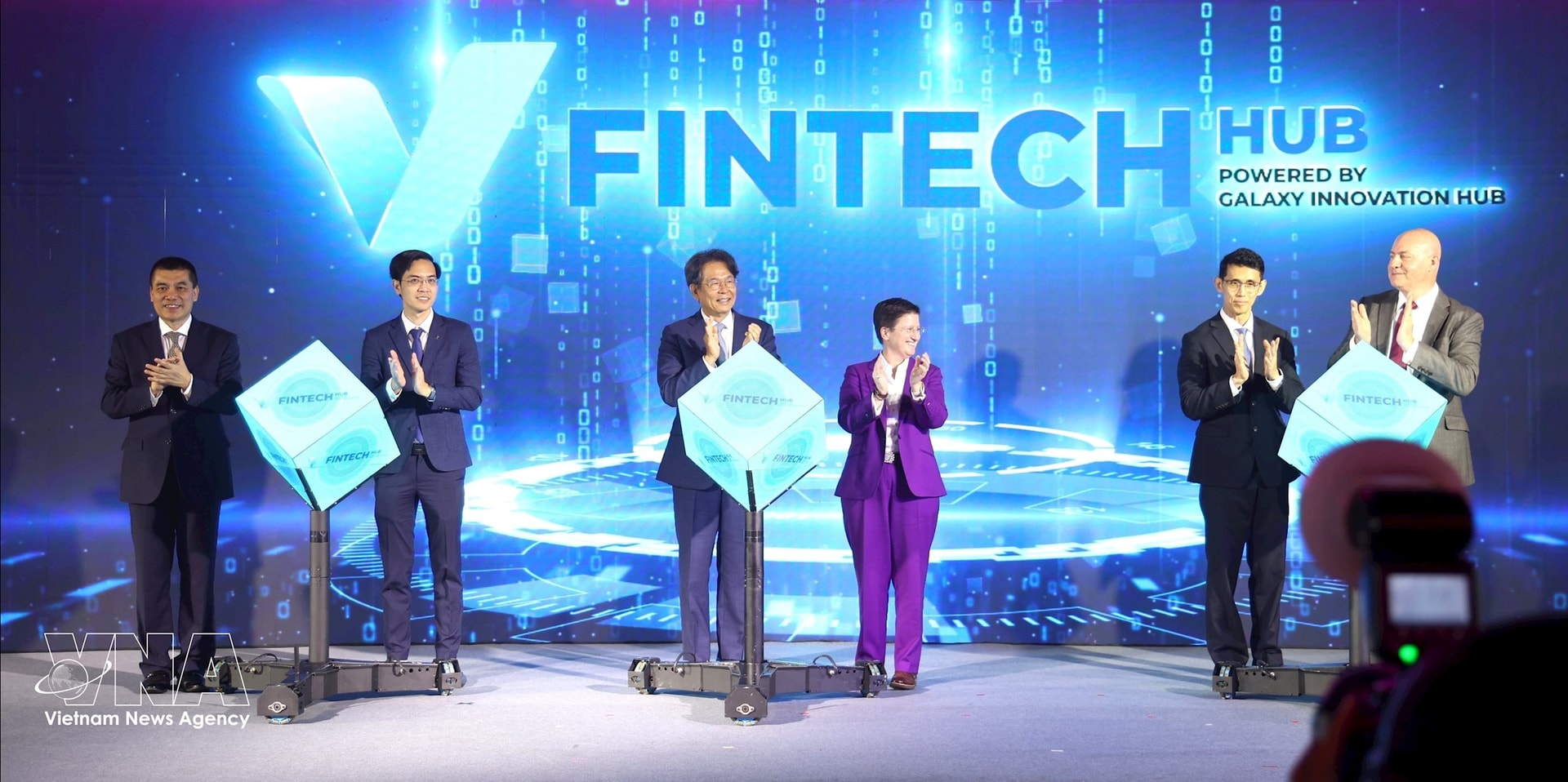
Fintech Hub is officially launched in Ho Chi Minh City on April 14, 2026. (Photo: VNA)
Alongside its dynamic startup ecosystem, the city has also shaped several key “nuclei” that are playing a leading role in high-tech and digital technology sectors — not only in attracting investment but also in fostering incubation activities, piloting new technologies and developing a highly skilled workforce.
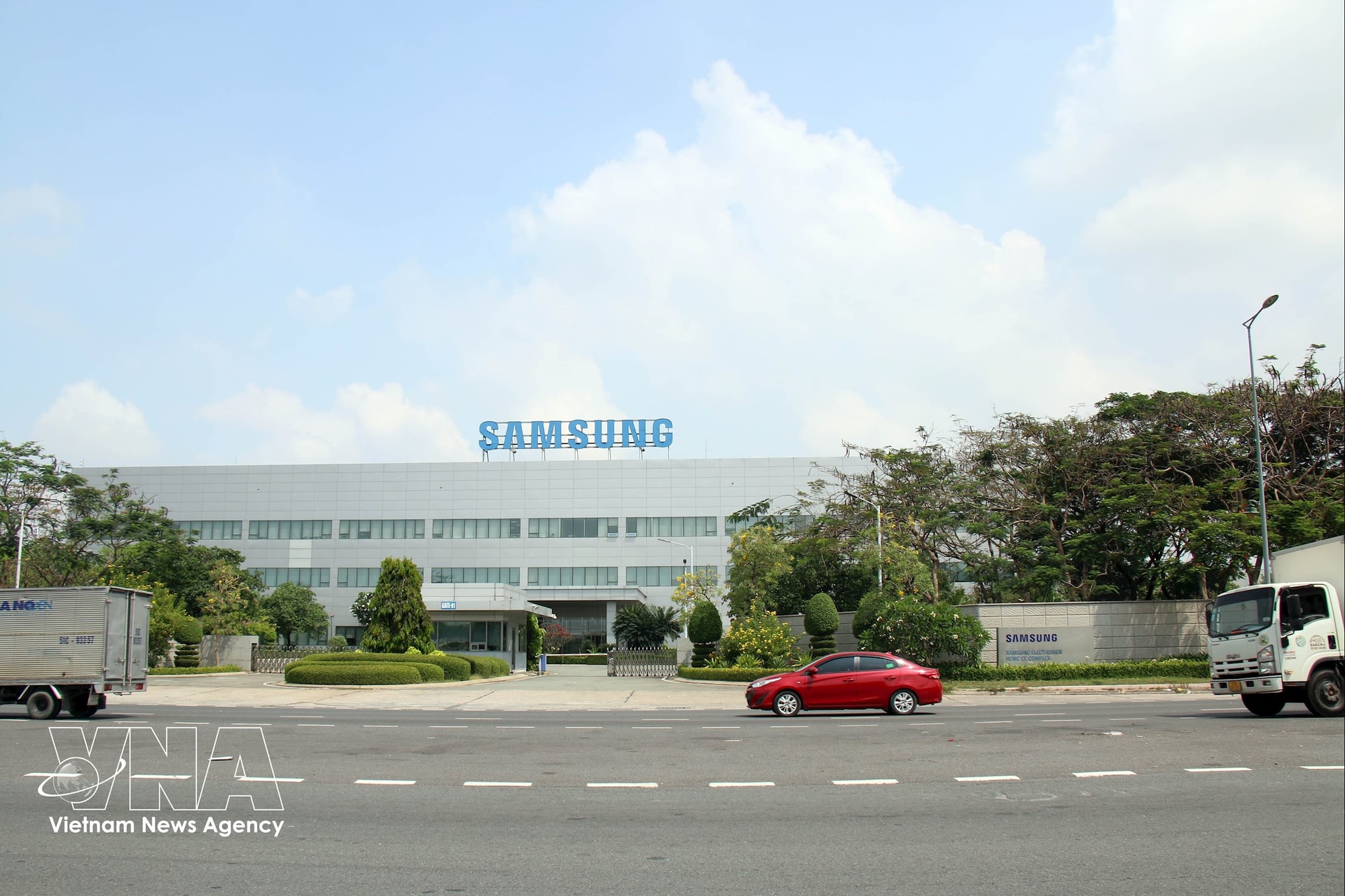
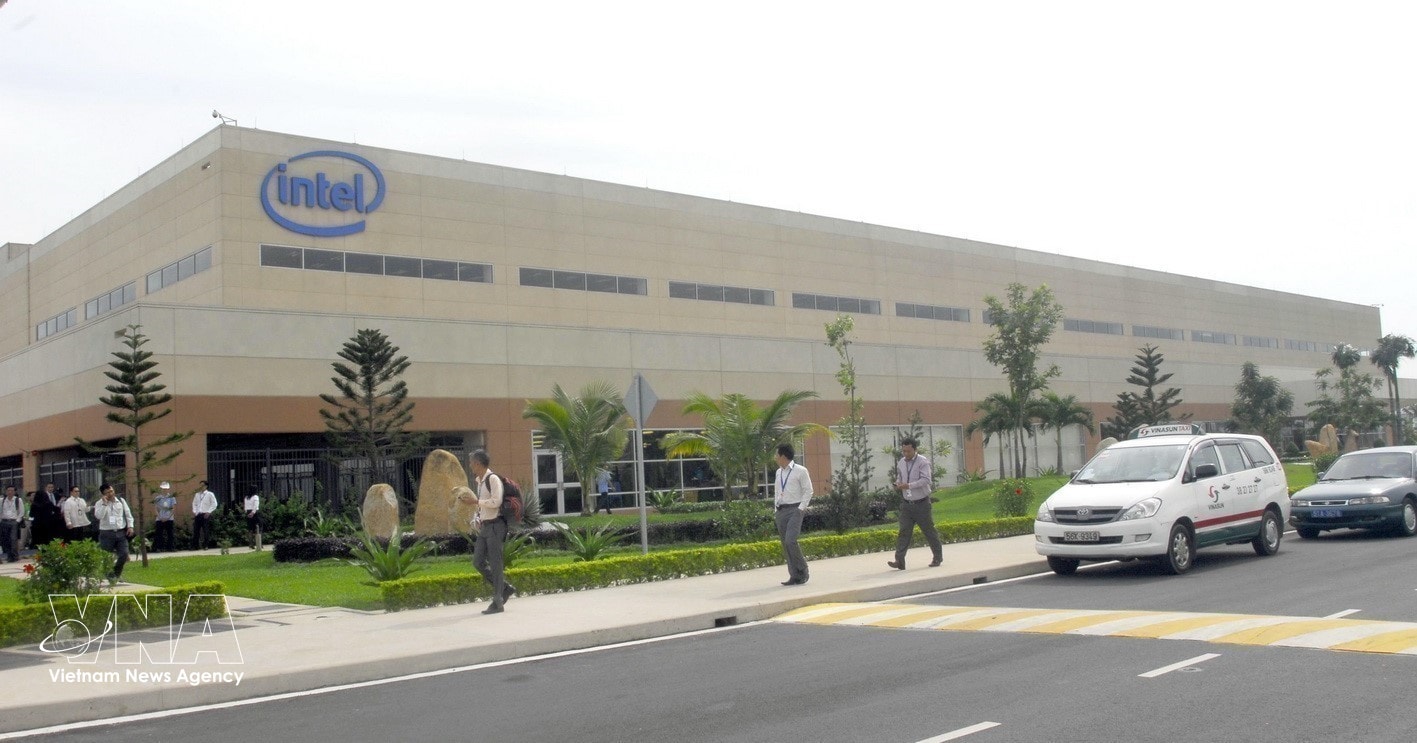
After more than two decades of development, the Saigon Hi-Tech Park has emerged as a core innovation hub for both the city and Vietnam’s southern key economic region. The park has cultivated a vibrant high-tech ecosystem, attracting major global corporations including Intel, Samsung, Nidec, Jabil, Sonion, Sanofi and Schneider Electric, with more than 160 investment projects with total registered capital exceeding 12 billion USD. It has also served as the launchpad for Vietnamese firms with international ambitions such as FPT, CMC and Datalogic Vietnam.
In 2025, the production value at the Saigon Hi-Tech Park reached approximately 23 billion USD while newly attracted investment totalled 416.5 million USD and export turnover stood at over 20.53 billion USD. Beyond investment attraction, the park has established research and development (R&D) centres, training facilities and incubation centres for high-tech enterprises, contributing to the development of high-quality human resources, supporting innovation and accelerating the commercialisation of “Make in Vietnam” products.
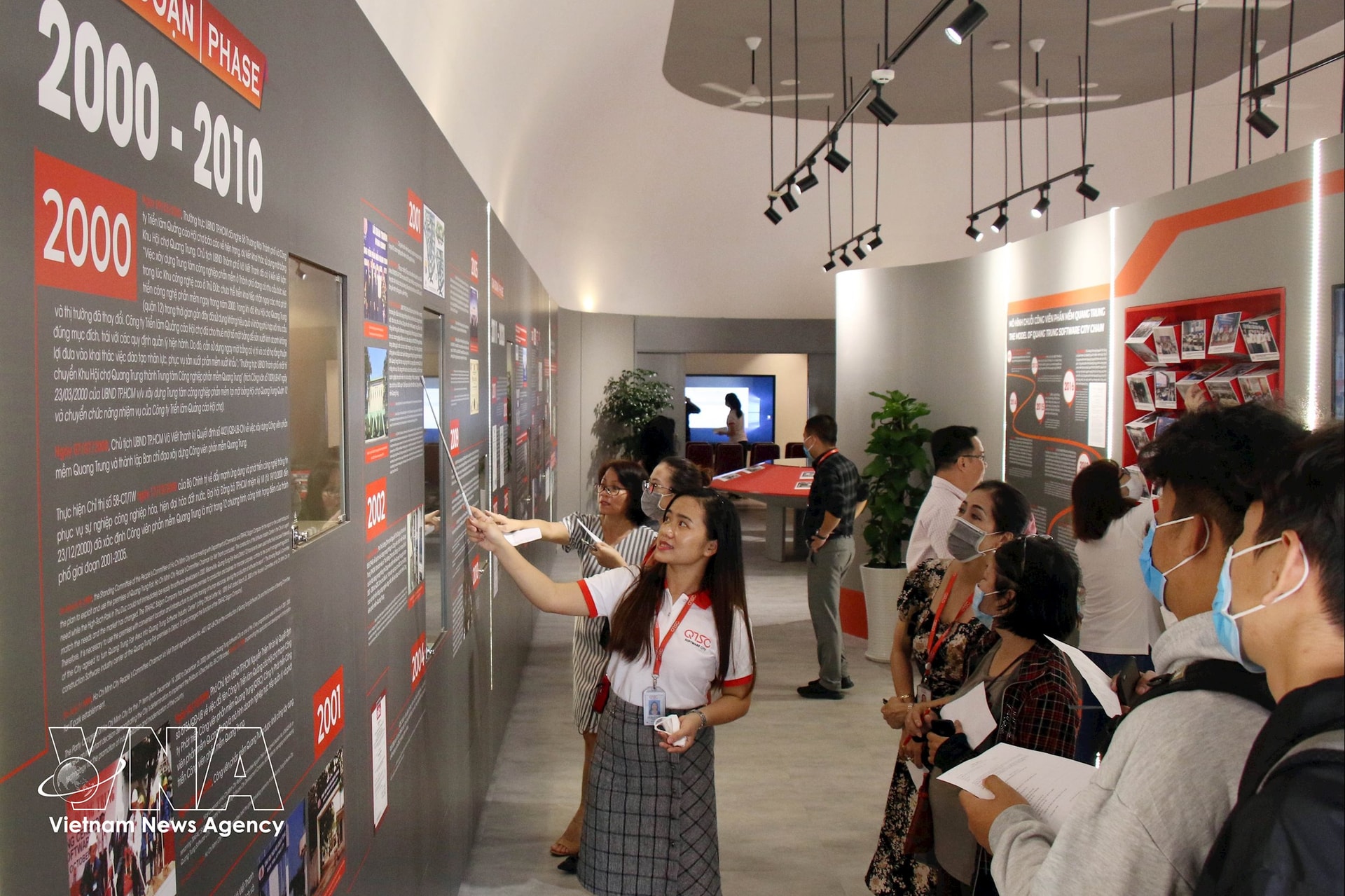
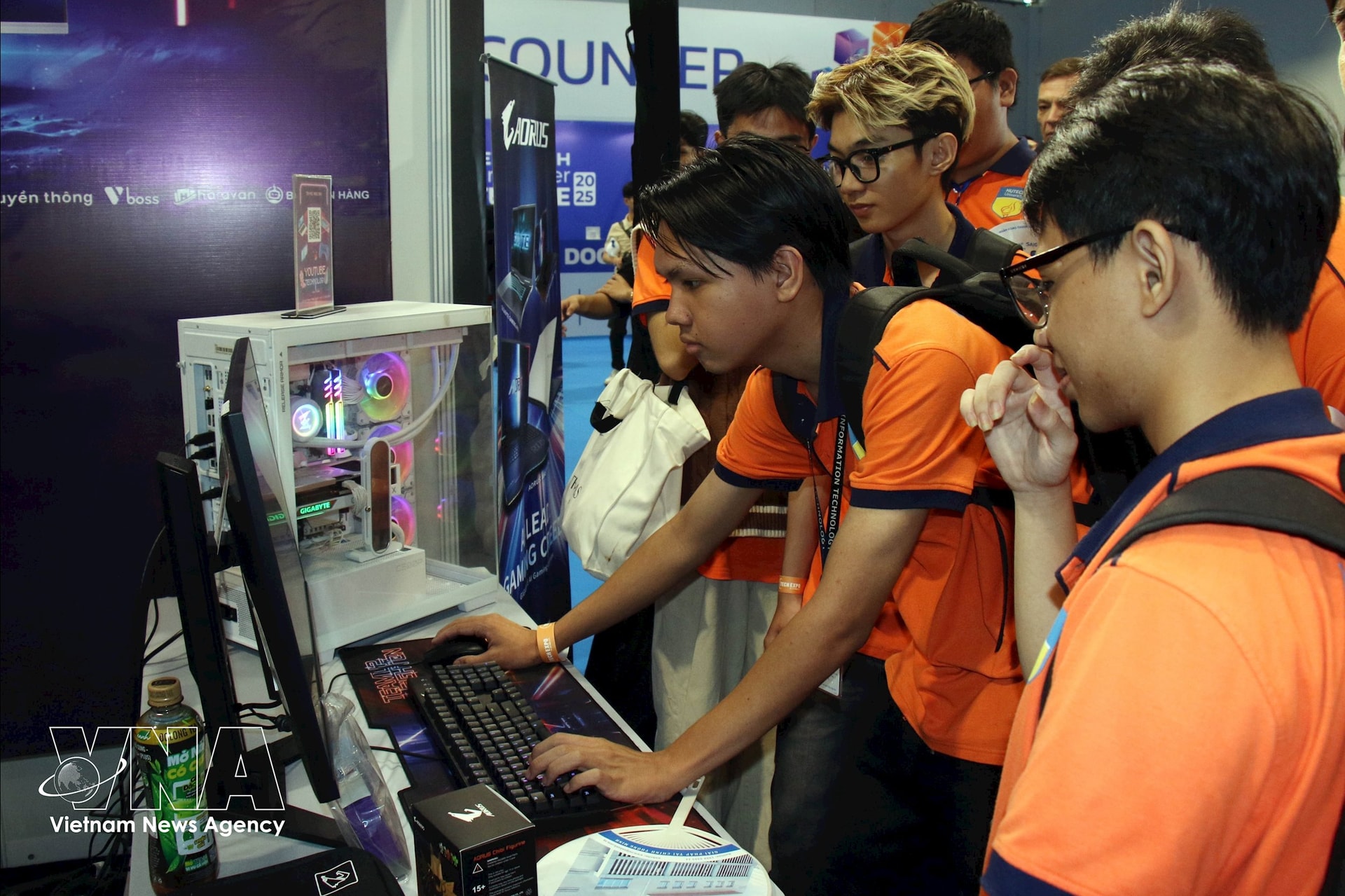
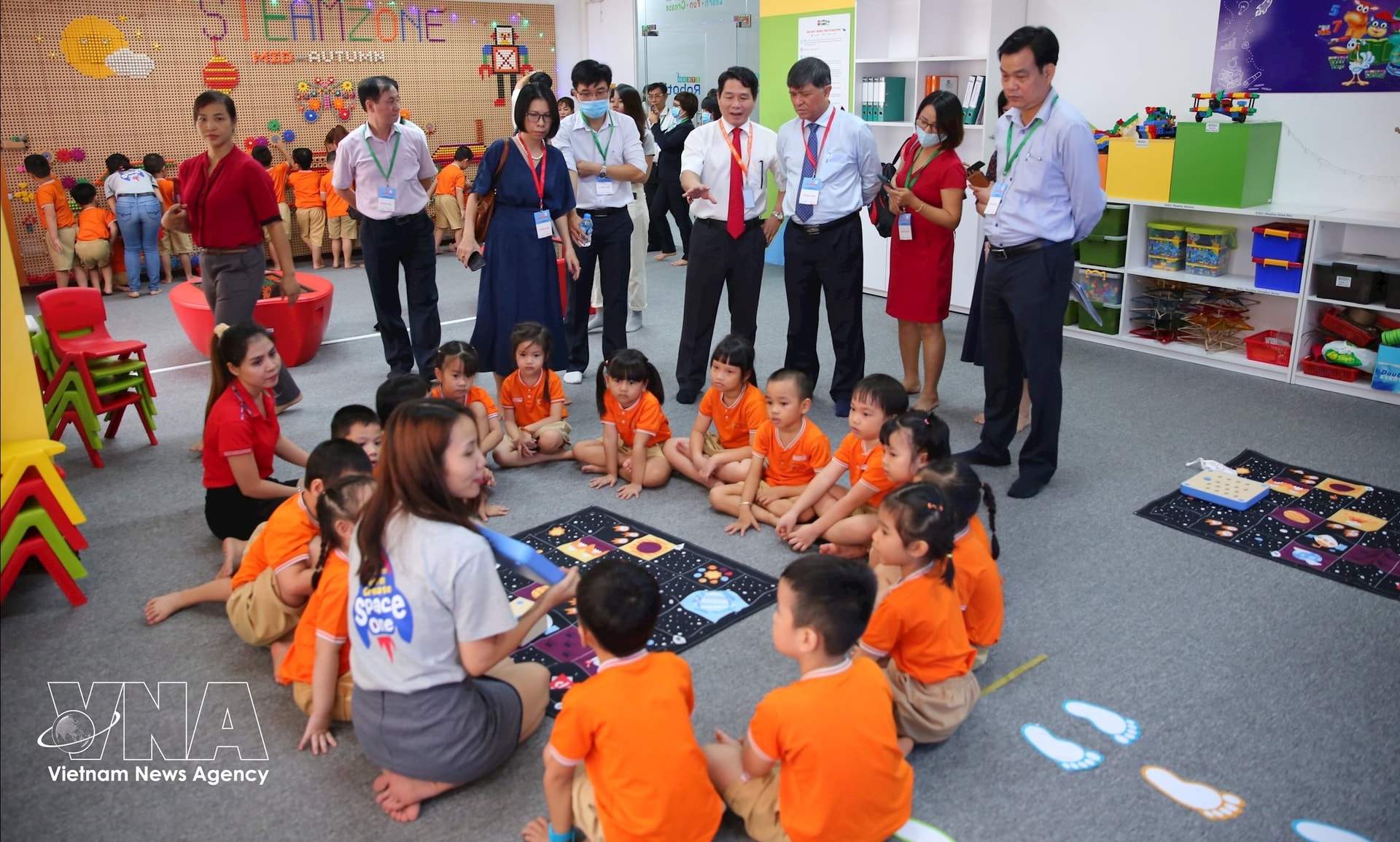
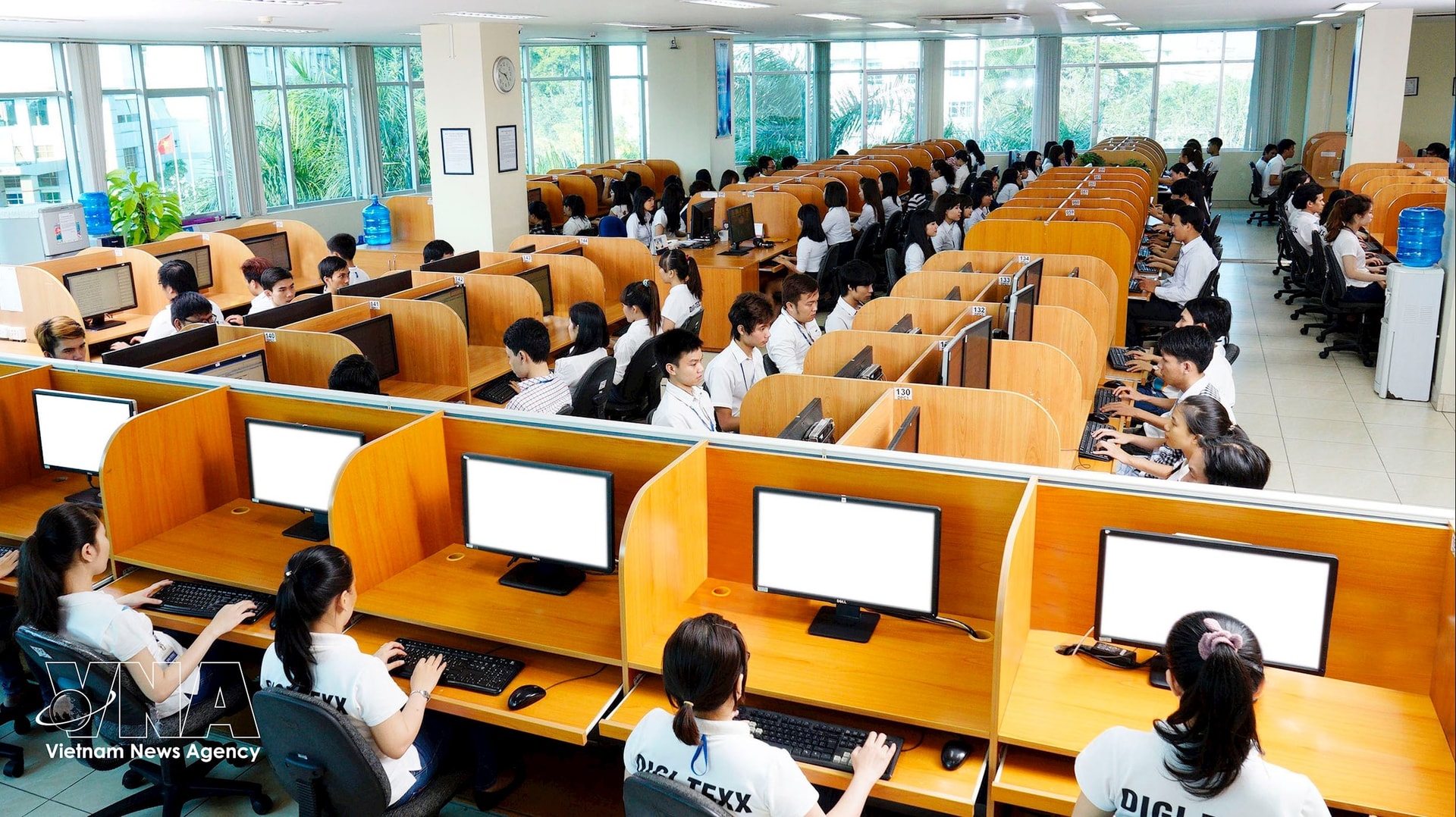
Exhibits are displayed at the museum of the Quang Trung Software City in Ho Chi Minh City. (Photo: VNA)Students explore technological innovations on display at iTech Expo 2025 at the Quang Trung Software City. (Photo: VNA)Students participate in STEM learning activities at the STEMZONE training centre of the Quang Trung Software City. (Photo: VNA)DIGI-TEXX, a wholly German-invested company specialising in information technology and digital business process services, is based at the Quang Trung Software City. (Photo: VNA)
Meanwhile, the Quang Trung Software City (QTSC) – Vietnam’s first concentrated information technology park – has, after 25 years of development, attracted 27 investors and built a community of more than 120 digital technology enterprises. QTSC enterprises currently provide more than 650 products, services and technological solutions for both the domestic market and over 30 countries worldwide. From an initial state investment of just 200 billion VND (7.58 million USD), the park has mobilised more than 6.6 trillion VND in social investment capital, meaning every dong of state capital has leveraged more than 24 dong in private investment.
More than simply a hub for technology companies, the QTSC has formed a broader innovation ecosystem, fostering close collaboration between enterprises, universities and research institutes. Seven universities and technology training institutions here collectively supply more than 3,000 technology professionals to businesses each year.
Unlocking potential and mobilising resources
As it enters a new stage of development, Ho Chi Minh City is shifting decisively towards a growth model driven by science – technology, innovation and high-quality human resources. Deep investment in R&D, strategic technology sectors and innovation-oriented institutions is viewed as a central pillar in building a new competitive edge for the city.
By 2030, the city aims for total social expenditure on R&D to reach between 2 and 3% of GRDP, with more than 60% coming from non-state sources. It also targets the annual completion and deployment of at least 40 city-level science and technology projects, alongside the implementation of a minimum of 50 new science and technology missions each year.
The southern metropolis aims to raise the proportion of scientific and technological research outcomes applied in practice within 12 months to more than 60%, while at least 25% of enterprises are to utilise research outputs from universities and research institutes. Ho Chi Minh City is also targeting a 60% contribution from TFP to GRDP growth and plans to establish at least five internationally competitive centres for applied research and innovation in priority sectors.
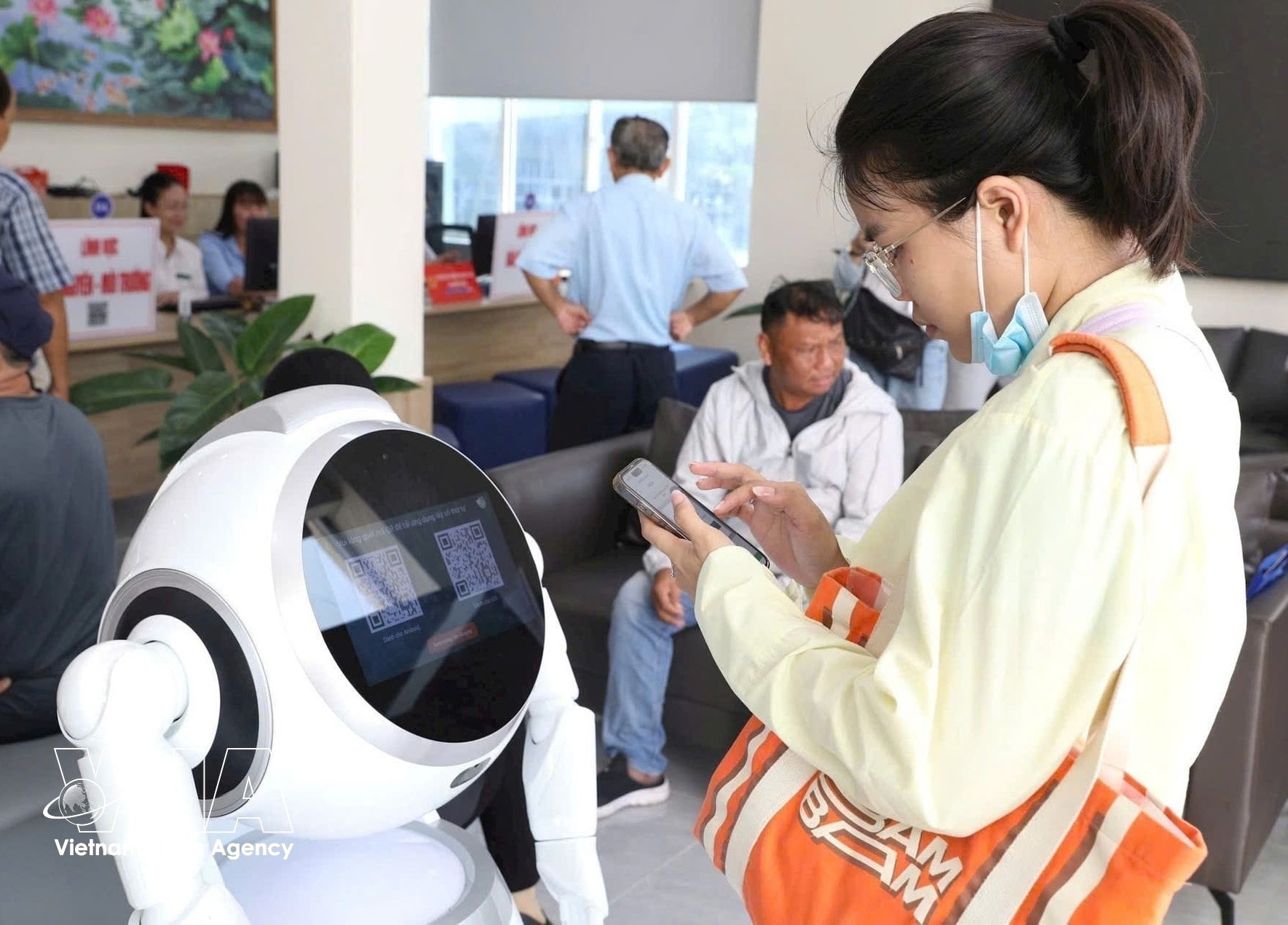
A woman uses an administrative service robot to look up public administrative procedures in Ho Chi Minh City. (Photo: VNA)
To achieve these ambitions, it plans to focus on interdisciplinary flagship research programmes centred on strategic technologies, core platforms and key technological products. Priority will first be given to digital transformation and smart city building programmes, aimed at creating shared digital platforms, data-driven governance models, cybersecurity solutions and digital products.
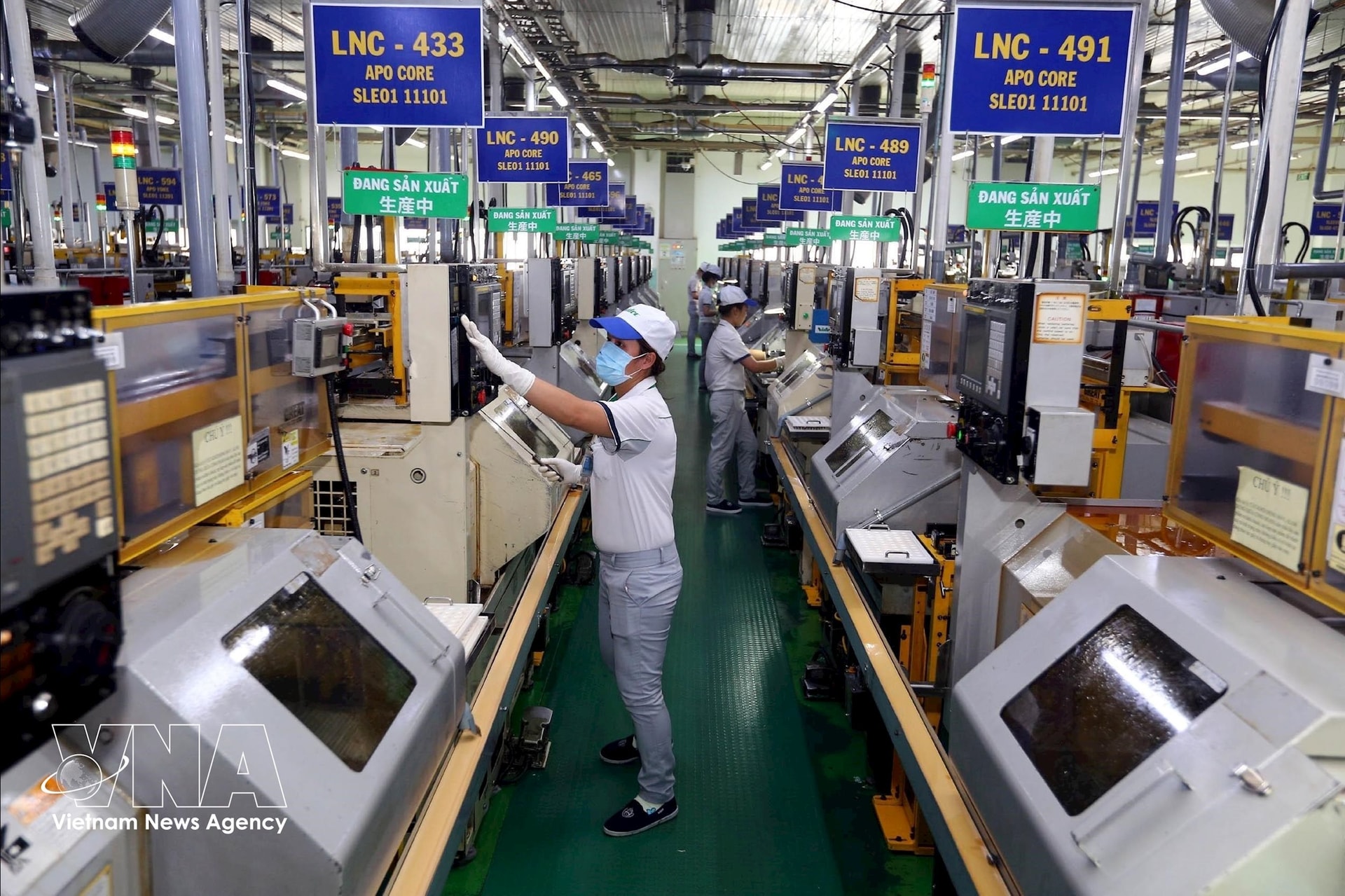
Workers operate a modern production line invested by a Japanese company at the Tan Thuan Export Processing Zone in Ho Chi Minh City. (Photo: VNA)
In industrial technology and smart manufacturing, the focus will include semiconductor chip design, packaging and testing; AI chips and IoT chips; industrial robotics, autonomous robots and unmanned devices; smart logistics; advanced processing lines; new energy technologies; advanced materials; and digital manufacturing platforms. The move is designed to enable the city to gradually master core technologies, increase localisation rates and integrate city-based enterprises more deeply into global value chains.
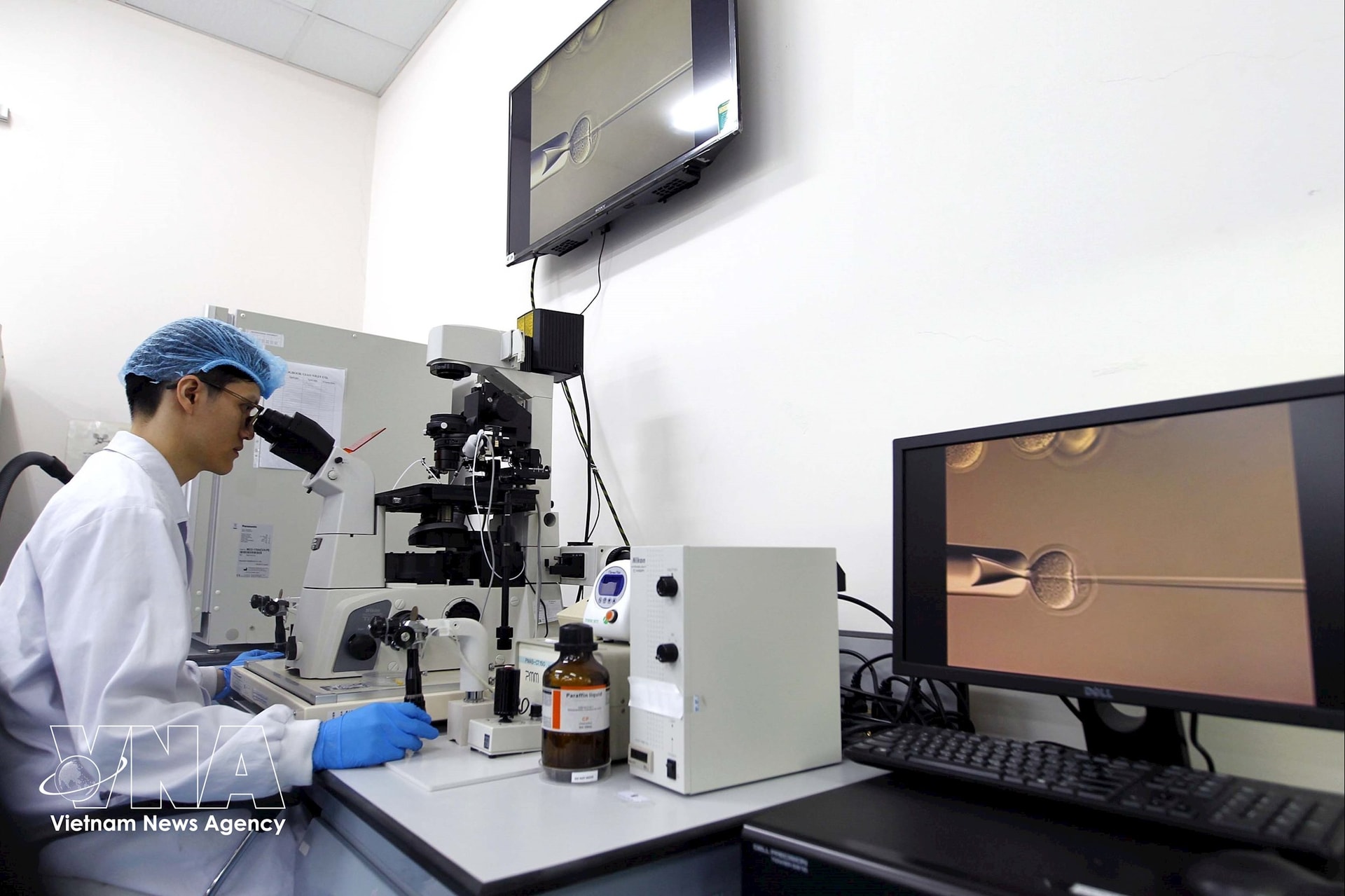
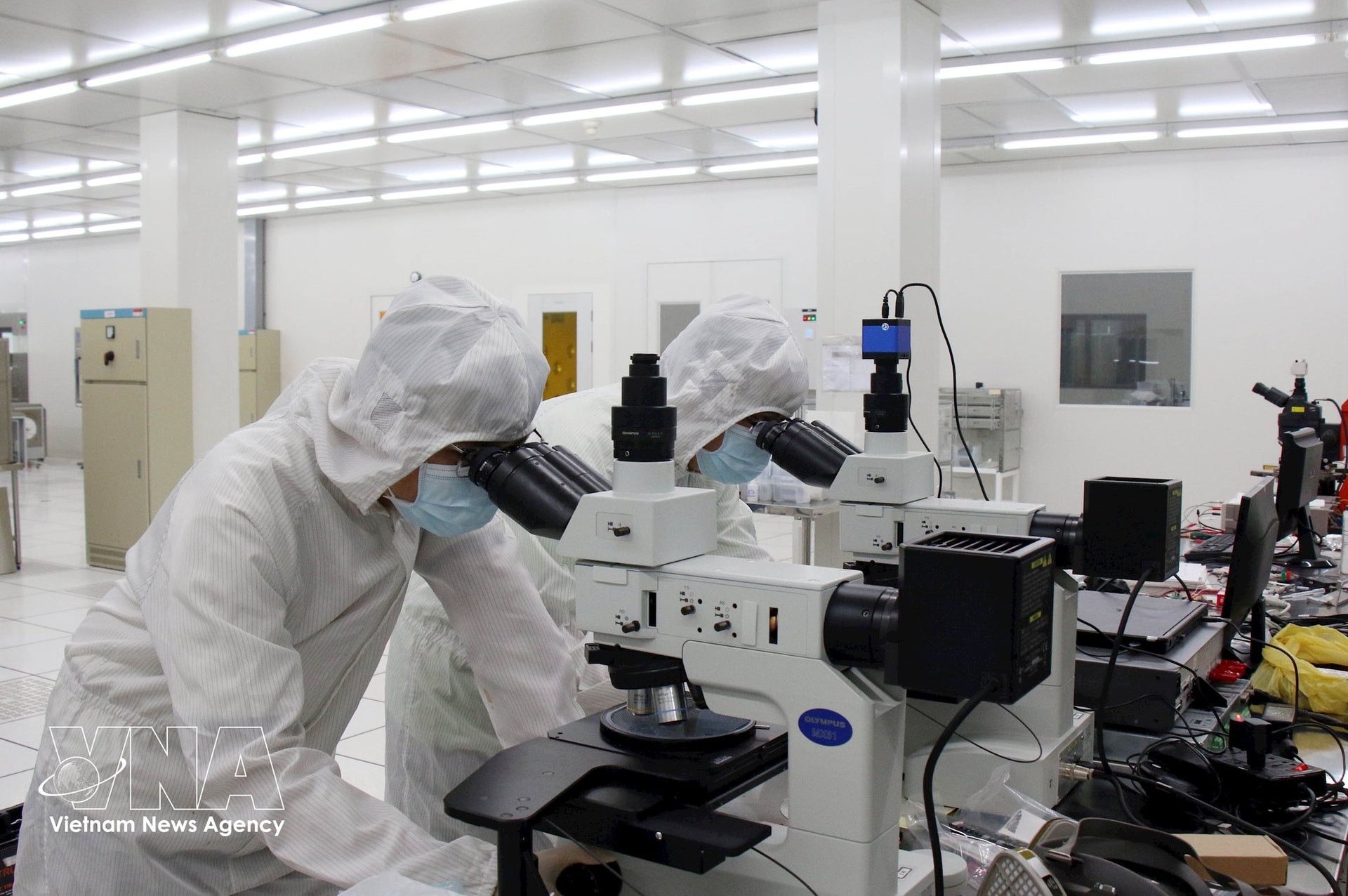
Advanced laboratory systems and scientific instruments are in operation at the biotechnology laboratory of the International University under the Vietnam National University, Ho Chi Minh City. (Photo: VNA)
In health care and medical services, Ho Chi Minh City is prioritising the development and mastery of biomedical technologies, pharmaceuticals, digital health care, precision medicine, personalised medicine, genetic technologies, smart medical devices and AI applications in diagnostic imaging and medical data analysis. The objective is to strengthen the local healthcare system through more proactive disease prevention, earlier detection, more accurate diagnosis and more effective treatment.
Tissue-cultured orchid plants are cultivated at the Ho Chi Minh City Agricultural Hi-Tech Park. (Photo: Agriculture and Environment Newspaper)
Within urban agriculture, Ho Chi Minh City is investing efforts in cutting-edge sci-tech solutions to enhance productivity, quality and added value while reducing environmental pollution and promoting sustainable development.
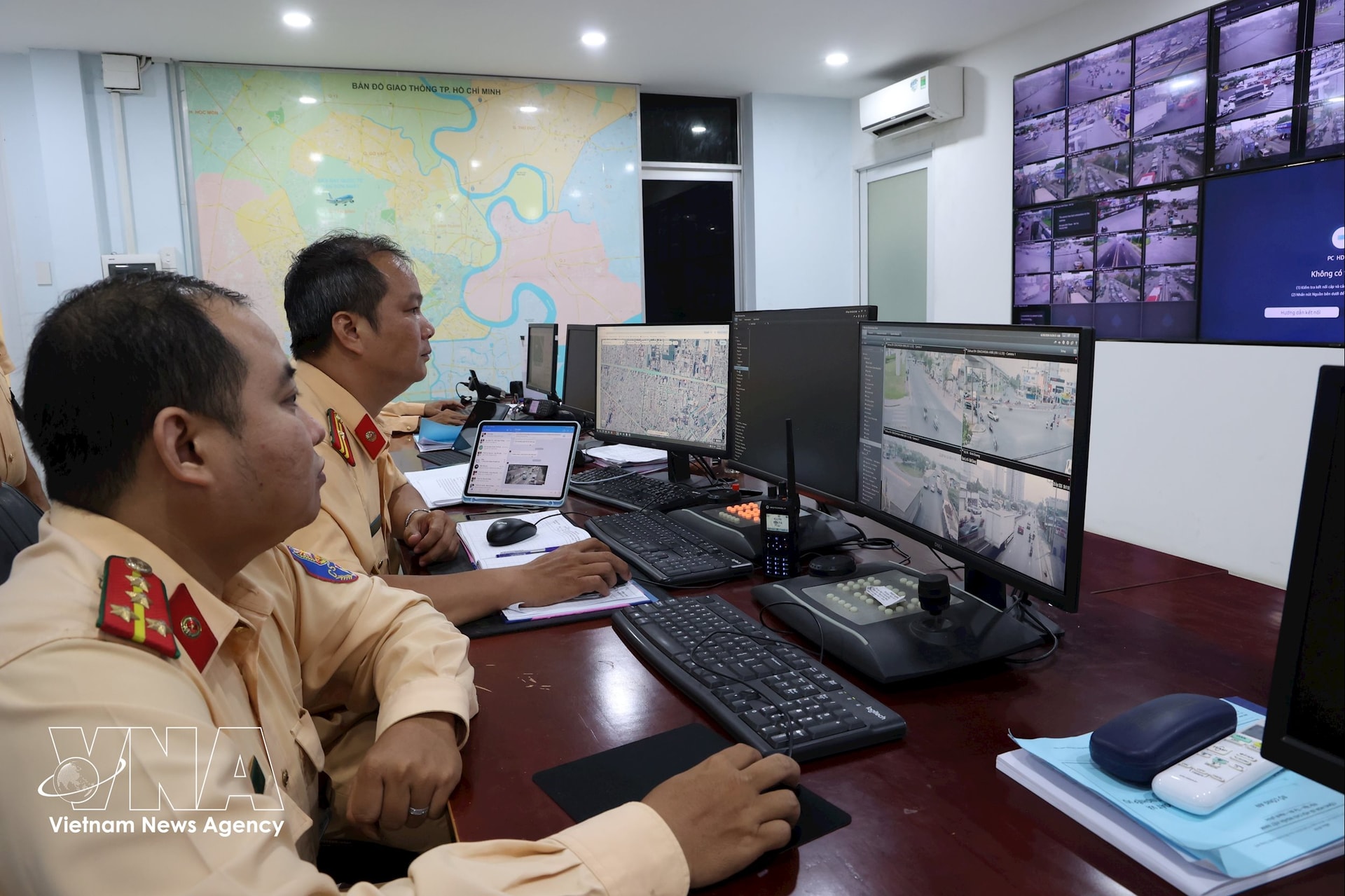
A network of nearly 2,000 surveillance cameras is being run by Ho Chi Minh City traffic police to monitor traffic conditions and enhance road safety. (Photo: VNA)
At the same time, programmes on modern urban governance and climate adaptation involve flood prevention, tidal control, waste management, environmental monitoring, energy management, green transport, urban logistics and digital twin models of simulation, forecasting and real-time urban operations. These research areas are regarded as critical for a megacity facing mounting pressure on infrastructure and the environment.
With a strong foundation in science and technology ecosystems, innovation and digital transformation, together with breakthrough mechanisms introduced through major national resolutions and long-term investment strategies for research capacity and high-quality human resources, the economic hub is steadily advancing towards its ambition of becoming one of Southeast Asia’s leading centres./.
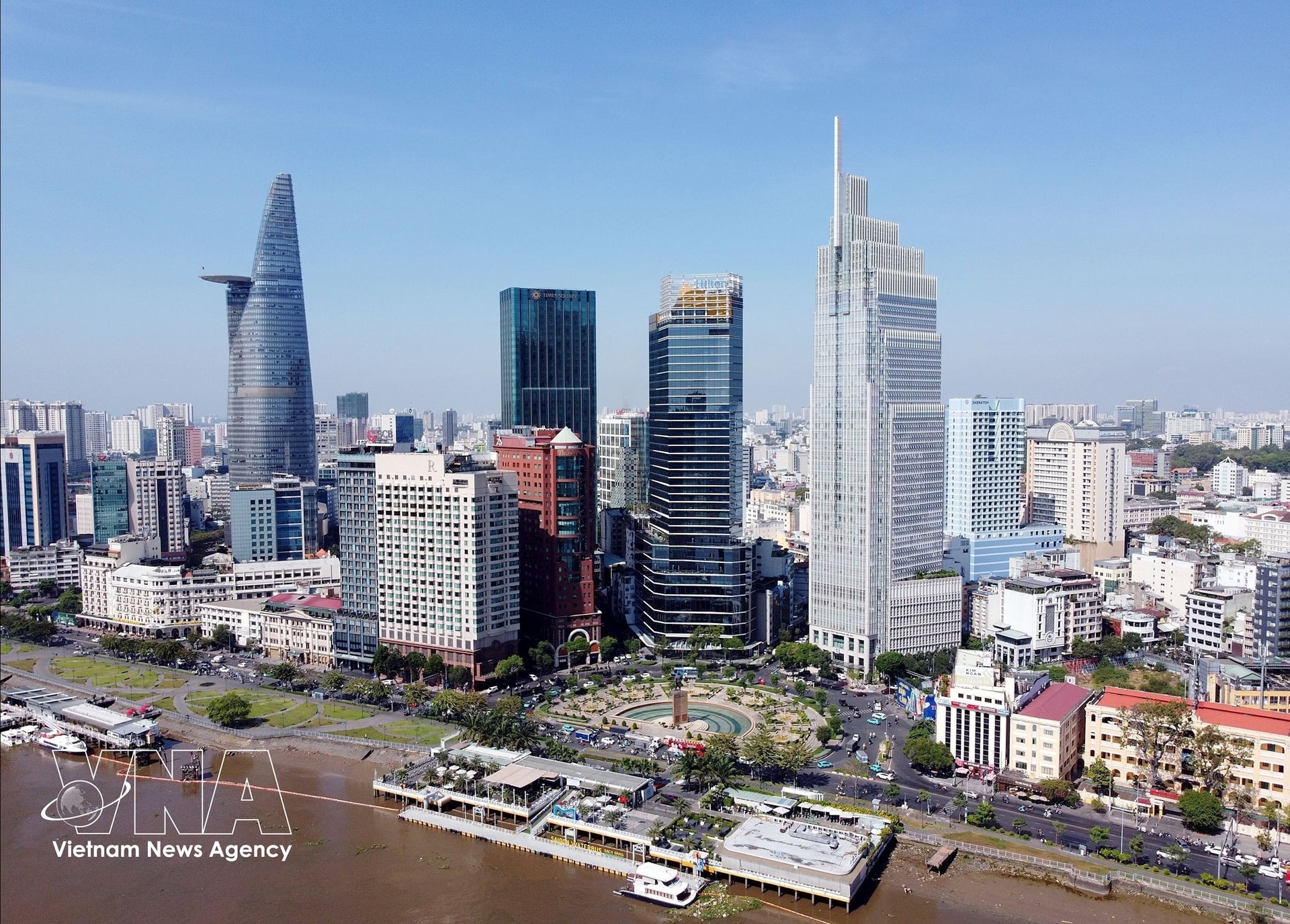
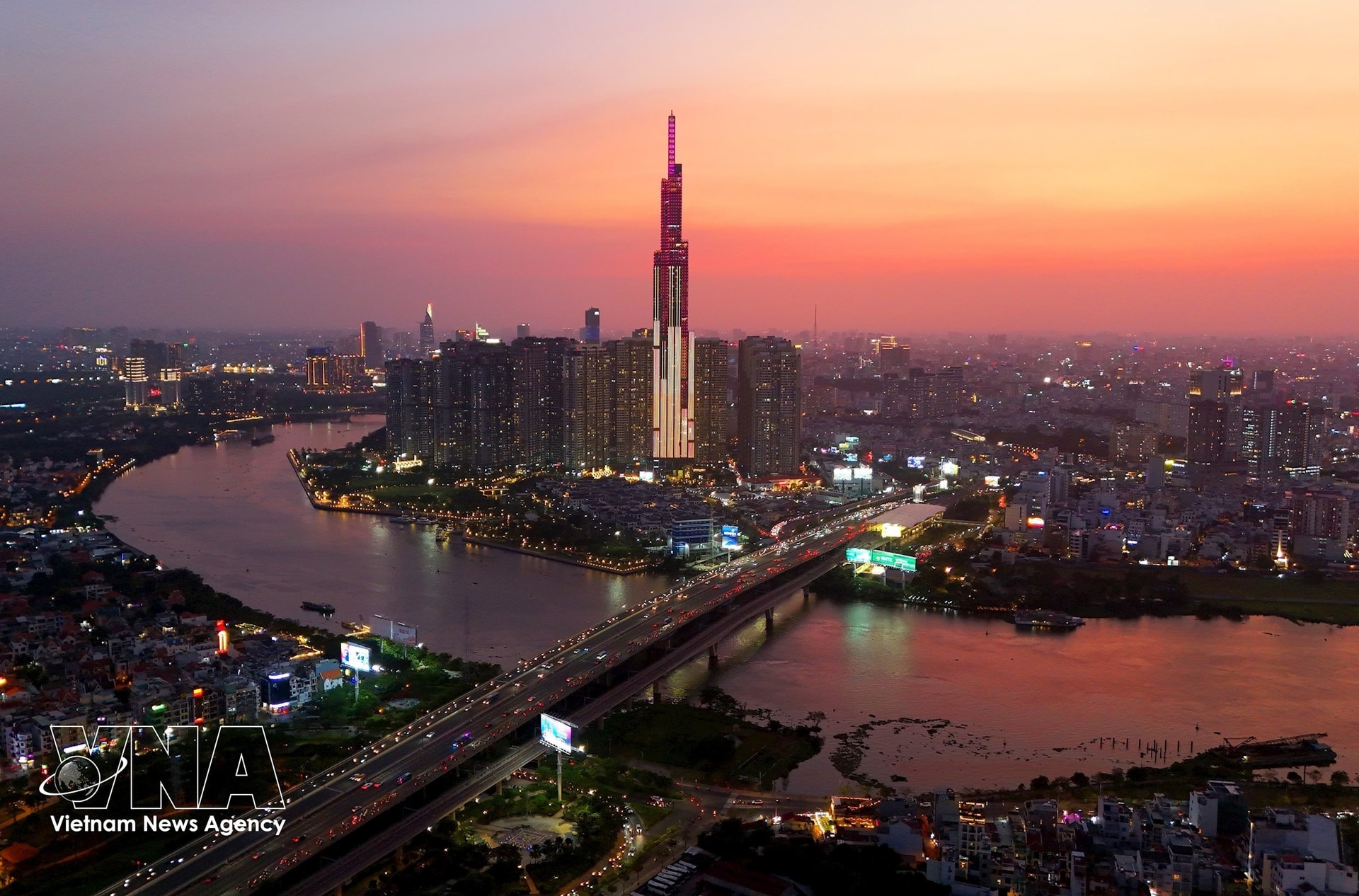
High-rises in downtown Ho Chi Minh City (Illustrative photo: VNA)
Bình luận của bạn đã được gửi và sẽ hiển thị sau khi được duyệt bởi ban biên tập.
Ban biên tập giữ quyền biên tập nội dung bình luận để phù hợp với qui định nội dung của Báo.


.jpg "Превращение культуры во внутренний ресурс и движущую силу развития")


.jpg)
.jpg)