SCIENCE-TECHNOLOGY, INNOVATION CENTRAL TO VIETNAM'S DEVELOPMENT STRATEGY
VNA•14/07/2026 15:14
As localities nationwide race to realise the Politburo's Resolution No. 57-NQ/TW on breakthroughs in science – technology development, innovation, and national digital transformation, many are fast-tracking action plans, deploying new technologies, and forming novel growth models. But the rollout is exposing the need for further institutional reform, financing mechanisms, and infrastructure to unlock resources for sustainable development.
New growth engines
Phu Tho has moved early to enact Resolution No. 57 in a coordinated manner. Every commune, ward, and town now has a steering committee tracking the progress, keeping the northern province consistently among the top national performers with all mandated targets and tasks met on schedule under central authorities’ monitoring system.
Phu Tho has moved early to enact Resolution No. 57 in a coordinated manner. (Photo: Phu Tho Newspaper)
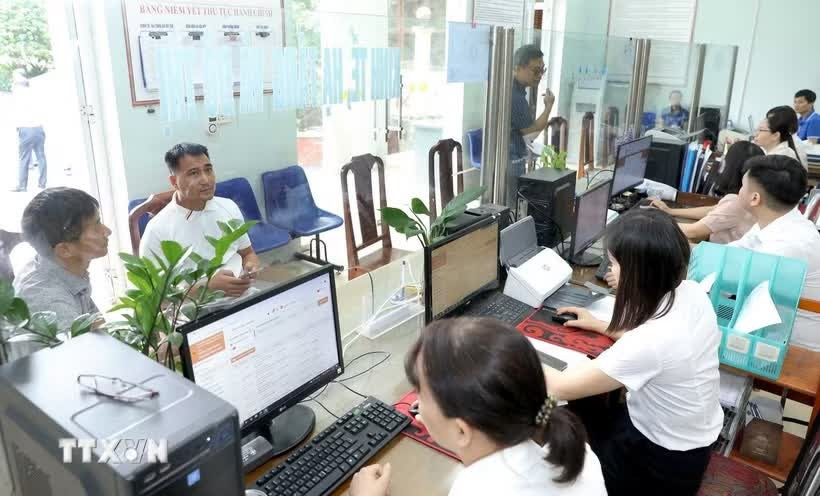
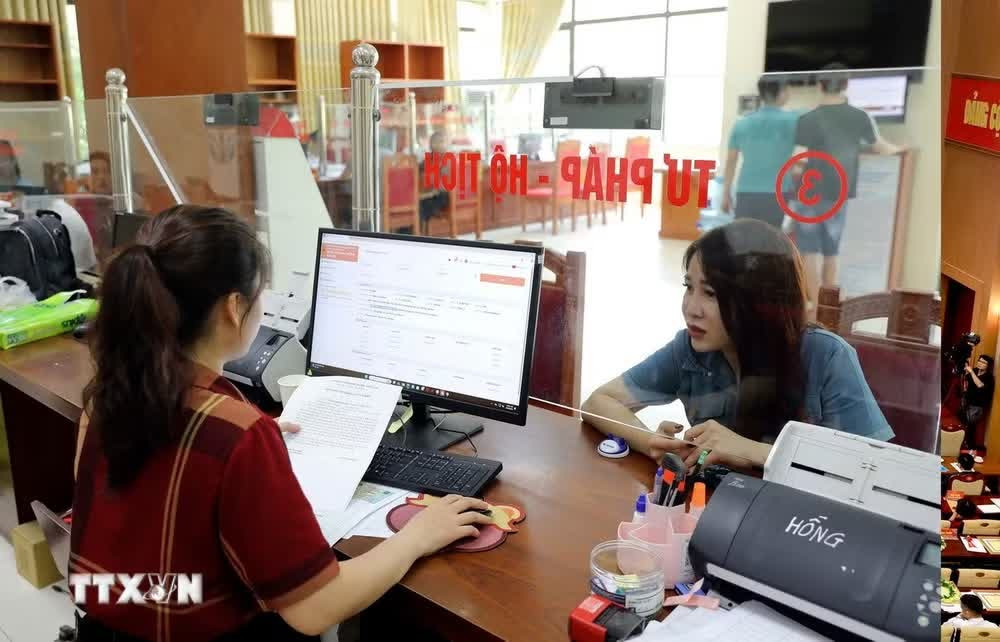
Digital transformation gains tell the story. End-to-end electronic processing rates have climbed to 91.7% for outgoing documents and 93.8% for incoming ones, the highest nationwide. The rate of administrative procedures handled entirely online has surged to roughly 97–99% at present from 89.65% as of July 1, 2025. Nearly 90% of administrative results are now issued electronically, over 87% of records and outcomes have been digitised, and the reuse rate of digitised data has topped 91%.
The public administrative service centre of Vinh Phuc ward, Phu Tho province (Photo: VNA)The public administrative service centre of Vinh Phuc ward, Phu Tho province (Photo: VNA)The public administrative service centre of Vinh Phuc ward, Phu Tho province (Photo: VNA)
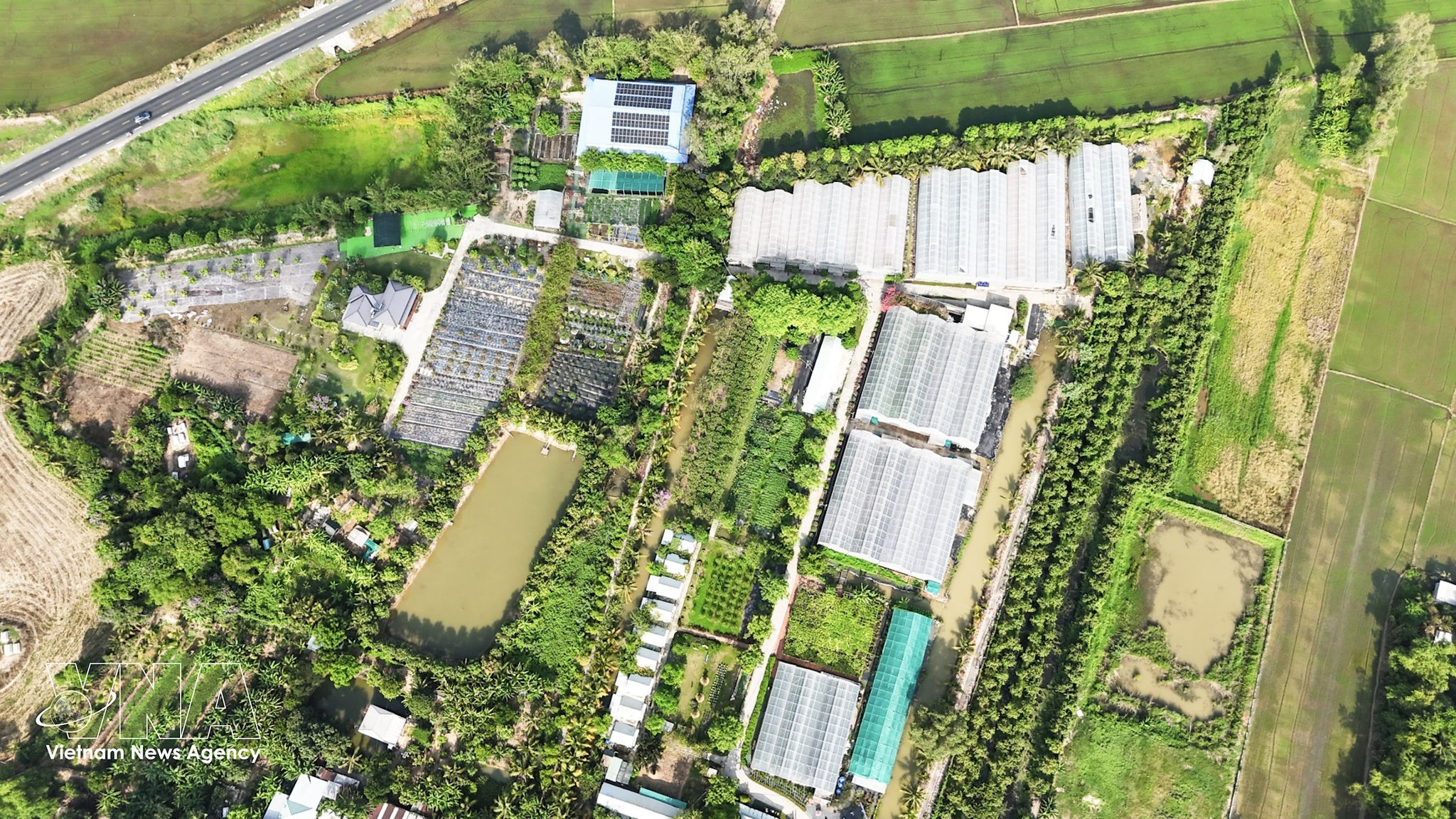
The southern province of An Giang, meanwhile, is channelling technology into its agricultural engine. It has adopted a technology application, transfer, and innovation agenda for the 2026–2030 period, with a vision toward 2035, backed by an estimated 120 billion VND (nearly 4.6 million USD) from the state budget and other legitimate funding sources.
Sản xuất lúa chất lượng cao ứng dụng cơ giới hóa tại vùng chuyên canh lúa của tỉnh An Giang. Ảnh: TTXVN
An automated drip irrigation system is being used at a mango orchard in Cu Lao Gieng commune, An Giang province to conserve water and fertiliser (Photo: VNA)
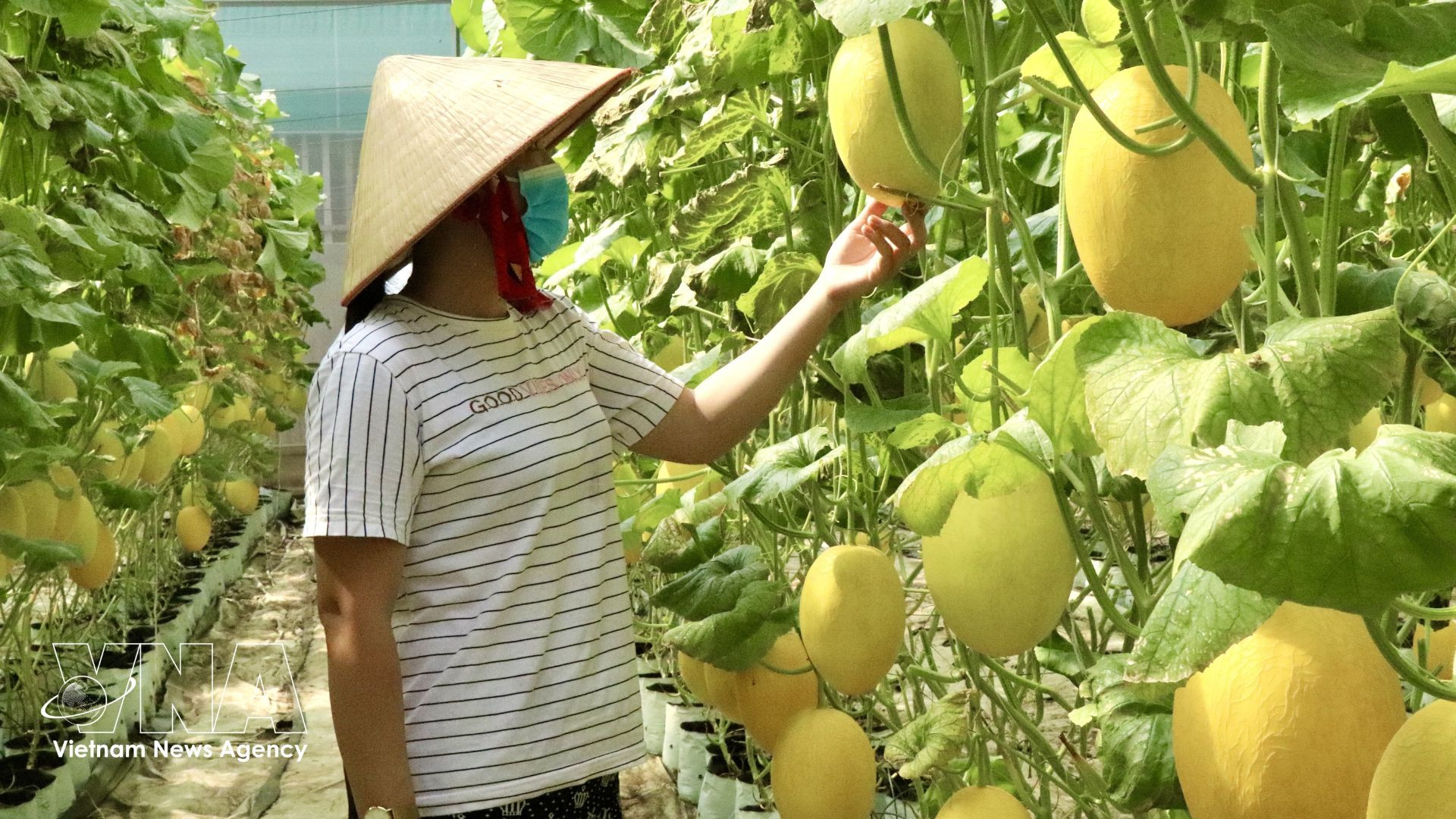
A greenhouse-grown melon cultivation model in My Hoa Hung commune, An Giang province delivers stable yields and consistent quality (Photo: VNA
A greenhouse-grown melon cultivation model in My Hoa Hung commune, An Giang province delivers stable yields and consistent quality (Photo: VNA
A greenhouse-grown melon cultivation model in My Hoa Hung commune, An Giang province delivers stable yields and consistent quality (Photo: VNA)
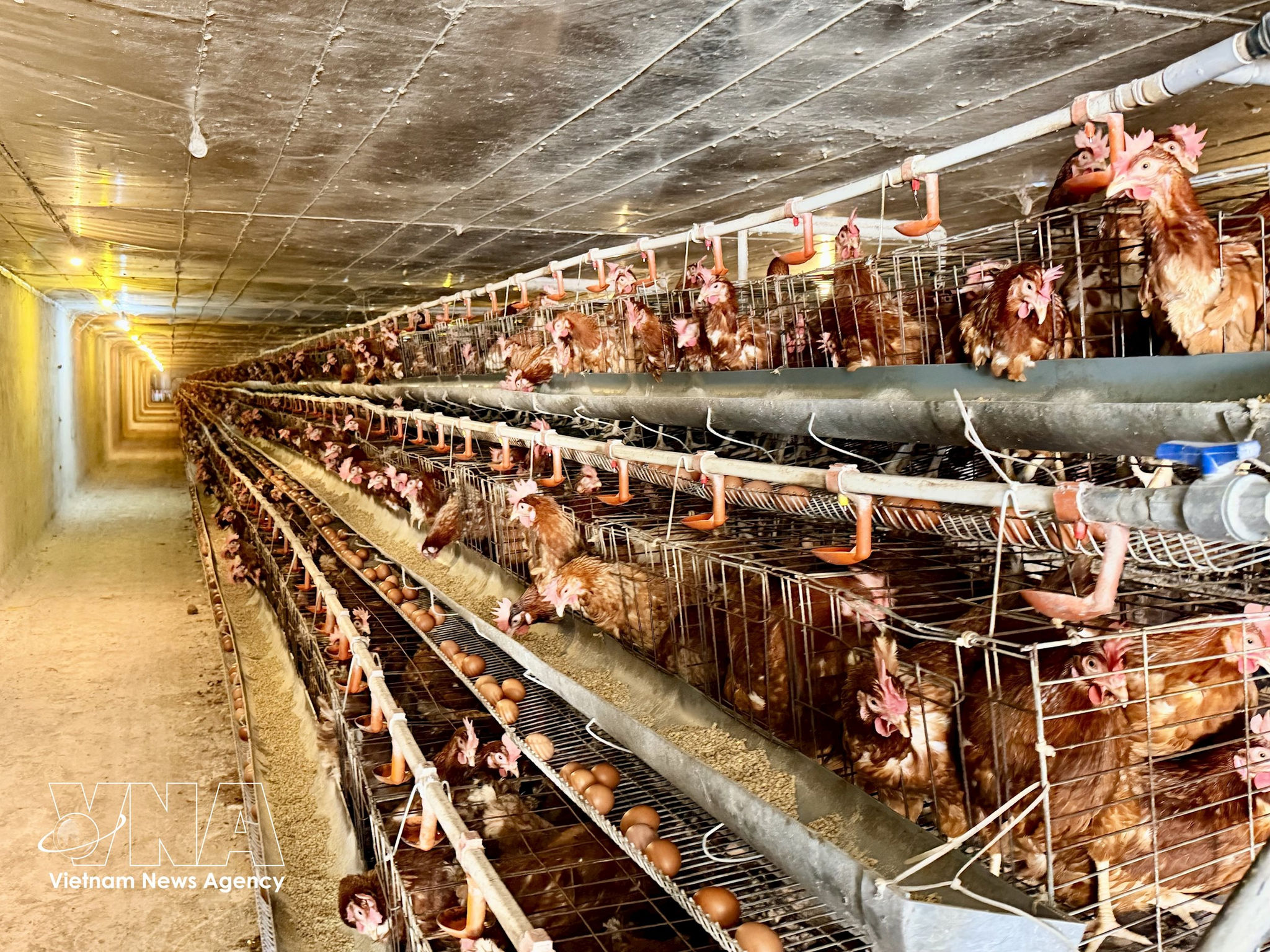
Laying hens thrive in a tech-controlled rearing environment (Photo: VNA)
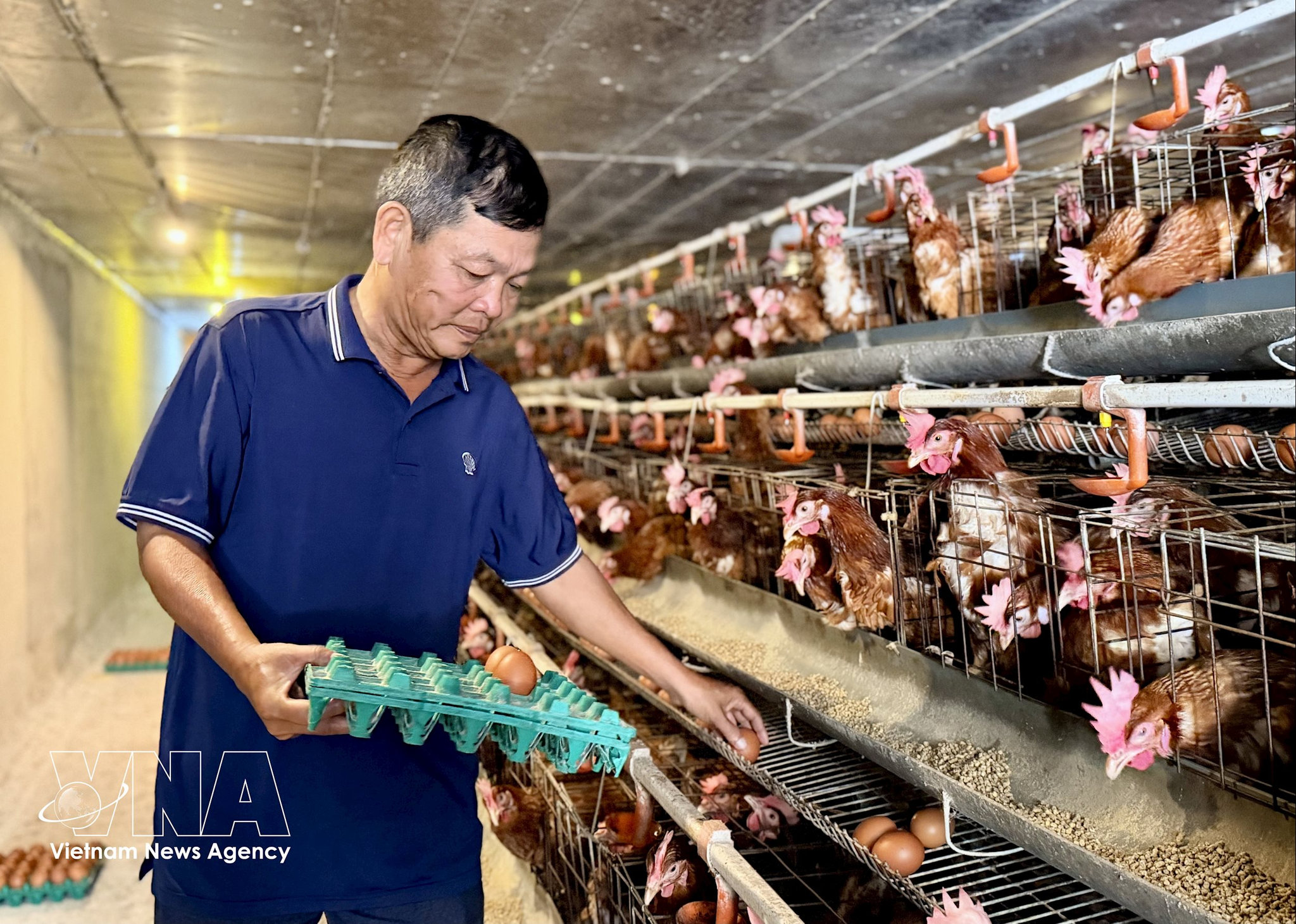
Nguyen Hoa Binh from Vinh Te ward, An Giang province collects and checks eggs at a closed-loop chicken farm (Photo: VNA)N
The agenda maps out roughly 50 technology application, transfer, and innovation projects spanning digital technology, automation, the Internet of Things, and other advanced fields. Another 50 pilot technology production and commercialisation projects are planned to refine technologies, validate technical processes, and accelerate the path from lab to market.
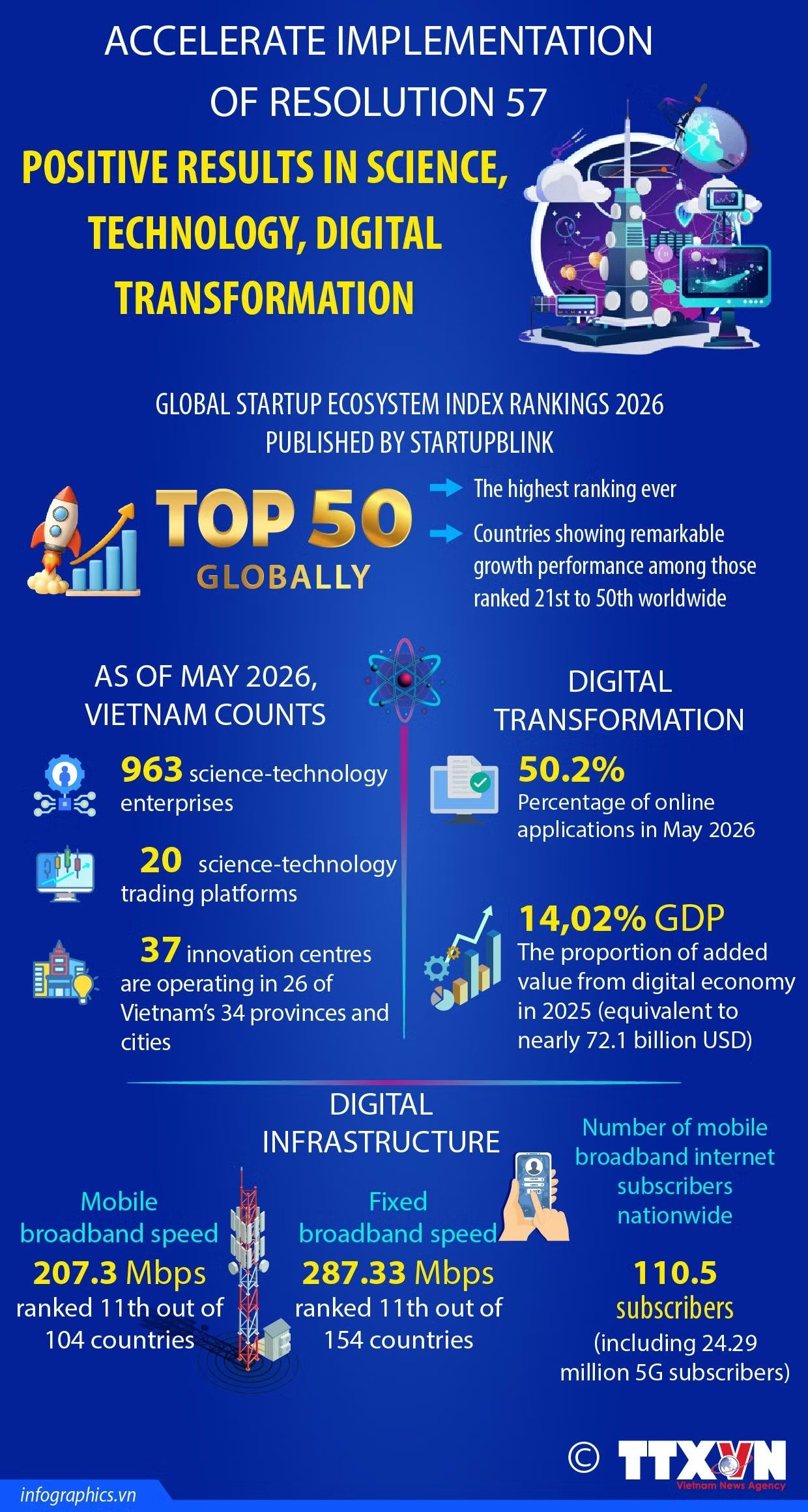
Beyond local efforts, Vietnam’s sci-tech business community is also gaining momentum. By the end of 2025, the country counted 962 certified sci-tech enterprises. Biotechnology made up the largest share at 39%, followed by information technology (23%), automation (19%), and advanced materials (10%). Around 300 of these enterprises have mastered their production technologies, and roughly 50 have developed the capacity to export technology products. The numbers signal that science – technology is gradually becoming a new growth driver, helping lift labour productivity, the quality of economic expansion, and national competitiveness.
By the end of 2025, the country counted 962 certified sci-tech enterprises. Biotechnology made up the largest share at 39%, followed by information technology (23%), automation (19%), and advanced materials (10%).
Refining mechanisms to unlock resources
Party General Secretary To Lam (sixth from left), Prime Minister Pham Minh Chinh (fifth from left), and officials attend the launch of Vietnam Innovation Day 2025 and Vietnam International Innovation Expo 2025. (Photo: VNA)
Encouraging as the early results are, realities are forcing a hard look at institutional reform and policy enforcement. Many localities cannot set up venture capital or sci-tech development funds as they lack detailed operational guidelines. Plans for provincial-level innovation centres are stuck due to unanswered questions about governance models, funding options, and legal status. Several localities are also pressing for upgrades to digital systems supporting administrative procedures to deliver greater interoperability, consistency, and flexibility as Vietnam’s decentralisation push accelerates.
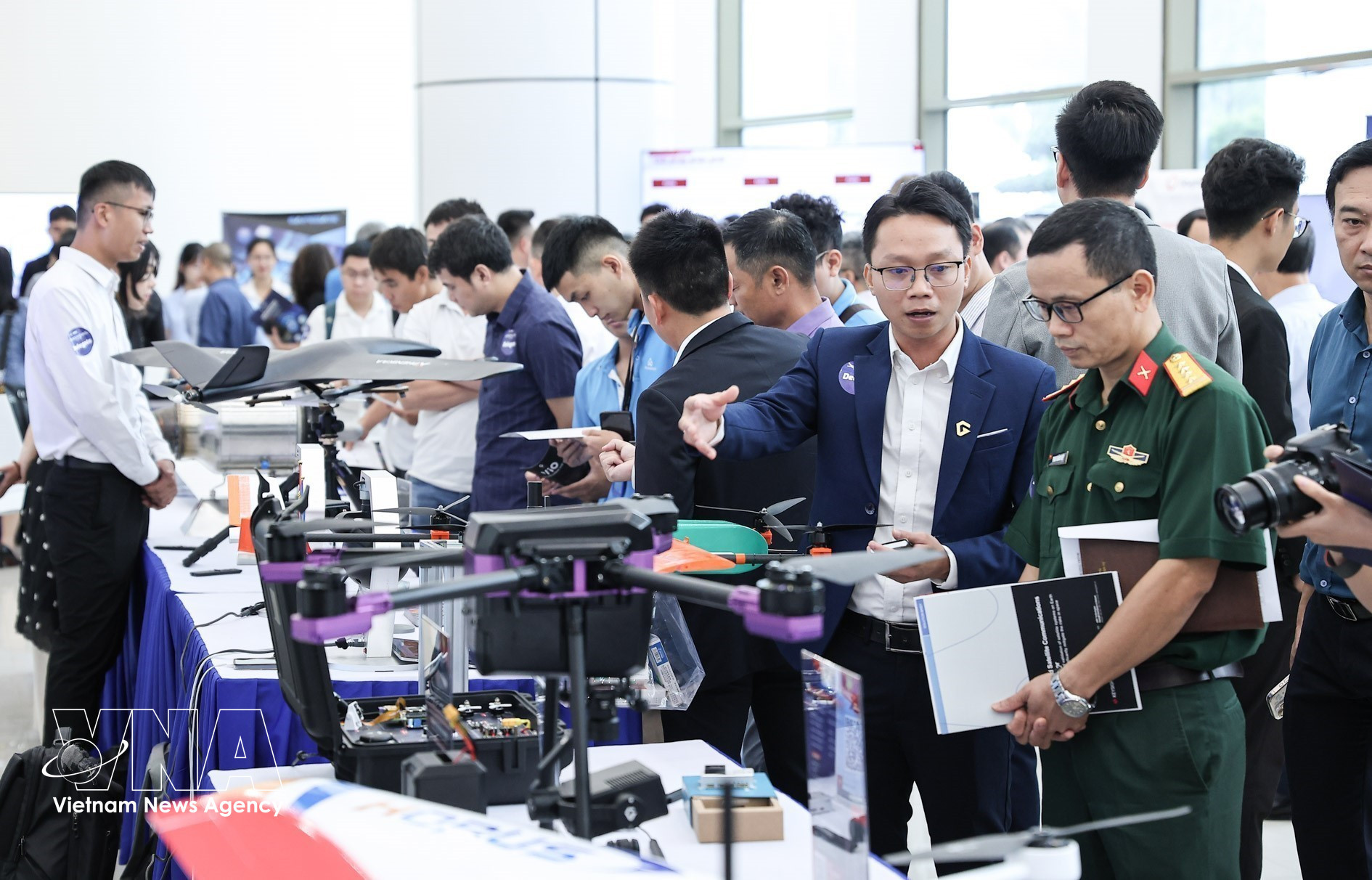
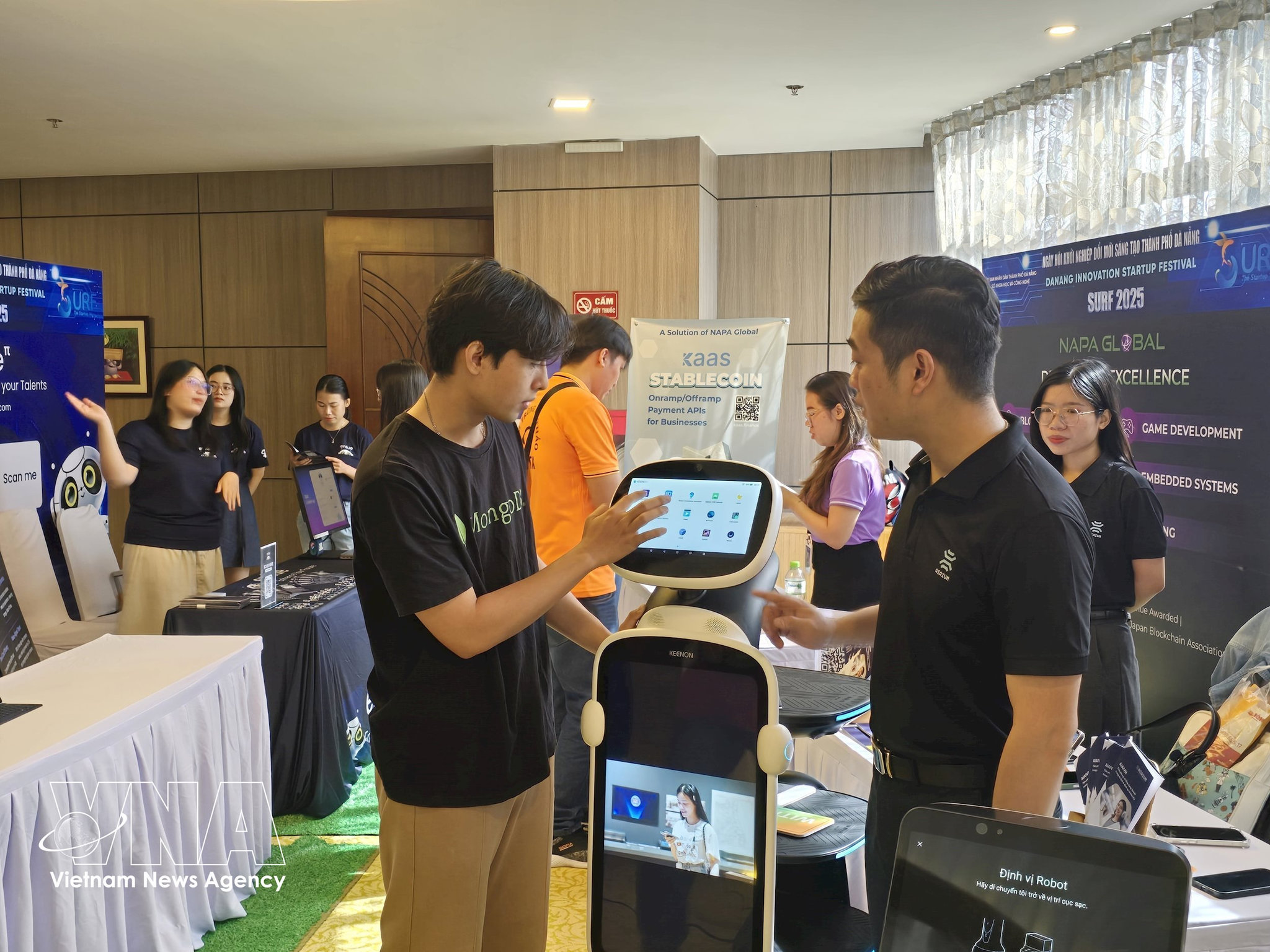
The Tay Ninh People's Committee inaugurates the provincial innovation centre and launches the 2026 Week of Science-Technology, Innovation and Digital Transformation on March 18. (Photo: VNA)Tay Ninh students access technology through hands-on learning models. (Photo: VNA)A technology demonstration showcase at the Da Nang Innovation Startup Festival (SURF) 2025 (Photo: VNA)Visitors explore exhibition booths at the launch of three innovation networks in strategic technology sectors on August 25, 2025. (Photo: VNA)Young people explore robotics at the exhibition booth of Viet Robot Education JSC. (Photo: VNA)Visitors to an exhibition on innovation space and OCOP products of Da Nang youth. (Photo: VNA)
Digital infrastructure remains uneven, leaving rural and mountainous areas behind. Local capacity is limited for digital transformation and innovation while demand for high-skilled technology professionals keeps climbing.
In response, many localities are urging central authorities to issue regulations governing support for sci-tech enterprises and funds, venture capital funds, and innovation hubs.
They are also flagging shared national databases, the publication of sector-specific data standards, and stronger data sharing among ministries, agencies, and local authorities as essential levers for governance efficiency and for reducing overlapping investments.
Tran Xuan Dich, Deputy Director of the National Agency for Startups and Technology Entrepreneurship under the Ministry of Science and Technology, said 2025 marked a milestone in completing the institutional framework envisioned by the Party and State. The revised Law on Science and Technology now explicitly bakes in “innovation”, providing a stronger legal foundation for knowledge-based economic models. Incentive policies on taxation, land use, and credit have been embedded directly into sector-specific legislation covering investment, taxation, and land, giving regulators more flexibility to respond to evolving business needs.
“
2025 marked a milestone in completing the institutional framework envisioned by the Party and State. The revised Law on Science and Technology now explicitly bakes in “innovation”, providing a stronger legal foundation for knowledge-based economic models
Tran Xuan Dich, Deputy Director of the National Agency for Startups and Technology Entrepreneurship
As global competition pivots toward knowledge, technology, and innovation, putting science – technology and innovation at the core of Vietnam’s development strategy is both an immediate necessity and a long-term imperative to harden the economy’s self-reliance. It also lays the groundwork for deeper integration into global value chains and a gradual build-out of a knowledge-based economy in the next development stage./.
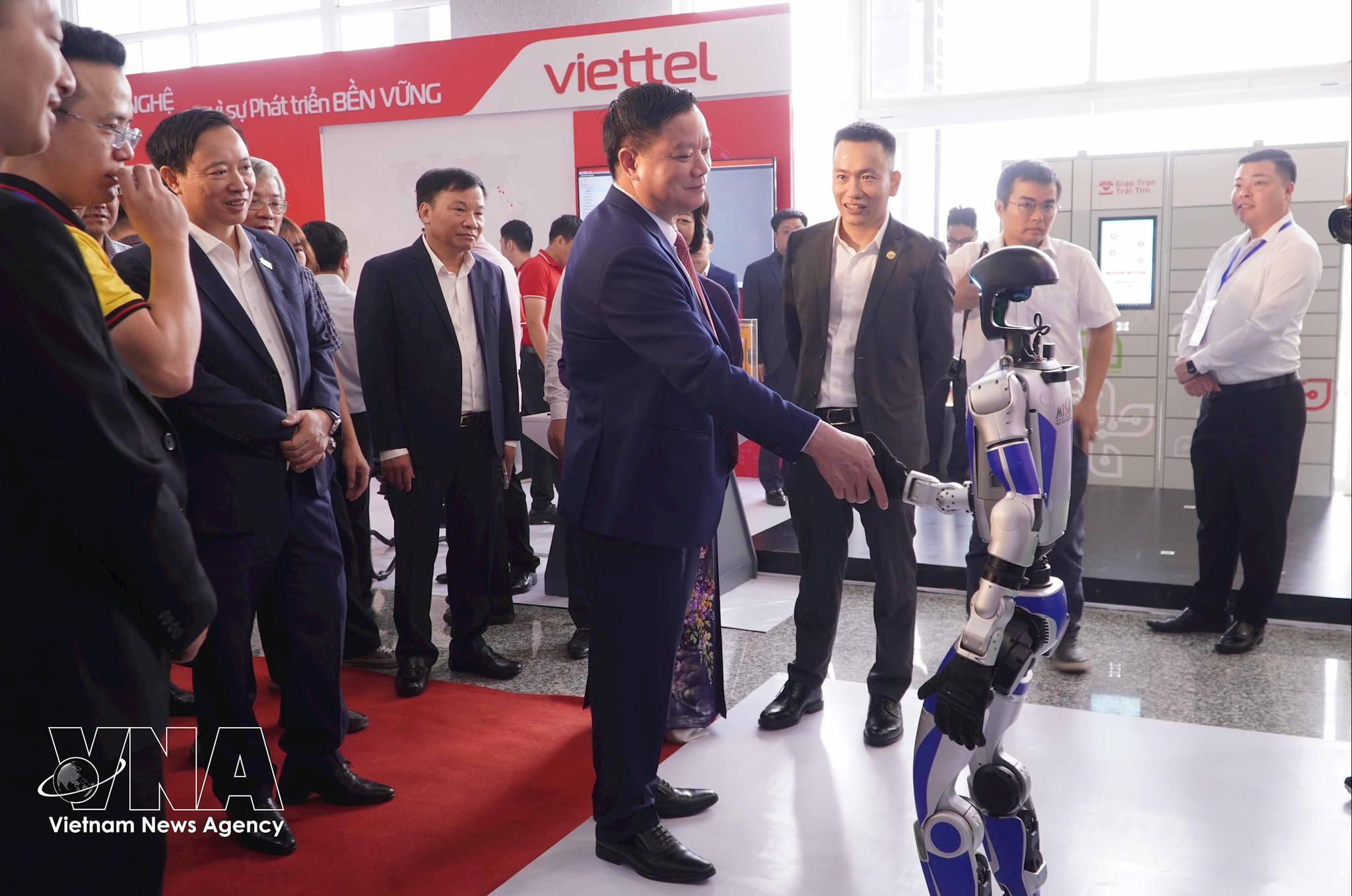
Officials tour a display of hi-tech products at the Hung Yen Forum on Science, Technology, Innovation and Digital Transformation 2025. (Photo: VNA)
Bình luận của bạn đã được gửi và sẽ hiển thị sau khi được duyệt bởi ban biên tập.
Ban biên tập giữ quyền biên tập nội dung bình luận để phù hợp với qui định nội dung của Báo.