.jpg "Превращение культуры во внутренний ресурс и движущую силу развития")


Gửi bình luận
LongForm
EFFORTS MADE TO PRESERVE, PROMOTE VALUES OF NON NUOC CAO BANG GLOBAL GEOPARK
UNESCO presented certificates to 12 newly designated UNESCO Global Geoparks and 44 others that successfully passed revalidation in Paris on April 27, 2026. Among them, Vietnam’s Non Nuoc Cao Bang Global Geopark was once again honoured, reaffirming its outstanding heritage and sustained efforts in preservation and promotion.
A land rich in geological and cultural heritage
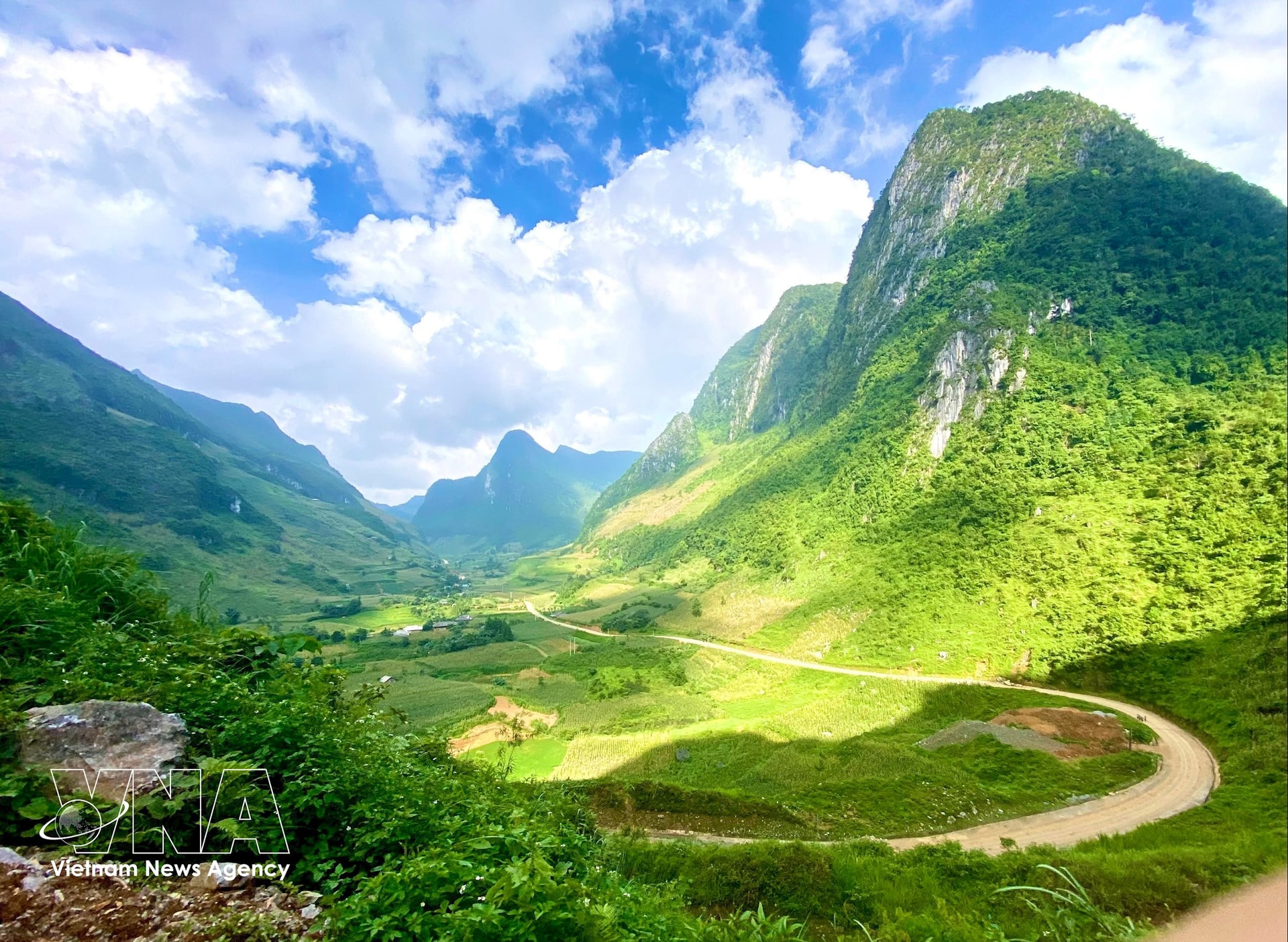
First recognised by UNESCO on April 12, 2018, the Non Nuoc Cao Bang Global Geopark in the northern province of Cao Bang is a land shaped by more than 500 million years of geological history. Covering over 3,683 sq.km and encompassing all or part of 36 communes and wards, the geopark is home to numerous scenic landscapes, as well as historical and cultural sites of exceptional value.
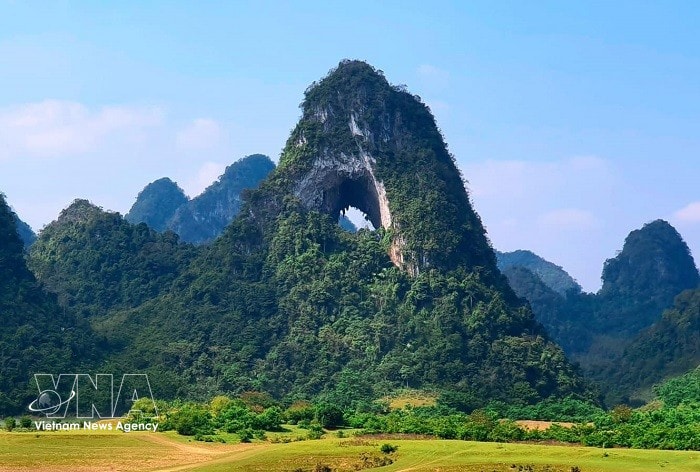
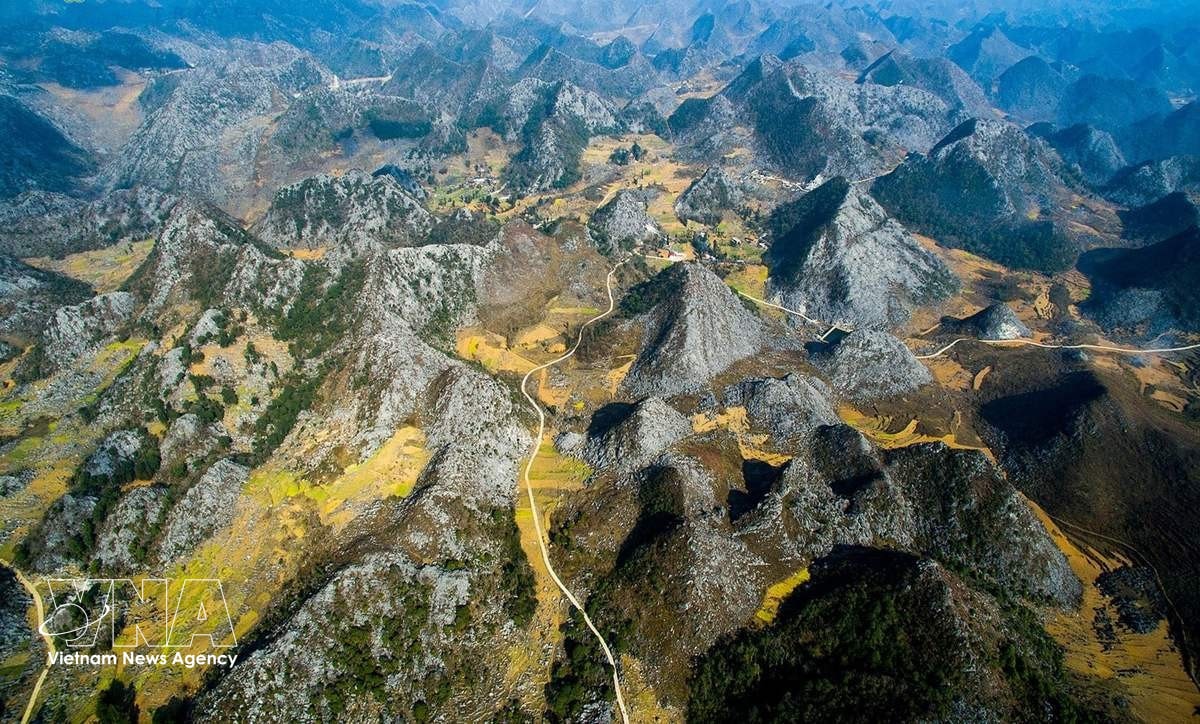
Scientists have identified more than 130 unique geological heritage sites in the area, featuring diverse limestone formations such as karst towers, cone-shaped hills, caves, valleys, rivers, lakes and underground cave systems.
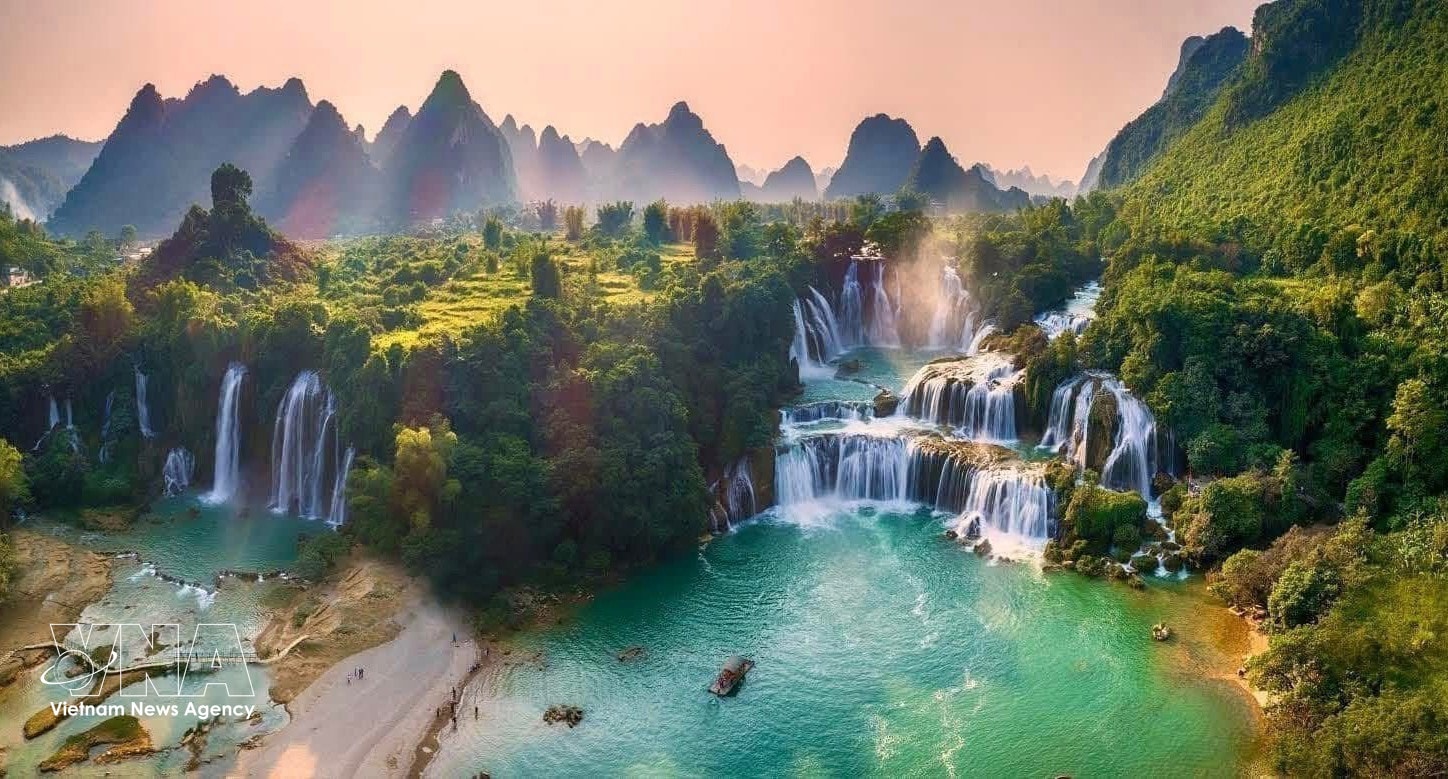
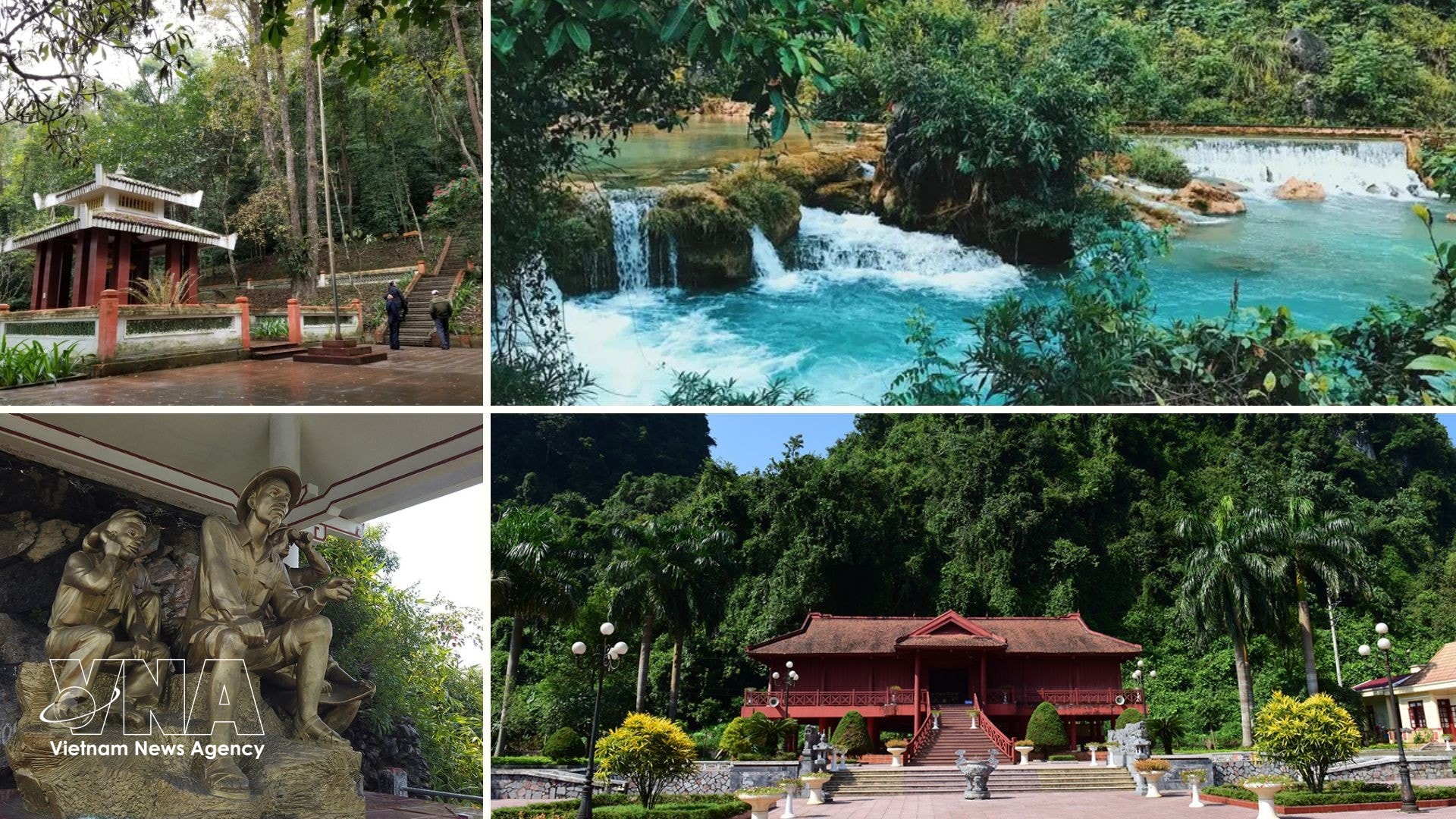
Famous attractions, including Ban Gioc Waterfall, Nguom Ngao Cave, Mat Than Mountain, the Quay Son River, and the Pac Bo special national relic site, create a distinctive appeal for the region. The area also contains important palaeontological fossils, geological boundaries, fault systems, and mineral resources, reflecting complex geological evolution over hundreds of millions of years.
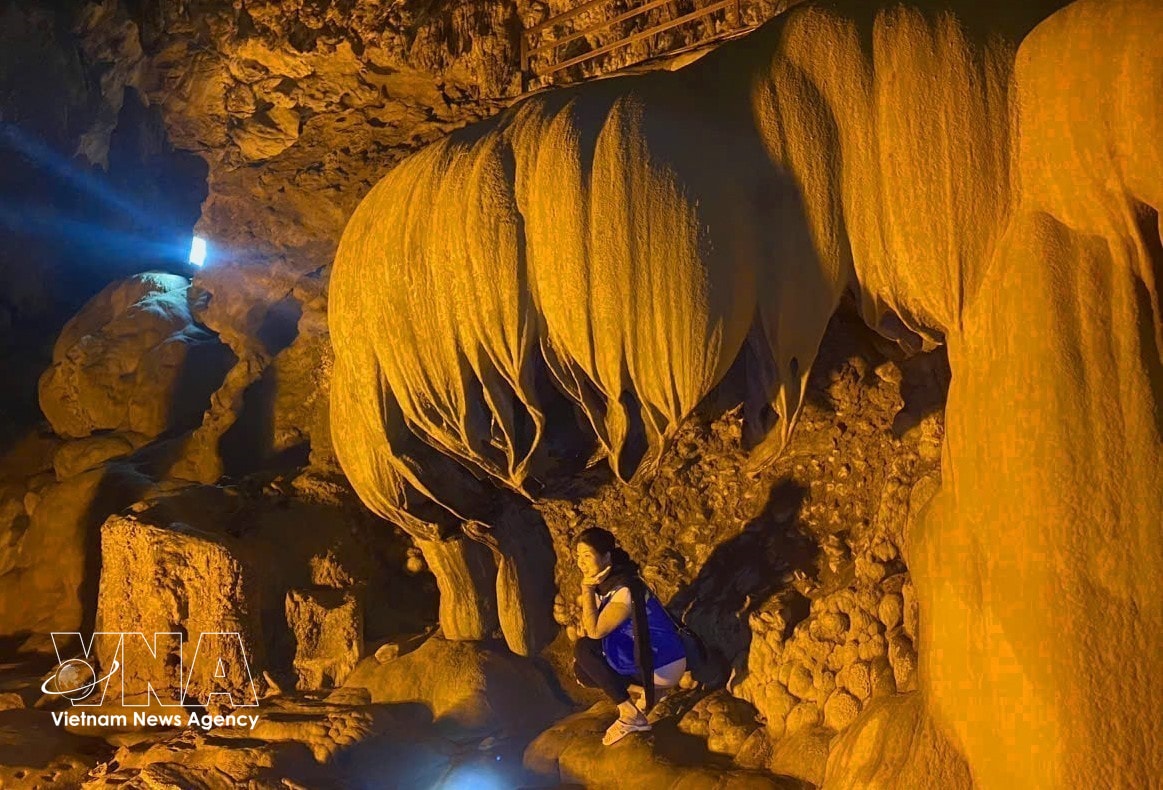
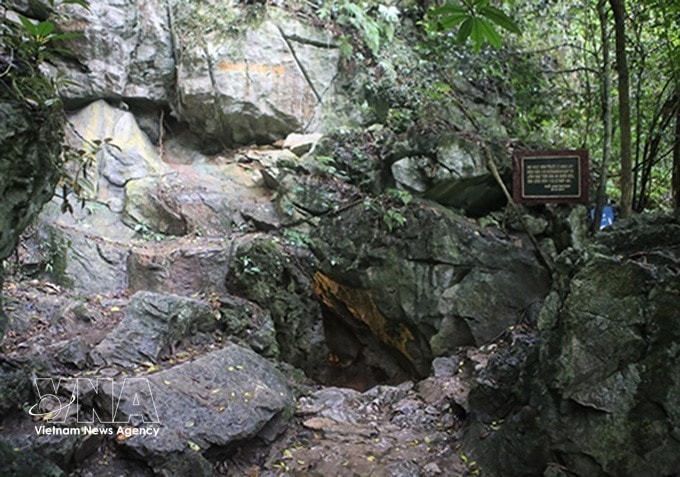
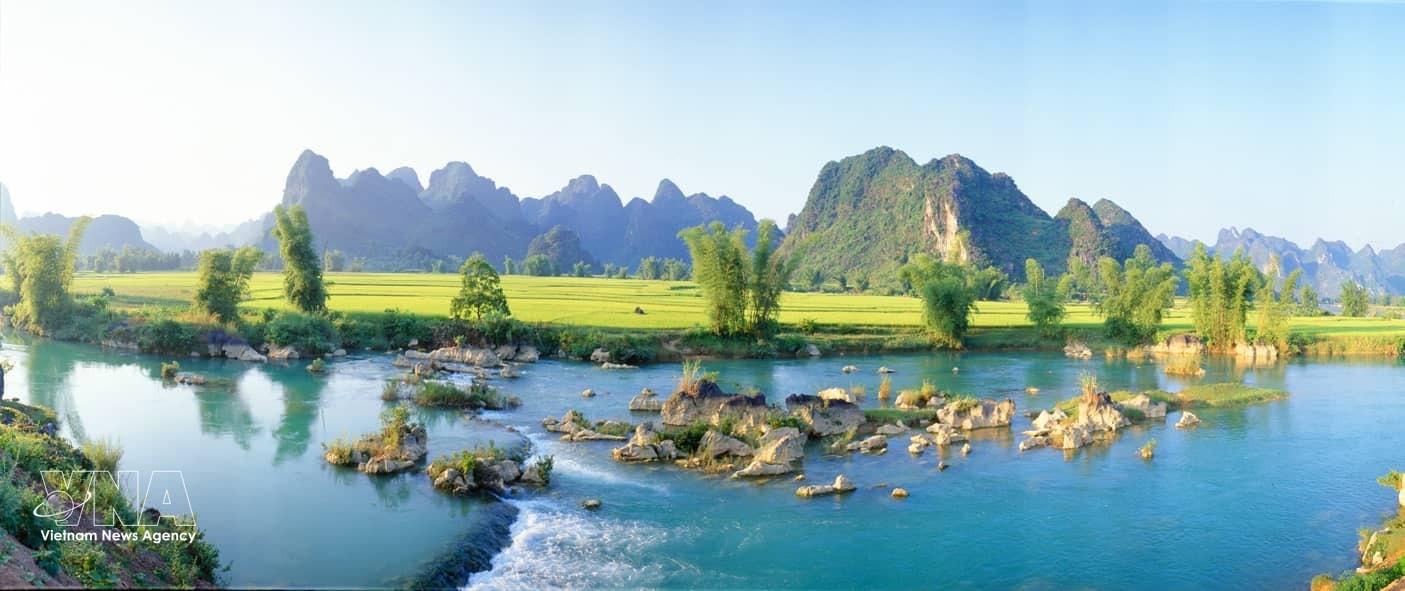
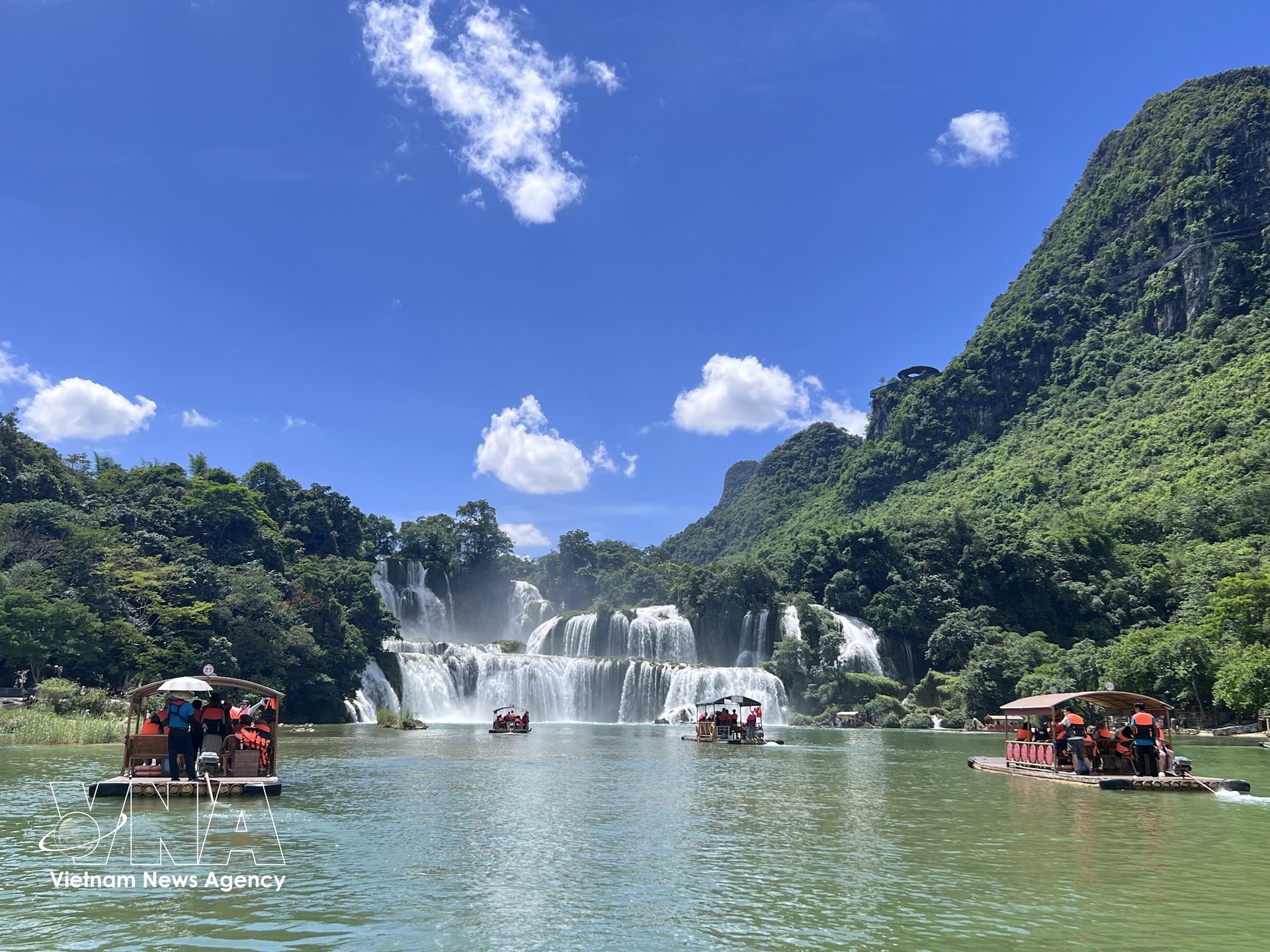
Beyond its geological significance, Cao Bang boasts rich biodiversity, with distinctive ecosystems and many rare flora and fauna species such as nghien (Burretiodendron hsienmu), bach vang (Callitropsis vietnamensis), hoang lien chan ga (Coptis quinquesecta), eastern black crested gibbon (Nomascus nasutus), and stump-tailed macaque (Macaca arctoides).
The geopark is also rich in historical and cultural heritage, with more than 210 ranked relic sites, including three special national relic complexes: Pac Bo, where President Ho Chi Minh conducted revolutionary activities when he returned to Vietnam in 1941; Tran Hung Dao Forest, where the Vietnam Propaganda Unit of Liberation Army – the forerunner of the Vietnam People’s Army – was established in 1944; and the 1950 Border Campaign Victory Site.
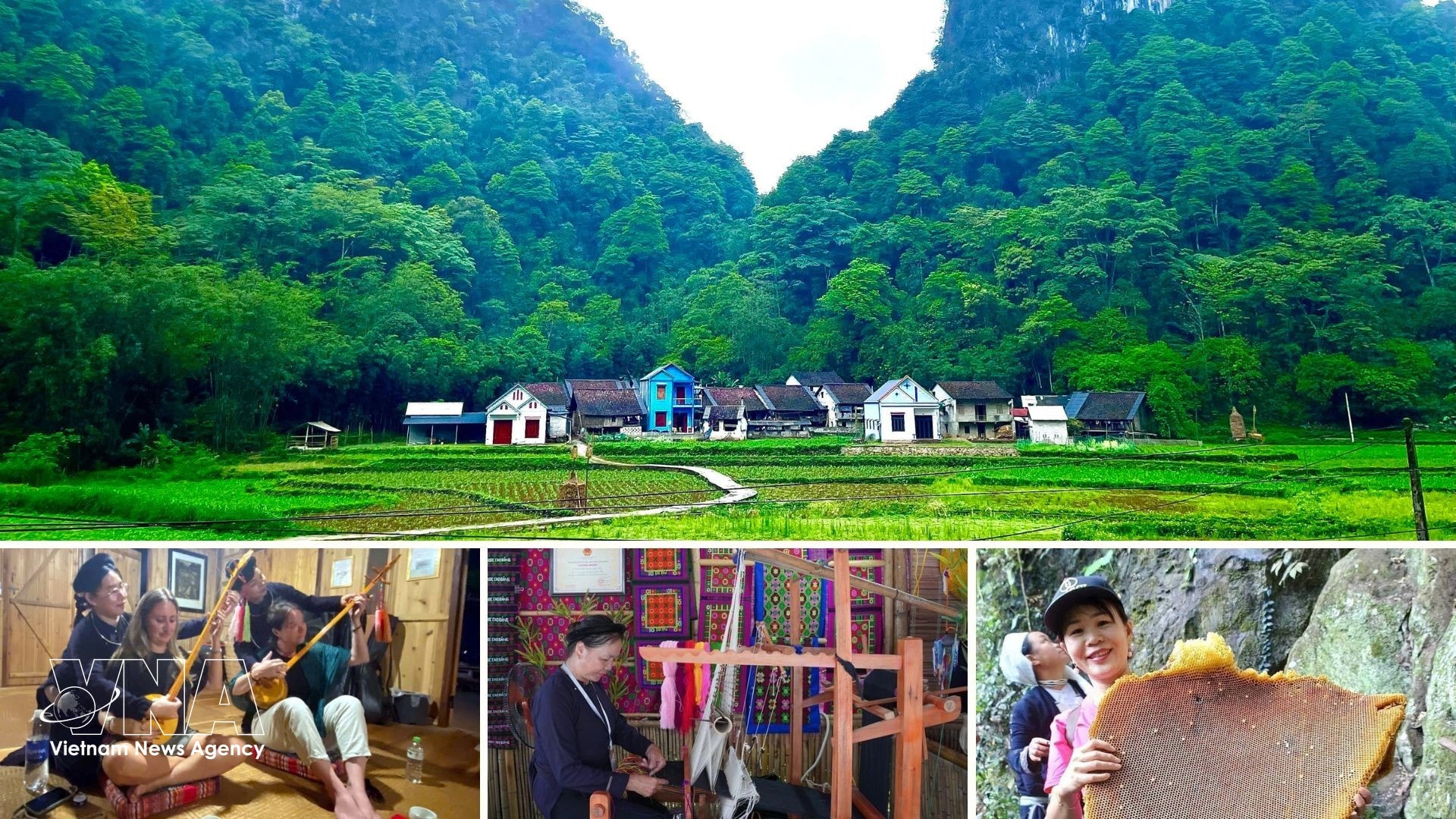
More than 95% of the local population belongs to ethnic minority groups, creating a vibrant and diverse cultural space. Traditional festivals such as the Long Tong festival of the Tay people, the Gau Tao festival of the Mong people, and the cap sac initiation ceremony of the Dao people have been preserved and promoted. Local cuisine, including banh khao, steamed rice rolls, sour noodle soup, and roasted pork, also reflects the unique identity of the mountainous region.
The harmonious blend of geological, scenic, and cultural values has earned Non Nuoc Cao Bang the reputation as a “treasure trove” of heritage, making it an attractive destination for domestic and international visitors and serving as an important resource for sustainable socio-economic development.
Preserving and promoting heritage values
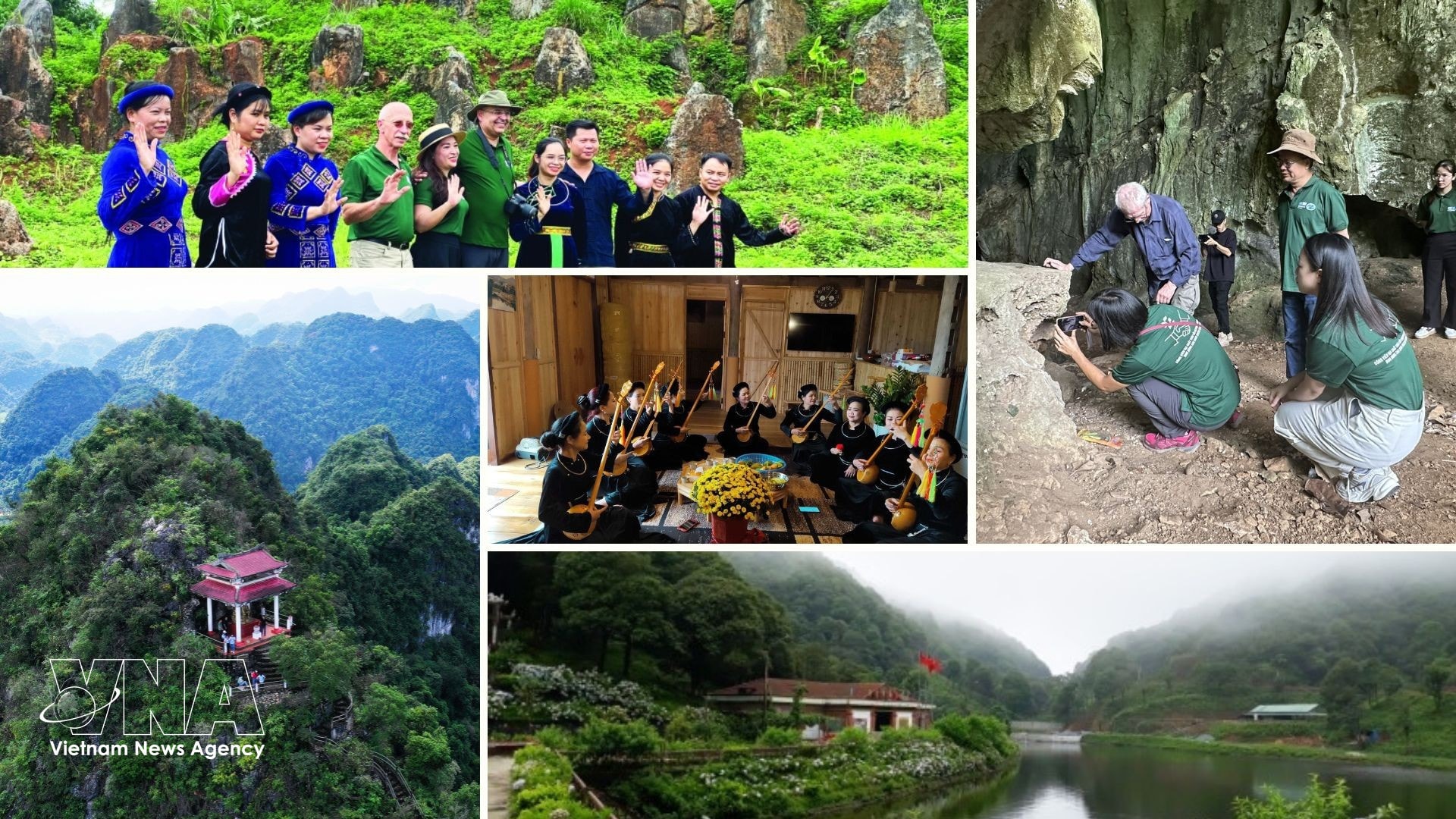
In recent years, Cao Bang has effectively implemented UNESCO’s criteria and recommendations on preserving and promoting geopark values. Public awareness campaigns have been intensified to improve community understanding of heritage conservation and sustainable tourism through training programmes, workshops, field surveys, and a range of communications activities.
The province has also participated in activities organised by the UNESCO Global Geoparks Network and the Asia-Pacific Geoparks Network. In 2024, it successfully co-hosted the 8th Asia-Pacific Geoparks Network Symposium, helping enhance its international profile and cooperation.
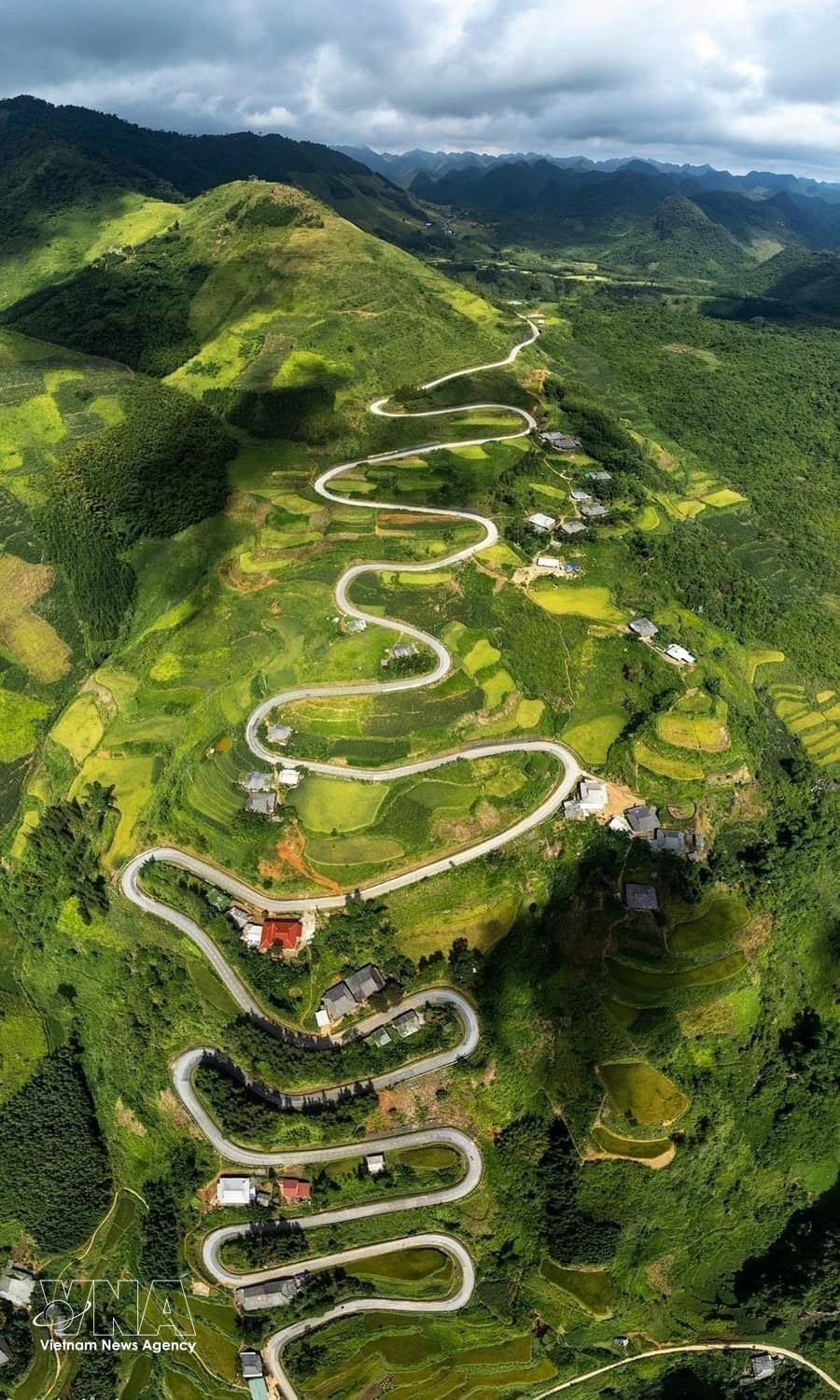
Since 2018, the province has pursued a sustainable tourism strategy linked to resource conservation. Four major tourism routes featuring 57 destinations have taken shape, each centred on a distinct theme. The northern route, “Journey to the roots”, is associated with the Pac Bo relic site; the western route, “Discovering Phia Oac”, highlights pristine forest ecosystems; the eastern route, “Experiencing indigenous culture”, features Ban Gioc Waterfall, Nguom Ngao Cave and Thang Hen Lake; and the southern route, “Echoes of heroic years”, recalls the region’s glorious revolutionary history.
A fifth tourism route linking the geopark with the Dong Van Karst Plateau Geopark is also under development, and is expected to become a unique model connecting the two UNESCO Global Geoparks.
At the same time, community-based tourism, eco-tourism, and cultural experience models have expanded across local villages. Visitors can explore the lifestyles, cuisine, festivals, and traditional crafts of the Tay, Nung, Mong, Dao, Lo Lo, and San Chi ethnic groups. Folk art forms such as Then singing, tinh lute performances, folk songs, and traditional dances have been revived.
Traditional handicrafts, including brocade weaving, blacksmithing, incense making, and indigo dyeing, have also been restored, helping safeguard cultural identity while creating livelihoods for local people.
Local cultural, sports, and tourism authorities have launched various projects to research and preserve heritage, establish protection zones for important sites, revitalise traditional festivals, and conserve cultural villages such as Khuoi Ky village in Dam Thuy commune. These efforts have helped place heritage at the centre of development, with local communities acting as the key stakeholder.
As a result, Cao Bang’s tourism sector has recorded strong growth. During the 2021–2025 period, the province welcomed around 7.8 million visitors, up more than 50%, while tourism revenue reached approximately 5.5 trillion VND (nearly 209 million USD), triple the previous period. Earlier this year, it was once again named among the 10 most welcoming destinations in Vietnam at Booking.com’s Traveller Review Awards, marking its third consecutive appearance on the list.
These achievements have helped strengthen the Non Nuoc Cao Bang brand and created momentum for green and sustainable tourism development. According to provincial cultural, sports and tourism authorities, UNESCO’s continued recognition reflects the province’s sustained efforts to preserve heritage while improving livelihoods for local communities.
In the coming years, Cao Bang will continue enhancing the management, conservation, and promotion of the geopark's values in parallel with environmental protection and sustainable development. The province also plans to intensify communications and education efforts, promote tourism models that ensure balanced benefit-sharing, and invest further in infrastructure to gradually develop the Non Nuoc Cao Bang Global Geopark into one of Vietnam’s leading tourism destinations during the 2025–2030 period./.