VIETNAM'S RELIGIONS EMBRACE DIGITAL AGE WHILE SAFEGUARDING FREEDOM OF BELIEF
VNA•20/07/2026 16:58
As digital transformation reshapes every aspect of life in the 21st century, religious activities in Vietnam are undergoing profound change. Faith is expanding beyond traditional places of worship into the digital sphere, enabling religious teachings to reach wider audiences more quickly than ever before.
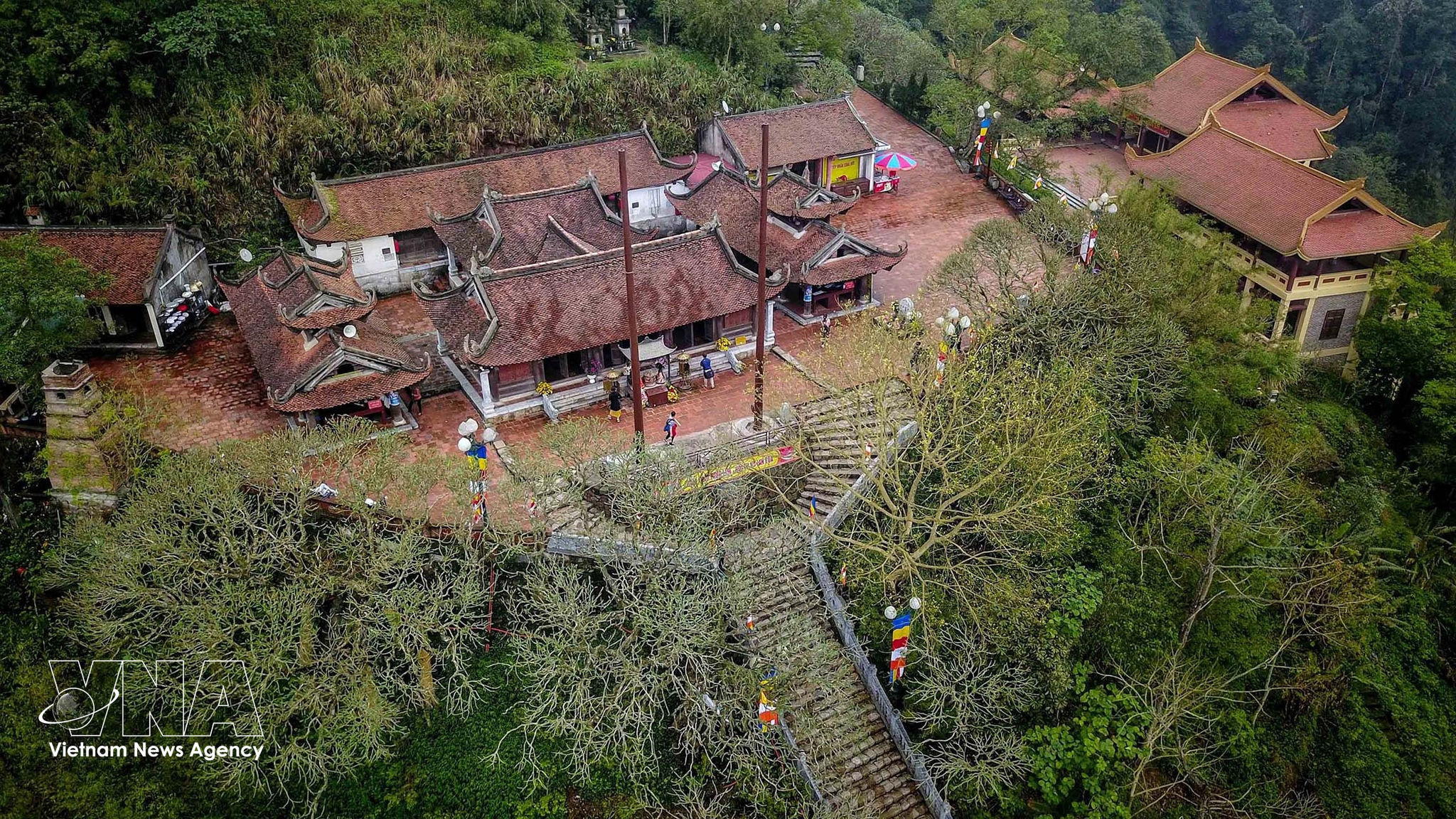
Hoa Yen Pagoda, part of the Yen Tu Historical Site and Scenic Landscape Complex in Quang Ninh province, is fronted by ancient frangipani trees that are more than 700 years old. (Photo: VNA)
The adaptation of religious organisations, together with the State's ongoing legal reforms, is not only facilitating religious life in the digital era but also reaffirming the Vietnamese Government's commitment to safeguarding the right to freedom of belief and religion in accordance with the law.
When religious preachers enter the digital space
More than 95% of Vietnam's population participates in religious activities. The country has officially recognised or granted operation registration to 43 organisations representing 16 religions, with nearly 28 million followers. Rapid advances in digital technology and artificial intelligence (AI) are creating new spaces for religious practice that transcend geographical boundaries.
According to Do Huong, an expert from the Ho Chi Minh National Academy of Politics, online religious activities initially focused on information sharing and community engagement after the 2016 Law on Belief and Religion took effect. However, the COVID-19 pandemic in 2020 became a turning point, accelerating the shift towards online worship and marking the beginning of a broader digital transformation across religious organisations.
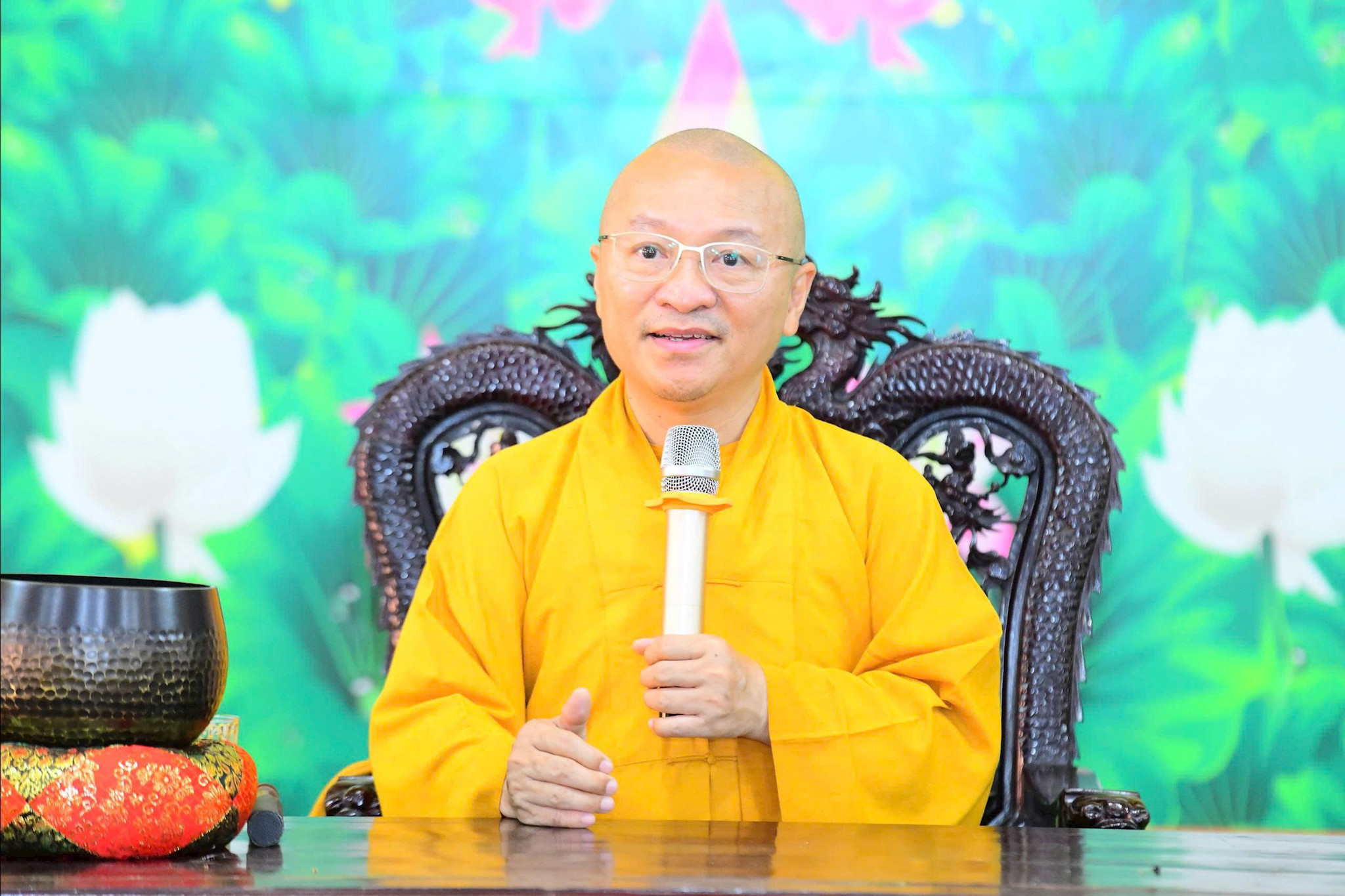
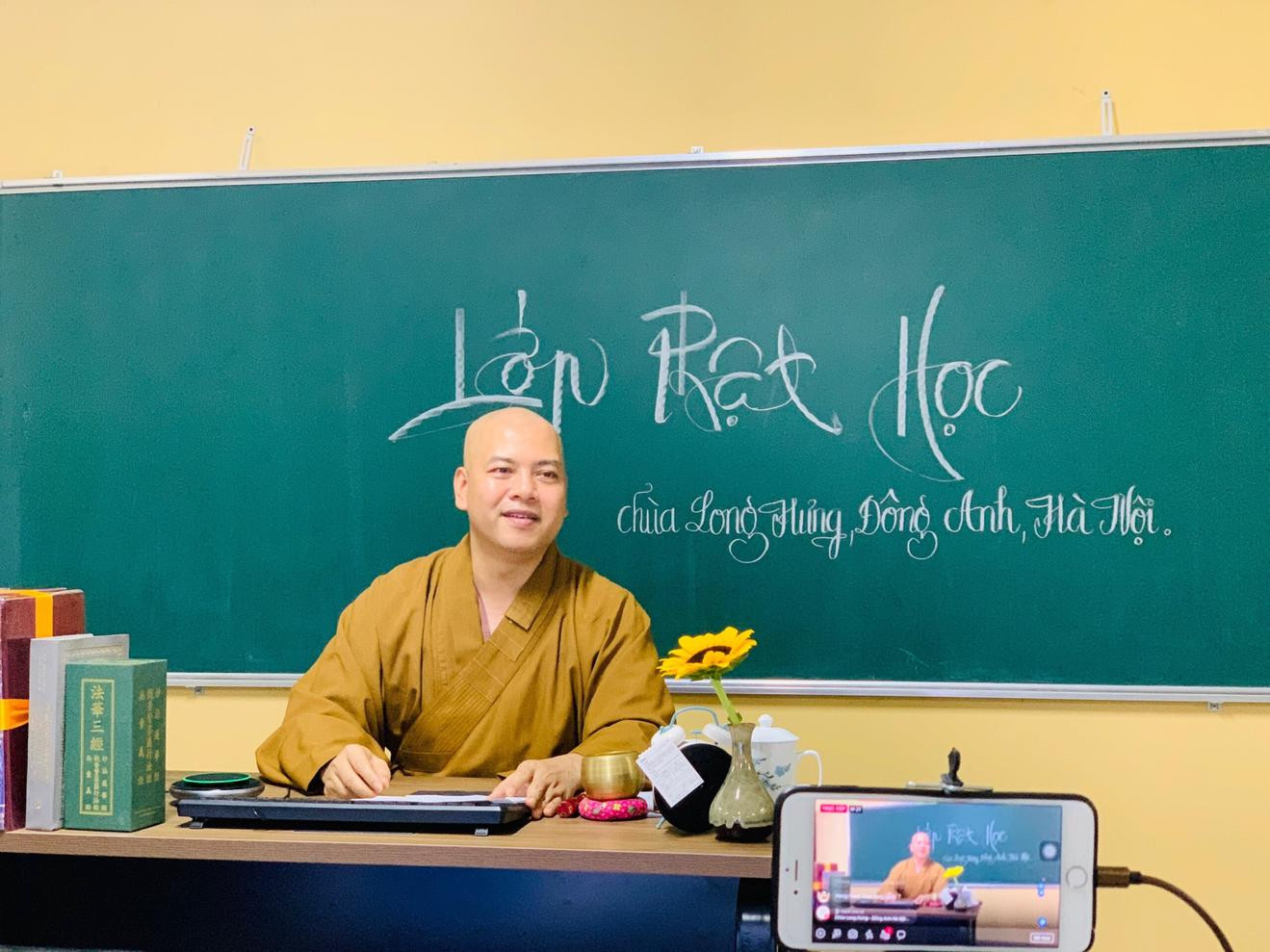
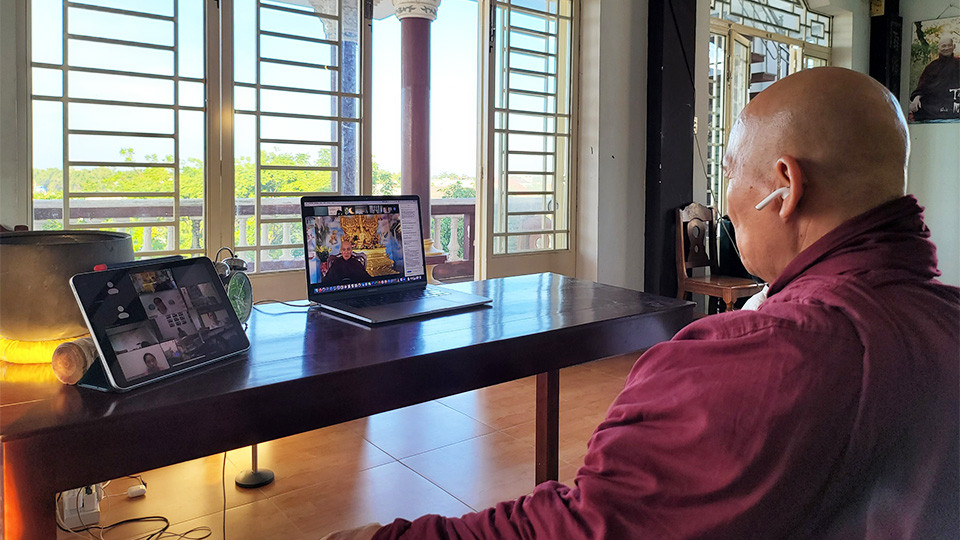
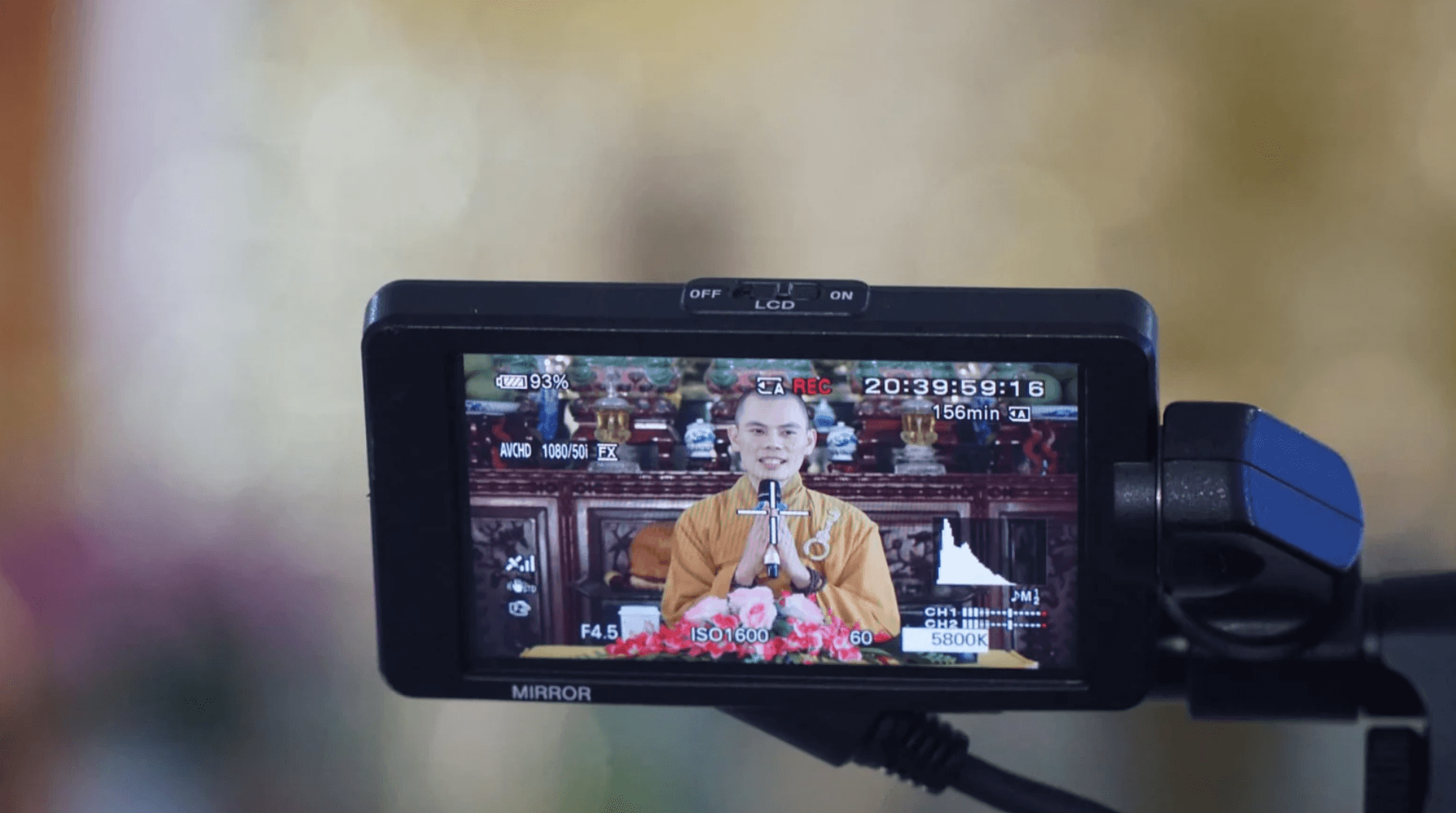
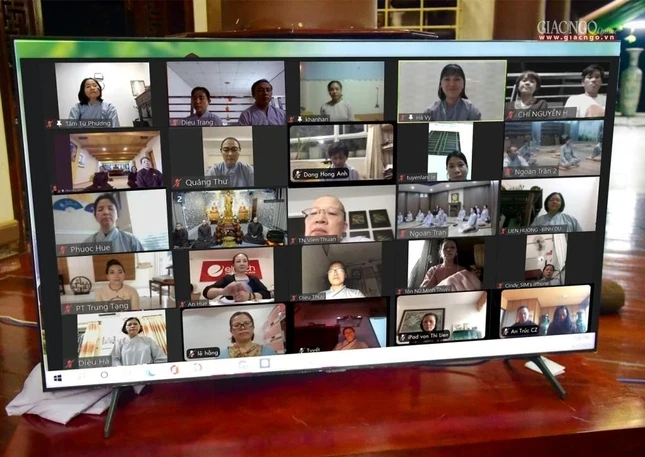
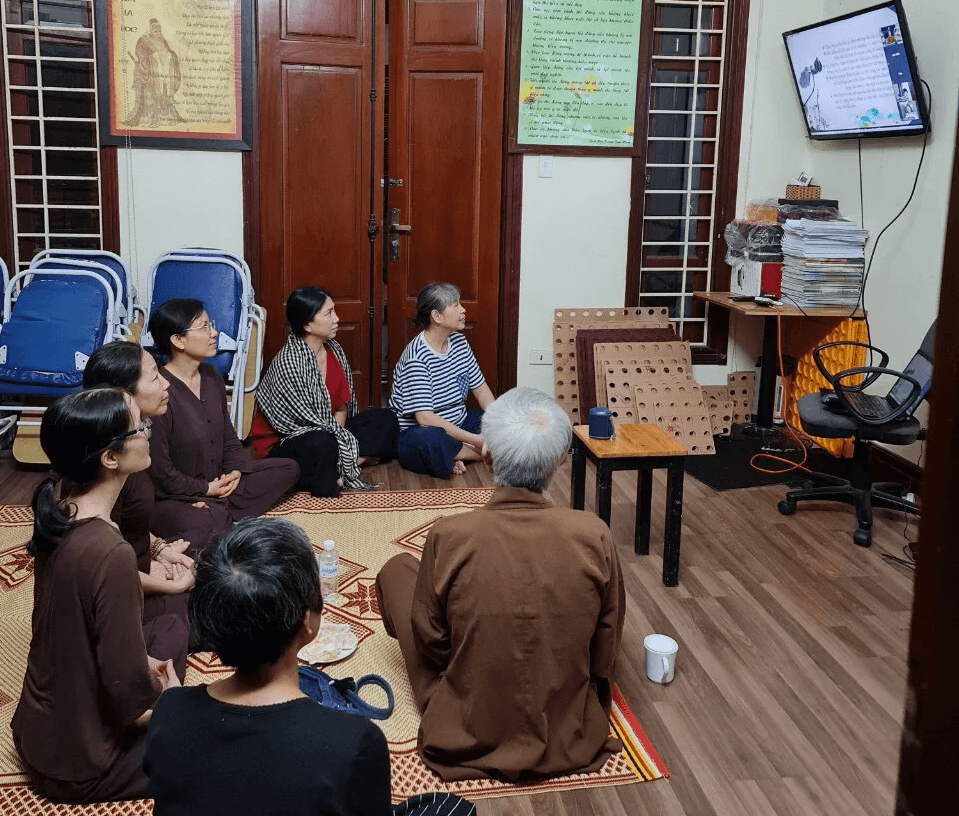
With just a smartphone and digital applications, monks at Long Hung Pagoda deliver Dharma teachings to hundreds of Buddhist followers. (Photo: Long Hung Pagoda)Zen Master Thien Minh delivers a Dharma talk via Zoom. (Photo: thiensuthichthienminh)Venerable Thich Khai Thanh conducts online Dharma teachings. (Photo: giacngo.vn)Buddhists from across the country participate in an online Dharma learning session through a digital platform. (Photo: giacngo.vn)
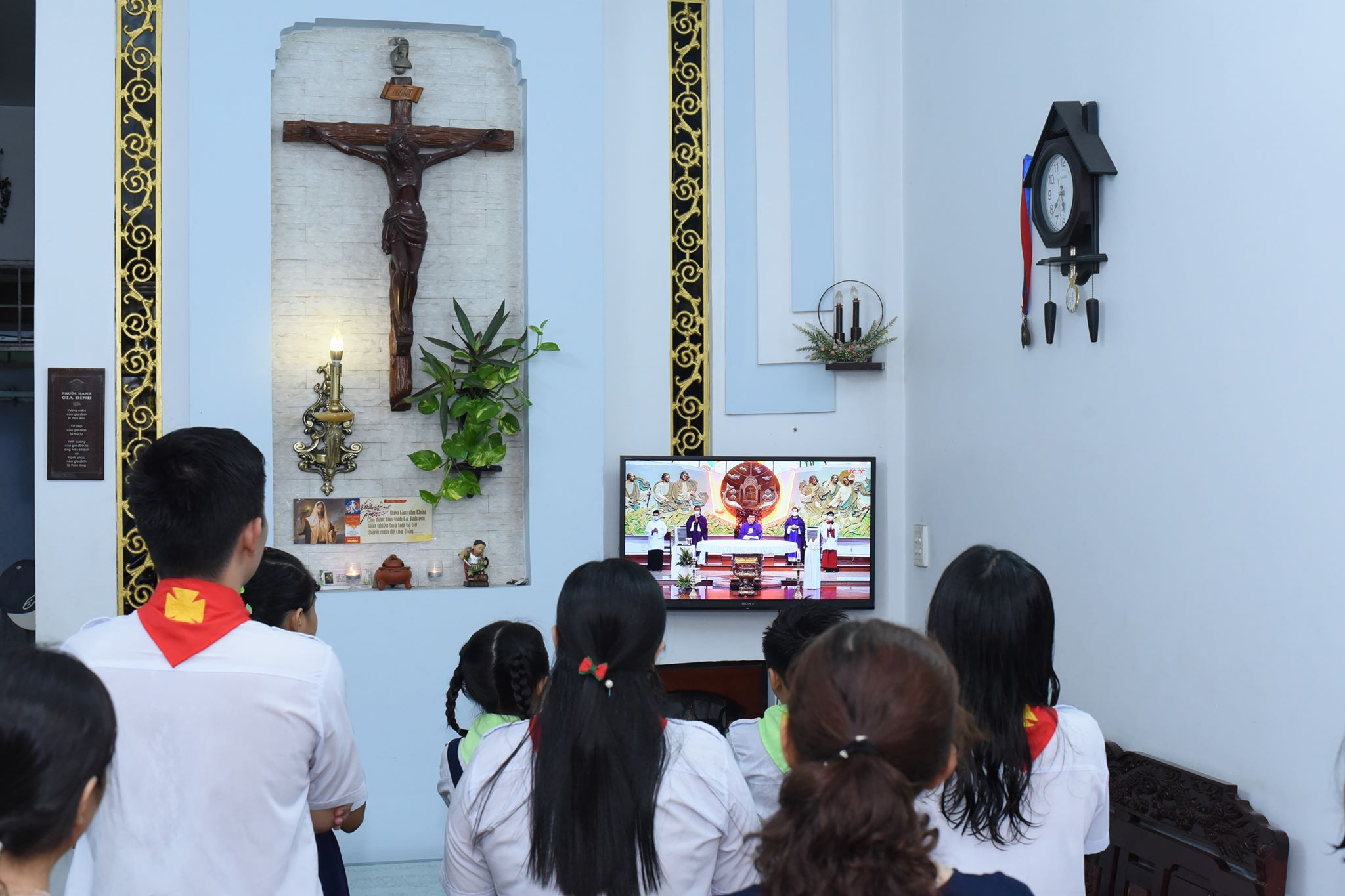
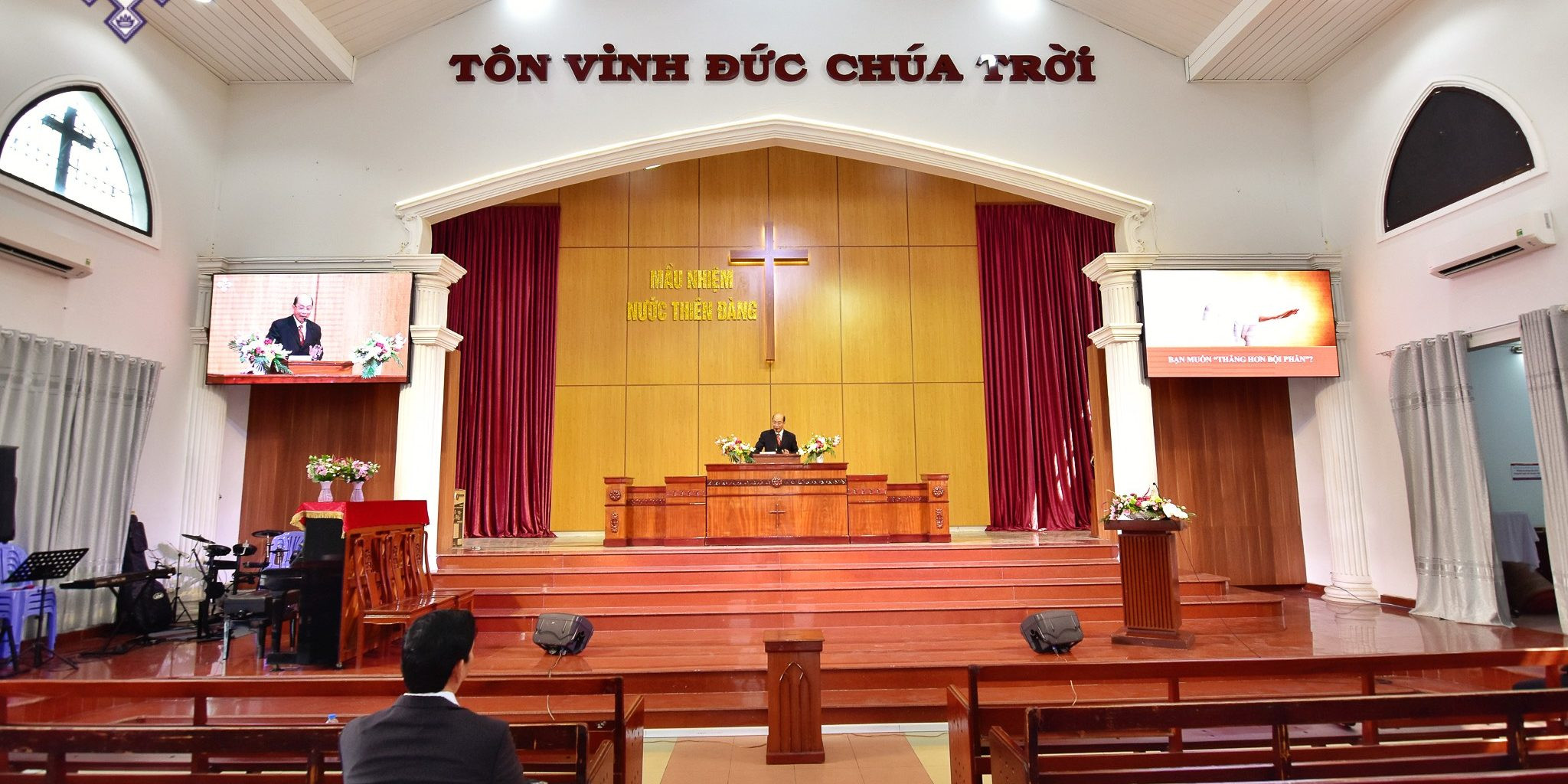
Buddhist sermons on YouTube, Facebook and TikTok, online Catholic Masses and Protestant Bible teachings have become increasingly popular, making religious teachings more accessible to people in remote areas, older adults, people with disabilities and overseas Vietnamese communities.
“
As the world embraces digital transformation, cyberspace has become an online place of Buddhist practice.
Most Venerable Thich Nhat Tu
Most Venerable Thich Nhat Tu, standing member of the Executive Council of the Vietnam Buddhist Sangha (VBS) and standing deputy head of the VBS's International Department, said: "As the world embraces digital transformation, cyberspace has become an online place of Buddhist practice. Thanks to an open legal framework, religious organisations have quickly established a presence on YouTube, Facebook and TikTok. Digital media has erased geographical barriers, enabling both people in Vietnam and around 5.5 million overseas Vietnamese to access Buddhist activities together."
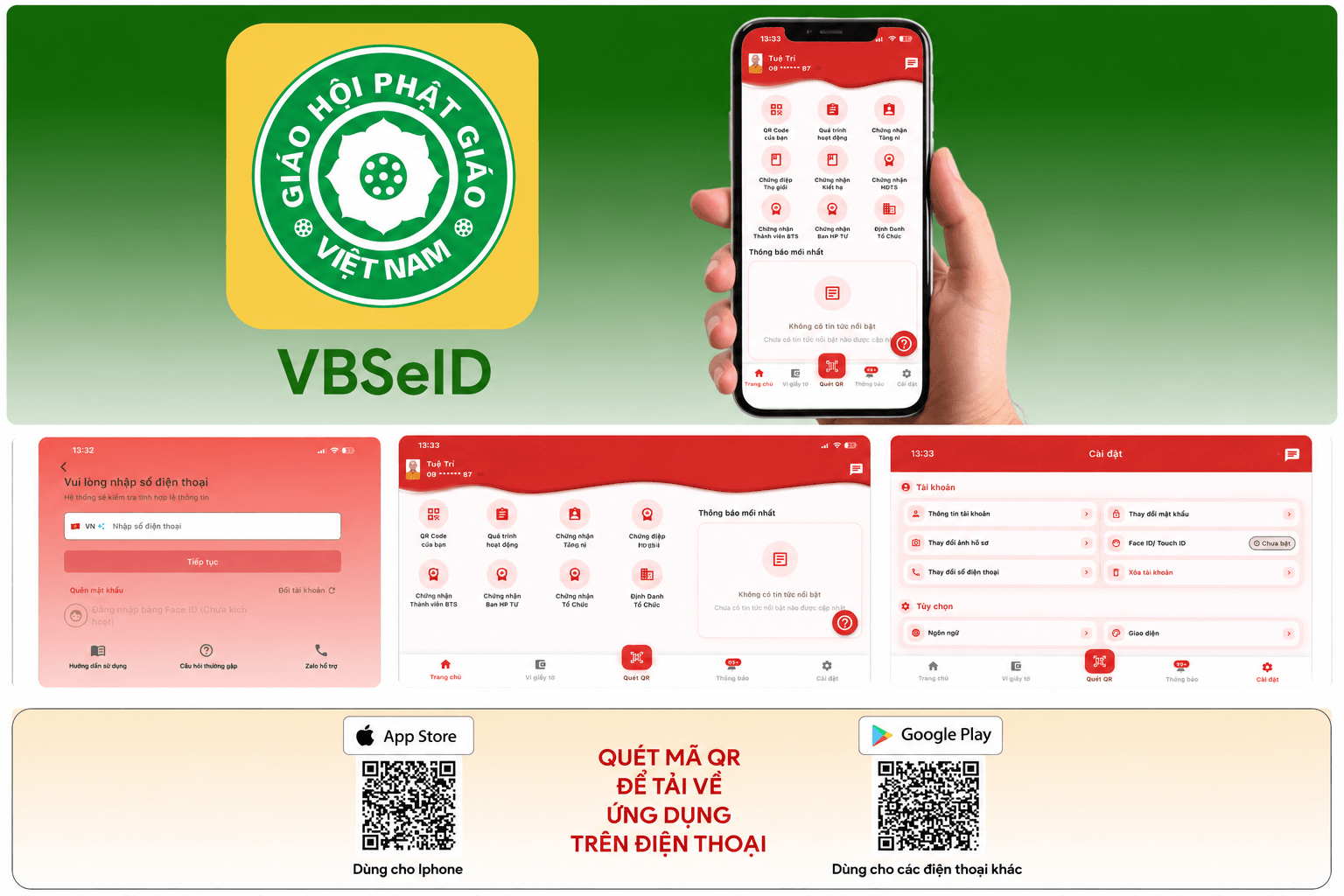
In late 2025, the VBS launched the VBSeID application for monks and nuns to digitalise data and streamline administrative management. The initiative marked an important step in harnessing technology to strengthen governance and connectivity within the Buddhist community.
The VBSeID digital application of the Vietnam Buddhist Sangha (Photo: Vietnam Buddhist Sangha)
The transition to digital platforms has also placed new demands on religious speakers. Zen Master Minh Niem, whose online teachings have attracted wide audiences, noted that every gesture and expression can now be recorded and spread instantly, requiring religious preachers to exercise even greater care in their public communication.
Zen Master Minh Niem delivers a Dharma talk. (Photo courtesy of Zen Master Minh Niem)
Today, many radio programmes, podcasts and online sermons have become an important source of spiritual support, particularly for Vietnamese living abroad. Hoang Thi Minh Phuong living in France and Vu Thi Duyen in Japan said listening to Vietnamese-language sermons helps ease homesickness while maintaining their connection with Vietnam's cultural and spiritual traditions.
Nevertheless, Zen Master Minh Niem stressed that technology remains only a supporting tool. "The Dharma is conveyed not only through words, but also through energy, presence and lived experience. Technology can bring Buddhist teachings to more people, but genuine spiritual transformation still requires direct experience. The most important foundation for any religious teacher remains authentic spiritual practice."
Expanding opportunities to preserve religious heritage
Digital transformation is reshaping not only religious practice but also the preservation of spiritual and cultural heritage.
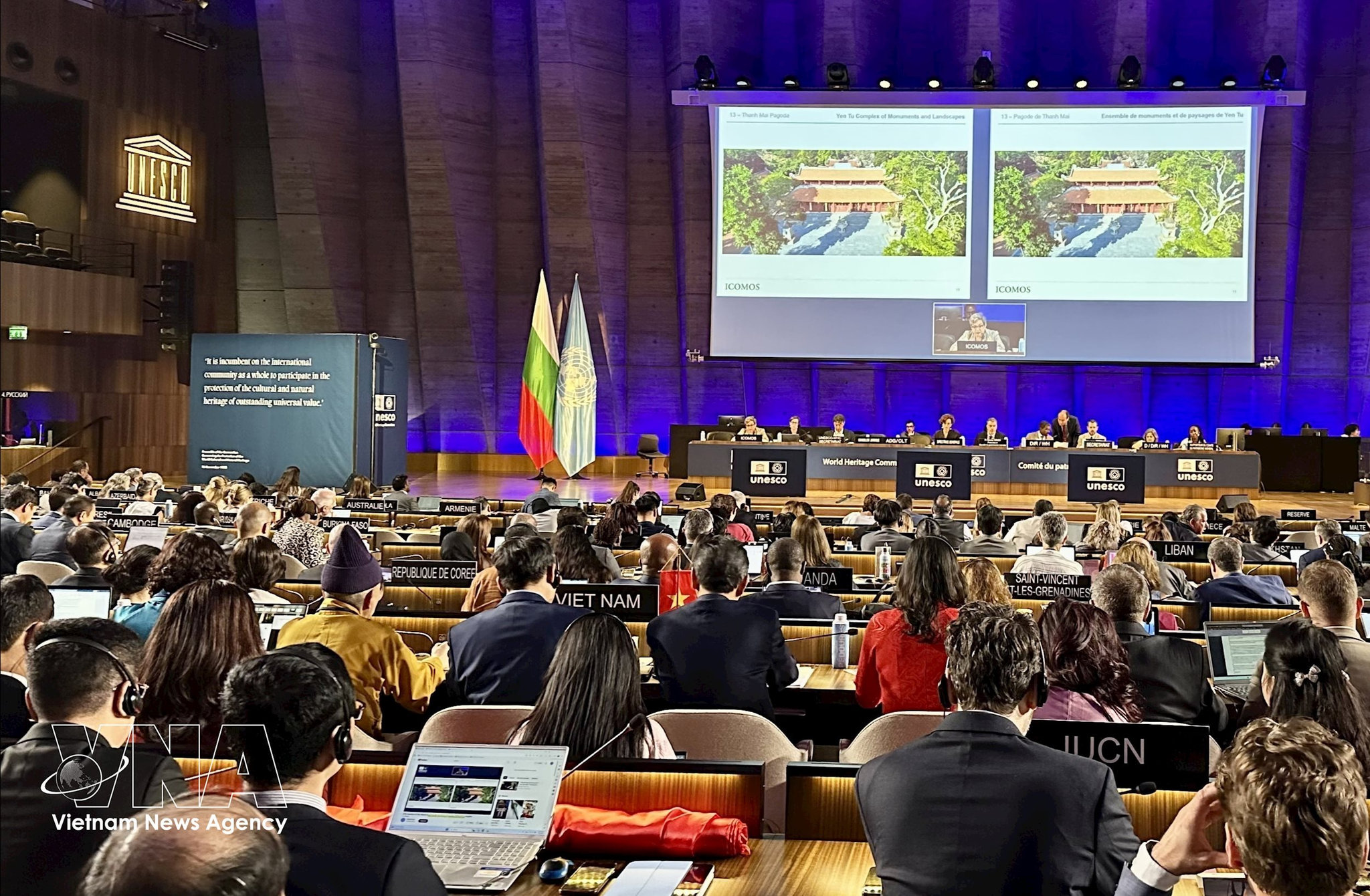
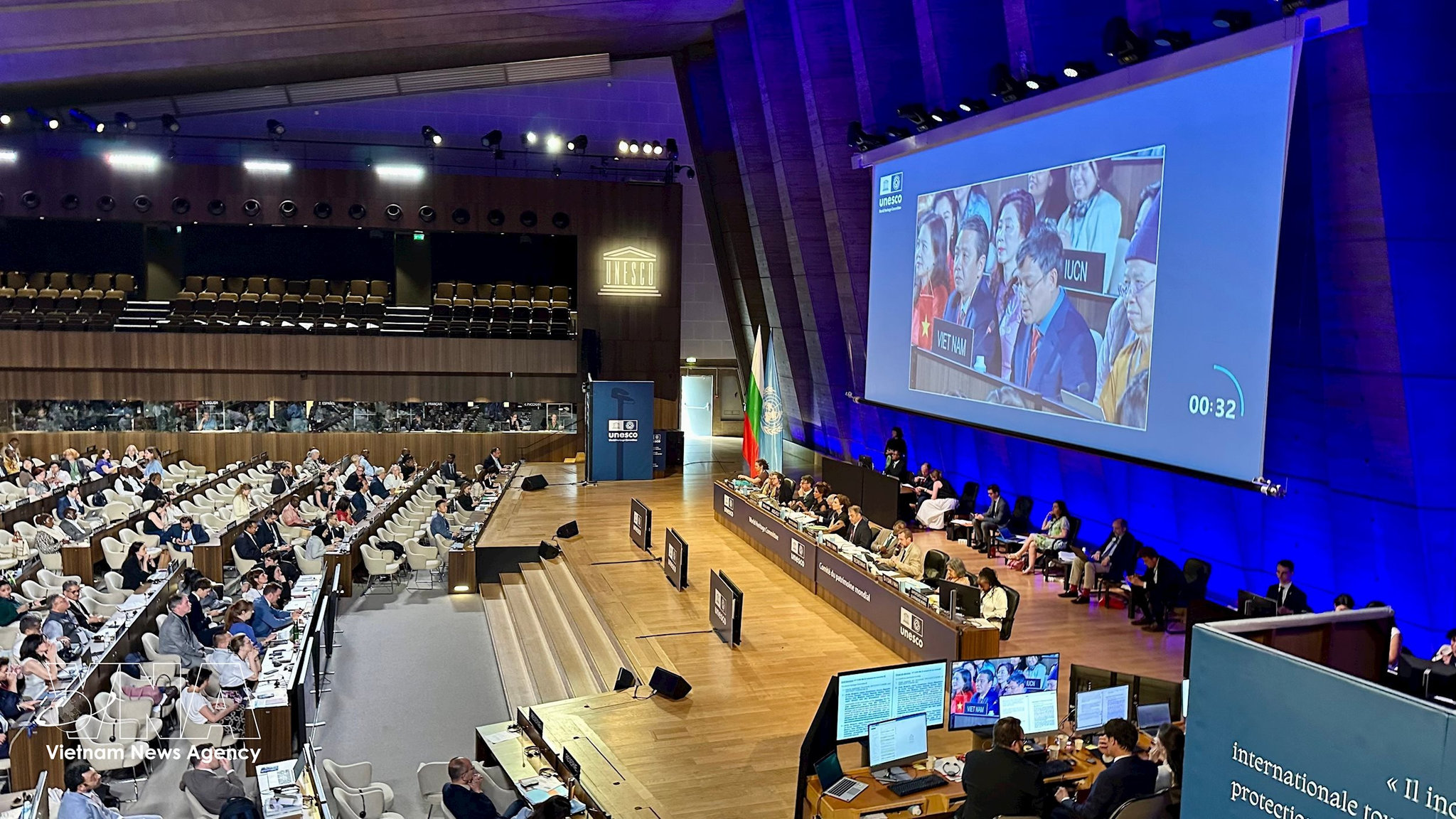
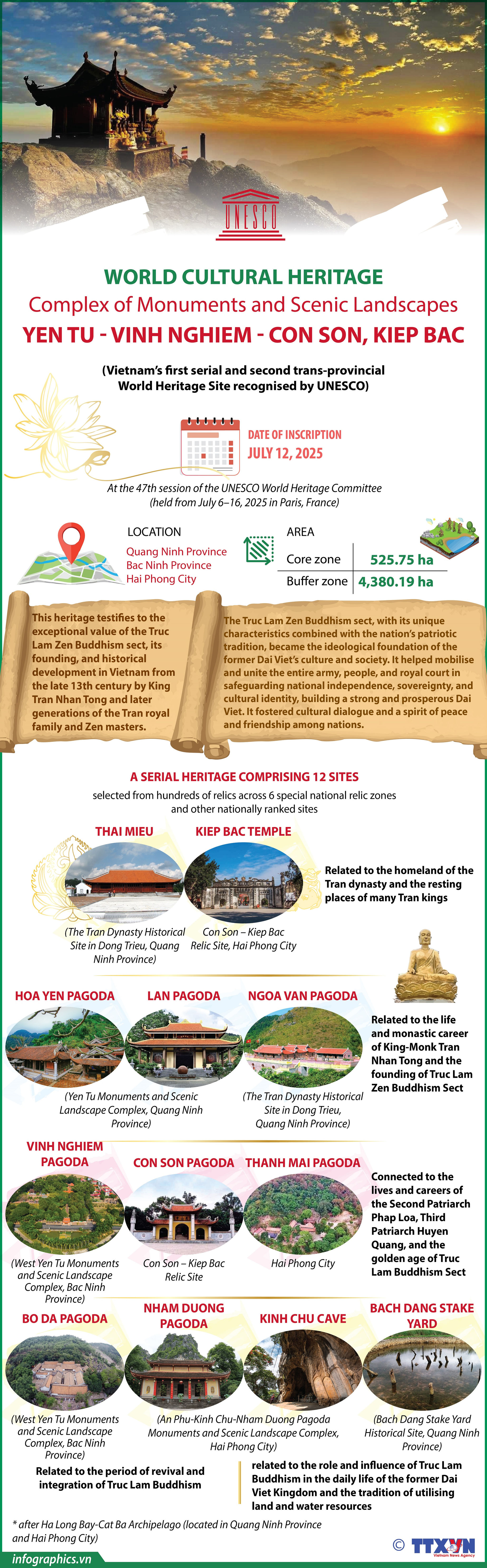
Delegates vote to officially inscribe the Yen Tu–Vinh Nghiem–Con Son–Kiep Bac Complex of Monuments and Landscapes on the UNESCO World Heritage List. (Photo: VNA)A representative of the Vietnamese delegation at the 47th session thanks members of the UNESCO World Heritage Committee and international delegations for supporting Vietnam's nomination dossier. (Photo: VNA)
“
The digitisation of heritage and cultural expressions in all their forms is an important tool that enables us to preserve some of the most vulnerable forms of cultural heritage
Jonathan Baker, UNESCO Representative to Vietnam
"Heritage and the preservation of heritage are priorities for both UNESCO and Vietnam. The digitisation of heritage and cultural expressions in all their forms is an important tool that enables us to preserve some of the most vulnerable forms of cultural heritage, while also giving all segments of the population, particularly young people, the opportunity to learn more about their culture, including religious manifestations and other forms of heritage."
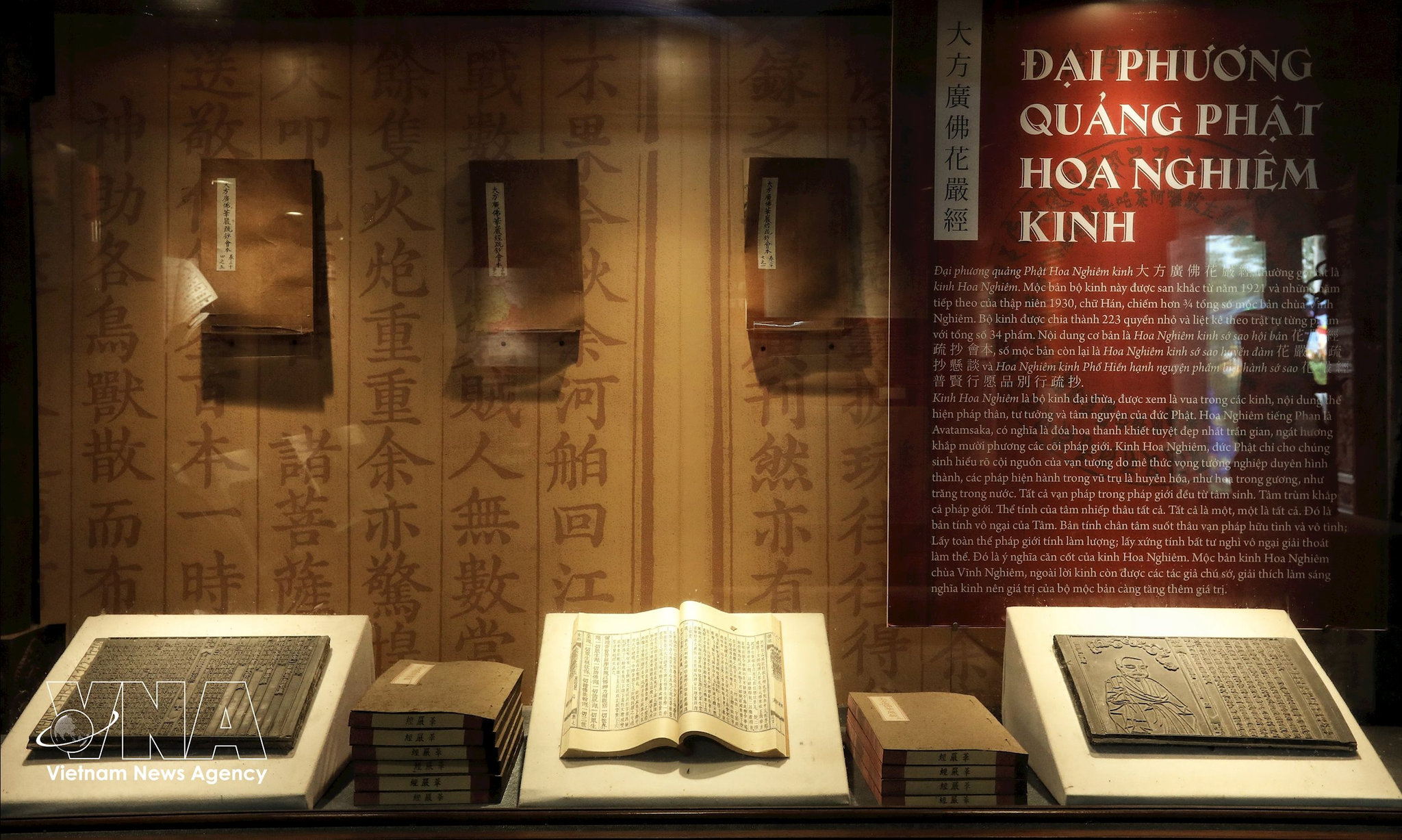
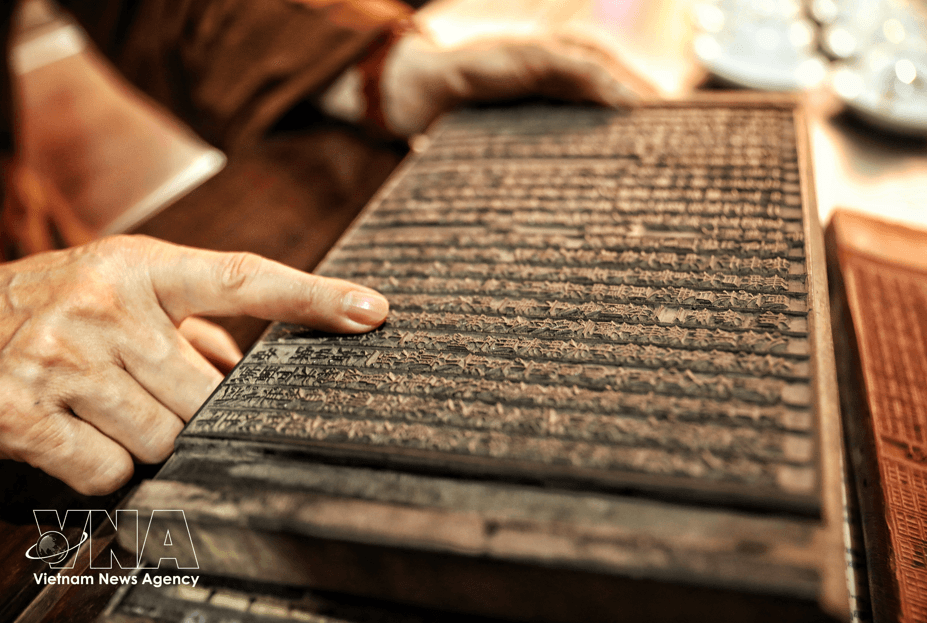
The Yen Tu–Vinh Nghiem–Con Son–Kiep Bac Complex of Monuments and Landscapes is inscribed on the UNESCO World Heritage List. (Photo: VNA)The pagoda tower garden at Bo Da Pagoda is one of the heritage sites within the UNESCO-listed Yen Tu–Vinh Nghiem–Con Son–Kiep Bac Complex of Monuments and Landscapes. (Photo: VNA)The woodblocks at Vinh Nghiem Pagoda are recognised by UNESCO as documentary heritage under the Memory of the World Committee for Asia and the Pacific (MOWCAP) Programme. (Photo: VNA)The woodblocks are displayed for public viewing. (Photo: VNA)
He emphasised that digitisation is not an end in itself. Intangible cultural heritage can only be truly preserved when communities continue to practise and pass it on in contemporary life. Digital archives, therefore, need to be regularly updated and developed with active community participation in preservation, management and promotion.
Managing religions in the digital environment
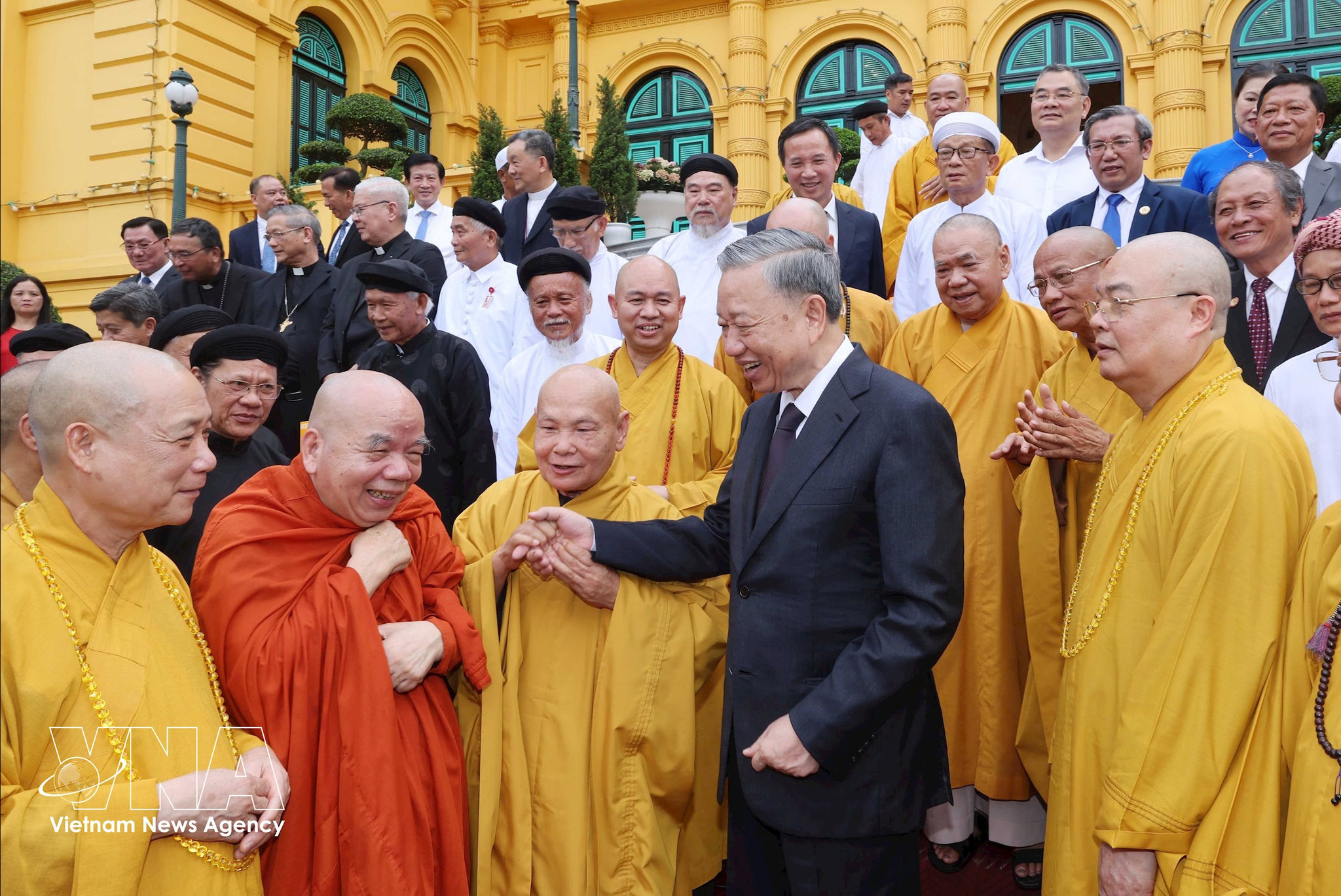
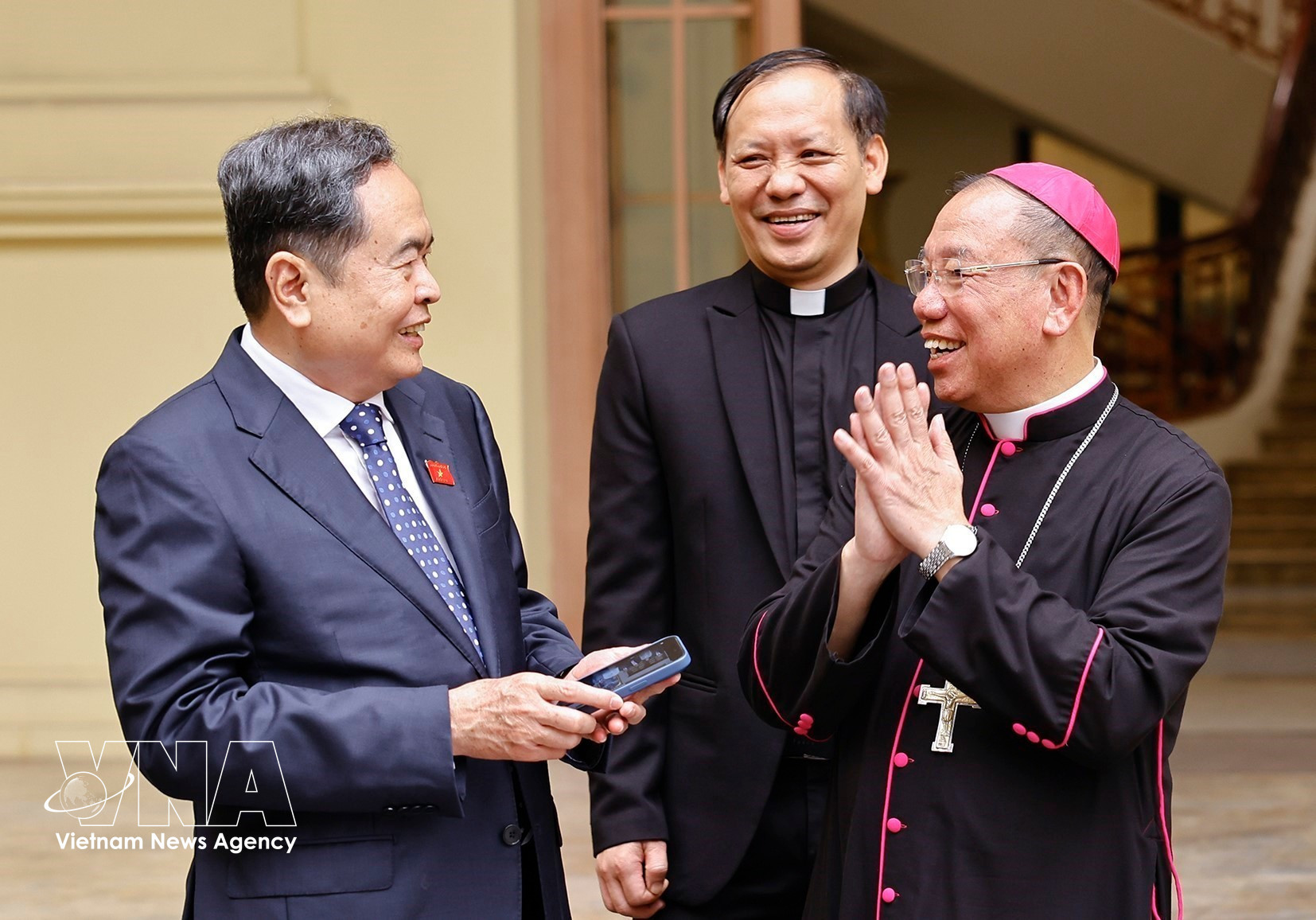
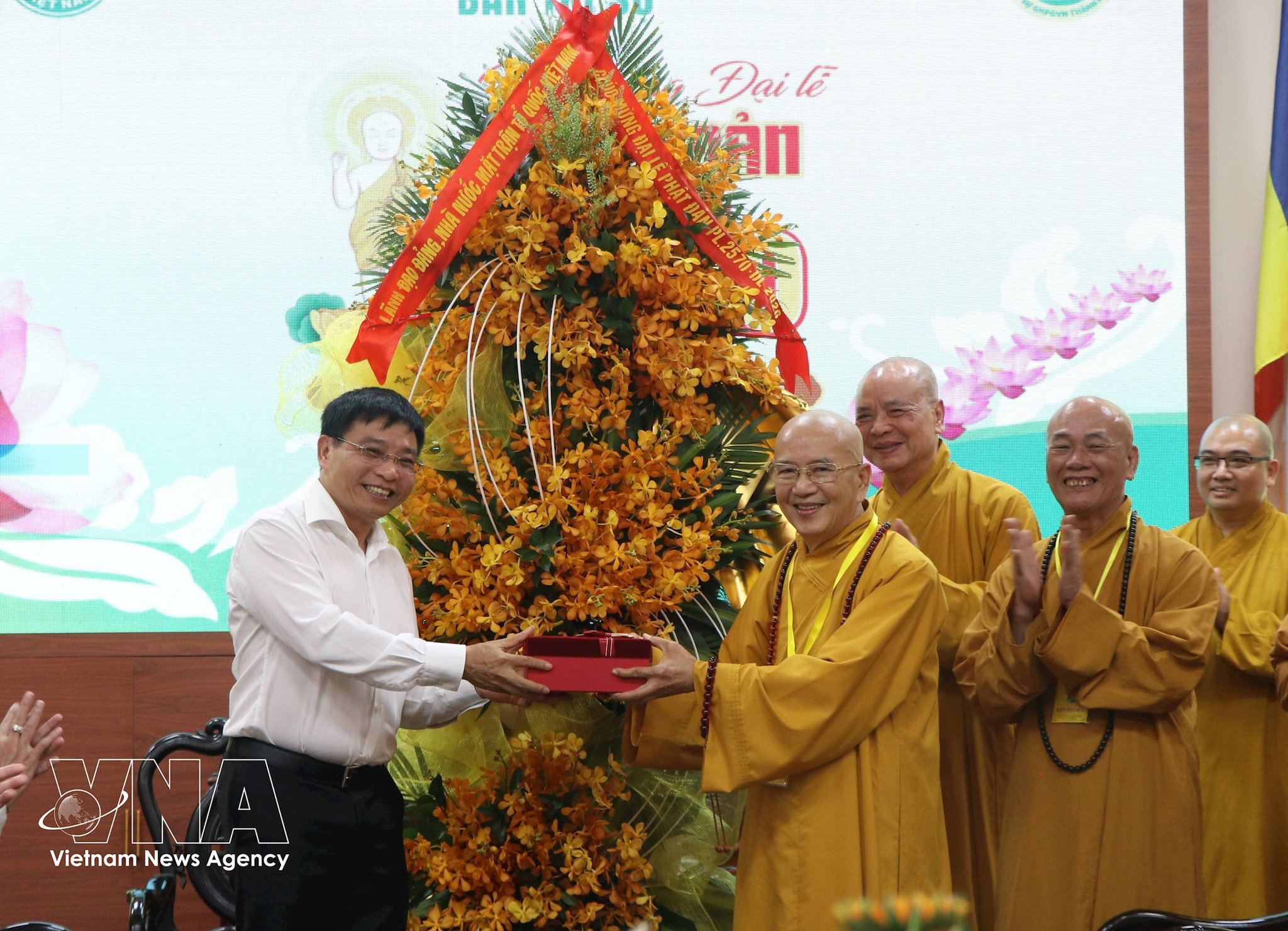
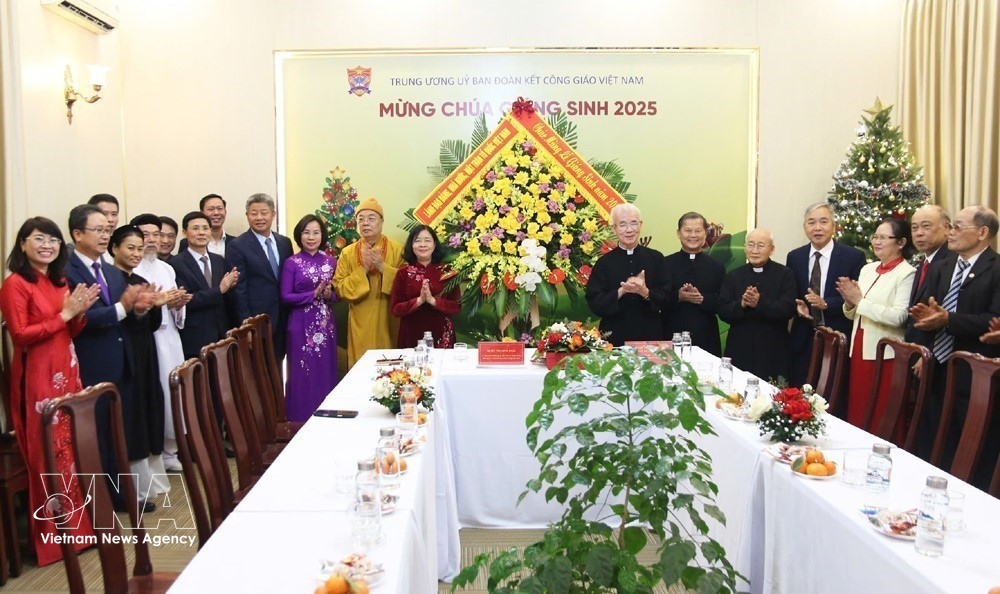
State President To Lam meets with a delegation of religious dignitaries, officials and leaders of religious organisations at the Presidential Palace on June 13, 2024. (Photo: VNA)On the occasion of Easter, National Assembly Chairman Tran Thanh Man visits and extends greetings to Archbishop Vu Van Thien of the Archdiocese of Hanoi and local priests on April 5, 2026. (Photo: VNA)On the occasion of Vesak 2026 and Buddhist Year 2570, Deputy Prime Minister Nguyen Van Thang visits and congratulates the Executive Board of the Vietnam Buddhist Sangha in Hue city at Tu Dam Pagoda on May 29, 2026. (Photo: VNA)President of the Vietnam Fatherland Front Central Committee Bui Thi Minh Hoai extends Christmas greetings to the Committee for Solidarity of Vietnamese Catholics and its President, Father Tran Xuan Manh. (Photo: VNA)
While the digital space creates new opportunities, it also presents significant challenges for religious activities. According to Huong, social media allows anyone to interpret and disseminate religious teachings online, meaning religious authority is no longer confined to formally trained clergy. This increases the risks of distorted teachings, commercialisation of spirituality, and the exploitation of religion for personal gain.
In practice, several illegal religious organisations and movements, including the World Mission Society Church of God (WMSCOG), Ba Dien, Dua, Ba Co Do and De Ga Protestantism, have used the internet to recruit followers, spread superstition, incite ethnic division and threaten social order. The anonymity and speed of online communication have made detecting, verifying and handling violations increasingly difficult.
“
Digital technology and AI are transforming religious practices by enabling online participation and supporting heritage preservation
Minister of Ethnic and Religious Affairs Nguyen Dinh Khang
Minister of Ethnic and Religious Affairs Nguyen Dinh Khang said digital technology and AI are transforming religious practices by enabling online participation and supporting heritage preservation. At the same time, they require stronger legal education, improved digital literacy among religious dignitaries and followers, and monitoring and enforcement against online violations.
"In the coming period, the ministry will continue developing its specialised religious database, apply AI to identify potential risks and support religious organisations in expanding their official communication channels," he said.
The 2026 Law on Belief and Religion:
A legal safeguard for the digital era
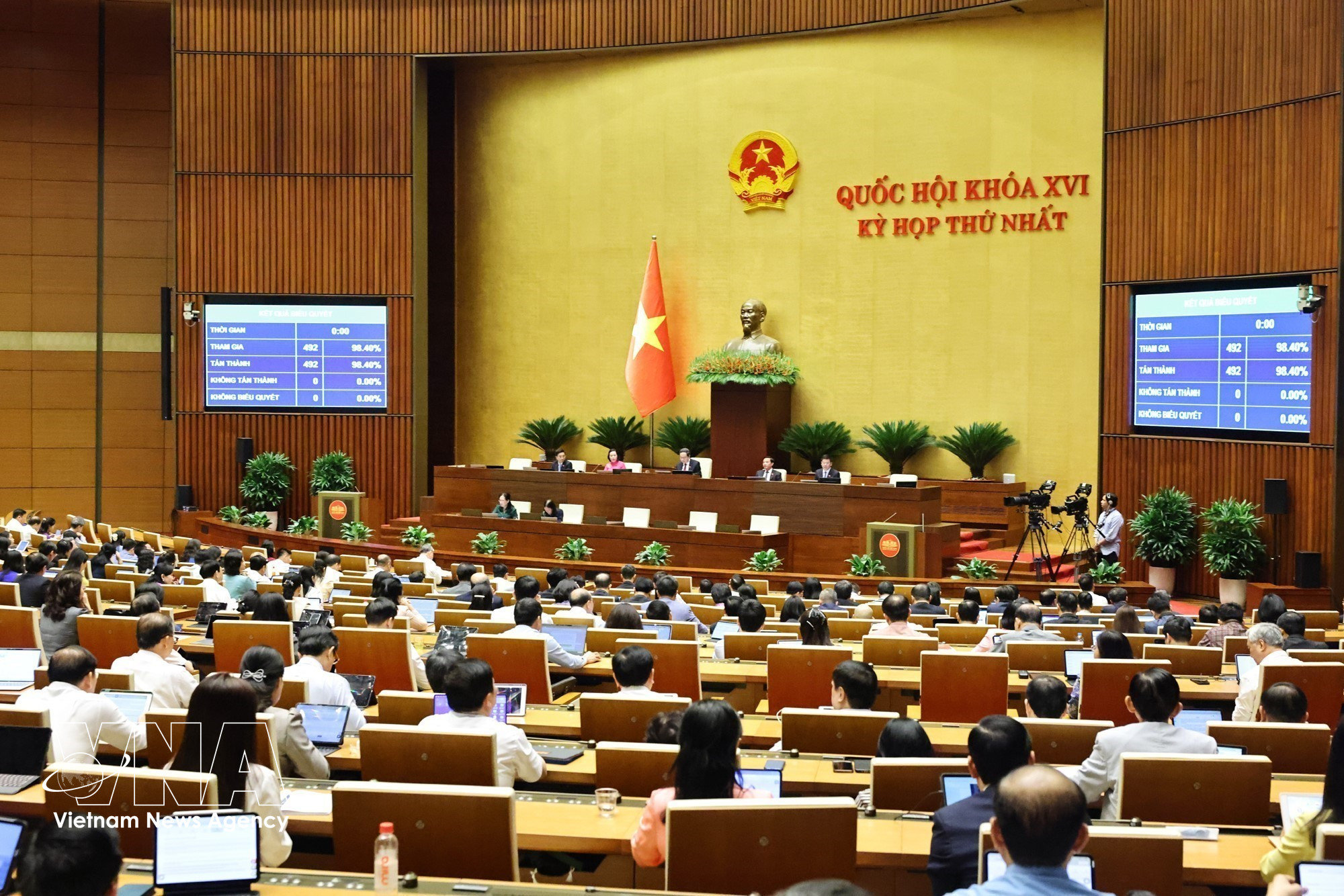
To meet the demands of digital transformation, the National Assembly, on April 23, 2026, adopted the revised Law on Belief and Religion, which will take effect on January 1, 2027. The legislation represents a major institutional milestone, providing a legal framework for religious activities in cyberspace while continuing to safeguard citizens' right to freedom of belief and religion.
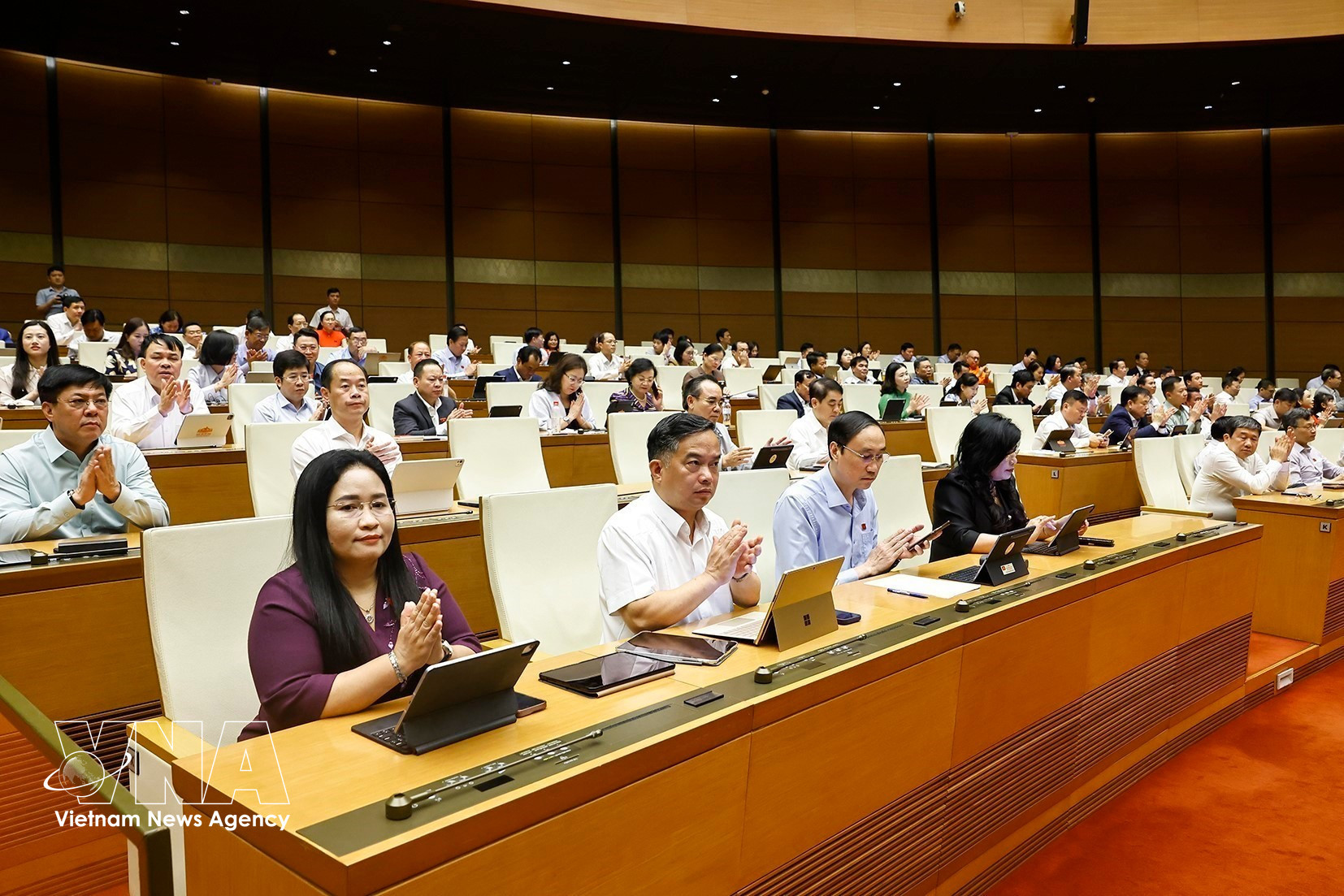
The National Assembly passes the revised Law on Belief and Religion on April 23, 2026. (Photo: VNA)The National Assembly passes the revised Law on Belief and Religion on April 23, 2026. (Photo: VNA)
Tran Minh Thu, head of the General Affairs Division under the Government Committee for Religious Affairs, said the revised law clearly sets out notification and registration requirements for online religious activities, defines the responsibilities of organisations and individuals, specifies prohibited acts and requires religious organisations to incorporate digital activities into their charters.
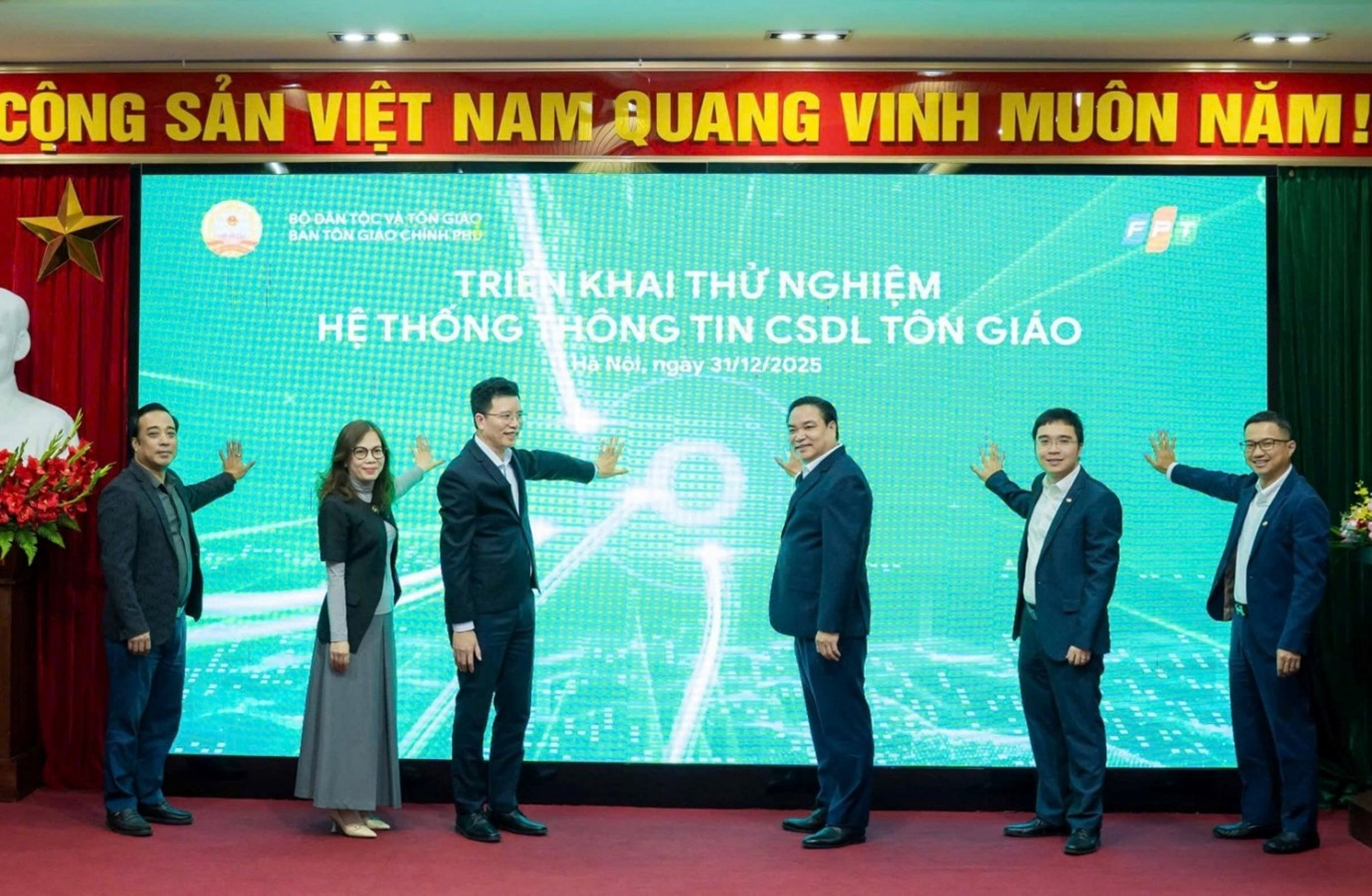
Alongside legal reforms, the Government Committee for Religious Affairs has partnered with FPT IS to develop a religious database linked to the National Population Database under Project 06. The digitalisation of religious data is expected to improve transparency, shorten administrative procedures and enhance governance efficiency.
Officials officially launch the pilot Religious Database Information System. (Photo: Government Committee for Religious Affairs)
The revised law demonstrates Vietnam's consistent policy of respecting and protecting human rights, including the right to freedom of belief and religion, while improving its legal framework to keep pace with technological development and practical needs.
Building "digital wisdom"
While stronger legislation provides an essential foundation, a safe online environment also depends on individual awareness and the responsibility of religious organisations.
Pastor Nguyen Huu Mac, head of the Evangelical Church of Vietnam (North), said: "Technology has made pastoral work and care for believers much more convenient, but it has also brought an increase in misinformation. Religious organisations therefore need to build official communication channels while guiding followers to use social media responsibly. Although technology changes rapidly, core values such as morality, compassion and genuine faith remain unchanged."
“
Although technology changes rapidly, core values such as morality, compassion and genuine faith remain unchanged.
Pastor Nguyen Huu Mac, head of the Evangelical Church of Vietnam (North)
Huong said that everyone, especially young people, should develop "digital wisdom" by learning how to verify information and recognise AI-generated fake content before accepting or sharing it.
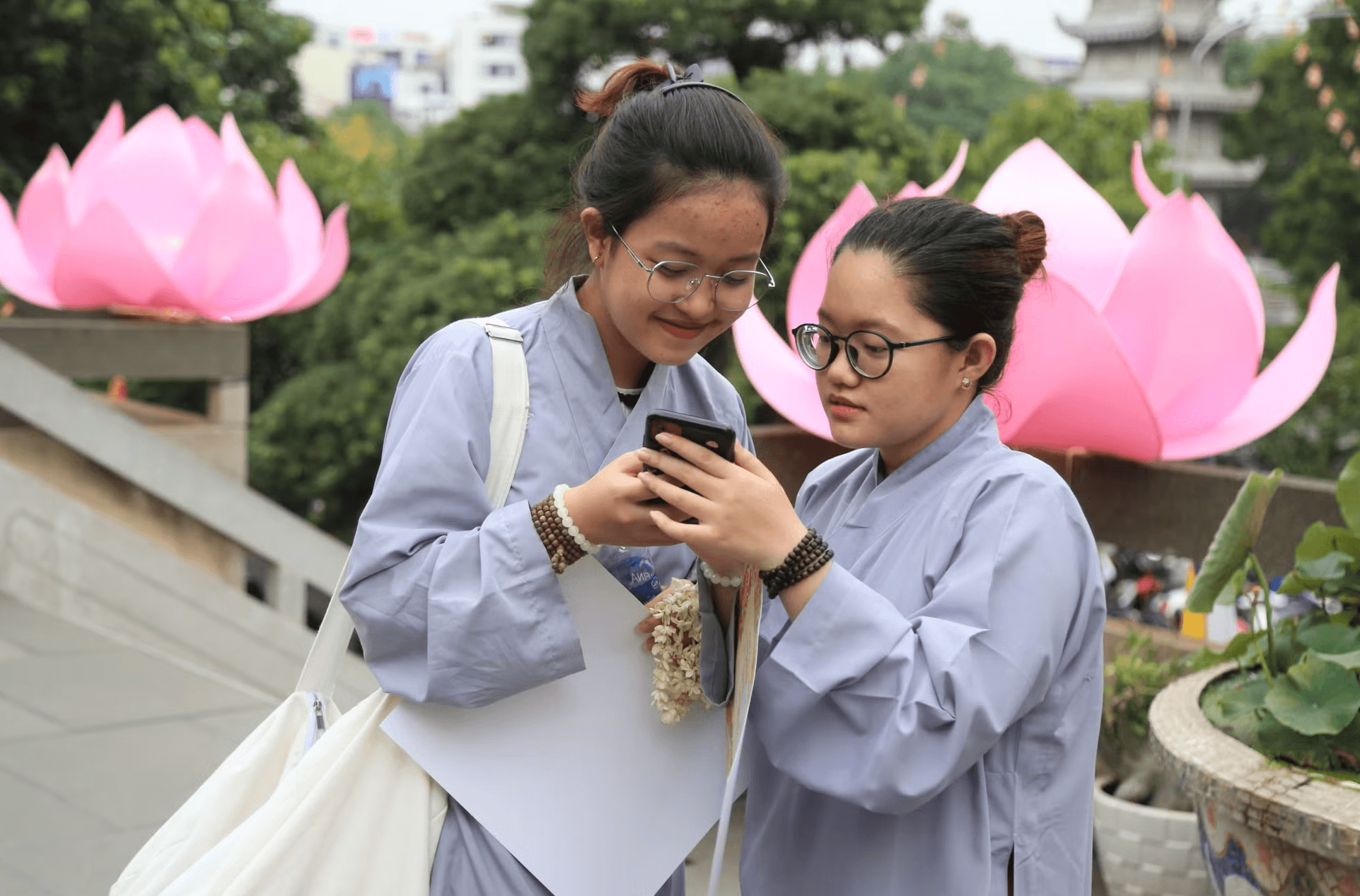
Buddhist followers at Long Hung Pagoda take part in an online Dharma learning session. (Photo: Long Hung Pagoda)Young people learn about Buddhist teachings. (Photo: Tien Phong newspaper)Catholic followers participate in an online Mass. (Photo: Archdiocese of Saigon – Ho Chi Minh City)An online worship service hosted by Thu Duc Evangelical Church on March 29, 2020. (Photo: Thu Duc Evangelical Church)
From a legislative perspective, Most Venerable Thich Duc Thien, a member of the 16th National Assembly, said advances in AI, including experiments in some countries with robots delivering religious teachings, require continued research and appropriate legal updates. In his view, the key issue is not technology itself but how it is governed to serve humanity while protecting freedom of belief and religion.
For religious organisations, the most effective response remains the dissemination of accurate information and the timely rebuttal of false narratives. Most Venerable Thich Nhat Tu said the principle of "planting fragrant flowers to outgrow weeds" by promoting more positive and authoritative content will help foster a healthier online environment and strengthen public trust.
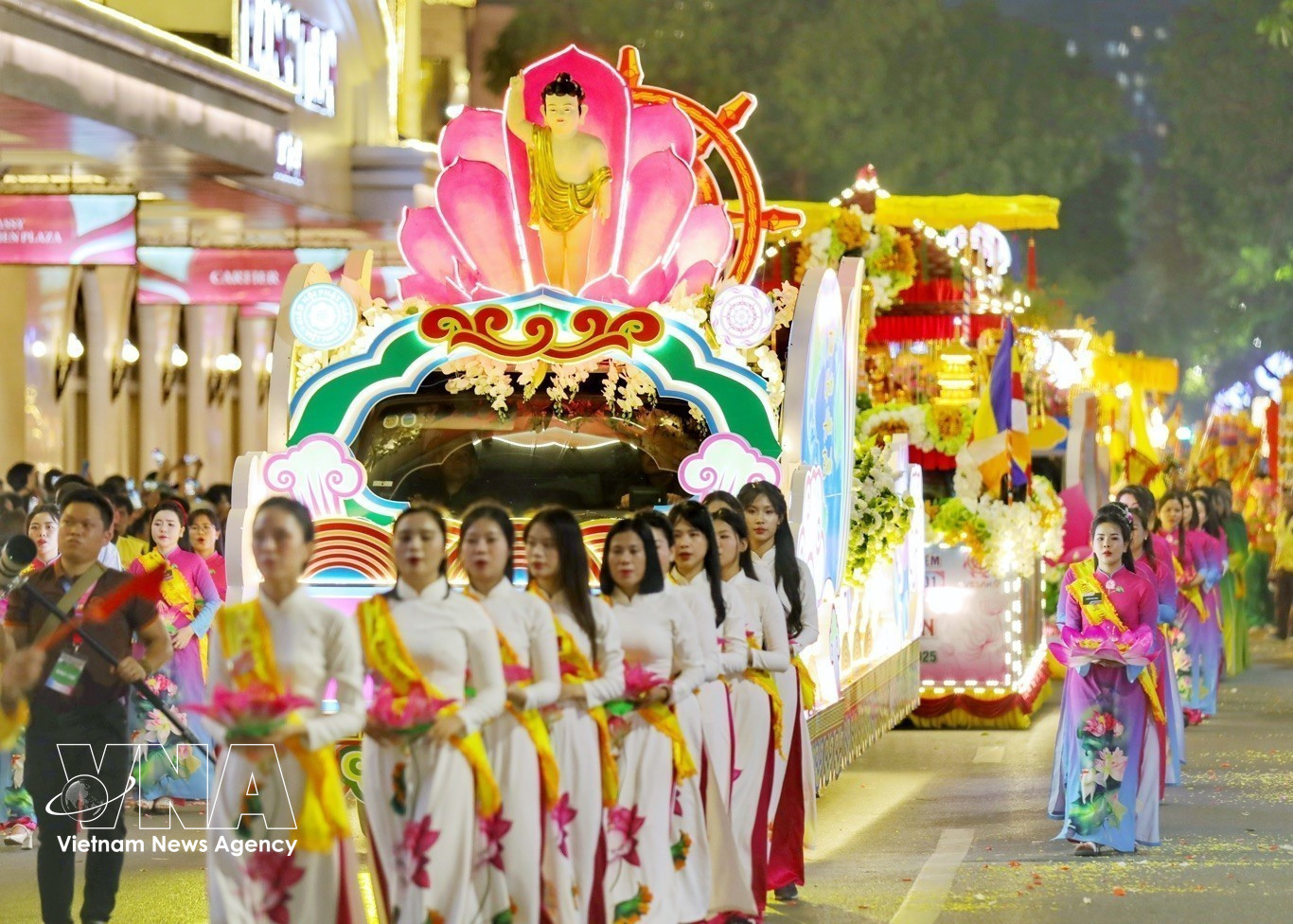
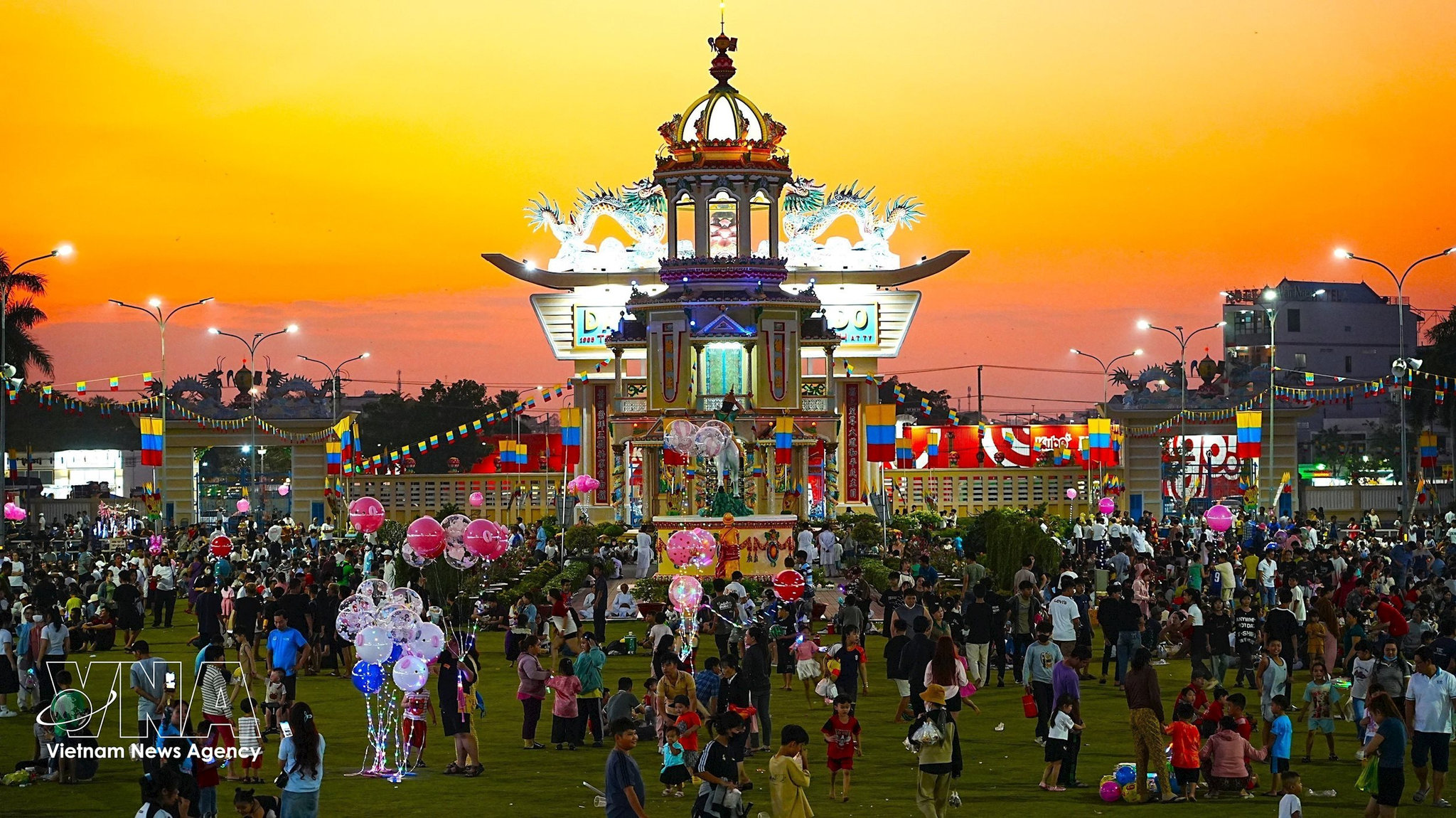
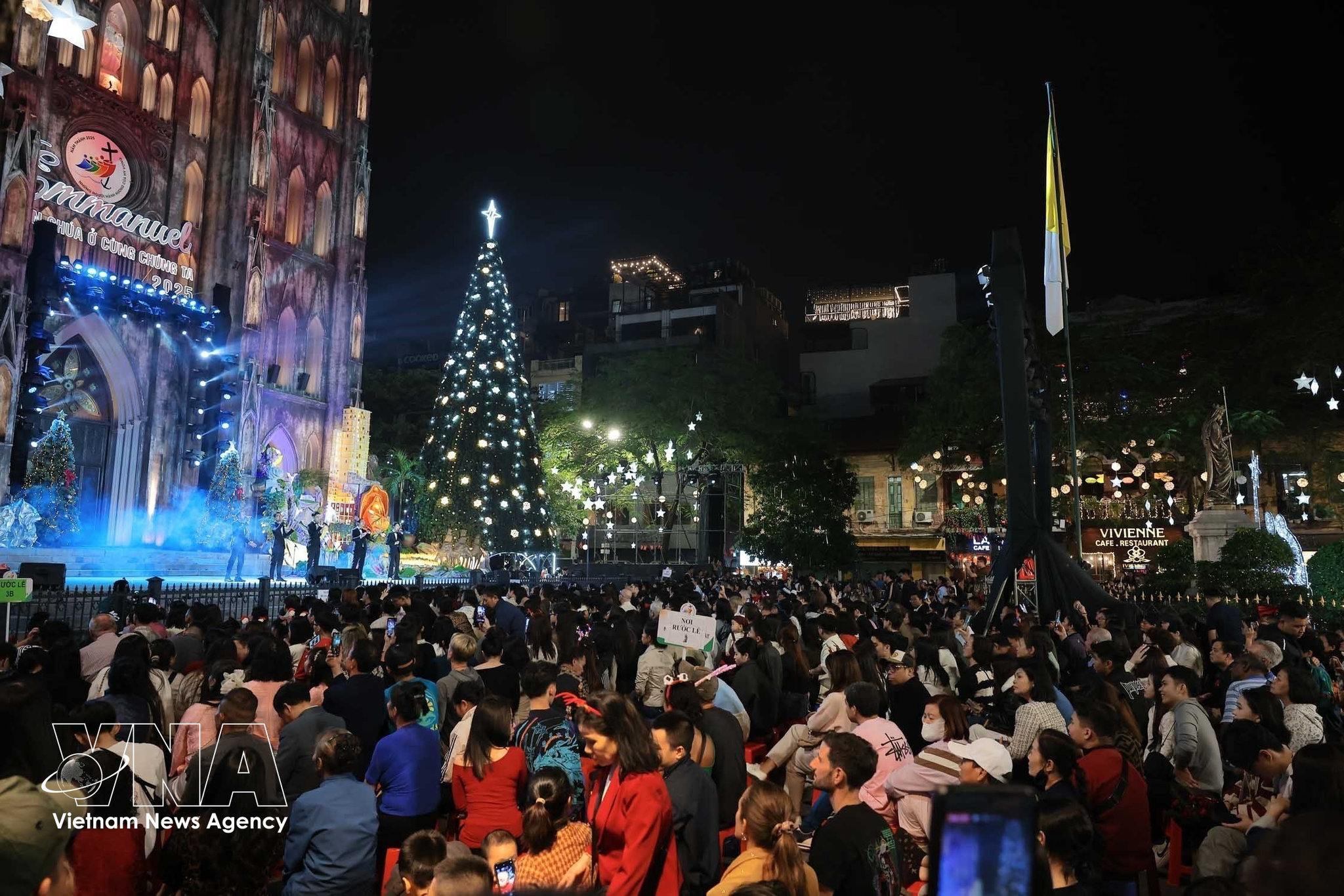
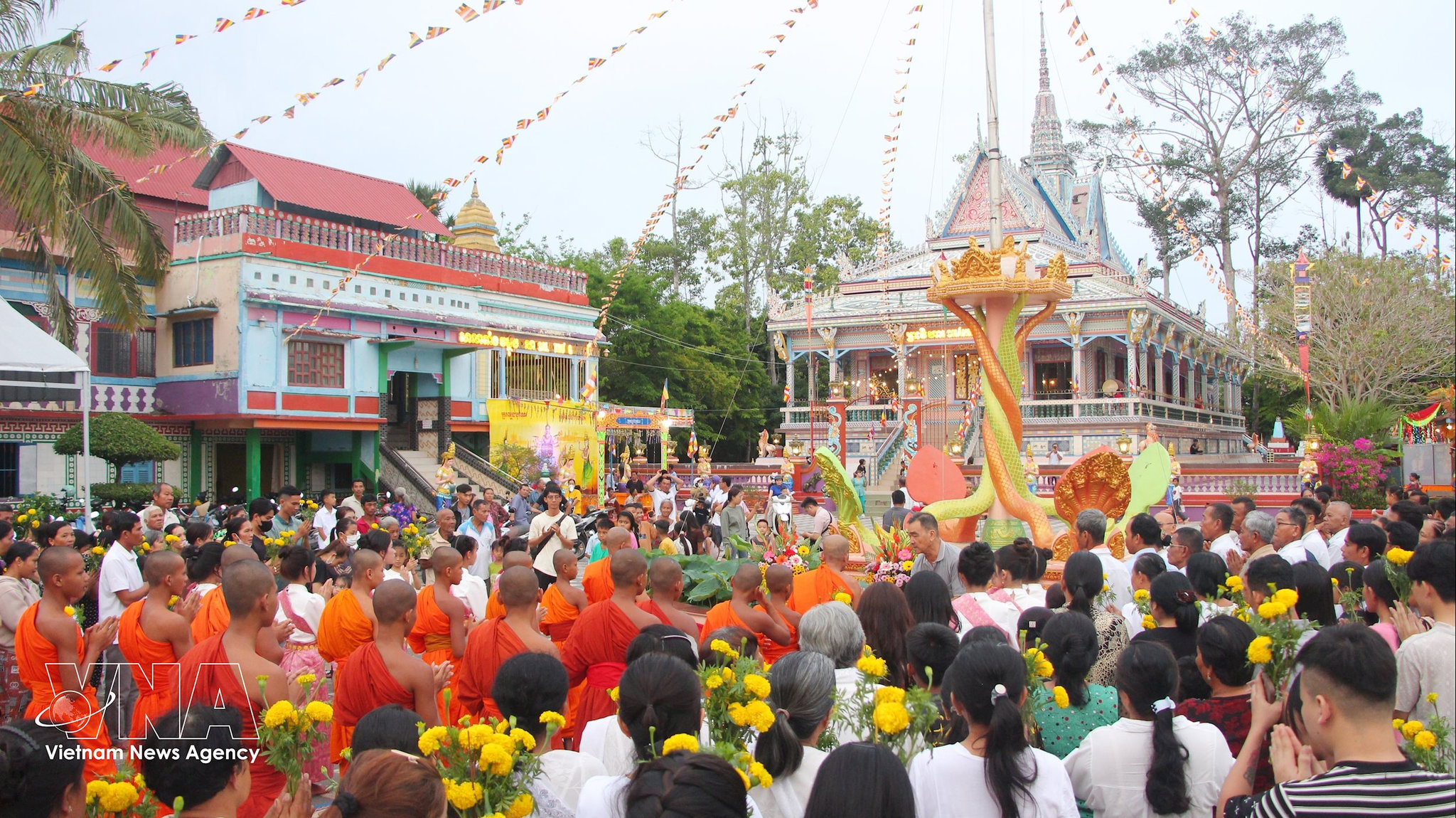
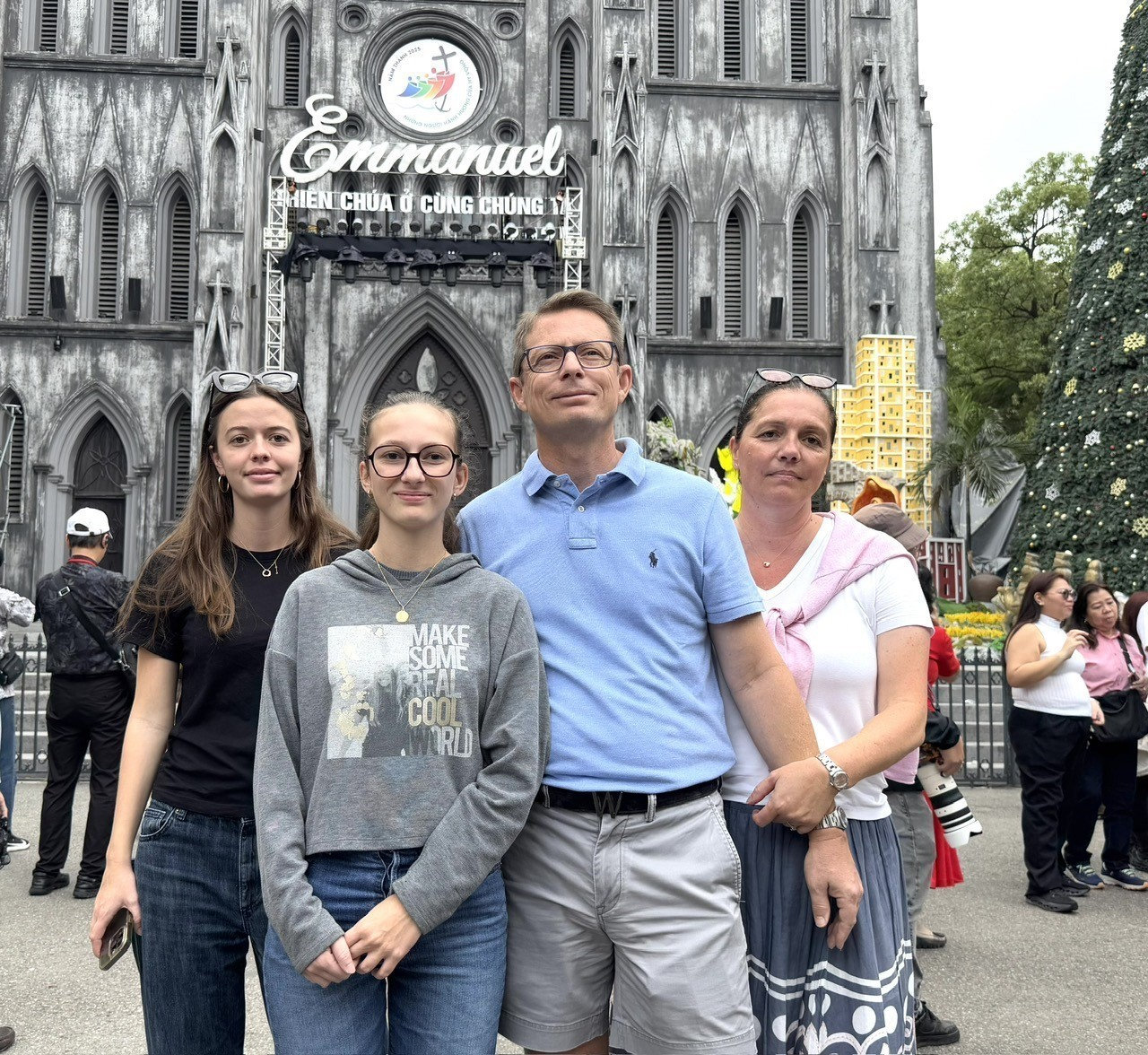
A ceremonial procession carrying the Buddha's sacred relics passes along Hang Bai street in Hanoi. (Photo: VNA)Tourists join tens of thousands of Cao Dai followers at the 2025 Great Divine Temple Festival. (Photo: VNA)Christmas celebrations at the Saint Joseph's Cathedral area in Hoan Kiem ward, Hanoi, in 2025. (Photo: VNA)The Maha Songkran procession celebrating the Khmer New Year at Sro Lon Pagoda in Can Tho city. (Photo: VNA)
Digital transformation is expanding the space for religious practice, allowing cultural, ethical and spiritual values to reach broader audiences than ever before. Alongside this process, Vietnam continues to refine its legal framework to ensure that freedom of belief and religion is fully protected in the digital age.
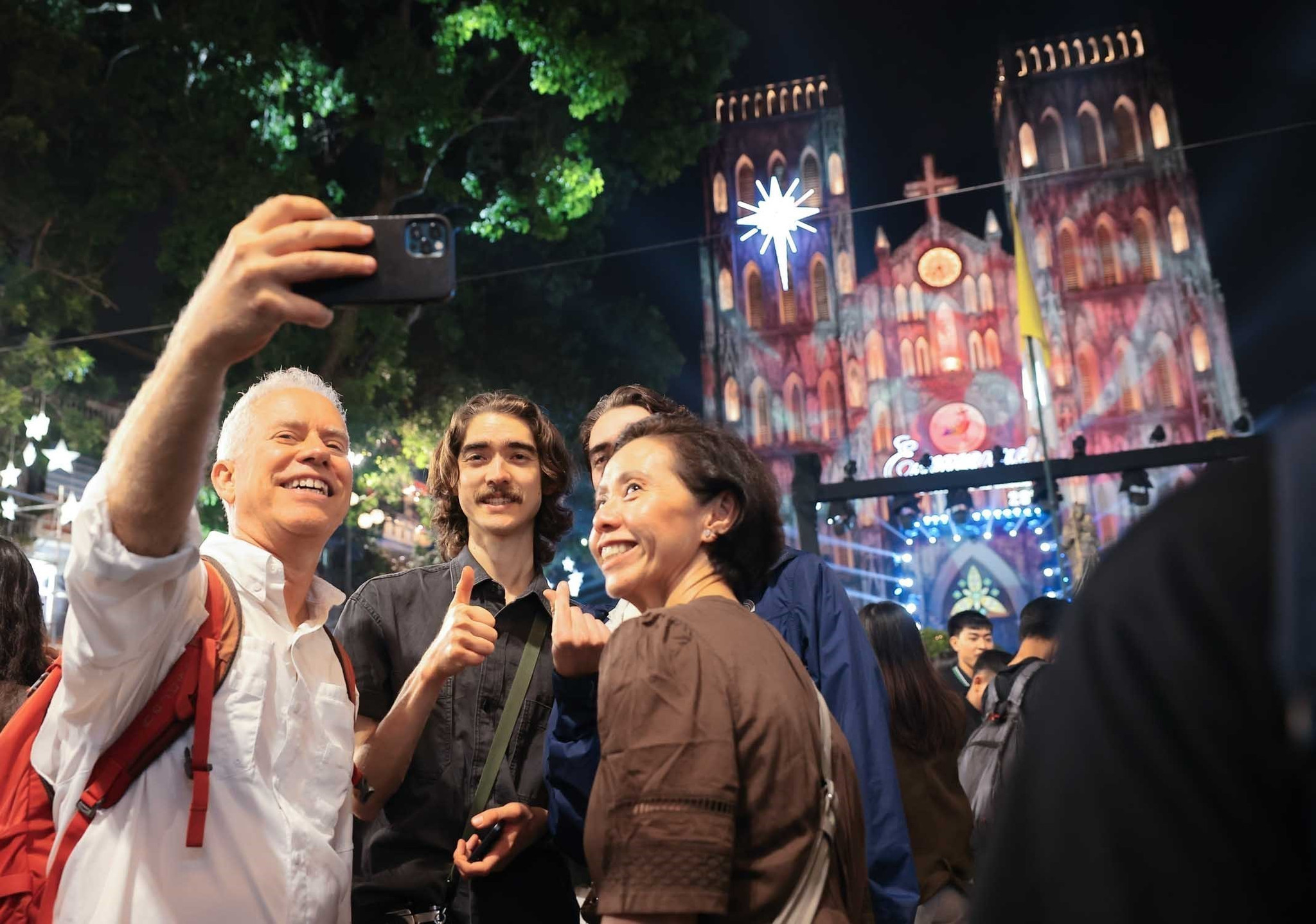
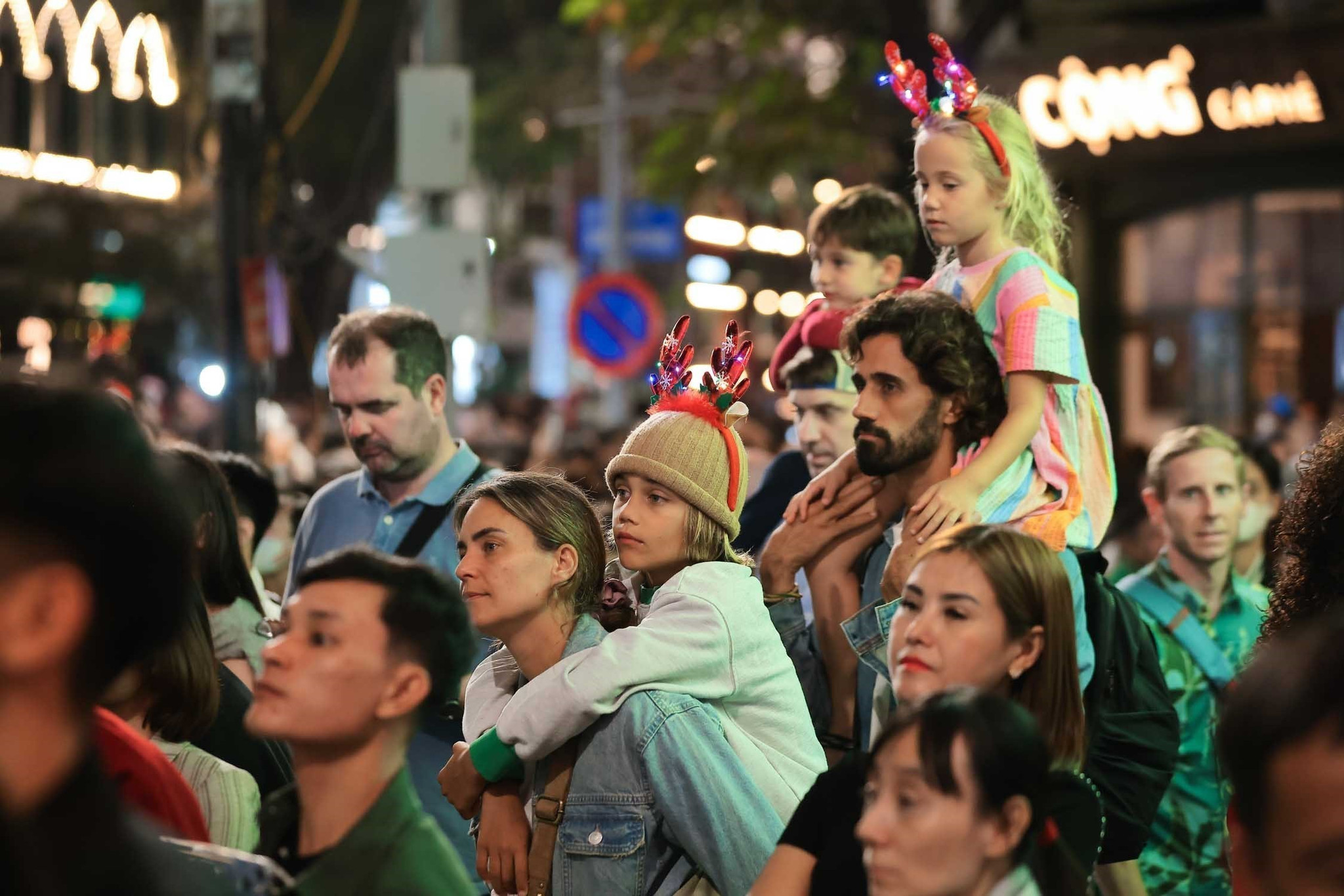
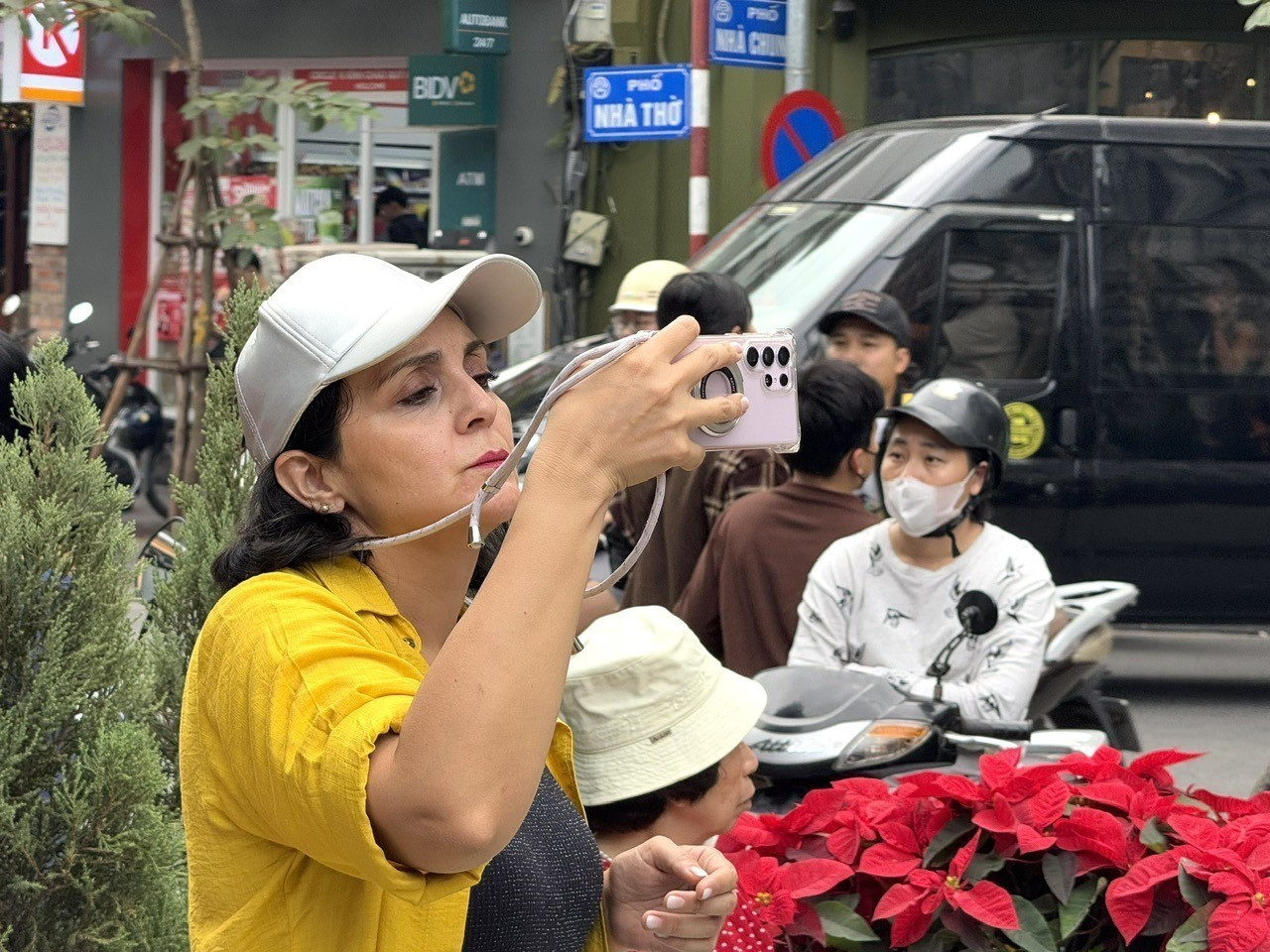
Foreign visitors celebrate Christmas in the festive atmosphere of Hanoi in 2025. (Photo: VNA)
Technology may transform how people access faith, but it cannot replace spiritual experience, religious practice or the enduring human values at the heart of religion. Supported by a robust legal framework, the engagement of religious organisations and the digital wisdom of every citizen, cyberspace can become a platform for preserving cultural and religious heritage while strengthening freedom of religion in Vietnam's next stage of development./.
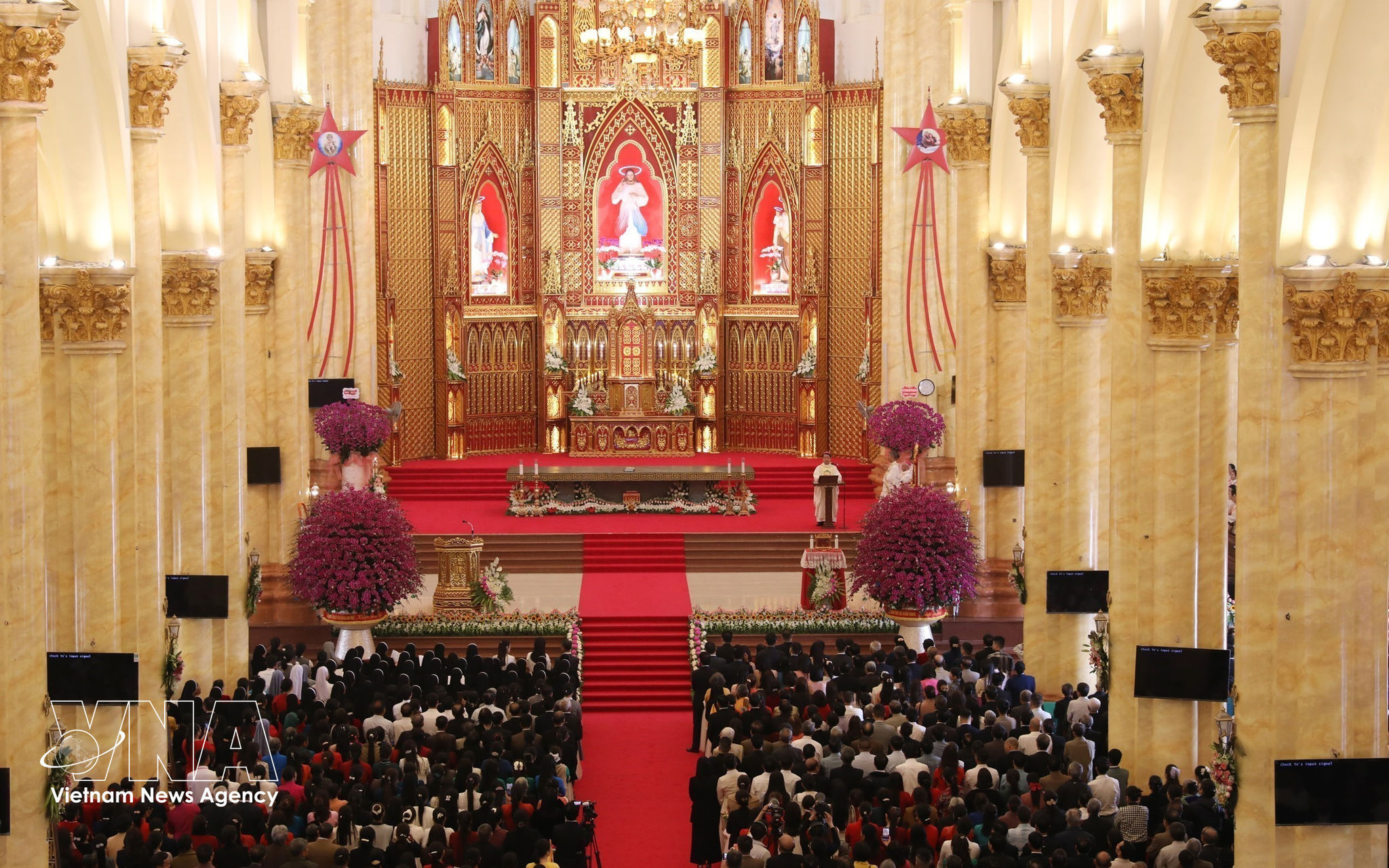
Lang Van Parish Church in Ninh Binh province is the largest Catholic church in Vietnam. (Photo: VNA)
Bình luận của bạn đã được gửi và sẽ hiển thị sau khi được duyệt bởi ban biên tập.
Ban biên tập giữ quyền biên tập nội dung bình luận để phù hợp với qui định nội dung của Báo.