


1. Phong Nha–Ke Bang Biosphere Reserve
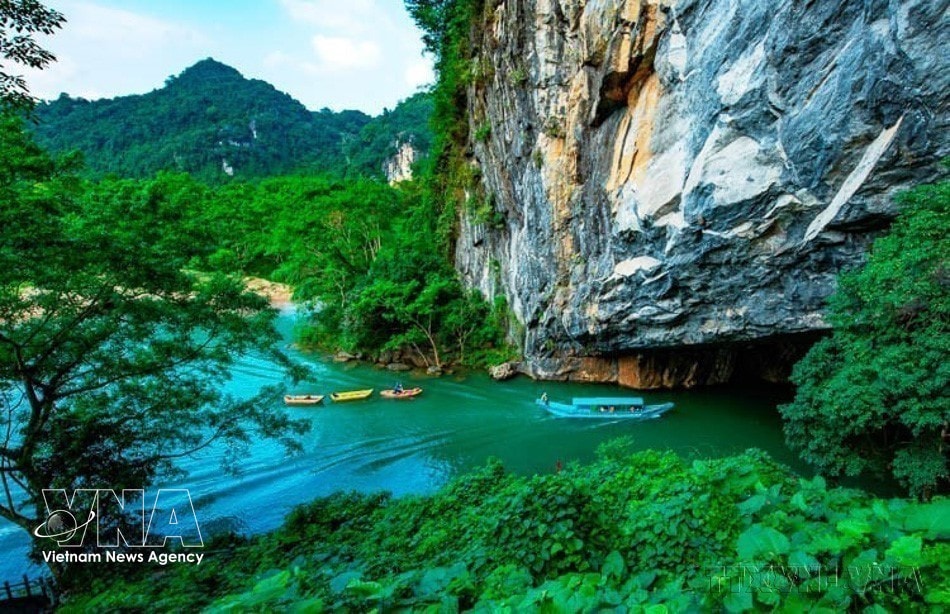
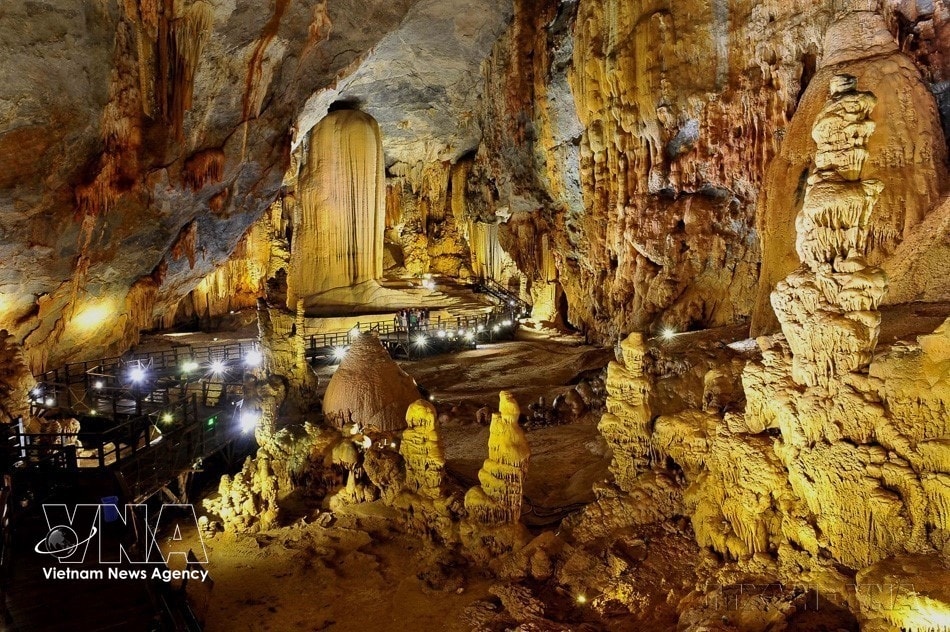
The newest addition to the global network, the Phong Nha–Ke Bang Biosphere Reserve in Quang Tri province, covers more than 515,000 hectares. The area is internationally renowned for possessing the world's largest limestone mountain formation, over 300 caves, and a network of spectacular underground rivers. It is also highly valued for its rich biodiversity, with 2,953 species of higher plants recorded.
This area is home to Son Doong Cave, the largest natural cave in the world, and is recognised as one of Vietnam’s most important biodiversity hotspots.
The new designation opens up opportunities to strengthen international cooperation in nature conservation, scientific research, and the development of sustainable tourism in Quang Tri province.
2. Nui Chua Biosphere Reserve
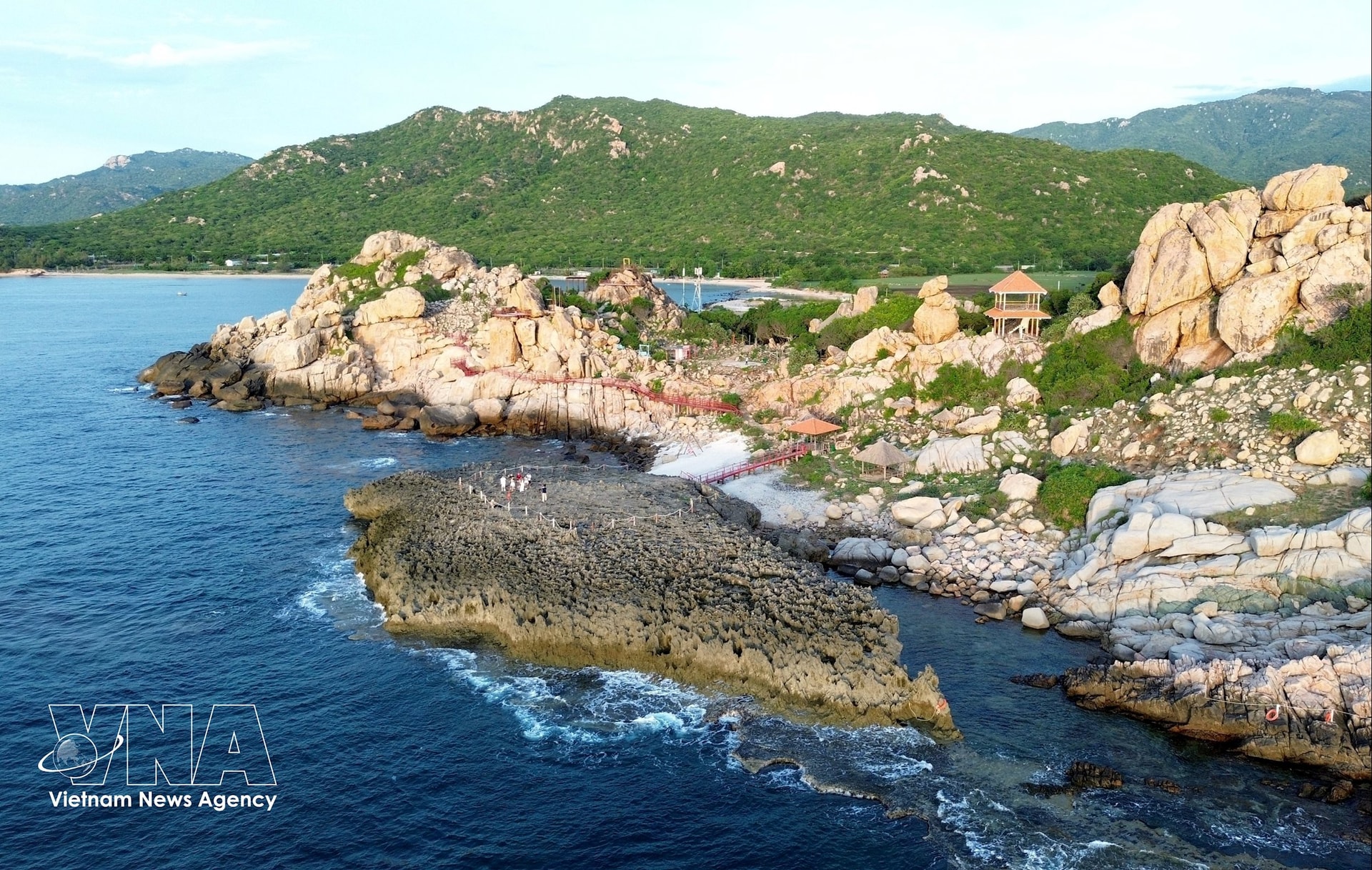
Recognised by UNESCO in September 2021, the Nui Chua Biosphere Reserve in Khanh Hoa province represents one of Vietnam's most distinctive ecological regions. Covering more than 106,600 hectares, it is characterised by an exceptionally dry climate that is rare in the country.
The reserve encompasses both forest and marine ecosystems and provides habitat for numerous endangered species, including the black-shanked douc langur. Offshore, extensive coral reefs support rich marine biodiversity, while sandy beaches serve as important nesting sites for sea turtles. The area has become a model for integrating marine conservation with sustainable coastal development.
3. Kon Ha Nung Plateau Biosphere Reserve
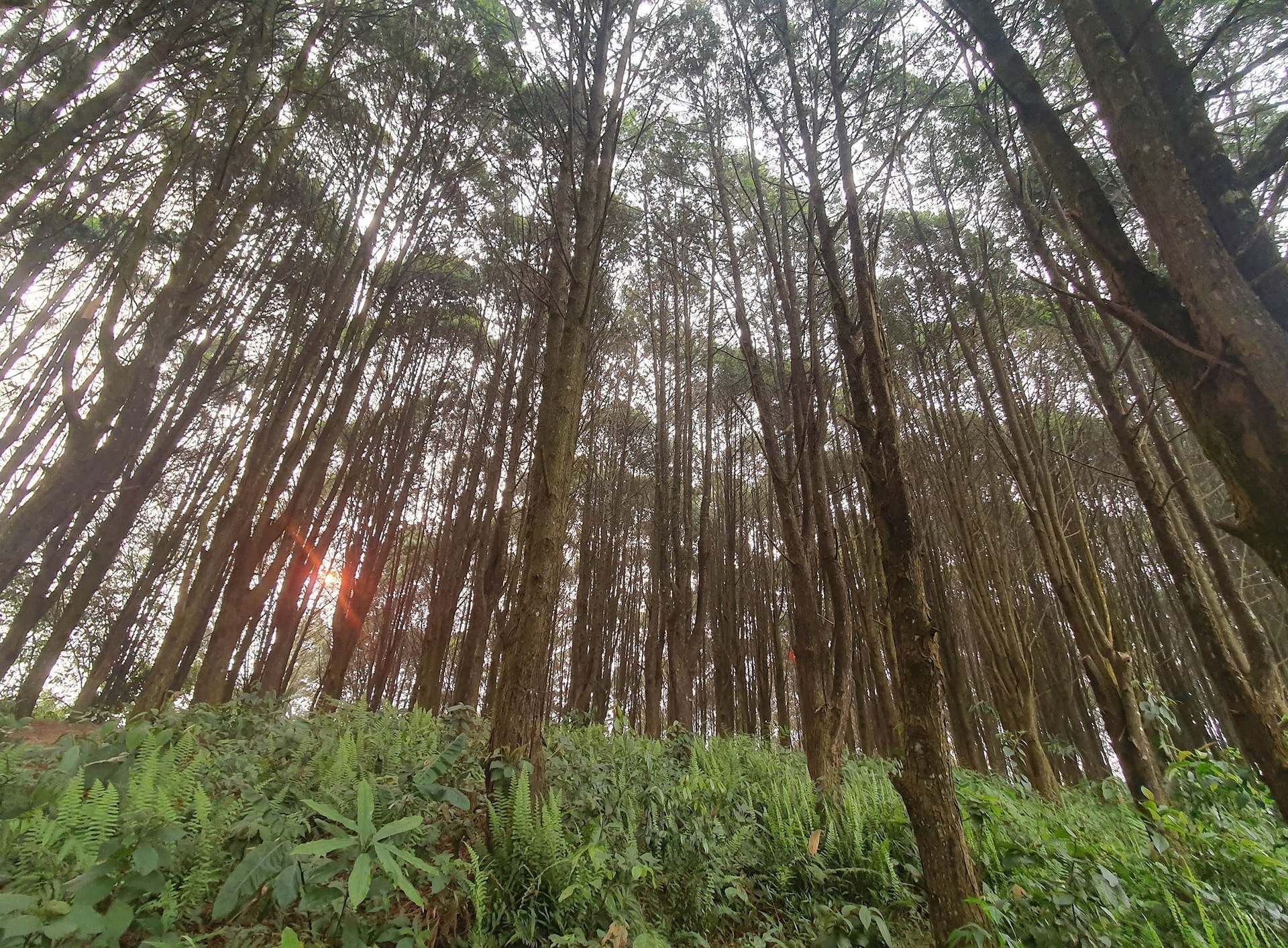
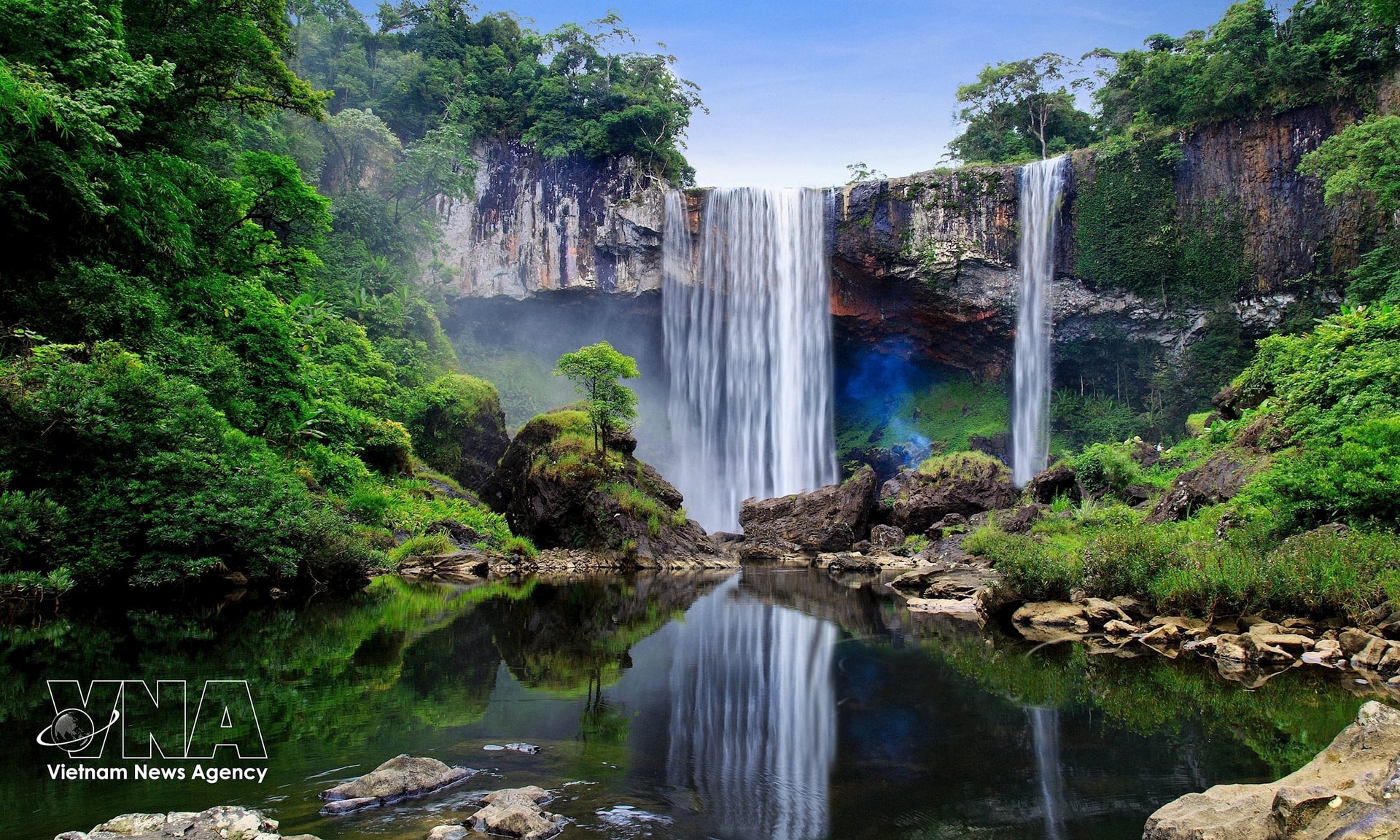
Also designated by UNESCO in 2021, the Kon Ha Nung Plateau Biosphere Reserve in Gia Lai province, with a total area of more than 413,000 hectares, is a typical representative of the Central Highlands forest ecosystem.
The reserve preserves relatively intact tropical forests that support a remarkable diversity of flora and fauna, including many rare and threatened species. Equally important, it protects the traditional living space and cultural heritage of indigenous ethnic communities whose livelihoods have long been intertwined with the forest.
4. Langbiang Biosphere Reserve
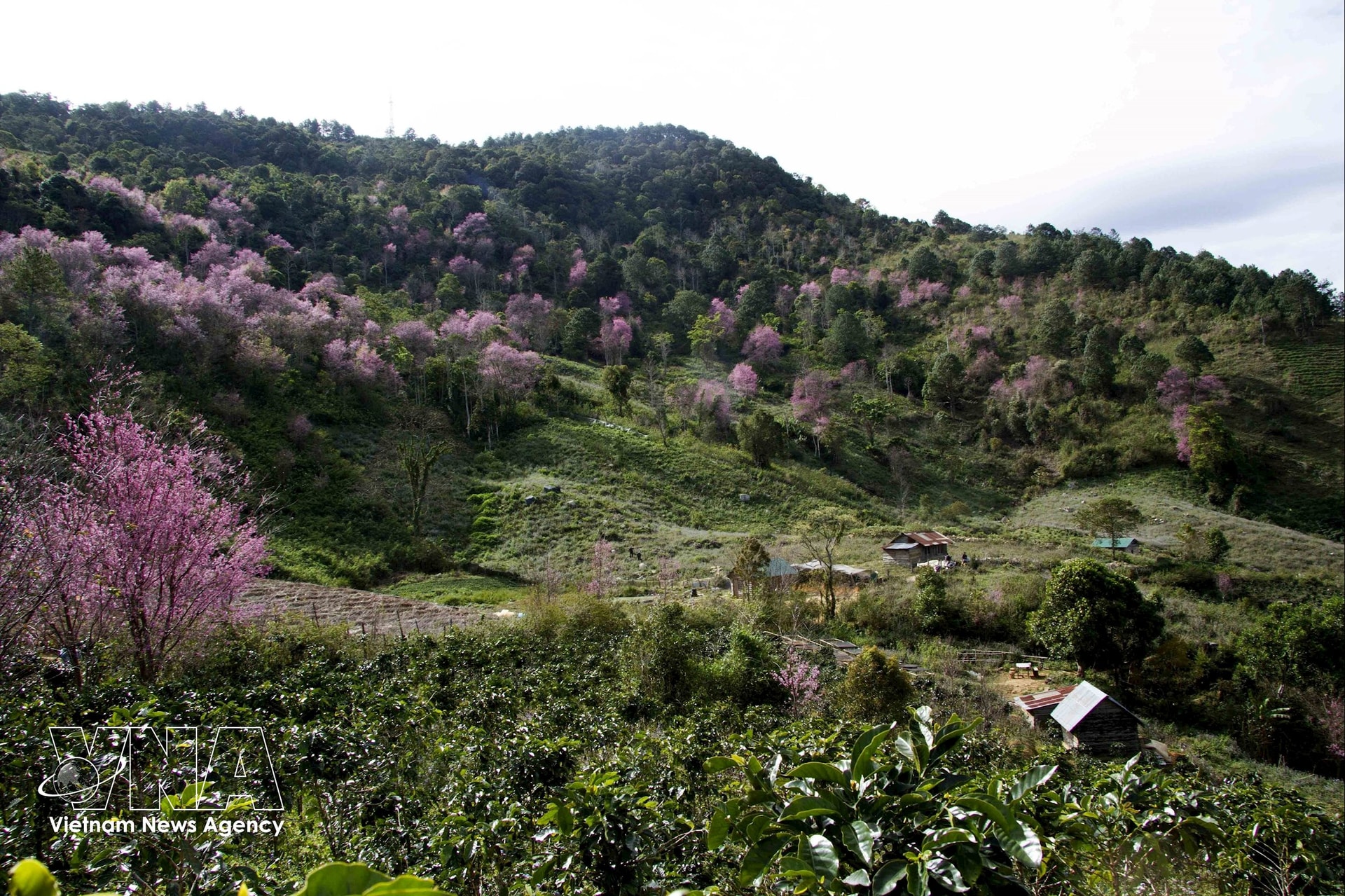
Langbiang became the first World Biosphere Reserve in Vietnam's Central Highlands when it was recognised by UNESCO in 2015.
Covering 275,439 hectares in Lam Dong province, the reserve contains rich montane forests and a wide variety of endemic and endangered species listed in Vietnam's Red Book. Its ecological values are complemented by the unique cultural traditions of local ethnic communities and the Space of Gong Culture in the Central Highlands of Vietnam, also recognised by UNESCO as an Intangible Cultural Heritage of Humanity.
The combination of biodiversity and cultural heritage makes Langbiang a leading destination for sustainable ecotourism.
5. Cu Lao Cham–Hoi An Biosphere Reserve
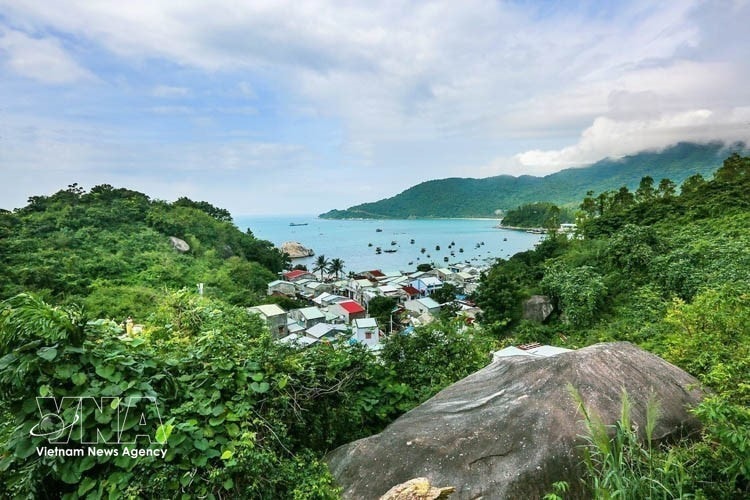
Recognised by UNESCO in 2009, the Cu Lao Cham–Hoi An Biosphere Reserve in Da Nang city is widely regarded as a successful example of harmonising nature conservation with cultural preservation.
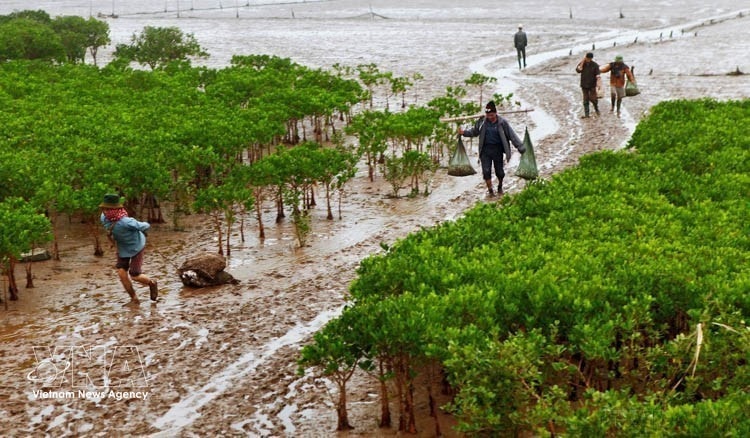
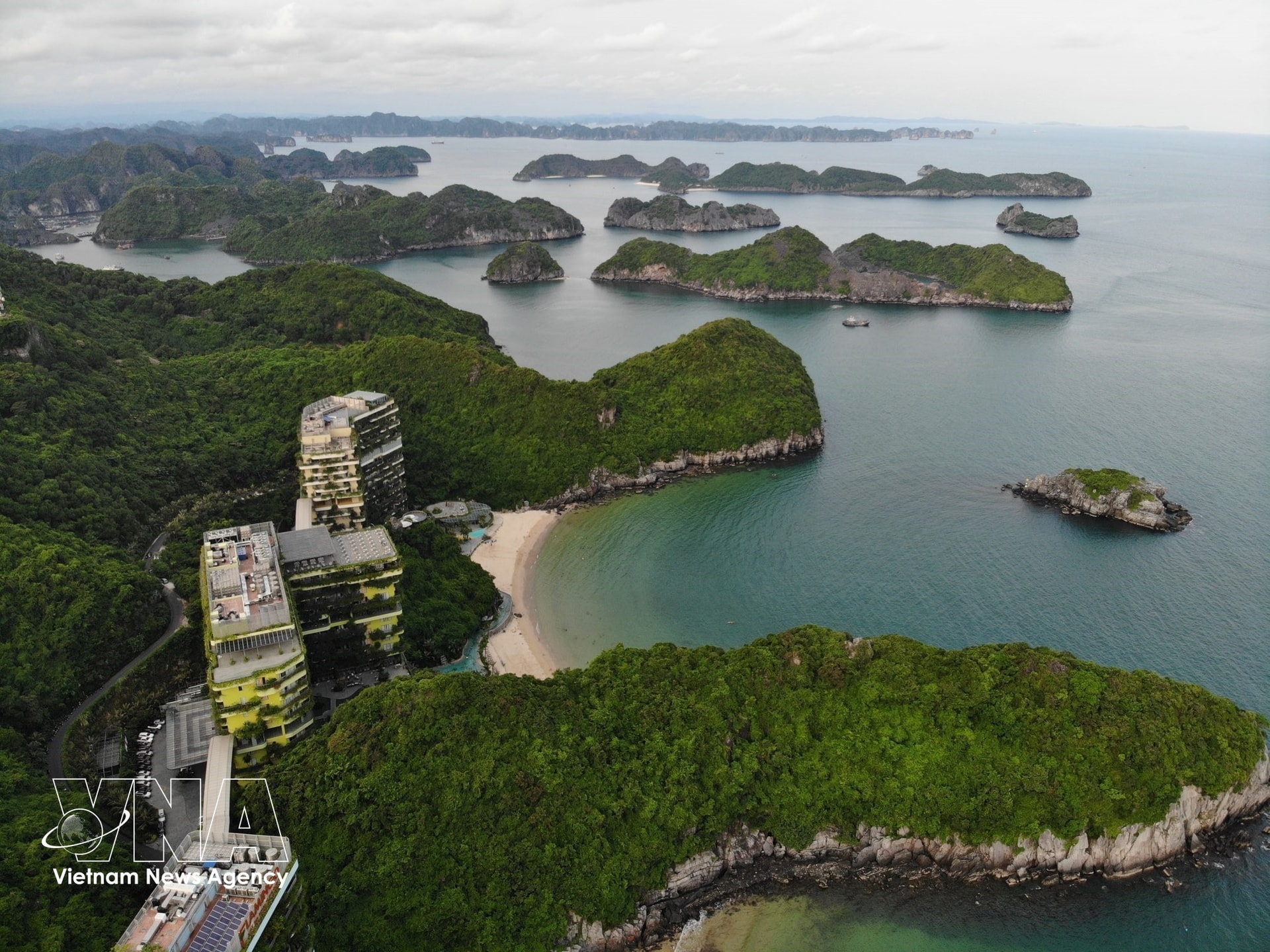
The area includes marine and island ecosystems, mangrove forests, special-use forests, and the ancient town of Hoi An. It is one of the biosphere reserves that effectively contributes to ecotourism development, marine conservation, and the maintenance of sustainable livelihoods for local communities.
.jpg)