


Gửi bình luận
LongForm
FIFTEEN NATIONAL ASSEMBLY ELECTIONS IN VIETNAM’S HISTORY
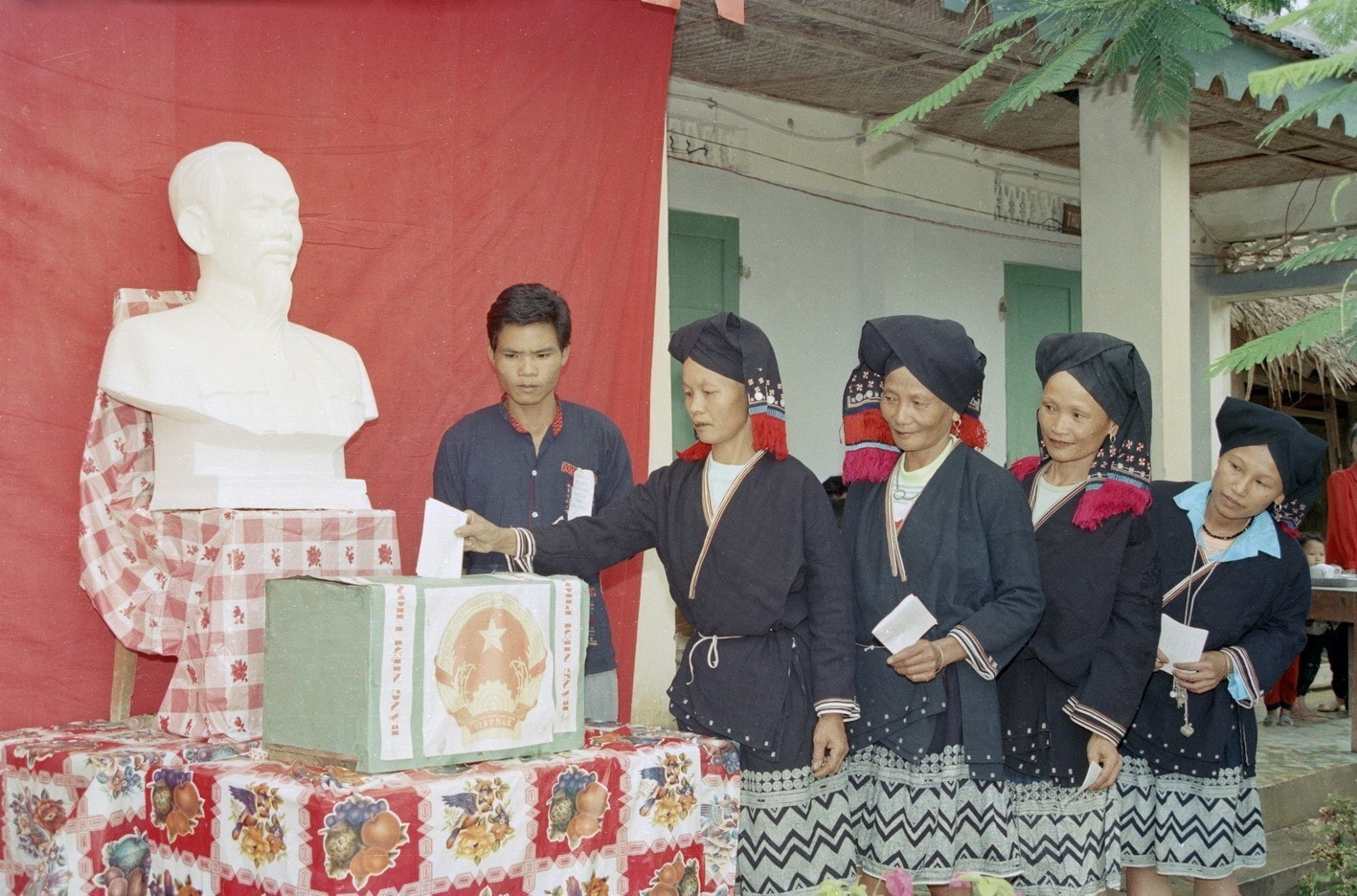
Vietnam has held 15 elections of deputies to the National Assembly (NA). Each election took place under different historical circumstances, yet all vividly reflected the People's will, aspirations and trust in the Party and the State, while affirming the NA's central role within the political system and in the process of building a socialist rule-of-law State of Vietnam.
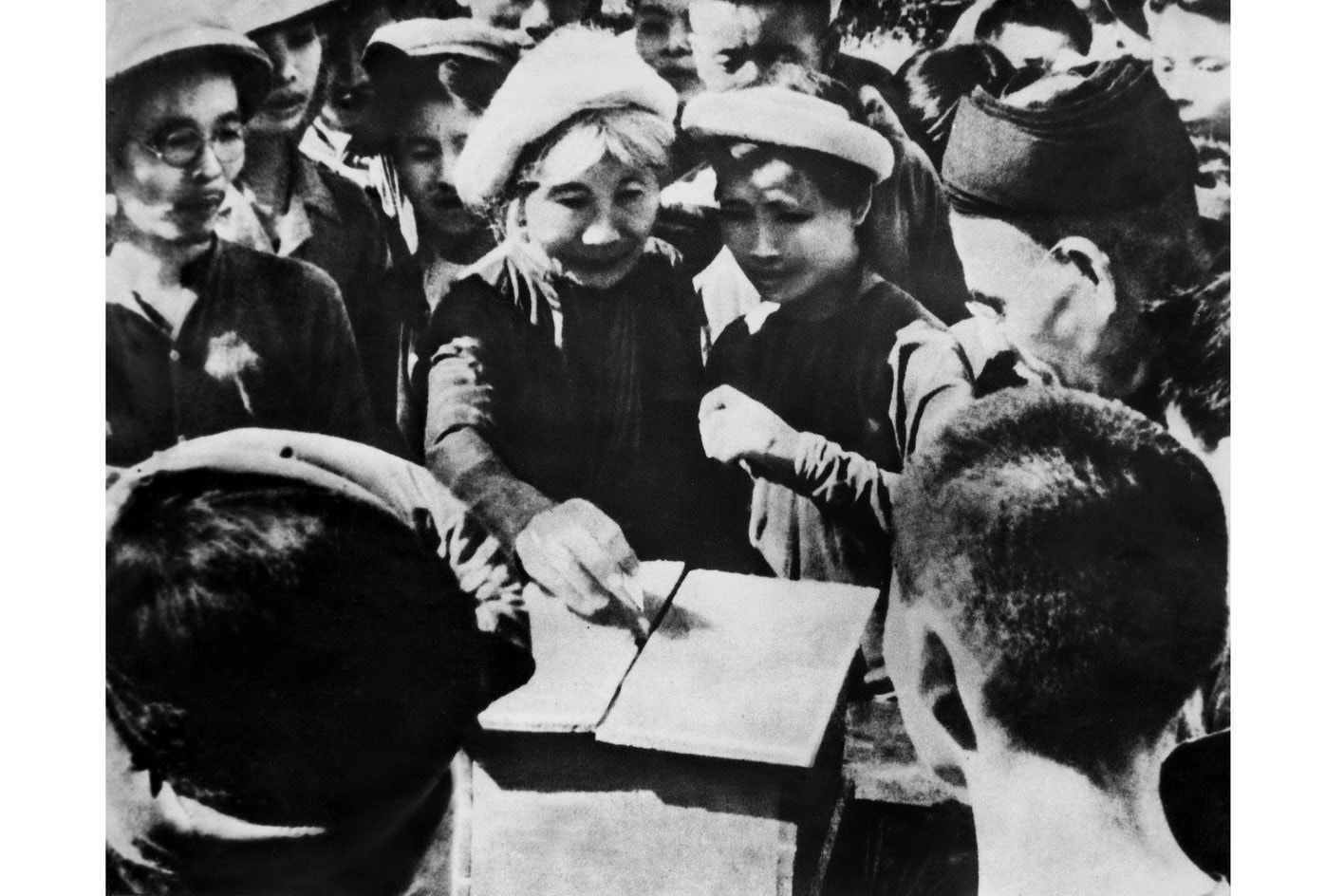
First National Assembly election (January 6, 1946)
On January 6, 1946, Vietnam held its first-ever general election, at a time when the country had just gained independence but still faced immense difficulties, particularly fierce sabotage by French colonial forces. Despite grave danger, people across the country cast their ballots in large numbers, with voter turnout reaching 89%, including 91.95% in Hanoi. President Ho Chi Minh won a landslide victory with 98.4% of the vote.
In the southern region, voting took place amid bombs and gunfire, with 42 revolutionary officers and soldiers heroically sacrificing their lives, exemplifying the spirit of determination in defence of the People’s right to mastery. As a result, 333 outstanding deputies were elected to the first-tenure NA, representing all social strata, classes, ethnic groups and religions nationwide.
The general election was a momentous historical event, opening a new chapter in building a democratic system and marking the birth and development of the NA as a democratic institution and a pillar of the rule-of-law State of the People, by the People and for the People.
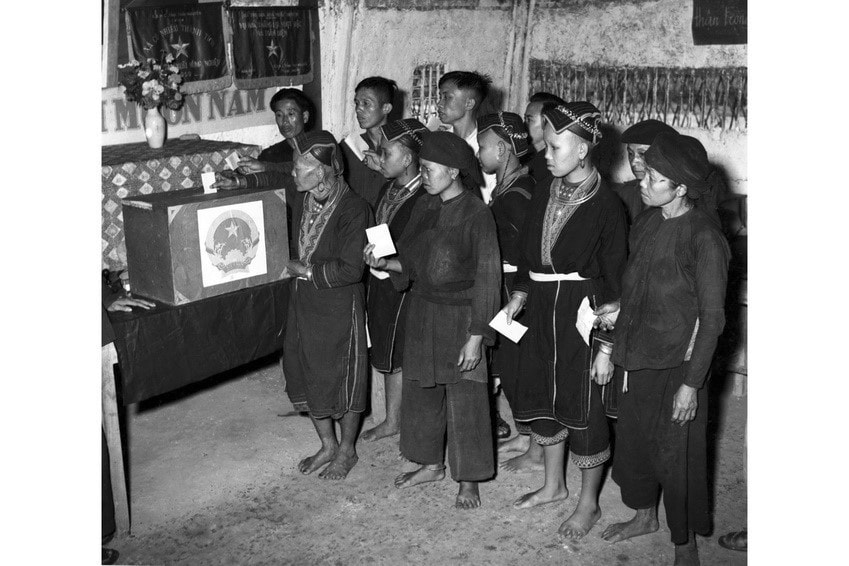
Second National Assembly election (May 8, 1960)
May 8, 1960, marked the election day of the second-tenure NA and a major festival for the people of northern Vietnam. Nearly 8.2 million voters, from urban centres to rural areas, exercised their rights and obligations at 22,530 polling stations across the North.
The election of 362 deputies to the second-tenure NA, together with 91 southern deputies from the first-term legislature whose mandates were extended, demonstrated broad national unity and fully reflected the will and aspirations of the Vietnamese people.
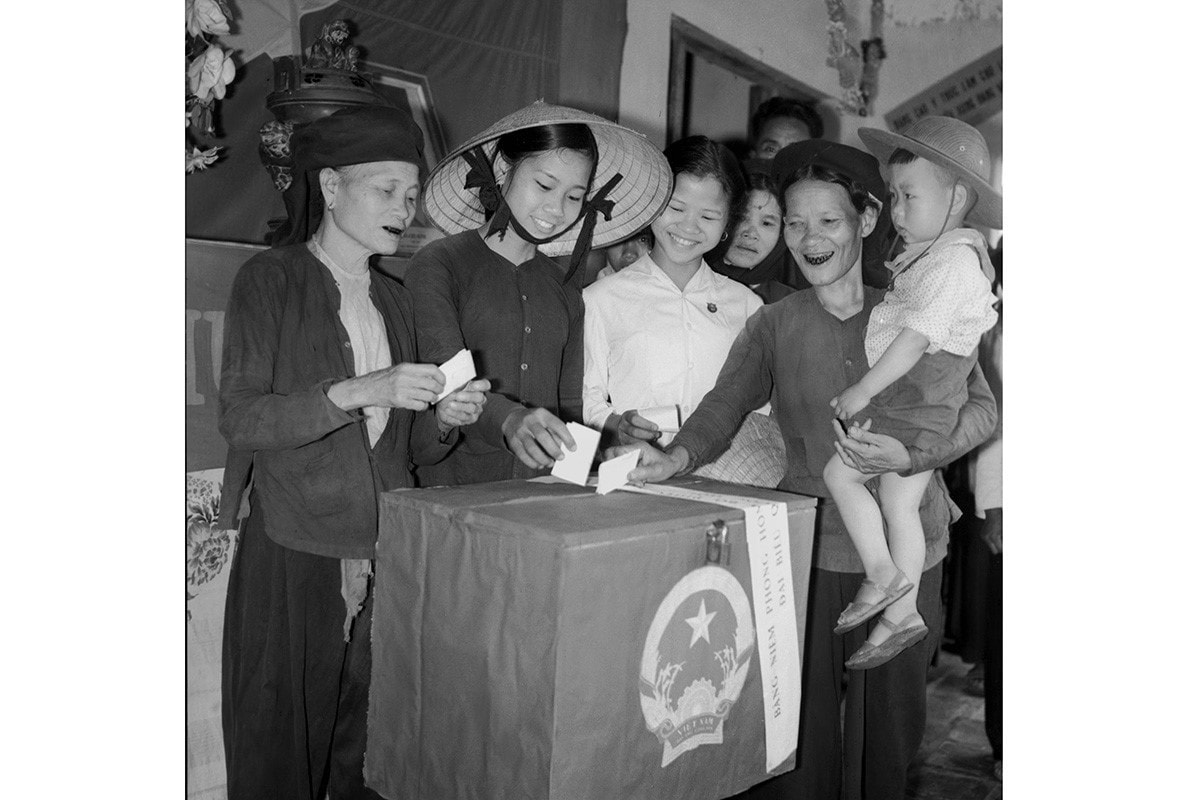
Third National Assembly election (April 26, 1964)
On April 26, 1964, the election for the third-tenure NA was held throughout northern Vietnam. More than 8.58 million voters from 31 provinces, zones and cities cast their ballots.
The third-tenure NA comprised 453 deputies, including 366 newly elected members and 87 southern deputies from the first-tenure NA continuing their terms. The results highlighted strong political consensus and unity in northern society, as well as public confidence in the leadership of the Vietnam Workers’ Party and the Vietnam Fatherland Front.
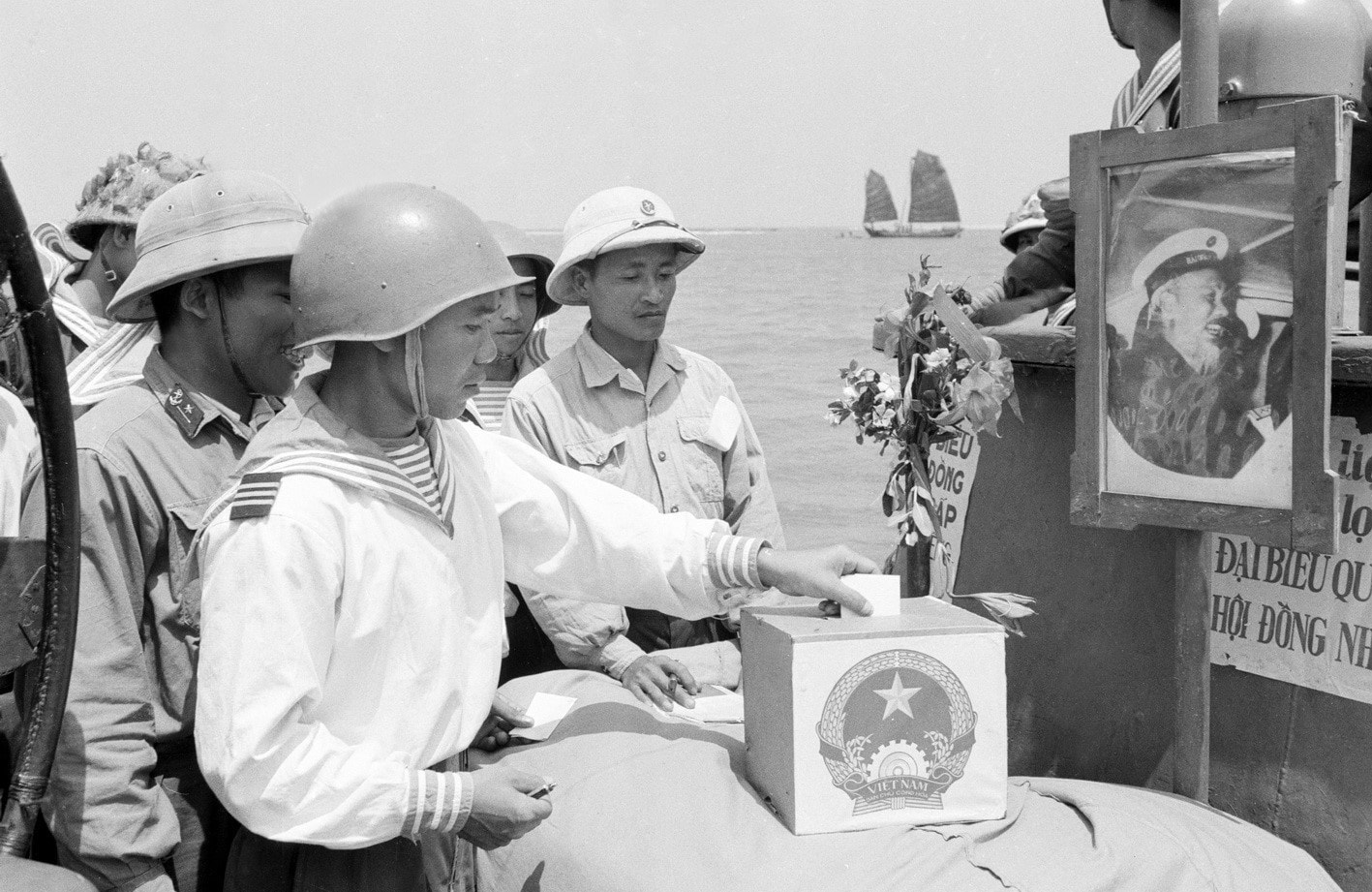
Fourth National Assembly election (April 11, 1971)
On April 11, 1971, citizens of the Democratic Republic of Vietnam aged 18 and above, regardless of ethnicity, gender, social background or religion, voted in 80 constituencies across the North to elect representatives to the fourth-tenure NA. Voter turnout reached 98.88%, with 420 deputies elected from 529 candidates.
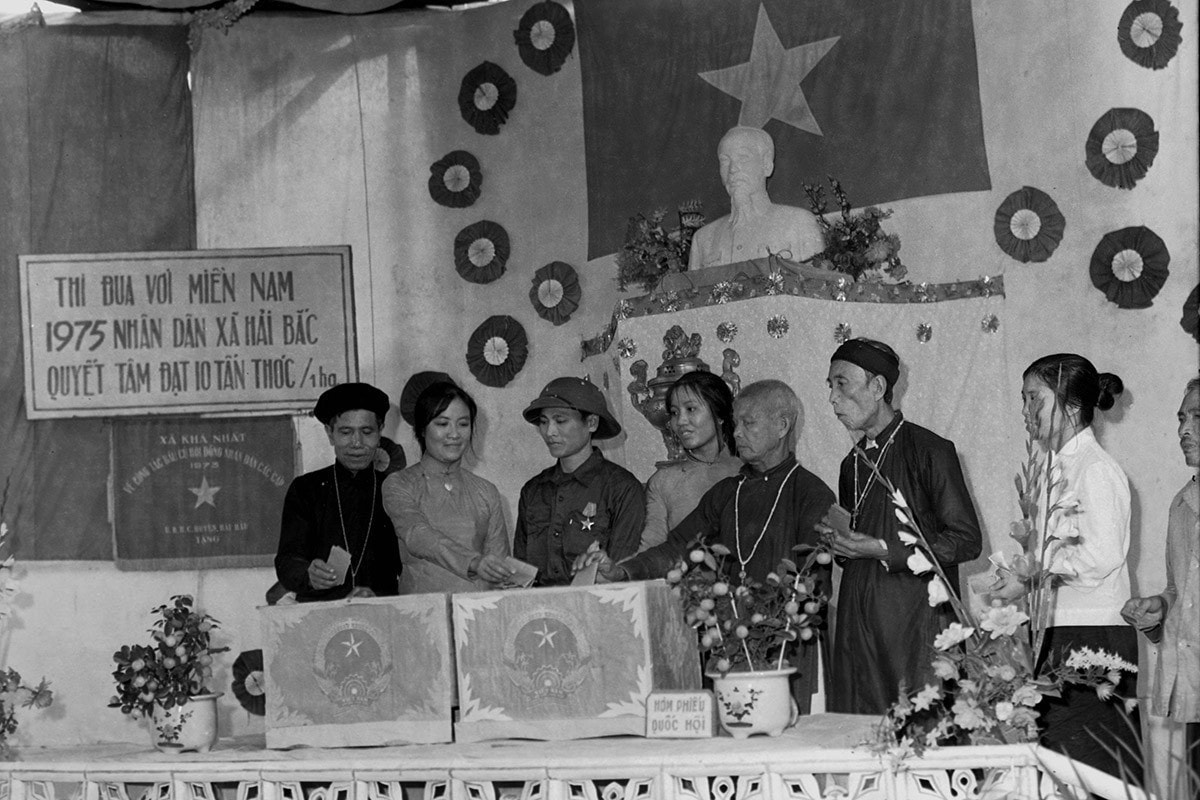
Fifth National Assembly election (April 6, 1975)
On April 6, 1975, as successive victories from the southern battlefield were reported, millions of voters in the North enthusiastically went to the polls to elect deputies to the fifth-tenure NA. Voters elected 424 deputies from 527 candidates.
Shortly thereafter, the first session of the fifth-tenure NA convened from June 3–6, 1975, in the context of the 1975 Spring General Offensive and Uprising having ended in complete victory, reunifying the country and ushering Vietnam into a new era of national independence, reunification and socialist construction nationwide.
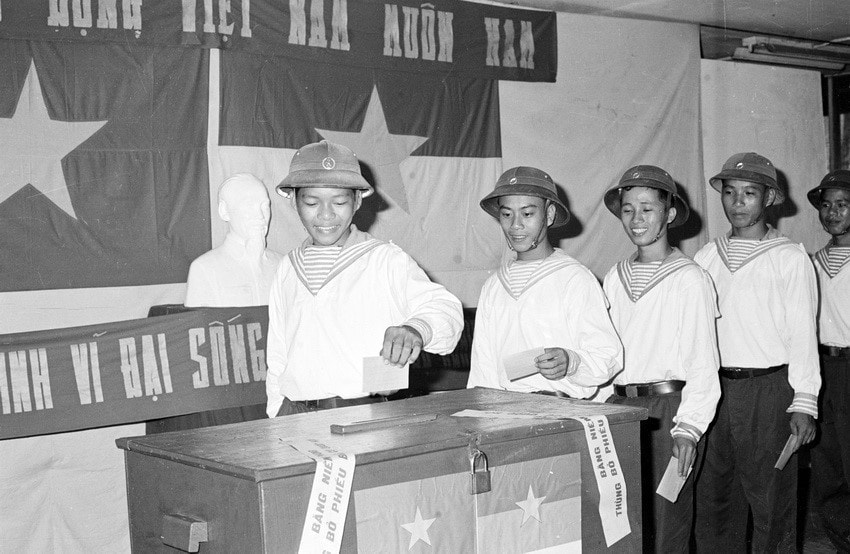
Sixth National Assembly election (April 25, 1976)
The general election for the NA of a reunified Vietnam was held on April 25, 1976, marking a truly nationwide celebration.
In a jubilant atmosphere, more than 23 million voters, exercising their rights as masters of the country, elected 492 deputies to the sixth-tenure NA - the legislature of an independent and unified Vietnam.
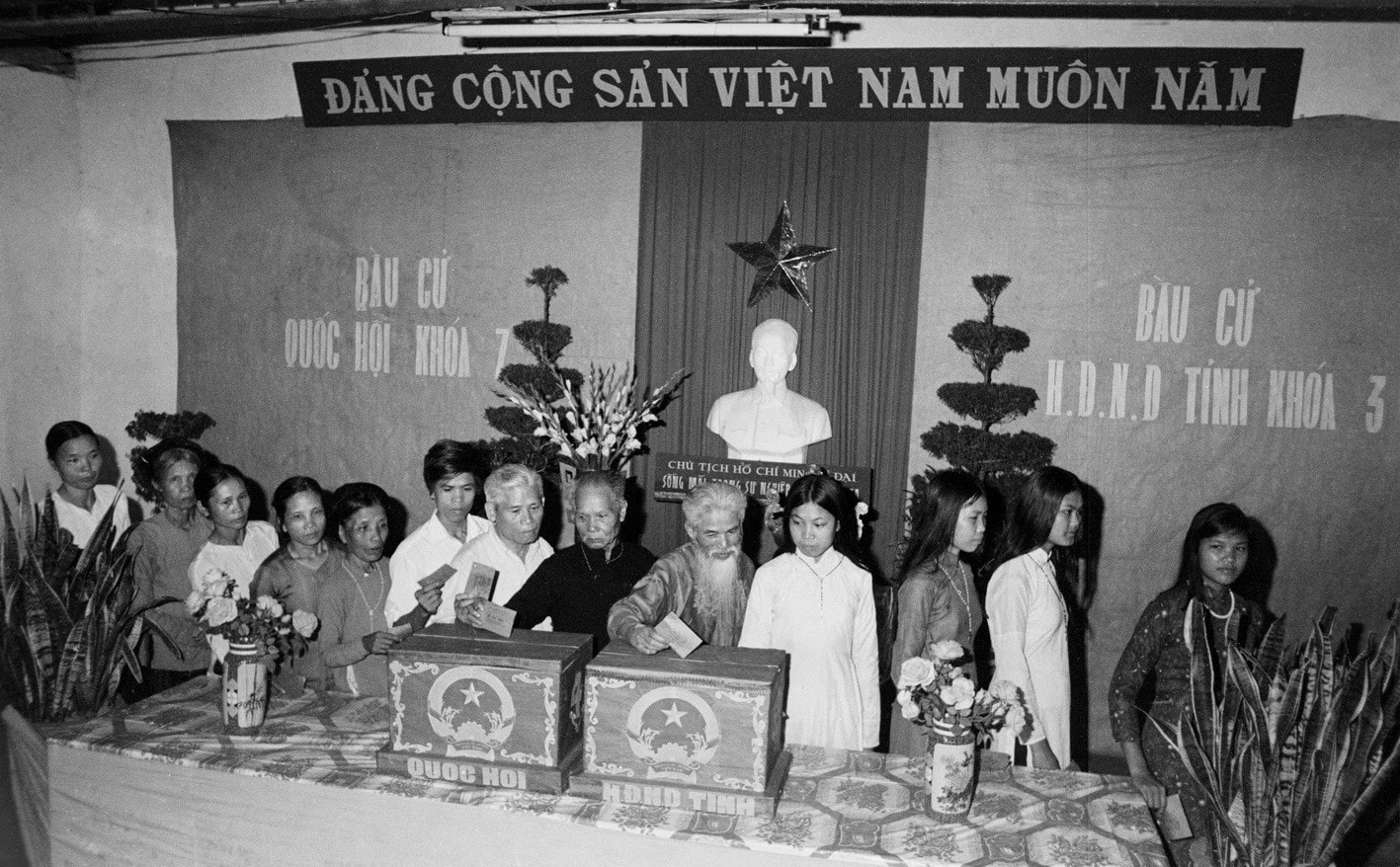
Seventh National Assembly election (April 26, 1981)
The election for the seventh-tenure NA took place on April 26, 1981, with voter turnout reaching 97.96%. Of the 614 candidates in 93 constituencies, 496 were elected.
The successful election reaffirmed that despite economic and livelihood difficulties, people, soldiers and officials nationwide exercised their collective mastery and wisely chose worthy representatives to the highest representative body of the People.
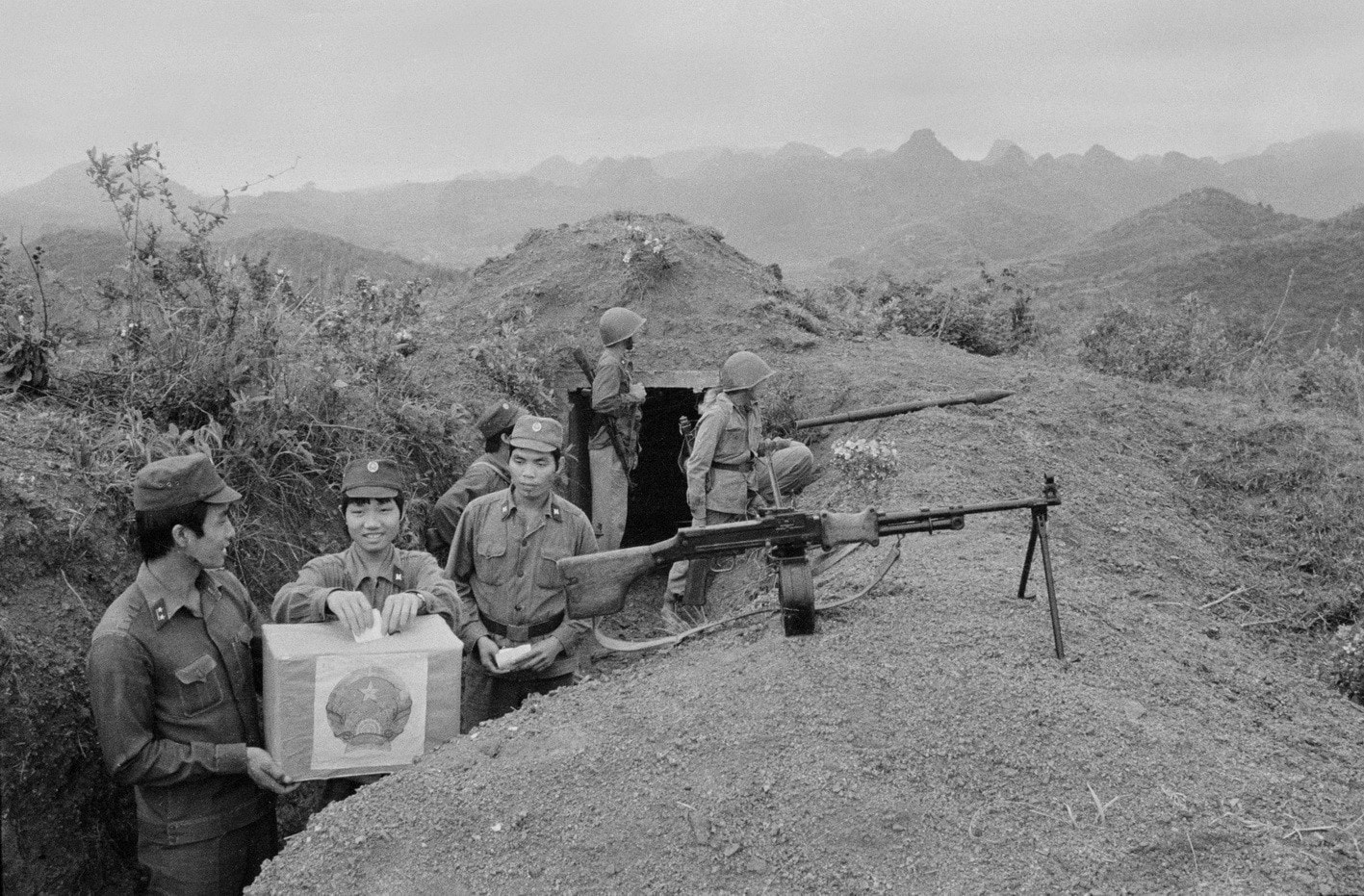
Eighth National Assembly election (April 19, 1987)
On April 19, 1987, the election for the eighth-tenure NA was held nationwide. Of the 828 candidates, 496 were elected, with voter turnout at 98.75%.
In a democratic spirit, voters selected outstanding representatives with integrity, capability and the capacity to fulfil the tasks entrusted by the People.
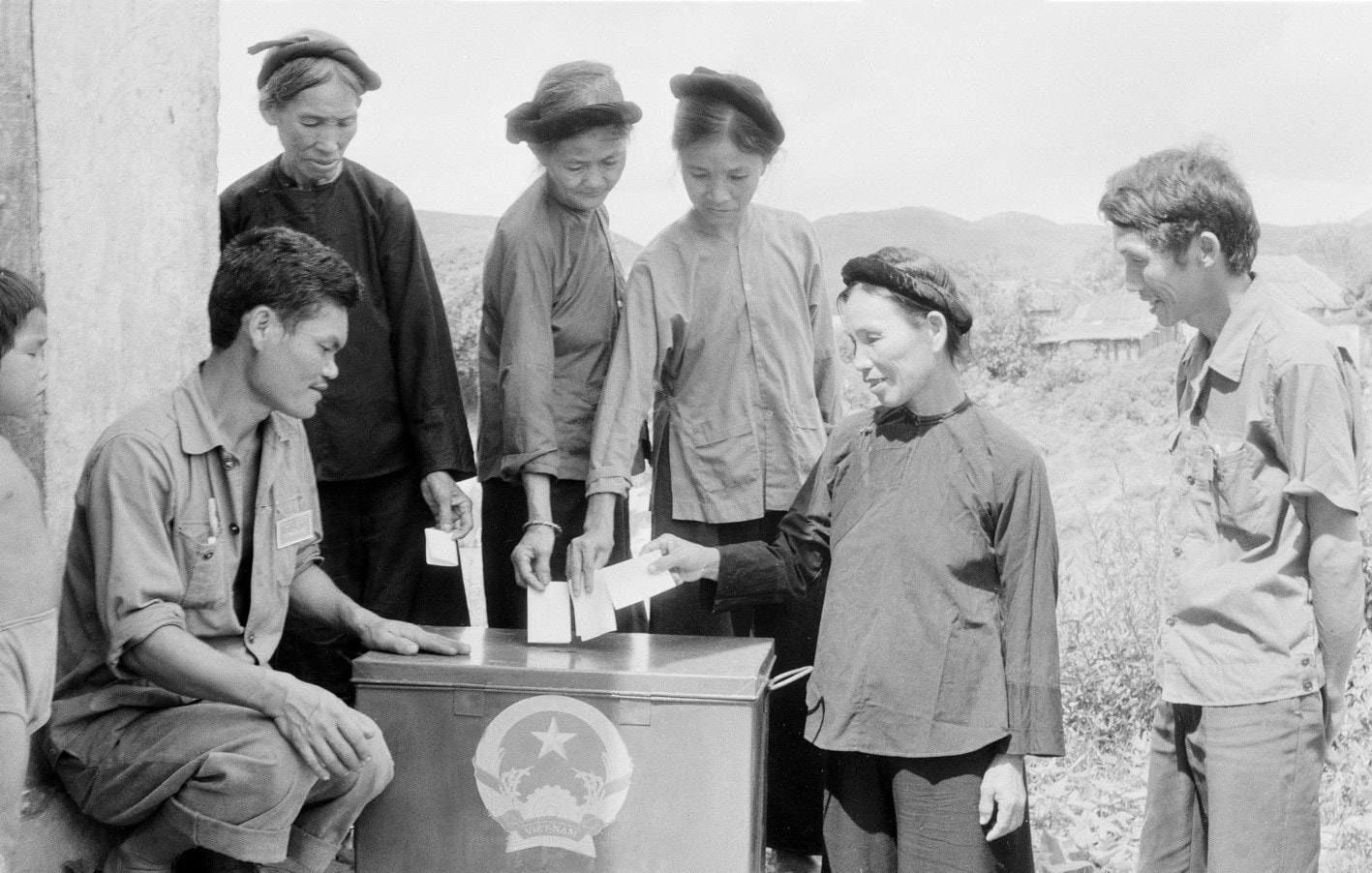
Ninth National Assembly election (July 19, 1992)
On July 19, 1992, nearly 37.2 million voters nationwide went to polling stations to elect 395 deputies from 601 candidates to the country’s highest organ of State power.
The successful election reflected great national unity, embodying the will and aspirations of the People and the democratic, well-considered choices of voters.
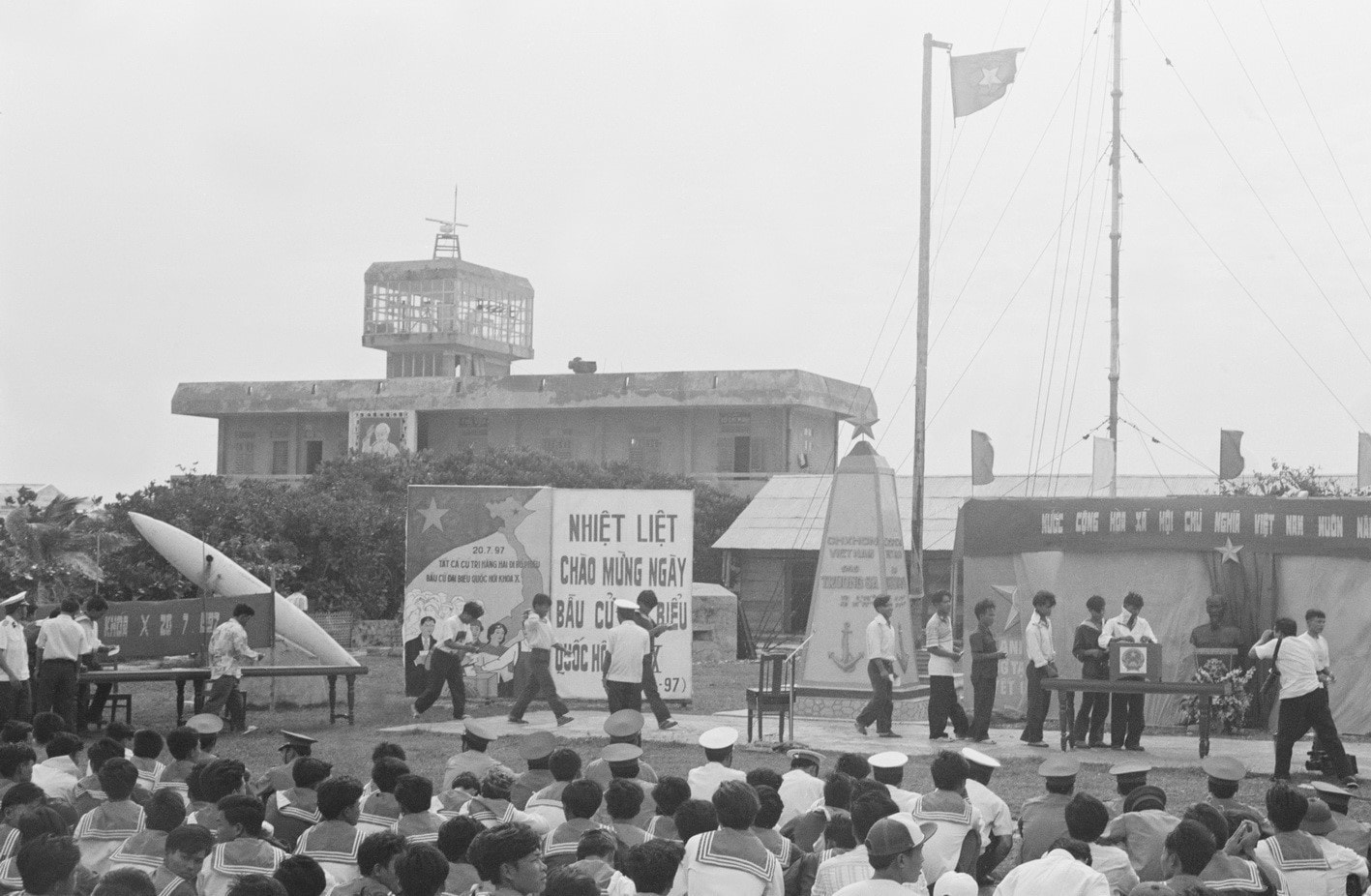
10th National Assembly election (July 20, 1997)
The 10th-tenure NA was elected on July 20, 1997, with voter turnout at 99.59%. A total of 450 deputies were elected, representing all segments of society. Women accounted for 26.2% of deputies, those under 40 for 18.6%, and non-Party members 15%.
The election’s success demonstrated patriotism, social cohesion and public trust in the Party, the State and the socialist system.
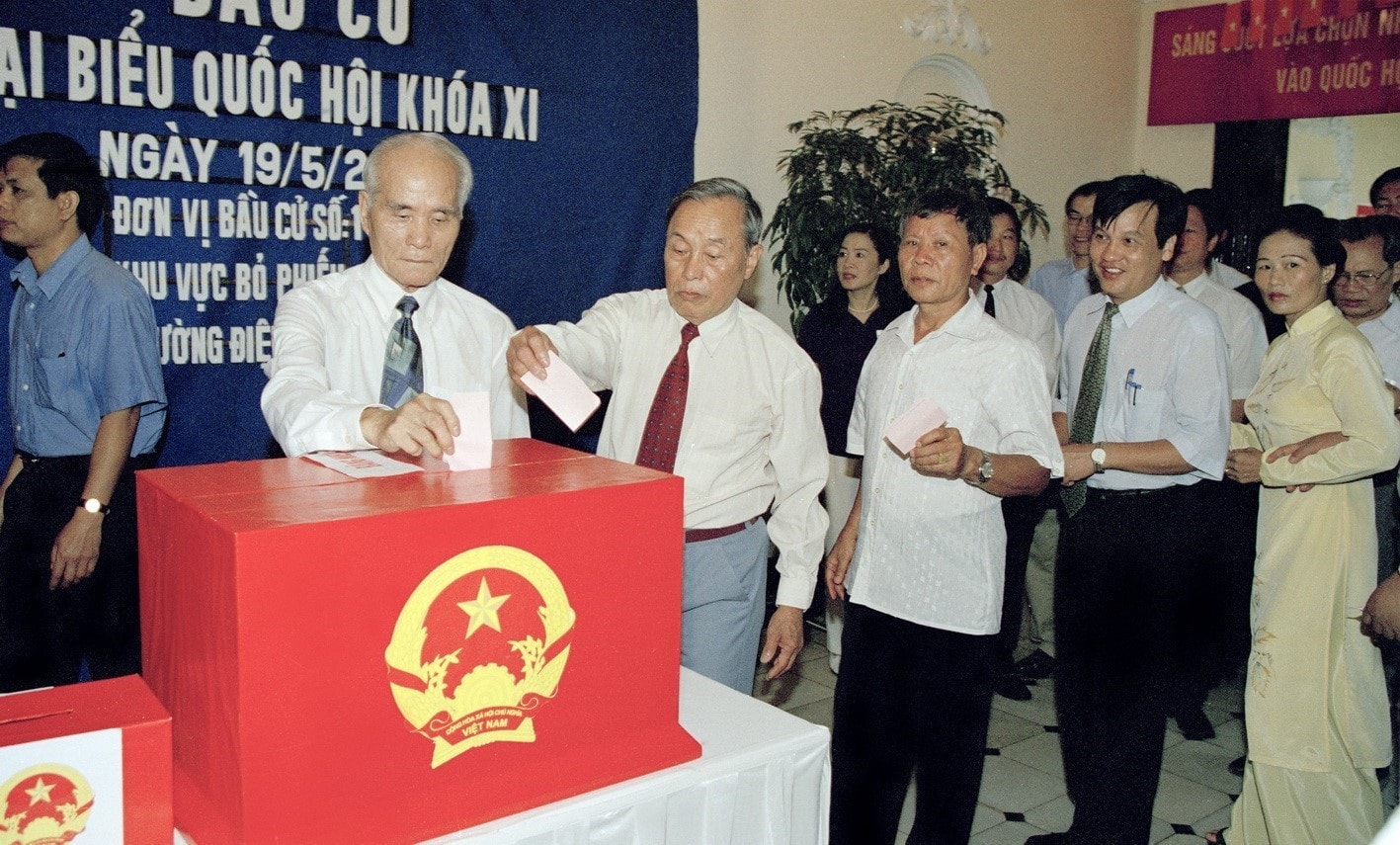
11th National Assembly election (May 19, 2002)
On May 19, 2002, nearly 50 million voters nationwide enthusiastically cast ballots to elect 498 deputies to the 11th-tenure NA, with turnout reaching 99.73%.
The election was conducted democratically, lawfully, safely and cost-effectively.
It reflected political awareness, civic responsibility, public confidence in Party leadership and the achievements of renewal, industrialisation, modernisation and the building and consolidation of a socialist rule-of-law State.
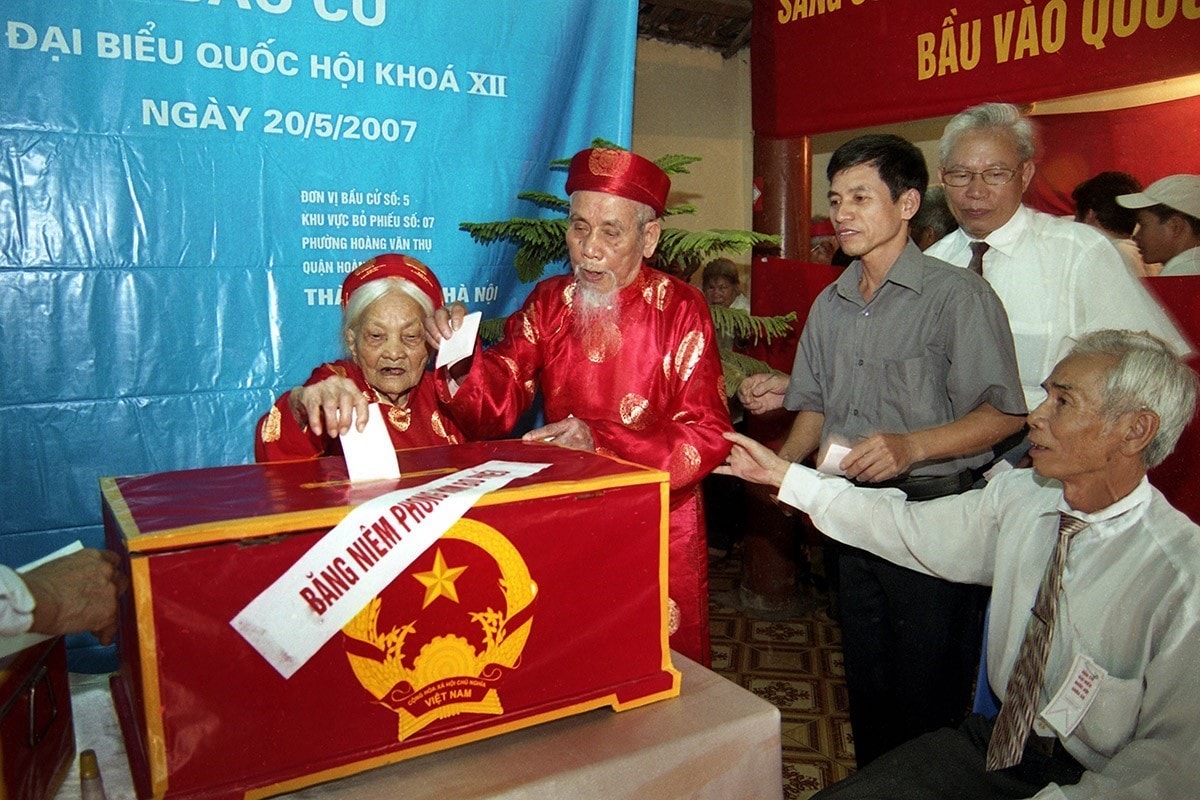
12th National Assembly election (May 20, 2007)
On May 20, 2007, the election for the 12th-tenure NA was held in an atmosphere of optimism and confidence. Voters elected 493 deputies from 876 candidates.
The outcome reaffirmed the determination of the entire Party, people and armed forces to build a socialist rule-of-law State of the People, by the People and for the People, while underscoring the People’s mastery and national unity.
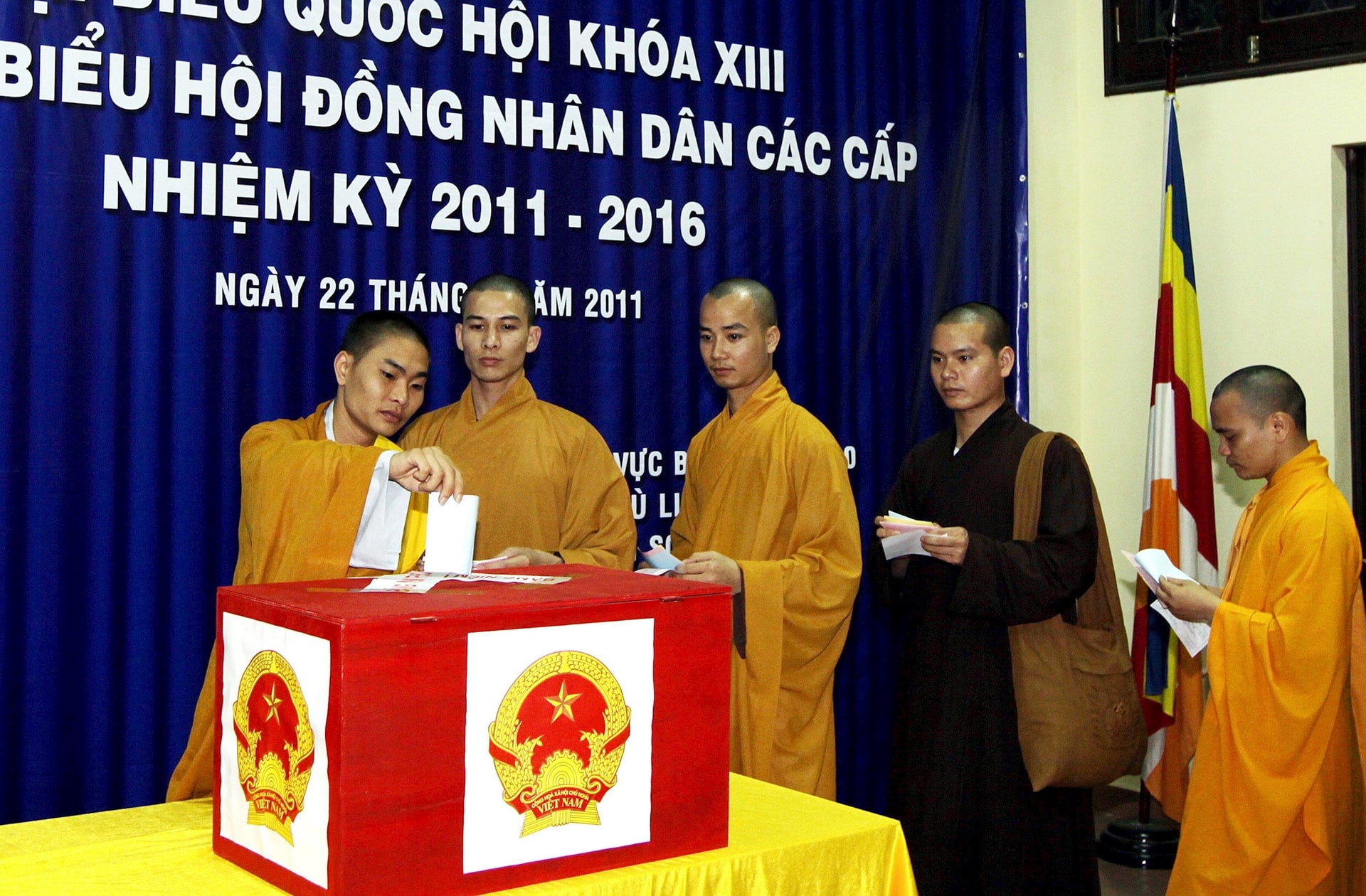
13th National Assembly election (May 22, 2011)
On May 22, 2011, voters nationwide exercised their civic rights to elect deputies to the 13th-tenure NA and People’s Councils at all levels for the 2011–2016 term, one of the year’s most significant political events.
For the first time, elections to representative bodies at four levels - the NA and the People’s Councils at provincial, district and commune level - were held on the same day. Voter turnout reached 99.51%, with 500 NA deputies elected.
The comprehensive success reflected patriotism, public confidence in the renewal path, Party leadership and State governance, affirming the People’s mastery and national unity.

14th National Assembly election (May 22, 2016)
Elections for the 14th-tenure NA and People’s Councils at all levels for the 2016–2021 term were held on May 22, 2016, drawing more than 67 million voters nationwide, with turnout at 99.35%. In a spirit of democracy, solidarity and responsibility, voters elected 494 deputies distinguished by integrity, competence and credibility.
The successful elections further affirmed public trust in the Party, the State and the socialist system, contributing to the building of a rule-of-law State of the People, by the People and for the People.
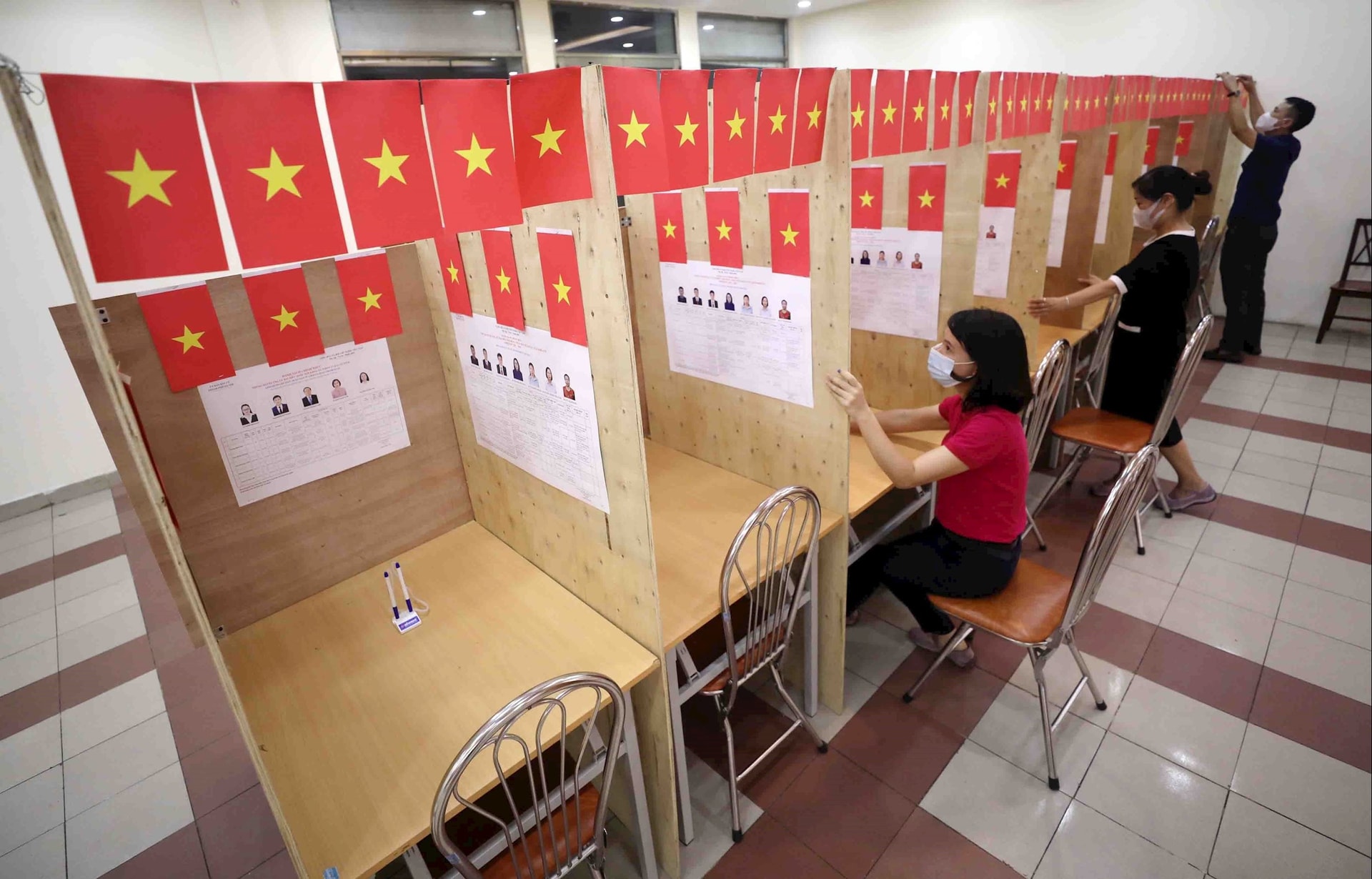
15th National Assembly election (May 23, 2021)
Elections for the 15th-tenure NA and People’s Councils at all levels for the 2021–2026 term were held on May 23, 2021, amid nationwide efforts to combat the COVID-19 pandemic. More than 69 million voters demonstrated strong responsibility and civic awareness, electing 499 deputies to the 15th-tenure NA, with turnout at 99.6%. The success of the elections not only reaffirmed public trust in the Party and the State, but also laid a solid foundation for the 15th NA to fulfil its legislative, oversight and decision-making responsibilities on major national issues.
Over 15 terms, NA elections have not only been major political events but also vivid measures of democracy, solidarity and social consensus. Whether in wartime or peacetime, the People’s right to vote has always been safeguarded and promoted. The achievements and milestones of these elections continue to affirm the nature of the State of the People, by the People and for the People, providing a firm foundation for national development in the new period./.