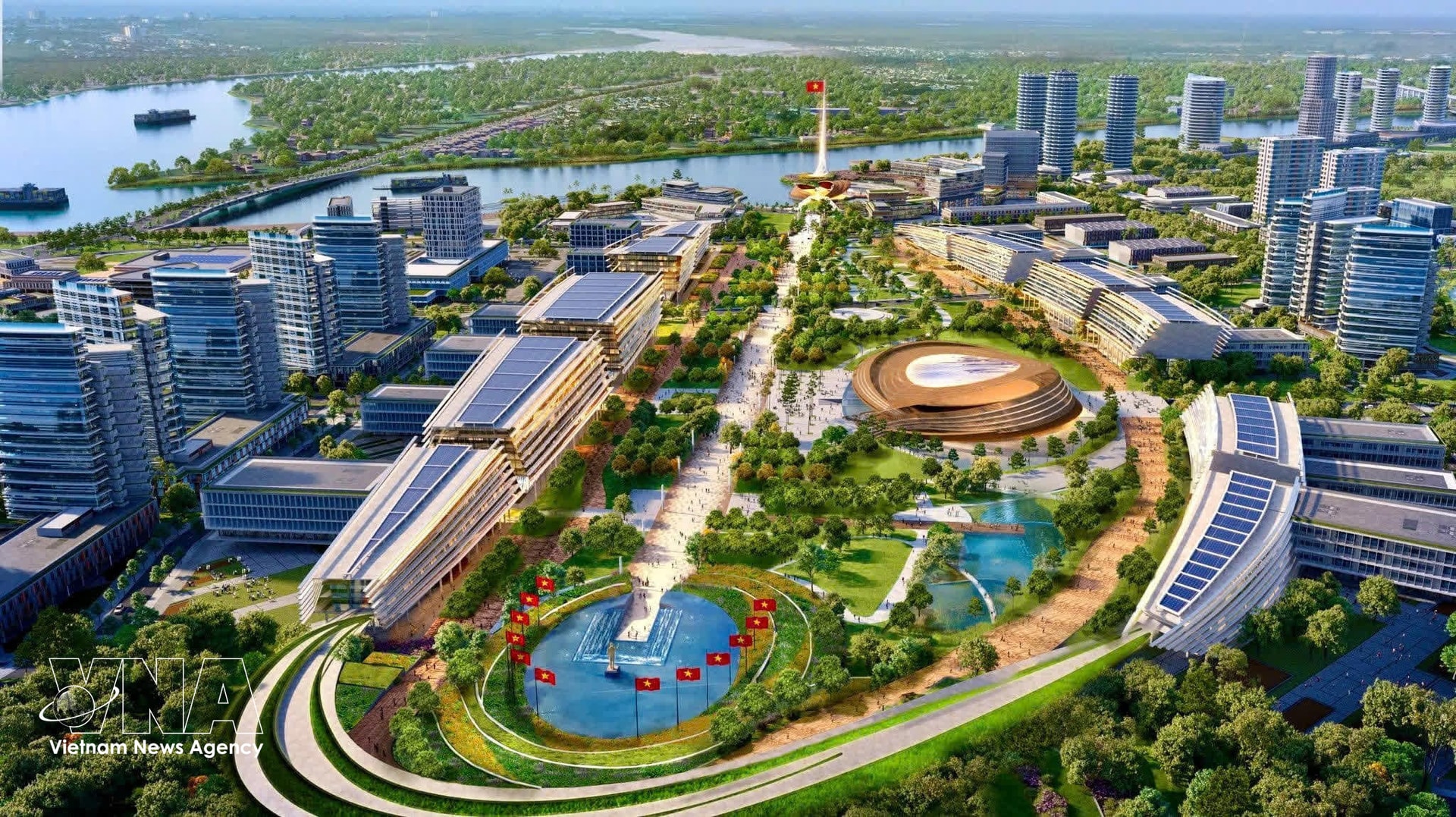
Following its merger and status elevation to Vietnam’s seventh centrally-run city starting April 30, 2026, Dong Nai is entering a pivotal phase to reposition its role and standing within a broader development landscape. More than an administrative upgrade, the move—coupled with strategic projects such as Long Thanh International Airport—is opening new space for the southern locality to make socio-economic breakthroughs, strengthen regional connectivity and reshape its development model toward services, tourism and innovation.
New position, new momentum
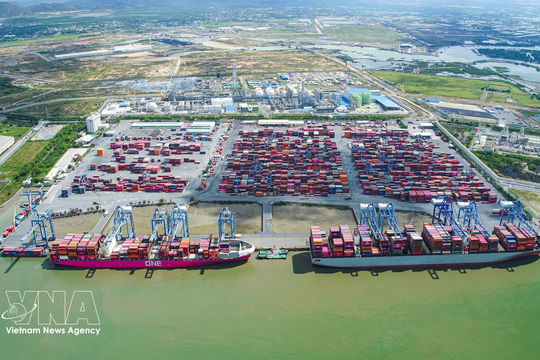
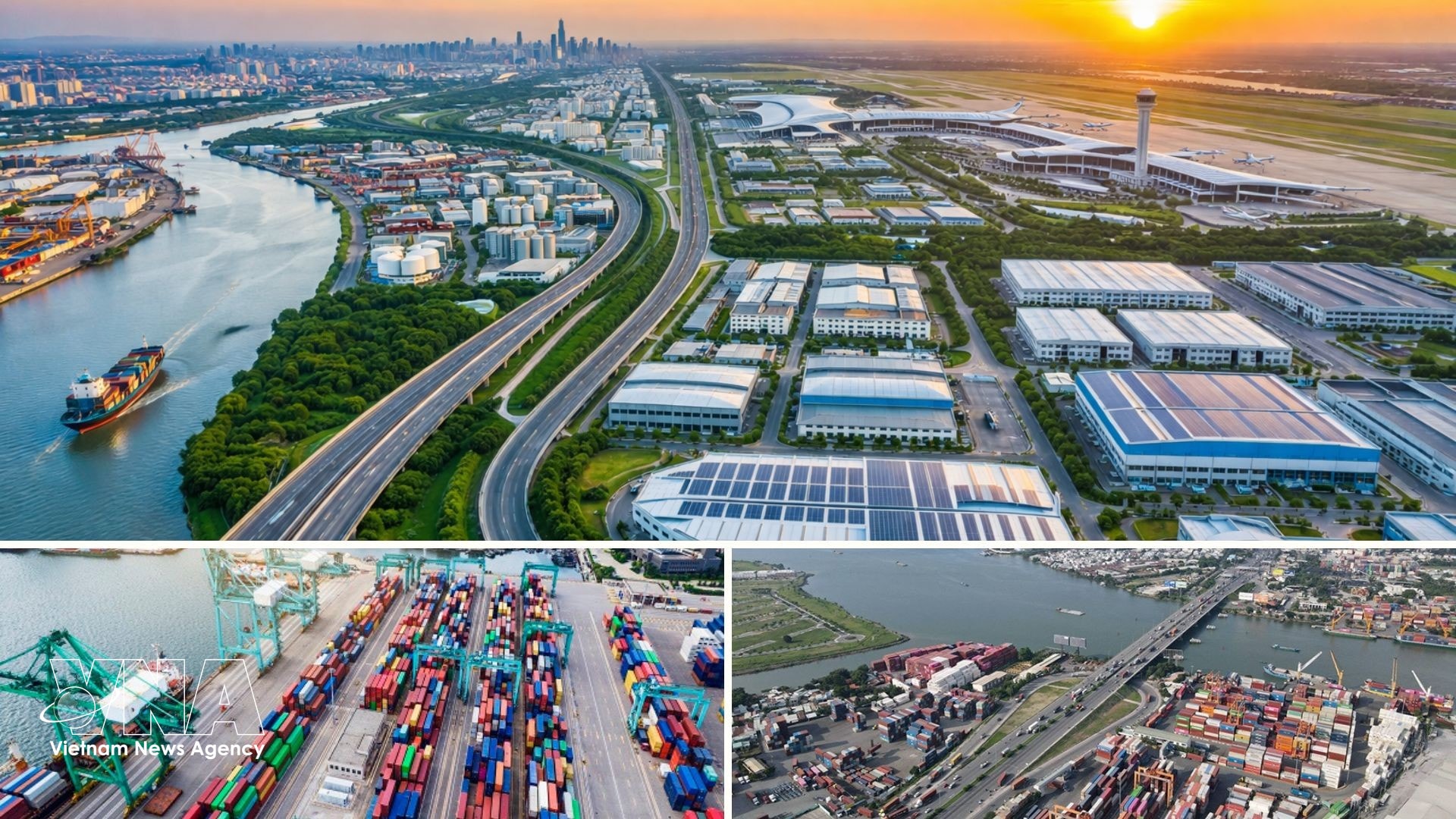
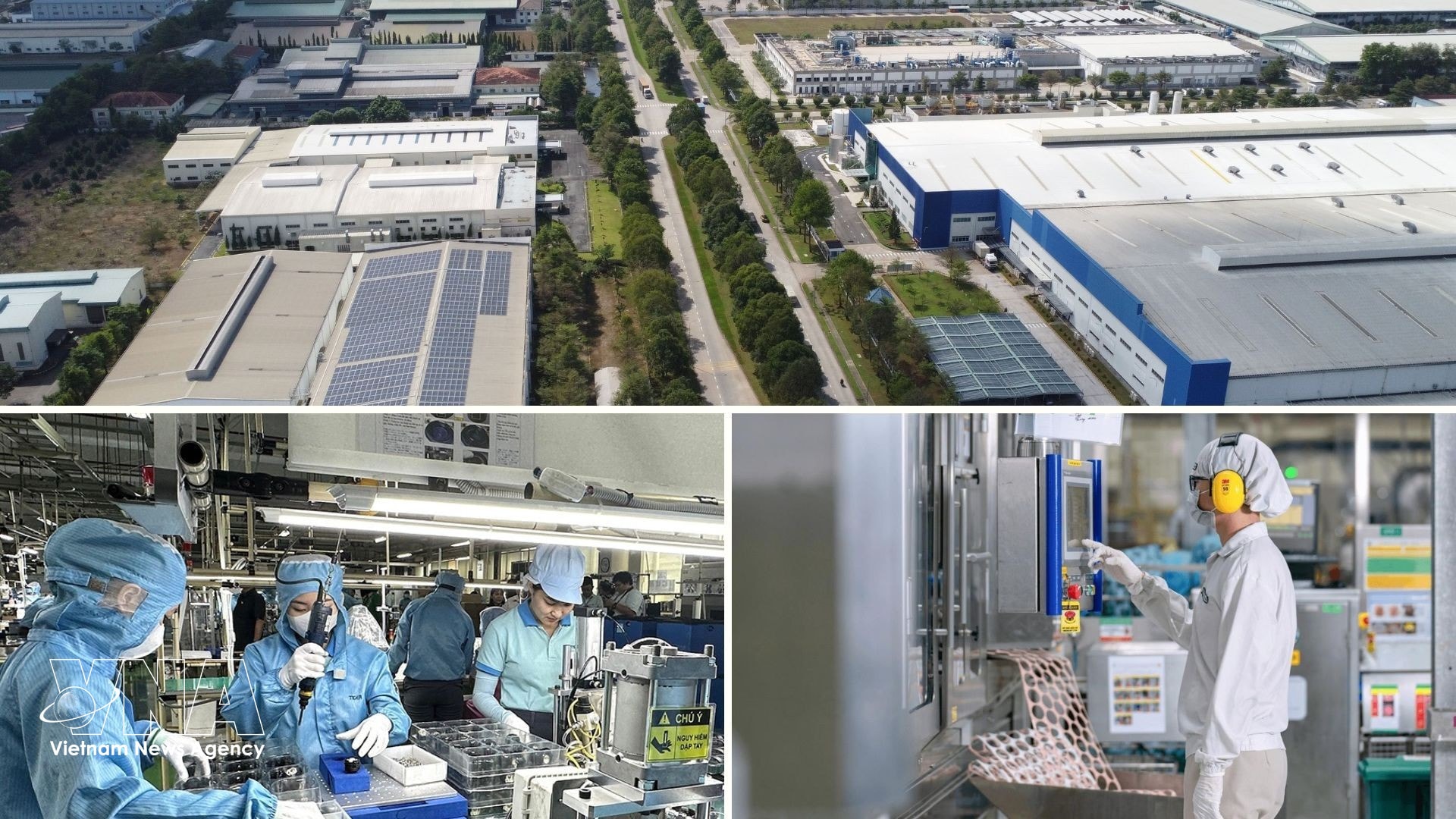
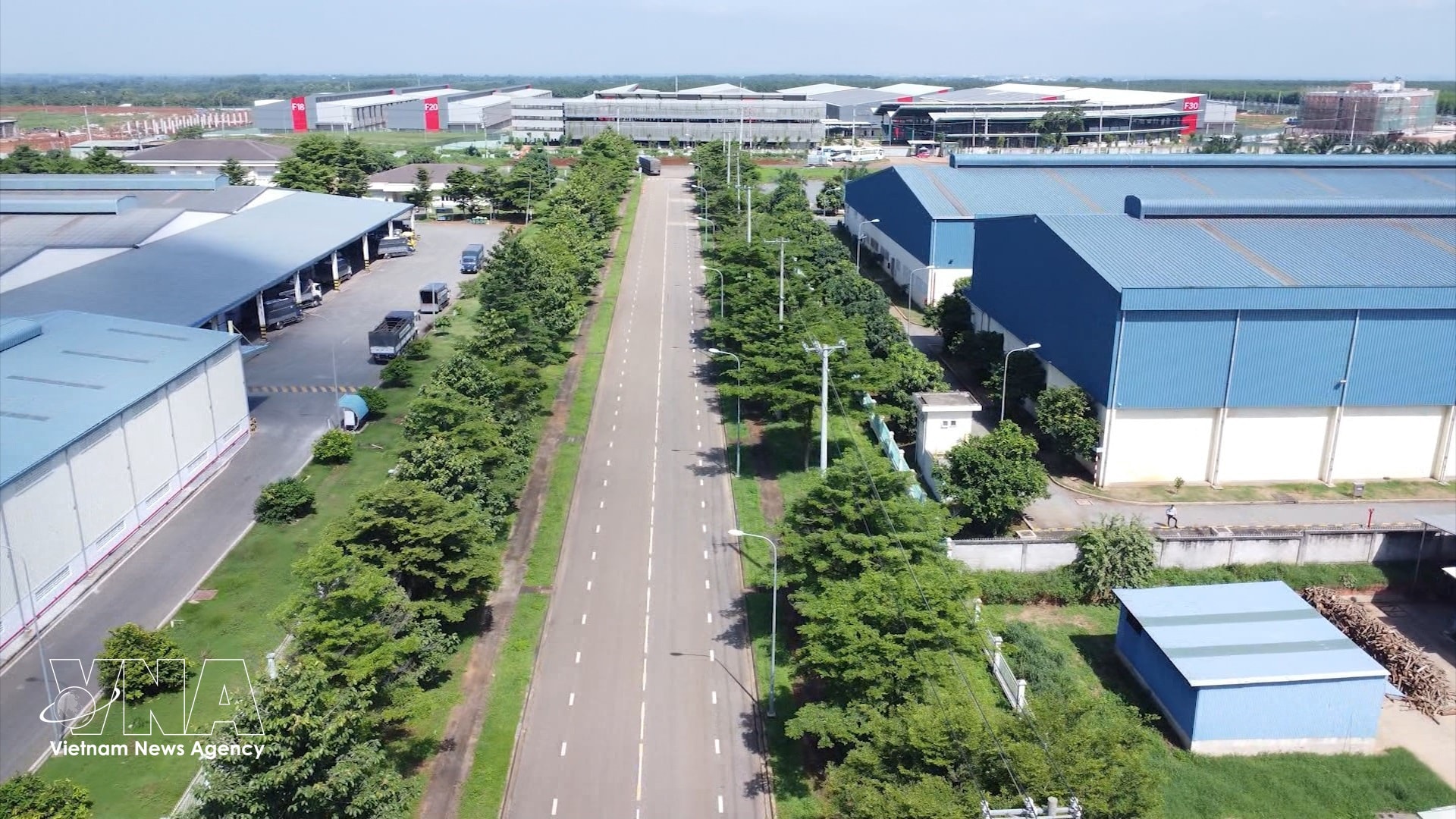
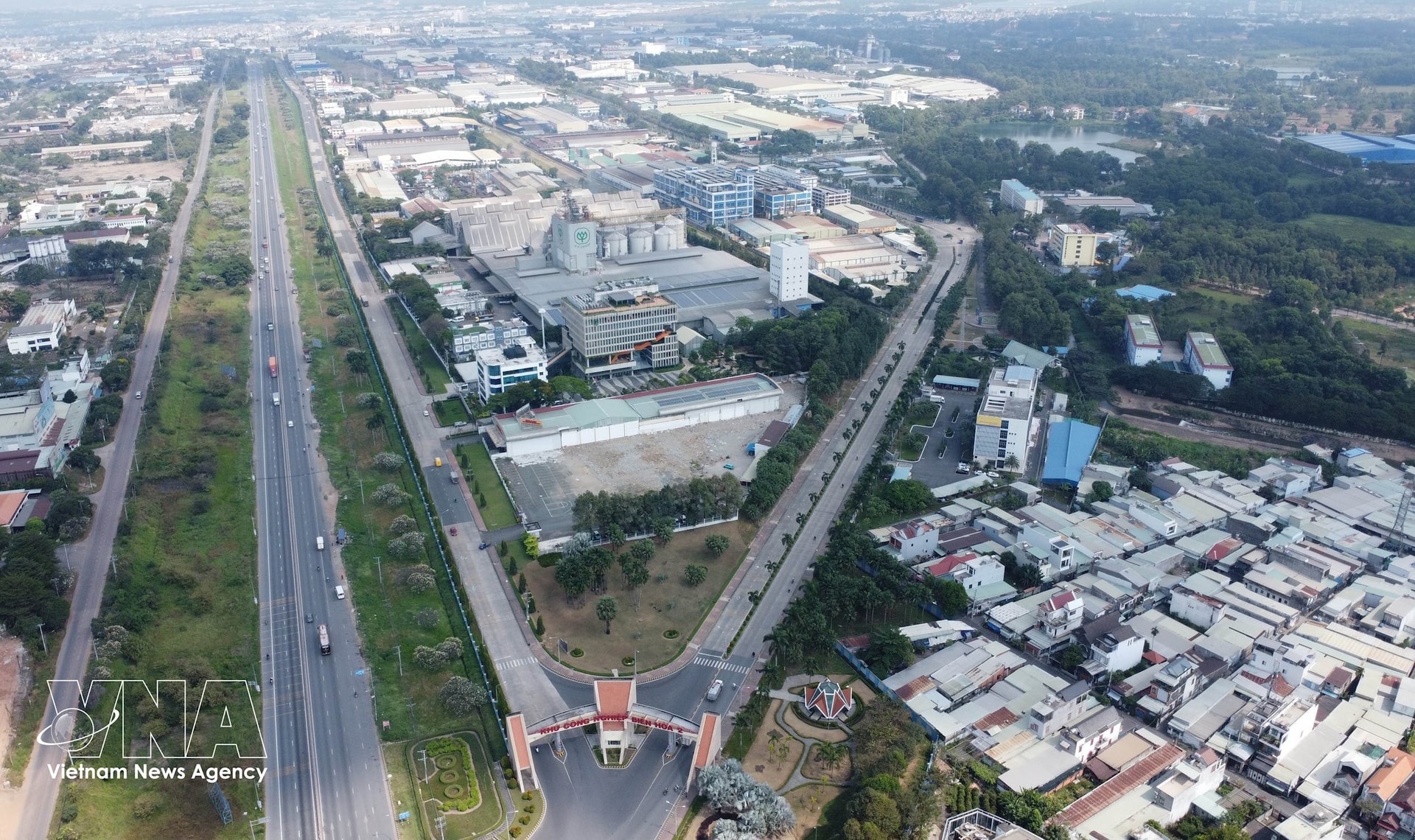
Located at the heart of the southern key economic region, Dong Nai has long served as a major growth powerhouse, with strengths in industry and logistics. After merging with former Binh Phuoc province, its development space has expanded considerably, creating conditions for the formation of multi-sector economic linkages.
Dong Nai serves as a vital growth pole with strengths in industry and logistics (Photo: VNA)
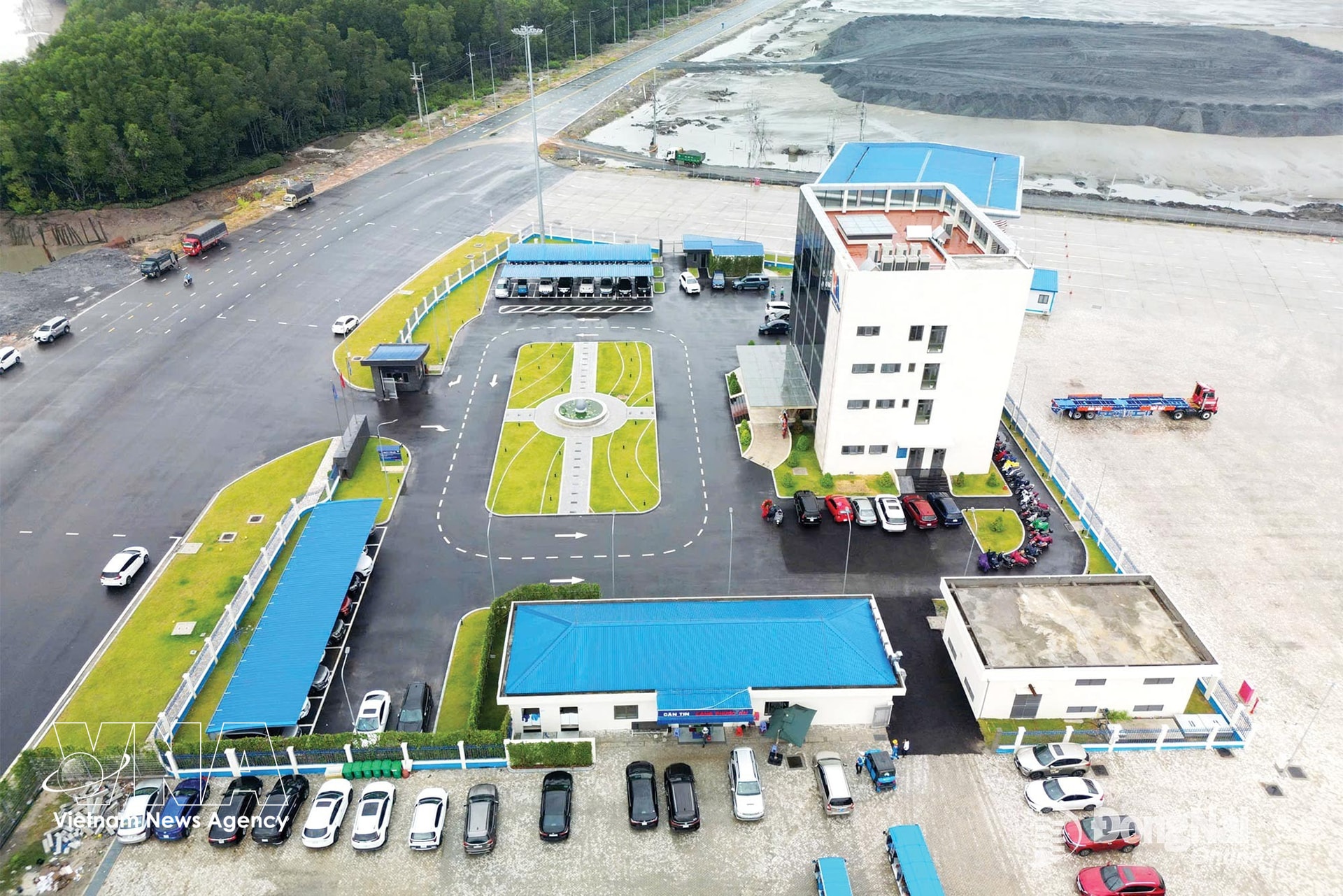
Notably, the upcoming operation of Long Thanh International Airport is expected to give the locality a significant competitive edge. Beyond being a key national transport infrastructure project, it is poised to reshape the development structure of the entire southern region.
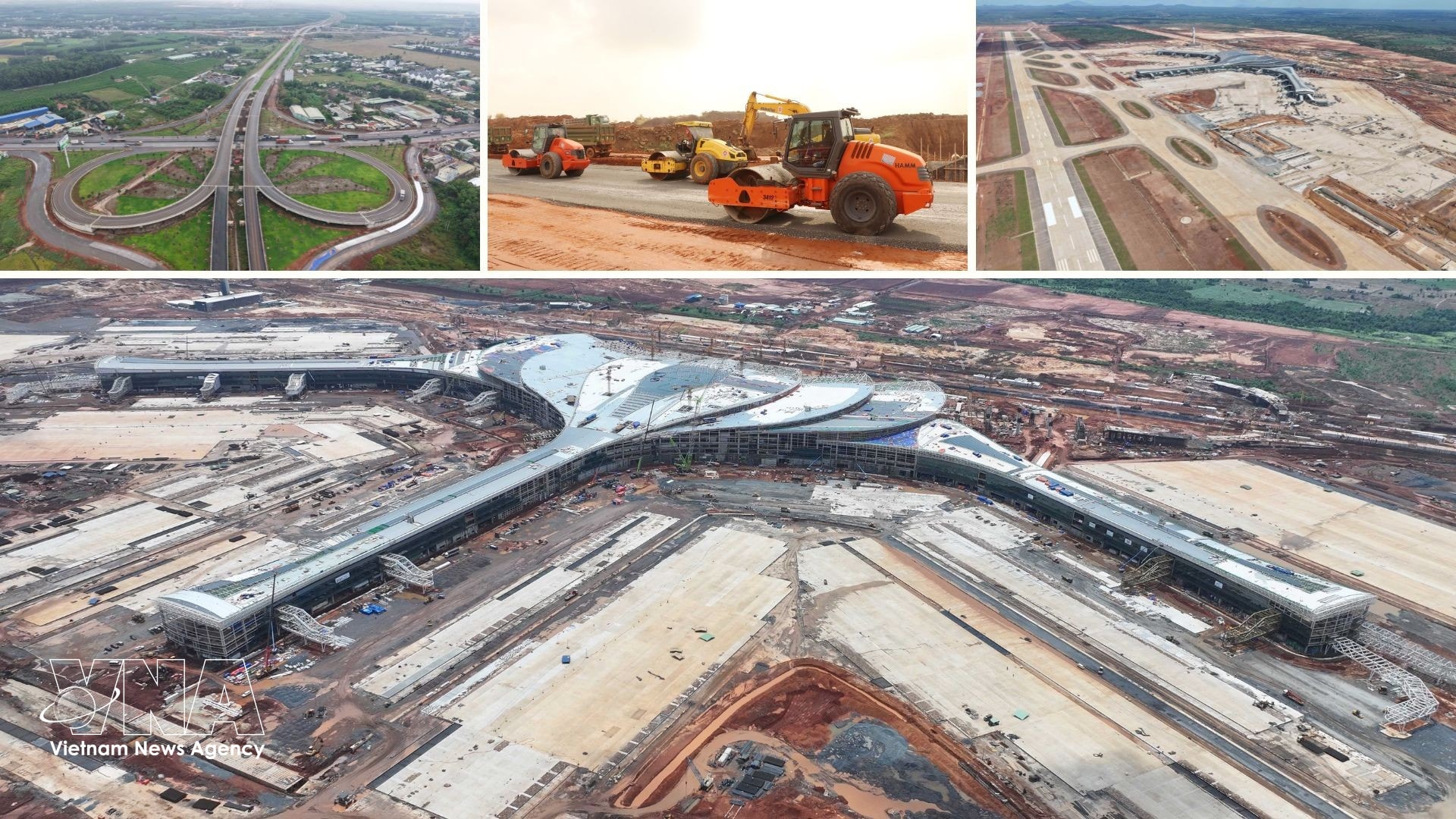
A view of the construction site of the passenger terminal at Long Thanh International Airport (Photo: VNA)
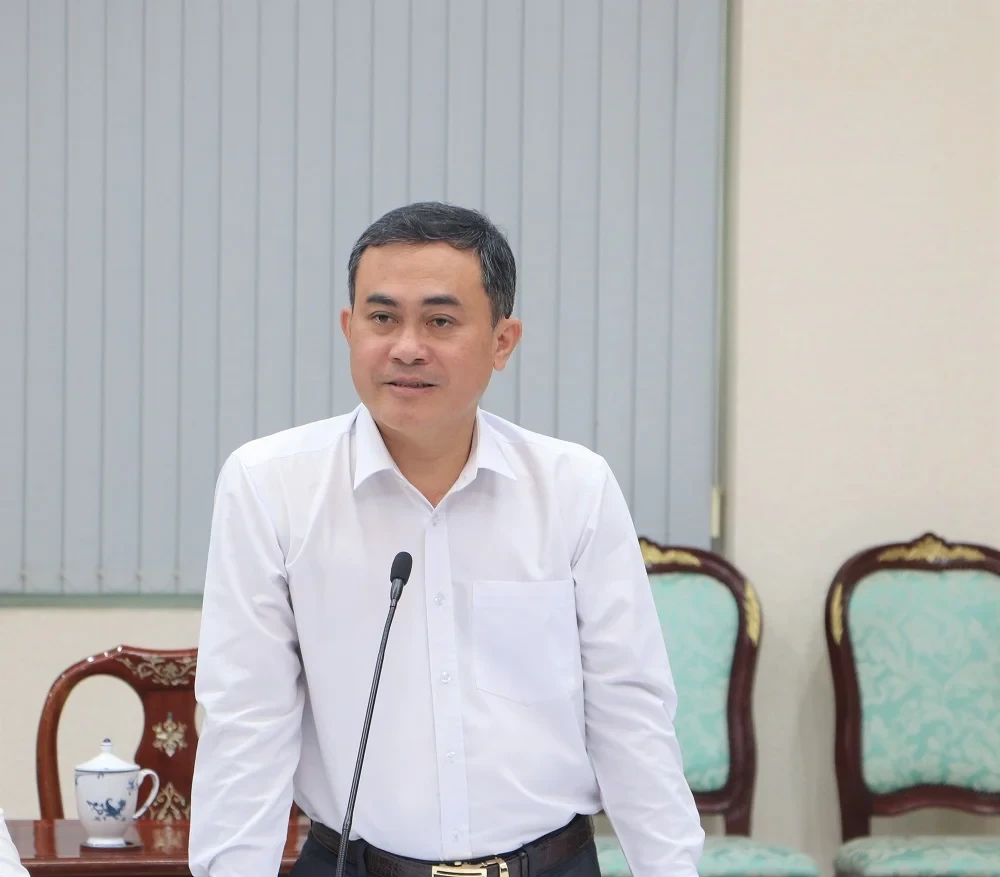
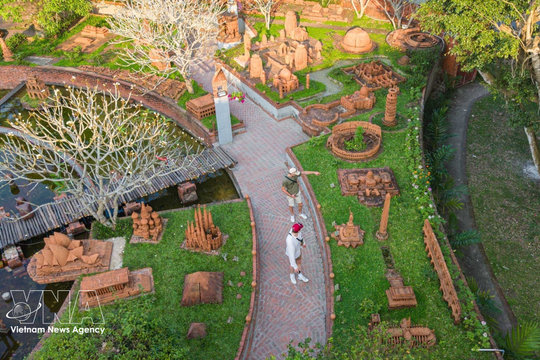
Vice Chairman of the municipal People’s Committee Le Truong Son said that beyond its role as an industrial hub, Dong Nai boasts great tourism potential, with diverse natural ecosystems and rich cultural – historical heritage. From primary forests and an extensive river system to historical sites and traditional craft villages, these resources provide a solid foundation for sustainable tourism development.
Vice Chairman of the municipal People’s Committee Le Truong Son (Photo: Dong Nai Newspaper)
“
Beyond its role as an industrial hub, Dong Nai boasts great tourism potential, with diverse natural ecosystems and rich cultural – historical heritage. From primary forests and an extensive river system to historical sites and traditional craft villages, these resources provide a solid foundation for sustainable tourism development
Vice Chairman of the municipal People’s Committee Le Truong Son
“
Along with large-scale infrastructure projects, especially Long Thanh International Airport, Dong Nai is well positioned to become a strategic connectivity hub, not only economically but also in terms of tourism, culture and services.
Dr Dinh Cong Khai, Deputy Director of the University of Economics Ho Chi Minh City
Becoming a centrally-run city, therefore, is not only an institutional step forward but also opens a new development space for Dong Nai within the overall development strategy of the southeastern region and the country.
Turning point for restructuring tourism sector
Tourism is among the sectors expected to benefit greatly from this transformation. The emergence of Long Thanh International Airport is seen as a “gateway” enabling Dong Nai to access more international tourists.
Son noted that the airport is not simply an infrastructure project but a “nucleus” with spillover effects that drives economic development, including tourism. It also compels the local tourism sector to shift mindset – from spontaneous development to a more professional, large-scale, and competitive approach.
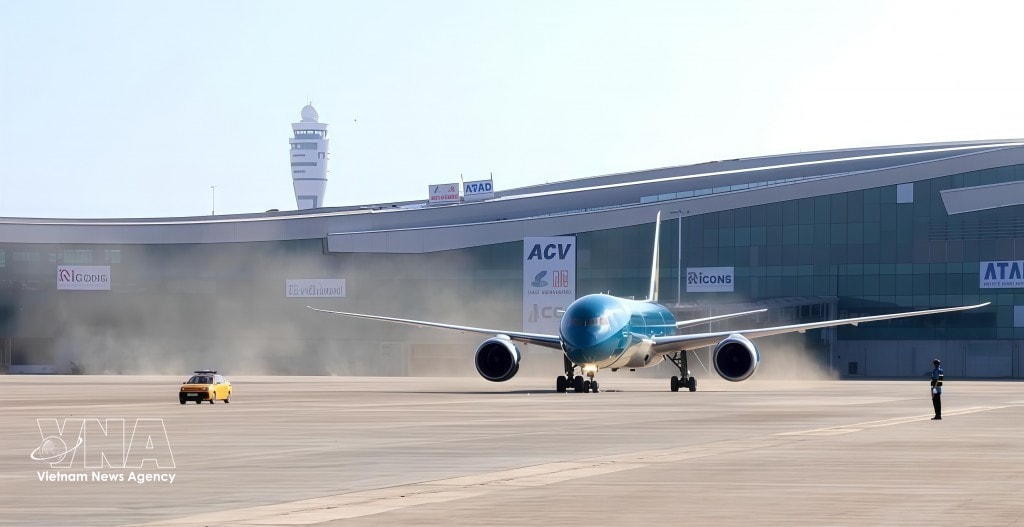
Long Thanh International Airport officially welcomes the first landing flight on December 19, 2025 (Photo: VNA)
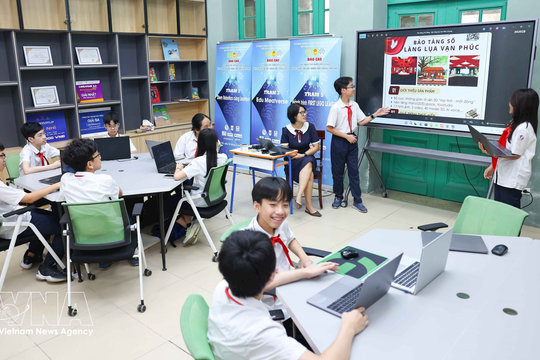
Master Phan Van Hai from Lac Hong University said international experience shows major aviation hubs often spur strong growth in such services as hospitality, travel, MICE tourism (Meetings, Incentives, Conferences, and Exhibitions), commerce and logistics. Increased international passenger flows, he continued, will generate substantial demand for high-quality services and a skilled workforce with strong foreign language capabilities.
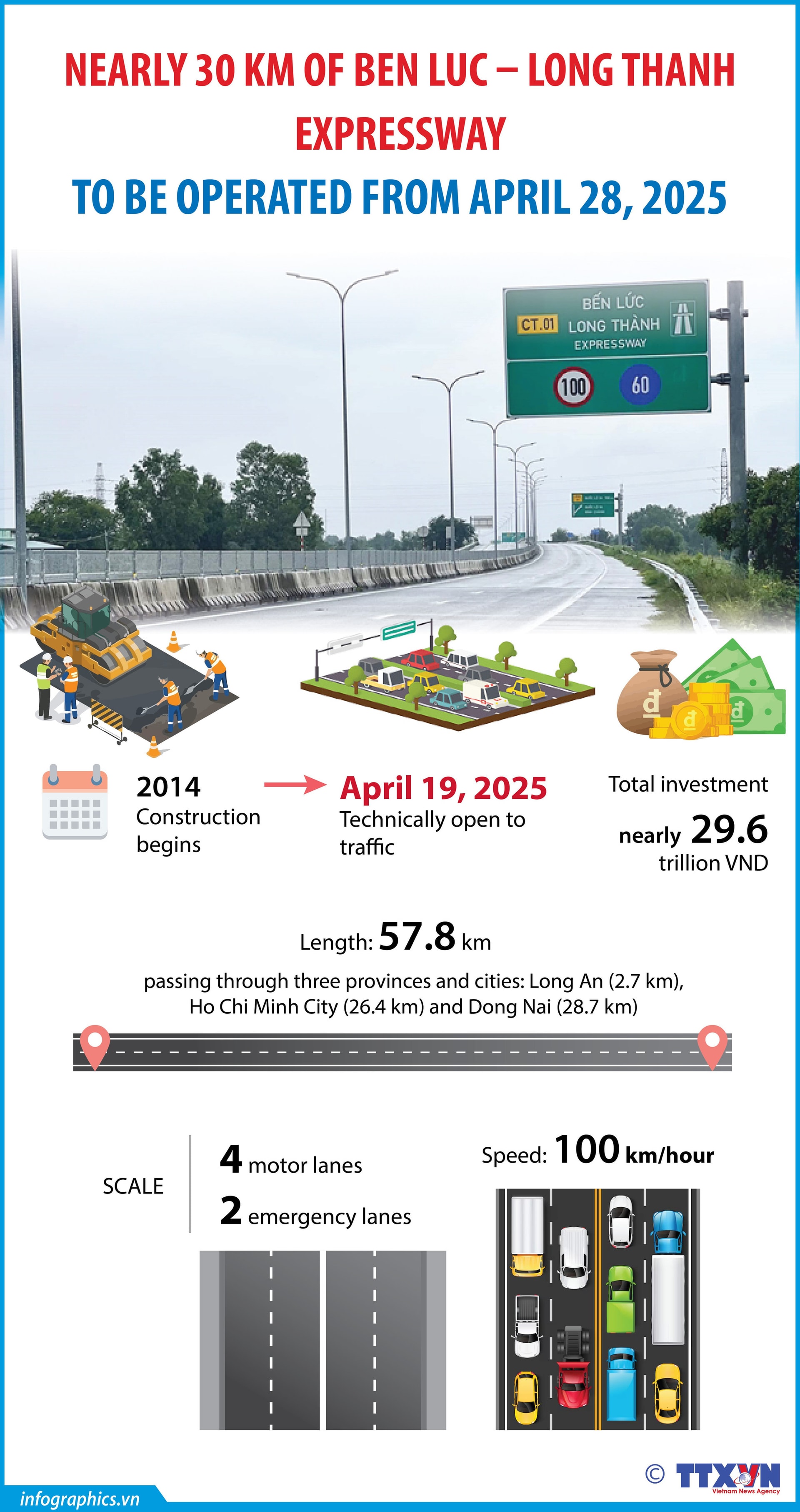
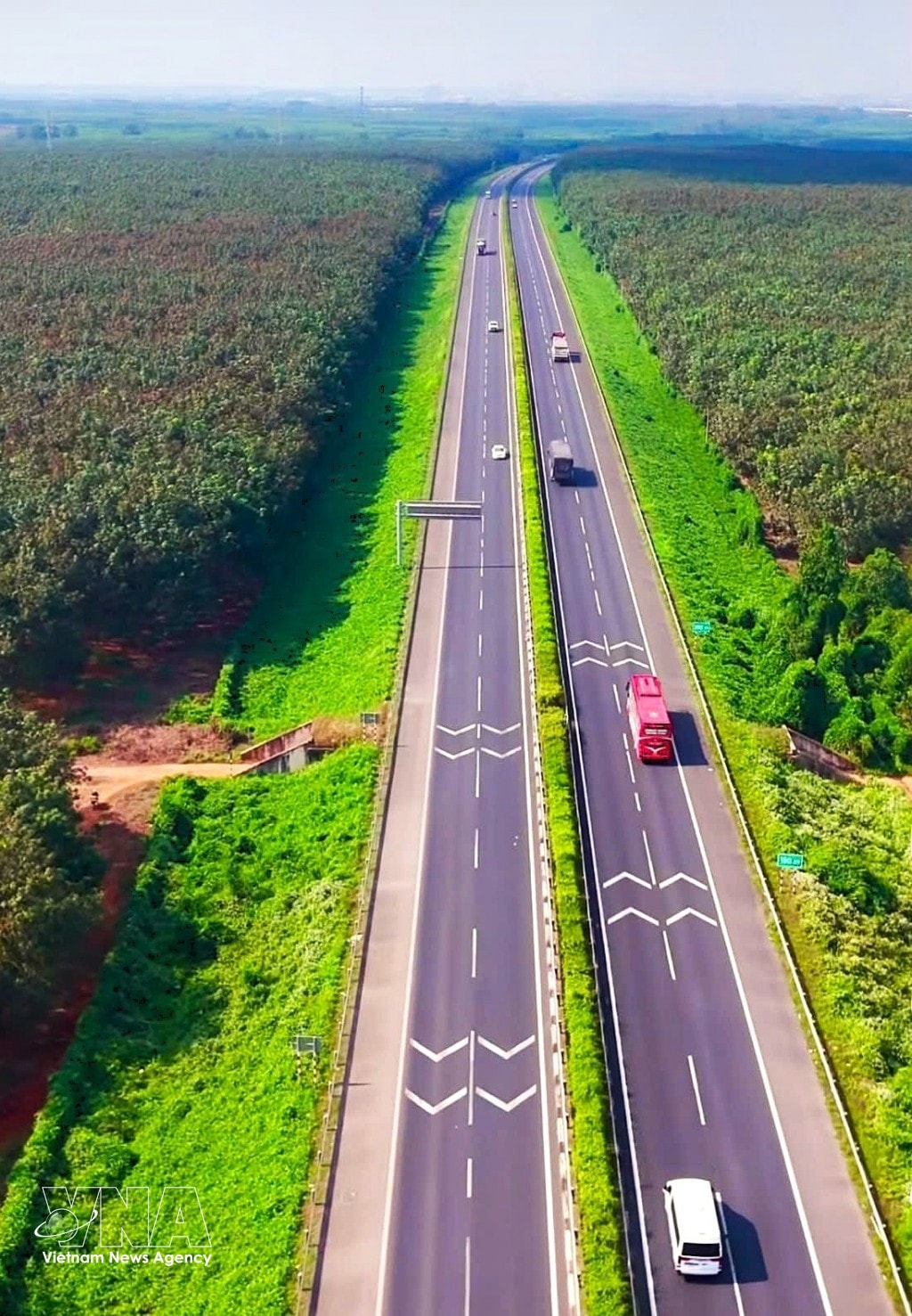
A view of Long Thanh – Dau Giay Expressway (Photo: VNA)
Sharing the same view, Master Thai Anh Vu from the Institute of Smart City and Management under the University of Economics Ho Chi Minh City, held that to turn Long Thanh International Airport into a tourism driver, it is necessary to move from a single-sector management mindset to multi-sector coordination, linking aviation, urban development, and tourism. At the same time, specific mechanisms should be introduced to promote strategic infrastructure and strengthen regional connectivity.
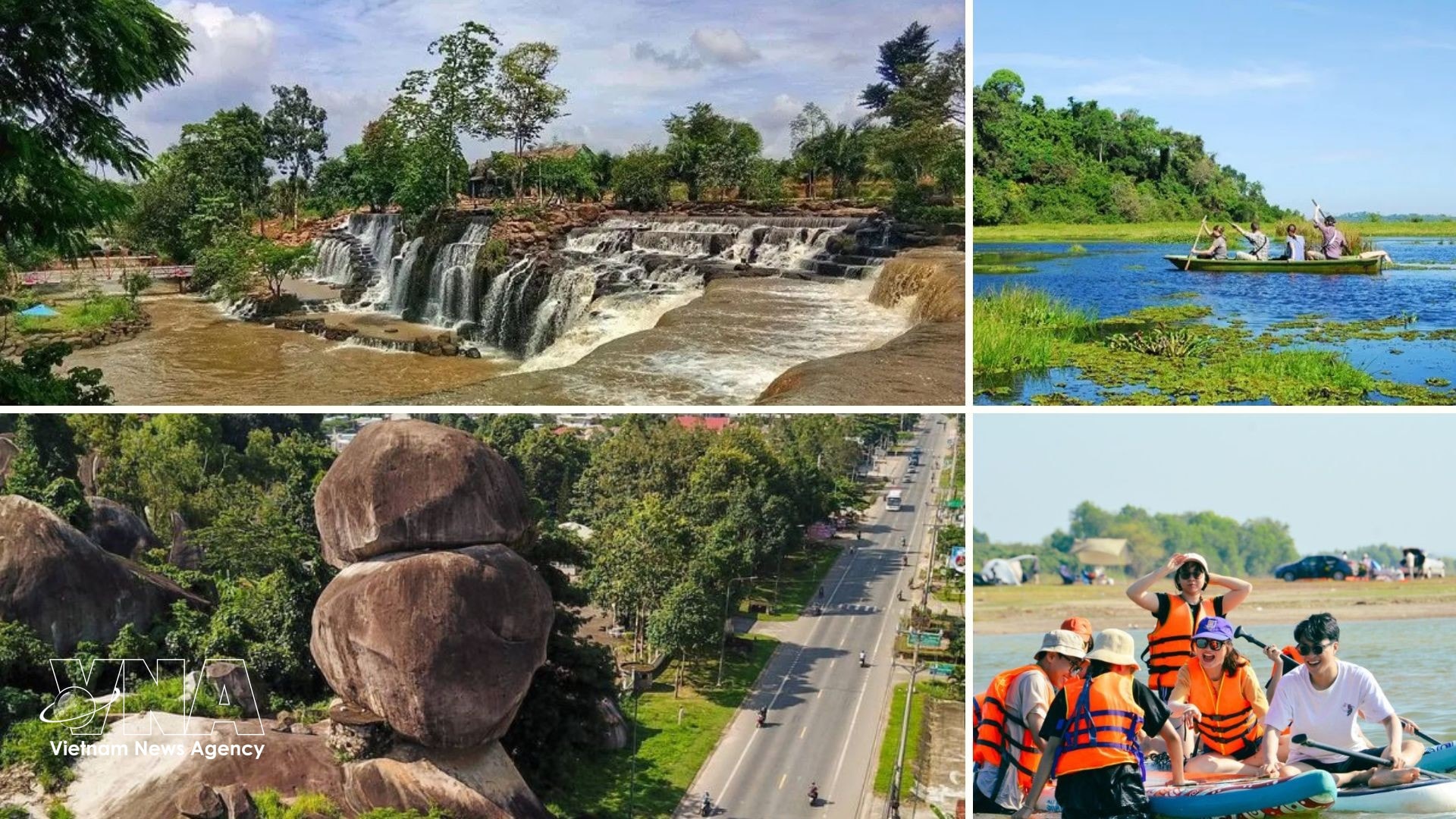
Dong Nai becomes an attractive destination for both domestic and international tourists (Photo: VNA)
Dong Nai also plans to develop a sustainable non-aviation service ecosystem associated with an airport city model that involves multiple stakeholders, including the State, businesses, communities, and training institutions.
By 2030, the city aims to welcome about 11 million visitors and earn 12 trillion VND (nearly 456 million USD) in tourism revenue. In 2026 alone, it targets 5.8 million visitors and 4.5 trillion VND in revenue.
Striving to become a dynamic and sustainable city
Its transition to a centrally-run city is raising strong public expectations for a new phase of development. Many believe that with tailored mechanisms and policies, Dong Nai will gain additional momentum to pursue more comprehensive and sustainable development.
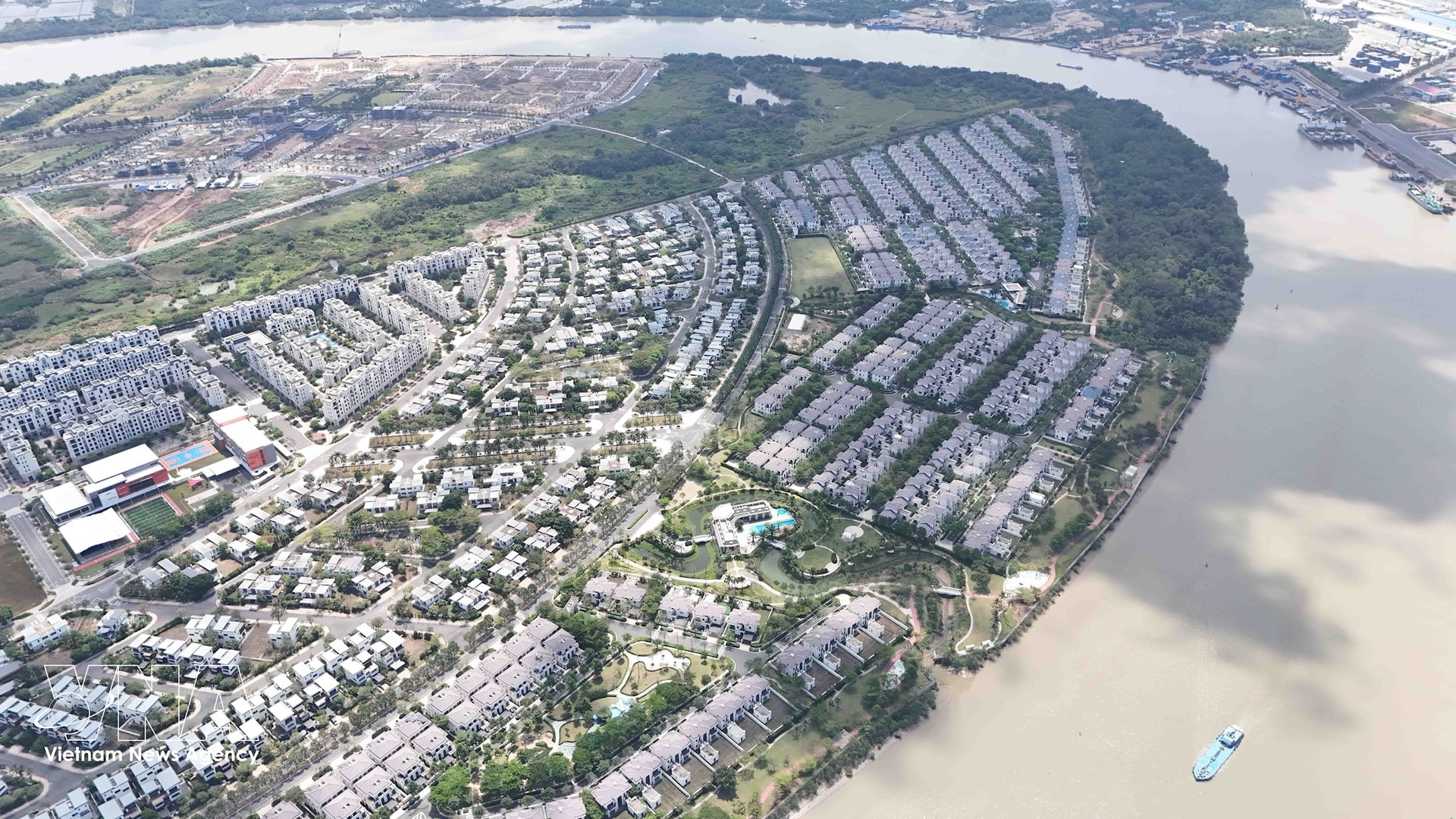
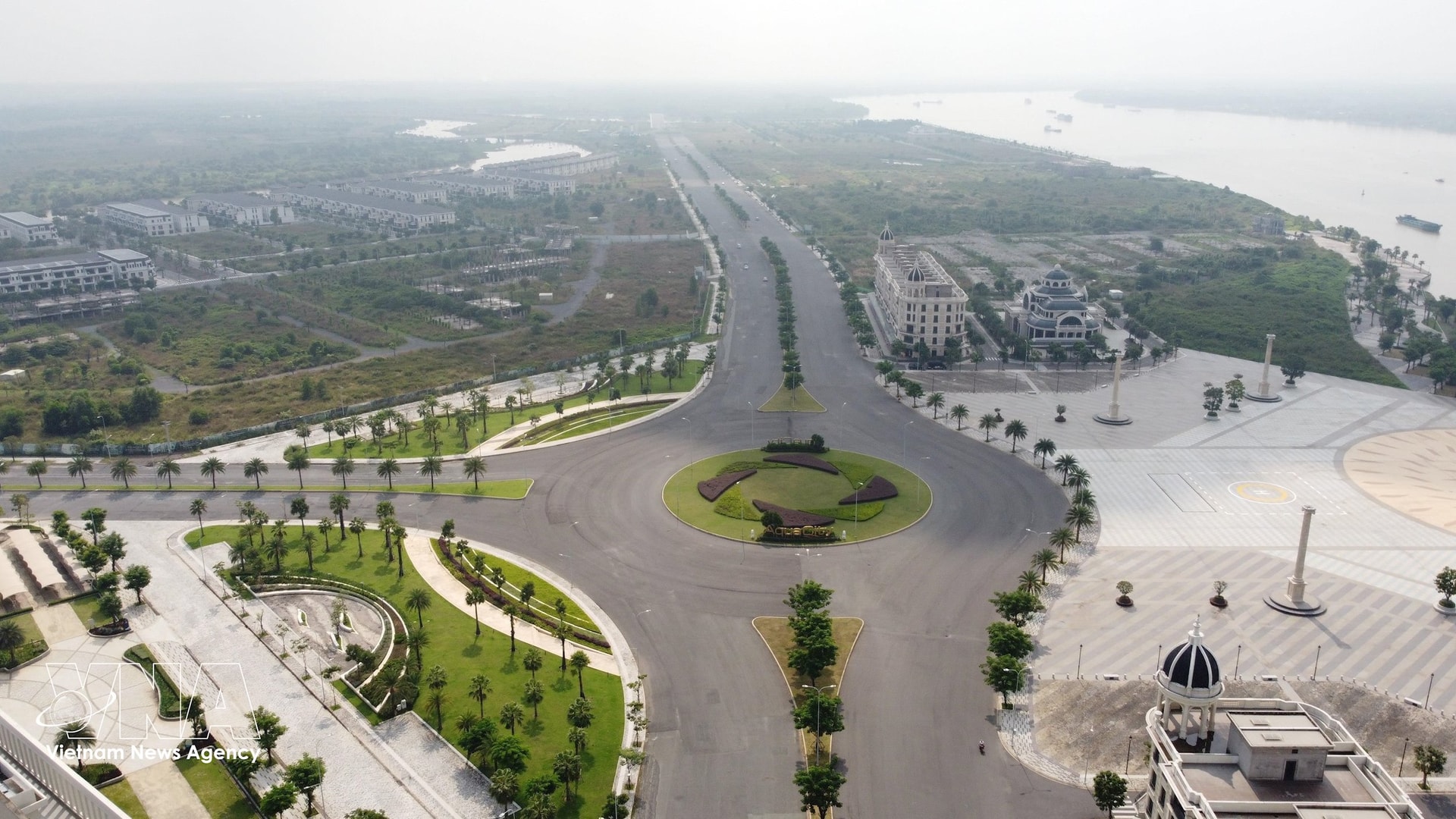
An urban project along Dong Nai River in Long Hung ward, Dong Nai city (Photo: VNA)
Tran Thi Thanh Giang, an employee working in the local power sector, said the administrative upgrade reflects the recognition of Dong Nai’s sustained development efforts over many years. She noted that by becoming a centrally-governed city, it will likely attract additional large businesses, particularly in high technology, services and logistics, thereby creating more job opportunities for young people.
Similarly, Nguyen Thi Hang, a teacher in a border area of Dong Nai, expressed her hope that more coordinated investment in transport, education and healthcare infrastructure will help improve living standards, particularly in disadvantaged communities.
Dong Nai is expected to attract more major enterprises, particularly in high-tech sector (Photo: VNA)
From a management perspective, Nguyen Minh Binh, Secretary of the Party Committee of Chon Thanh ward, noted that becoming a centrally-run city not only expands development space but also imposes higher requirements on urban governance capacity. While Dong Nai has more opportunities to attract investment and improve infrastructure, it also faces challenges in population growth, environmental concerns, and social welfare.
Efforts made to turn into a hub for innovation and hi-tech industry
The economic corridor along the Dong Nai River, together with the free trade zone and airport urban area, is expected to become a new growth engine for Dong Nai (Photo: VNA)
In its long-term development strategy, Dong Nai aims to move beyond its role as an industrial hub to become a regional centre for innovation and high technology.
The city has rolled out ambitious plans for science and technology development, innovation, and digital transformation, hoping the digital economy to make up over 30% of GRDP by 2030. It also looks to build a technological ecosystem centred on key fields like artificial intelligence, automation, digital data, and green energy.
Dong Nai is currently building a concentrated digital technology park and an innovation zone linked to the Long Thanh airport urban area. Once operational, these projects are expected to drive digital economic growth, enhance competitiveness and attract technology giants.
At the same time, the locality is working to create a high-quality workforce and strengthen linkages among businesses, universities and the State to form a research-to-application value chain.
With these advantages, Dong Nai is well-positioned for a future breakthrough. However, to realise its ambition of becoming a modern city and an economic, service and technological hub of the region, it will need to continue refining its master plans, improving governance quality, and ensuring harmonious and sustainable development.
With its existing foundations and a strong commitment to innovation, Dong Nai is expected to emerge as a dynamic growth pole in the southeastern region, making a significant contribution to the country’s development in the new era./.
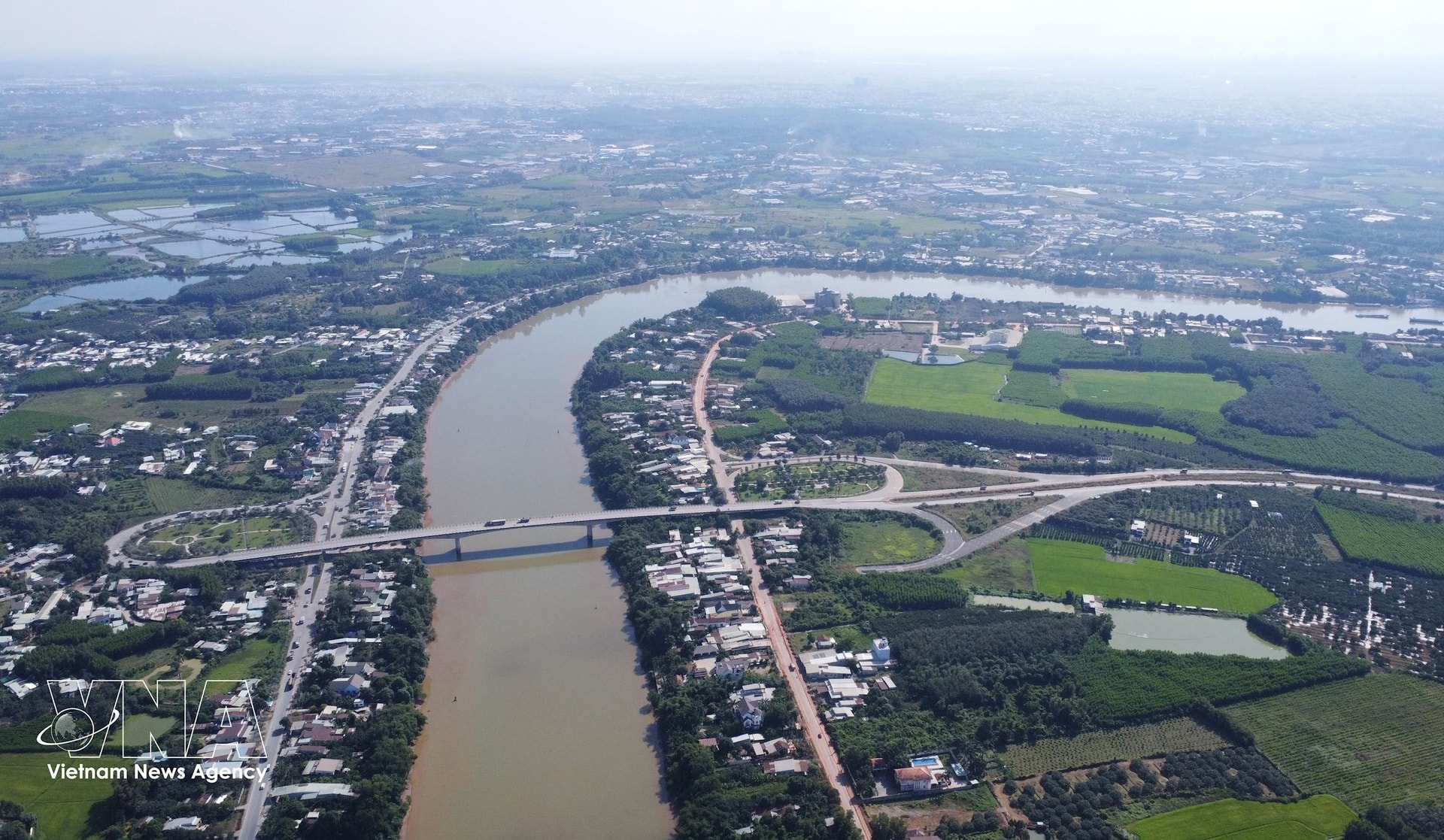
Thu Bien bridge connects Dong Nai with Ho Chi Minh City (Photo: VNA)
Bình luận của bạn đã được gửi và sẽ hiển thị sau khi được duyệt bởi ban biên tập.
Ban biên tập giữ quyền biên tập nội dung bình luận để phù hợp với qui định nội dung của Báo.