Amid Vietnam’s push to redefine progress beyond pure GDP growth, the Politburo’s Resolution 80-NQ/TW delivers a sharp message that culture is no longer a sidekick, but must lead and shape national development.
In this shift, traditional handicraft villages, once dismissed as sleepy relics of the past, are suddenly emerging as powerful sources of life and energy. Through the skilled hands of artisans, Vietnamese culture is being preserved, spread, and kept very much alive. Craft villages are no longer just heritage to be protected, but are becoming serious players in the cultural economy. Every handcrafted item carries not only practical use but also deep stories, emotion, and national identity. When tradition meets innovation, these villages embark on a new path of integration and sustainable growth.
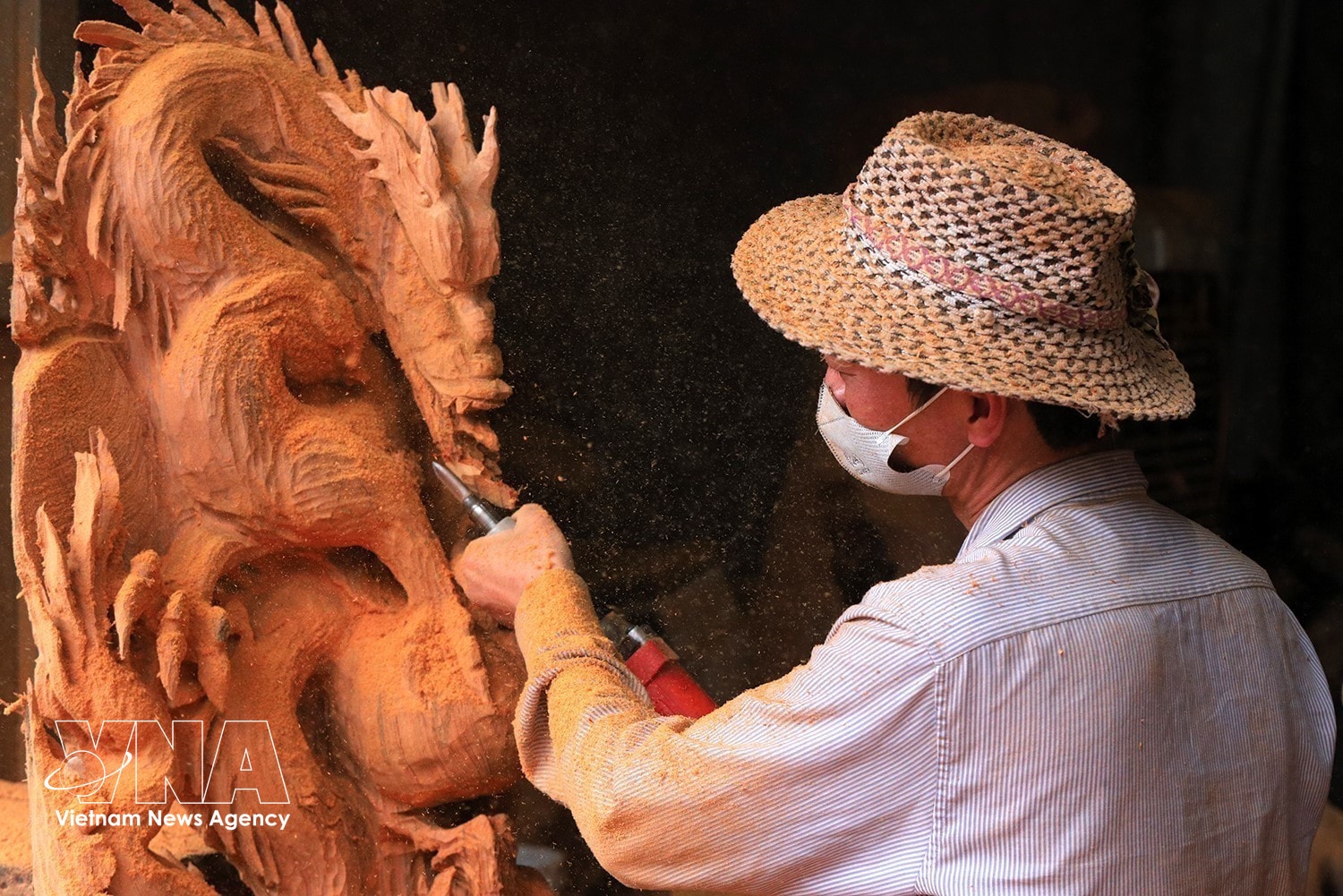
From artisans’ hands, Vietnamese culture is preserved, spread, and kept vividly alive (Photo: VNA)
People’s Artist Vuong Duy Bien, Chairman of the Vietnam Association for Cultural Industries Development, said Vietnamese craft villages are incredibly rich and diverse, with a huge range of handicrafts. Importantly, they have held onto the very core of national cultural identity. Artisans are eager to learn, highly creative, and extremely skilful, always pushing to make every product more refined.
“
Resolution 80-NQ/TW has come at exactly the right time. Development now needs cultural identity and strength to fuel real growth. Culture today must go beyond being just spiritual and become a serious economic sector that actually generates real economic value
People’s Artist Vuong Duy Bien, Chairman of the Vietnam Association for Cultural Industries Development
Huong Canh pottery: Revival from memory
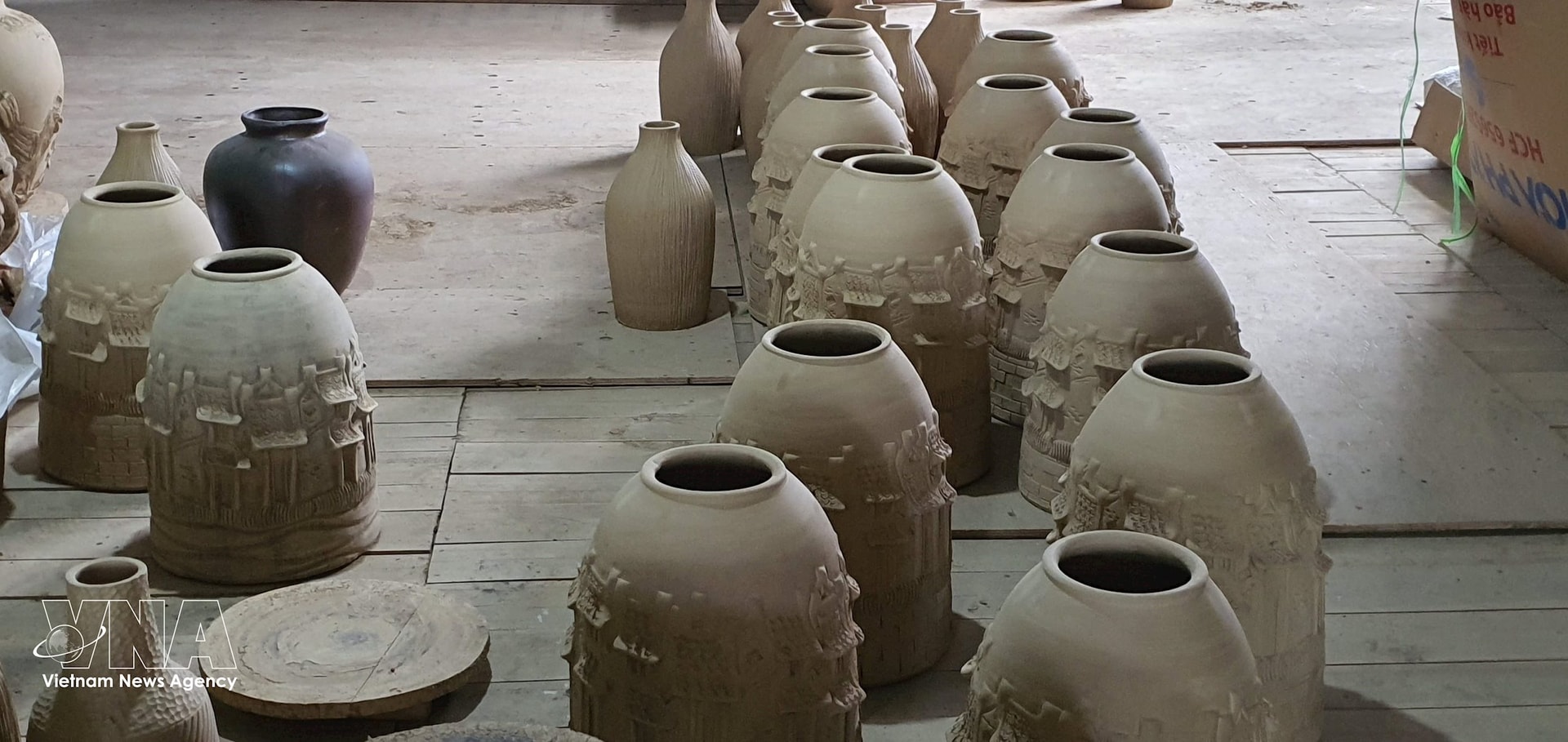
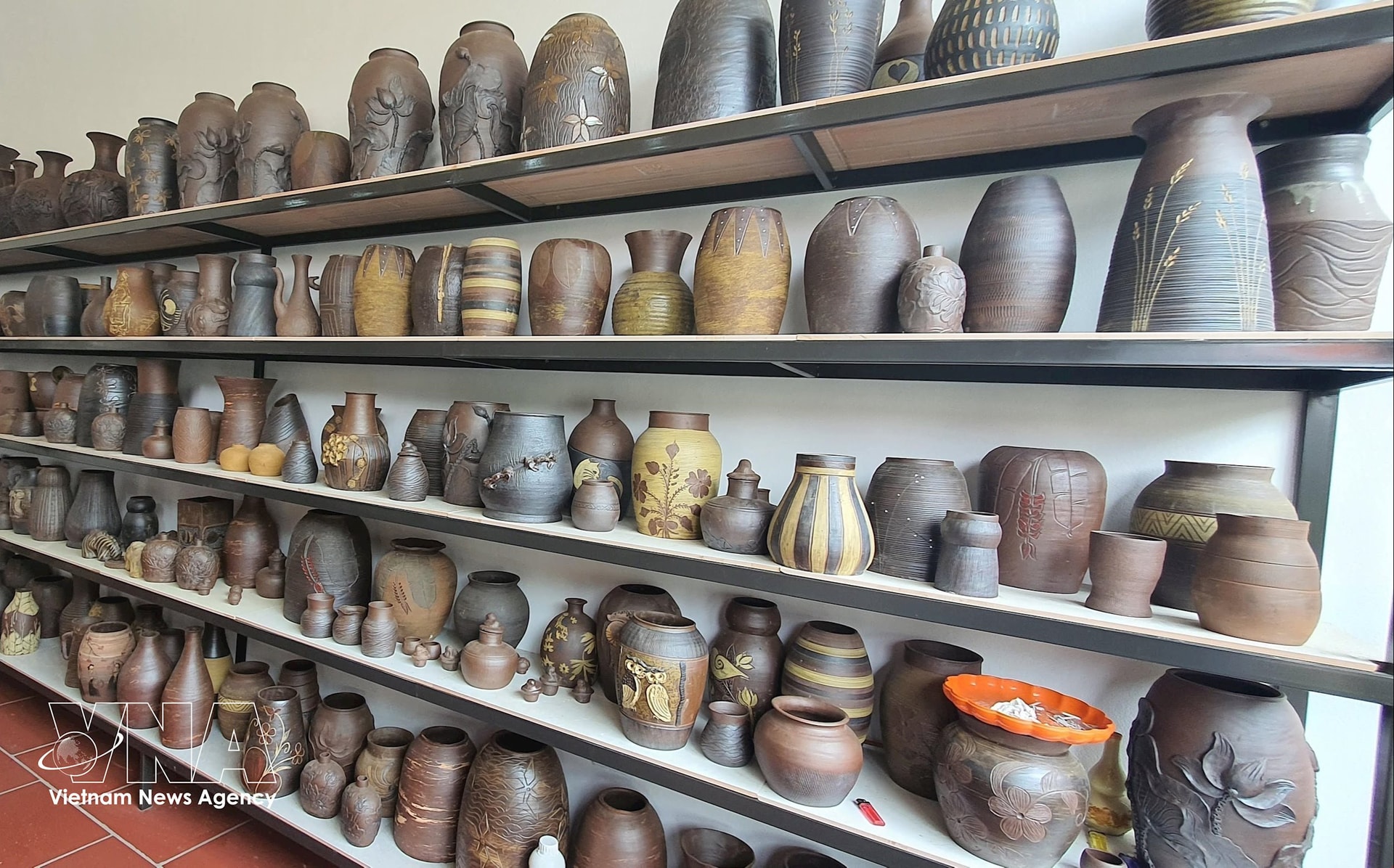
Huong Canh pottery in Binh Nguyen commune, the northern province of Phu Tho, tells a powerful story of comeback where old memories are being awakened, and creativity is springing straight from tradition.
Once on the brink of dying out because of cheap industrial products, Huong Canh pottery is fighting its way back with a smart new approach. Artisans are not only returning to the old craft but reinventing how it’s done. Traditional jars and containers still keep their classic techniques, but they’re being redesigned in shape, glaze, and function to fit modern homes. Pottery has moved far beyond everyday use into decoration, fine art, and even architecture.
At the same time, young artisans are injecting fresh design ideas and bold creativity, giving the craft a stronger identity. Exhibitions, better marketing, and stronger market connections are being ramped up to bring the products to more customers. From a 300-year-old village that was almost forgotten, Huong Canh is steadily reviving, not just to survive, but to thrive on its cultural value.
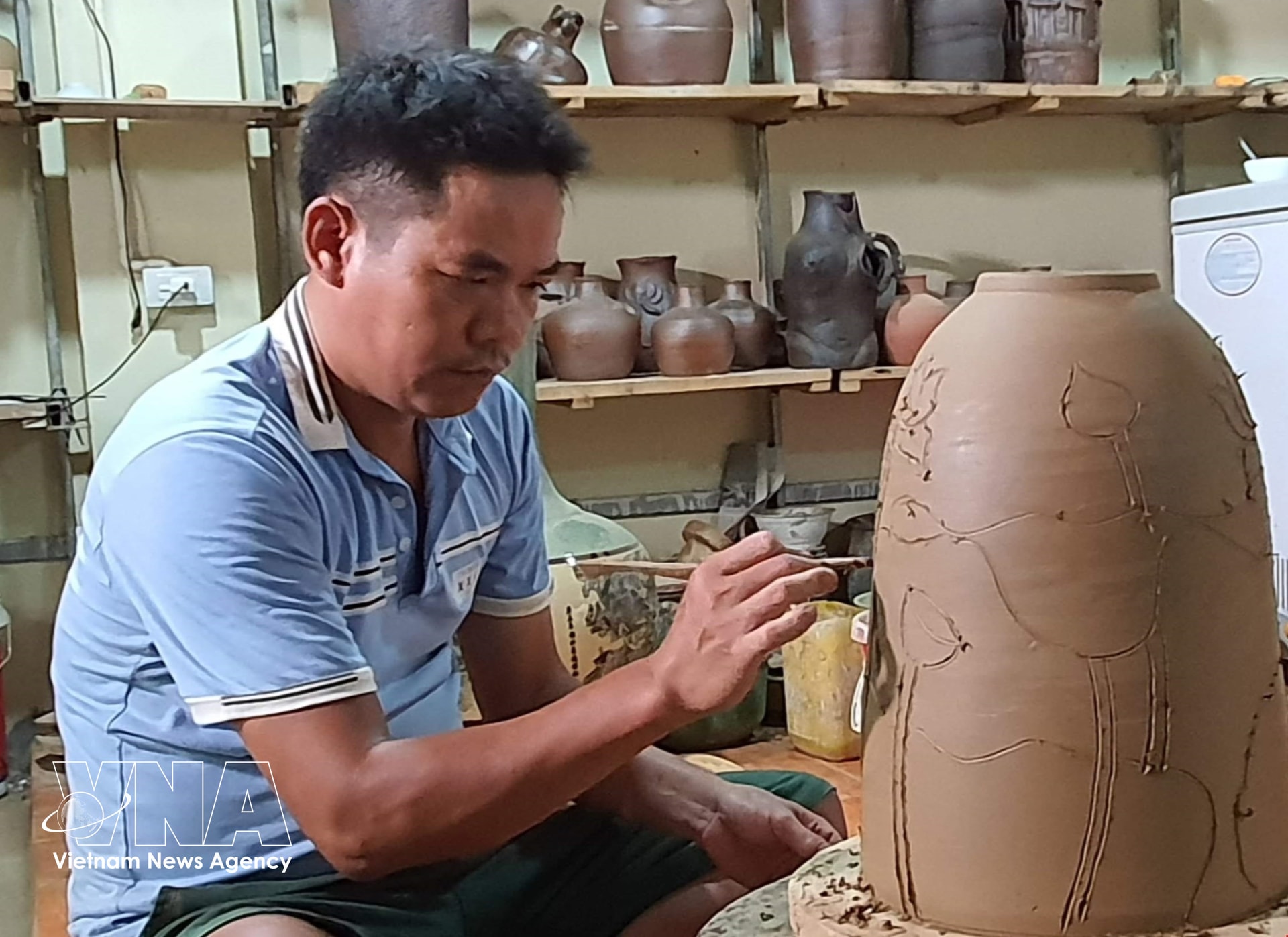
Phu Tho province preserves and upholds the value of Huong Canh pottery (Photo: VNA)
Sculptor and painter Nguyen Hong Quang, a native of Huong Canh, said innovation is the only way to survive. Adapting pottery to modern tastes means listening closely to the market and improving design and looks. “I carry two streams inside me,” he said. “The artisan heritage passed down from my ancestors, and the artist’s training in fine arts and Vietnamese cultural essence. I pick the best of both and seize every opportunity from peers, organisations, and local support to grow both my workshop and the whole village”.
“
I carry two streams inside me. The artisan heritage passed down from my ancestors, and the artist’s training in fine arts and Vietnamese cultural essence. I pick the best of both and seize every opportunity from peers, organisations, and local support to grow both my workshop and the whole village.
Sculptor and painter Nguyen Hong Quang
Bat Trang: A flame that never fades
If Huong Canh is about revival, Bat Trang is proof that some flames never die; they only burn brighter with time.
For centuries, Bat Trang has kept its traditional techniques alive while constantly updating to market demands. Artisans have moved away from pure mass production toward a more creative mindset, focusing on design, quality, and variety. From simple bowls and teapots to high-end artistic ceramics, every piece shows meticulous craftsmanship and distinctive identity.
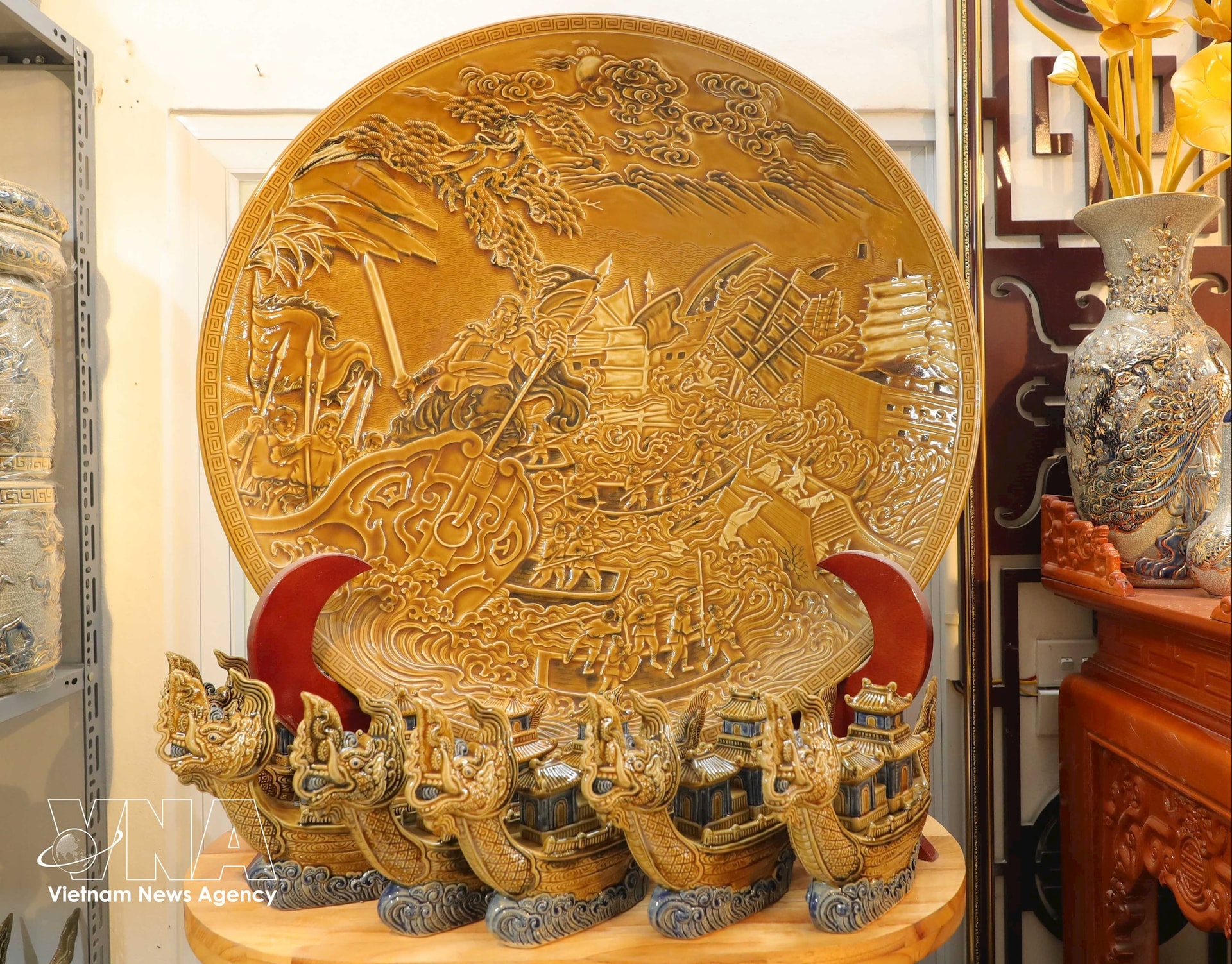
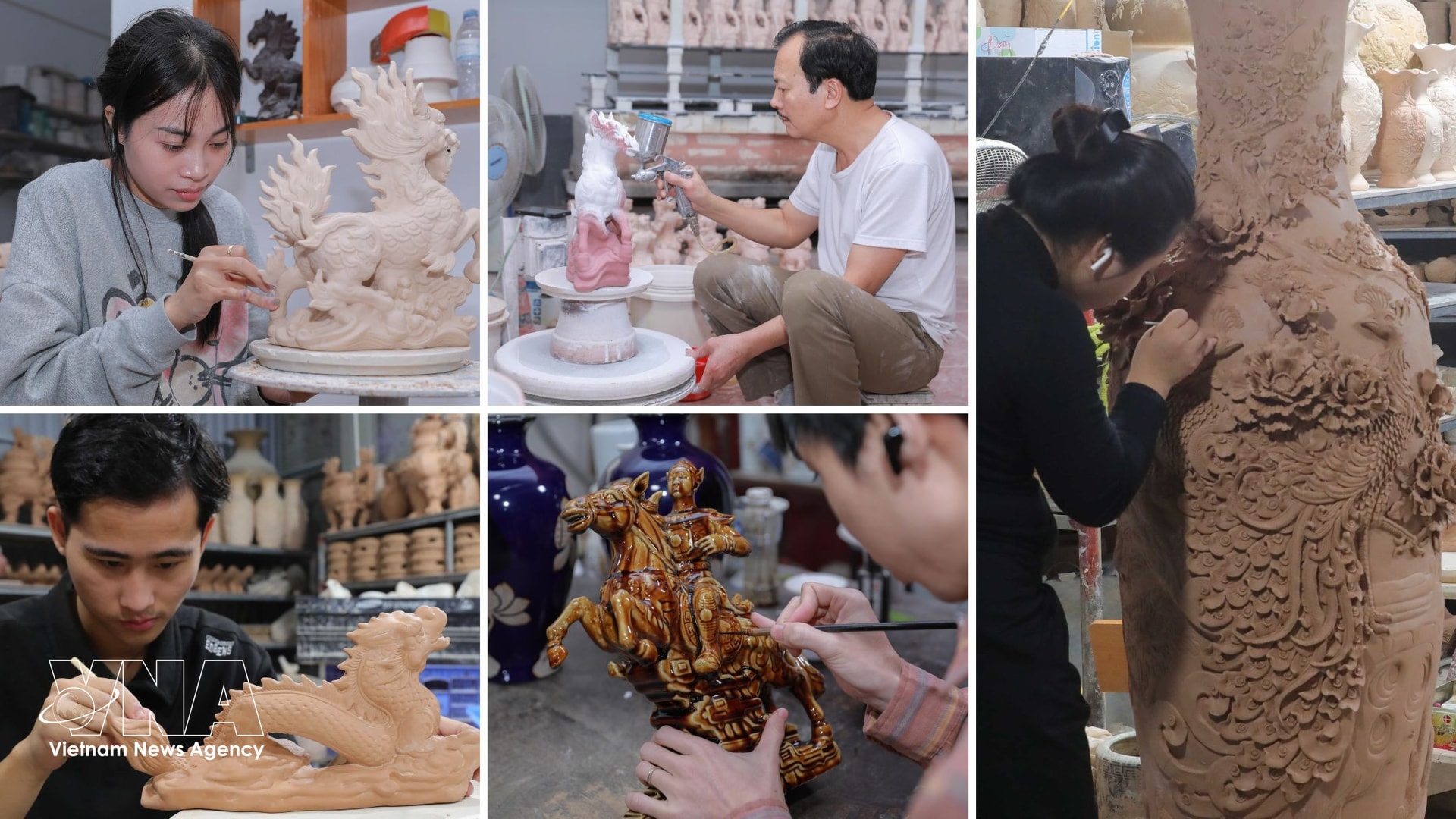
Unique Bat Trang dragon ceramics stand out with vibrant colours, glossy glaze, and a stain-resistant finish (Photo: VNA)
Bat Trang’s real power comes from linking culture with cold, hard cash. The village isn’t just a production hub but also a cultural tourism hotspot where visitors can try making pottery themselves. This clever mix is opening up new markets and taking Vietnamese ceramics to the world. Bat Trang products are now exported to Japan, the Republic of Korea, and Europe, raking in serious revenue.
Today, the village in Hanoi's Bat Trang commune boasts nearly 200 enterprises and around 1,000 production households, providing jobs for thousands of workers with average annual incomes of 87-90 million VND (3,300 – 3,400 USD) per person.
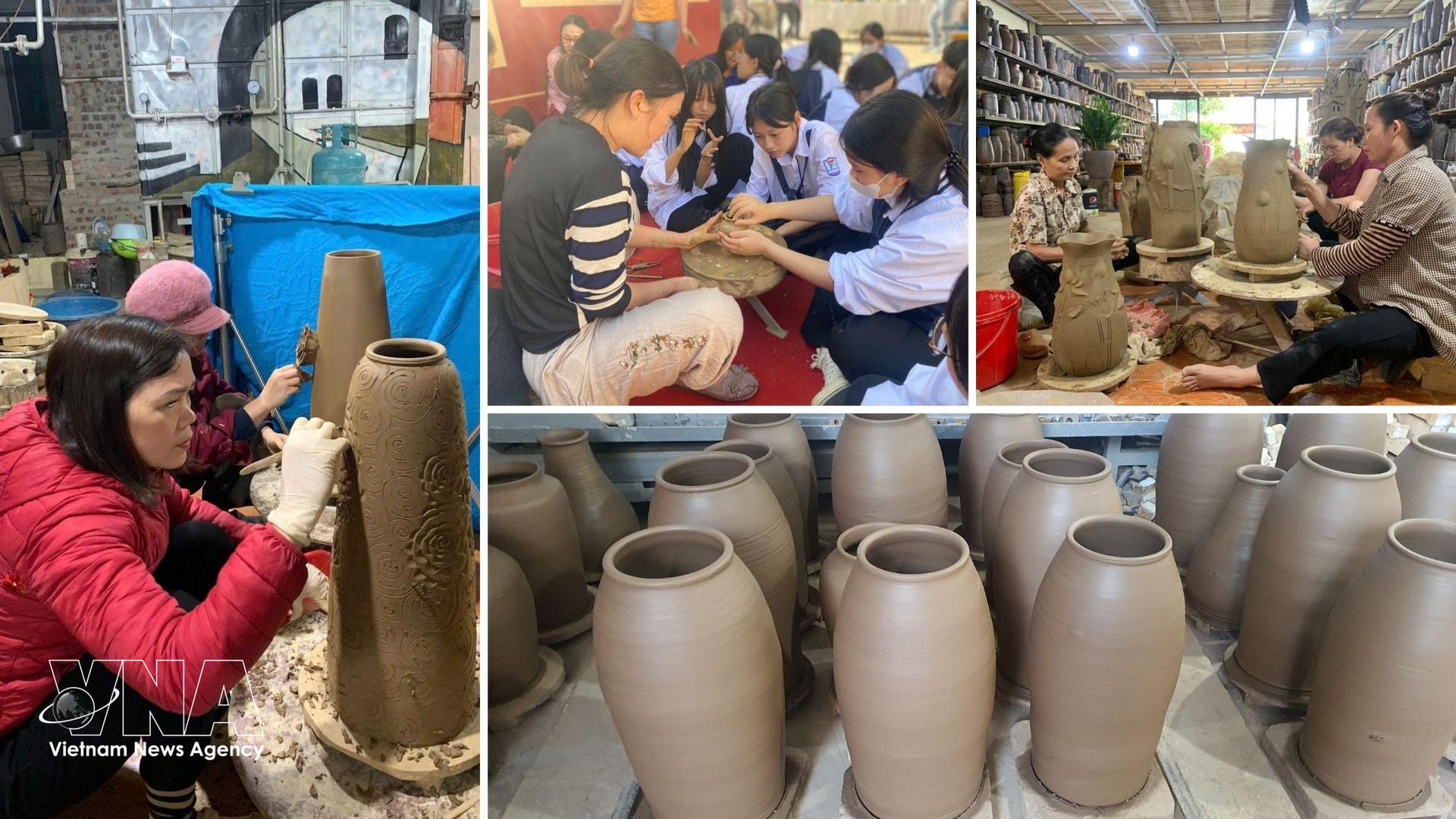
Creating distinctive and impressive pieces requires Bat Trang ceramic artisans to exercise meticulous care at every stage of the process (Photo: VNA)
Its push to innovate has even earned global recognition. In 2025, Bat Trang pottery village, together with Van Phuc silk village, became the first Vietnamese craft villages to join the Global Network of Creative Craft Cities.
Kieu Ky – Ambition to keep essence of gold leaf craft
Kieu Ky is the only village in Vietnam that specialises in gold leaf production, a delicate craft deeply tied to cultural and spiritual architecture. Each ultra-thin sheet of gold requires incredible skill and generations of know-how. Its true value lies not just in its shine and thinness, but in the “soul” of the craft itself.
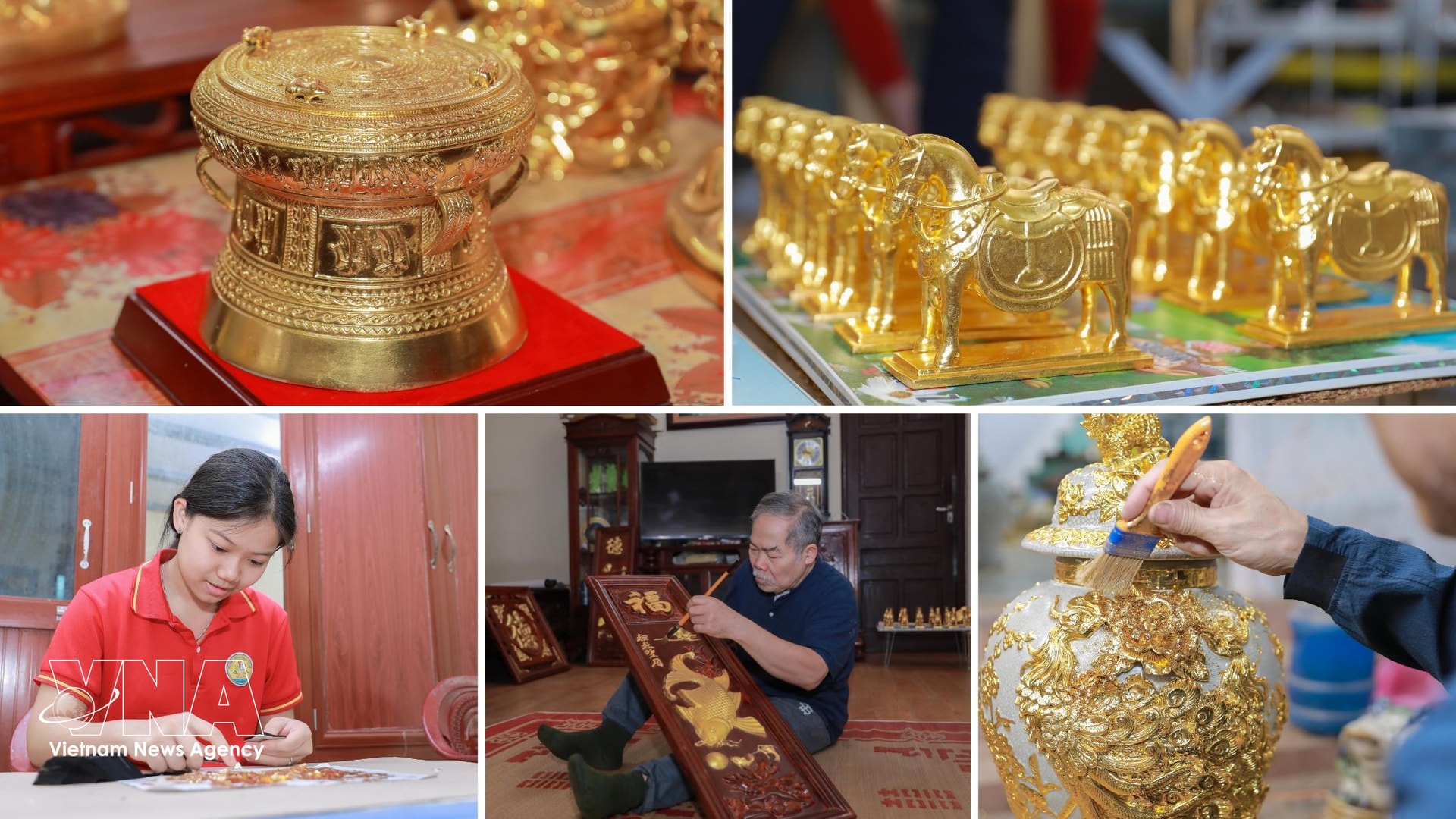
Kieu Ky gold-plated horse mascot (Photo: VNA)
With more than 300 years of history, Kieu Ky still has dozens of households fiercely committed to keeping the tradition alive. Despite heavy competition from cheap imports, the village refuses to cut corners, sticking to quality, tradition, and unique beauty. That stubbornness is exactly why it’s still thriving.
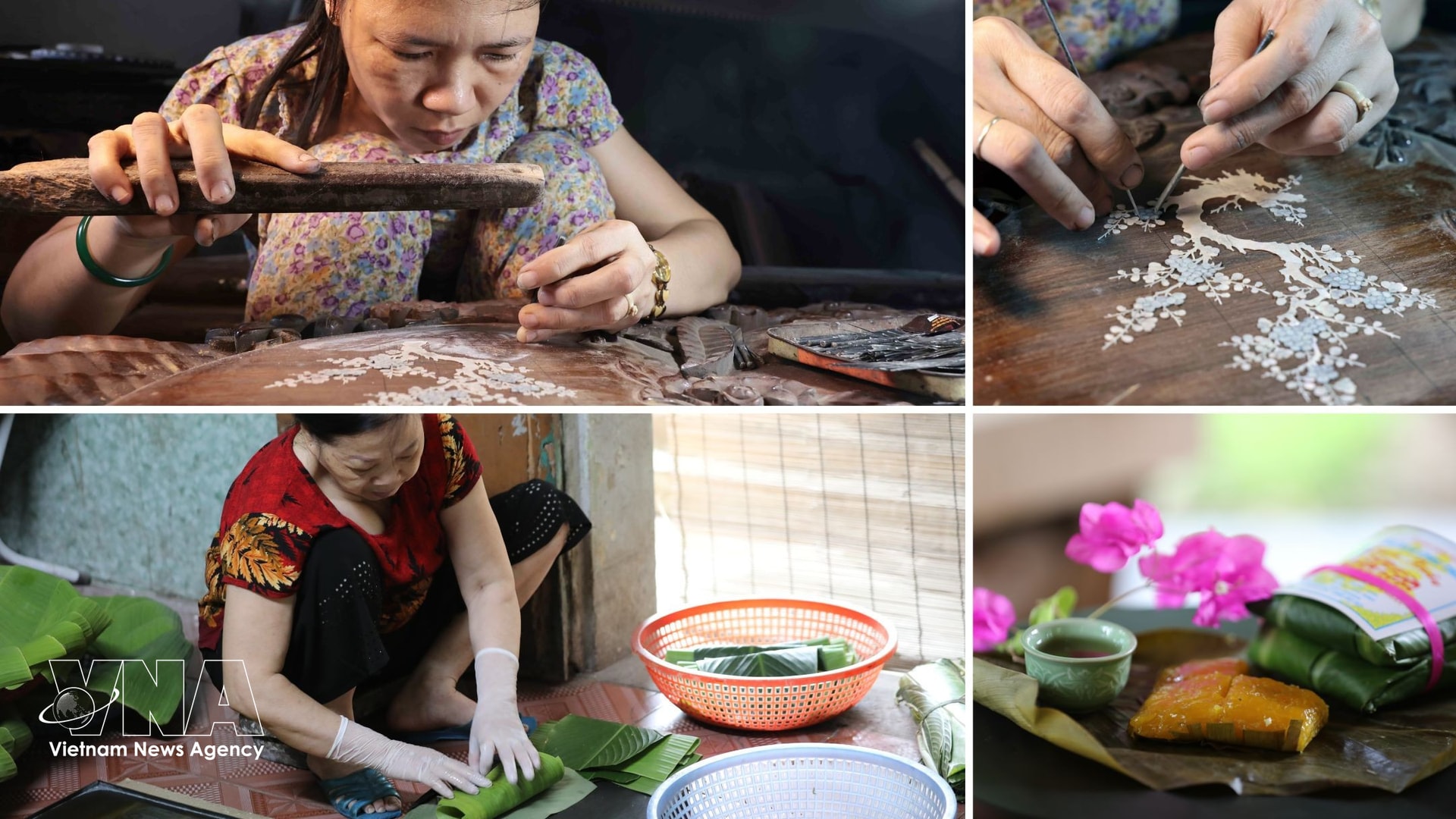
Drawing on the unique heritage of Vietnam’s only gold and silver leaf craft village, Kieu Ky artisans blend traditional handcraft techniques with refined design to create works that affirm the enduring vitality of cultural heritage in modern life (Photo: VNA)
These days, Kieu Ky village in Hanoi' Gia Lam commune, is evolving by bringing gold leaf into interior design, fine arts, and high-end gifts. The younger generation is taking the lead, driving the craft into larger markets. Gold leaf now goes far beyond traditional worship items, inspiring a wider range of products and providing steady jobs, with workers earning an average of about 10 million VND per month.
Vietnam now has around 5,400 craft villages, including about 2,000 traditional ones. These villages employ roughly 11 million workers, making up about 30% of the rural and mountainous workforce. Their products are shipped to more than 160 countries and generate over 2 billion USD in export revenue every year.
These craft villages are no longer just keepers of the past; they’re becoming trailblazers for the future, where culture turns into a real engine of sustainable development and helps Vietnam stand out in an increasingly globalised world./.
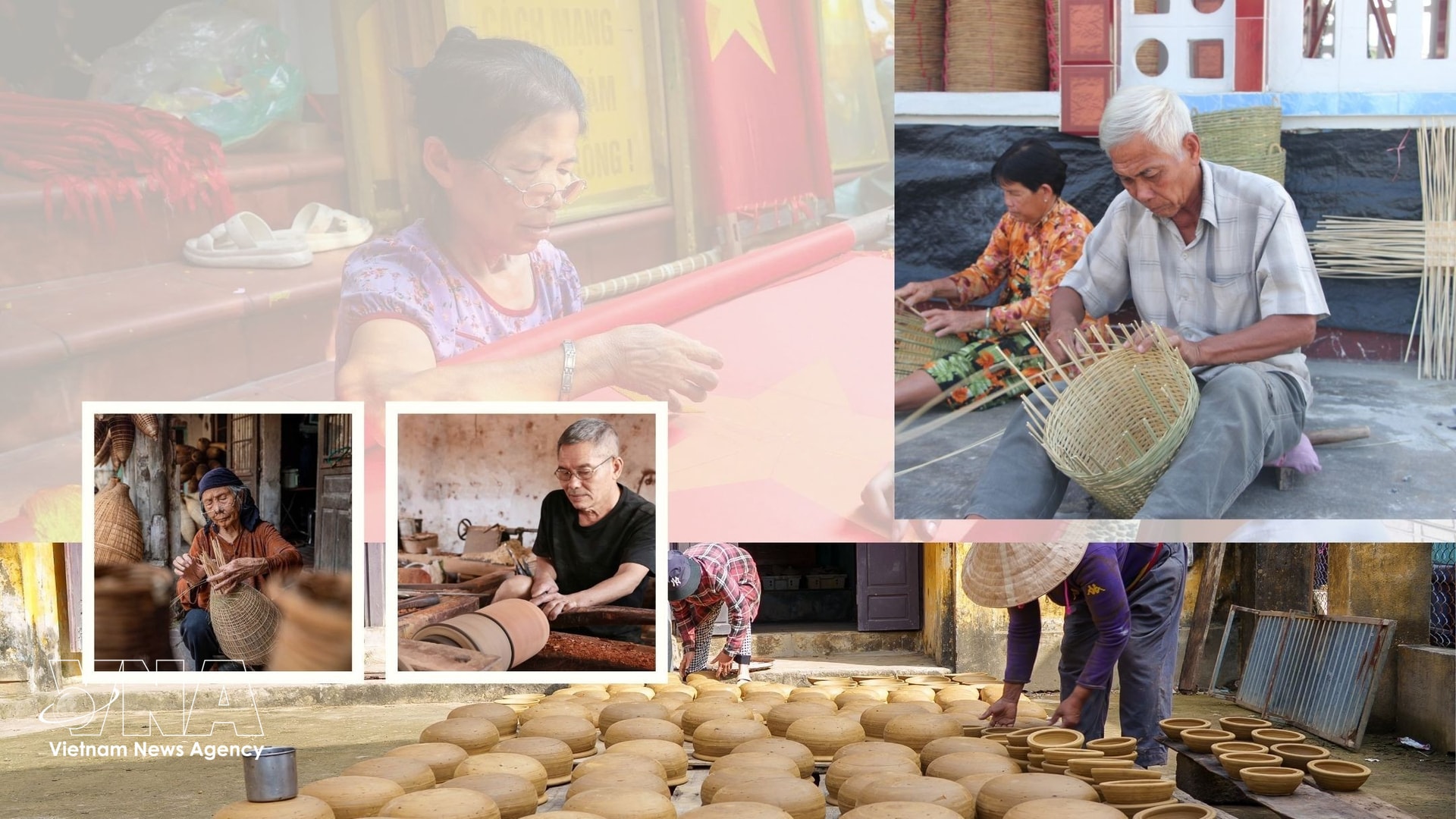
Traditional craft villages not only preserve the values of the past but also look toward the future, where culture becomes a driving force for sustainable development (Photo: VNA)
Bình luận của bạn đã được gửi và sẽ hiển thị sau khi được duyệt bởi ban biên tập.
Ban biên tập giữ quyền biên tập nội dung bình luận để phù hợp với qui định nội dung của Báo.