BUILDING CUISINE INTO A KEY DRIVER OF HO CHI MINH CITY’S TOURISM
VNA•04/05/2026 08:55
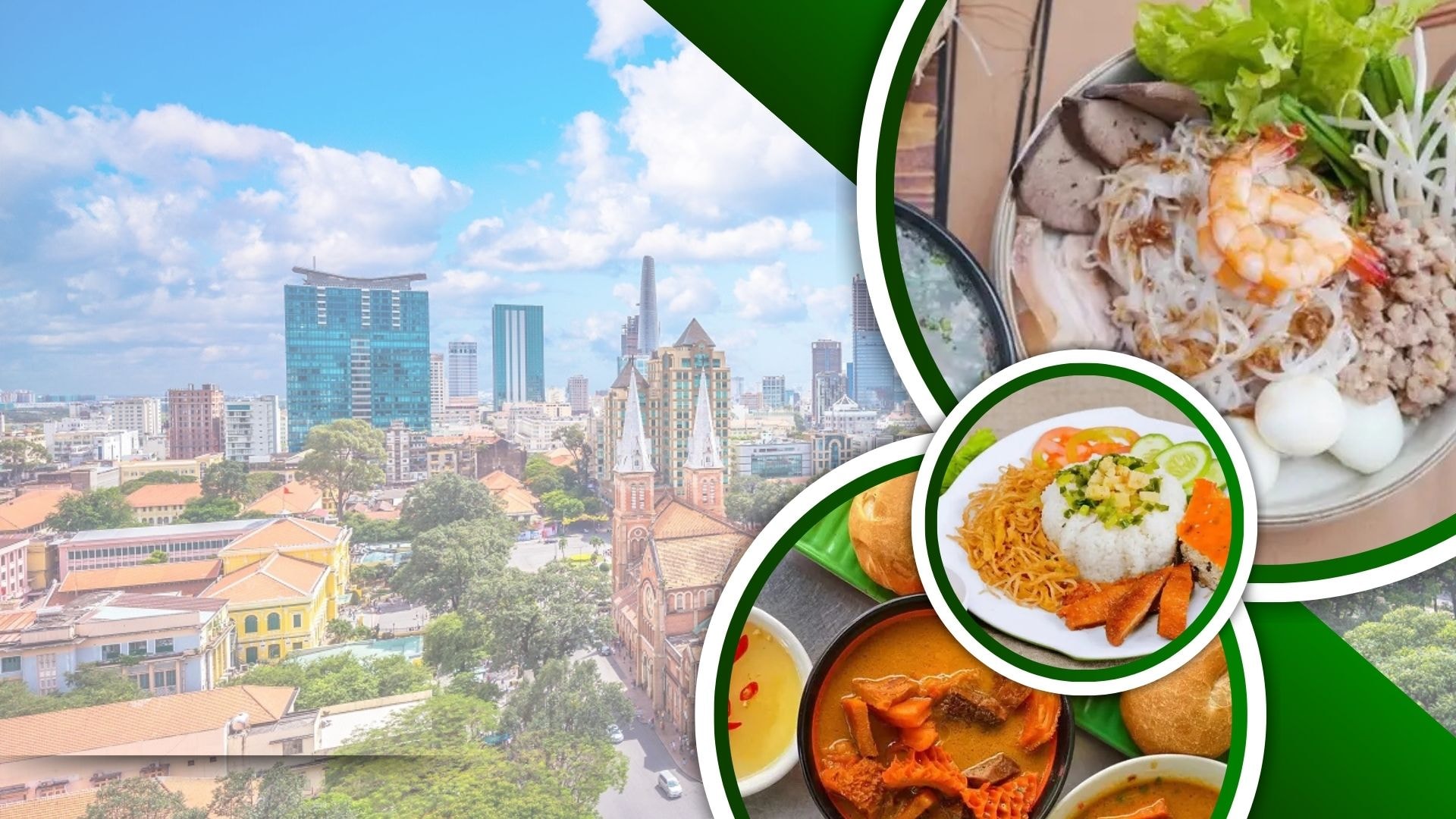
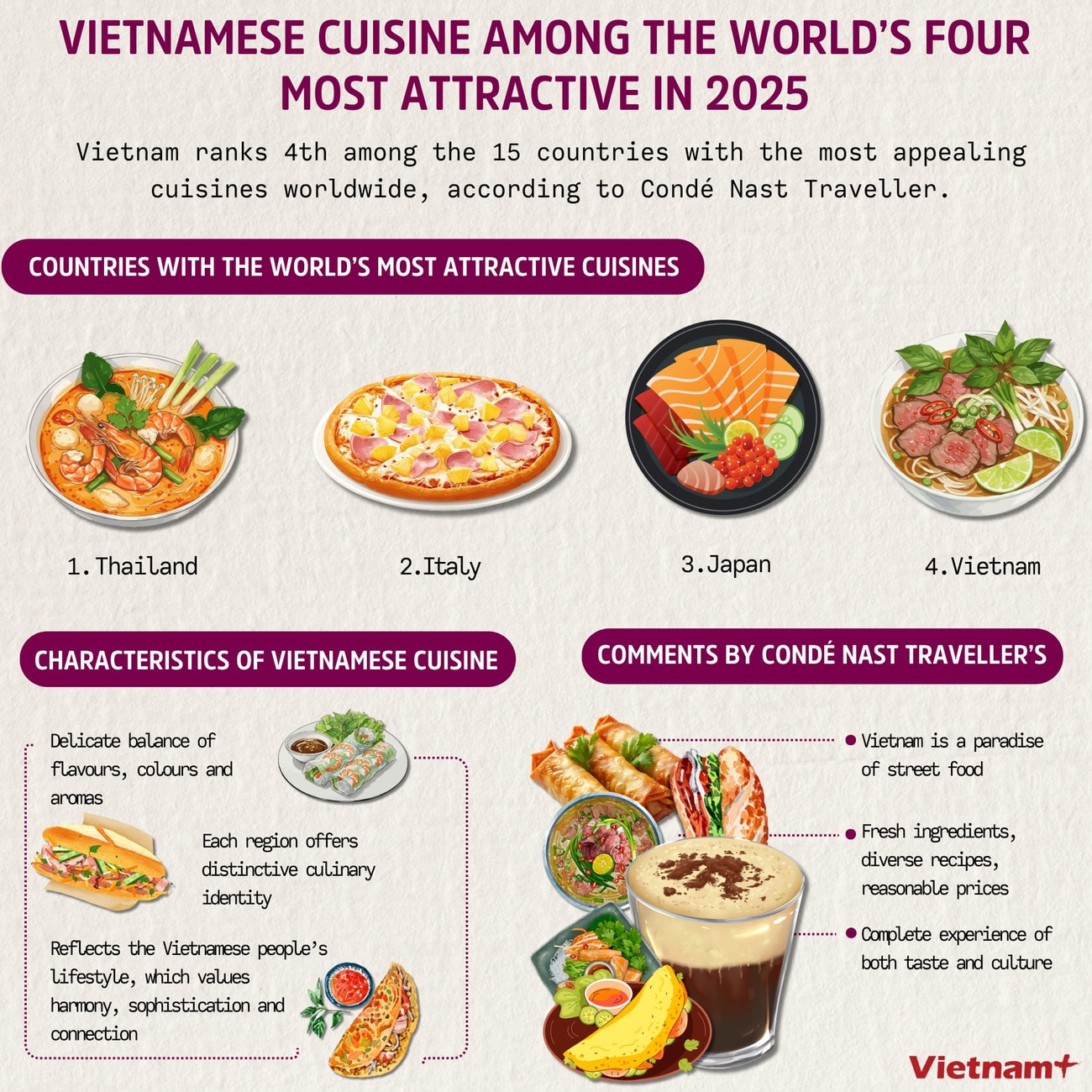
Cuisine is becoming a major draw for tourism as more travellers look for destinations with unique food experiences. As Vietnam grows into a global culinary hotspot, Ho Chi Minh City is working to make gastronomy a key part of its tourism strategy, with signature dishes earning international acclaim.
Building an internationally recognised destination
Experts note a growing trend among tourists to explore vibrant street food, heritage-rich family recipes, and modern fine dining. Vietnam’s cuisine, with its regional diversity, continues to attract both domestic and international visitors.
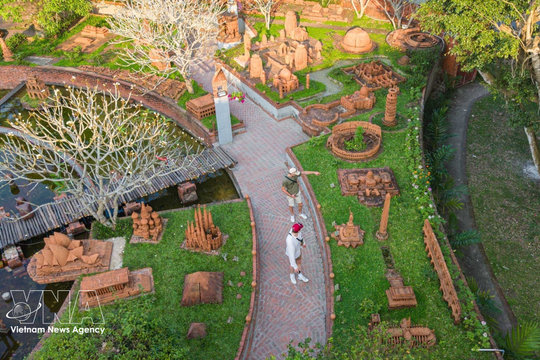
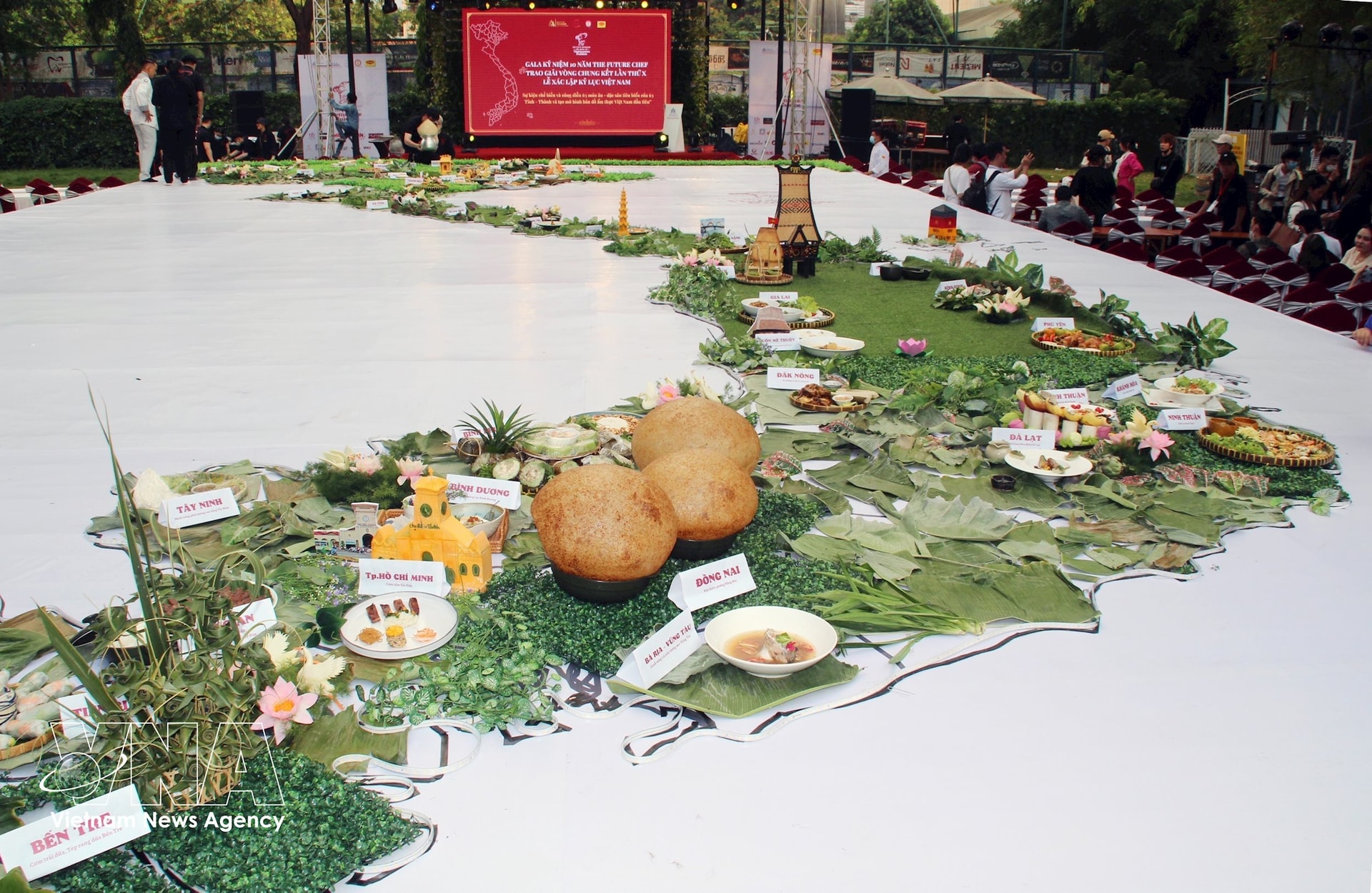
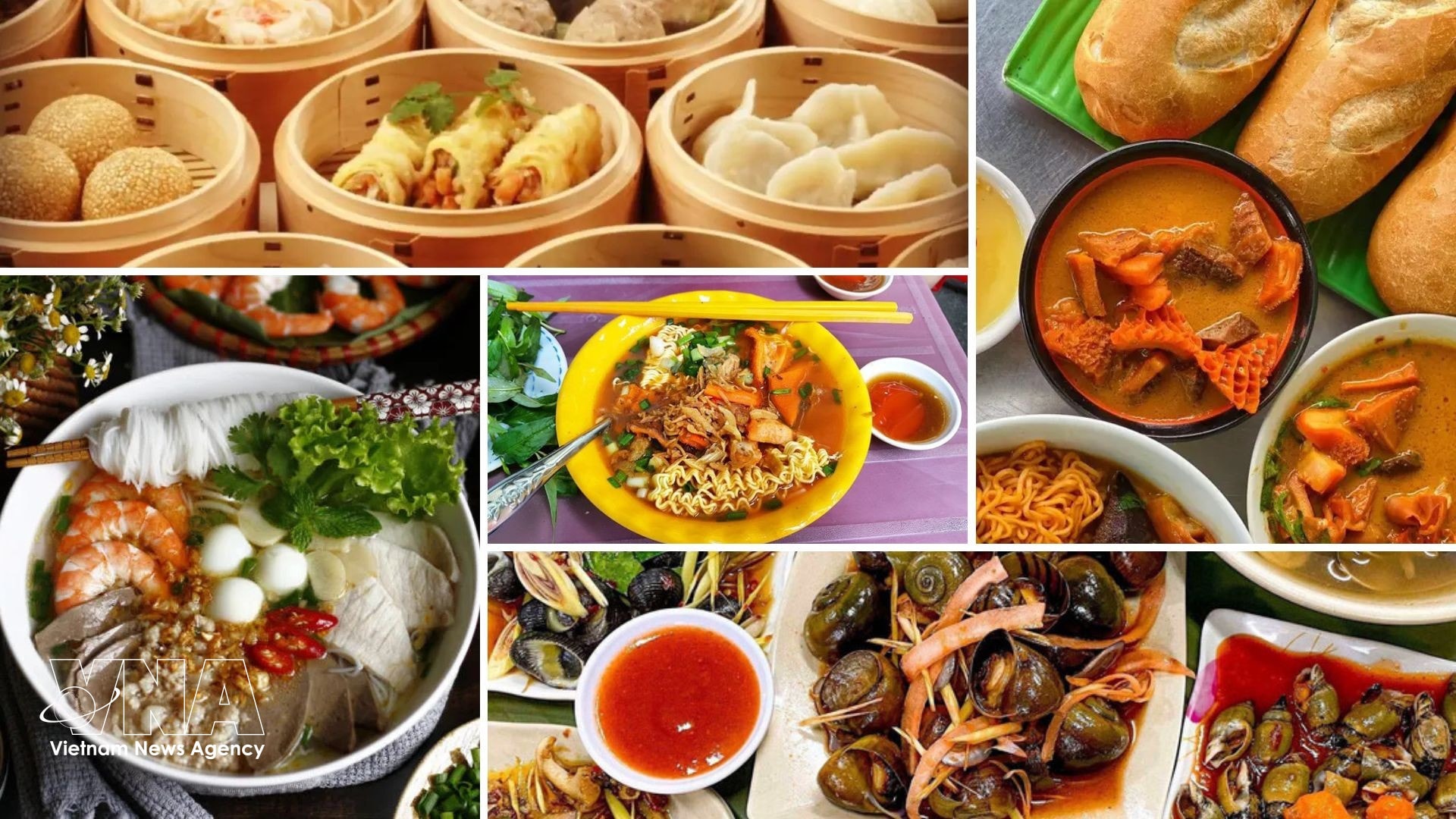
A Vietnamese food map model (Photo: VNA)
From iconic dishes such as pho (Vietnamese noodle soup) and banh mi (Vietnamese baguette) to Hue royal cuisine and fresh seafood from the Mekong Delta, Vietnamese food appeals widely thanks to its balanced flavours, fresh ingredients, and regional variety.
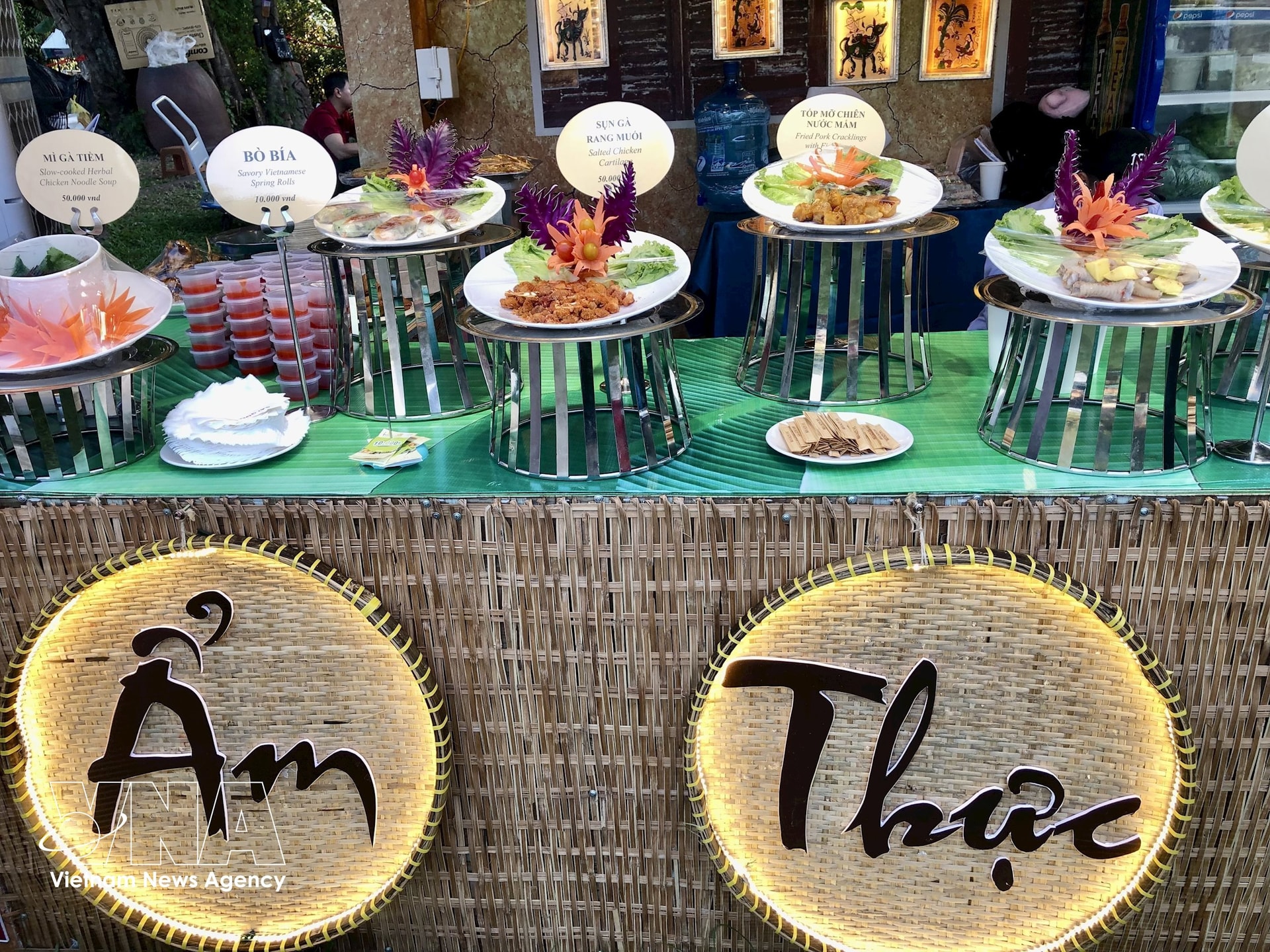
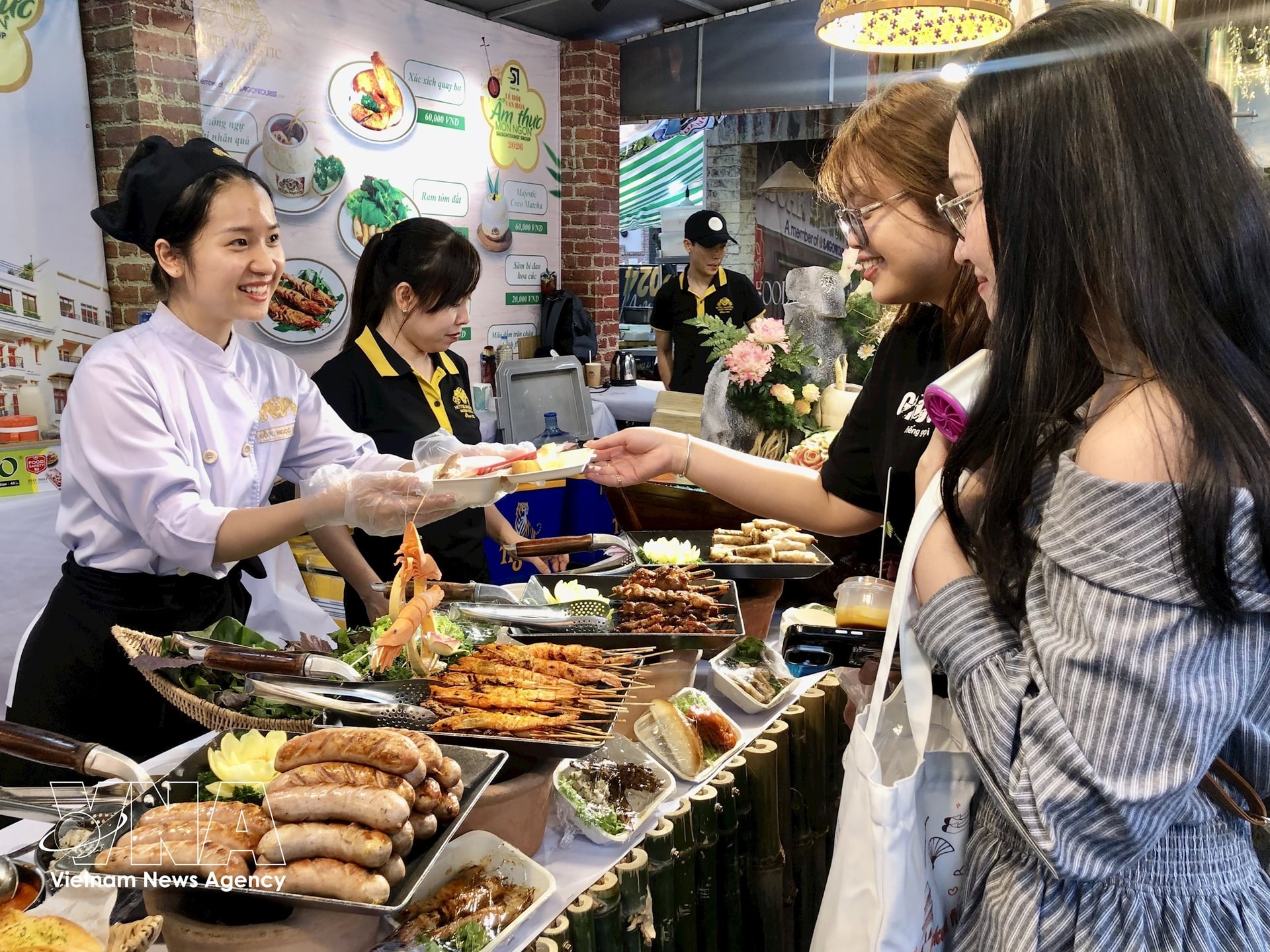
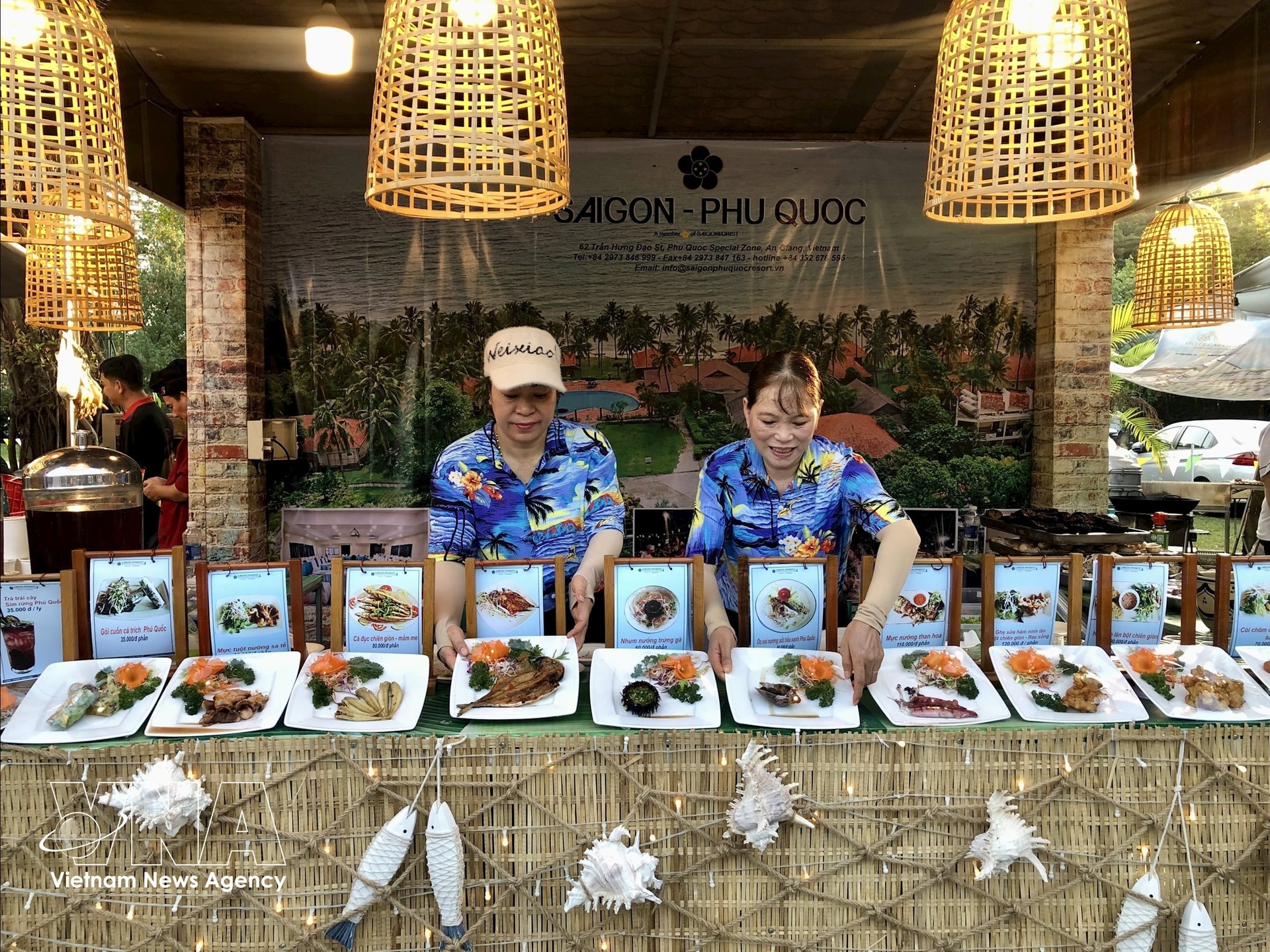
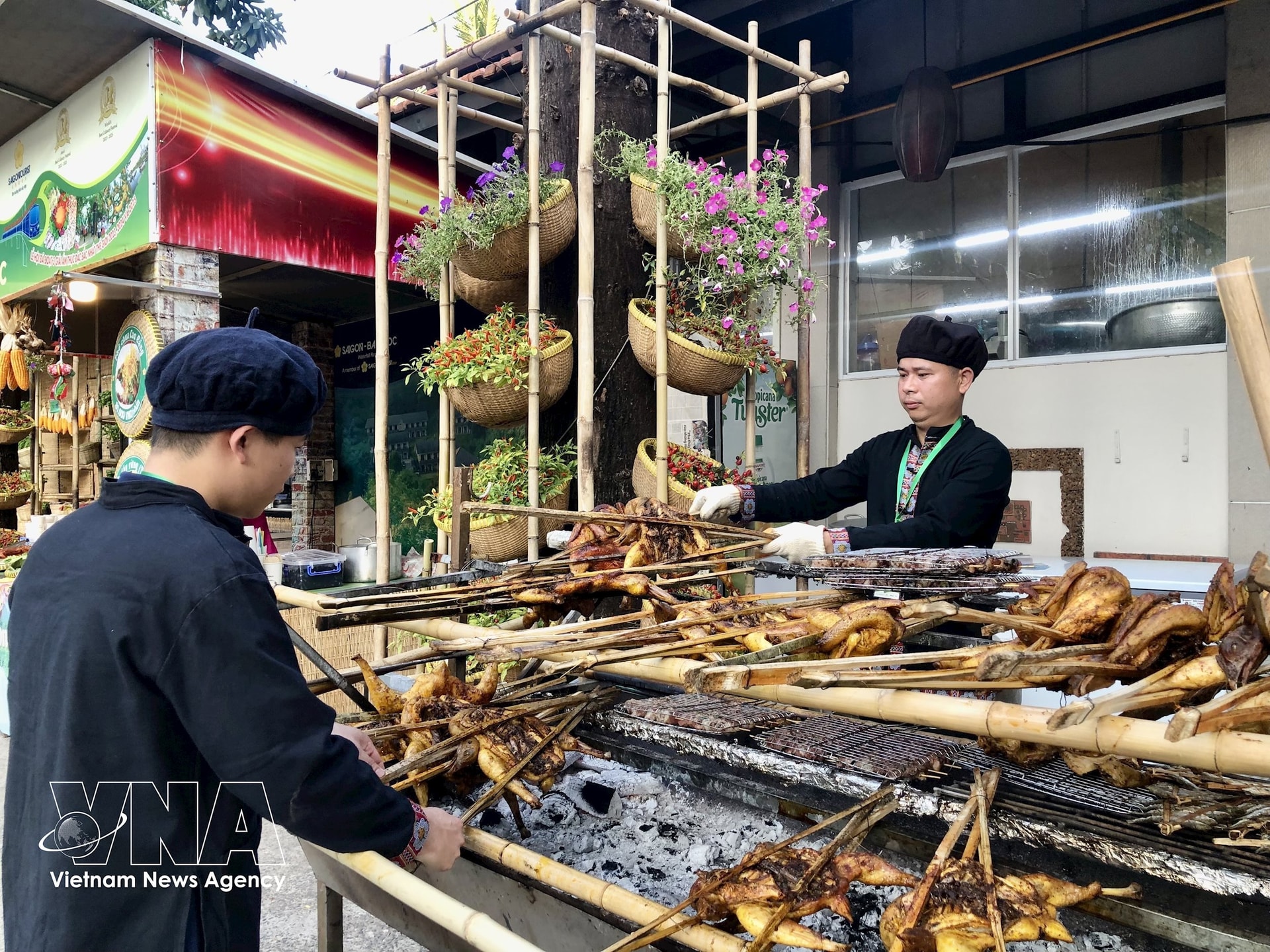
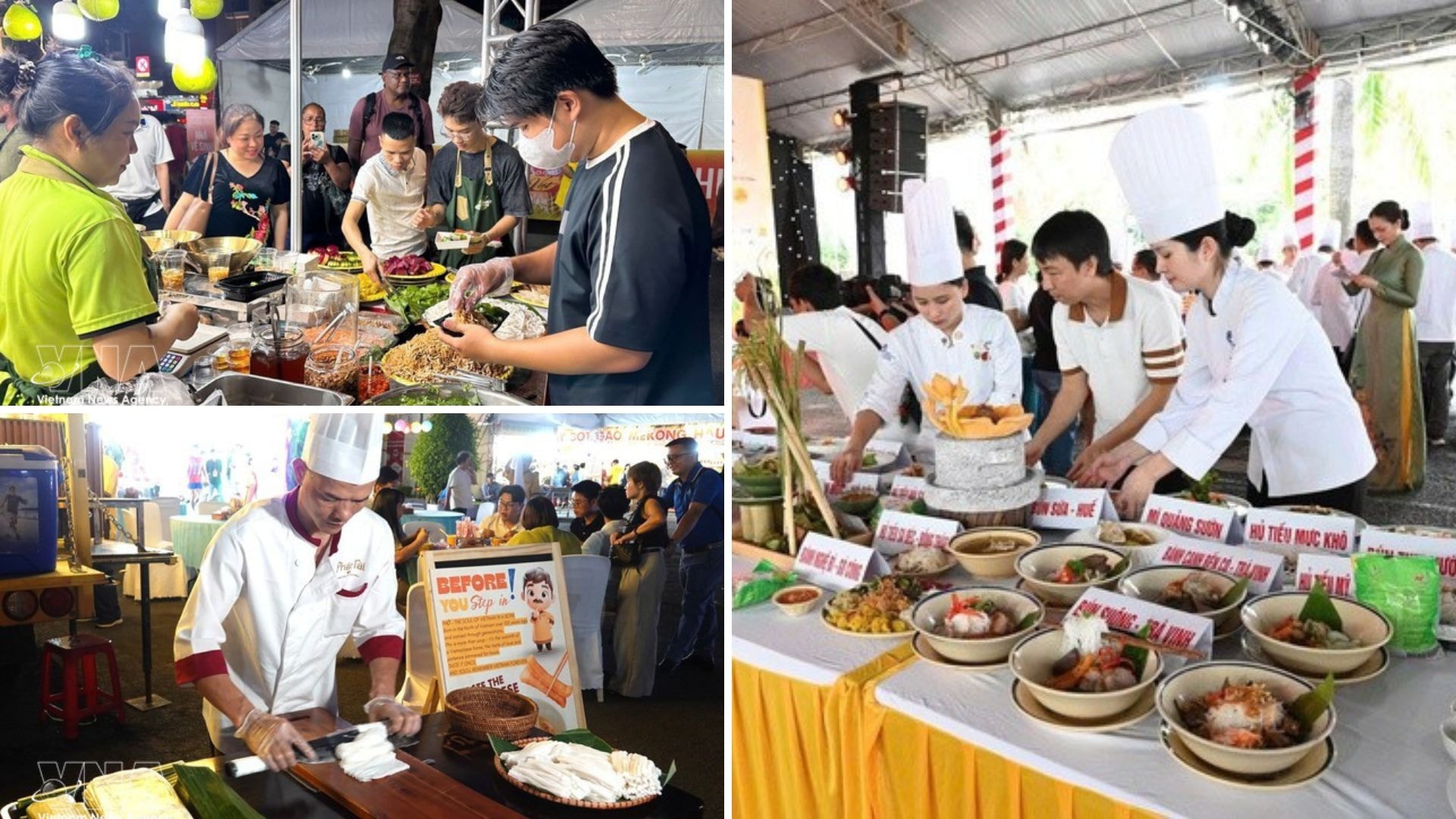
In Ho Chi Minh City, the Saigontourist Group Culinary Culture & Delicacies Festival 2026, held in late March, drew nearly 80,000 visitors, up more than 10,000 year-on-year. The event has won the title of “World’s Best Culinary Festival” for three consecutive years (2023–2025) and “Asia’s Best Culinary Festival” for four years (2022–2025) from the World Culinary Awards.
The Saigontourist Group Culinary Culture & Delicacies Festival 2026 attracts nearly 80,000 visitors. (Photo: VNA)
The festival not only offers domestic and international visitors a rich culinary experience with hundreds of dishes from hotels, resorts and four- to five-star restaurants, but also aims to connect and showcase the essence of Vietnamese culinary culture. Beyond cuisine, it serves as a “cultural feast” featuring a series of traditional art performances, folk games, and Vietnamese craft villages.
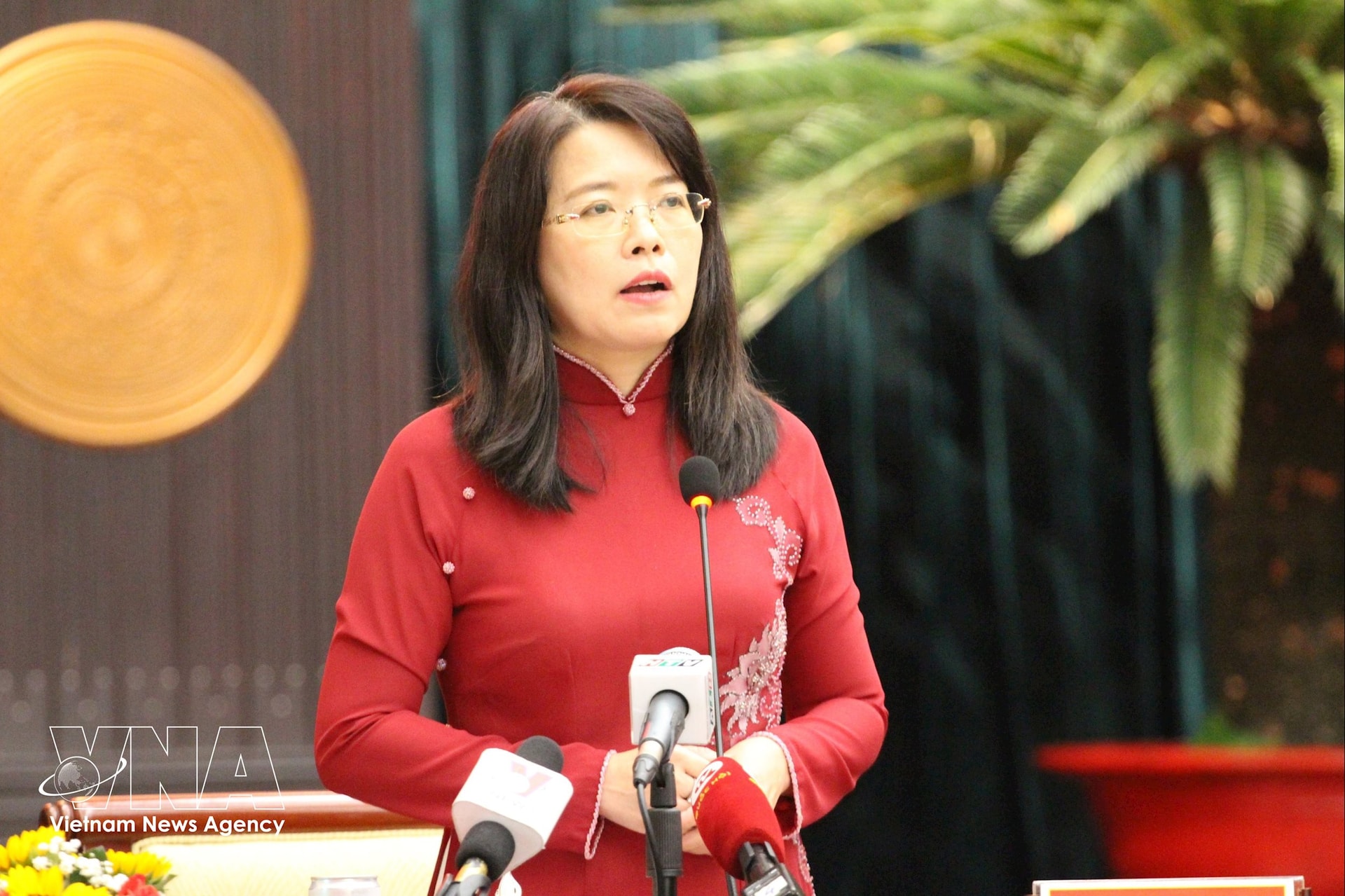
Nguyen Thi Anh Hoa, Chairwoman of the Board of Members of the Saigontourist Group (Photo: VNA)
“
The Saigontourist Group Culinary Culture & Delicacies Festival 2026 not only celebrates cuisine but also promotes cultural values and enhances Vietnam’s culinary position globally. The organising board plans to expand international editions to bring Vietnamese cuisine closer to global audiences.
Nguyen Thi Anh Hoa, Chairwoman of the Board of Members of the Saigontourist Group
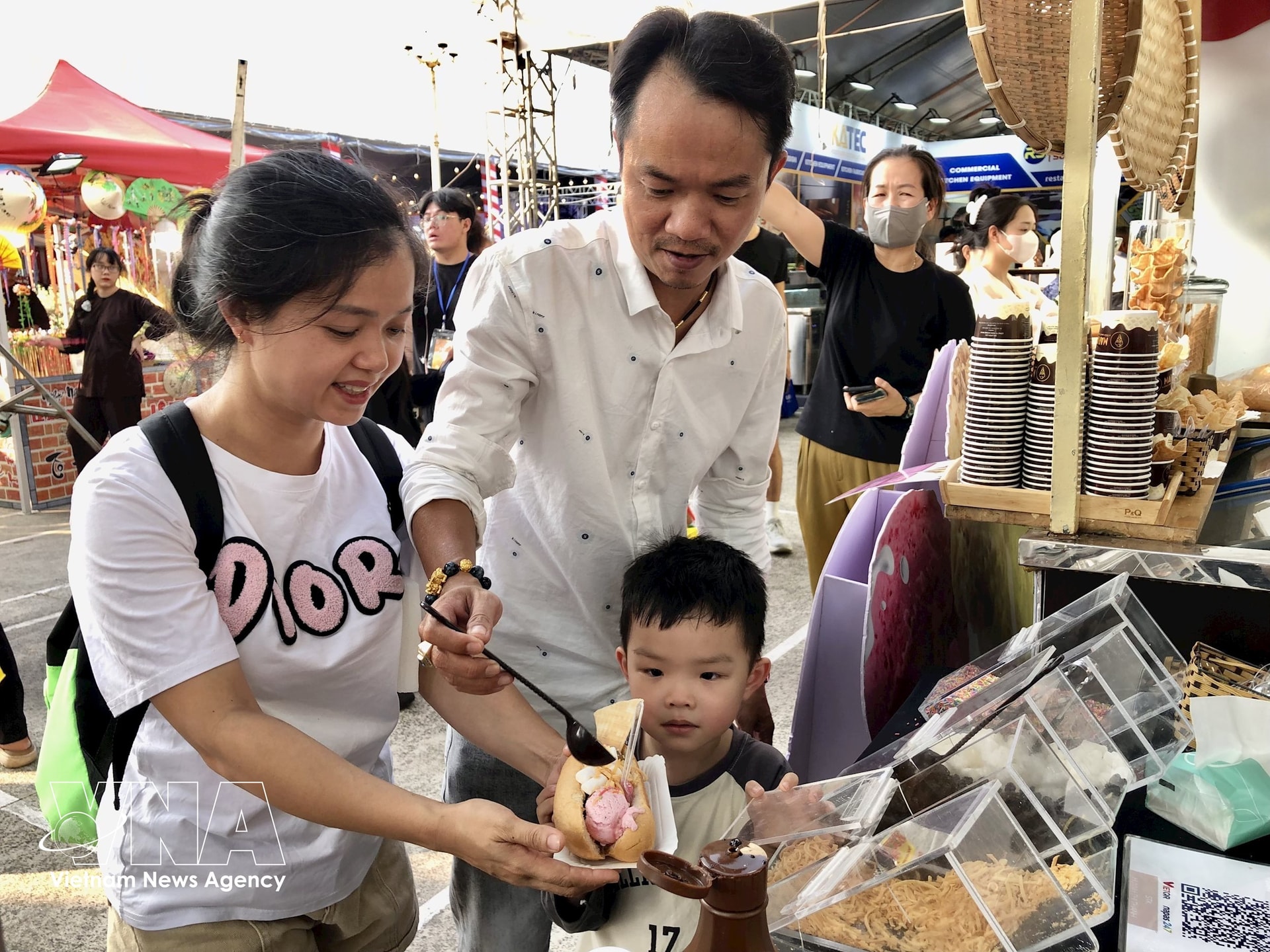
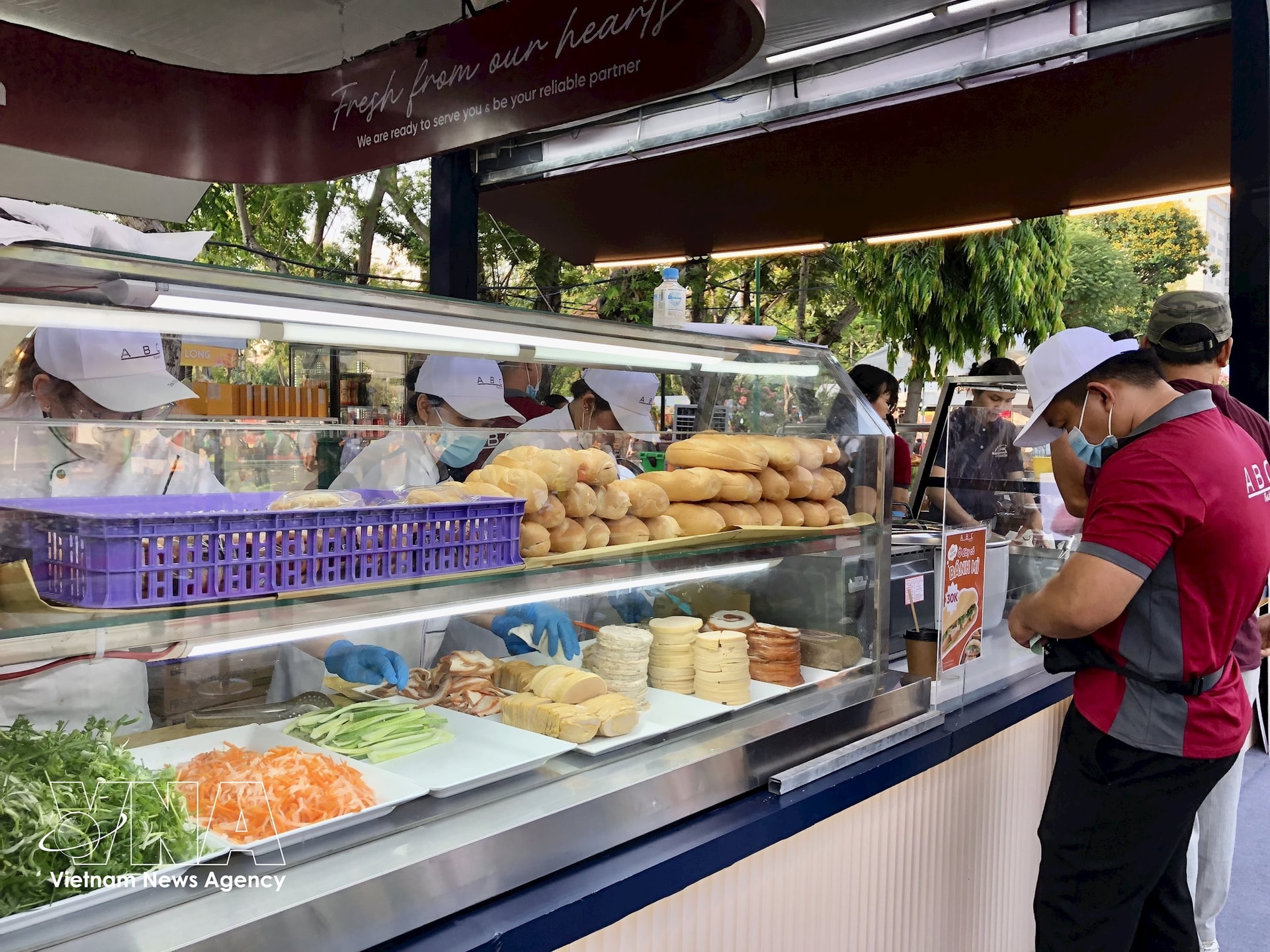
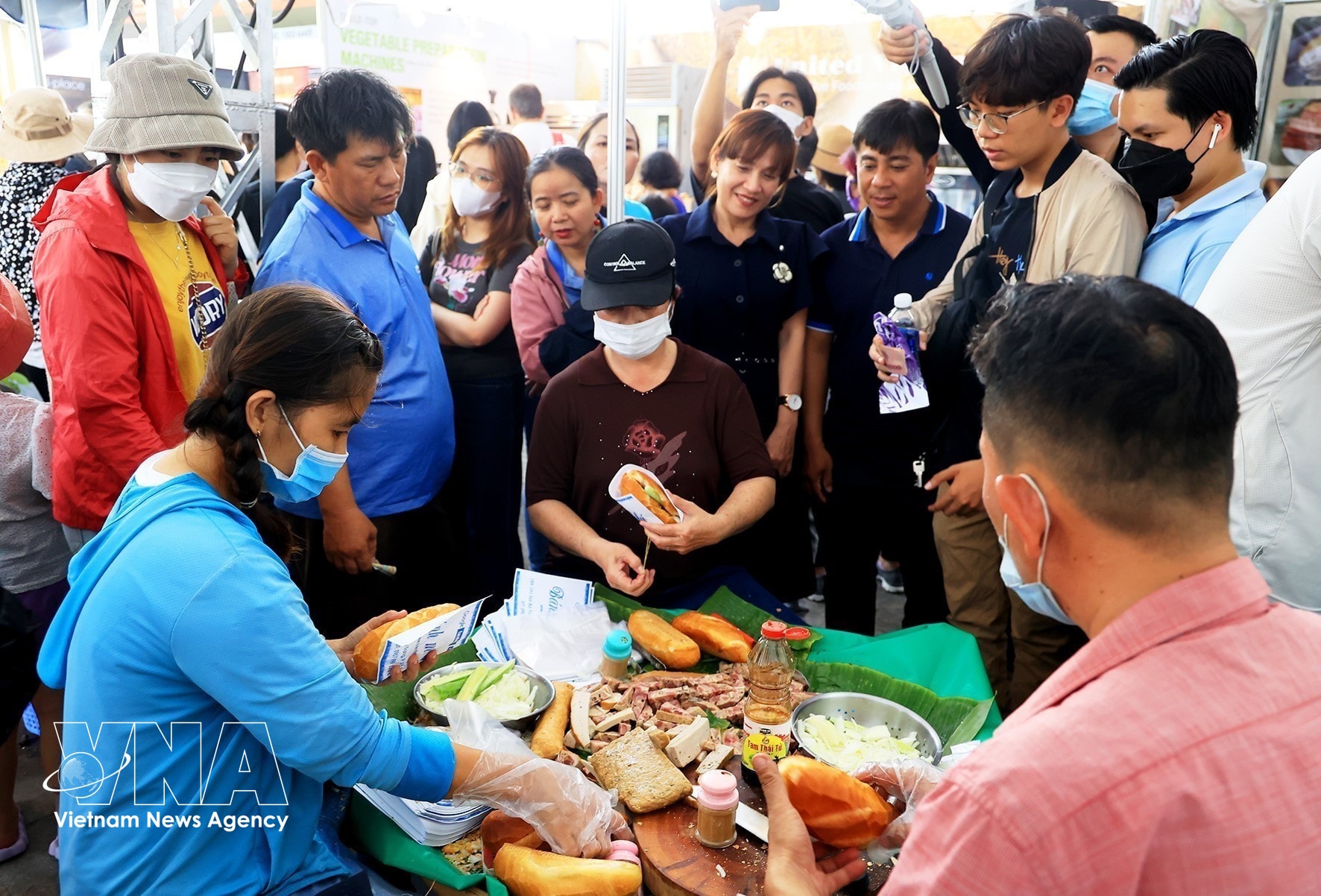
Alongside this festival, Ho Chi Minh City has been building its culinary tourism brand through events such as the Vietnam Banh Mi Festival, Pho Day, and the Vietnamese Rice Noodle Festival. The Banh Mi Festival, now in its fourth year, promotes Vietnamese bread as a global culinary value.
The Vietnam Banh Mi Festival is a magnet for visitors. (Photo: VNA)
Nguyen Thi Khanh, Chairwoman of the Ho Chi Minh City Tourism Association, said banh mi has evolved beyond street food to an internationally recognised culinary symbol. To offer visitors a distinctive culinary and cultural experience and honour the traditional and creative values of Vietnamese cuisine, the association organised the Vietnamese Rice Noodle Festival for the first time. The event showcased and set a record for 100 dishes made from rice noodles, featuring a wide range of specialities such as pho, banh tam (steamed cassava cake) and hu tieu (rice noodle soup). Visitors could not only enjoy the dishes but also learn about traditional rice noodle-making processes, interact with culinary experts, and take part in various cultural activities.
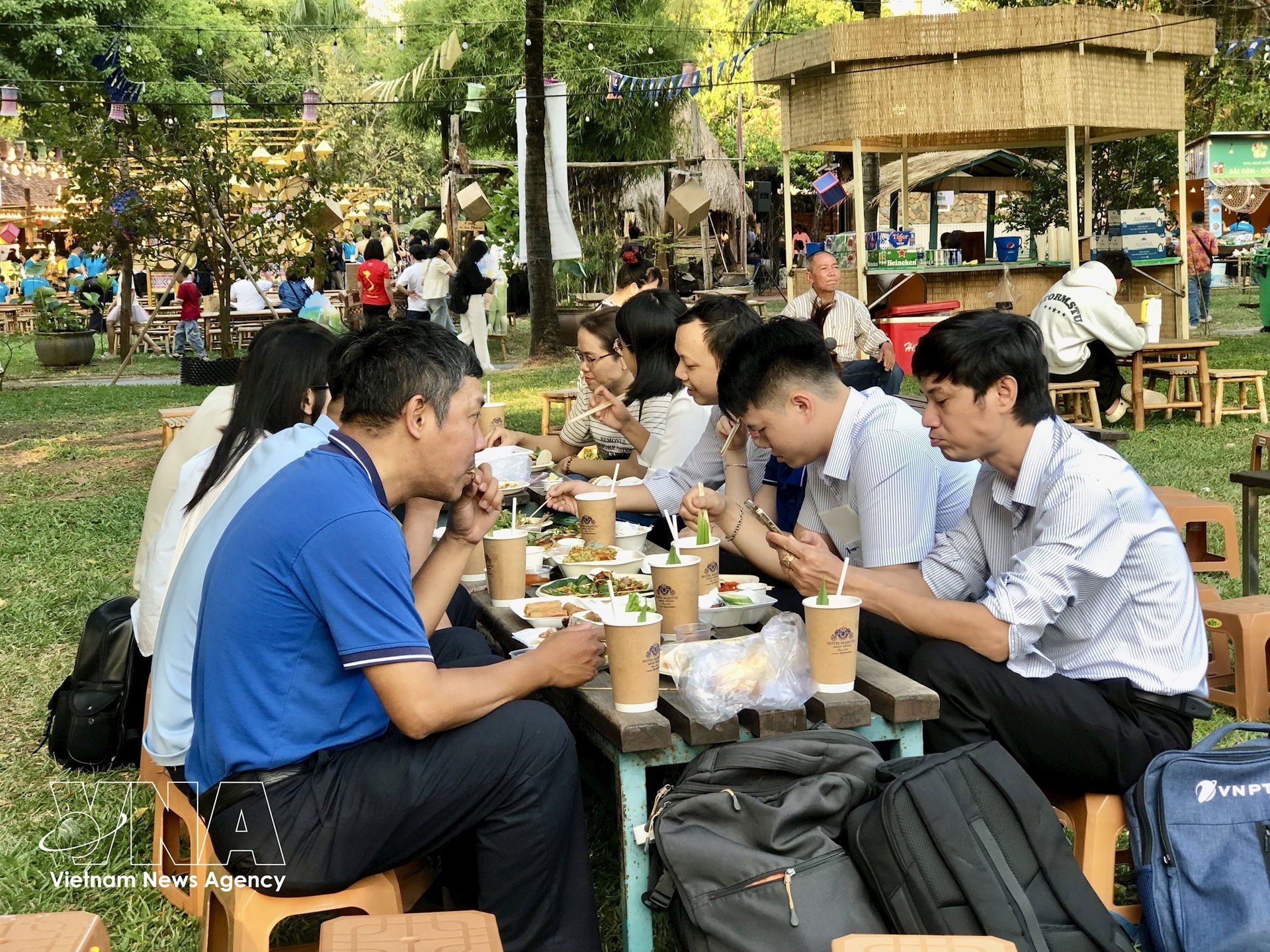
Locals and tourists enjoy specialties at the Vietnamese Rice Noodle Festival. (Photo: VNA)
Developing culinary tourism products
A recent survey by digital travel platform Agoda, part of its Travel Trends 2026 report, found that 35% of Vietnamese travellers consider cuisine a primary motivation for travel, placing them among Asia’s leading food-focused tourists. They rank second in the region in prioritising local culinary experiences when choosing destinations.
“
Vietnam’s position among the region’s leading countries highlights the importance of food in its culture and how Vietnamese people explore the world. For many, a trip is only truly complete when they can experience distinctive local flavours, whether discovering regional specialities at home or enjoying iconic dishes abroad.
Vu Ngoc Lam, Agoda’s Country Director for Vietnam
In Vietnam, food is a core part of everyday life and cultural identity. To draw both local and international visitors, destinations should highlight gastronomy as a key driver of tourism. Pham Huy Binh, Director of the Ho Chi Minh City Department of Tourism, said the city’s tourism sector is not only expanding in scale but is also shifting towards improving service quality, connectivity, and increasing its spillover effects. Ho Chi Minh City tourism is gradually being shaped into a hub for welcoming visitors, linking destinations, organising markets, and developing products for new travel journeys.
Ho Chi Minh City is striving to transform its cuisine into a major driving force for tourism. (Photo: VNA)
The southern metropolis has entered a new phase of development with the stature of a megacity. In this context, its tourism sector has rolled out a range of strategic action programmes to promote the city’s image, land, people, cultural identity, tourism services, and distinctive local cuisine. Specifically, the sector has assessed the potential to develop culinary tourism products to position the city as a hub of domestic and international specialities. On that basis, it is stepping up the integration of local cuisine into key tourism products to enhance its appeal to both domestic and international visitors.
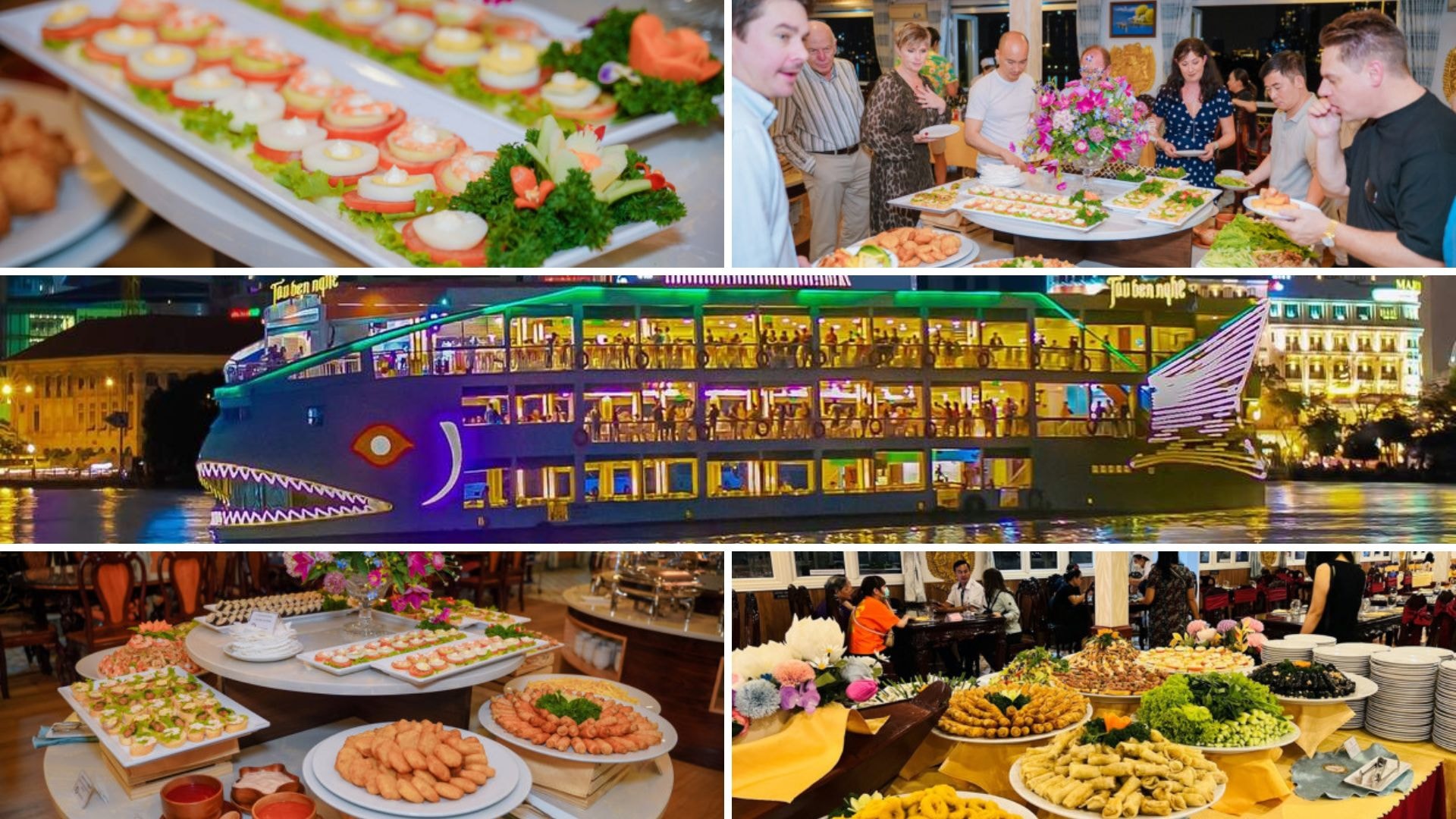
The municipal Department of Tourism has conducted in-depth surveys to develop an additional 20 specialised food-themed tourism programmes for visitors to the city. These include tour clusters such as Vespa Le La; Saigon Coastal Streets; a double-decker bus experience combined with dinner on the Indochina cruise; Vung Tau’s irresistible delicacies; exploring “Unique Binh Duong Cuisine”; Flavours of the Blue Sea; A Journey of Taste; and Returning to the Flavours of Home, among others.
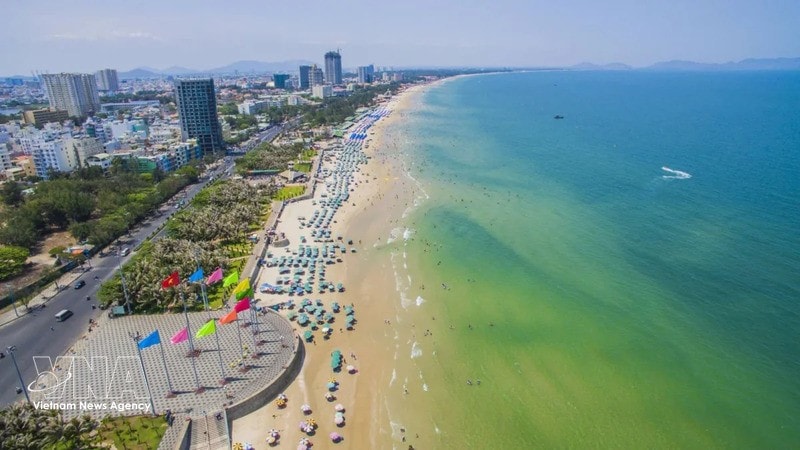
A long, straight coastline with crystal-clear waters and waves crashing in white foam against the shore, making it an ideal place for recreation, swimming, and soaking up the golden tropical sunshine. (Photo: VNA)A dinner cruise tour along the Saigon River (Photo: VNA)
Each programme offers a unique experience, closely linking dining, shopping and destinations across three localities – Ho Chi Minh City, Binh Duong and Ba Ria–Vung Tau. Visitors not only explore destinations but are also given opportunities to learn about local culture, history and people.
In the early months of 2026, the city’s tourism sector has taken on a new look, with cuisine emerging as a distinctive highlight. Visitors can now enjoy interlinked itineraries ranging from modern urban attractions to eco-tourism and high-end resorts, with curated culinary experiences featured throughout the journey. This is expected to help stimulate domestic demand and attract more international visitors in the time ahead./.
Bình luận của bạn đã được gửi và sẽ hiển thị sau khi được duyệt bởi ban biên tập.
Ban biên tập giữ quyền biên tập nội dung bình luận để phù hợp với qui định nội dung của Báo.