VIETNAM EXPANDS COASTAL FORESTS TO BOLSTER GREEN GROWTH
VNA•25/02/2026 14:16
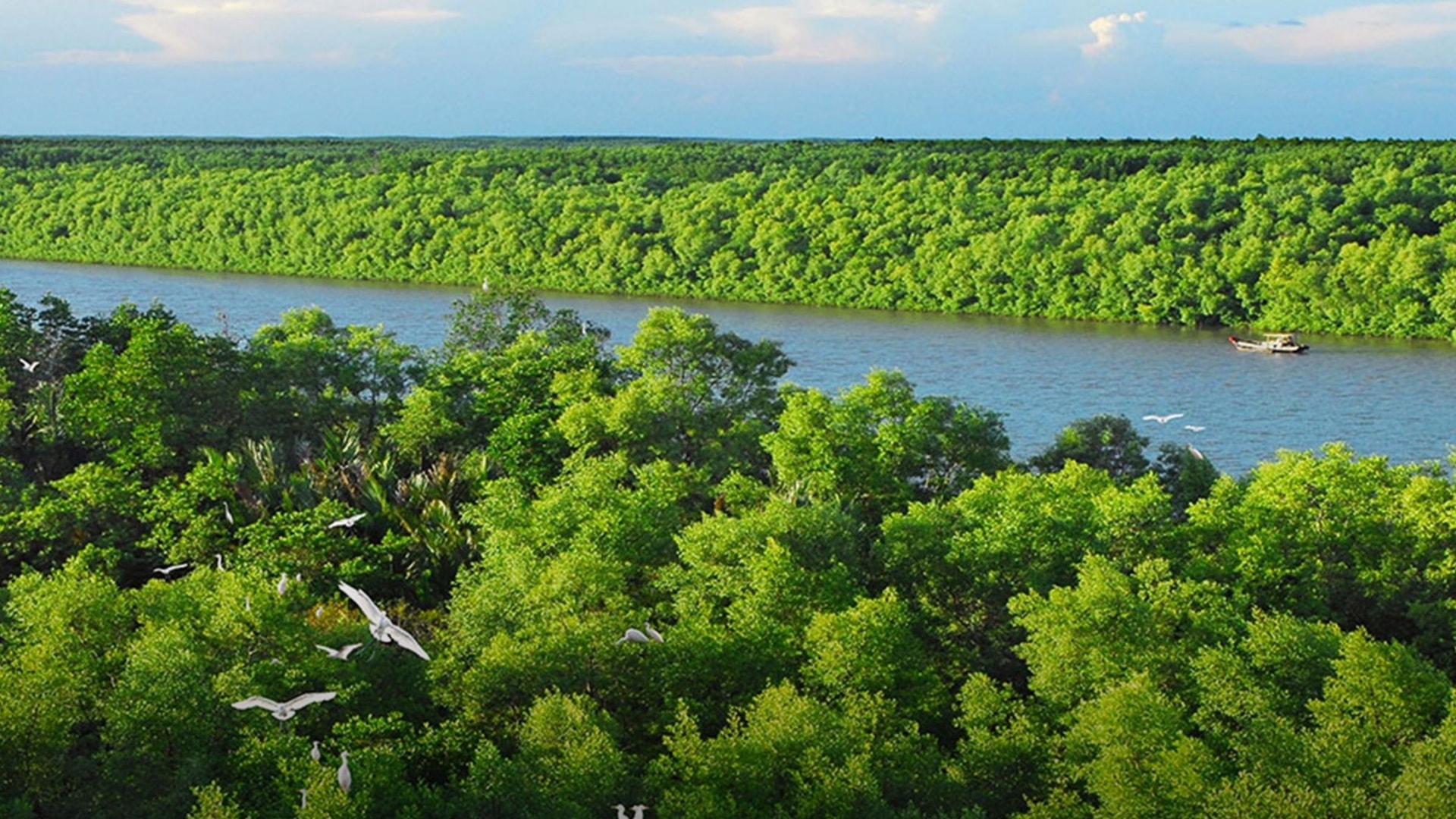
After five years in action, the 2021–2030 project to protect and develop coastal forests to respond to climate change and promote green growth has achieved impressive results, showcasing strong efforts in restoring and expanding the nation’s “green shield”.
Overcoming multiple challenges
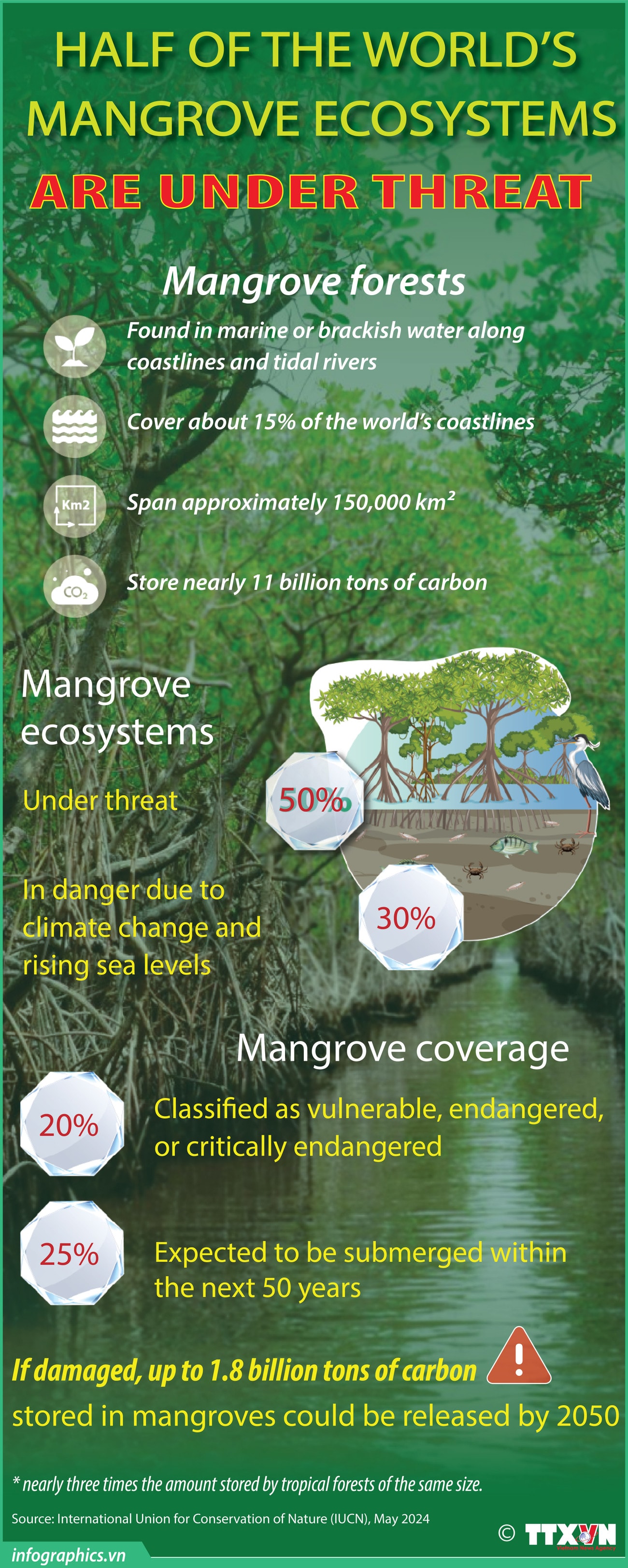
Vietnam’s coastal areas, particularly the Mekong Delta — home to about 75% of the country’s mangrove forests — have been hit hard by sea-level rise, coastal erosion, and the loss of protective and special-use coastal forests, including mangroves and wind- and sand-break forests. These pressures stem largely from climate change and human activities such as aquaculture, construction, and deforestation.
Approved by the Prime Minister on October 4, 2021, the project is widely seen as a major, comprehensive effort to restore and develop coastal forests — described as a “green shield” or “green wall” — to withstand the increasingly severe impacts of climate change and support sustainable development towards a greener Vietnam.
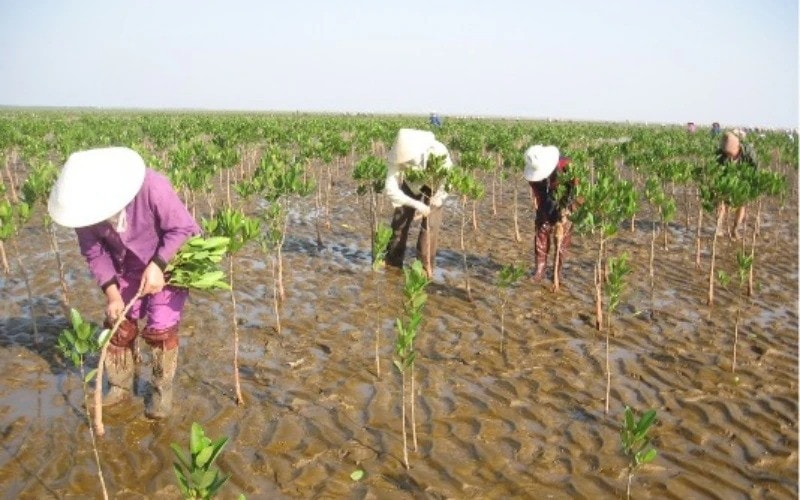
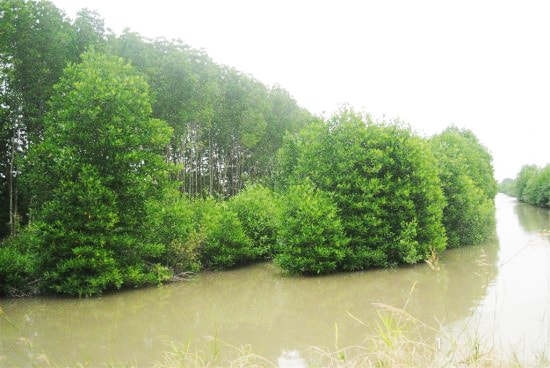
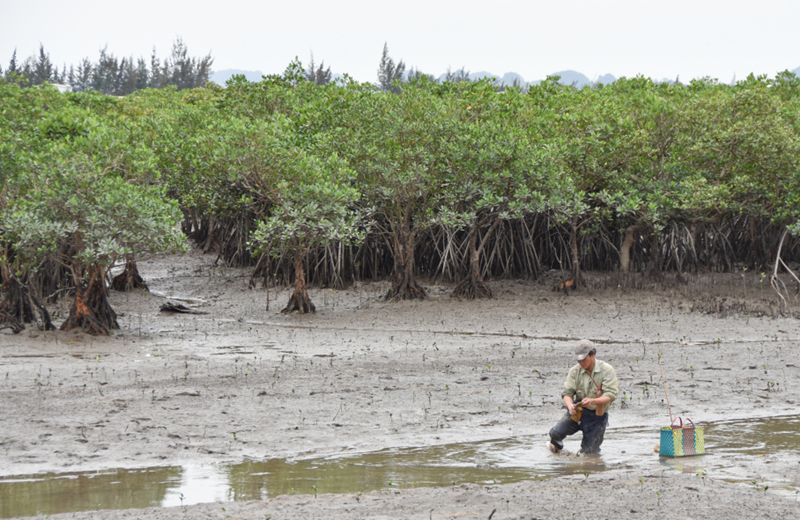
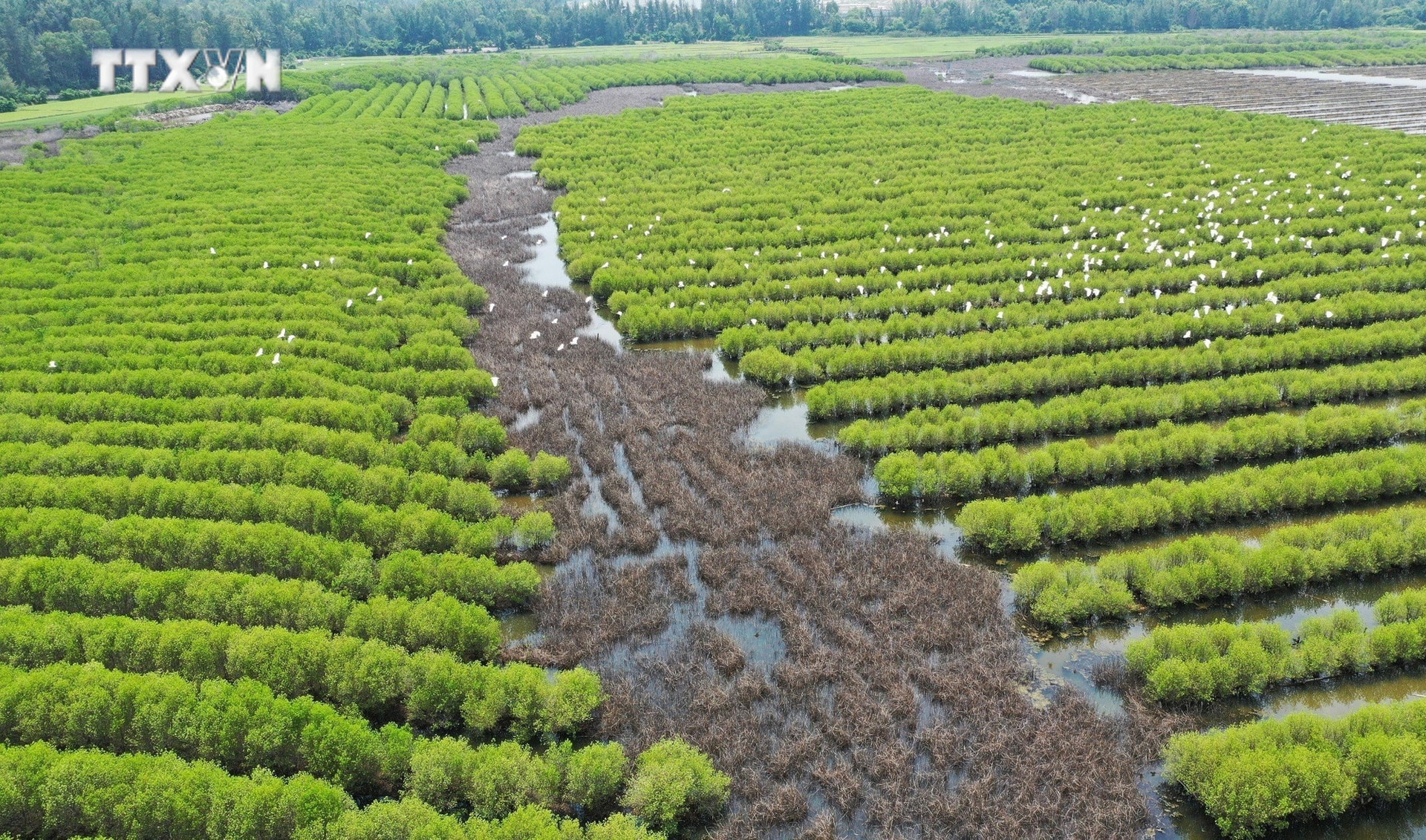
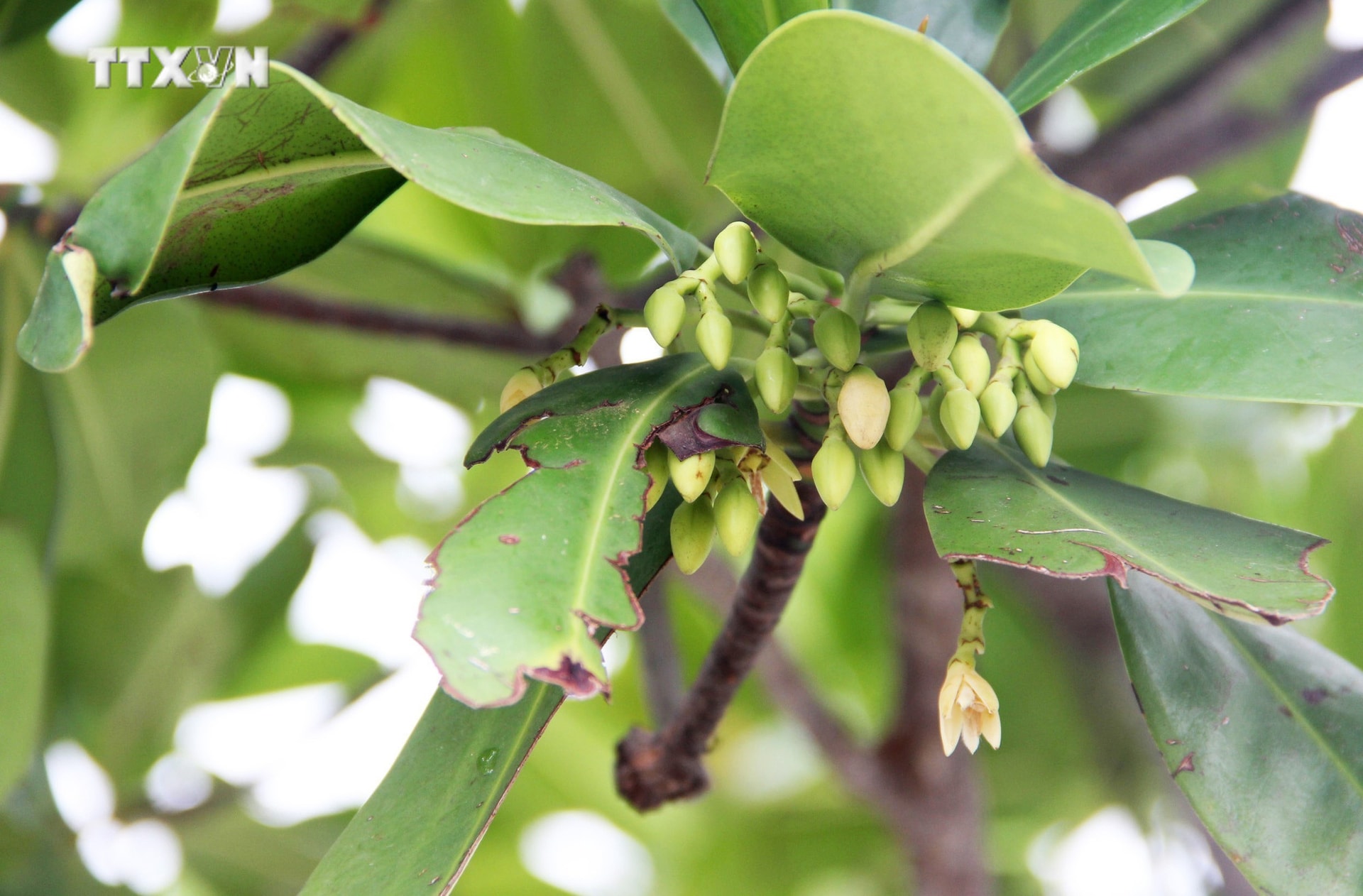
Concerted efforts are being made to restore and develop coastal forests. (Photo: VNA)
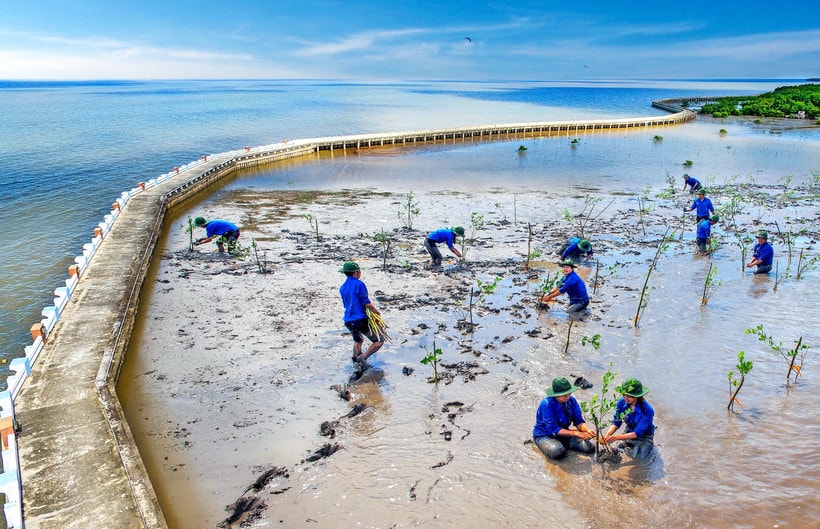
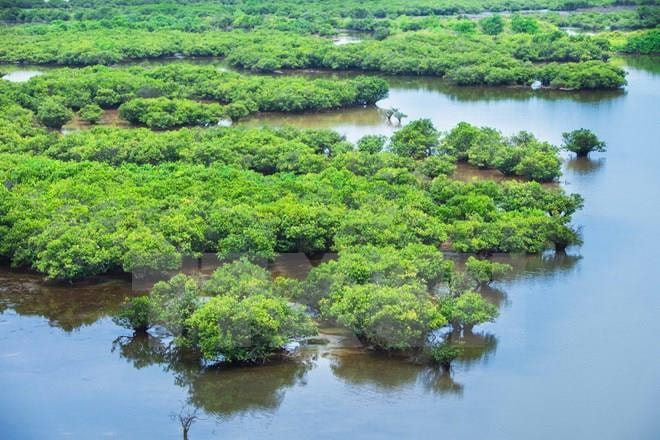
According to the Ministry of Agriculture and Environment, between 2021 and 2025, coastal provinces and cities nationwide protected 281,000 hectares of coastal forests, exceeding the project’s target of 276,000 hectares. Localities also planted 11,627 hectares of forests, including 7,741 hectares of mangroves and 4,185 hectares of wind- and sand-break forests, reaching 58% of the planned 20,000 hectares.
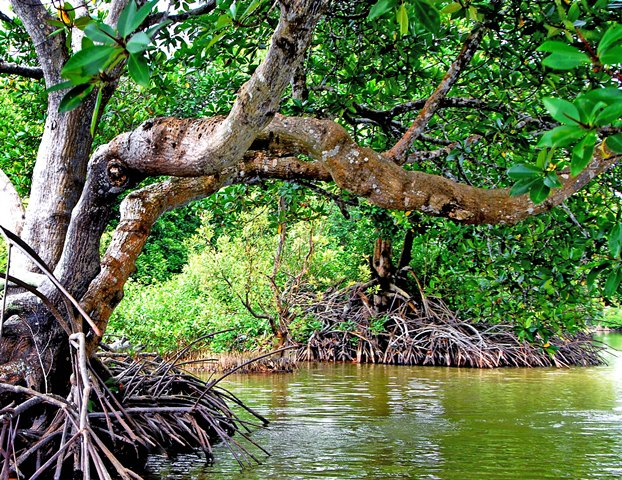
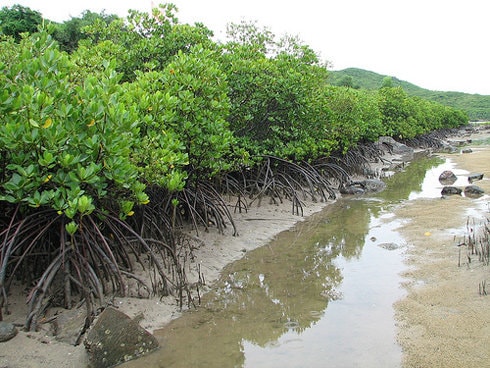
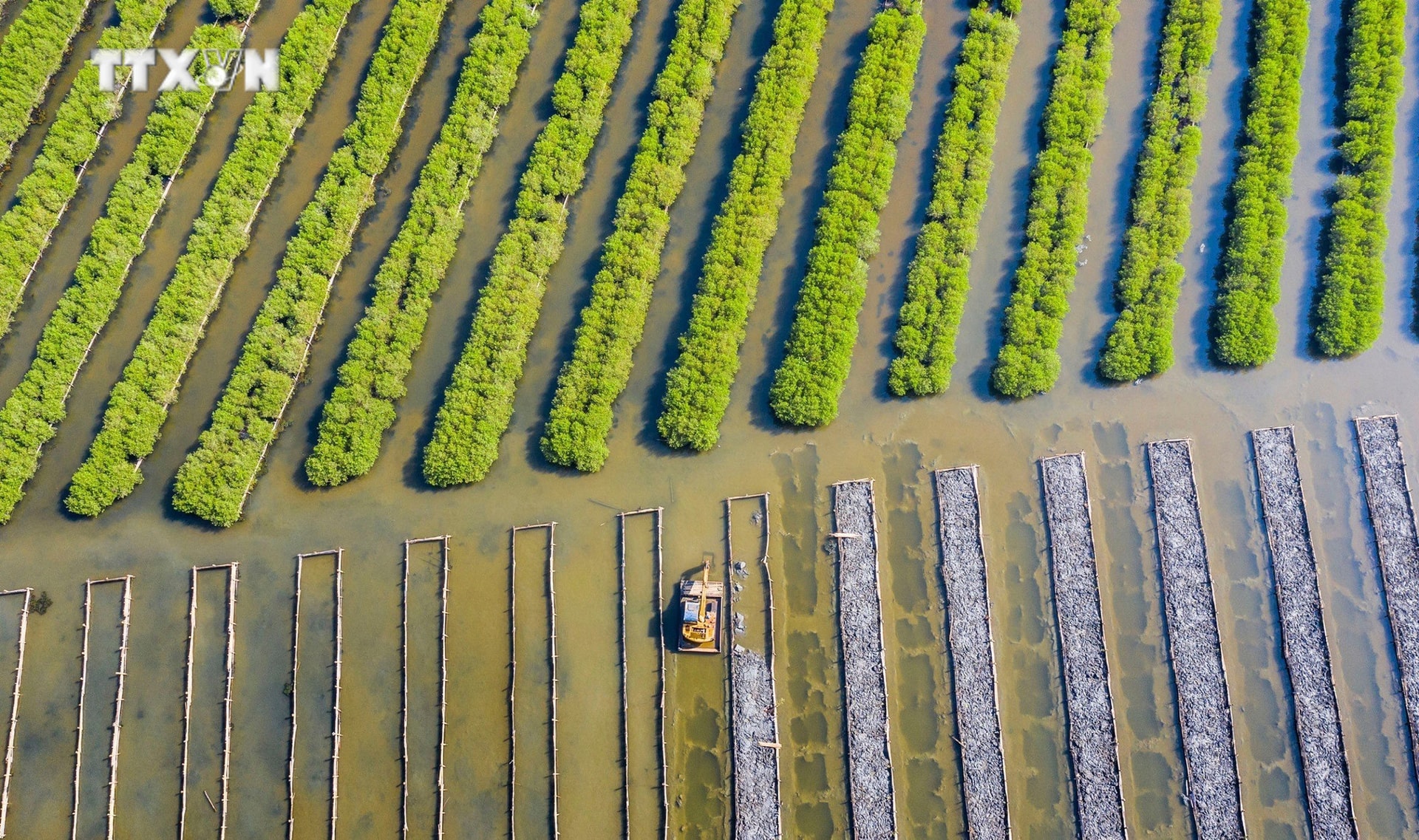
Coastal provinces and cities nationwide have protected 281,000 hectares of coastal forests, achieving 102% of the plan. (Photo: VNA)
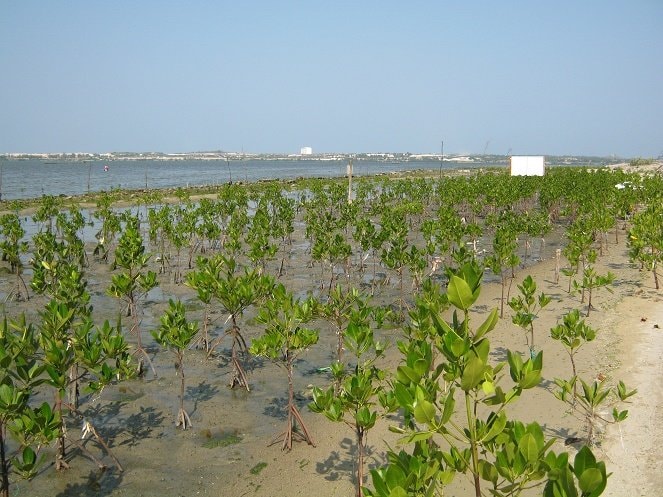
The newly planted, enriched and restored 11,627 hectares have helped expand forest area and improve forest quality, strengthen the protective role of coastal forests, and support Vietnam’s commitments and responsibilities to the international community in responding to climate change and sea-level rise.
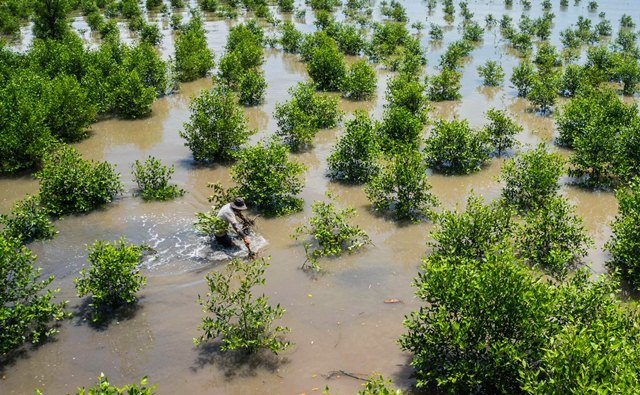
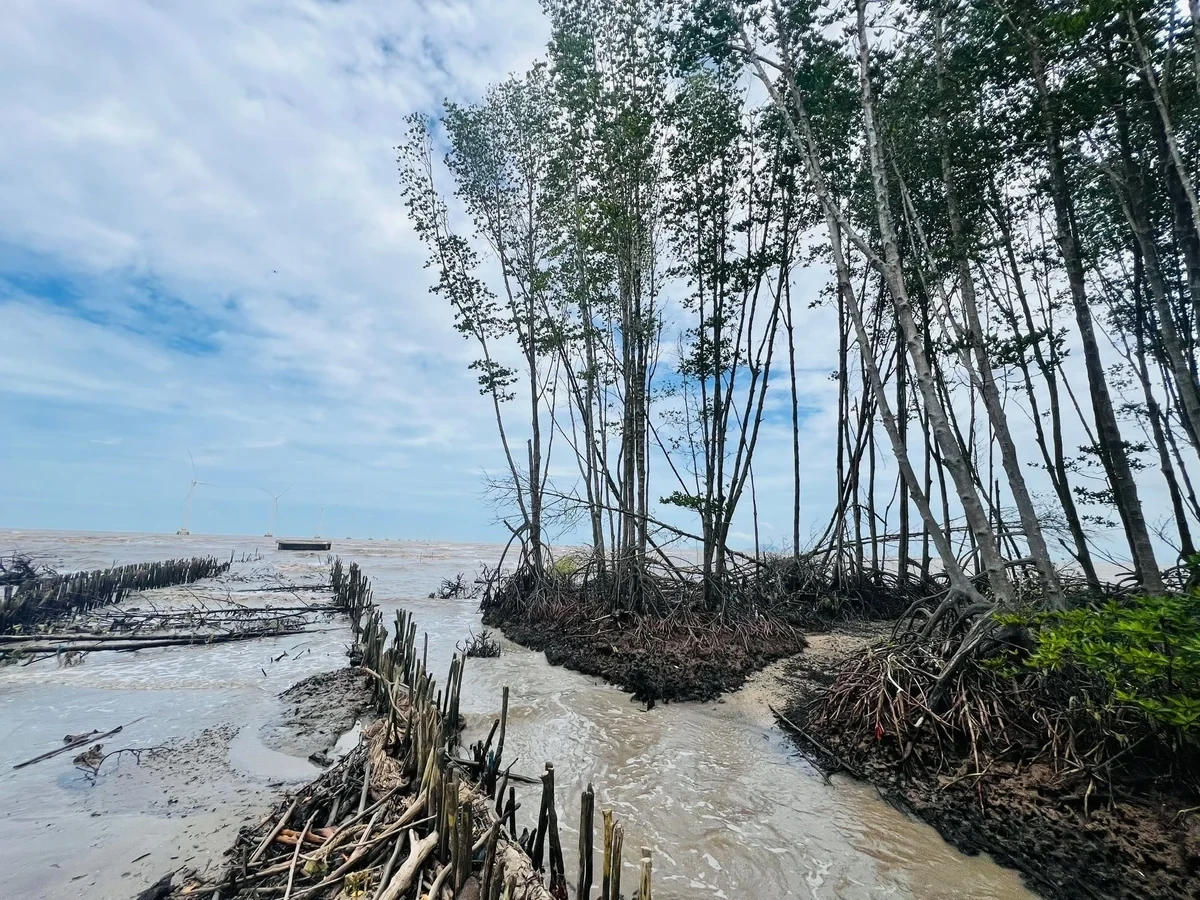
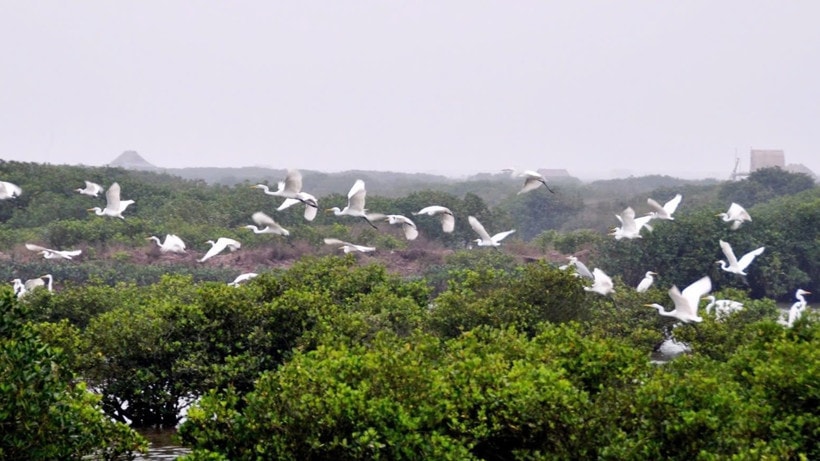
Afforestation results have helped enhance the protective role of coastal forests. (Photo: VNA)
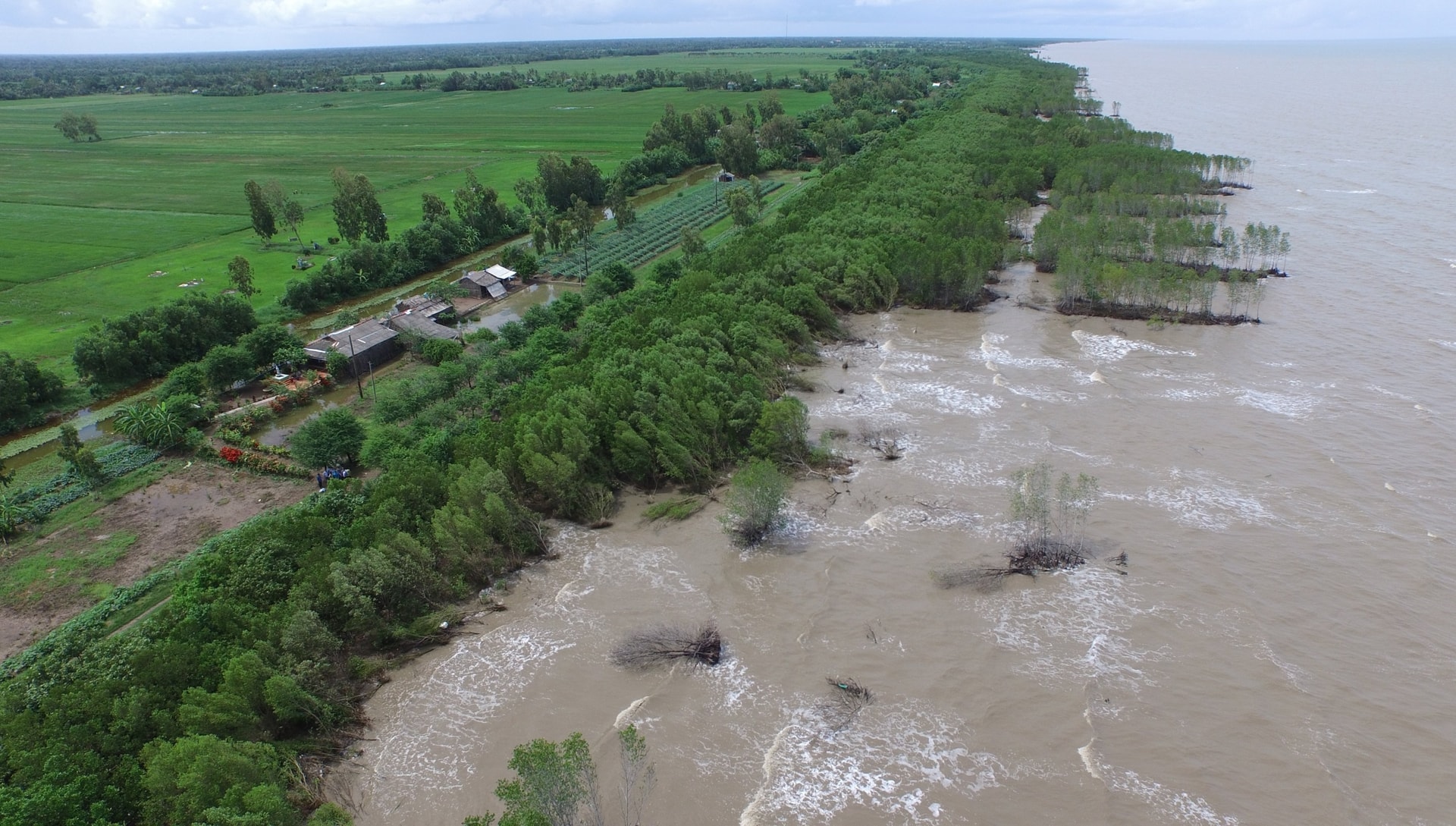
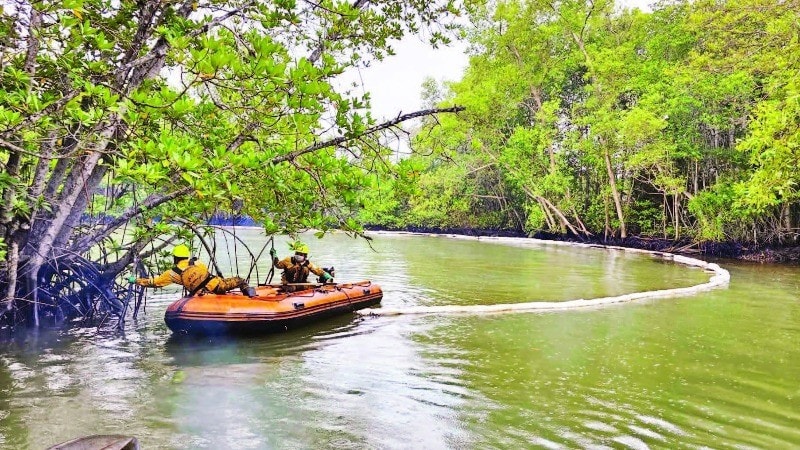
Despite these meaningful advances, coastal forest development remains a demanding task facing many obstacles. The ministry noted that coastal localities are exposed to frequent storms, tropical depressions, high tides, and the northeast monsoon. Combined with climate change and sea level rise, these factors cause coastal and estuarine erosion, as well as land and forest loss, while hampering reforestation efforts and degrading coastal ecosystems.
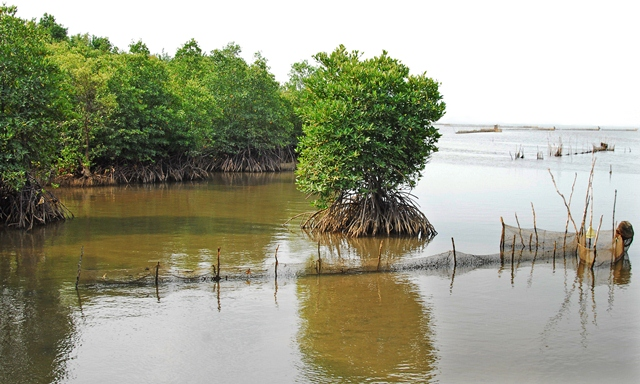
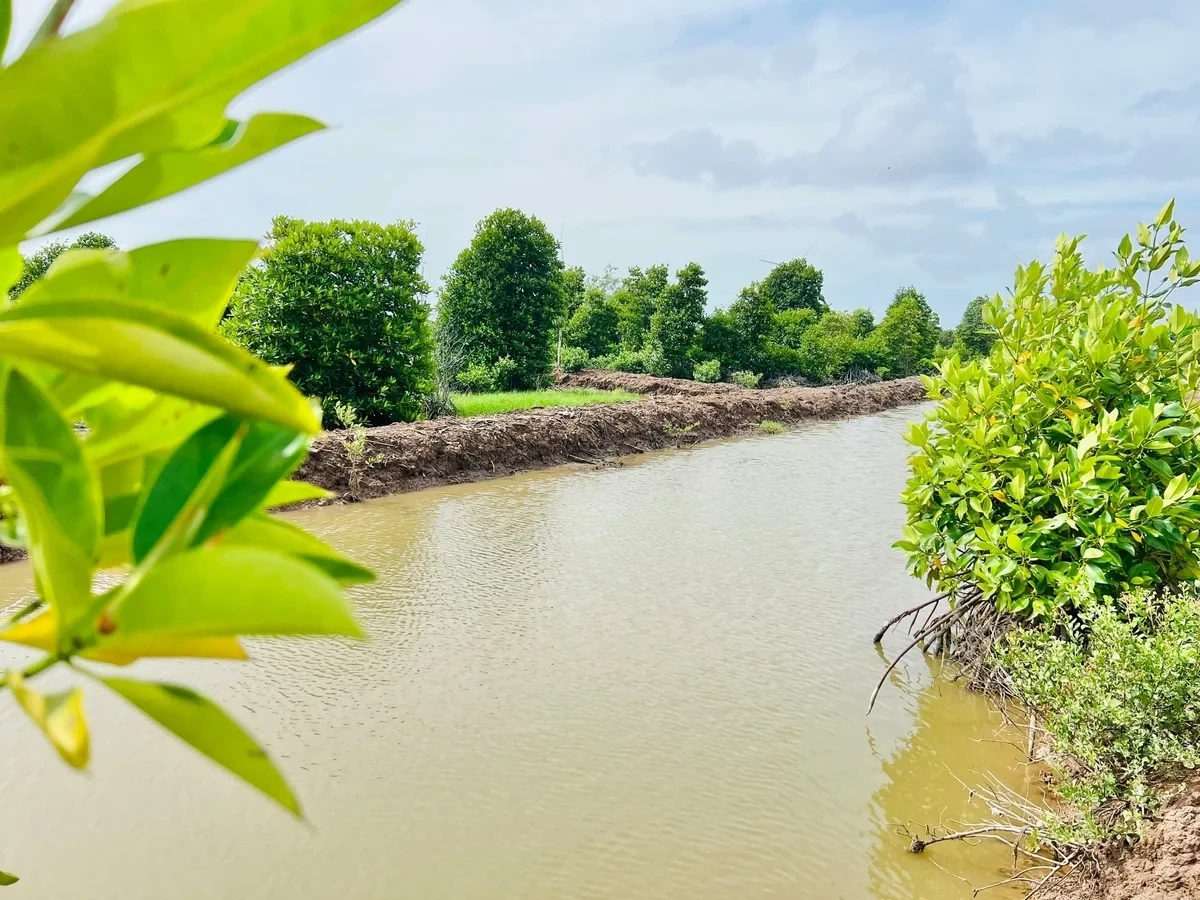
Climate change, sea level rise and land subsidence have made coastal erosion increasingly severe, threatening land, mangrove forests and irrigation systems. (Photo: VNA)
Land reserve suitable for coastal forest planting is becoming increasingly scarce. Meanwhile, the conversion of land earmarked for coastal forestry to other uses, along with illegal encroachment for aquaculture, fishing, industrial development and resort tourism, has undermined efforts to protect and expand coastal forests.
Experts on climate change and mangroves have also warned that pollution from industrial zones and aquaculture areas, along with coastal waste, makes forest planting, care and protection far more challenging.
“
In this context, restoring mangroves in vulnerable areas requires new approaches that can balance economic efficiency with environmental benefits.
Nguyen Thanh Phong, an expert from the International Union for Conservation of Nature (IUCN)
Joining hands in restoration
Restoring and developing forests as part of the 2026–2030 coastal forest protection and development project is still a big job. The plan aims to plant 5,088 hectares — including 3,236 hectares of mangroves and 1,852 hectares on soil and sandy land — and to enrich, restore, and improve 1,514 hectares of existing forests, with 683 hectares of mangroves and 831 hectares on soil and sand).
Trieu Van Luc, Deputy Director of the Department of Forestry and Forest Protection under the Ministry of Agriculture and Environment, said coastal localities need to focus on thorough site assessments, appropriate species selection, planting schedules and suitable silvicultural techniques to improve survival rates. He also stressed the importance of scaling up models that link coastal forest protection and development with integrated agro-forestry-fishery production, while supporting sustainable livelihoods for coastal communities.
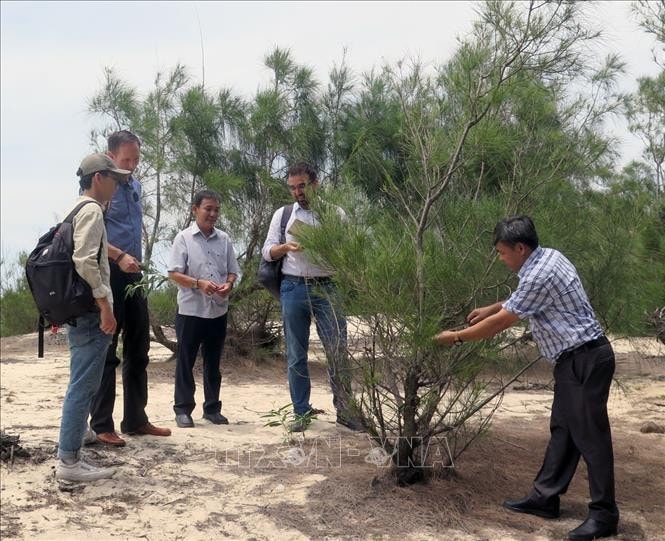
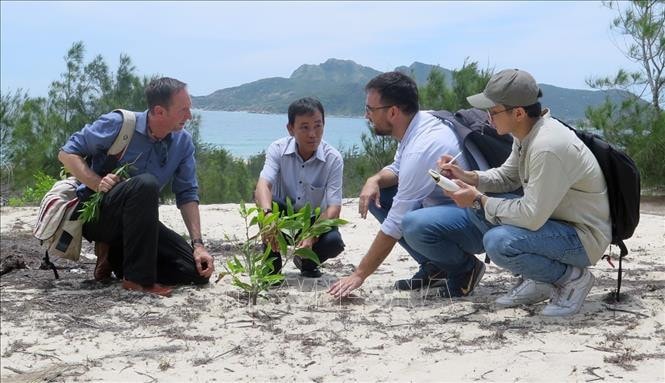
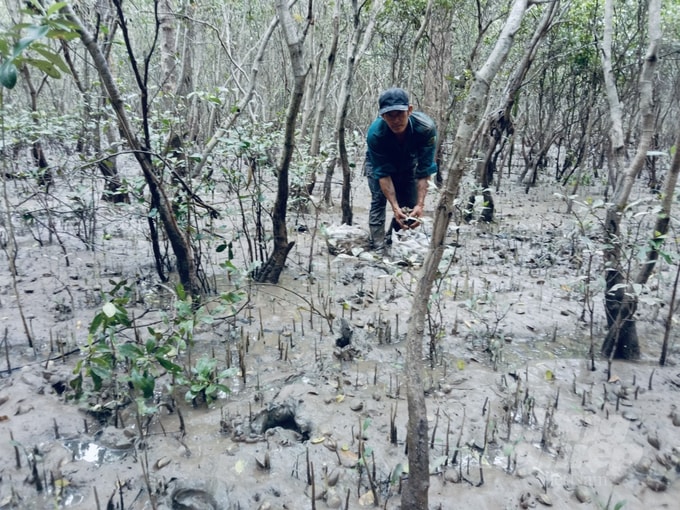
Forestry development experts from Germany and Dak Lak province conduct a survey of the coastal protection forest area. (Photo: VNA)
In addition, funding sources for the scheme should be diversified, with planned official development assistance (ODA) projects. Greater encouragement and favourable conditions are needed for organisations, businesses and individuals to join local authorities in carrying out coastal forest development projects, thereby enhancing biodiversity and increasing forest carbon storage and absorption.
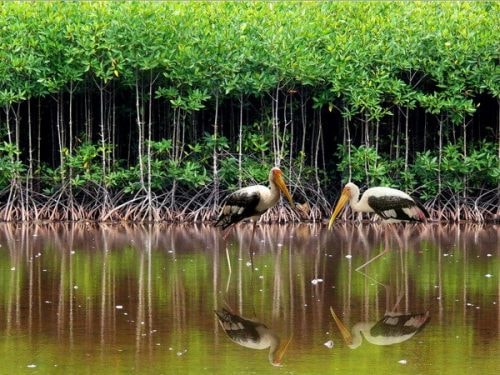
Coastal forests – a “green shield” against the increasingly severe impacts of climate change (Photo: VNA)
Domestic and international organisations, businesses and donors are playing an active role through a range of coastal forest projects that not only restore and expand forest cover but also integrate solutions to secure sustainable livelihoods for locals, while promoting the circular economy and green transition at the local level.
A project on enhancing the coastal resilience of the Mekong Delta through mangrove restoration and nature-based solutions, has been carried out by the International Union for Conservation of Nature (IUCN) from 2023 to 2027 in Ca Mau province and Can Tho city. The World Wide Fund for Nature in Vietnam (WWF-Vietnam) implemented a project on enhancing climate resilience of mangrove ecosystems, agricultural ecosystems and local communities in the coastal areas of the Mekong Delta from February 2022 to December 2025; and another on mangrove restoration and carbon sequestration at Mui Ca Mau National Park in the 2020–2025 period, which aims to regenerate 150 hectares of mangrove forest, raise local awareness and improve community livelihoods.
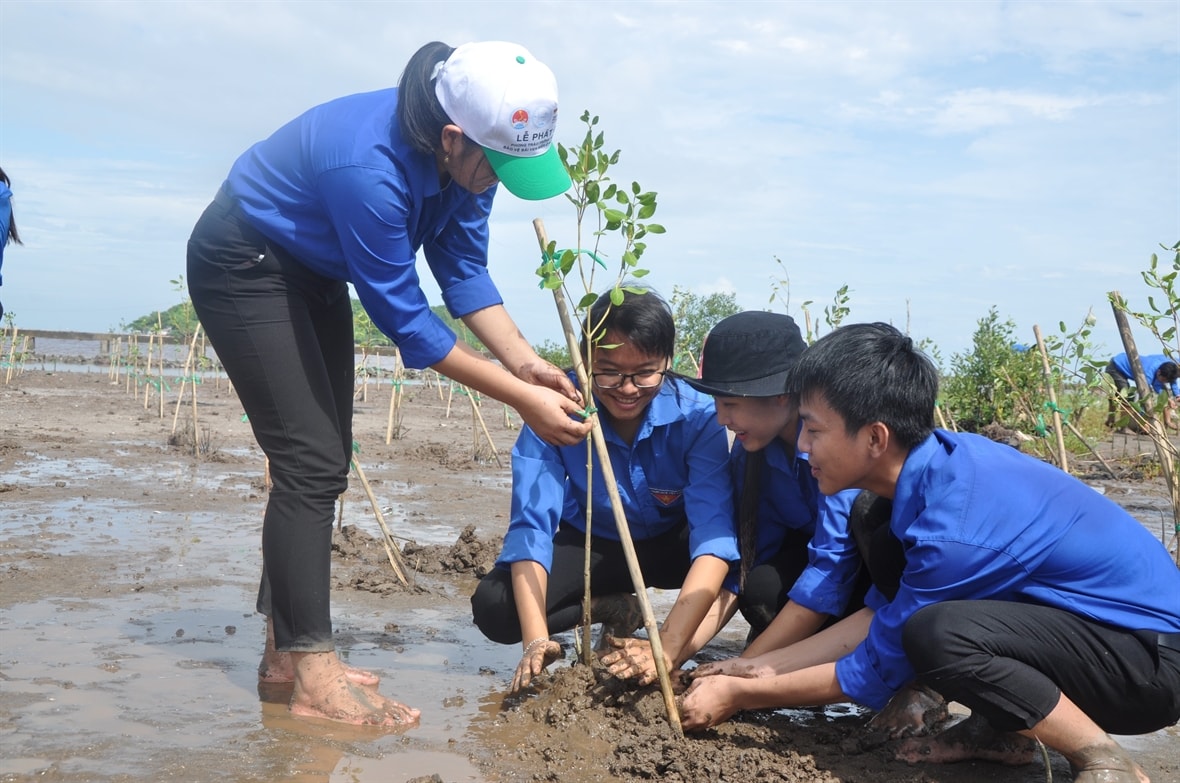
The restoration and development of the “green shield” also hinge on the role of coastal communities. Phan Minh Chi, Deputy Director of the Department of Agriculture and Environment of Ca Mau province, said that consensus among residents living near forests is a decisive factor in ensuring the sustainability of forest protection in Ca Mau. “Public awareness of the role forests play in coastal protection has continued to improve, with communities gaining a clearer understanding of the benefits they bring, particularly through sustainable forest–shrimp models. As a result, people are taking a more active role in forest protection, afforestation and restoration, while gradually adopting more sustainable production practices that align livelihoods with forest conservation,” Chi stressed./.
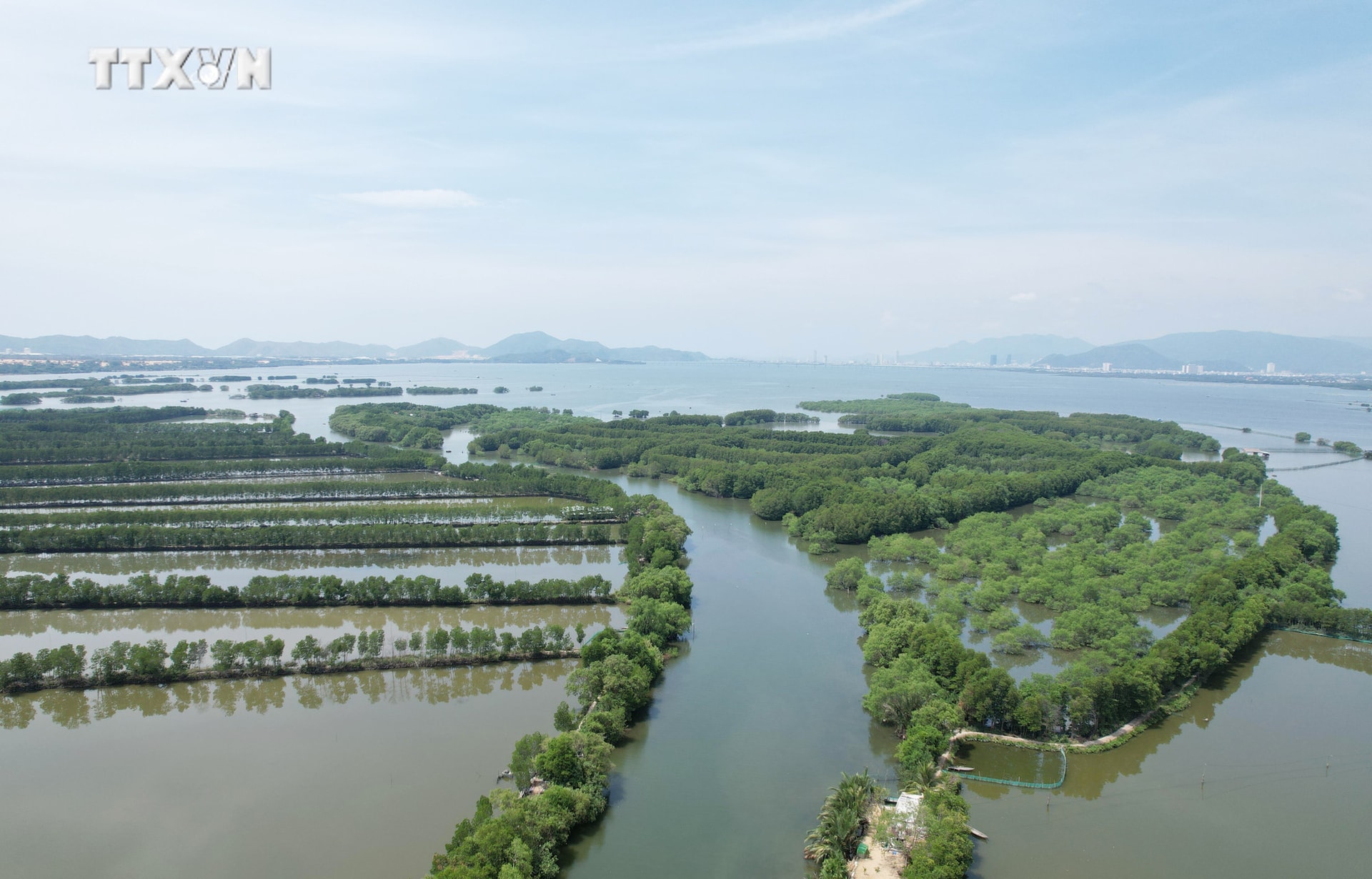
Joint efforts are needed to restore and develop the “green shield”. (Photo: VNA)
Bình luận của bạn đã được gửi và sẽ hiển thị sau khi được duyệt bởi ban biên tập.
Ban biên tập giữ quyền biên tập nội dung bình luận để phù hợp với qui định nội dung của Báo.