DEVELOPING STRATEGIC TECHNOLOGIES: AN URGENT TASK FOR VIETNAM’S FUTURE GROWTH
VNA•08/06/2026 16:44
Developing strategic technologies is a particularly urgent task that requires decisive action, from issuing policies to organising implementation and taking breakthrough actions to deliver tangible results. Successfully mastering strategic technologies will help transform Vietnam into a dynamic nation with internationally recognised technological capacity.
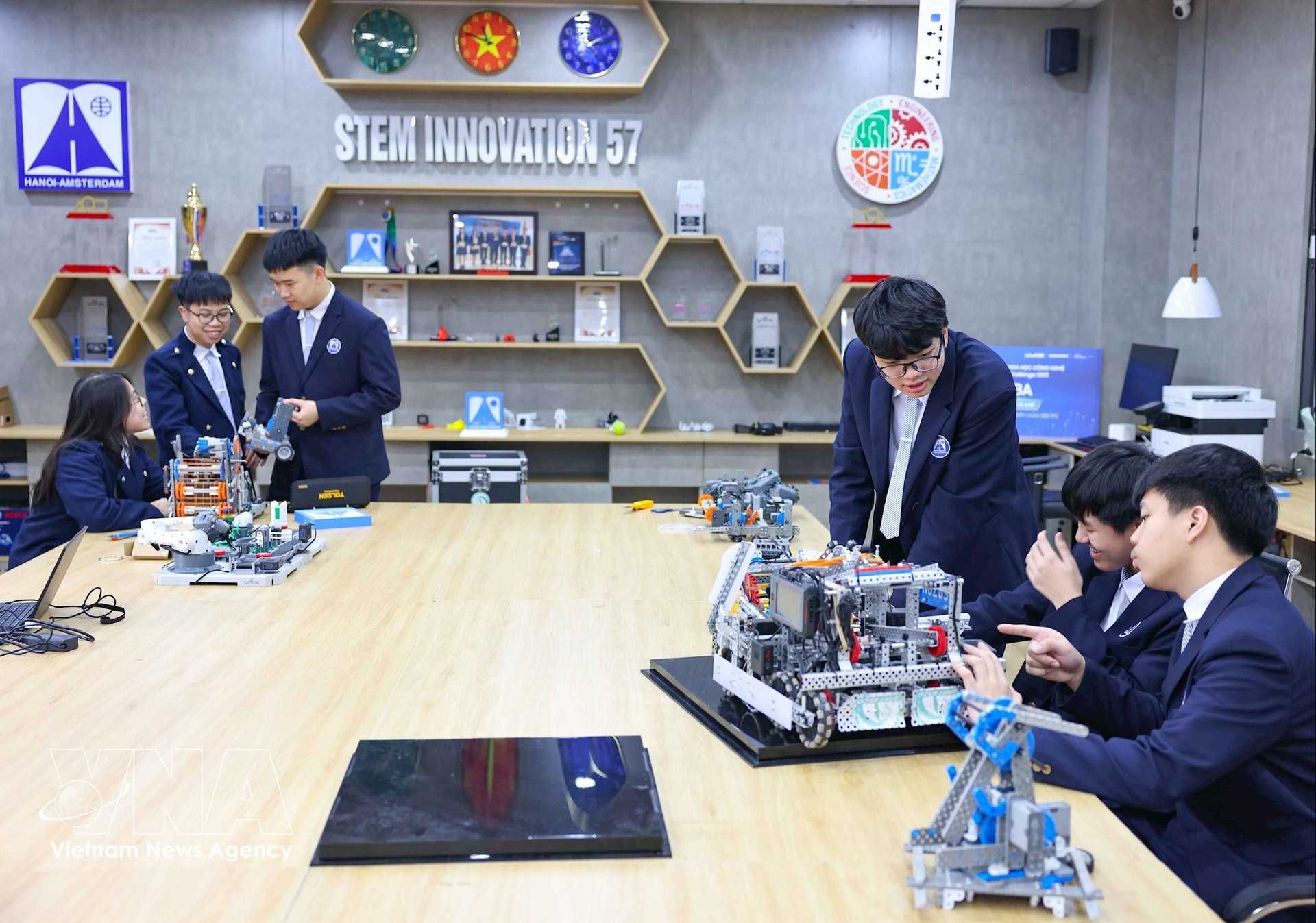
Students now show greater enthusiasm for programming, robotics and high-tech experiences, and are increasingly confident in participating in domestic and international competitions. (Photo: VNA)
Important stepping stones
Vietnam has identified that strategic technologies with strong spillover effects are key areas for investment and development. These technologies help enhance self-reliance, create national competitive advantages, ensure national defence and security, and promote sustainable socio-economic development
The development of strategic technologies is gradually engaging the entire political system, the business community, intellectuals, scientists, and society as a whole
“
Over the past years, the Vietnam Academy of Science and Technology (VAST) has worked closely with domestic and international agencies and organisations to implement numerous scientific research, technology development, and innovation projects closely linked to practical needs.
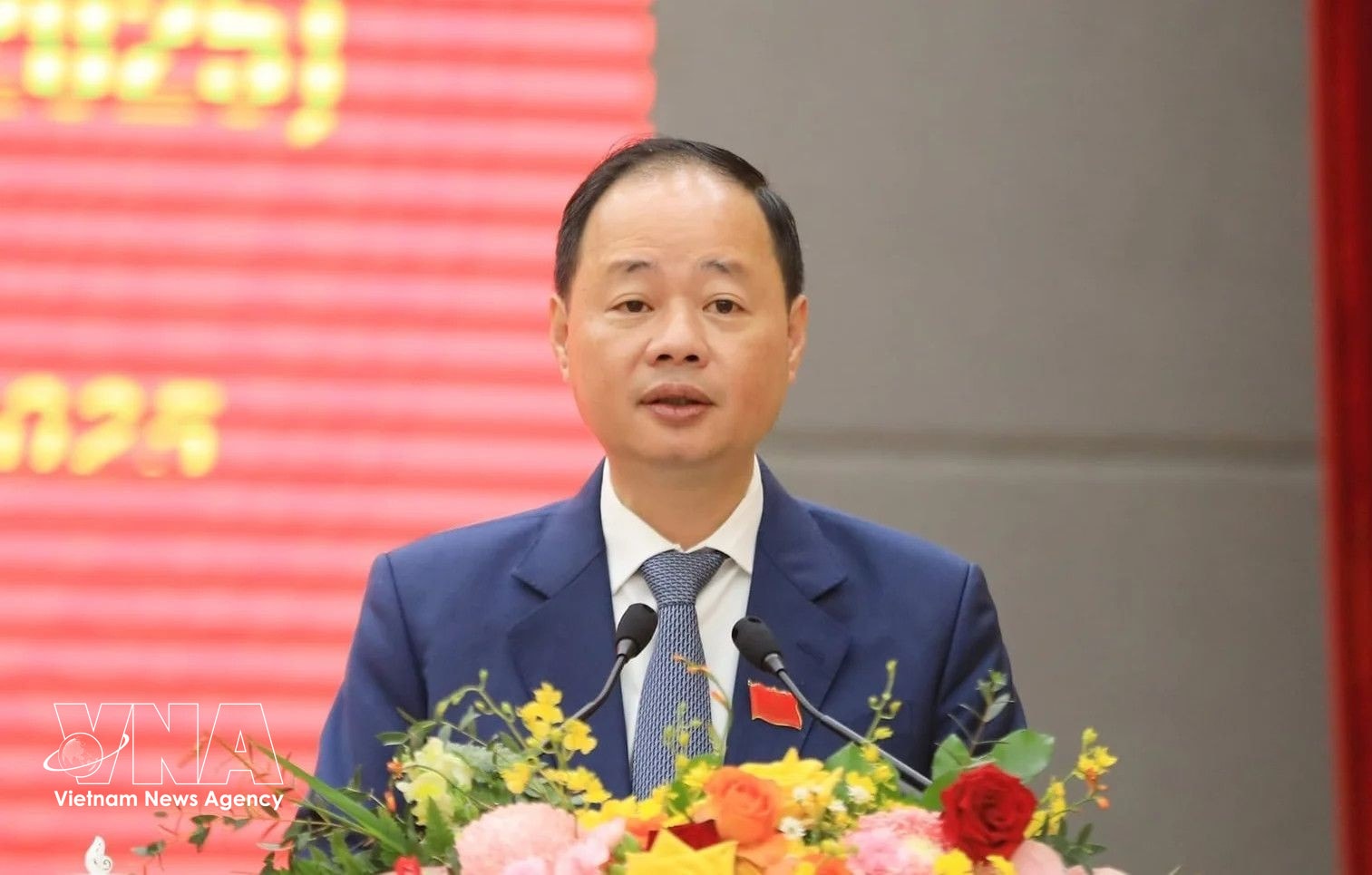
Prof. Dr Tran Hong Thai, President of the Vietnam Academy of Science and Technology (VAST)
Recently, VAST reviewed and selected a portfolio of 112 technologies ready for transfer and application, aligned with the development requirements of various sectors. These include integrated solutions combining artificial intelligence (AI), the Internet of Things (IoT), cloud and edge computing, automation, and robotics to enhance monitoring and operational capabilities in industrial and energy systems; the Digital Core Platform (Low-code); and genetically modified rice varieties with high gamma-oryzanol content.
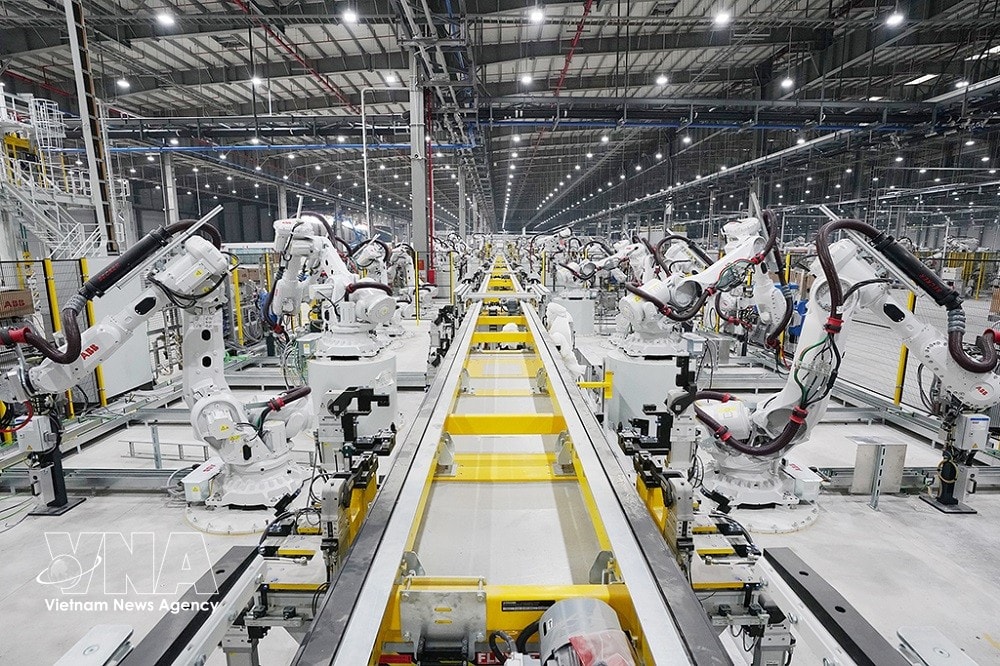
Artificial intelligence (AI) application is being promoted in industrial production. (Photo: VNA)
2
Internet of Things
IoT technology is being widely applied in practice. (Photo: VNA)
3
Cloud computing / Edge Computing
Illustrative photo
3
Automation and robotics
A VinFast electric vehicle manufacturing plant (Photo: VNA)
3
Digital Core Platform
Digital core platform model has become one of the prevailing business trends and is being adopted by many enterprises. (Photo: Internet)
3
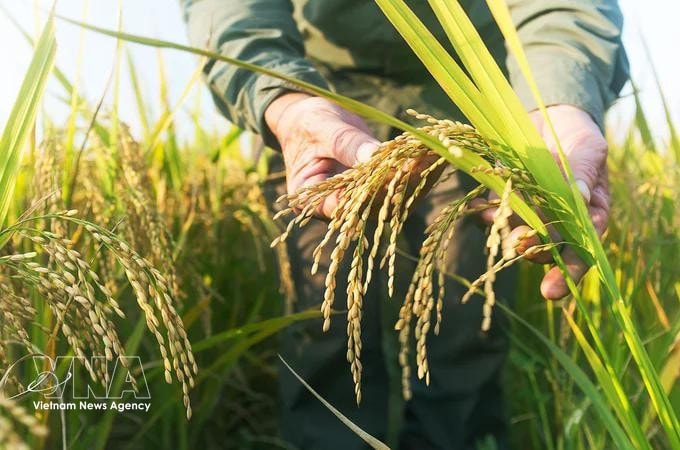
Genetically modified rice varieties with high gamma-oryzanol content
Gene-editing technology enables rice plants to absorb more fertiliser, enhance photosynthesis, and promote flowering. (Photo: VNA)
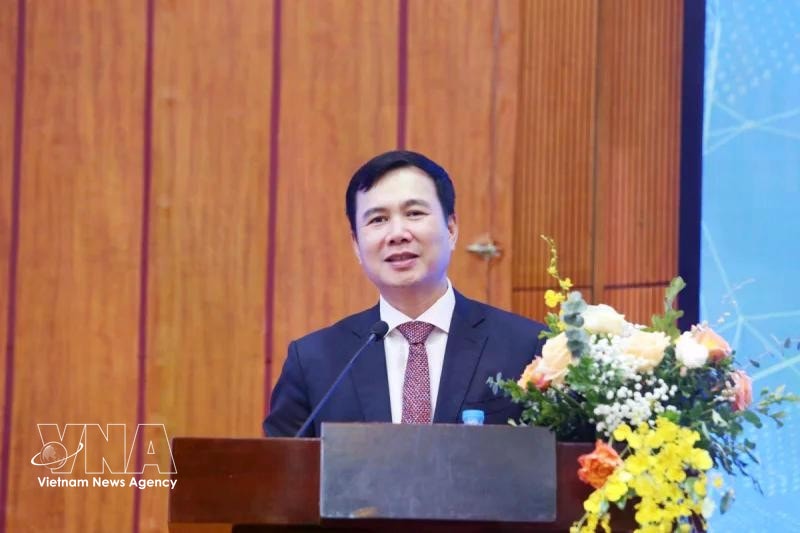
Assoc. Prof. Dr Bui The Duy, Director of the Vietnam National University, Hanoi
“
The Vietnam National University, Hanoi (VNU) has established strategic industrial technology research institutes focusing on semiconductors, quantum technology, and AI for sustainable development (AI4SD), as well as centres of excellence receiving significant resource investments. It has also launched 16 key research programmes concentrating on strategic technologies such as semiconductor chips, AI, robotics and automation, unmanned aerial vehicles (UAVs), cybersecurity, advanced biomedical technology, new materials and energy, quantum technology, and sustainable development.
Assoc. Prof. Dr Bui The Duy, Director of the Vietnam National University, Hanoi
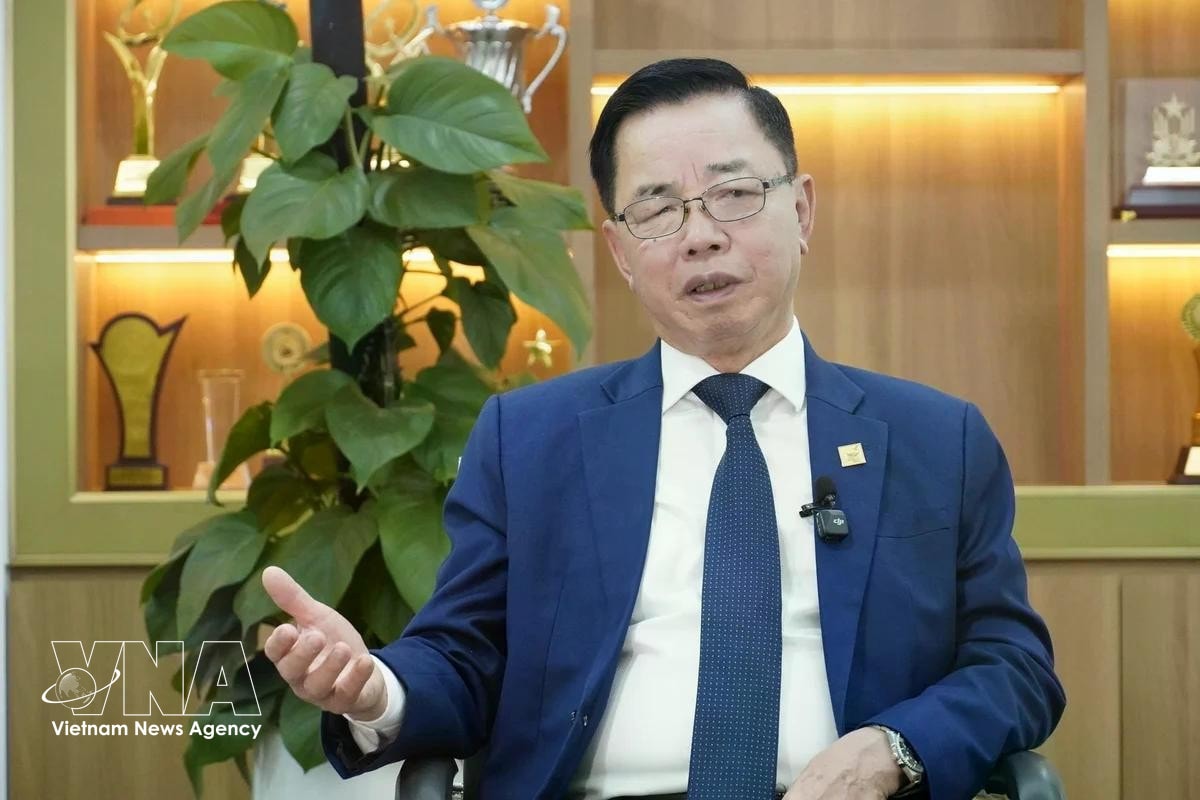
Tran Manh Bao, Chairman of ThaiBinh Seed Group JSC
“
ThaiBinh Seed has consistently pursued a science- and technology-driven development strategy. Twenty-five years ago, it established a crop research institute staffed by specialised scientists and built strong partnerships with domestic and international research institutes and universities. To date, the company has developed and successfully commercialised more than 40 nationally recognised high-quality crop varieties, accounting for about 20% of Vietnam’s rice cultivation area and contributing to higher productivity, quality, and efficiency for farmers.
Tran Manh Bao, Chairman of ThaiBinh Seed Group JSC
Continuing to concentrate resources
The achievements of research institutes, universities, and businesses in science and technology have laid initial stepping stones for breakthroughs in the development of science and technology, including strategic technologies. However, current innovation requirements demand a new stage characterised by greater resource concentration, larger-scale development, higher levels of modernisation, and a more strategic approach.
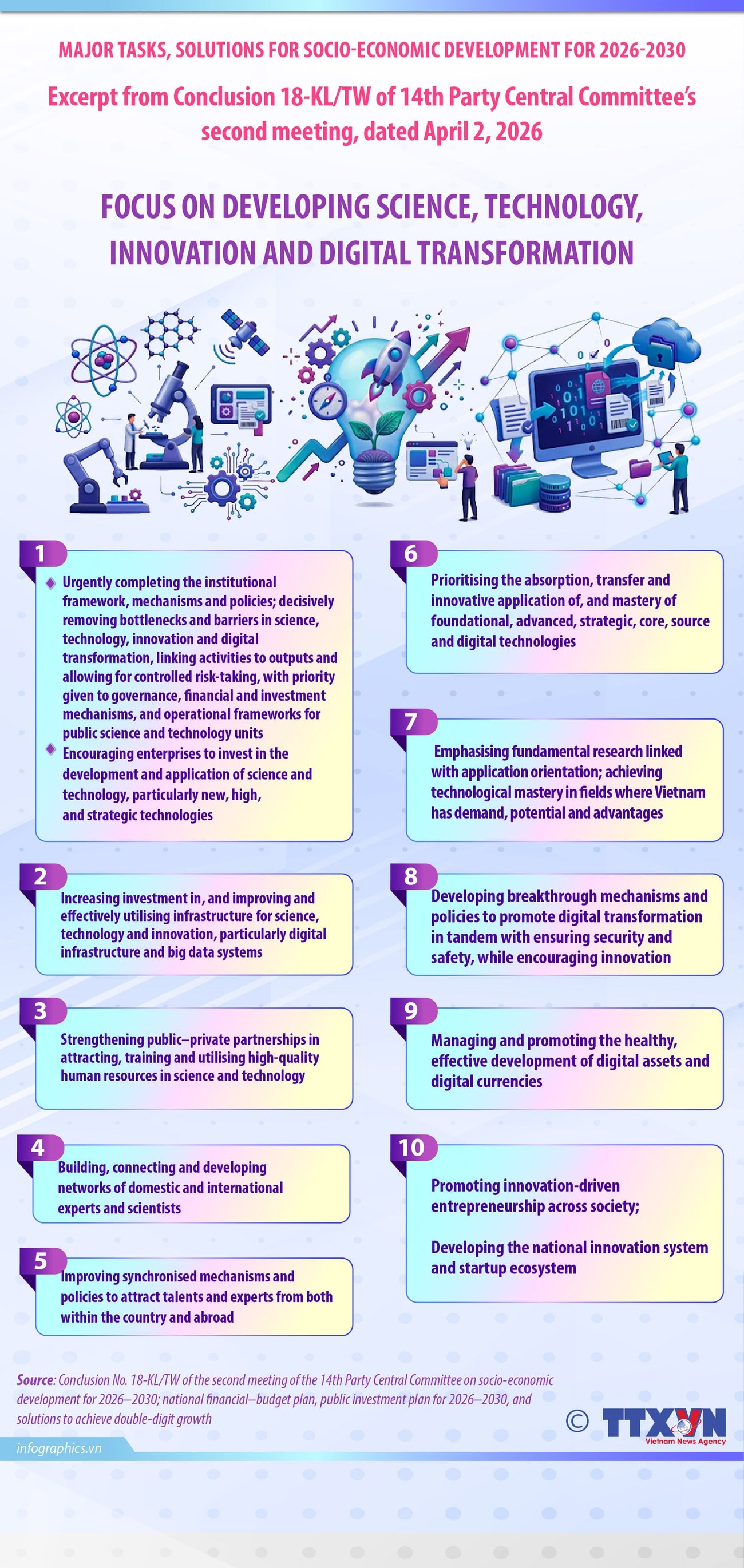
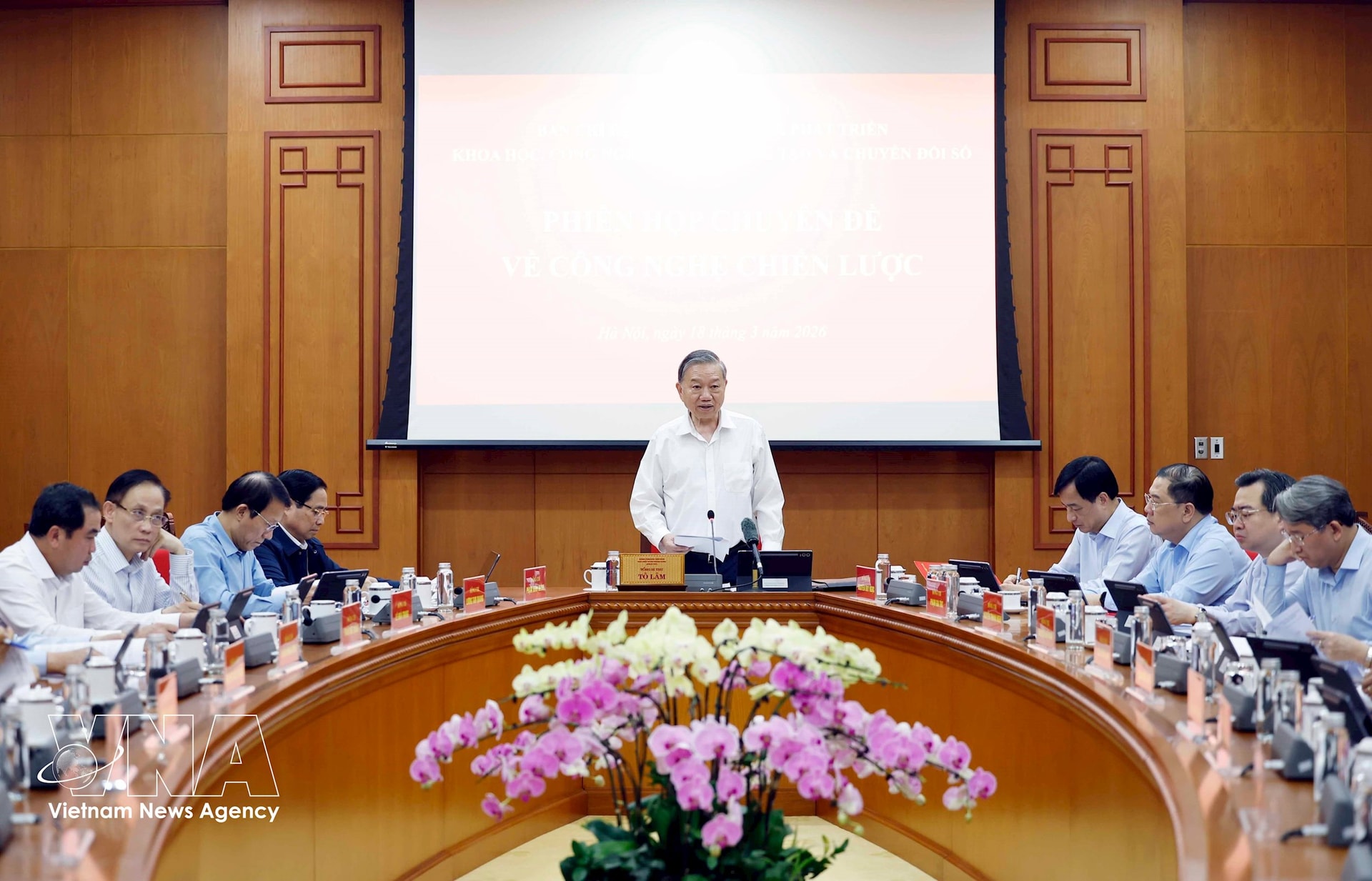
At a thematic meeting on strategic technologies of permanent members of the Central Steering Committee for Science – Technology Development, Innovation, and Digital Transformation, Party General Secretary and State President To Lam highlighted the urgent need for fundamental changes in mindset and implementation methods. Meanwhile, the Prime Minister issued Decision No. 21/2026/QD-TTg, which identified 10 strategic technologies and 30 strategic technological products grouped into two categories. It also assigned specific tasks to ministries, sectors, and localities.
Party General Secretary To Lam, head of the Central Steering Committee for Science – Technology Development, Innovation and Digital Transformation, delivers a speech at the commitee's first meeting in 2026 on March 12. (Photo: VNA)
The achievements made by research institutes, universities and enterprises in science and technology development have laid an important foundation for breakthroughs in science and technology advancement in general, and in the development of strategic technologies in particular.
Experts noted that with the Party and State’s policies and all-level authorities' strong action, strategic technology development must focus on creating specific products with high added value, practical applicability, strong commercialisation potential, and high localisation rates to make meaningful contributions to labour productivity and the competitiveness of the national economy.
At the same time, ministries, sectors, and agencies should strengthen international cooperation and establish mechanisms encouraging foreign-invested enterprises in Vietnam to transfer technology.
Efforts should also focus on tapping into networks of overseas Vietnamese intellectuals and experts. The emphasis must shift from a mindset of merely completing tasks for the sake of formality to one centred on creating tangible products, real value, and measurable effectiveness. Science, technology, and innovation programmes should address major national challenges, with outputs, practical impact, and commercialisation levels serving as key performance indicators.
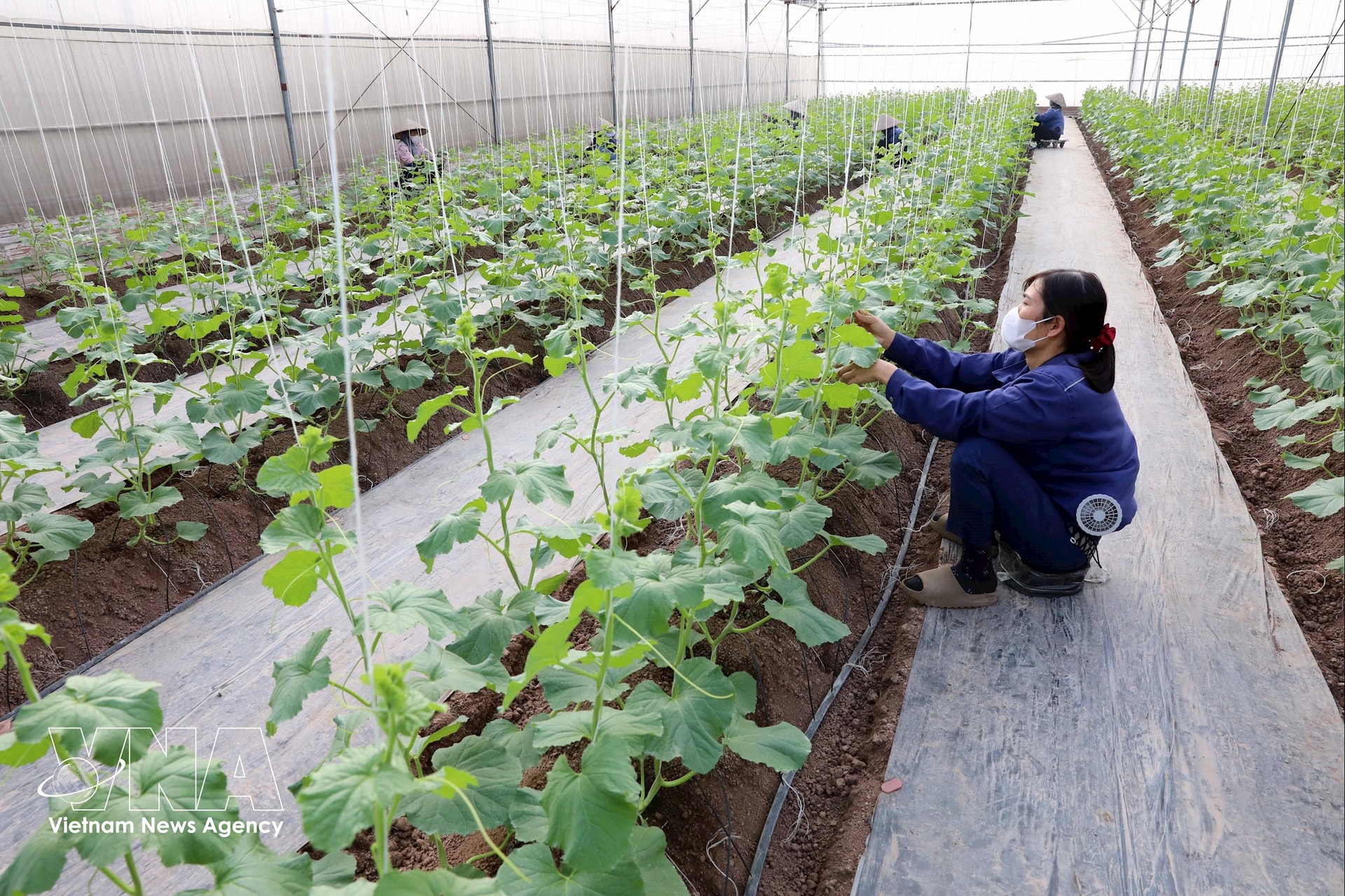
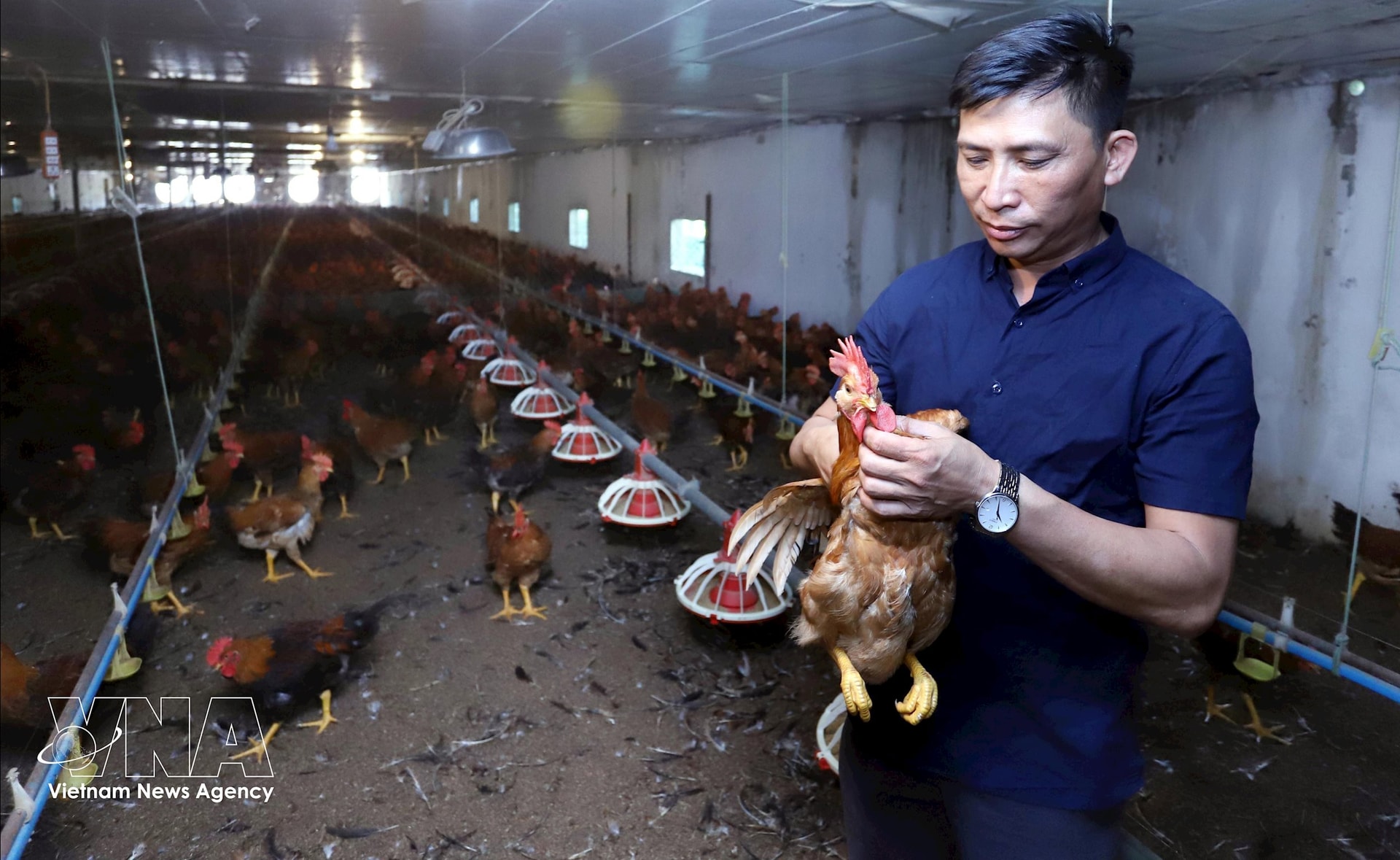
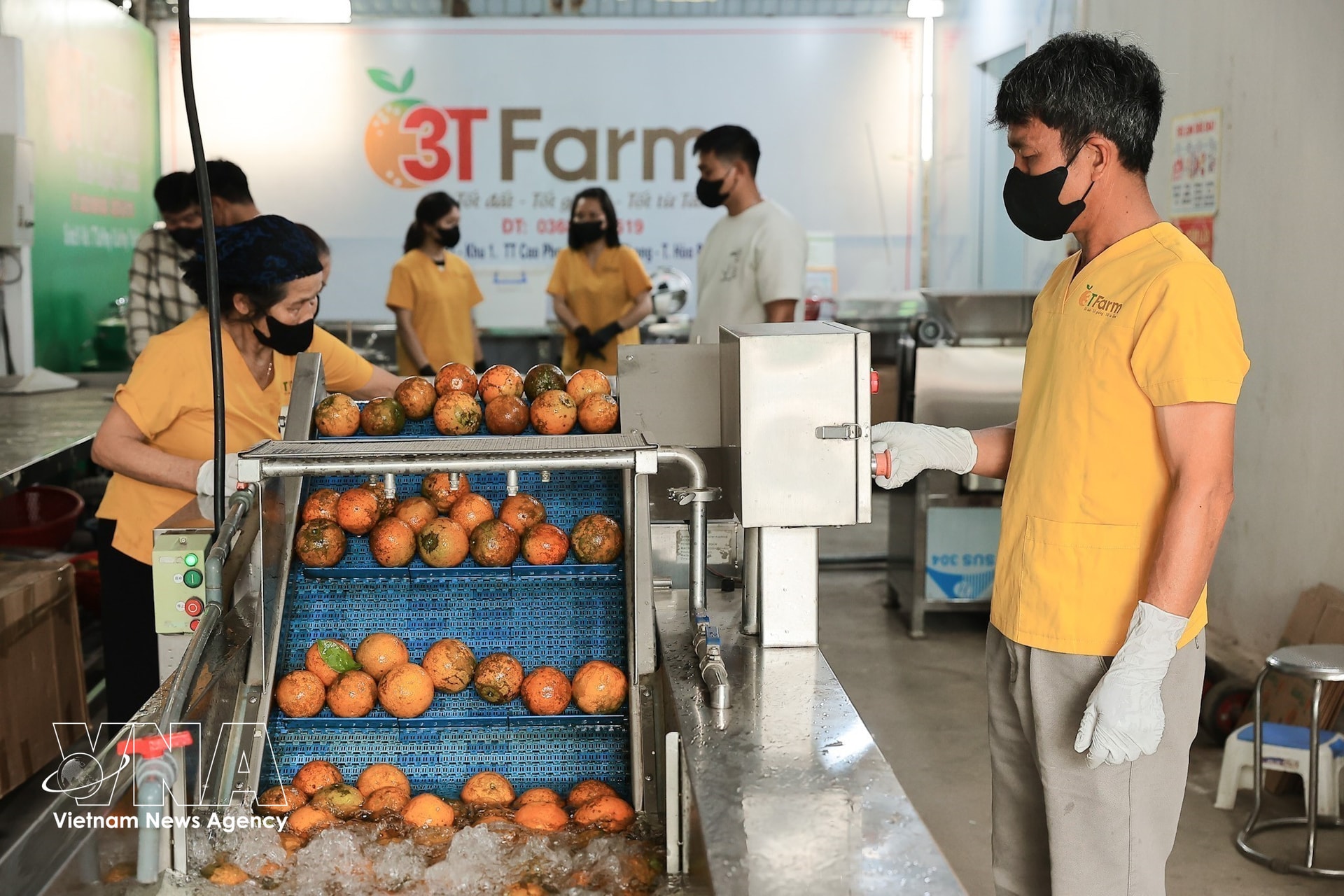
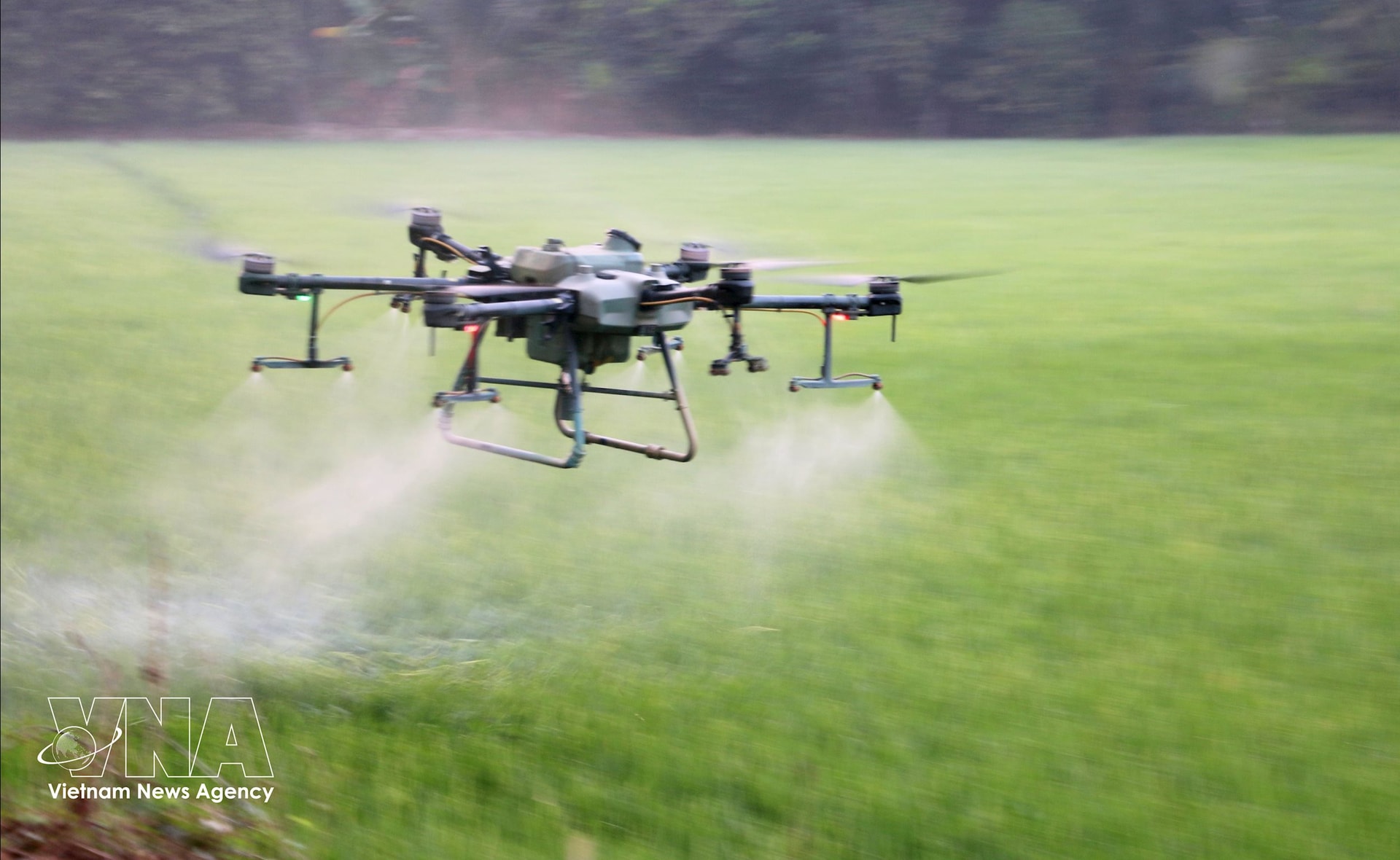
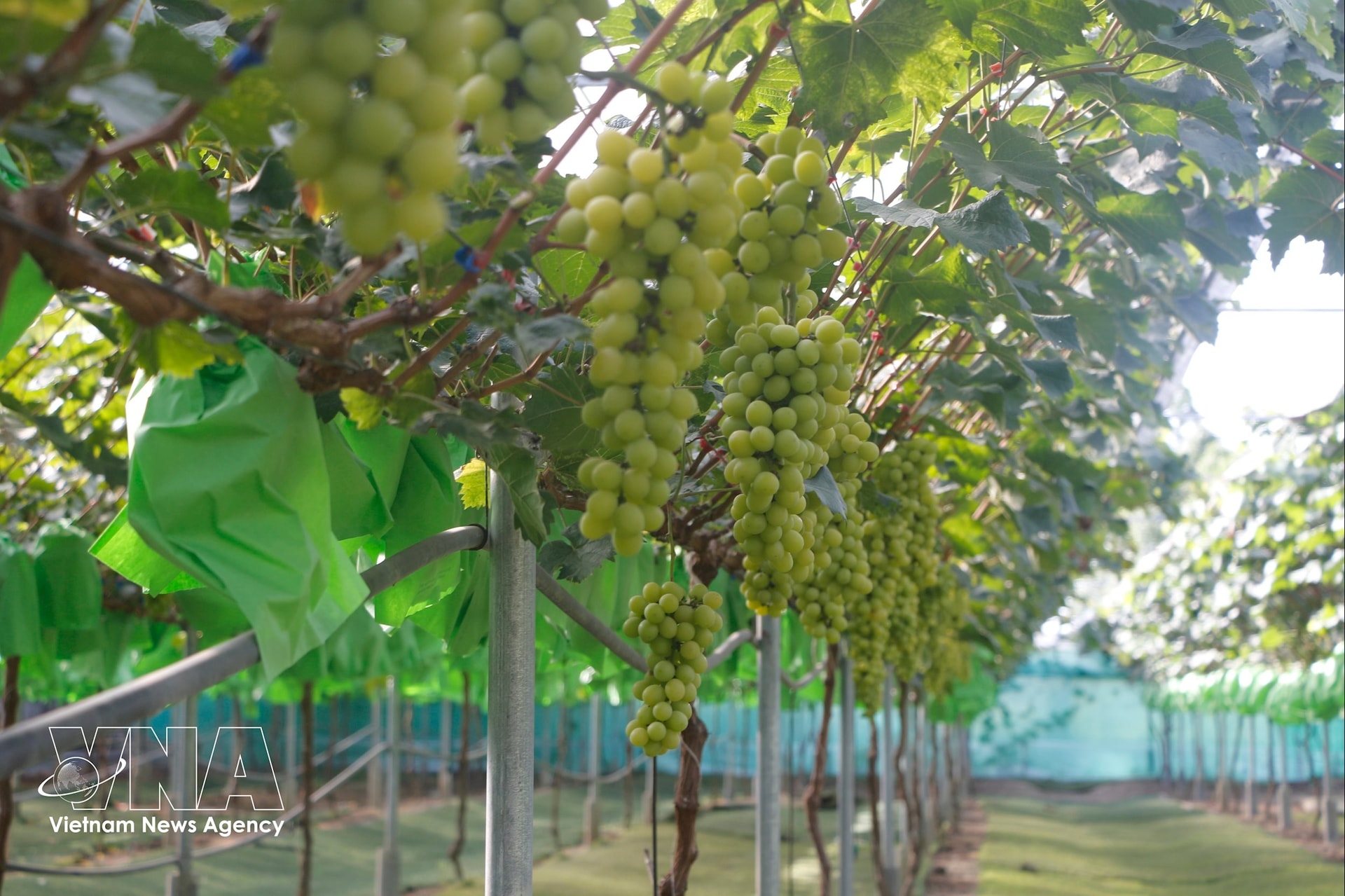
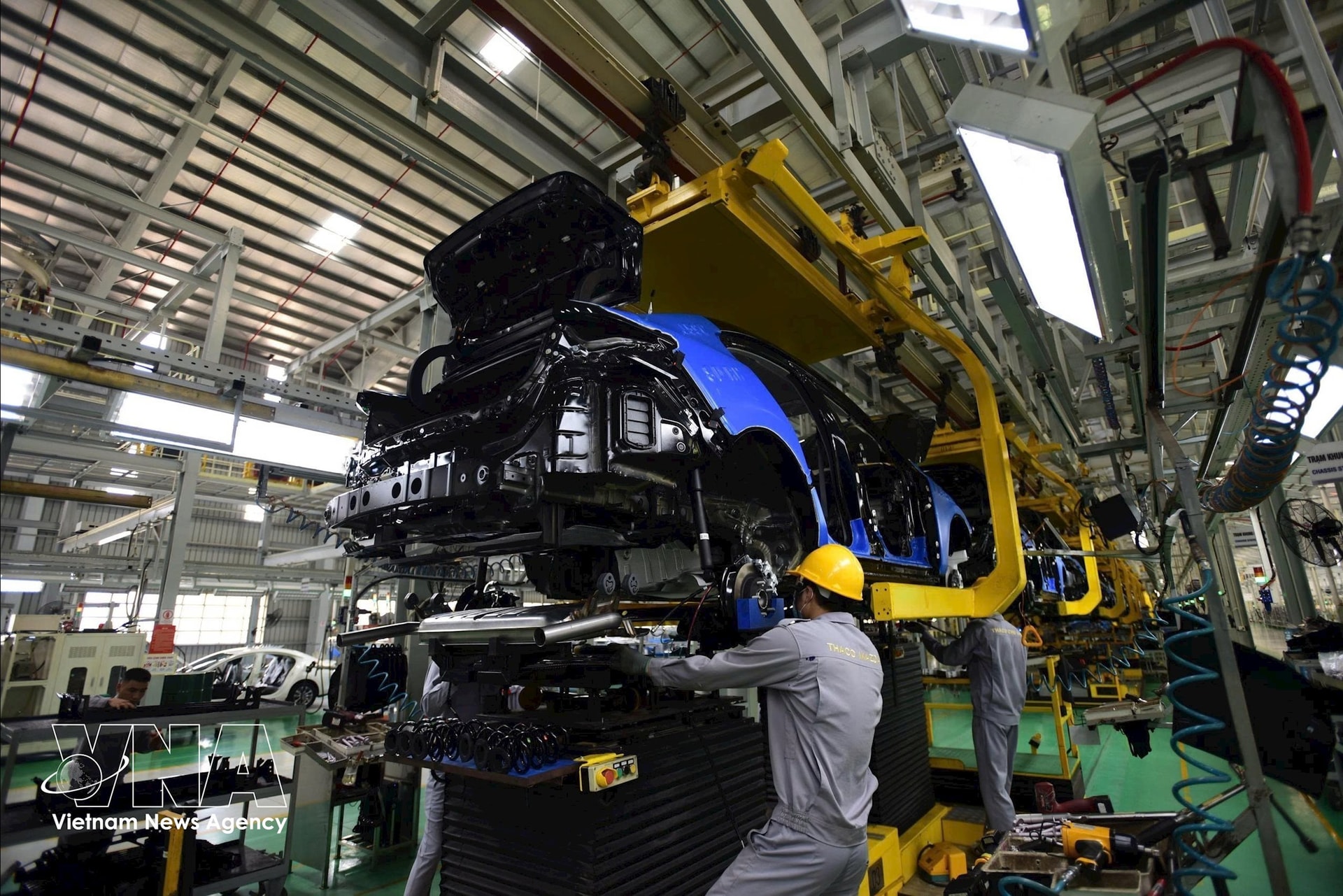
The An Thinh Phat Cooperative in Tong Tran commune, Hung Yen province, operates a 12,000-sq.m greenhouse system. (Photo. VNA)An integrated livestock farm model equipped with an air-conditioning system and automated feeding and watering facilities. (Photo: VNA)The 3T Cao Phong Agricultural Products Cooperative has improved product value through the application of science and technology. (Photo: VNA)Agricultural drones used for pesticide spraying help save costs, labour and time. (Photo: VNA)An organic vineyard cultivated using modern farming methods of the Thinh Hong Agricultural Cooperative in Dong Loc commune, Nghe An province, has reaped high yields. (Photo: VNA)THACO applies science and technology to production activities at its factory in the Chu Lai Open Economic Zone in Da Nang city. (Photo: VNA)
Research institutes, universities, and businesses are already adapting by introducing initiatives and targets to carry out strategic technology development policies. For example, VAST is developing a project to enhance its capabilities to match those of leading institutions in the region and the world, including investments in strategic technology research directions and specialised centres. The Vietnam National University, Hanoi is designing low-power open-source RISC-V processor IP cores for IoT devices, developing a Lab-on-a-Chip system for the early detection of lung cancer cells, and deploying intelligent control systems integrating multiple UAVs for search-and-rescue operations and large-scale surveillance. Meanwhile, ThaiBinh Seed plans to invest around 500 billion VND (about 19 million USD) in research infrastructure, a biotechnology laboratory, a data centre, and a smart testing system during 2026–2030.
Minister of Science and Technology Vu Hai Quan said Vietnam is holding a major opportunity to make a breakthrough in its new development phase to unlock all resources for science, technology, and innovation. Given this, scientists, businesses, universities, research institutes, ministries, sectors, localities, and society as a whole should work together to build a dynamic, open, and effective innovation ecosystem so that science, technology, and innovation can truly become the primary driver of Vietnam’s fast and sustainable development.
Da Nang city aims to take the lead in building a digital government, promoting the digital economy, and improving urban quality of life during the 2025–2030 period. (Photo: VNA)
Bình luận của bạn đã được gửi và sẽ hiển thị sau khi được duyệt bởi ban biên tập.
Ban biên tập giữ quyền biên tập nội dung bình luận để phù hợp với qui định nội dung của Báo.