500-DAY CAMPAIGN: USING DNA SEQUENCING TO REUNITE FALLEN SOLDIERS WITH FAMILIES
VNA•23/07/2026 14:52
Alongside search and recovery operations, collecting samples from both remains and relatives has become a key task in DNA-based identification.
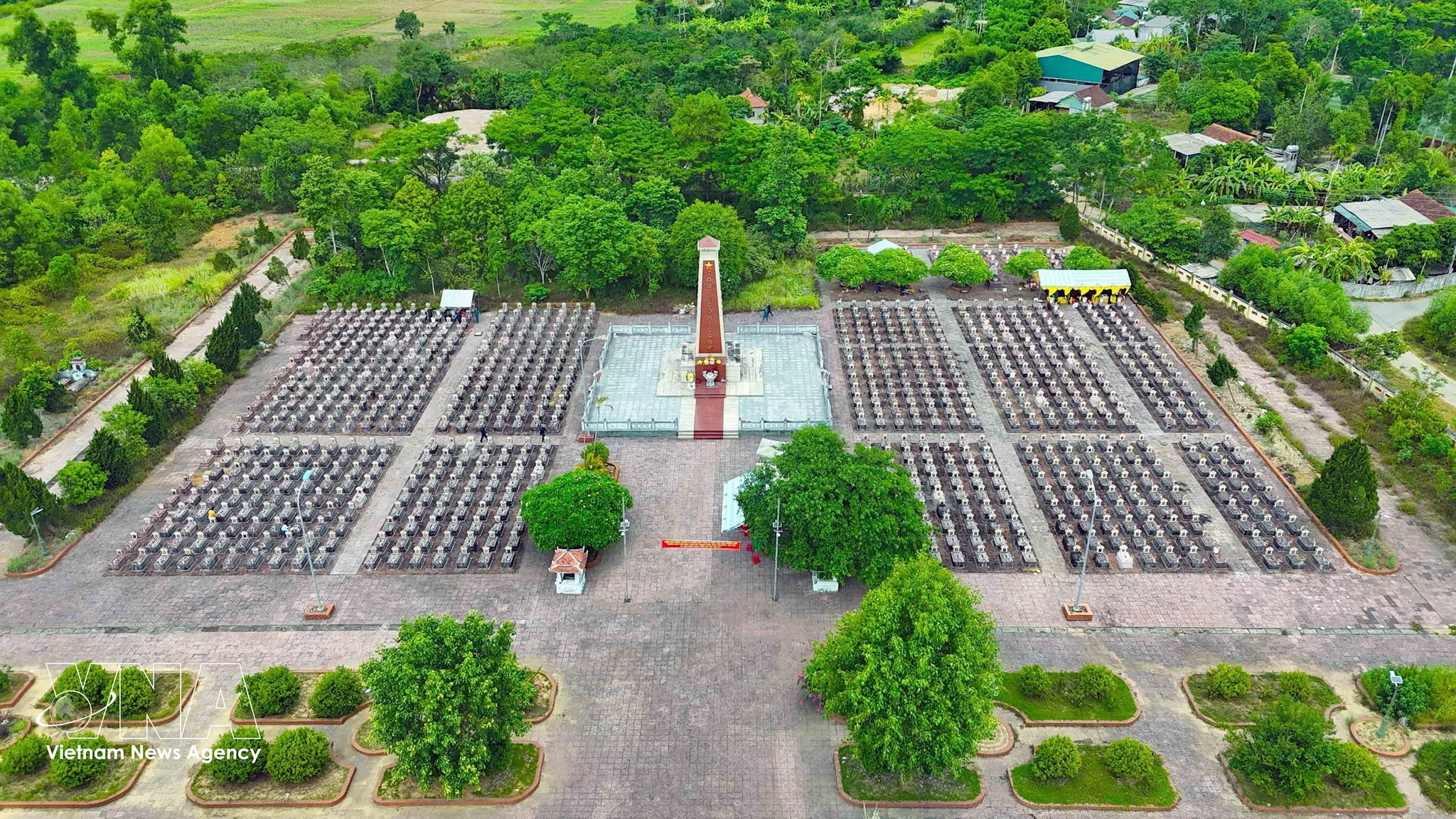
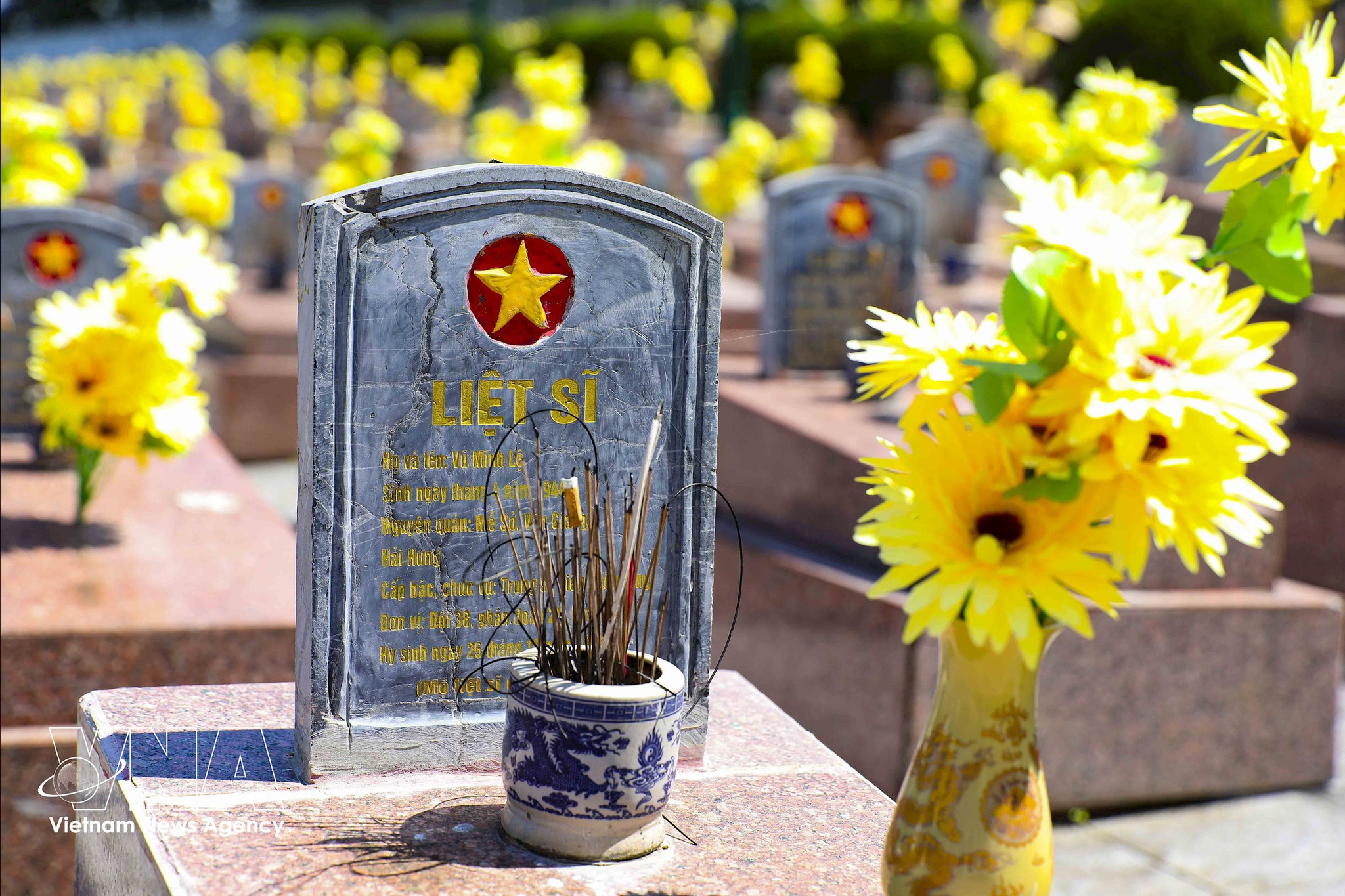
Huong Khe Martyrs' Cemetery is the final resting place of more than 750 fallen soldiers, 84 of whom remain unidentified. (Photo: VNA)
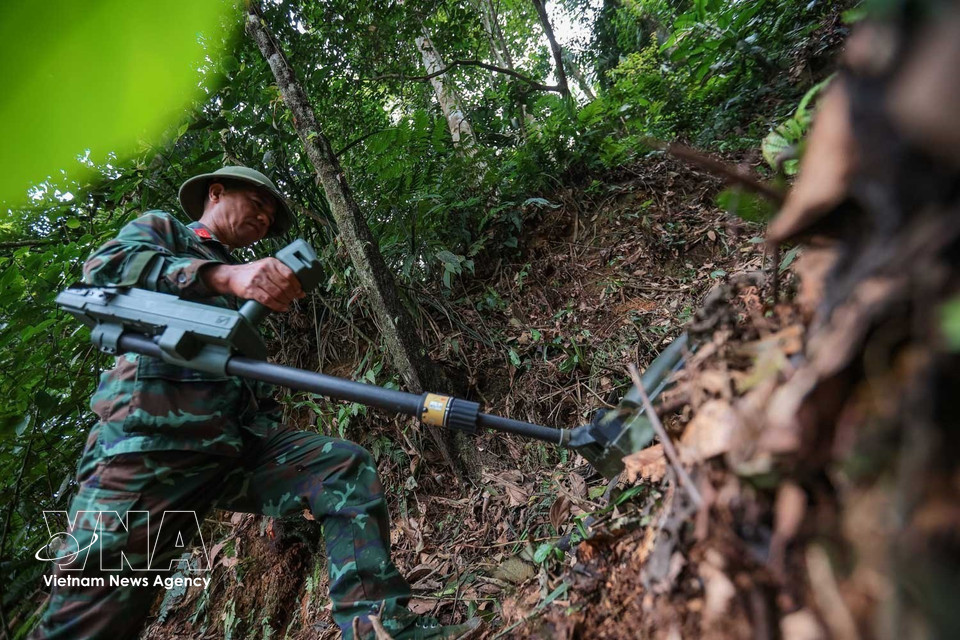
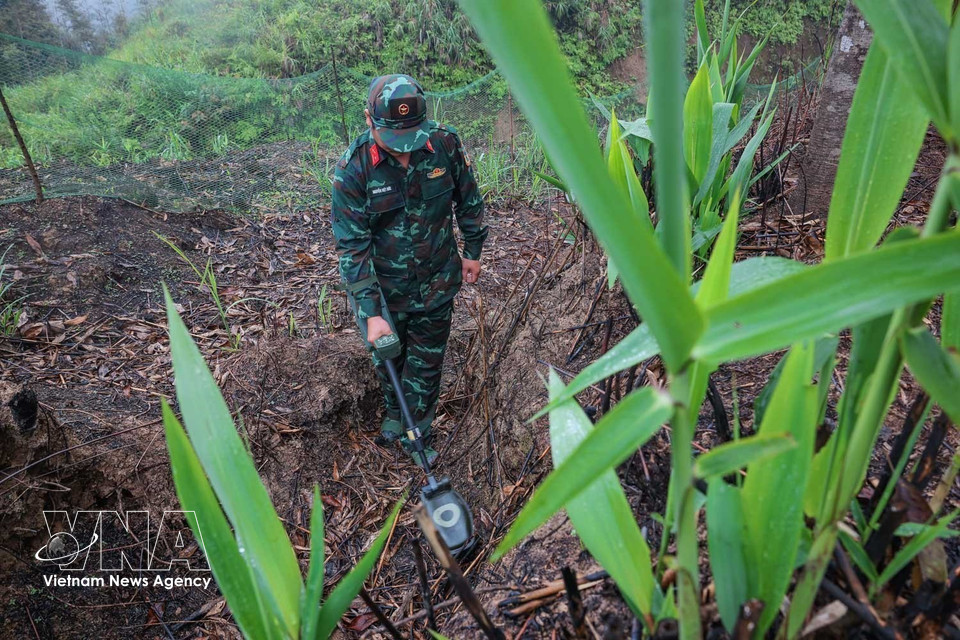
Detection equipment is used to locate and clear unexploded ordnance and other explosive remnants of war in areas where searches and recovery operations for fallen soldiers' remains are being carried out. (Photo: VNA)
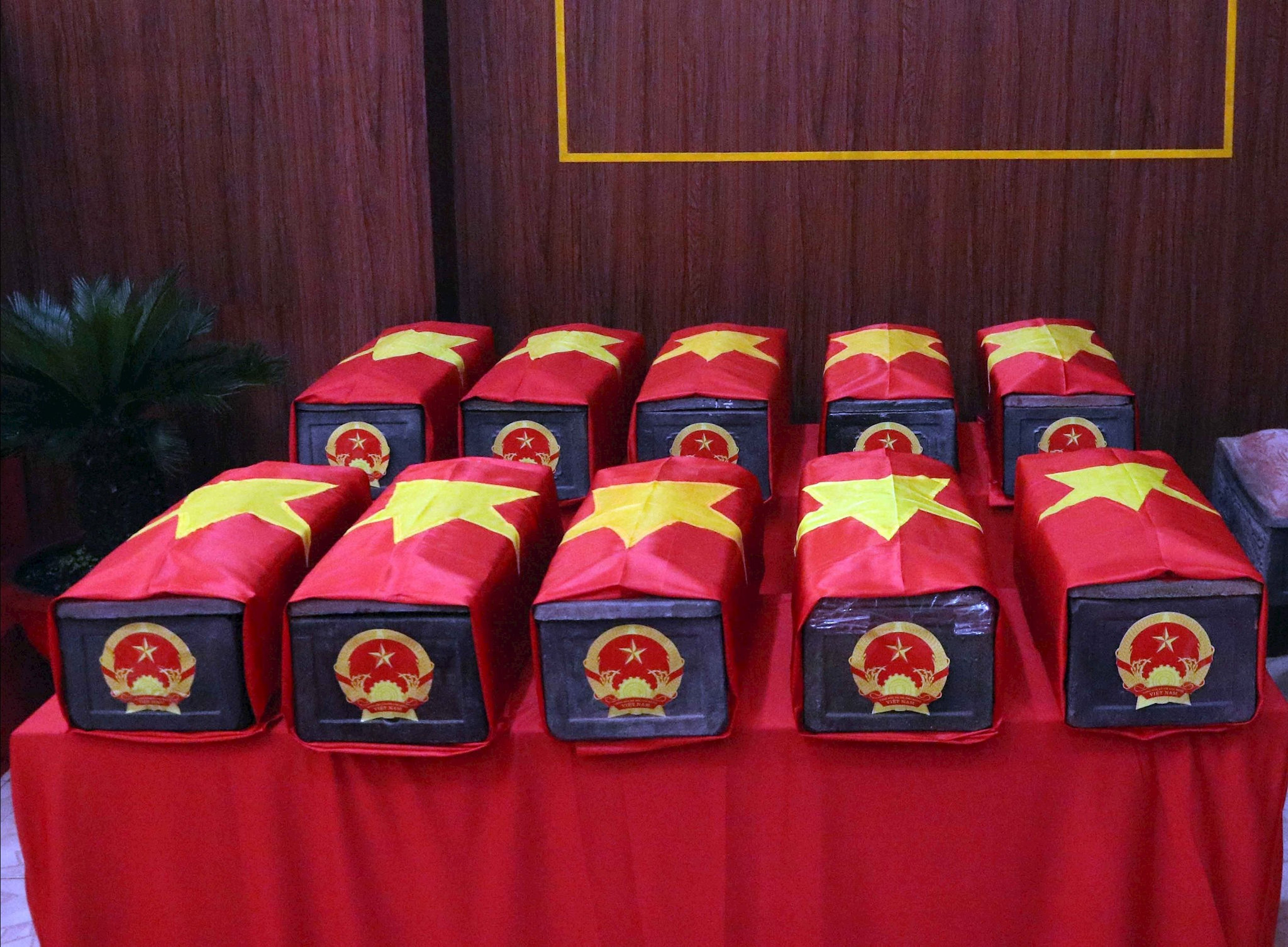
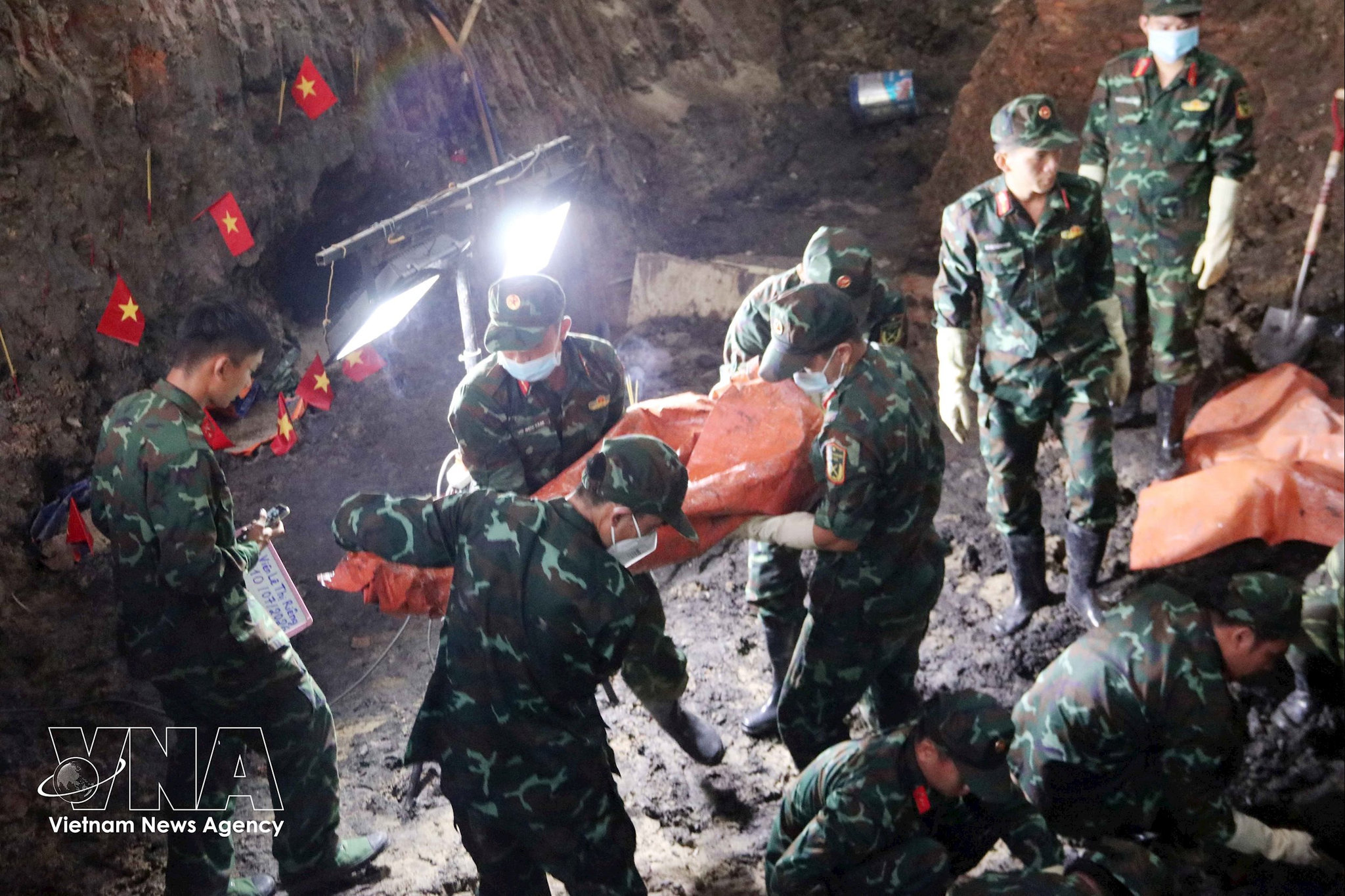
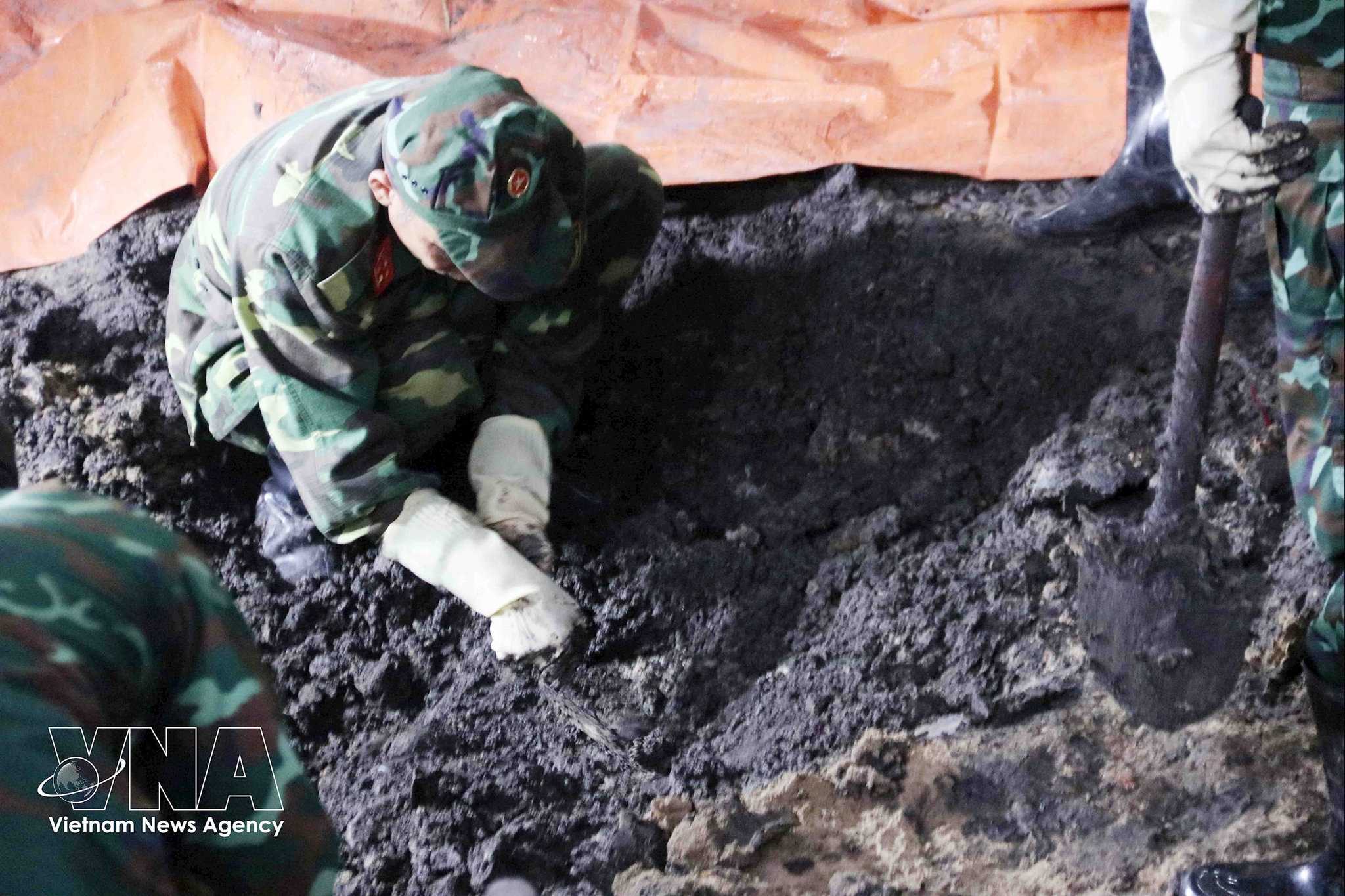
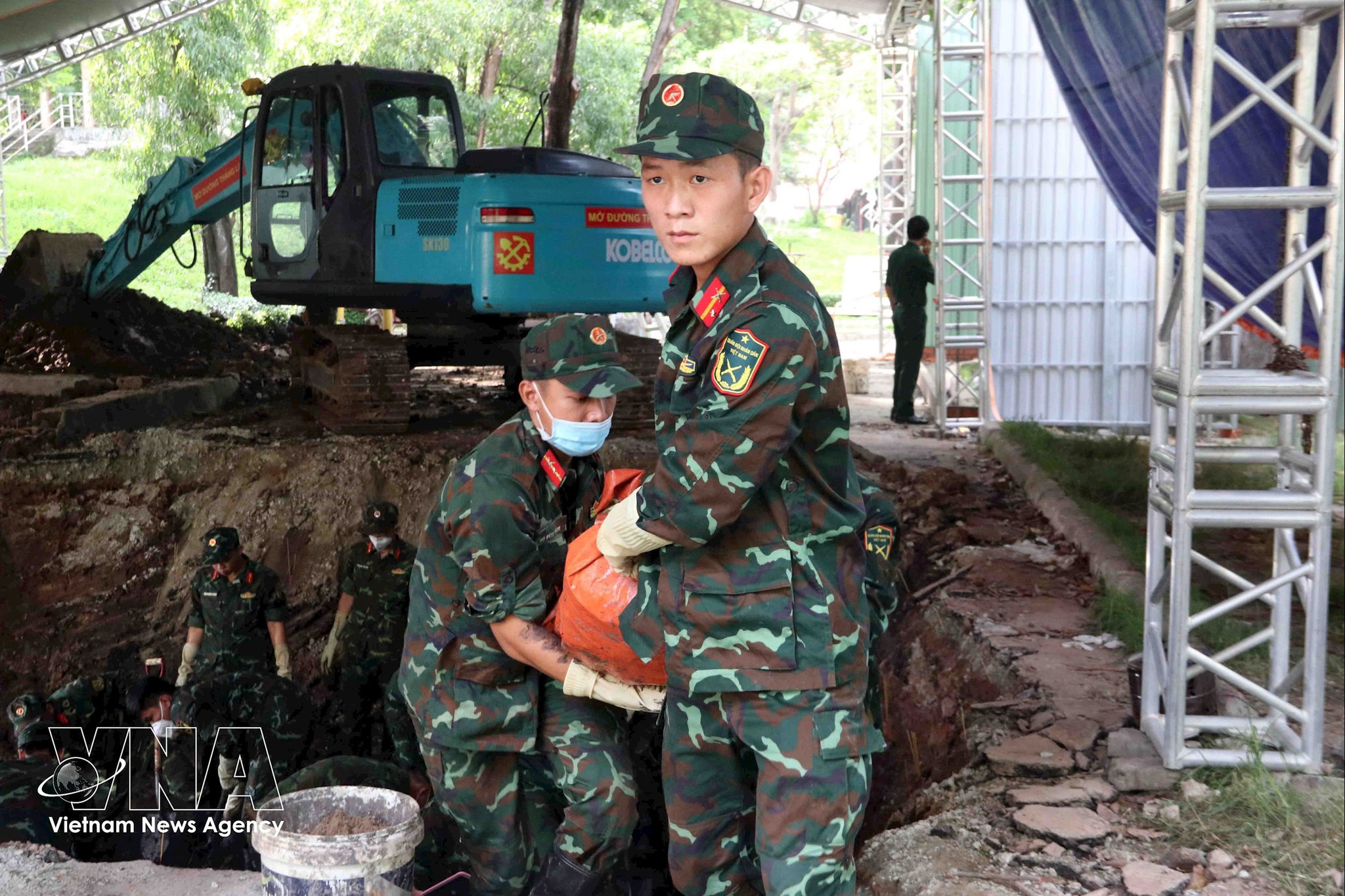
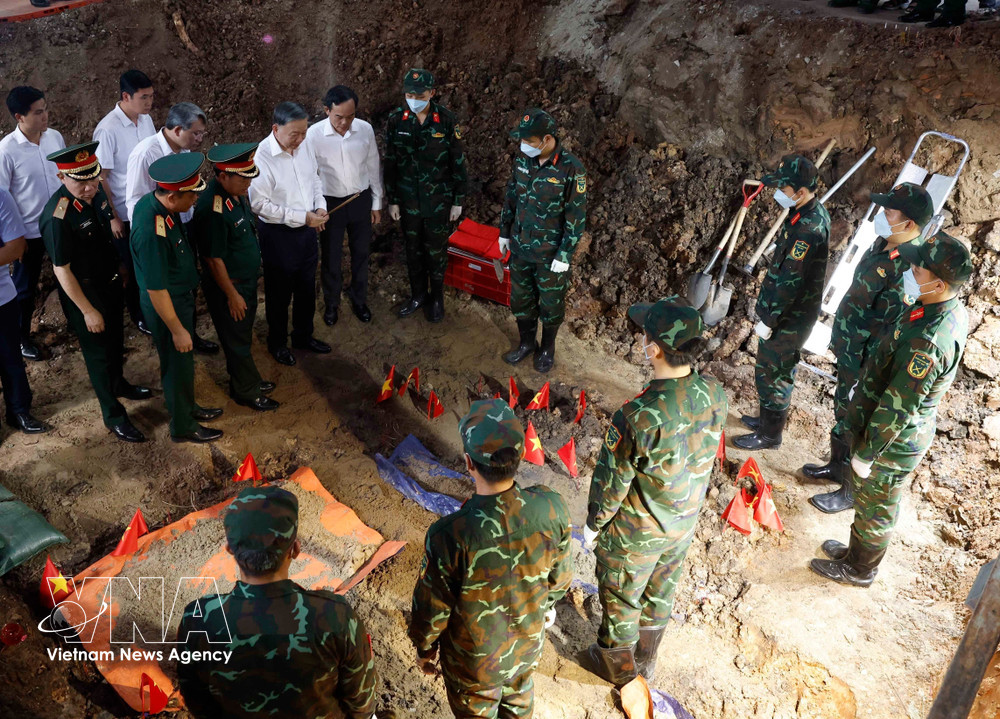
Search and excavation teams recover the remains of fallen soldiers at Le Thi Rieng Park in Ho Chi Minh City. (Photo: VNA)
A sacred political responsibility
of the Party, the State and the people
The Party and State have consistently regarded the search for, recovery and identification of the remains of fallen soldiers as a special political task with profound humane significance. It is not only a responsibility to history but also an expression of gratitude to those families whose members gave their lives for the nation.
In Notice No. 466-TB/VPTW, issued on December 19, 2025, General Secretary of the Communist Party of Vietnam and State President To Lam called for stronger support policies for people who rendered service to the nation, identifying the search for, recovery and identification of fallen soldiers' remains as a task of profound political and humane importance ahead of the 80th anniversary of War Invalids and Martyrs Day (July 27, 1947– 2027).
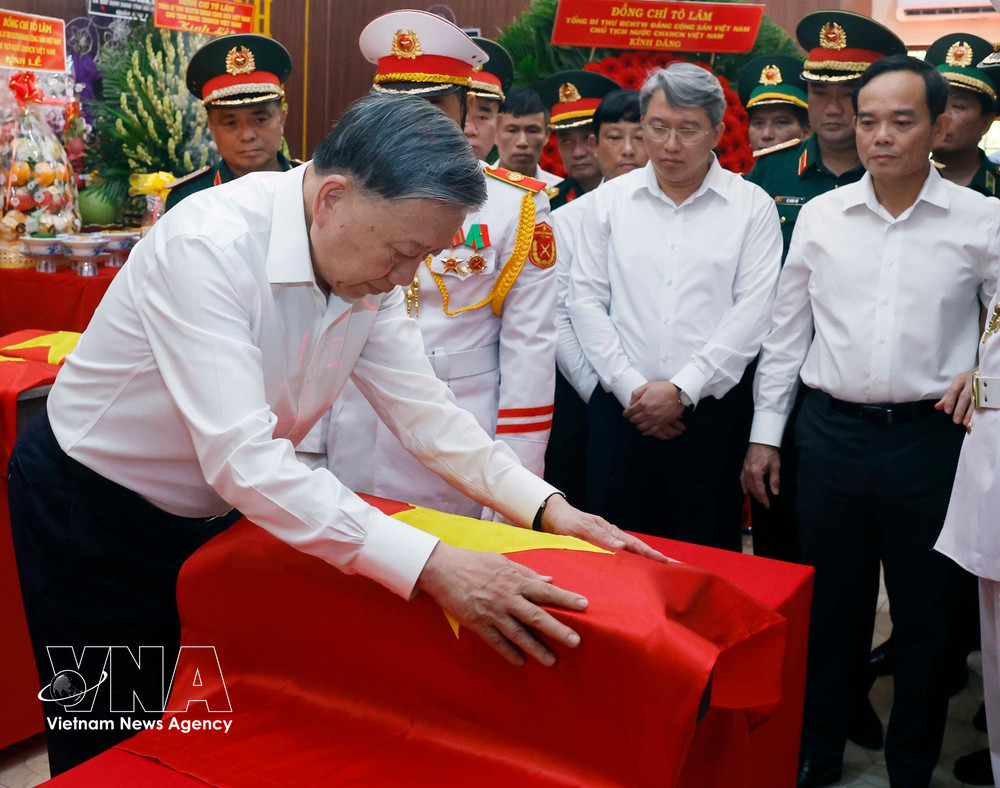
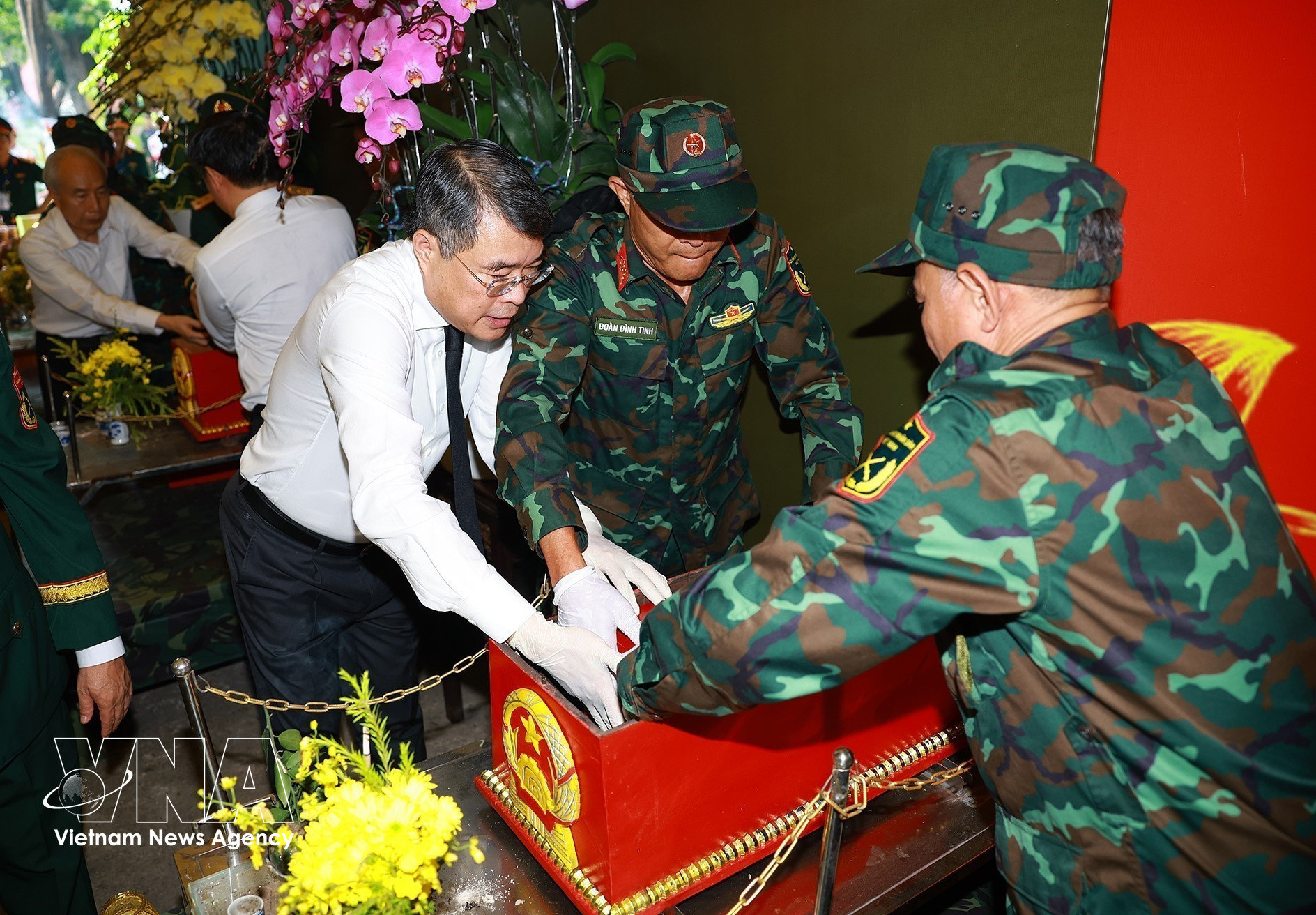
The recovered remains of fallen soldiers are taken to the Memorial House within Le Thi Rieng Park for temporary repose. (Photo: VNA)
“
The notice stressed that policies for people with meritorious service and the work of locating, recovering and identifying fallen soldiers' remains are a particularly important political responsibility, reflecting the nation's moral values, historical responsibility and humane traditions. It described the effort as a measure of the Party's and State's responsibility towards those who sacrificed for the country's independence and freedom.
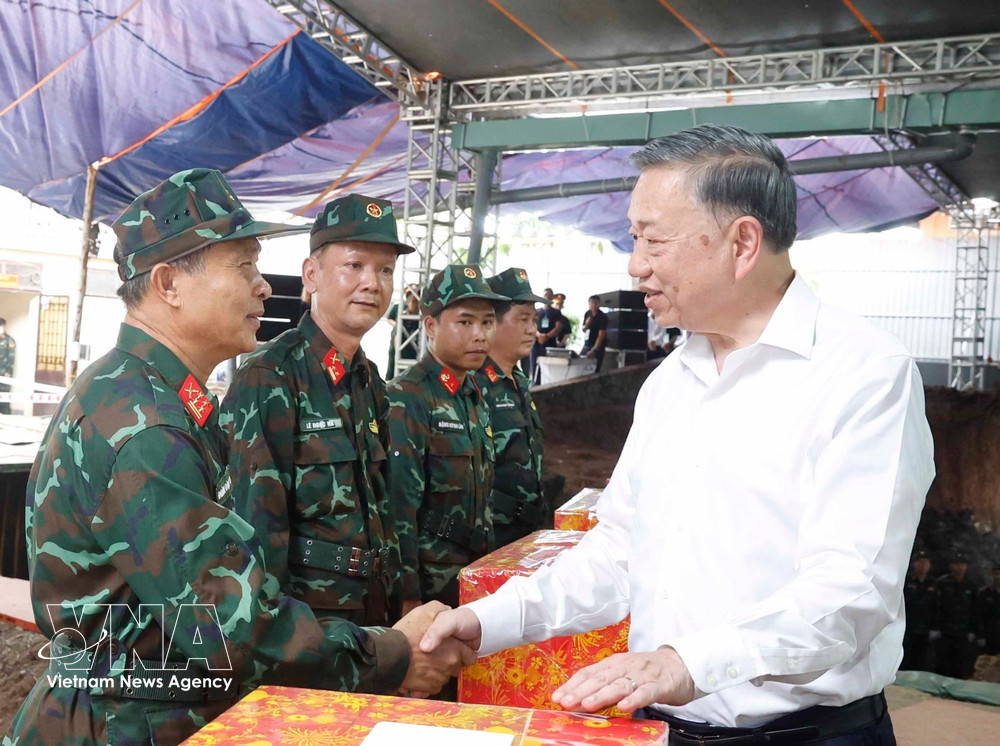
Party General Secretary and State President To Lam visits and inspects the team carrying out the search and recovery of fallen soldiers' remains at Le Thi Rieng Park in Ho Chi Minh City on July 17, 2026. (Photo: VNA)
It also called for fundamental progress by 2027 in resolving long-standing issues related to people with meritorious service and fallen soldiers, including locating missing remains, identifying unknown martyrs, reviewing and improving preferential policies, returning personal belongings to families and addressing shortcomings in administrative procedures and implementation. The notice emphasised that this is not merely a matter of public administration but a political imperative rooted in Vietnam's tradition of remembering those who made sacrifices for the nation.
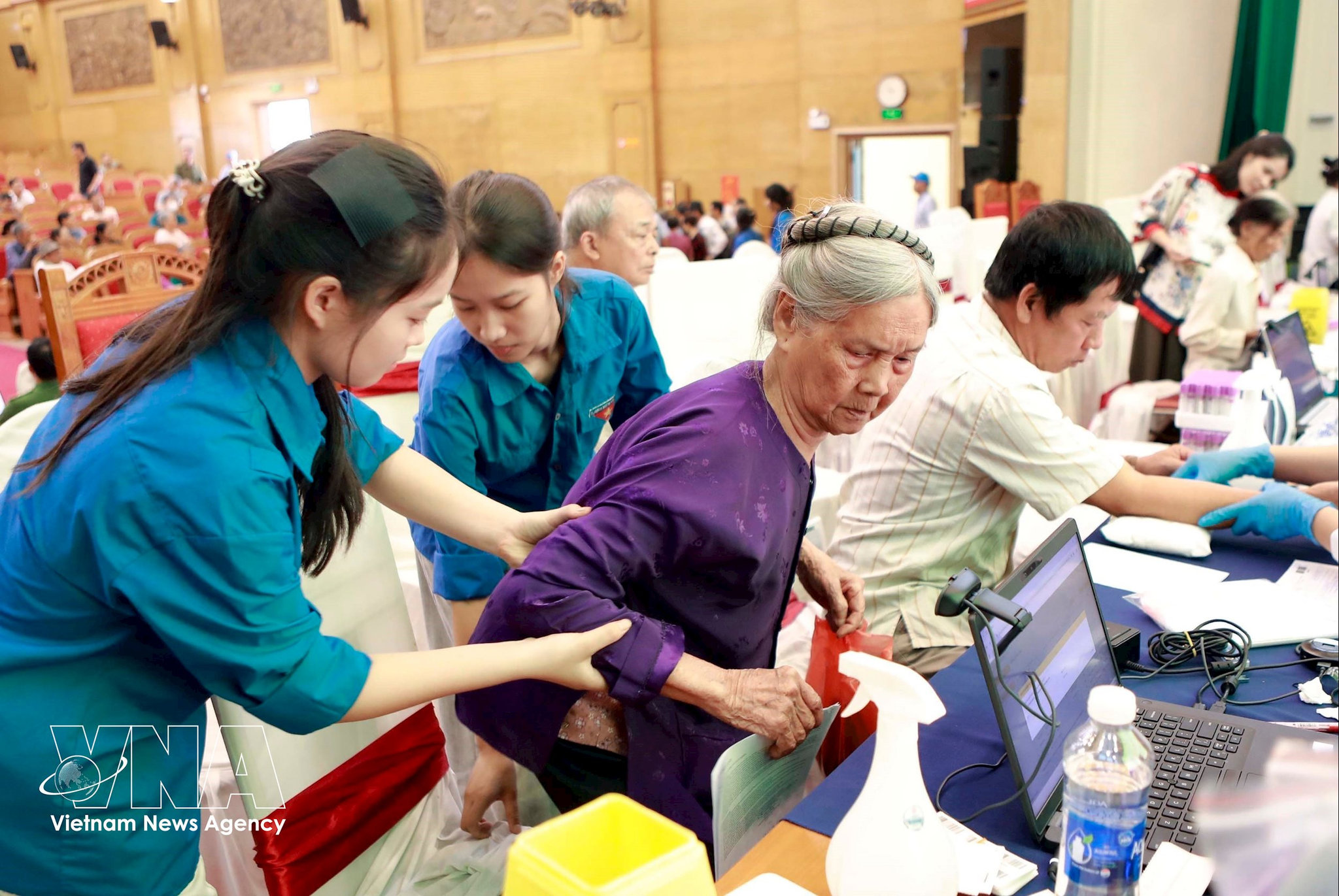
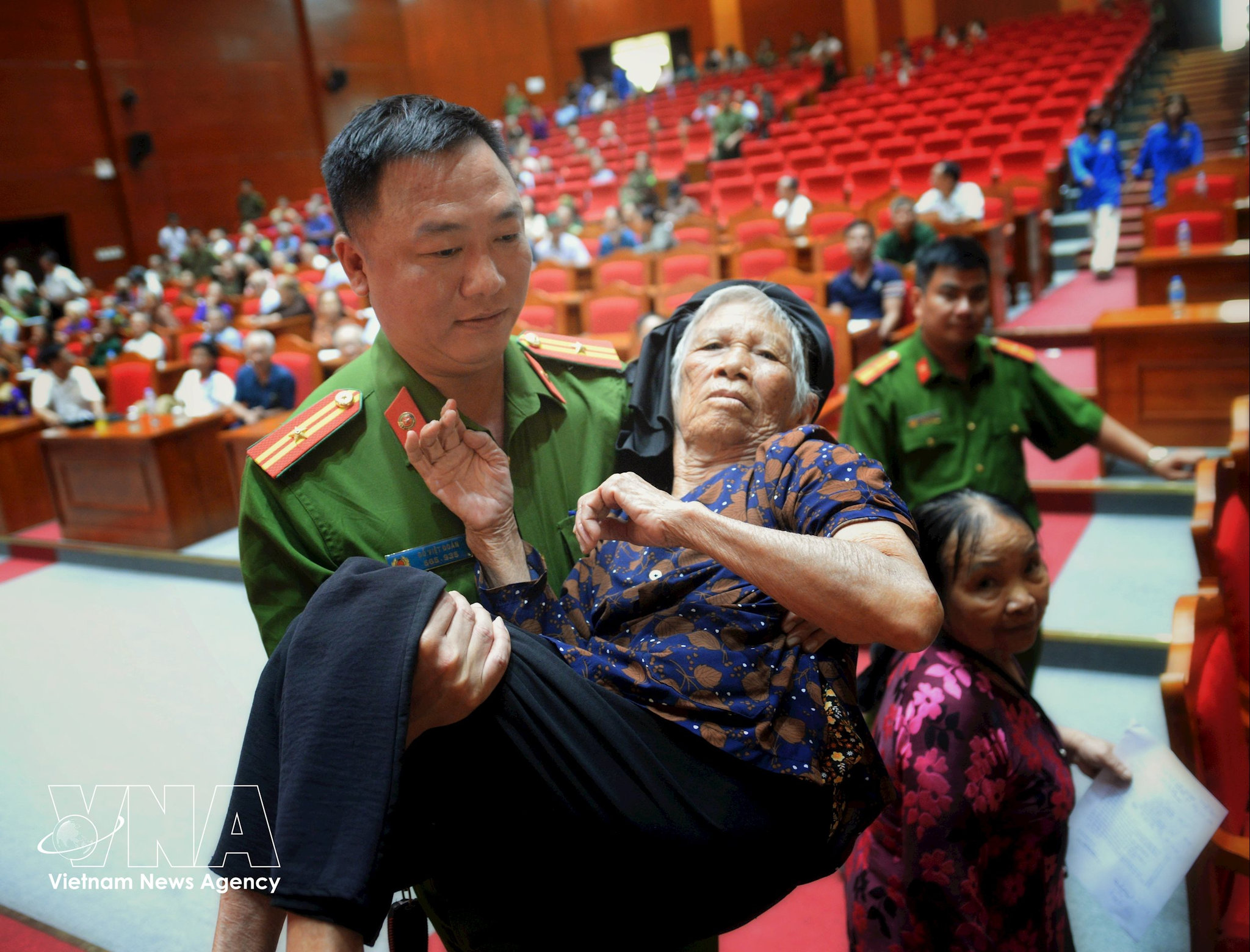
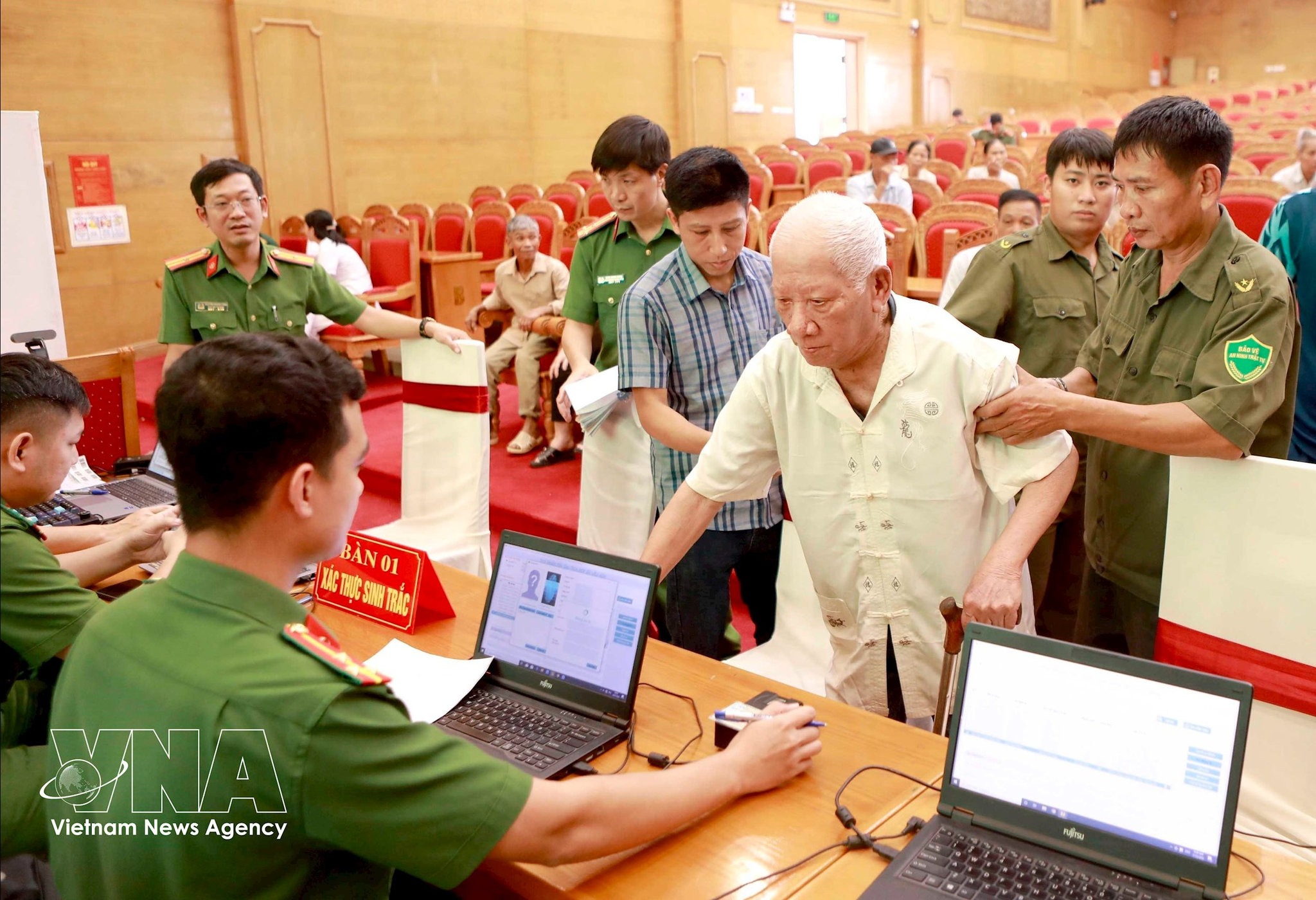
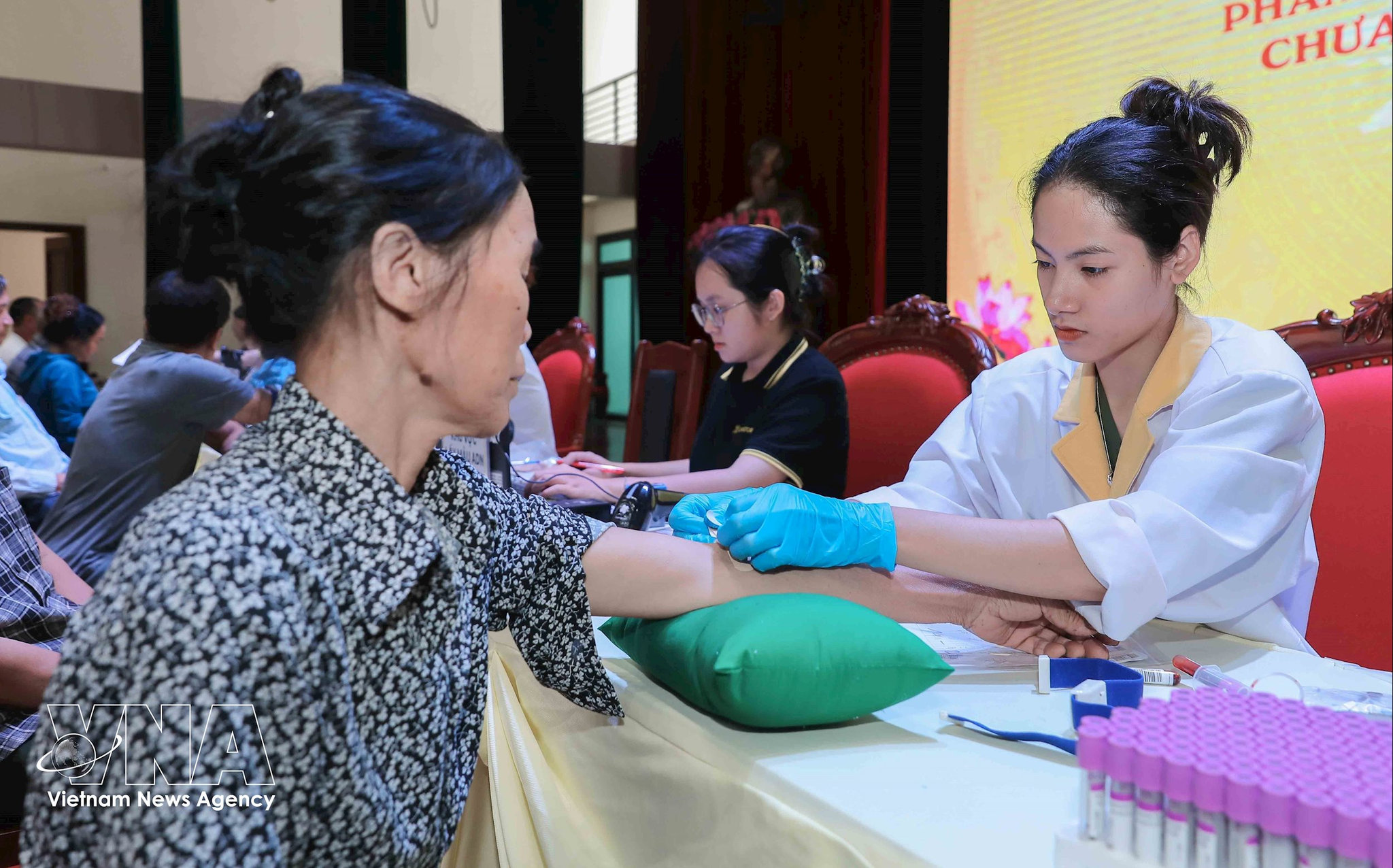
Support is provided to elderly and frail relatives of fallen soldiers at a DNA sample collection site. (Photo: VNA)
The 500-day campaign – a mission from the heart
To accelerate progress, the national steering committee for the search, recovery and identification of fallen soldiers' remains launched the 500-day campaign on April 2, 2026. Running from March 15, 2026, to July 27, 2027, the campaign aims to intensify efforts nationwide.
Rather than simply an administrative initiative, the campaign represents a convergence of political responsibility, national tradition and gratitude towards those who laid down their lives. Localities have been assigned specific targets, while the military, police, labour, health and science agencies are working together to review records, collect information, obtain biological samples and build databases for identification.
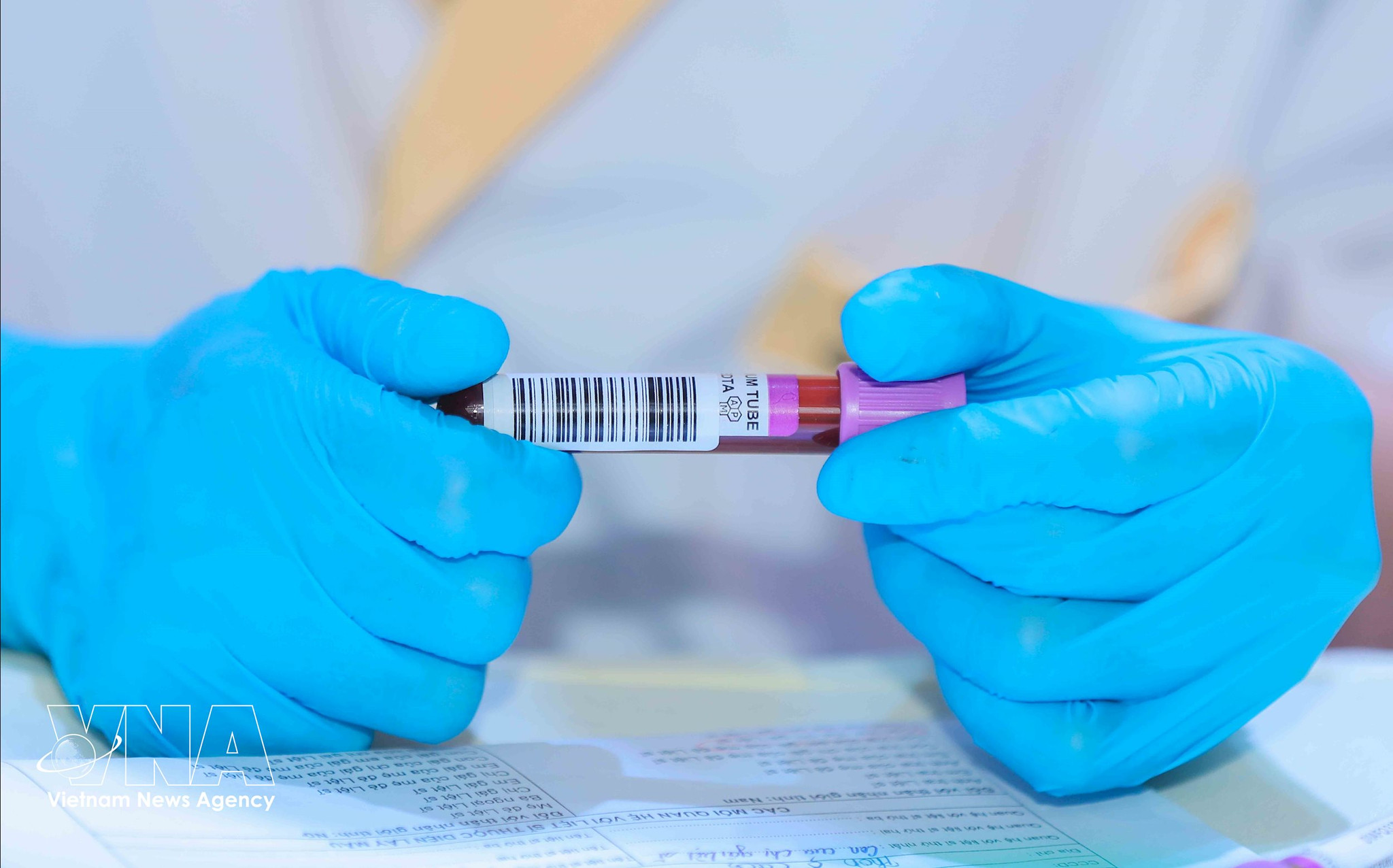
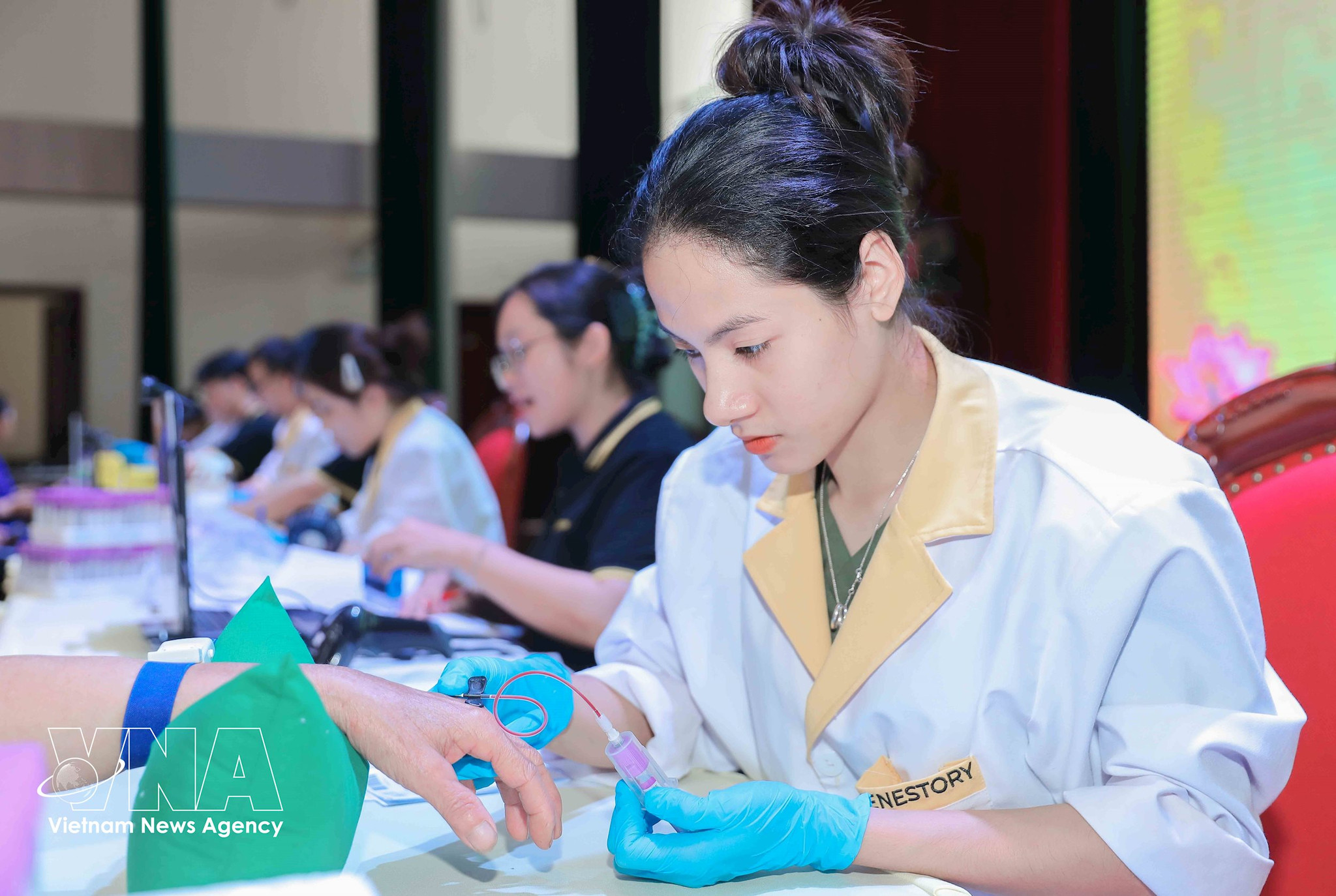
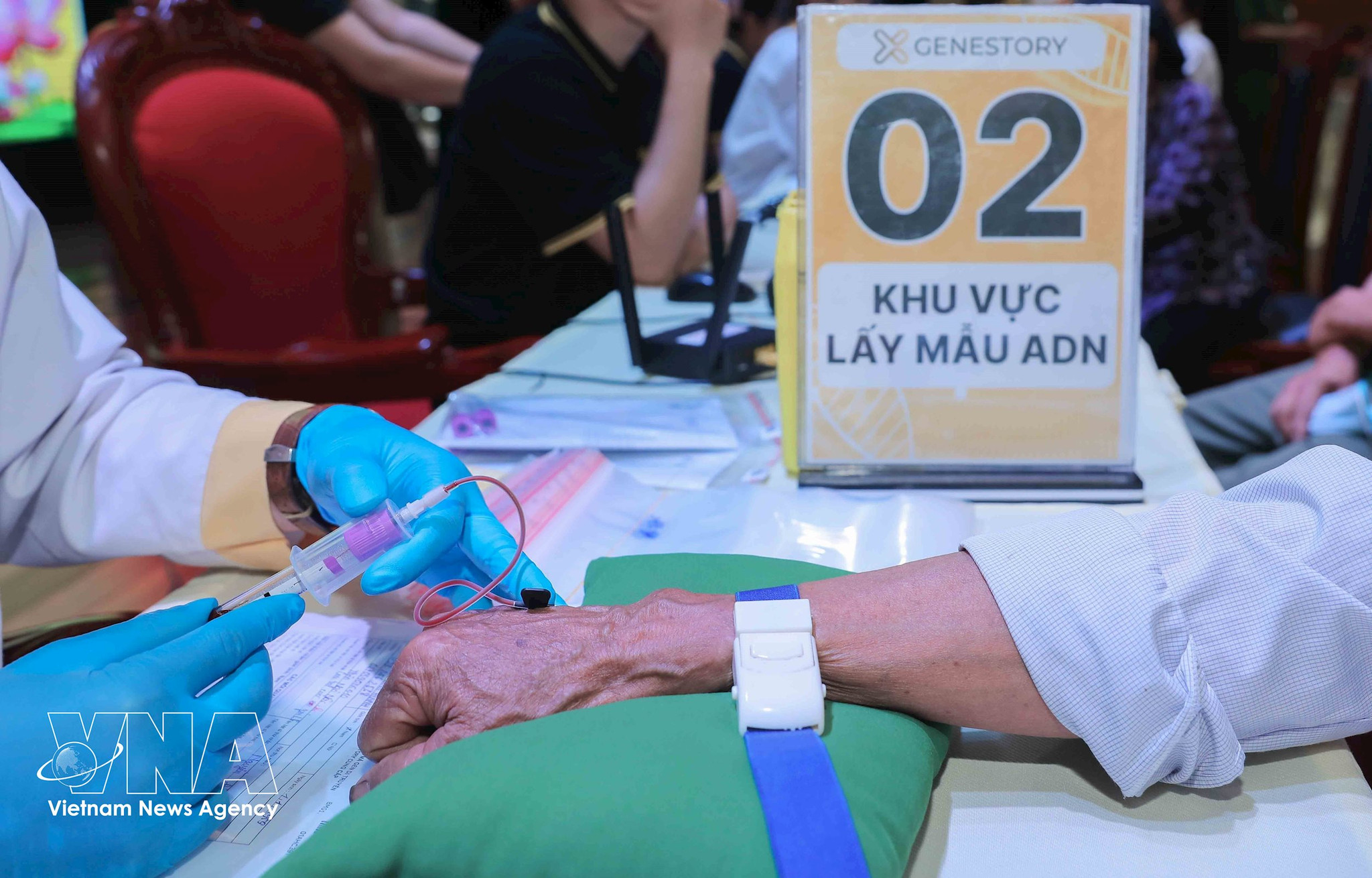
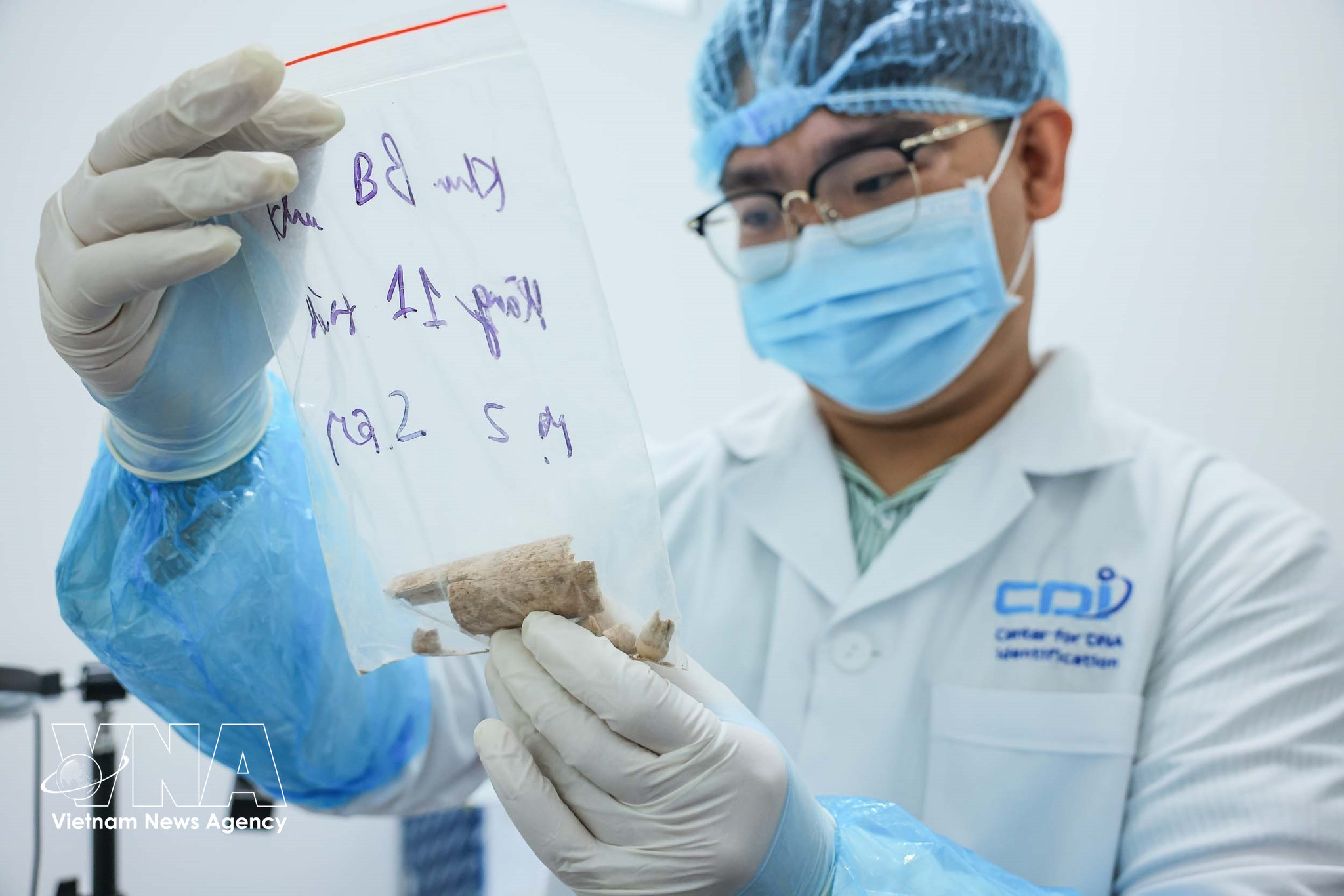
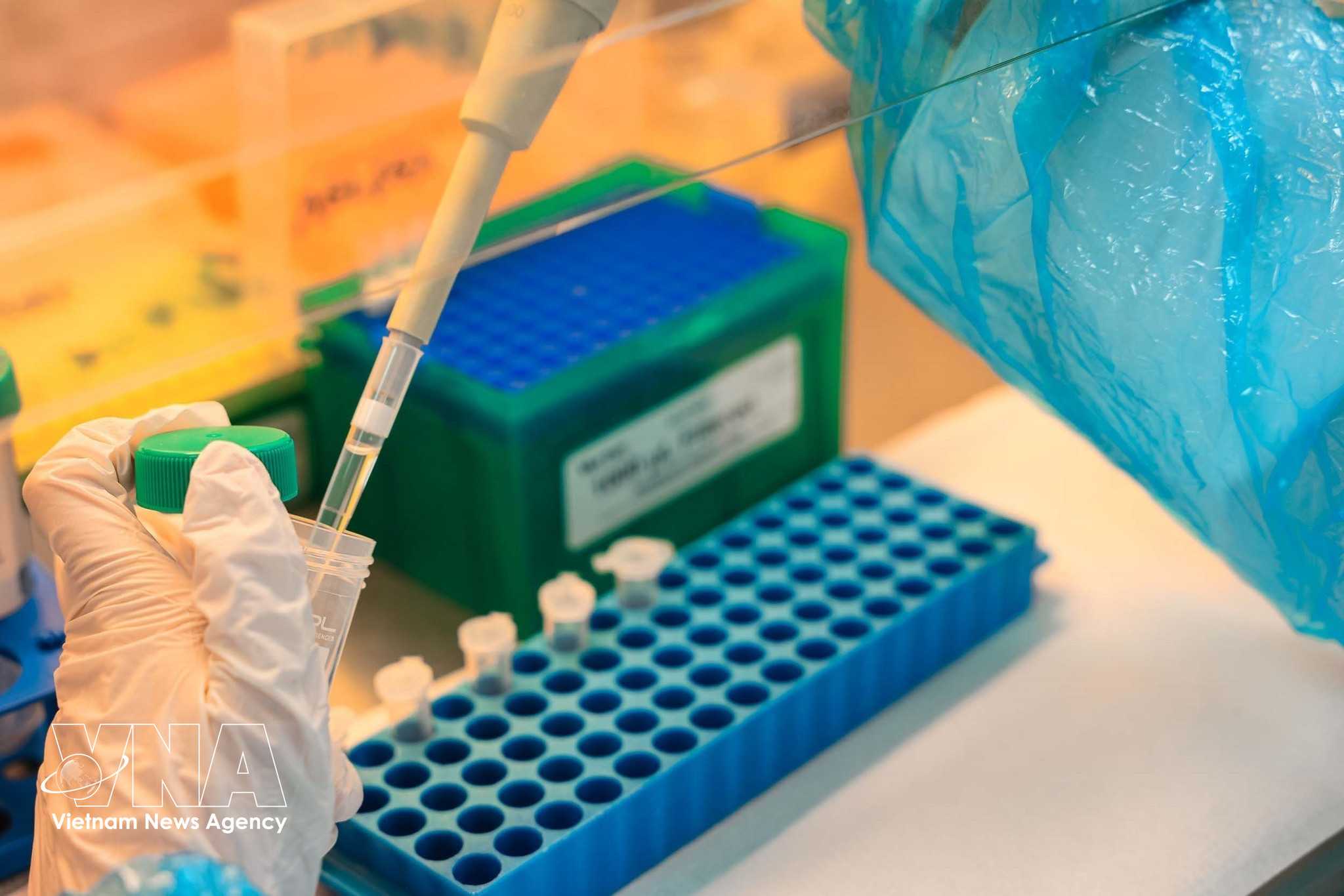
The DNA sample collection process is carried out under strict procedures to ensure accuracy and safety. (Photo: VNA)
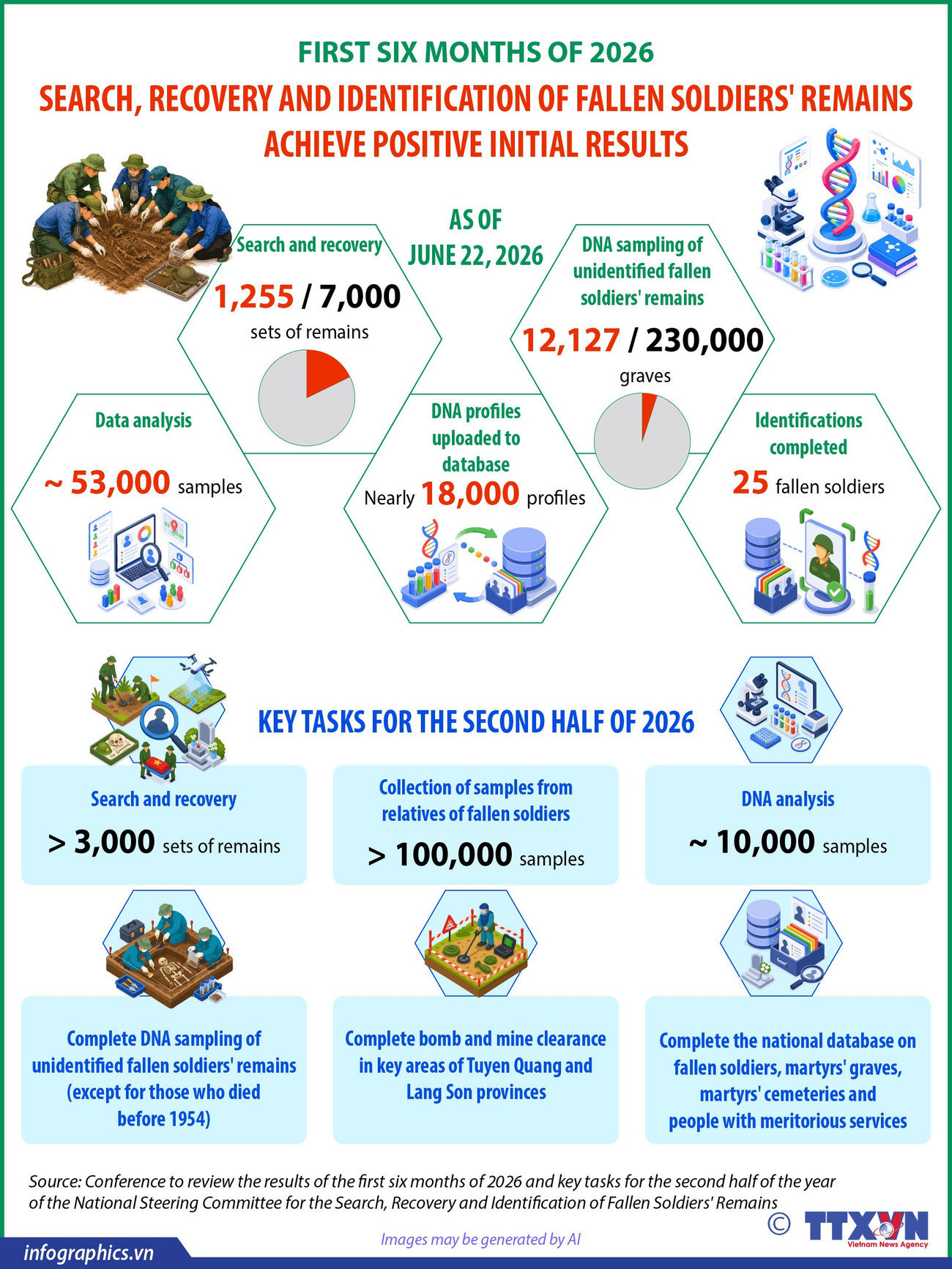
The campaign targets recovering approximately 7,000 sets of fallen soldiers' remains and conducting DNA analysis on around 18,000 remains samples.
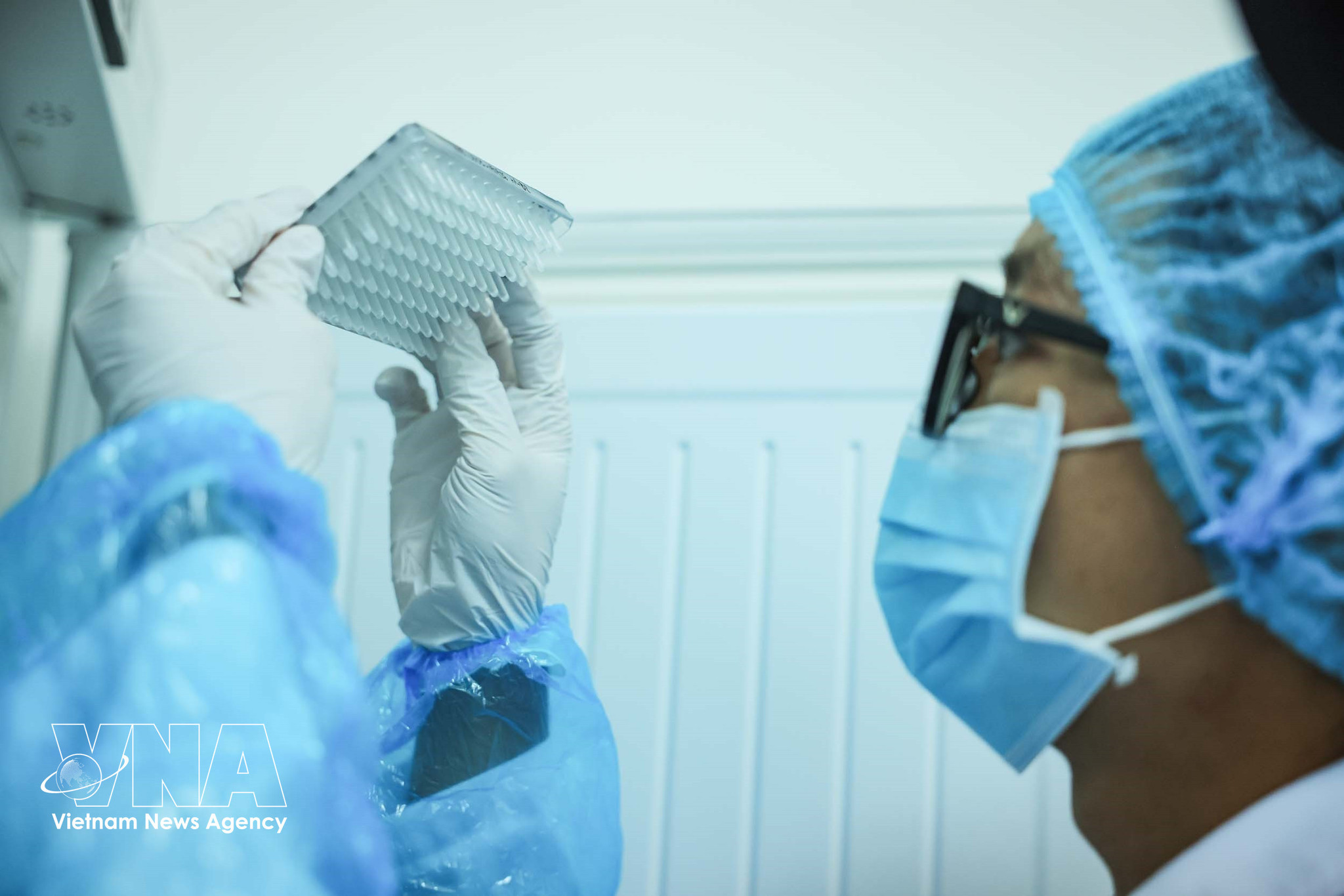
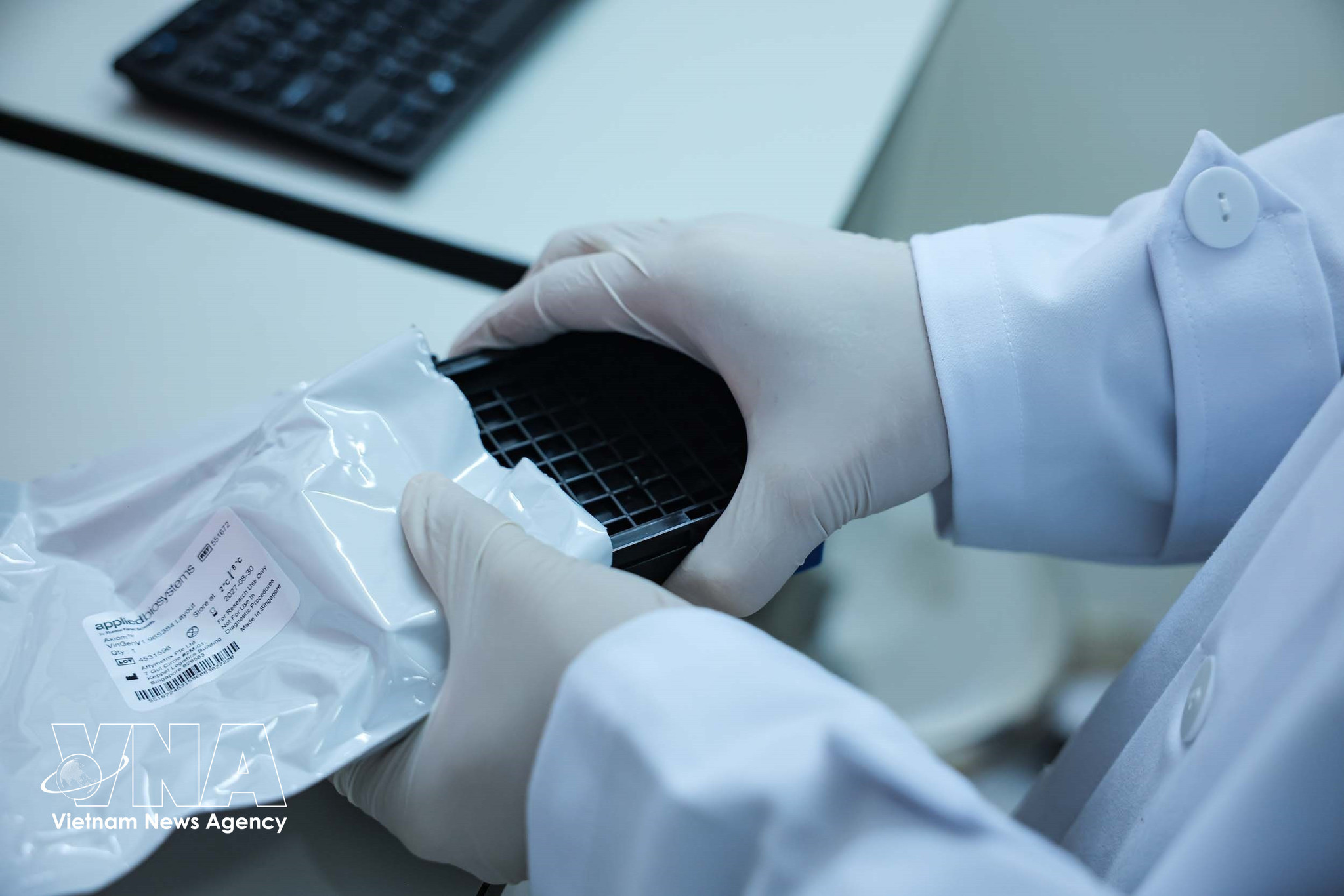
Next-generation gene sequencing technology marks a breakthrough in DNA analysis for identifying fallen soldiers' remains. (Photo: VNA)
According to Vu Ngoc Thuy, Deputy Director of the Department of Meritorious People under the Ministry of Home Affairs, what sets this campaign apart is the full mobilisation of multiple agencies and forces working together. "Never before have we seen such a large-scale mobilisation. Every level of government, from central agencies to local authorities, together with the military, police, scientific institutions, leading forensic organisations and steering committees at all levels, is working towards a single programme and a single campaign. This could well become a historic milestone," she said.
According to the national steering committee office, as of July 10, the campaign had recovered 1,330 sets of remains, including 306 in Vietnam, 174 in Laos and 850 in Cambodia. It also discovered five mass graves in Tuyen Quang province and one mass burial site at Le Thi Rieng Park in Ho Chi Minh City.
On July 6, a ceremony to launch the search and recovery operation was held at Le Thi Rieng Park in Hoa Hung ward, Ho Chi Minh City. Speaking at the ceremony, Prime Minister Le Minh Hung pledged that the Government will spare no effort in locating and recovering the remains of fallen soldiers as a way of honouring their families' immense sacrifice for the nation's peace, independence and enduring future.
Earlier, Ho Chi Minh City had established a dedicated command board and specialist teams to oversee the search, recovery and identification of remains at Le Thi Rieng Park.
Prime Minister Le Minh Hung joins teams in the mission to locate and recover the remains of fallen soldiers at Le Thi Rieng Park in Hoa Hung ward, Ho Chi Minh City. (Photo: VNA)
DNA technology drives identification efforts
Alongside search and recovery operations, collecting samples from both remains and relatives has become a key task in DNA-based identification. All seven military regions have completed the initial sampling of more than 15,400 graves, forming 297 sampling teams involving over 3,600 personnel. Authorities have also collected and stored 93,464 biological samples from relatives of fallen soldiers, with more than 53,000 already analysed and integrated into the national database.
The Ministry of Public Security has launched a nationwide campaign to collect DNA samples from relatives of unidentified fallen soldiers while working with experts to improve technical standards for sample collection and preservation. It is also expanding Vietnam's DNA database and strengthening forensic DNA testing capacity.
Identification efforts are being carried out in a coordinated manner across ministries and local authorities.
The Ministry of National Defence has inspected and directed plans to upgrade, renovate, and expand facilities for preserving remains samples, while investing in equipment and personnel training at the Military Institute of Forensic Medicine and regional storage centres to meet the growing demand for DNA analysis.
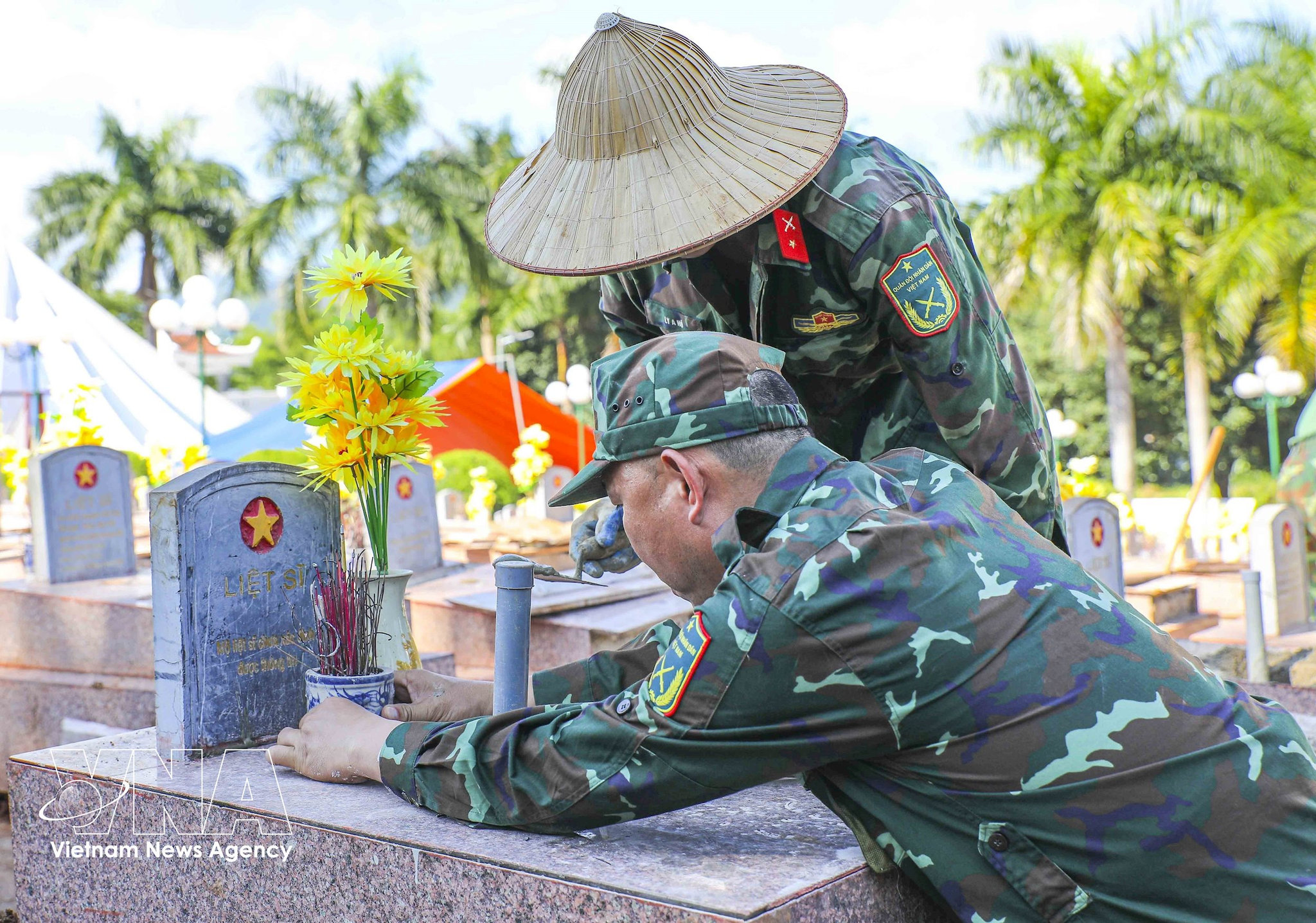
The graves of fallen soldiers are restored to their original condition after DNA samples are collected. (Photo: VNA)
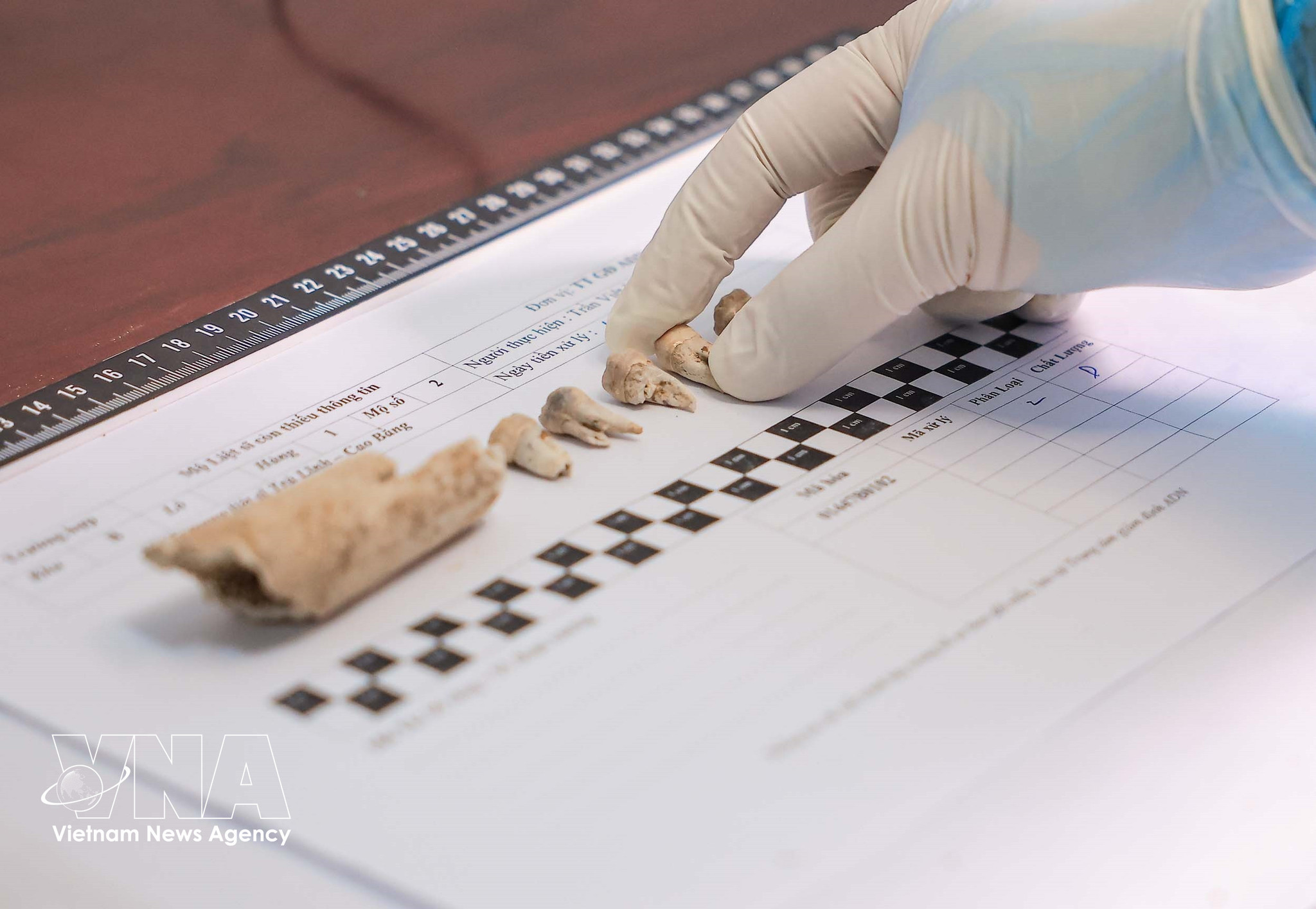
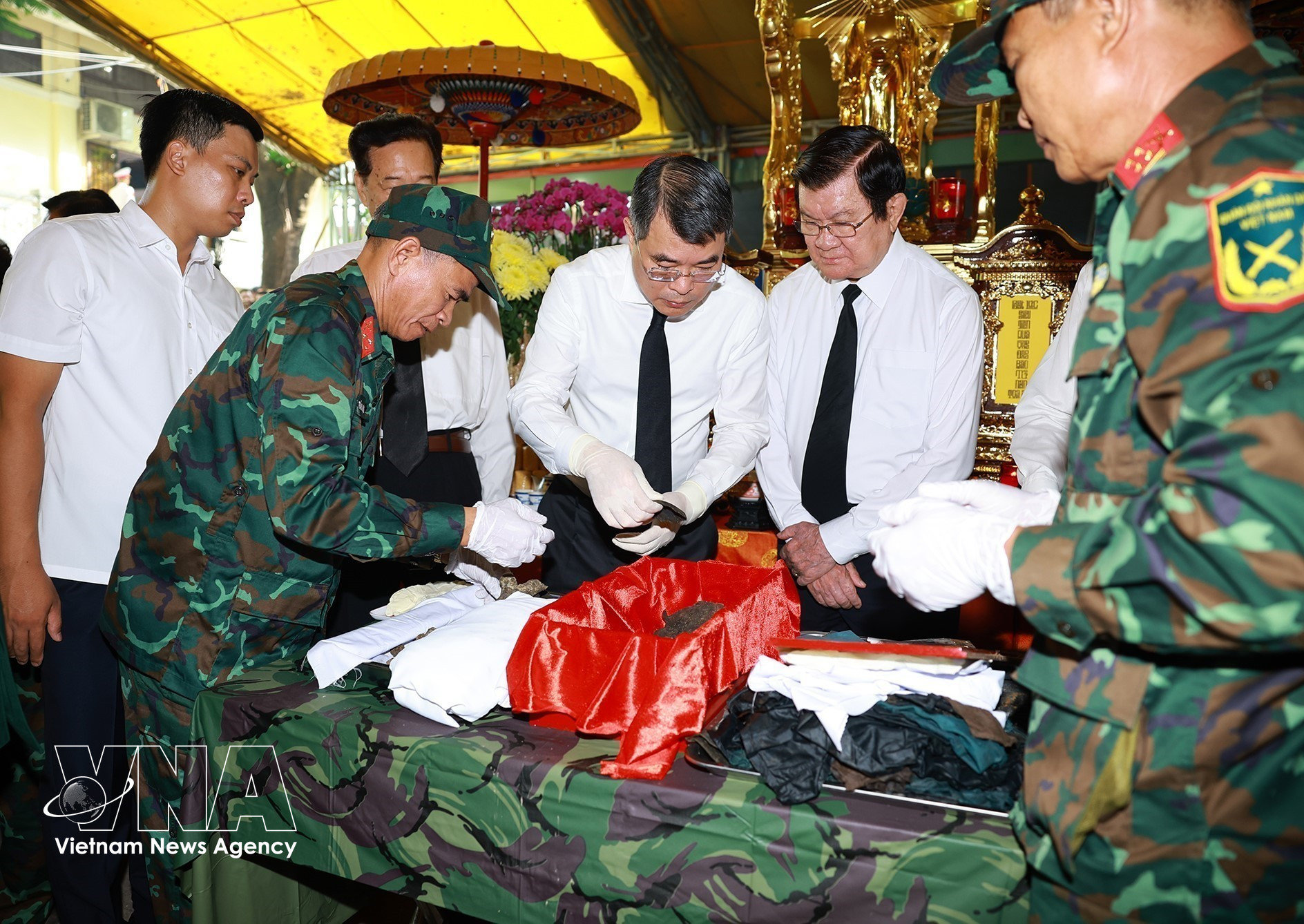
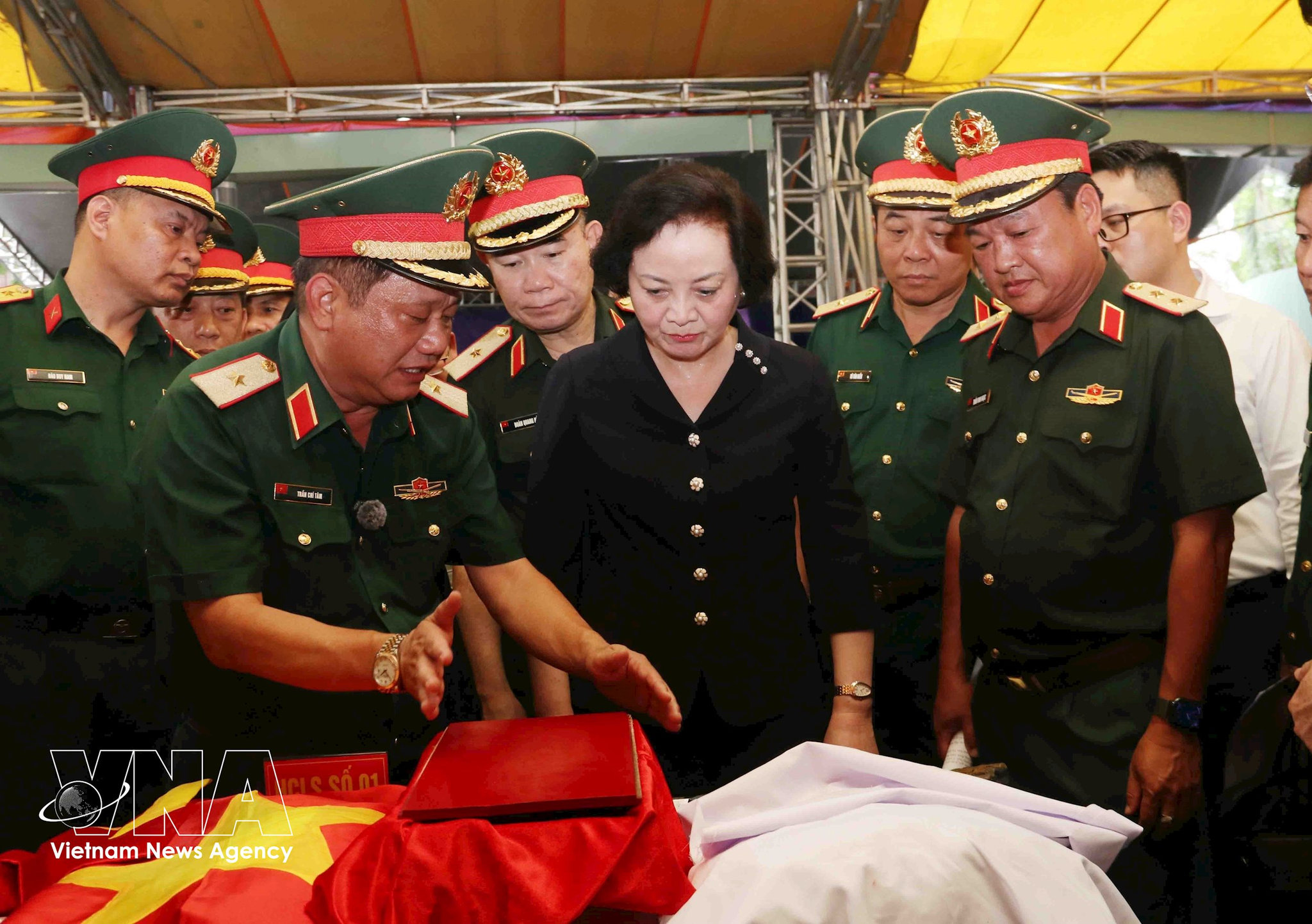
Deputy Prime Minister Pham Thi Thanh Tra, head of the National Steering Committee for Search, Collection and Identification of Martyrs' Remains, examines artefacts initially recovered during the excavation. (Photo: VNA)
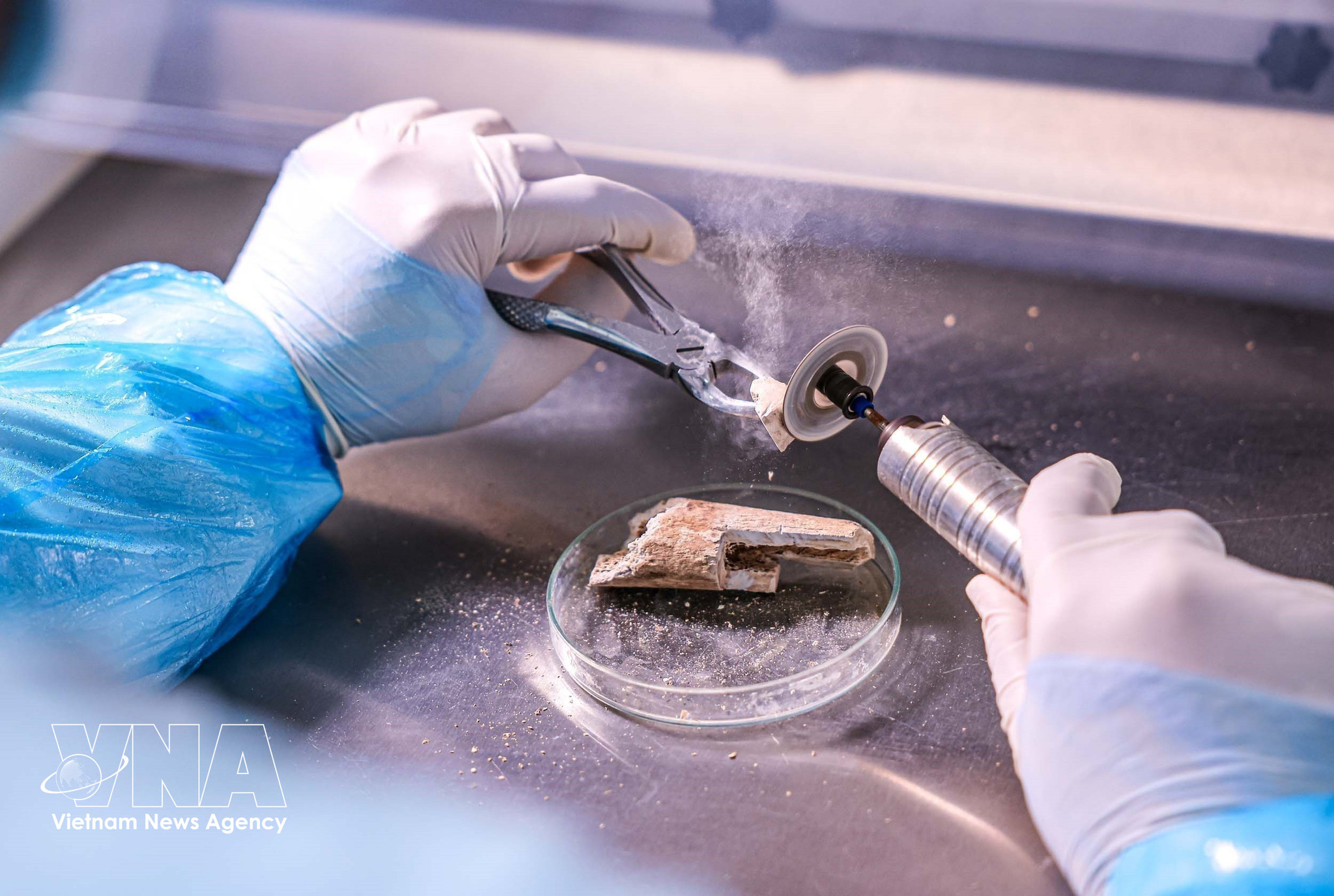
To date, forensic laboratories have received thousands of remains samples from across the country. The Military Institute of Forensic Medicine has completed analysis on 92 samples, including 20 that have yielded gene sequencing results.
At the same time, Vietnam is accelerating the development of integrated databases covering fallen soldiers, graves, cemeteries and DNA information, to create data that are accurate, complete, clean and continuously updated.
Public communications have been stepped up, helping connect information sources and gather data on fallen soldiers and war graves through hundreds of news reports and documentaries across multiple platforms.
At a conference reviewing the steering committee's performance in the first half of 2026 on June 25, Deputy Prime Minister Pham Thi Thanh Tra praised ministries, local authorities and the armed forces for their coordinated efforts and strong sense of responsibility despite challenges relating to search areas, data and resources.
NGS-SNP technology – a breakthrough in identifying fallen soldiers
Science and technology play an increasingly important role in the identification of fallen soldiers' remains. (Photo: VNA)
Science and technology are playing an increasingly important role in identifying fallen soldiers' remains. In particular, next-generation gene sequencing technologies have opened new possibilities by significantly improving the ability to identify severely degraded DNA samples.
Speaking at a forum organised by Nhan Dan (People) Newspaper, Assoc. Prof. Dr Phi Quyet Tien, Director of the Institute of Biotechnology under the Vietnam Academy of Science and Technology, said advances in gene sequencing are not only scientific achievements but also offer renewed hope to families who have waited decades for answers.
Previously, identification relied mainly on mitochondrial DNA analysis, which proved effective in many cases, especially where the number of graves was limited and relatives could be clearly identified for comparison.
The emergence of NGS-SNP technology has marked a breakthrough. Its strength lies in the ability to analyse thousands of genetic variants simultaneously. Even when DNA has been severely fragmented by time or environmental conditions, SNP markers can still be detected and used to establish biological relationships. This makes the technology particularly suitable for Vietnam, where remains have generally suffered much greater DNA degradation than in temperate countries.
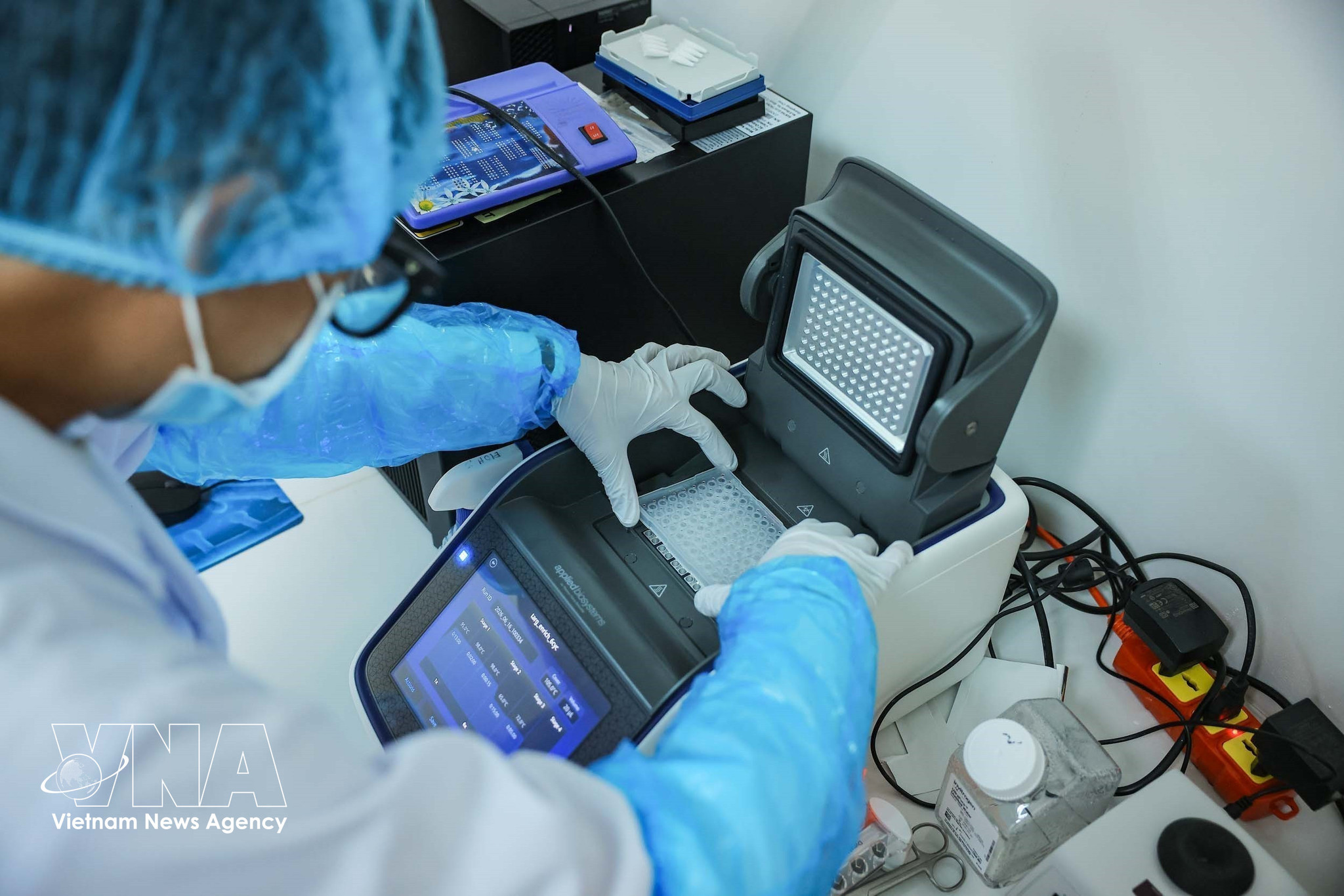
A key advantage of NGS-SNP technology is its ability to simultaneously read and analyse thousands of genetic variants. (Photo: VNA)
Beyond improving DNA recovery rates, NGS-SNP has fundamentally transformed kinship analysis. Using advanced genetic algorithms, DNA can now be matched with more distant relatives, extending to third- or even fourth-generation family members. This is especially significant as many direct descendants are no longer alive. Cases once considered impossible to resolve now have a realistic chance of identification through the new technology.
More than half a century after the war, some families have finally been reunited with their loved ones through DNA matching. These reunions not only bring decades-long searches to an end but also demonstrate the power of science when applied to a profoundly humane mission.
Gene sequencing technology helps reunite fallen heroes with their families (Video: VNA)
Every gene sample stored in the national DNA bank represents another hope. Every successful DNA match means another family reunited.
The journey to bring Vietnam's fallen heroes home remains challenging. Yet with the determination of the Party and State, the concerted efforts of the entire political system and advances in next-generation gene sequencing technology, the long-held hopes of hundreds of thousands of families are gradually becoming reality./.
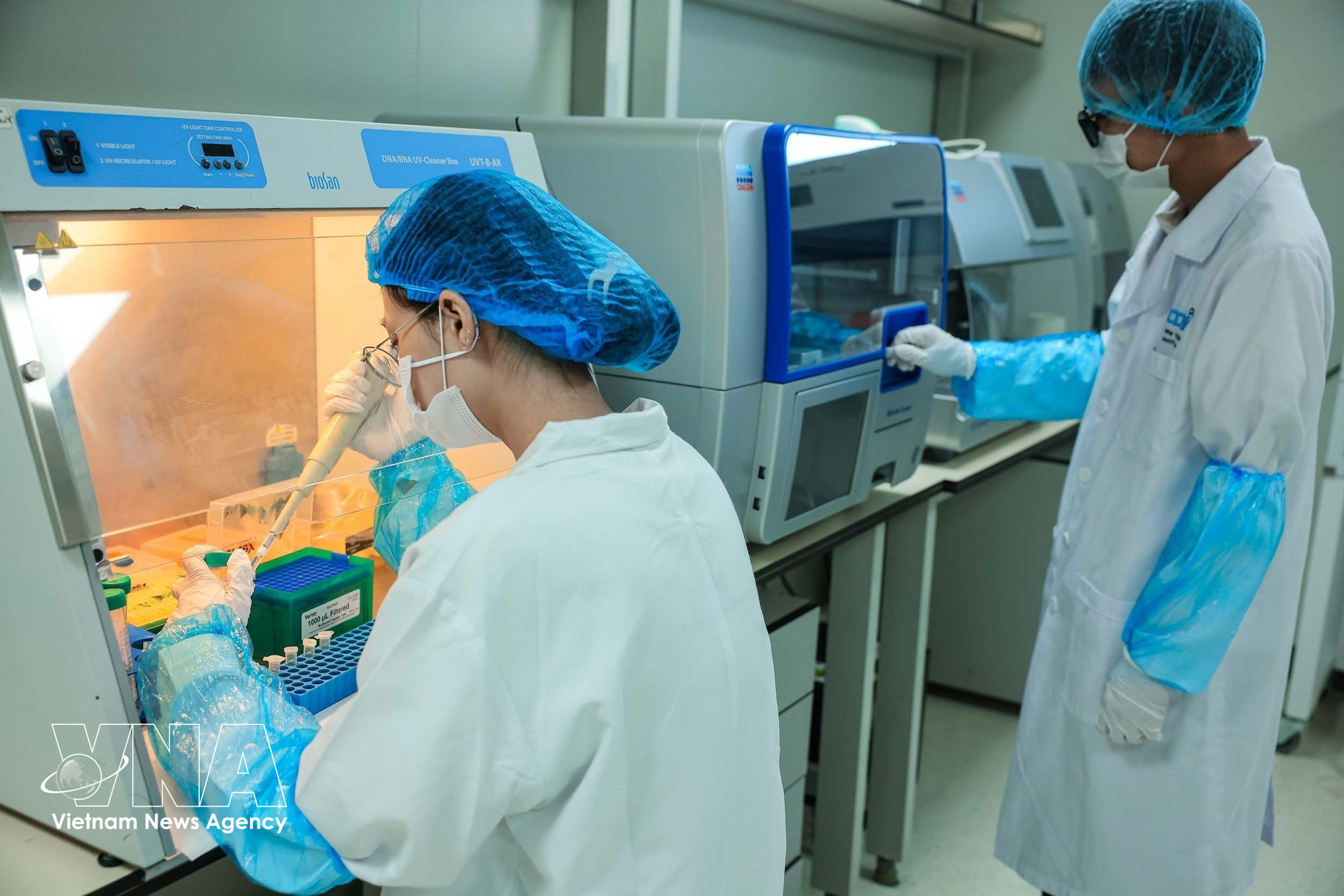
Laboratory testing at the centre is carried out by a team of highly trained technicians and specialists with expertise in molecular biology and DNA analysis, working in strict compliance with international laboratory standards. (Photo: VNA)
Bình luận của bạn đã được gửi và sẽ hiển thị sau khi được duyệt bởi ban biên tập.
Ban biên tập giữ quyền biên tập nội dung bình luận để phù hợp với qui định nội dung của Báo.