VIETNAM SHINES WITH 17 INTANGIBLE CULTURAL HERITAGE ELEMENTS RECOGNISED BY UNESCO
•22/12/2025 21:57
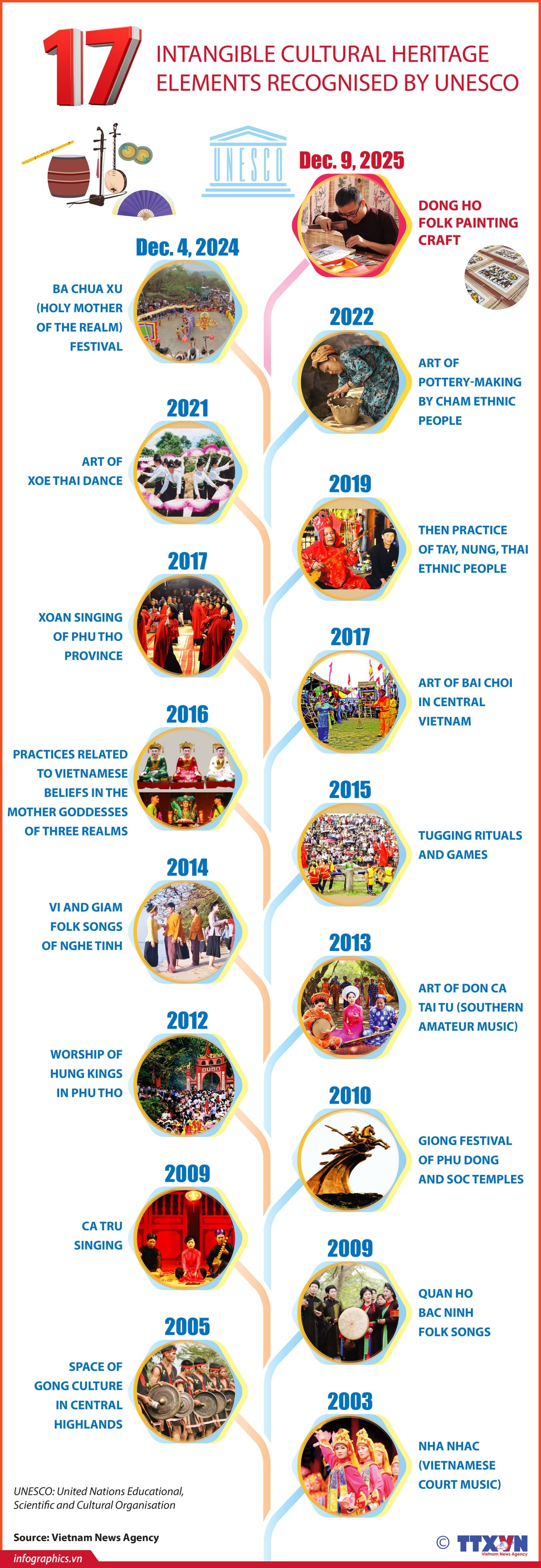
Vietnam currently has 17 intangible cultural heritage elements inscribed by UNESCO, contributing to enhancing the country’s image on the global tourism map.
1
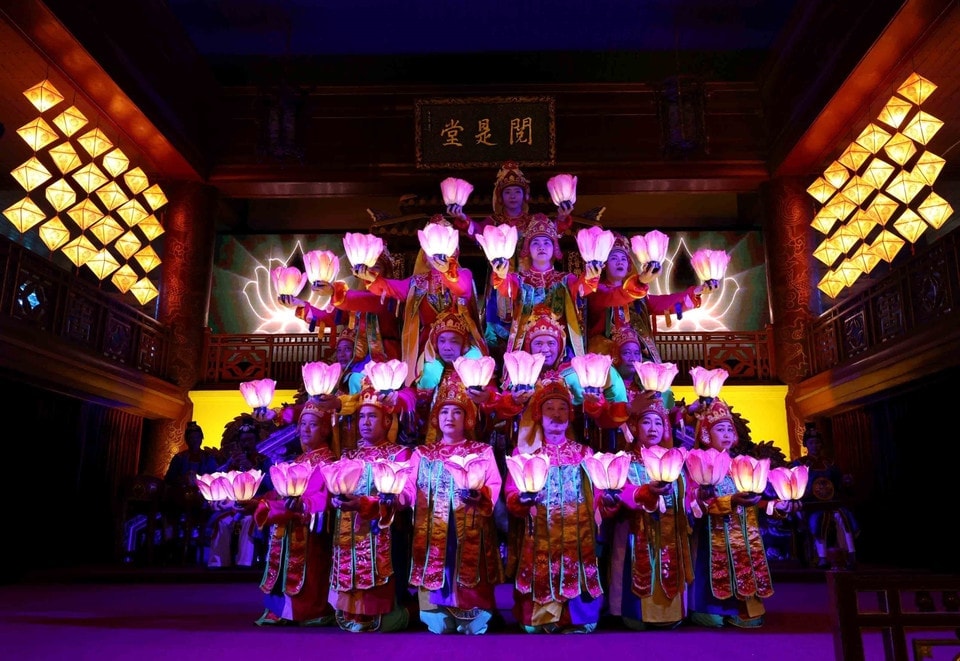
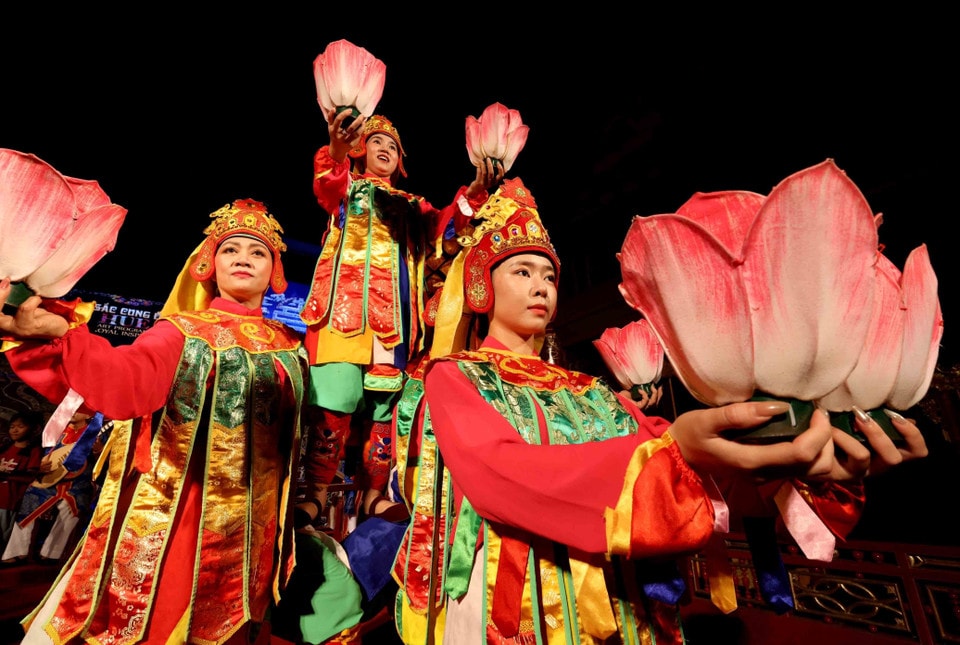
Hue Royal Court Music
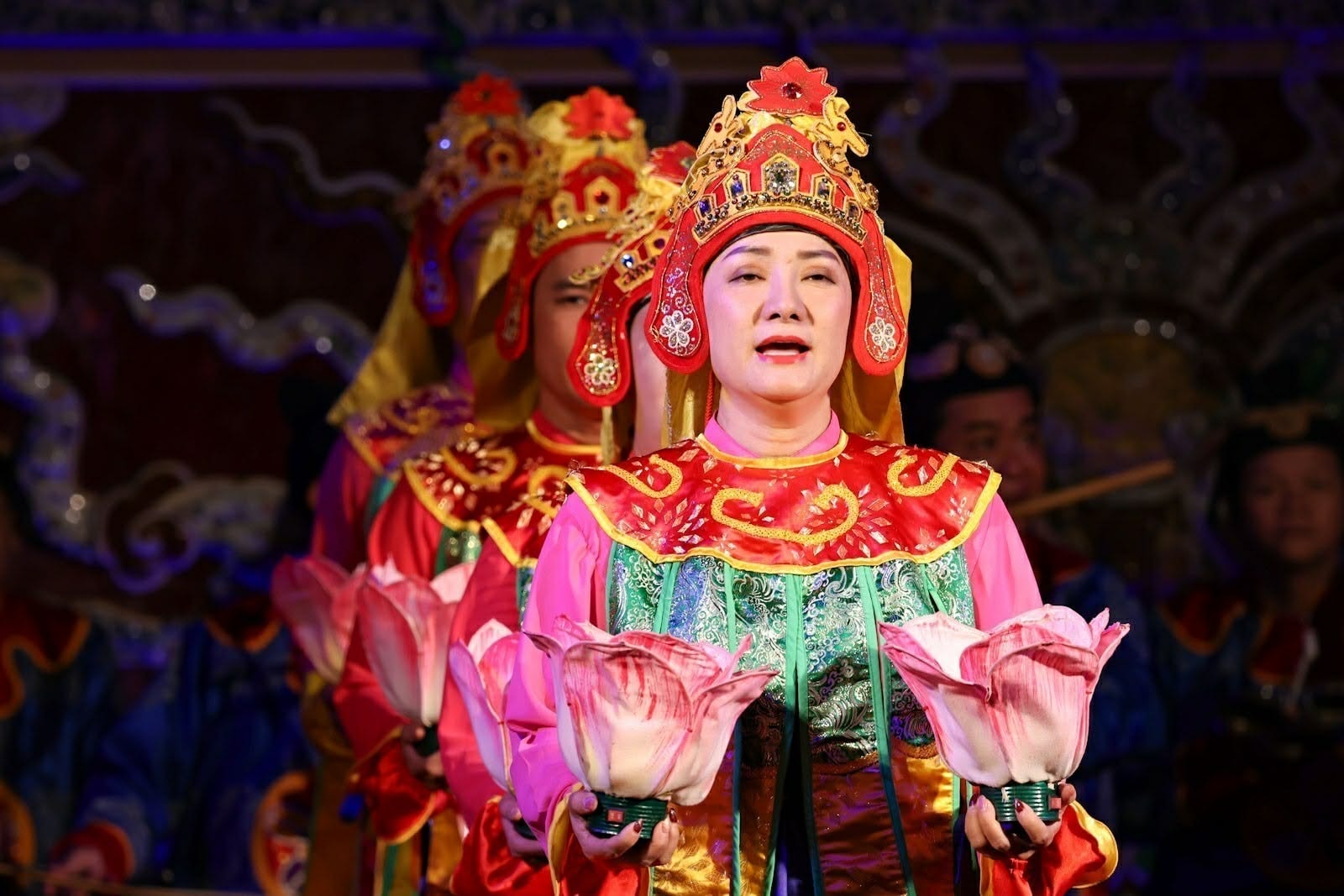
Hue Royal Court Music (inscribed by UNESCO in 2003). Photo: VNA
On November 7, 2003, the Hue Royal Court Music was proclaimed by UNESCO as a Masterpiece of the Oral and Intangible Heritage of Humanity.
2
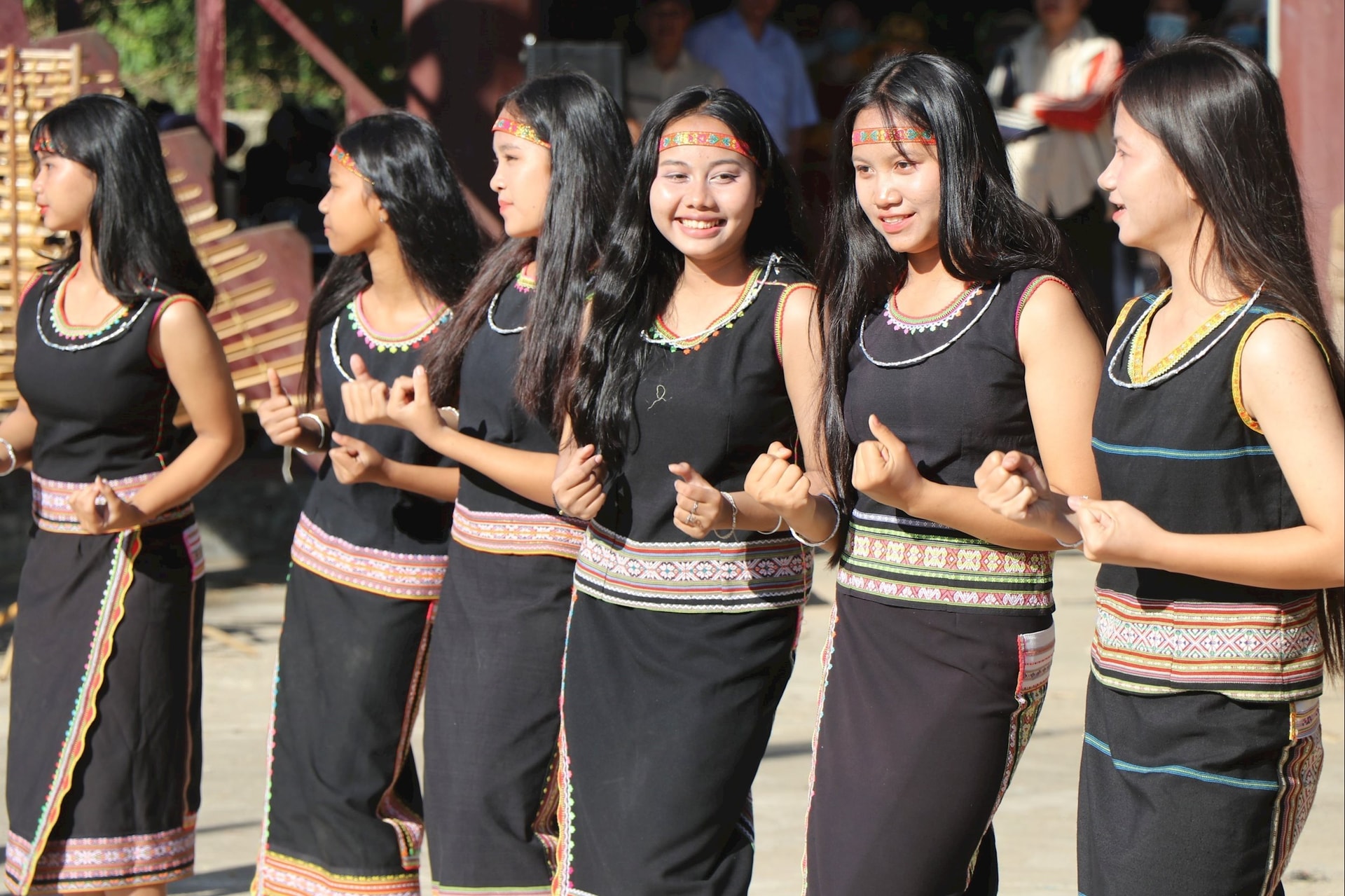
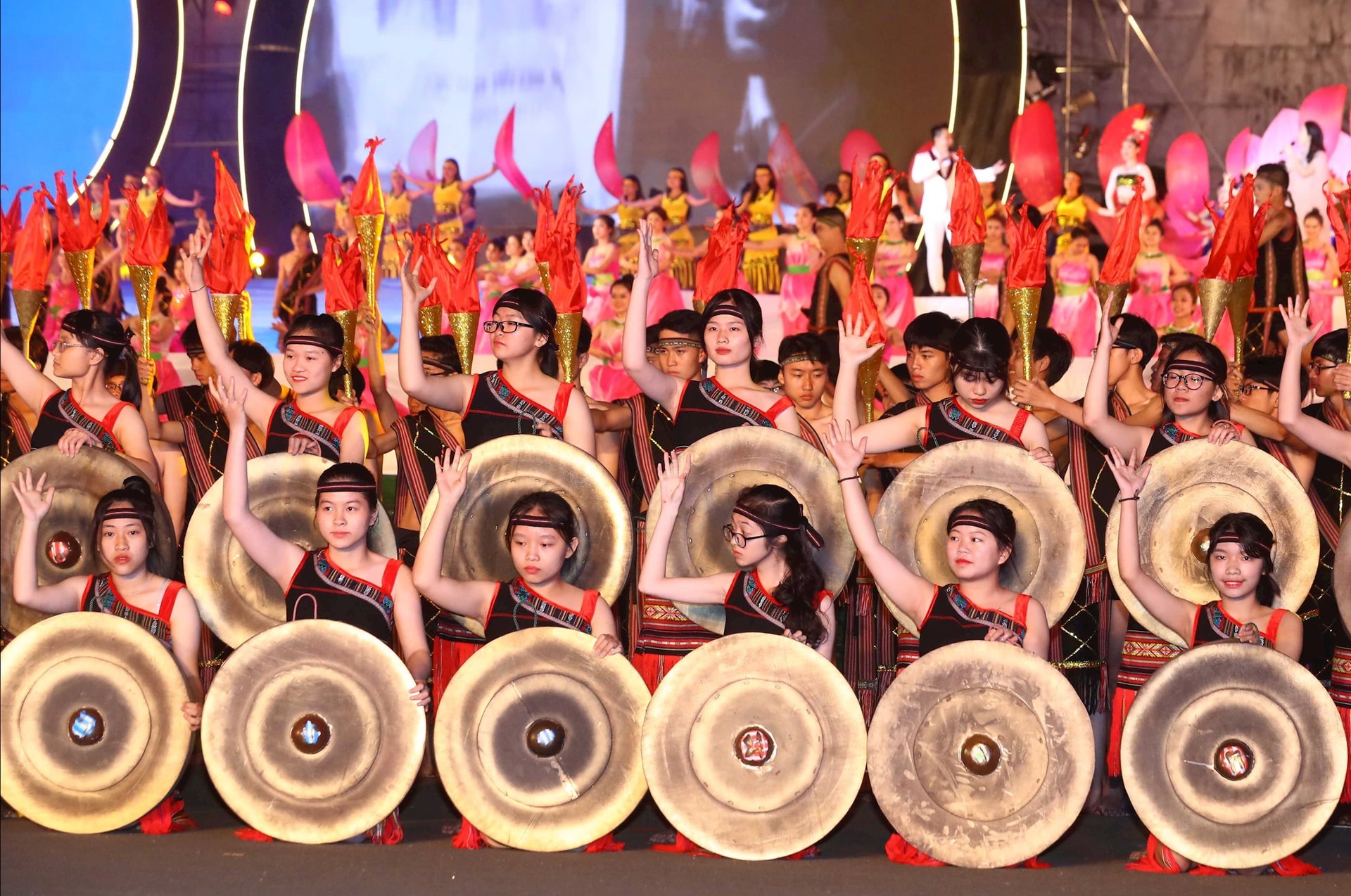
Central Highlands Gong Culture Space
The Space of Gong Culture in the Central Highlands (inscribed by UNESCO in 2005). Photo: VNA
On November 25, 2005, the Space of Gong Culture in the Central Highlands was officially recognised by UNESCO as a Masterpiece of the Oral and Intangible Heritage of Humanity.
3
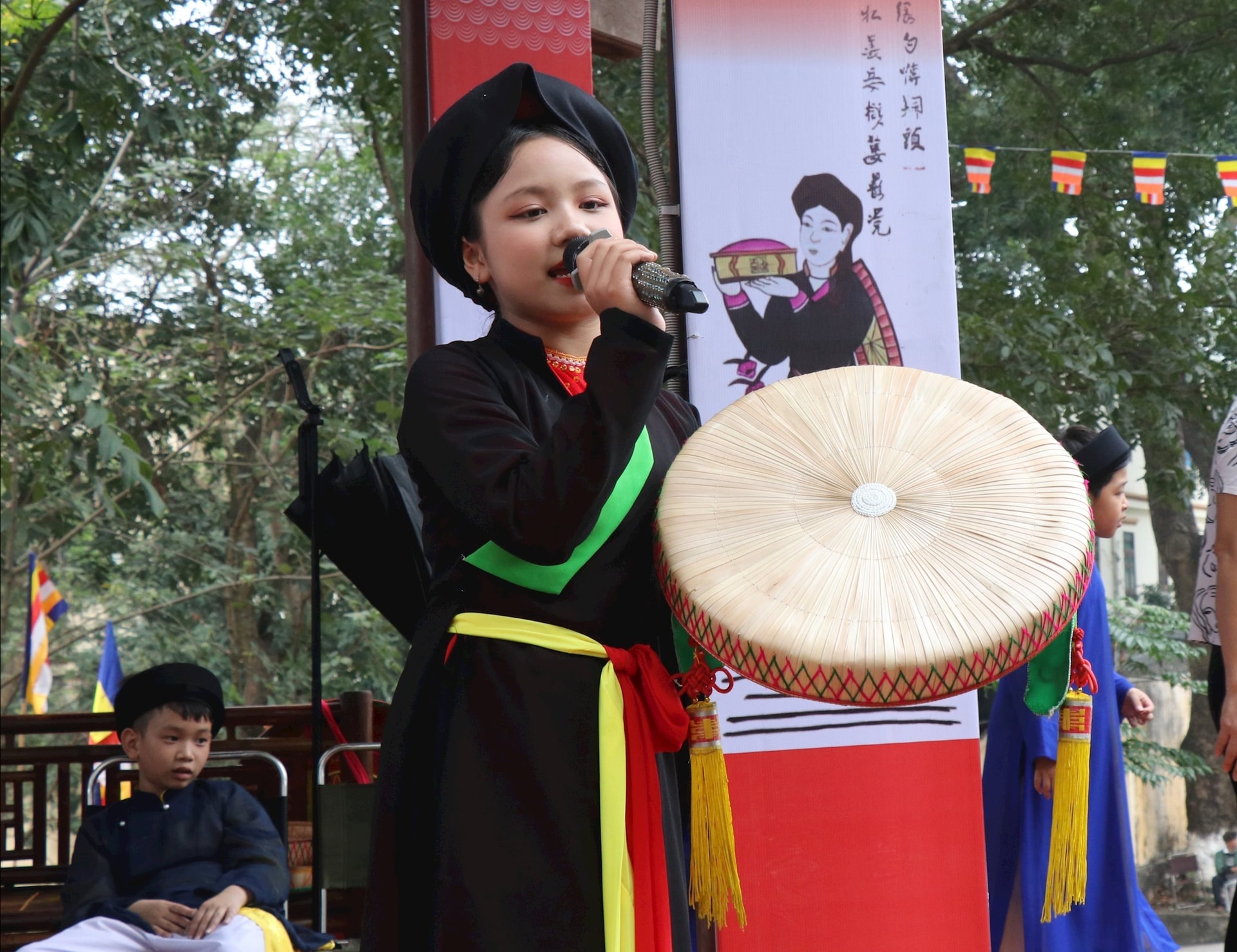
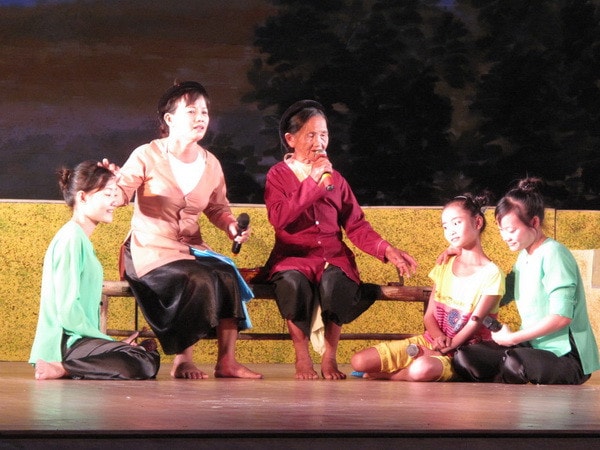
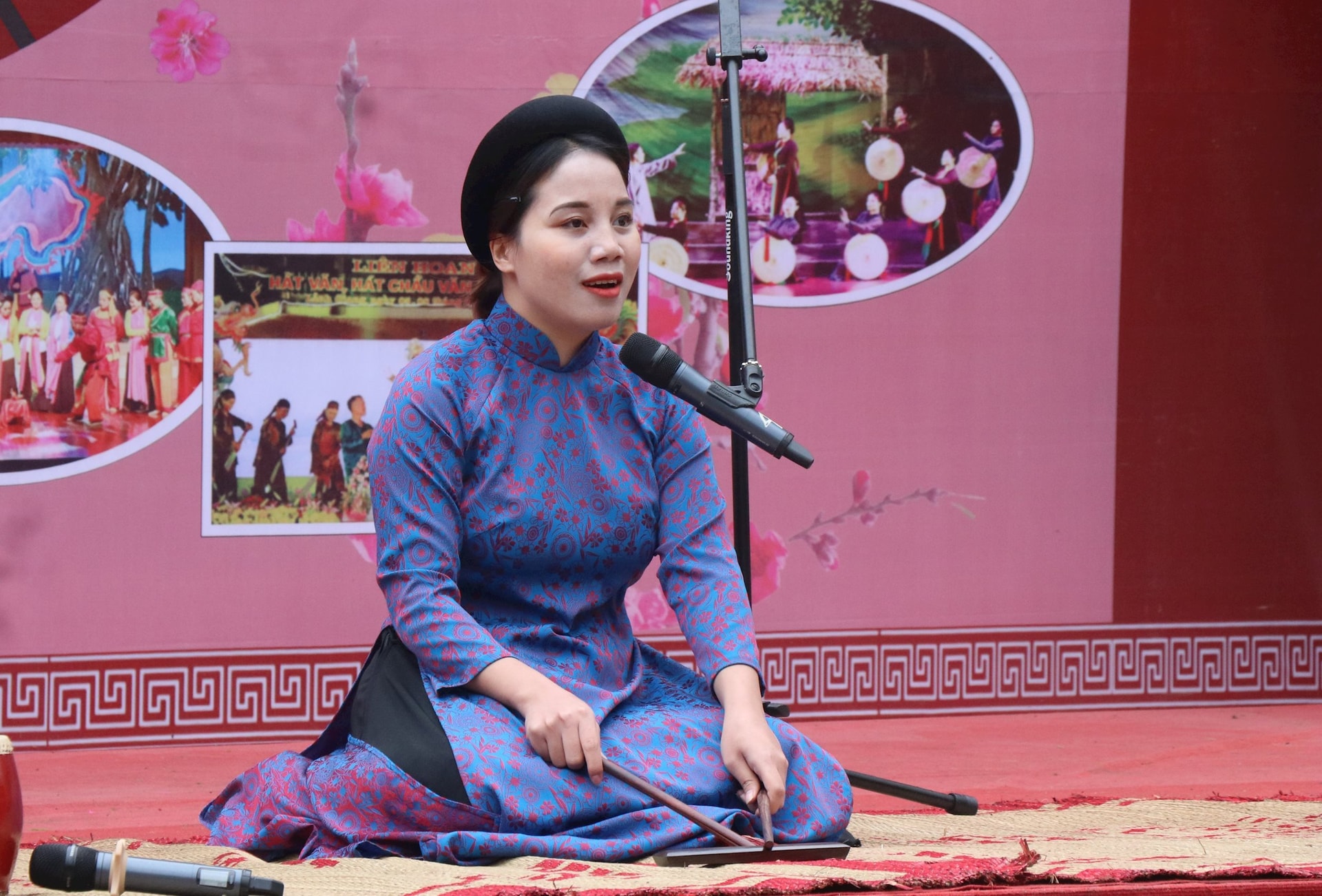
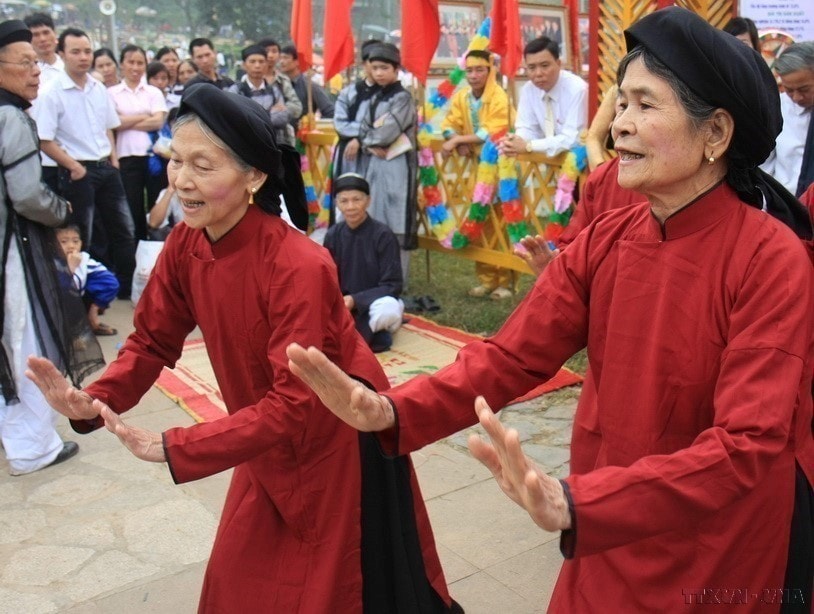
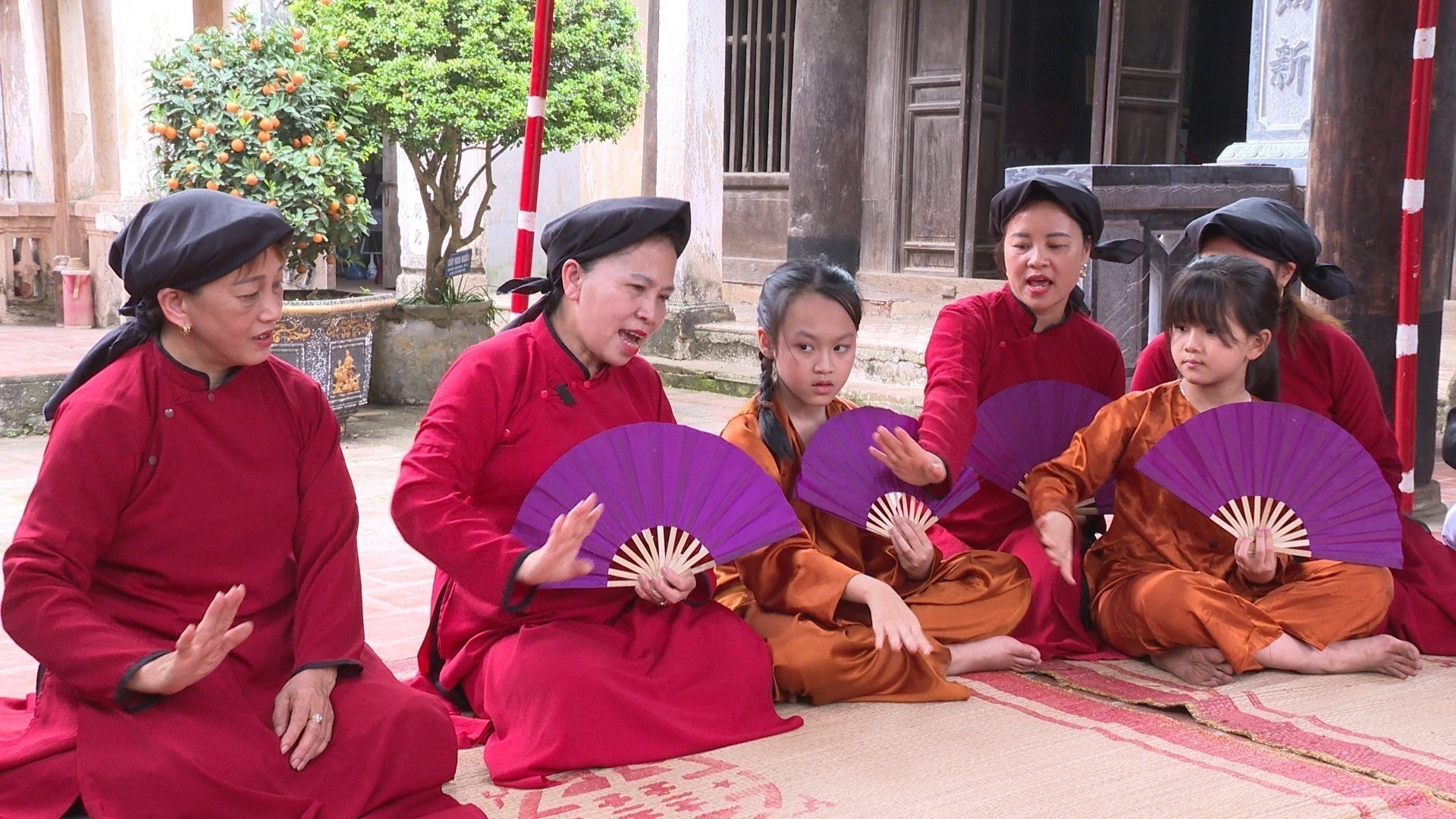
Quan Ho Bac Ninh folk songs
Quan Ho Bac Ninh folk songs (inscribed by UNESCO in 2009). Photo: VNA
Quan Ho was recognised by UNESCO as intangible cultural heritage of humanity in on September 30, 2009.
4
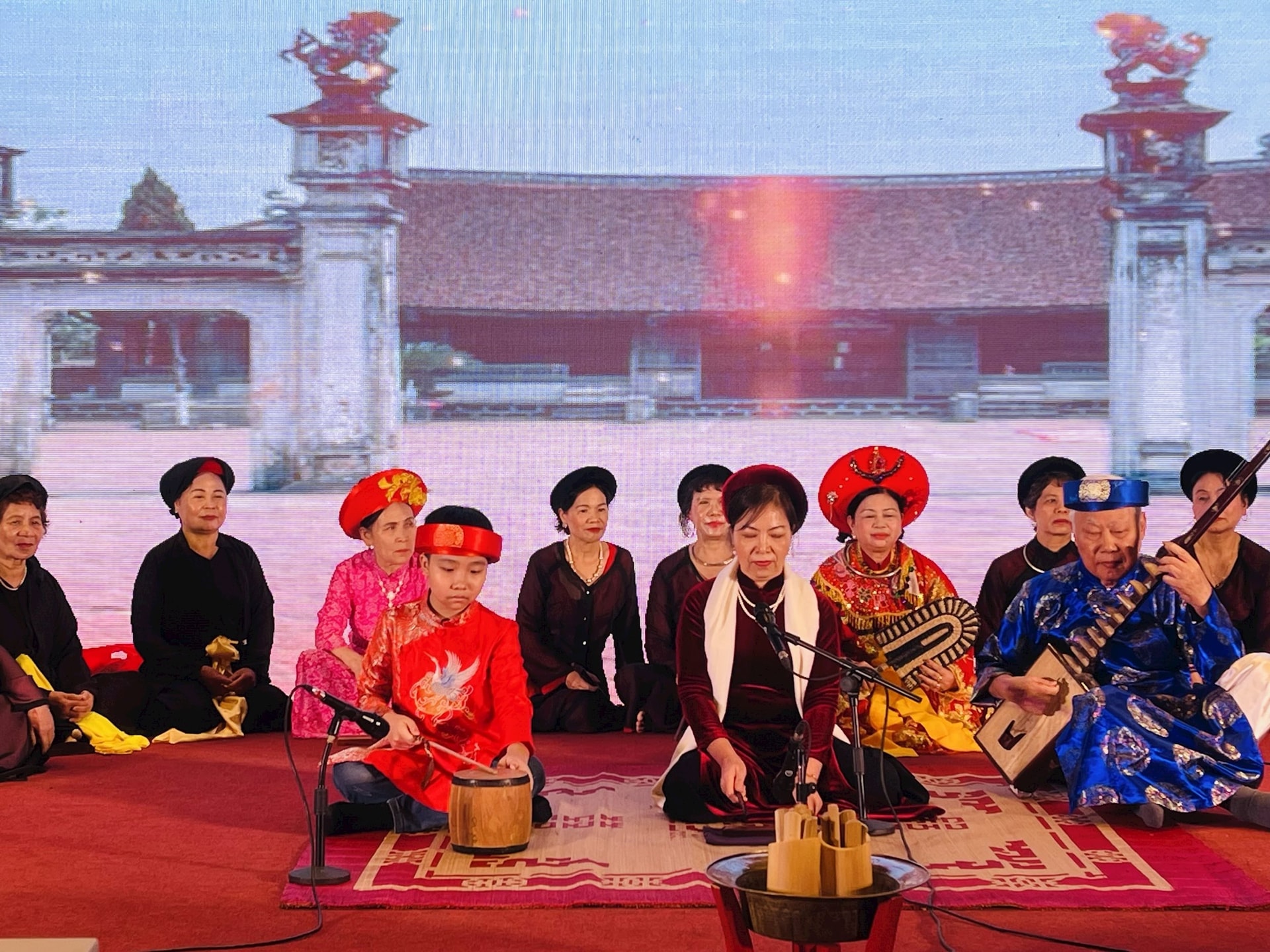
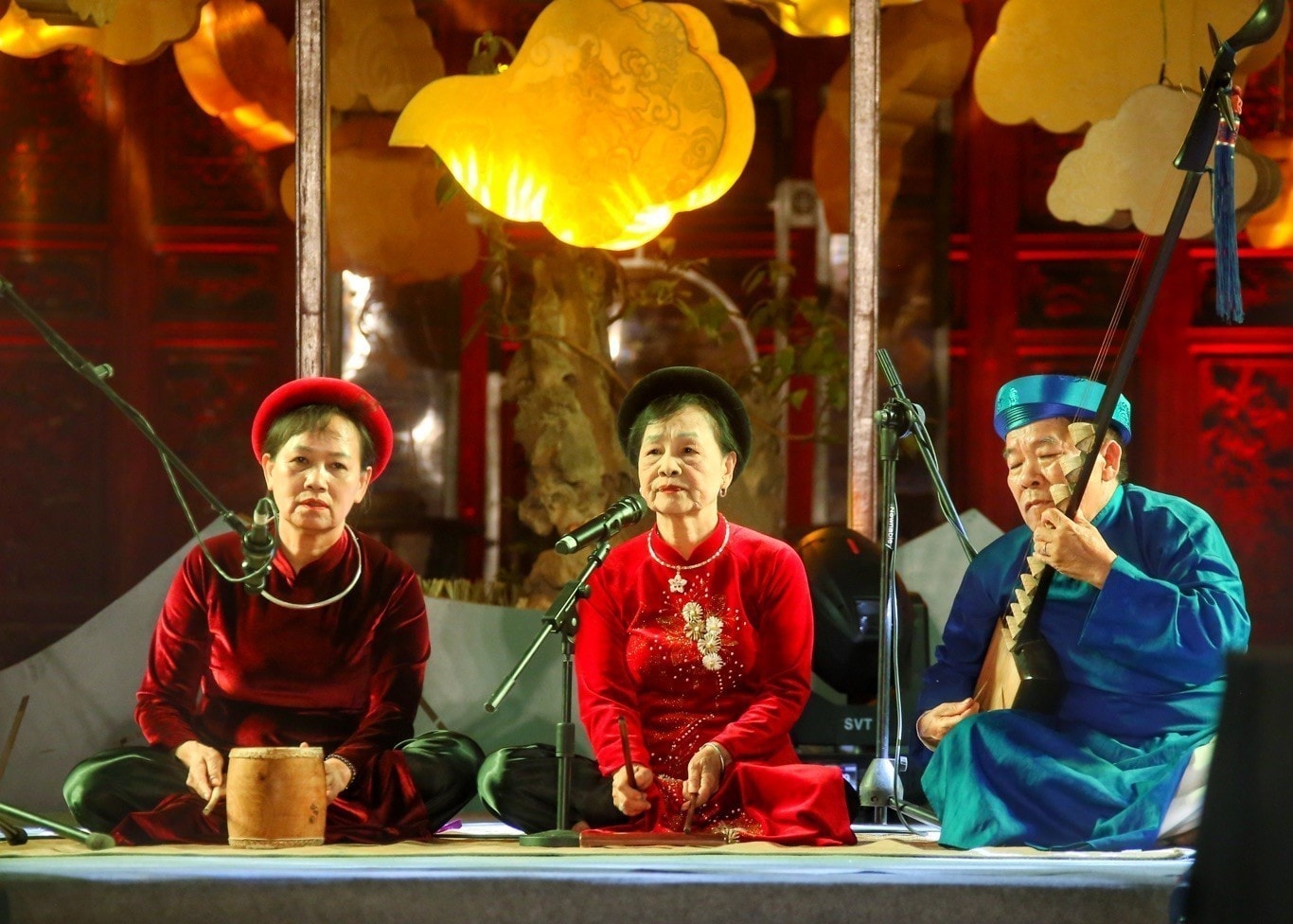
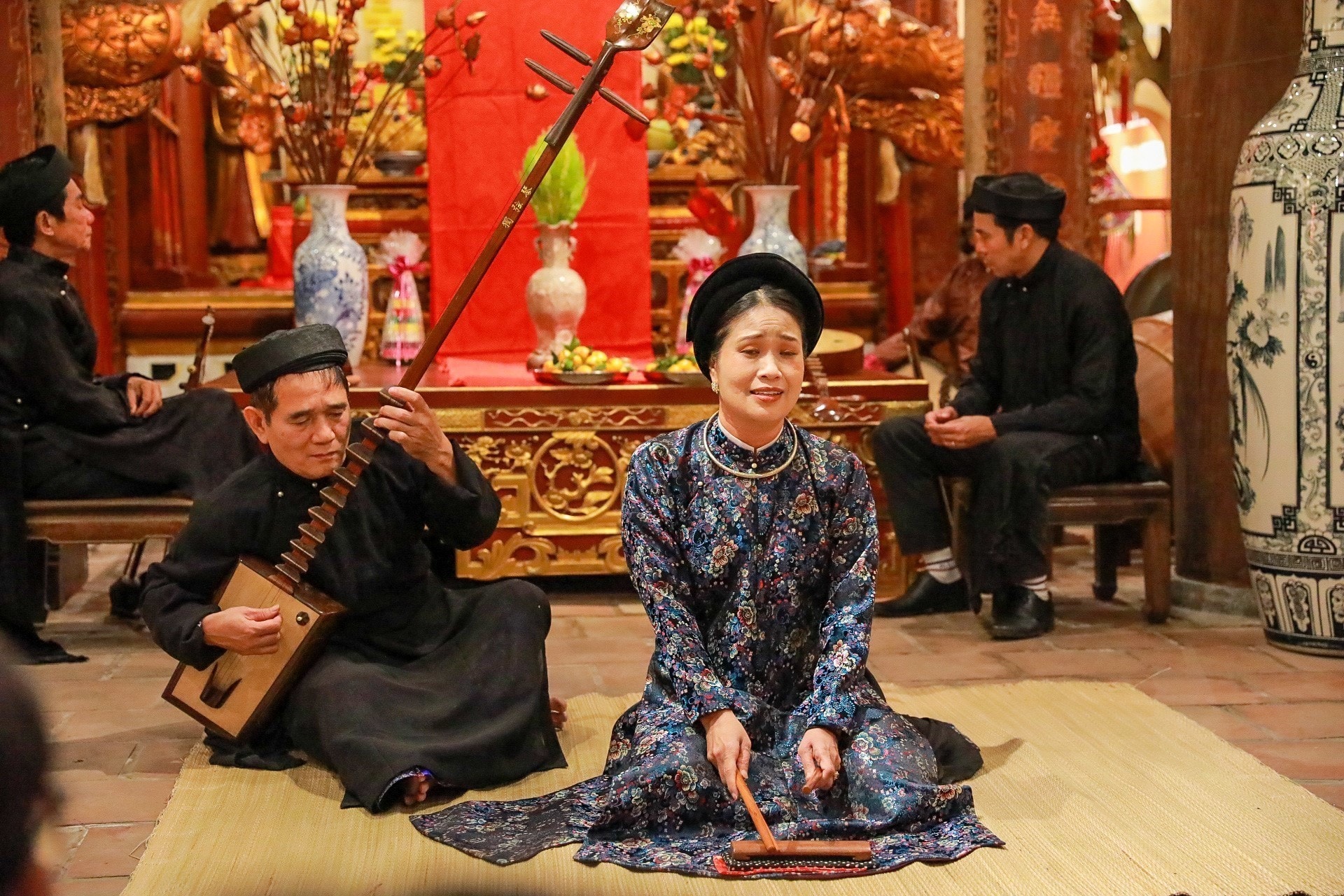
Ca Tru singing
Ca Tru singing (inscribed by UNESCO in 2009). Photo: VNA
Ca Tru was inscribed on the List of Intangible Cultural Heritage in Need of Urgent Safeguarding on October 1, 2009.
5
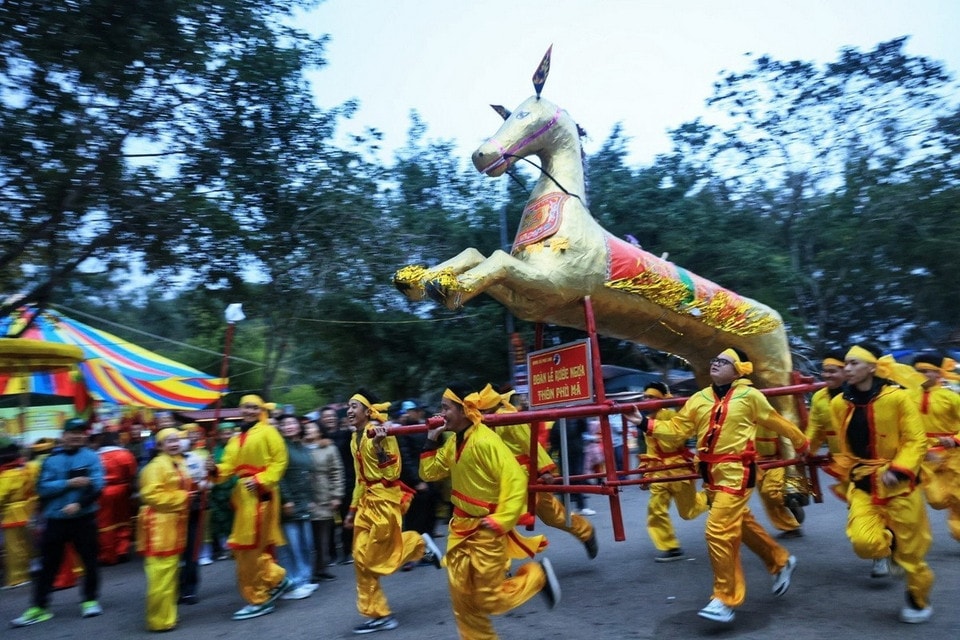
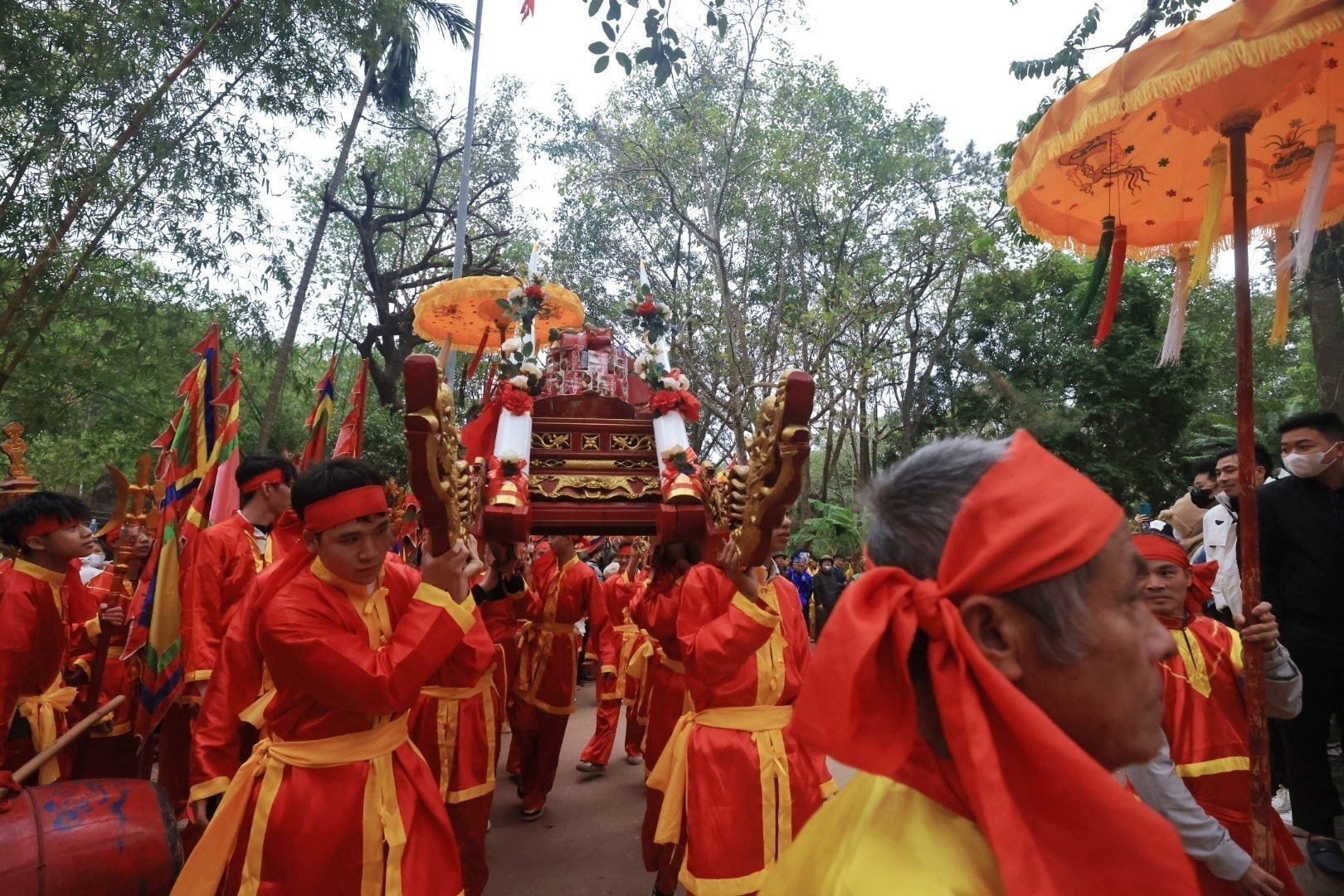
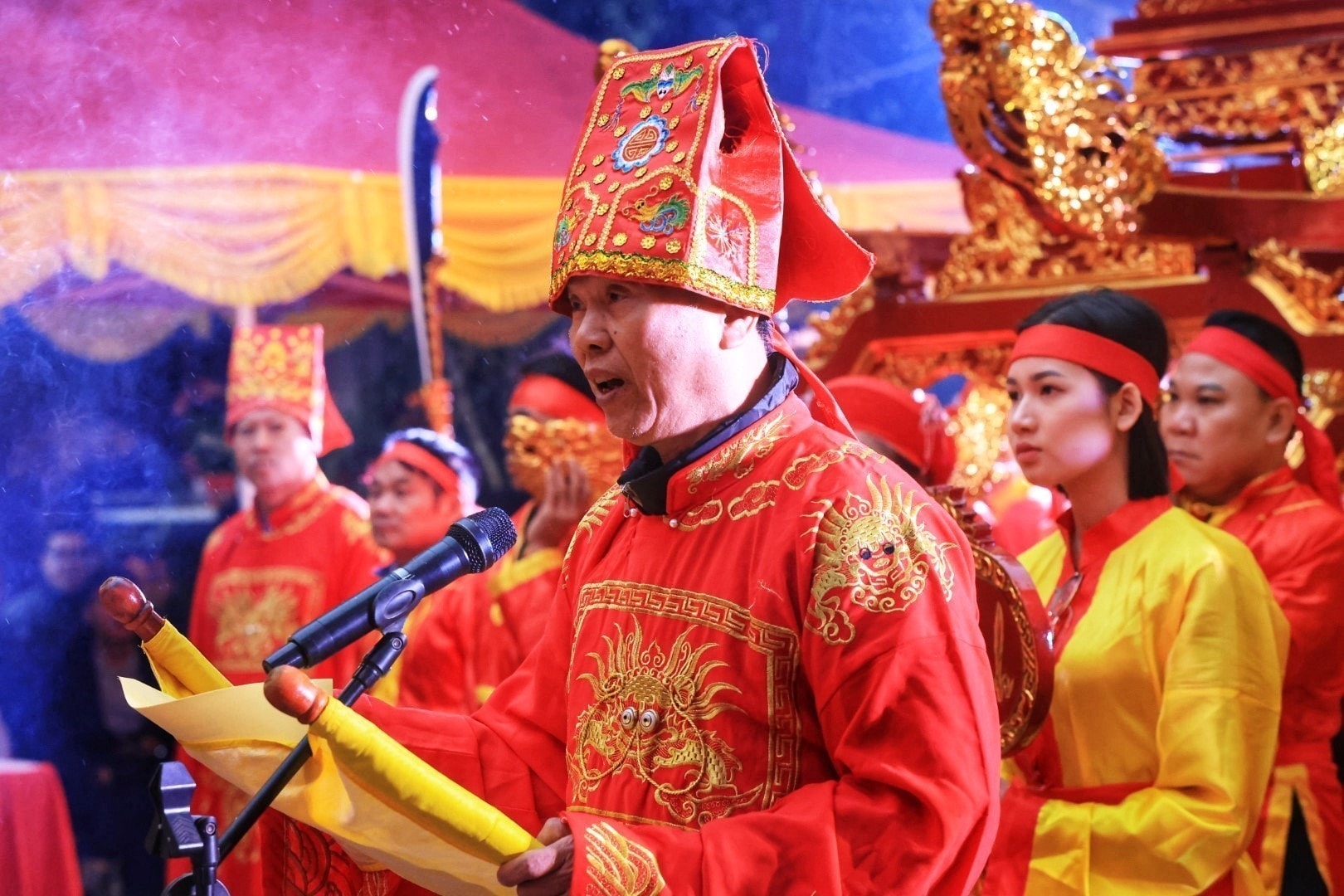
Giong Festival of Phu Dong and Soc temples
Giong Festival of Phu Dong and Soc temples (inscribed by UNESCO in 2010). Photo: VNA
On November 16, 2010, UNESCO recognised the Giong Festival as intangible cultural heritage of humanity.
6
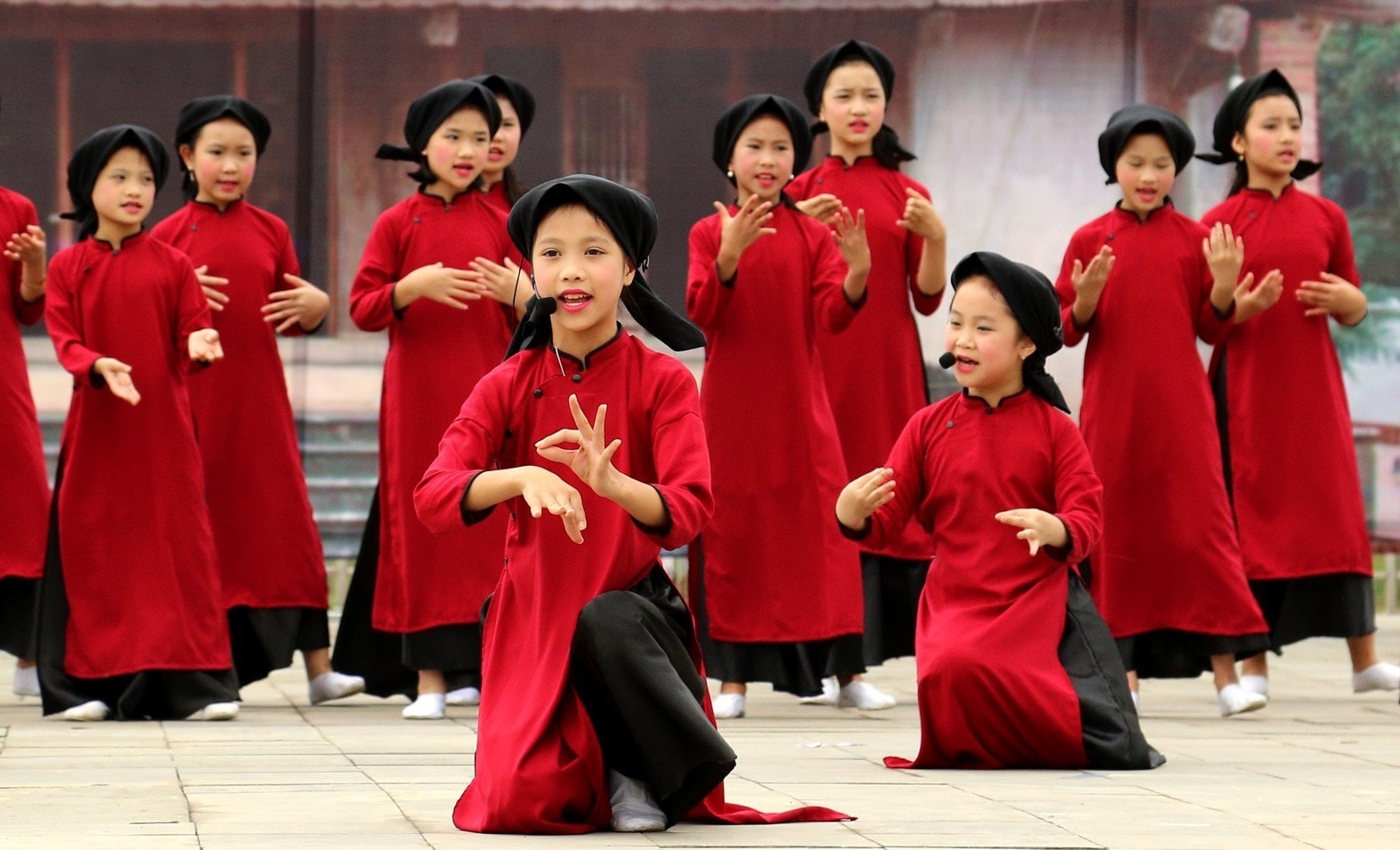
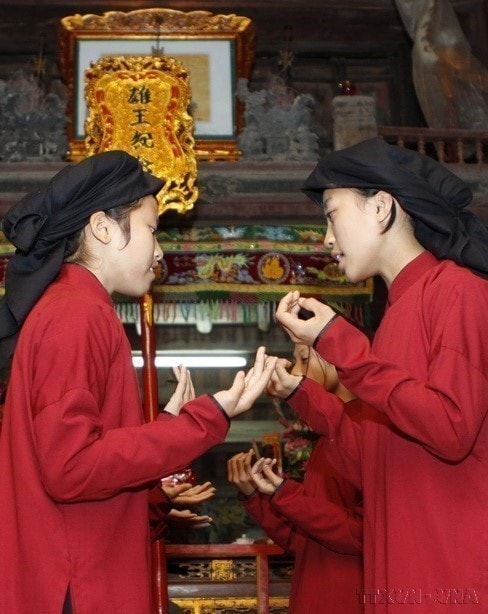
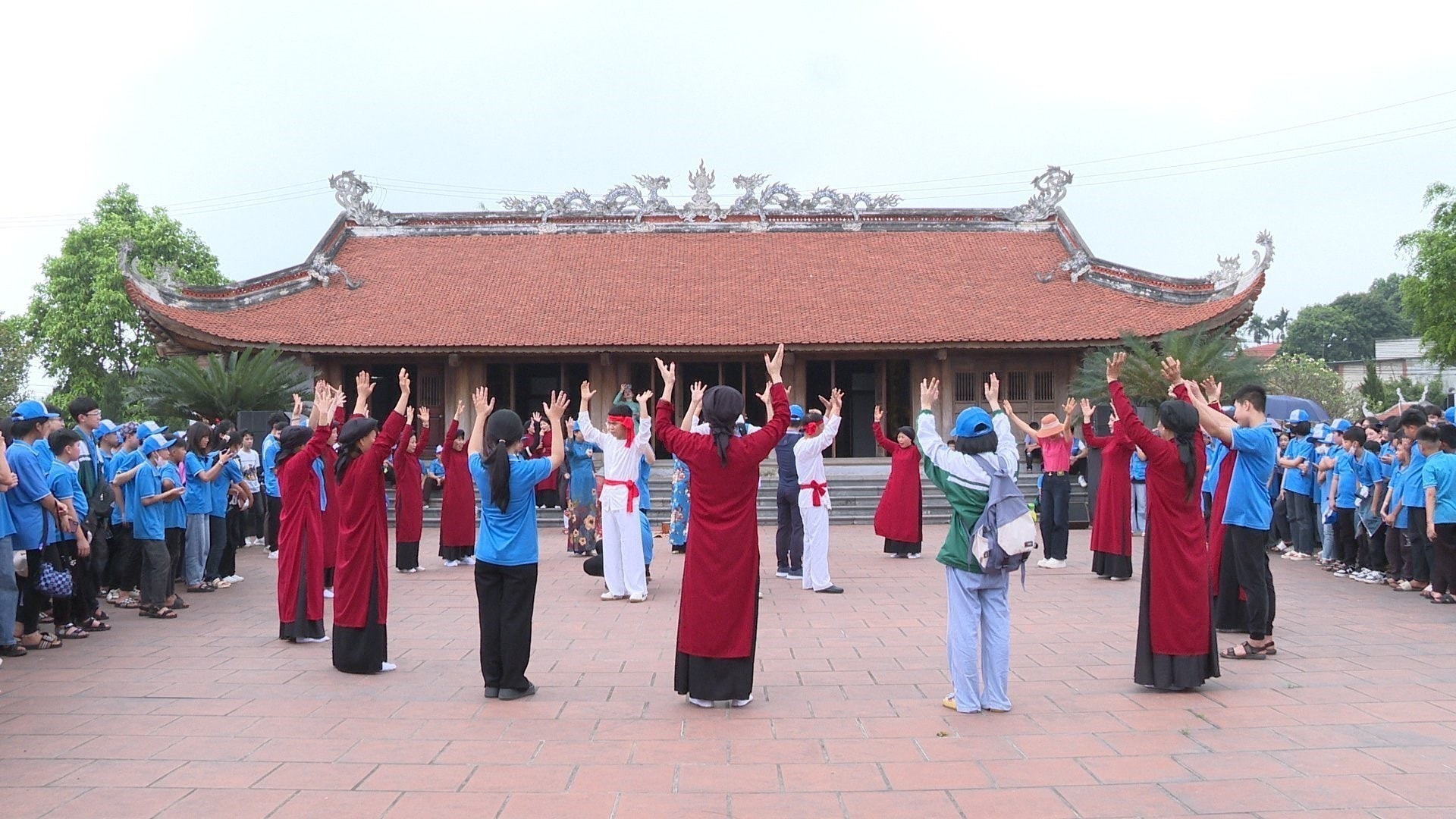
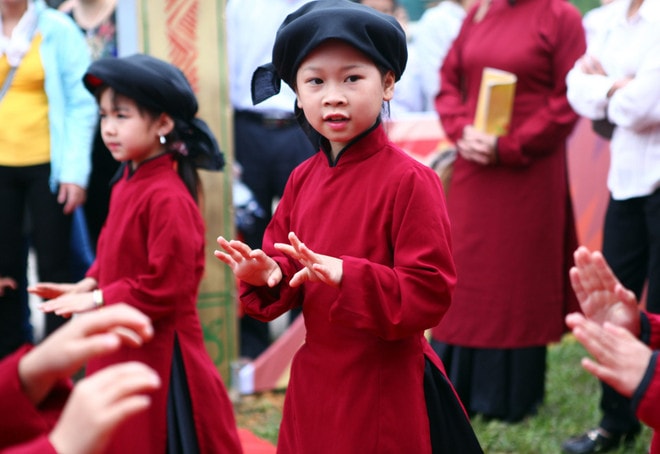
Xoan singing
Xoan singing (inscribed by UNESCO in 2011 and 2017). Photo: VNA
On November 24, 2011, this singing genre in Phu Tho was officially recognised by UNESCO as intangible cultural heritage in need of urgent safeguarding. Then, on December 8, 2017, it was added to the Representative List of the Intangible Cultural Heritage of Humanity.
7
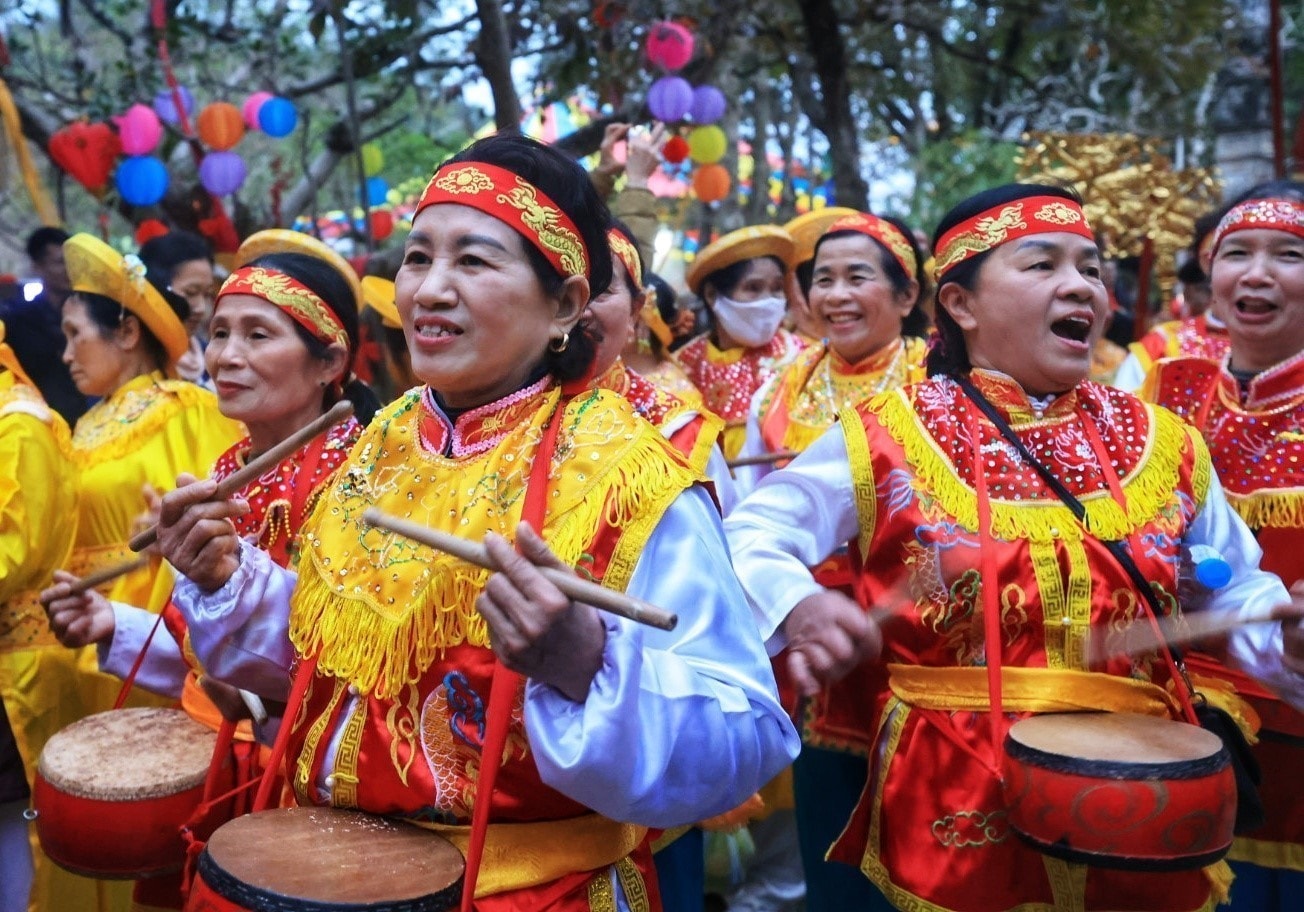
Worship of Hung Kings in Phu Tho
The worship of Hung Kings in Phu Tho (inscribed by UNESCO in 2012). Photo: VNA
The Worship of Hung Kings was recognised as part of the Intangible Cultural Heritage of Humanity by UNESCO on December 6, 2012.
8
The art of Don Ca Tai Tu (southern amateur music)
The art of Don Ca Tai Tu (inscribed by UNESCO in 2013). Photo: VNA
Don Ca Tai Tu was listed in the Representative List of the Intangible Cultural Heritage of Humanity by UNESCO on December 5, 2013.
9
Vi and Giam folk songs of Nghe Tinh
Vi and Giam folk songs of Nghe Tinh (inscribed by UNESCO in 2014). Photo: VNA
The Vi and Giam folk songs of Nghe Tinh were inscribed on the Representative List of the Intangible Cultural Heritage of Humanity on November 27, 2014.
10
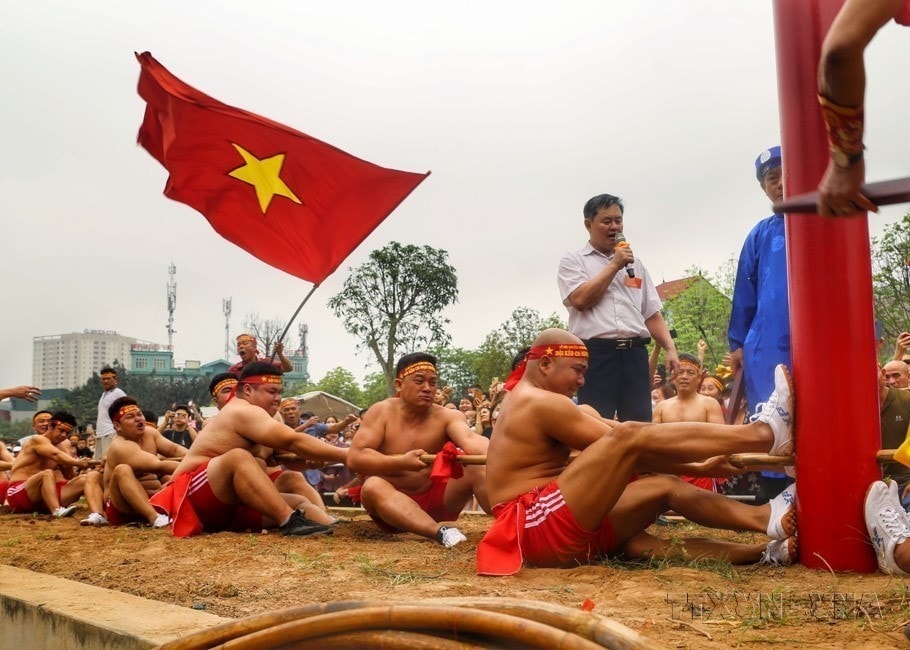
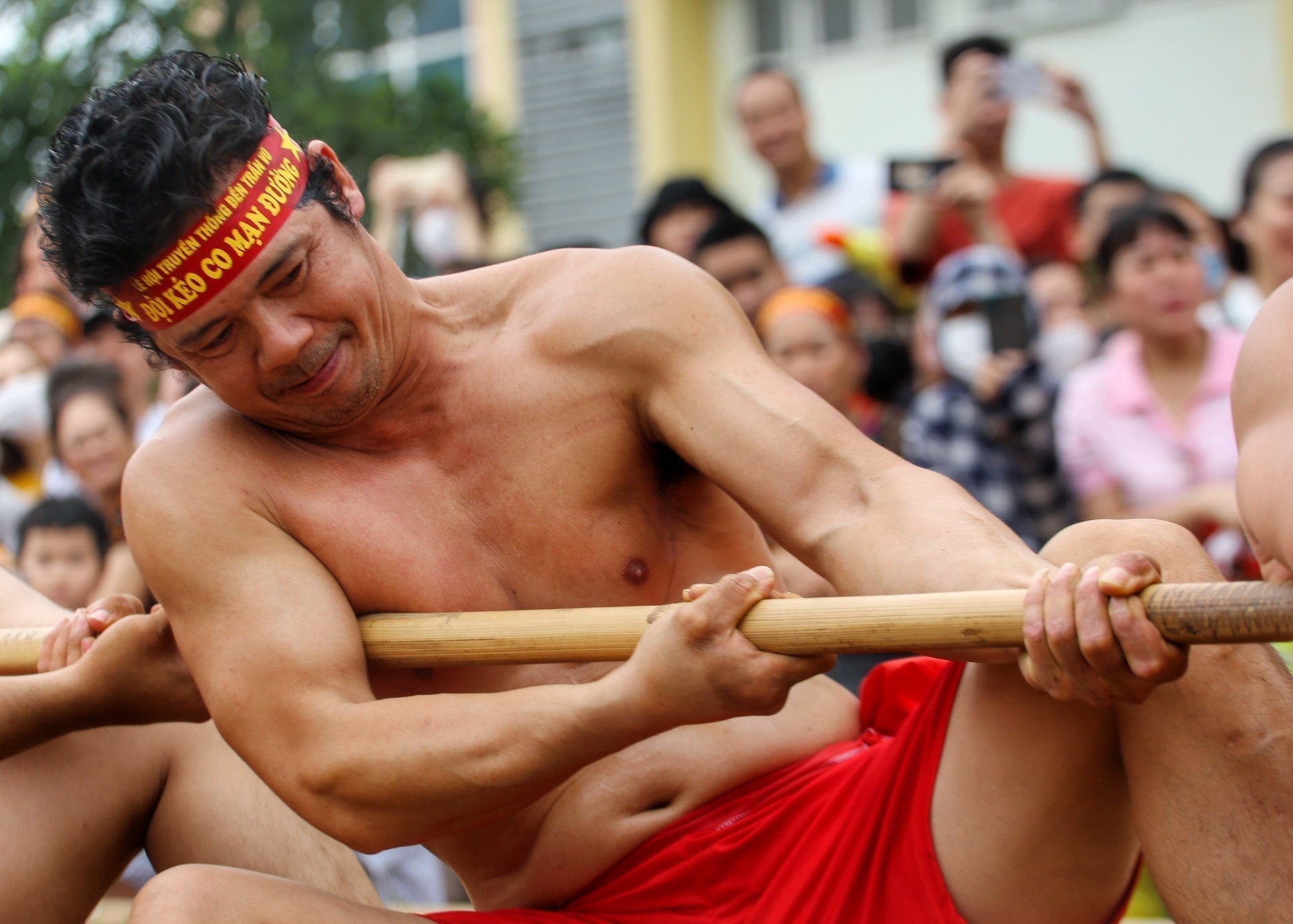
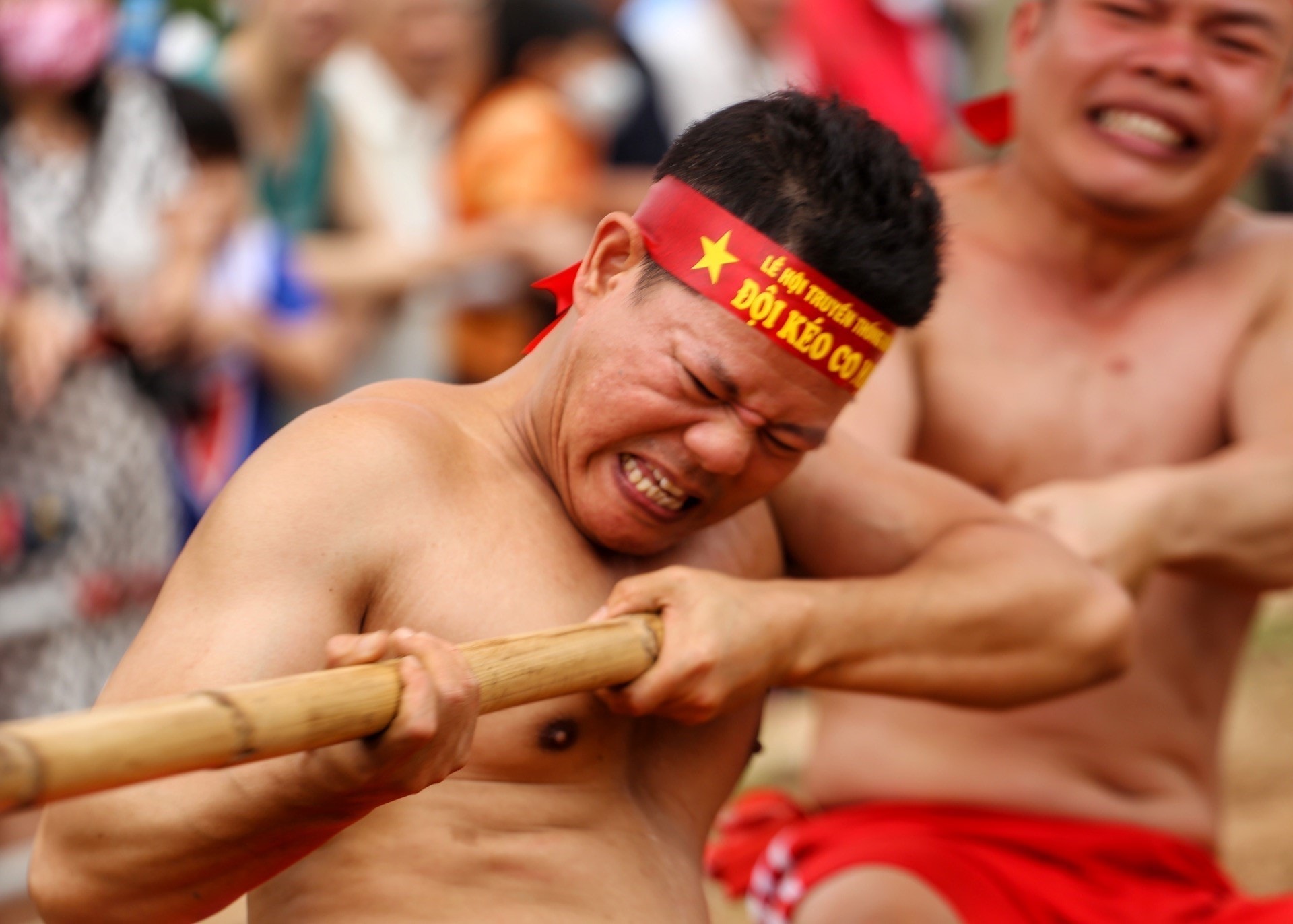
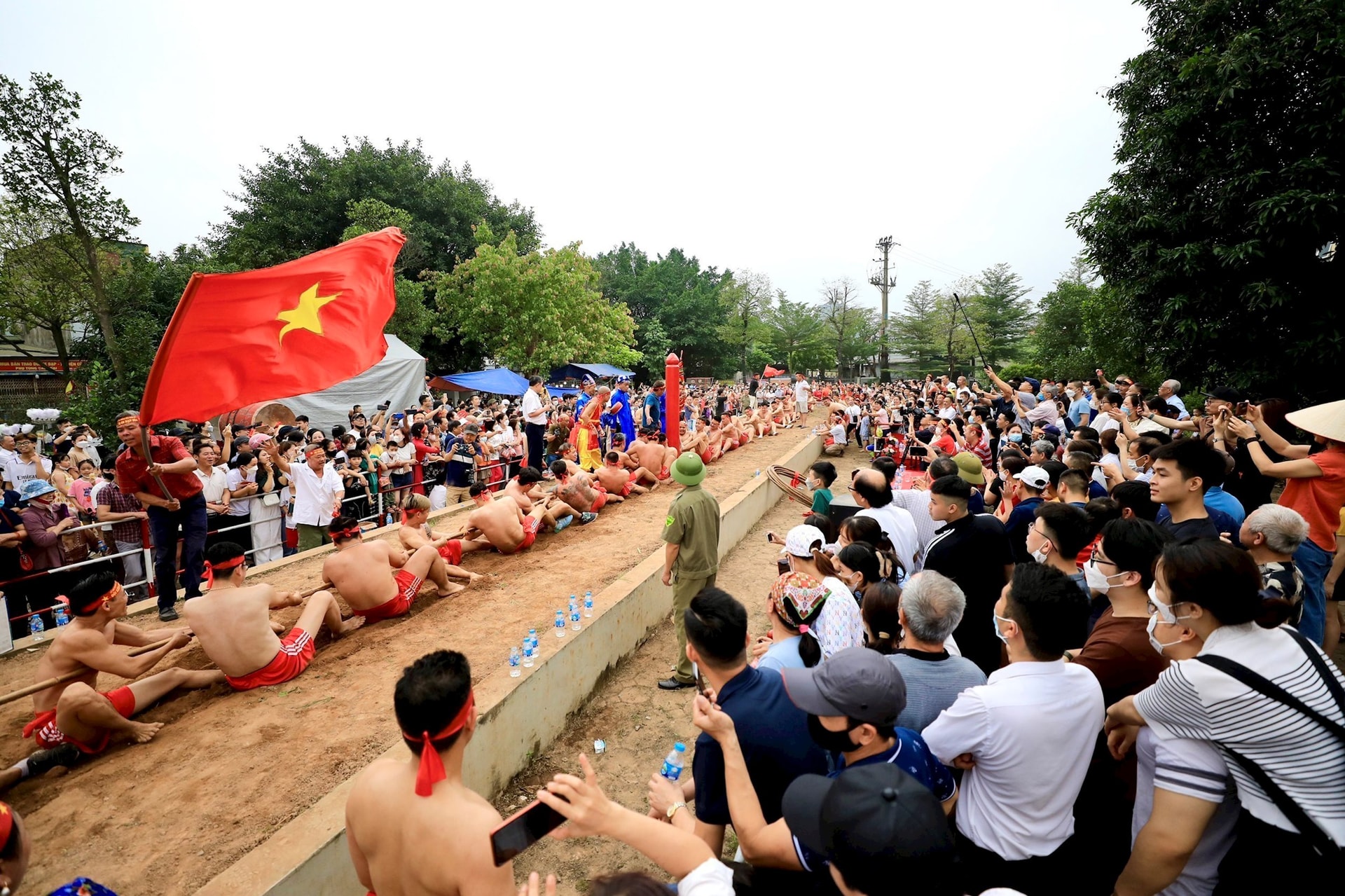
Tug-of-war rituals and games
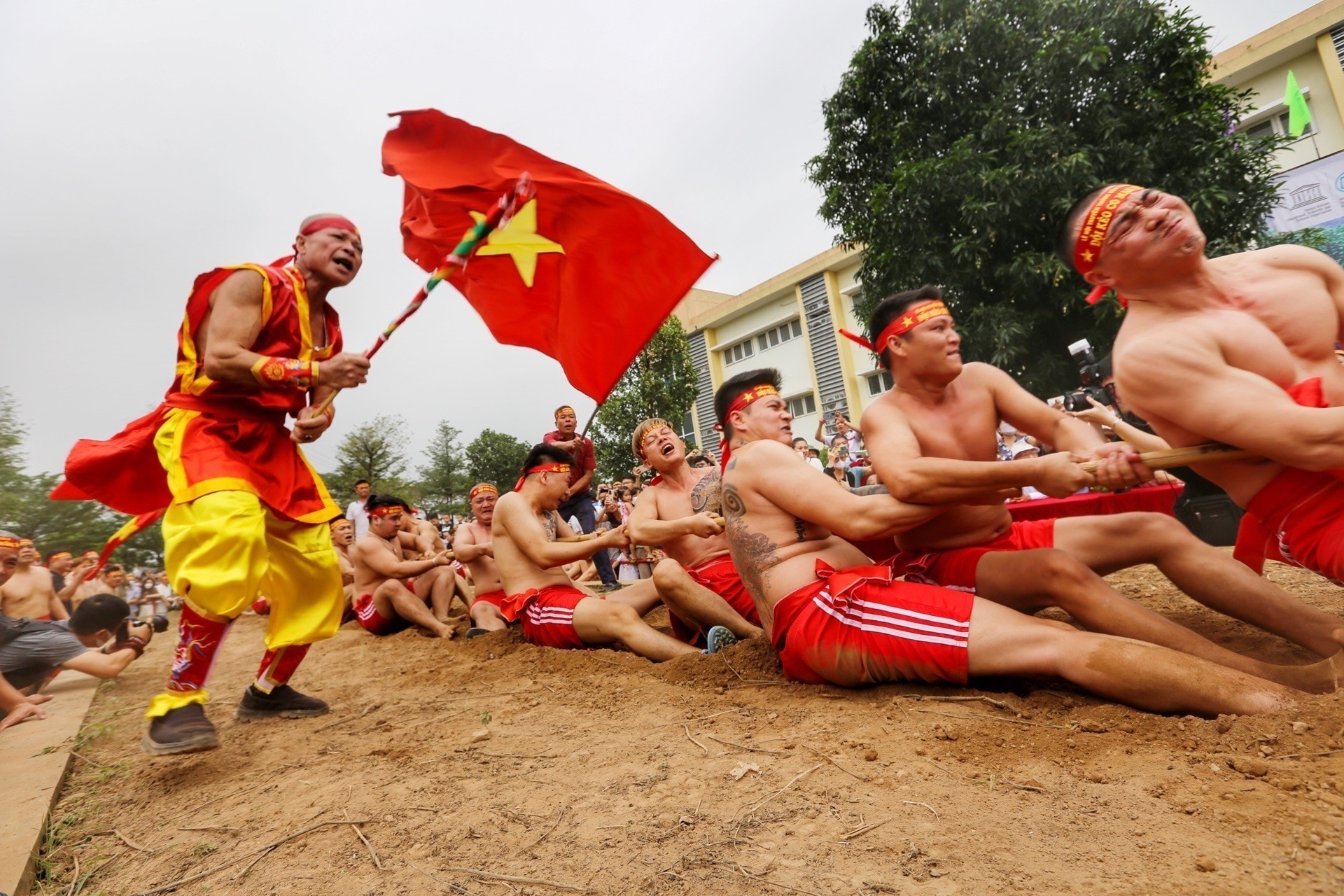
Tug-of-war rituals and games (inscribed by UNESCO in 2015). Photo: VNA
On December 2, 2015, the tug-of-war rituals and games in Vietnam, Cambodia, the Republic of Korea, and the Philippines were officially recognised by UNESCO as intangible cultural heritage of humanity.
11
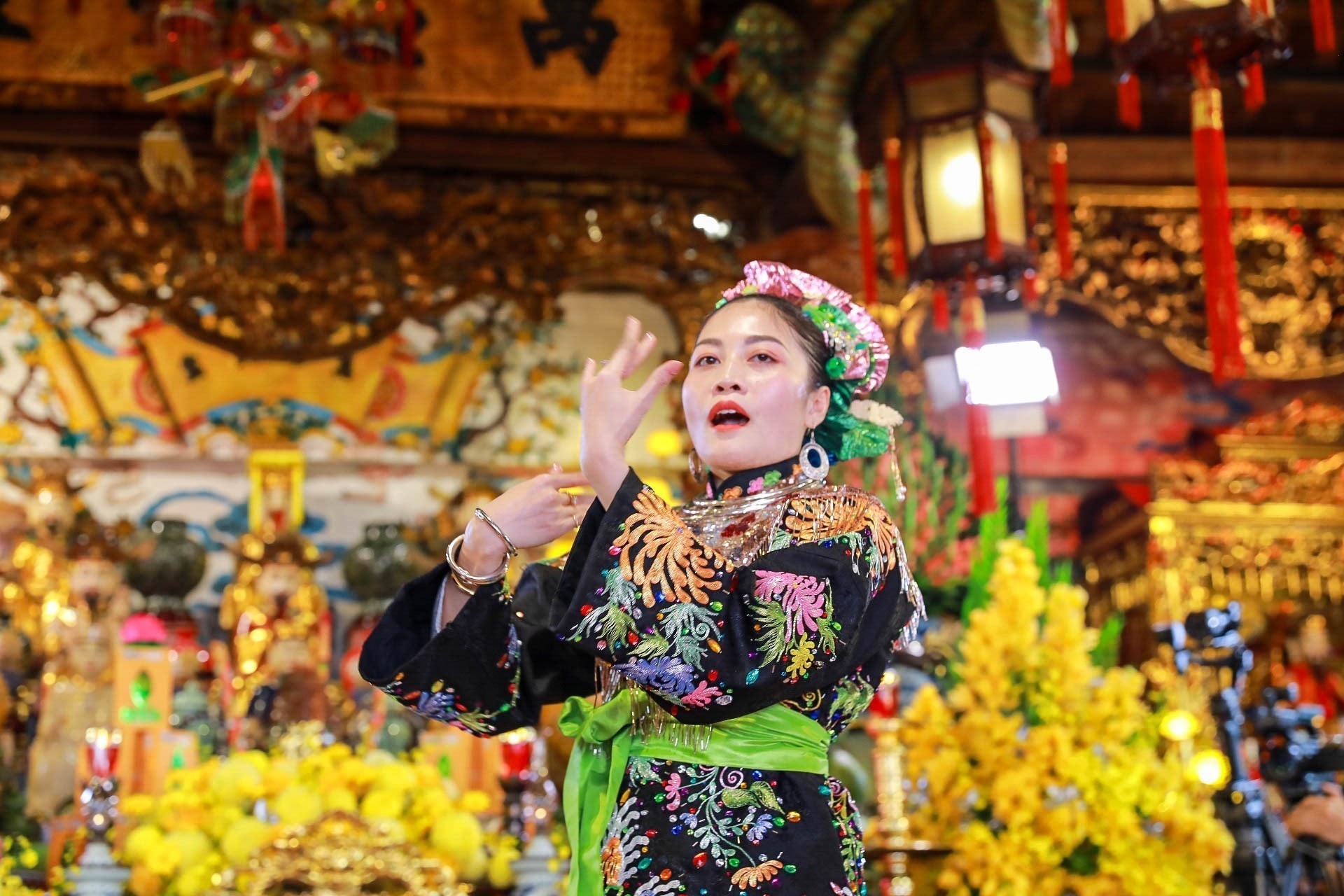
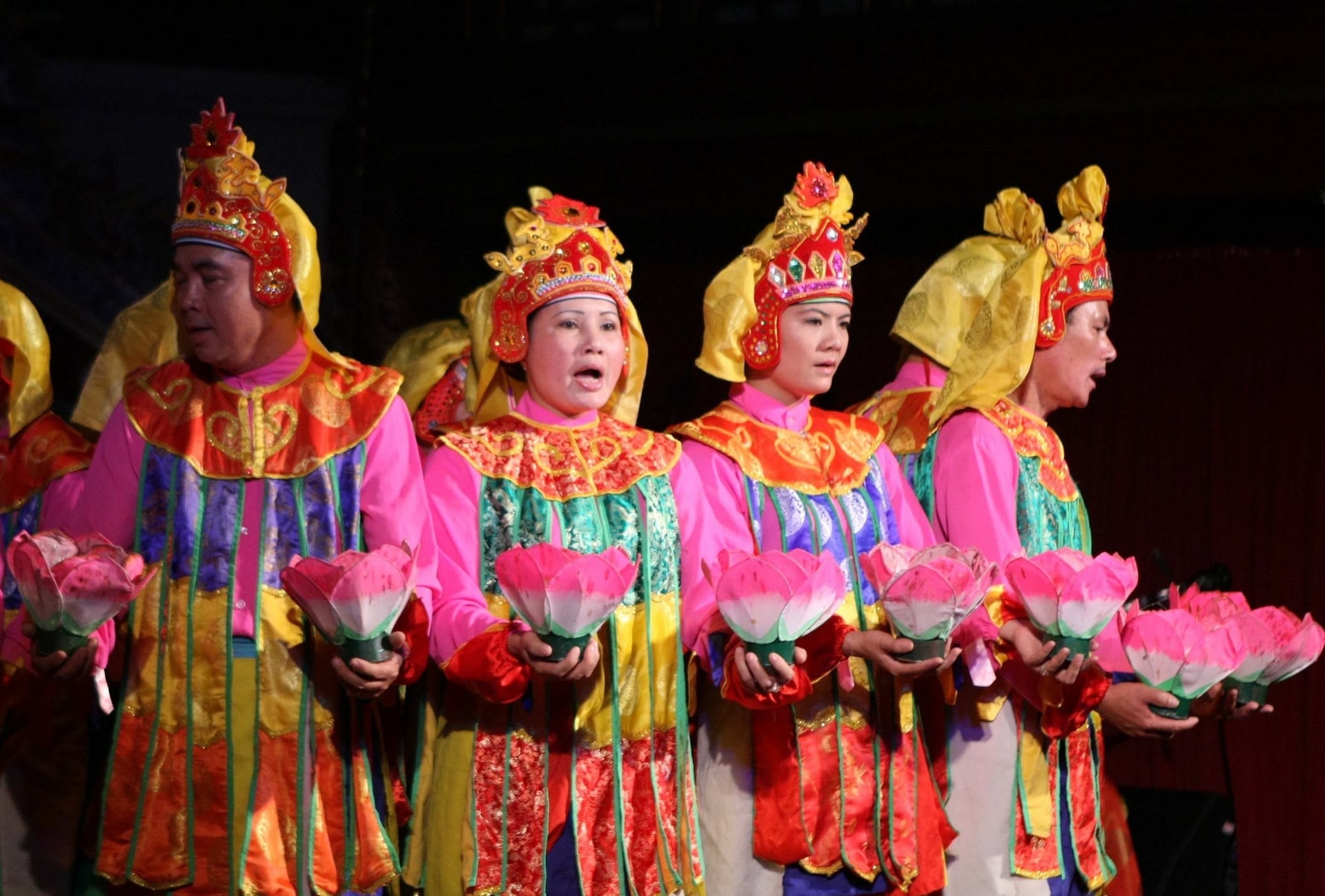
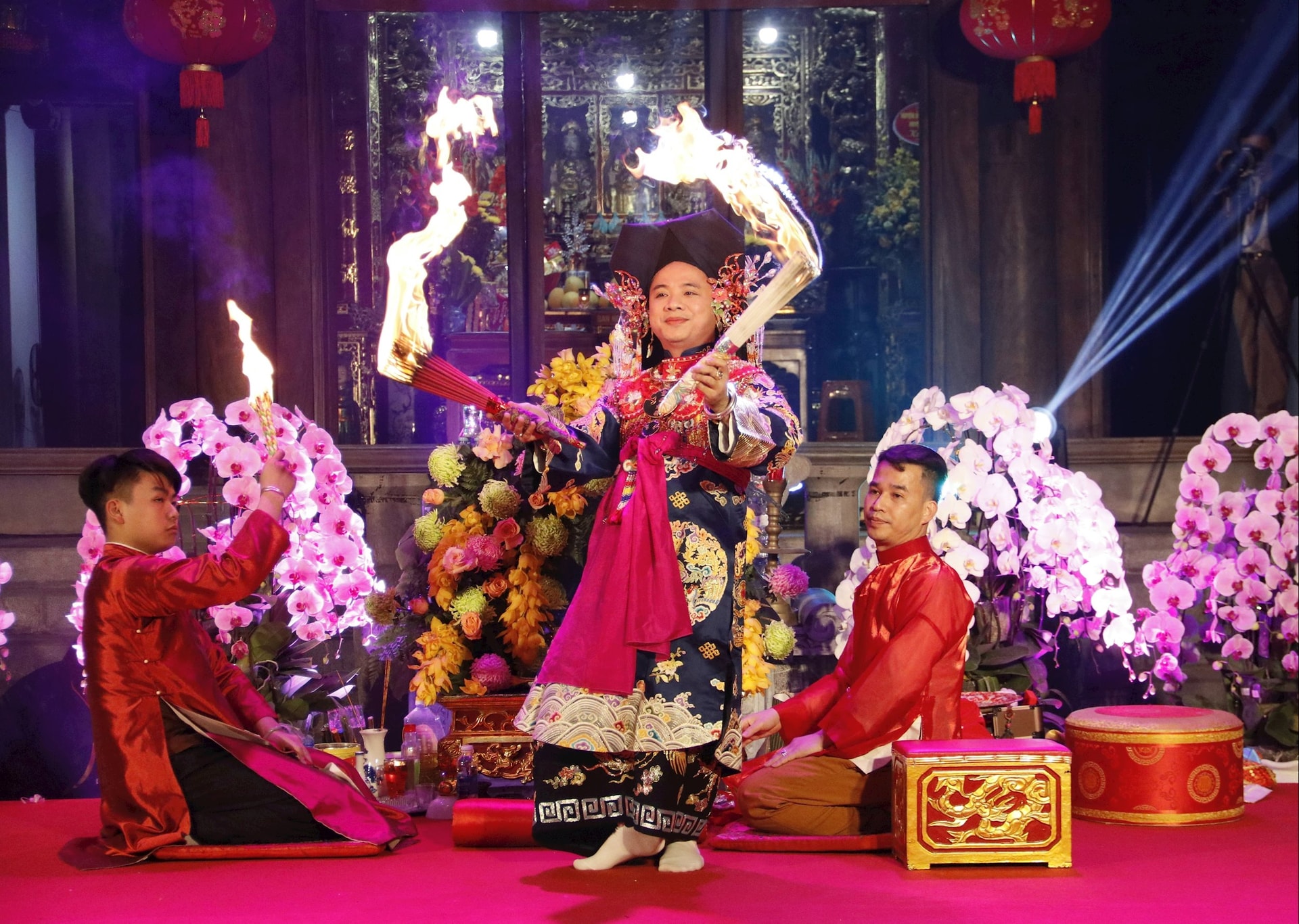
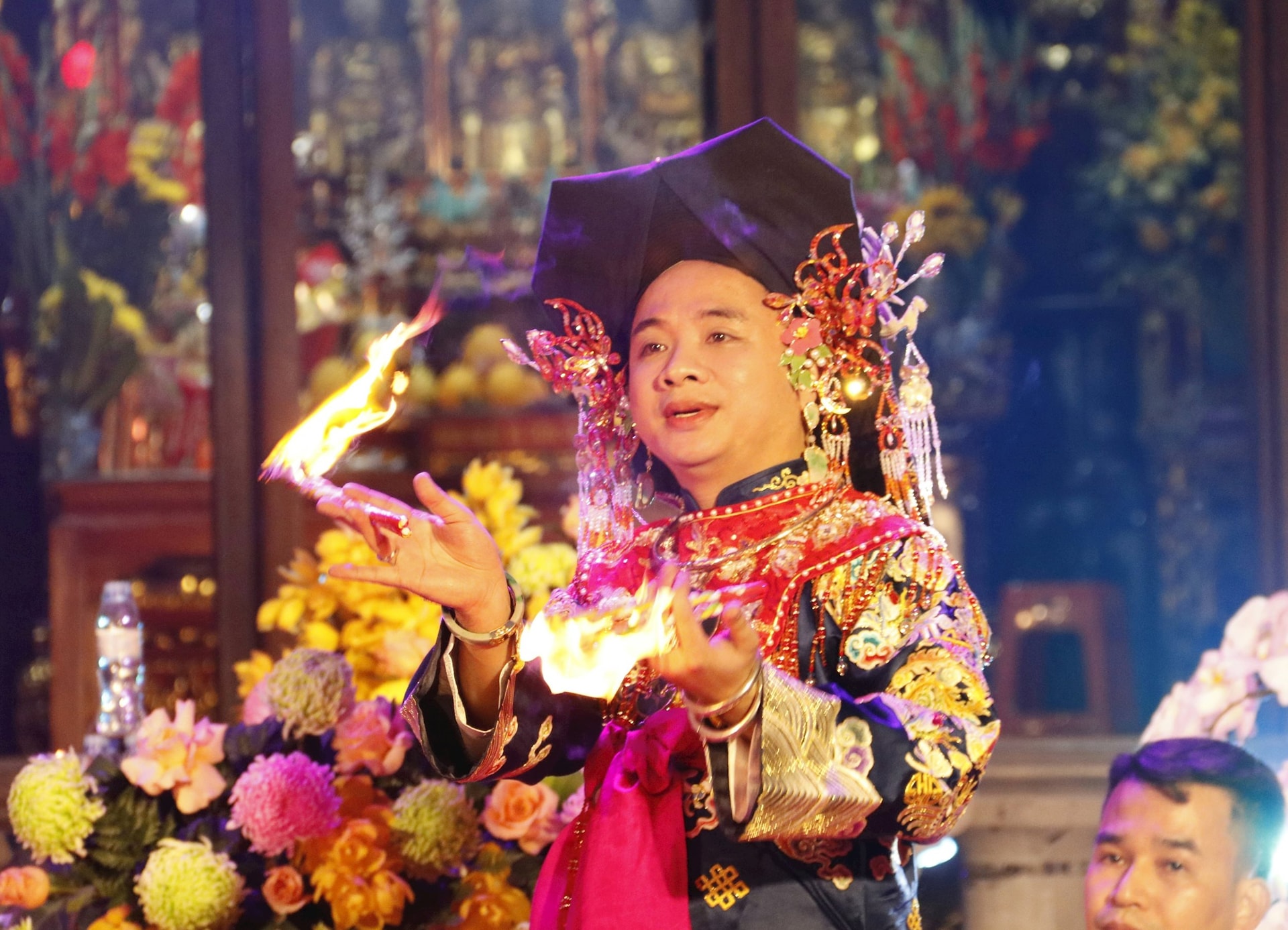
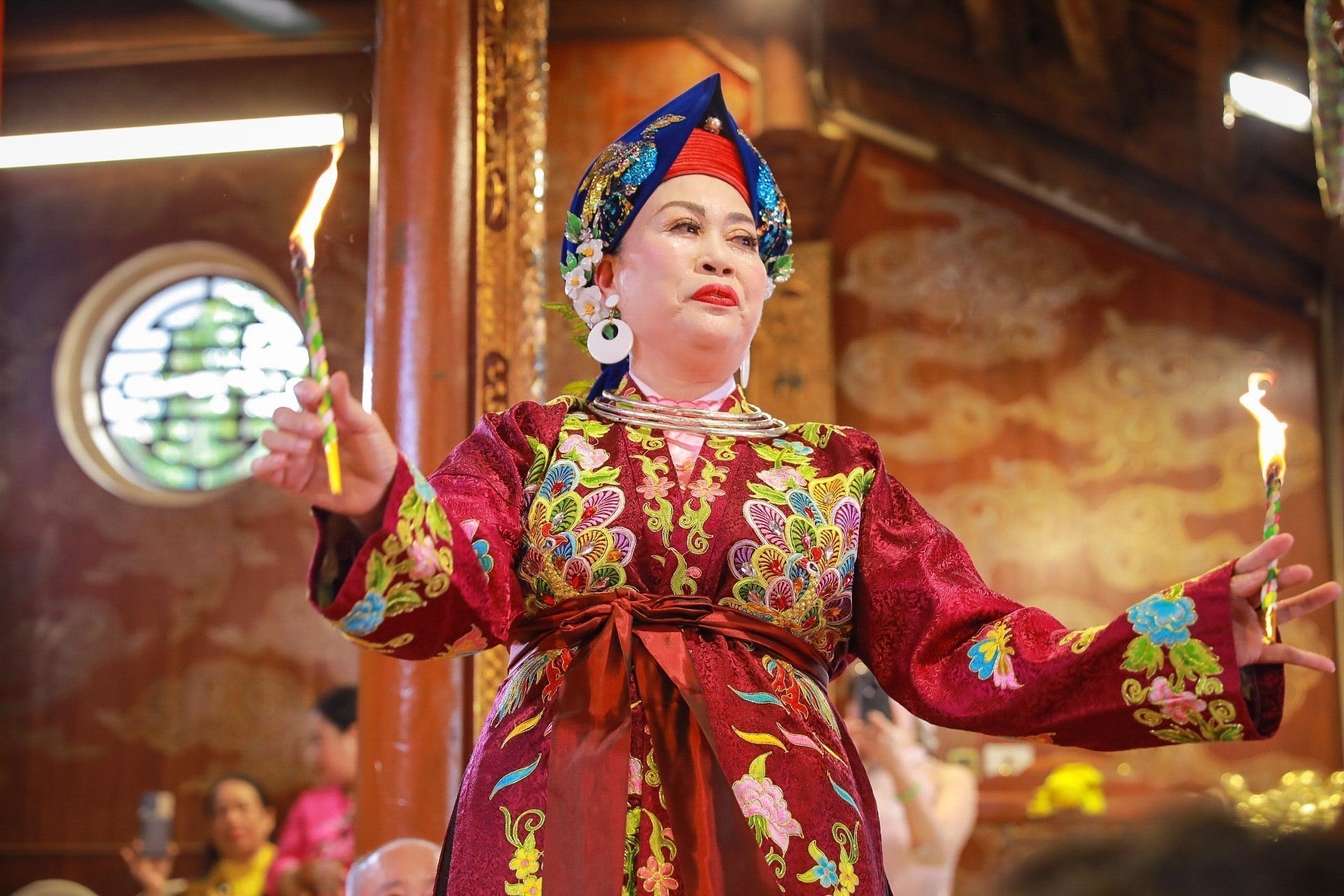
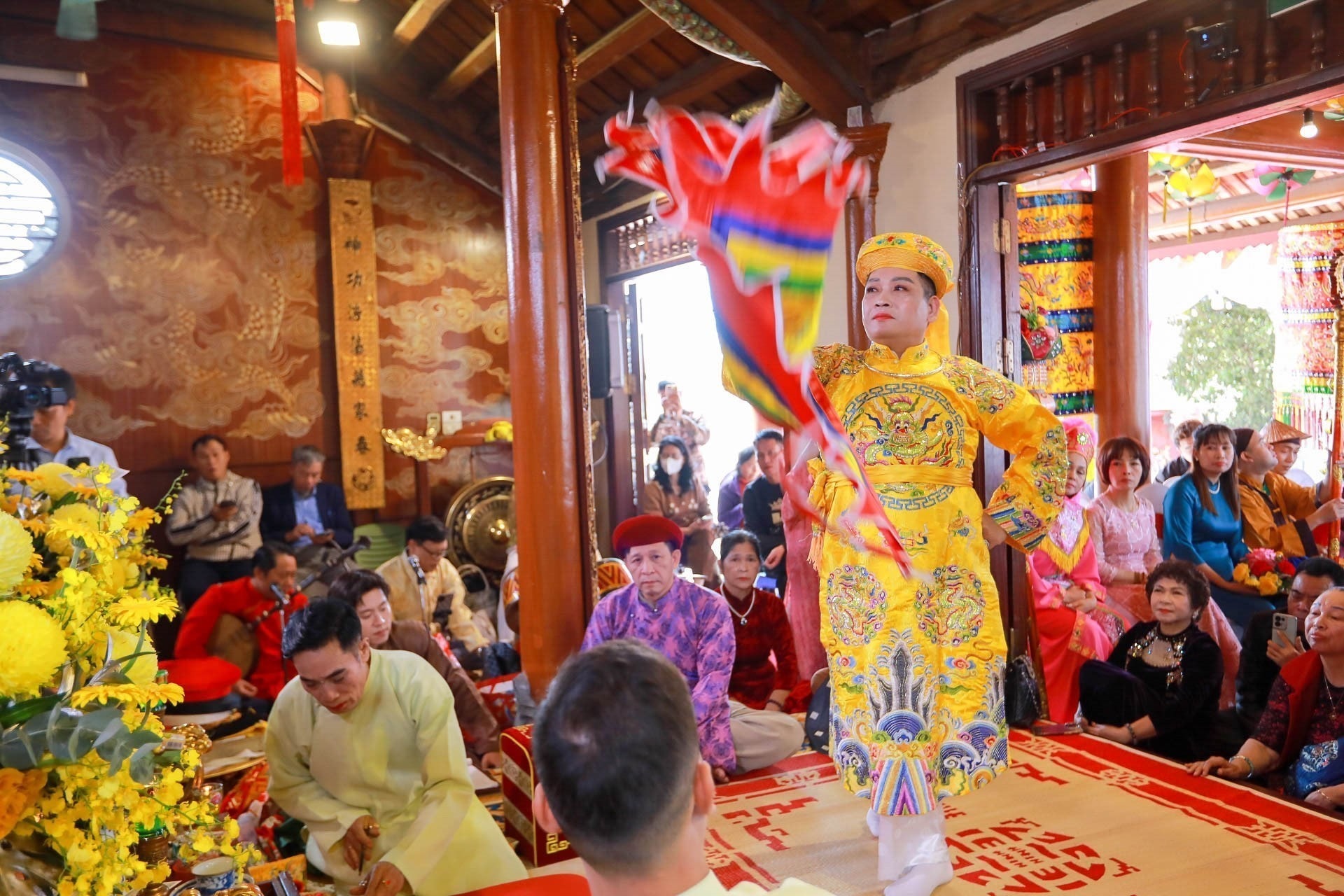
Practices related to Vietnamese beliefs in the Mother Goddesses of Three Realms
Practices related to the Vietnamese beliefs in the Mother Goddesses of Three Realms (inscribed in 2016). Photo: VNA
The practices related to the Vietnamese beliefs in the Mother Goddesses of Three Realms were inscribed on the Representative List of the Intangible Cultural Heritage of Humanity on December 1, 2016.
12
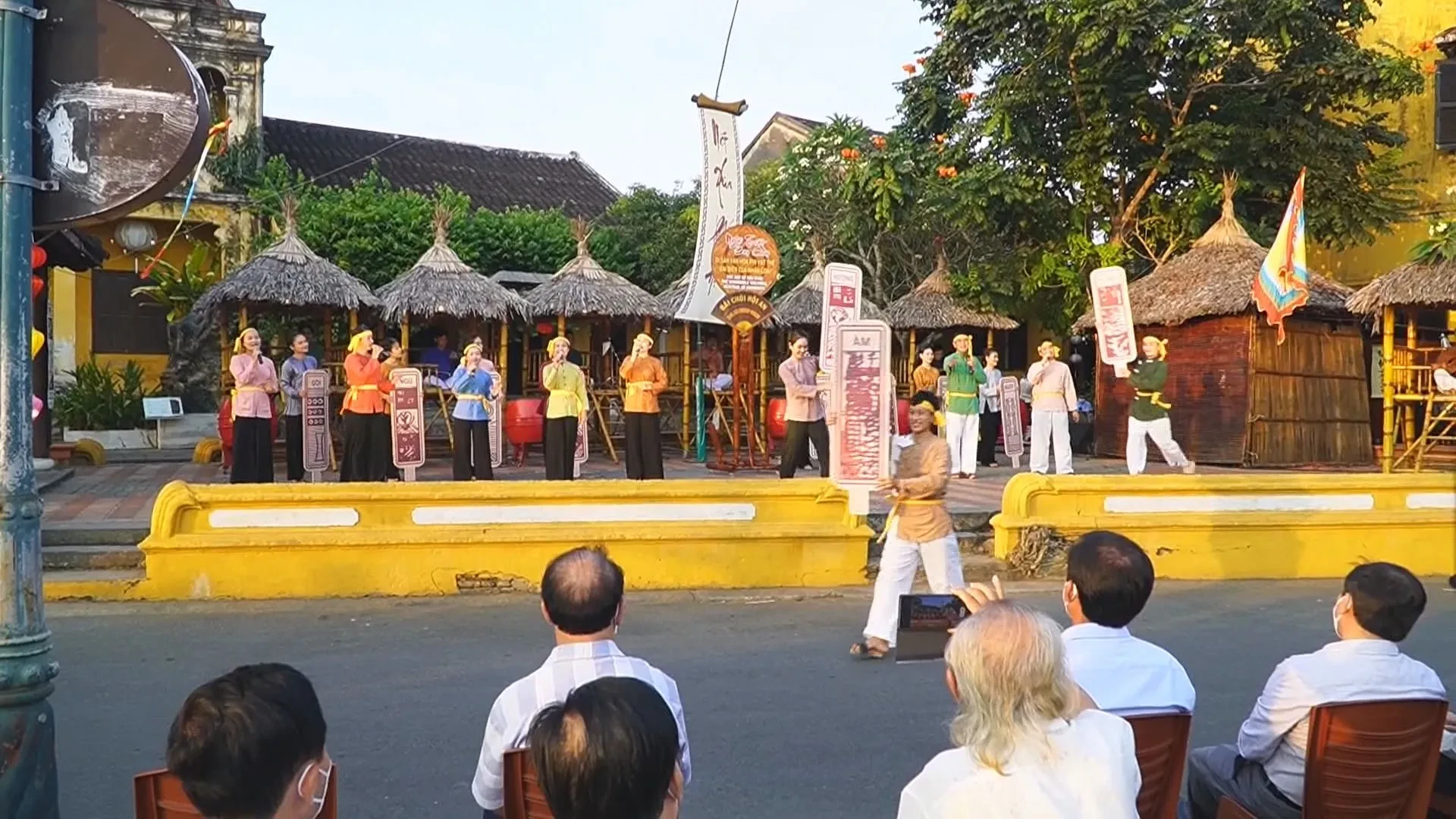
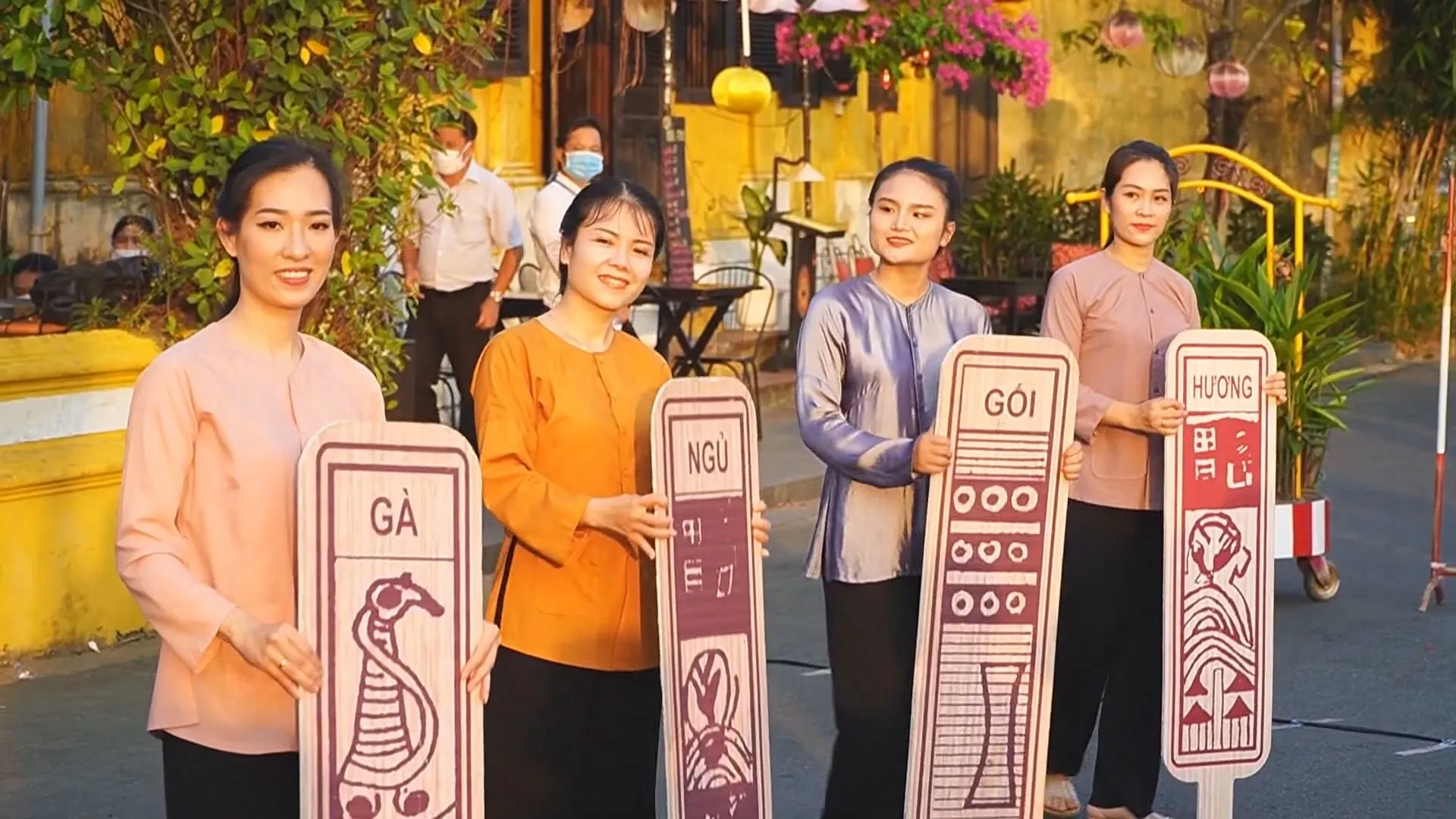
The art of Bai Choi in central Vietnam
The art of Bai Choi in central Vietnam (inscribed in 2017). Photo: VNA)
The art of Bai Choi was inscribed on the Representative List of the Intangible Cultural Heritage of Humanity on December 7, 2017.
13
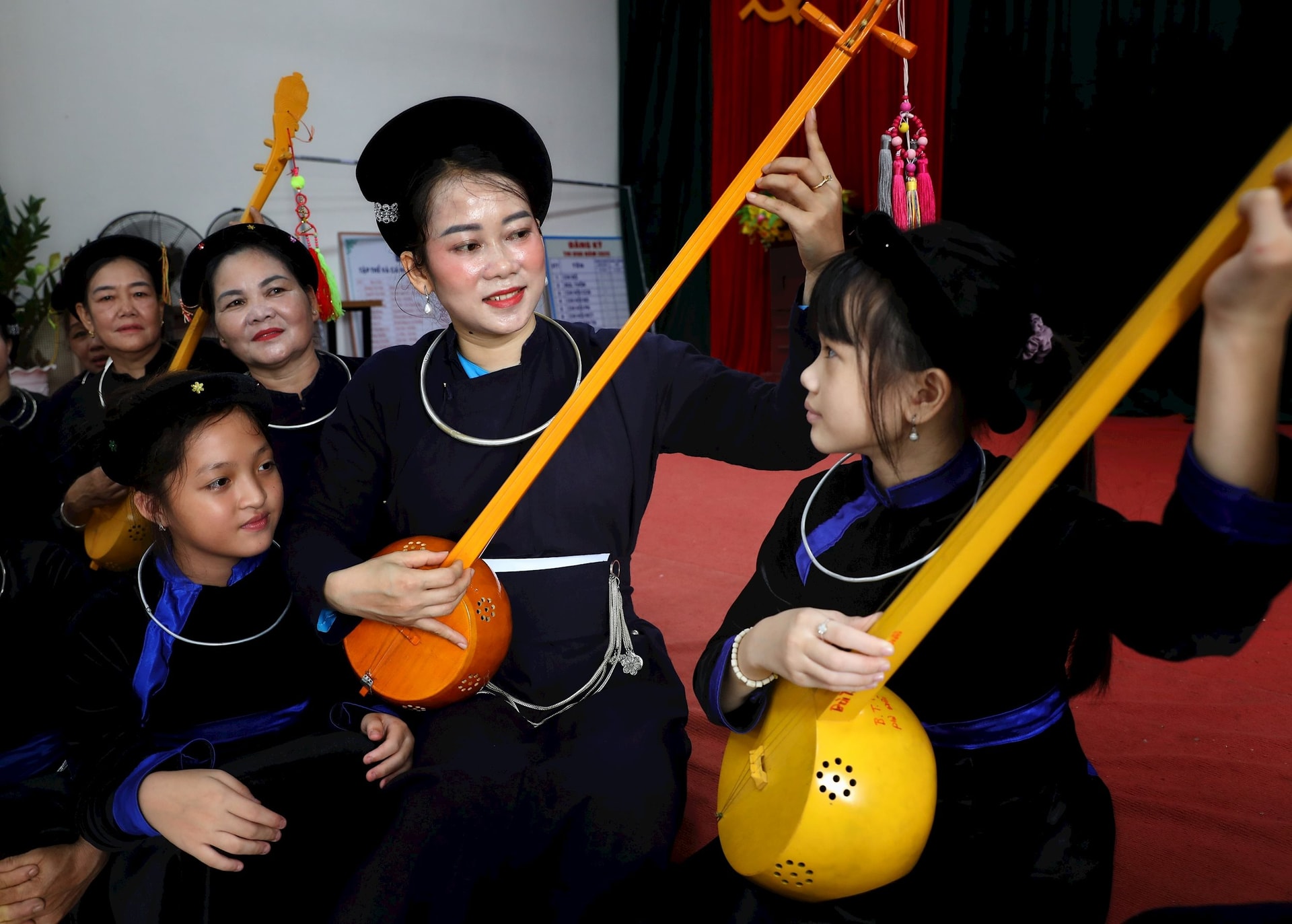
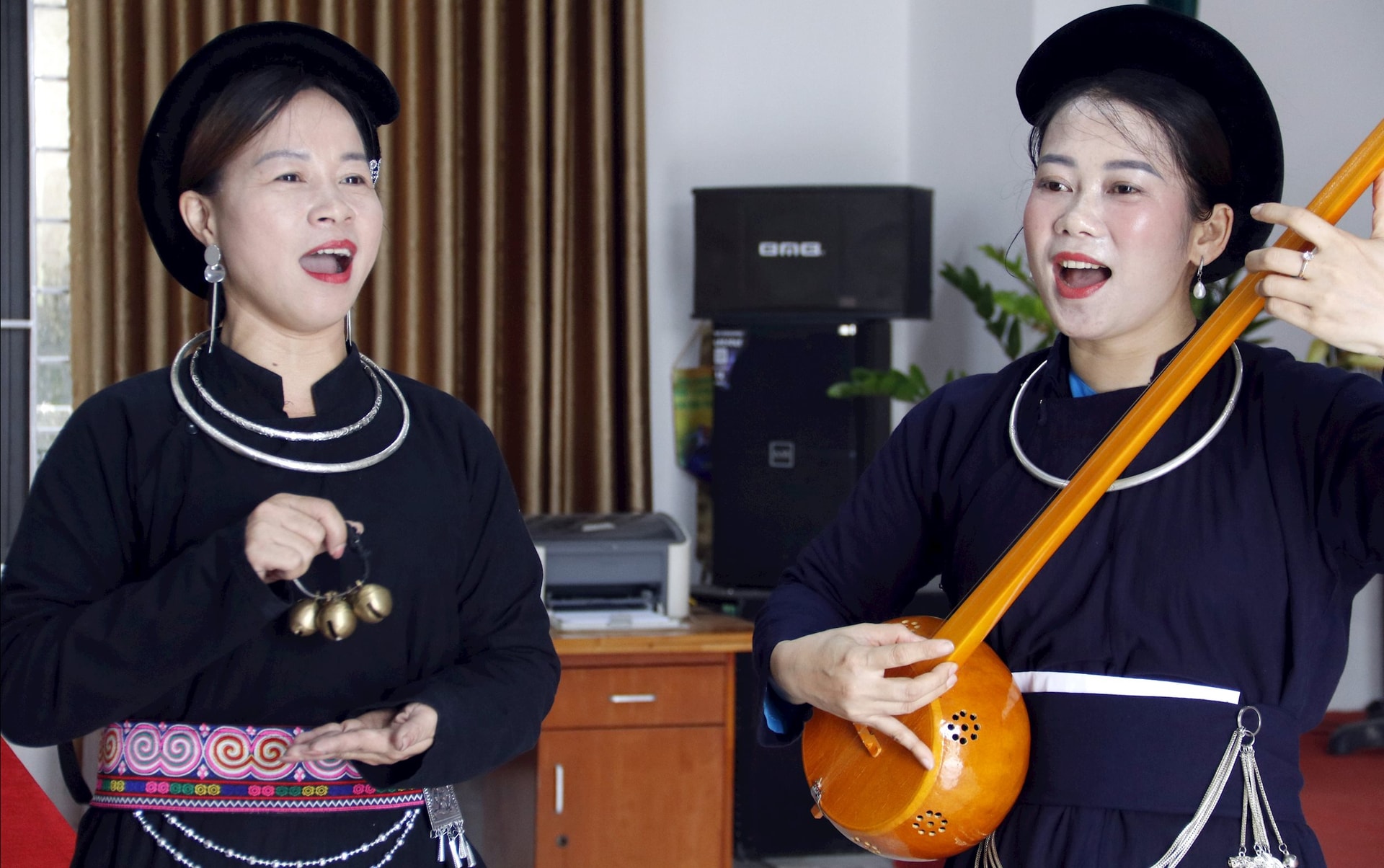
Then practice of Tay, Nung, Thai ethnic people
Then practice of Tay, Nung, and Thai ethnic people (inscribed in 2019). Photo: VNA
The Then practice of Vietnam's Tay, Nung, and Thai ethnic groups was listed as intangible cultural heritage of humanity on December 13, 2019.
14
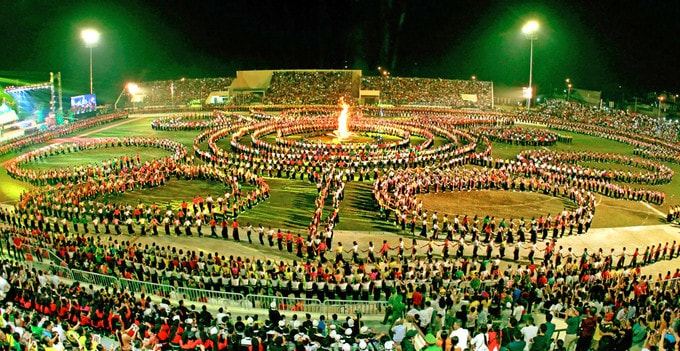
The art of Xoe Thai Dance
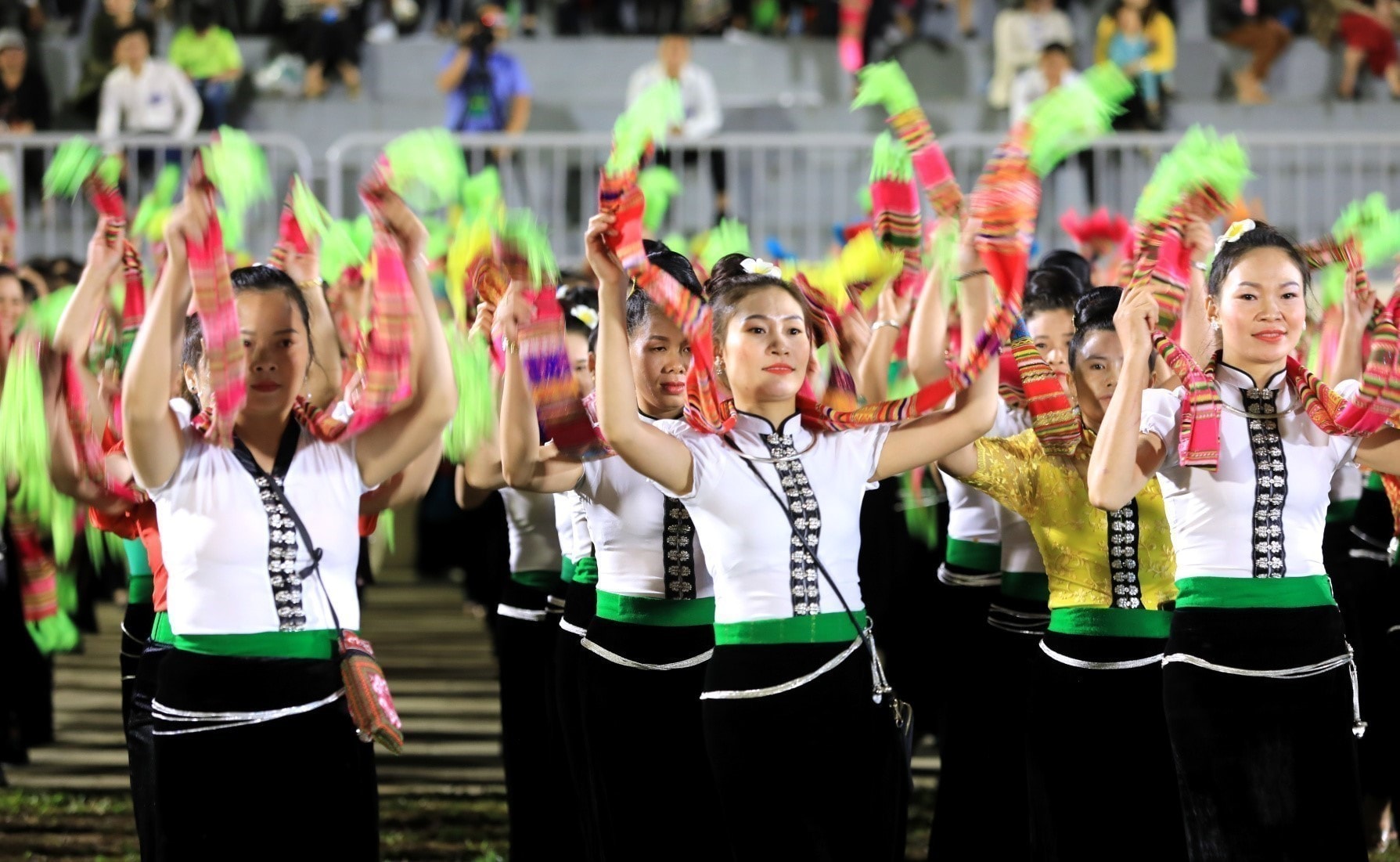
The art of Xoe Thai Dance (inscribed in 2021). Photo: VNA
The art of Xoe Thai dance was recognised by UNESCO as intangible cultural heritage of humanity in December 2021.
15
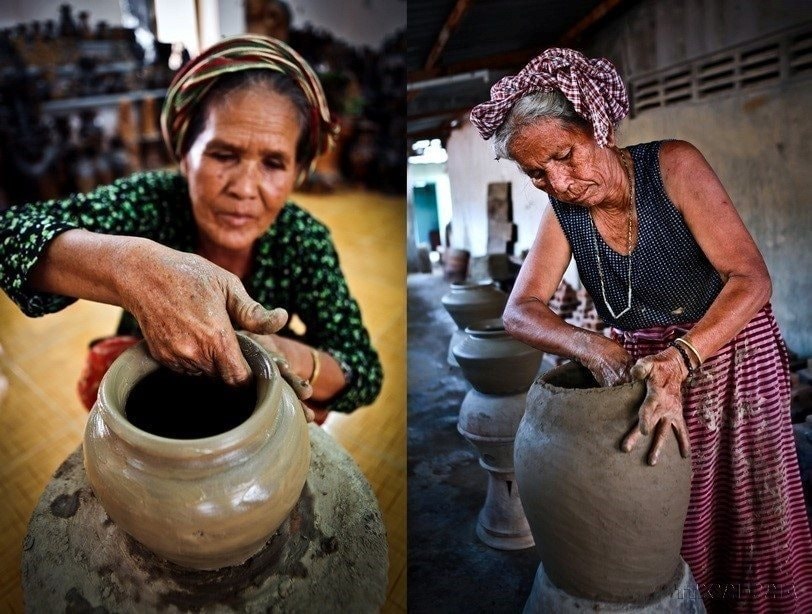
The art of pottery-making by Cham ethnic people
The art of pottery-making by Cham ethnic people (inscribed in 2022). Photo: VNA
On November 29, 2022, the art of pottery making by Cham ethnic people was officially recognised by UNESCO as part of the Representative List of the Intangible Cultural Heritage of Humanity.
16
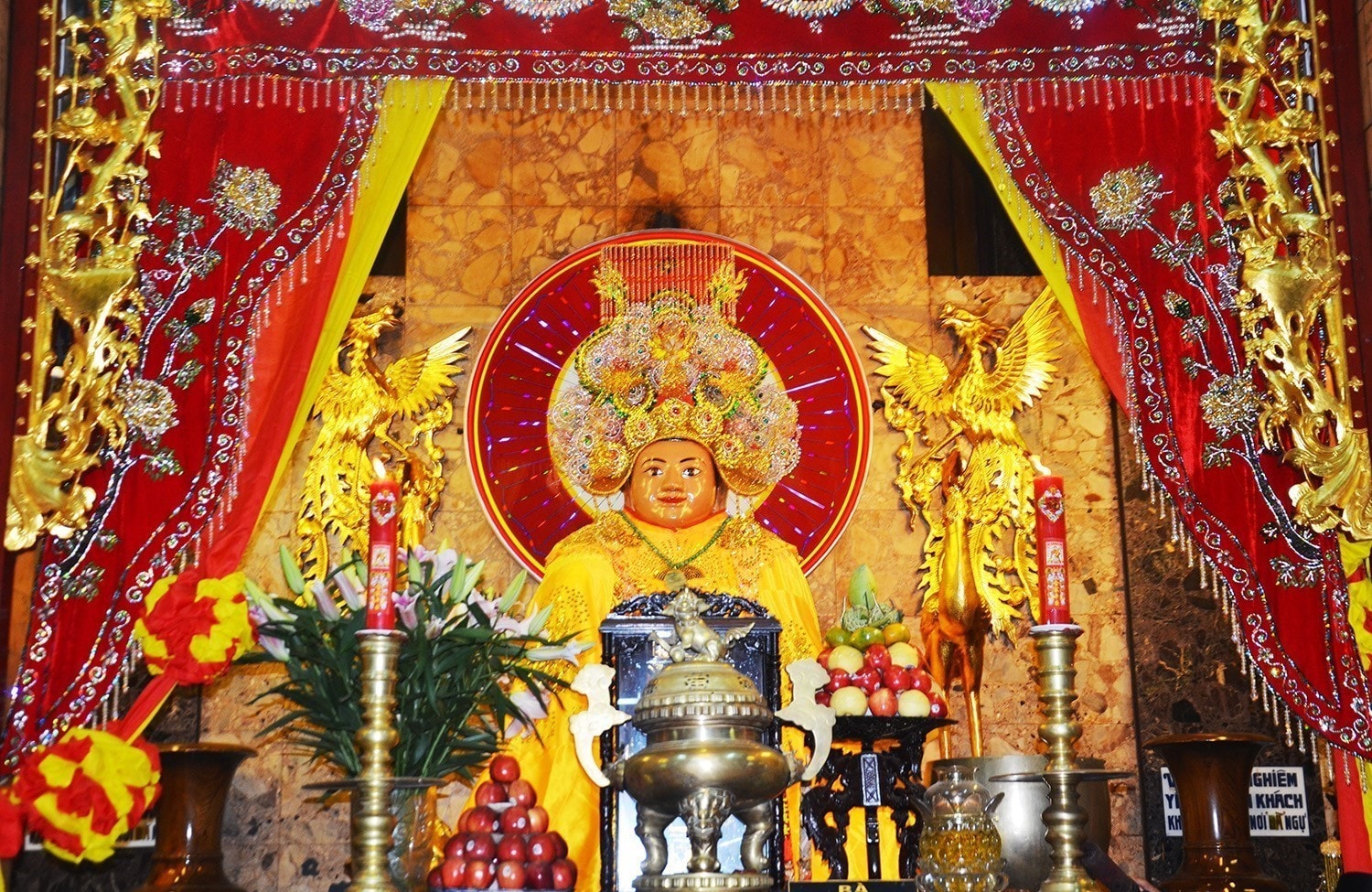
Ba Chua Xu (Holy Mother of the Realm) Festival on Sam Mountain
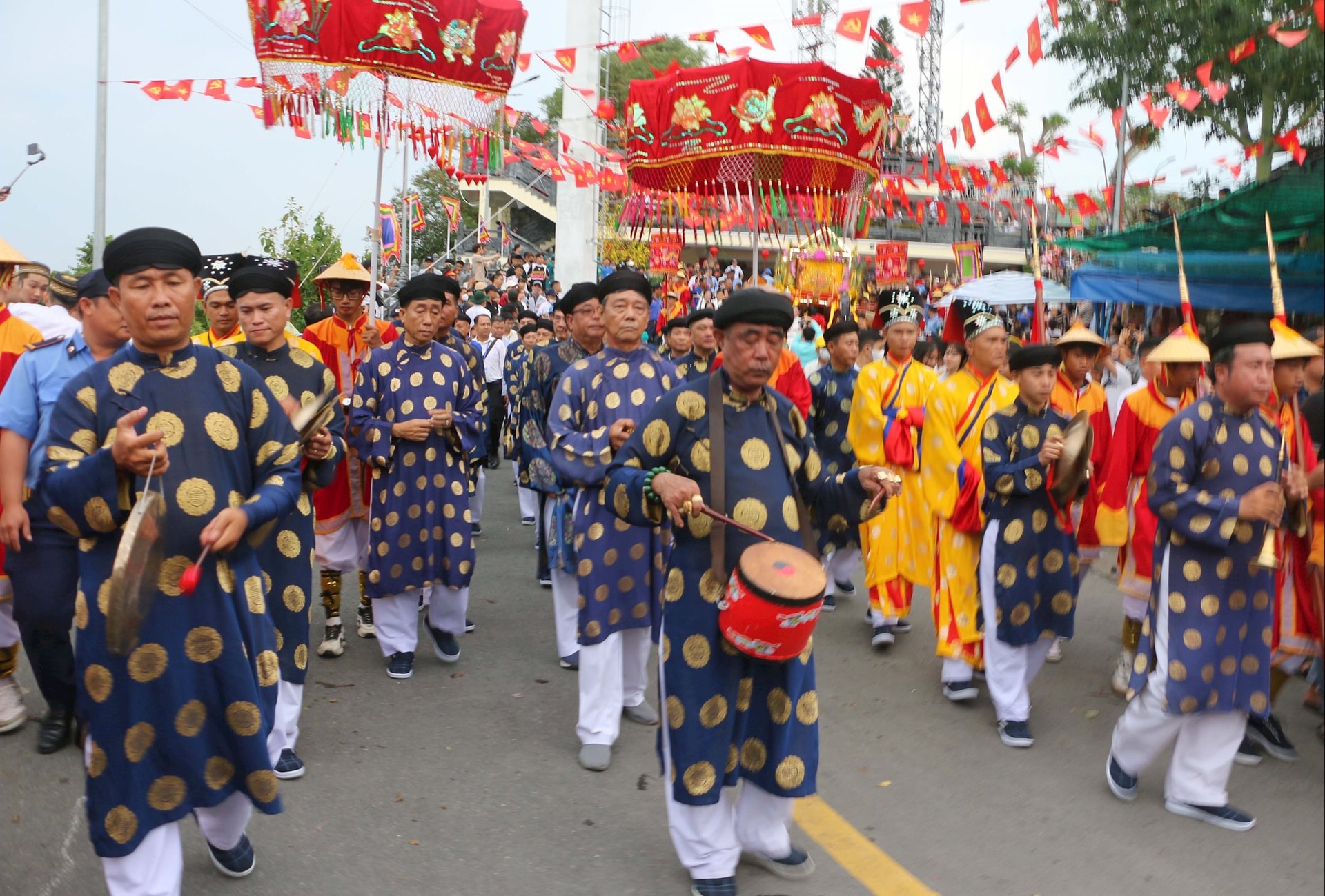
Ba Chua Xu (Holy Mother of the Realm) Festival on Sam Mountain (inscribed in 2024). Photo: VNA
On December 4, 2024, the Ba Chua Xu Festival on Sam Mountain was inscribed in UNESCO's Representative List of the Intangible Cultural Heritage of Humanity.
17
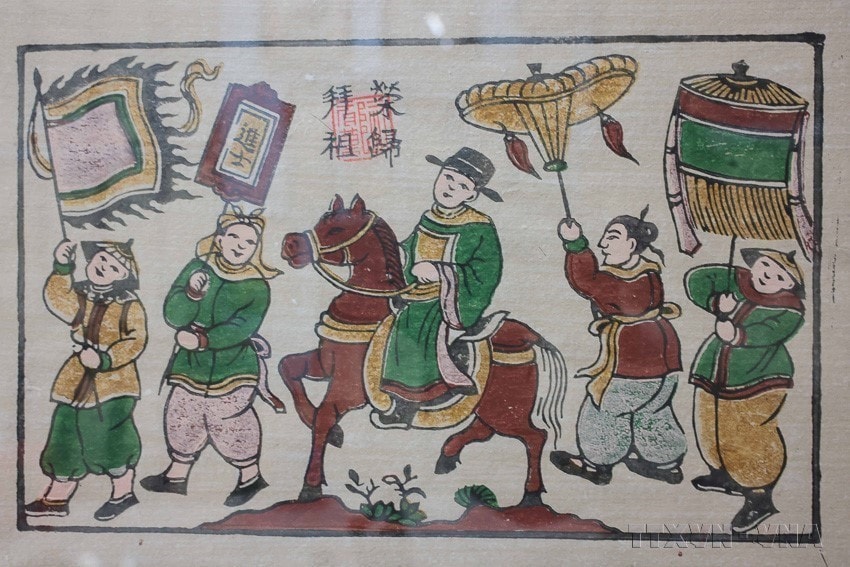
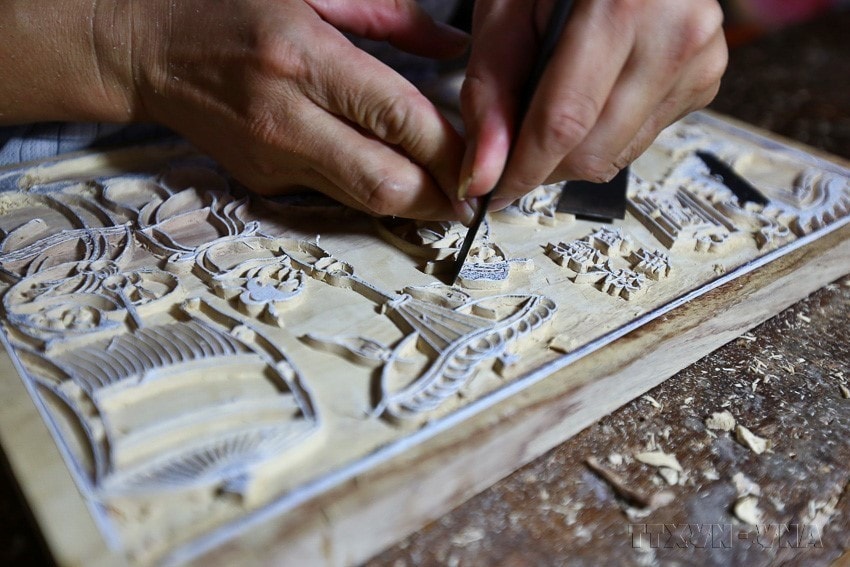
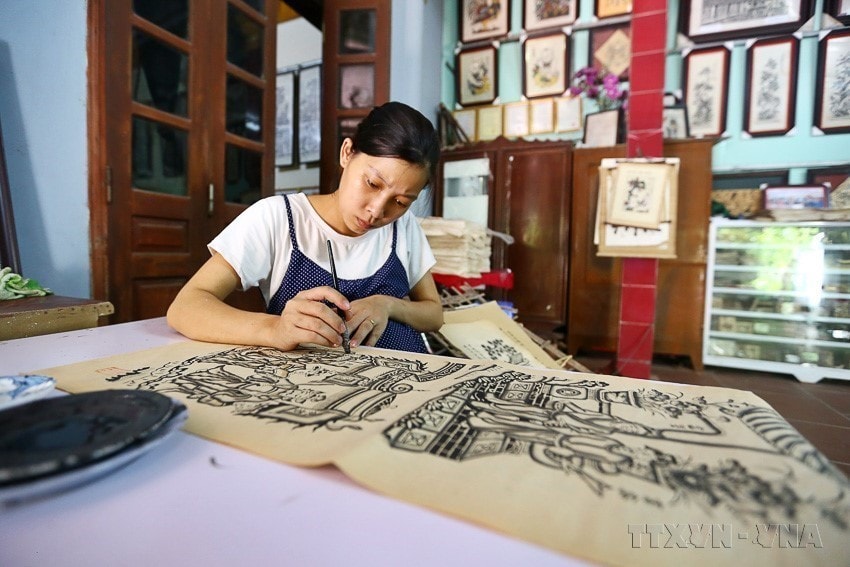
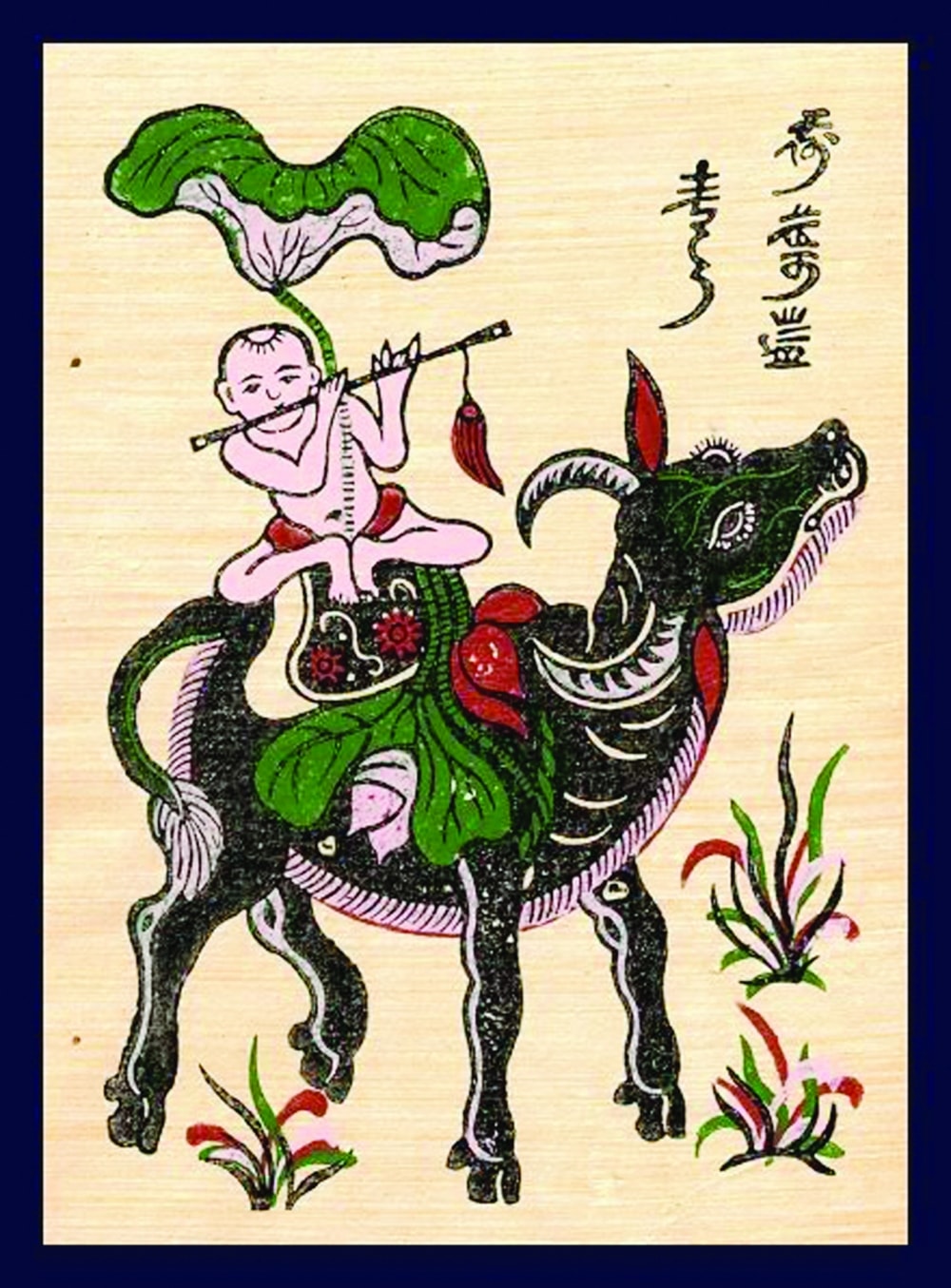
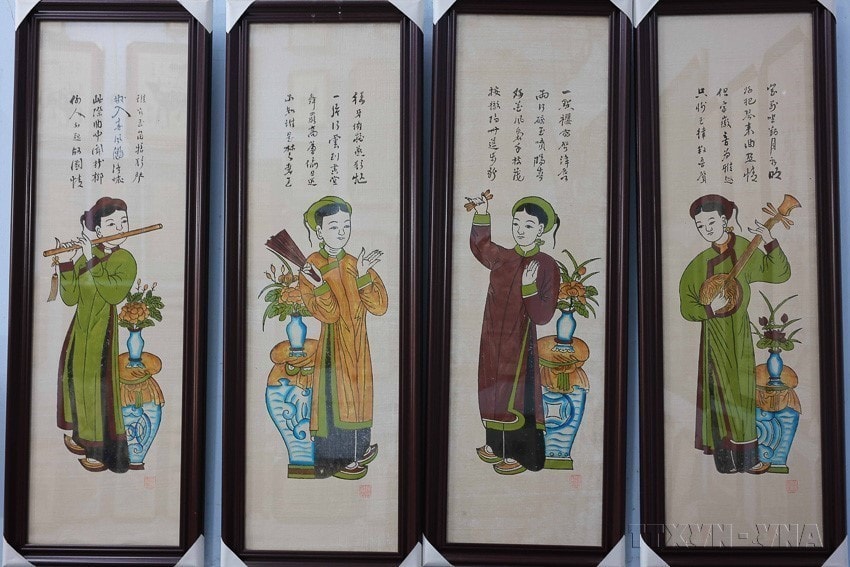
The craft of making Dong Ho folk woodblock printings
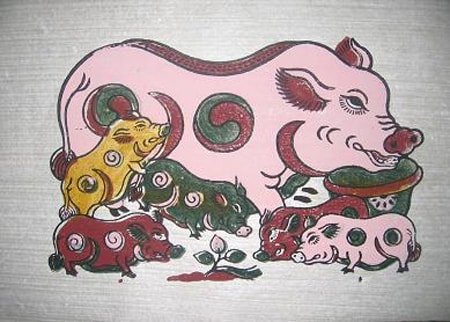
The craft of making Dong Ho folk woodblock printings (inscribed in 2025). Photo: VNA
The craft of making Dong Ho folk woodblock printings was included in UNESCO’s List of Intangible Cultural Heritage in Need of Urgent Safeguarding on December 9, 2025.
Vietnamese cultural heritage (Video clip: VNA)
Hue Royal Court Music
Unlike "Ca Tru", which originated in folk traditions before entering the royal court, Hue Royal Court Music (Nha Nhac in Vietnamese) followed a different path, emerging from the court and spreading outward. UNESCO has recognised it as the only form of traditional Vietnamese music to have achieved a truly national stature.
Hue Royal Court Music first appeared during the early years of the Ly Dynasty (1010–1225), but reached its peak under the Nguyen Dynasty (1802–1945). Characterised by its refined, solemn and sacred style, the music was performed at major court ceremonies, royal rituals and worship of deities, making it an indispensable element of court life at the time.
Closely associated with the Imperial Court of Hue, Hue Royal Court Music developed according to strict standards and formal structures, comprising hundreds of ceremonial musical pieces.
Hue Royal Court Music. Photo: VNA
Hue Royal Court Music (Video clip: VNA)
Central Highlands Gong Culture Space
The origins of the gongs in Vietnam’s Central Highlands region remains uncertain, but researchers trace them back to ancient times, likely linked to the Dong Son Culture 3,500–4,000 years ago.
Ethnic minority students in Kon Tum province reenact a traditional festival at the 2025 Gong Festival. Photo: VNA
Integral to the life and rituals of ethnic communities in the region, gongs are central to ceremonies such as newborn blessings, weddings, funerals, buffalo sacrifices, water rituals, harvest celebrations, granary closings, and the inauguration of communal houses.
Crafted from bronze alloys, sometimes mixed with gold, silver, or blackened copper, gongs vary in size from 20 cm to 50–60 cm in diameter, with the largest reaching 90–120 cm. Some are played individually, while others are performed in ensembles of 2–13 gongs, or in some communities, up to 18–20.
Quan Ho Bac Ninh folk songs
Quan Ho is a form of folk singing characterised by a duet format.
The songs demonstrate the spirit, philosophy and local identity of the communities in the region and help forge social bonds within and between villages that share a cherished cultural practice.
A Quan Ho singing performance. Photo: VNA
With more than 500 songs and 213 different melody variations, Quan Ho folk singing reaches the pinnacle of Vietnamese traditional poetry and music.
A Quan Ho singing performance (Video clip: VNA)
Ca Tru singing
Ca Tru is a complex form of sung poetry found in the north of Vietnam using lyrics written in traditional Vietnamese poetic forms.
It features a female singer accompanied by a small group of musicians. The art genre appeared in the North around the 15th century and thrived until the early 20th century.
Ca Tru singing performances. Photo: VNA
A Ca Tru singing performance (Video clip: VNA)
Giong Festival of Phu Dong and Soc temples
The Giong Festival of Phu Dong and Soc temples in Hanoi is associated with the legend of Saint Giong, a hero from Phu Dong village who defeated foreign invaders and brought peace to the country.
Saint Giong symbolises the patriotic spirit of the Vietnamese people and is one of the four immortals deeply rooted in their spiritual life.
The Saint Giong Festival is held in Soc temple, where the saint ascended to heaven, in the first lunar month and Phu Dong temple, where he was born, in the fourth lunar month.
The opening of the Giong Festival 2025 at Soc Temple. Photo: VNA
Xoan singing
Xoan singing is a valuable intangible cultural heritage element of the ancestral land of Phu Tho. The heritage has links to the worship of Hung Kings, a belief that originates from the Vietnamese practice of ancestor worship.
It is a type of traditional art performed during rituals and celebrations, comprising multiple elements of melodies, singing and dancing that serve the spiritual demands of the community.
The practice of Xoan singing in Phu Tho. Photo: VNA
Worship of Hung Kings in Phu Tho
For generations, the Vietnamese have considered the Hung Kings the lengendary founders of the country and the fathers of the nation.
Every year, in the third month of the lunar calendar, Vietnamese people from far and wide gather in Phu Tho province to visit the Hung Kings Temple, pray for good weather and peace, and show their gratitude to the ancestors.
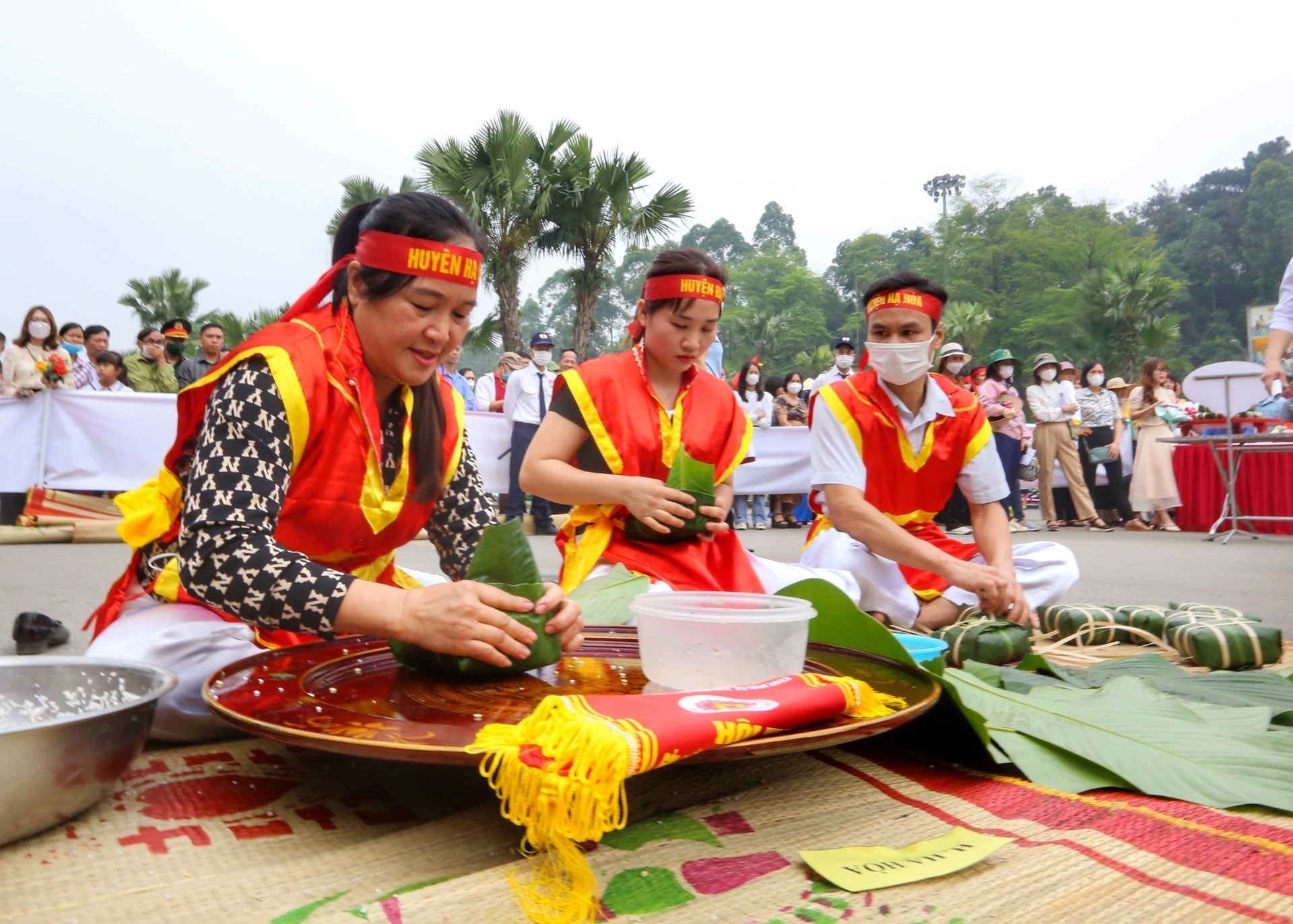
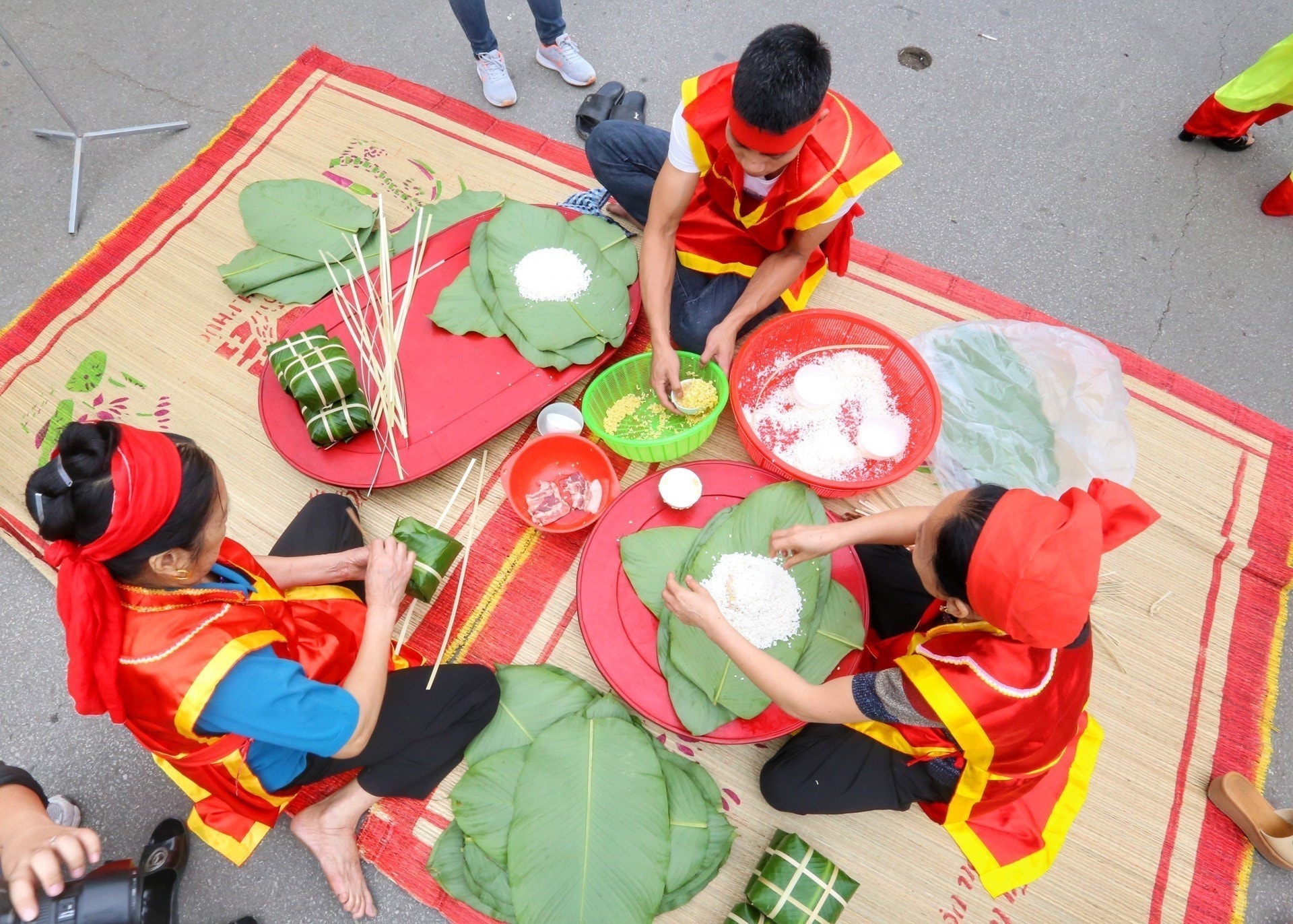
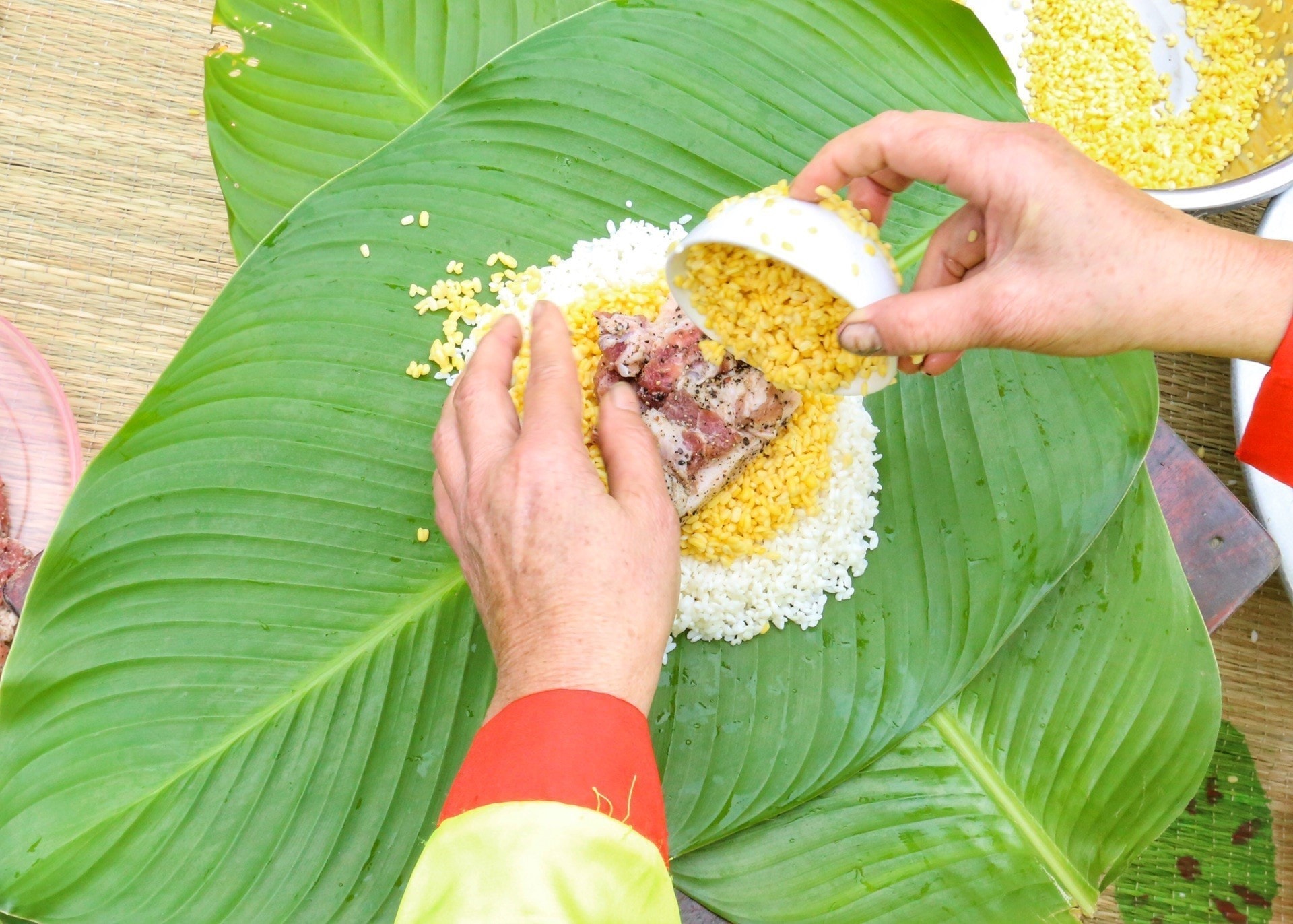
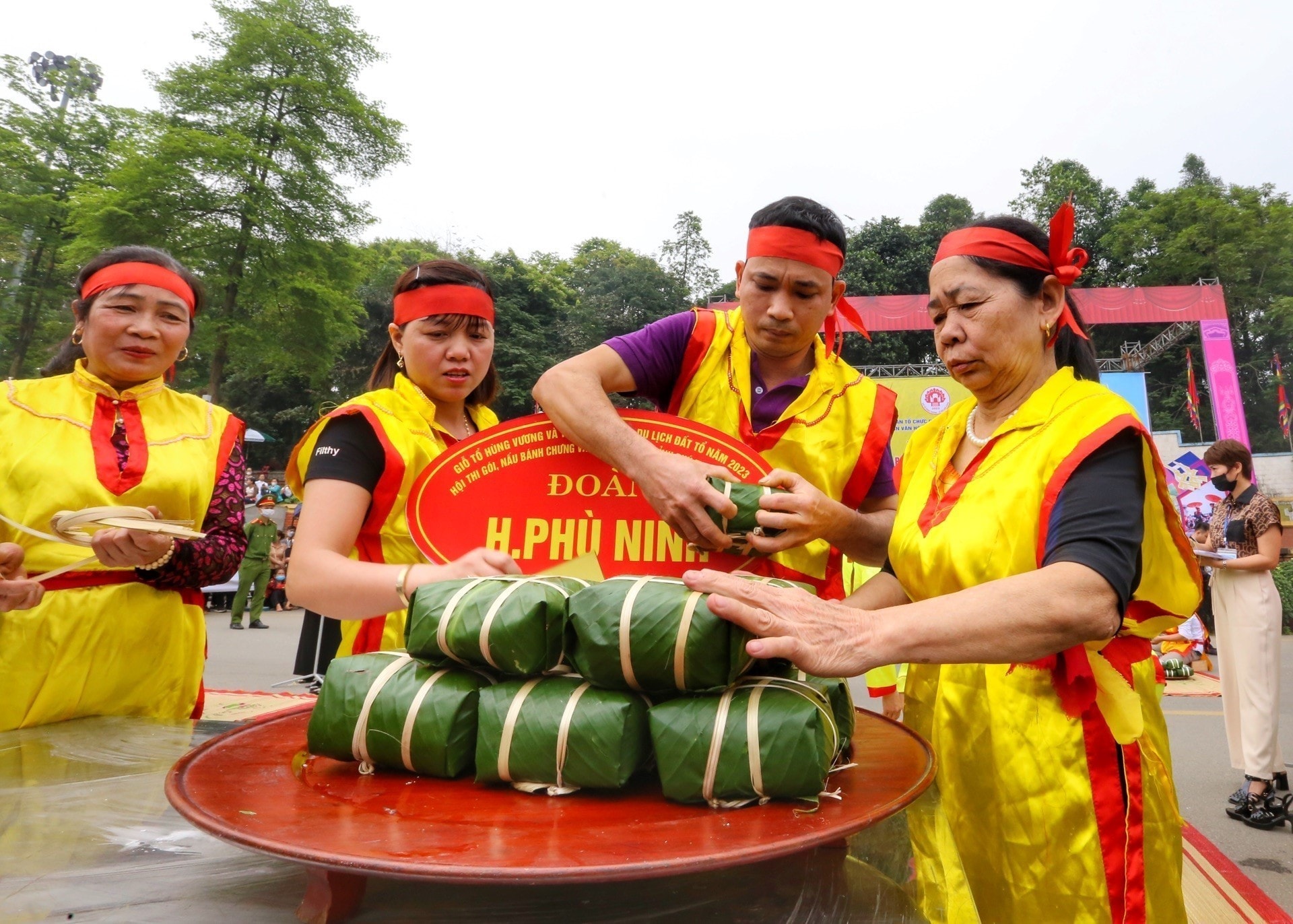
A Chung and Giay cake making contest held on the occasion of the Hung Kings’ Commemoration Day. Photo: VNA
Worshiping the Hung Kings has become a cultural and religious symbol connecting the past with the present, helping to cultivate family, village and national ties.
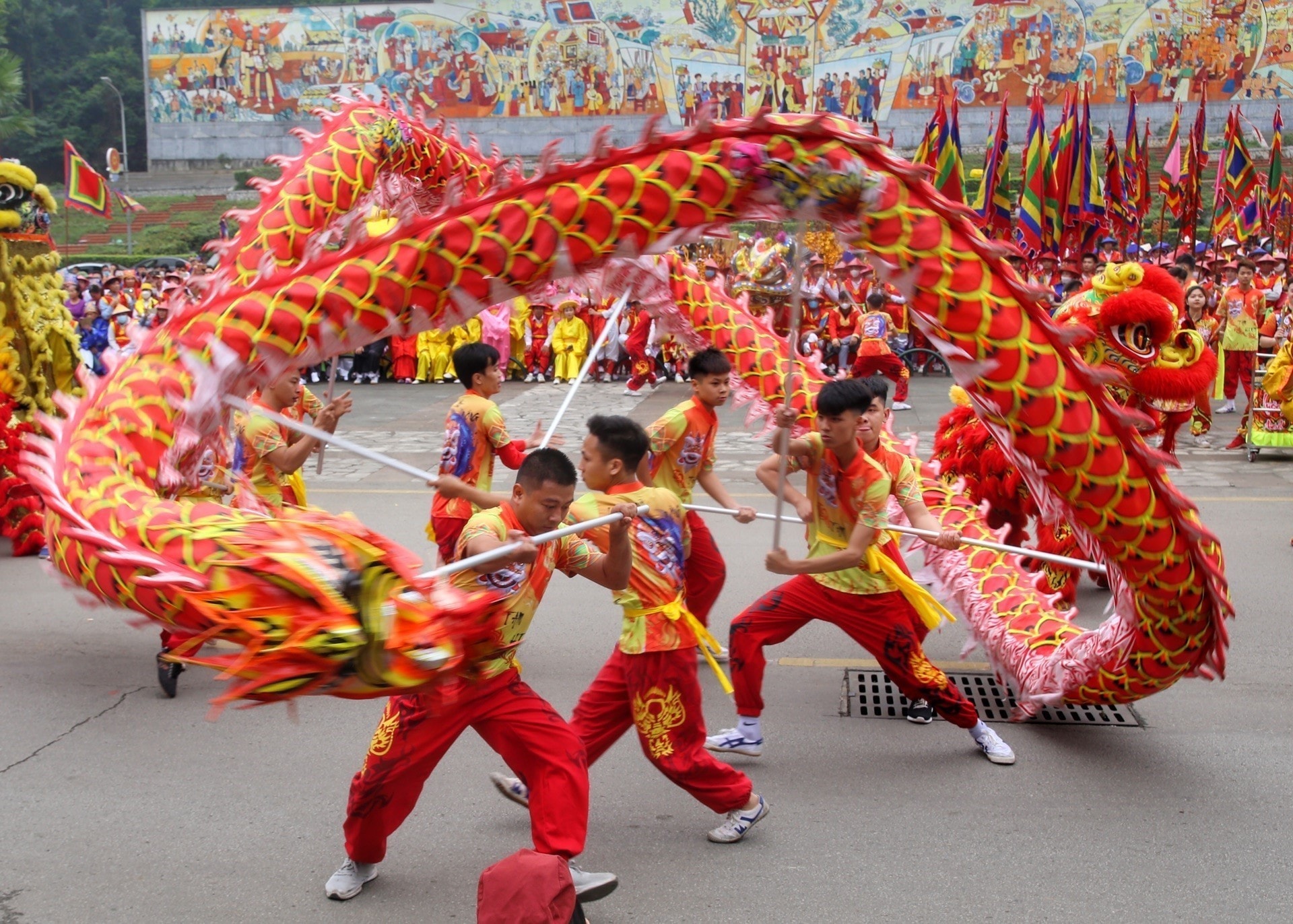
A lion and dragon dance performance at the Hung Kings Temple Festival. Photo: VNA
The art of Don Ca Tai Tu
Considered one of the country’s main music genres, Don Ca Tai Tu originated from the Hue court music and folk music, and adapted on the basis of folk songs of the southern region. It came into being in late the 19th century, thrived in the early 20th century and remains an important part of the country’s traditional culture today.
The music is typically performed at festivals, commemoration rituals and celebrations by farmer-performers. Instrumentalists and singers express their feelings by improvising based on 20 principals and 72 classical songs.
Don Ca Tai Tu performances. Photo: VNA
Vi and Giam folk songs of Nghe Tinh
Vi and Giam are two forms of folk singing without instrument accompaniment created and passed down by the communities of Nghe An and Ha Tinh provinces through labour and production, closely intertwined with the daily life and cultural practices of local people.
Specific songs are sung while people cultivate rice in the fields, row boats, make conical hats or lull children to sleep.
The ceremony marking the 10th anniversary of the UNESCO recognition of the Vi and Giam folk songs of Nghe Tinh (November 27, 2014–2024). (Video: VNA)
Tug-of-war rituals and games
The tug-of-war rituals and games are prevalent in the rice-farming cultures of East Asia and Southeast Asia as a form for communities to pray for abundant harvests and prosperity. They mark the start of the agricultural cycle and often begin with commemorative rites to local deities.
The tug-of-war rituals and games in Vietnam are practiced mostly in the midlands, the Red River Delta, and the north-central region, which are lands of longstanding Vietnamese settlement and the cradle of wet rice civilisation.
Practices related to Vietnamese beliefs in the Mother Goddesses of Three Realms
The practices related to the Vietnamese beliefs in the Mother Goddesses of Three Realms (heaven, water, and mountains and forests) aim to meet the spiritual needs and everyday wishes of Vietnamese people.
They involve daily worship and participation in ceremonies, rituals like the spirit possession ritual and festivals at temples dedicated to the Mother Goddesses.
These activities help maintain part of the community's history, cultural heritage and identity, with some aspects incorporating traditional costumes, music and dance.
The audience attentively watch the performances of the practices related to the Vietnamese beliefs in the Mother Goddesses of Three Realms. Photo: VNA
The art of Bai Choi in central Vietnam
The art of Bai Choi in central Vietnam is a diverse art combining music, poetry, acting, painting and literature.
The art of Bai Choi in central Vietnam is a diverse art combining music, poetry, acting, painting and literature. Bai Choi game involves a card game played in bamboo huts during the Lunar New Year. In the Bai Choi performance, male and female artists perform on a sedge mat, moving from place to place or on private occasions for families.
Bai Choi performance in Hoi An (Da Nang). Photo: VNA
Da Nang preserves the art of Bai Choi. (Video clip: VNA)
Then practice of Tay, Nung, Thai ethnic people
The practice of Then is a form of folk art which combines a wide range of arts, such as literature, music, painting, dancing, painting and performance.
It is an essential part of the spiritual life of the Tay, Nung and Thai ethnic groups, reflecting their concept of the connection between humans, the world and the universe.
It is performed during major celebrations of the new year, ploughing, and rituals wishing for safety, fortune, and good crops.
The Then practice of Tay, Nung, and Thai ethnic people. Photo: VNA
The art of Xoe Thai Dance
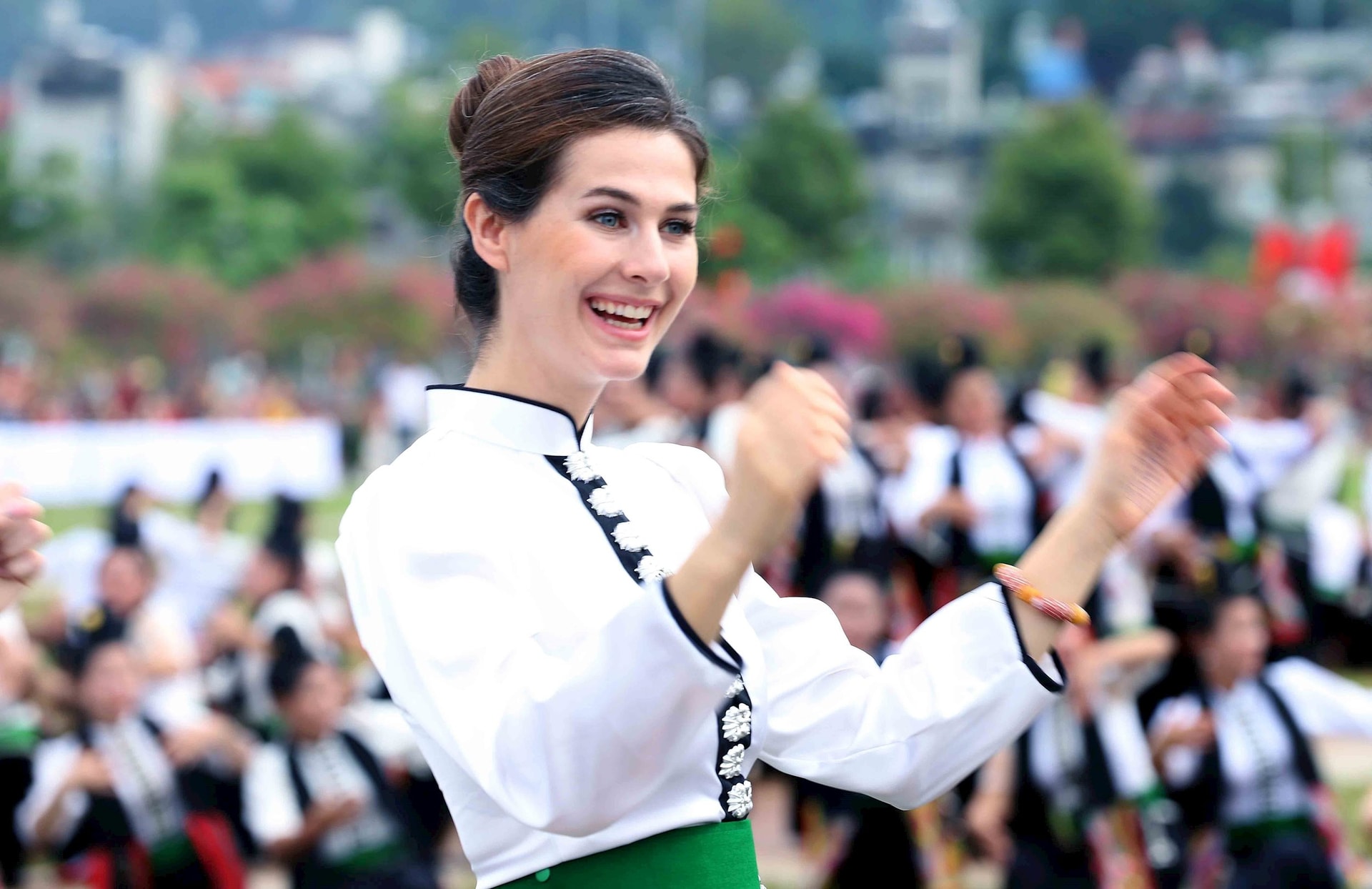
Xoe Thai is a unique type of traditional dance associated with and playing a significant role in the daily life of Thai ethnic communities in the northwest of Vietnam.
In the language of the Thai group, “Xoe” means dance with movements representing people's activities during rituals, daily life and work. It is performed in various community activities, from festivals to funeral rituals. Performers are members of the Thai community, regardless of gender, age, job and social status. Dancers usually form a circle around a festive flame and move to the sound of traditional melodic music.
A foreign visitor experiences the Xoe Thai dance. Photo: VNA
Prime Minister Pham Minh Chinh attends a ceremony held on September 24, 2022 to receive UNESCO’s certificate recognising the art of Xoe Thai Dance as intangible cultural heritage of humanity. (Video clip: VNA)
The art of pottery-making by Cham ethnic people
In existence since the late 12th century, Bau Truc village in the former south-central province of Ninh Thuan (now Khanh Hoa province), is considered one of the very few ancient pottery villages in Southeast Asia that still retains the primitive production method from thousands of years ago.
Because they are made entirely by hand, Cham pottery products are unique. Each product reflects the style, craftsmanship, ingenuity, and even the emotions and moods of the craftsman during the process of making the product.
The making of pottery by the Cham people exudes a unique artistic value, preserving the fine customs and cultural identity of the Cham people in Vietnam.
The making of pottery by the Cham people. Photo: VNA
Ba Chua Xu (Holy Mother of the Realm) Festival on Sam Mountain
The Ba Chua Xu (Holy Mother of the Realm) Festival on Sam Mountain is a traditional celebration that has been passed down through generations in Chau Doc, the southern province of An Giang.
Ba Chua Xu Festival on Sam Mountain. Photo: VNA
Held from the 22nd to the 27th day of the fourth lunar month, it reflects the culture of Vietnam’s southerners as well as cultural exchange and blending with the Khmer, Hoa, and Cham communities.
The festival honours Ba Chua Xu and serves as a time for local residents to express their gratitude and respect for those who have rendered service to the nation.
The opening of the Ba Chua Xu Festival on Sam Mountain in 2025. (Video clip: VNA)
The craft of making Dong Ho folk woodblock printings
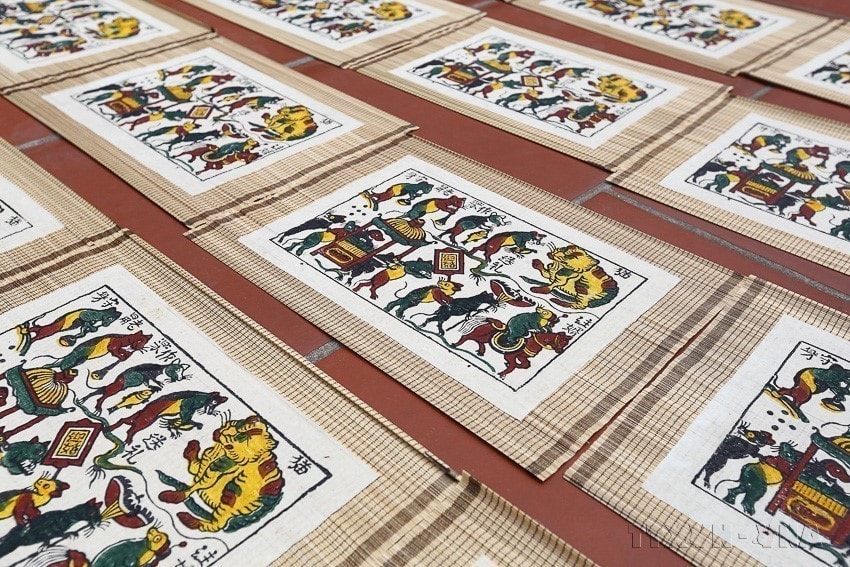
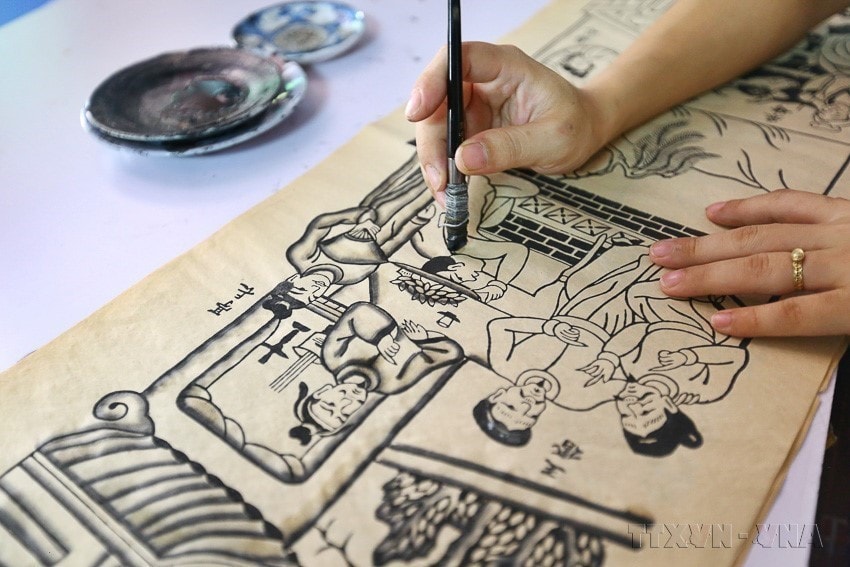
The craft of making Dong Ho folk woodblock printings originated some 500 years ago in Dong Khe street, Thuan Thanh ward, Bac Ninh province, where communities developed a distinctive style of woodblock printing.
Themes span worship paintings, blessings, historical narratives, daily life and landscapes, traditionally displayed during New Year celebrations and in ancestral altars.
Dong Ho folk paintings are rich and diverse in designs and themes. Photo: VNA
Every stage of production - from sketching the design to carving woodblocks, preparing colours and printing - is carried out by hand.
Bình luận của bạn đã được gửi và sẽ hiển thị sau khi được duyệt bởi ban biên tập.
Ban biên tập giữ quyền biên tập nội dung bình luận để phù hợp với qui định nội dung của Báo.