Vietnamese culture has long flowed as a vital current shaping the nation’s soul, brainpower and mettle. From folk poetry to communal traditional festivals and UNESCO-crowned treasures, both tangible and intangible, culture remains the spiritual cornerstone of Vietnamese society.
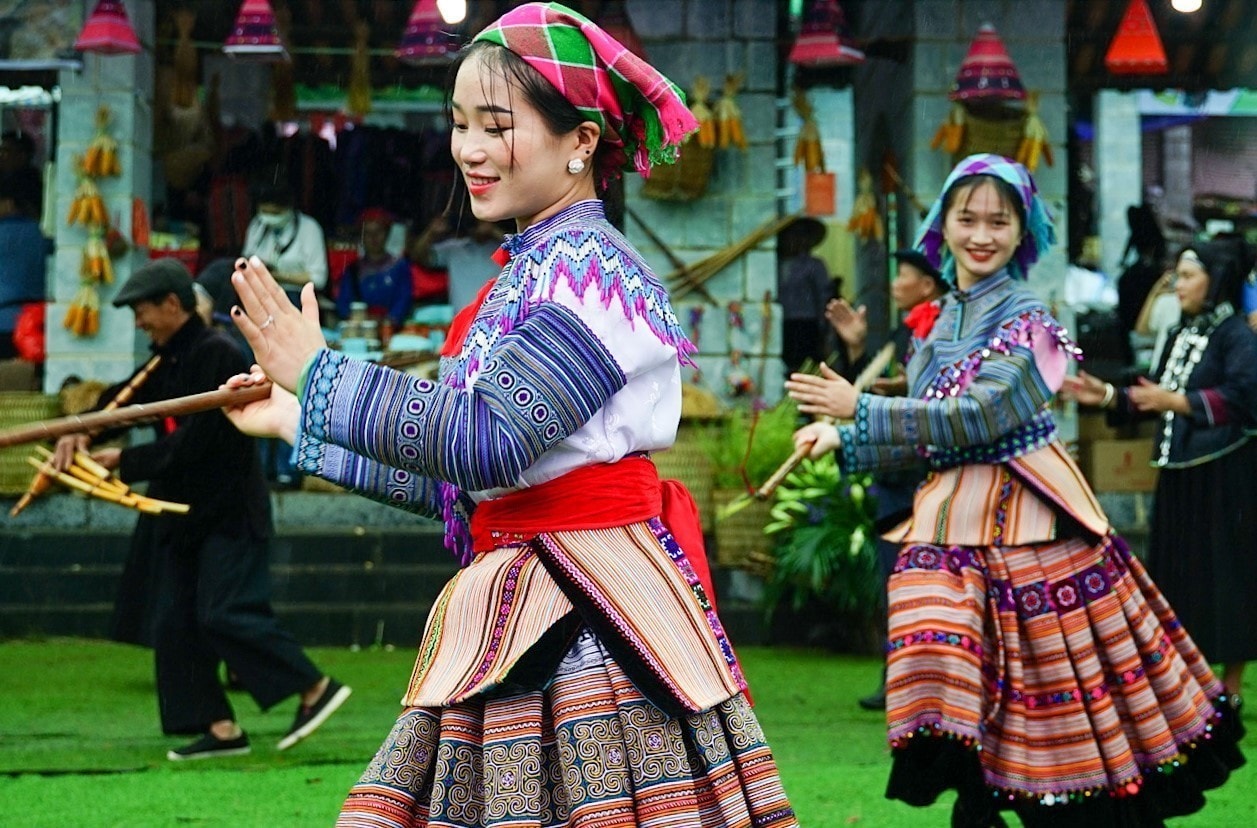
A traditional dance by Mong ethnic people at the Great National Solidarity Festival at the Vietnam National Village for Ethnic Culture and Tourism (Photo: VNA)
As the country enters a new era marked by extensive global integration, digital transformation and global competition, culture has ascended to its rightful place as soft power. The Politburo’s Resolution 80-NQ/TW on Vietnamese cultural development was issued at precisely the right moment, affirming a breakthrough vision: culture is no longer merely a foundation, but must evolve into a power steering the nation's trajectory.
Culture: From spiritual asset to development pillar
In the old days, culture was often treated as secondary to economic priorities. Resolution 80 changes everything, redefining cultural and human development as the goal, the driving force, and the regulatory framework for rapid, sustainable growth. Culture is now expected to lead, infuse and guide all policy domains.
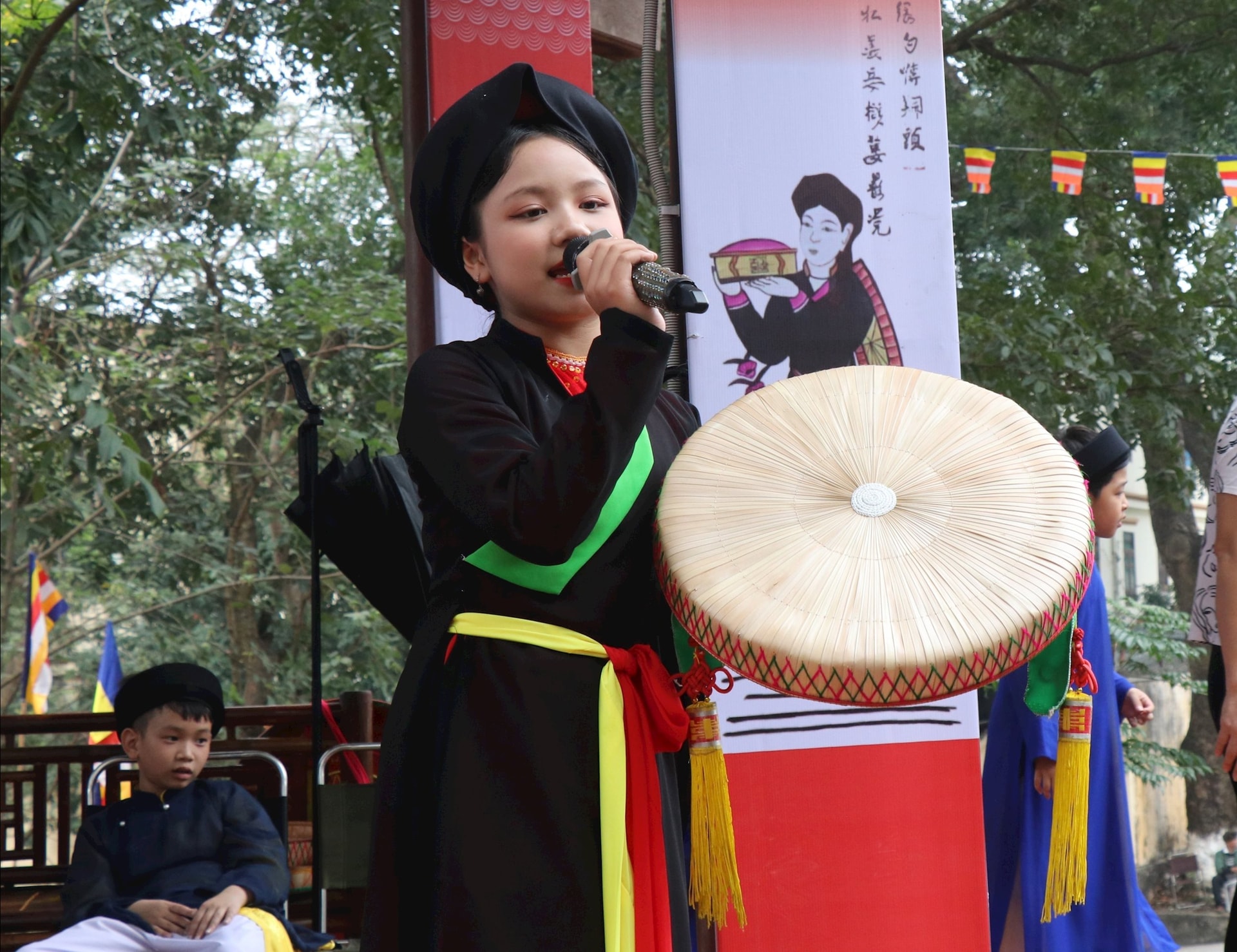
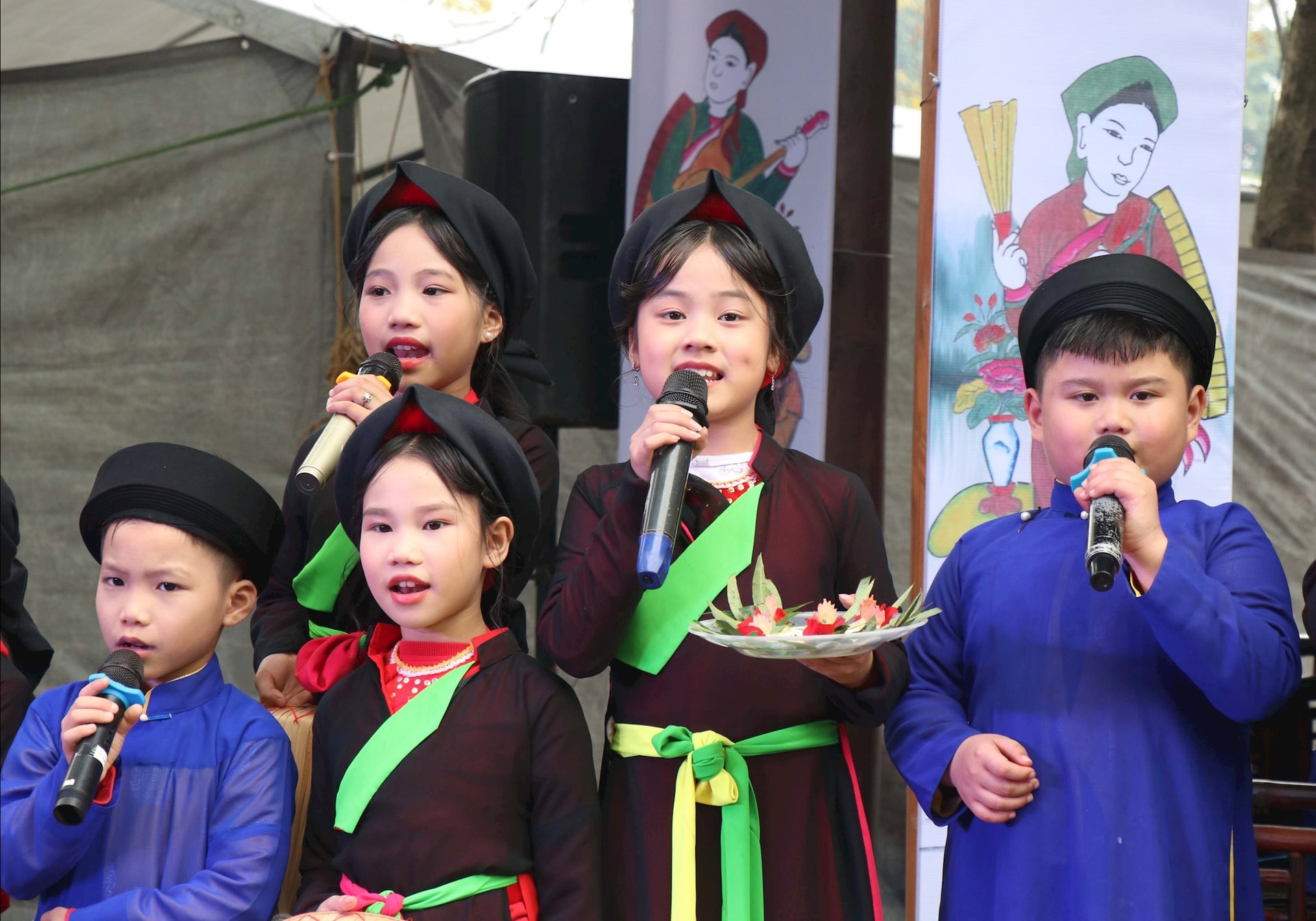
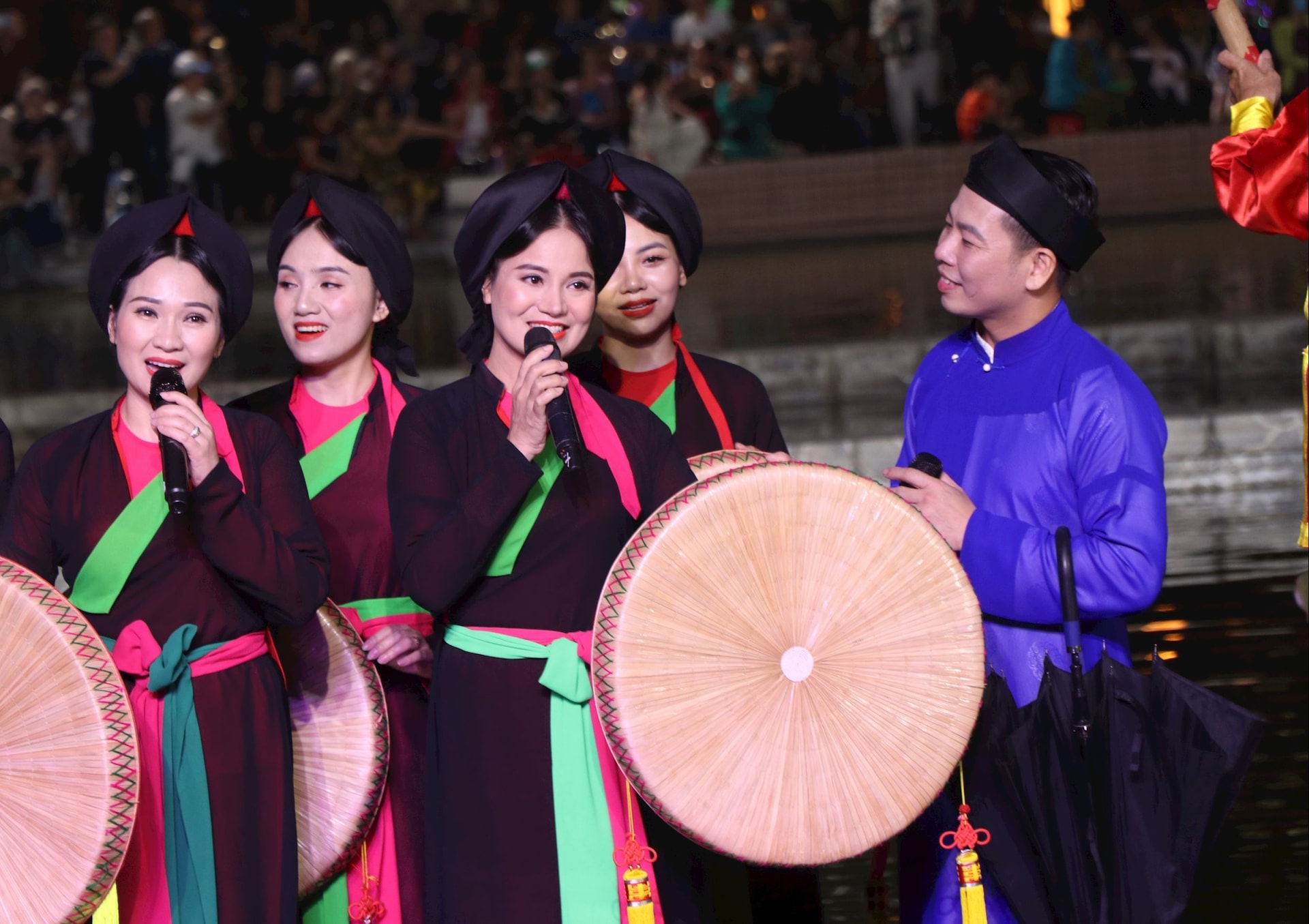
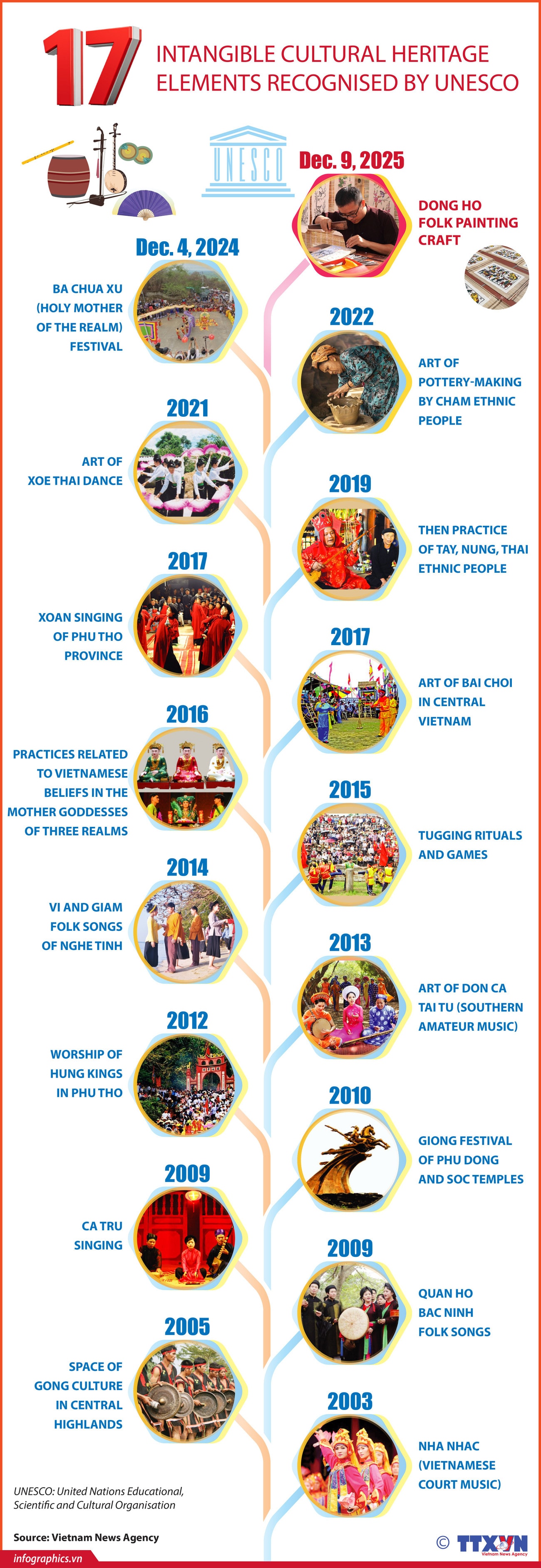
In fact, several localities have built success not just on economic metrics but on cultural leverage - the soft power that builds trust, exerts quiet influence and delivers lasting allure. Bac Ninh province's Quan ho (love duet) folk singing, rightfully enshrined on UNESCO’s intangible heritage list, has been lovingly preserved, passed down through generations and cleverly reinvigorated for modern tastes. With their national essence intact, Vietnamese values are conveyed across borders with effortless sophistication.
Bac Ninh's quan ho folk singing (Source: VNA)
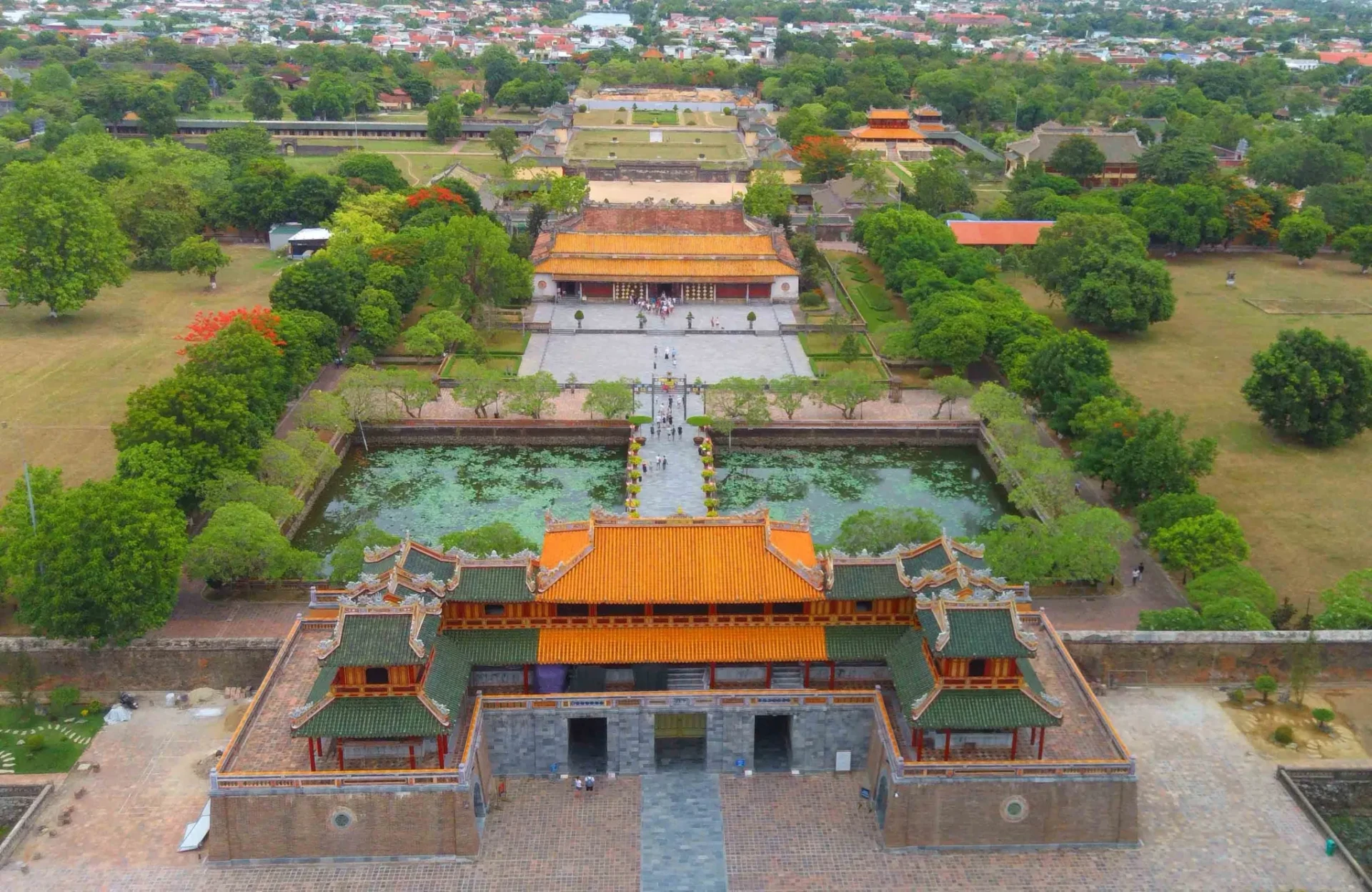
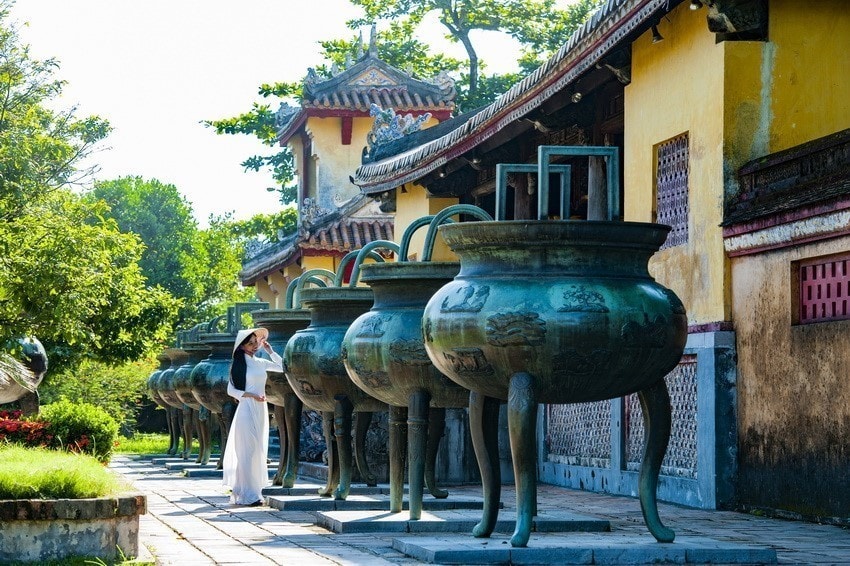
Likewise, the Complex of Hue Monuments and royal court music in the central city of Hue, when conserved alongside vibrant festivals and tourism, have blossomed into signature cultural brands, reshaping the economy while broadcasting Vietnam’s image to the most discerning global audiences.
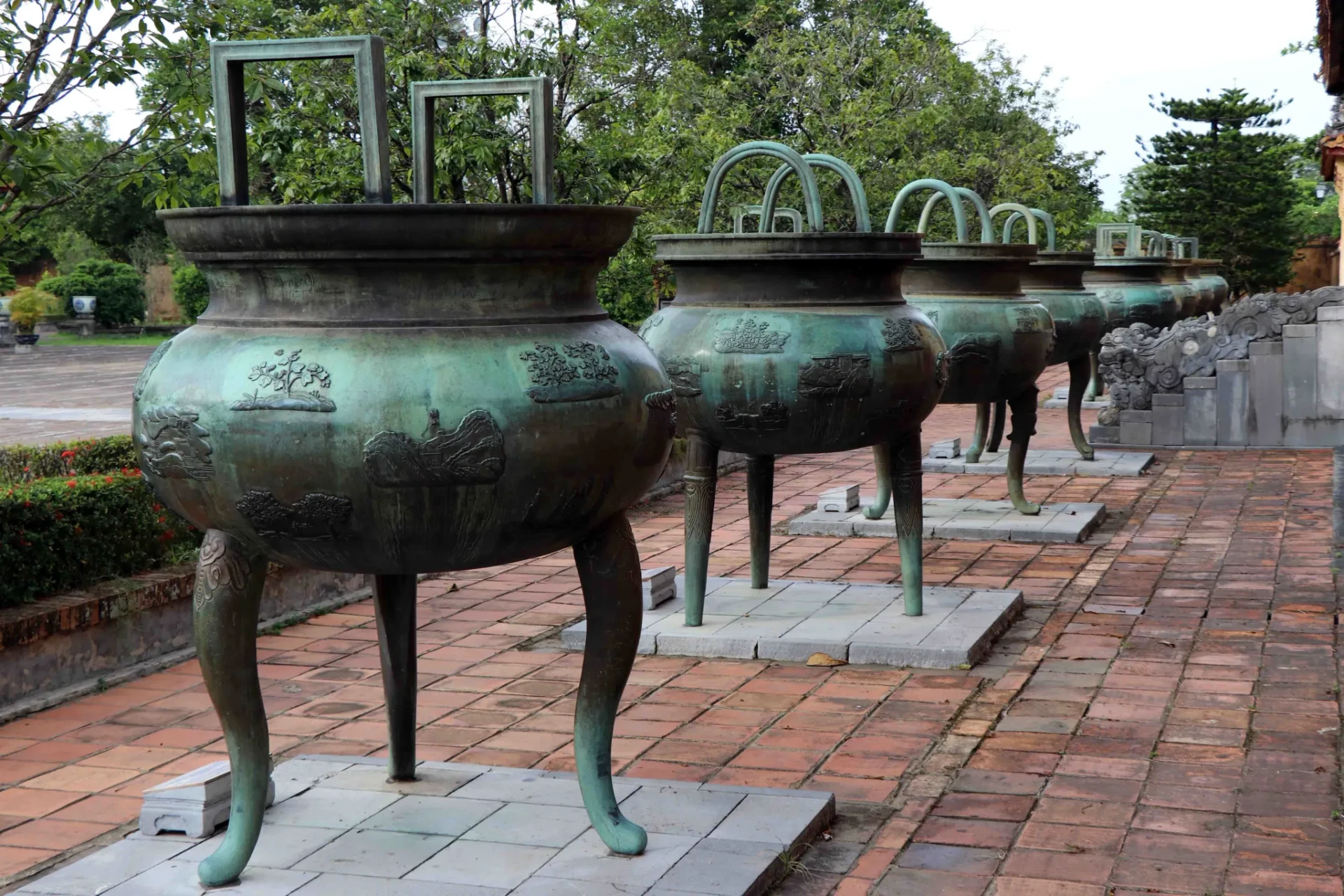
The bas-reliefs on the nine bronze urns in the Hue Imperial Palace were recognised as documentary heritage of the Asia-Pacific region by the Memory of World Committee for Asia and the Pacific. (Photo: VNA)
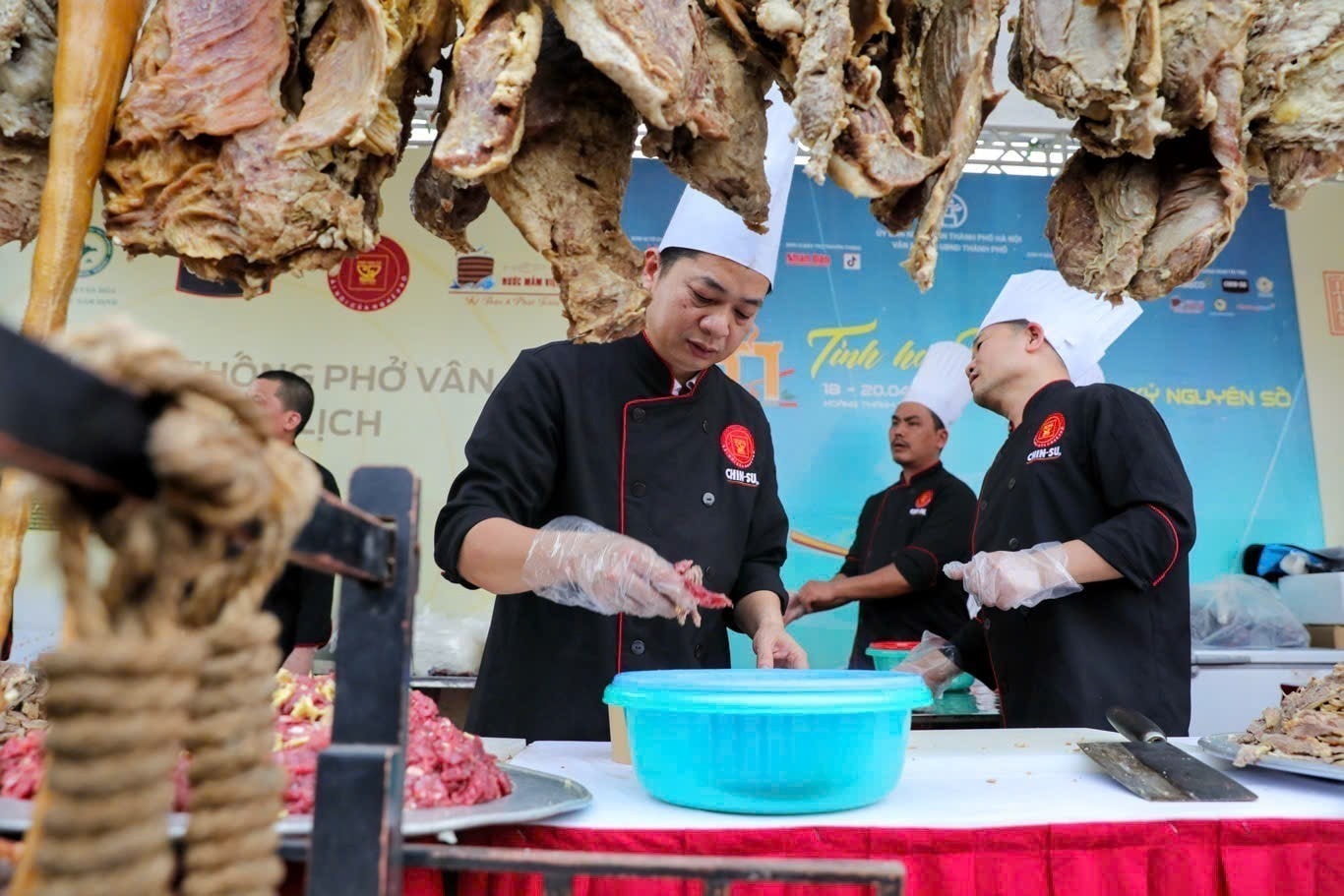
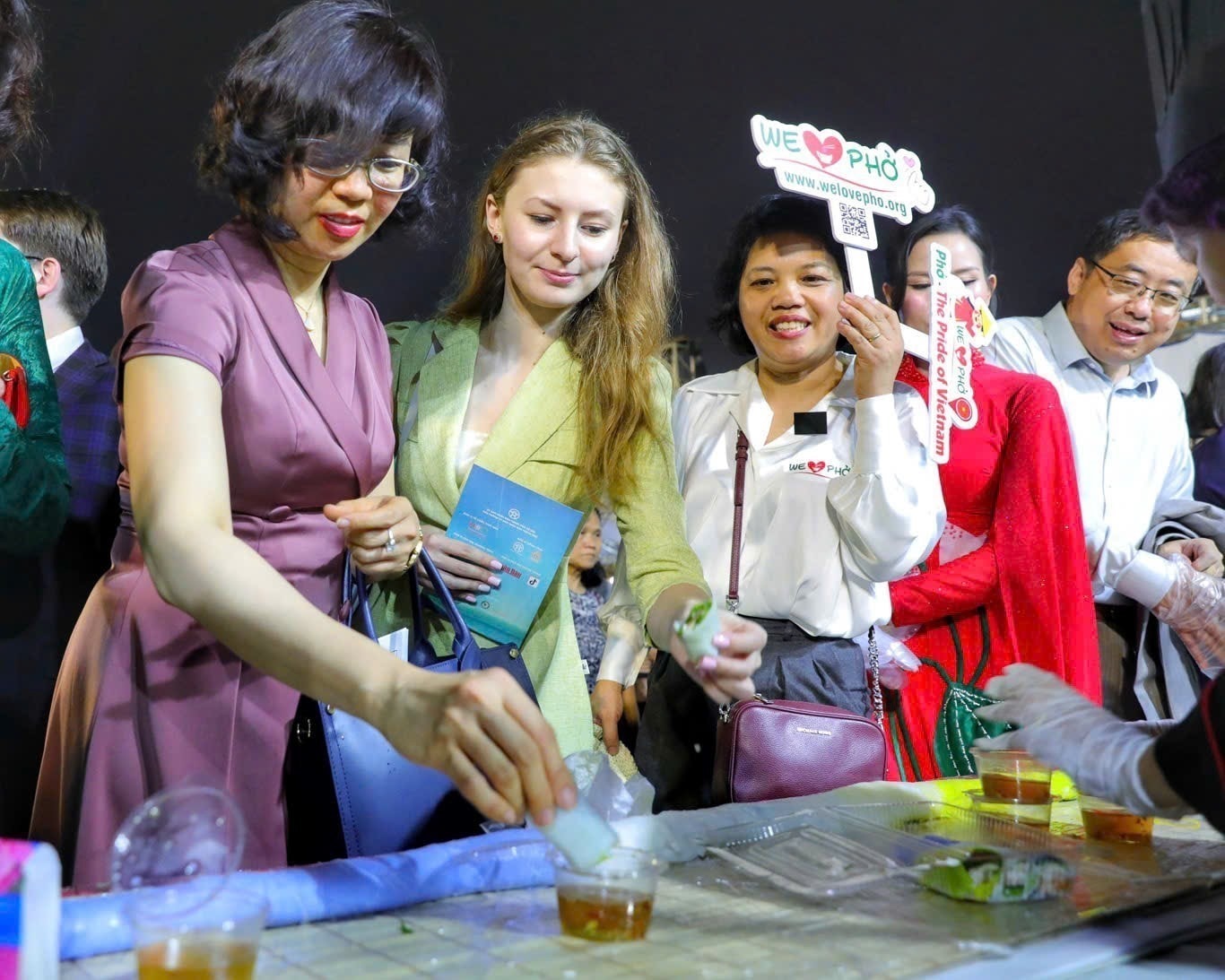
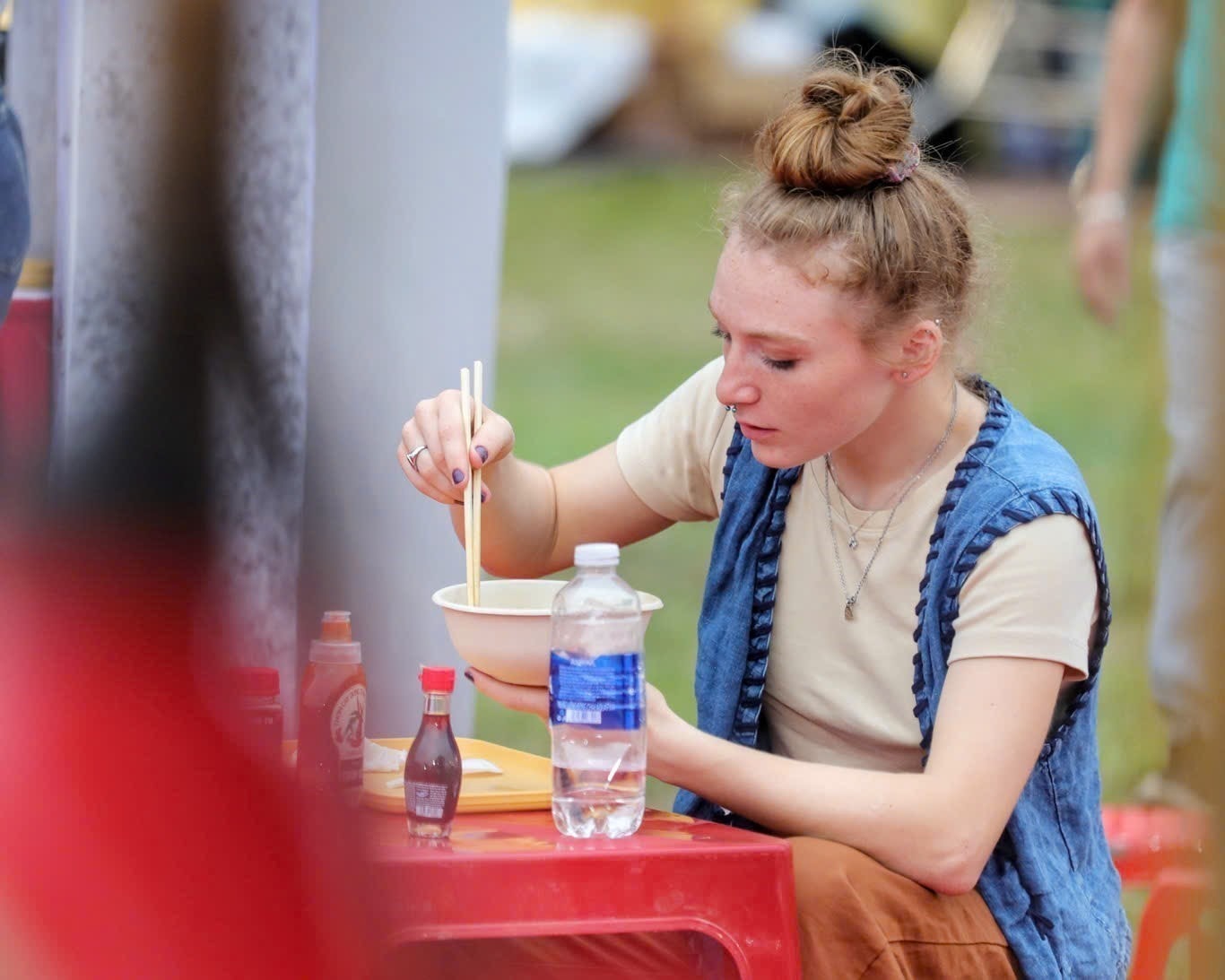
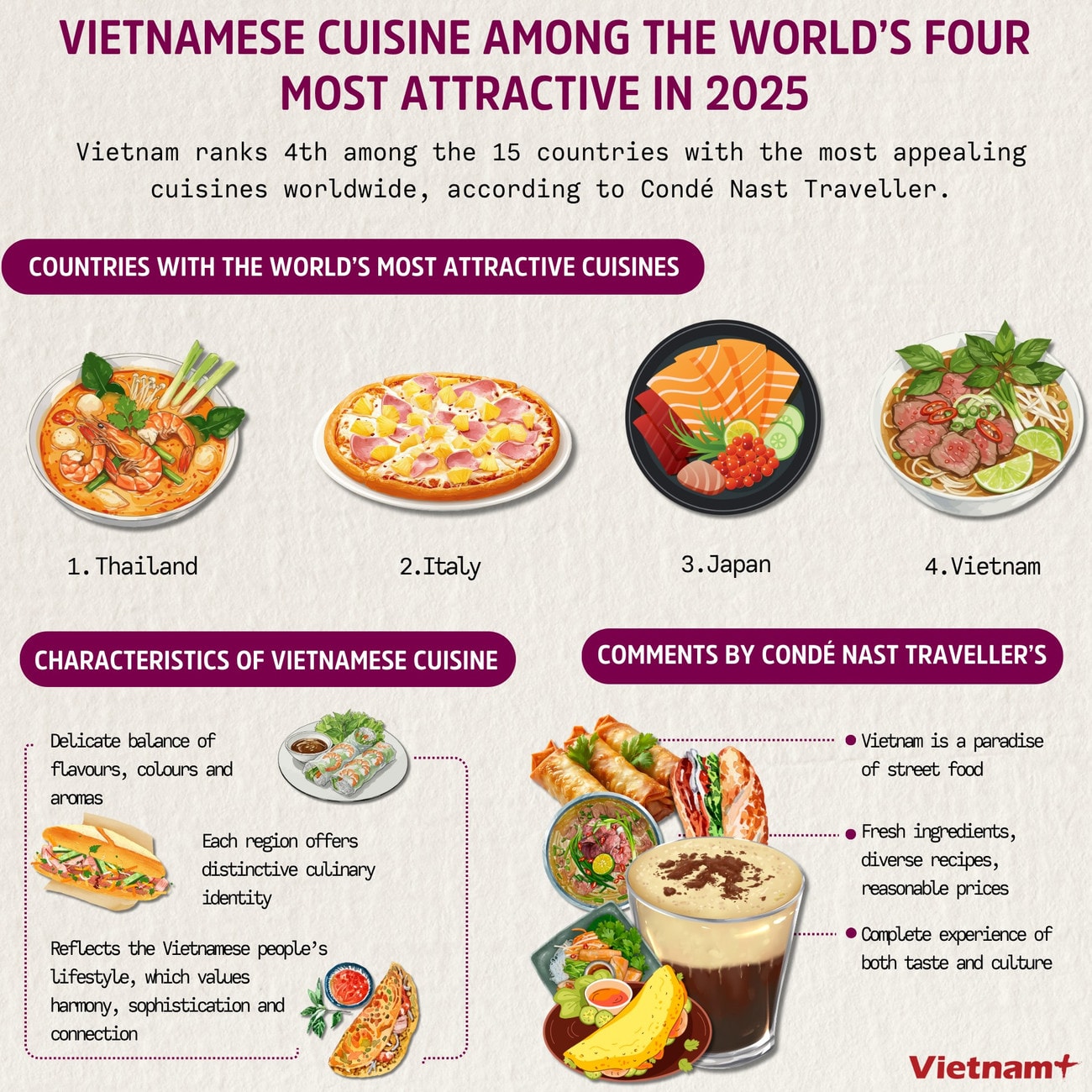
Vietnamese cuisine, featuring worldwide staples like pho, bun cha (grilled pork noodle), goi cuon (fresh spring rolls), com tam (broken rice), and coffee, has become a potent channel for cultural diplomacy, disseminating the country's warmth, creativity and people to every corner of the globe.
Foreigners enjoy Vietnamese pho at the opening ceremony of the Pho Festival 2025 at the Thang Long Imperial Citadel in Hanoi. (Photo: VNA)
Around the world, the most astute nations have masterfully blended ancestral heritage with cutting-edge technology and thriving creative industries, proving that culture can be far more than a charming backdrop, but can set the course for the future.
In Vietnam, Resolution 80 insists on placing culture on equal footing with economy, politics and society as a genuine pillar of development. This goes far beyond literature, arts and heritage preservation to include the cultivation of truly well-rounded citizens, the nurturing of a healthy cultural environment from families, schools, to digital spheres, and the bold expansion of cultural industries and creative economy.
Keeping national soul alive amid modern glamour
A key challenge today lies in safeguarding and promoting those timeless values amid rapid modernisation and globalisation. The explosive growth of cross-border digital platforms offers endless opportunities for cultural dissemination, yet also tempts with external influences that might subtly dilute national identity.
Resolution 80 demands exquisite balance: tradition with modernity, national identity with global integration, preservation with development. Culture cannot remain static in museums or be watered down; it must pulse vibrantly in contemporary life, perpetually renewed and transmitted to each new generation to retain its true vitality.
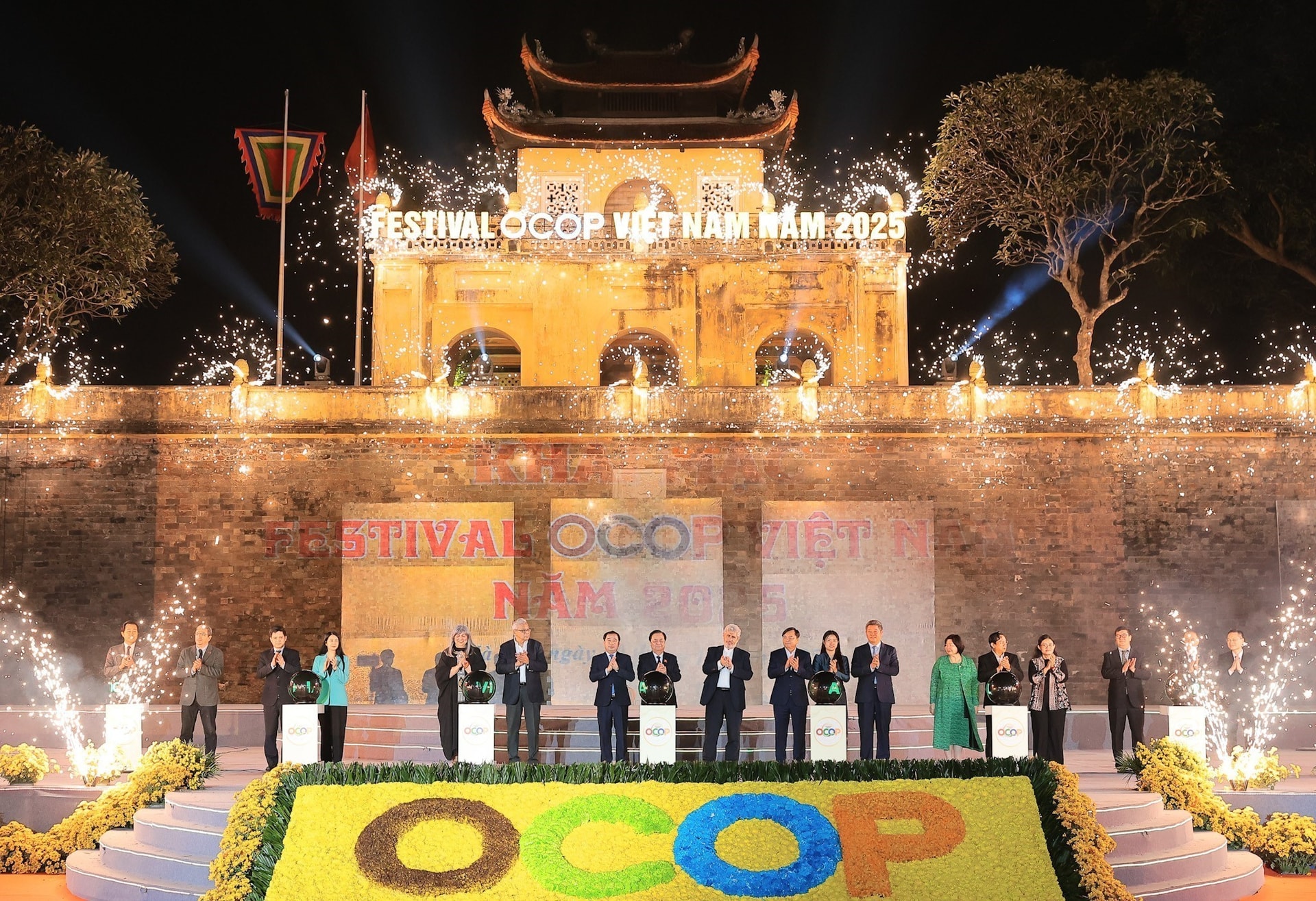
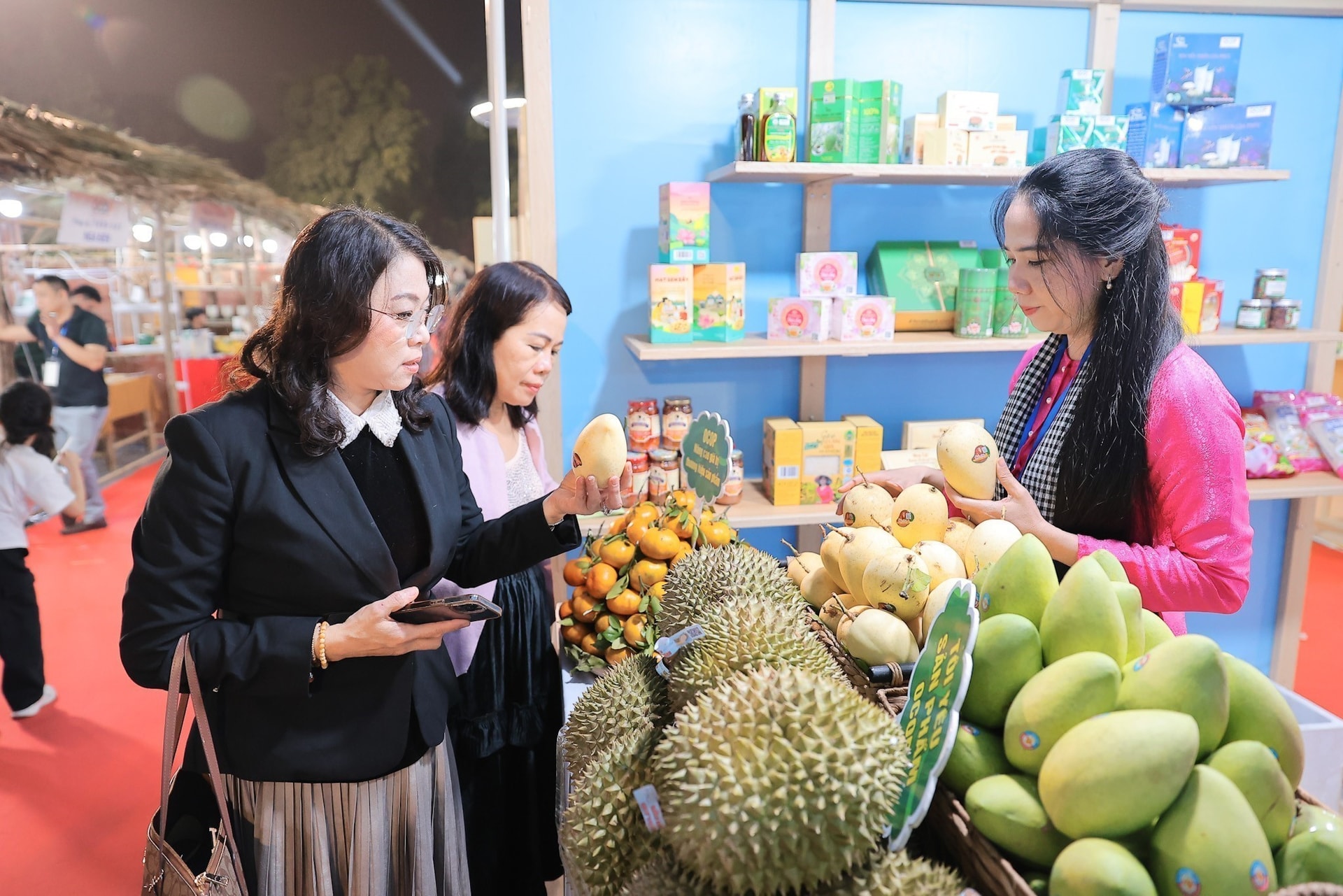
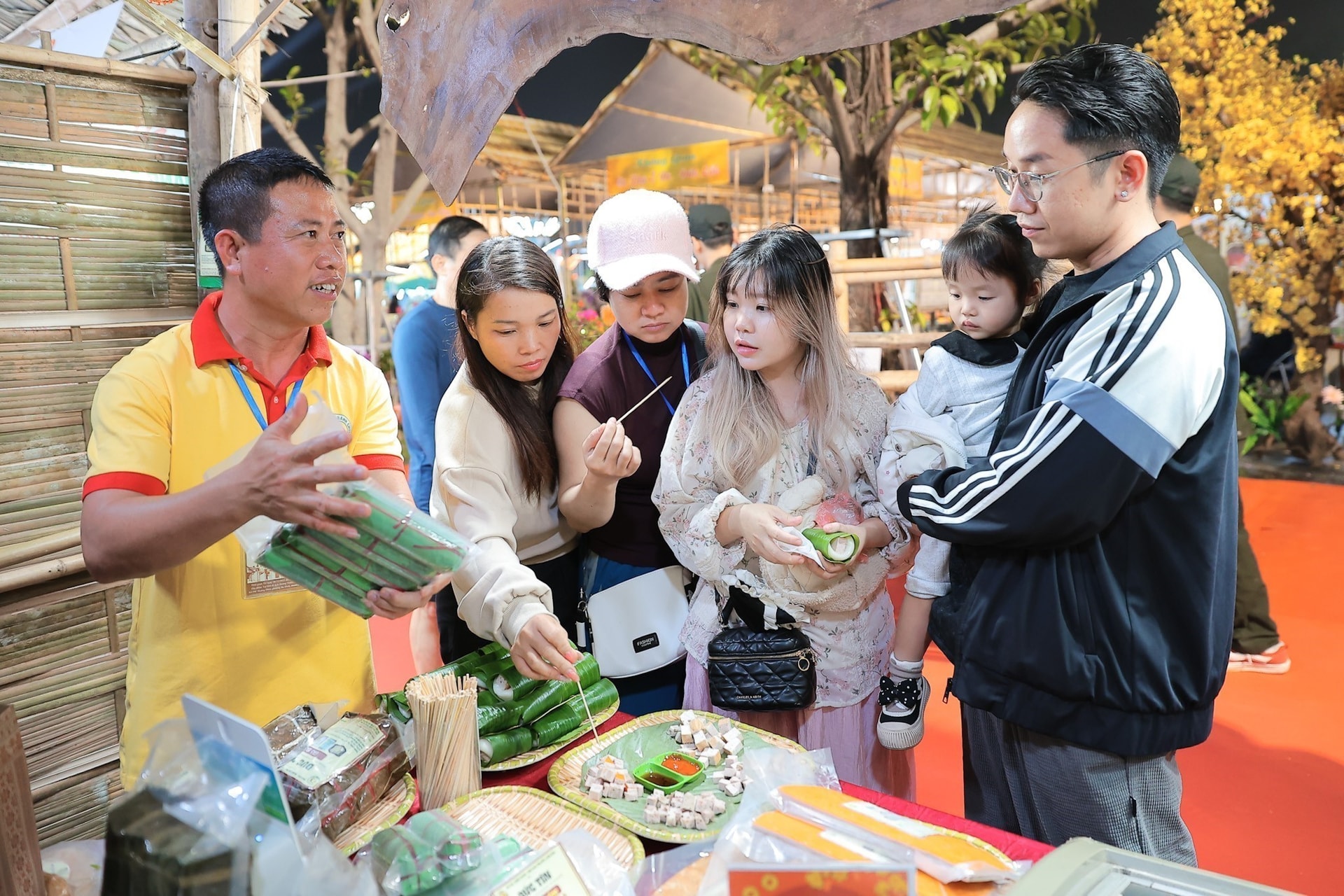
This dynamic is evident in traditional craft villages and One Commune One Product (OCOP) treasures, which are living embodiments of folk essence that double as dynamic hubs of community creativity.
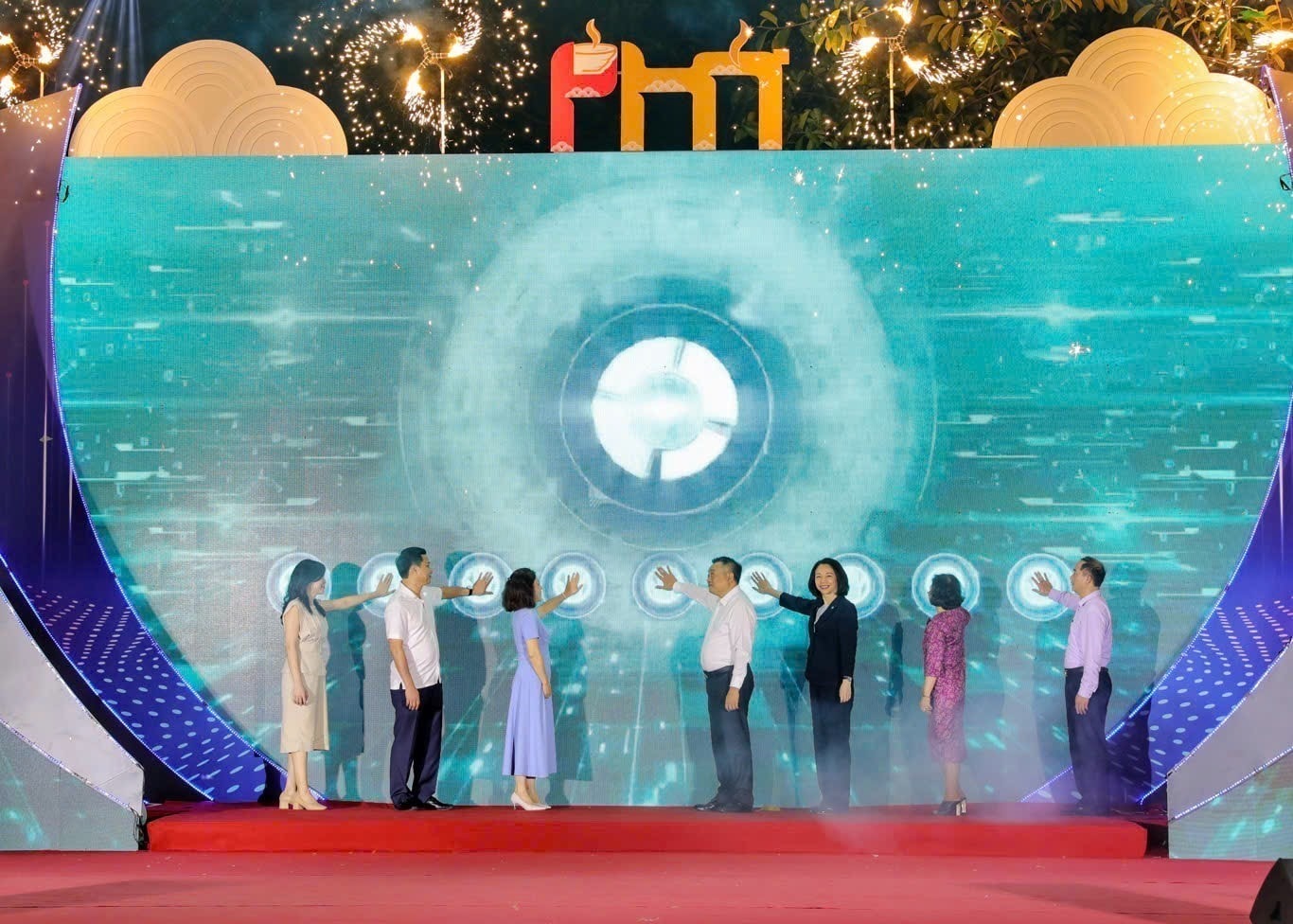
The opening ceremony of the Vietnam OCOP Festival 2025 (Photo: VNA)
Visitors go shopping at the Vietnam OCOP Festival 2025. (Photo: VNA)
People-centred approach
At the heart of the resolution lies its people-centred approach: citizens as the primary stakeholders, the ultimate goal and the very engine of cultural progress. Culture is never abstract; it lives in every individual, every gesture, every social norm.
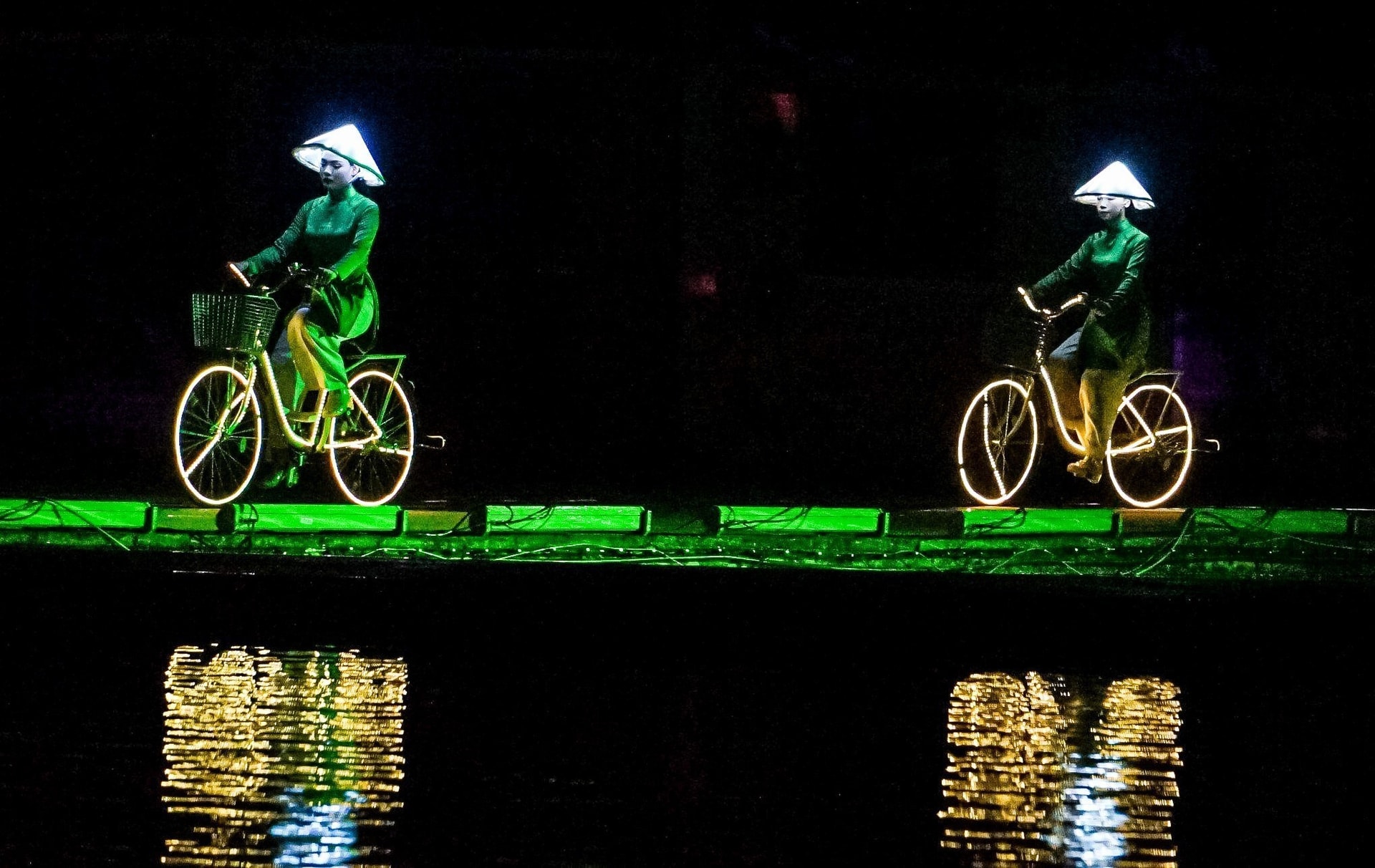
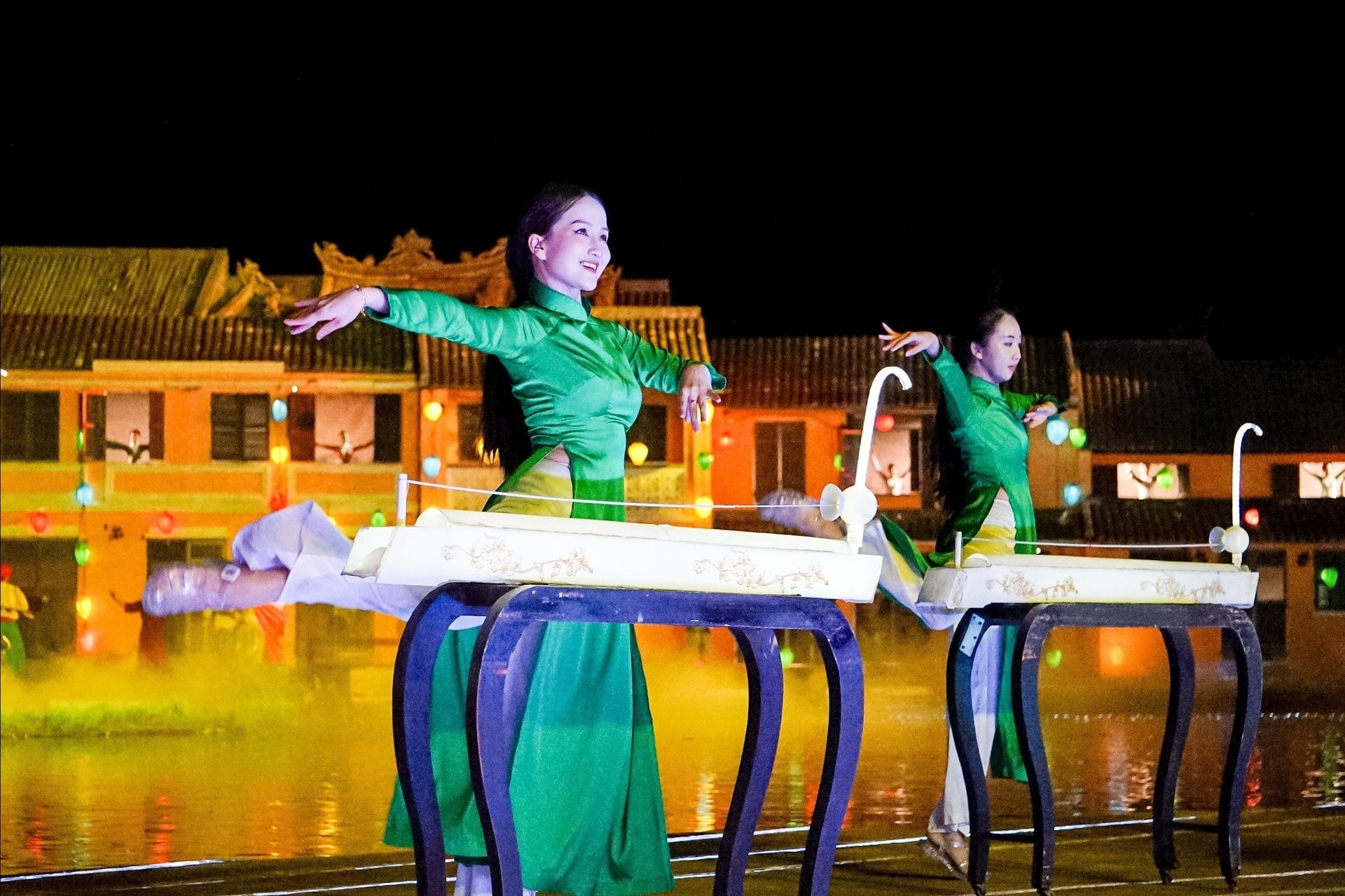
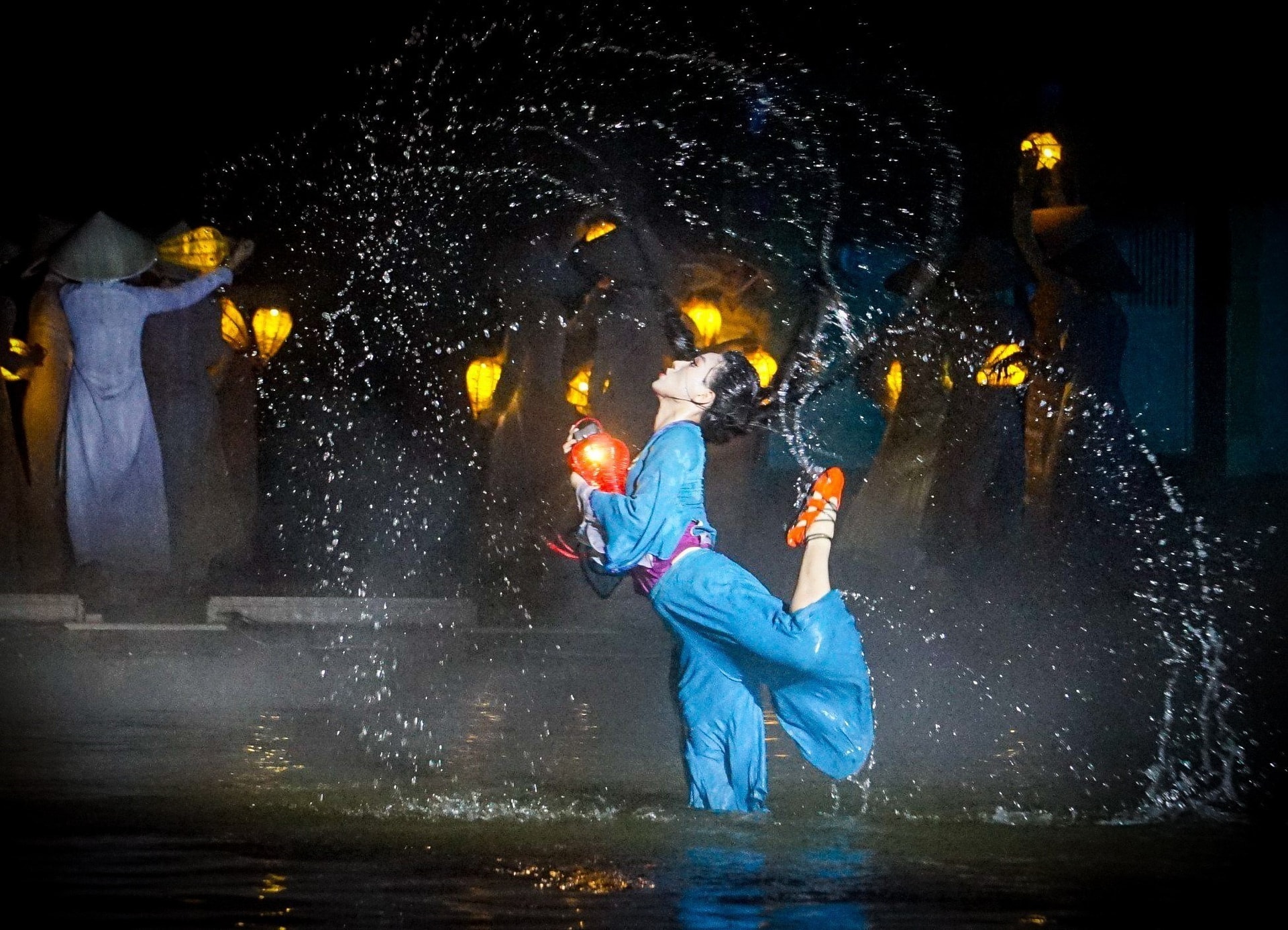
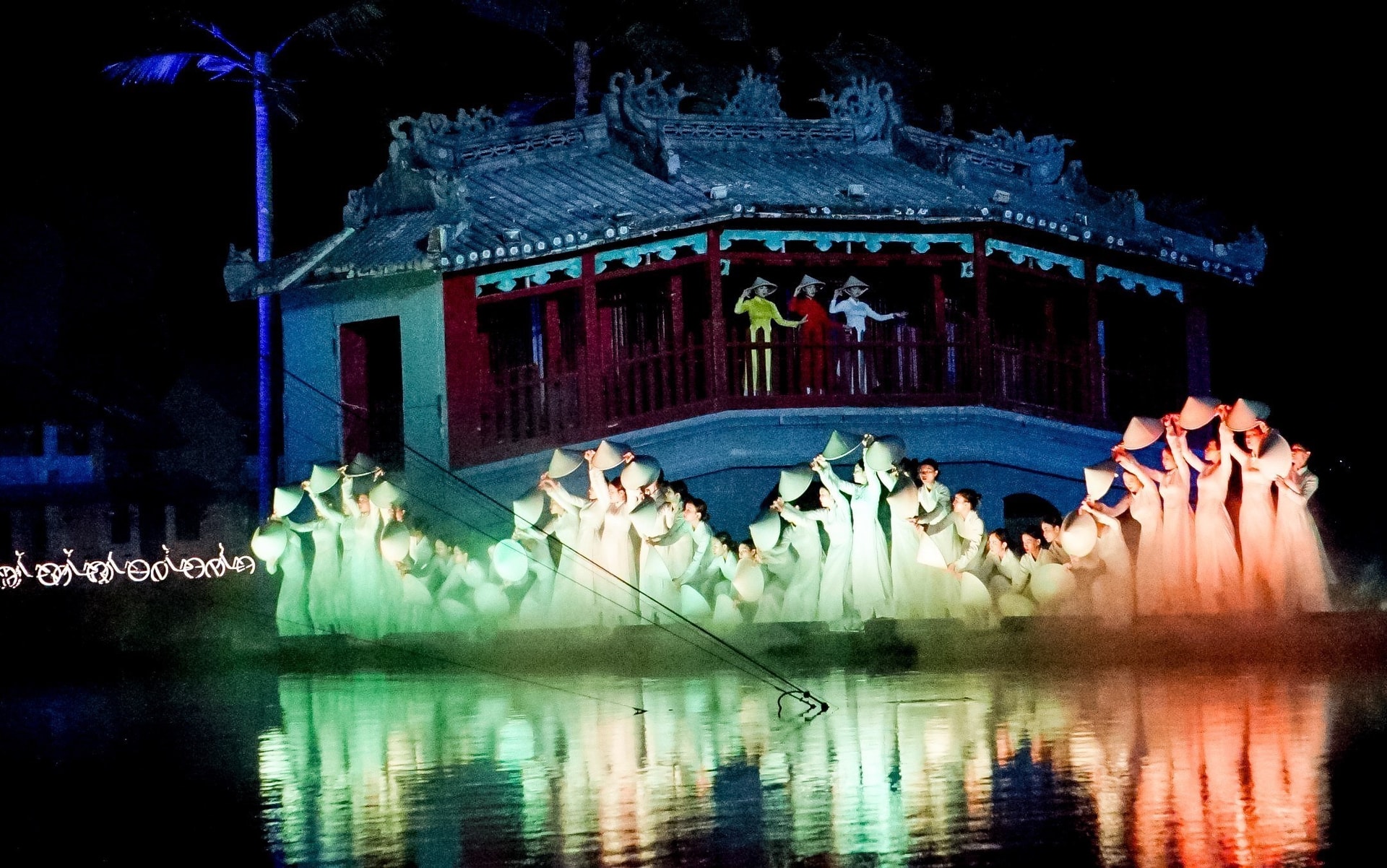
Hoi An Memories – A spectacular real-life art show (Photo: VNA)
The document calls for a national value system, alongside cultural and family standards tailored to the new era. This entails seamlessly weaving timeless traits of patriotism, compassion, and solidarity with fresh infusions of creativity, responsibility, discipline and aspiration for progress.
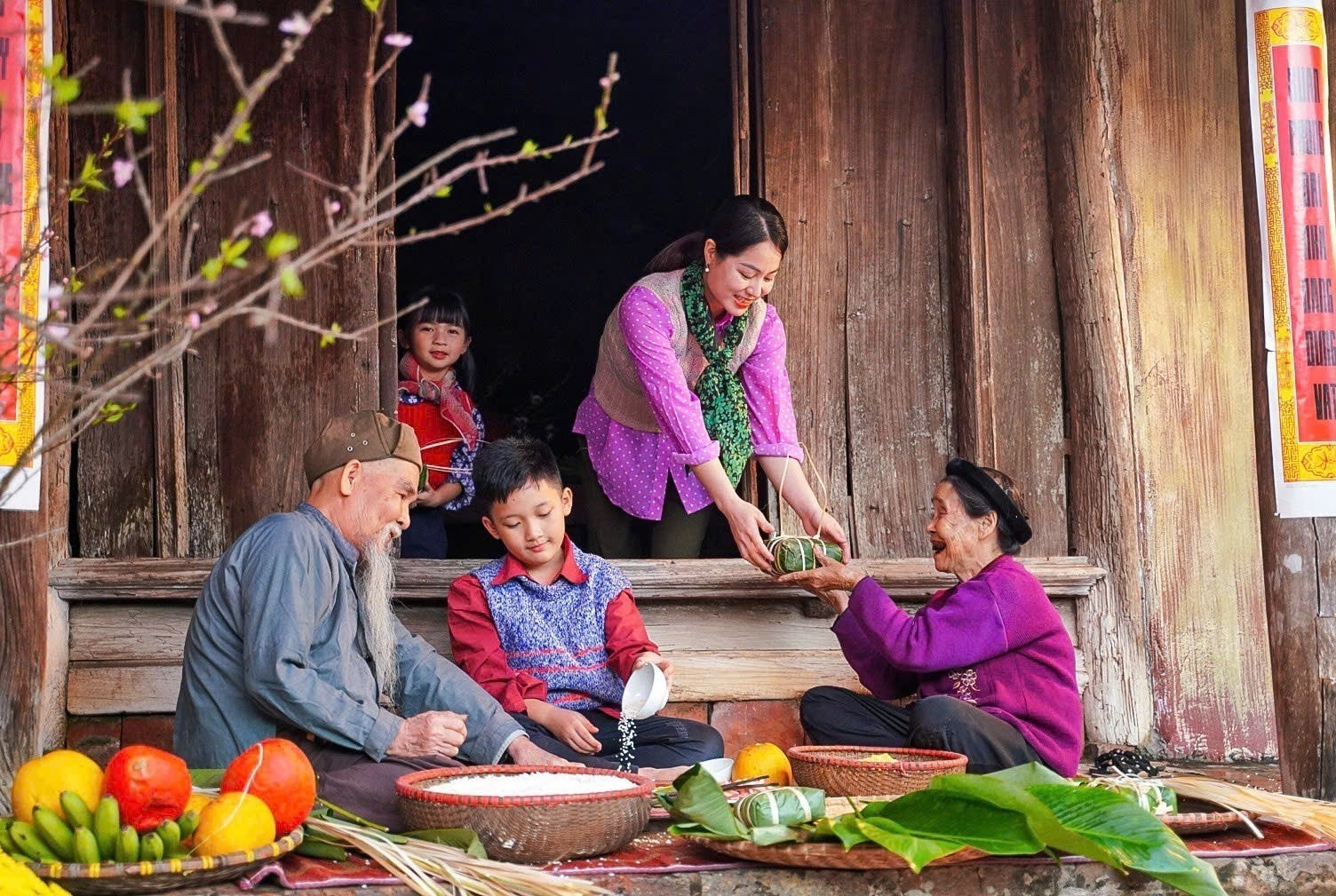
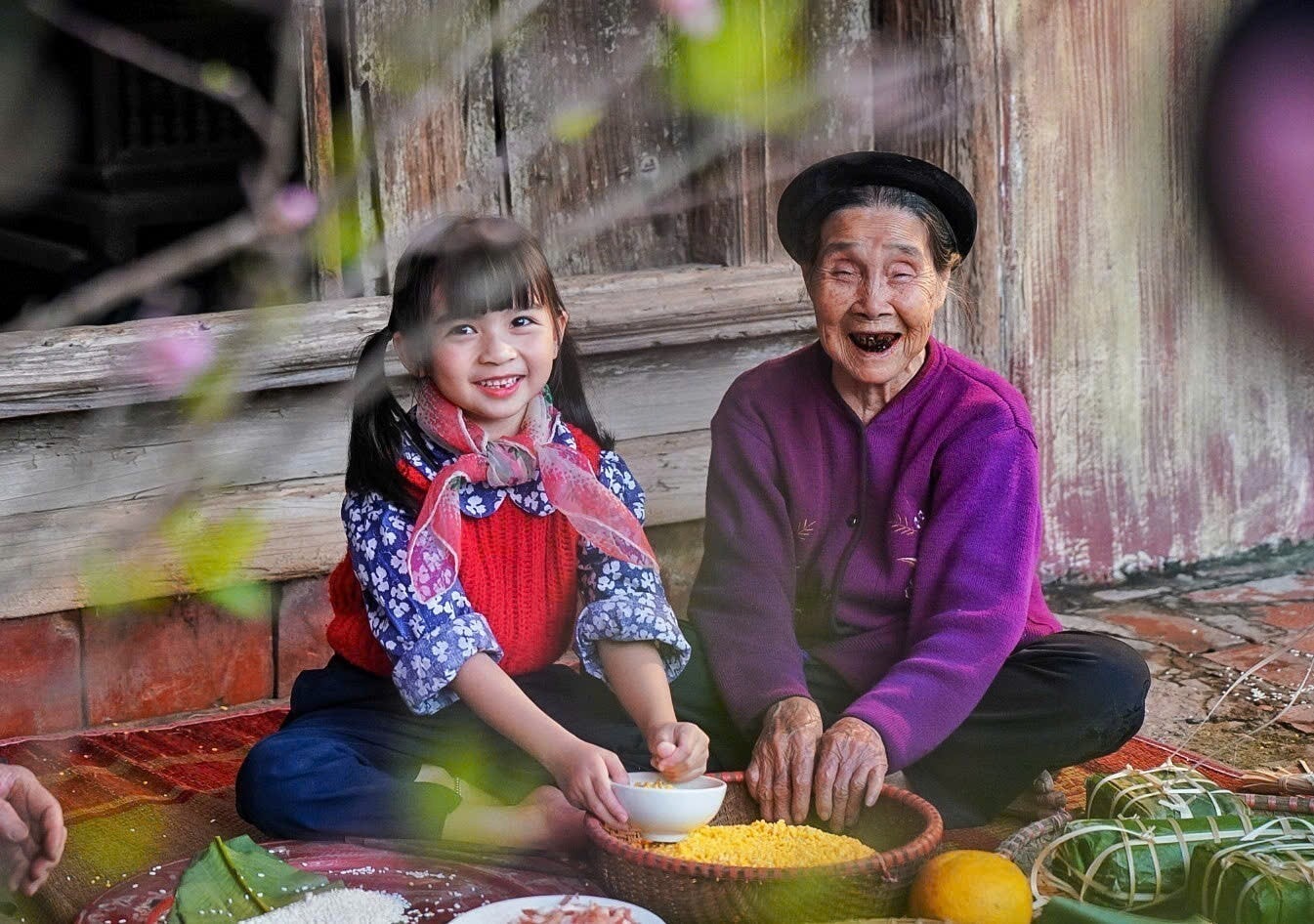
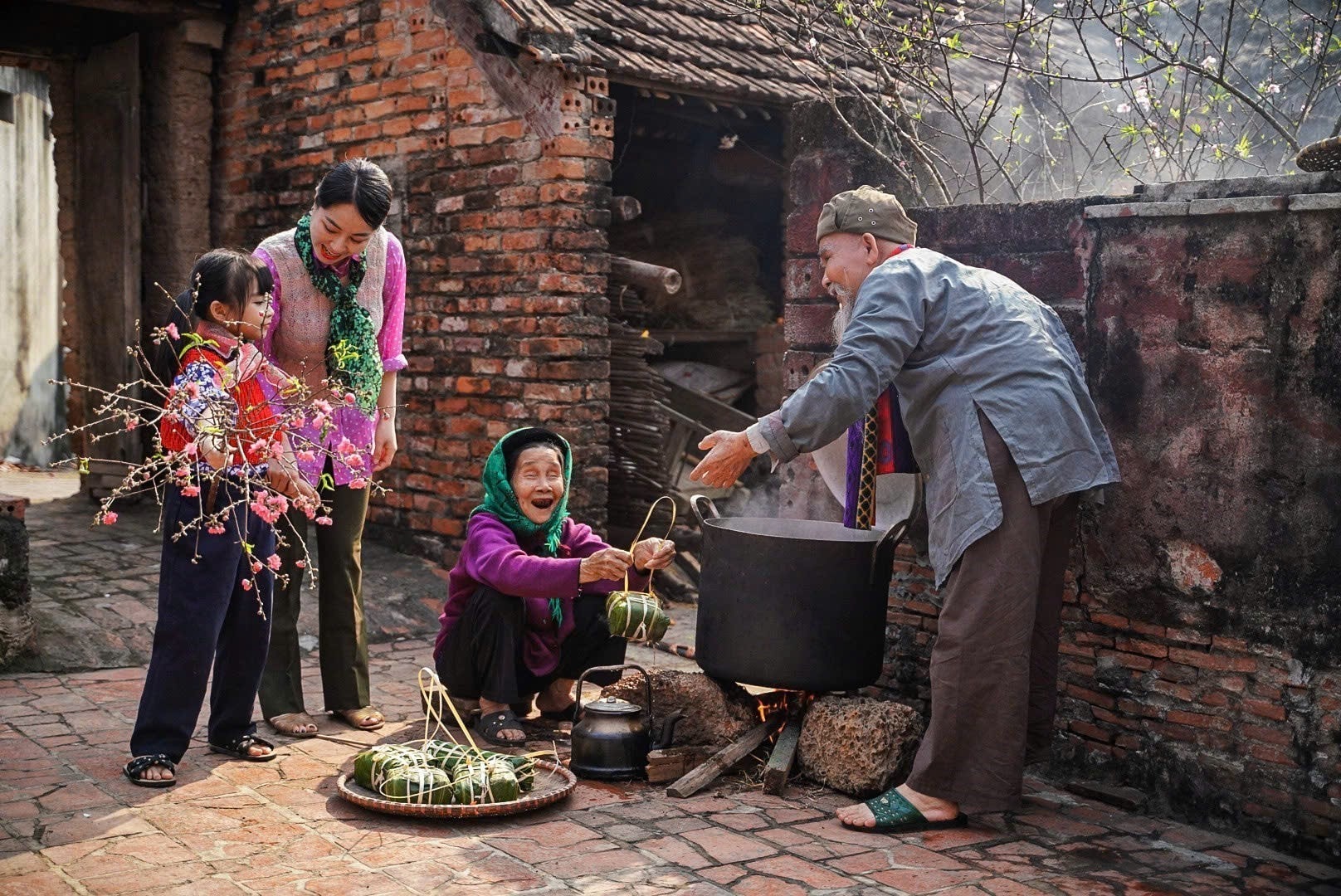
Traditional Tet – A defining cultural identity of Vietnam (Photo: VNA)
Far more than mere policy, the resolution is a clarion call to the entire society. Realising culture’s steering role in the nation’s future requires coordinated action across the political system, enriched by intellectuals, artists, businesses and enthusiastic citizen participation.
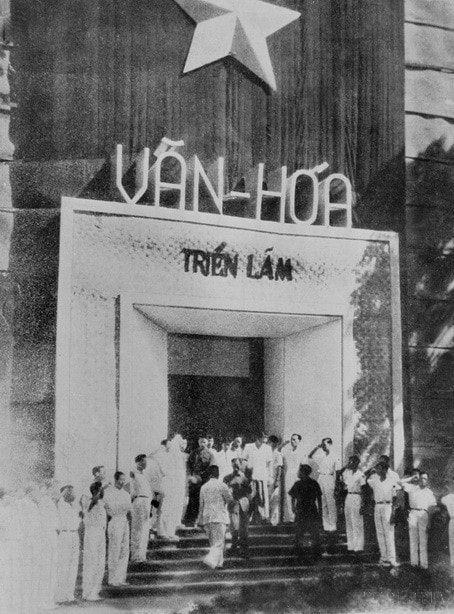
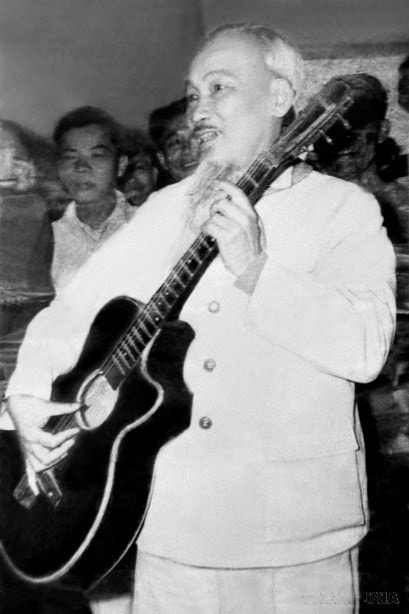
The first national conference on culture (November 24, 1946) is seen as a historic turning point, affirming the position and special importance of culture and the Vietnamese people in national construction and defence. Left photo: President Ho Chi Minh attends the opening of a cultural exhibition at the Hanoi Opera House (October 7, 1945). Right photo: President Ho Chi Minh plays a guitar belonging to the Hai Phong School of Culture and Arts during his visit to the school. (Photo: VNA)
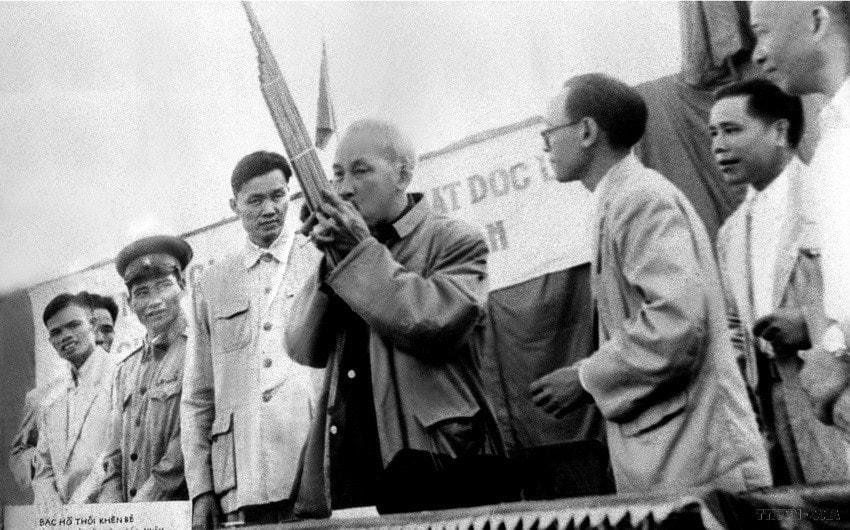
President Ho Chi Minh plays khen, a traditional musical instrument of Thai ethnic people presented to him in Yen Chau (Son La) during his visit to the Northwest (May 7, 1959). (Photo: VNA)
“
The resolution reaffirms President Ho Chi Minh's 1946 declaration at the first national cultural conference: “Culture must light the way for the nation”.
Assoc. Prof. Nguyen The Ky, Vice Chairman of the Central Theory Council
It further establishes Vietnamese culture as the distilled essence of millennia of nation-building and defence, forming a vital inner strength that moulds the brainpower, soul, spirit, and endurance of the Vietnamese people.
Assoc. Prof. Nguyen The Ky, Vice Chairman of the Central Theory Council
Cultural industries - A new growth engine
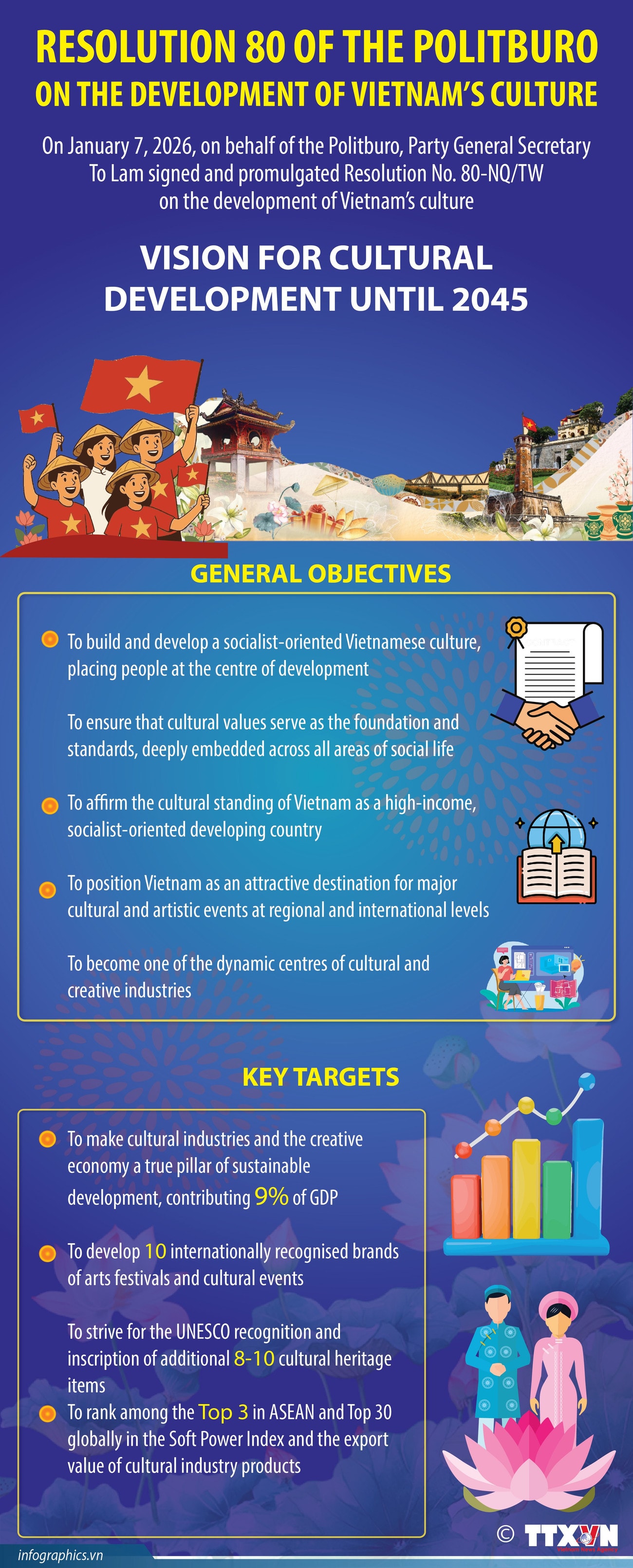
Another breakthrough of the Resolution is its aggressive push to develop cultural industries as a fresh growth driver. Ambitious targets include cultural sectors contributing about 7% of GDP by 2030 and roughly 9% by 2045, a clear signal of firm political commitment.
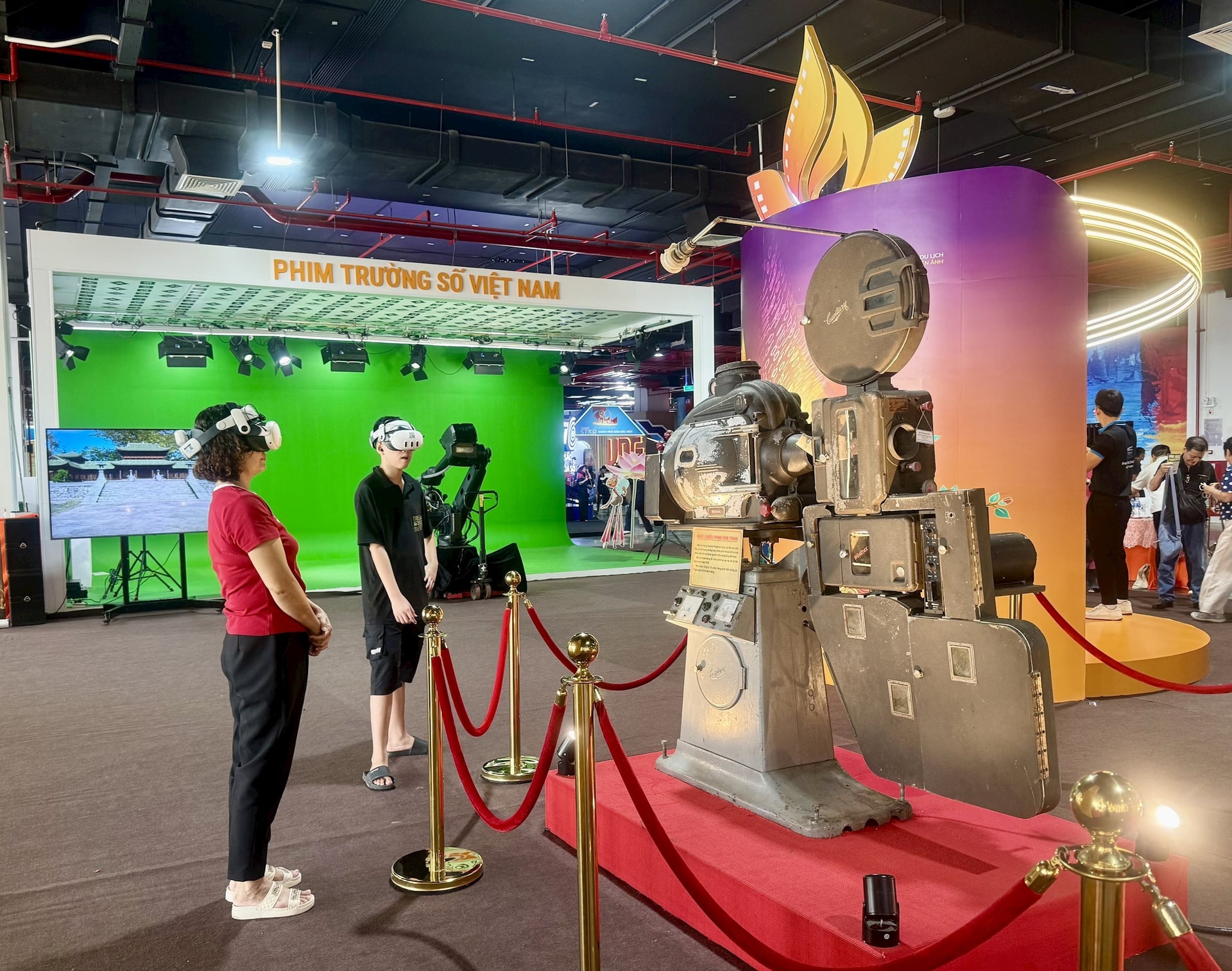
Visitors explore a "panorama" of 12 cultural industries at the exhibition on 80-year national achievements. (Photo: VNA)
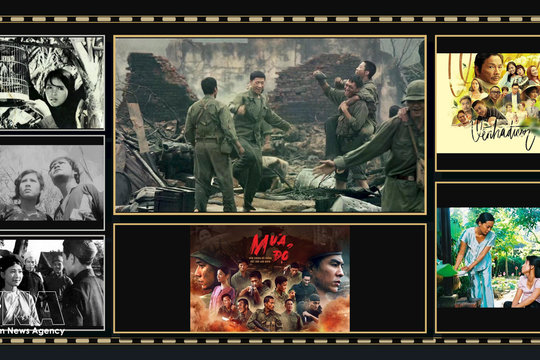
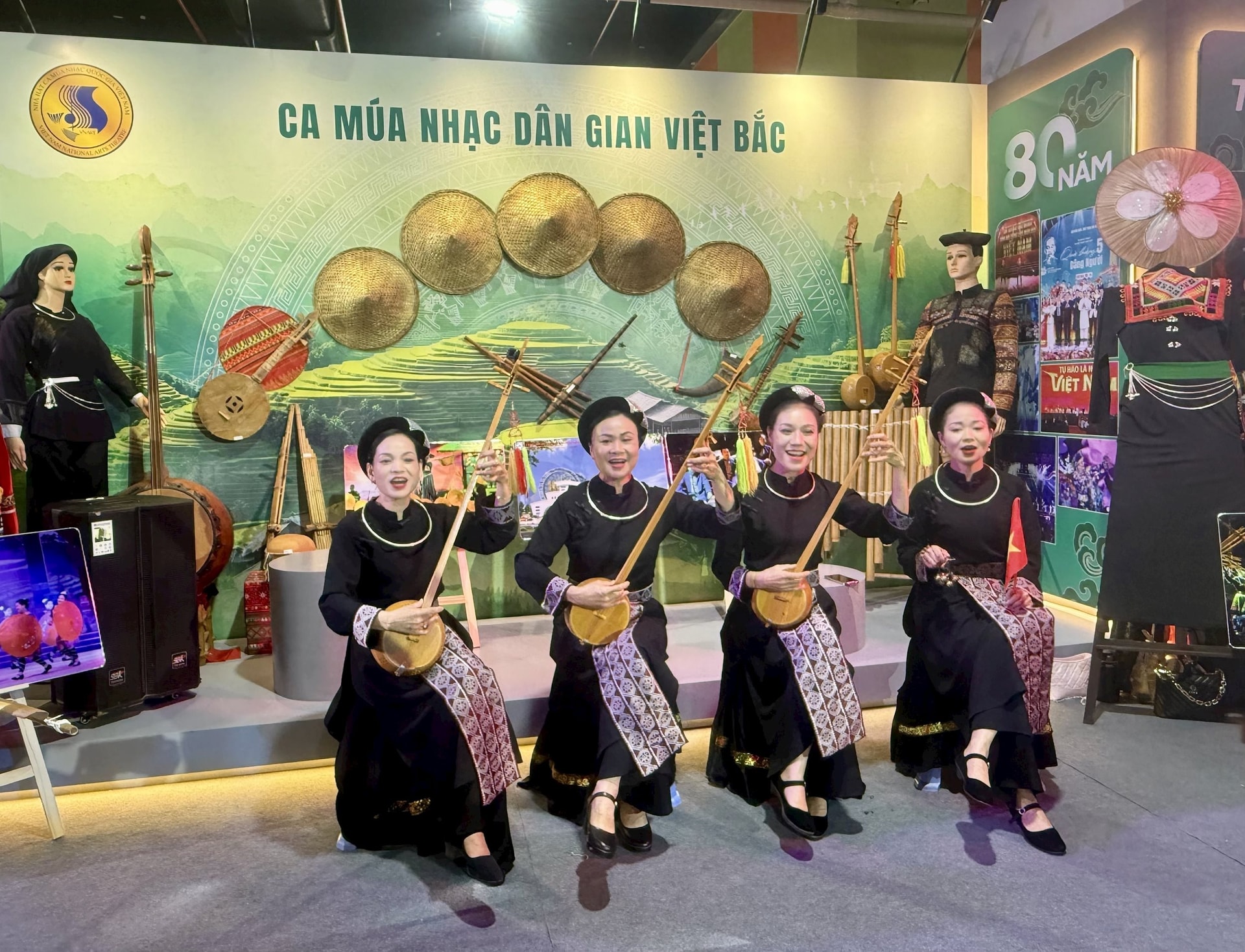
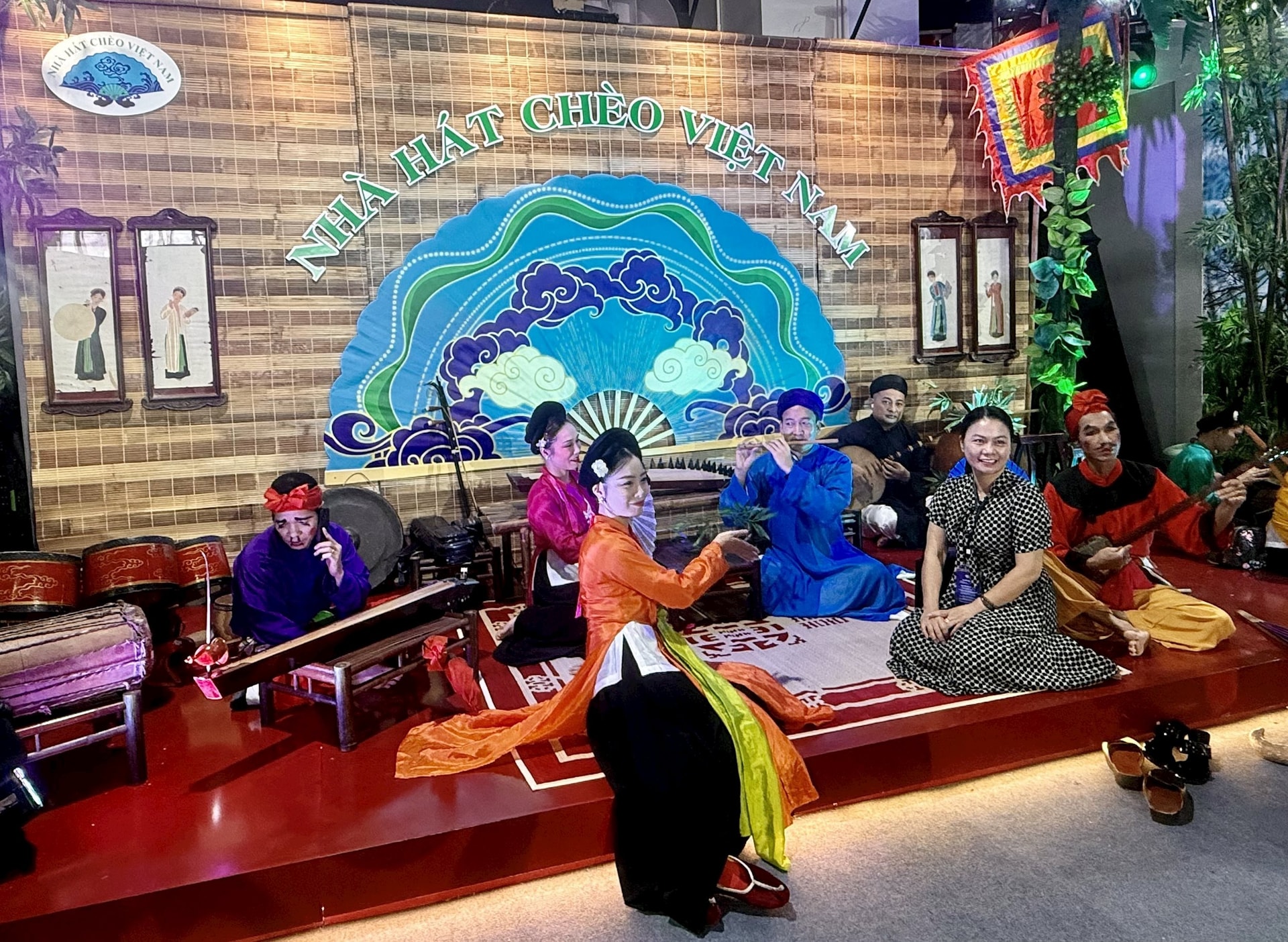
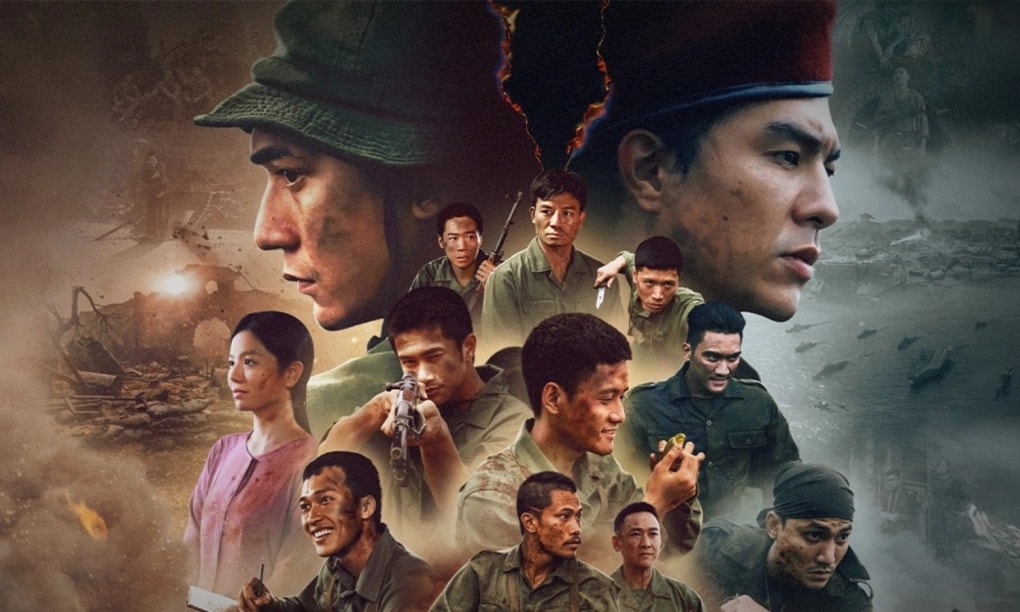
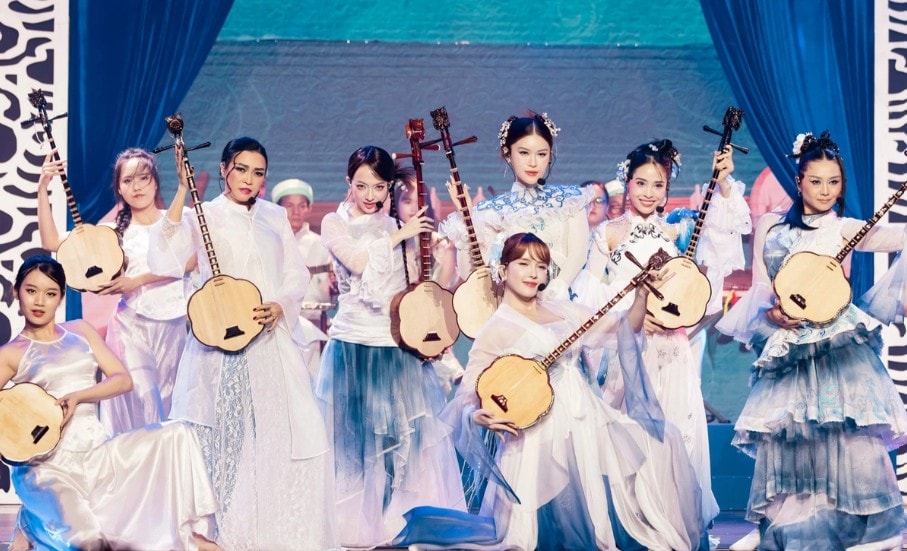
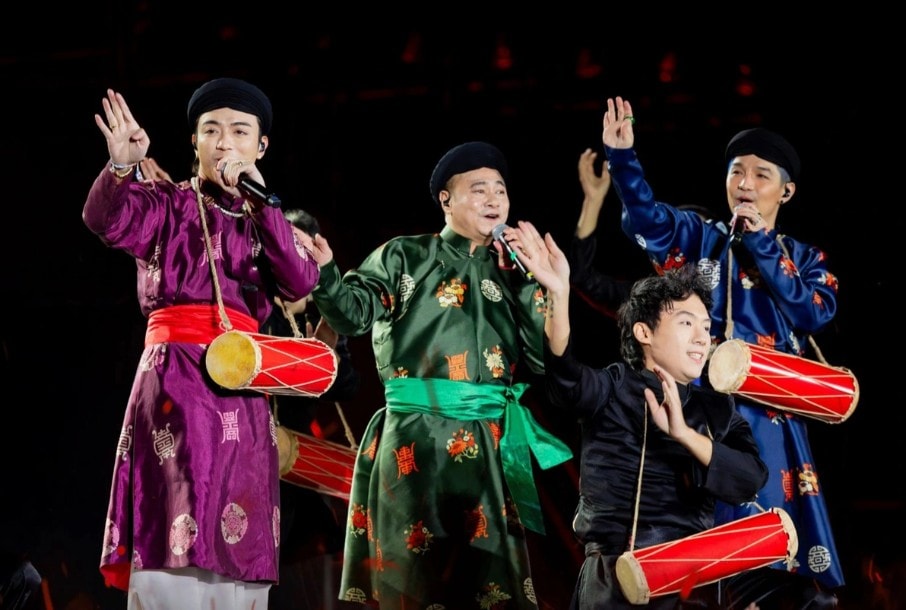
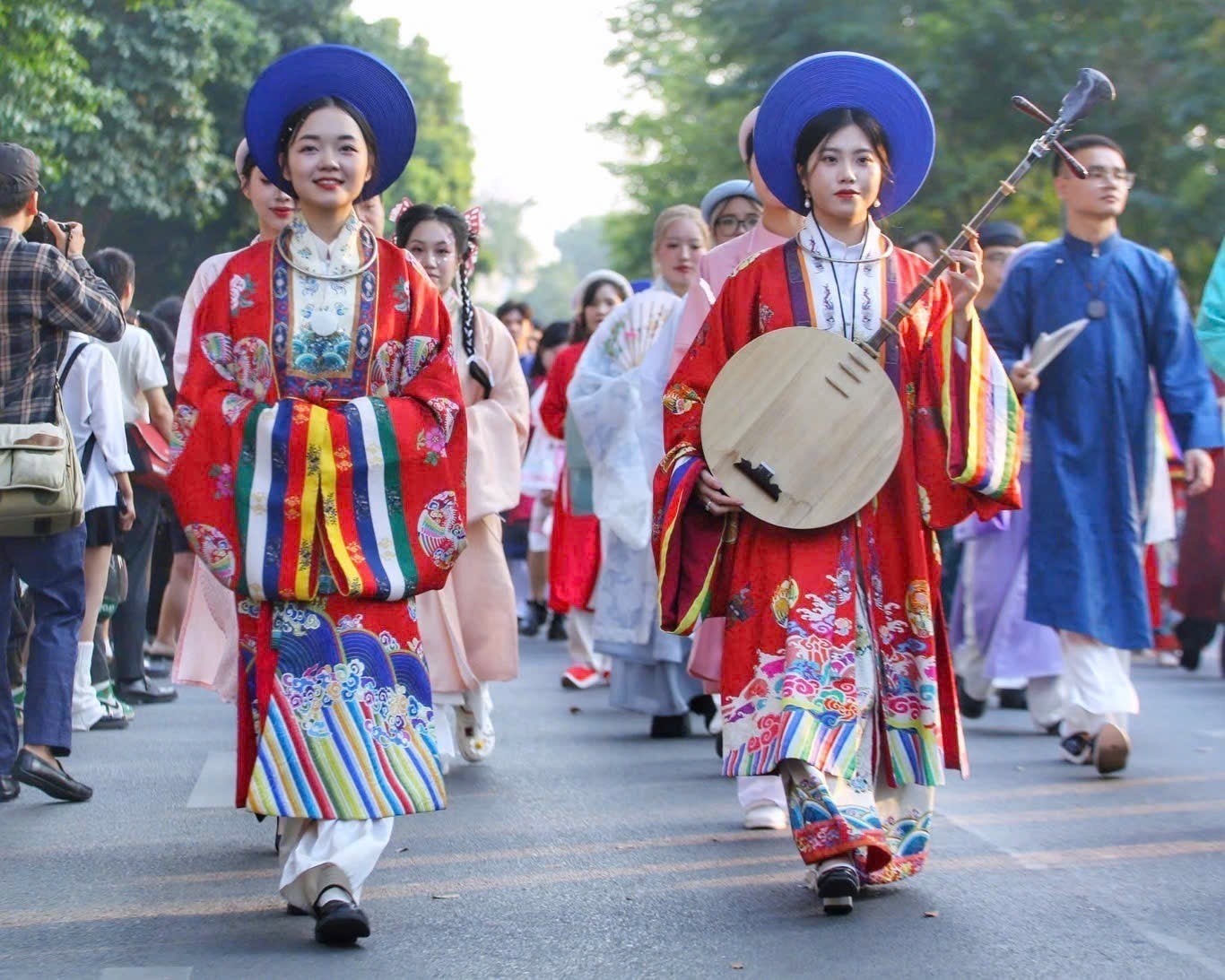
Film, music, visual arts, design, fashion, cultural tourism, video games, and digital content all offer substantial untapped potential in Vietnam. Unlocking this requires bold institutional reforms, a genuinely open and supportive creative environment, pools of exceptional talent and robust private-sector involvement.
"Red Rain" is the highest-grossing Vietnamese film of all time and chosen as Vietnam’s submission to the 2026 Oscar (Poster: Production crew)
Performances at the shows "Sisters who make waves" (L) and "Call me by fire" (Photo courtesy of the producers)
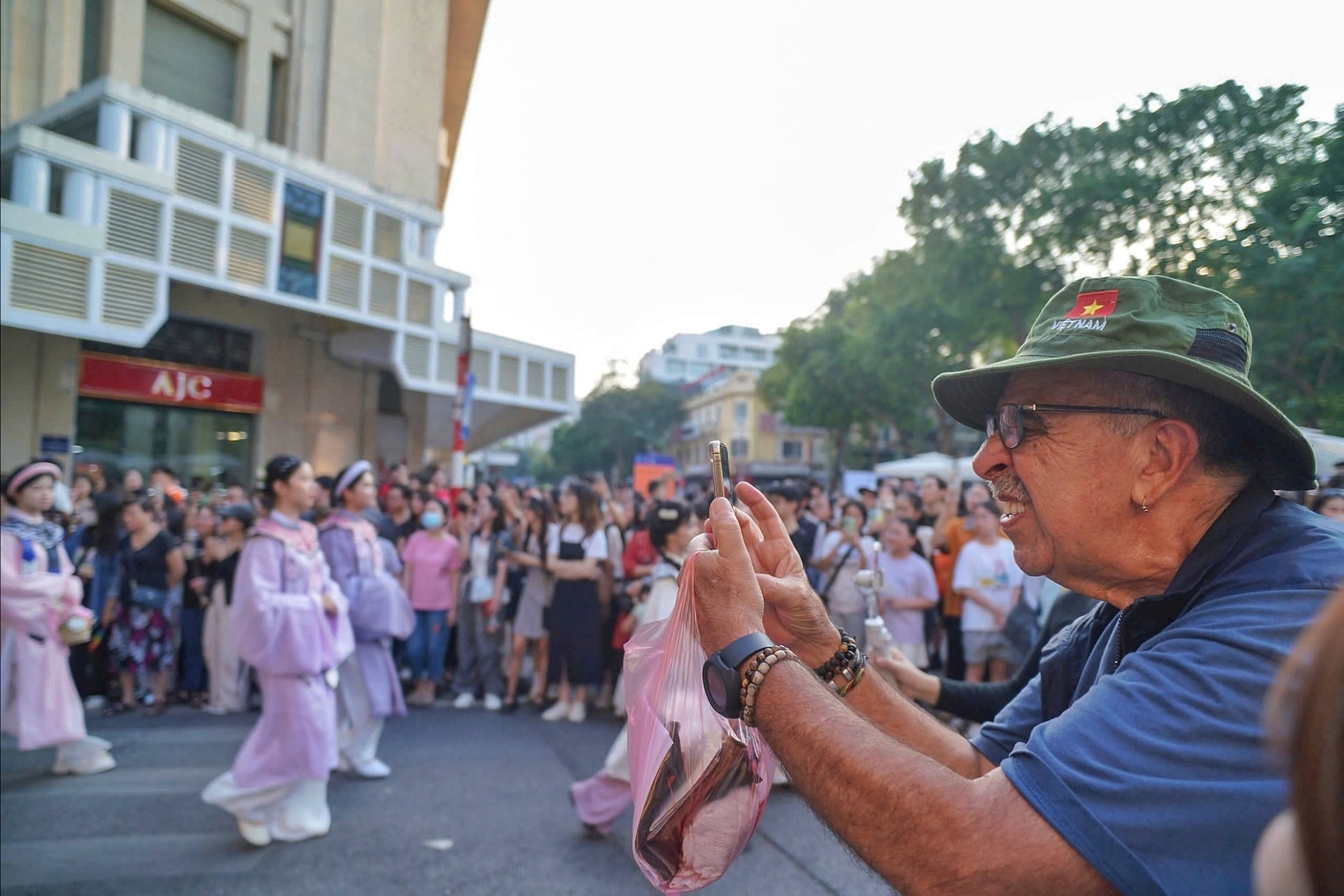
A parade of Vietnamese traditional costumes draws interest from foreigners. (Photo: VNA)
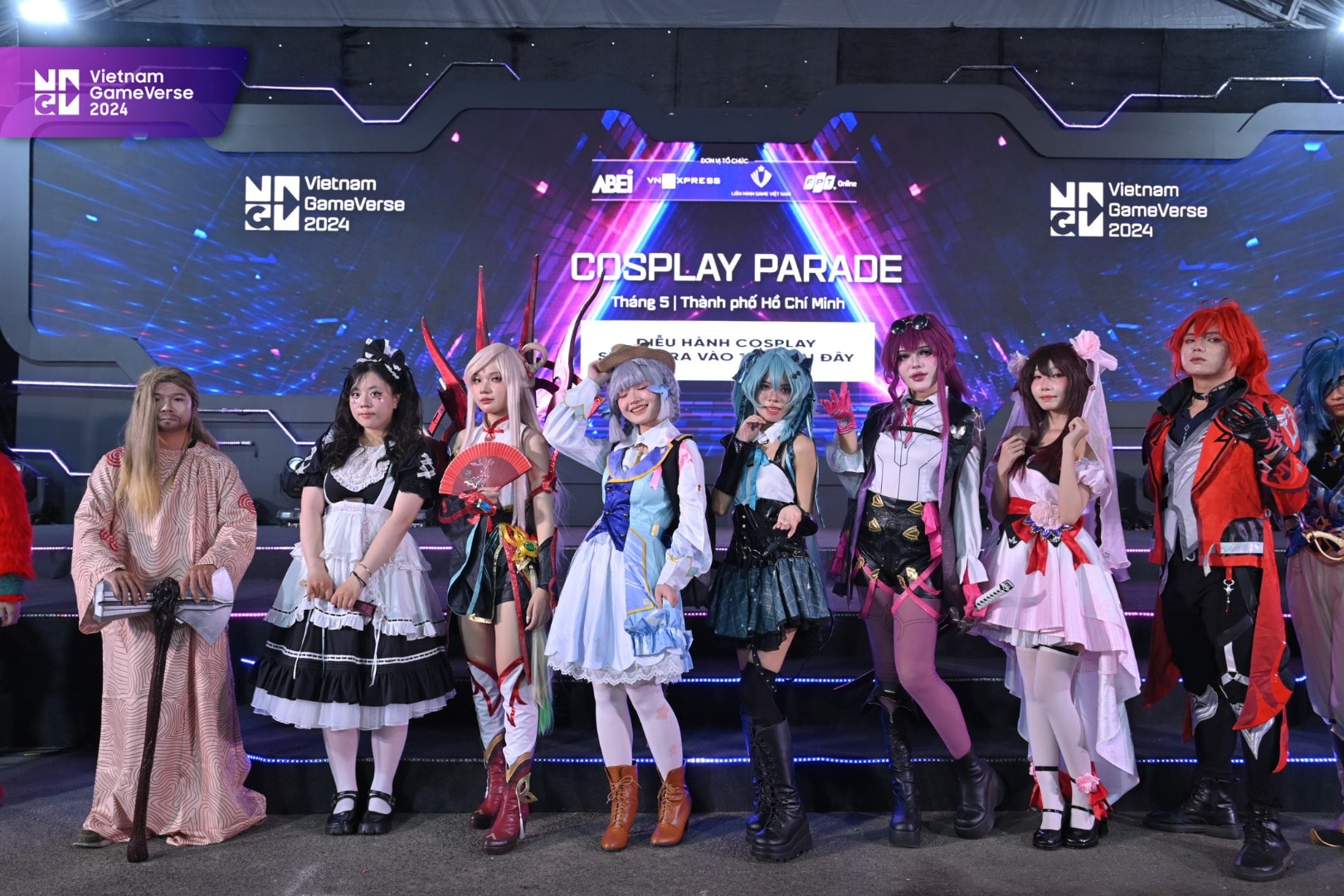
Contestants compete in a cosplay contest at Vietnam GameVerse 2024 in Ho Chi Minh City (Photo: Organising board)
The resolution designates enterprises as central actors in the cultural-creative ecosystem while insisting on social responsibility and humanistic priorities to guard against overly commercial excess.
In an age of broad global integration, culture functions as a “common language” bridging nations. Resolution 80 seeks to elevate Vietnam's soft power, turning the country into a compelling host for major international cultural and art events.
Expanding Vietnam cultural centres overseas, intensifying cultural diplomacy, promoting UNESCO-recognised heritage, and exporting culturally infused products will reinforce Vietnam’s position and image in the emerging global order. From the quiet artisans who sustain traditional crafts with devoted hands to policymakers, researchers and cultural managers, a constellation of contributors is shaping Vietnam’s cultural landscape in this new era.
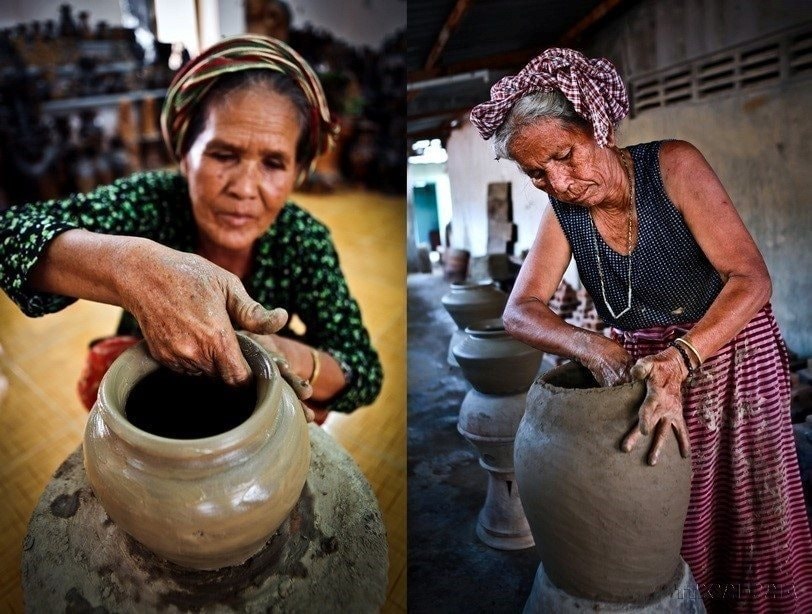
Cham people from Khanh Hoa province demonstrate the art of Bau Truc pottery making. (Photo: VNA)
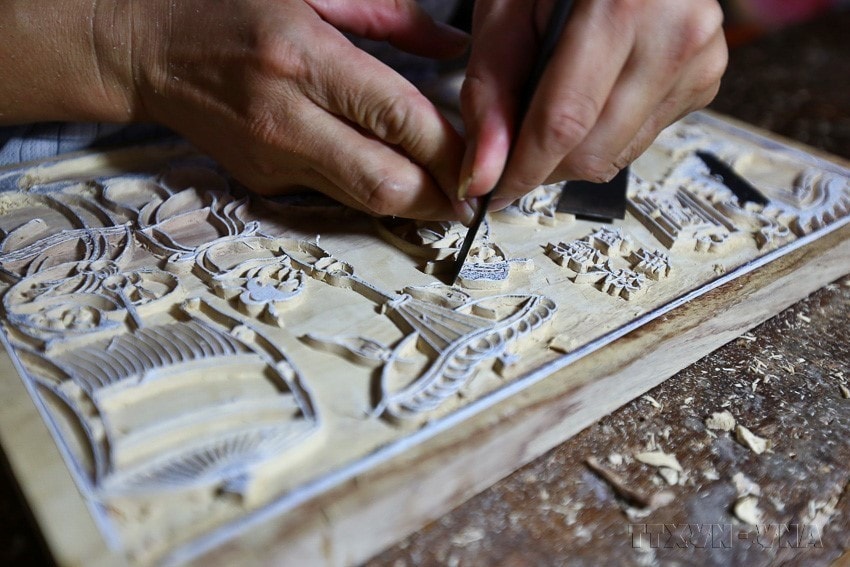
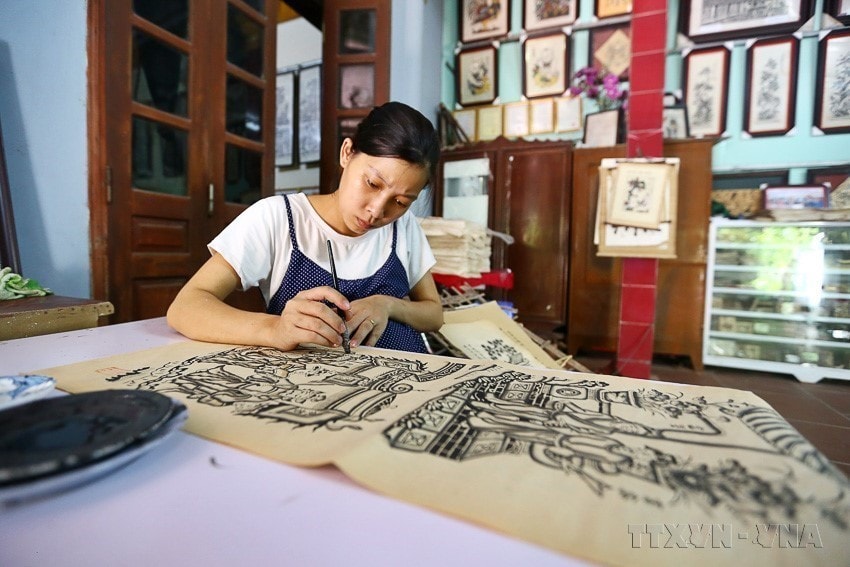
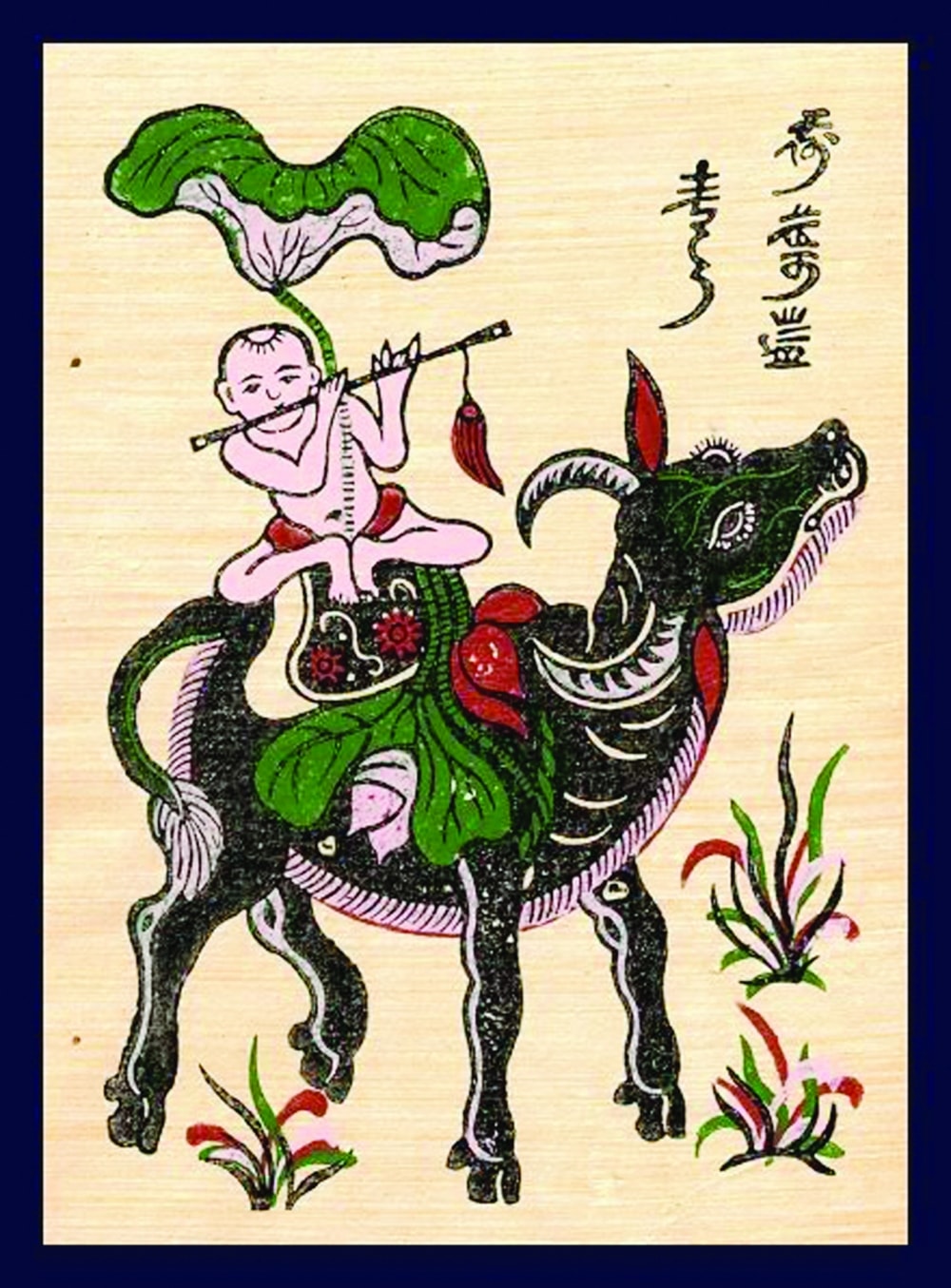
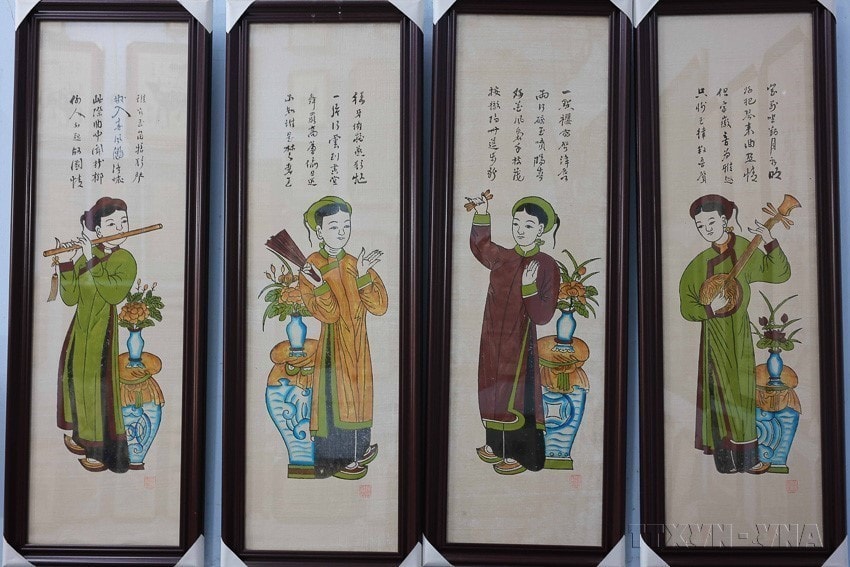
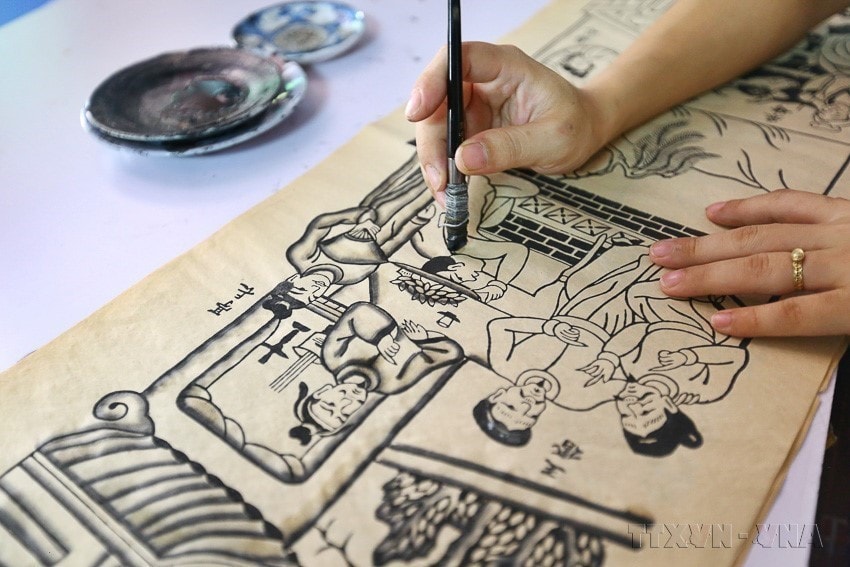
The craft of making Dong Ho folk woodblock printings is named in the UNESCO’s List of Intangible Cultural Heritage in Need of Urgent Safeguarding in December 2025 (Photo: VNA)
Guided by Resolution 80, Vietnamese culture reclaims its rightful throne, not as a mere historical keepsake but as a transformative force for tomorrow. When embedded into policies, actions, and daily life, it safeguards identity, ignites development ambitions and amplifies soft power to dazzling effect. Ultimately, advancing culture means investing in people, building unbreakable trust, and cultivating profound resilience, empowering Vietnam to stride forward with confidence, achieve rapid yet sustainable growth, and integrate fully into the global community in the new era./.
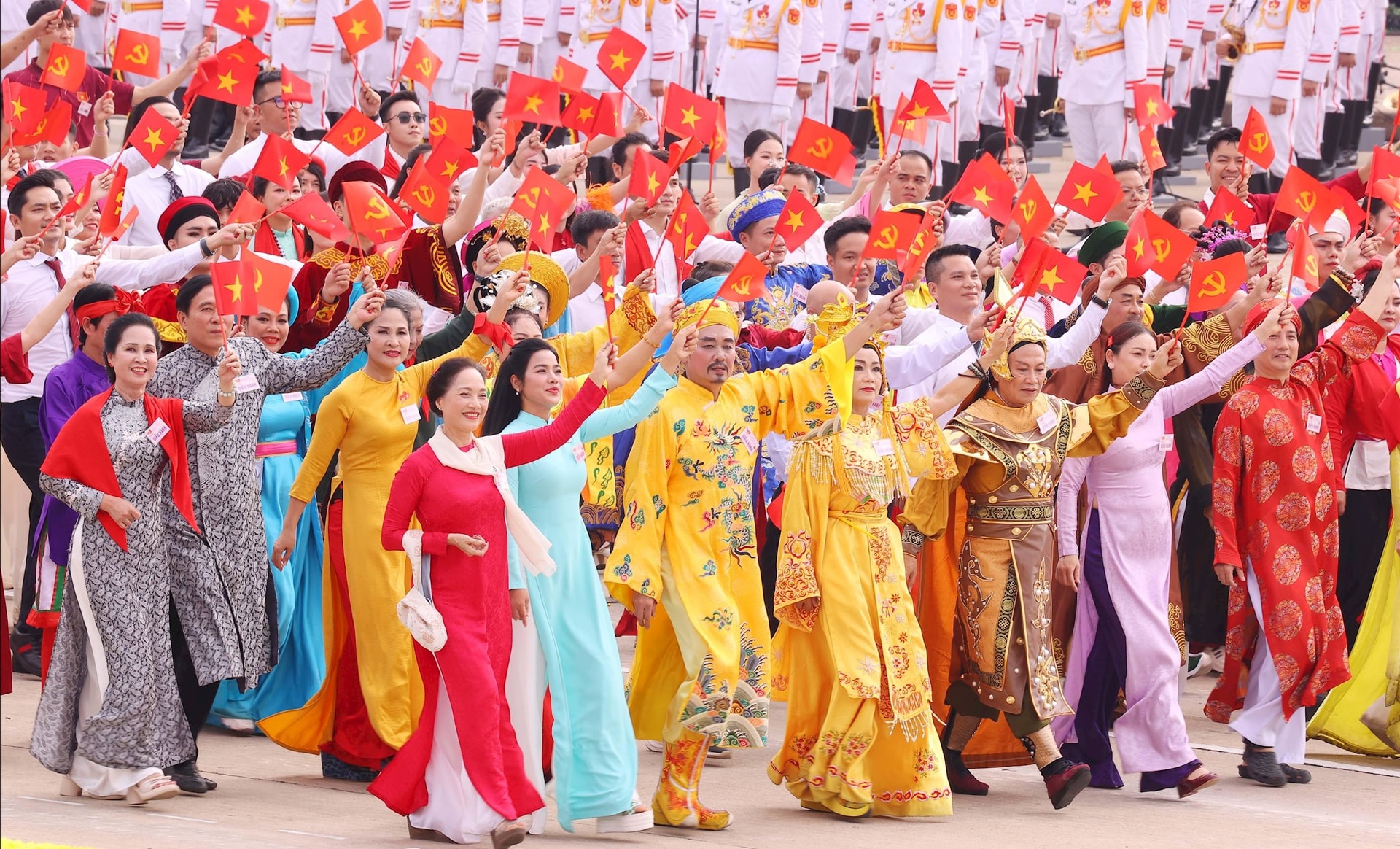
The culture and sports formation at the parade marking the 80th anniversary of the National Day on September 2, 2025 (Photo: VNA)
Bình luận của bạn đã được gửi và sẽ hiển thị sau khi được duyệt bởi ban biên tập.
Ban biên tập giữ quyền biên tập nội dung bình luận để phù hợp với qui định nội dung của Báo.