



Gửi bình luận
LongForm
VIETNAM READY FOR NATIONAL ELECTION DAY
On March 15, voters across Vietnam will head to the polls to elect deputies to the 16th National Assembly (NA) and People’s Councils at all levels for the 2026–2031 term
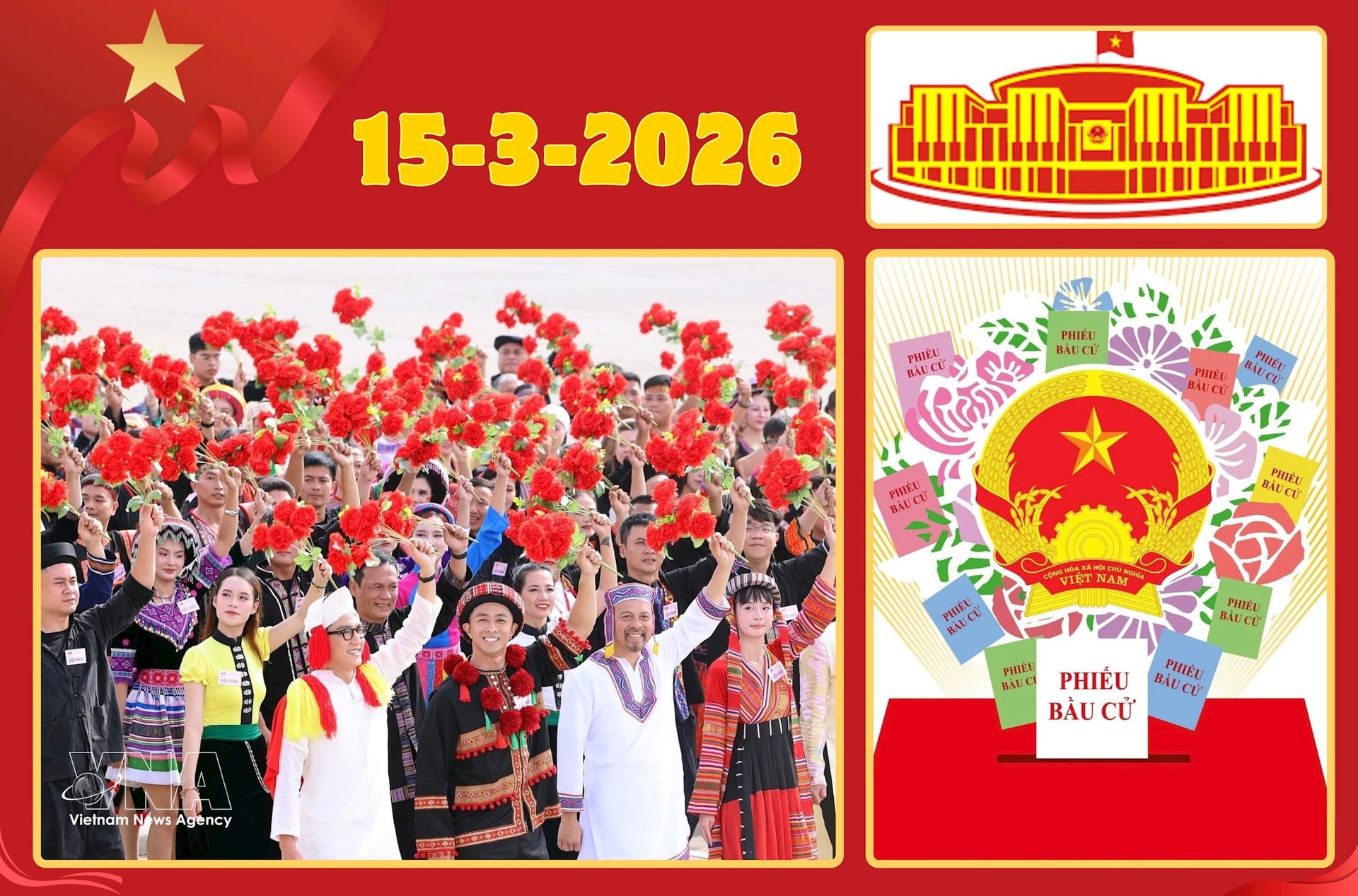
On March 15, voters across Vietnam will head to the polls to elect deputies to the 16th National Assembly (NA) and People’s Councils at all levels for the 2026–2031 term. This political event carries special significance as an expression of the people’ right to mastery to choose worthy representatives.
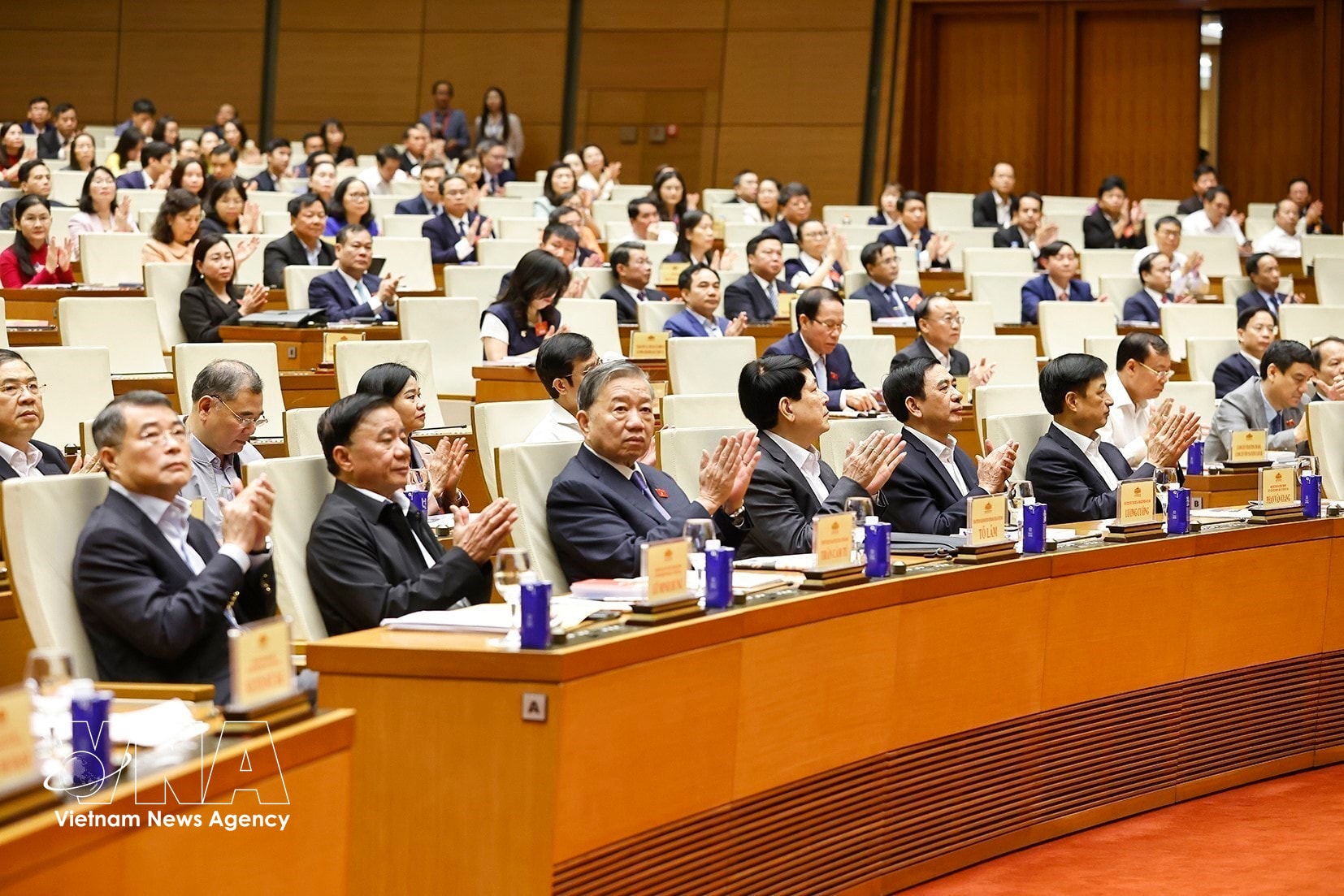
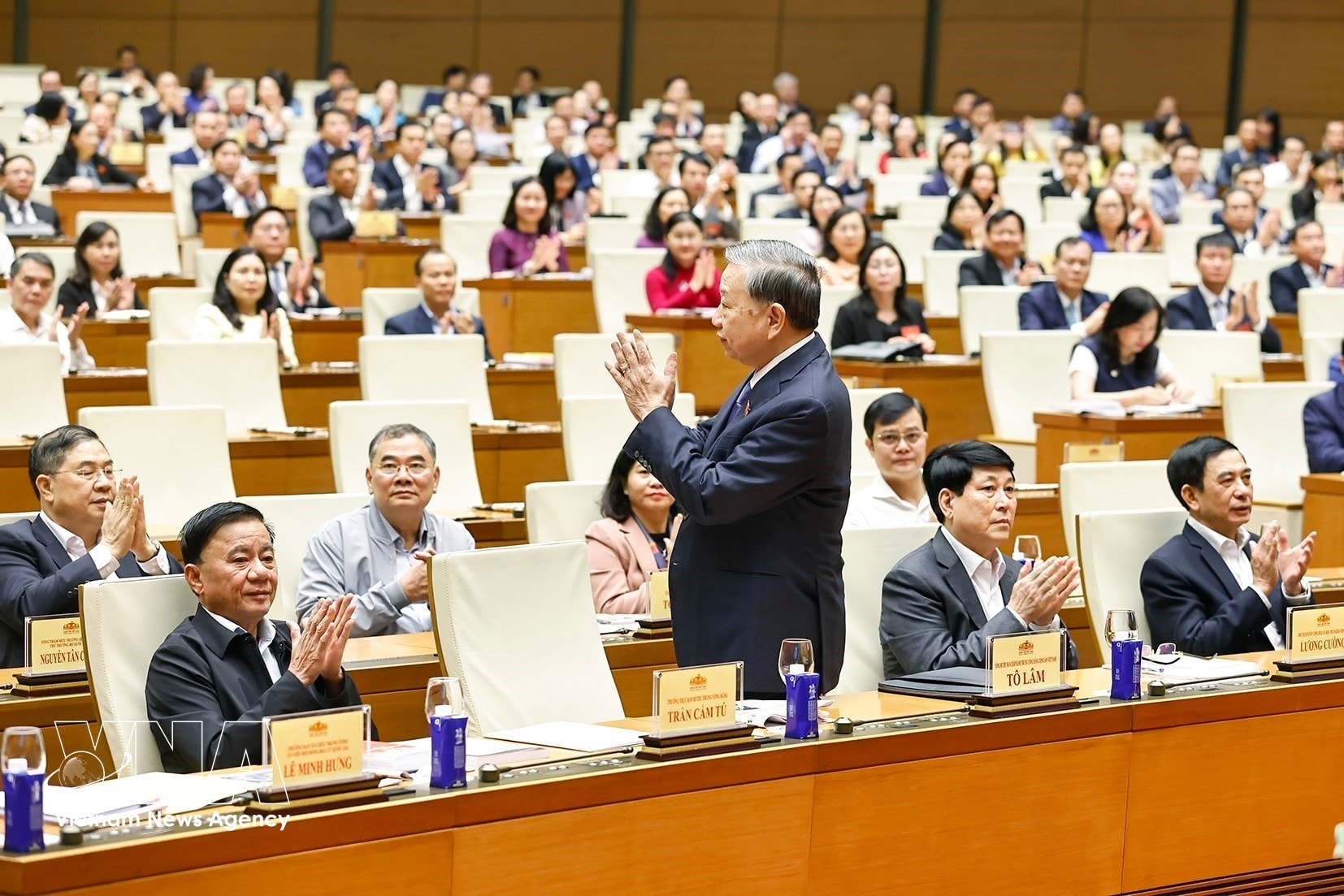
Party General Secretary To Lam and officials attend the national conference on preparations for the election of deputies to the 16th NA and People's Councils at all levels for the 2026–2031 term in November 2025. (Photo: VNA)
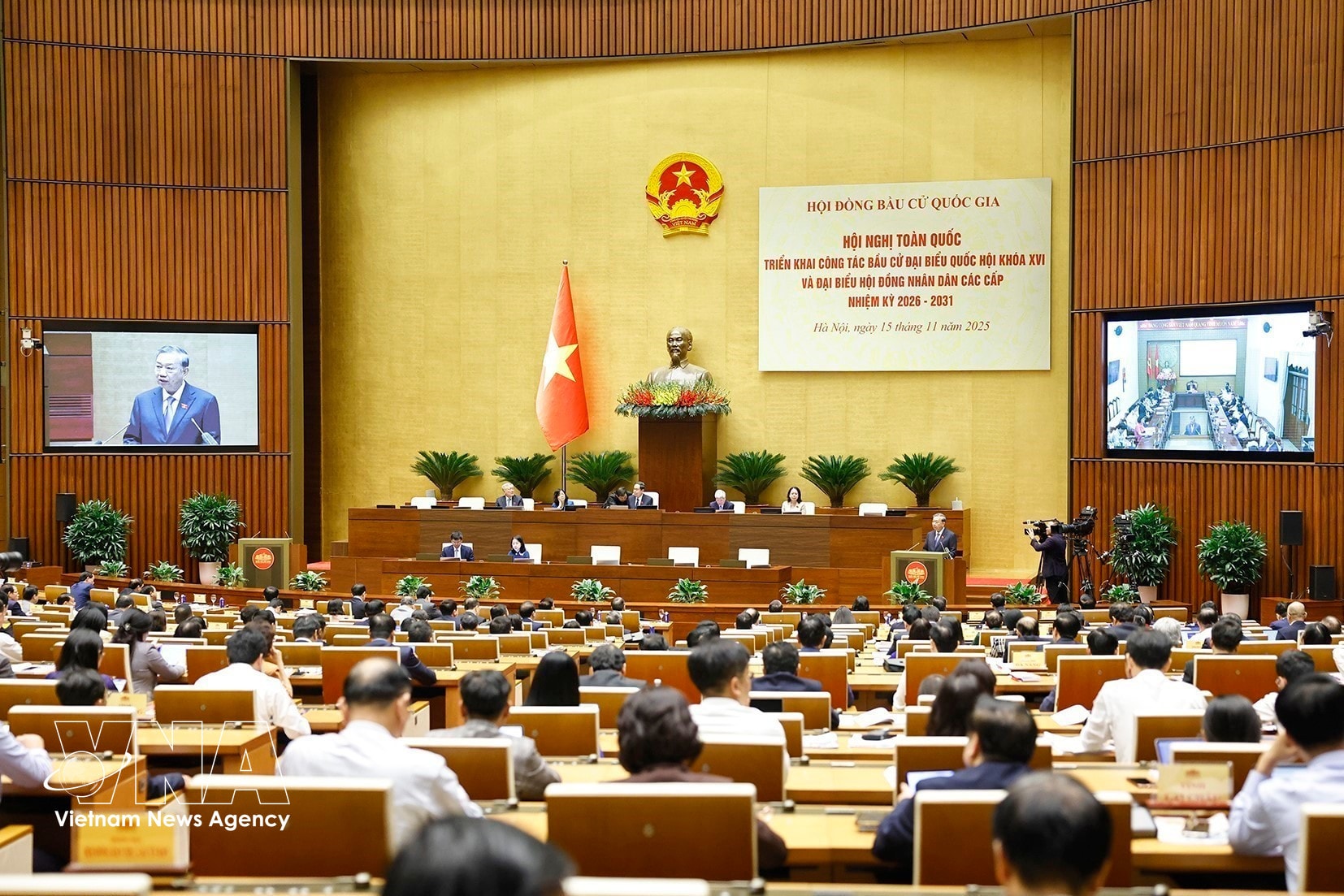
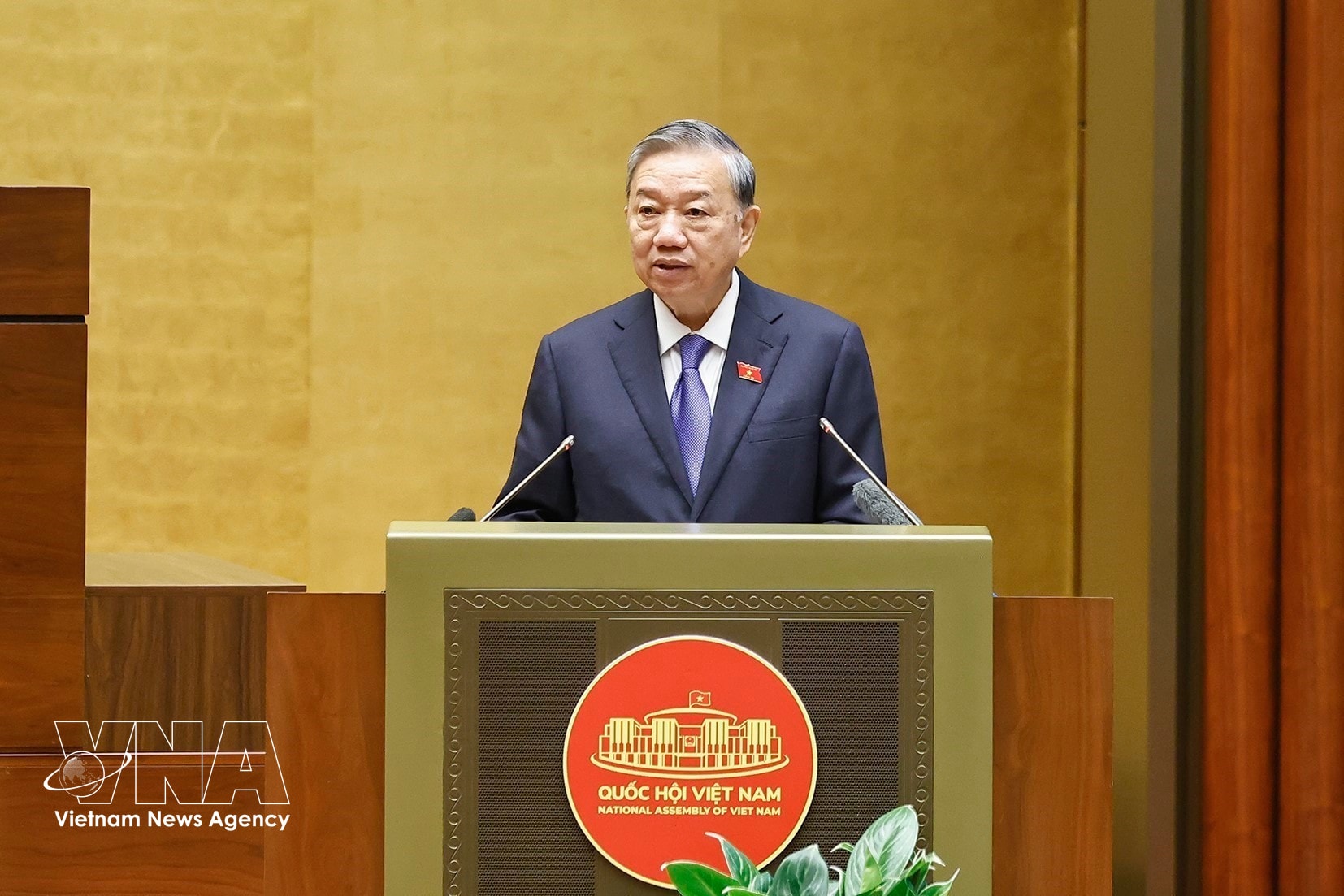
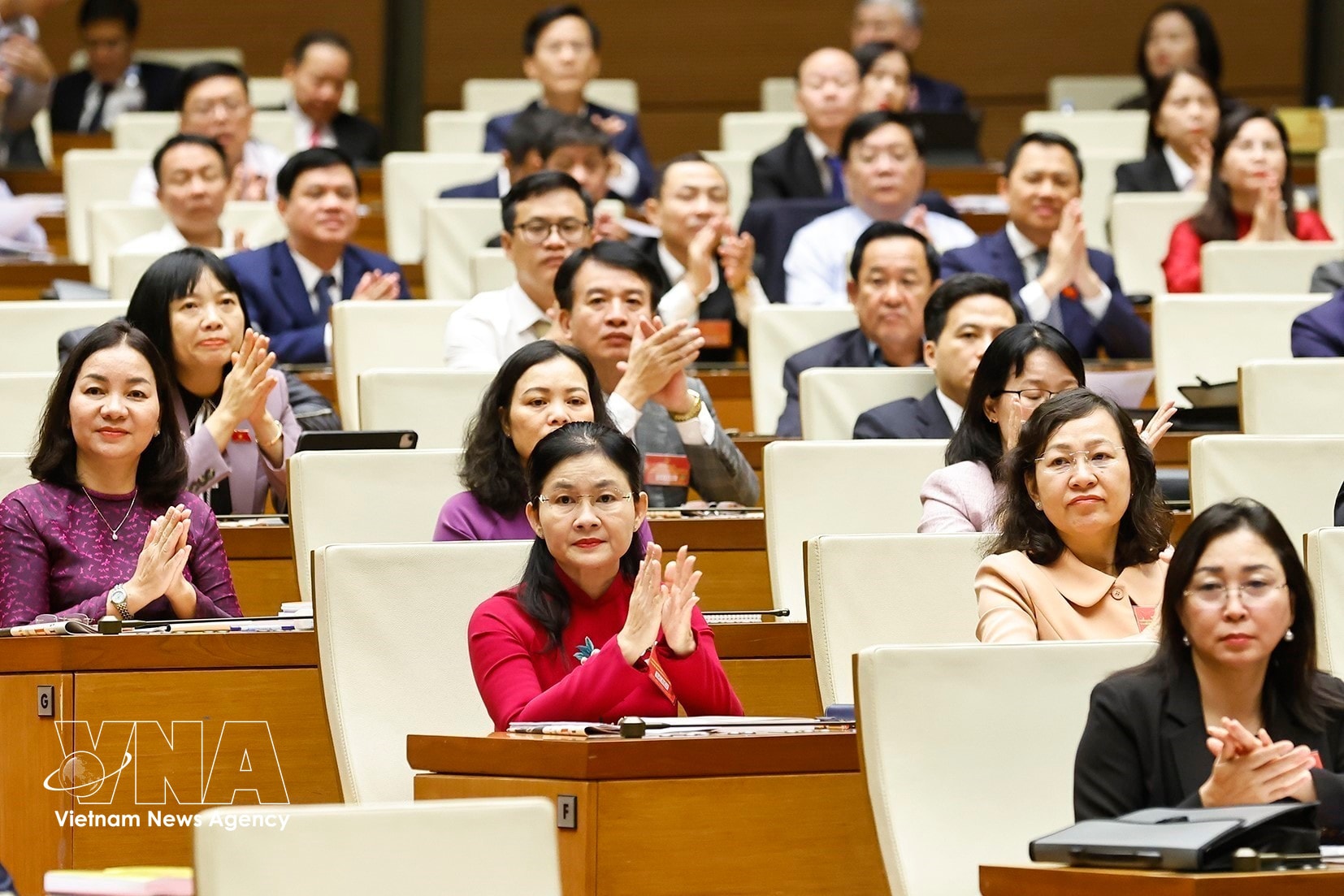
Le Quang Manh, member of the Party Central Committee, NA General Secretary, Chairman of the NA Office and Chief of the Office of the National Election Council (NEC), said preparations have proceeded in a coordinated, systematic and tightly managed manner, fully adhering to the established timeline and legal regulations. The process has unfolded under unified central guidance and with seamless collaboration among agencies throughout the political system.
At the central level, the NEC completed the issuance of all 27 legal documents required under the law, creating a comprehensive regulatory framework covering every phase of the electoral cycle. In addition, the NEC issued 14 further resolutions and guiding documents, supplemented by 34 others providing technical clarifications for local authorities. These materials address practical grassroots issues, including candidate consultations, voter list compilation, voter meetings, security measures and the use of information technology. The aim is to ensure uniformity and minimise even the smallest of errors.
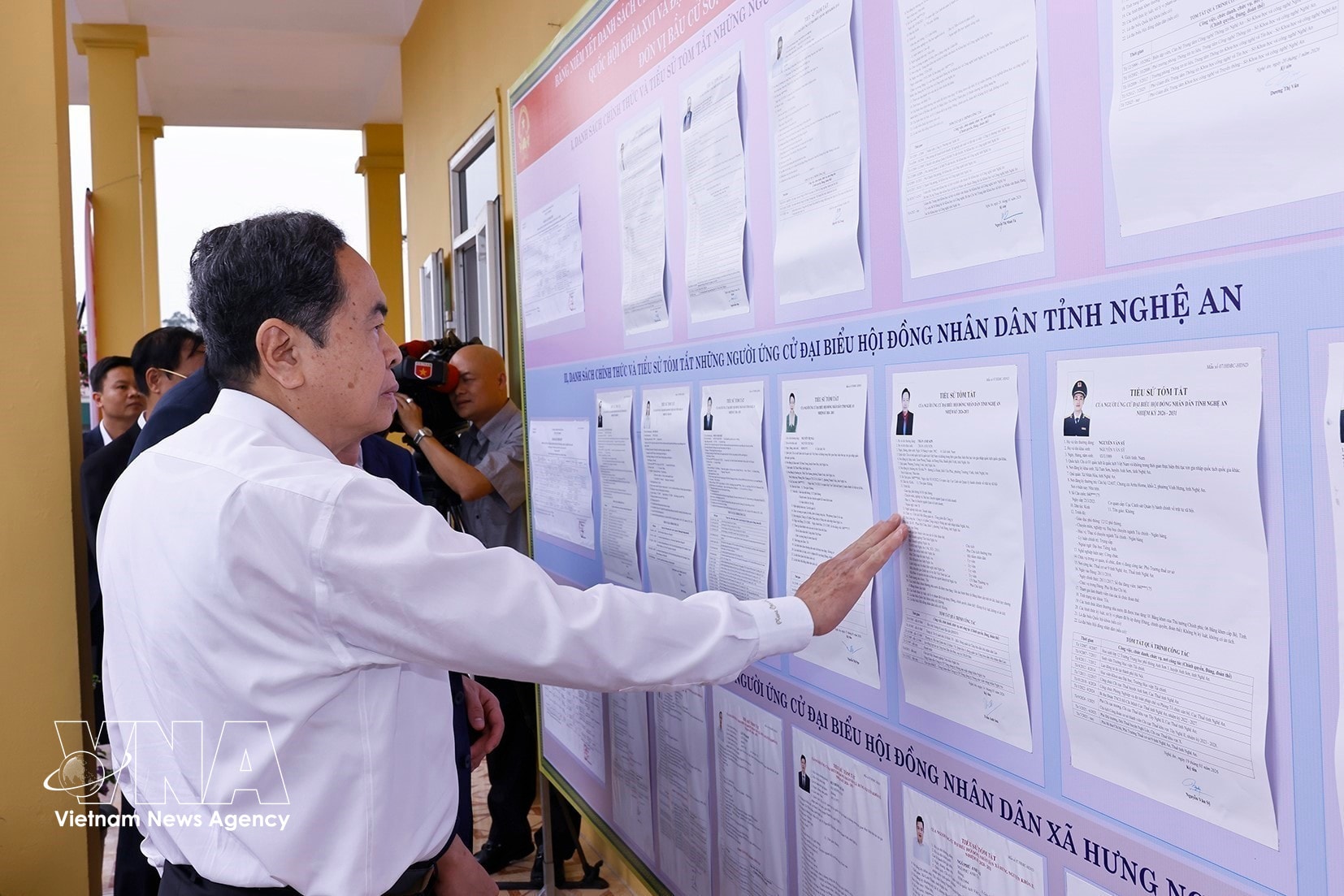

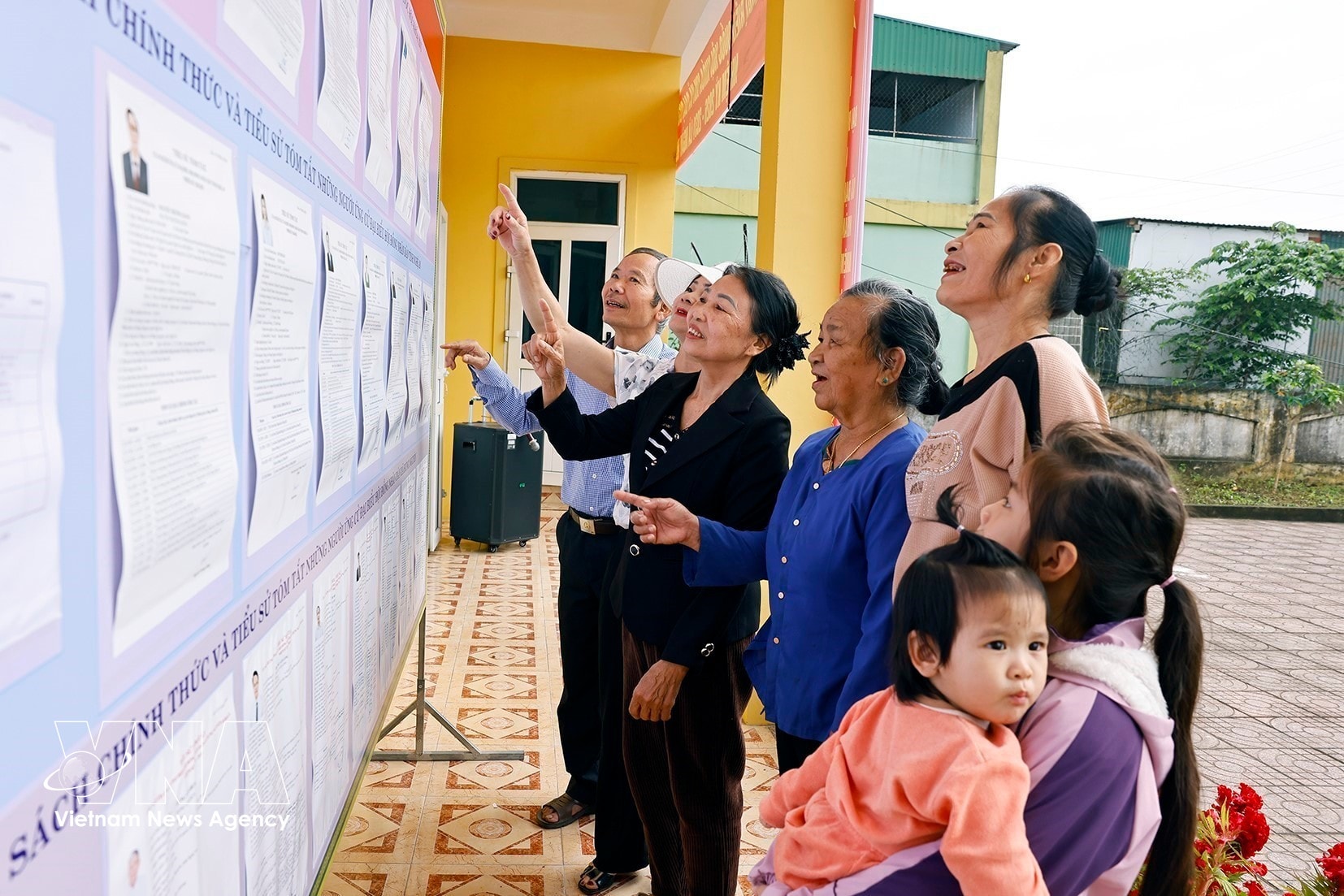
On February 28, 2026, Politburo member and National Assembly Chairman Tran Thanh Man, who also serves as Chairman of the National Election Council, leads a delegation to review preparations for the election of deputies to the 16th NA and People’s Councils at all levels for the 2026–2031 term at Polling Station No. 31 in Hung Nguyen commune, Nghe An province. (Photo: VNA)
The NEC also advised the issuance of the Politburo and Secretariat’s Conclusion No. 03-KL/TW on the continued implementation of Directive No. 46-CT/TW. The document reaffirms the need to bolster Party leadership over the election amid evolving organisational structures and governance methodology. Beyond its political importance, the conclusion serves as a basis for local Party committees and authorities to specify responsibilities, tasks and deadlines.
The final roster of 864 candidates for the 16th NA seats was released ahead of the statutory deadline, meeting requirements for structure, composition and reserve numbers.
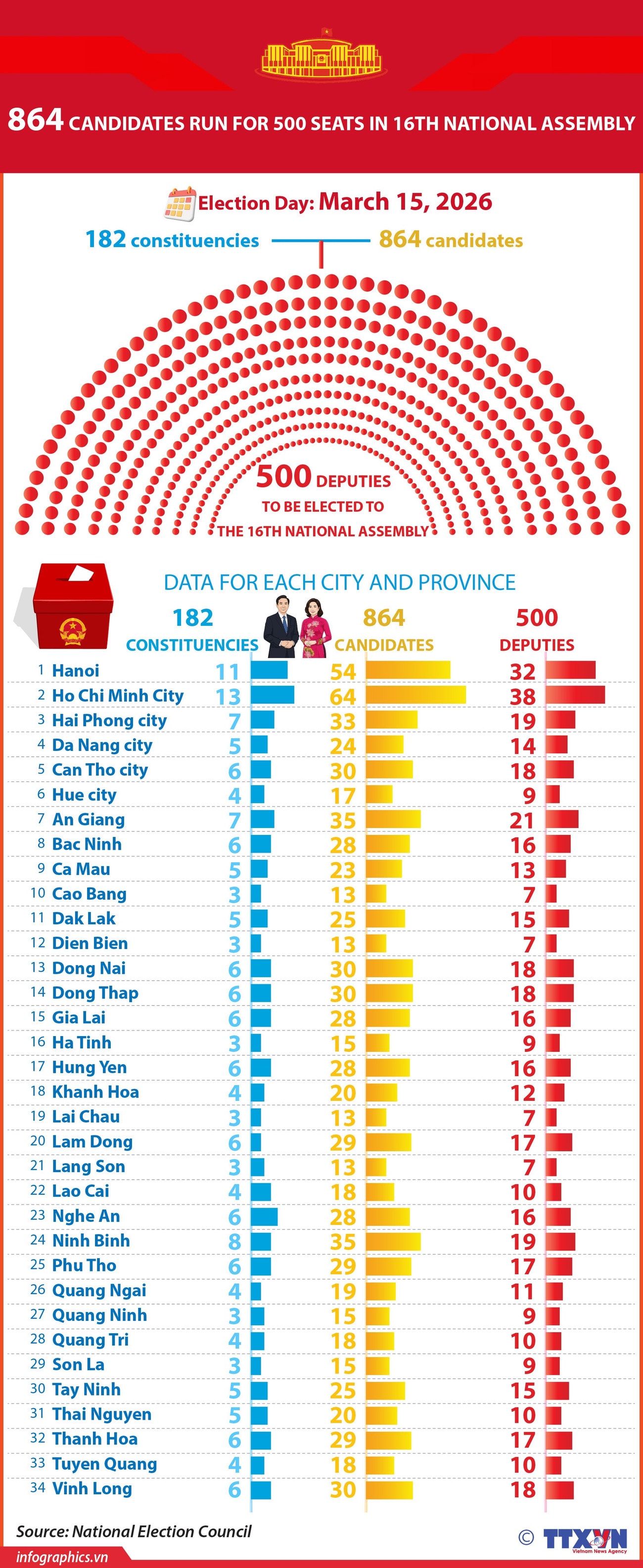
Nomination, consultation and vetting took place through rigorous, open and transparent multi-stage reviews, incorporating voter input at both residential and workplace locations. This step is viewed as essential to securing quality representatives from the outset.
Locally, provincial and commune-level election committees were formed within the prescribed legal timeframe. Voter lists encompassing more than 73 million citizens have been publicly displayed at 72,195 polling stations nationwide. The lists underwent multiple rounds of verification and cross-referencing against the national resident database to minimise errors.
At each station, detailed preparations, including ballot boxes, voting booths, security protocols, fire safety measures and contingency arrangements, have been meticulously completed. Preparations have thus extended beyond general directives to reach every residential block, neighbourhood group, village and hamlet.
Ensuring absolute election security
A key political task crucial to success is ensuring absolute safety and security for the election. With this in mind, the People’s Public Security and the Vietnam People’s Army have come up with coordinated and comprehensive contingency plans designed to handle any scenario and forestall unforeseen incidents.
The Ministry of Public Security (MoPS) has been assigned two key tasks: ensuring absolute safety and security for the election, and working with the NEC and relevant NA bodies to incorporate modern technology into the election.
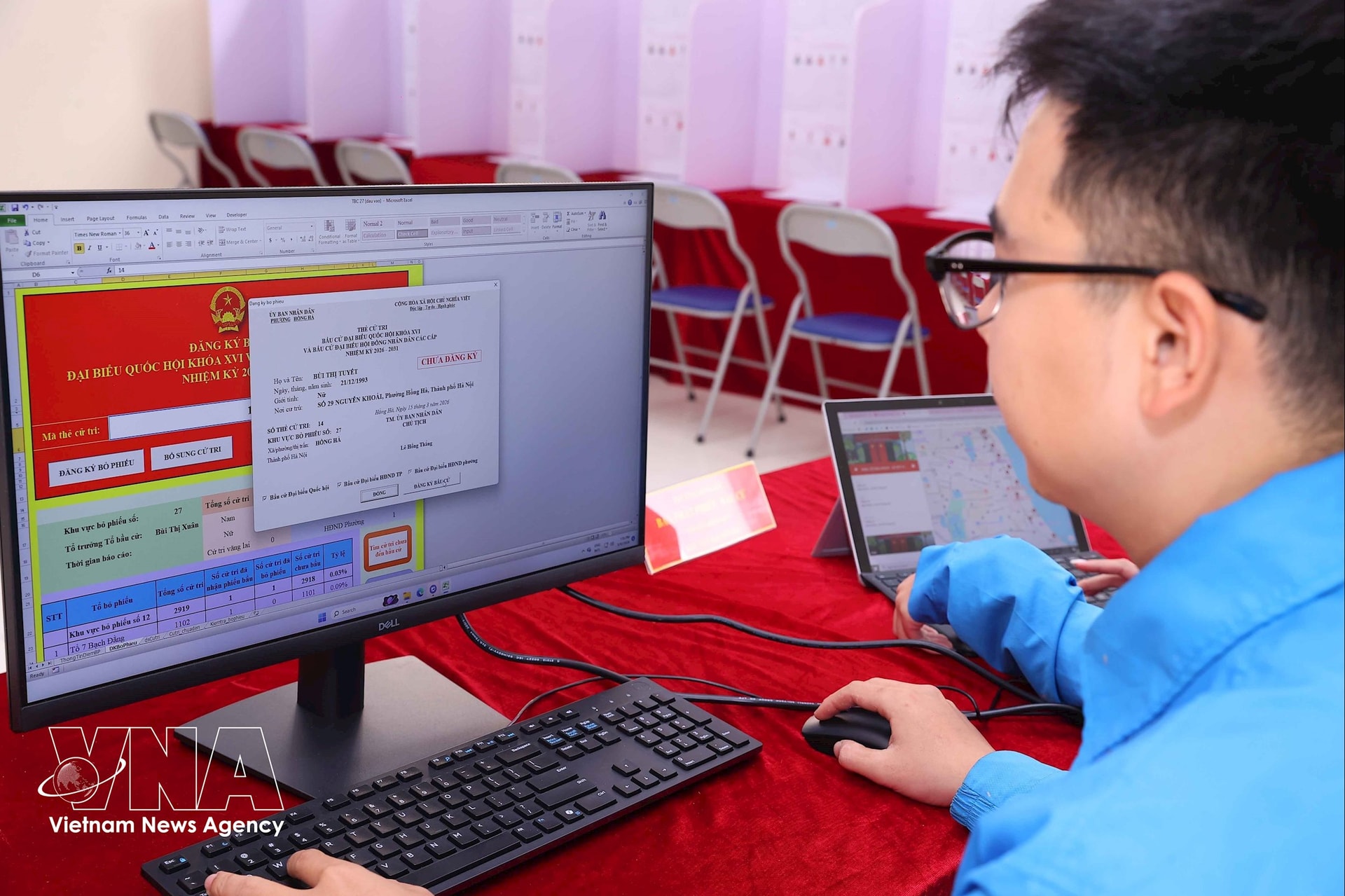
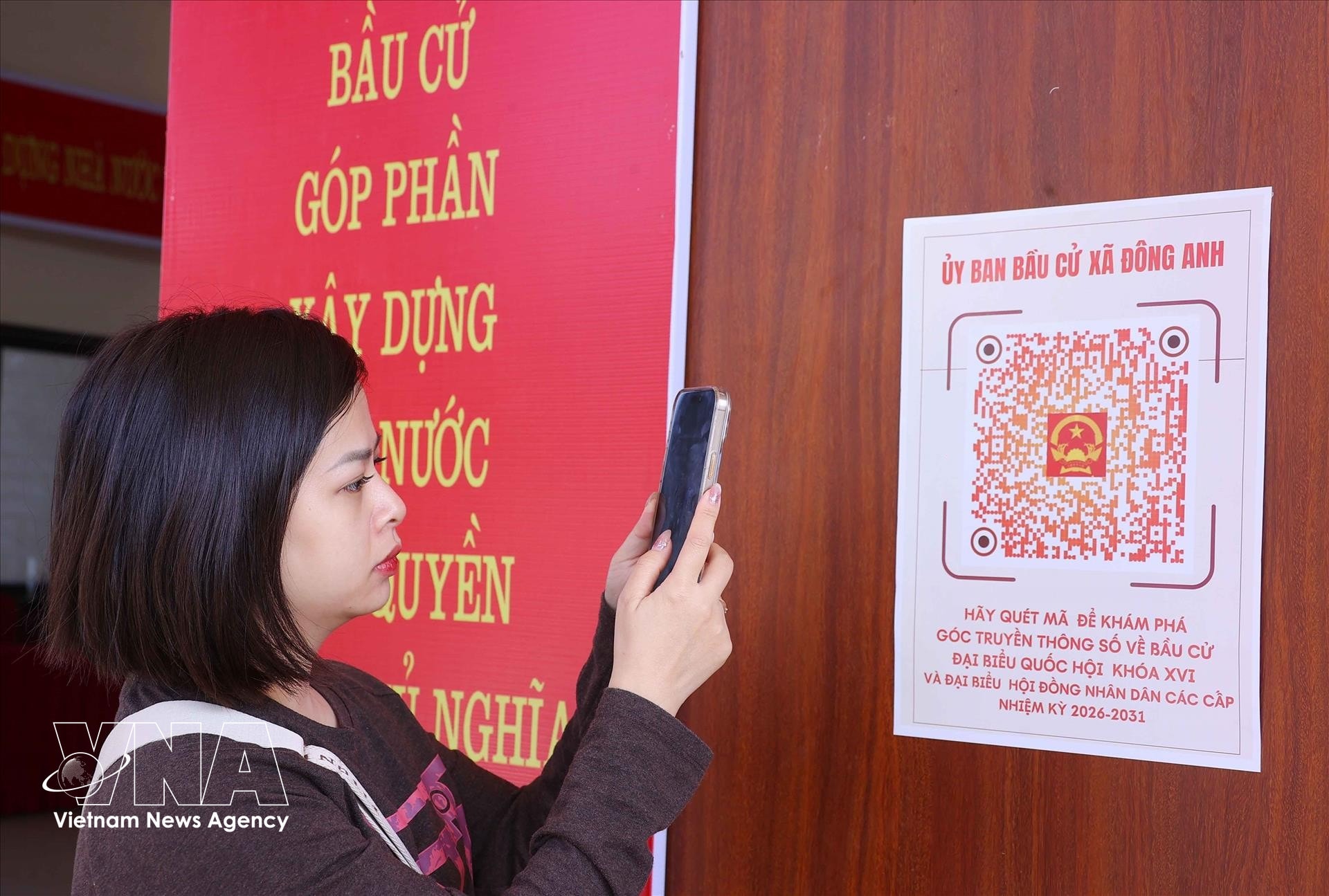

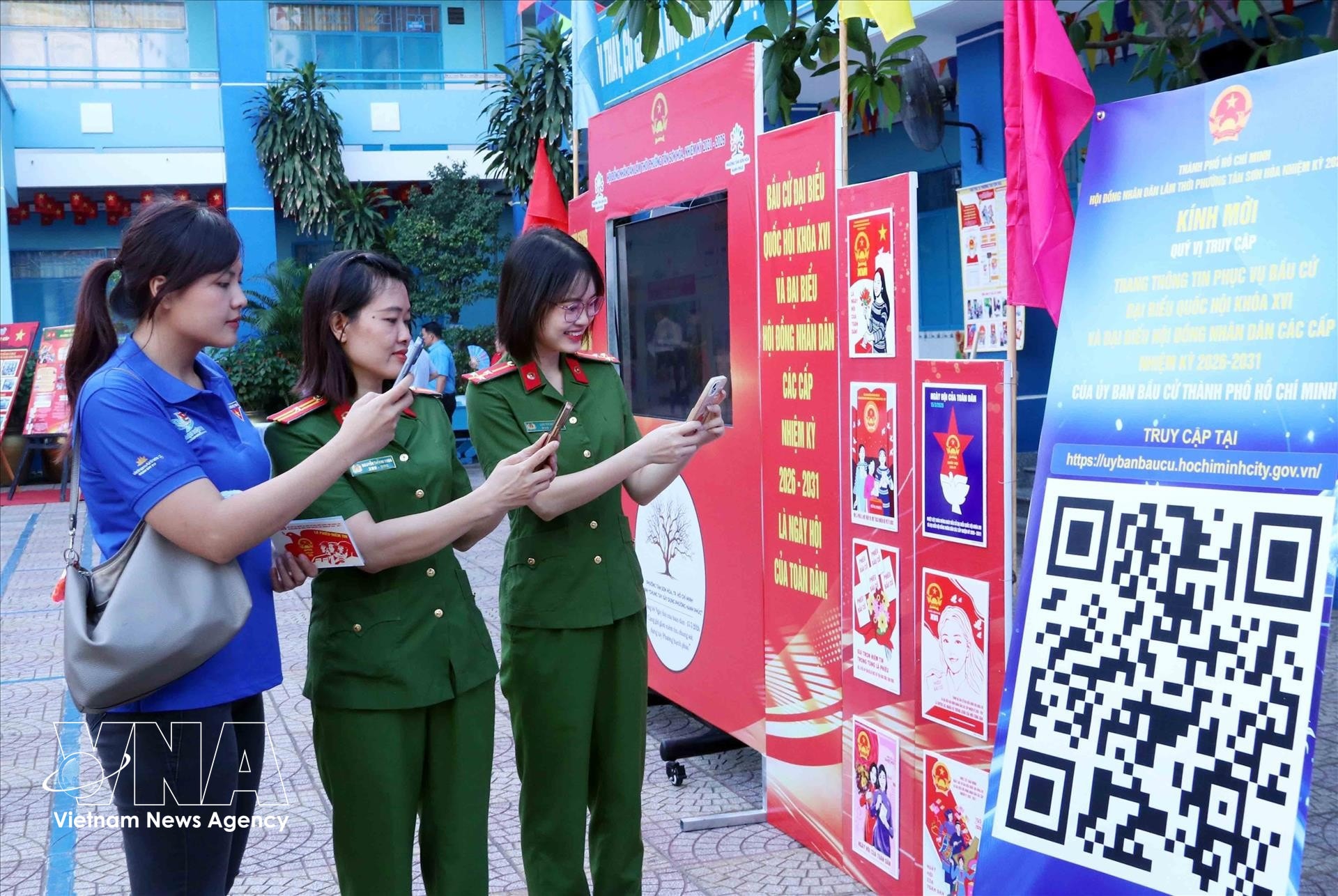
Scanning QR codes to check information about the election (Photo: VNA)
The MoPS has issued directives and relevant documents outlining 50 key tasks, with clear responsibilities assigned to specific units and local authorities. Based on these, local police forces have worked out actionable plans and partnered with local election committees to advise Party committees and authorities on maintaining public order and deploying information technology throughout the election.
On the public security front, authorities have maintained intensive monitoring of all election-related issues. Potential risks and complicating factors have been identified proactively and addressed at the earliest stages and grassroots levels to prevent escalation. Candidate background checks have been conducted rigorously in line with regulations, aligned tightly with the broader election process, and any eligibility concerns were promptly reported to the NEC and local election bodies for settlement.
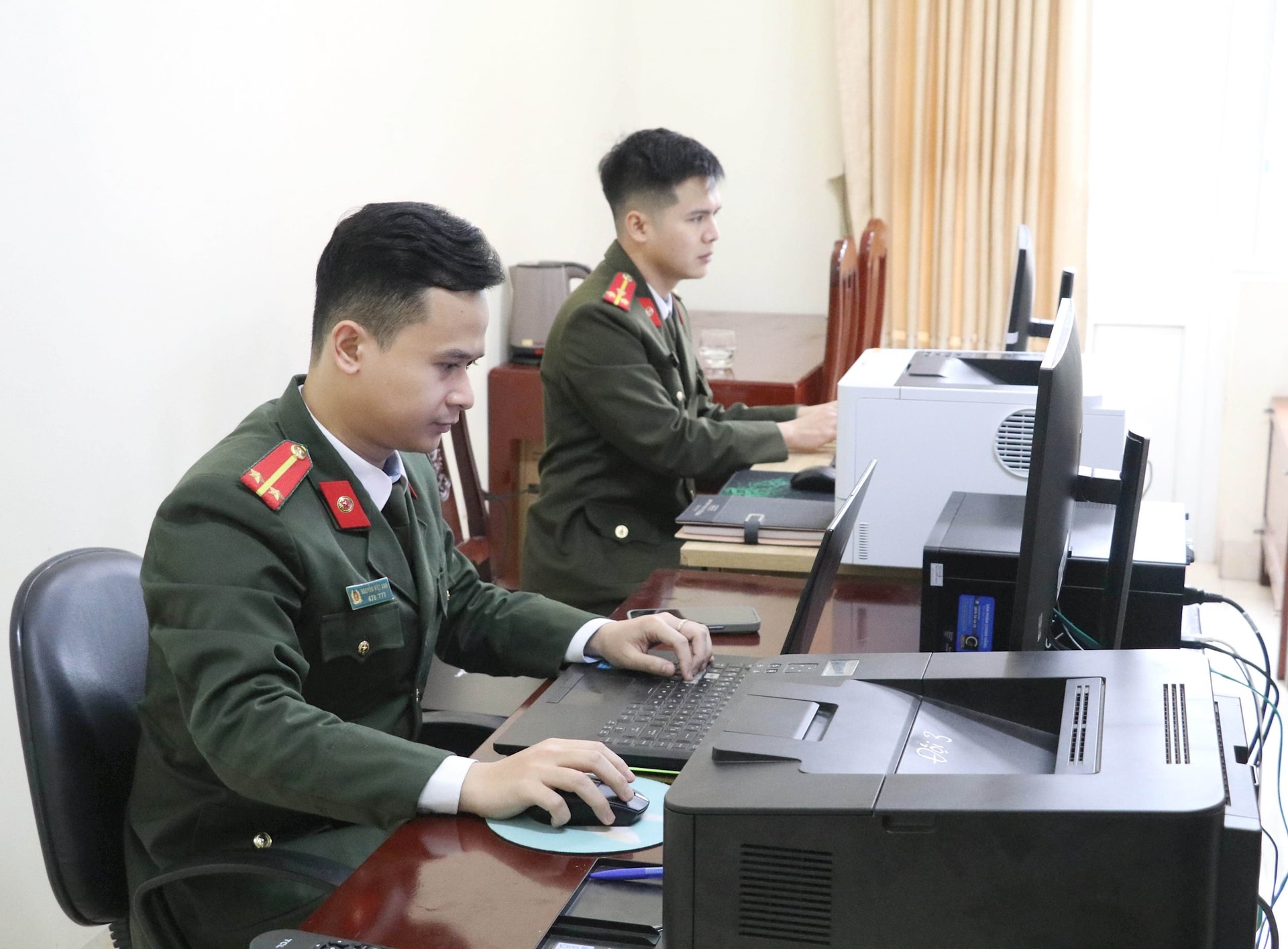
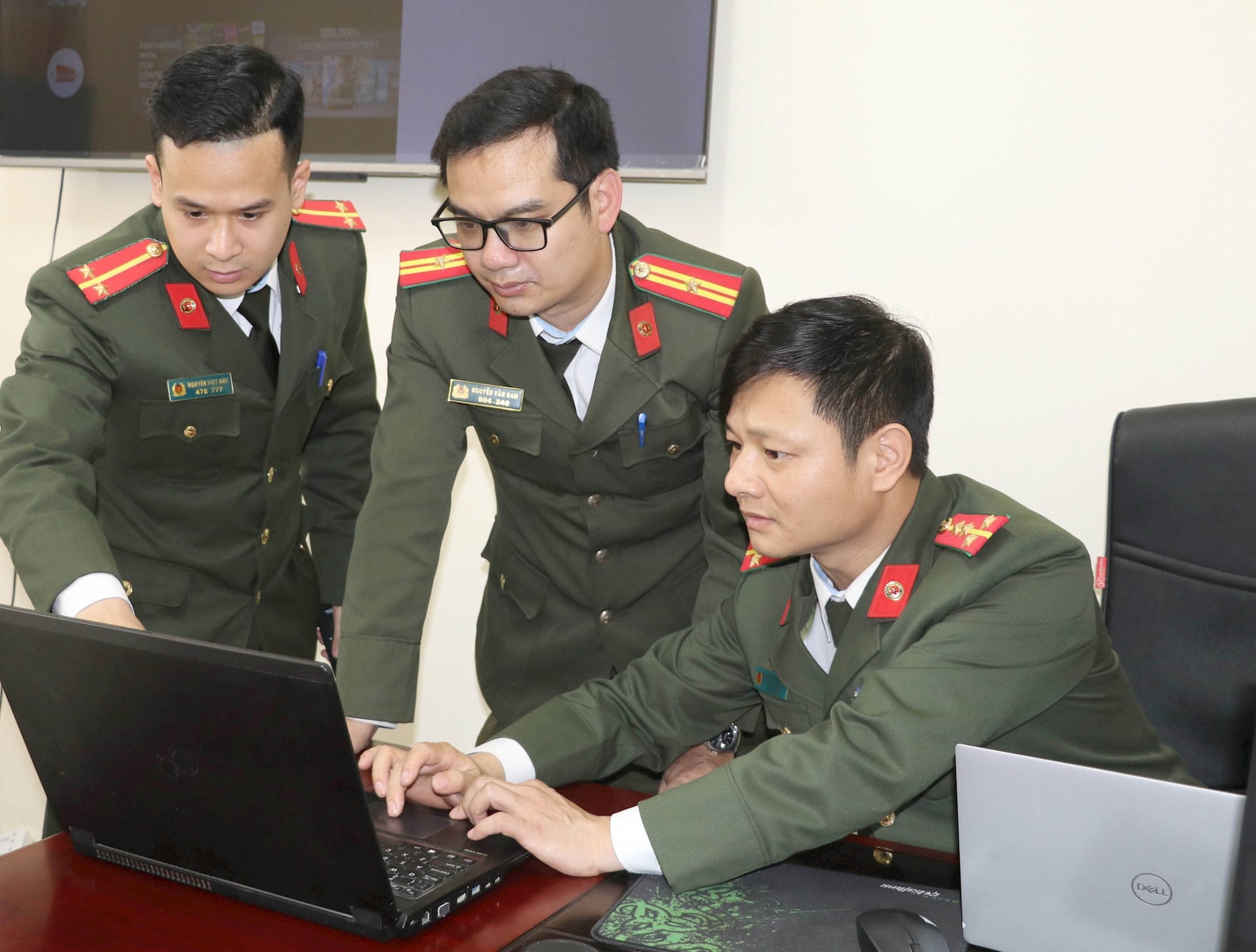
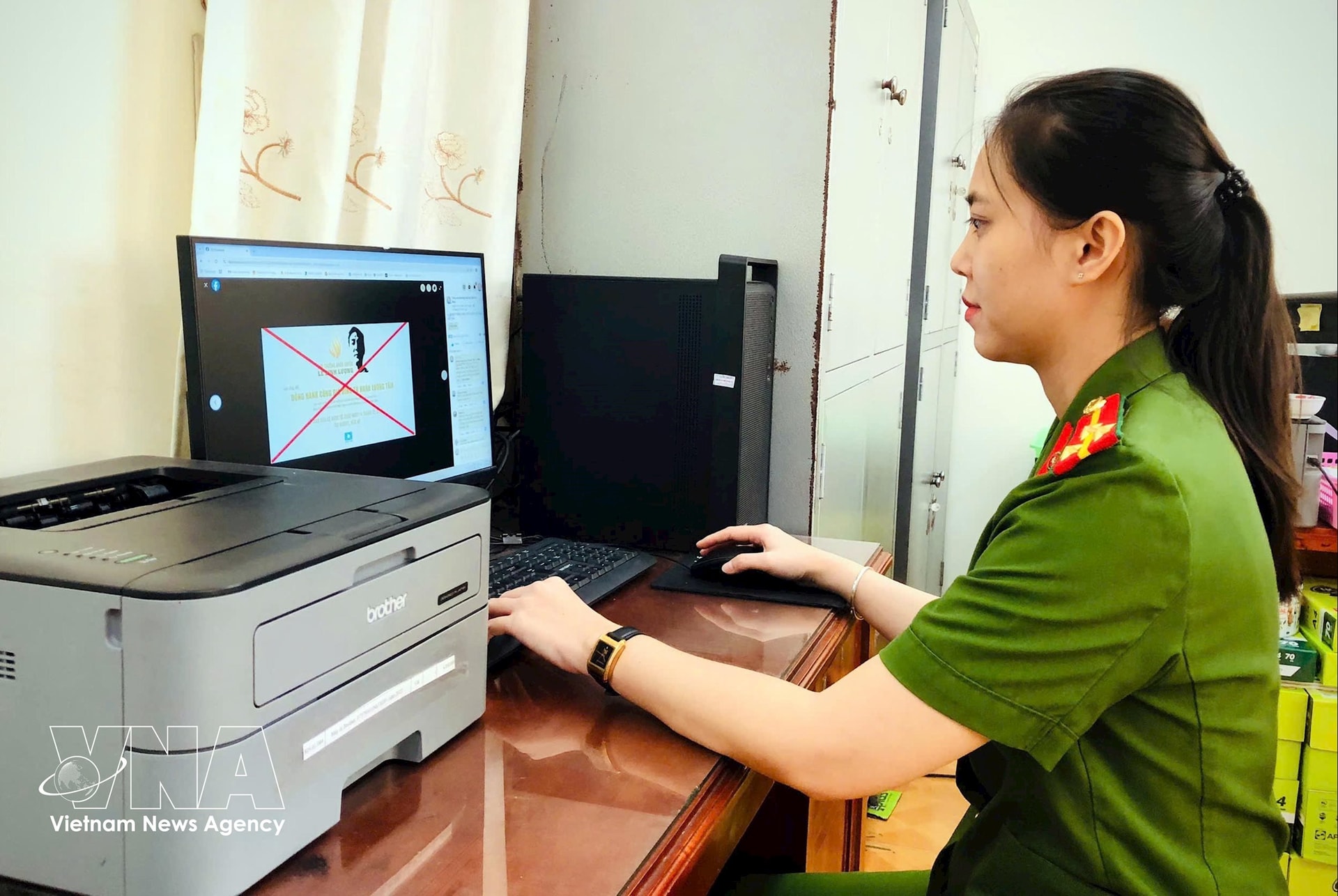
The public security force at all levels promptly detect, prevent, and handle acts of exploiting the Internet to post or share false information related to the election. (Photo: VNA)
Cybersecurity, information security, and media environment protection efforts have been ramped up. Nationwide crackdowns on crimes that threaten public order have been intensified during both the election preparation period and the 2026 Lunar New Year holiday.
In parallel, the MoPS has issued regulations governing the use of the national resident database and the VNeID digital identification system for voter list compilation, voter card issuance, and voter management software deployment. Nationwide training courses have been held for local authorities.
To date, 3,320 out of 3,321 commune-level administrative units, excluding Hoang Sa special zone, have adopted the designated software for voter list preparation.
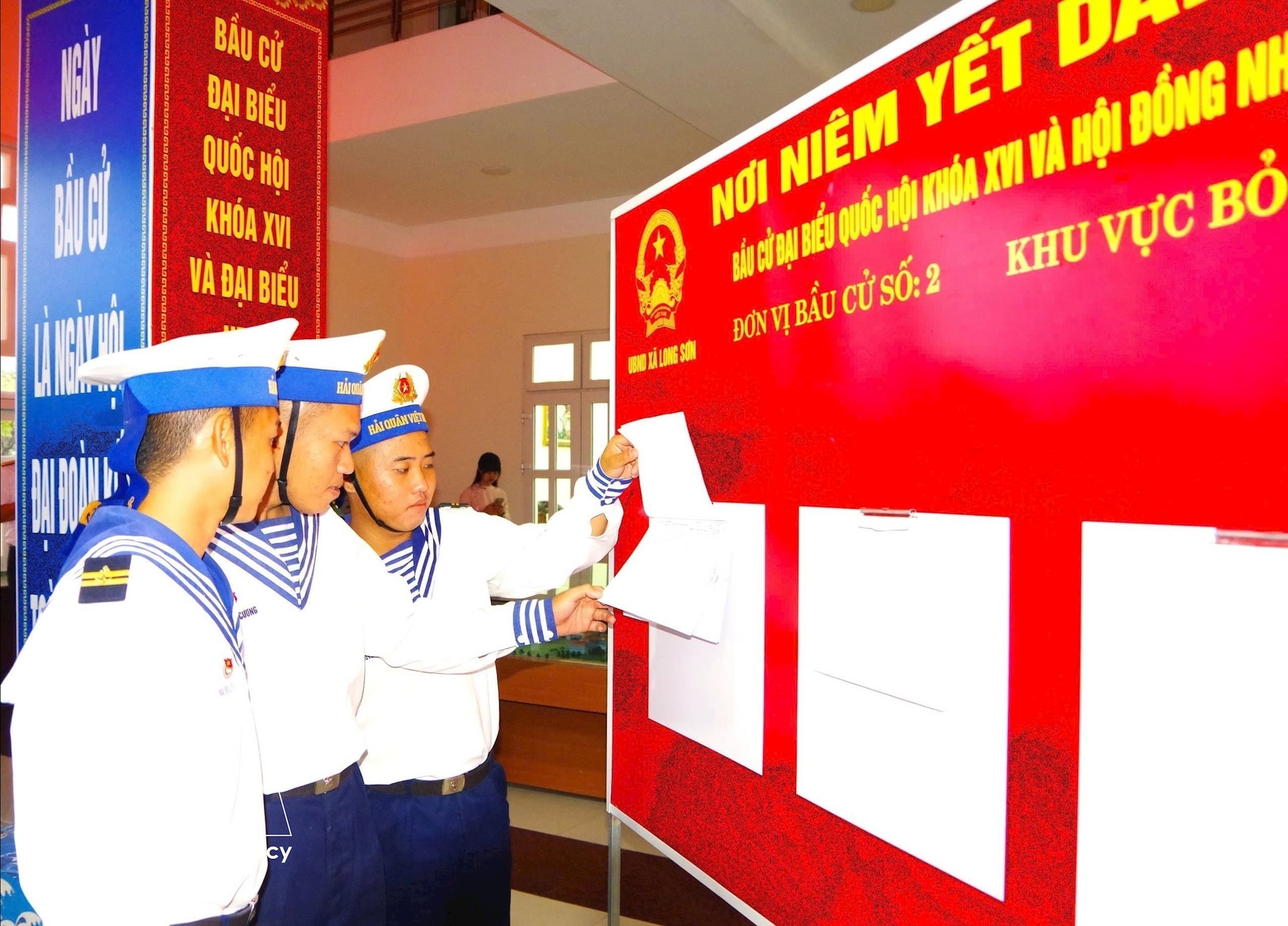
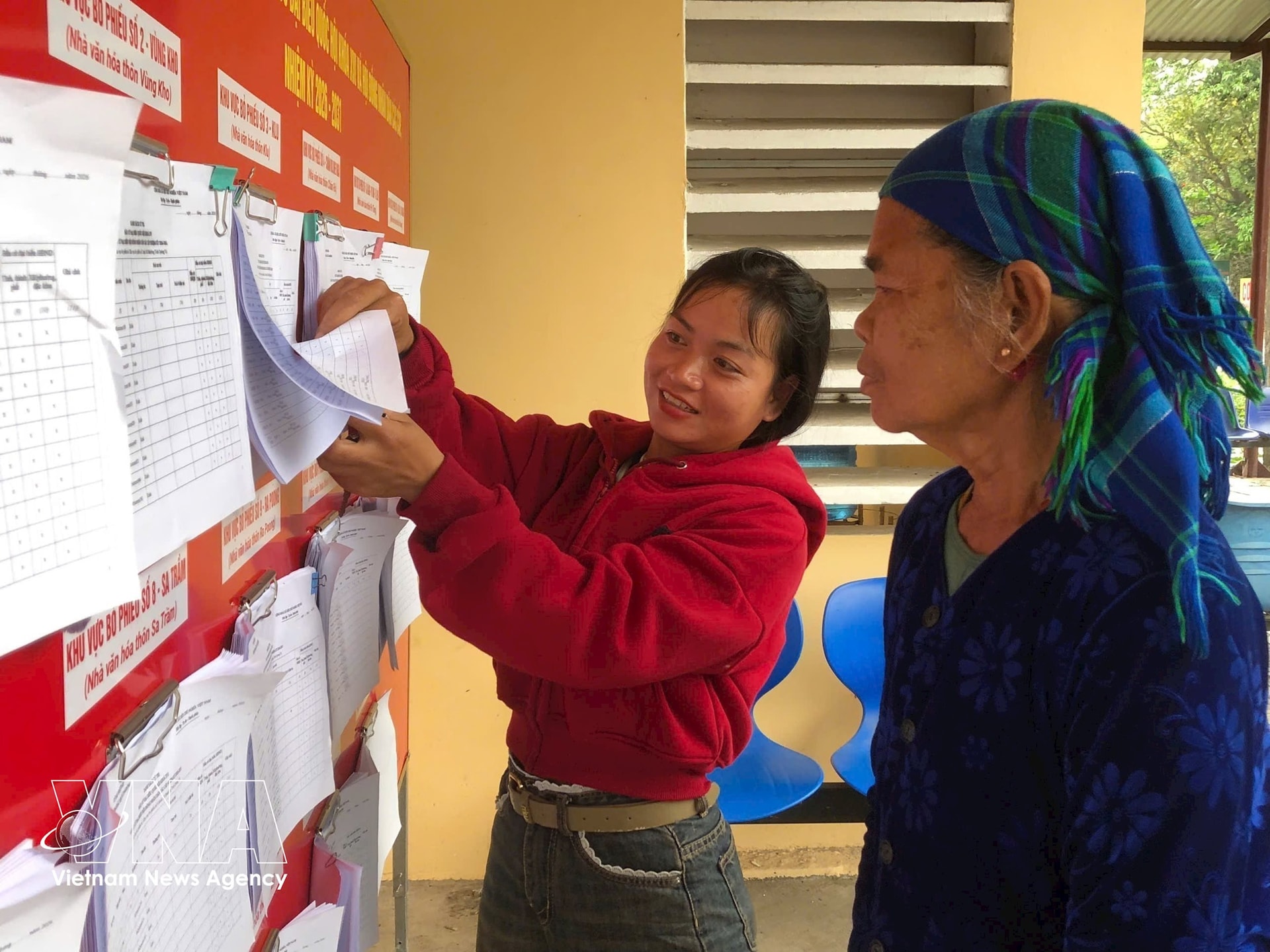
Through the system, more than 78.5 million eligible voters have been assigned to specific polling stations, representing 99.48% of the total electorate. The small remainders primarily include individuals whose deaths have not yet been formally registered by families or voters in the process of changing their polling location.
Complementing the MoPS’s efforts, the Ministry of National Defence (MoND) has rolled out extensive awareness campaigns to heighten the sense of duty among officers, soldiers, and civilian employees regarding participation in the election. It has adhered strictly to candidate nomination protocols and sustained high readiness through detailed contingency planning and ongoing liaison with relevant agencies.
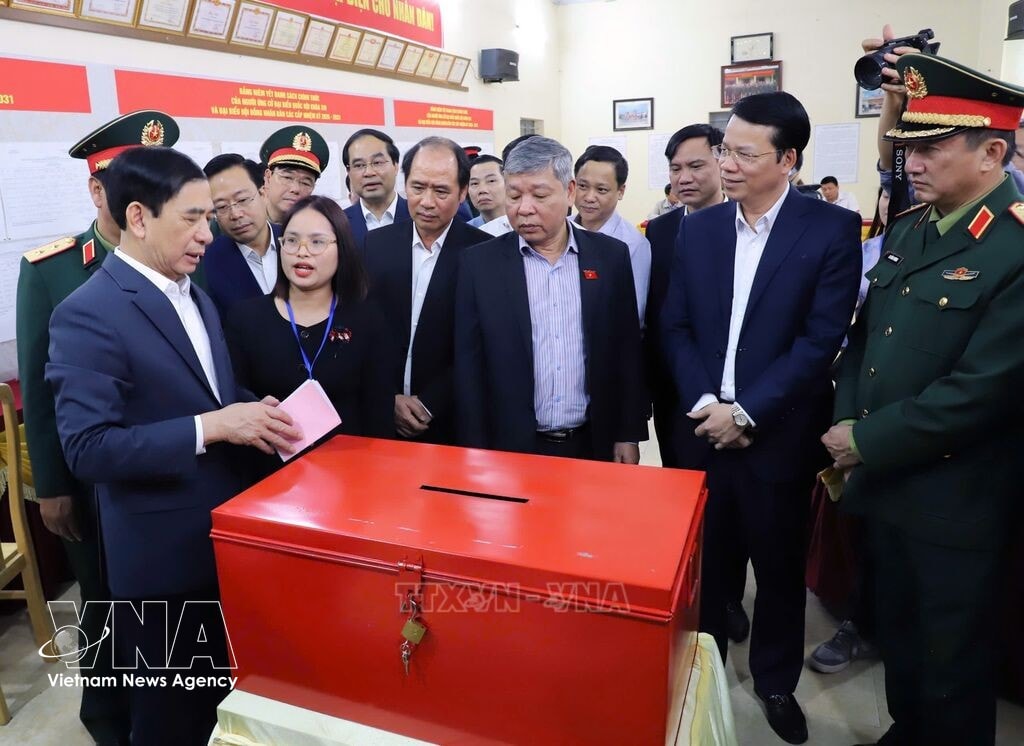
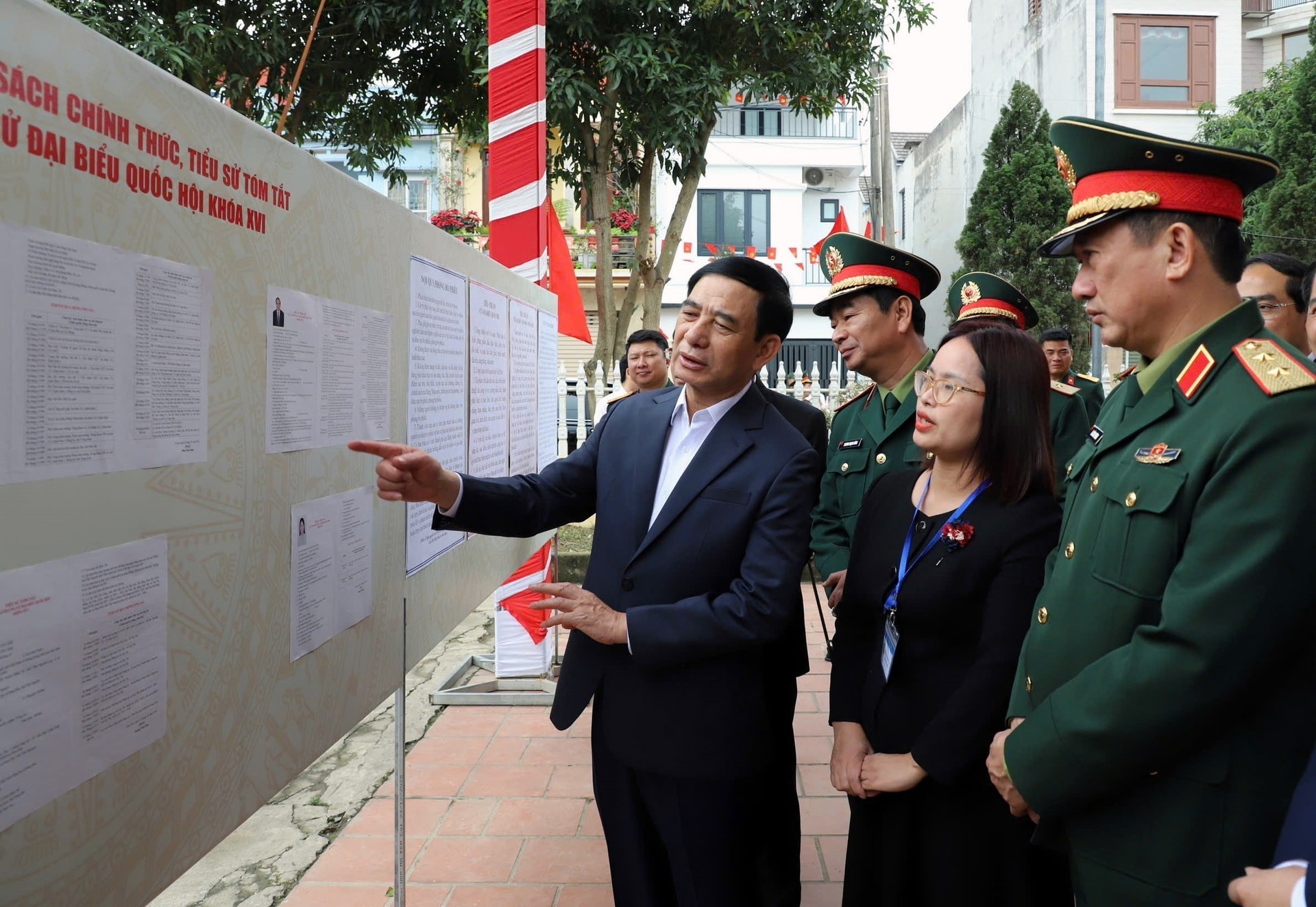
On March 3, 2026, Politburo member, Deputy Secretary of the Central Military Commission and Minister of National Defence Gen. Phan Van Giang inspects election preparations in Thai Nguyen province. (Photo: VNA)
.jpg)
.jpg)
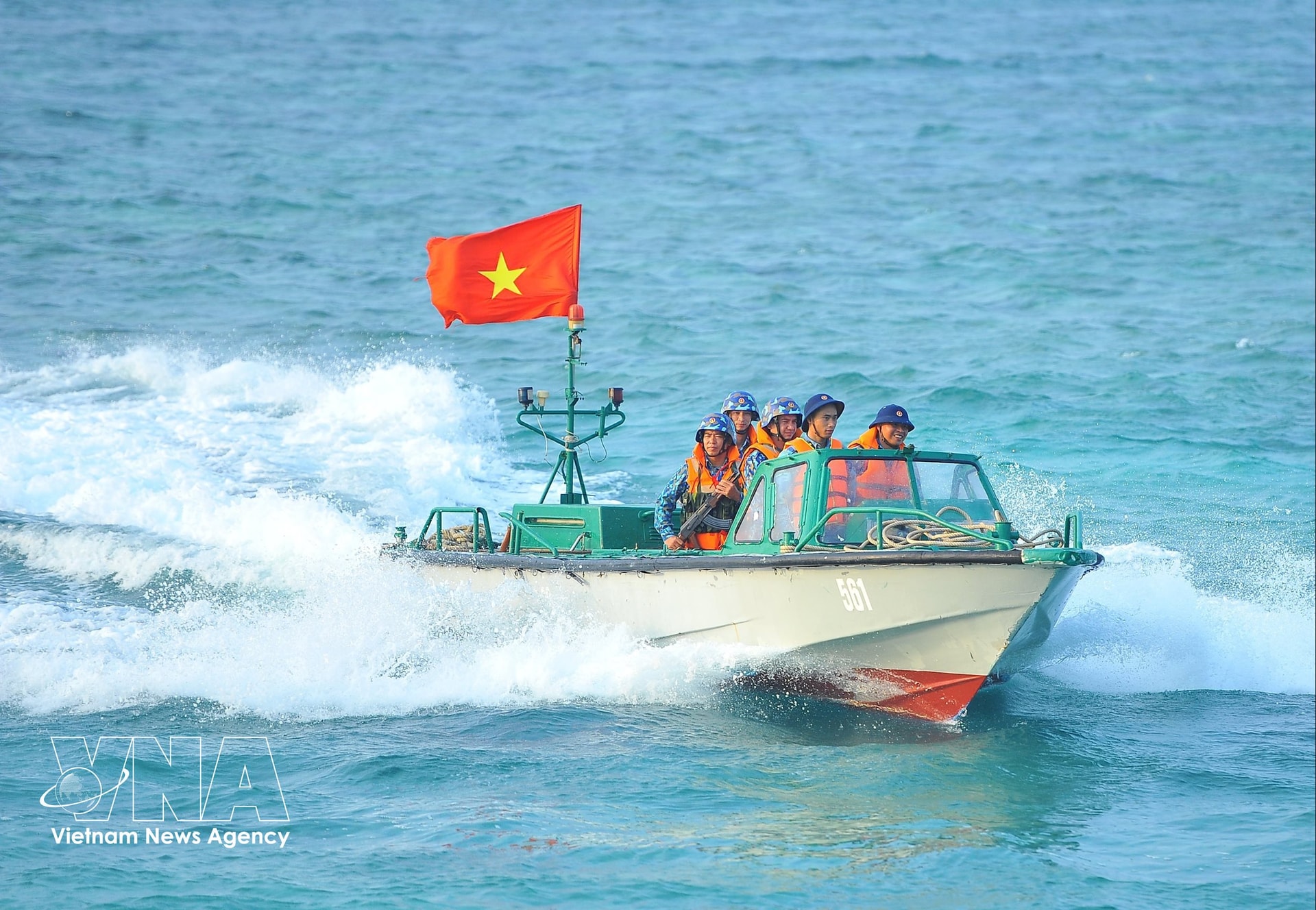
The MoND continues to conduct rehearsals of security and defence plans aimed at protecting the election, blocking any attempts by hostile forces to exploit the situation, and enabling rapid grassroots-level response to incidents. Patrol and surveillance operations along land borders and maritime zones have been reinforced to safeguard national sovereignty and prevent disease outbreaks that could interfere with the electoral process.
Localities ready for national voting day
A palpable sense of urgency, responsibility, and excitement is sweeping through localities nationwide as the March 15 nationwide election is approaching.

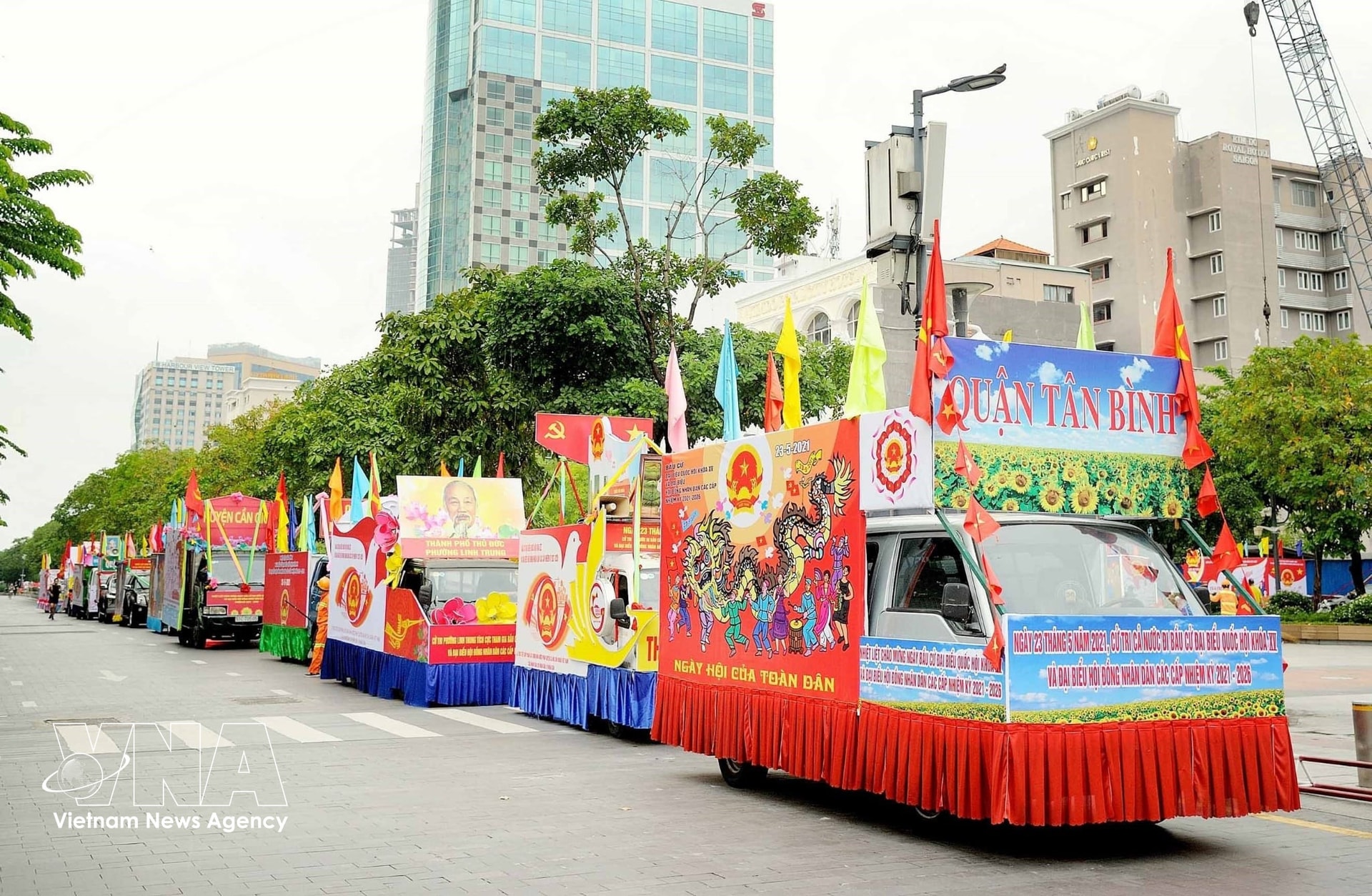
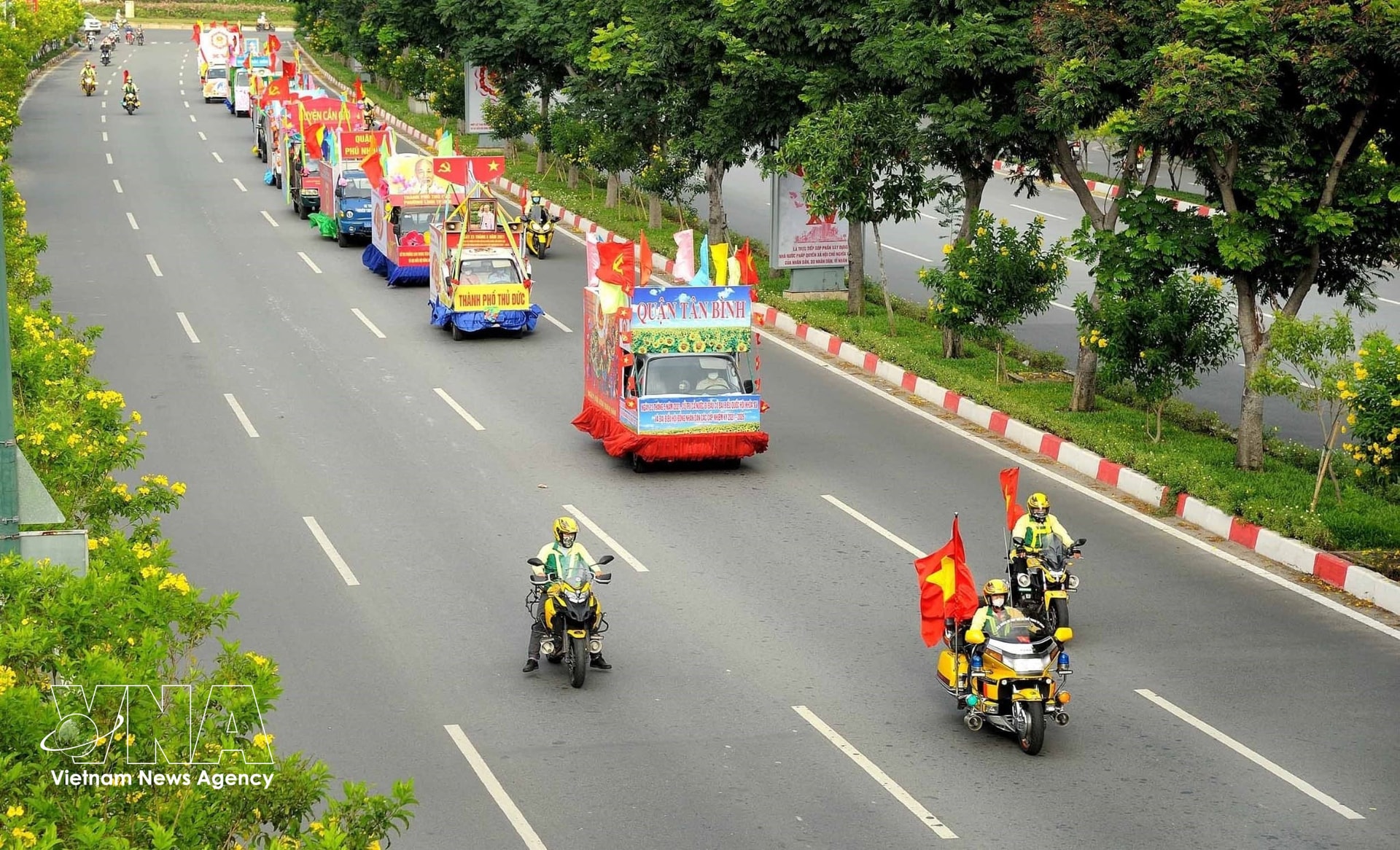
Festive election day atmosphere for the NA and People’s Councils election (2026–2031) in Ho Chi Minh City (Photo: VNA)
In Hanoi, red flags, banners, and election-themed slogans line streets from downtown to outlying communes, creating a vibrant mood in the capital ahead of the major national event. Fire prevention, rescue, and emergency response plans at polling stations have undergone thorough review, with relevant units placed on high alert to ensure absolute safety and security.
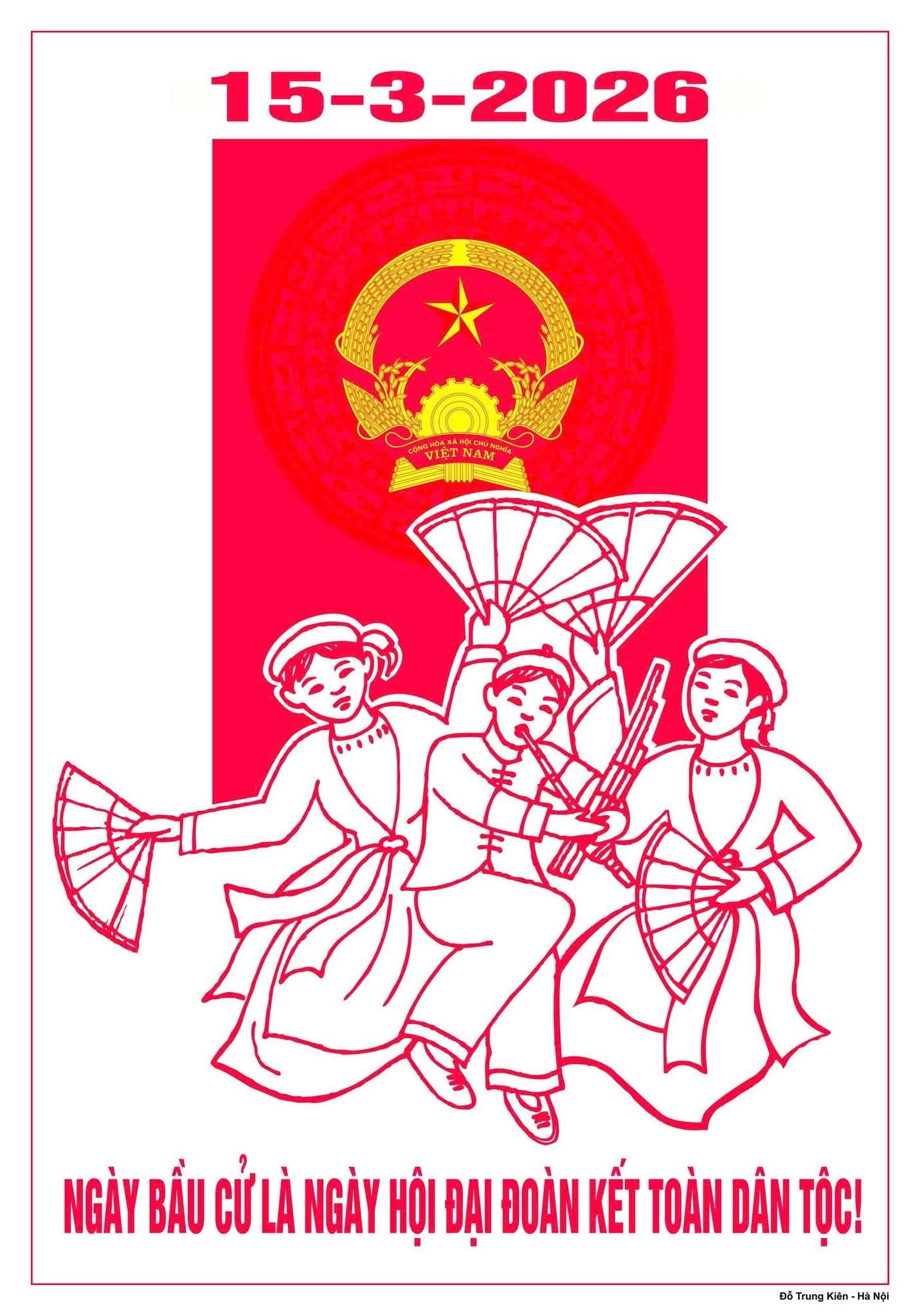

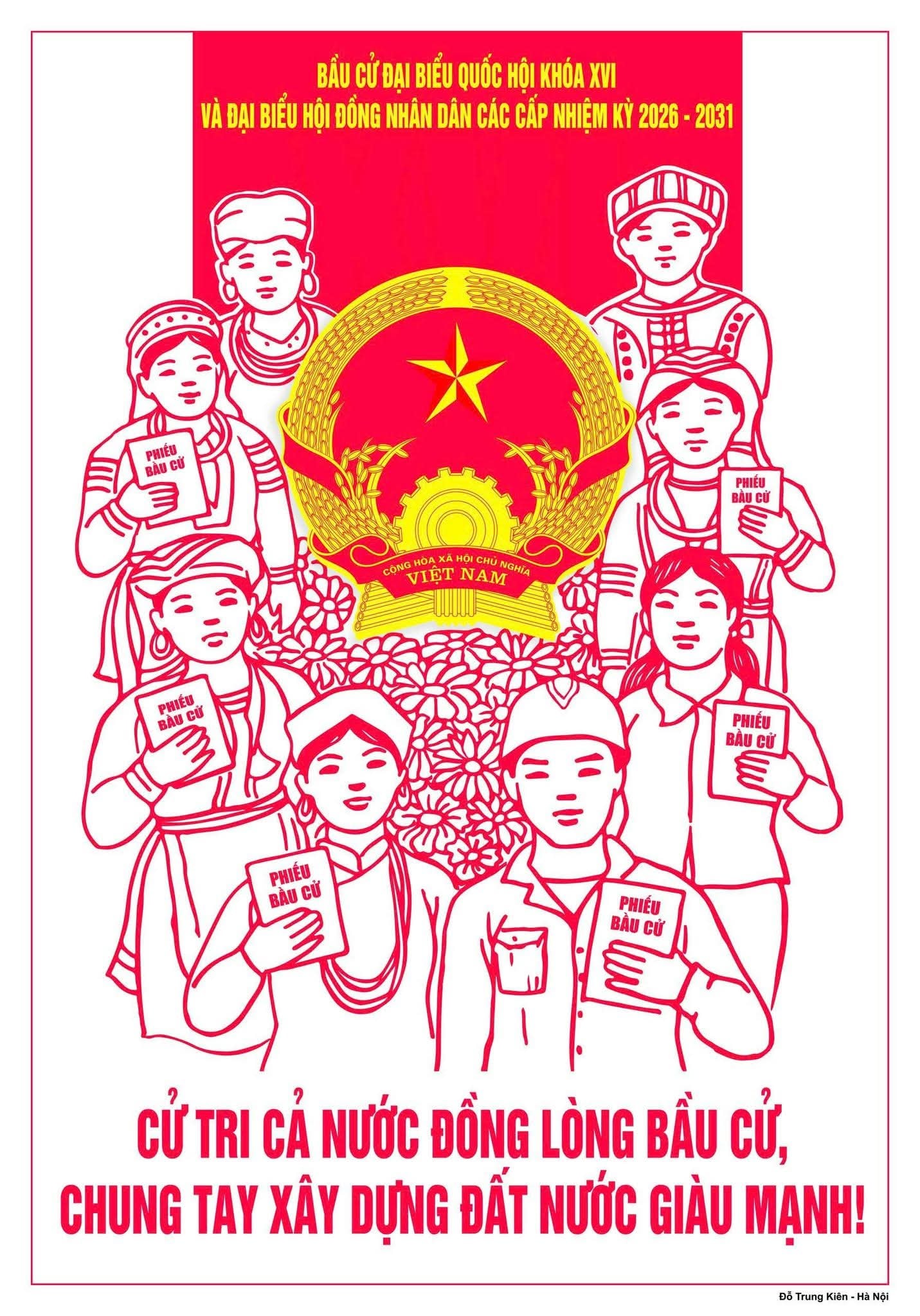
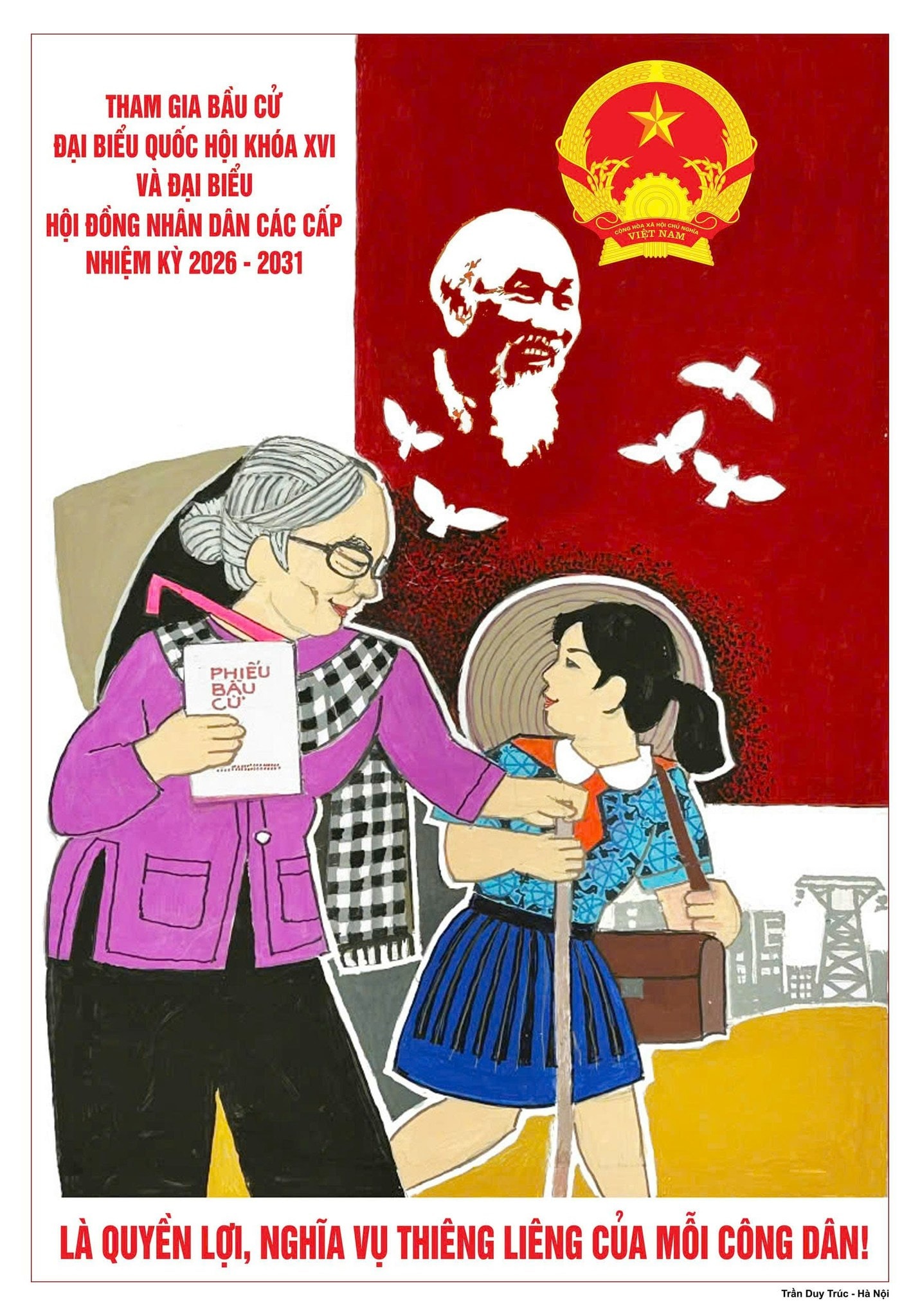
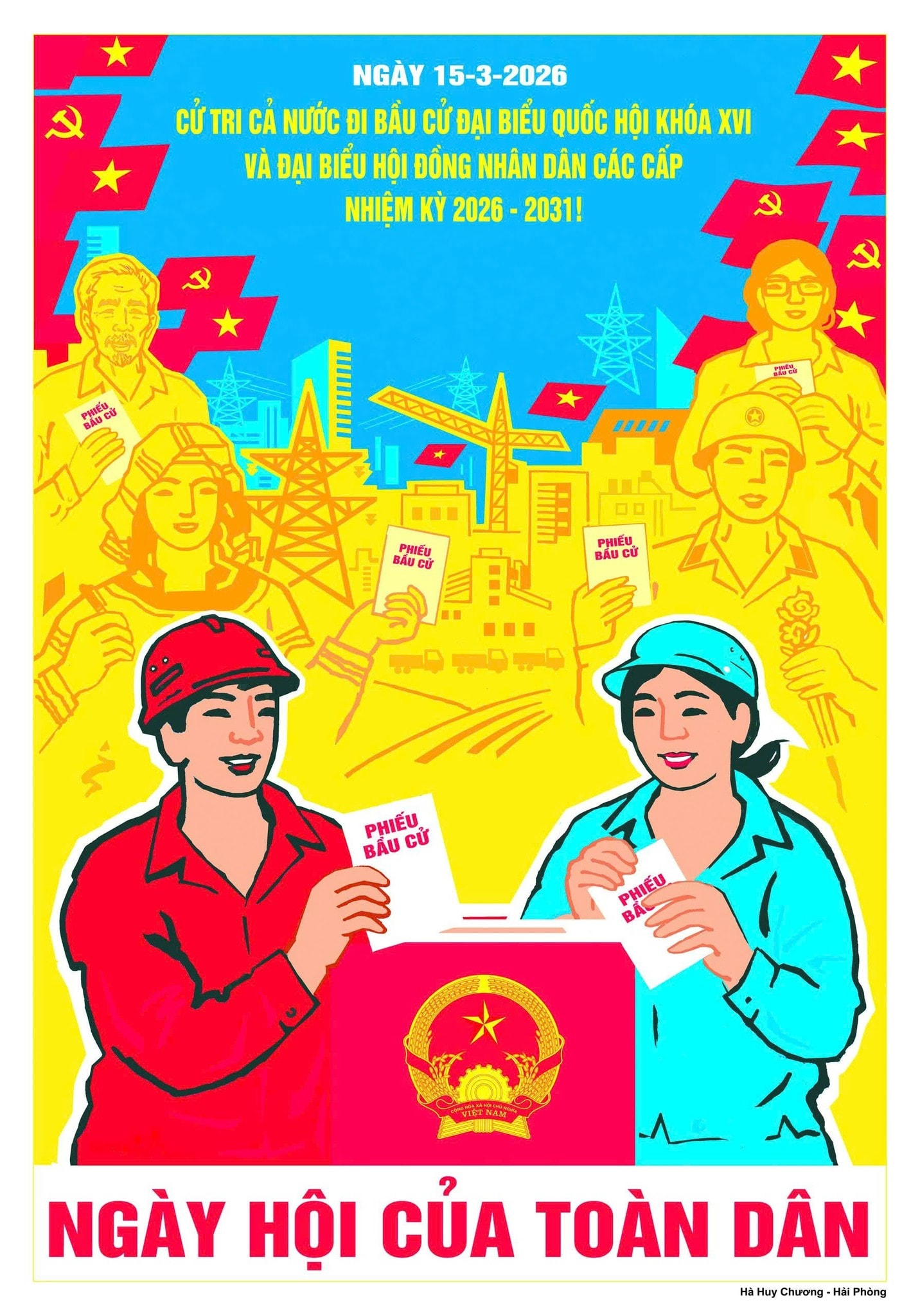
Several propaganda poster designs approved for official use in communications on the election of deputies to the 16th NA and People's Councils at all levels for the 2026-2031 term (Photo: Ministry of Culture, Sports and Tourism)
In Ho Chi Minh City, voter lists were publicised starting on February 3. Between March 5 and 10, the municipal election committee printed and distributed voter cards, prepared ballot boxes and ballots, produced necessary election materials, and finalised facilities at polling stations. Inspection teams have also been deployed to supervise and guide local authorities in performing tasks in strict compliance with regulations and deadlines.
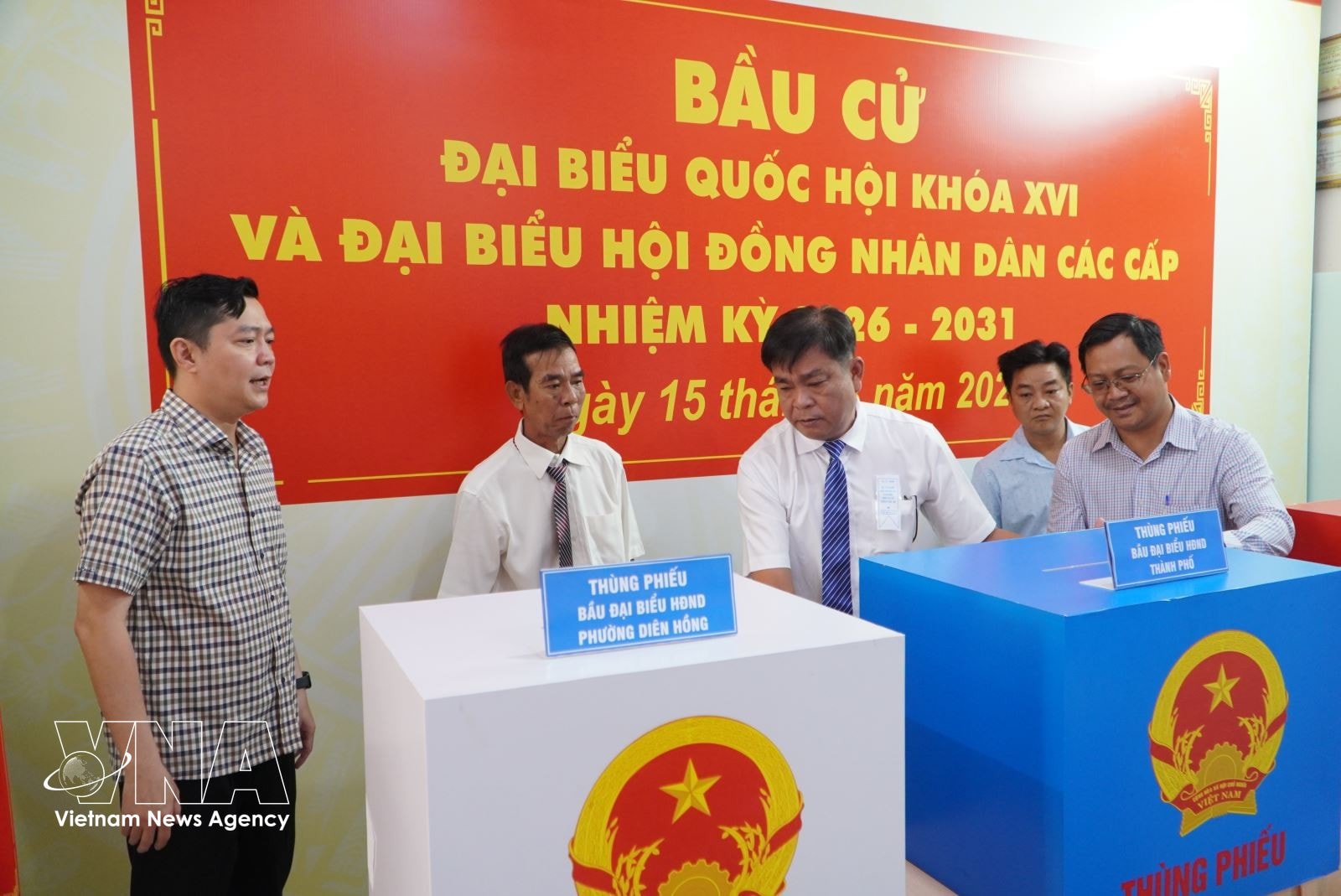
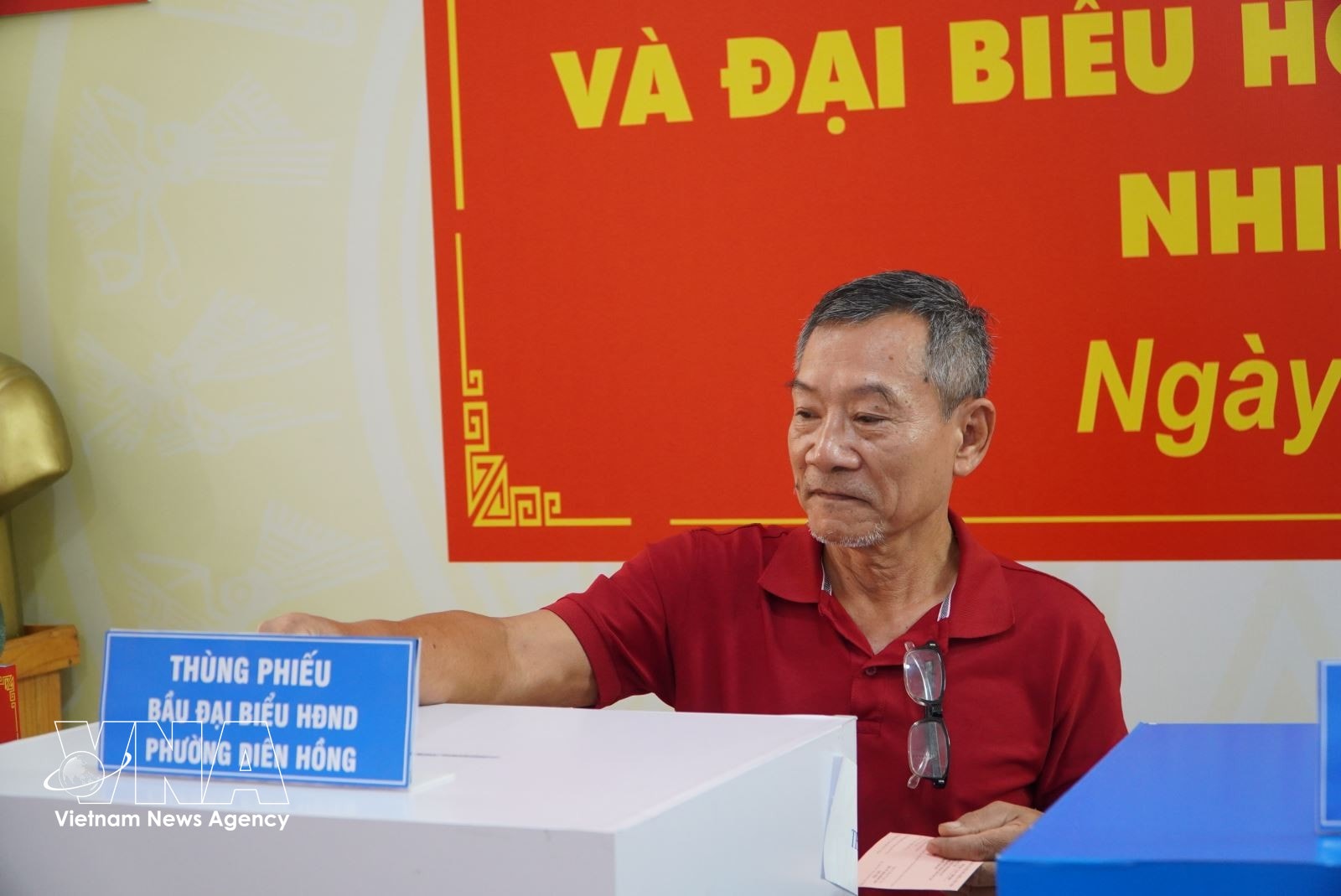
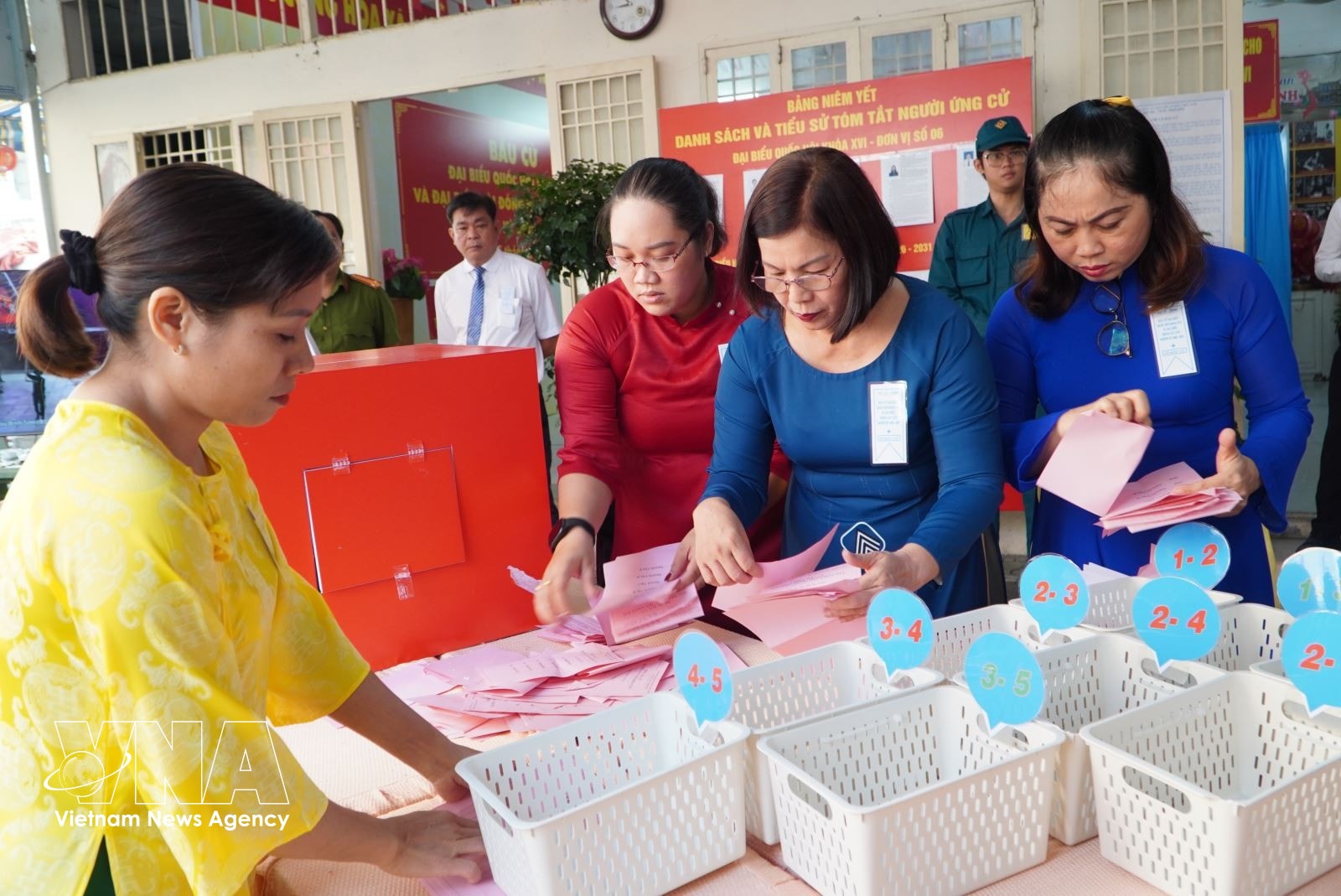
Piloting the election process in Ho Chi Minh City (Photo: VNA)
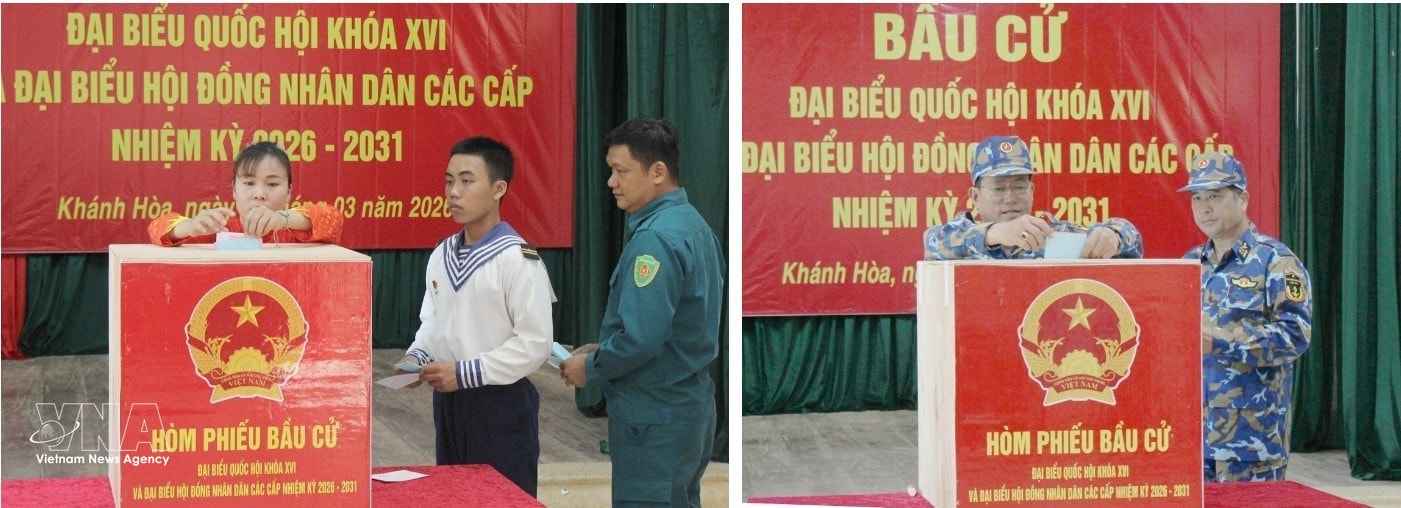
Across the rest of the country, decorative setups have transformed downtown areas and residential neighbourhoods alike, creating a solemn yet celebratory atmosphere. Polling stations are putting the final touches on preparations, including public posting of voter lists and candidate profiles, and arranging voting areas. Mobile ballot boxes have been ready to enable residents in remote, mountainous, and insular areas to exercise their voting rights.
Earlier, the NEC approved early voting in four locations in Ho Chi Minh City. On the morning of February 26, more than 4,000 voters in Tam Thang and Phuoc Thang wards and Long Son commune cast their ballots ahead of schedule. These voters are employed long-term at sea on duty vessels, DK1 offshore platforms, drilling rigs, or in other specialised environments that would prevent them from voting on the Election Day.
On March 8, soldiers and residents in Truong Sa special zone of Khanh Hoa province, Tho Chau special zone of An Giang province and Bru-Van Kieu ethnic communities of Truong Son commune in Quang Tri province also voted one week before the national polling date.
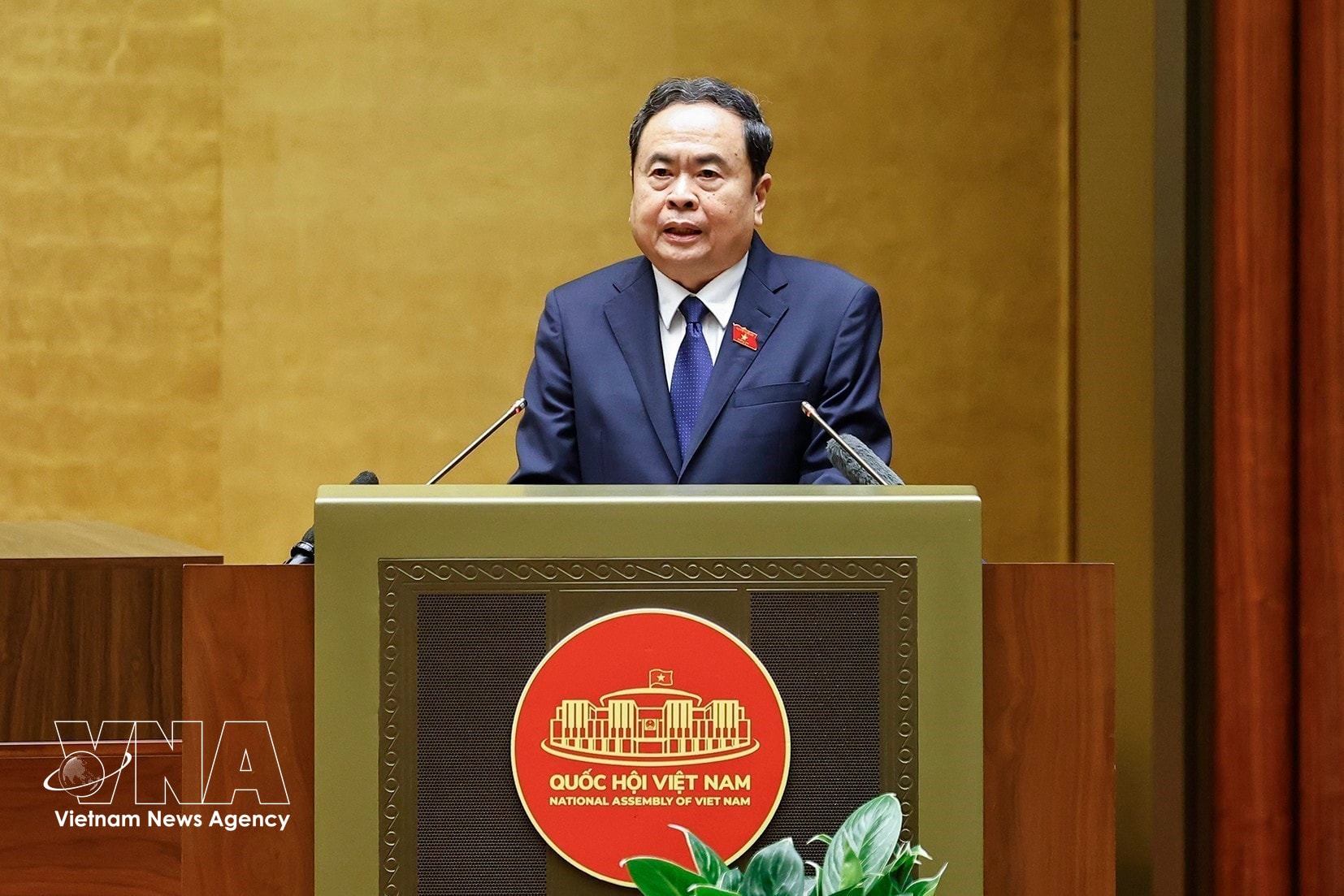
To ensure the success of this major national political event, NA Chairman Tran Thanh Man urged local authorities to avoid any complacency. He underscored five key lessons: harnessing the power of great national solidarity, ensuring close leadership from Party committees at all levels, intensifying public information and communications efforts, rigorously adhering to personnel selection procedures, and proactively monitoring local conditions while formulating comprehensive plans to maintain public order and guarantee absolute election security./.