STRATEGIC “MAKE IN VIETNAM” PRODUCTS:BUSINESSES AT THE CORE
VNA•17/09/2026 17:13
If institutional, market and ecosystem-related bottlenecks are removed, Vietnam will have a solid basis to gradually master core technologies, engage more deeply in global value chains, and turn science – technology into a driver of fast and sustainable development in the digital era.
Resolution No. 57-NQ/TW of the Politburo clearly identifies science and technology, innovation and digital transformation as strategic breakthroughs, playing a key role in the country’s new growth model. (Photo: VNA)
Resolution No. 57-NQ/TW of the Politburo identifies science, technology, innovation, and digital transformation as a strategic breakthrough that plays a vital role in shaping the country’s new growth model. This focus runs through the current policy framework. Alongside Resolution No. 57, there’s Resolution No. 68 on developing the private economic sector, Resolution No. 59 on international integration in the new context, along with many other Party and State policies, all working together to fine-tune a development approach putting businesses at the heart, the market as the driving force, and science, technology, and innovation as the main engine of progress.
The list of six priority strategic technology products set out in the Prime Minister's Decision No. 2815/QD-TTg demonstrates an important shift in policy-making thinking, with businesses playing the central role in the innovation ecosystem and serving as the core element in the country’s goal of double-digit growth in the new era.
However, a significant gap remains between policy orientation and implementation, requiring strong mechanisms to remove bottlenecks in institutions, markets, and implementation capacity.
mang-5g-11 (1)
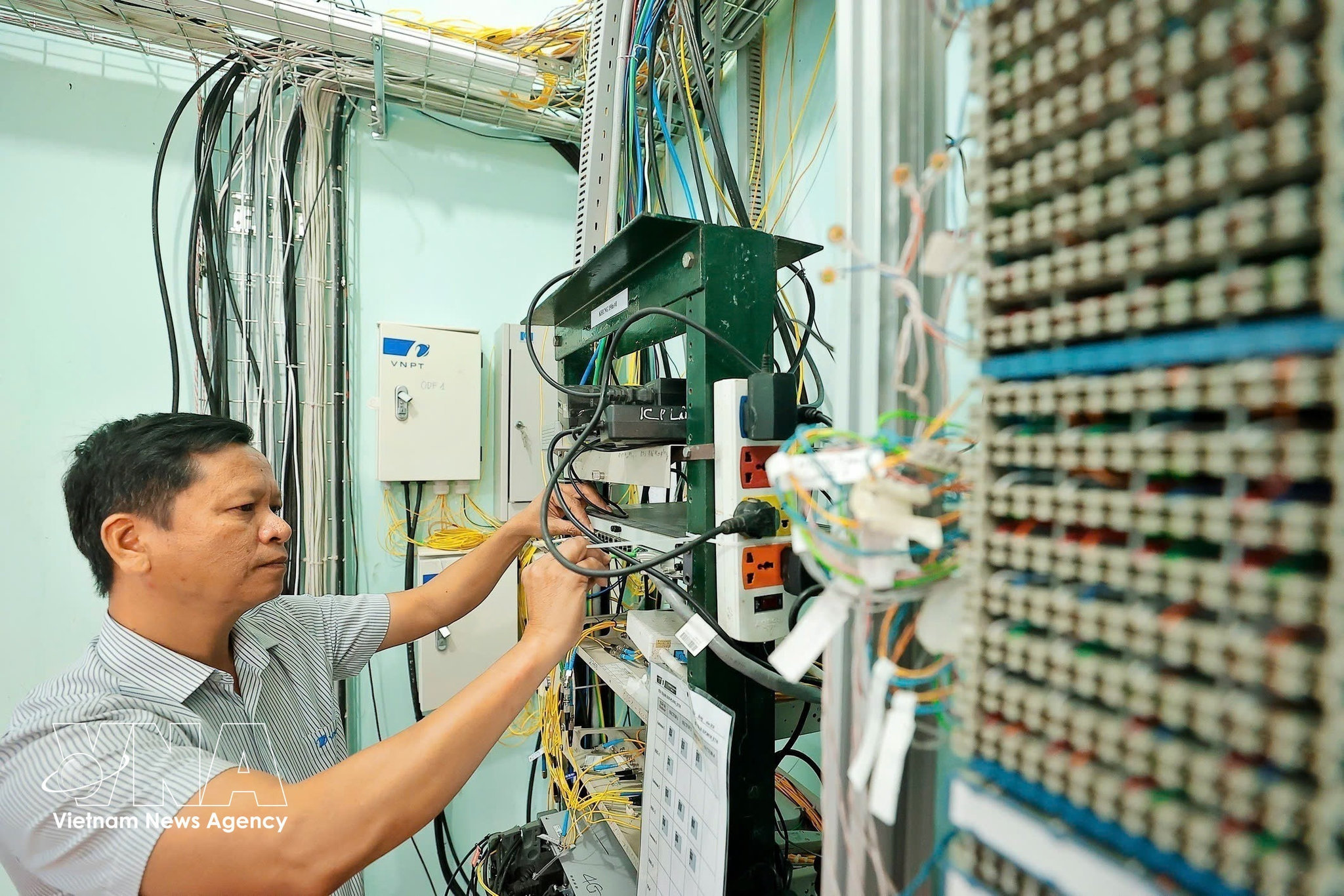
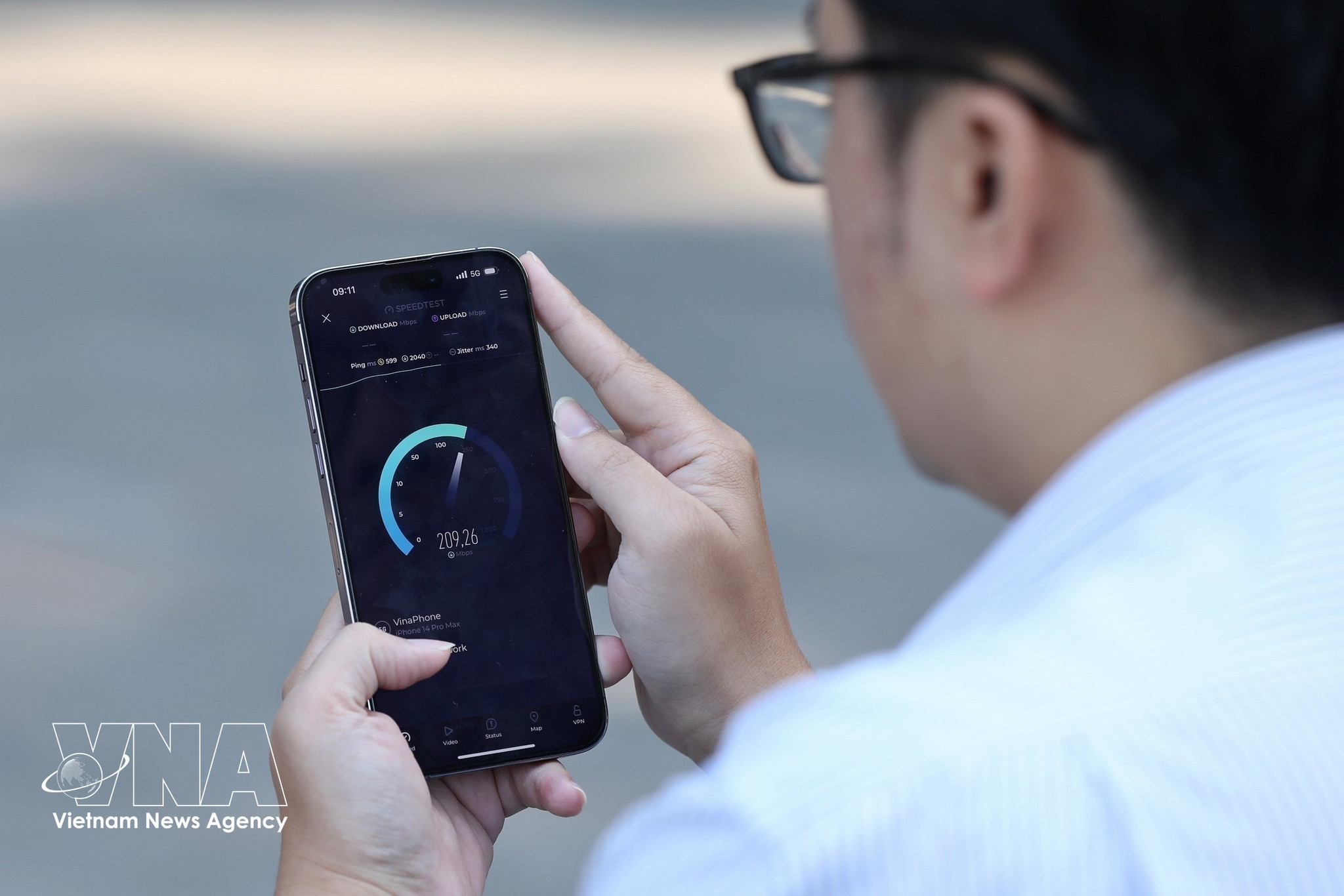
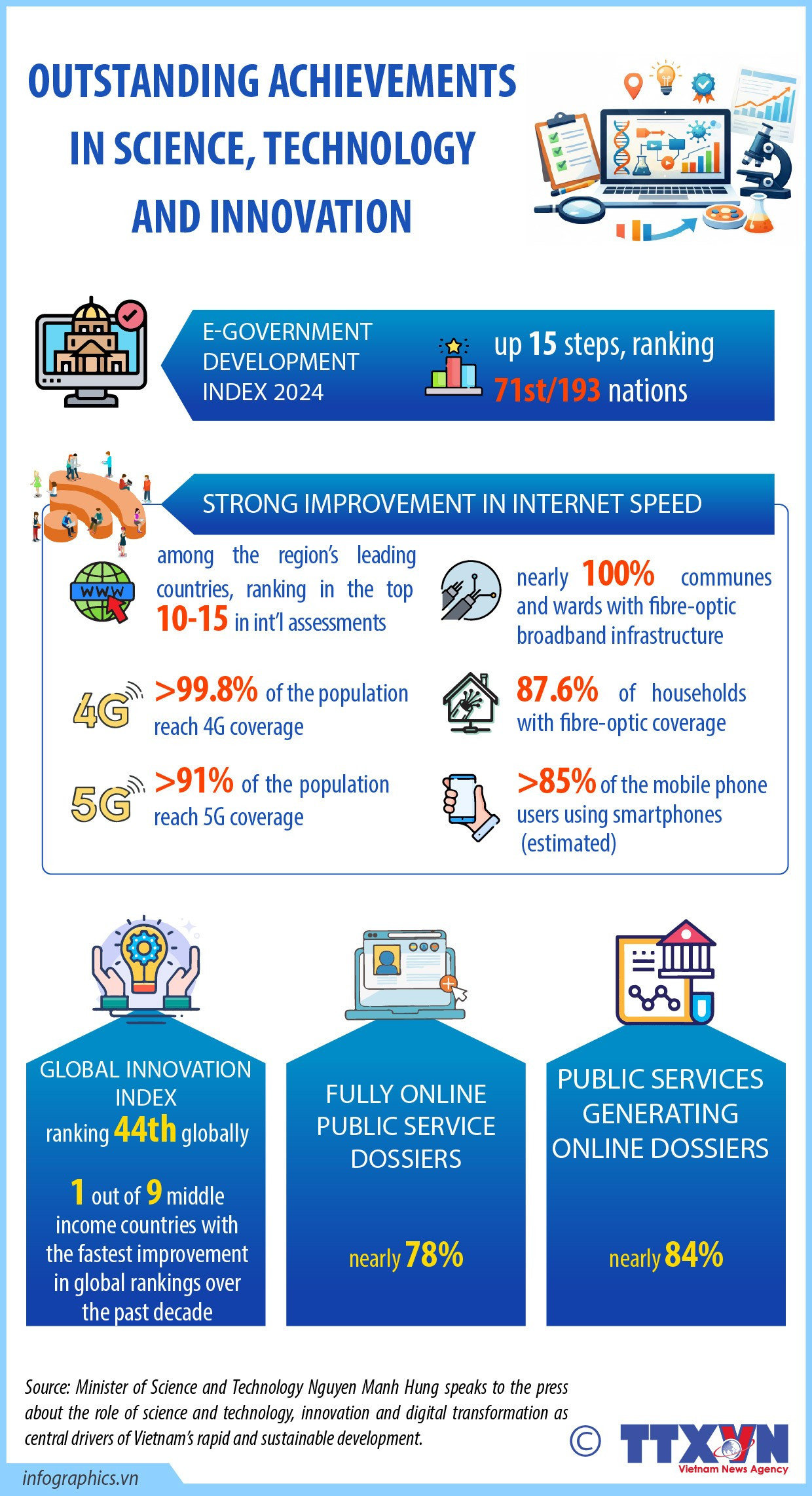
Vietnam achieves widespread Internet coverage. (Photo: VNA)
Mechanism-related challenges
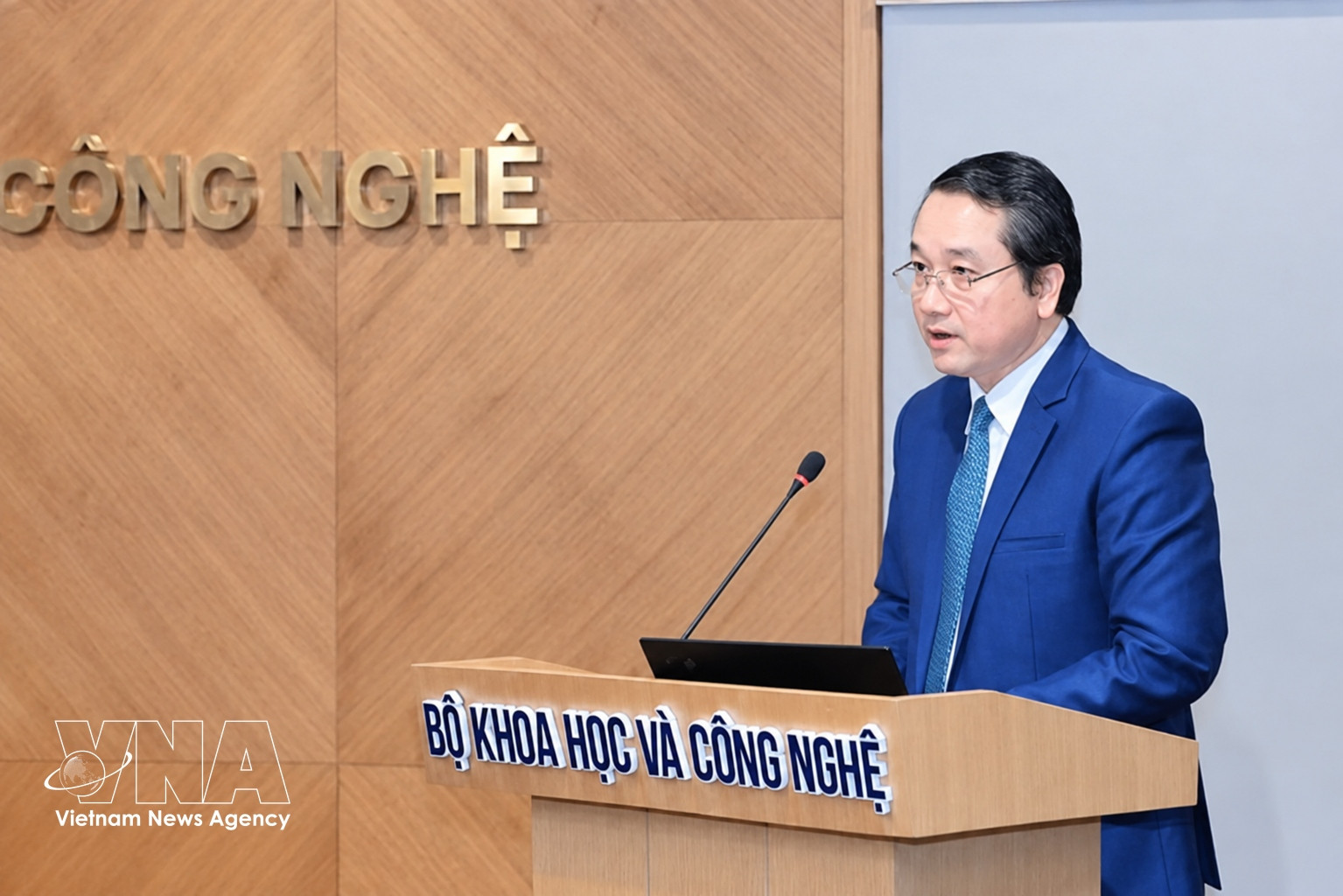
Assoc. Prof. and Dr Dao Ngoc Chien, Director of the National Foundation for Science and Technology Development (Nafosted), which is tasked with funding and commissioning the implementation of sci-tech programmes and tasks using state budget resources, said that the implementation of strategic technology-related tasks remains at the initial stage. However, financial resources are not a major issue as the Government has adopted policies and allocated resources for strategic technology development. In terms of human resources, Vietnam is also capable of attracting an appropriate pool of personnel.
Assoc. Prof. and Dr Dao Ngoc Chien, Director of the National Foundation for Science and Technology Development (Nafosted), which is tasked with funding and commissioning the implementation of sci-tech programmes and tasks using state budget resources, said that the implementation of strategic technology-related tasks remains at the initial stage. However, financial resources are not a major issue as the Government has adopted policies and allocated resources for strategic technology development. In terms of human resources, Vietnam is also capable of attracting an appropriate pool of personnel.
For example, research institutes and universities, the key force in conducting researches and mastering core technologies, need a flexible lump-sum funding mechanism that accepts the risks inherent in scientific research. Businesses, meanwhile, do not necessarily need direct budgetary support, but are more concerned with policies such as tax and land incentives, technical barriers, standards and intellectual property protection.
Chien said that institutional frameworks should continue to be refined to identify the “bottlenecks” facing stakeholders so that appropriate policies can be developed.
Assoc. Prof. and Dr Dao Ngoc Chien, Director of the National Foundation for Science and Technology Development (Photo: VNA)
“
“Through our field surveys, we have also found that some businesses have almost completely mastered their technologies, and some have even completed products and are ready to bring them to market. They no longer need research funding because they have already moved beyond that stage. What they need now is not money, but mechanisms – specifically, the State must play the role of the first customer,” said Assoc. Prof. and Dr Dao Ngoc Chien, Director of the National Foundation for Science and Technology Development (Nafosted).
Some businesses have also proposed “post-research inspection” as a support mechanism whereby after successfully investing in research, they could have their expenditure assessed and audited, with the State then providing partial financial support, he added.
Referring to the “three-side” connection model – the State, research institutes/universities and businesses, Chien affirmed that it is the most appropriate approach for developing strategic technology products. The nature of strategic technologies is that they must have a high scientific content, advanced characteristics, and the ability to create competitive advantages. To achieve this, scientists need to participate in researching, mastering, and developing core technologies which are then integrated into businesses’ products. Not every business, meanwhile, has sufficient capacity for in-depth research and development. When these two stakeholders are successfully connected, the State will play an enabling role through appropriate mechanisms, policies and supporting resources.
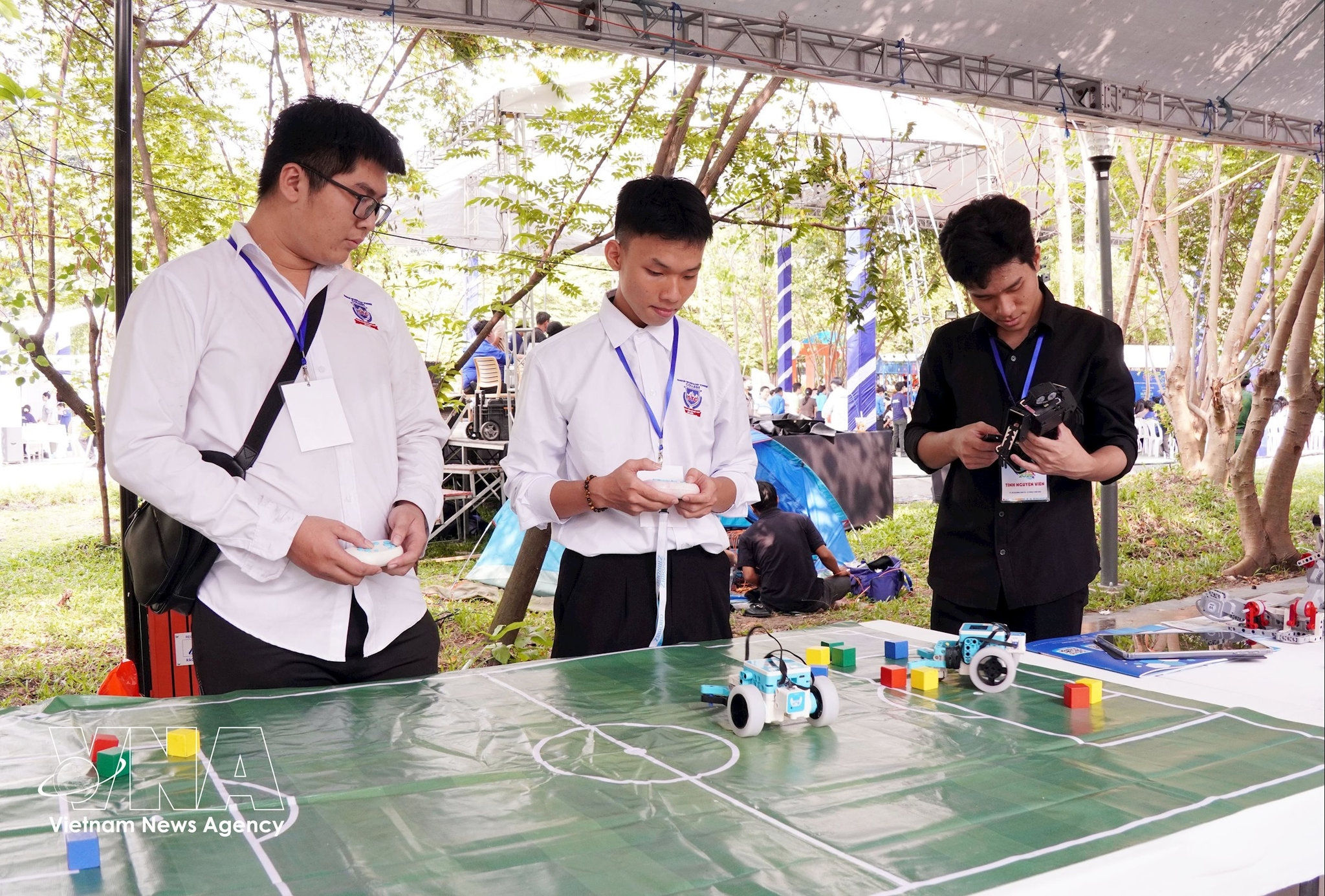
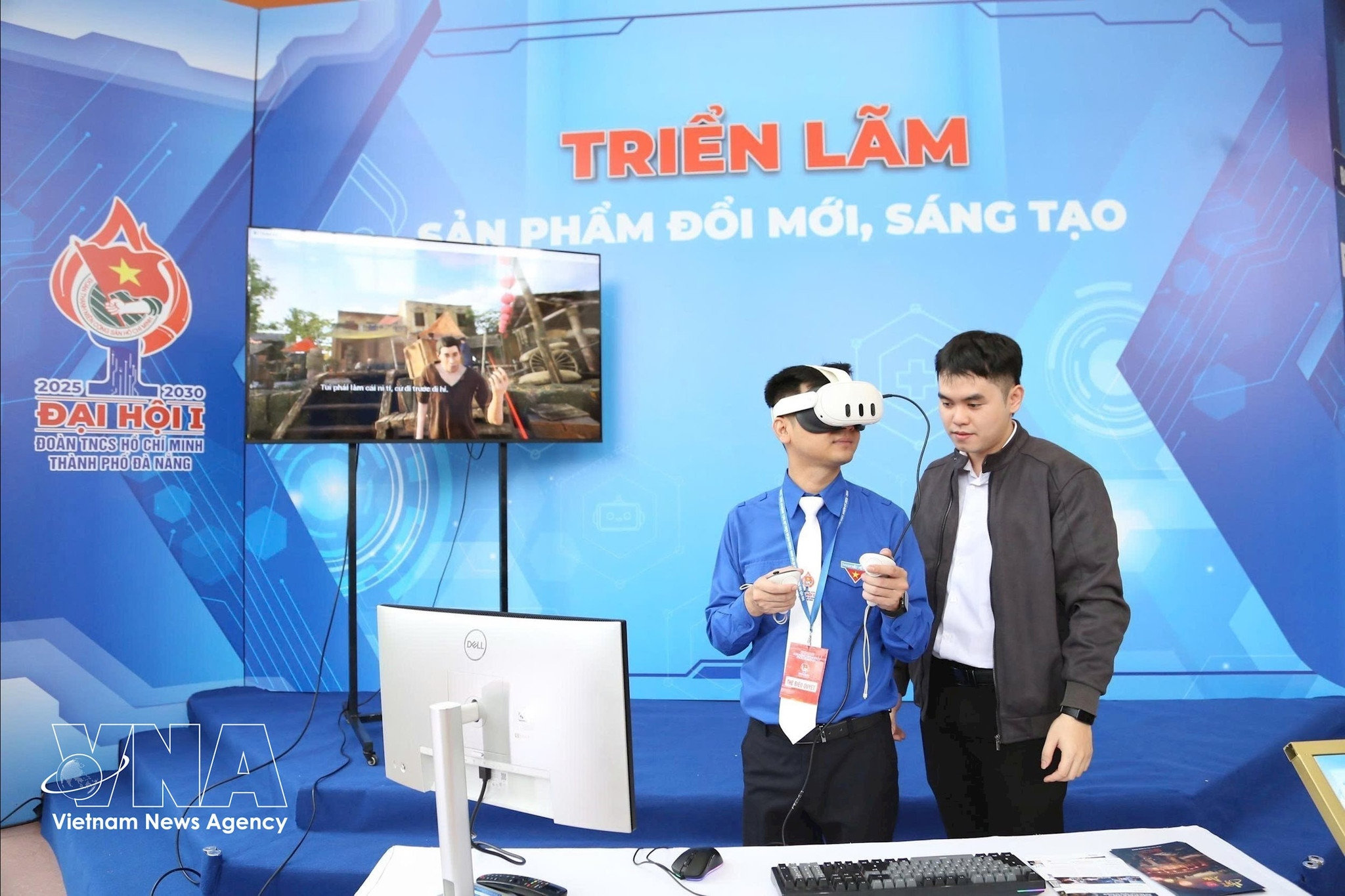
Visitors experience hands-on experiments and explore science and technology achievements at the Da Nang Innovation Startup Festival - SURF 2026. (Photo: VNA)
Regarding human resources for the development of the six groups of priority strategic technology products, the programme to support outstanding doctoral researchers for the 2026–2030 period, with maximum support of up to 1 billion VND (about 38,500 USD) per year for each researcher for no more than three years, has recently been approved under Decision No. 2103/QD-BKHCN of the Ministry of Science and Technology. By 2030, the programme is expected to support around 100 outstanding doctoral researchers each year with internationally competitive financial support, creating an incentive to retain talent and attract international doctoral researchers to Vietnam.
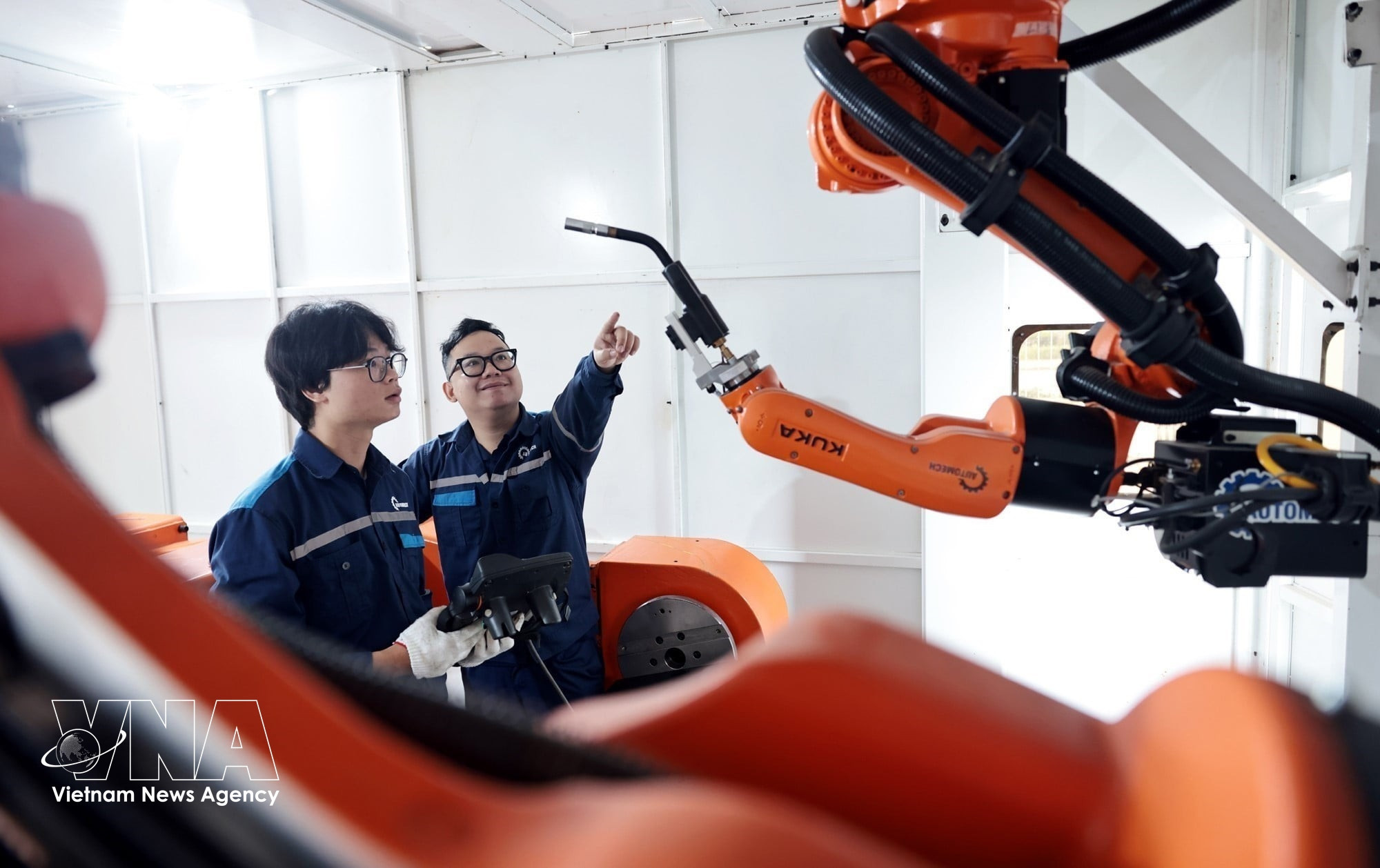
Assoc. Prof. and Dr Dinh Van Trung, Director of the Institute of Physics under the Vietnam Academy of Science and Technology – a developer of strategic technologies such as unmanned aerial vehicles (UAVs) and autonomous robots, said it is necessary to build a comprehensive ecosystem in which the State not only promulgates policies but also provides resources for businesses, thereby encouraging them to place orders with research institutes and universities.
This approach will help establish a close linkage between the State, businesses, and scientists, creating a cornerstone for the development of the technology market and addressing the limitations of the standalone research model of the past, Trung added.
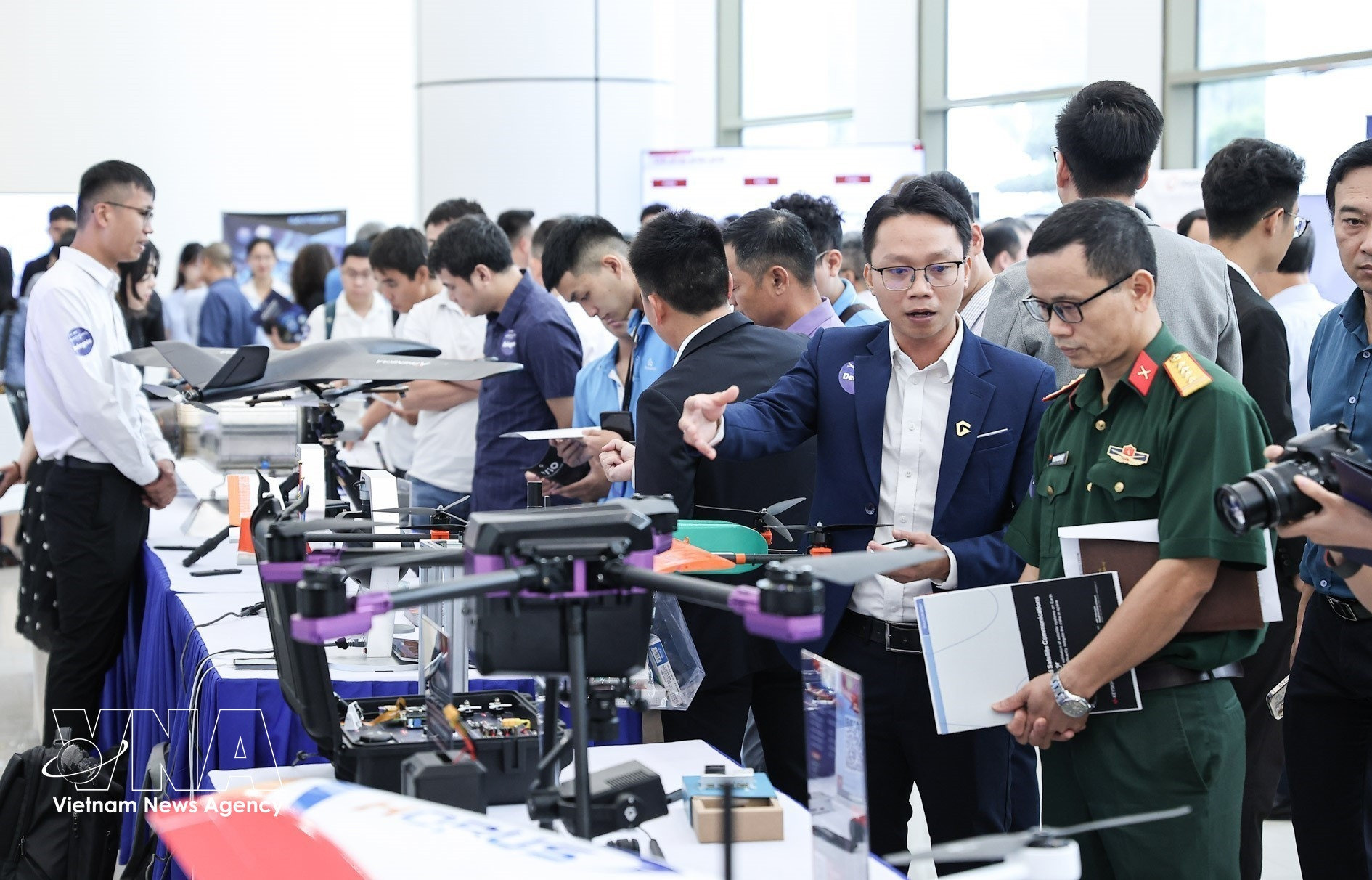
Delegates visit and experience technology products at Hung Yen province's science, technology, innovation and digital transformation forum in 2025. (Photo: VNA)
Experience at MK Group shows that businesses can fully master technologies when appropriate support mechanisms are in place.
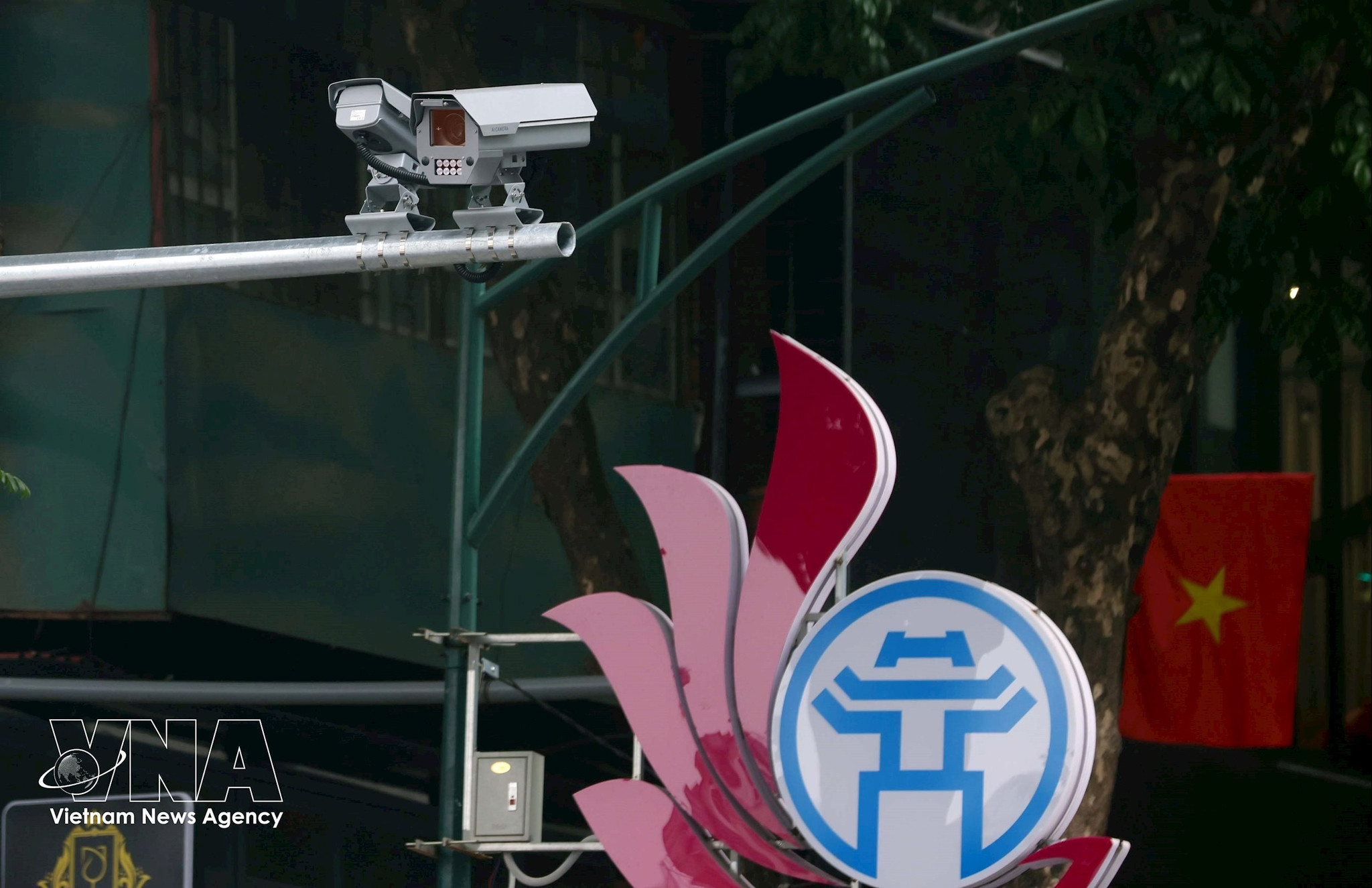
Drawing on the success of its AI camera product for smart recognition and surveillance, Nguyen Trung Kien, General Director of MK Vision, said that what businesses need are specific orders, with the State playing the role of the “first customer”, particularly for dual-use products. This is not only a source of direct resources but also an important impetus for businesses to continue investing in and perfecting their technologies.
The State as the first customer
Hoang Anh Tu, Deputy Director-General of the Department of Science and Technology under the Ministry of Science and Technology, said: “Businesses are ready to invest in product research and development, but the biggest issue is market access. Many technological products will struggle to be perfected and commercialised if they do not have opportunities for real-world deployment.”
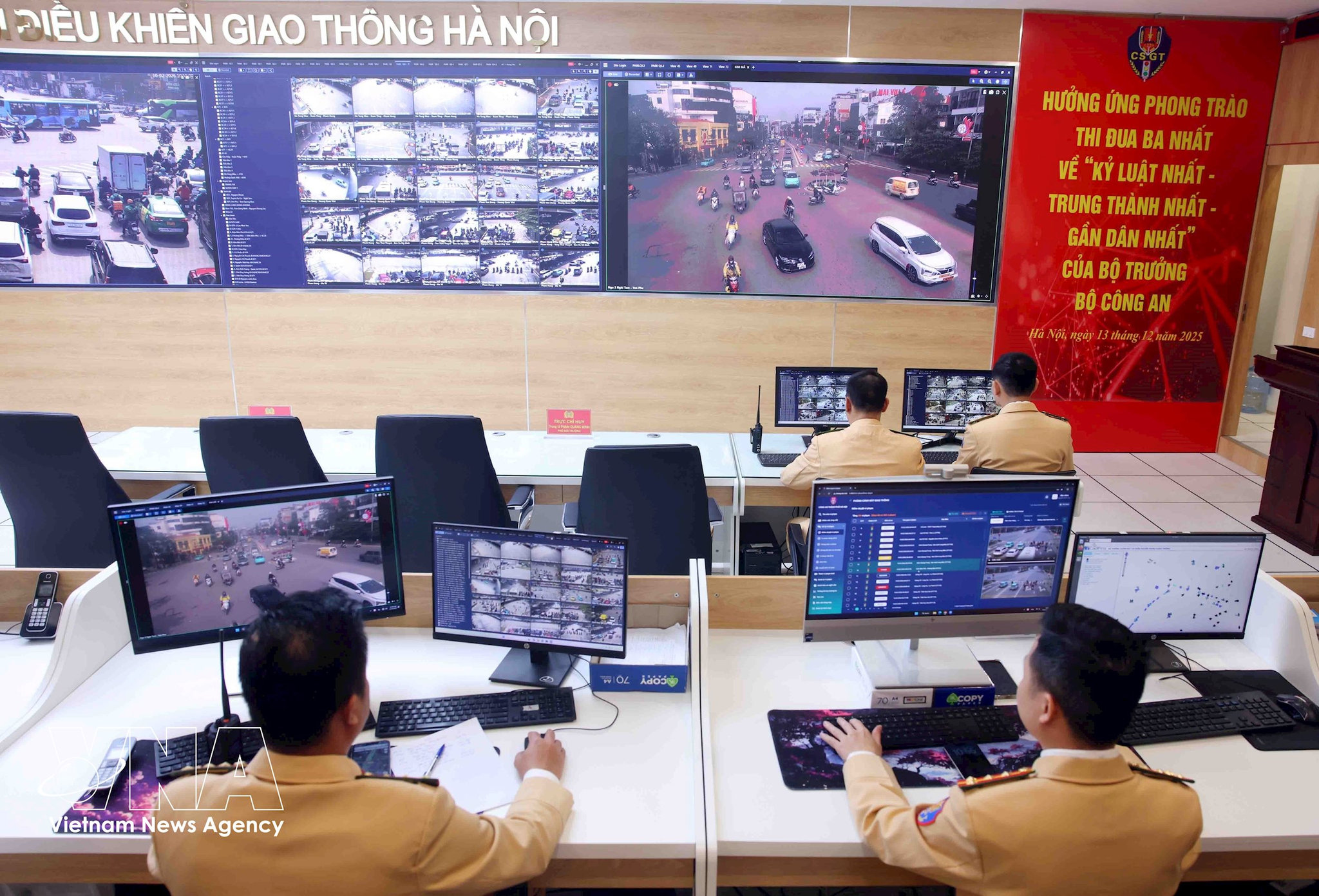
Cu Ngoc Trang, Director of the Hanoi Department of Science and Technology, said the city is considering commissioning edge-processing AI camera systems to serve smart city building, particularly in transport, environmental protection and urban management.
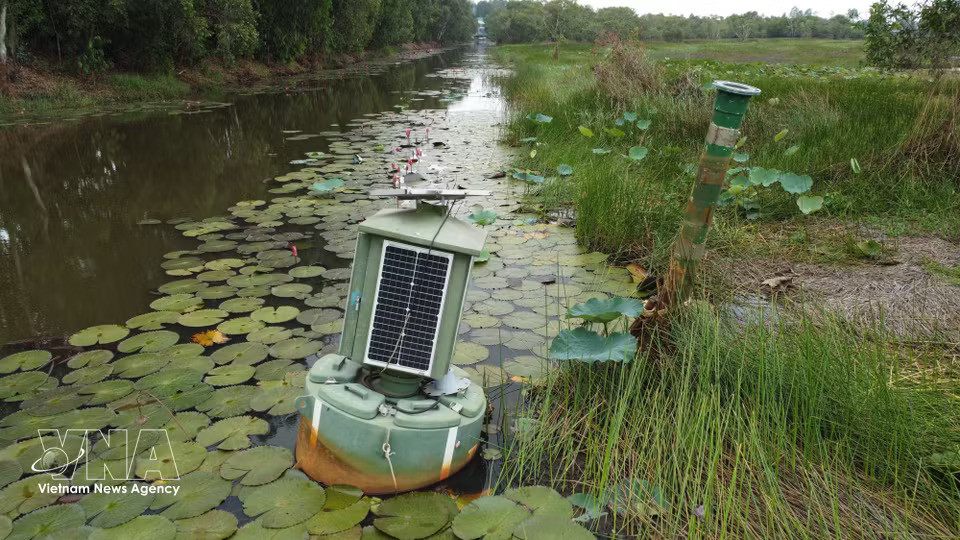
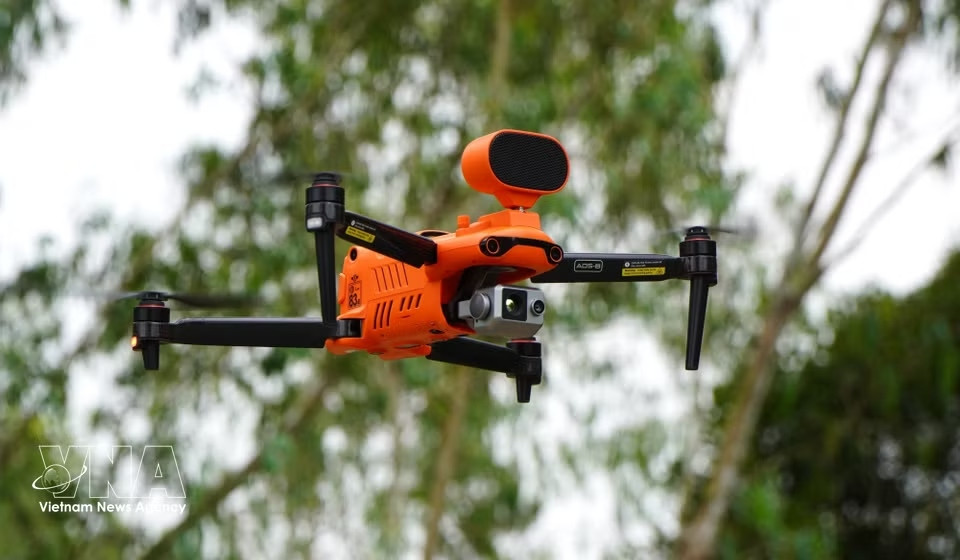
In central Da Nang city, proposed orders focus on agricultural traceability and digital maps, while southern Can Tho city is interested in UAVs for agriculture and riverbank erosion monitoring.
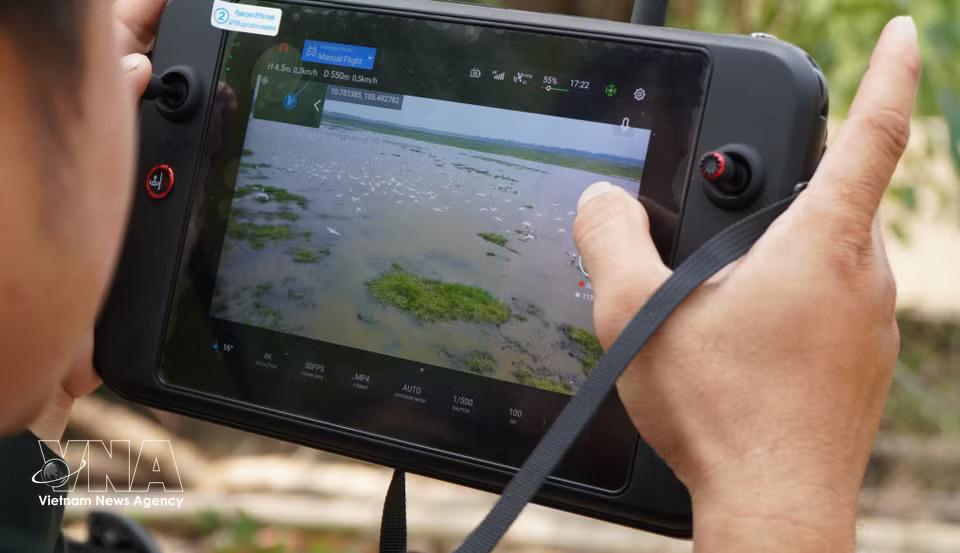
Staff of Tram Chim National Park operate a drone to monitor and protect the forest against the risk of fires during the dry season. (Photo: VNA)
At ministry level, a representative of the Ministry of Construction said there is significant demand for UAVs, autonomous robots and AI cameras in monitoring construction projects, transport infrastructure and hard-to-reach areas. Meanwhile, the Supreme People’s Procuracy is interested in AI systems for analysing case files and in the use of UAVs to collect data for handling violations.
Sharing his views on the issue, Tu said the State will act as the first customer through commissioned projects, thereby creating an initial market for products.
Specifically, for AI cameras, orders have already been placed to serve surveillance and security purposes for the Ministry of Public Security, construction and transport for the Ministry of Construction, healthcare for the Ministry of Health, and education for the Ministry of Education and Training. For UAVs, commissioned tasks have been assigned by the Ministry of National Defence for reconnaissance and rescue operations, by the Ministry of Agriculture and Environment for agricultural and environmental applications, and by the Ministry of Health. For autonomous mobile robots, orders has come from the Ministry of Industry and Trade for logistics and factories, the Ministry of Public Security for security applications, and localities for urban development.
The application of an AI-powered camera system has proven effective in ensuring traffic safety and order. (Photo: VNA)
For the six strategic technology products, the Ministry of Science and Technology has also established specific criteria and requirements concerning technological capabilities, localisation rates and the ability to participate in value chains, as well as incentives for businesses involved in their development.
Businesses must research and master the stages from design, integration, manufacturing, and testing through to real-world deployment. Specifically, they must master at least 80% of the product’s core technologies. The share of domestic value added in the product’s selling price must reach at least 60%, while the share in the product’s production cost must reach at least 40%. Businesses must develop high-value-added modules highly able to be commercialised within global value chains. Products must be capable of replacing imports, meeting at least 30% of domestic market demand and targeting exports. At least 60% of a business’s research tasks must result in accepted applications for intellectual property protection, while 100% of the results must be published in reputable scientific journals.
vnanet-anh-1 m
Artificial intelligence is currently providing effective support for the health sector’s shift from treatment towards disease prevention. (Photo: VNA)
Upon participating in the programme, enterprises will receive implementation funding from the state budget, prioritised within the total 15% of state budget expenditure allocated to science and technology activities. Businesses will also receive support through preferential lending rates and various financial support vouchers for intellectual property protection registration and technological innovation.
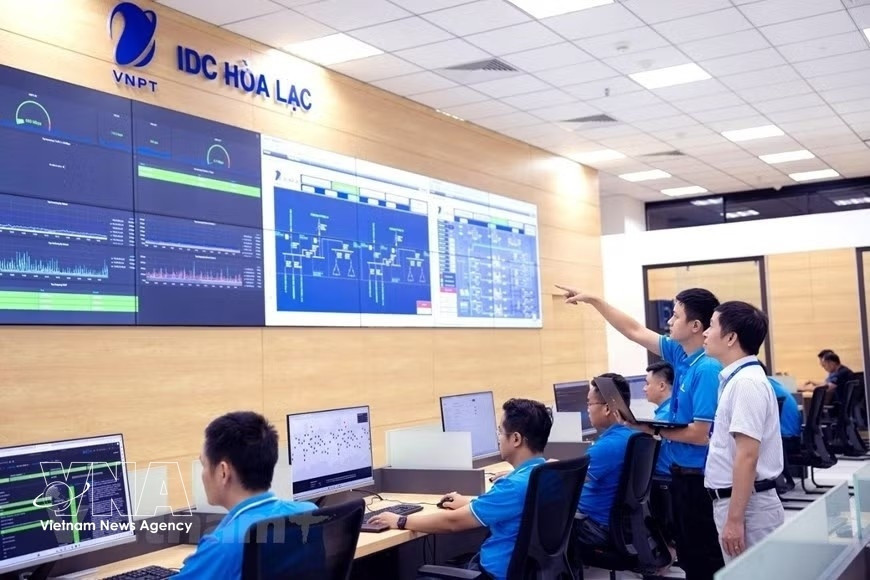
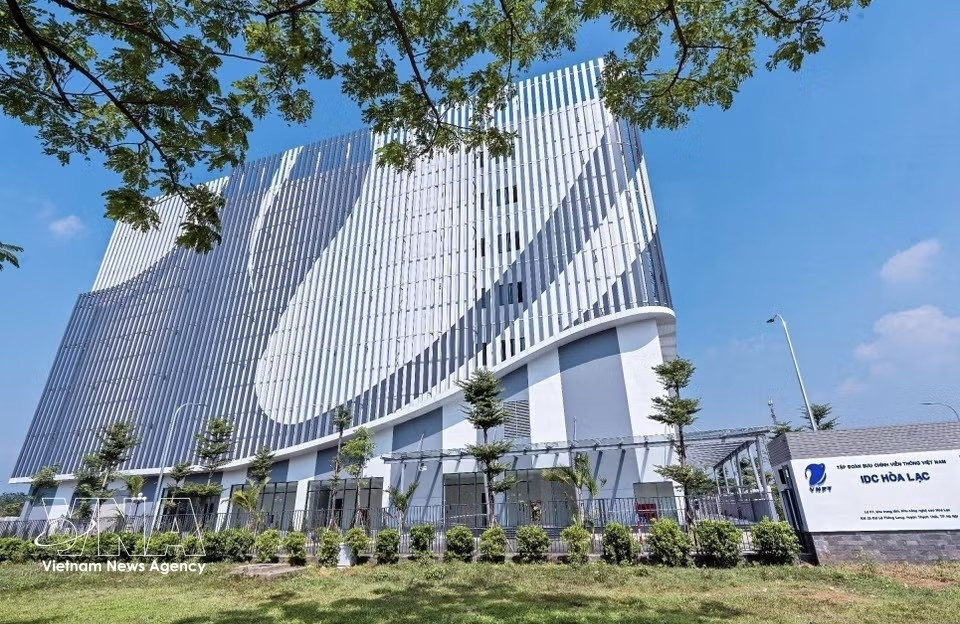
Hoa Lac Hi-Tech Park is presented with an unprecedented opportunity to make a strong transformation, with the goal of becoming Vietnam’s national innovation centre and “Silicon Valley”. (Photo: VNA
The selection of six groups of strategic technology product for priority implementation is not merely a concrete step to realise the major orientations set out in Resolution No. 57. It is also a test of the policy governance and coordination capacity of the entire national innovation ecosystem. If institutional, market and ecosystem-related bottlenecks are removed, Vietnam will have a solid basis to gradually master core technologies, engage more deeply in global value chains, and turn science – technology into a driver of fast and sustainable development in the digital era./.
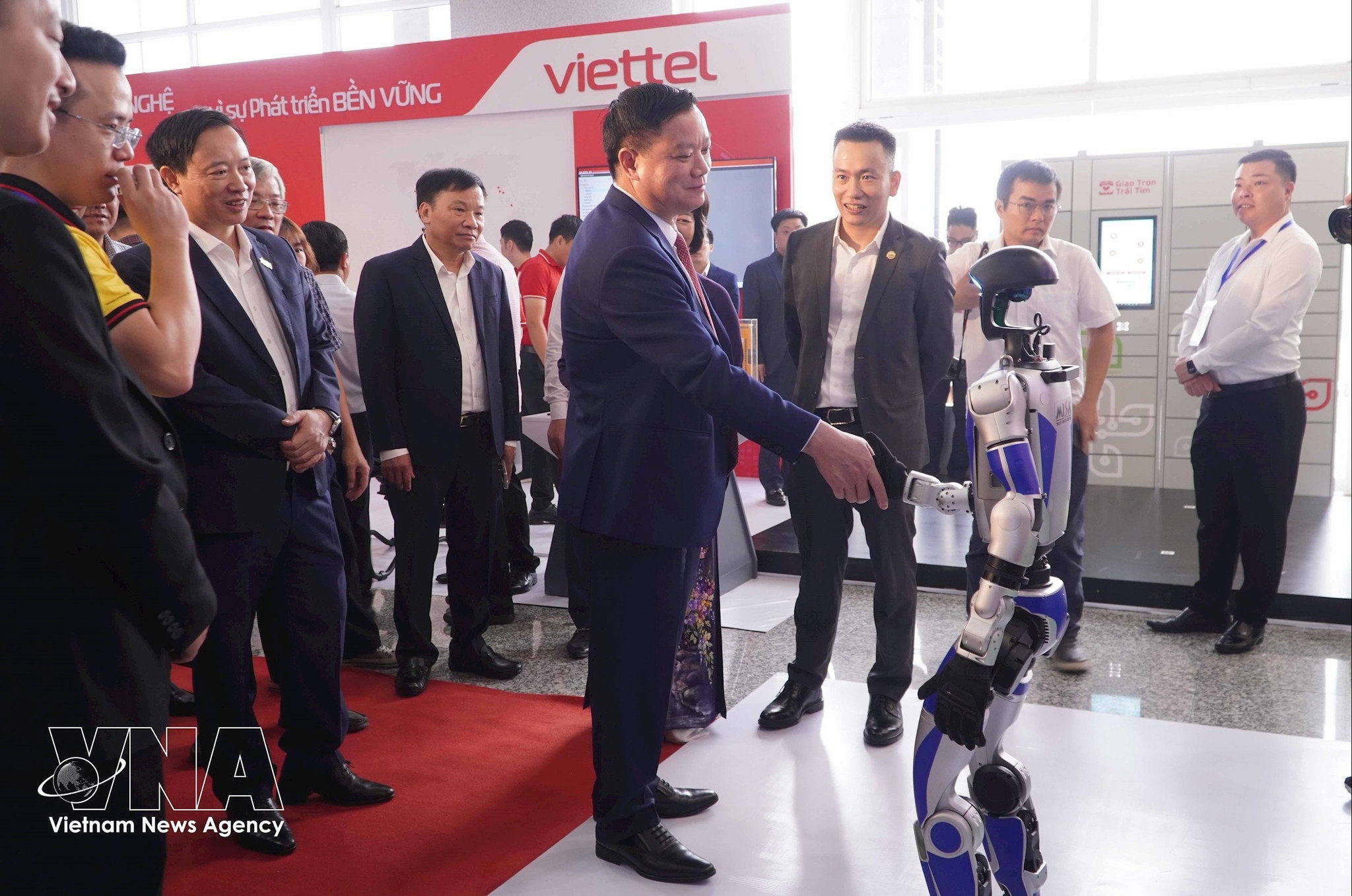
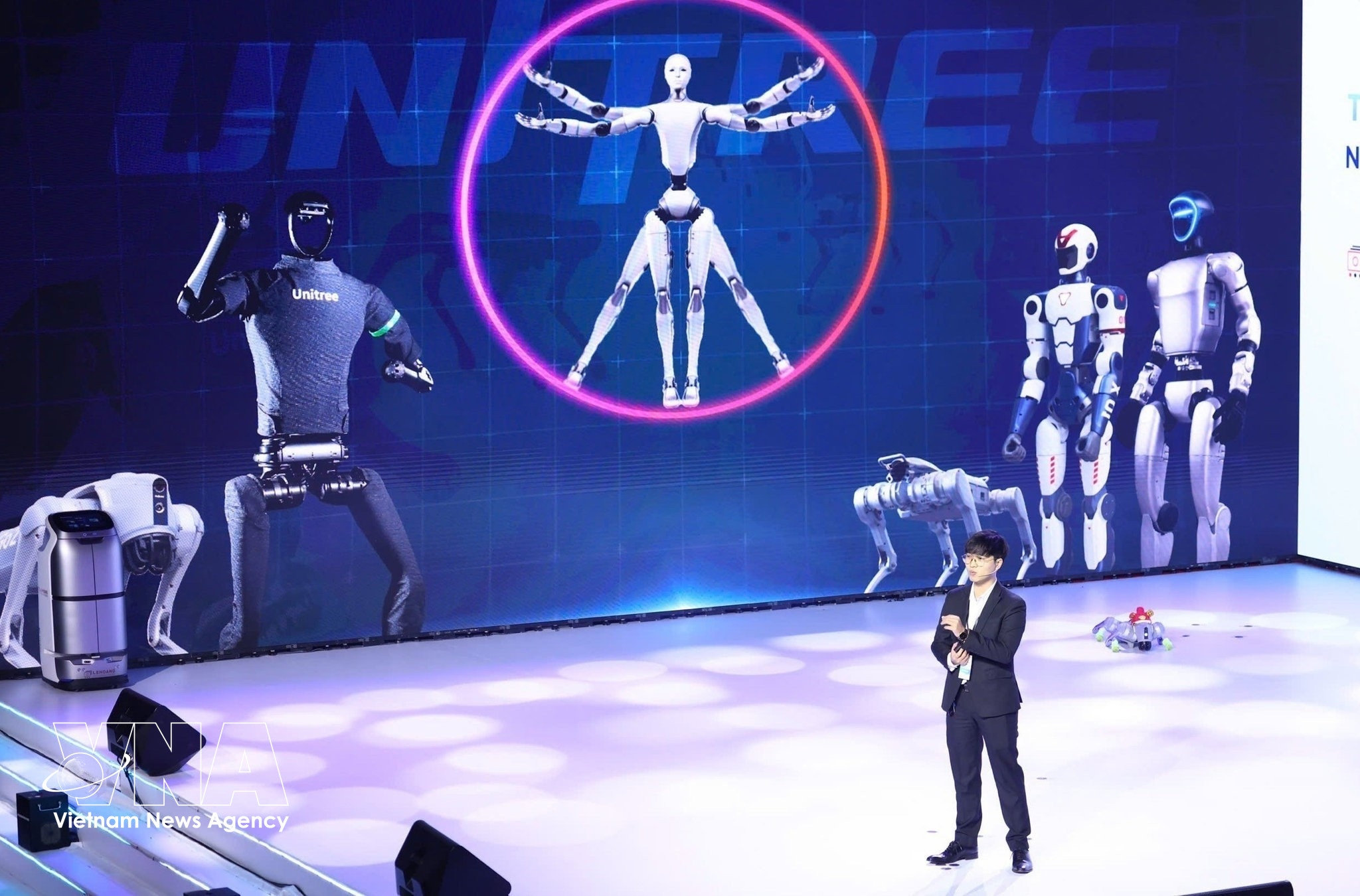
A leader of Le Hoang Robotics shares insights at the Tech Awards 2025 programme in Ho Chi Minh City. (Photo: VNA)
Bình luận của bạn đã được gửi và sẽ hiển thị sau khi được duyệt bởi ban biên tập.
Ban biên tập giữ quyền biên tập nội dung bình luận để phù hợp với qui định nội dung của Báo.