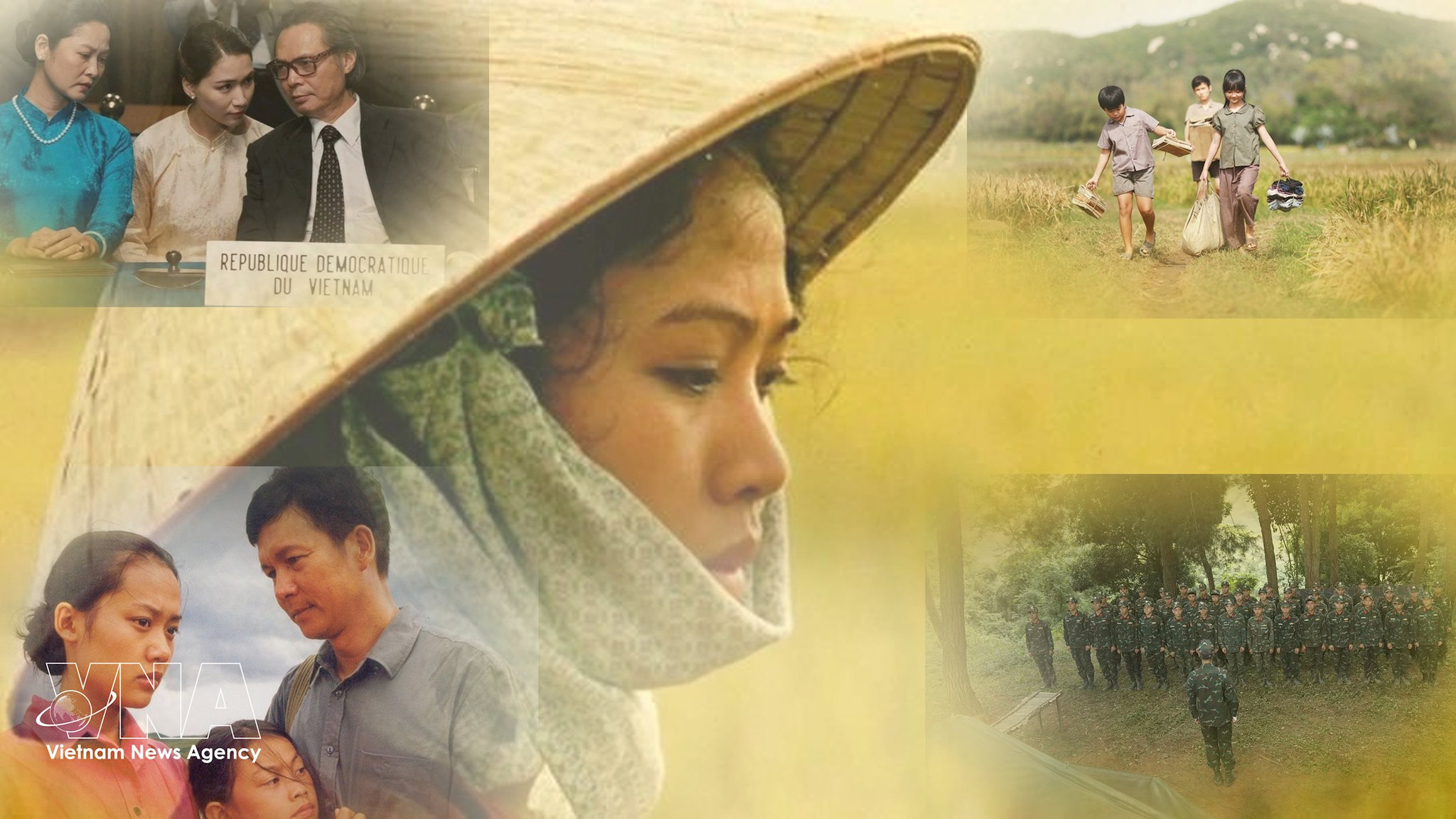
HISTORICAL CINEMA HELPS FOSTER PATRIOTISM, STRENGTHEN VIETNAM'S SOFT POWER
{VNA}•02/10/2026 16:56
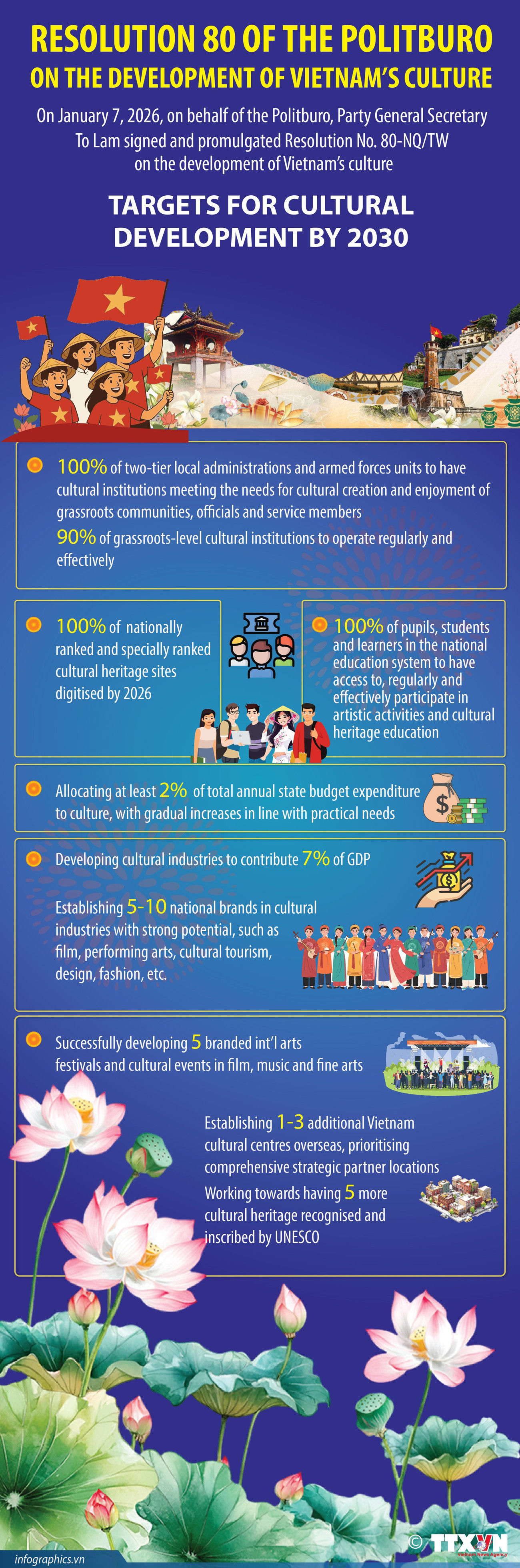
When history is told through human stories, using modern cinematic language and backed by adequate investment, films can both nurture patriotism and national pride and become competitive cultural industry products. This is also a way for cinema to help turn the spirit of Politburo Resolution No. 80-NQ/TW into reality by transforming Vietnamese values into an internal resource and a source of national soft power.
From historical memory to human heart
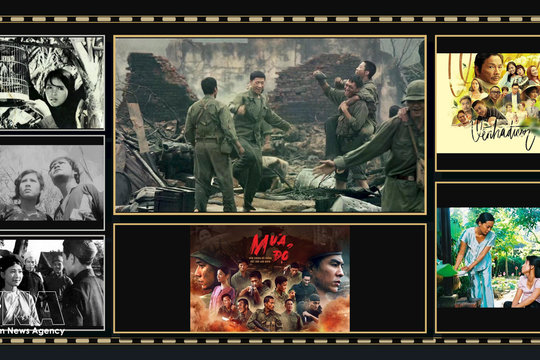
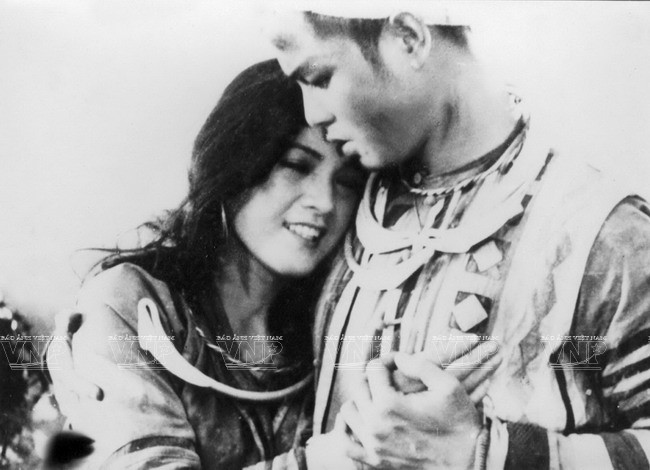
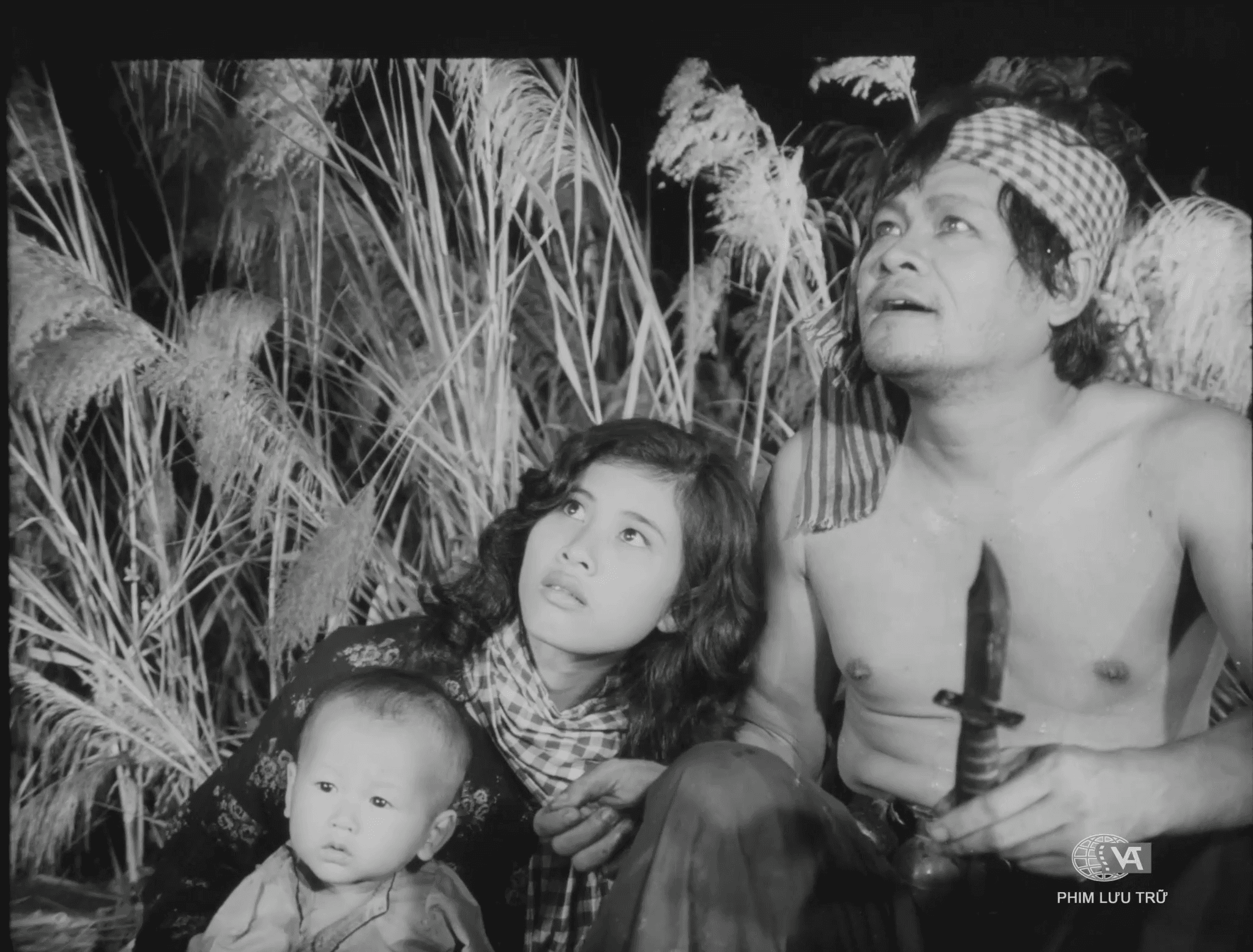
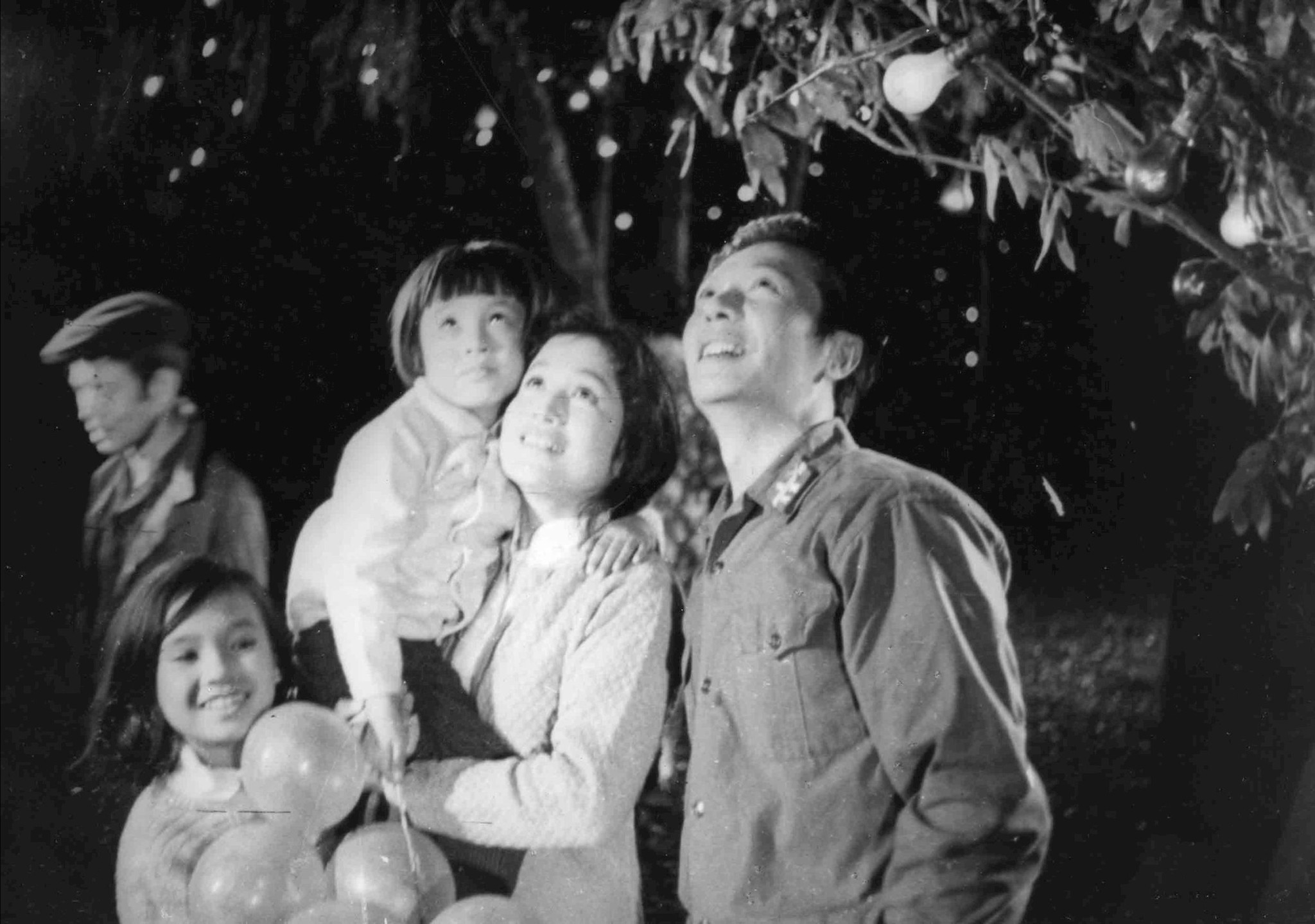
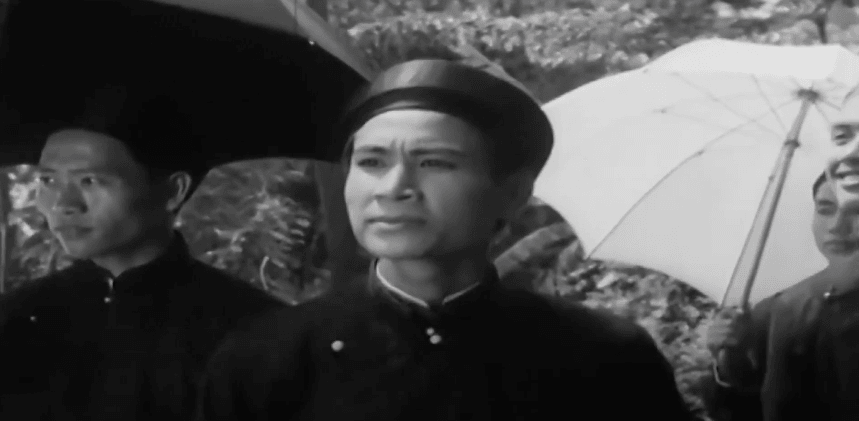
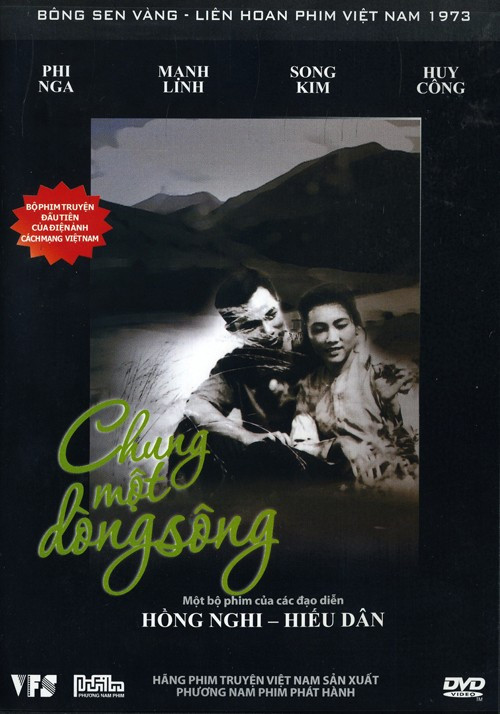
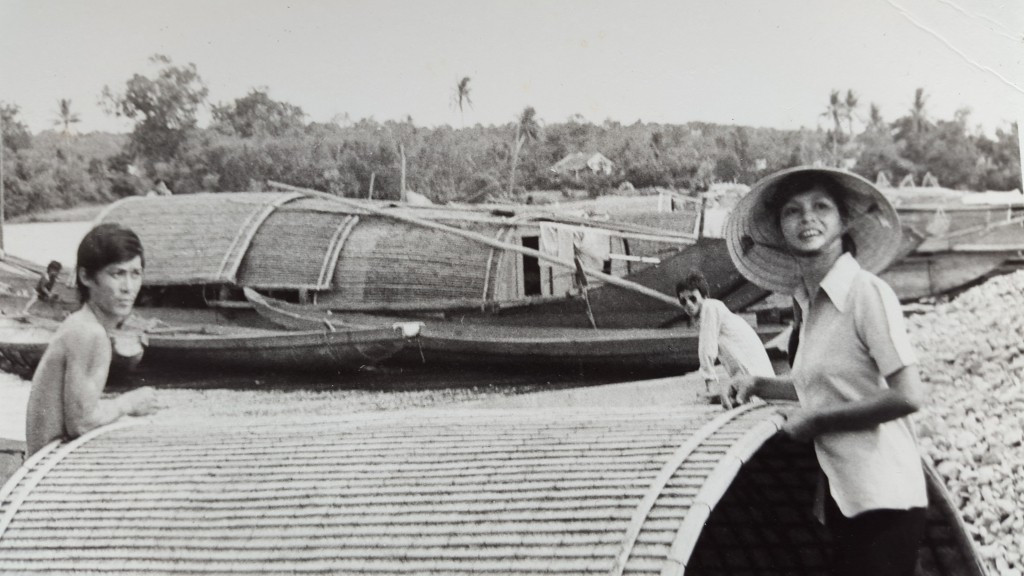
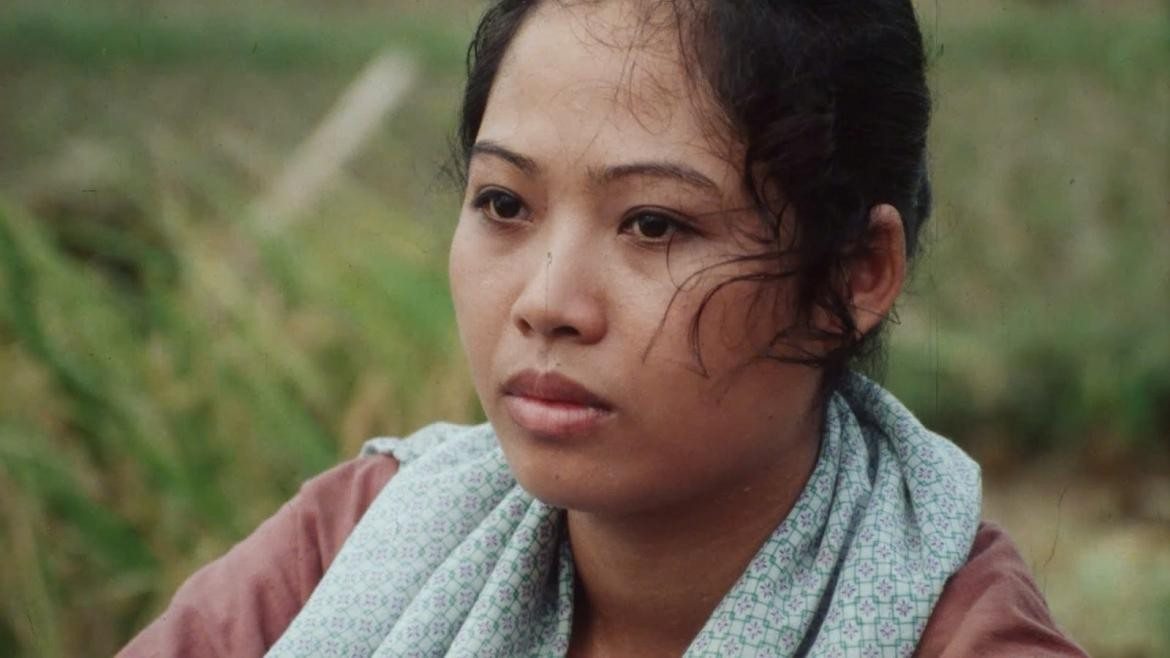
Looking back at more than seven decades of Vietnam’s revolutionary cinema, Meritorious Artist and director Do Thanh Hai, Vice Chairman of the Vietnam Cinema Association, said Vietnam can be proud of an artistic heritage that has closely accompanied the nation’s history. Since its emergence in 1953, revolutionary cinema, through generations, has produced a system of films preserving memories of war, everyday life, people, and Vietnamese identity. From Chung mot dong song (Together on the Same River), Vo chong A Phu (A Phu and His Wife), Con chim vanh khuyen (The Little Seagull), Vi tuyen 17 ngay va dem (The 17th Parallel, Days and Nights) and Den hen lai len (When We Meet Again) to Em be Ha Noi (The Little Girl of Hanoi), Canh dong hoang (The Abandoned Field), Khi me vang nha (When Mother Is Away) and Bao gio cho den thang Muoi (When the Tenth Month Comes), Vietnamese cinema has done more than recording war. More importantly, it has preserved the dignity of Vietnamese people in wartime.
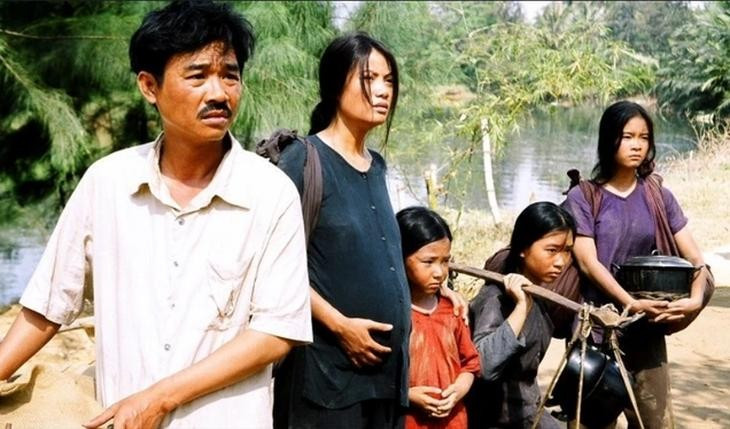
A scene of the film Vo chong A Phu (A Phu and His Wife) (Photo: VNA)
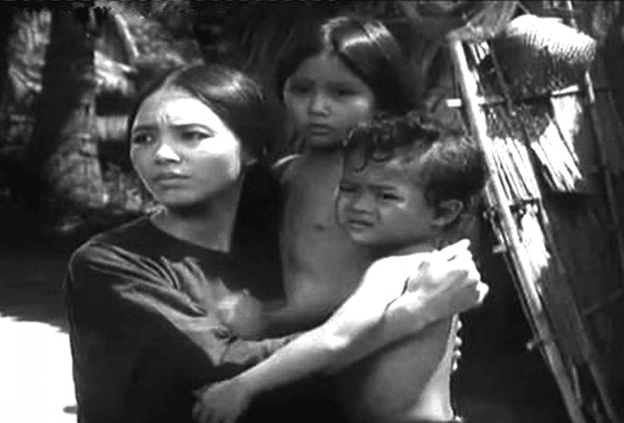
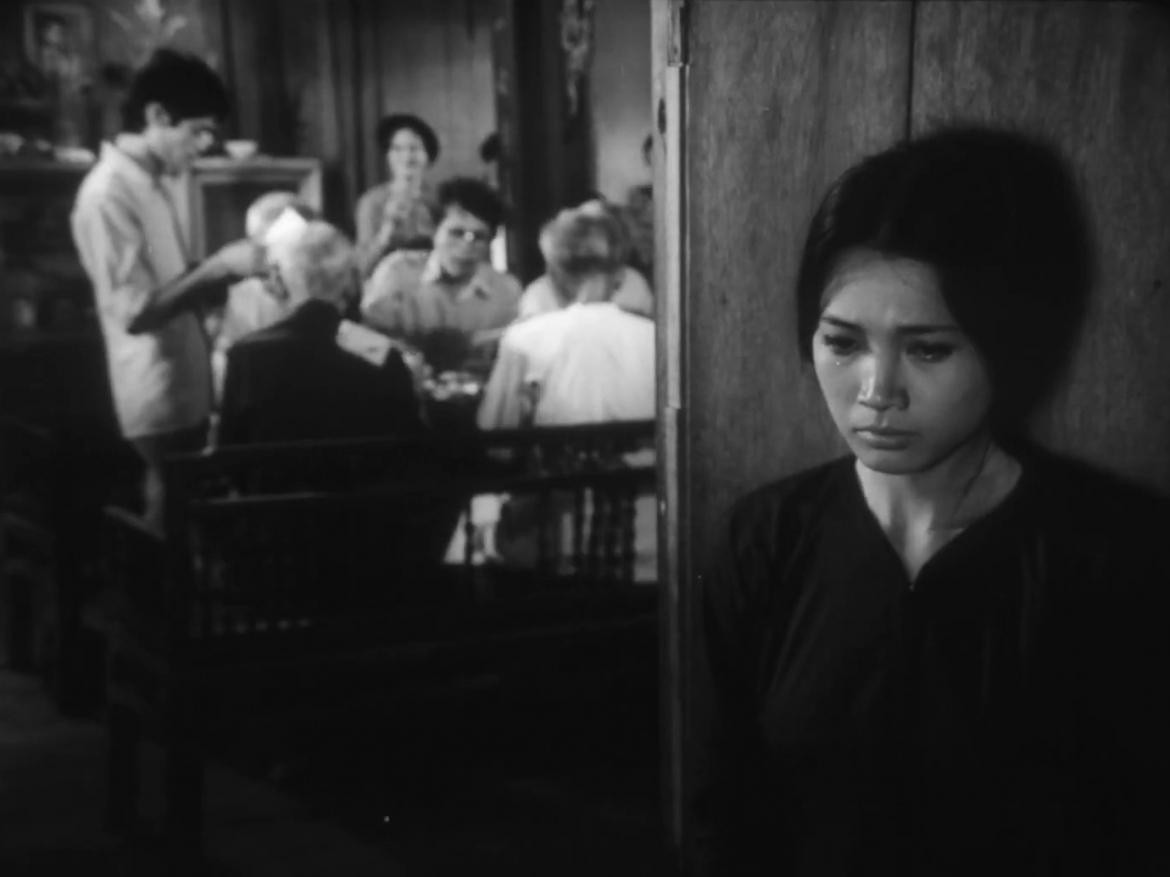
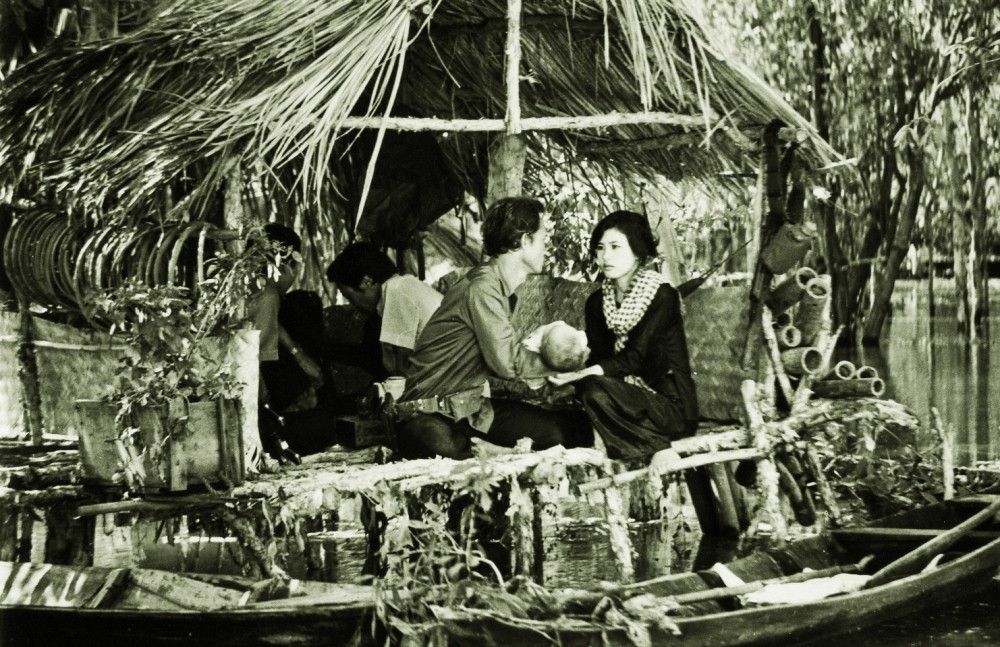
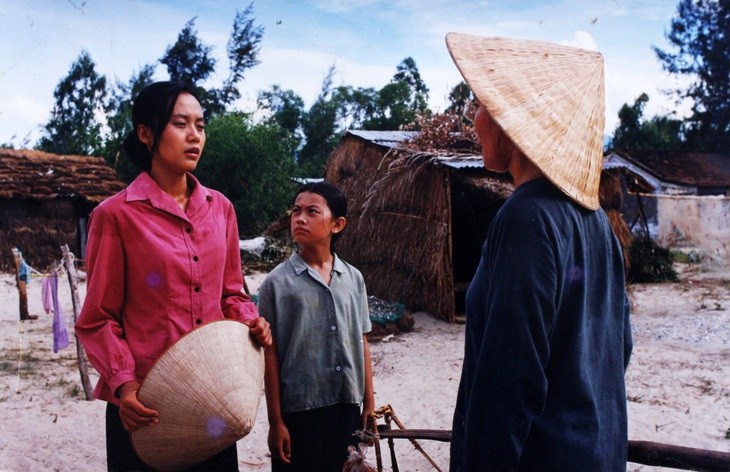
Hai cited The Abandoned Field as an example of the power of cinematic language. The film makes audiences remember war not only through gunfire but also through the image of a southern family living amid flooded fields, with their fragile lives threatened by circling helicopters. Meanwhile, When the Tenth Month Comes does not portray the consequences of war through casualty figures. Instead, it tells the story of a woman who conceals news of her husband's death to protect his old father. Through such individual stories, cinema moves from the “history of events” to the “history of the human soul”.
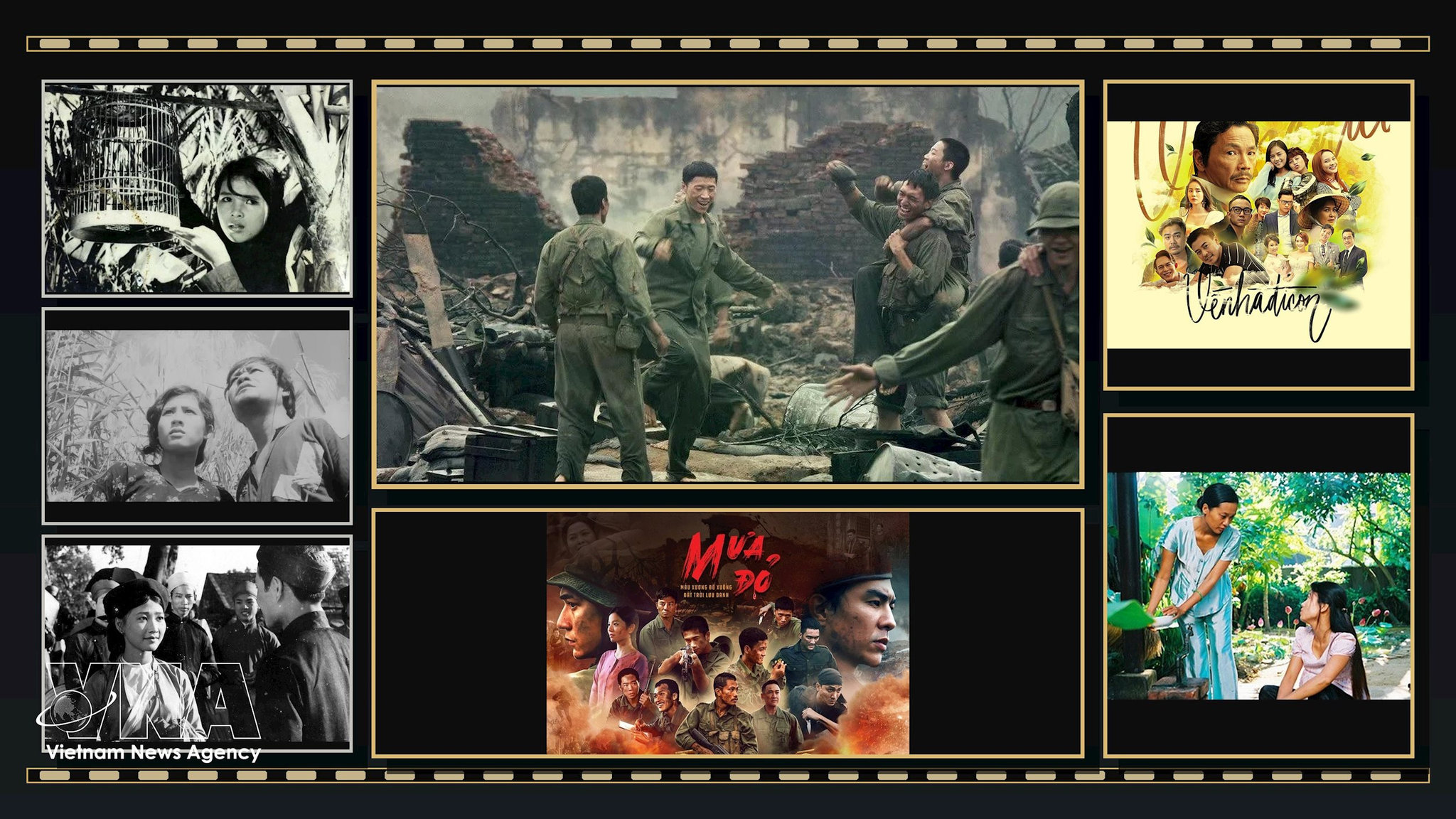
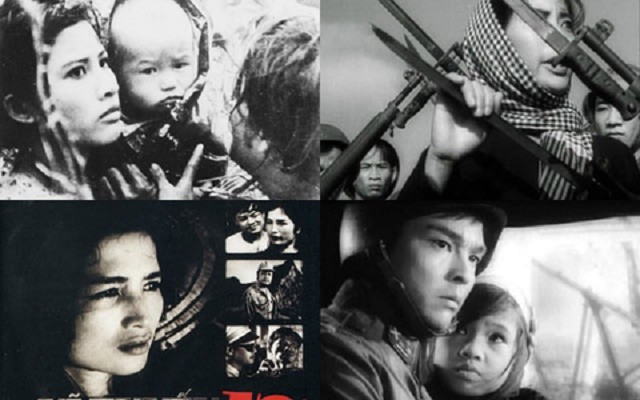
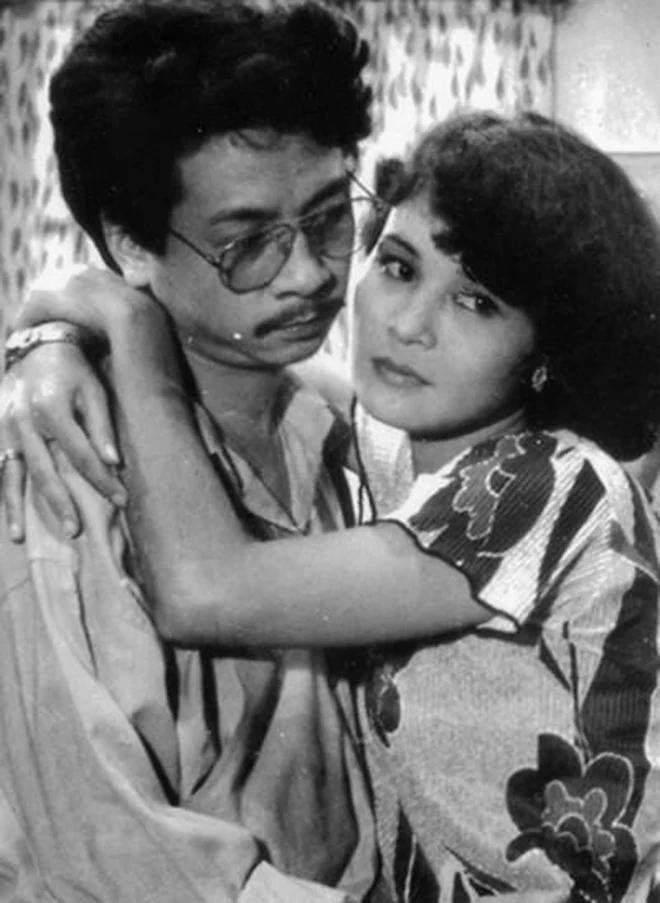
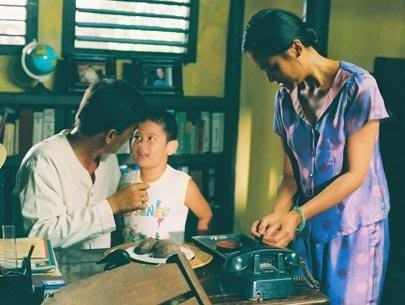
Canh dong hoang (The Abandoned Field) (File photo)Vi tuyen 17 ngay va dem (The 17th Parallel, Days and Nights) (Photo: Vietnam Cinema Department) Khi me vang nha (When Mother Is Away) (Photo: Vietnam Cinema Department)Em be Ha Noi (The Little Girl of Hanoi) (Photo: Vietnam Cinema Department)Den hen lai len (When We Meet Again) (File photo)Bao gio cho den thang Muoi (When the Tenth Month Comes) (Photo: Vietnam Cinema Department)Chung mot dong song (Together on the Same River) (Photo: Vietnam Cinema Department)Canh dong hoang (The Abandoned Field) (Photo: Vietnam Cinema Department)
After peace was restored, Vietnamese cinema continued to explore the consequences of war, memory, fate, reconciliation, and human dignity through films such as Huyen thoai ve nguoi me (Legend of a Mother), Doi cat (Sand Life), Co gai tren song (The Girl of the River), Tuong ve huu (The Retired General), Trang noi day gieng (Moon at the Bottom of the Well), Nga ba Dong Loc (Dong Loc Junction), and Thuong nho dong que (Nostalgia for the Countryside). According to Hai, what is most valuable is that these films do not tell audiences to “love their country”. Instead, they tell stories that make viewers feel that love themselves. Toi thay hoa vang tren co xanh (Yellow Flowers on the Green Grass) offers a different approach, turning memories into deep emotions and inspiring young people to love their homeland through simple things – a coastal village, a field, or a first love.
Co gai tren song (The Girl of the River) (File photo)Tuong ve huu (The Retired General) (File photo)Trang noi day gieng (Moon at the Bottom of the Well) (File Photo)Doi cat (Sand Life) (Photo: VTV)Thuong nho dong que (Nostalgia for the Countryside) (Photo: VTV)
Some outstanding Vietnamese movies produced after peace was restored. (Photos: VTV)
Through their films, generations of Vietnamese filmmakers have transmitted a common message: A nation can preserve its historical memory only when future generations not only know what happened to their country, but also understand why those memories matter to their lives and families, and how they should live up to the values passed down to them.
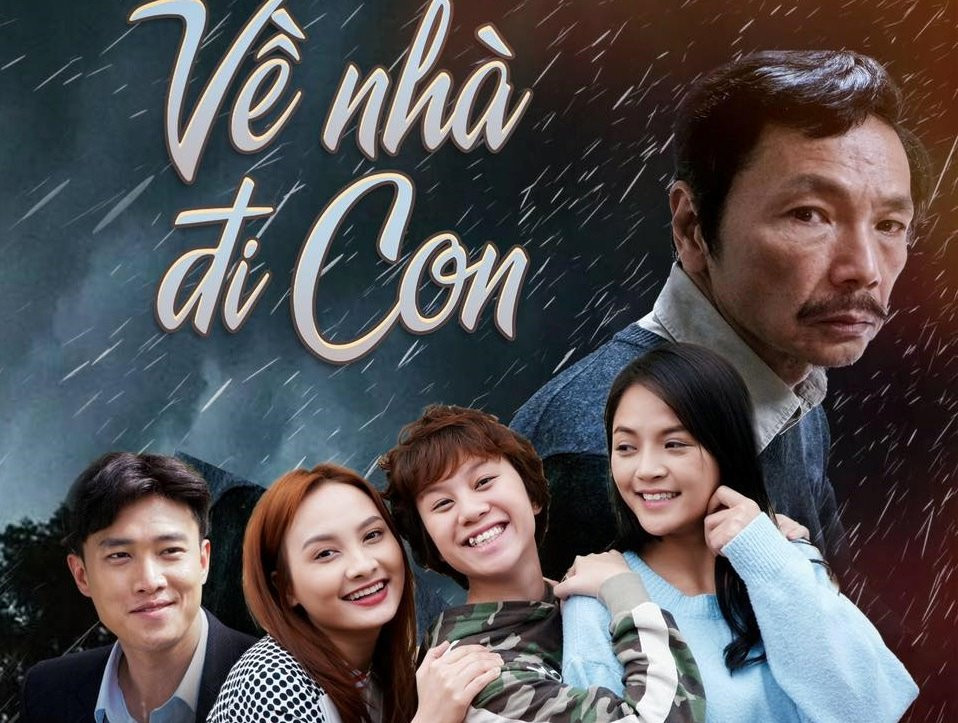
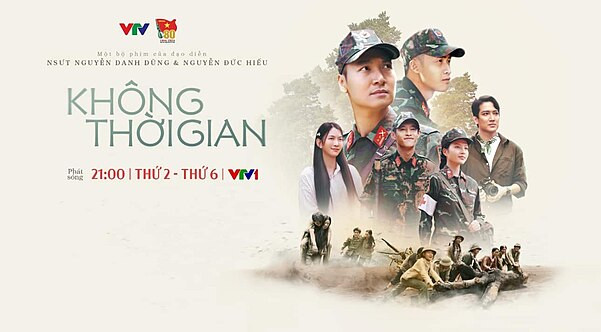
The television series Ve nha di con (The Way Home) (Photo: VTV)A poster of the film Khong thoi gian (No Time) (Photo: VTV)
As audiovisual technology develops and the way audiences consume content changes, television continues to play this role, with the advantage of staying connected with viewers over time. The television series Ve nha di con (The Way Home) does not directly address national solidarity, but the story of a father and his three daughters highlights core values of a Vietnamese family: responsibility, tolerance, forgiveness, intergenerational bonds, and the importance of family as a place to return to. In Khong thoi gian (No Time), the image of Uncle Ho’s soldiers is portrayed across both wartime and peacetime, from the search for the remains of fallen soldiers to their readiness to face danger in defending the Fatherland.
Hai said literature, arts, cinema and television help people understand one another and reduce prejudice. They also help younger generations better understand the sacrifices made by their ancestors and encourage those who are more fortunate to see life from the perspective of disadvantaged people. In doing so, they help strengthen trust, build social consensus and encourage practical action for the community.
Changing the way history is told
“
A film or television programme may not change society overnight, but it can change the way a person sees an issue, nurture a belief and reinforce standards of behaviour. These small changes can gradually lead to changes in community behaviour. From this perspective, literature and arts not only accompany society but also serve as a special resource for building social consensus. This is an expression of the soft power of culture.
Meritorious Artist and director Do Thanh Hai, Vice Chairman of the Vietnam Cinema Association
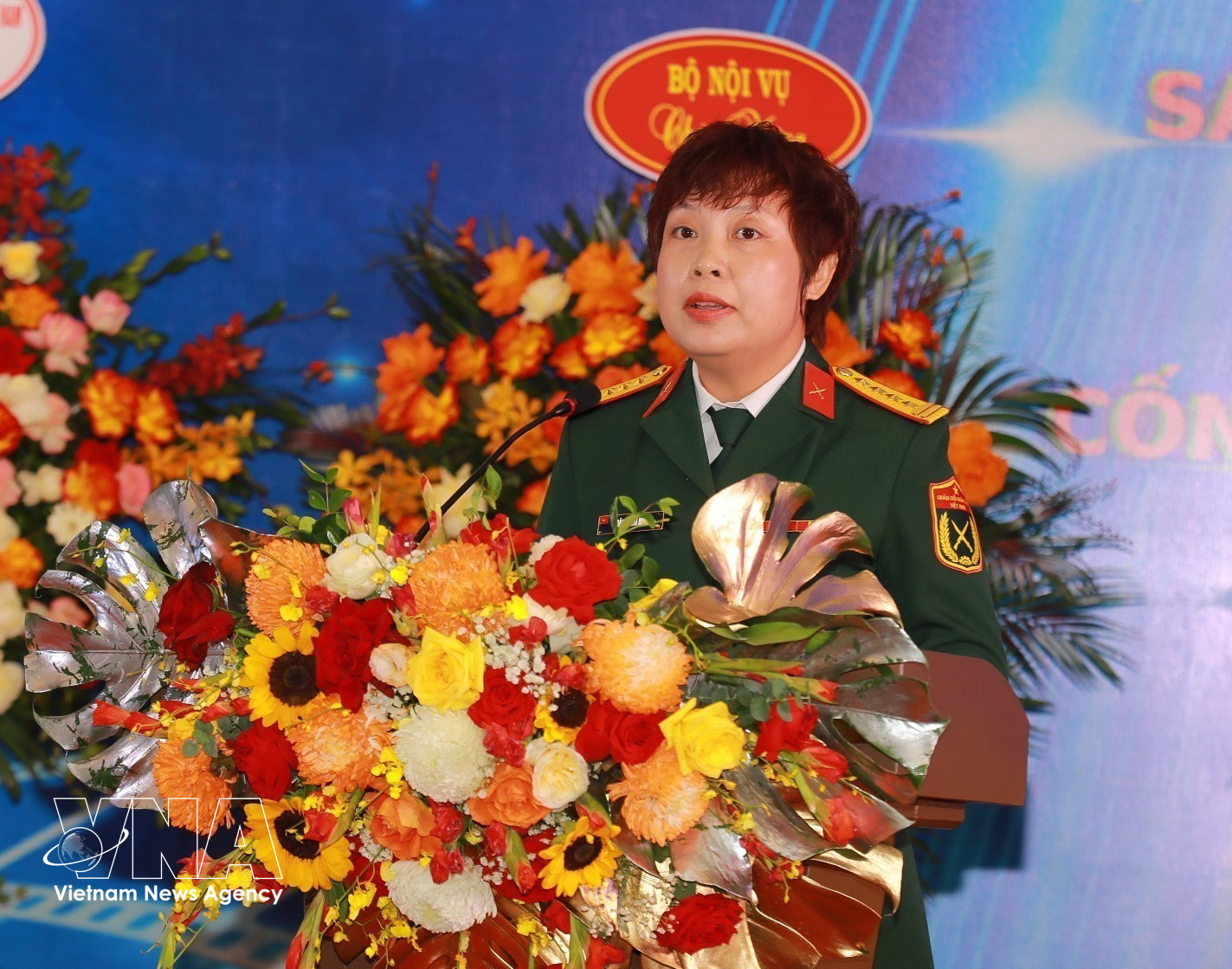
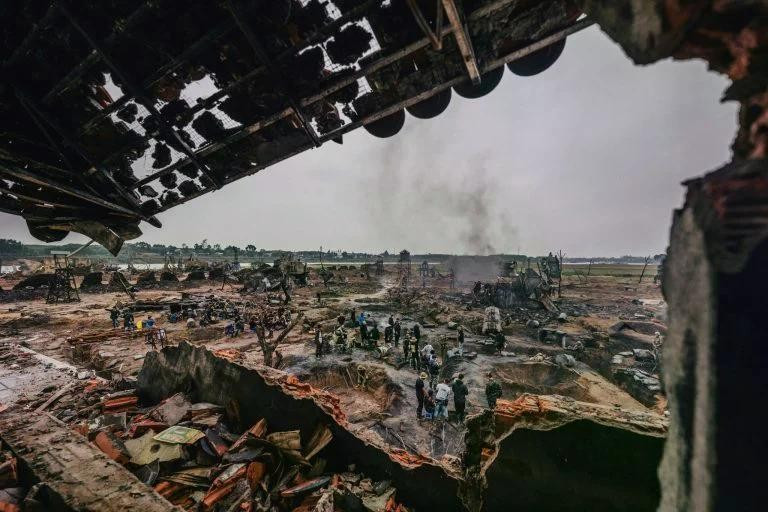
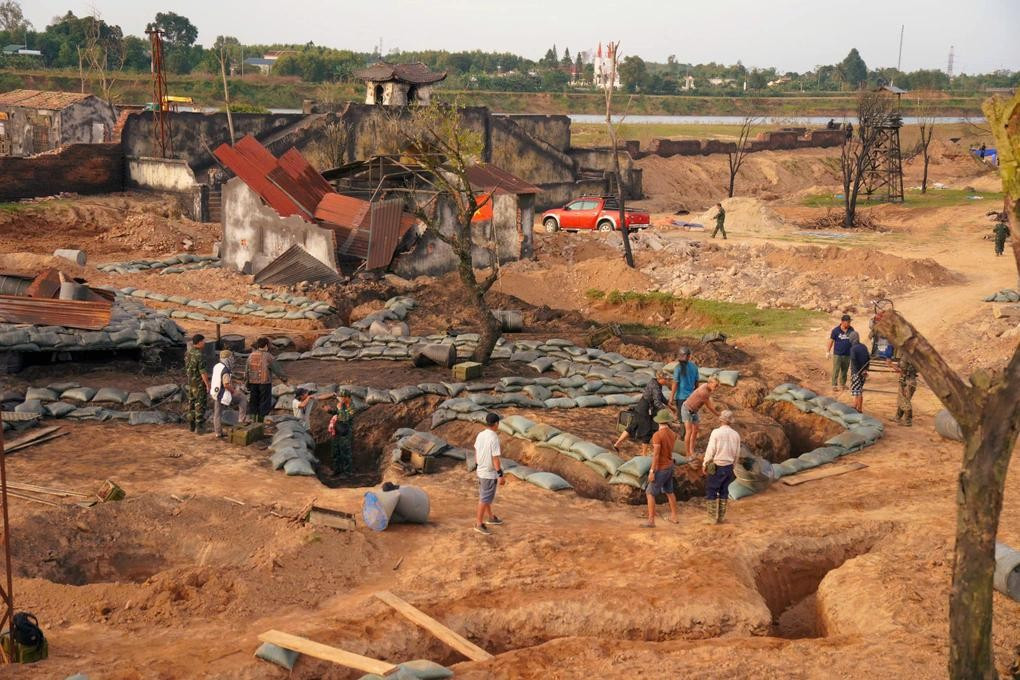
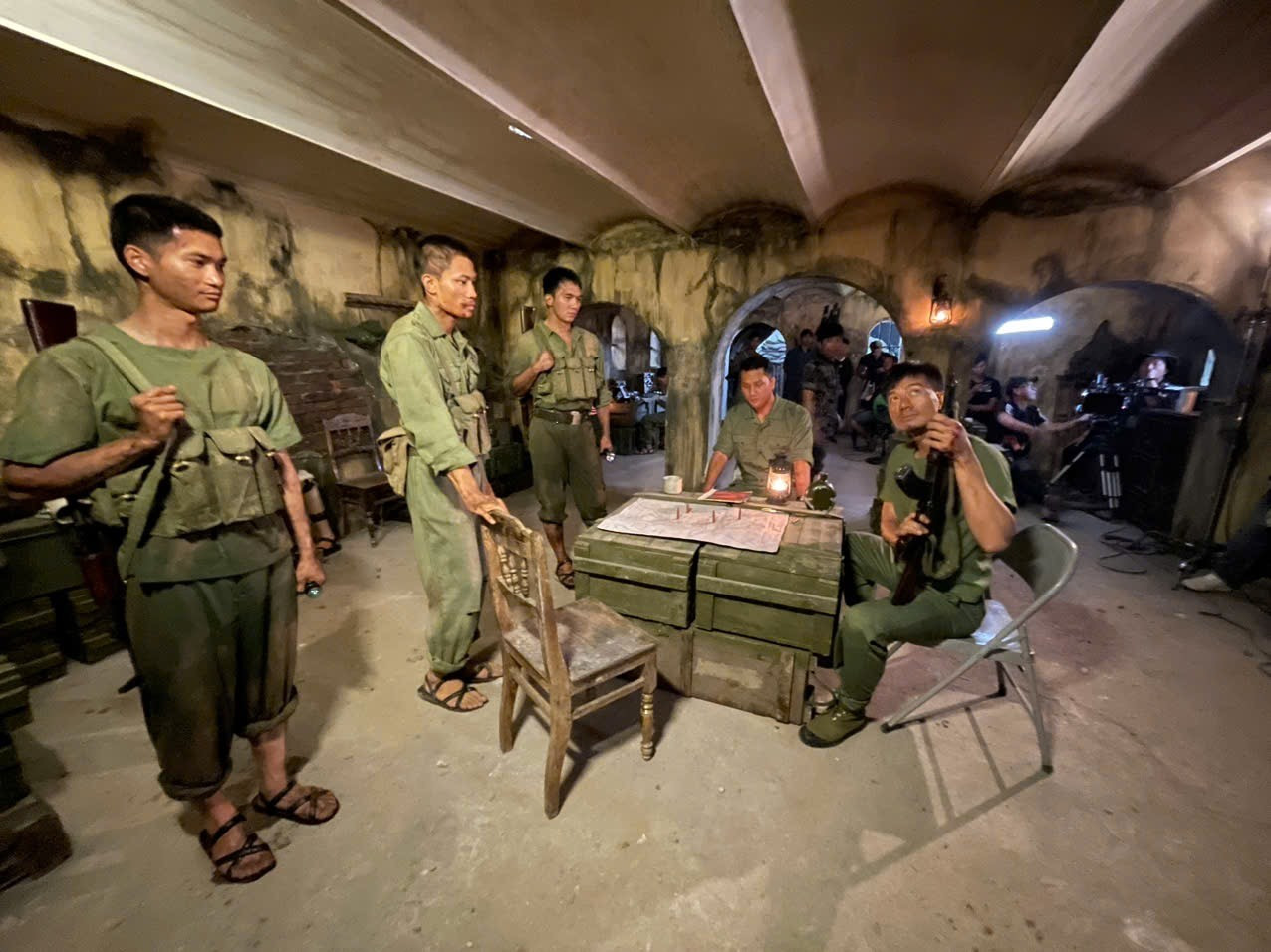
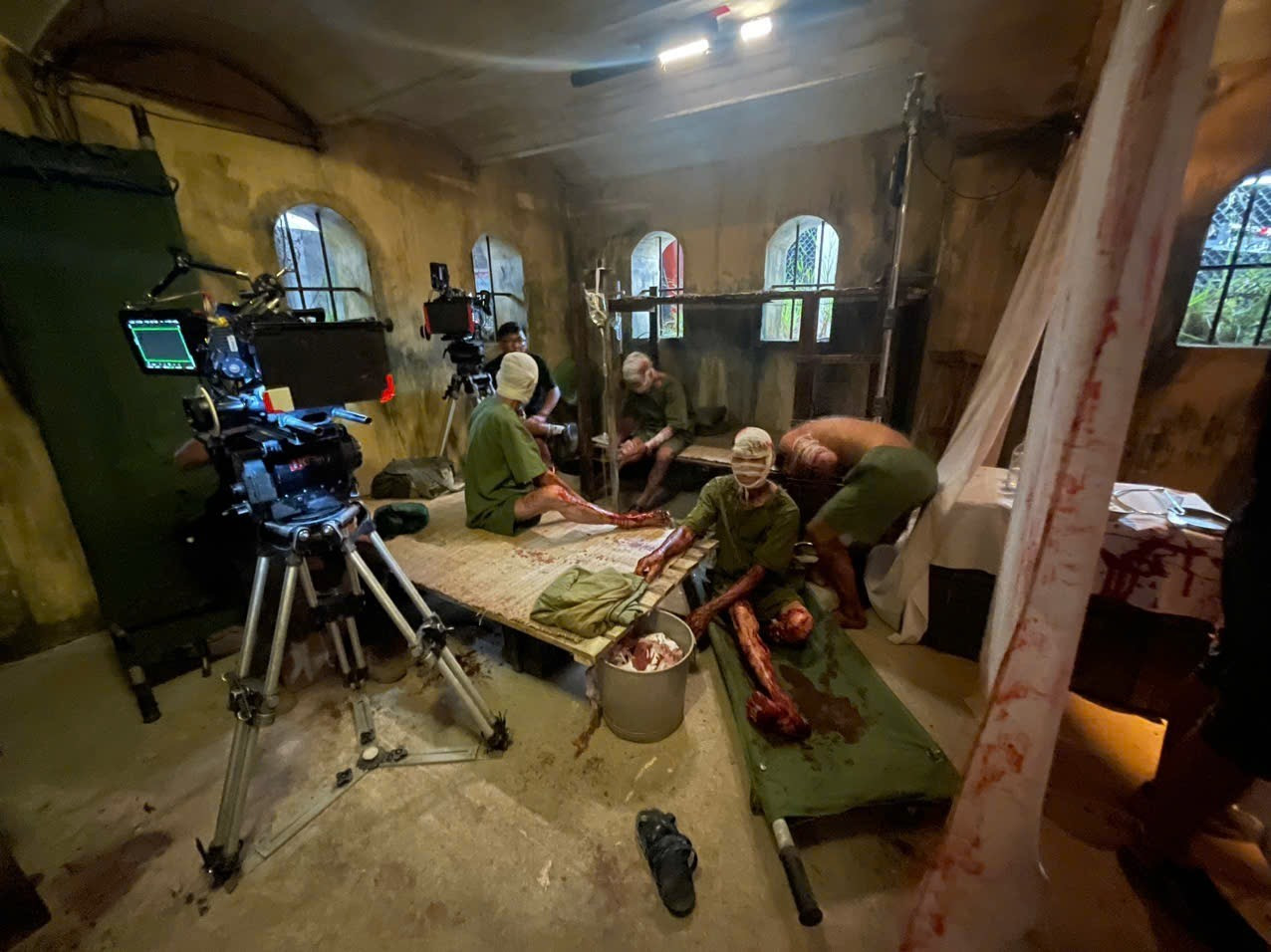
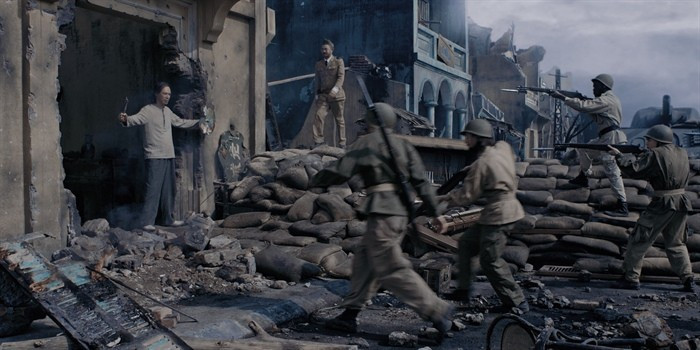
Colonel and Meritorious Artist Dang Thai Huyen, director of Mua do (Red Rain), said historical and revolutionary war films, regardless of their artistic language, must ultimately tell truthful stories about human lives. From her experience making Red Rain, she said the most haunting scenes were not necessarily the film's large and complex battle sequences, but emotional moments such as the burial-at-sea of the character Ta on the Thach Han River, or scenes in which members of Squad 1 read letters from home and talk about missing their mothers and their dreams for the future.
To create realistic scenes for the film Red Rain, the People’s Army Cinema builds a replica of the Quang Tri Ancient Citadel with elaborate and large-scale settings. (Photo: Red Rain film fan page)Đoàn phim nhận được sự ủng hộ nhiệt tình của bà con địa phương. Ảnh: VTVHậu trường xúc động của 'Mưa đỏ'.Ảnh: Fanpage phim Mưa đỏHậu trường xúc động của 'Mưa đỏ'. Ảnh: Fanpage phim Mưa đỏ
Cinema should offer an emotional experience, helping viewers understand what people thought, dreamed of, and chose to do in the most painful and brutal circumstances, she said.
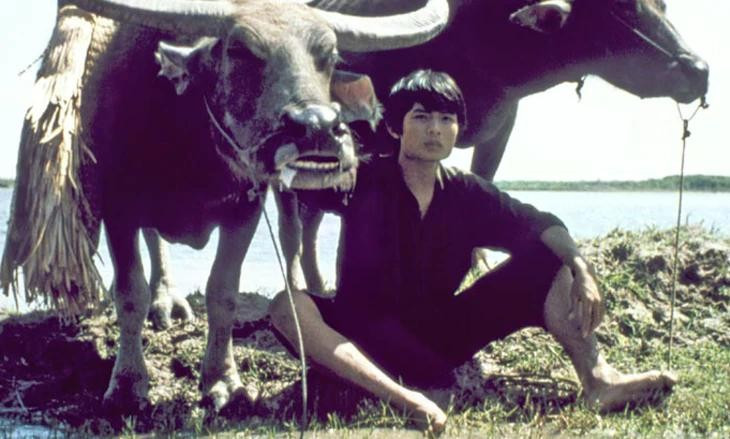
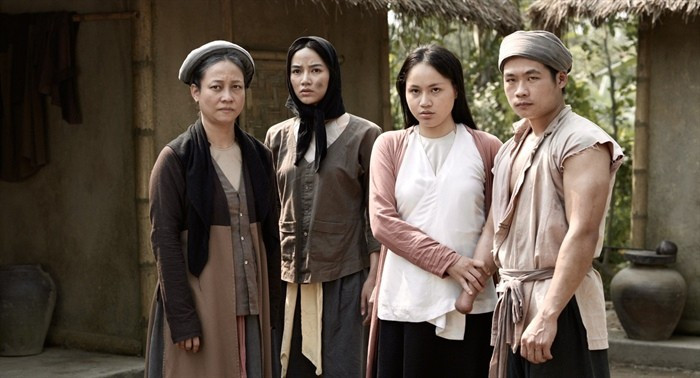
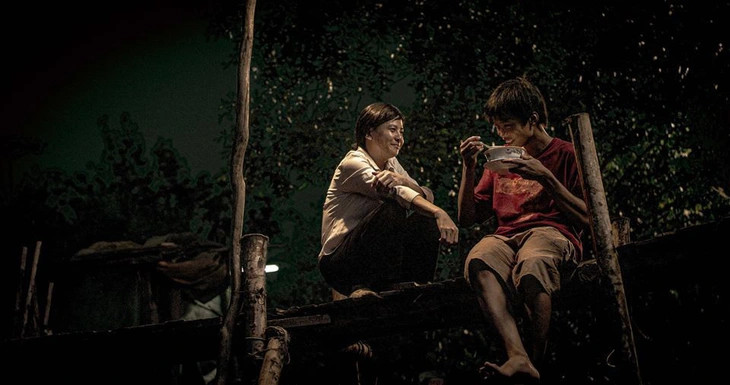
Ao lua Ha Dong (The White Silk Dress) (File Photo)Dao, pho va piano (Peach Blossom, Pho and Piano) (Photo: VTV)Mua len trau (The Buffalo Boy) (File photo)Hong Ha Nu si (Hong Ha Lady of Letters) (File photo)A scene of the film Rom (Photo: VNA)
Vietnamese films have made a strong impact at home and abroad. (Photo: VNA)
“History does not change, but the way we tell history must change,” Huyen stressed. Changing the way history is told does not mean distorting it. Filmmakers must not alter historical events or characters, but should recognise that audiences’ ways of experiencing arts are changing. History can serve as material, a bridge and a catalyst for artists to tell stories about people through the perspective of their own times and generation.
“
History does not change, but the way we tell history must change.
Colonel and Meritorious Artist Dang Thai Huyen
Hai said that in the global competition for people’s attention, particularly among young audiences, filmmakers must create stories rooted in Vietnamese identity that people genuinely want to watch. If Vietnamese stories are not told well enough, other stories will fill the gap. If Vietnamese characters are not made compelling enough, young people will look elsewhere for role models, he said.
Politburo Resolution No. 80-NQ/TW on Vietnamese cultural development defines culture not only as a spiritual foundation but also as an internal resource, a driving force and a regulator of sustainable development, as well as an important component of national soft power. For cinema, this means turning Vietnamese values into stories that Vietnamese people want to watch, remember and share, while making the world want to discover them.
Researchers and filmmakers say historical and revolutionary war films have a particular advantage in this task, as Vietnam possesses a vast reservoir of stories about national construction and defence, patriotism, sacrifice, solidarity, the desire for independence and human dignity. However, valuable historical material does not automatically make a film attractive. To spread these values, a film must first win over its audience.
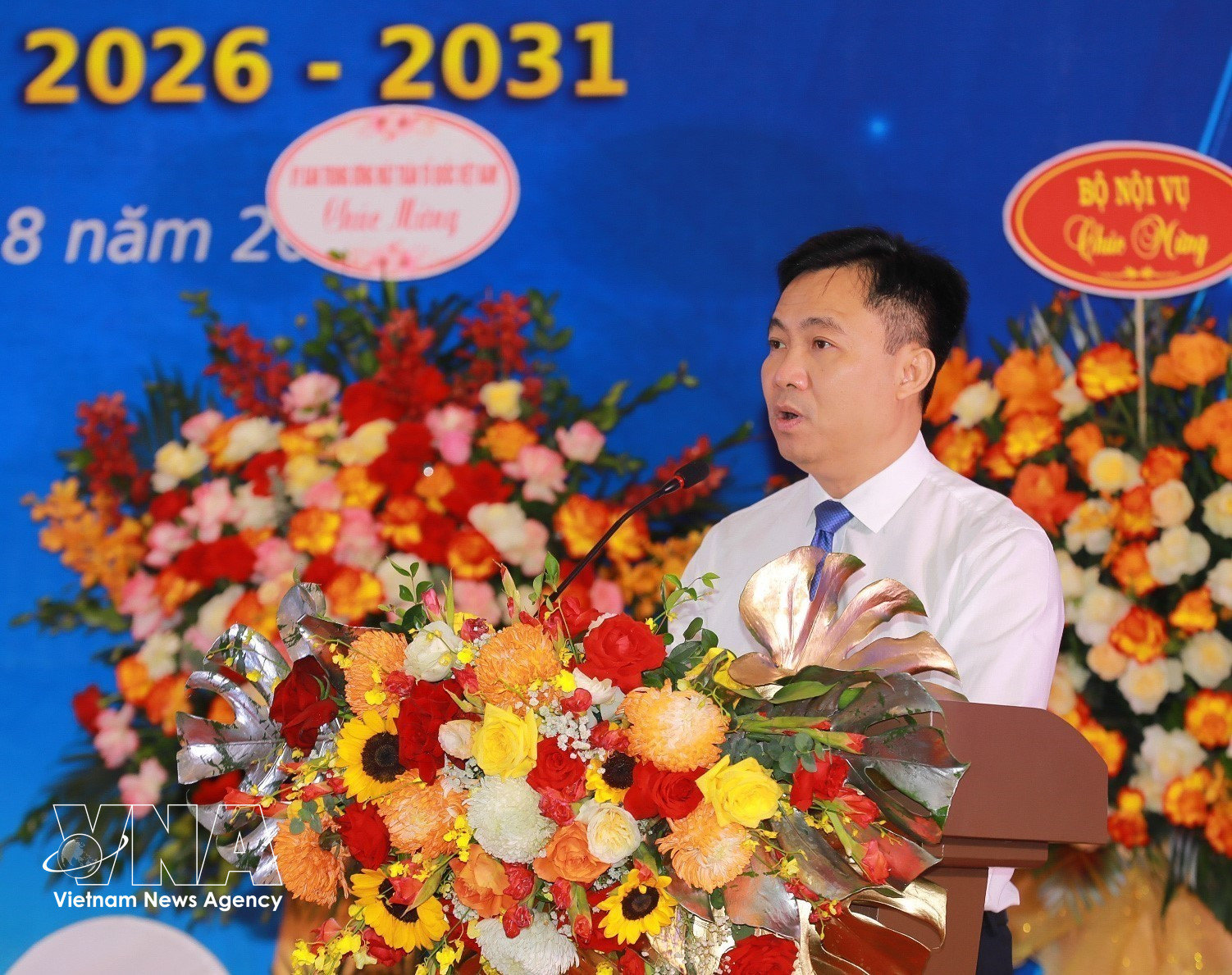
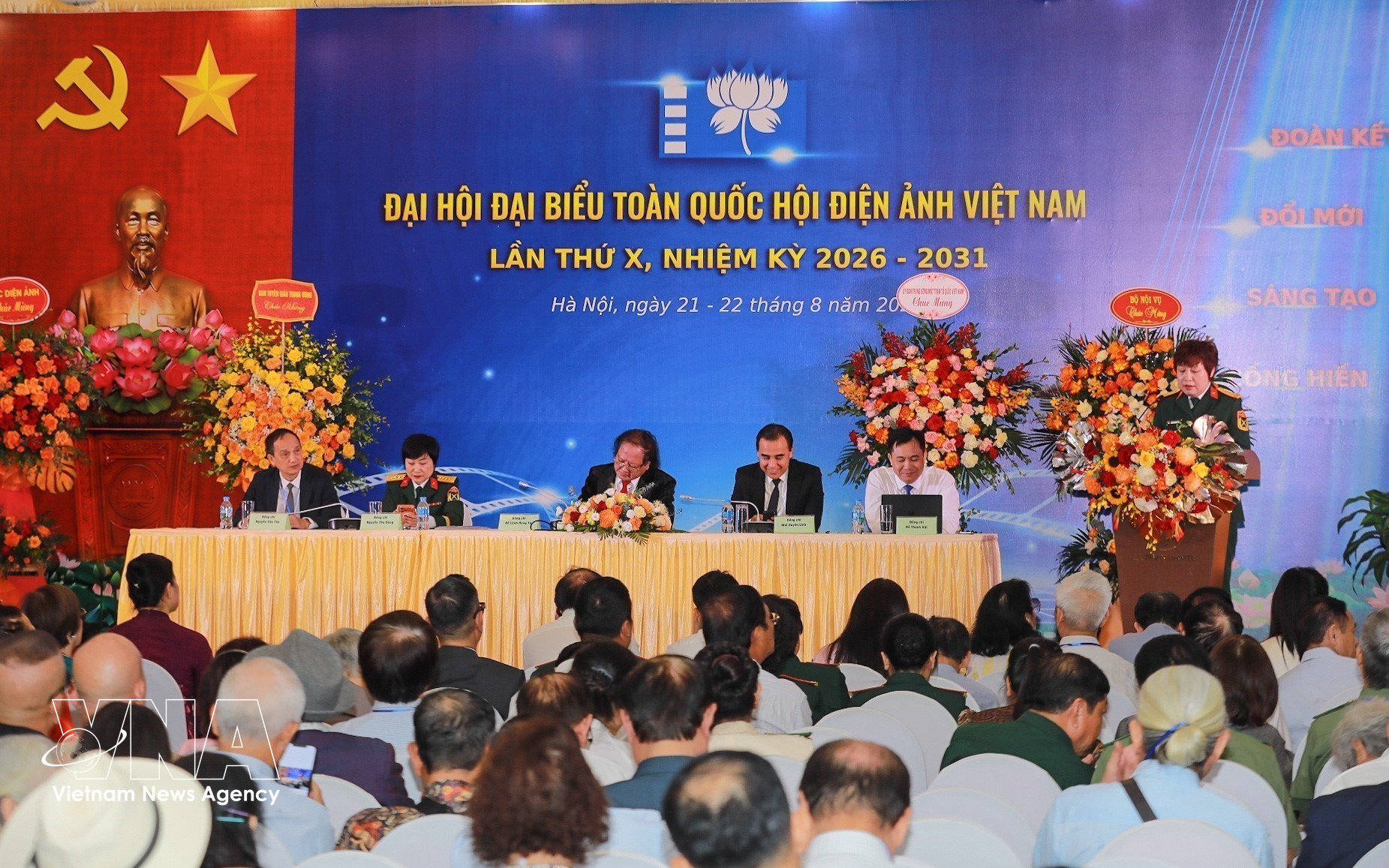
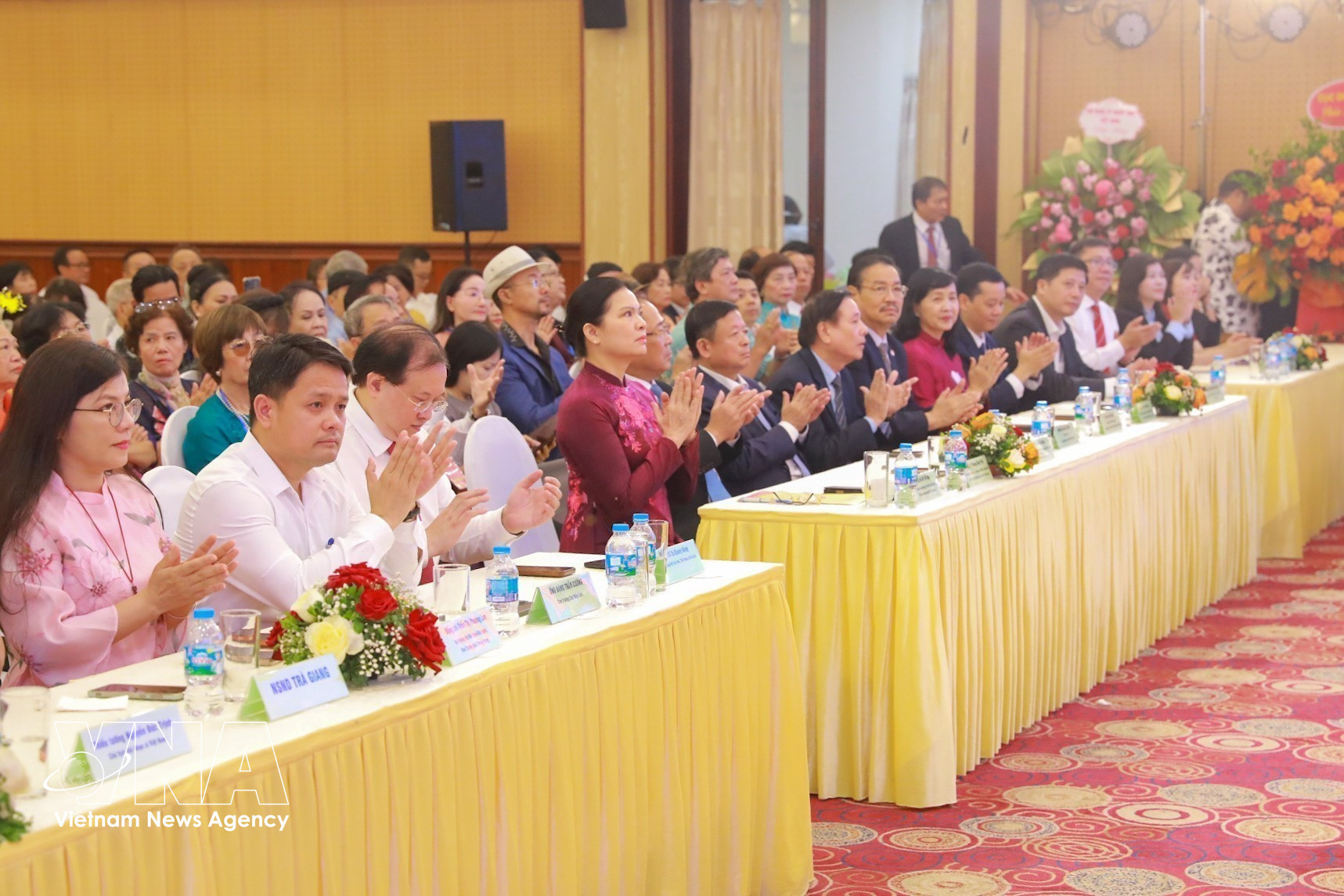
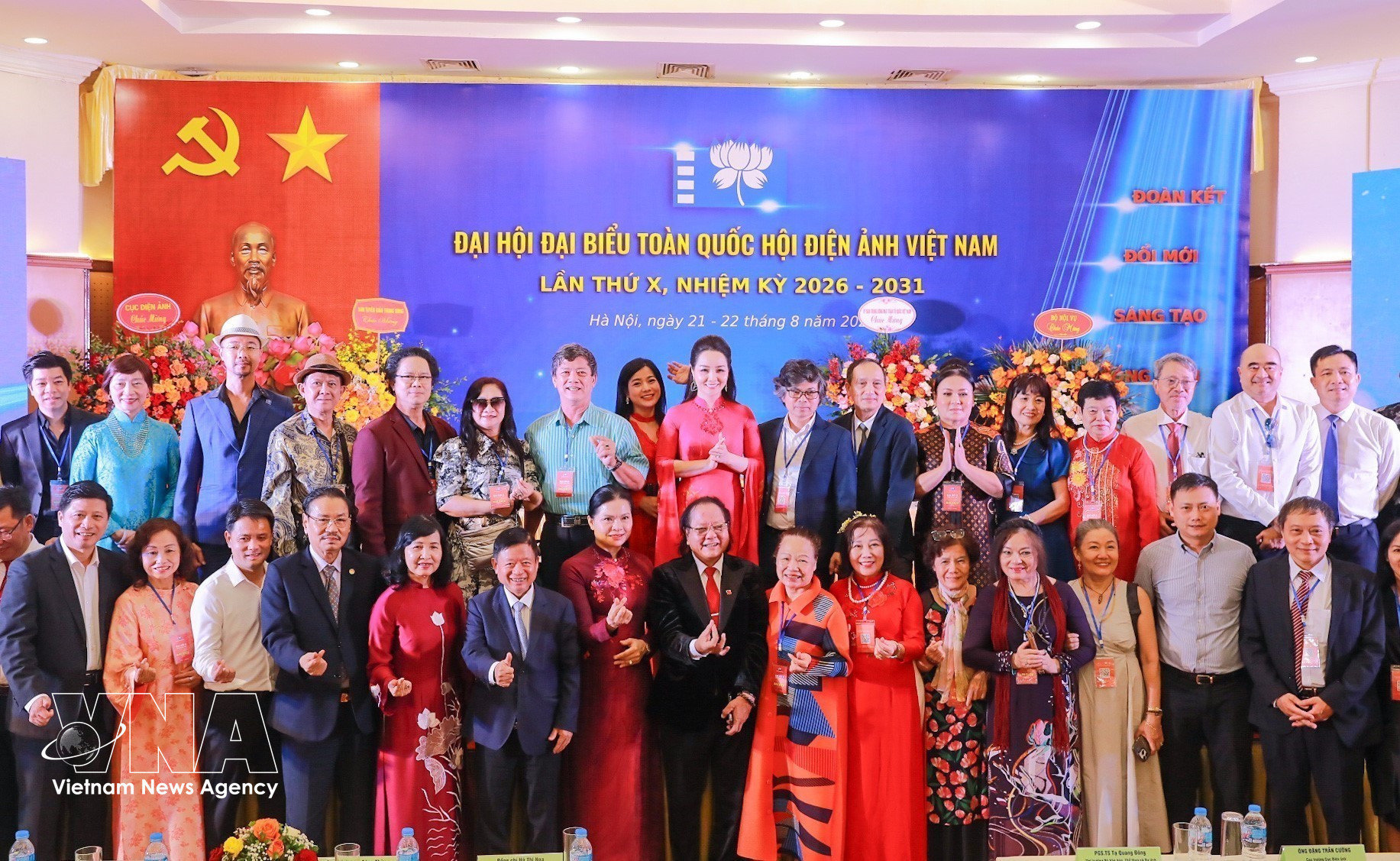
One key task set by the 10th Congress of the Vietnam Cinema Association (VCA) for the 2026-2031 term is to develop a scheme for producing films on history, revolutionary war and national leader themes, as well as experimental works, helping revitalise Vietnamese cinema and prepare for major national anniversaries.
Delegates at the 10th National Congress of the Vietnamese Cinema Association (Photo: VNA)
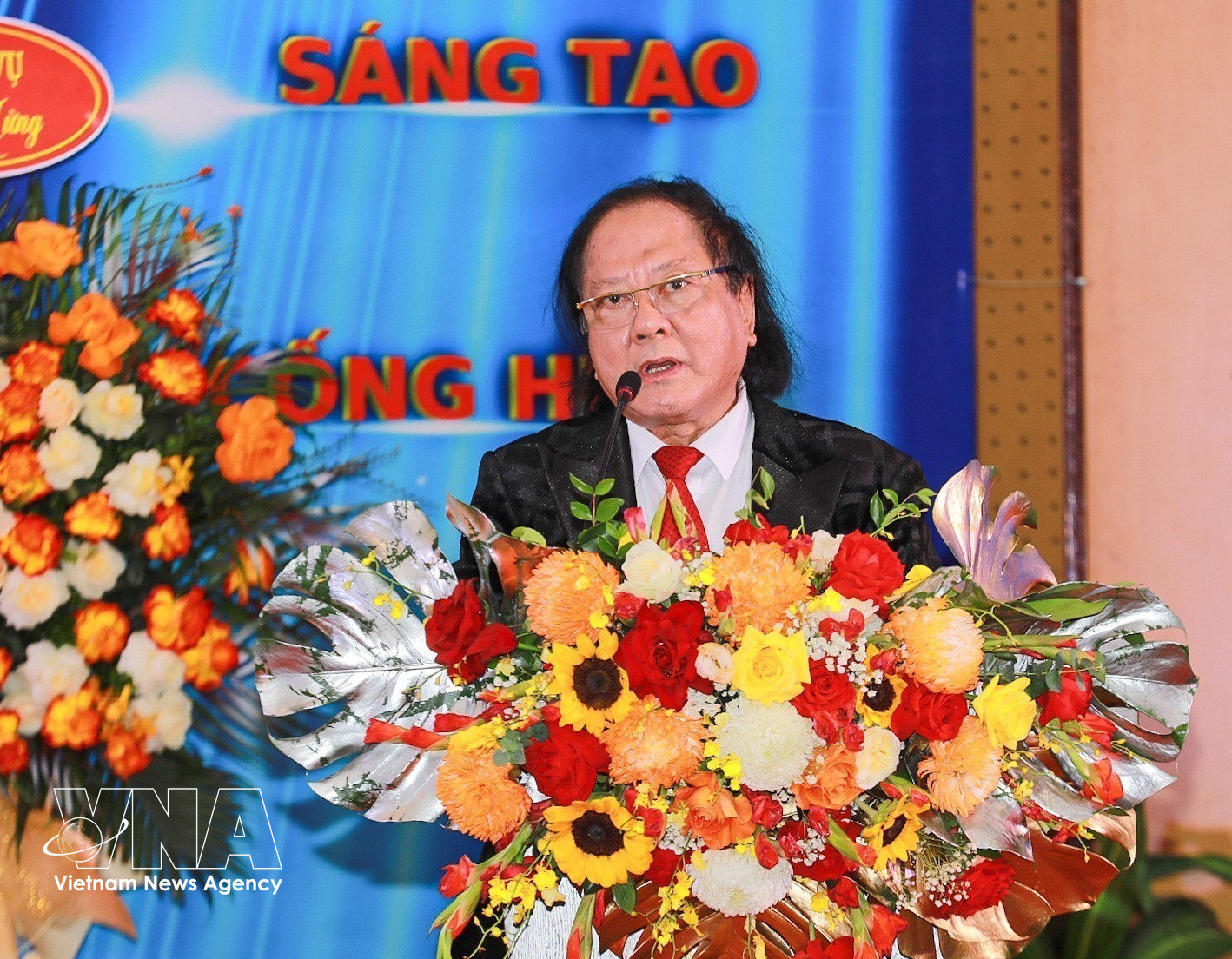
TVCA Chairman Do Lenh Hung Tu said Vietnam has no shortage of valuable historical stories or good scripts, but many scripts remain “in the drawer”. Flexible commissioning mechanisms, rigorous appraisal and investment from the project-development stage are therefore needed to ensure worthy ideas reach the screen, he said. Writing contests, creative camps and professional discussions should also be organised to discover and nurture new ideas, alongside greater support from production centres and investors.
“
Flexible commissioning mechanisms, rigorous appraisal and investment from the project-development stage are therefore needed to ensure worthy ideas reach the screen.
TVCA Chairman Do Lenh Hung Tu
From her professional experience, Huyen called for substantive investment in screenwriters, historical research and creative time.She also proposed developing a shared digital database on history for the film industry, covering events, historical figures, uniforms, weapons and military equipment, architecture, terrain, maps, photographs and documentary footage. A scientifically organised, digitised and verified database will help film crews avoid starting their research from scratch, reduce costs and preparation time, and minimise disputes over historical details.
Hai stressed that a strong country should not only have a large economy but also possess values that make its people proud and earn the respect of the world. Cinema and television, through the power of storytelling and the ability to create compelling characters, can contribute to building those values. This is the soft power that can showcase Vietnamese culture and people in the new era./.
Cinema is a kind of soft power contributing to Vietnamese cultural and human values in the new era. (Photo: VNA)
Bình luận của bạn đã được gửi và sẽ hiển thị sau khi được duyệt bởi ban biên tập.
Ban biên tập giữ quyền biên tập nội dung bình luận để phù hợp với qui định nội dung của Báo.