
Gửi bình luận
LongForm
500-day campaign helps heal the wounds of war through meaningful acts
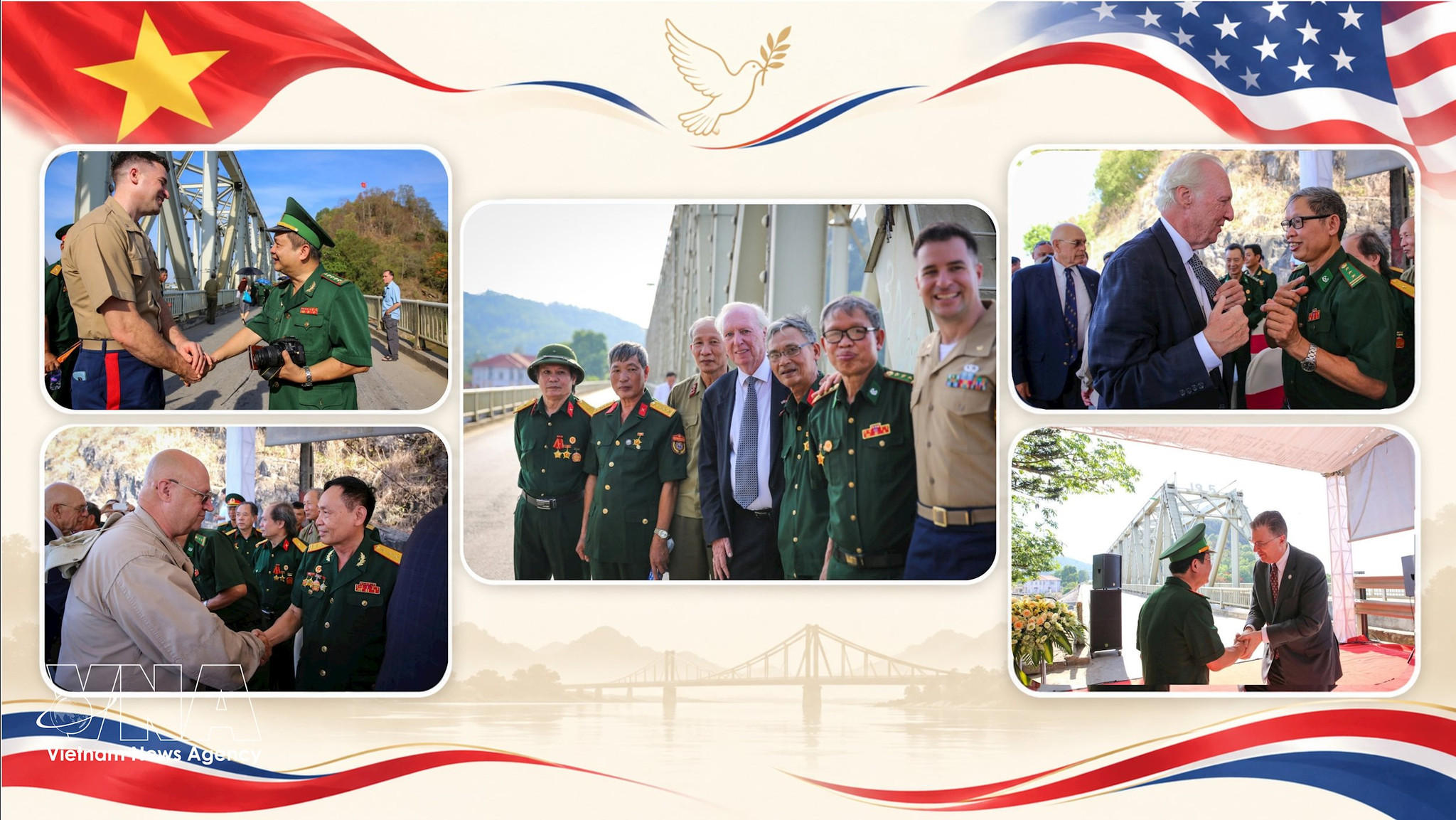
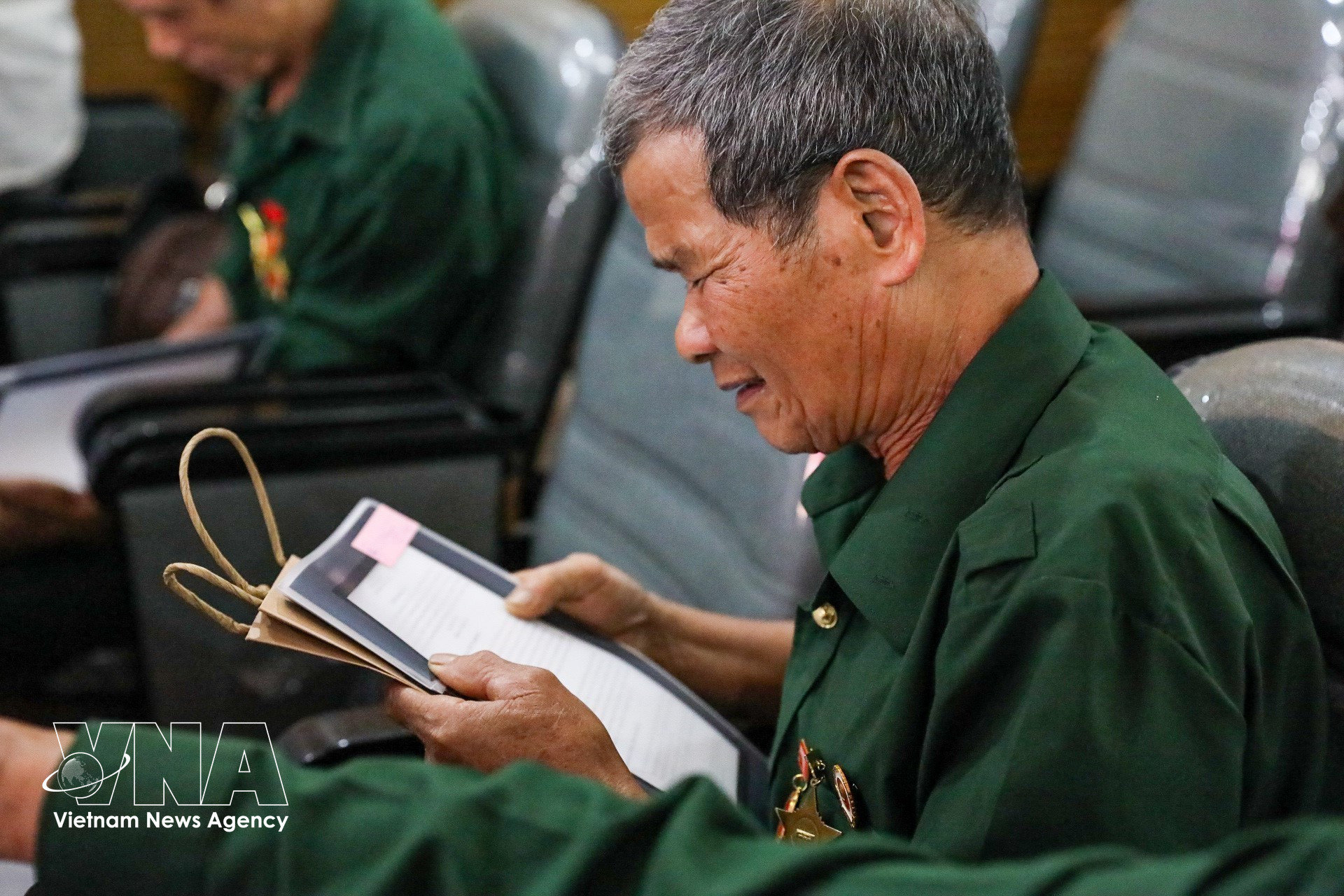
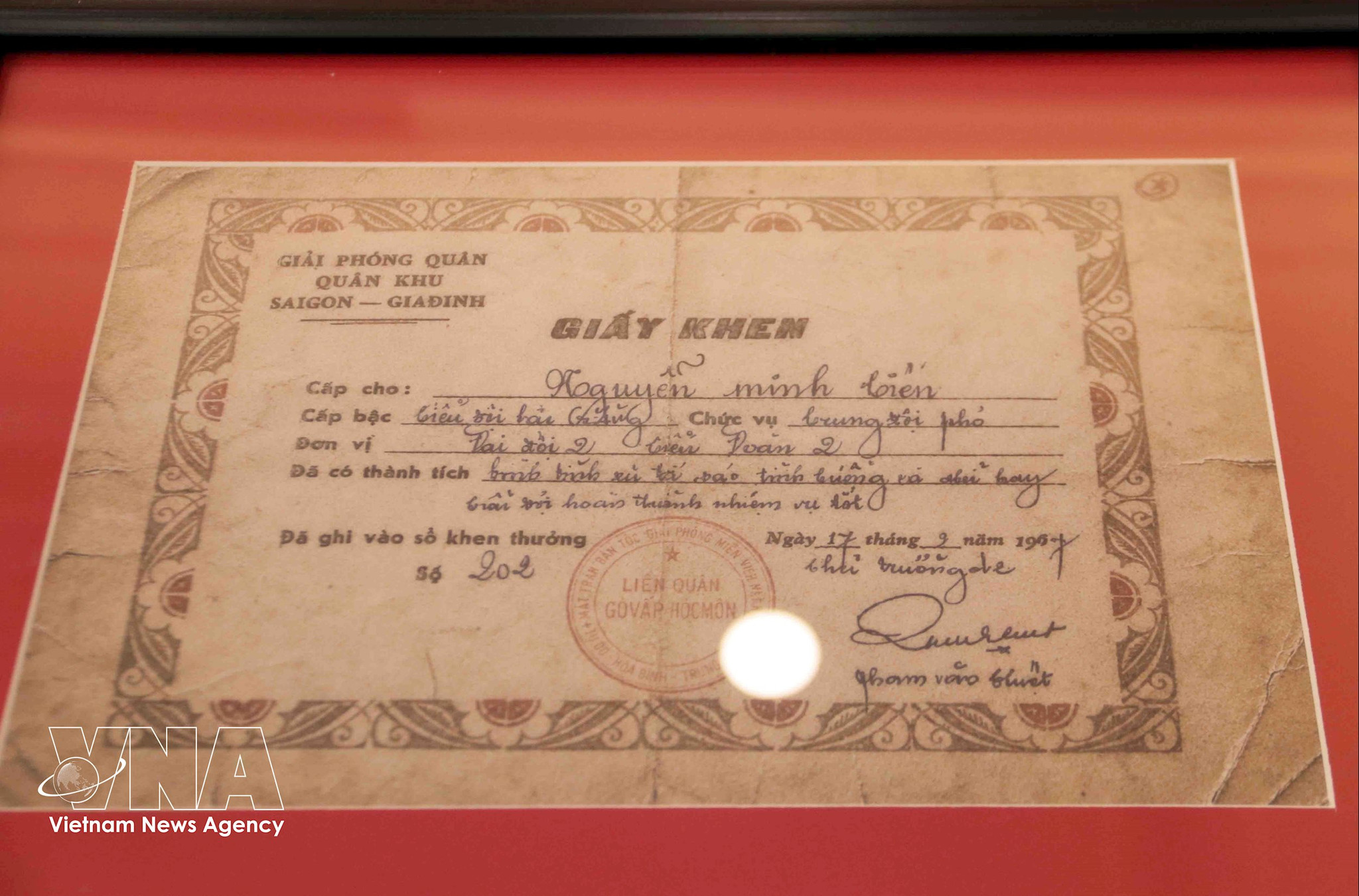
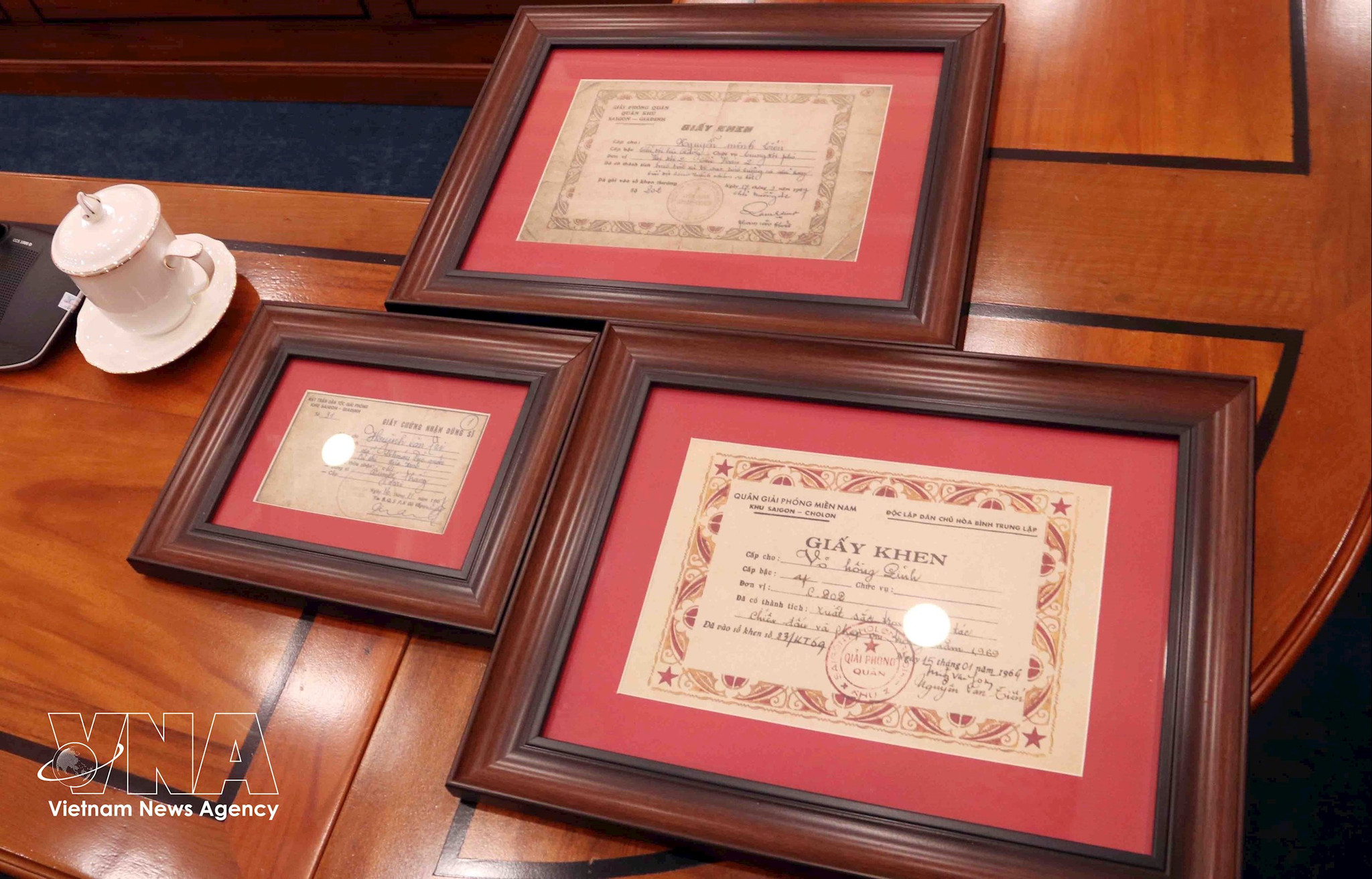
A son receives his father’s memorabilia 56 years later. A family receives information for the first time about a father who disappeared more than half a century ago. Files once kept in archives in the US return to Vietnam. They may be nothing more than a few sheets of paper, a decision, a certificate, a stroke of a pen or the designation of a military unit. But for families that have waited for decades, such small things can be precious final traces of their loved ones.
Behind the return of these files and memorabilia lies a larger story, the story of Vietnam and the US moving from war to reconciliation, from wounds to cooperation, and from memories of division to the bridges of today.
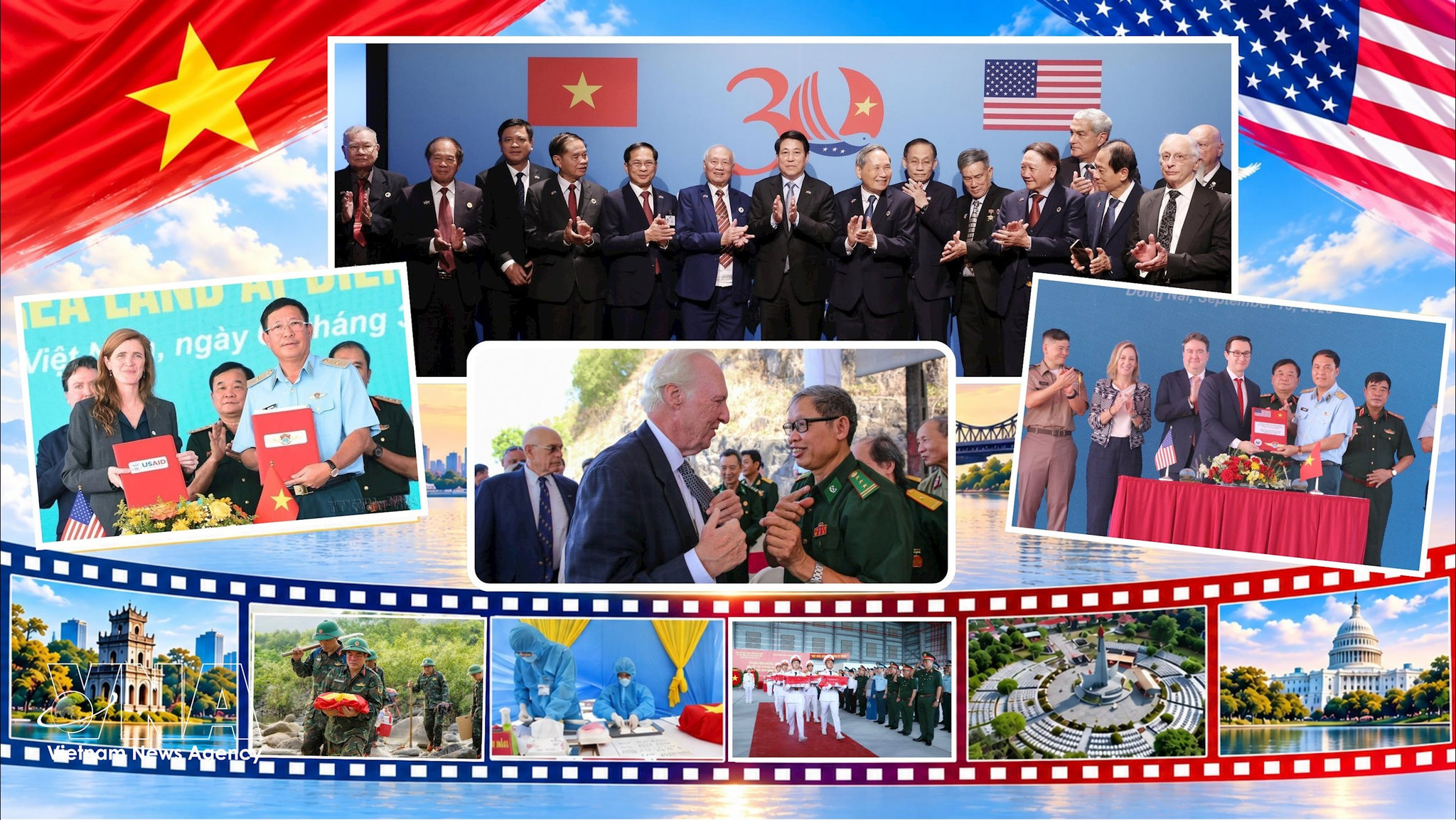
Three decades after establishing diplomatic relations, alongside figures on trade, investment, and increasingly broad cooperation frameworks, another quiet but profound change has taken place. People who once stood on opposite sides of the war are now working together to search for the missing, return memorabilia, share records and help Vietnamese families recover traces of loved ones that seemed to have been erased by time
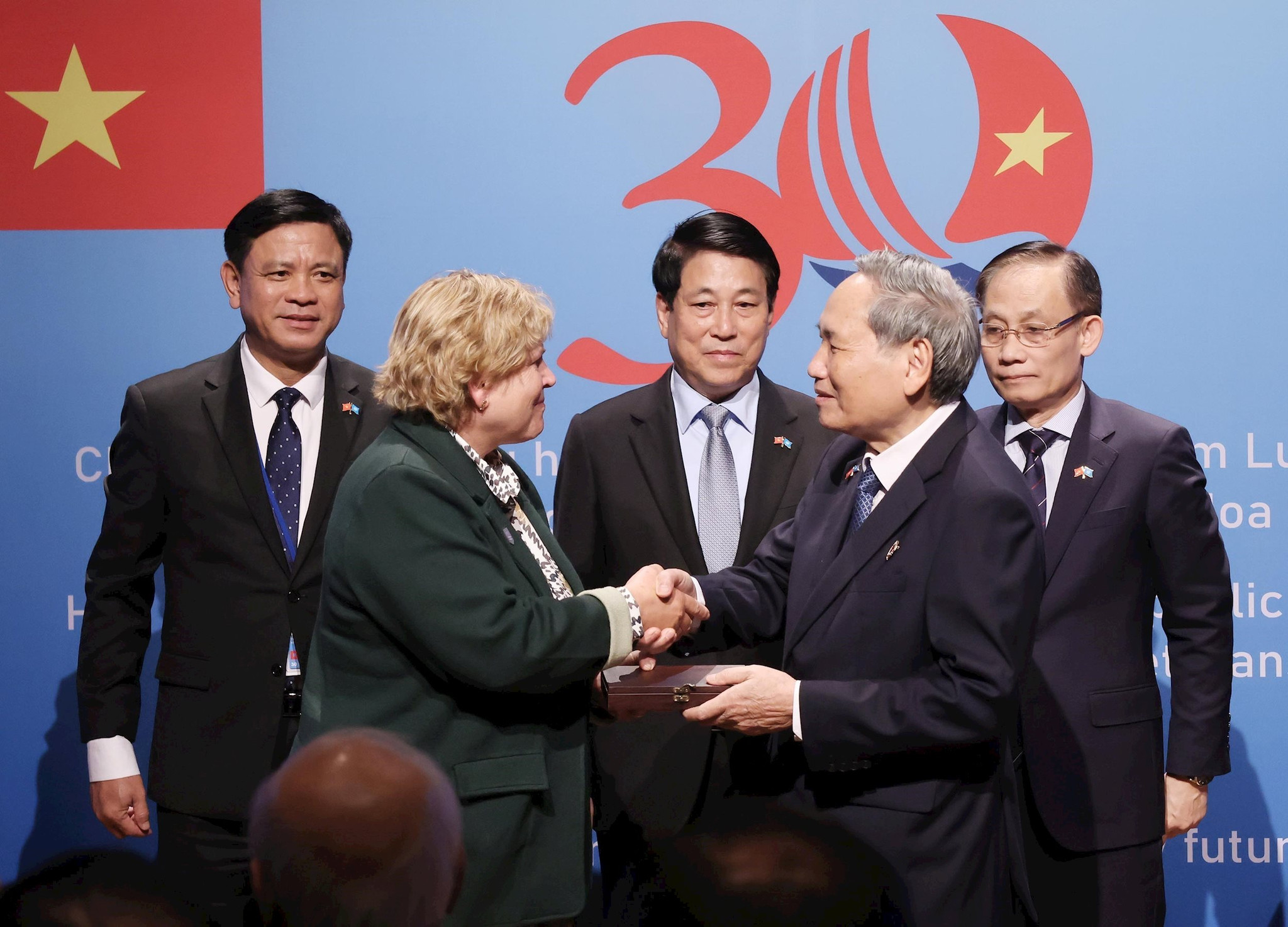
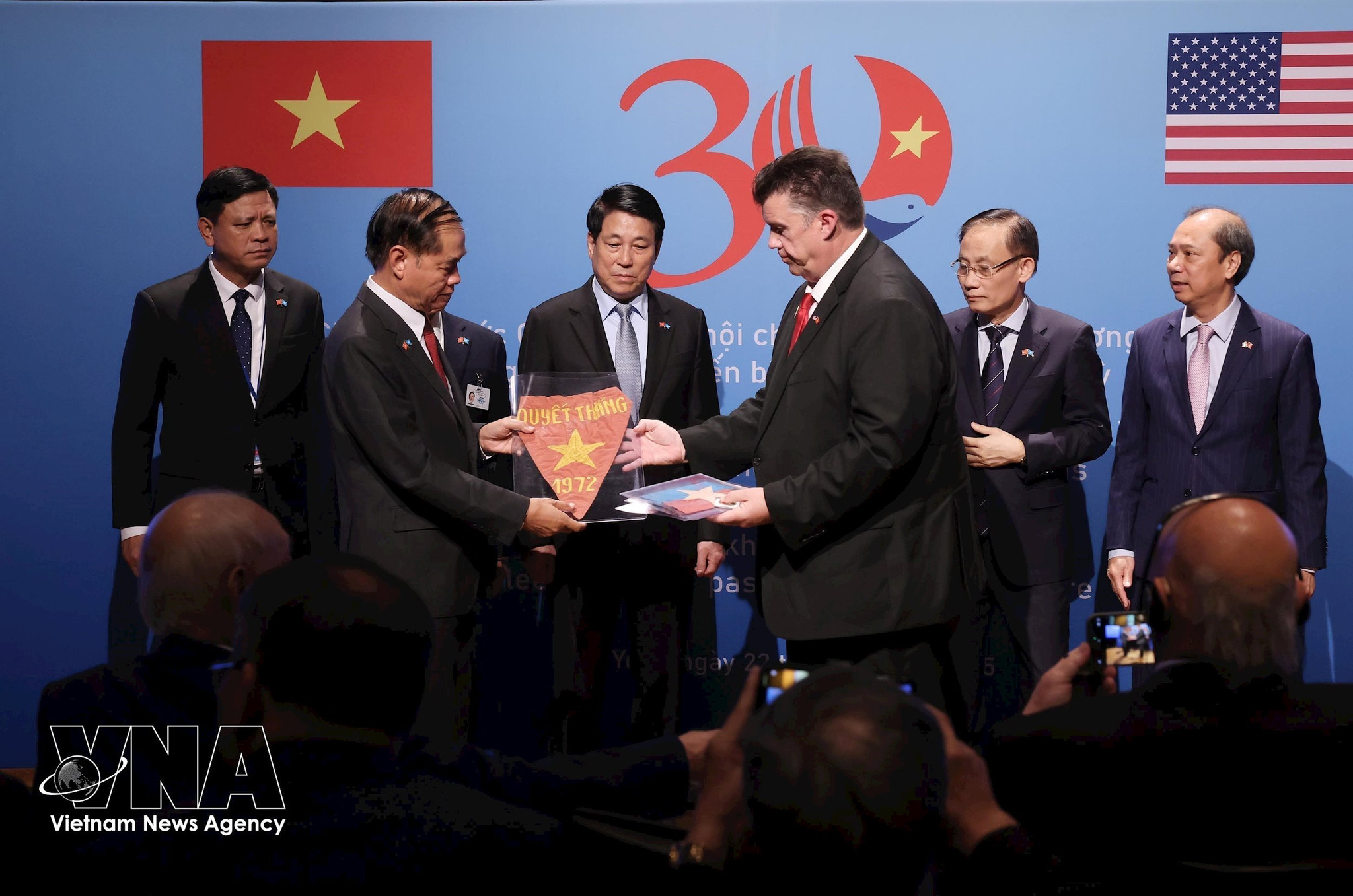
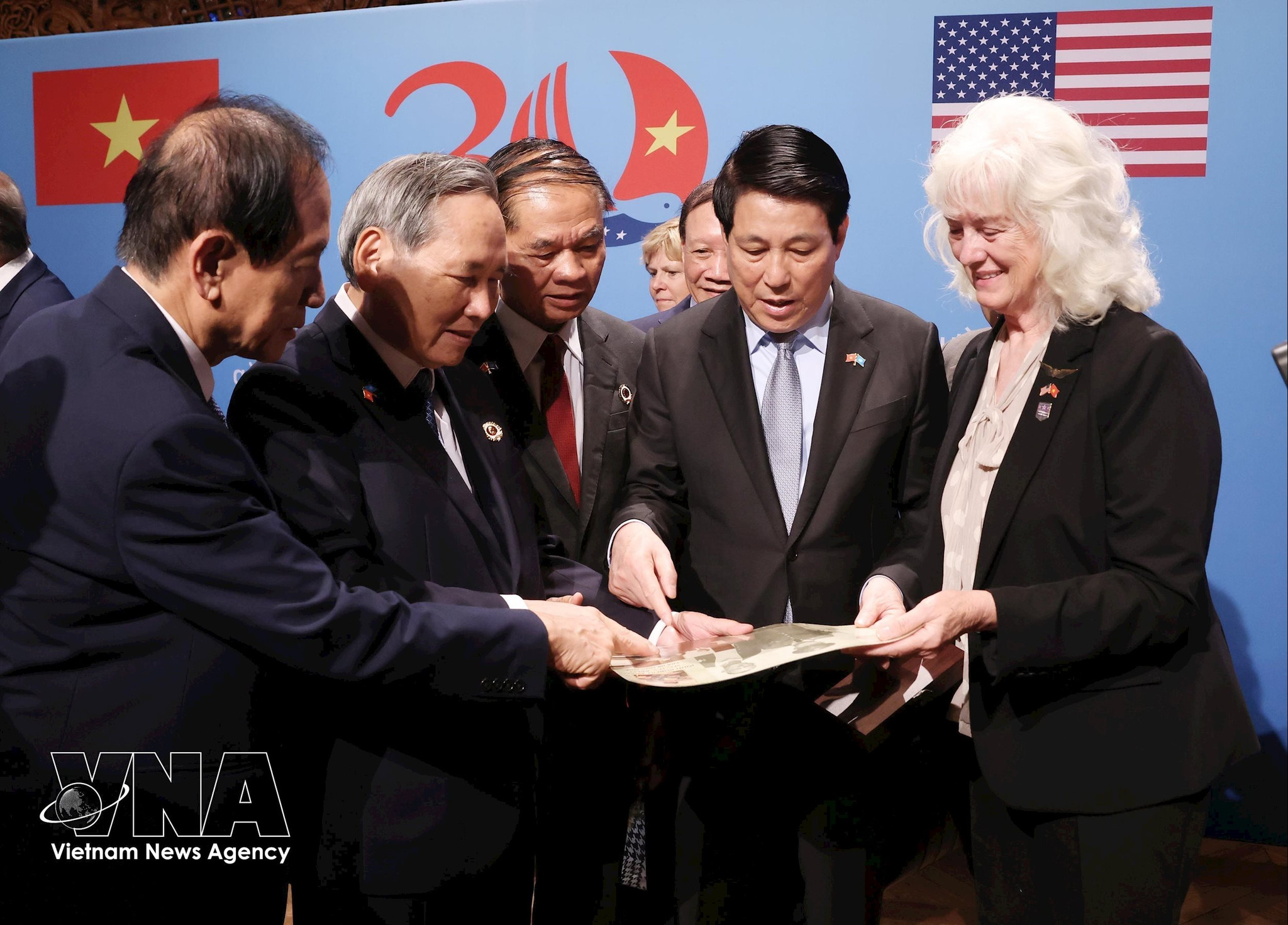
On September 22, 2025, in New York, President Luong Cuong meets with Vietnamese and US veterans during his trip to attend the high-level General Debate of the 80th session of the United Nations General Assembly and conduct bilateral activities in the United States. (Photo: VNA)
The scars of war
At an exhibition of documents marking 30 years of Vietnam-US diplomatic relations and the handover of more than 200 wartime records, then US Ambassador to Vietnam Marc Knapper referred to an image of deep significance: from the scars of war, the two countries have worked together to overcome the past and build a future based on trust and mutual respect.
The journey is perhaps difficult to fully imagine when looking back at the time when the two countries began normalising relations. From opposite sides of a war, Vietnam and the US gradually became friends and partners, and then Comprehensive Partners and Comprehensive Strategic Partners for peace, cooperation and sustainable development.
Yet alongside these advances, the legacy of war remains. There are the missing, unidentified graves and the families who still do not know where their loved ones are. There are files, photographs and memorabilia that have been missing for decades.
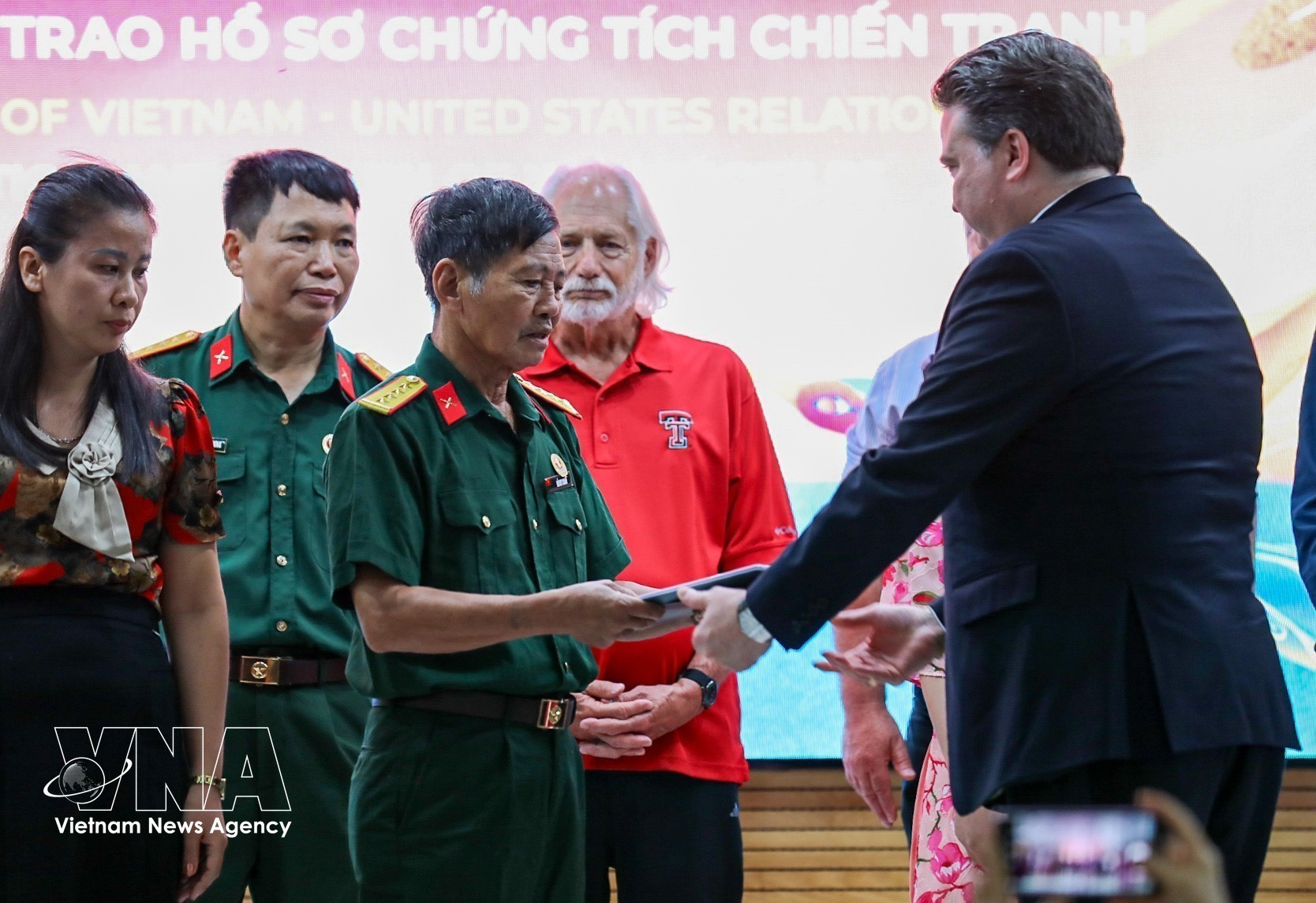
For history, these are missing pieces of the puzzle. For researchers, they are sources of information waiting to be deciphered and cross-referenced. But for a family, their meaning can be much simpler: the hope of learning something more about a father, husband or son who left and never returned.
The return of more than 200 wartime records therefore carries significance beyond their archival value. Some help identify military units, locations and battles, while others contain information about soldiers or personal memorabilia. Documents once held in archives on the other side of the wartime divide have, over time, become leads in the search for missing Vietnamese soldiers. Decades after the war, documents created during the conflict, and sometimes captured from the opposing side, have become bridges that allow both sides to work together in searching for those who went missing.
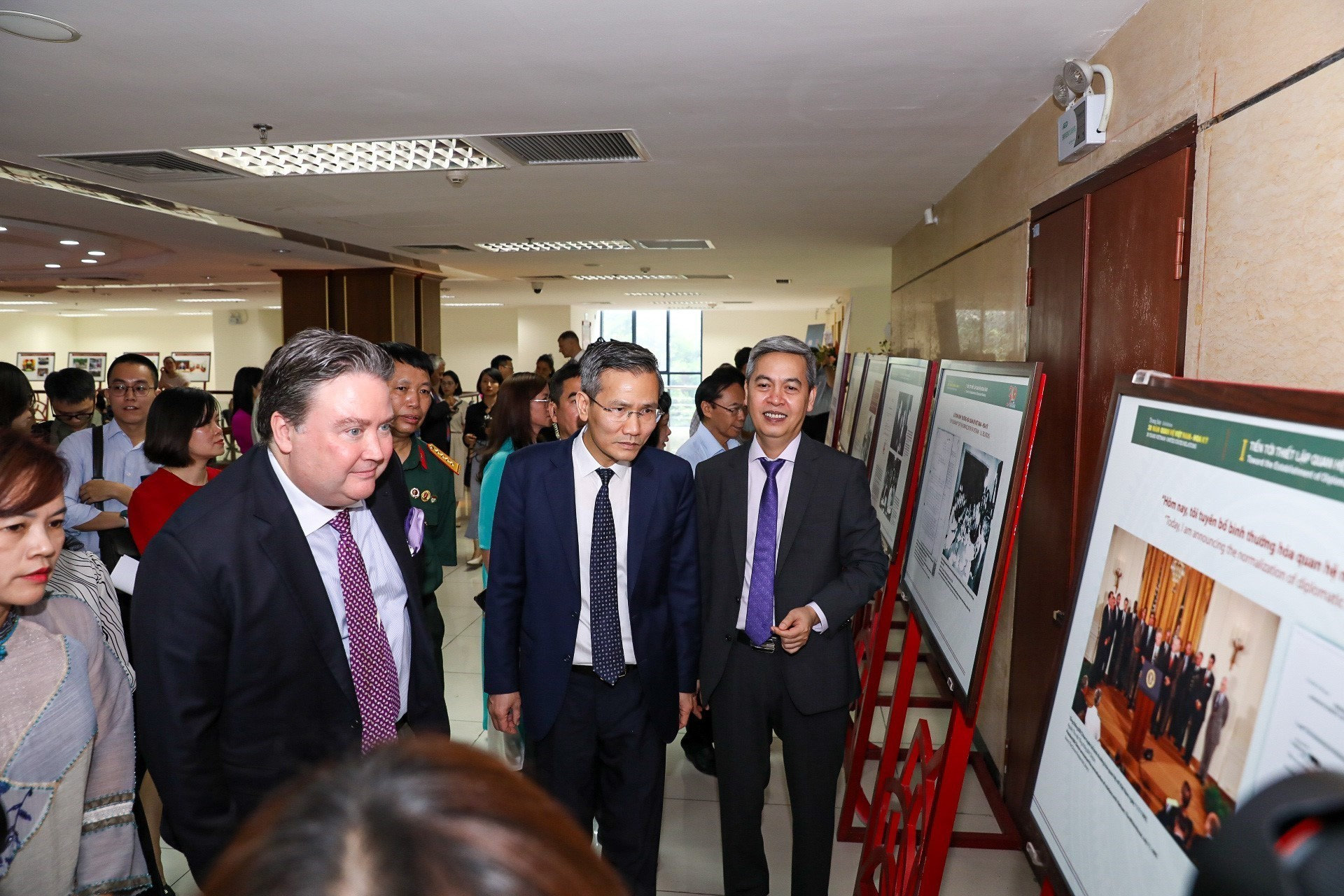
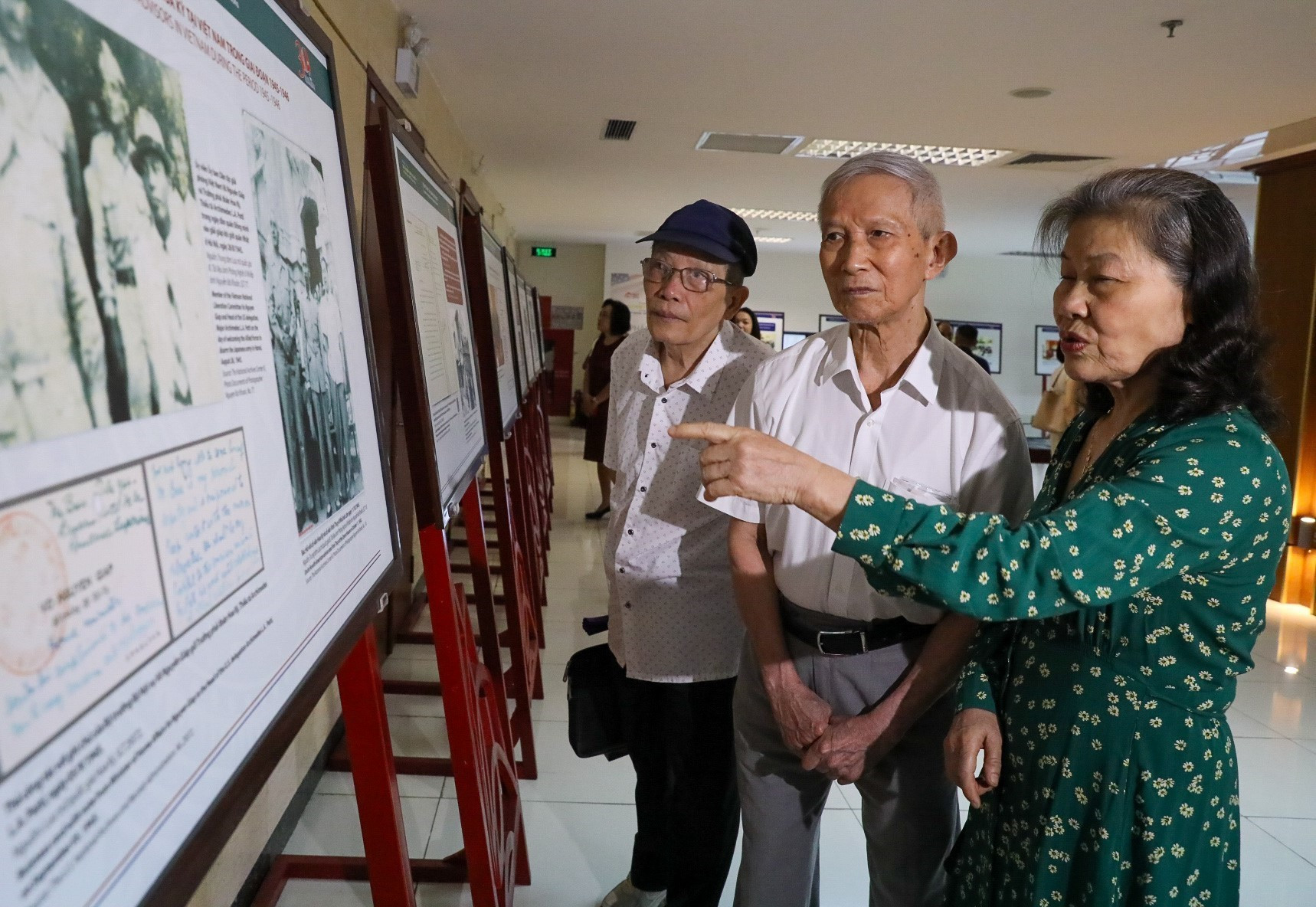
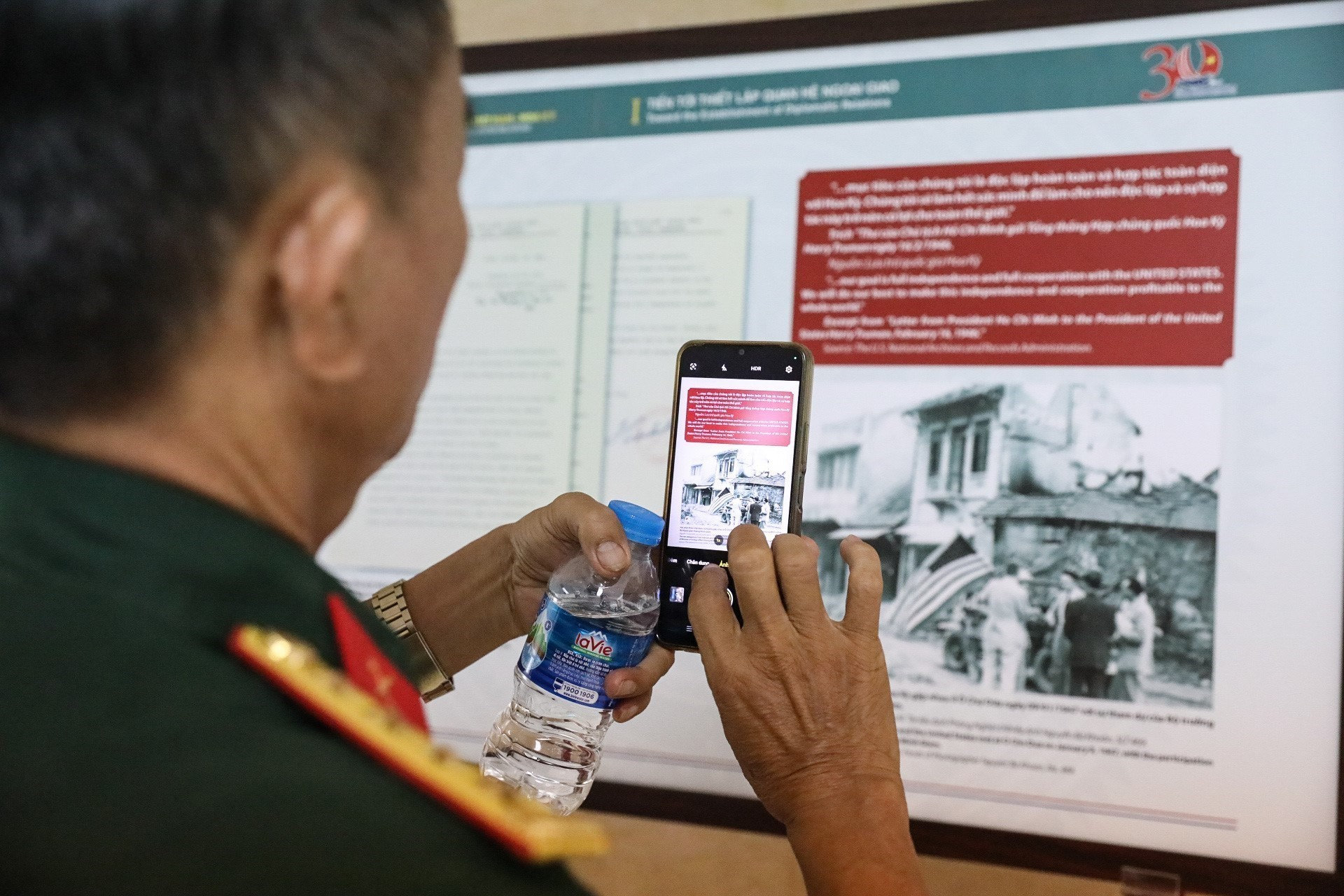
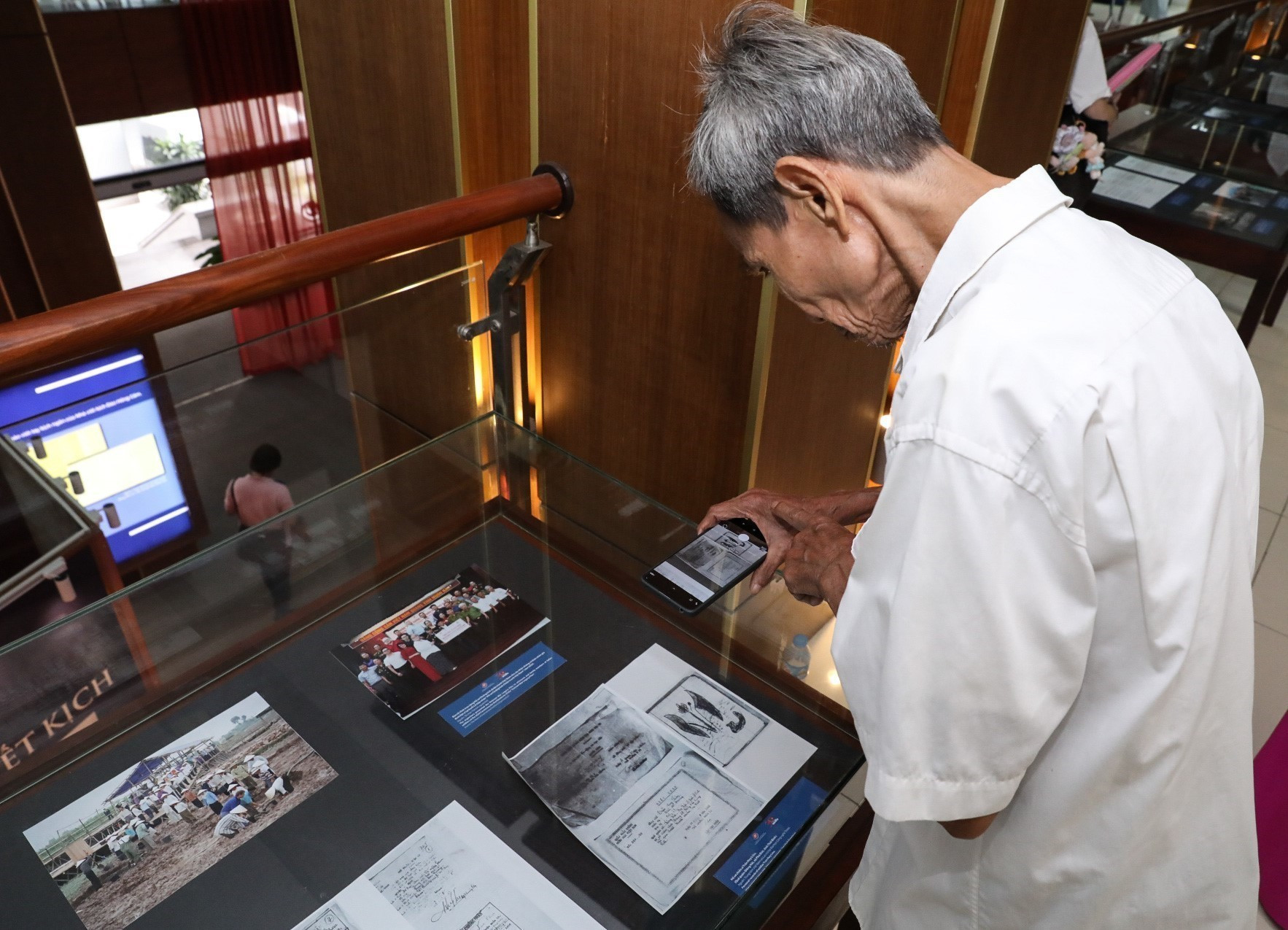
Exhibition showcasing documents on 30 years of Vietnam-US diplomatic relations and the handover of more than 200 wartime records in July 2025. (Photo: VNA)
From records and memorabilia to names
If a piece of memorabilia can help a family recover a memory, a file can open an entire search. This is also the significance of the Vietnam War Accounting Initiative (VWAI), a US-funded programme launched at Vietnam’s request in 2018 to support the search, recovery and identification of Vietnamese military personnel missing during the war.
Under the Memorandum of Understanding on VWAI signed by the two defence ministries in 2021, by the end of fiscal year 2025, the US had provided Vietnam with 46 sets of records, of which Vietnam had verified 45.
In the first six months of 2026 alone, Texas Tech University said it had provided 600 pages of documents and 50 selected, processed and analysed case files from more than 200 digitised wartime records, relating to around 1,500 Vietnamese soldiers. The US side has also returned more than 40 pieces of wartime memorabilia to Vietnam.
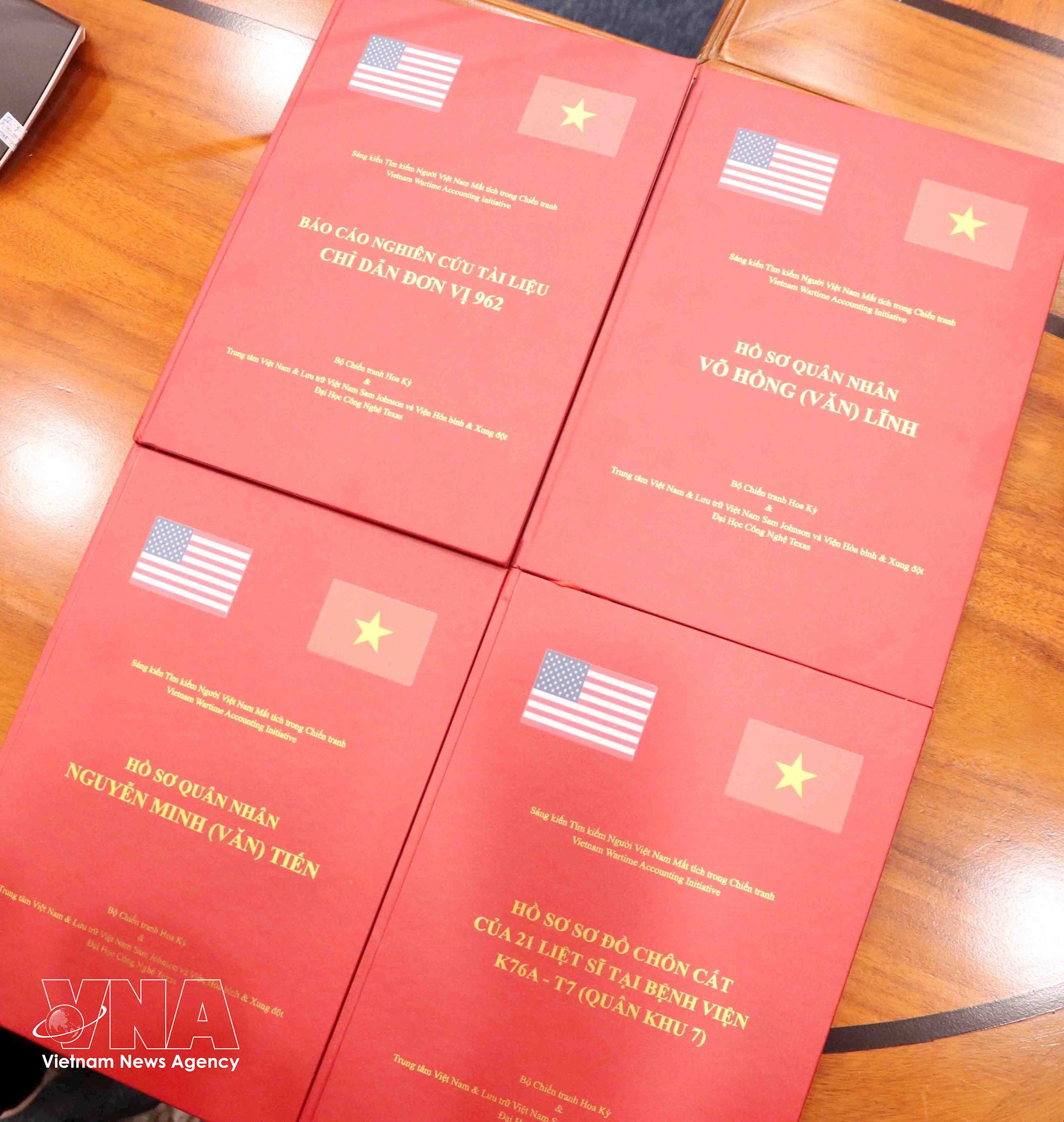
During a working trip to the US on August 10, a delegation from the National Steering Committee for the Search, Collection and Identification of Martyrs’ Remains met with the VWAI research team to promote data transfer and mobilise resources for the 500-day campaign.
At the meeting, the VWAI research team handed the delegation several documents concerning mass graves of Vietnamese troops at Con Tien in Quang Tri province during the 1967 battle and at Blue Fire Support Base in 1971. Earlier, VWAI had sent more than 50 files on battles and wartime memorabilia to Vietnam, including records on mass graves at K67A Hospital and Tan Son Nhat airport.
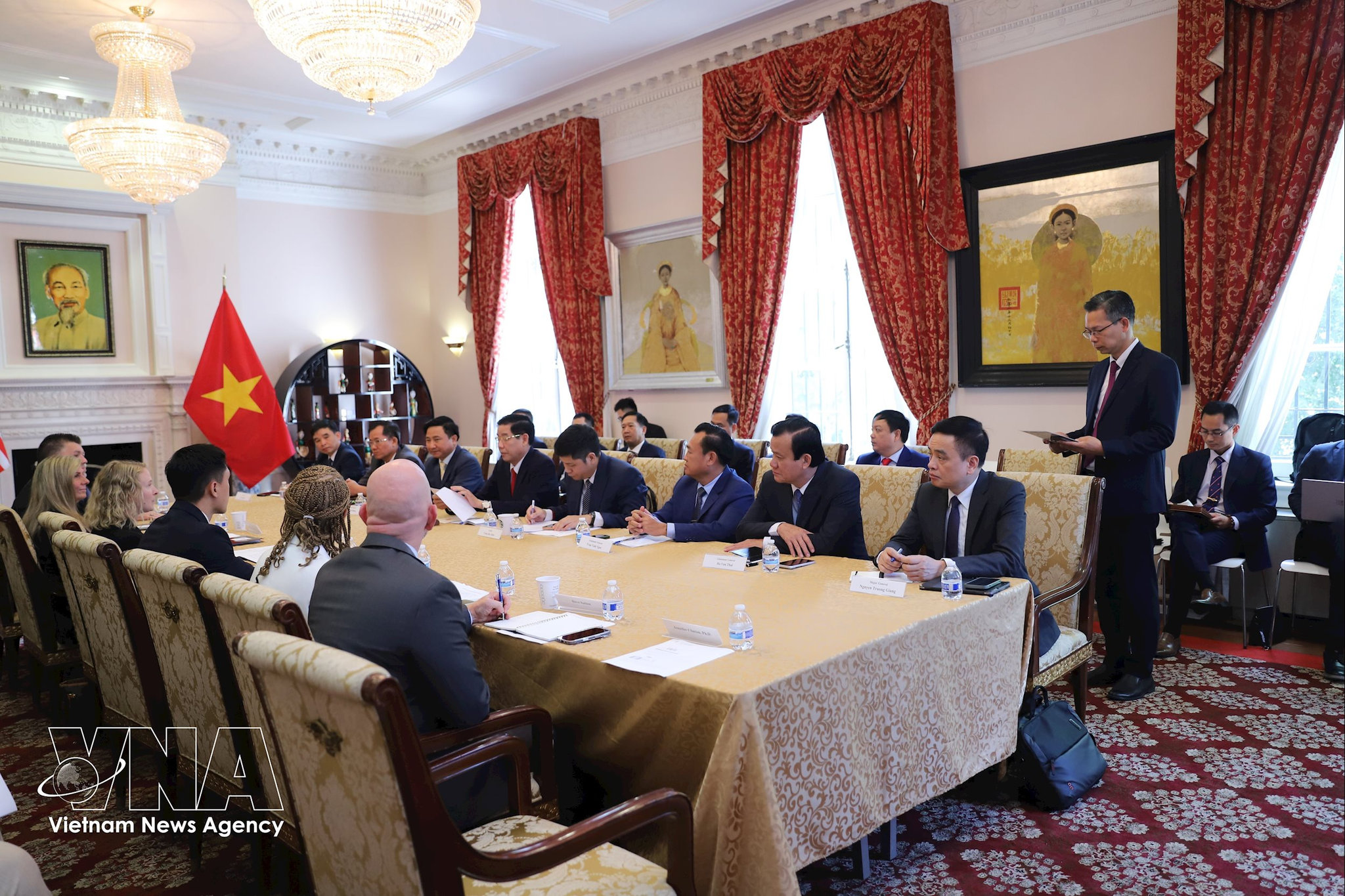
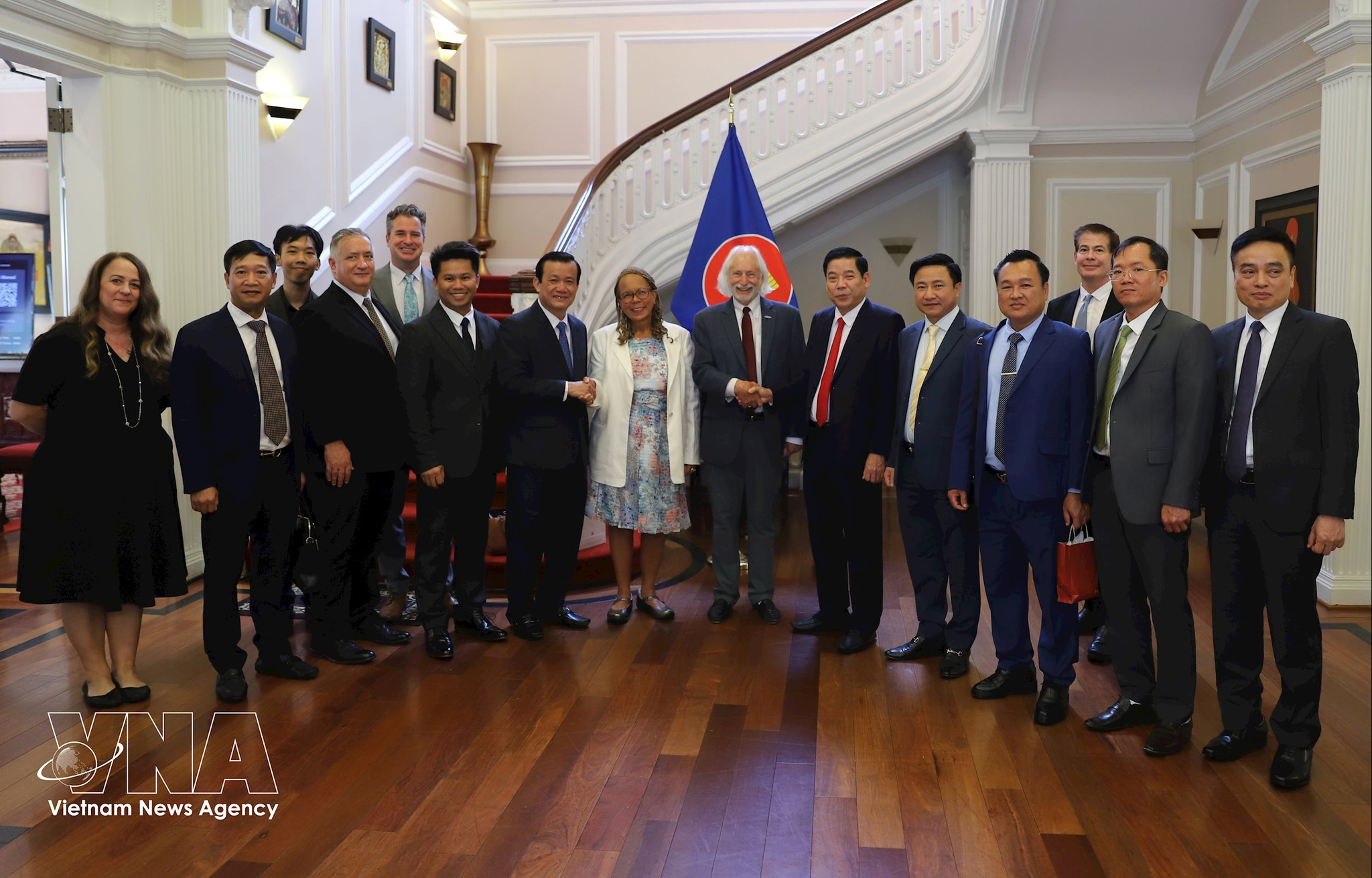
A delegation from the National Steering Committee for the Search, Repatriation and Identification of Fallen Soldiers’ Remains worked with the VWAI research team to promote data sharing and mobilise resources for the 500-day campaign. (Photo: VNA)
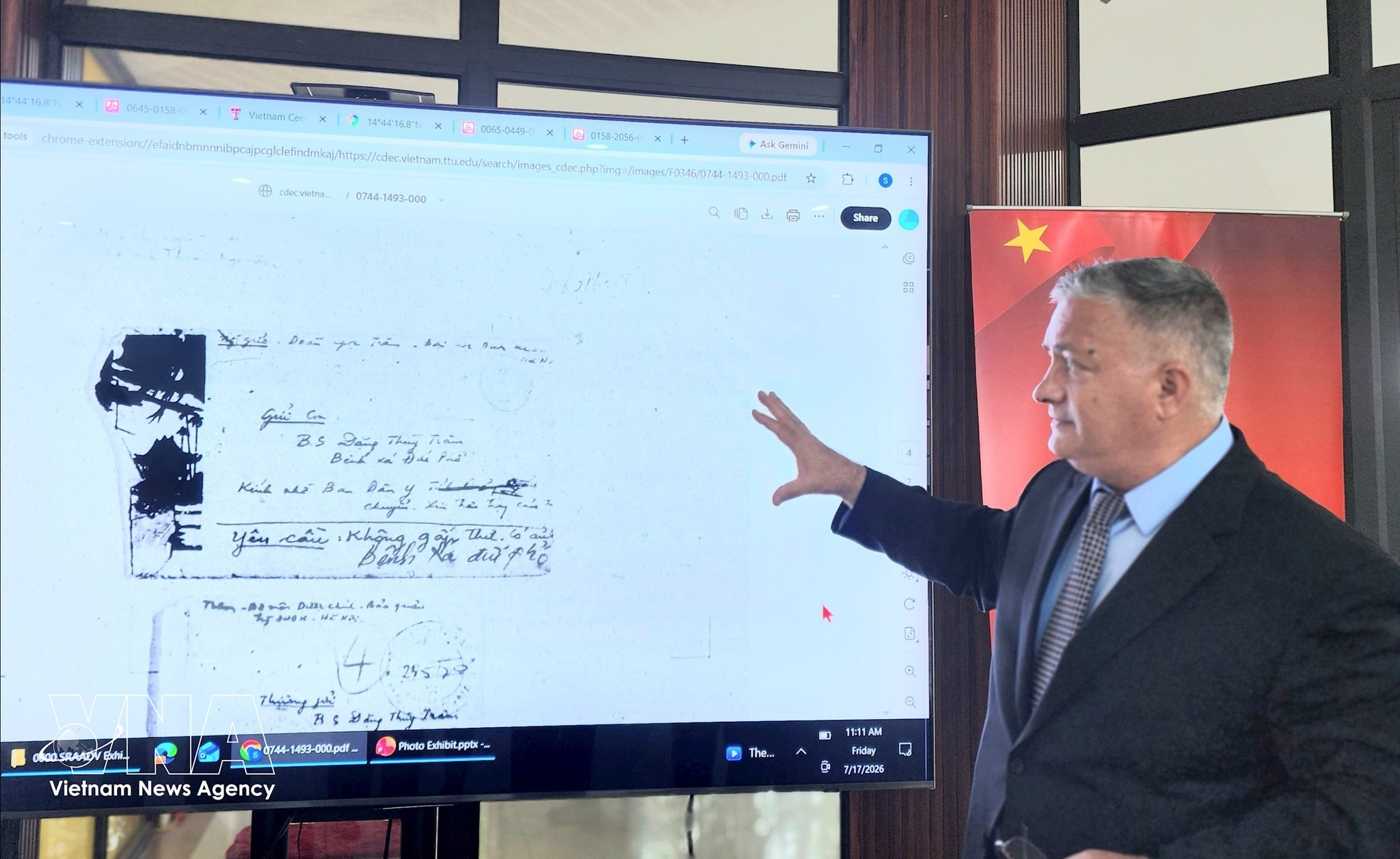
Behind these efforts is the involvement of numerous agencies, organisations and individuals in both countries. Texas Tech University plays an important role in researching, digitising and analysing wartime records. US organisations and agencies support the exchange of information, artefacts and photographs, as well as technologies for locating burial sites and mobilising additional resources for the project.
The Vietnamese Embassy in the US also serves as a bridge, promoting engagement with the US administration, Congress, agencies and organisations, connecting the Office of Steering Committee 515 with US partners, and expanding networks with archives, universities, veterans’ organisations and technology companies.
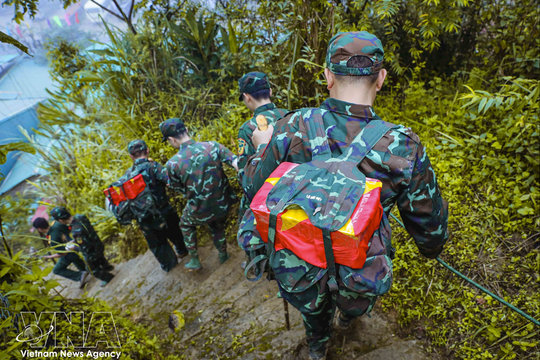
Under the 500-day campaign, these efforts are being advanced through data digitisation, record sharing, the study of aerial imagery and maps, and the application of ground-penetrating radar, remote sensing and forensic archaeology.
Documents may be scattered across many locations and remain inaccessible. Resources, technology and mechanisms for coordinating information processing also need improvement. Therefore, digitising data, expanding access to archives, applying new technologies and strengthening coordination are not merely professional requirements. They are also ways of preserving memories before the last witnesses are no longer able to tell their stories.
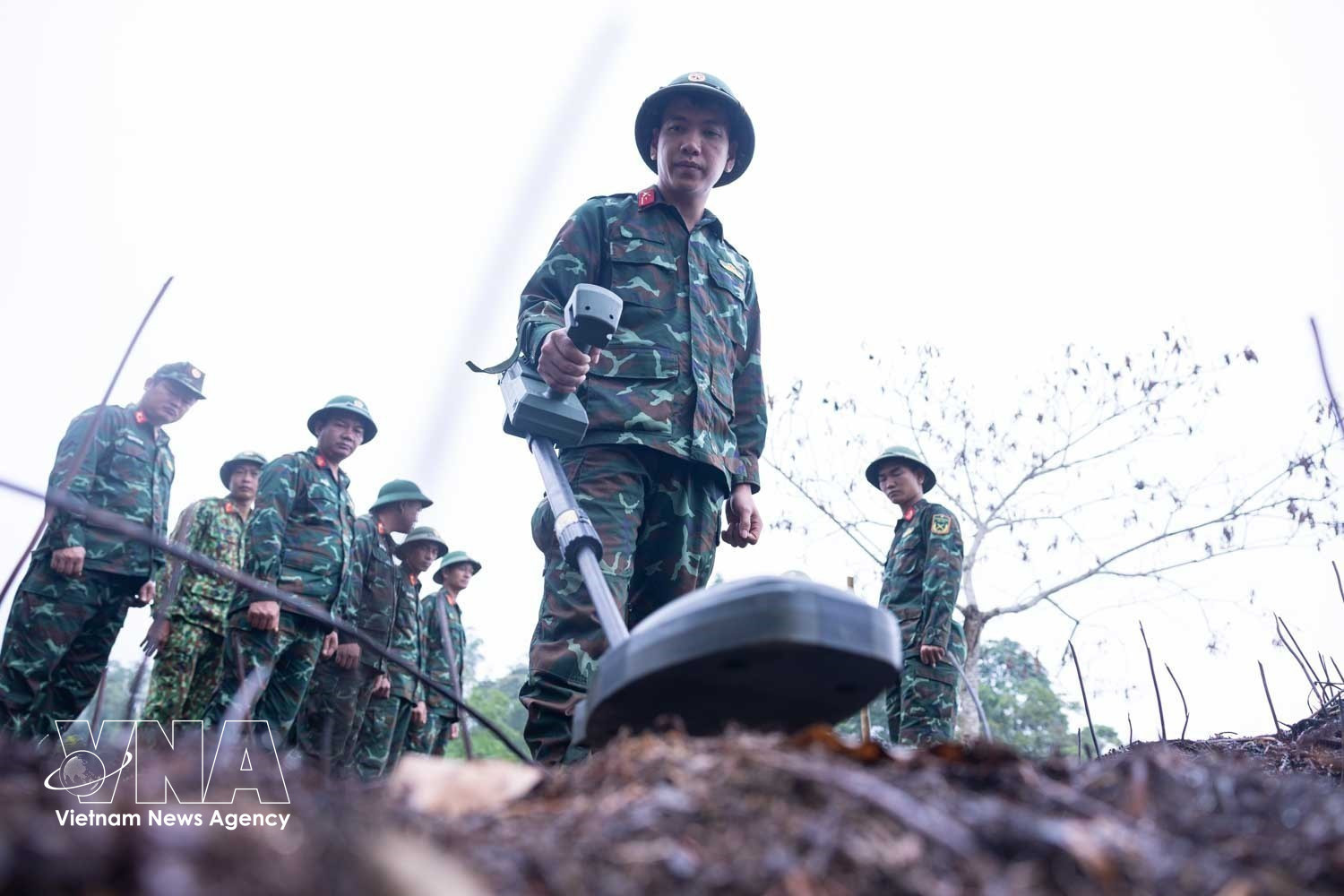
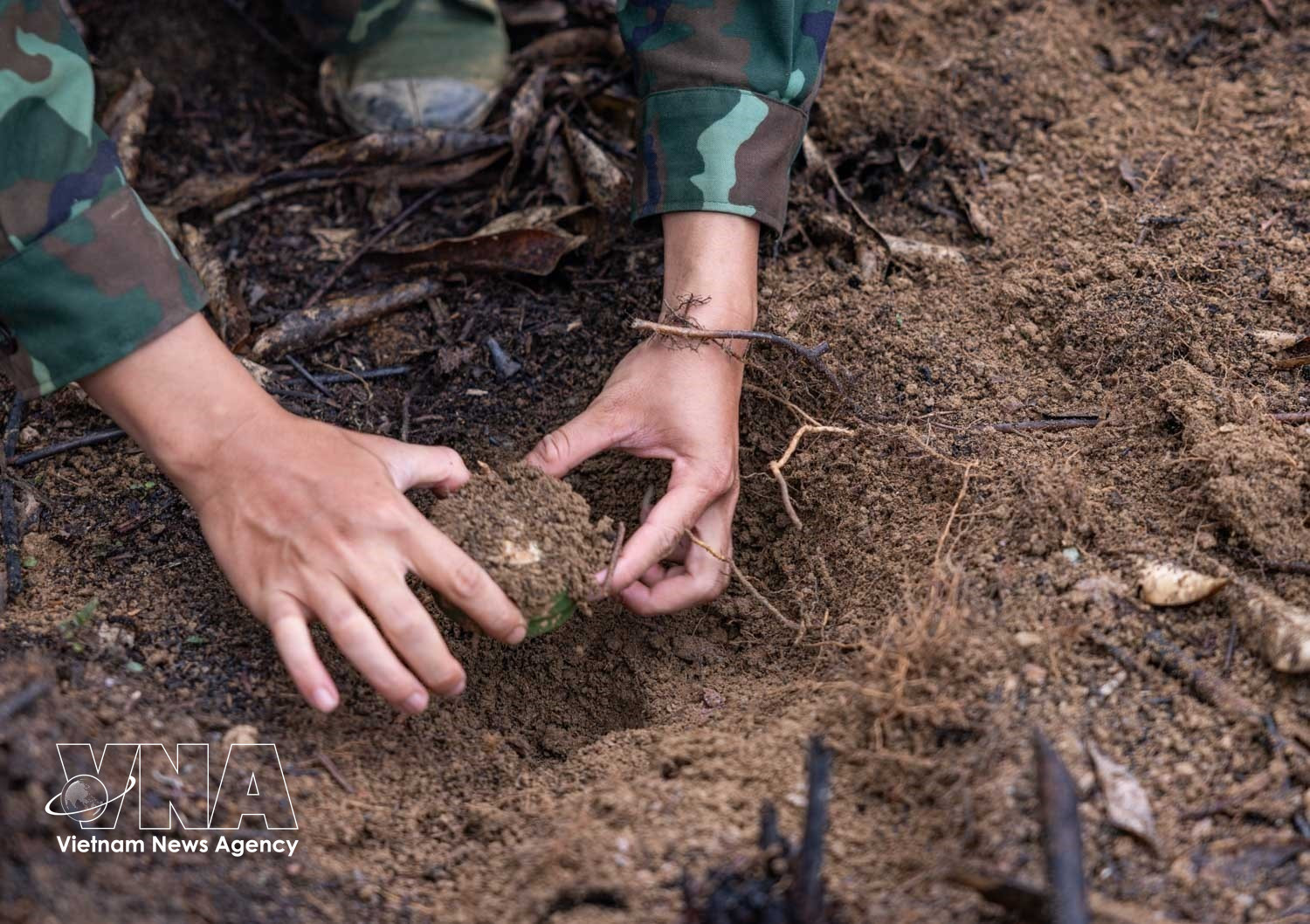
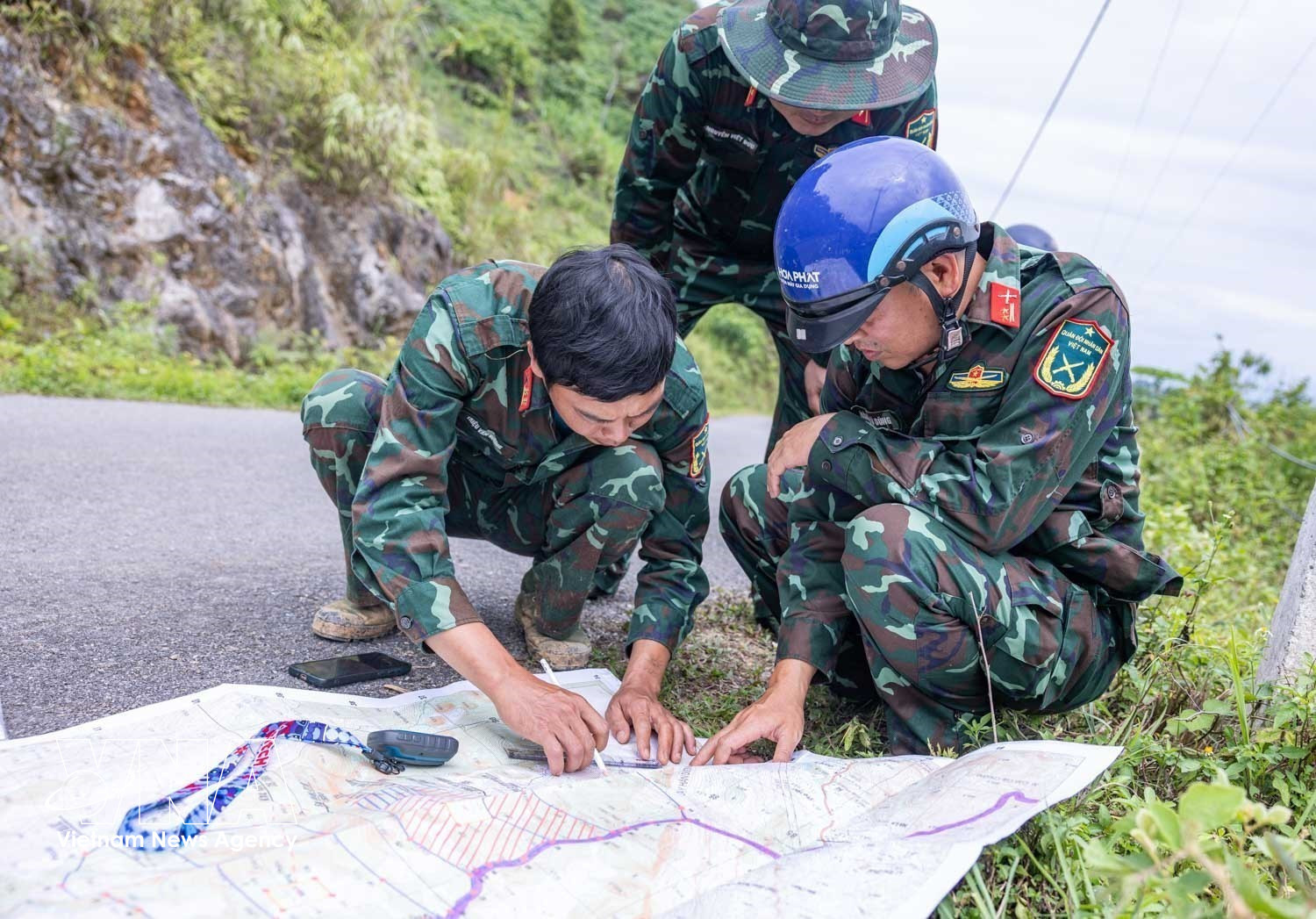
Studying maps and using ground-penetrating radar to search for the remains of fallen soldiers. (Photo: VNA)
One distinctive feature of VWAI is that many of its members are children of US veterans who fought in Vietnam, some of whom still have missing relatives. That empathy has motivated them to spend time studying records, travel to Vietnam to verify and cross-check information, and search for traces of a war experienced by the previous generation.
Though war once divided people into two sides, decades later the memory of that conflict brought them together in a direction to search and restore names to the fallen, a quiet, profound testament to the power of reconciliation.
Healing to move forward together
Ultimately, healing the wounds of war does not begin with grand gestures. It begins with a family wanting to know where their loved one was. With a veteran deciding to return memorabilia kept for many years. With a researcher patiently tracing a name through millions of pages of documents. With officials sitting together to cross-check each piece of information. Each individual act may be small. Together, however, they form something much larger: a process of building trust.
The achievements of Vietnam-US relations did not come about by chance but resulted from the efforts and determination of the two peoples and governments. At the heart of this process has been the effort to heal war wounds, enhance mutual understanding, promote reconciliation and build trust on the basis of equality, fairness, mutual benefit and dialogue to overcome differences.
Ambassador Pham Quang Vinh
This process has unfolded across numerous fields, from politics, diplomacy, economics, trade and investment to education, science and technology, people-to-people exchanges and efforts to address the consequences of war.
Yet few areas demonstrate the human dimension of reconciliation as clearly as the search for missing persons and the return of memorabilia. For international relations, however, expressed through cooperation frameworks or government agreements, are ultimately built by people.
Some US veterans have returned to Vietnam carrying memories of the battlefields where they once fought. Some have returned with documents and memorabilia kept since wartime. Some researchers never experienced the war themselves but have devoted time to retracing the traces left by the previous generation.
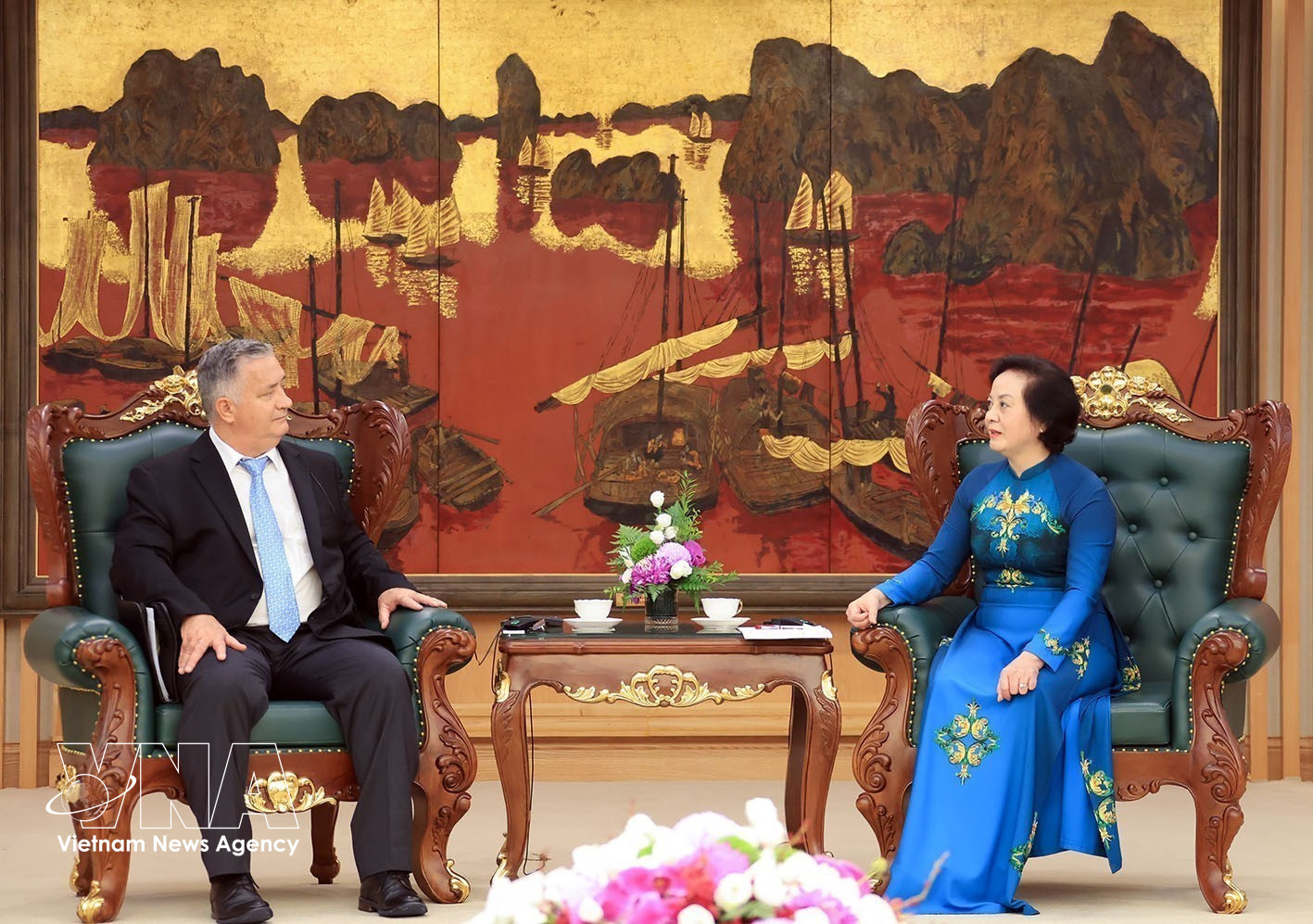
At a meeting with a delegation from Texas Tech University led by Dr Stephen Maxner in Hanoi in June, Deputy Prime Minister Pham Thi Thanh Tra, head of National Steering Committee 515, stressed that the search for and recovery of martyrs’ remains is a profound aspiration and hope of Vietnamese families and the Vietnamese nation.
The support of the Sam Johnson Centre and VWAI, the Deputy PM said, is a deeply humanitarian undertaking that contributes to healing war wounds, closing the chapter on the past and easing the pain of loss suffered by martyrs’ families. She expressed her hope that partners would continue coordinating with Vietnamese agencies to provide, decipher, and cross-reference documentary sources and support the 500-day campaign so that fallen soldiers can rest in peace in their homeland, with their families and comrades.
The US side has also continued to demonstrate its willingness to work alongside Vietnam. In discussions, Vietnam has proposed that the US increase resources for dioxin remediation in Bien Hoa and Phu Cat, expand support for people with disabilities, share historical data, provide DNA technology, and continue cooperation in the search for missing servicemen from both sides.
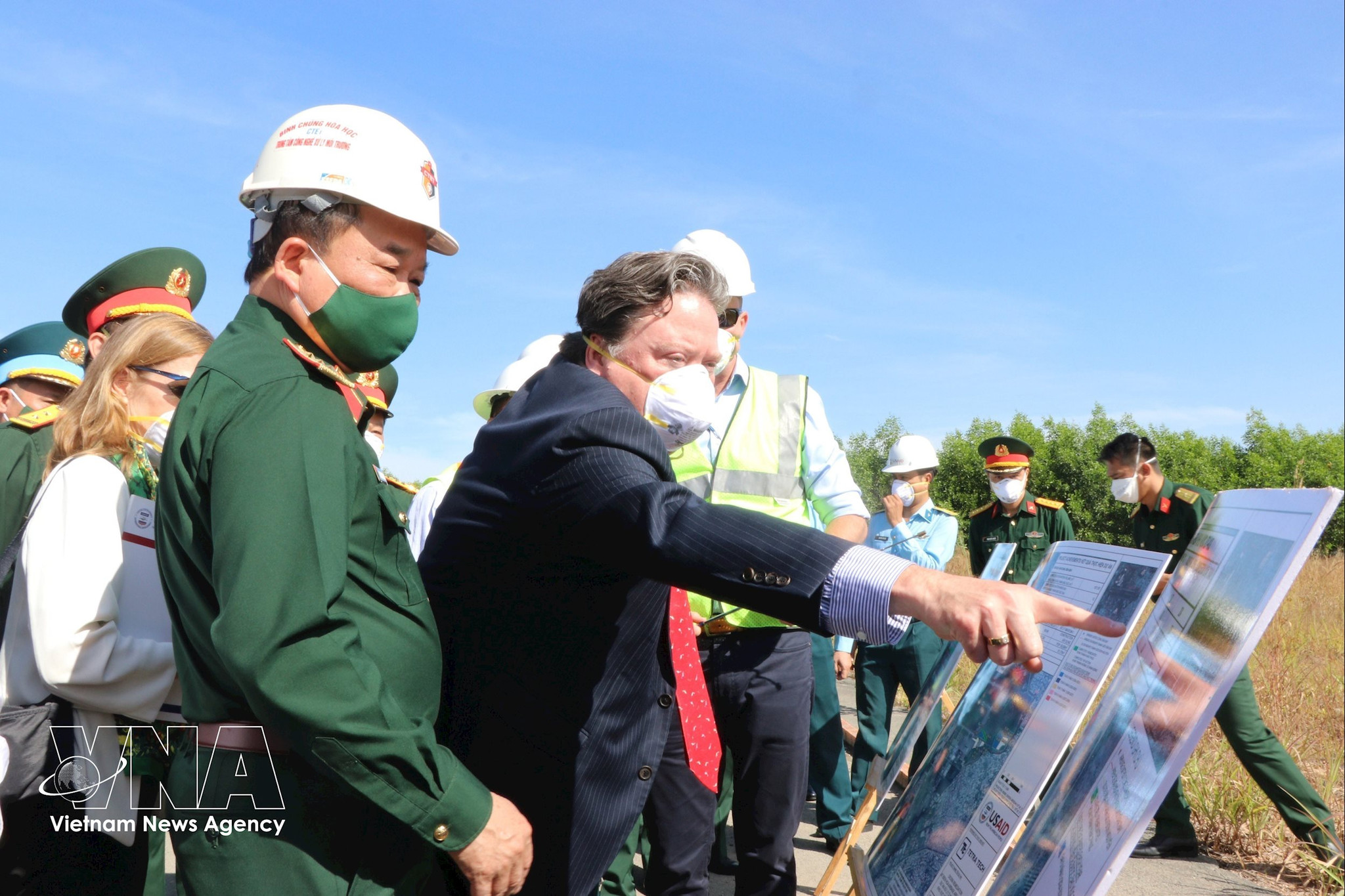
US Ambassador Marc Knapper and representatives of the Ministry of National Defence inspect dioxin remediation work at Bien Hoa Airbase in January 2025. (Photo: VNA)
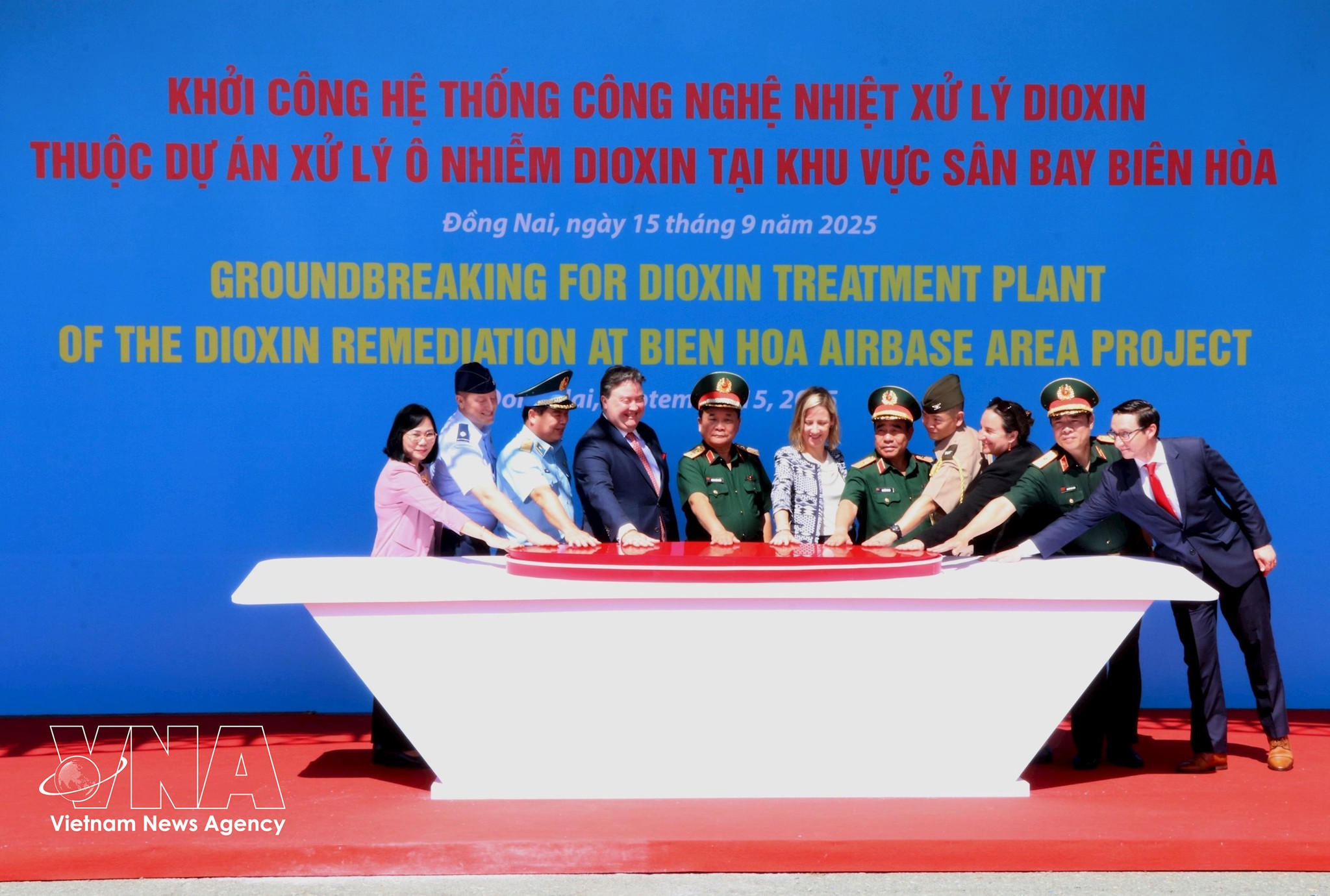
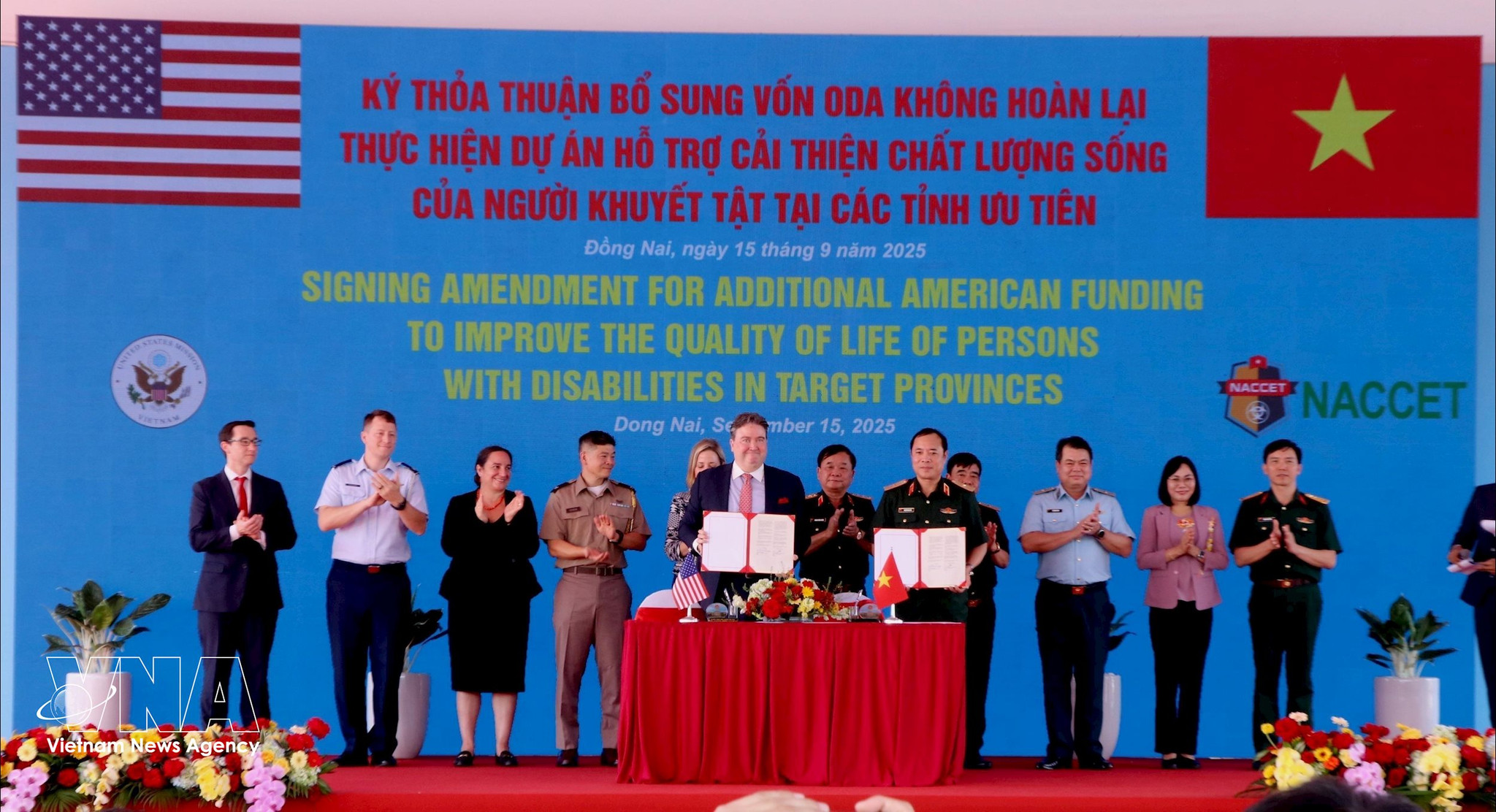
US Congresswoman Chrissy Houlahan, whose father was a US veteran who fought in Vietnam, also voiced support for efforts to address the consequences of war in Vietnam and pledged to promote additional resources for projects such as dioxin remediation and support for war victims.
Stories like these show that reconciliation is not a moment but a long journey.
Ambassador Marc Knapper once stressed that peace is not a destination but a journey requiring sustained efforts from one generation to the next. In that journey, addressing the legacy of war remains a priority in Vietnam-US relations.
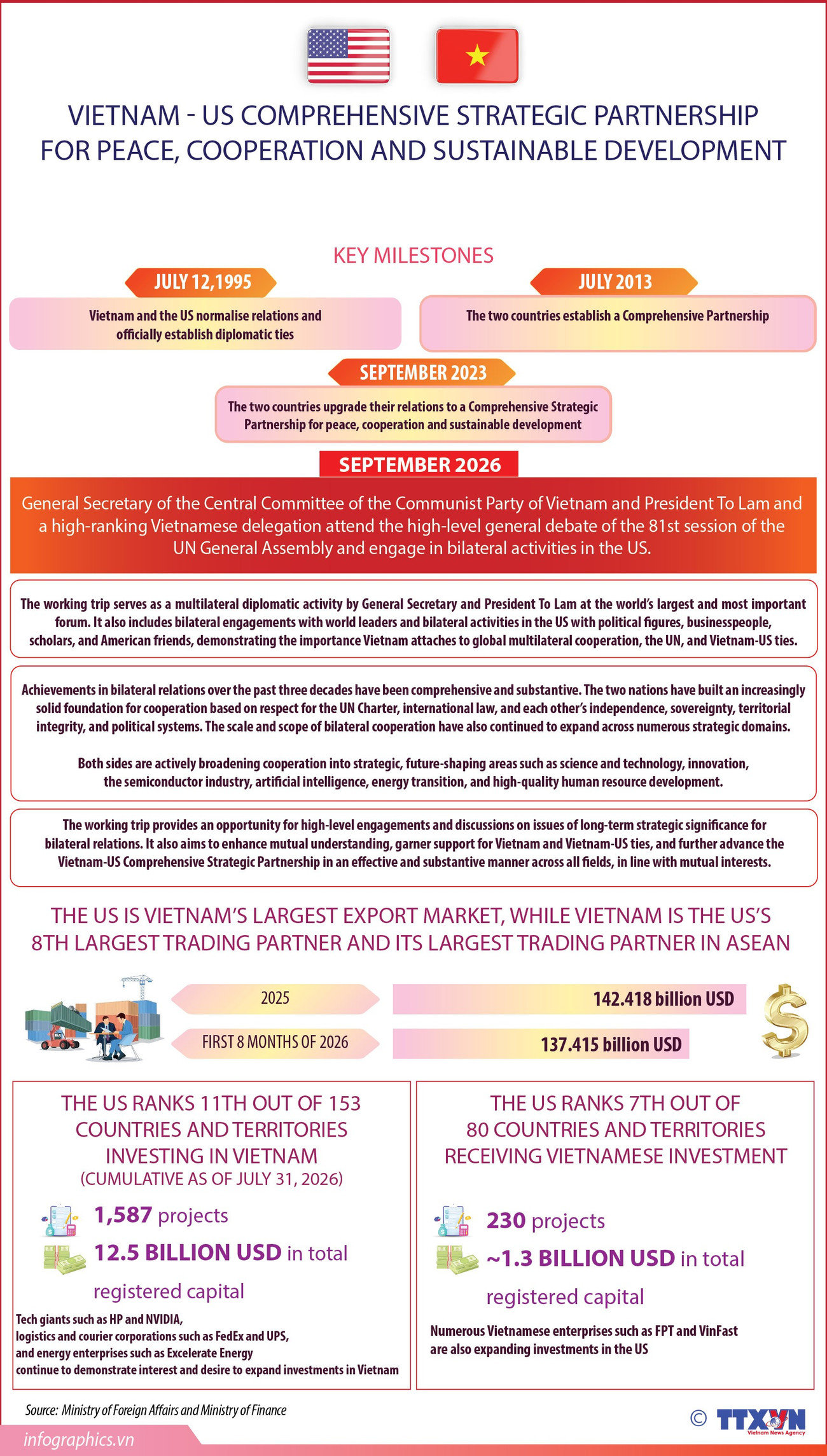
Three decades have passed since Vietnam and the US established diplomatic relations. The two countries have travelled a long way from the years of war. Yet the farther they move forward, the more meaningful it becomes to look back on the past with sincerity and responsibility. Closing the past does not mean forgetting it. It means returning a piece of memorabilia to a family member. Finding a name. Identifying a unit. Locating a site. Helping a family receive an answer after many decades.
More broadly, it means preserving memories together so that losses are not forgotten, history can be understood more fully, and future generations can recognise that peace does not come naturally.
From a piece of memorabilia, a file, or a name recovered, people who once stood on opposite sides of the war can now work together towards a shared goal: preserving memories, properly identifying losses, and nurturing trust. The war has long receded, but the journey of healing continues./.