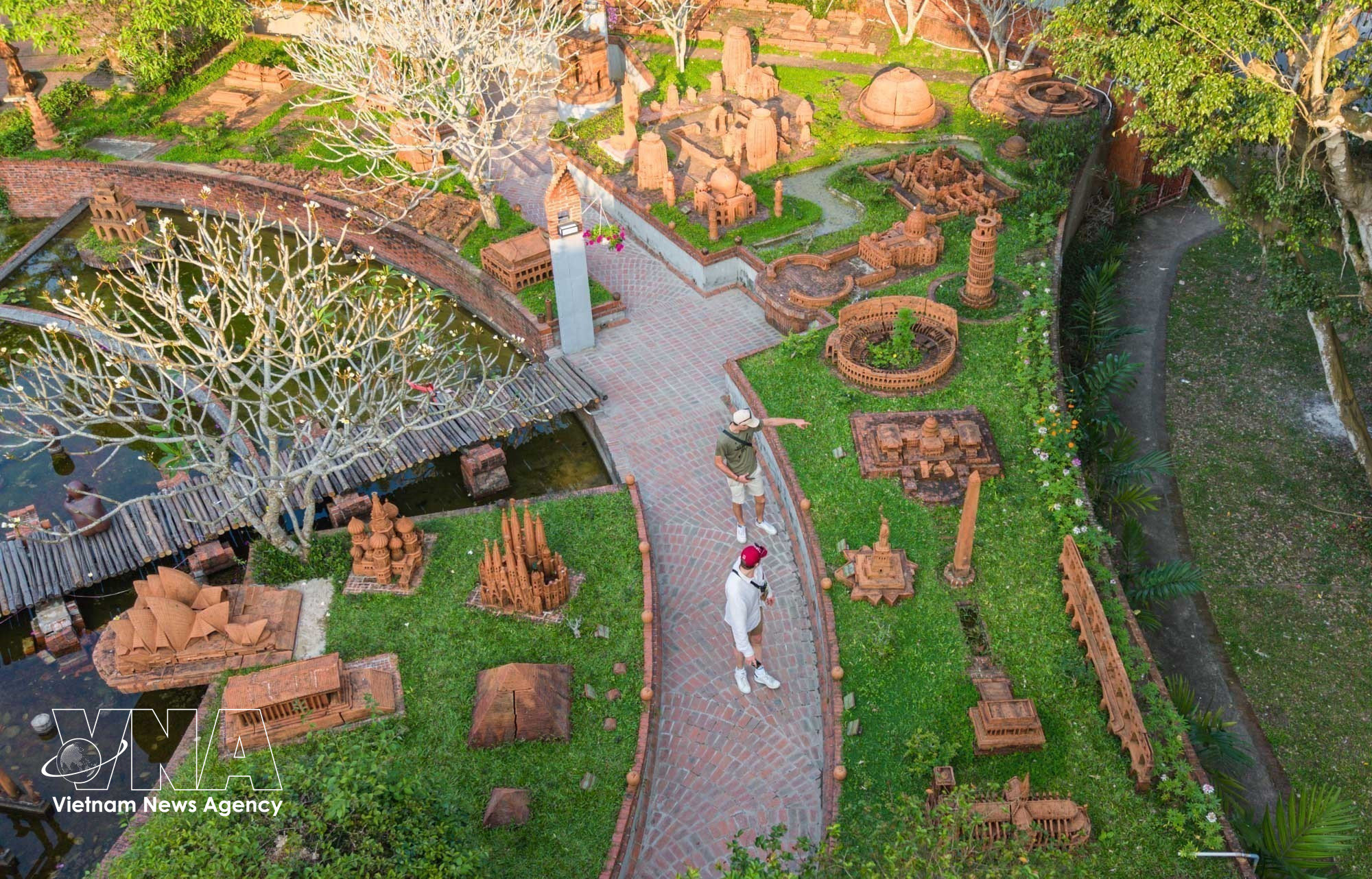
Tourists view models of world landmarks at the Thanh Ha Terracotta Park in Hoi An city (Photo: VNA)
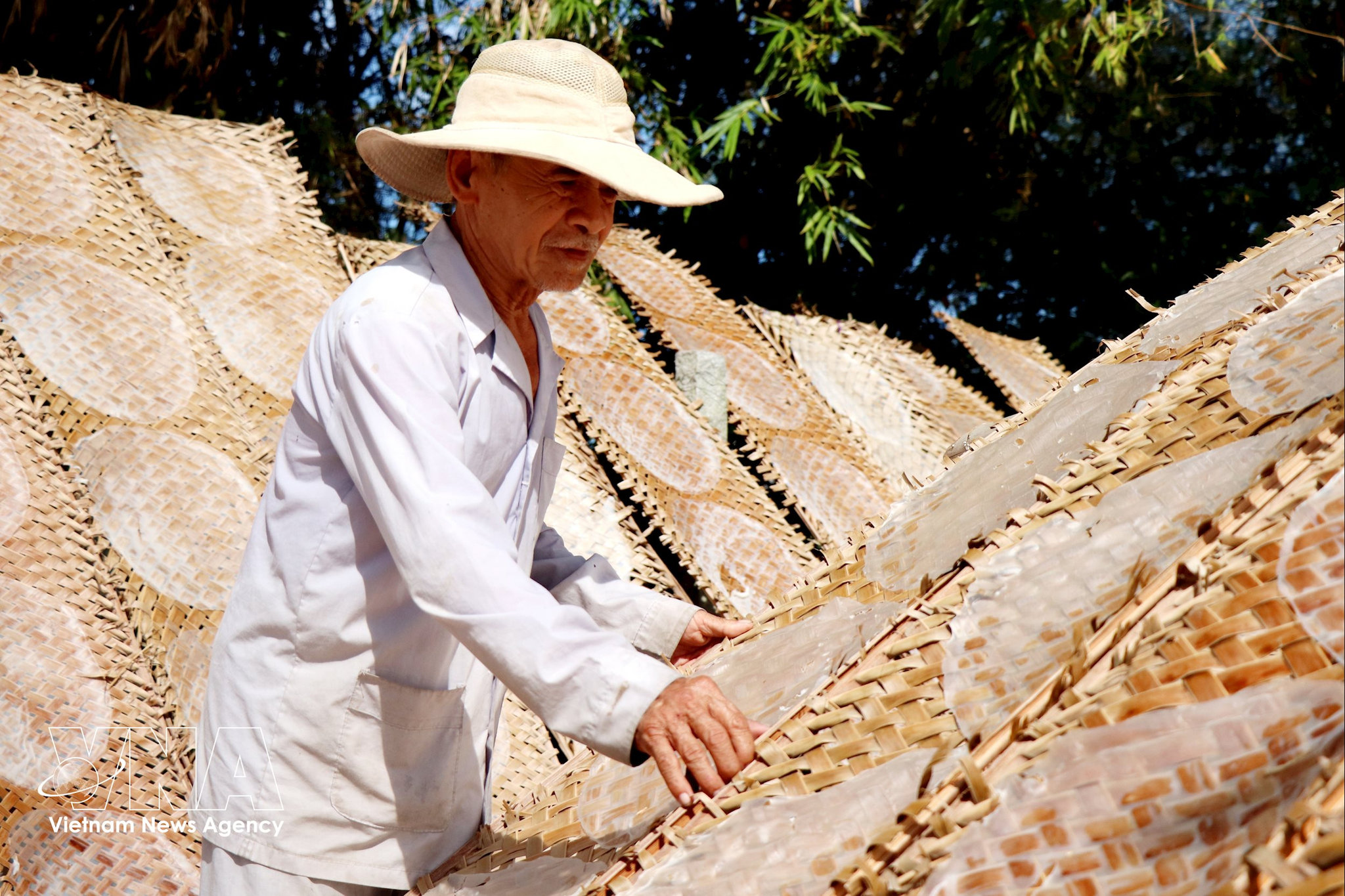
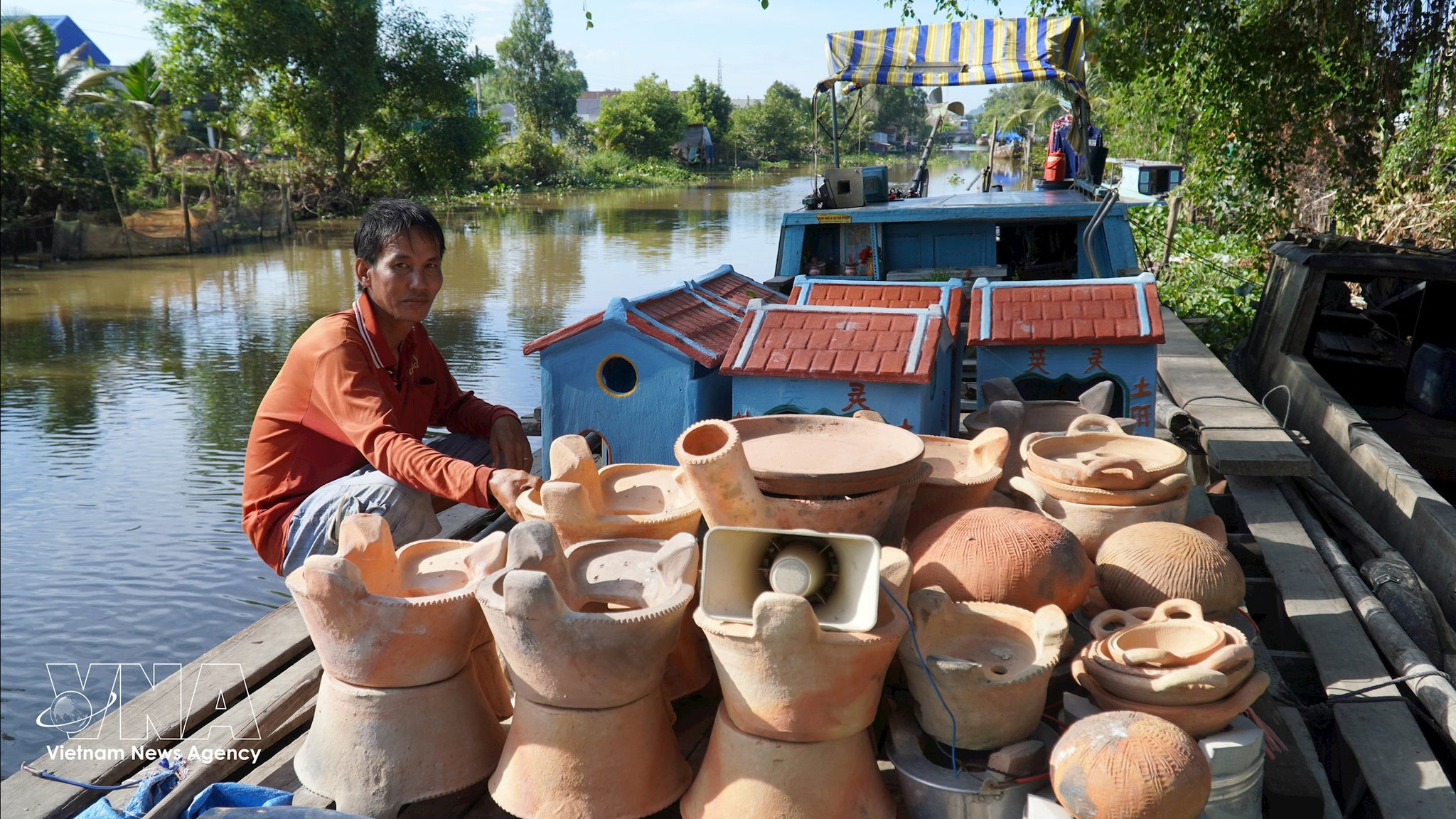
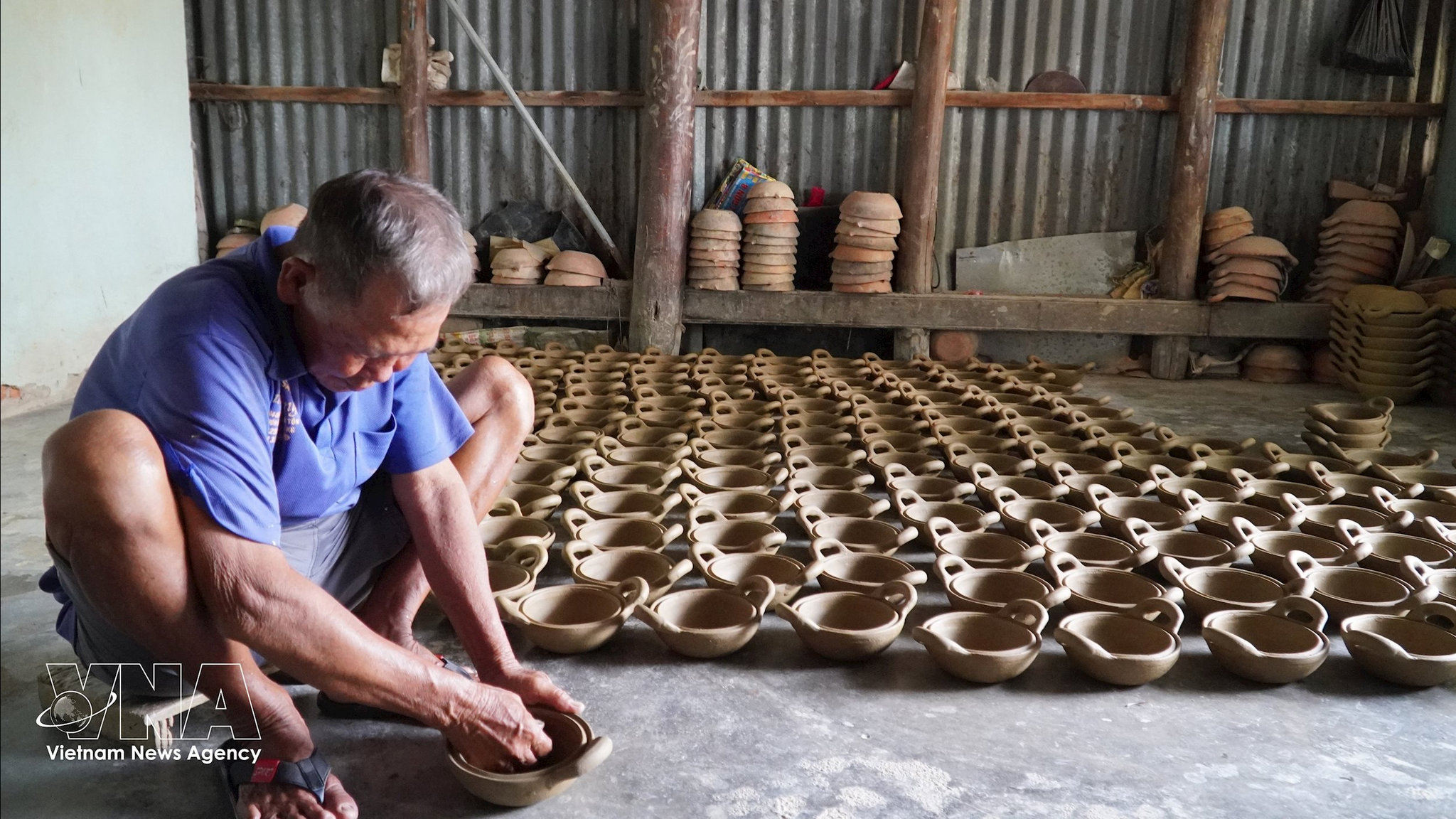
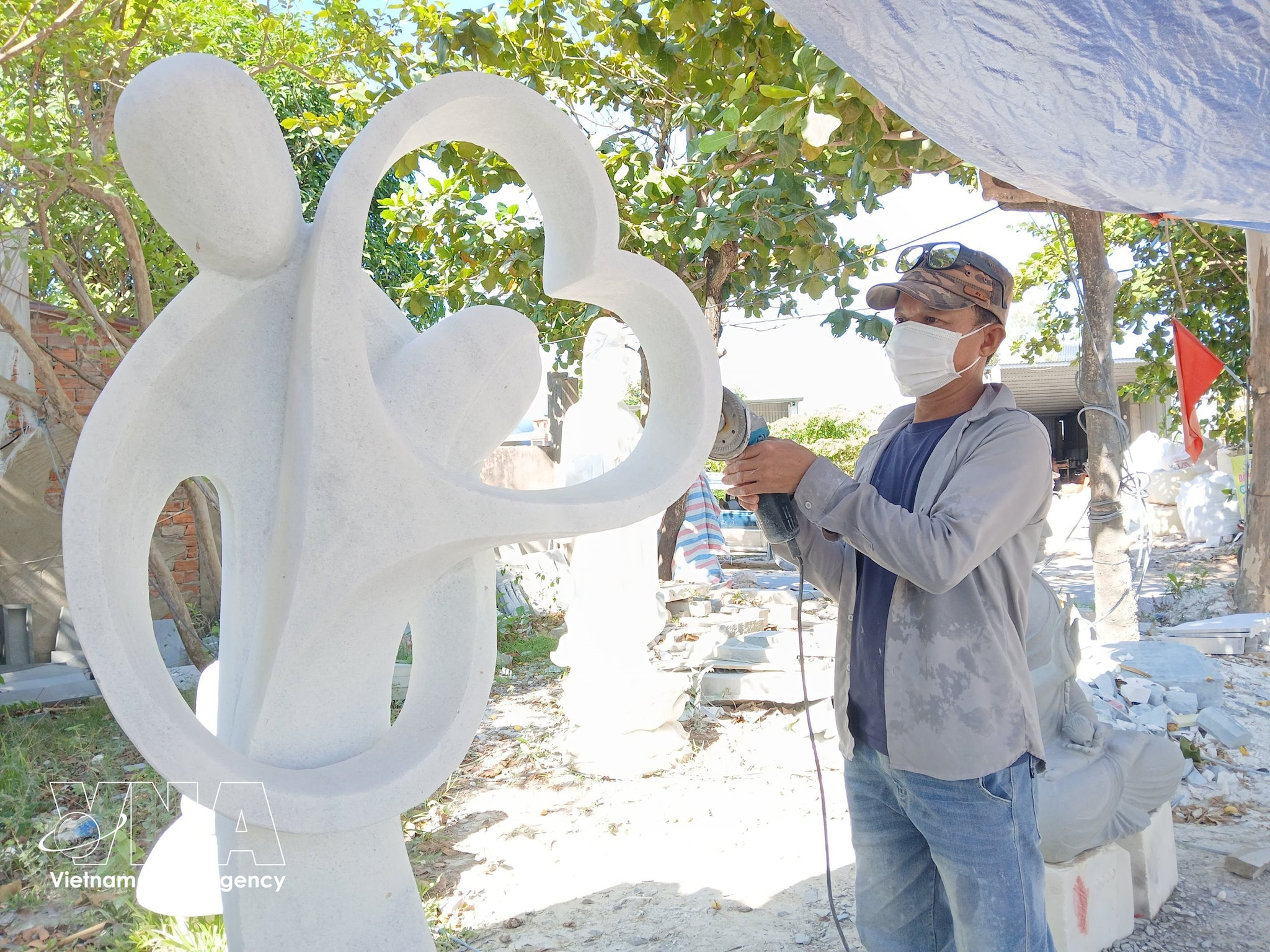
More than 5,400 craft villages and villages with craft activities provide a rich and distinctive resource for Vietnam’s tourism sector, especially as interests are shifting from sightseeing and shopping to exploring local lifestyles. However, simply attracting visitors or adding destinations to tours is only a first step. Craft village tourism is sustainable only when local artisans and residents benefit from it, and it breathes new life into the places where the crafts originated.
Tourism products from craft villages
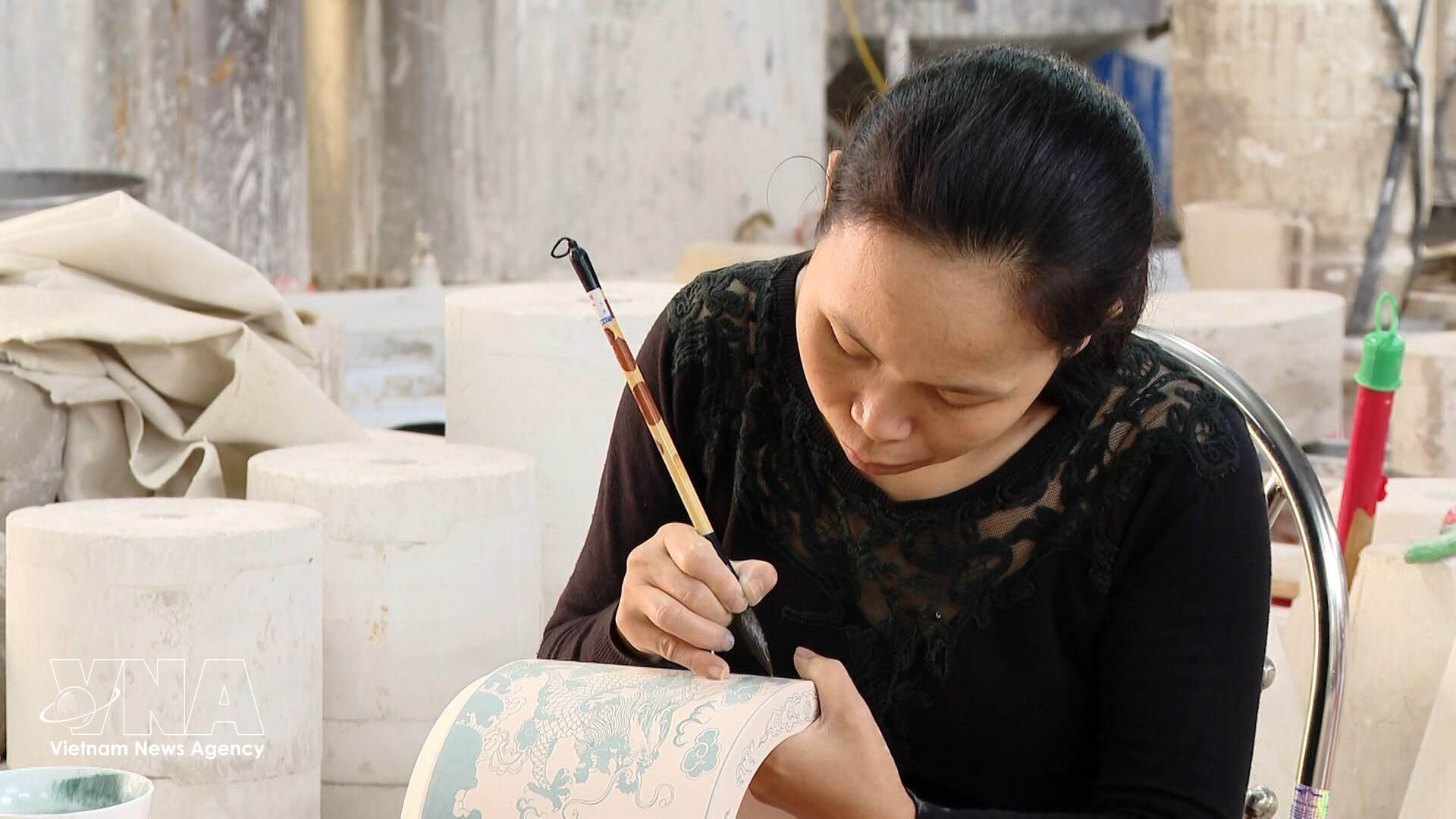
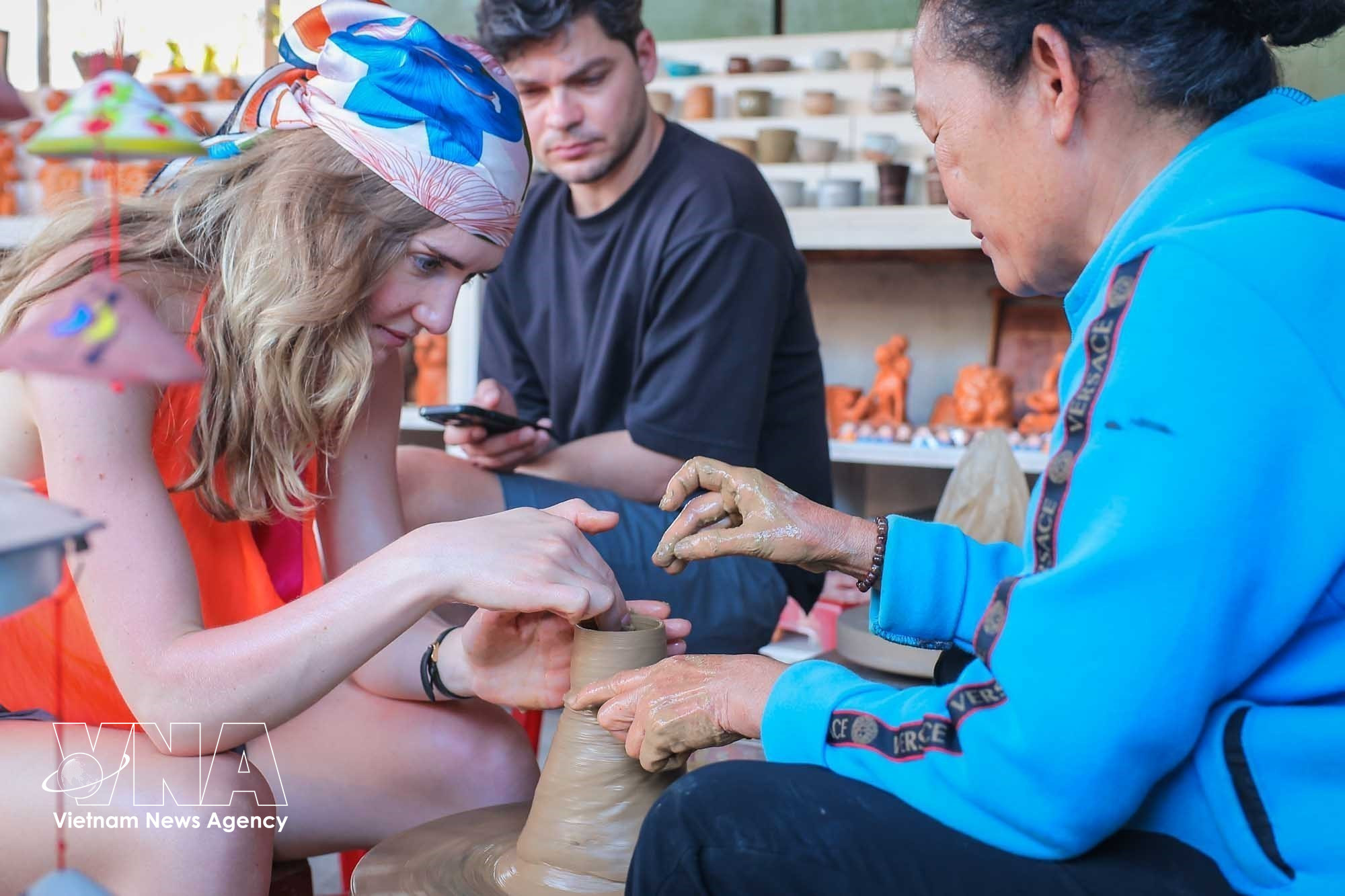
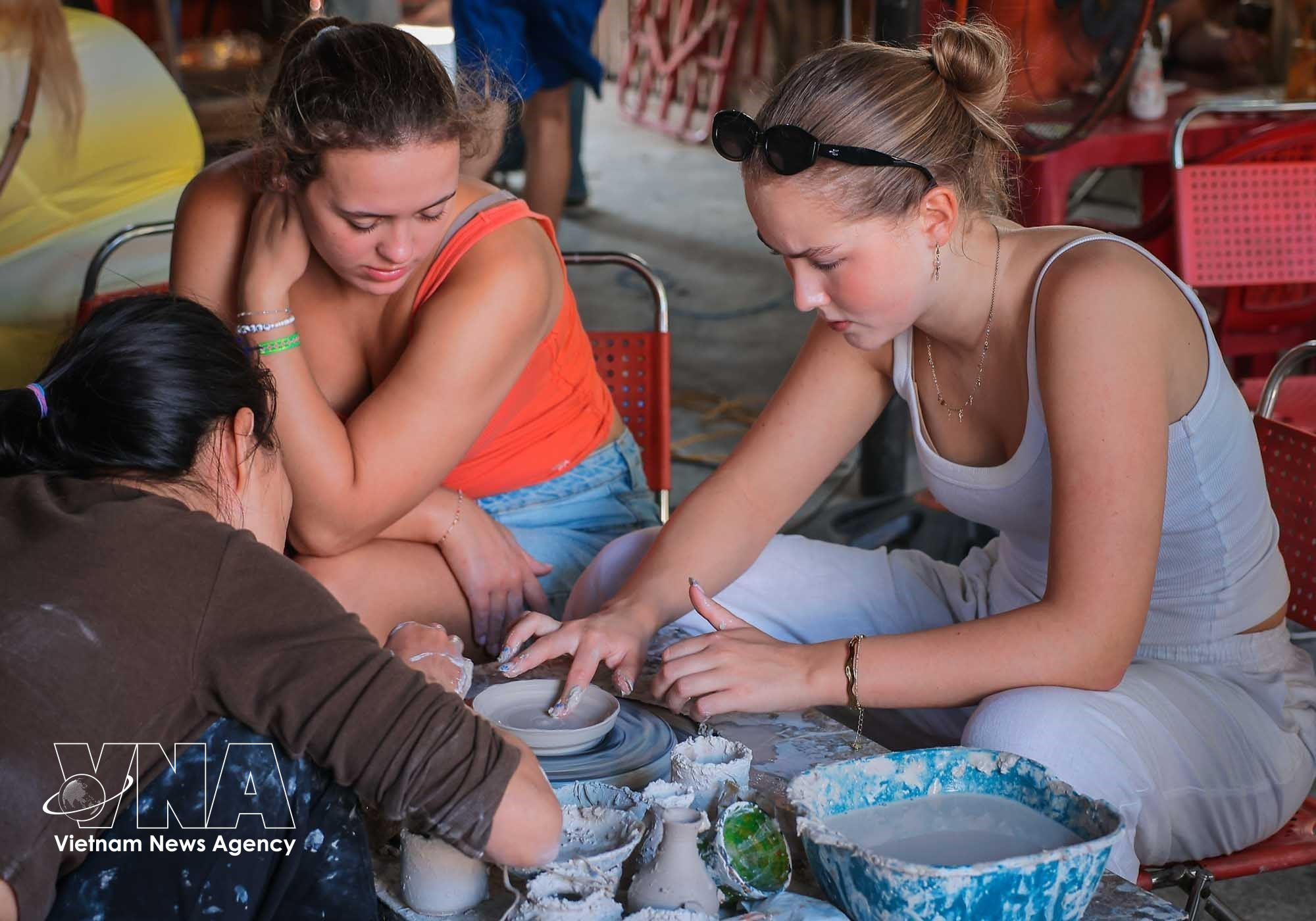
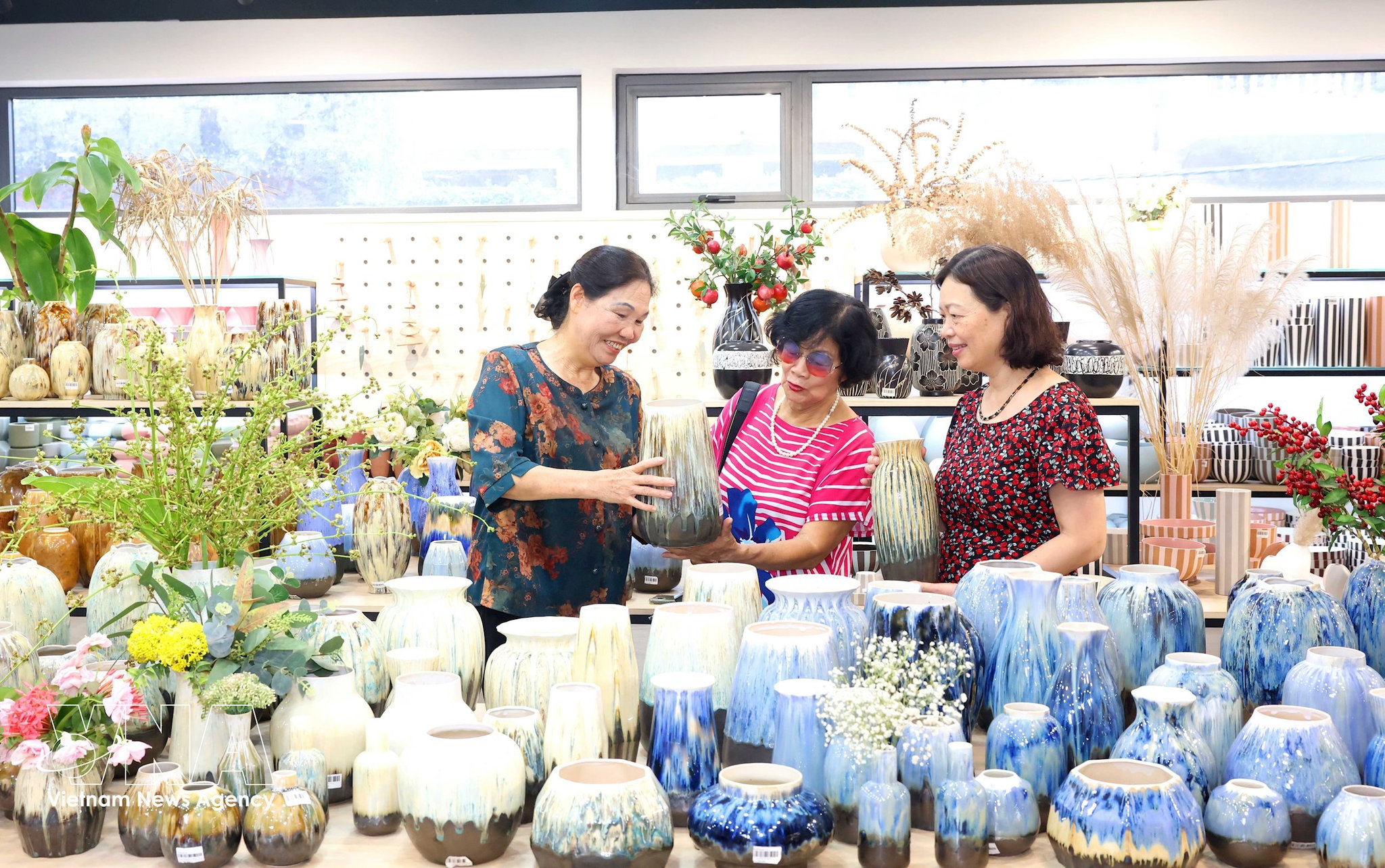
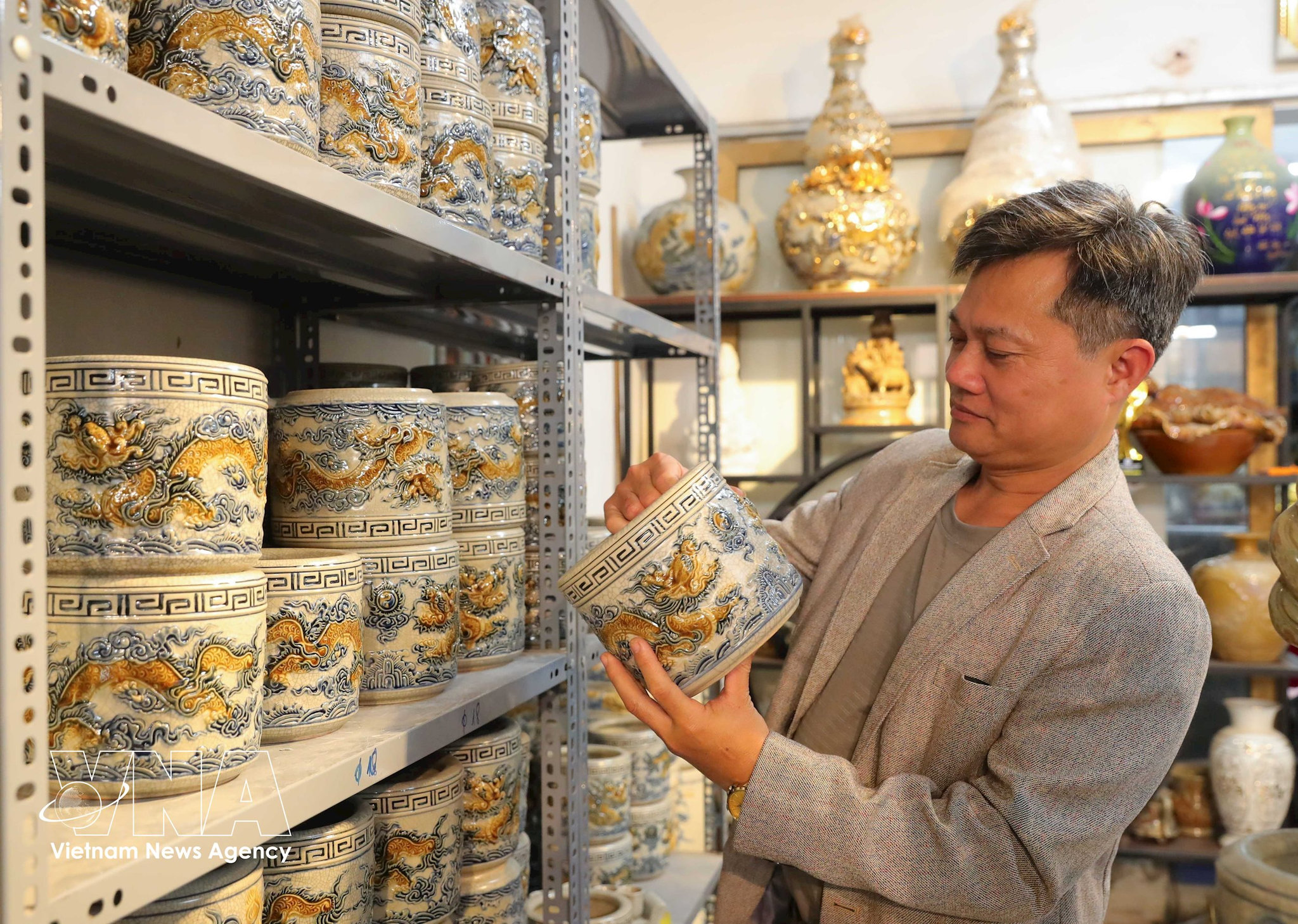
At Bat Trang ceramic village, many visitors want to experience what it feels like to be a craftsperson by sitting at a potter’s wheel to make their own products, or observing how clay is mixed and glazed and learning about the various stages of the pottery-making process.
“
Each handicraft production facility and each old house preserve cultural values that have been passed down persistently from one generation to another.
Pham Bich Tram from Hoi An ward , Da Nang city
Taking part in a tour of Bat Trang village, Pham Bich Tram from Hoi An ward in Da Nang city said: "By walking through brick-paved alleys, visiting the ancient village, stopping at production workshops, talking with artisans, listening to stories about the craft, and making pottery myself, I could better feel the vitality of a craft village that has existed for hundreds of years." She added that each handicraft production facility and each old house preserve cultural values that have been passed down persistently from one generation to another.
Domestic and international tourists experience Bat Trang pottery village (Photo: VNA)
Practical experience shows that the appeal of craft village tourism lies in the opportunity to engage with local cultural life. Each journey of discovery offers a different perspective on a community’s cultural life, creating an emotional connection between visitors and the craft village environment.
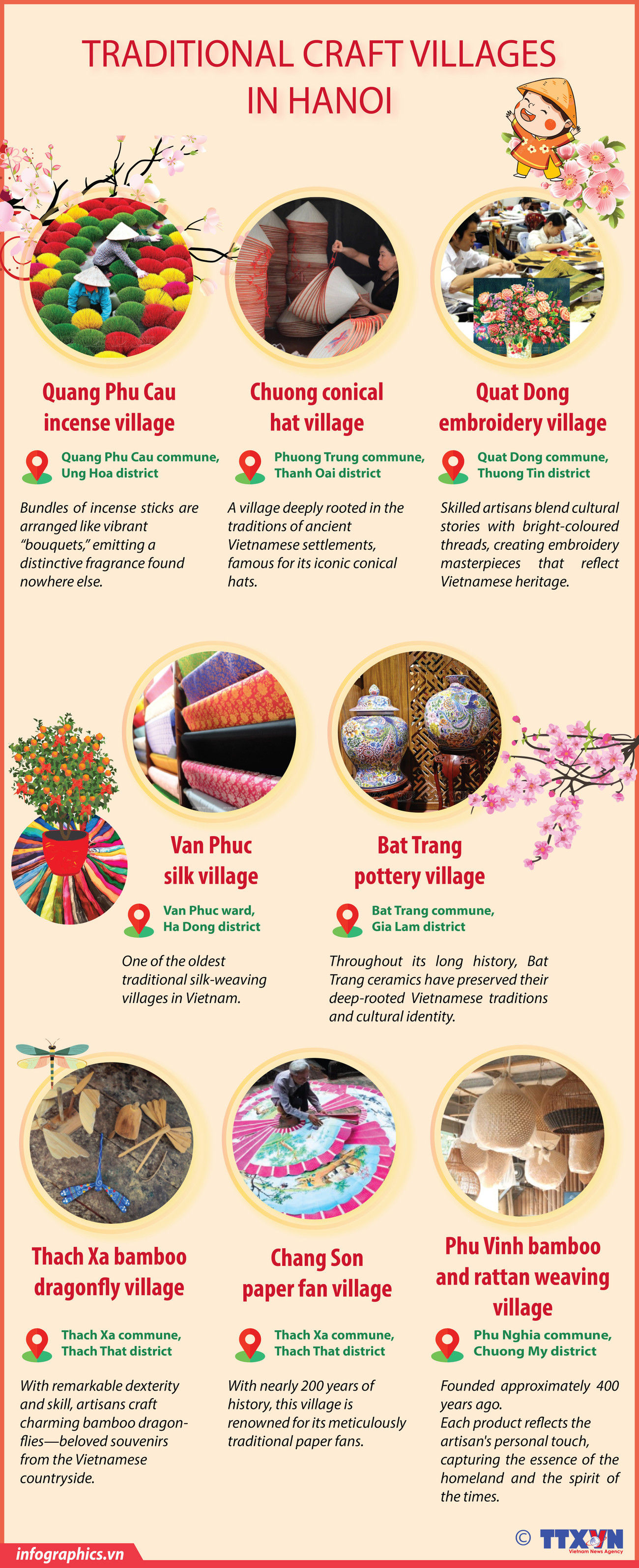
Despite their great potential, most craft villages in Hanoi are being developed as individual destinations, with limited connectivity to tourism routes and service system.
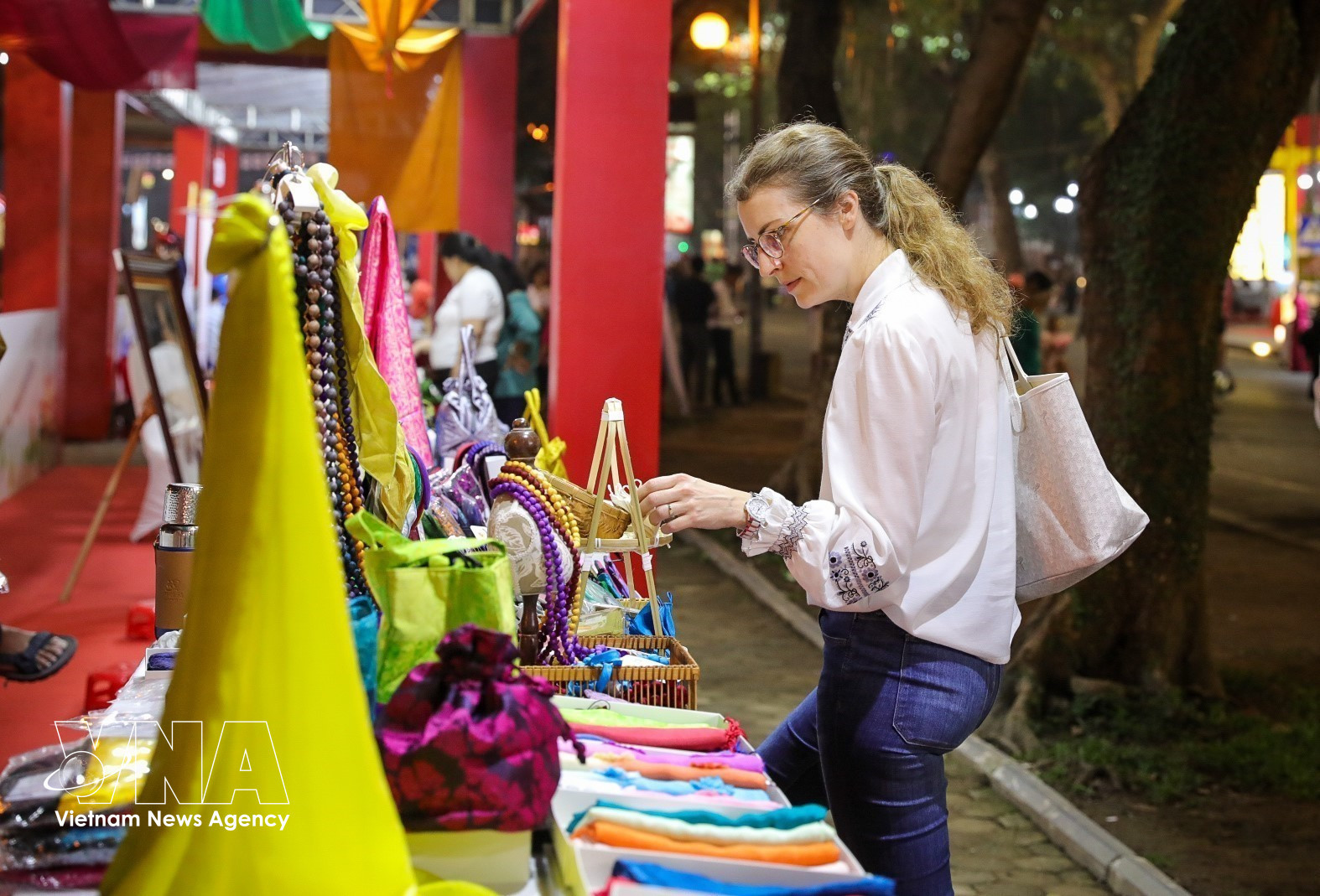
Foreign tourists browse products in Van Phuc silk village (Photo: VNA)
Nguyen Tien Dat, Vice Chairman of the Hanoi Tourism Association and Director of AZA Travel, said the current trend among international tourists is experiential travel, with visitors directly taking part in production activities in craft villages. Bat Trang ceramic village and Van Phuc silk village have responded relatively well to tourists’ needs, while many others remain focused mainly on production and have not prepared adequate conditions to receive visitors. Infrastructure remains inadequate, with parking areas and toilets failing to meet requirements, while spaces for experiences and shopping are limited. Production households also need to change their mindset, proactively opening their doors to visitors and regarding tourism as a development direction linked to the preservation and promotion of traditional crafts, he added.
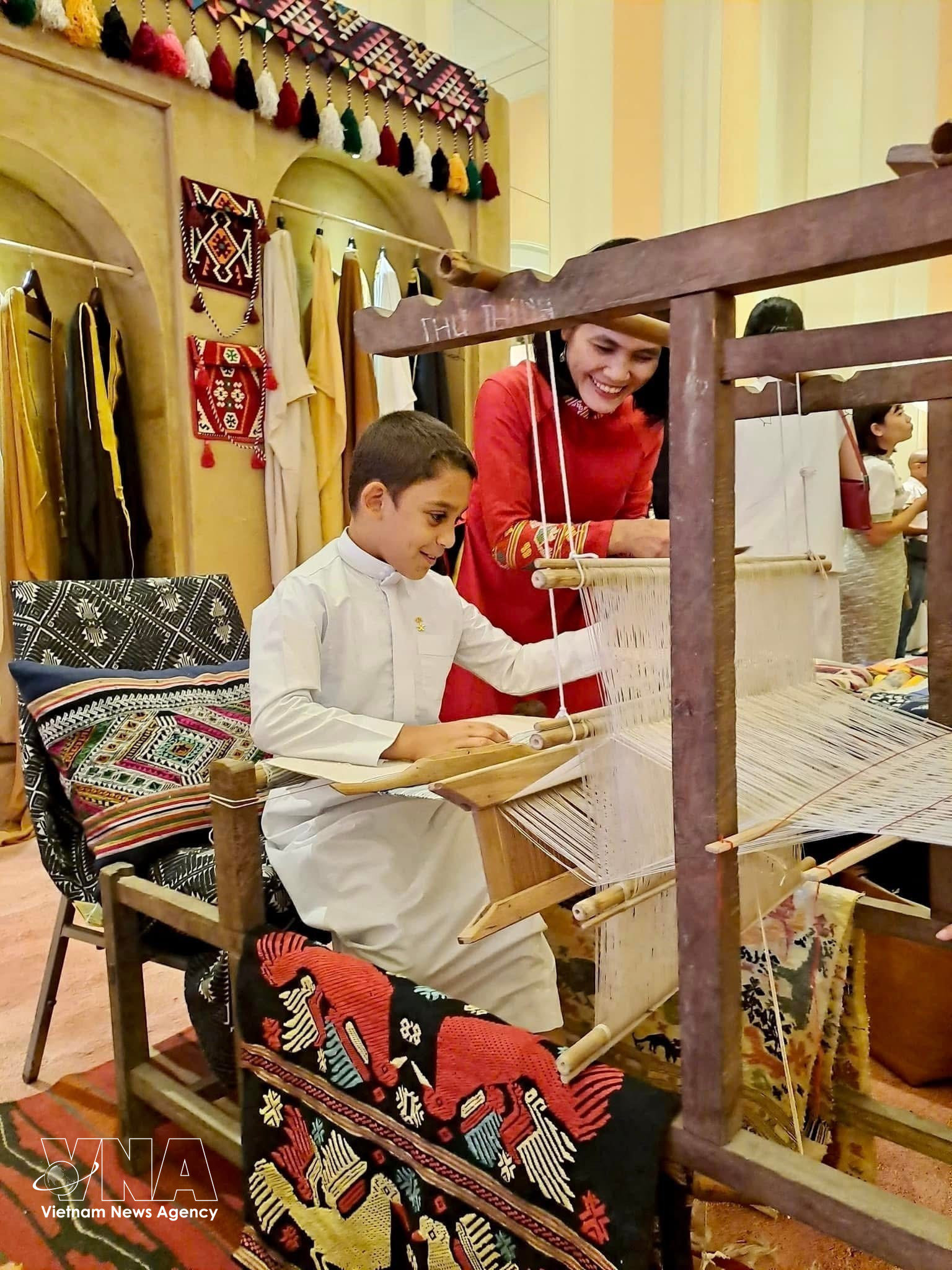
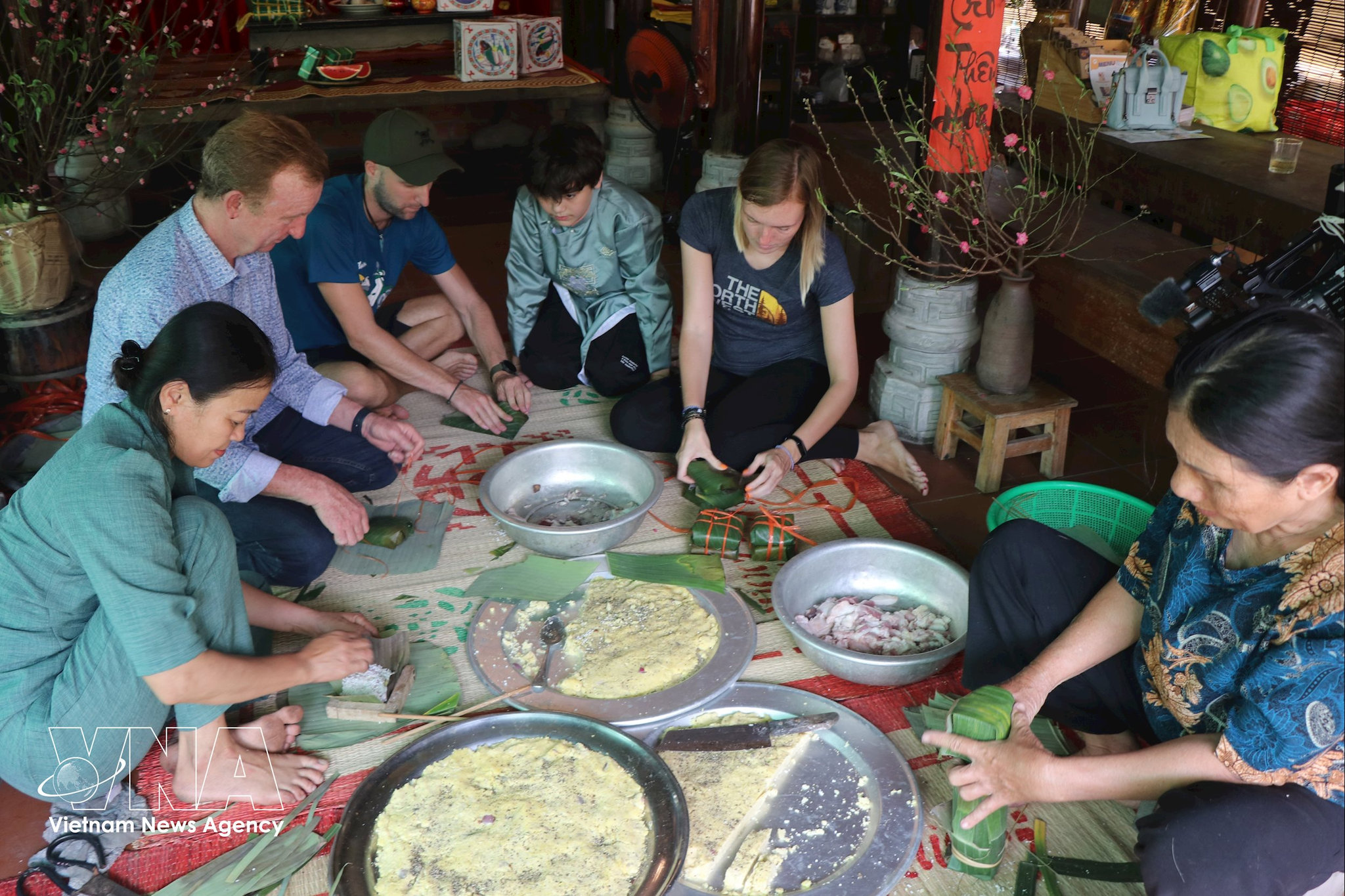
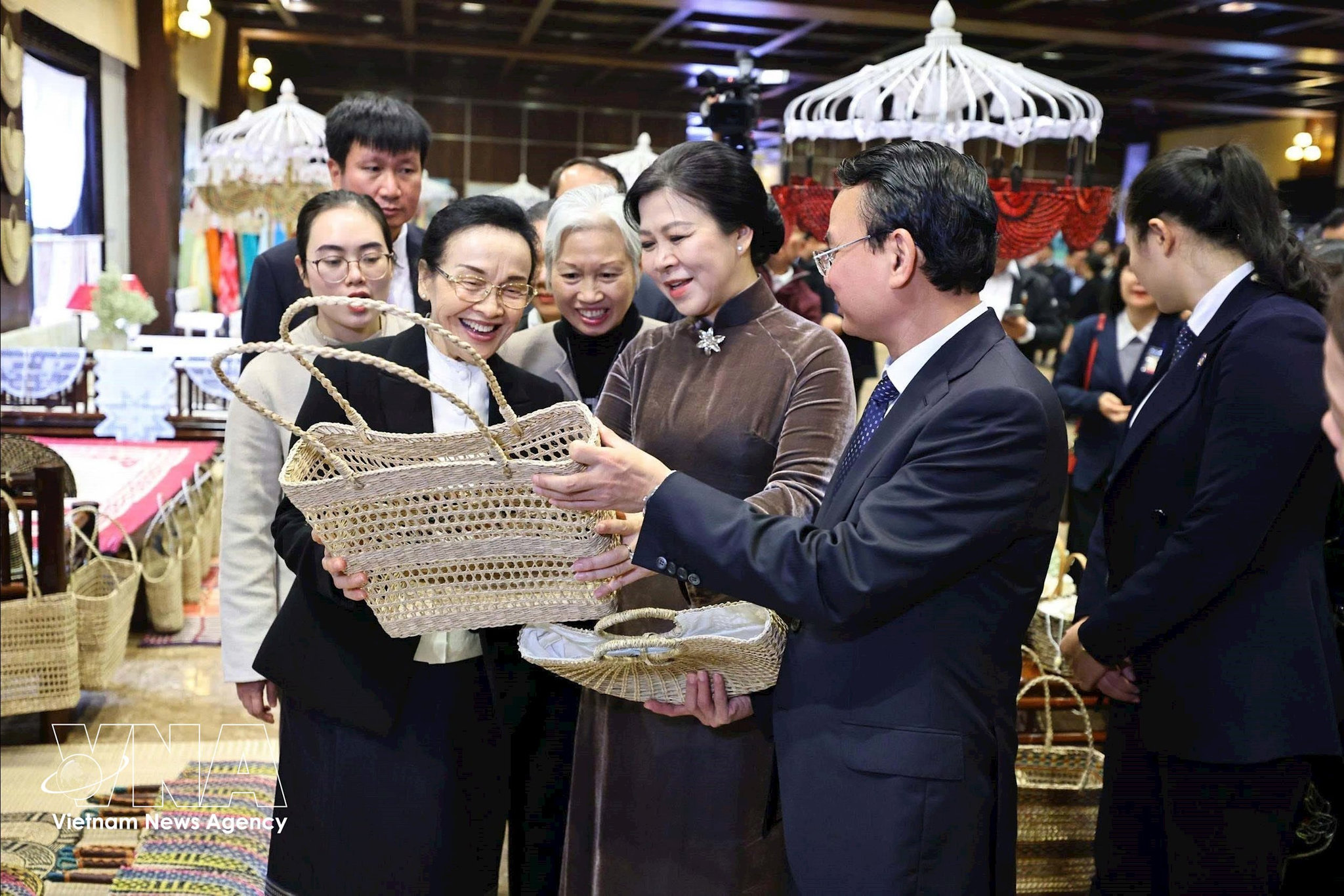
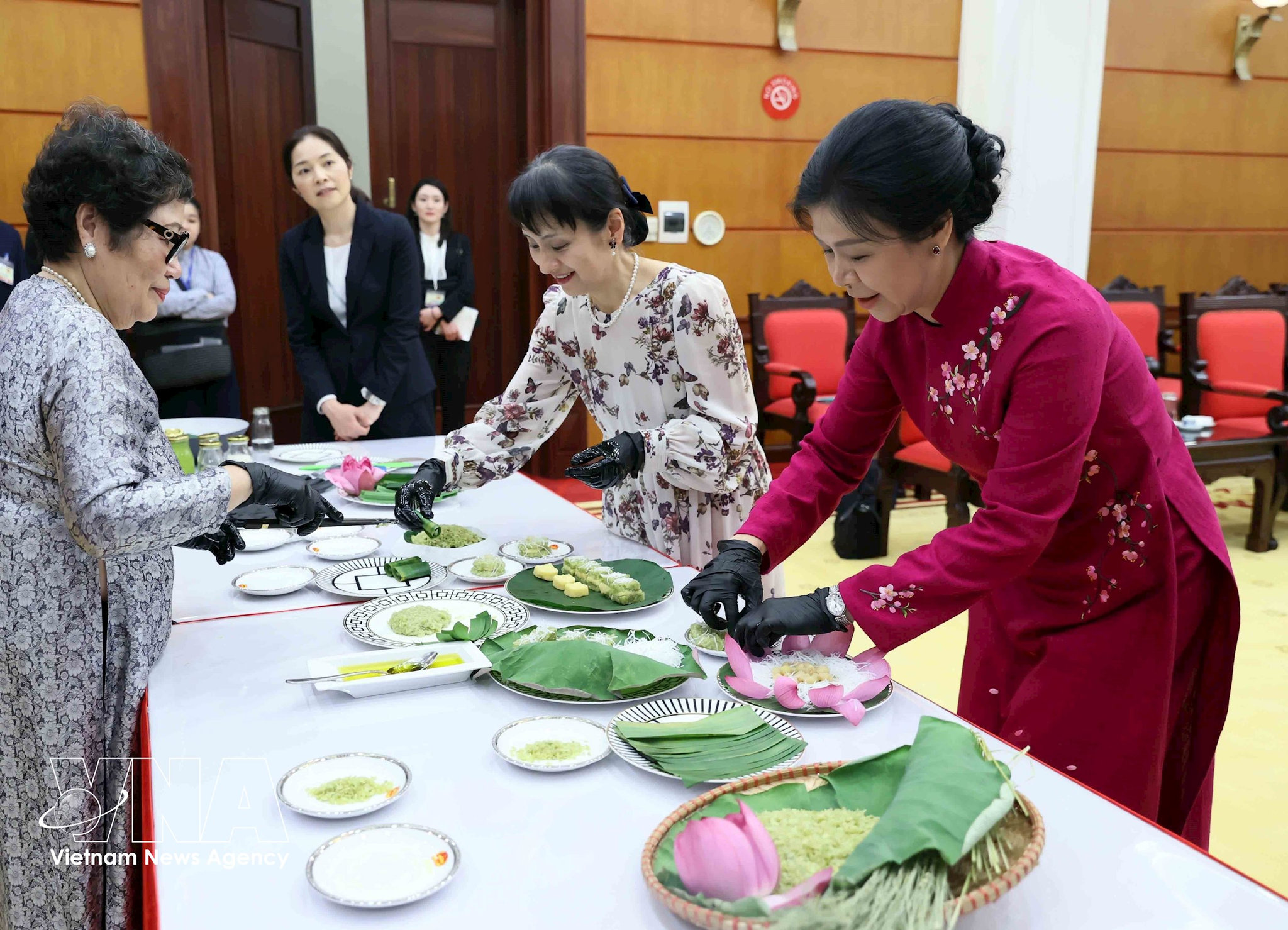
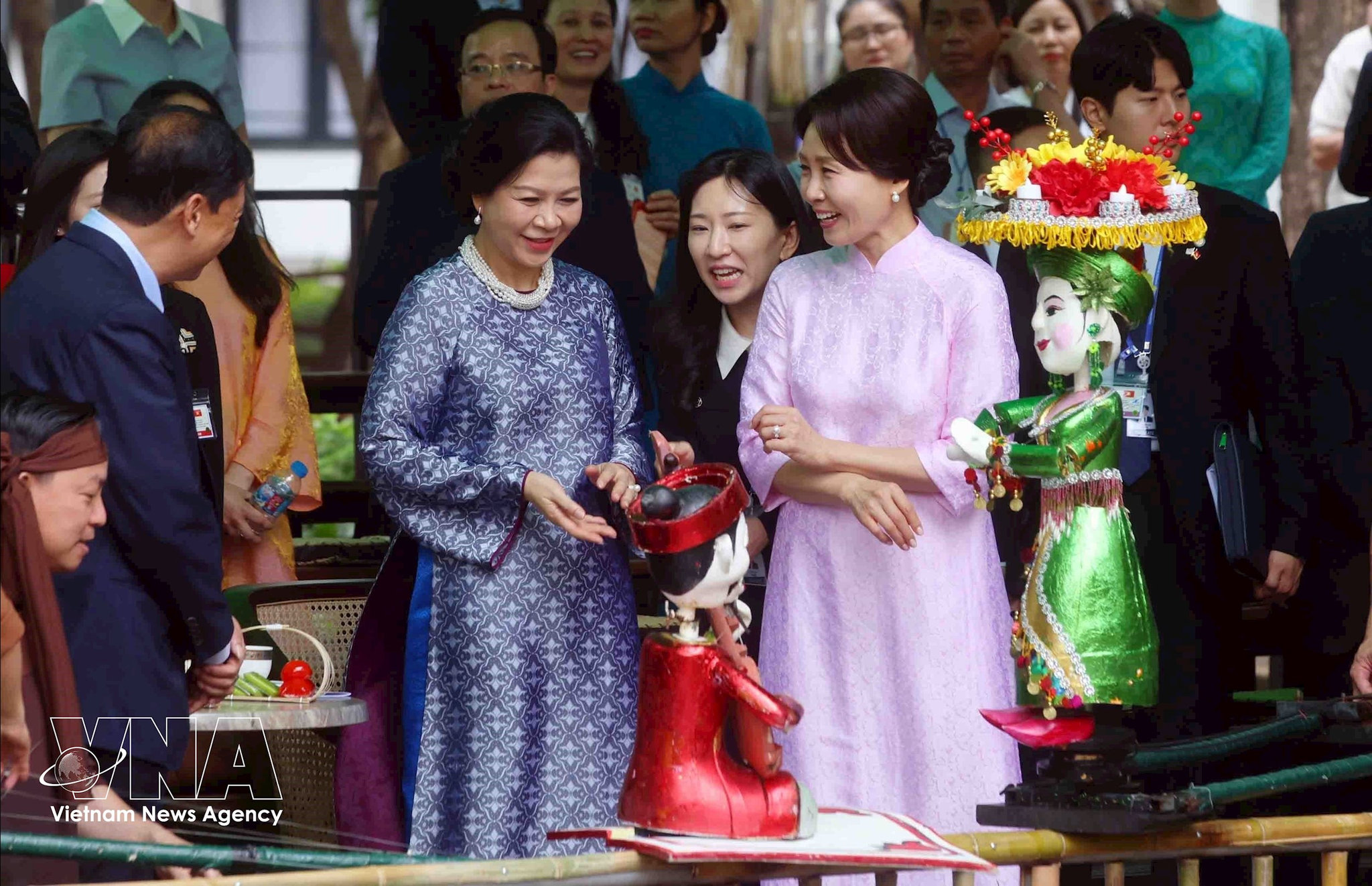
Madam Ngo Phuong Ly, spouse of General Secretary of the Communist Party of Vietnam Central Committee To Lam, and Madam Naly Sisoulith, spouse of Lao Party General Secretary and President Thongloun Sisoulith, during their visit to Ninh Binh province on January 27, 2026 (Photo: VNA)Chiều 26/3/2025, tại Hà Nội, bà Ngô Phương Ly, Phu nhân Tổng Bí thư Tô Lâm tiếp bà Loo Tze Lui, Phu nhân Thủ tướng Singapore Lawrence Wong và cùng thưởng thức văn hóa nghệ thuật dân gian Việt Nam. Ảnh: TTXVNTối 27/4/2025, tại Trụ sở Trung ương Đảng, bà Ngô Phương Ly, Phu nhân Tổng Bí thư Tô Lâm cùng bà Ishiba Yoshiko, Phu nhân Thủ tướng Nhật Bản Ishiba Shigeru có buổi gặp gỡ và cùng trải nghiệm làm bánh cốm truyền thống. Ảnh: TTXVNSáng 23/4/2026, tại Hà Nội, Phu nhân Tổng Bí thư, Chủ tịch nước Tô Lâm, bà Ngô Phương Ly và Phu nhân Tổng thống Hàn Quốc Lee Jae Myung, bà Kim Hae Kyung tham quan Bảo tàng Dân tộc học Việt Nam. Ảnh: TTXVNSáng 5/9/2026, bà Ngô Phương Ly, Phu nhân Tổng Bí thư, Chủ tịch nước Tô Lâm cùng bà Kyu Kyu Hla, Phu nhân Tổng thống Myanmar Min Aung Hlaing tham quan làng lụa Vạn Phúc, Hà Nội. Ảnh:TTXVN
To develop craft village tourism professionally, Hanoi has introduced a large number of policies. However, experts said that to create diverse itineraries, extend visitors’ stays, and increase the value of tourism offerings, the city needs to create more interconnected tourism routes, clusters, and spaces while linking craft villages with travel businesses, accommodation providers, historical sites, creative spaces, artistic activities, and culinary services.
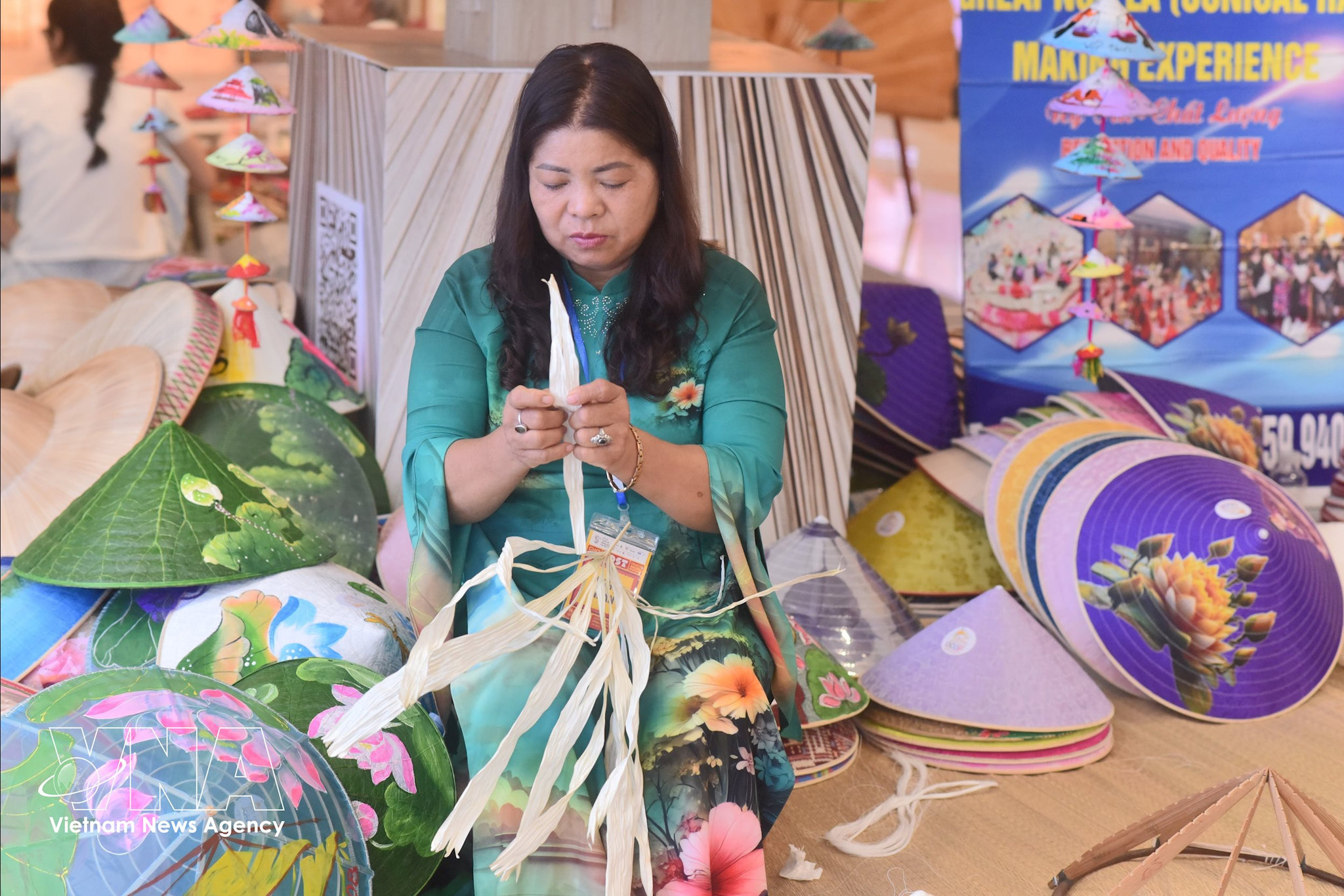
An artisan from Chuong conical hat village demonstrates her craft at a creative fair (Photo: VNA)
Recently, new approaches have emerged in linking craft villages with tourism. As part of the Hanoi Creative Design Festival 2026, the “Creative Matchmaking” fair brought together artisans, craft villages, and designers, creating a space where traditional crafts could meet contemporary creativity.
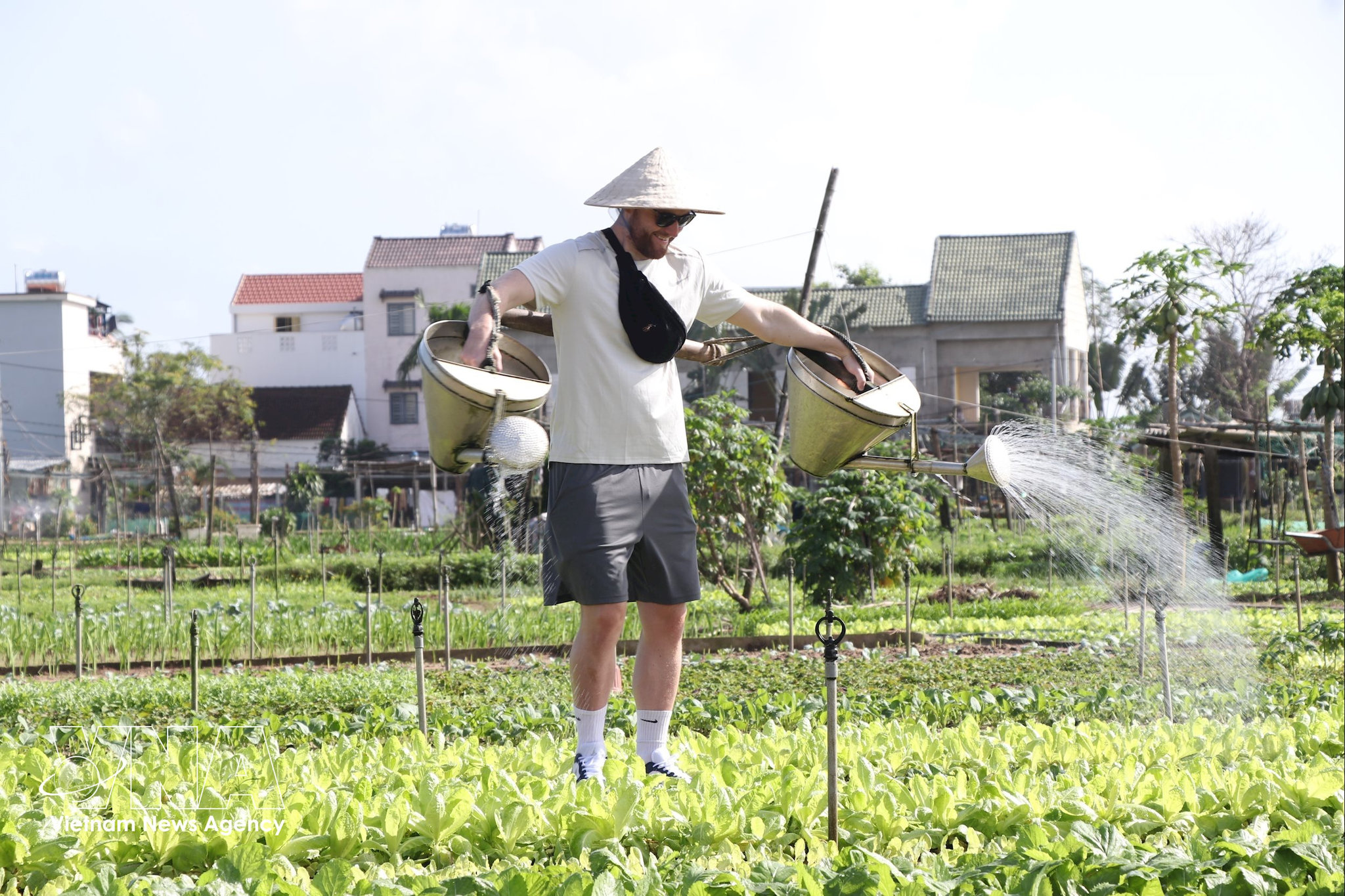
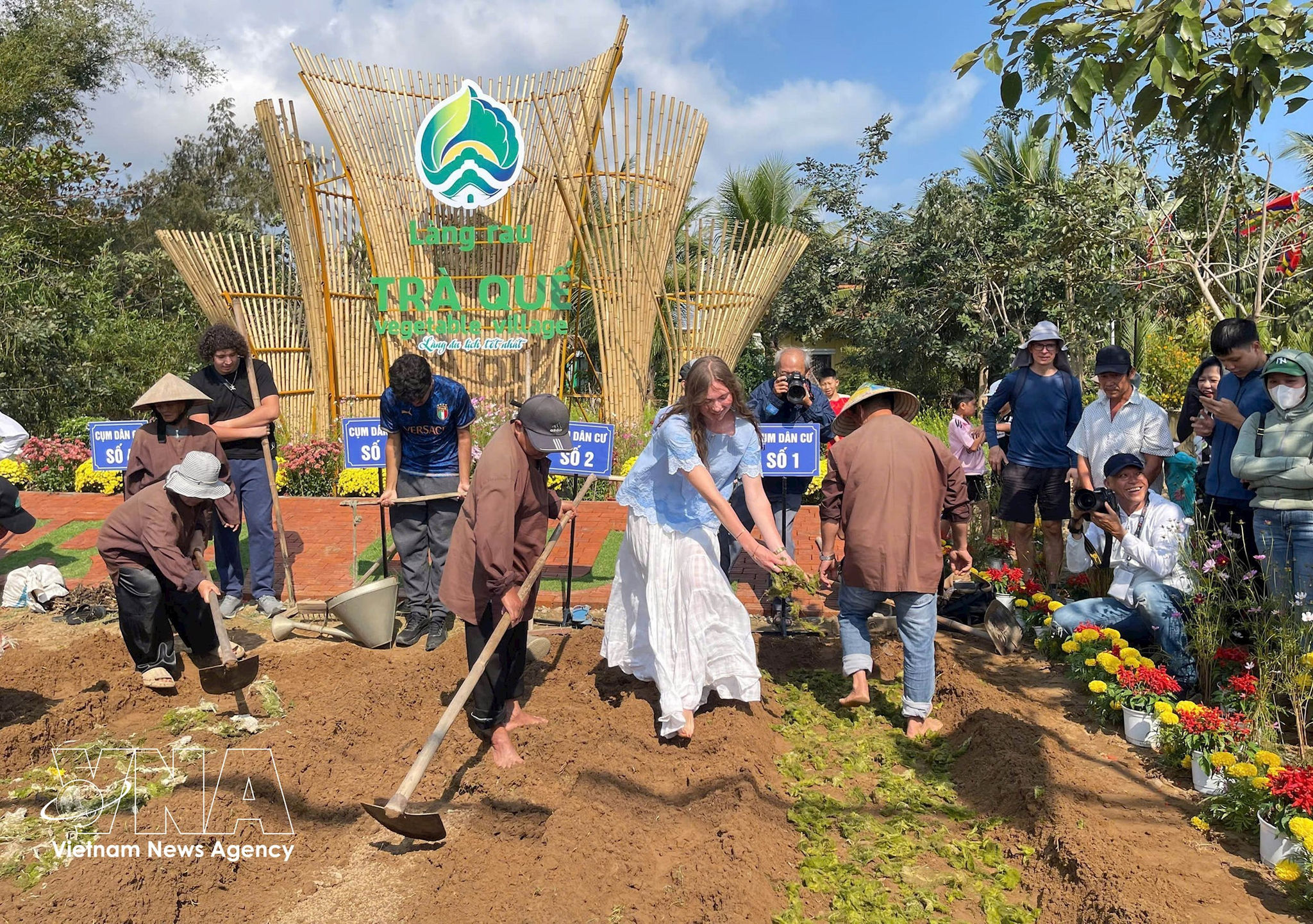
Also in 2026, the local tourism sector piloted an agriculture – craft village tour, which combines pottery-making experiences with a meal shared with artisans and an exploration of the history of an ancient riverside village.
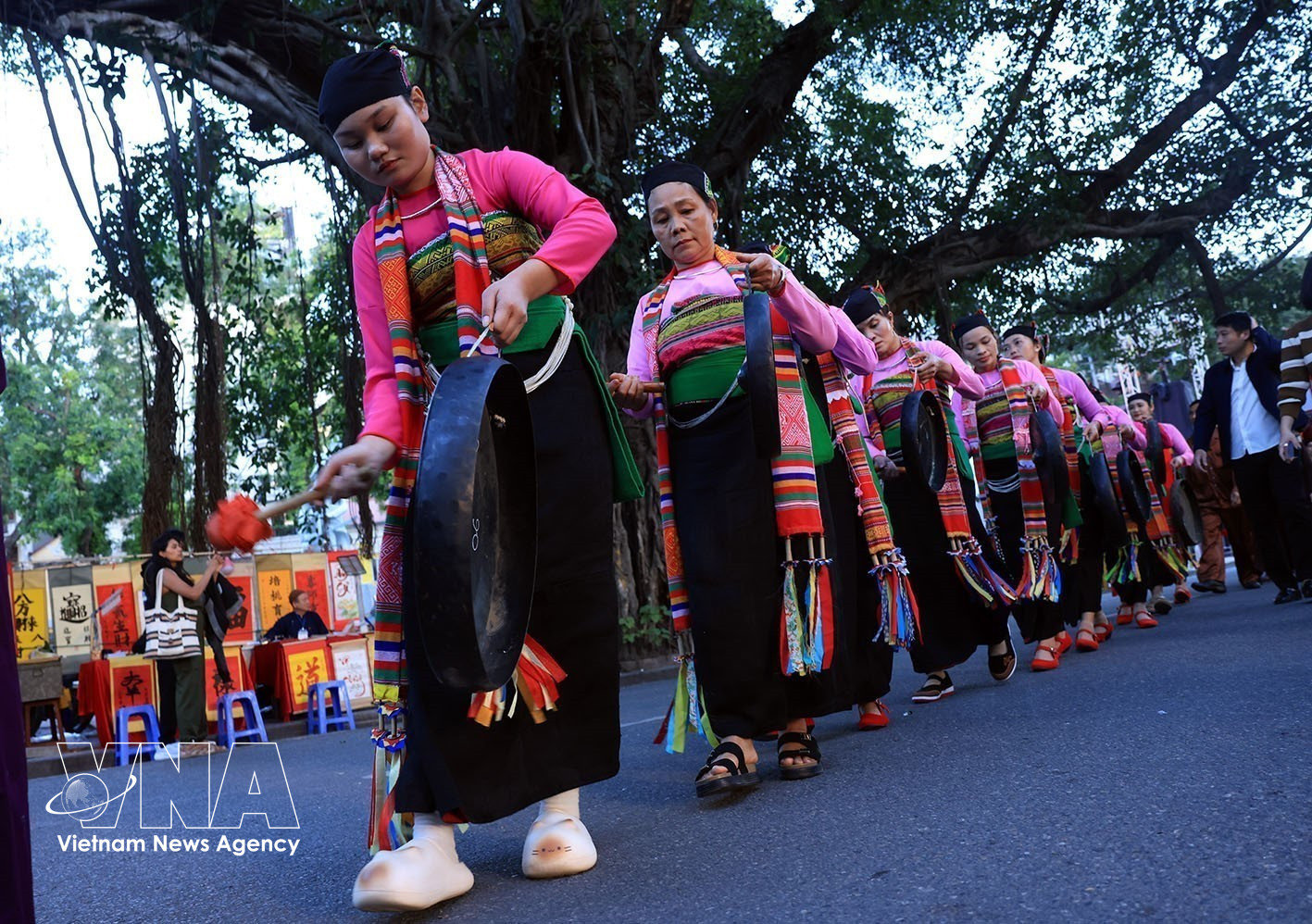
Meanwhile, various new products are being developed and piloted, including a community-based tourism model associated with Muong ethnic culture in My Duc, and heritage and historical-site experiential tours in Ha Mo. These changes partly reflect an expanding market for craft villages in Hanoi and across the country.
Muong Ethnic Culture Festival (Photo: VNA)
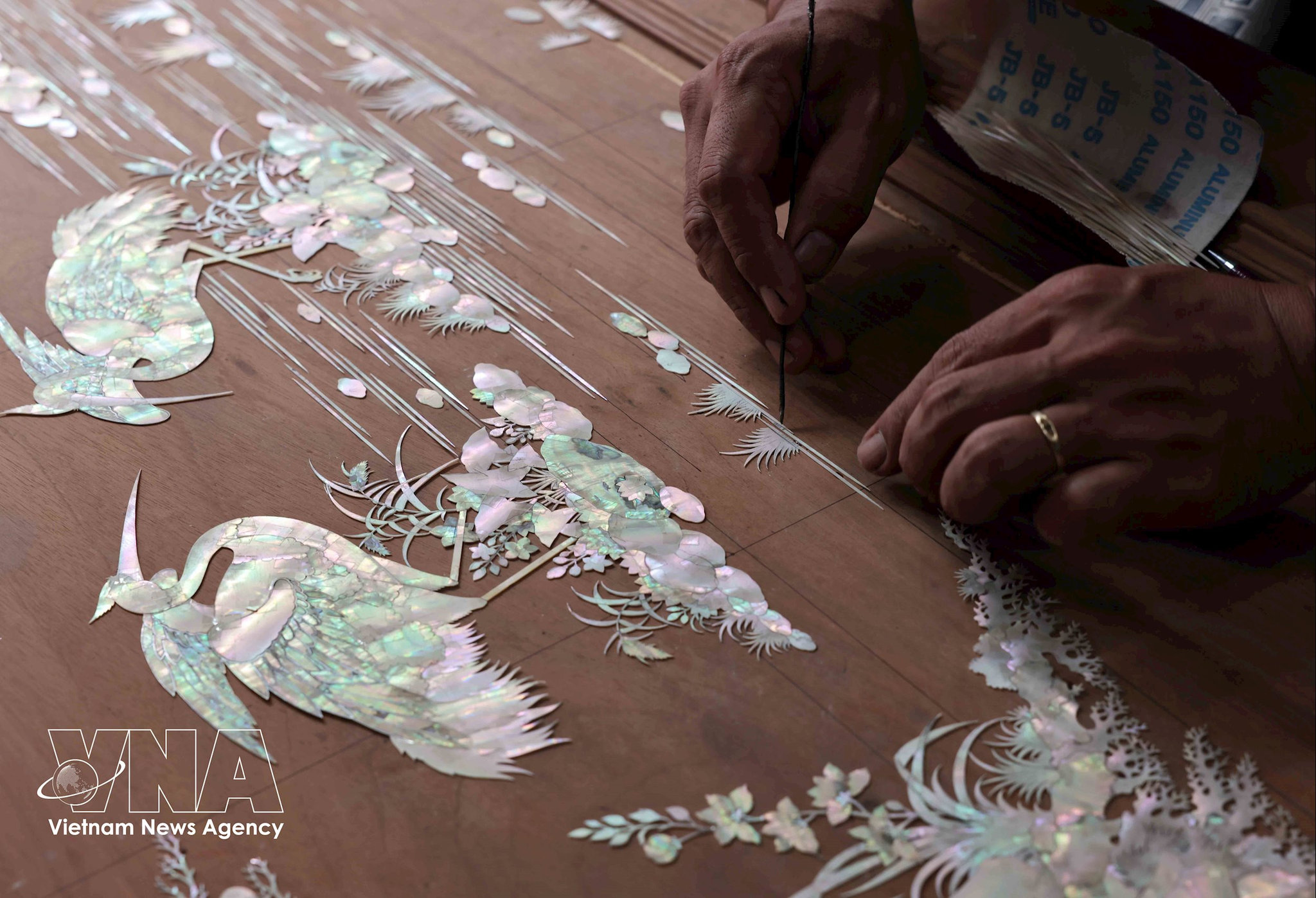
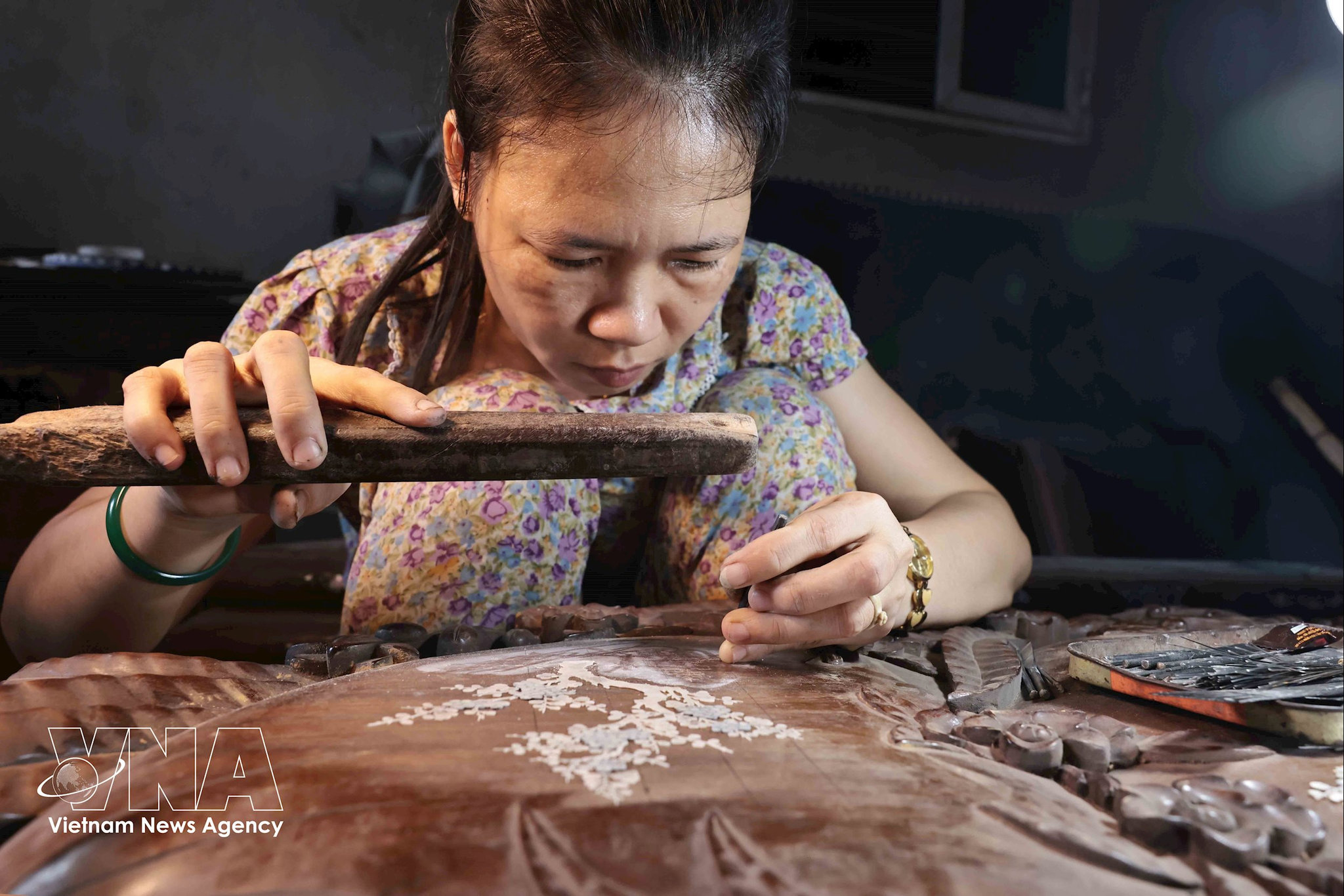
The developments indicate considerable room for growth. On May 8, Hanoi welcomed the recognition of Chuyen My mother-of-pearl inlay and lacquer village and Son Dong lacquer sculpture village as members of the World Craft Cities Network. This brings the total number of the capital city's craft villages in the network to four, following Bat Trang and Van Phuc, which were recognised in 2024. With this achievement, Vietnam rose to second place globally in the number of craft villages participating in the network, behind Iran.
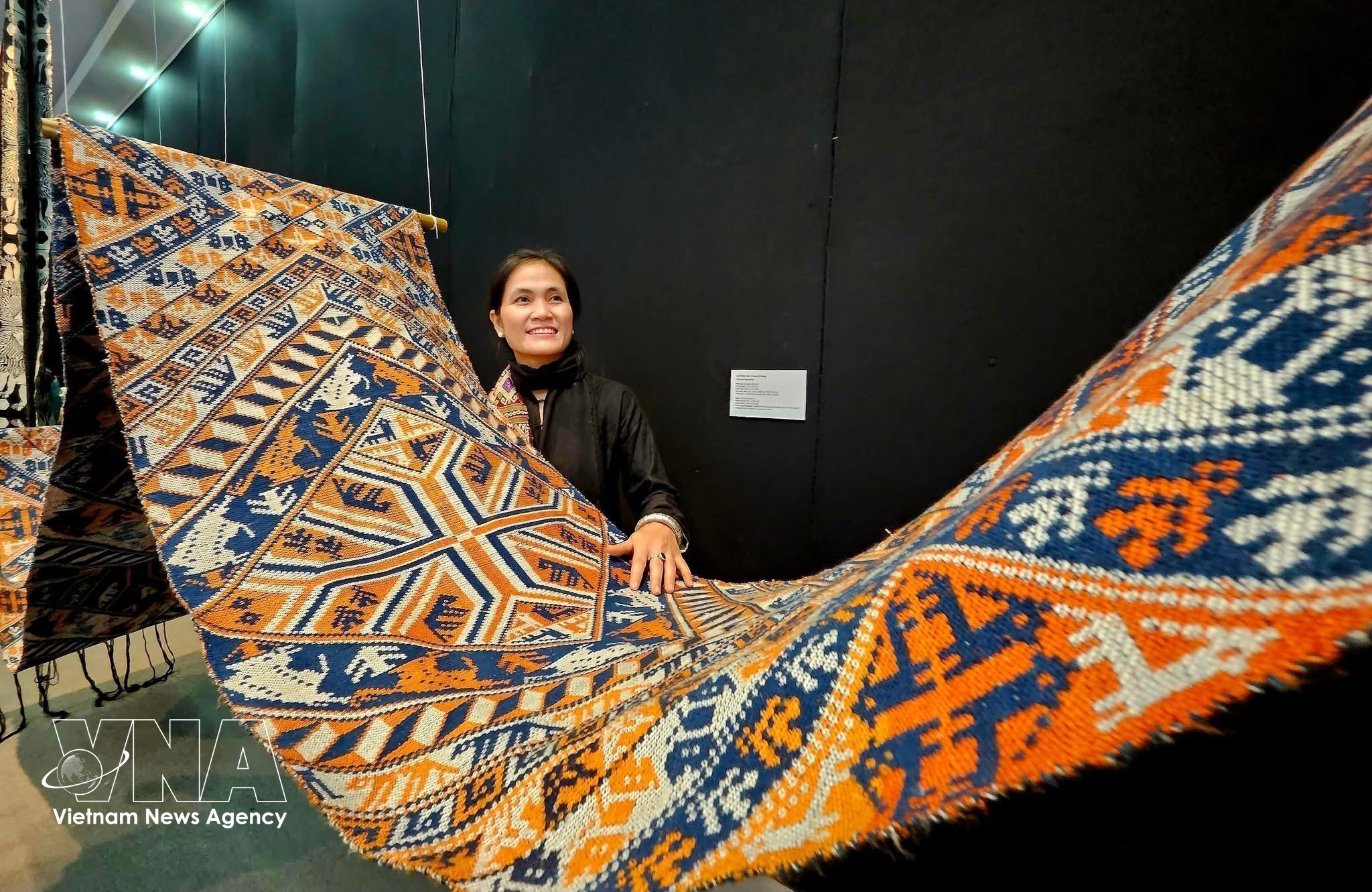
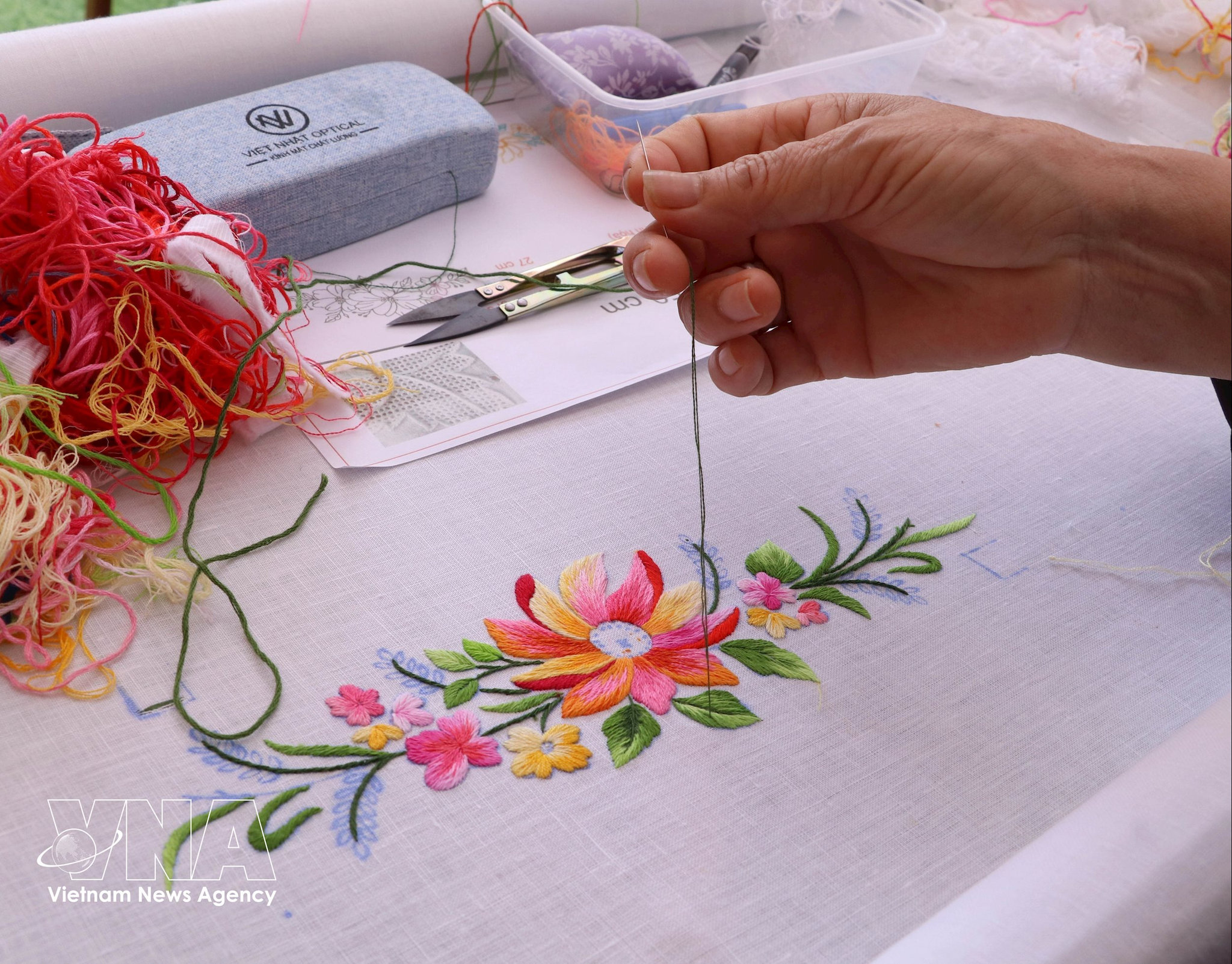
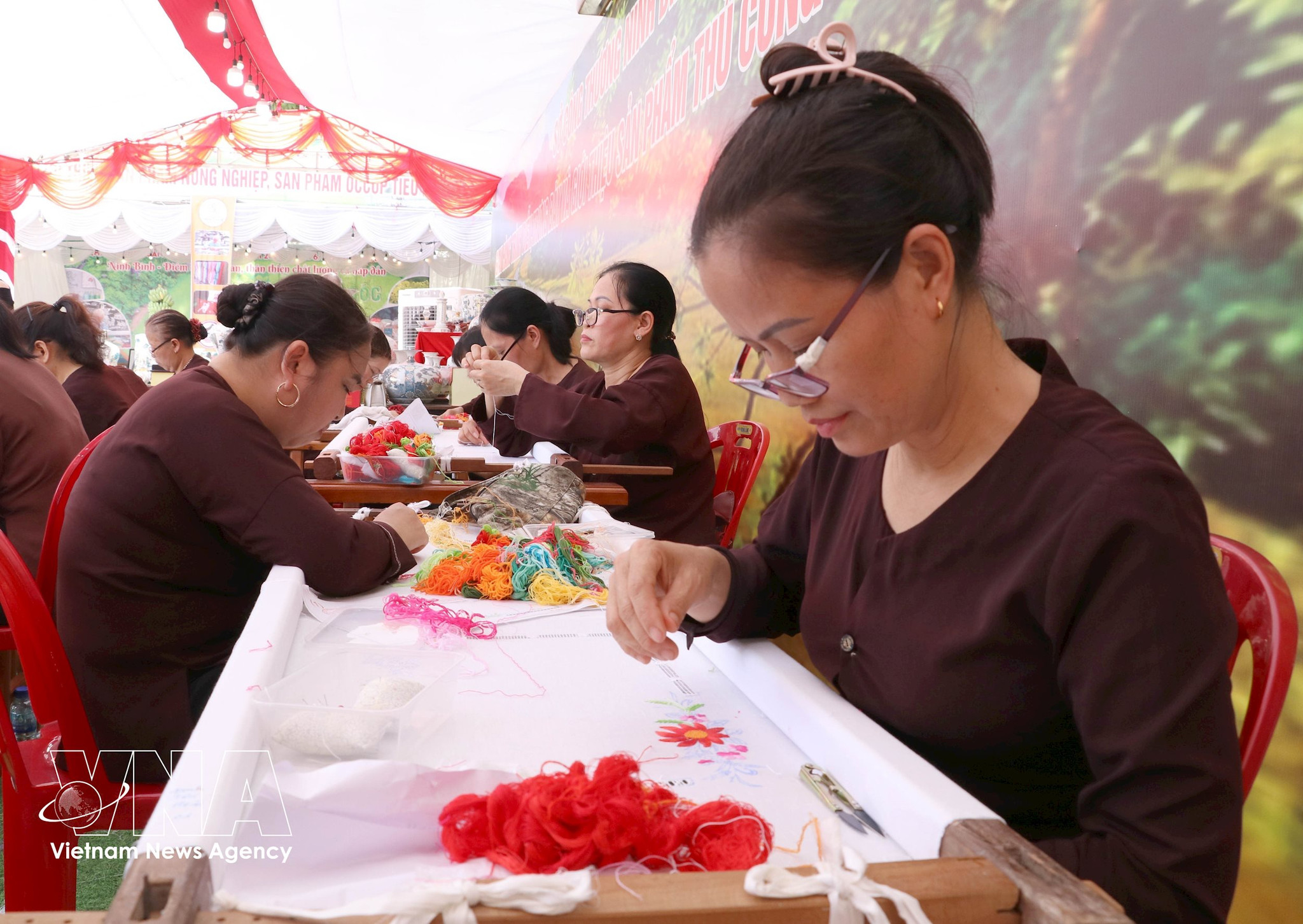
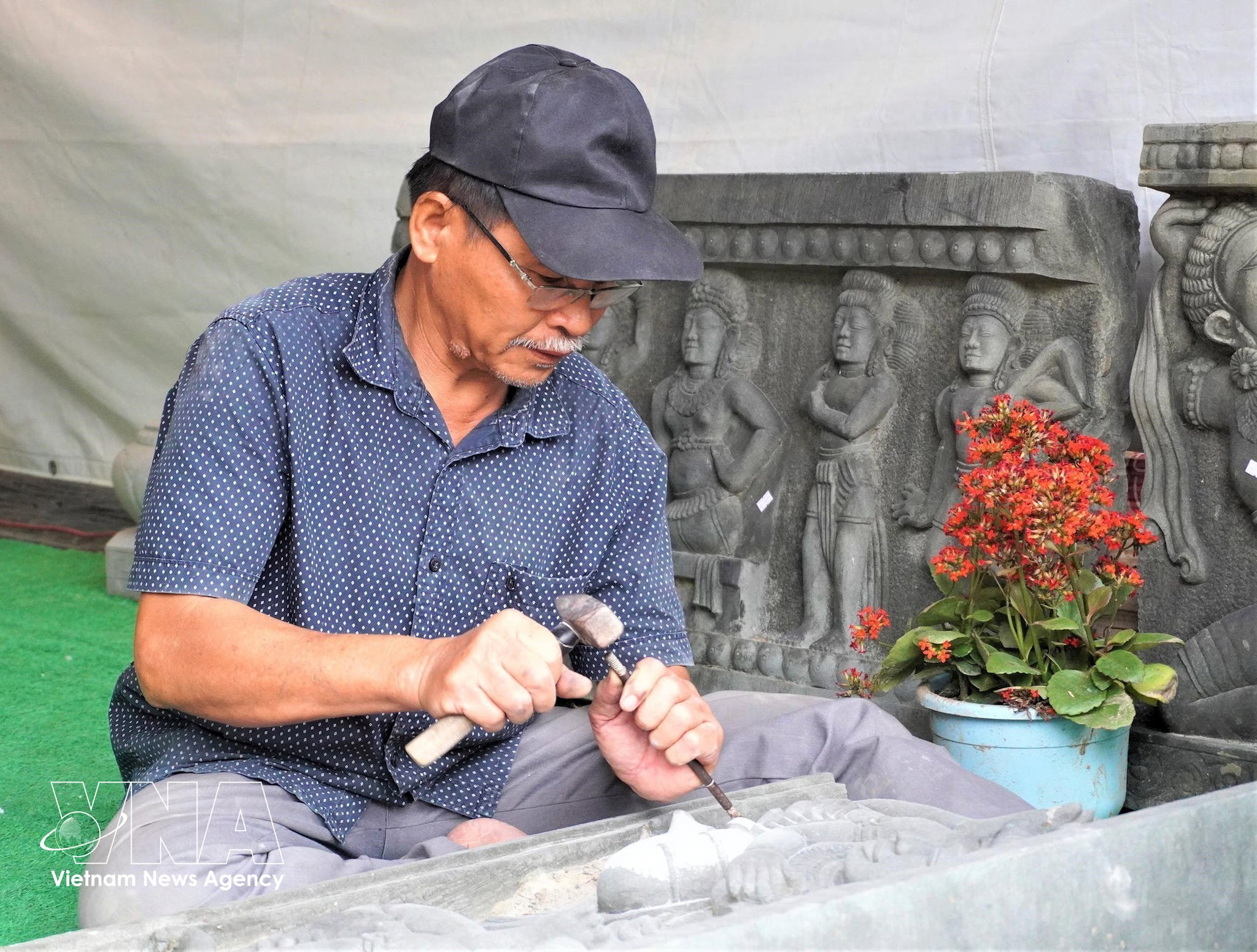
In other localities, craft villages are also seeking suitable ways to connect with tourism. For example, the traditional brocade weaving of the Thai ethnic group in Nghe An province was included in the list of national intangible cultural heritage in 2025, alongside efforts to develop raw-material areas and livelihoods for local people. In Ninh Binh province, destinations such as Ninh Van stone carving, Bo Bat pottery and Van Lam embroidery villages are gradually being added to tour operators’ itineraries.
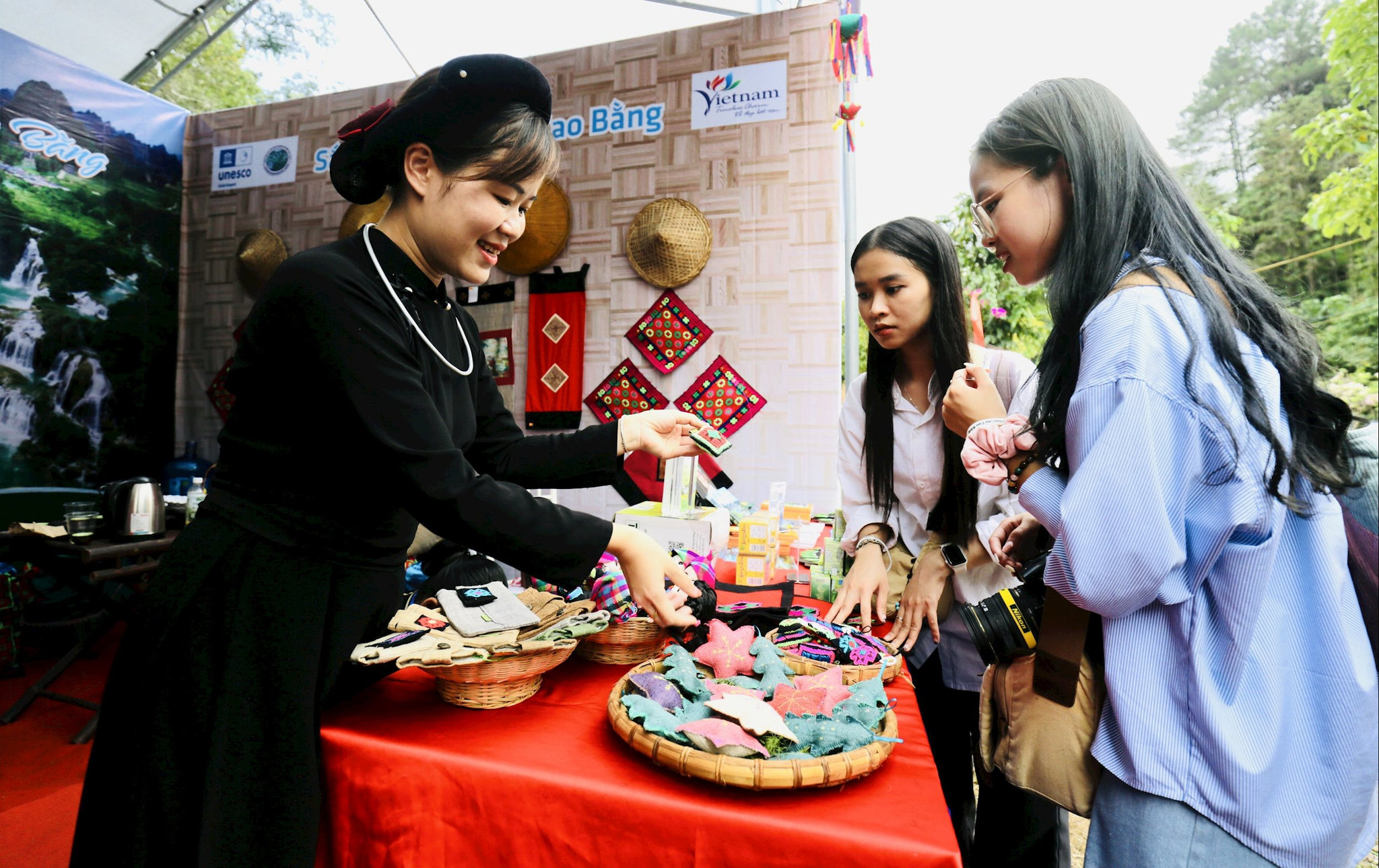
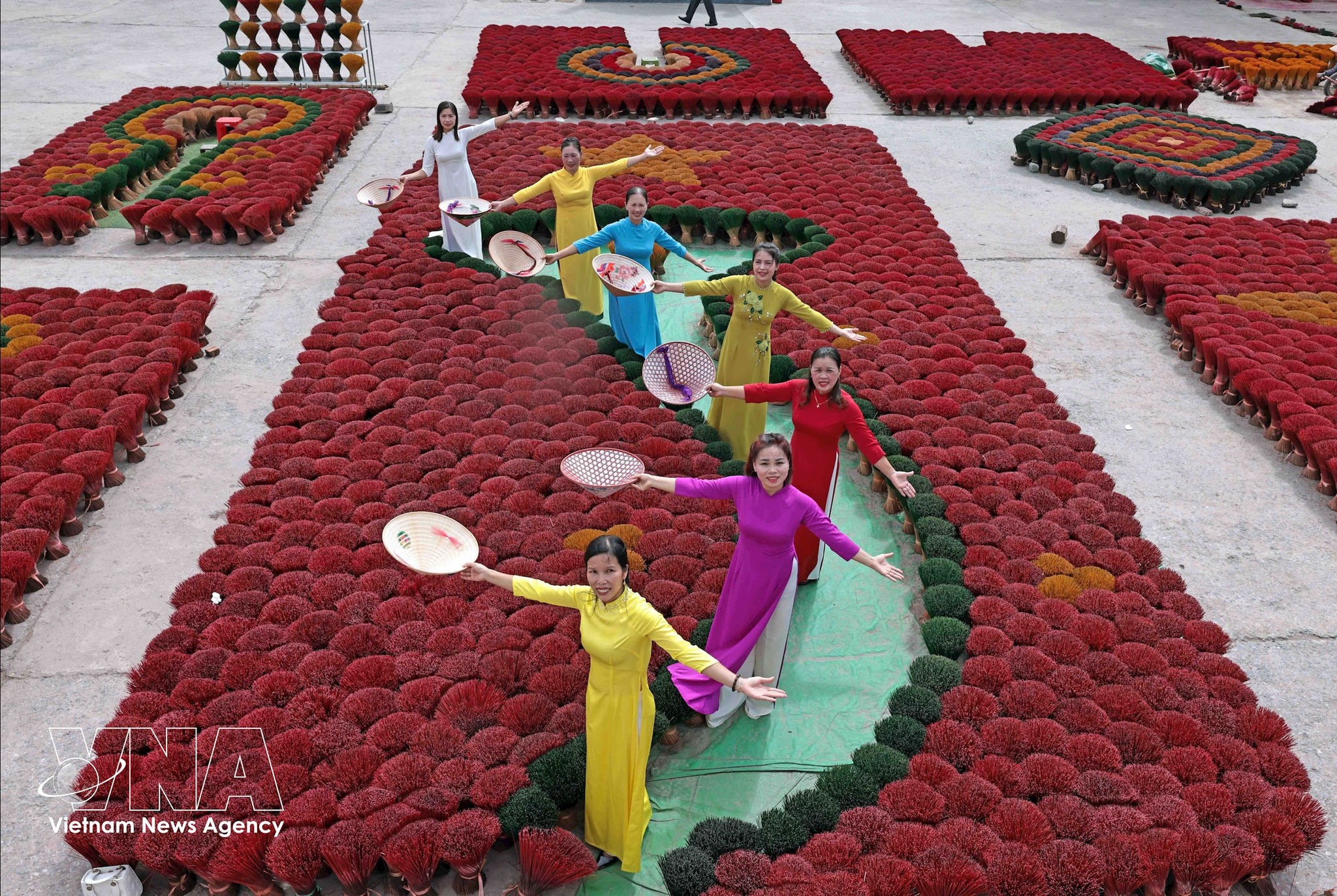
Domestic and international visitors explore traditional craft villages in Vietnam (Photo: VNA)
A trend toward greater connectivity among destinations is creating longer journeys. Recent proposals include a northeastern route linking Hanoi, Bac Ninh, Thai Nguyen, Tuyen Quang and Quang Ninh that highlights experiences such as wood carving in Bac Ninh, Tan Cuong tea in Thai Nguyen and Dong Trieu pottery in Quang Ninh. This is expected to create more space for handicrafts to become a meaningful part of the overall travel experience.
“
Many places still lack distinctive products while experiential activities remain limited and have few links with travel businesses.
Ha Thi Vinh, Chairwoman of the Hanoi Handicrafts and Craft Villages Association
As of the end of 2025, Vietnam had around 5,400 craft villages and villages with craft activities, including 263 traditional crafts and 1,975 recognised craft villages. Ha Thi Vinh, Chairwoman of the Hanoi Handicrafts and Craft Villages Association, said many places still lack distinctive products while experiential activities remain limited and have few links with travel businesses. Without sufficiently in-depth experiences that reflect the unique characteristics of each craft, the distinctiveness of those crafts can easily be blurred, making it difficult to maintain long-term appeal.
Craft villages and villages with traditional crafts are creating a rich and distinctive resource for Vietnam’s tourism sector (Photo: VNA)
An increase in visitor numbers does not necessarily mean traditional crafts have greater opportunities to develop. Services may become vibrant, but if skilled artisans receive only a small share of tourism revenue, young people are reluctant to pursue the craft because of low incomes, and production spaces continue to shrink, the bustle outside will not be enough to sustain traditional crafts in the long term.
Ha Van Sieu, Deputy Director of the Vietnam National Authority of Tourism (Photo: VNA)
Ha Van Sieu, Deputy Director of the Vietnam National Authority of Tourism, voiced concern that while some villages have become popular tourist spots, many traditional crafts are still at risk of fading away and losing their unique identity.
The environment is also part of the development equation. Production in some craft villages generates dust, smoke and wastewater, while larger numbers of visitors place additional pressure on traffic and shared living spaces. A destination promoting green experiences will find it difficult to convince visitors if the production environment and residents’ living conditions have not improved.
Creating greater value for craft villages
The current challenge is not simply to awaken the potential of craft villages, but to organise tourism in a way that creates additional value, starting with each place's distinctive identity. Bat Trang pottery village in Hanoi differs from Chu Dau in Hai Phong and Phu Lang in Bac Ninh. Thai brocade is also different from the brocade of the Muong, Gia Rai and Cham ethnic groups in terms of materials, colours and patterns.
Many experts have pointed out that in addition to training local people in tourism skills and digitalising destinations, tour guides need to improve their storytelling abilities. Technologies such as digital maps and QR codes can provide support, but stories about the crafts must still be told by people who understand the crafts and live in the environments harbouring them.
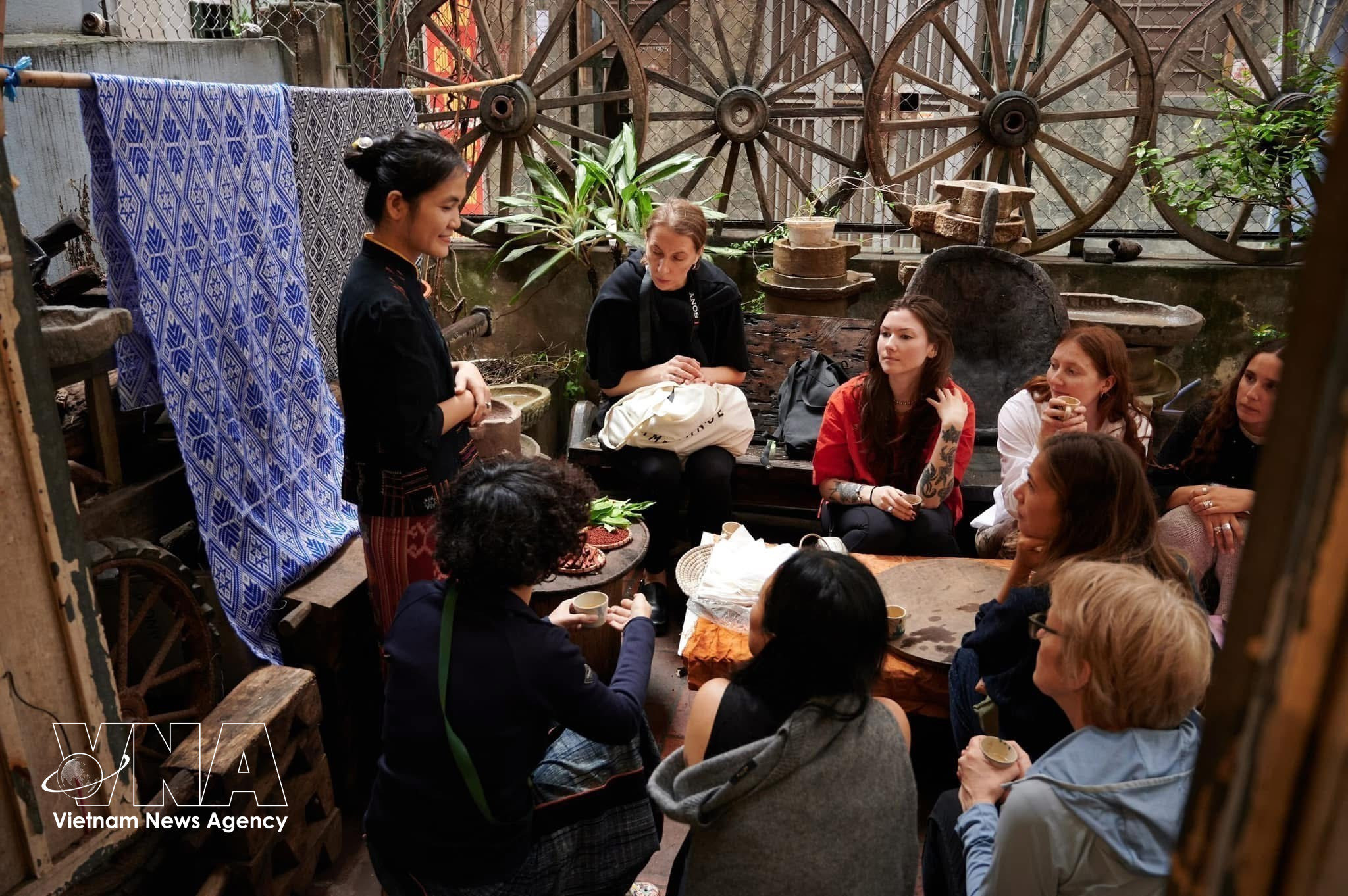
The role of communities in the value chain also needs to be emphasised. Artisans can directly guide visitors through experiences, production households can participate in product design, and local residents can provide food, accommodation and interpretation services. At the same time, they can also playing a role and having a voice in determining the scale and methods of tourism development in their communities.
Visitors from Vietnam and abroad enjoy hands-on experiences at traditional handicraft villages (Photo: VNA)
Assoc. Prof. Dr Pham Trung Luong, former Deputy Director of the Institute for Tourism Development Research under the Vietnam National Authority of Tourism, said sustainable craft village tourism requires a long-term strategy, active community participation, and the integration of preservation with economic benefits while moving toward green tourism models.
“
Sustainable craft village tourism requires a long-term strategy, active community participation, and the integration of preservation with economic benefits while moving toward green tourism models.
Assoc. Prof. Dr Pham Trung Luong, former Deputy Director of the Institute for Tourism Development Research under the Vietnam National Authority of Tourism
Tourism effectiveness should be assessed more comprehensively than simply by visitor numbers. Length of stay and spending are important indicators, but for craft villages, assessments should also consider the income of craft households, the number of young people willing to learn the craft, the ability to pass it on between generations and the integrity of the community space.
“
When craft village residents become key stakeholders of tourism activities, cultural heritage is protected while opportunities open for Vietnam’s tourism sector to affirm its distinctive identity in the international market.
Ha Van Sieu, Deputy Director of the Vietnam National Authority of Tourism
Craft villages can become a unique advantage for Vietnam’s tourism sector. However, the task now is not to turn every craft village into a tourist attraction, but to choose approaches suited to the characteristics and capacity of each place. When artisans can make a living from their crafts, young people remain willing to pursue them, and villages retain their own rhythm of life, tourism can truly contribute to their sustainable development./.
Bình luận của bạn đã được gửi và sẽ hiển thị sau khi được duyệt bởi ban biên tập.
Ban biên tập giữ quyền biên tập nội dung bình luận để phù hợp với qui định nội dung của Báo.






.jpg)