HANOI’S 100-YEAR MASTER PLAN CHARTS MULTI-CENTRED, MULTI-LAYERED URBAN STRUCTURE WITH REGIONAL CONNECTIVITY
VNA•20/04/2026 18:27
By 2035, Hanoi is expected to become a “civilised – cultured – modern – happy” city, serving as a leading economic, educational, healthcare, and innovation hub in the Asia-Pacific region.
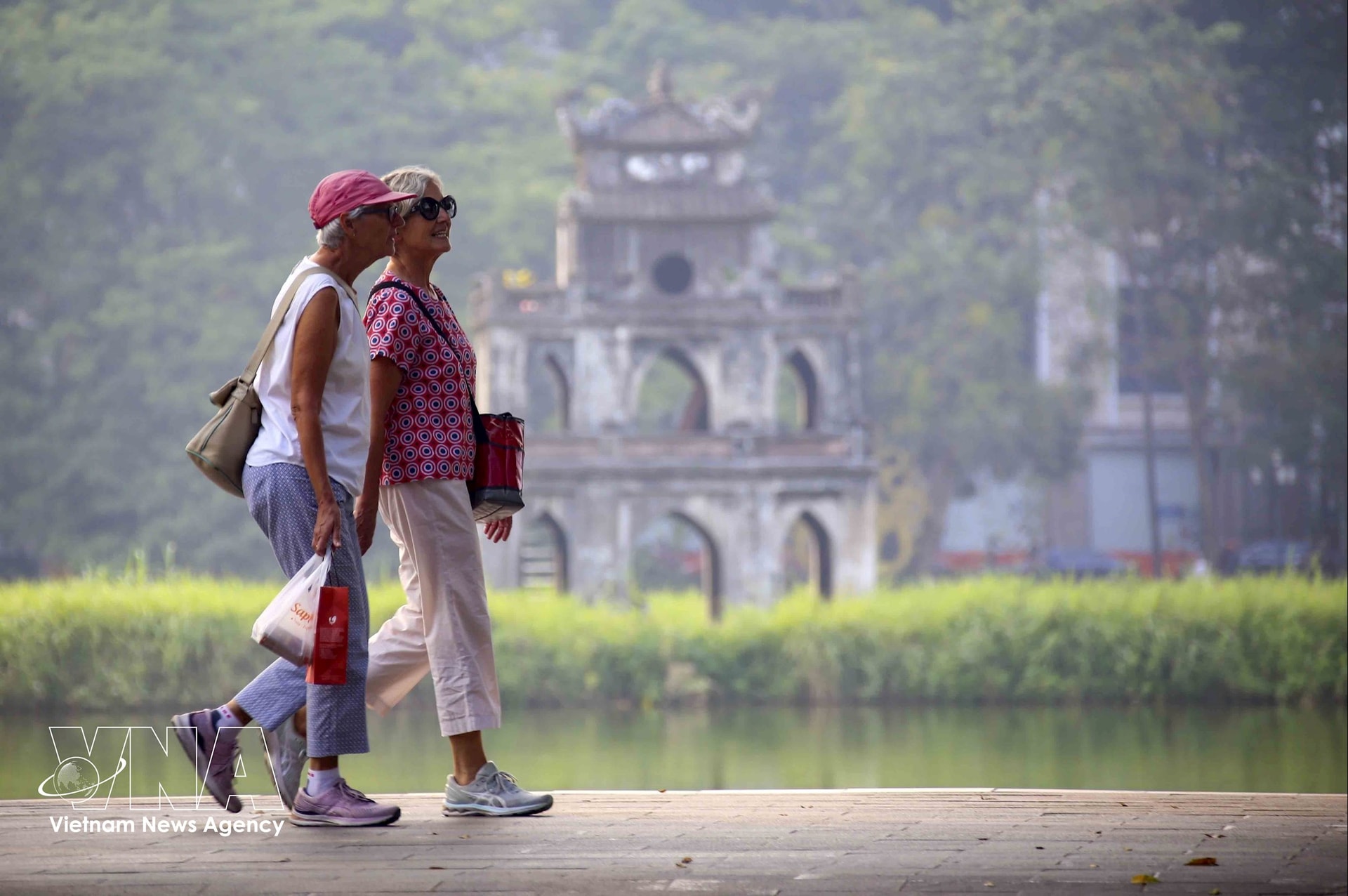
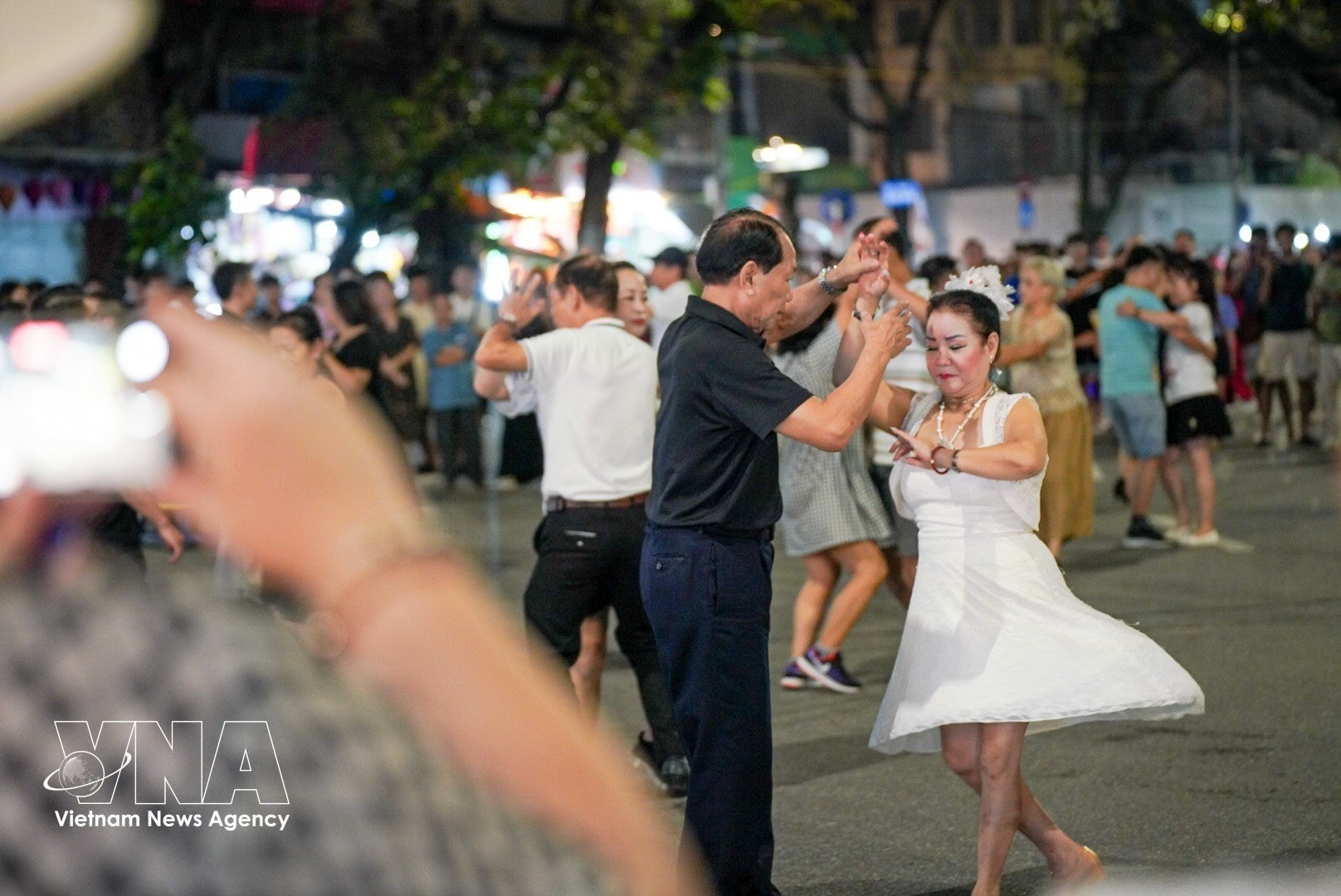
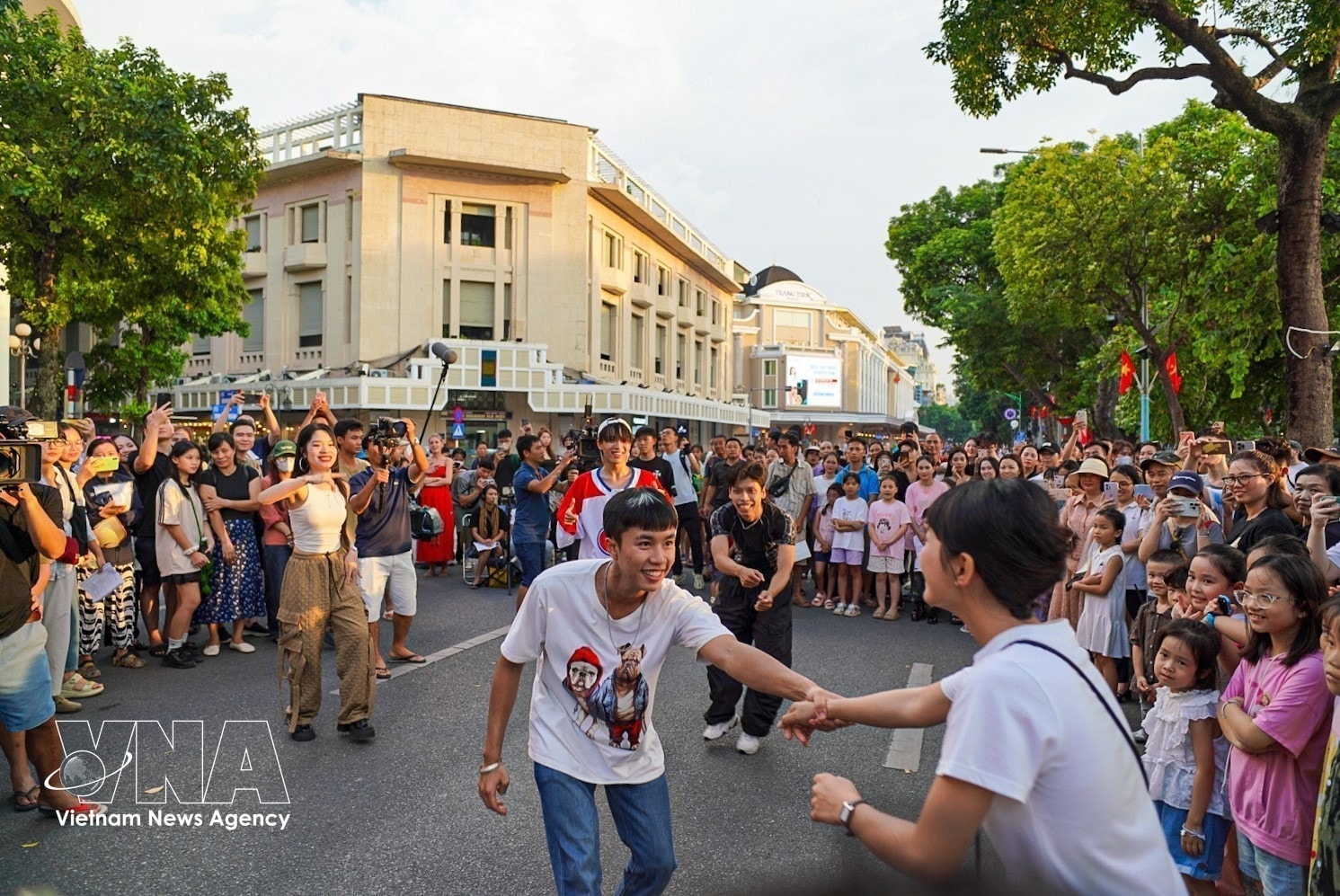
The pedestrian space around Hoan Kiem Lake regularly hosts cultural activities, creating a highlight for Hanoi’s urban structure. (Illustrative photo: VNA)
This is a key objective outlined in the Hanoi Capital Master Plan with a 100-year vision, which was approved on March 28, 2026, at the first session of the 17th Hanoi People’s Council for the 2026–2031 tenure.
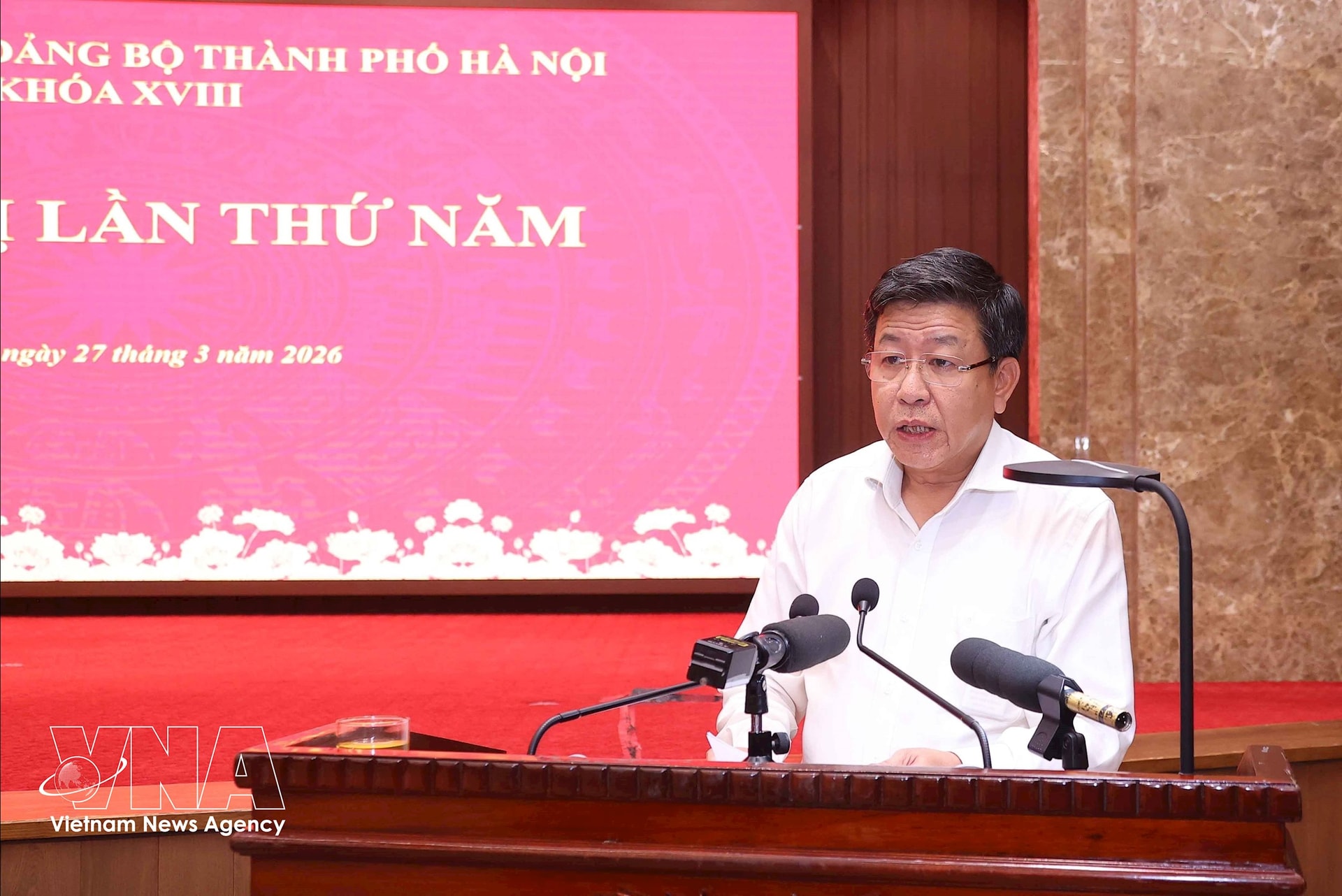
Standing Vice Chairman of the Hanoi People’s Committee Duong Duc Tuan presents the master plan for the capital with a 100-year vision at the fifth conference of the 18th-tenure Hanoi Party Committee on March 27, 2026. (Photo: VNA)
According to Duong Duc Tuan, member of the Standing Board of the Hanoi Party Committee and Permanent Vice Chairman of the municipal People’s Committee, the plan envisions Hanoi emerging by 2035 as a leading centre for economy, education, healthcare, and innovation in the Asia-Pacific region.
By 2045, the capital is expected to compete with the capitals of the developed countries in knowledge and technology, and by 2065 and beyond, the capital city aspires to be a global city with a high quality of life, in line with directives from Party General Secretary and State President To Lam that "Hanoi should be positioned and operated as the nation's centre for creation and development."
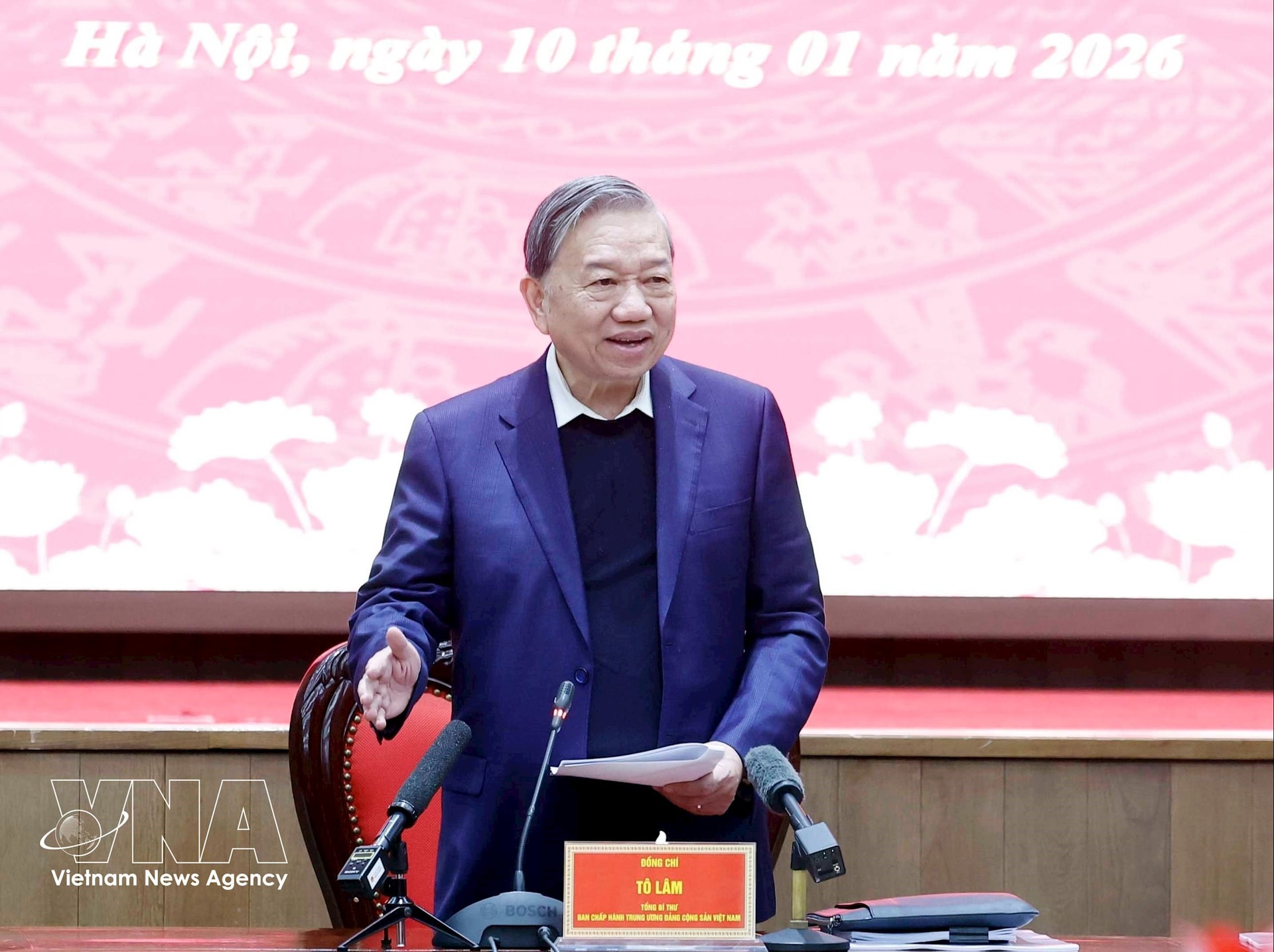
Party General Secretary To Lam speaks at a working session with the Standing Board of the Hanoi Party Committee on proposals for the capital’s 100-year master plan on January 10, 2026. (Photo: VNA)
“
“Hanoi must be positioned and operated as the nation’s hub for creation and development”
Party Secretary General and State President To Lam
Hanoi – an open, multi-polar, multi-centre development space
One of the key highlights of the plan is shaping an open, multi-tiered and polycentric urban structure. At its core, the Red River is designated as the principal ecological–cultural landscape axis, serving as a vital connector linking the capital region, the Red River Delta, and key national and international economic corridors..
The Red River is identified as the main ecological and cultural landscape axis in Hanoi's 100-year master plan. (Photo: VNA)
The plan also reflects a strong shift in mindset and methodology, from an “academic planning” approach to an “action-oriented planning” model.
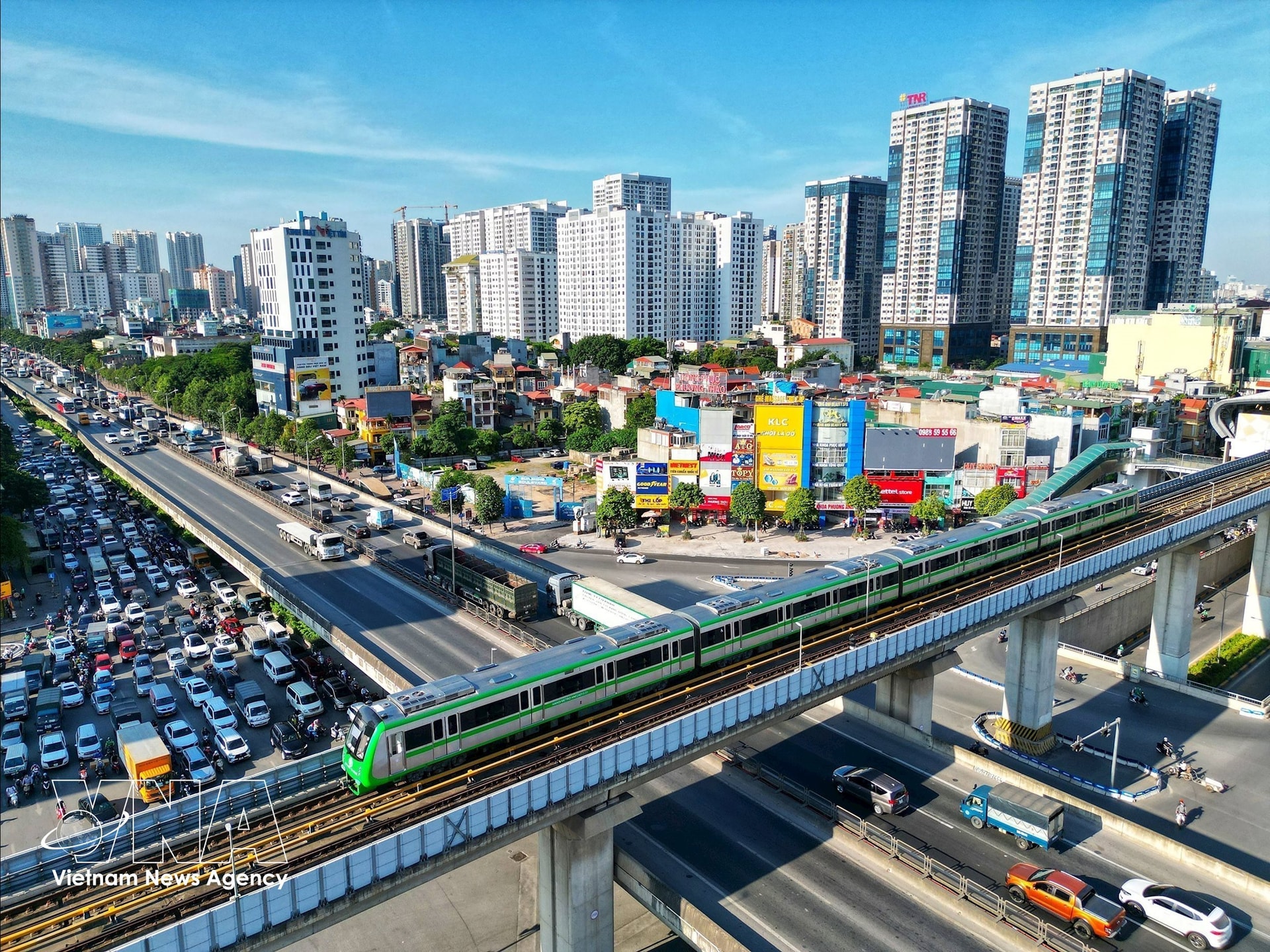
Strategic directions are closely tied to implementation programmes and plans, enabling the immediate rollout of key driving projects, particularly in transport infrastructure, with urban railways identified as the backbone to address bottlenecks in a major city.
The Cat Linh – Ha Dong railway line in Hanoi. Urban railways are identified as a key pillar to address bottlenecks in major cities. (Illustrative photo: VNA)
The plan proposes 11 breakthrough solution groups, notably enhancing regional connectivity, promoting transit-oriented development (TOD) centred on public transport, and forming new growth poles to ease population pressure in the inner city. The vision also includes redeveloping and building smart, sustainable urban areas, tapping into multi-layered spatial development, constructing a second airport in the southern part of the capital region, and addressing environmental challenges.
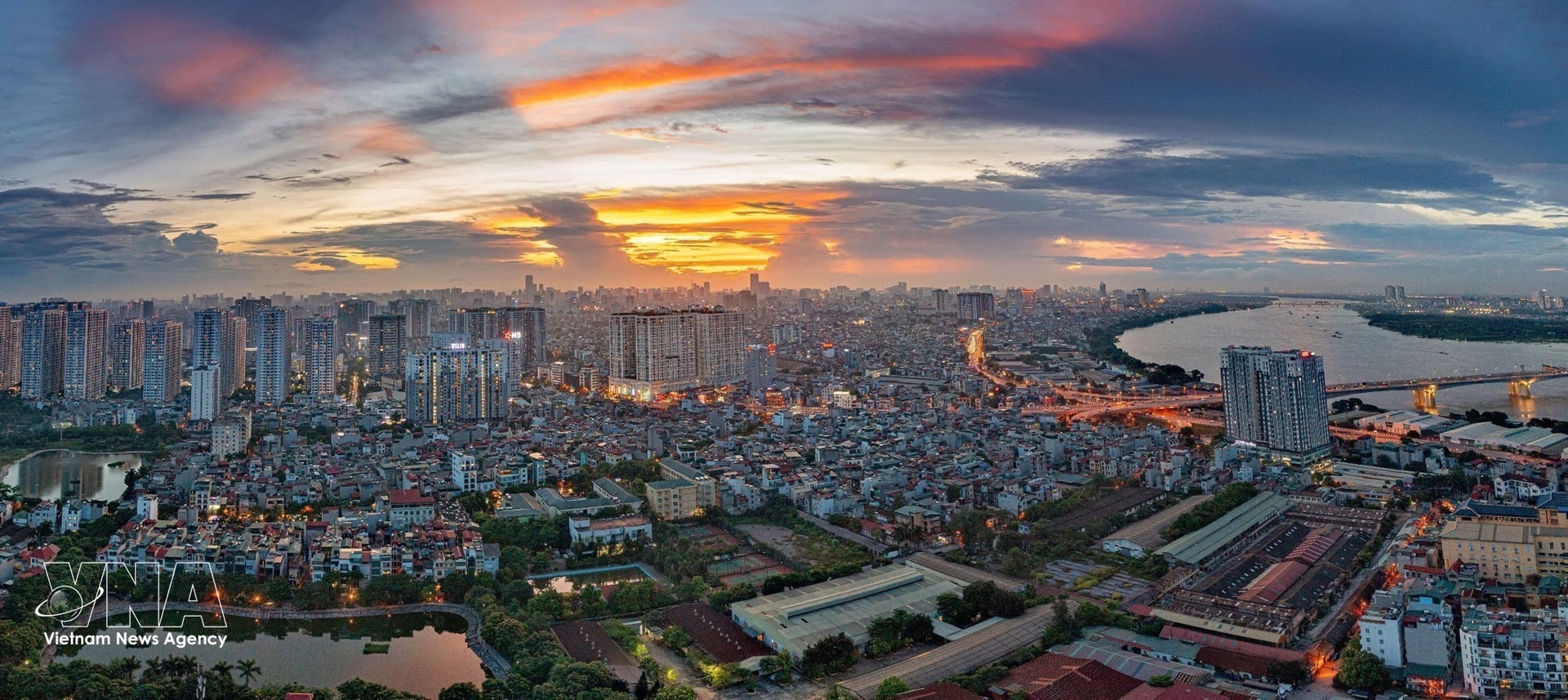
In terms of spatial organisation, Hanoi’s urban area will follow a “radial urban cluster” model, with the central city acting as the core and hub for regional and international connectivity. Satellite cities are assigned clearly defined functions to help ease population pressure and drive balanced growth across the region.
Nine growth poles, nine major centres, and nine dynamic axes
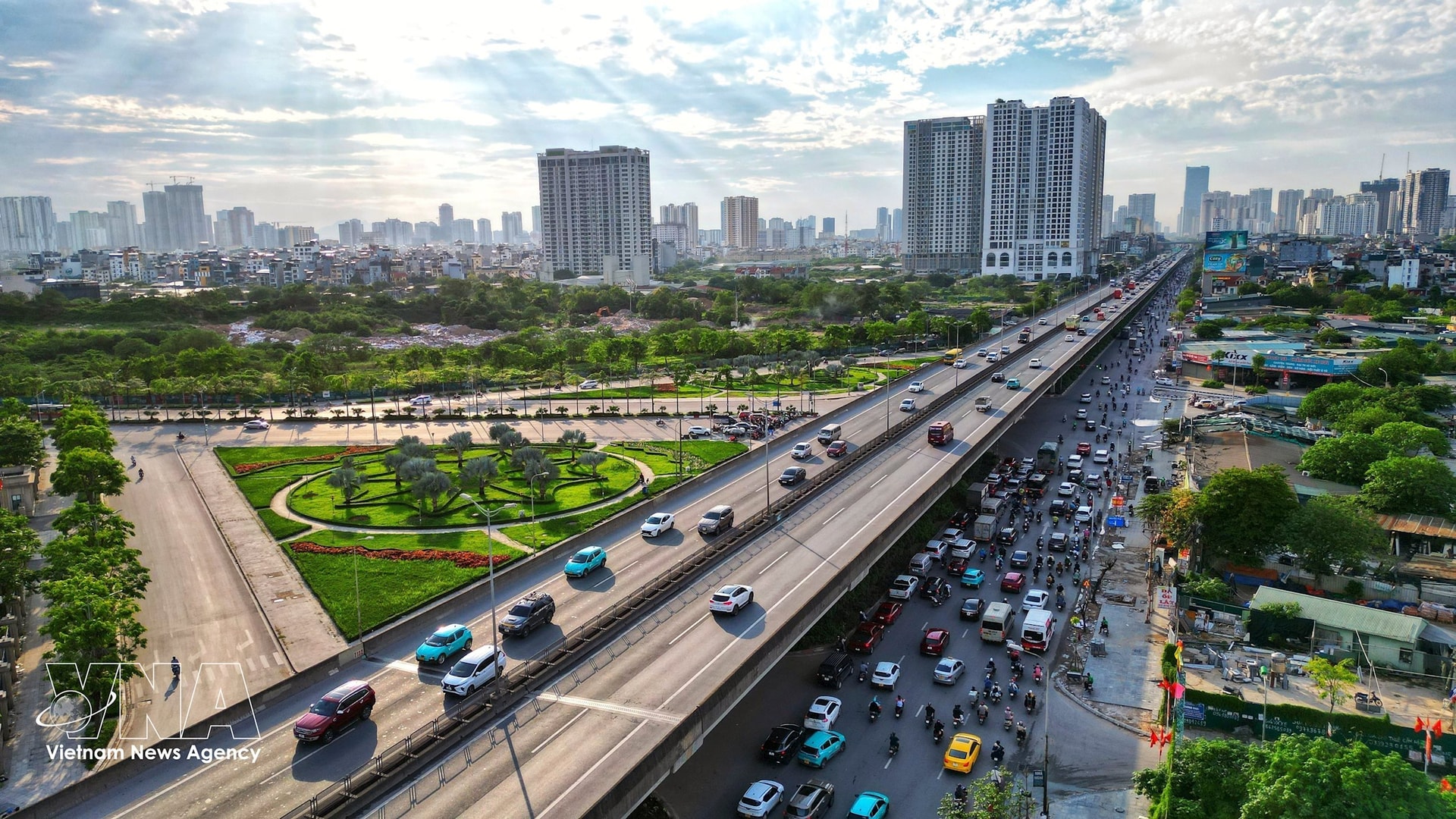
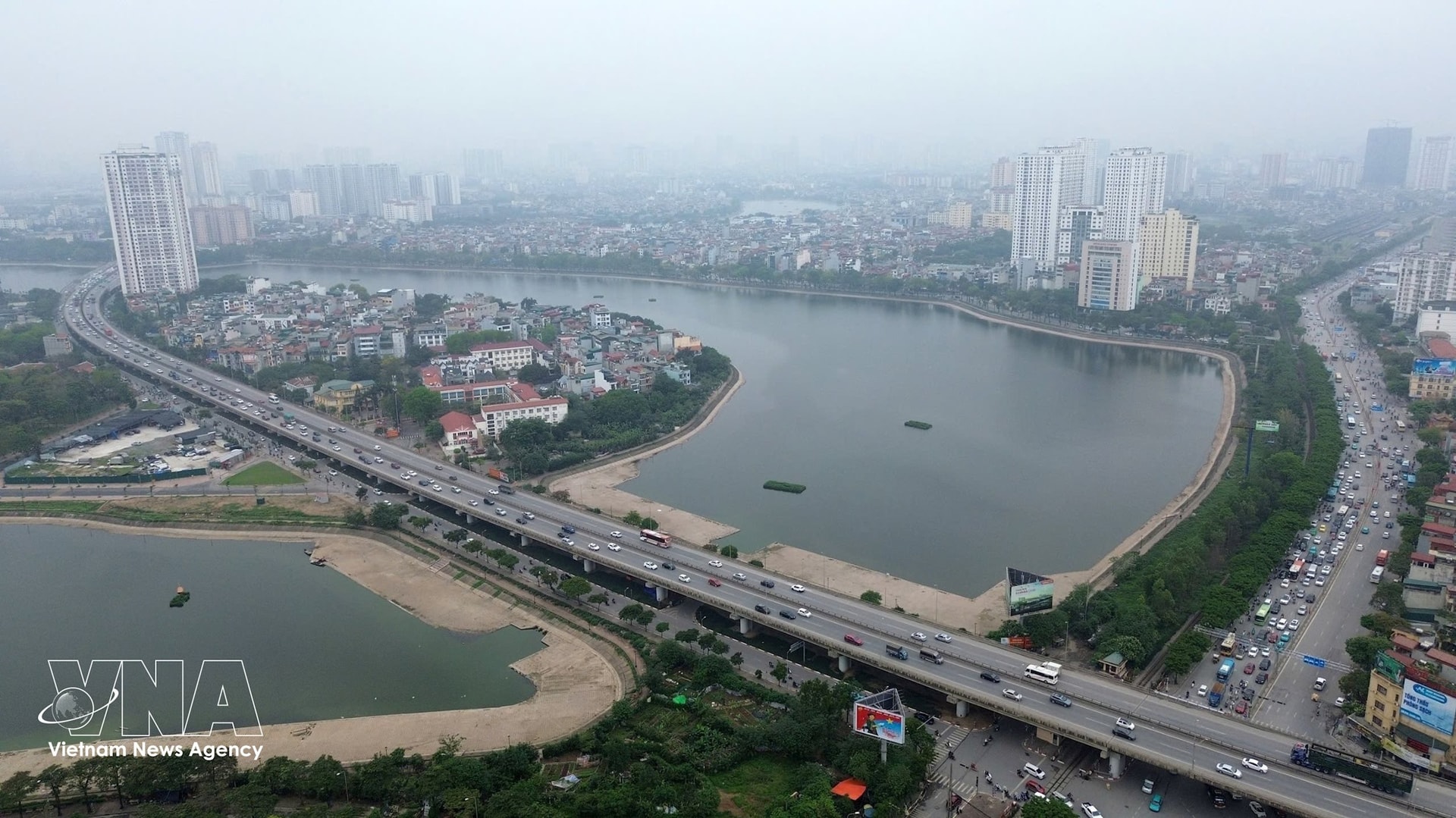
The elevated Ring Road 3 section passing the Linh Dam residential area and Giai Phong street toward National Highway 1 (Illustrative photo: VNA)
The plan identifies nine growth poles, nine major centres, and nine dynamic axes, which will serve as the “backbone” connecting different areas and shaping a cohesive and modern urban economic ecosystem..
Notably, as land resources become increasingly limited, the plan shifts toward vertical (multi-level) spatial development and the integration of multiple values within a single space (multi-layer), ensuring a balance between economic development, cultural preservation, and environmental protection.
Urban space will be organised into three main functional layers - underground space for infrastructure and services; ground and low-rise space for daily life and transportation; and elevated space associated with future development models.
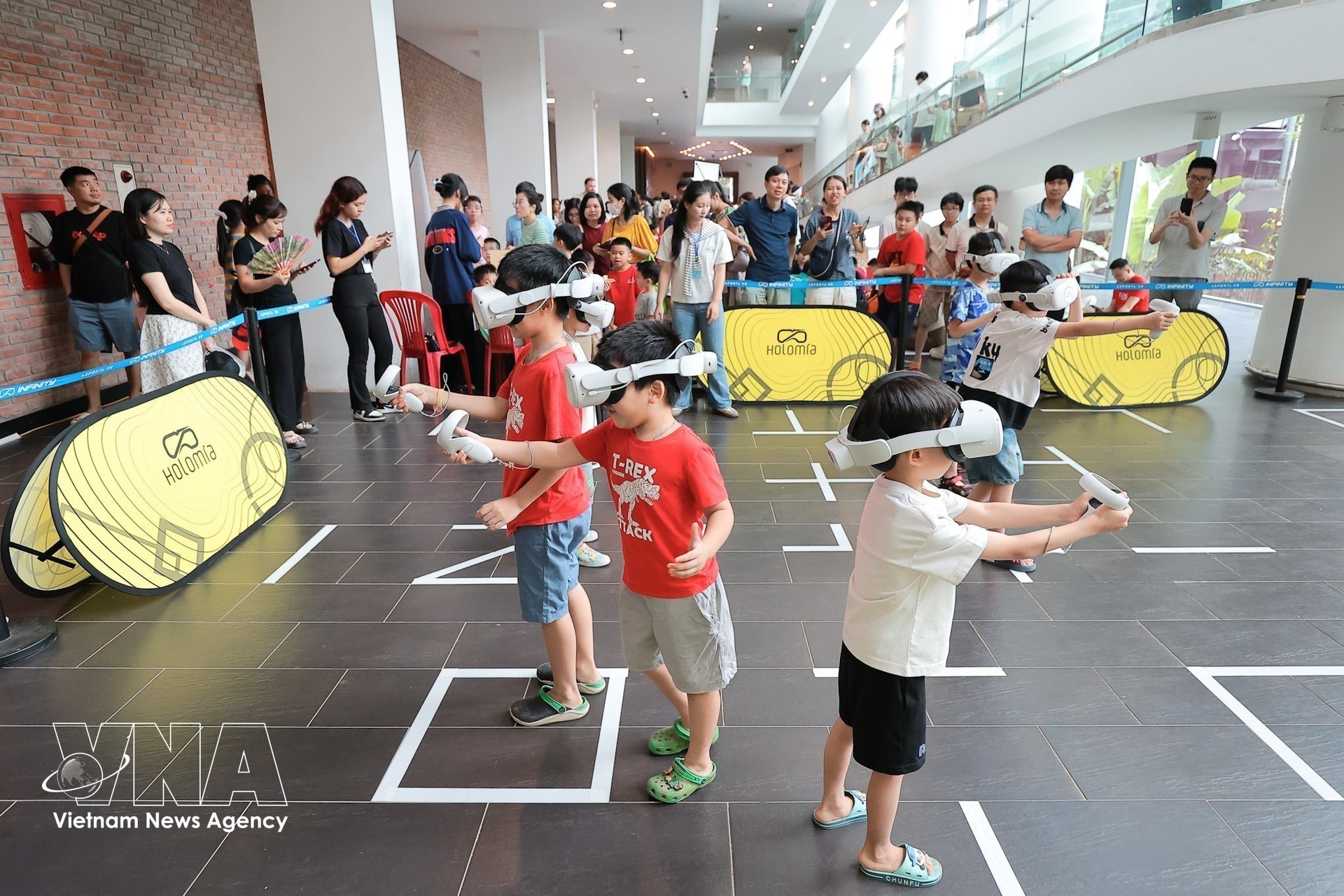
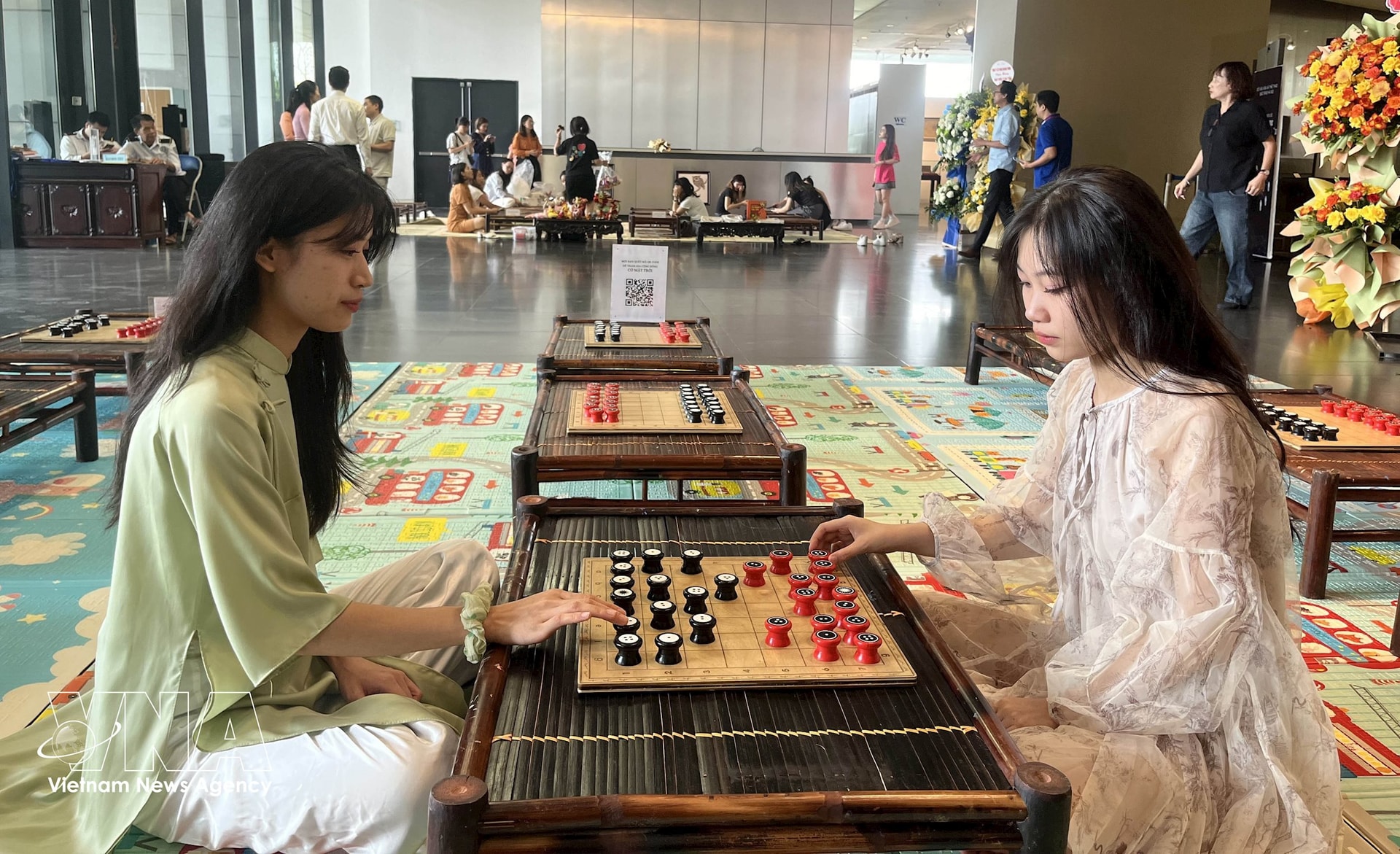
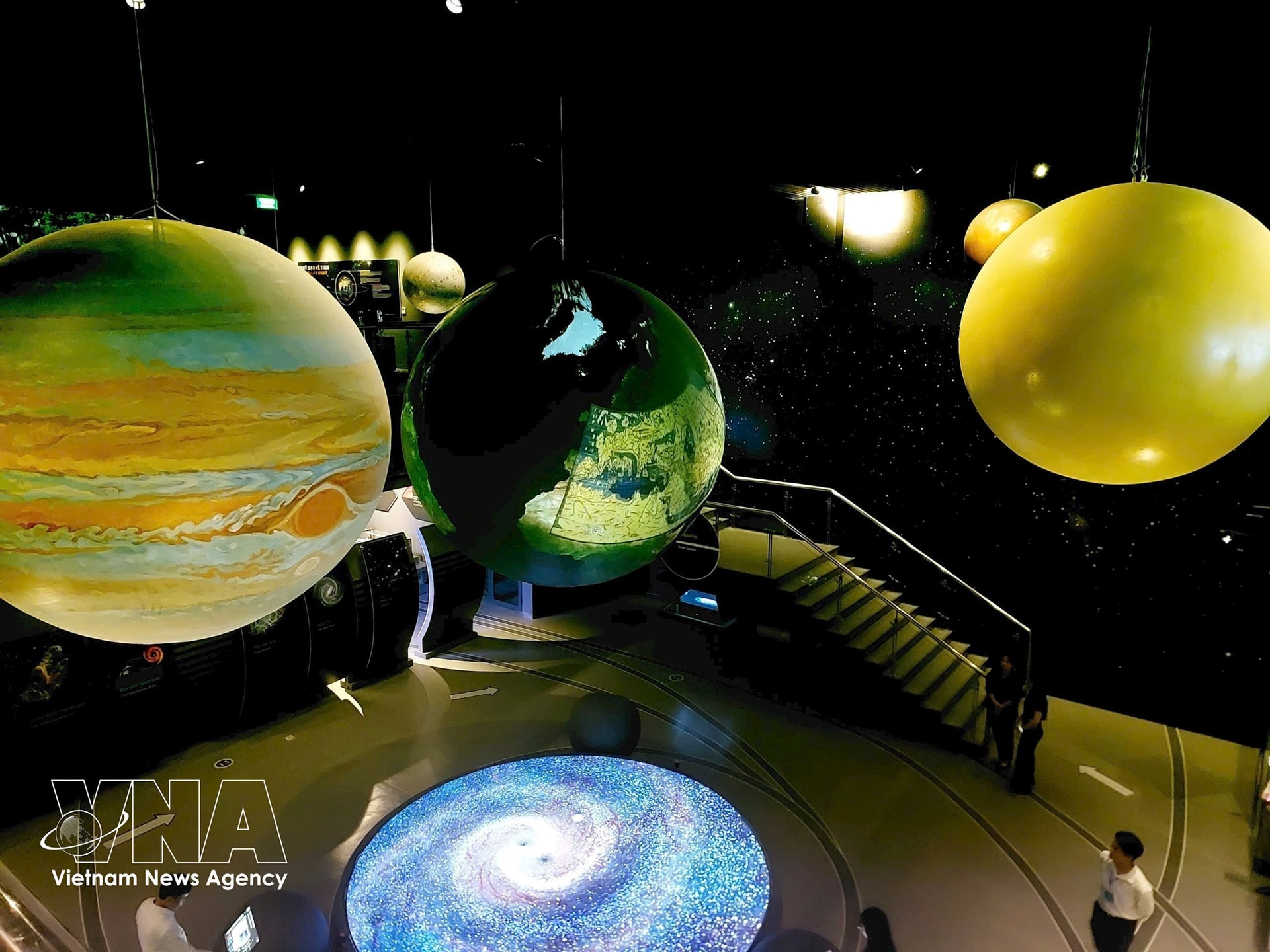
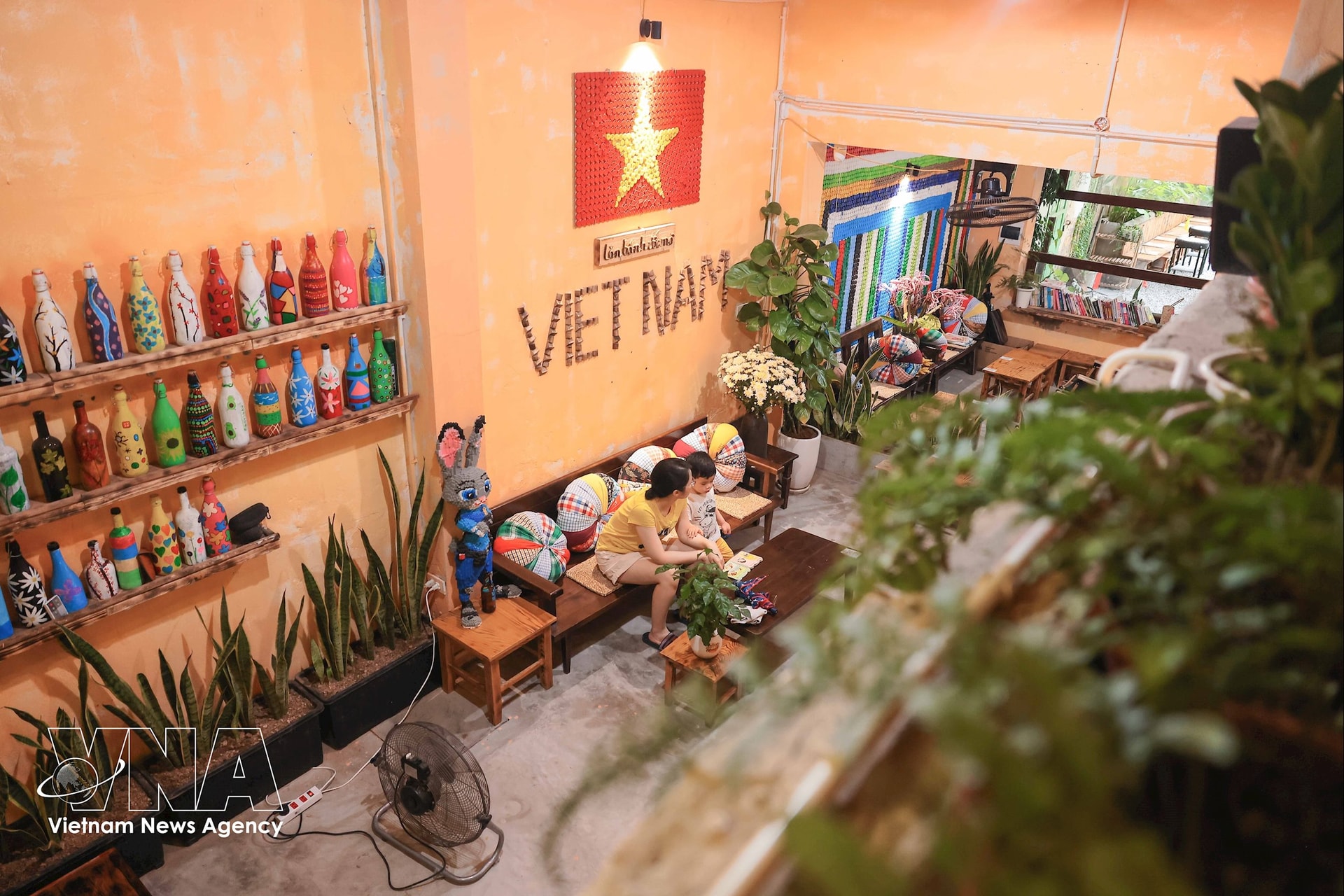
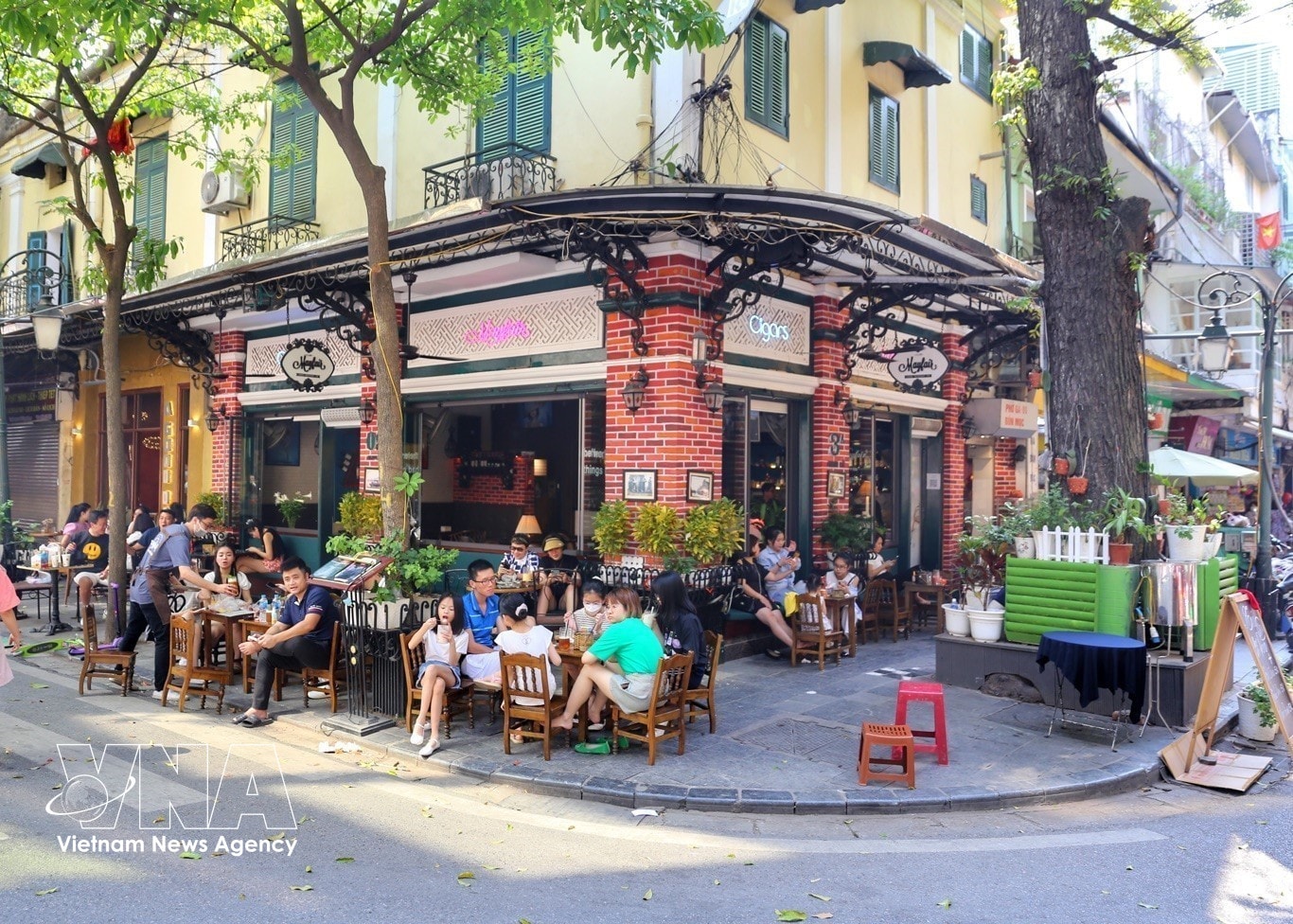
A virtual reality experience area at the Vietnam Museum of Ethnology (Photo: VNA)Visitors experience the “Sun chess” game at the Hanoi Museum. (Photo published by VNA)An exhibition corner at the Vietnam National Space Centre (Photo: VNA)A green-themed café space on Tay Son street, where most furnishings are made from recycled materials. (Photo: VNA)Hanoi residents maintain their coffee-drinking habit. (Photo: VNA)
A multi-layered urban structure is also envisioned, built on overlapping value layers encompassing heritage and culture, ecology and nature, and digital economy.
HERITAGE - CULTURE
ECOLOGY - NATURE
ECONOMY - DIGITALISATION
MULTI-LAYERED URBAN STRUCTURE
Strict controls will be imposed on urban development boundaries to curb urban sprawl, while promoting compact and transit-oriented development around public transport hubs.
For rural areas, the plan shifts the approach from traditional farming to an ecological and high-tech agricultural economy focused on value addition.
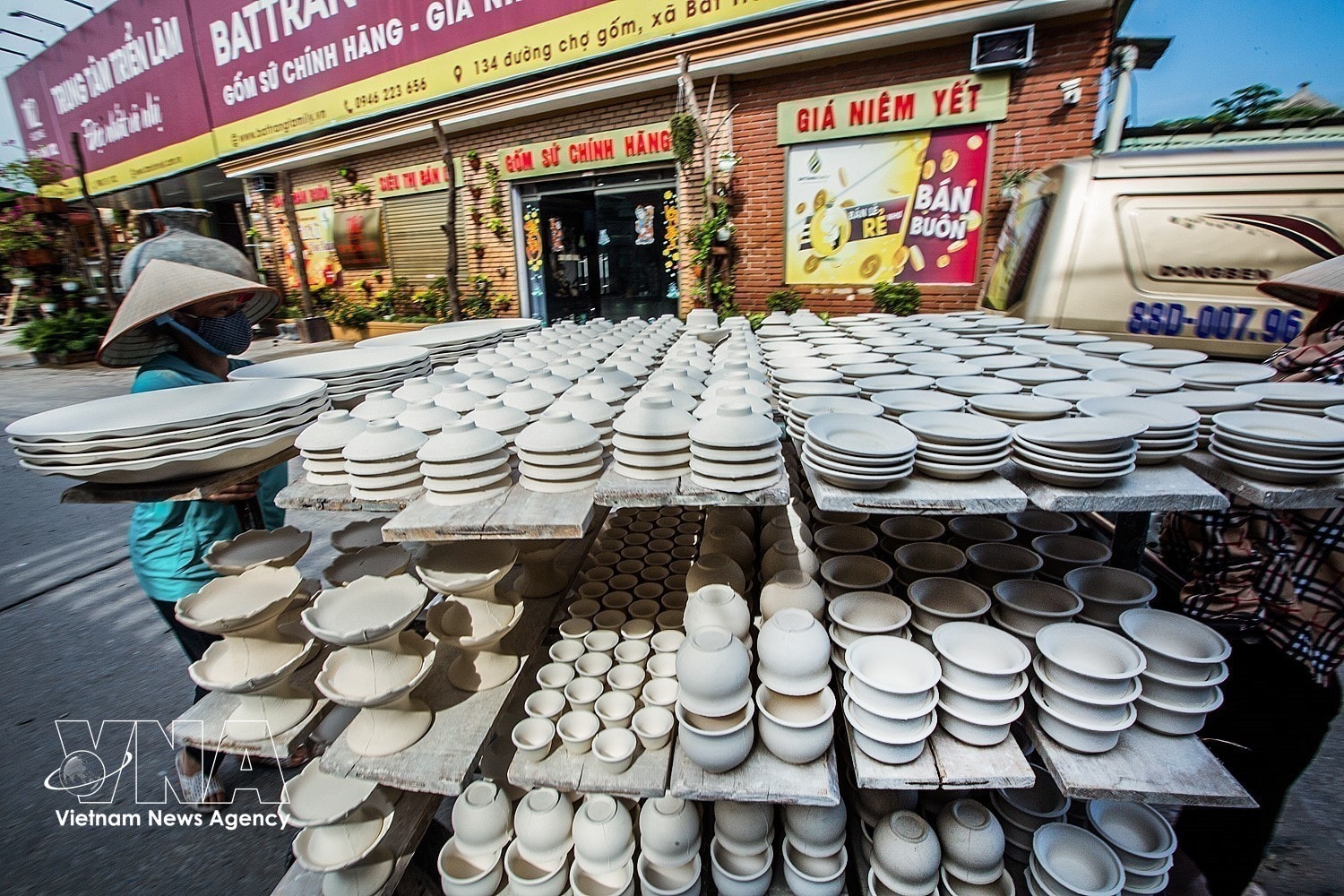
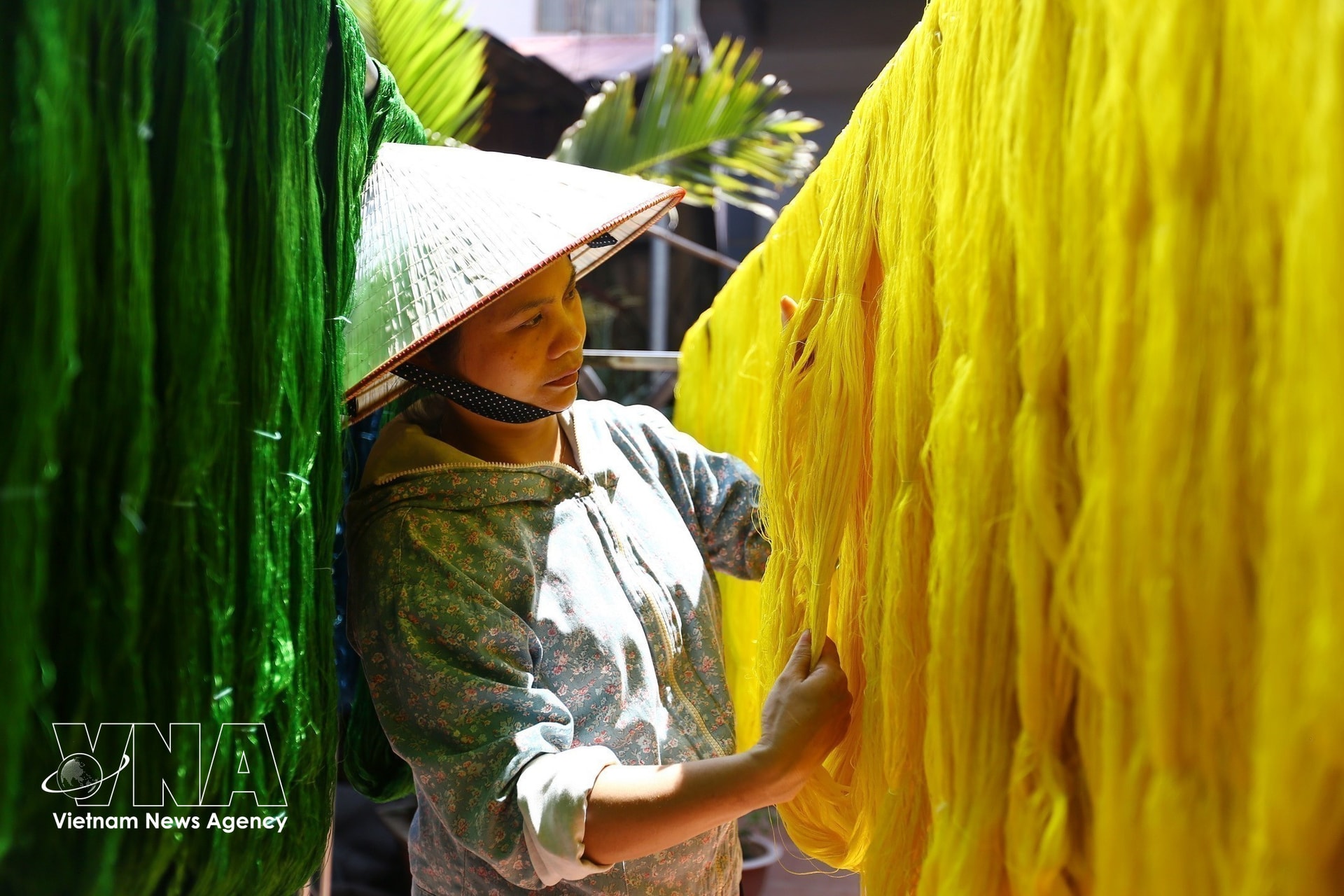
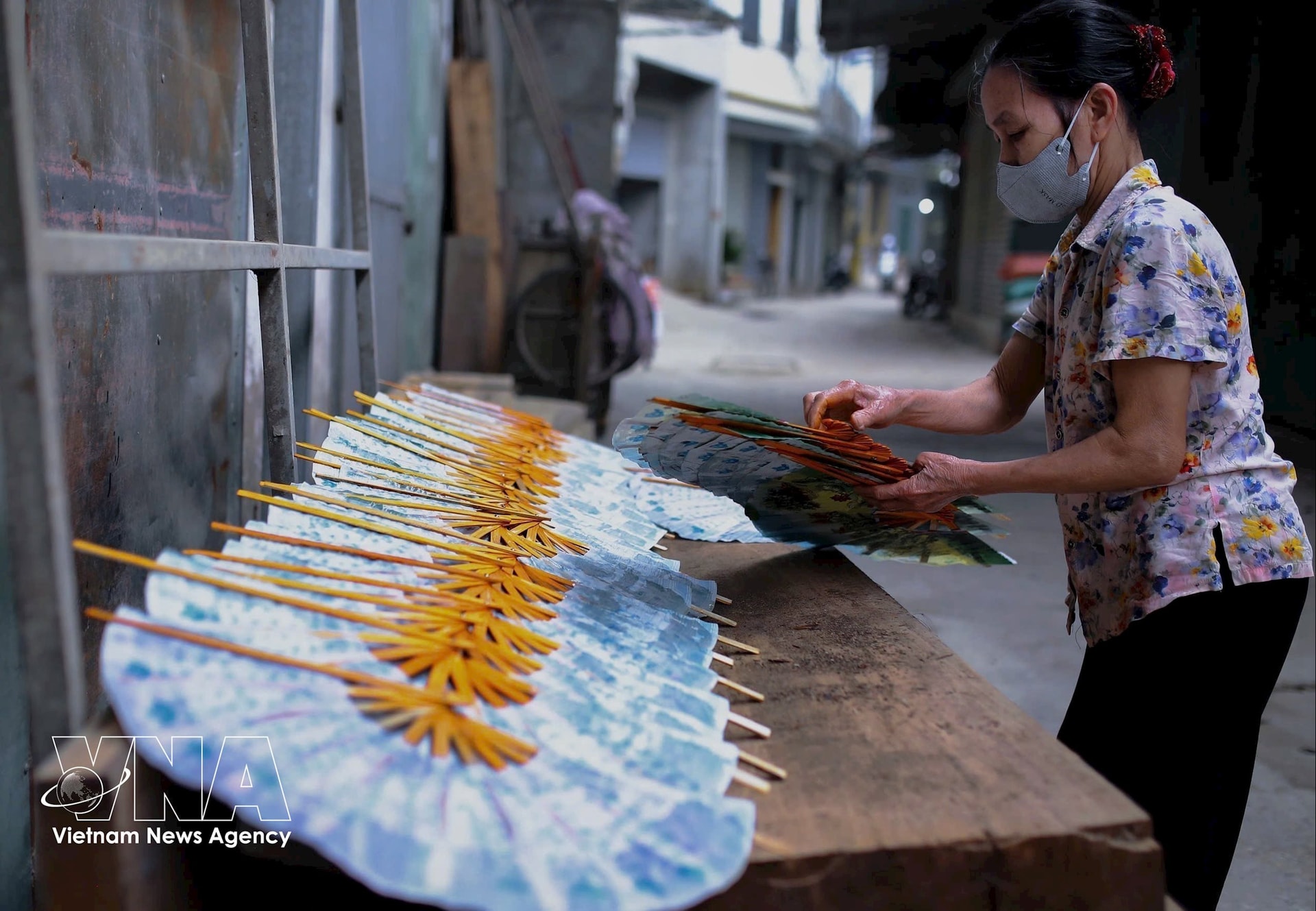
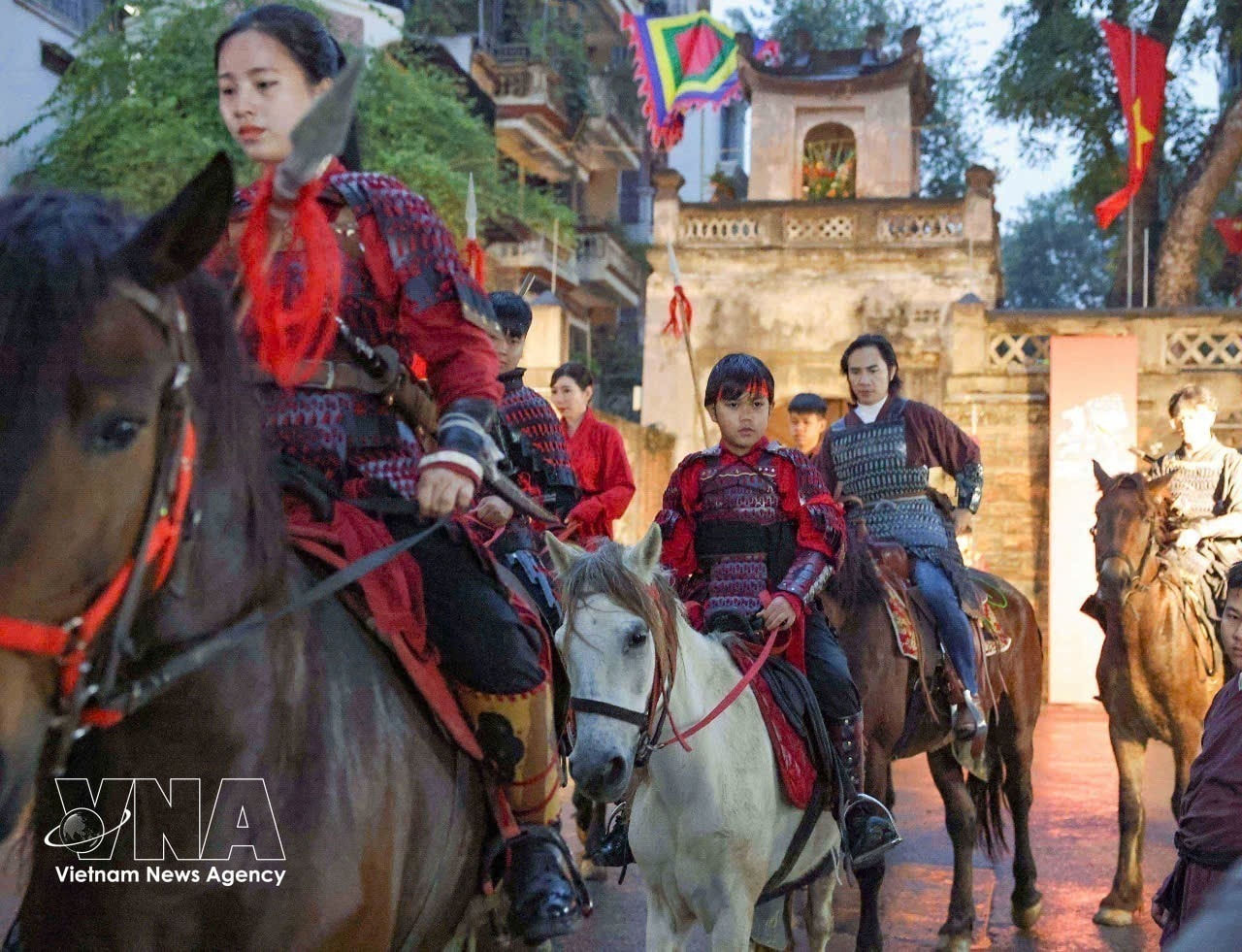
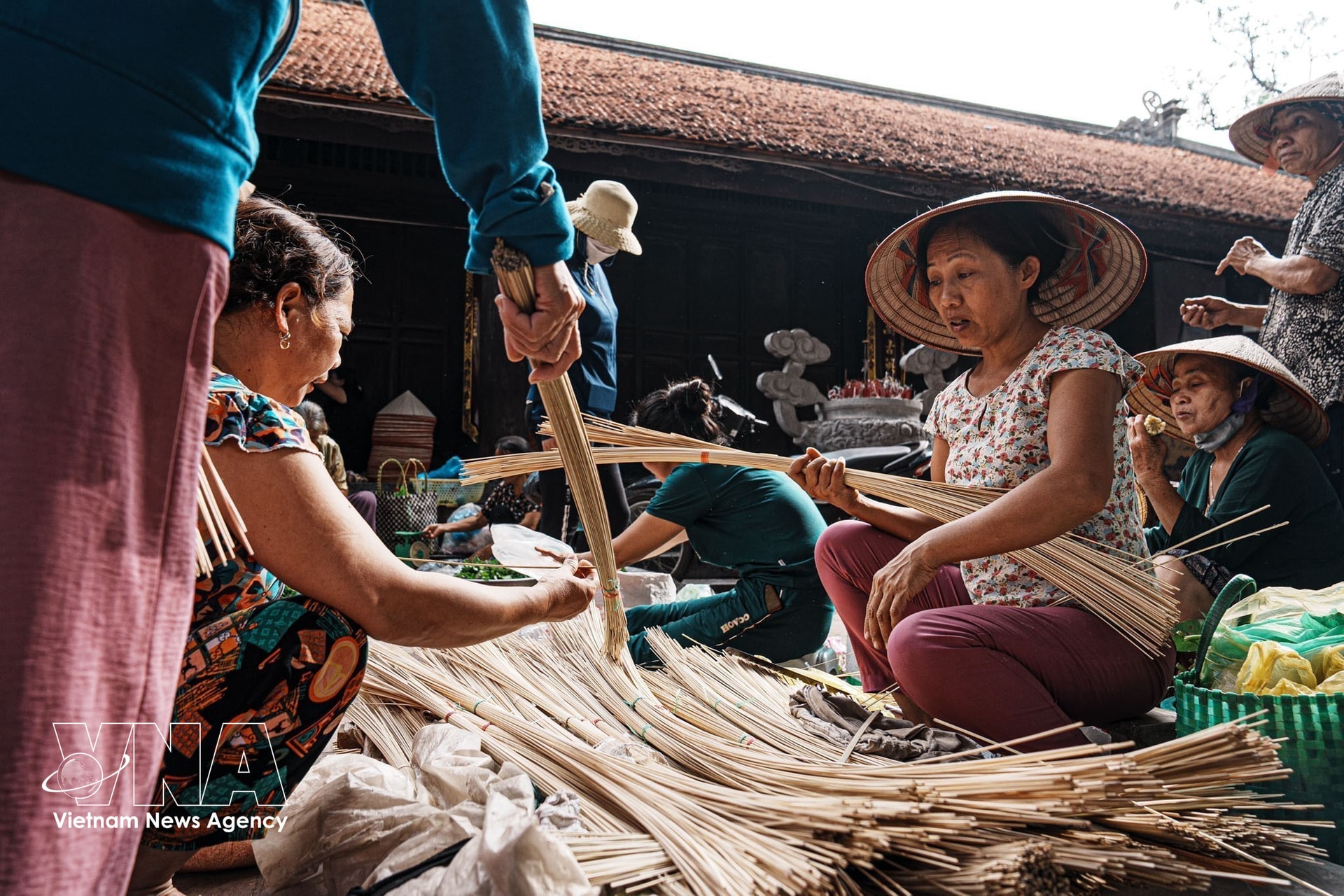
The Chang Son fan-making craft village in Tay Phuong commune, Hanoi (Photo: VNA)The Hoan Kiem Lake and Hanoi Old Quarter Management Board, in coordination with the Vietnamese Communal House Club and local cultural units and residents, re-enact a gate opening ceremony at O Quan Chuong Gate in Hanoi on February 8, 2026. (Photo: VNA)The Chuong village market in Thanh Oai commune, Hanoi, sells all materials used for making conical hats. (Photo: VNA)The “Con di danh bong” dance, a folk tradition where young men dress as women and perform lively drum dances, is a highlight of the Trieu Khuc village festival, held from February 25–28, 2026 (the 9th–12th days of the first lunar month), in Thanh Liet ward, Hanoi. (Photo: VNA)Residents of Bat Trang ancient village transport ceramic products along local streets, a familiar sight for visitors. (Photo: VNA)Dyed silk threads are dried at the weaving workshop of artisan Nguyen Anh Son in Van Phuc silk village. (Photo: VNA)
The structure of “villages in the city – streets in the village”, linked to tourism, culture, and traditional crafts (Photo: VNA)
It also emphasises preserving traditional village spaces with the structure of “villages in the city – streets in the village,” linked to tourism, culture, and traditional crafts.
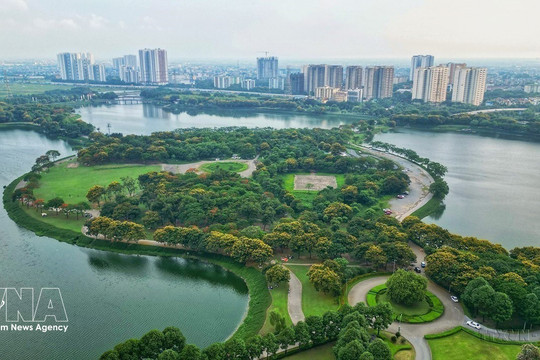
Another important focus is creating more green space, aiming for a tree coverage of 40–50% of the city’s natural area, while keeping balanced allocations for farmland, forestry, water areas, and flood drainage corridors to support sustainable growth.
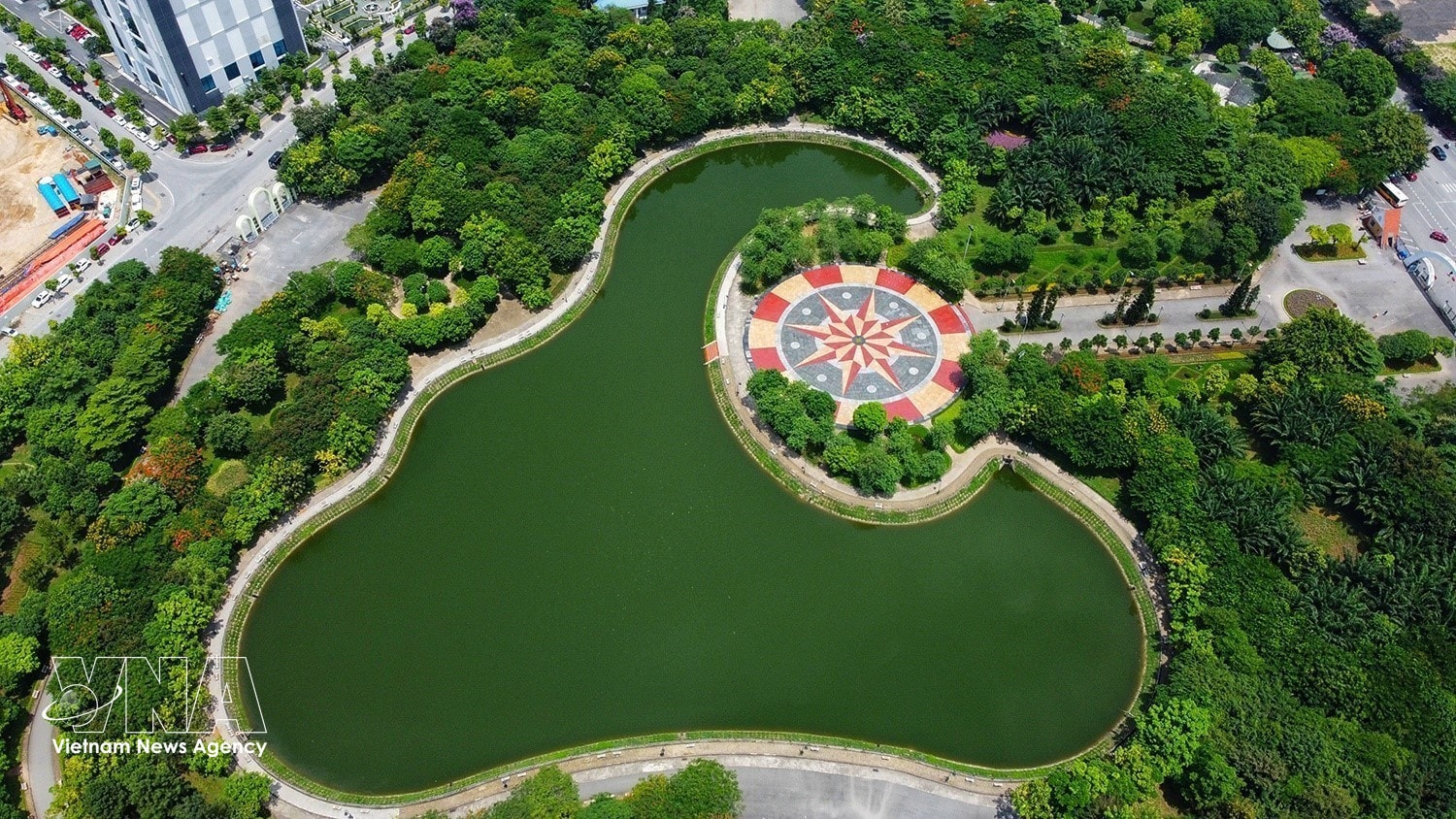
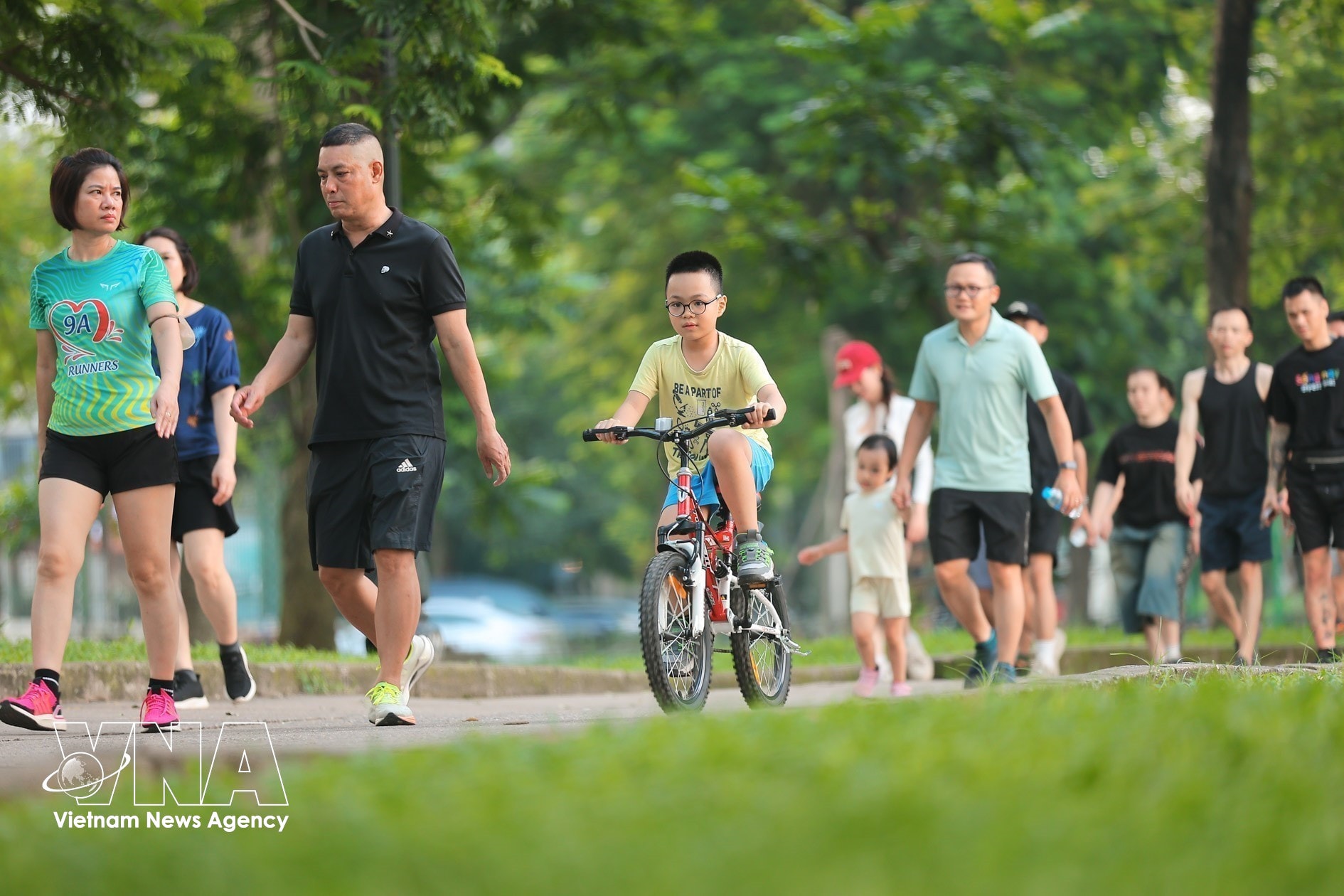
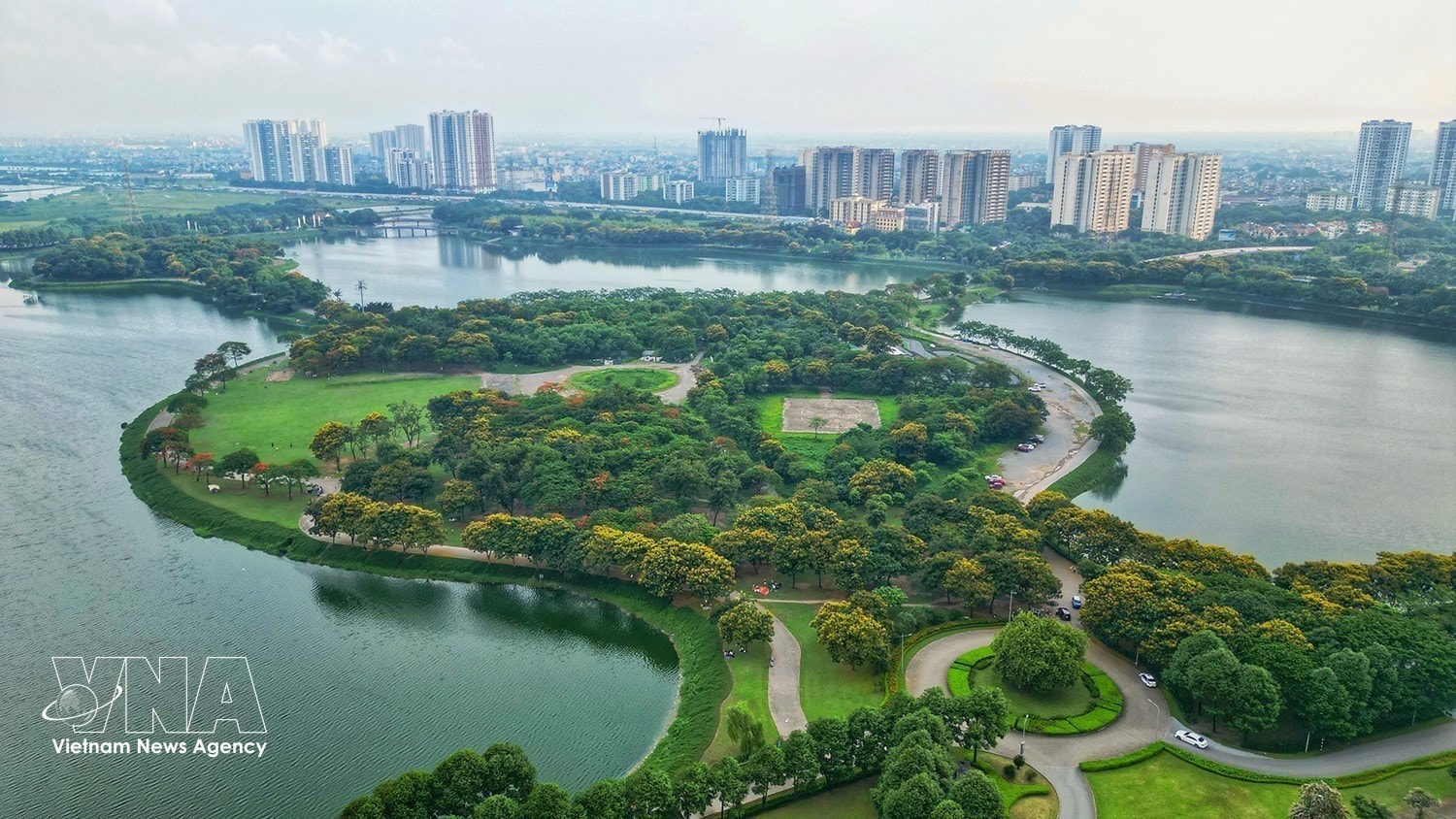
The lake at Hoa Binh Park covers an area of over 5.4 ha. (Photo: VNA)Thong Nhat Park is a daily destination for recreation and exercise of Hanoi residents. (Photo: VNA)Yen So Park, with its vast green space, is a popular spot for camping, picnicking, and check-ins among families and young people. (Photo: VNA)
Another important focus is creating more green space, aiming for a tree coverage of 40–50% of the city’s natural area. (Photo: VNA)
Implementation roadmap, resources, and breakthrough mechanisms
To ensure feasibility, the plan is translated into specific implementation programmes on a five-year and annual basis, closely aligned with public investment plans and the city’s socio-economic development strategies. Subordinate plans and sectoral master plans will also be reviewed and adjusted to ensure consistency with the overall orientation.
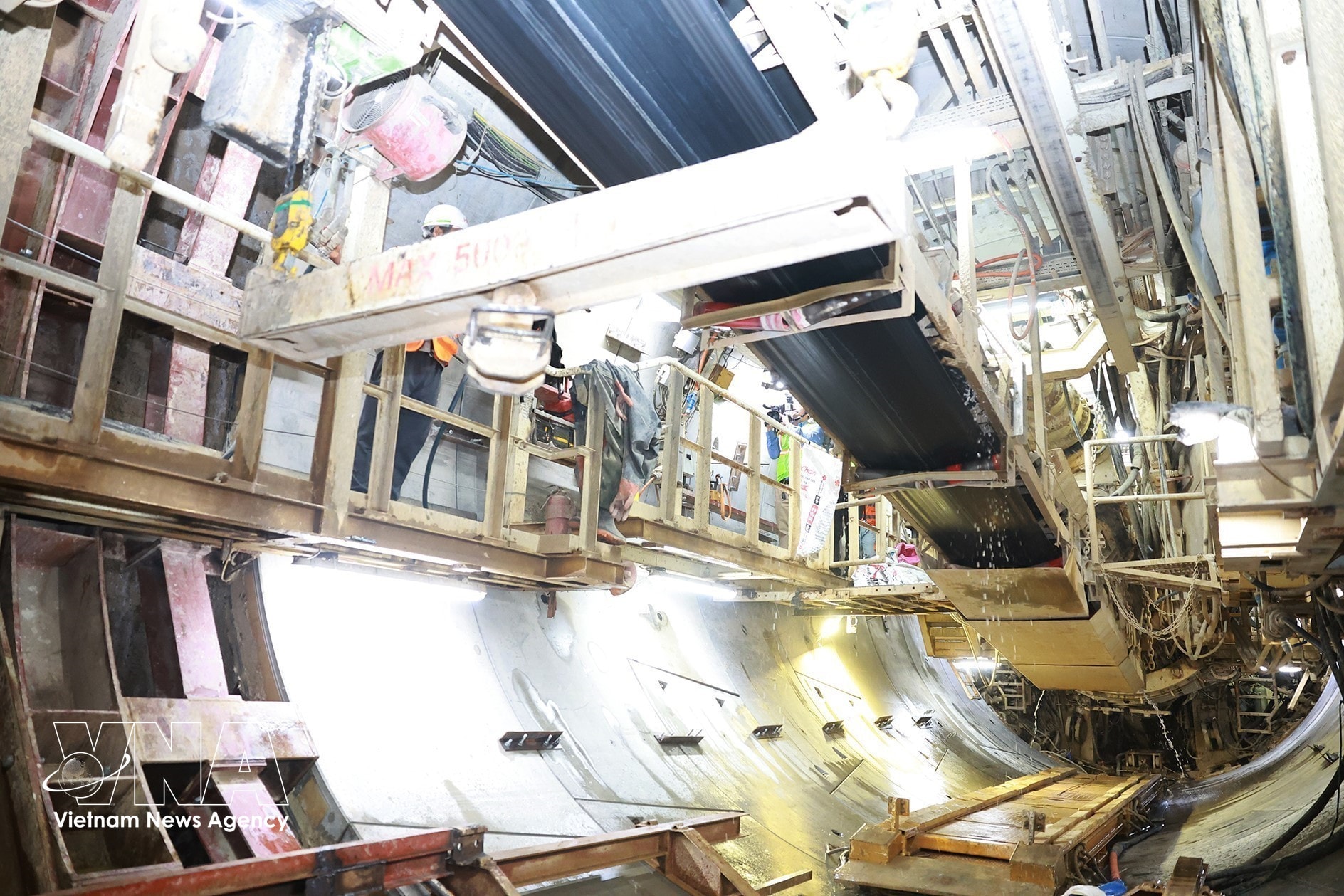
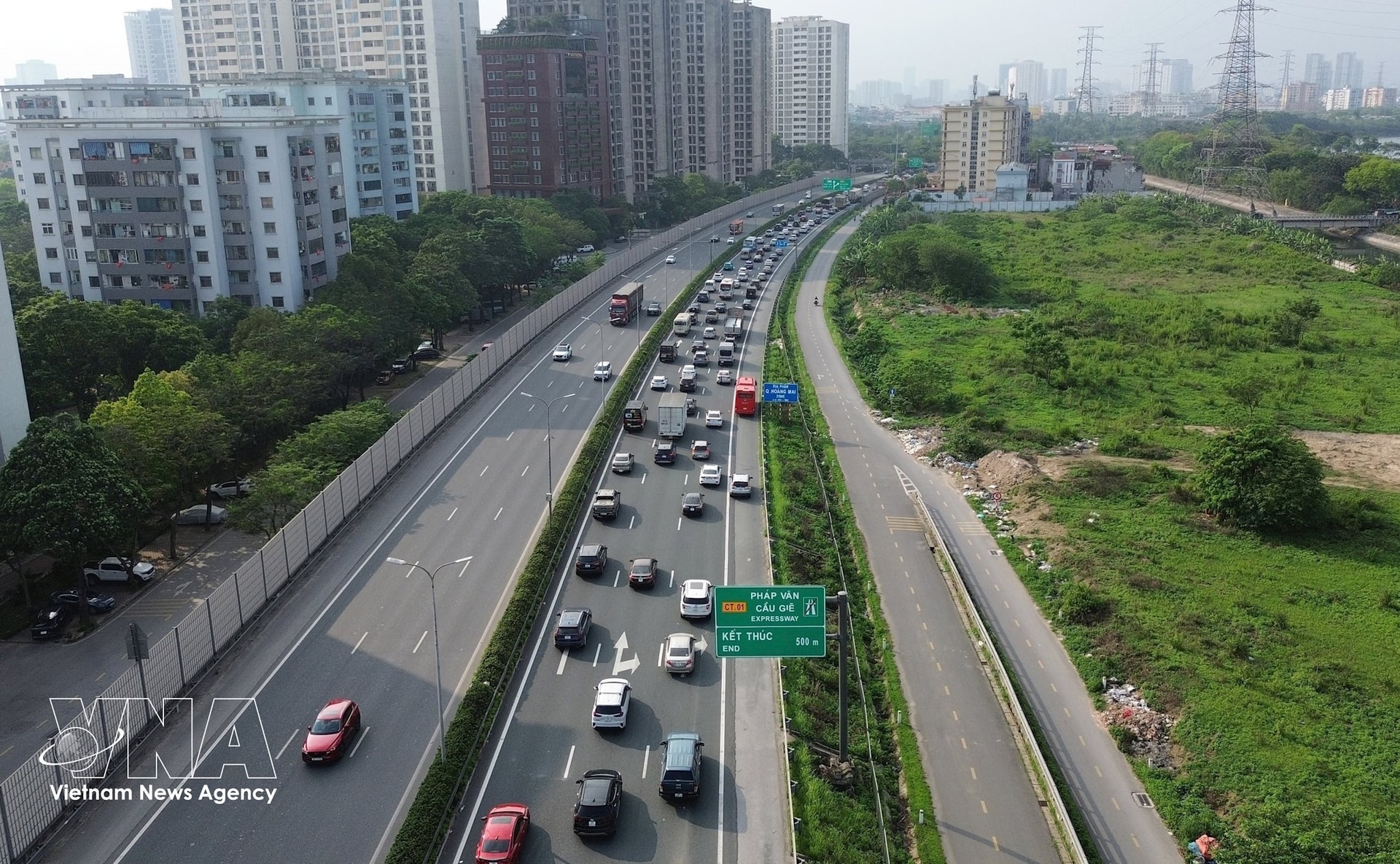
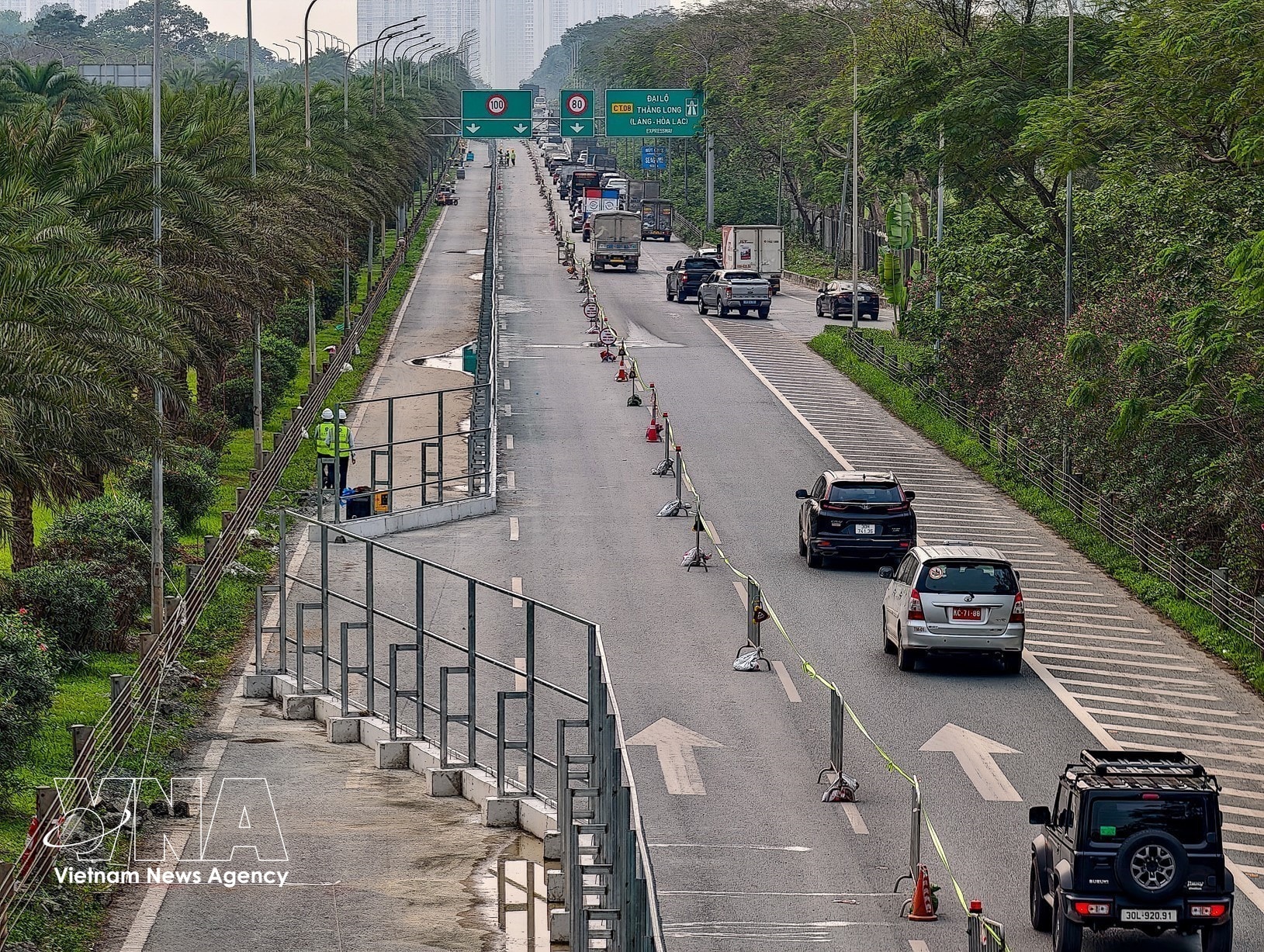
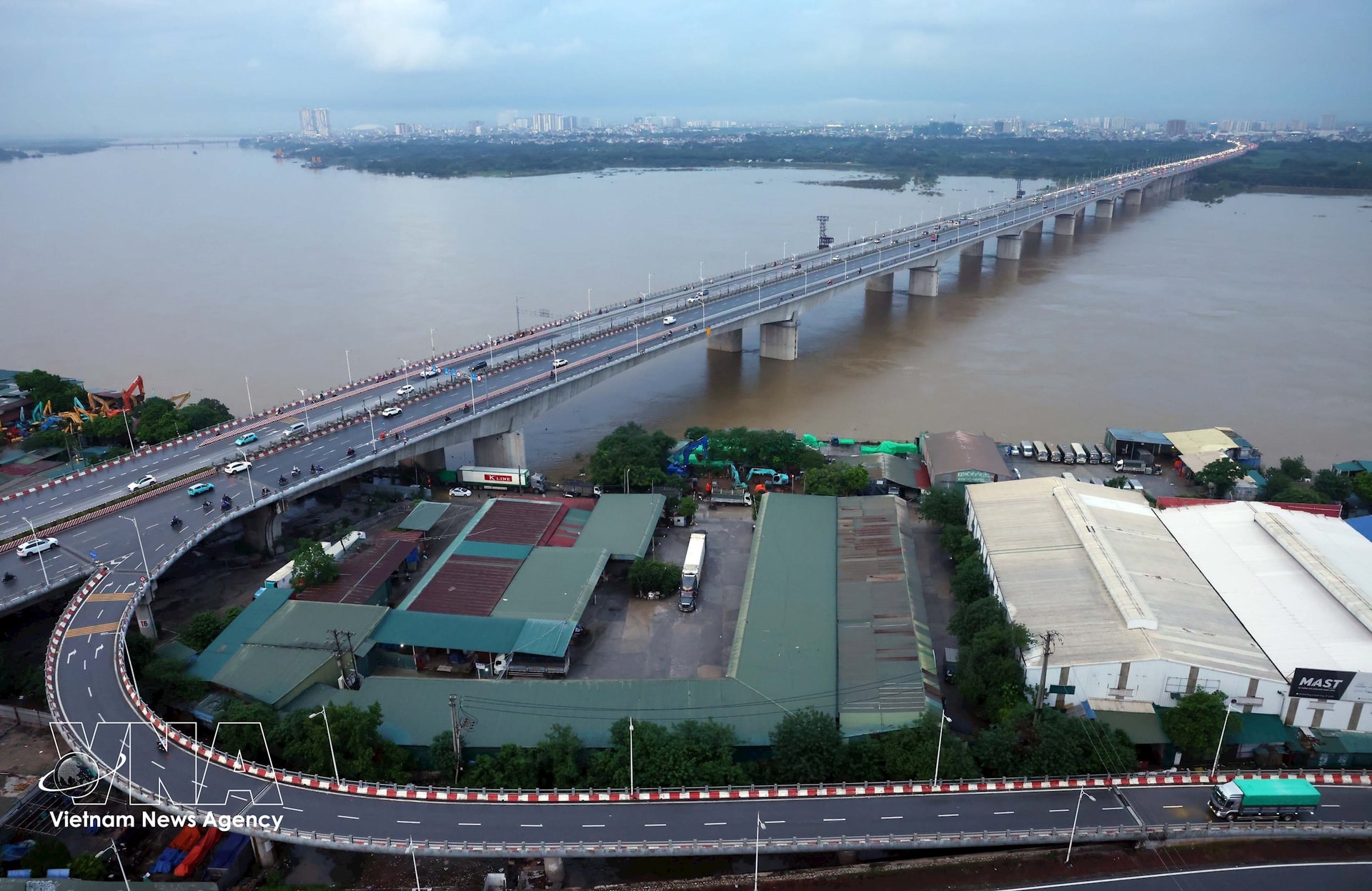
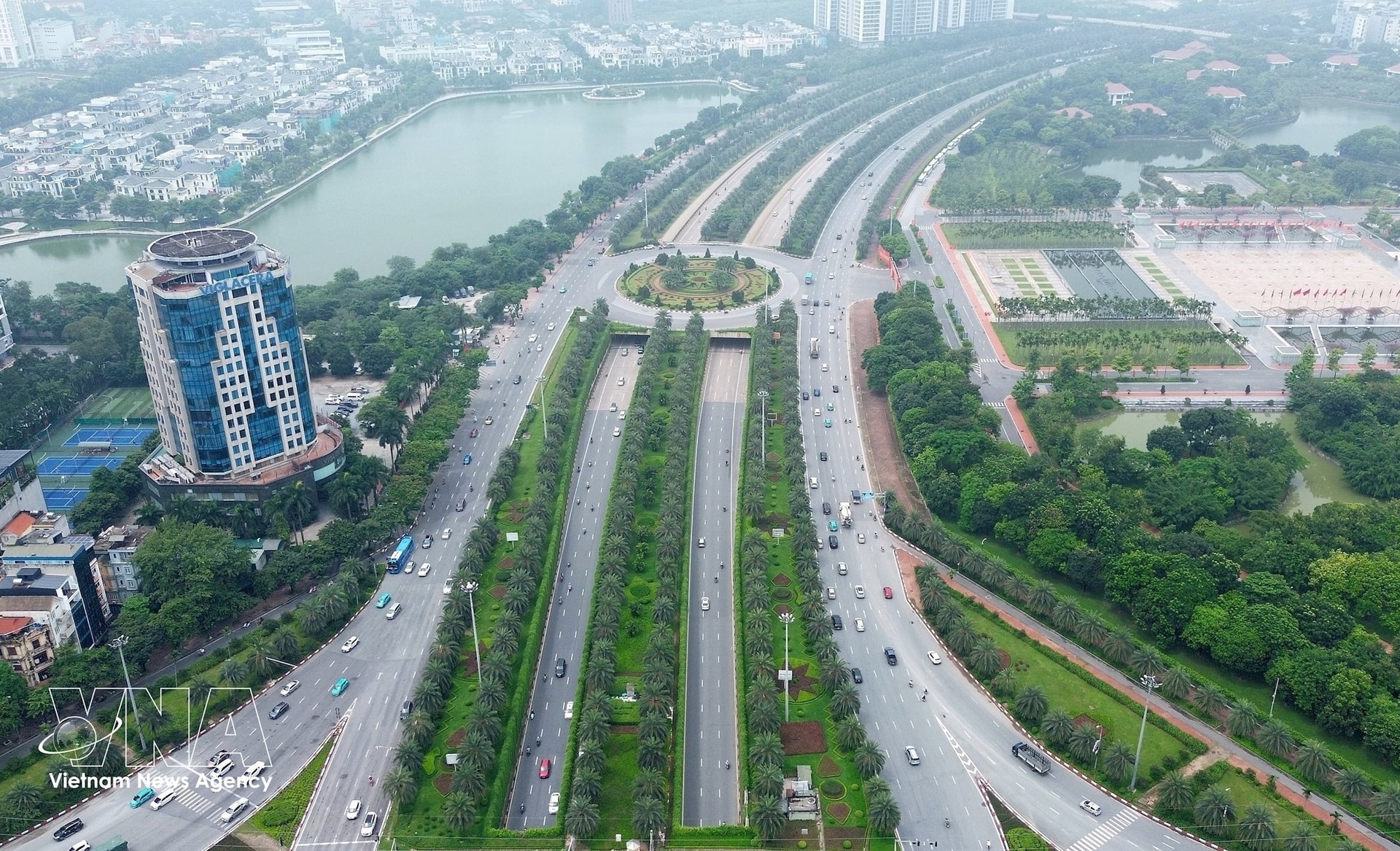
A view of Nguyen Xien street heading toward Mai Dich ward (Photo: VNA)The S11 Van Mieu underground station of the Nhon - Hanoi Station urban railway project is under construction in February 2026. (Photo: VNA)Phap Van – Cau Gie Expressway heading toward the city centre (Photo: VNA)A 700-metre barrier serves the construction of Metro Line No. 5 along Thang Long Boulevard in April 2026. (Photo: VNA)Smooth traffic on Vinh Tuy Bridge heading out of Hanoi's centre (Photo: VNA)Thang Long Boulevard, a gateway to Hanoi's centre (Photo: VNA)
During the 2026–2030 period, Hanoi will prioritise completing ring roads, radial transport corridors, and cross-river bridges, while accelerating the progress of urban railway lines and urgent environmental treatment projects. In the subsequent phase, the focus will shift to finalising the infrastructure network and developing a second airport, along with large-scale healthcare and education centres.
It is estimated that Hanoi will need around 11 quadrillion VND (417.6 billion USD) in the next ten years to establish its strategic infrastructure framework; approximately 25.3 quadrillion VND in 2036–2045 to expand and achieve breakthroughs; and more than 100 quadrillion VND in 2046–2065 to complete its multi-layered urban structure and move toward net-zero emissions.
11 quadrillion VND
25.3 quadrillion VND
100 quadrillion VND
Capital demand to complete a multi-layered urban structure and move towards net-zero emissions
2026-2035
2036-2045
2046-2065
In this context, the city will prioritise allocating resources to key sectors such as urban rail systems, digital infrastructure, and high-quality healthcare and education complexes, thereby creating spillover effects and strongly attracting private investment.
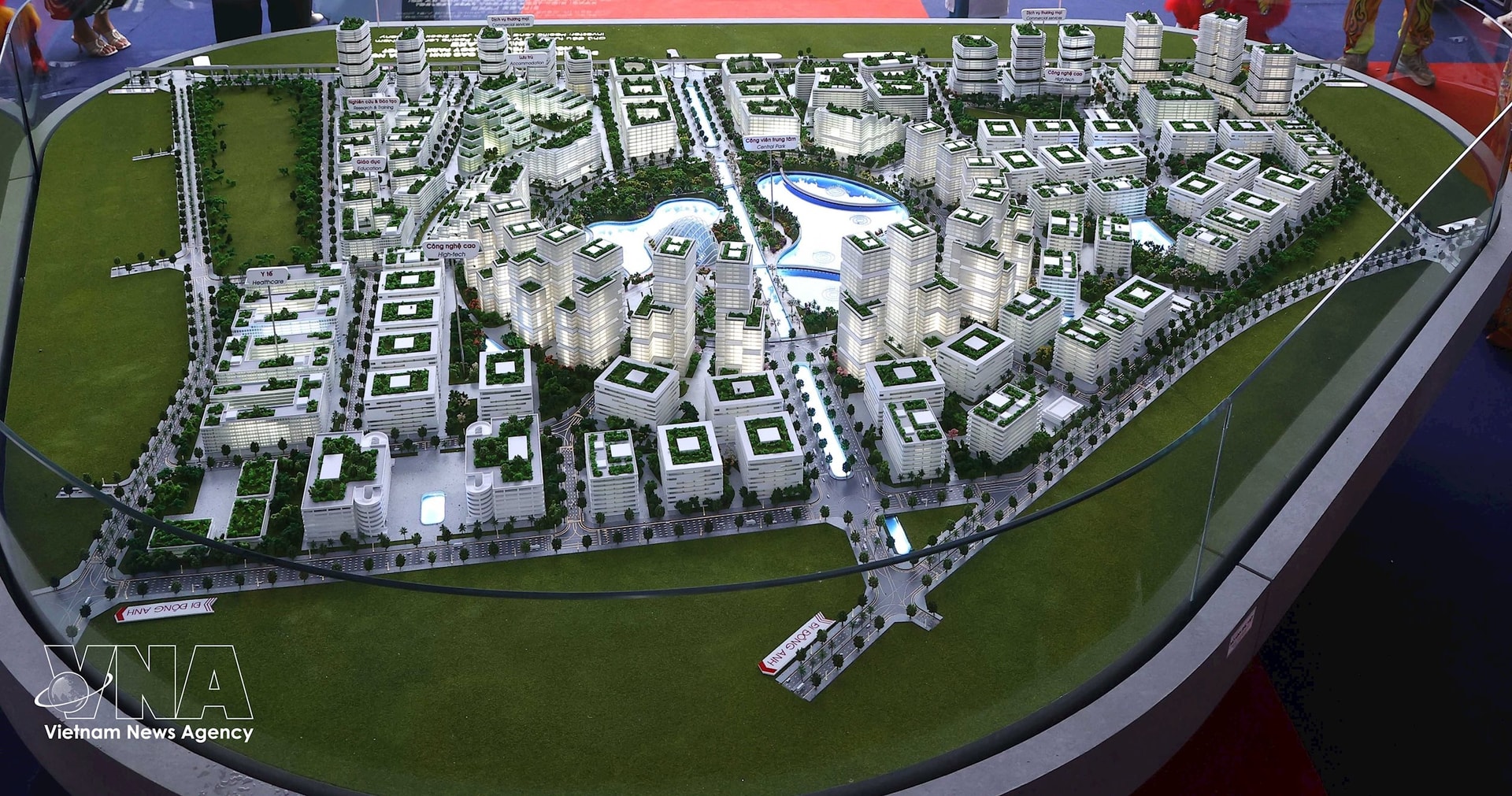
A design of the infrastructure construction and business project of the Hanoi Biotechnology High-Tech Park (Silver Lake) displayed at the groundbreaking ceremony on August 2025 (Photo: VNA)
The application of digital technologies in planning management will also be stepped up through spatial data systems and digital twins, to improve transparency and governance efficiency.
Earlier, on March 13, Hanoi began collecting public feedback on its Master Plan, which involves the 100-year vision.
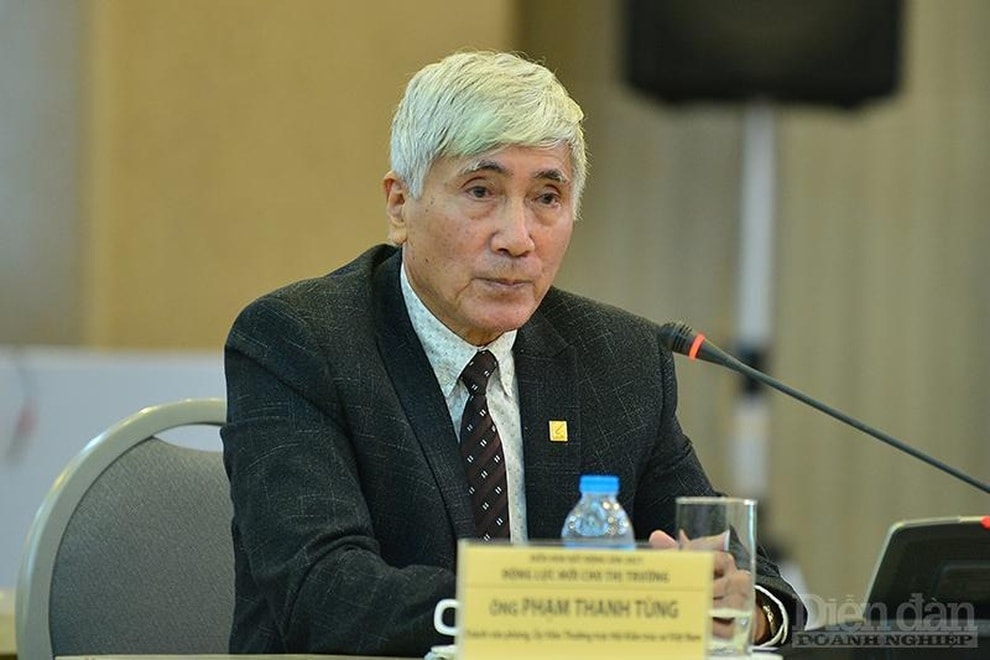
Architect Pham Thanh Tung, Chief of the Office of the Vietnam Association of Architects, described the plan as a breakthrough in planning mindset that could serve as a driving force for other major cities in Vietnam. He stressed that the plan must promptly address five key bottlenecks: traffic congestion, improvements in public transport infrastructure, environmental pollution, flooding, and urban safety.
Architect Pham Thanh Tung, Chief of the Office of the Vietnam Association of Architects (Photo: Business Forum Magazine)
“
“The key factor that will make this plan a sustainable spatial blueprint for future generations of Hanoi residents is its people-centred approach, aimed at ensuring genuine happiness for citizens.”
Architect Pham Thanh Tung, Chief of the Office of the Vietnam Association of Architects
The municipal authorities said the planning concept had been presented to and guided by the Politburo, the Party General Secretary, senior Party and State leaders, as well as central ministries and agencies.
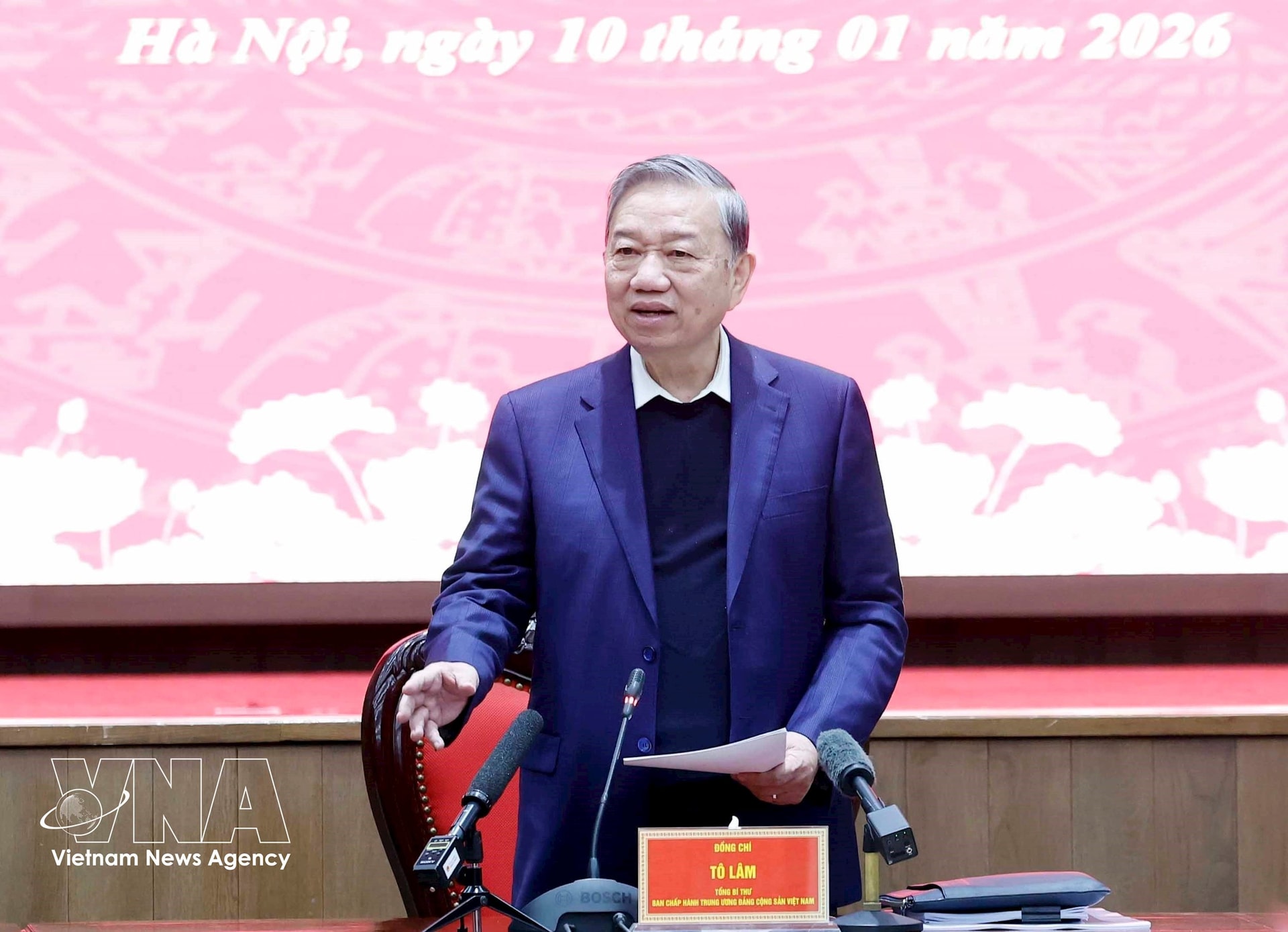
Party General Secretary To Lam at a working session with the Hanoi Party Committee's Standing Board on January 10, 2025 (Photo: VNA)
“
“The Hanoi Capital Master Plan with a 100-year vision is an important tool to realise development goals, mobilise resources, attract investment, and ensure sustainable development.”
Party General Secretary and State President To Lam
By late March 2026, the architectural planning management board had received feedback from 12 out of 14 ministries and central agencies, 6 out of 7 localities in the region, 10 out of 12 municipal departments, and 114 out of 126 communes and wards, along with opinions from domestic and international organisations and experts.
To date, a total of 14,645 public submissions have been collected, reflecting broad societal interest in the capital’s 100-year development vision./.
Bình luận của bạn đã được gửi và sẽ hiển thị sau khi được duyệt bởi ban biên tập.
Ban biên tập giữ quyền biên tập nội dung bình luận để phù hợp với qui định nội dung của Báo.
.jpg "Превращение культуры во внутренний ресурс и движущую силу развития")


.jpg)
.jpg)