


Gửi bình luận
LongForm
BUILDING A LEARNING SOCIETY – DRIVER OF GROWTH, DEVELOPMENT AND SOCIAL PROGRESS

Fostering a learning society is a steadfast policy of the Party and State, aimed at ensuring equitable access to education, promoting lifelong learning, and enabling holistic personal development. This, in turn, will enhance the quality of human resources for national development. In the context of globalisation and the rapid advancements of the Fourth Industrial Revolution, establishing a digital learning society is critical to helping Vietnam capitalise on opportunities, address challenges, and achieve sustainable development.
Building a digital environment for lifelong learning
Since its launch in 2005, the “Building a learning society” project has contributed to improving public knowledge, expanding the open system of continuing education, and promoting lifelong learning opportunities for all, thereby supporting socio-economic development. Public awareness of lifelong learning has gradually increased, making it an important means for individuals to enhance capacity and update knowledge to meet the demands of a country undergoing profound changes in the era of science, technology, and national digital transformation.


In 2026, five years into the 2021–2030 project to build a learning society, significant progress has been achieved. Across the nation, over 261,300 individuals have completed illiteracy eradication programmes, and more than 40.6 million working-age citizens have gained information literacy skills, accounting for 50.76%.
Over 39.9 million working-age people have undergone life-skills training, reaching 49.97%, and more than 37.8 million people aged 15 and above have received technical and specialised training, representing 47.3%. All universities, excluding those specialising in national security, defence, culture, arts, and sports, have embraced digital transformation, applying information technology to management and teaching, and gradually developing digital learning repositories to support training.
Of particular note, the national online learning platform “Digital Literacy for All” was officially put into use nationwide in early April 2025, with the mission of providing basic digital knowledge and skills for the entire population. It aims to build an open and flexible digital learning environment that assists people to master technology, improve their quality of life, enhance their competitiveness, and contribute to national development.
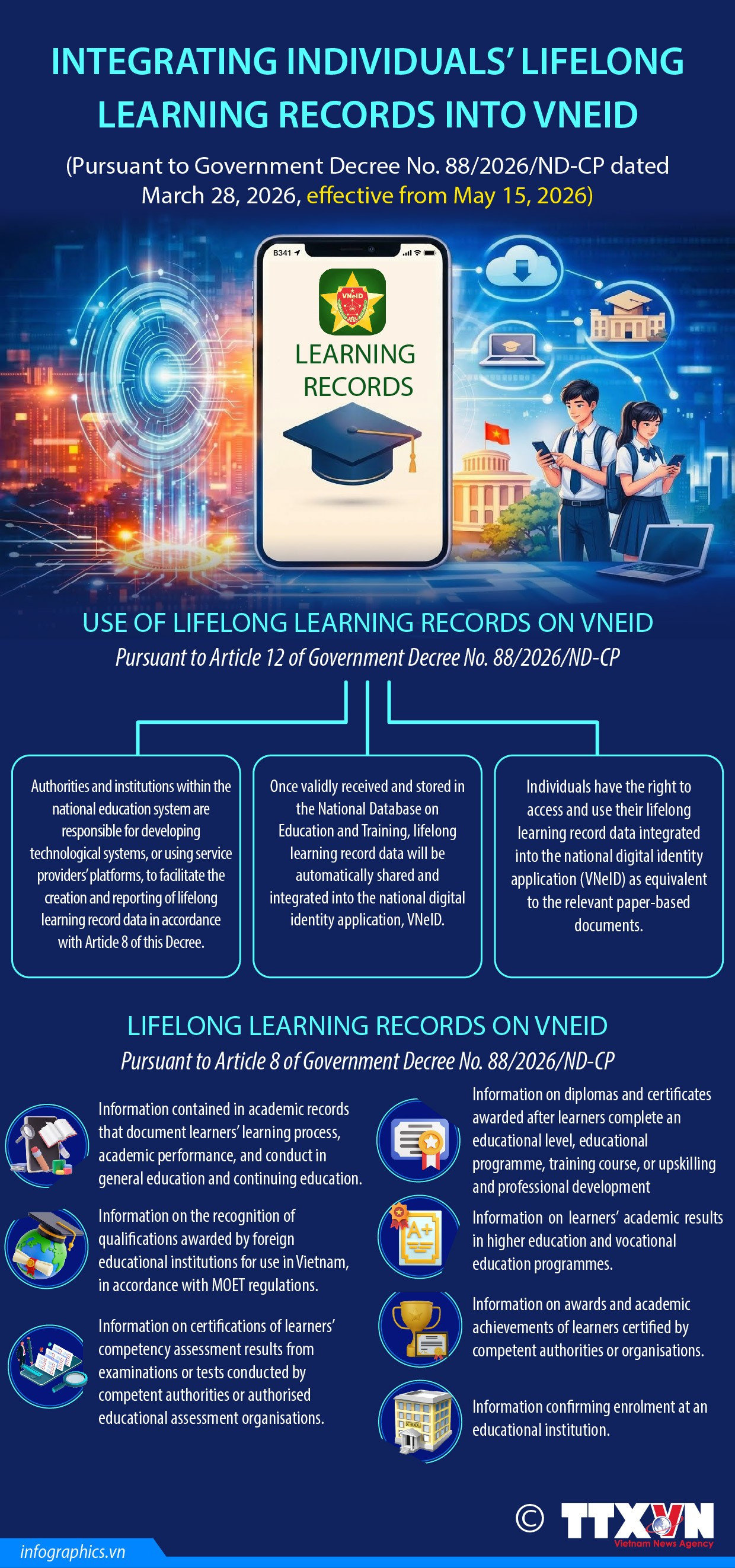
Just one year since its launch, the platform has integrated 87 completed courses and attracted more than 1.4 million learners through electronic identification accounts on VNeID. The courses cover basic digital skills, online public services and artificial intelligence (AI), reflecting strong demand for digital learning across society.
Ho Chi Minh City has continued to demonstrate its pioneering role by linking the learning-city model with the need to develop high-quality human resources capable of adapting to digital transformation. Hanoi recently issued Plan No. 57-KH/BTGDVTU to strengthen communications on the “Digital Literacy for All” movement, considering this a key task for the capital. The plan aims to provide digital knowledge and skills for people from all walks of life, foster digital learning habits, and develop digital citizens in line with the vision of a civilised, modern and happy capital of time-honoured culture.
The “Digital Literacy for All” movement has also gained momentum among all-level authorities, sectors and localities. The National Assembly has set specific targets, requiring 100% of officials and deputies to obtain the “Digital Literacy for All – Digital National Assembly” certificate in 2026 and meet digital-skills standards on the VNeID platform. The People’s Public Security force has organised numerous digital-transformation training courses for officers and soldiers at the grassroots level, focusing on digital infrastructure, digital processes and information security.
Many localities have developed models such as “Learning Citizens”, “Learning Families”, “Learning Clans”, “Learning Communities” and “English for All”, while establishing criteria for assessing and recognising the “Learning Citizen” title.
Ho Chi Minh City has continued to demonstrate its pioneering role by linking the learning-city model with the need to develop high-quality human resources capable of adapting to digital transformation. Hanoi recently issued Plan No. 57-KH/BTGDVTU to strengthen communications on the “Digital Literacy for All” movement, considering this a key task for the capital. The plan aims to provide digital knowledge and skills for people from all walks of life, foster digital learning habits, and develop digital citizens in line with the vision of a civilised, modern and happy capital of time-honoured culture.
Ready for comprehensive and sustainable development
In an age of rapid scientific and technological advancement, the demand for learning and the pursuit of new knowledge is growing as individuals strive to keep pace with societal progress and adapt to a modern, civilised way of life. Lifelong learning enables individuals to not only remain adaptable and avoid falling behind in a changing world, but also broaden knowledge, cultivate character, foster continuous personal growth, and reinforce their role within society.

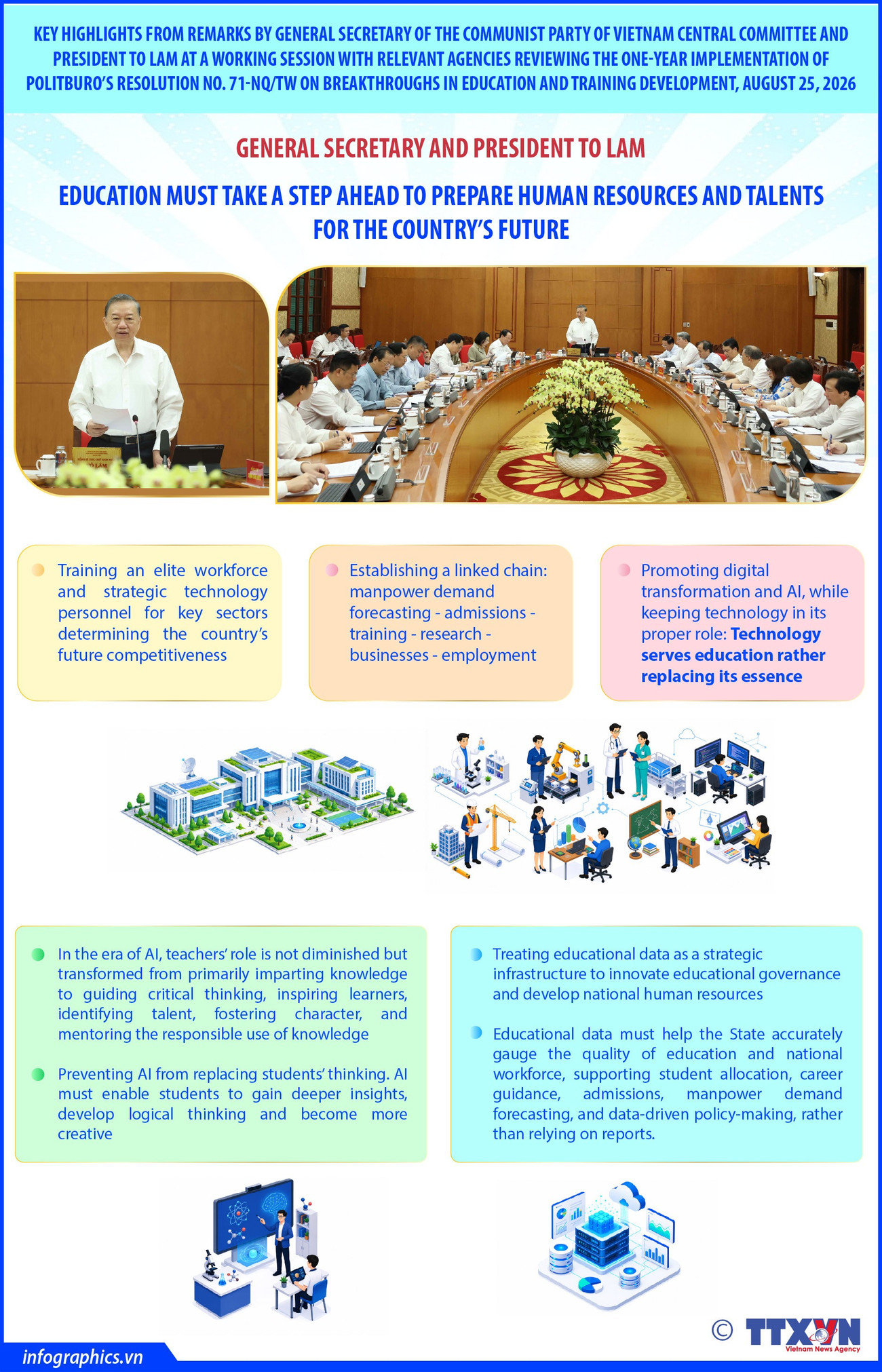
In the past, building a learning society meant investing in physical infrastructure and expanding networks of community learning centres through traditional methods. However, with the influence of science, technology, and digital transformation, the model has evolved significantly. Politburo Resolution No. 57-NQ/TW, dated December 22, 2024, on breakthroughs in science – technology development, innovation, and national digital transformation, emphasises using digital technology as a powerful tool for self-learning and lifelong learning.
Learning through digital platforms is an inevitable requirement. It facilitates the dissemination of knowledge and creates favourable conditions for people to learn independently, equip themselves with the necessary digital capabilities and skills, confidently improve themselves, and contribute to building a society that is not only rich in knowledge but also strong in technological capacity and ready for integration and development.
In practice, a learning society built on digital platforms offers many advantages that traditional models struggle to match, such as greatly reducing the gap in access to knowledge between regions. With an internet connection, people in remote or disadvantaged areas can access the same quality courses as those in big cities. These platforms can also save time and cut costs, serving tens of thousands of learners at once. Most importantly, quick and easy access to education online can help people build continuous learning habits that fit seamlessly into their work and everyday lives.
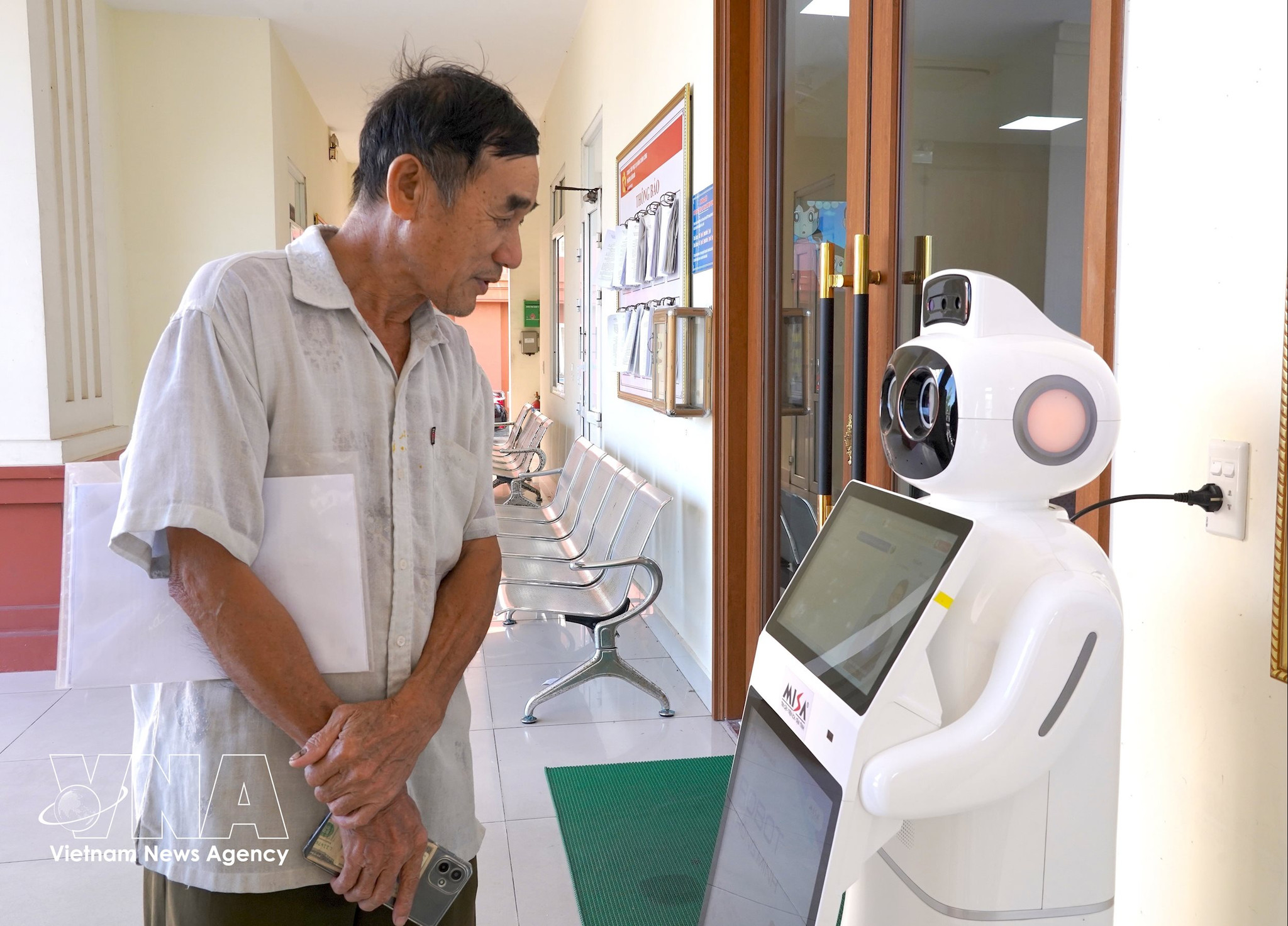

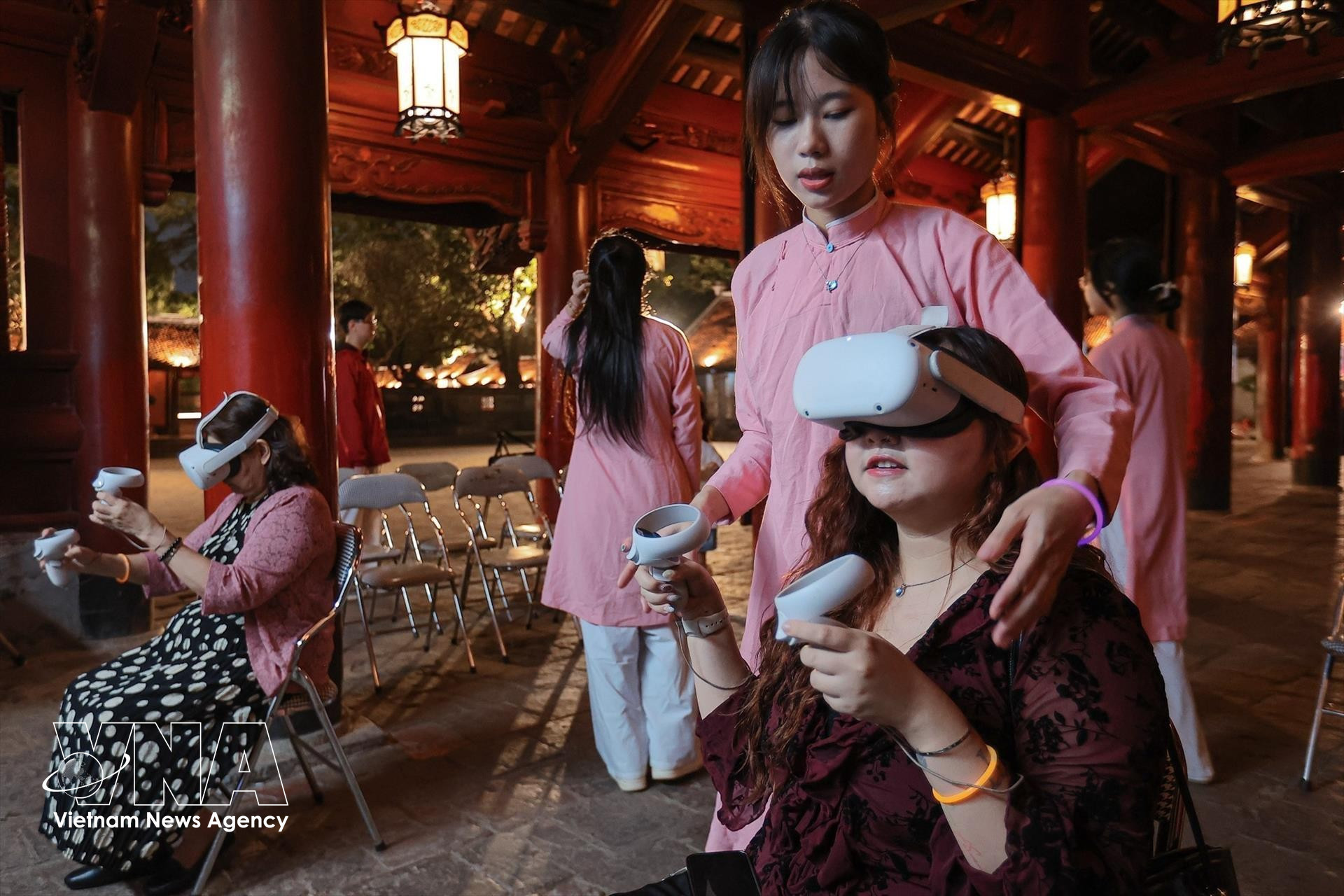
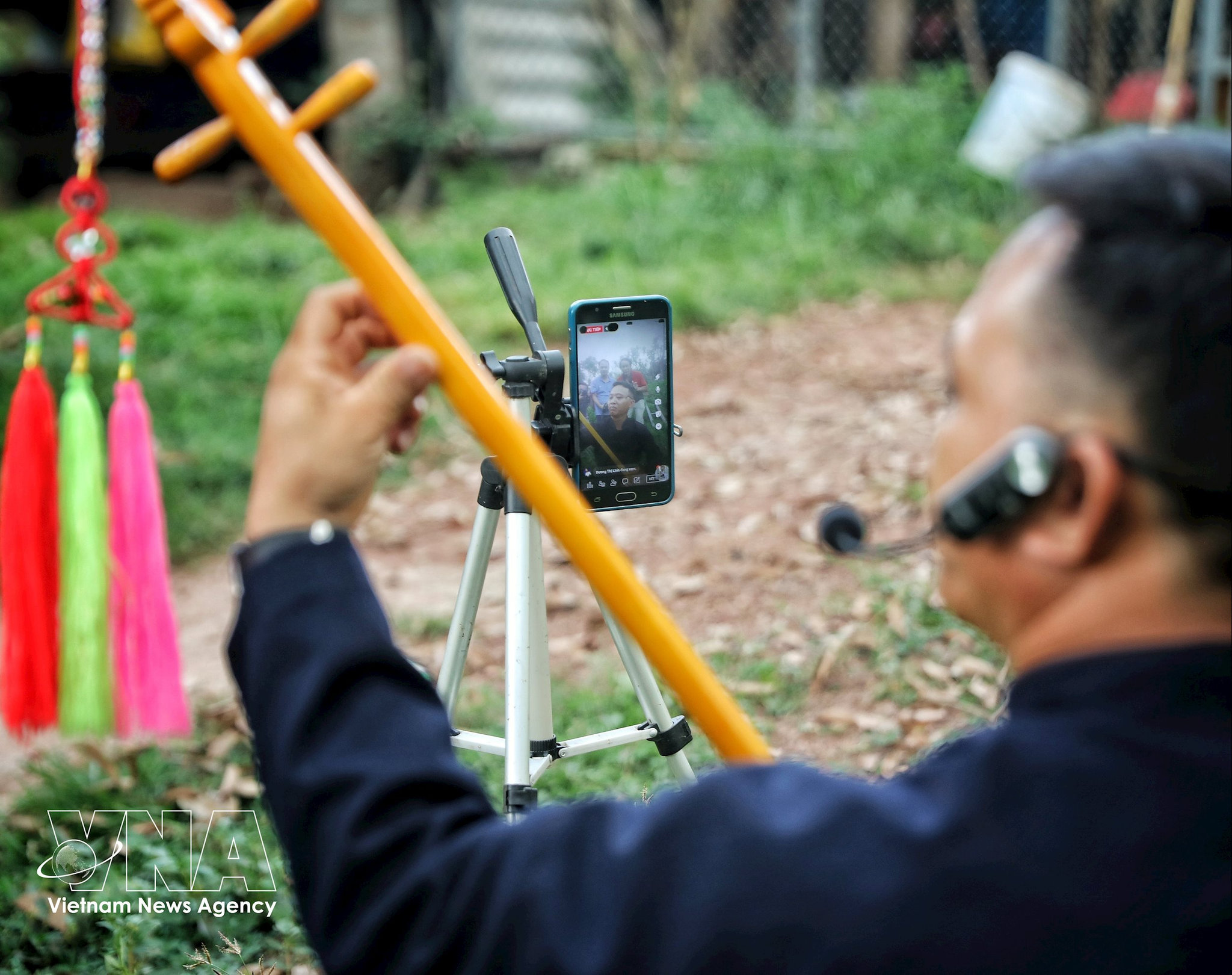
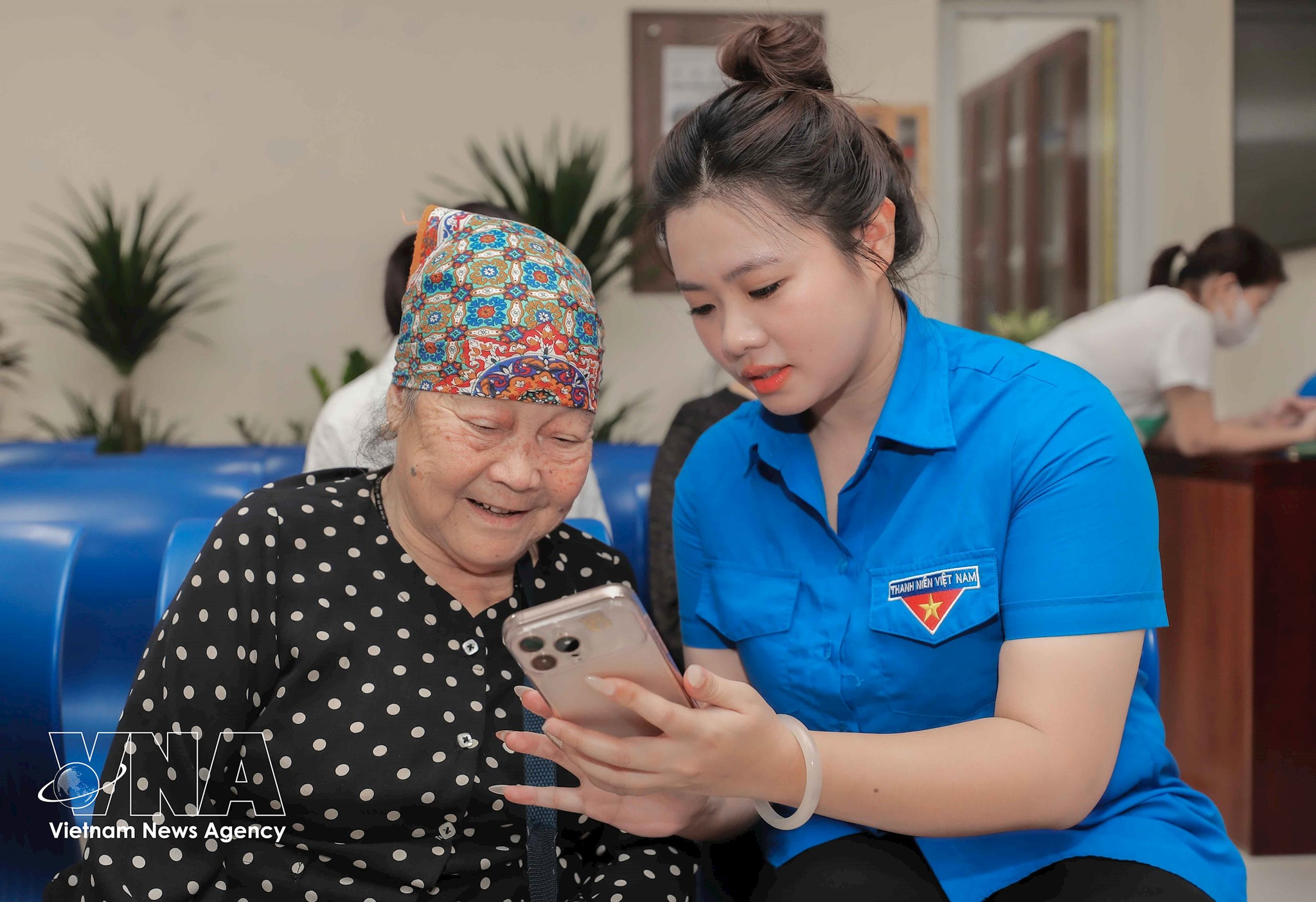
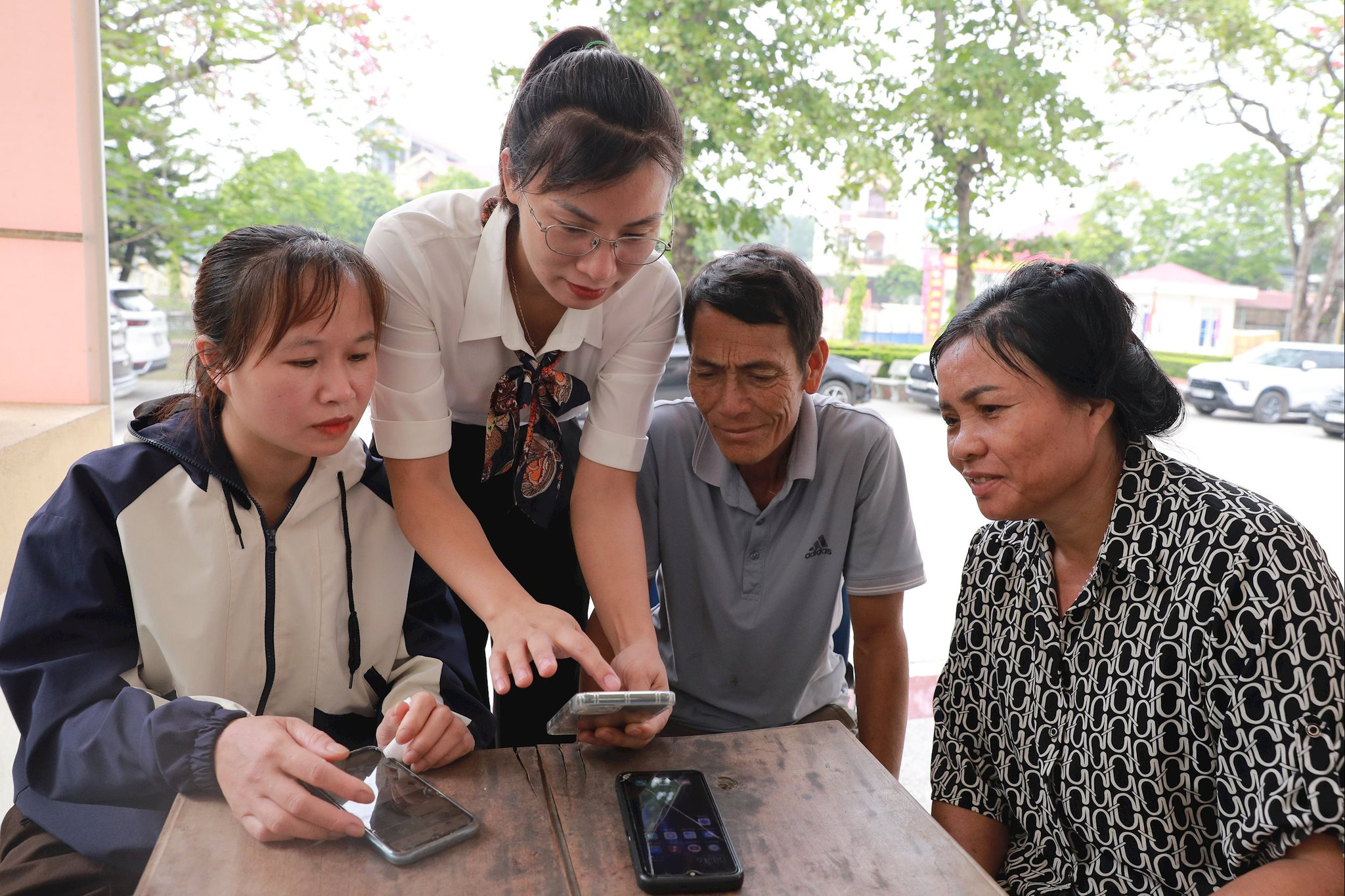
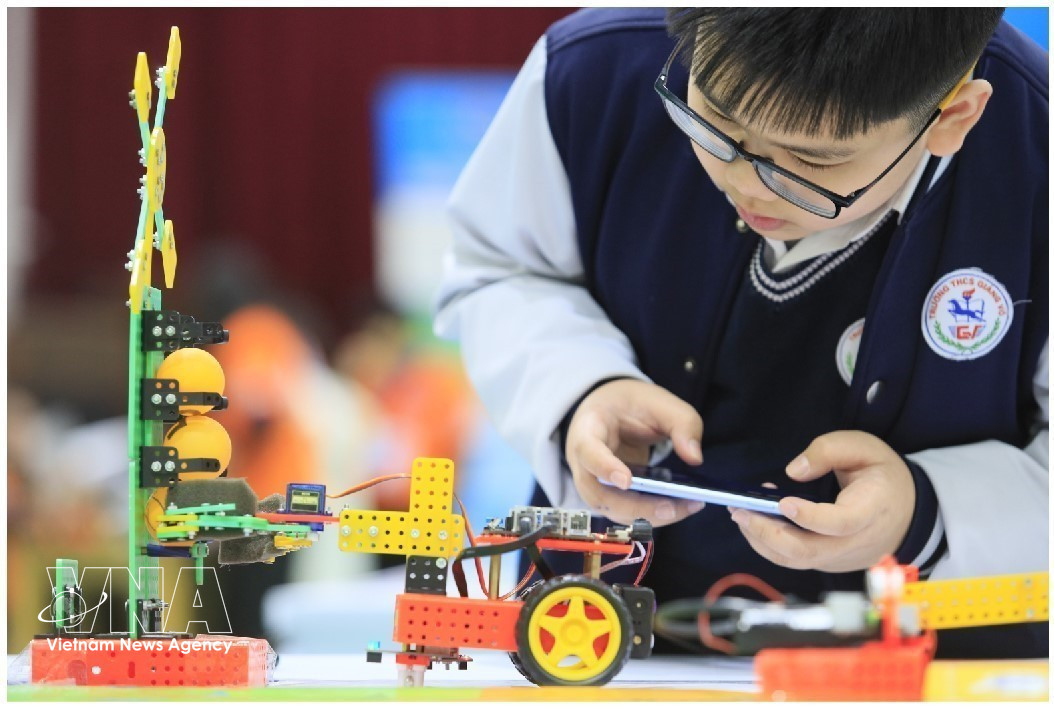
Digital learning extends beyond education and training, reaching all aspects of life and encouraging people from all walks of life to use technology to improve their daily lives. (Photo: VNA)
This journey still comes with plenty of hurdles like uneven access to technological infrastructure and digital skills across regions, teacher shortages, and facilities that are lacking or inconsistent. To tackle these issues, researchers suggest that beyond improving institutional frameworks and policies, it is crucial to invest in digital learning resources in disadvantaged areas and connect each course or training programme to the real needs of specific groups. They also emphasise the need to boost public awareness about the value of lifelong learning, making digital education a lasting cultural habit woven into everyday life.
Building a digital learning society in Vietnam is an important strategic goal for socio-economic development. It seeks to raise knowledge levels and build a fairer society in which everyone has opportunities to learn and develop. This is regarded as a strategic step towards comprehensive and sustainable development in Vietnam’s new era./.