VIETNAM SOLIDIFIES STANDING IN GLOBAL TOURISM LANDSCAPE
VNA•17/12/2025 14:51
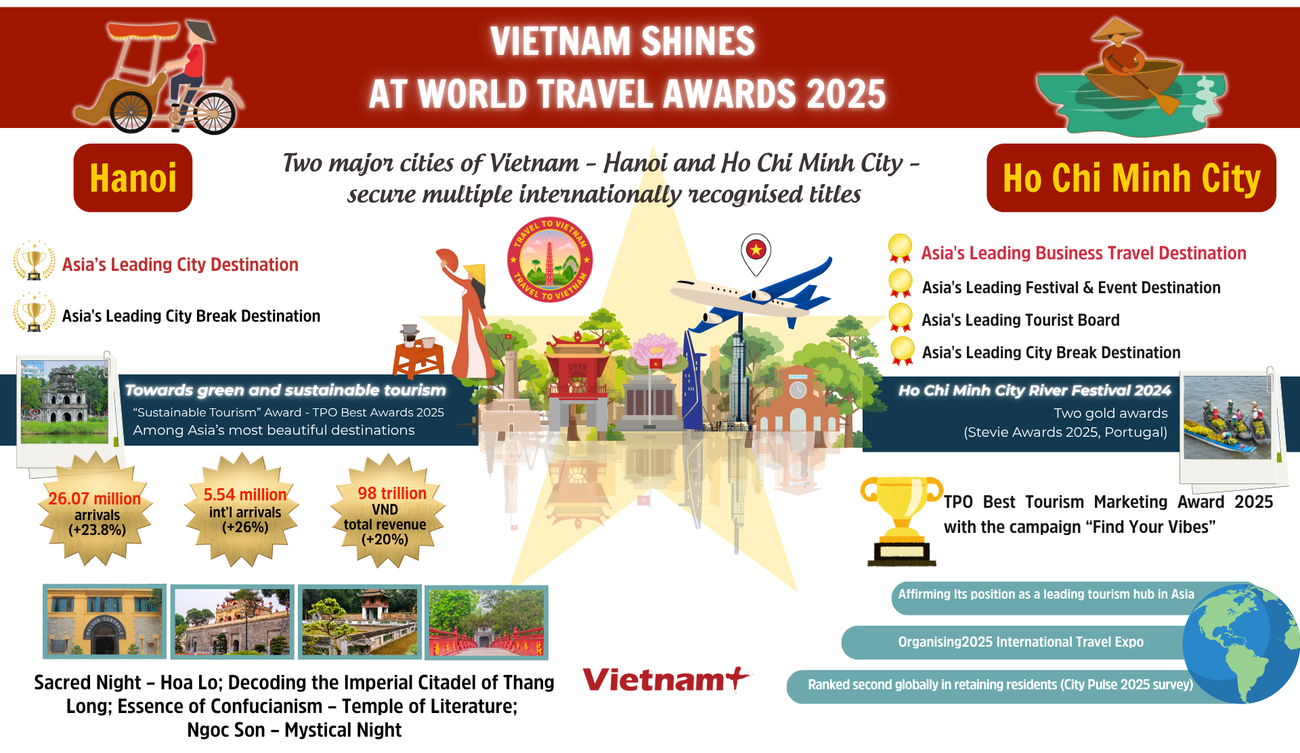
Vietnam has once again been honoured as the World’s Leading Heritage Destination in 2025 by the World Travel Awards (WTA), marking its sixth recognition after the wins in 2019, 2020, 2022, 2023, and 2024 and reaffirming its foothold in the global tourism industry.
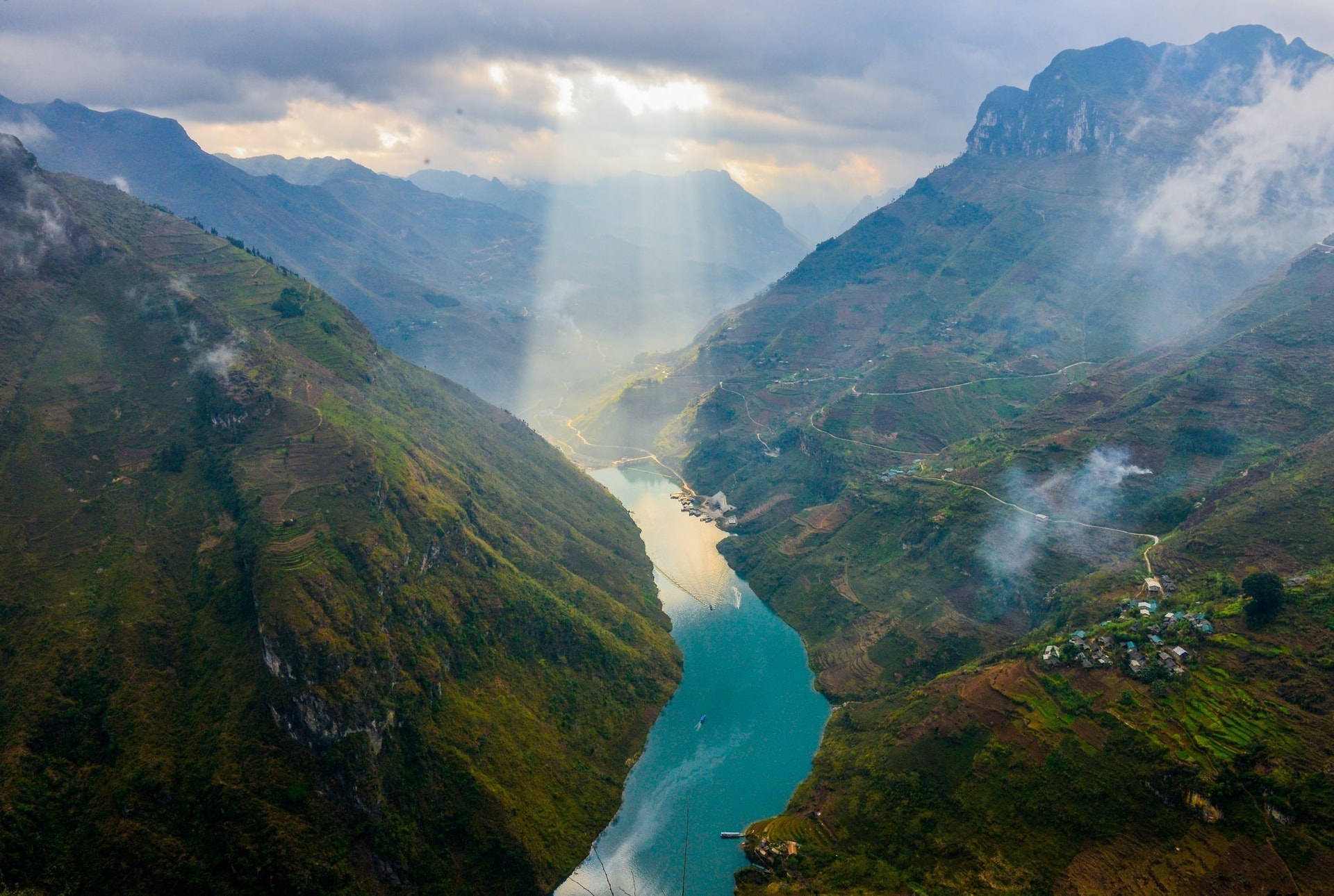
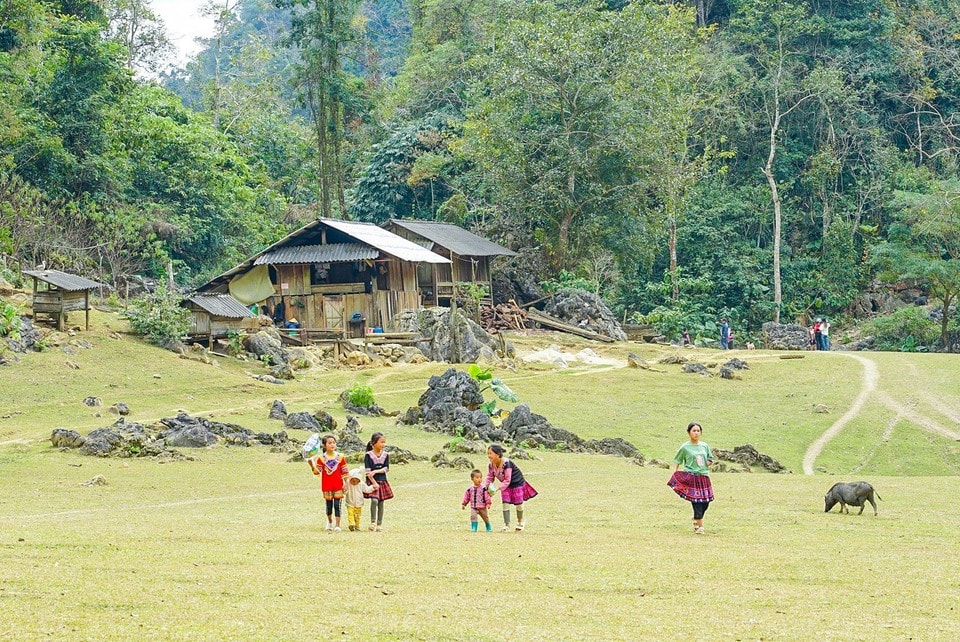
The Dong Van Karst Plateau in Tuyen Quang province wins the title of the World's Leading Regional Cultural Destination for the first time in 2025. (Photo: VNA)
Treasure trove of heritage
“
Vietnam is home to one of the richest heritage systems in the region, blending breathtaking natural scenery, a long-standing history, and a one-of-a-kind cultural identity. Stretching across its S-shaped land, the balance between nature’s beauty, cultural richness, and community spirit creates a vibrant tapestry of diverse heritage sites.
The Dong Van Karst Plateau in Tuyen Quang province (Video: VNA)
The country boasts over 10,000 recognised monuments, including more than 3,600 national sites and about 130 special national sites. It has also documented over 7,000 pieces of intangible cultural heritage, with more than 500 featured on the national intangible cultural heritage list.
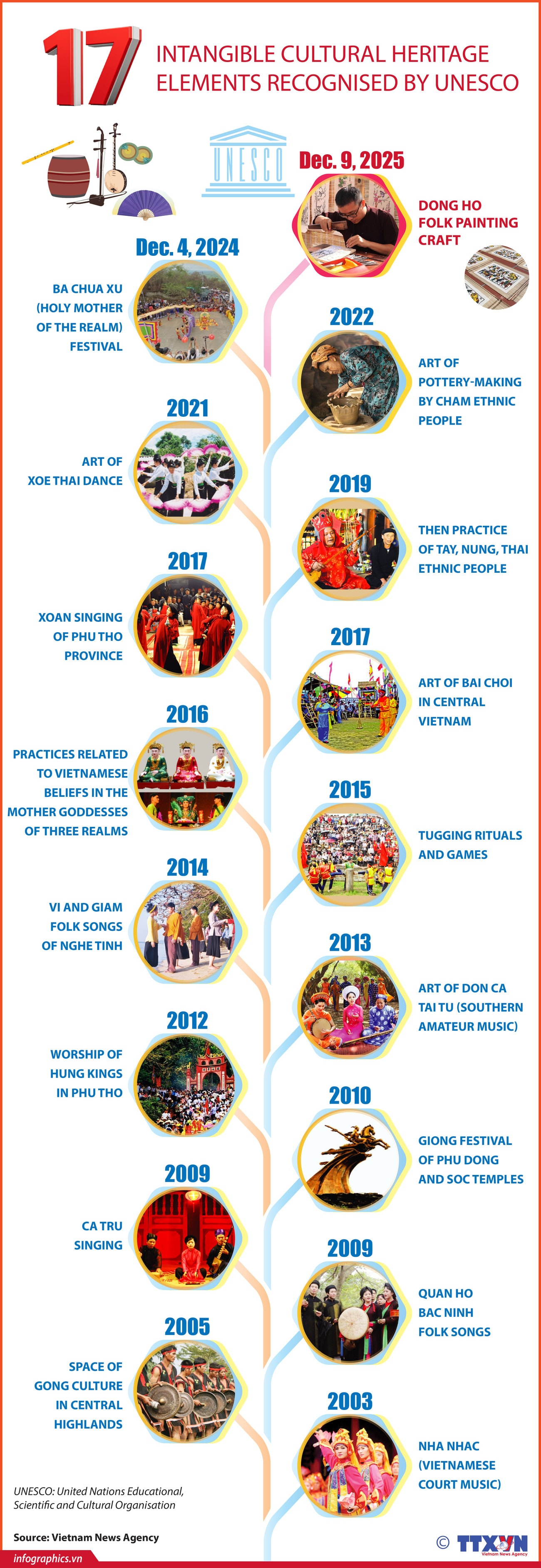
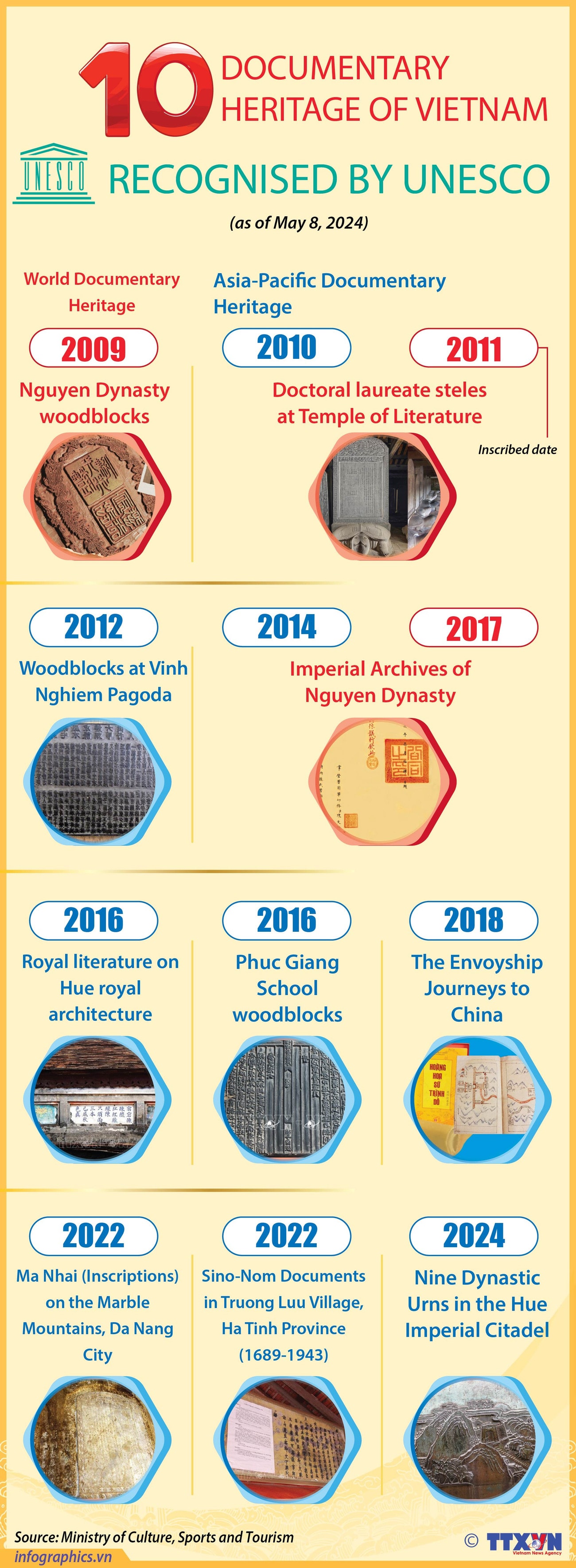
Vietnam is home to nine UNESCO-recognised world natural and cultural heritage elements, 17 in the Representative List of the Intangible Cultural Heritage of Humanity, and 11 documentary heritage items named in UNESCO's Memory of the World Programme.
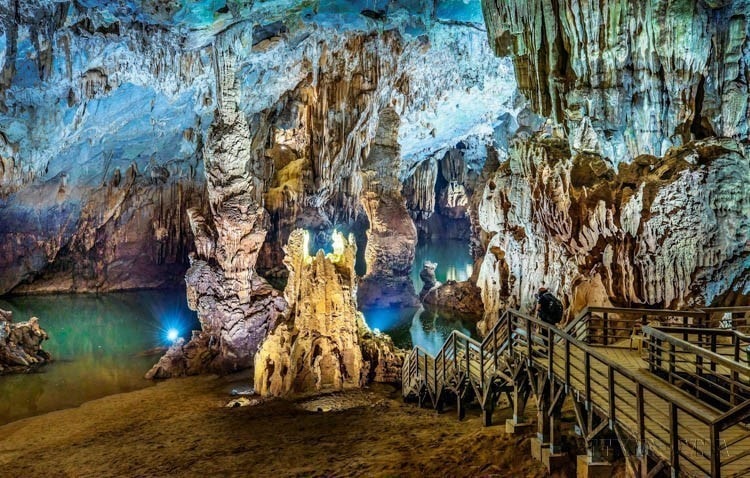
Natural landscapes have created a distinctive appeal, making Vietnam a favoured experiential destination for international travellers. From the wonders of Ha Long Bay and the unique karst formations of Trang An to the majestic caves of Phong Nha-Ke Bang, each destination bears its own mark of nature.
Ha Long Bay – the World Natural Heritage Site recognised by UNESCO (Photo: VNA)
Hon Trong Mai (Rooster and Hen islet) in Ha Long Bay – a World Natural Heritage Site (Photo: VNA)
Pristine landscapes, rare geological and geomorphological values, and rich biodiversity have made these areas top Asian destinations, offering travellers a harmonious blend of nature and inspiring exploration experiences.
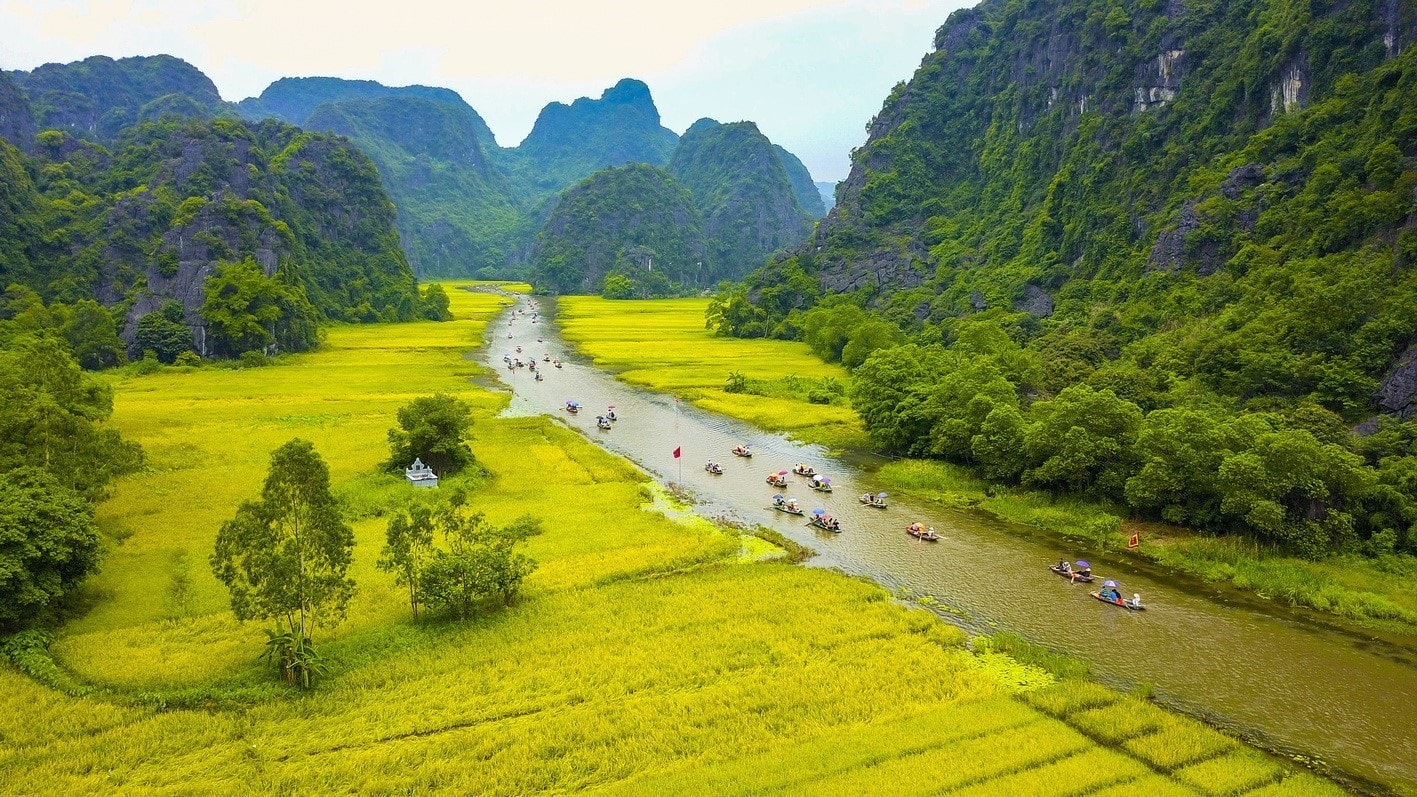
The Trang An Landscape Complex is the first mixed cultural and natural heritage site in Vietnam recognised by UNESCO. (Photo: VNA)
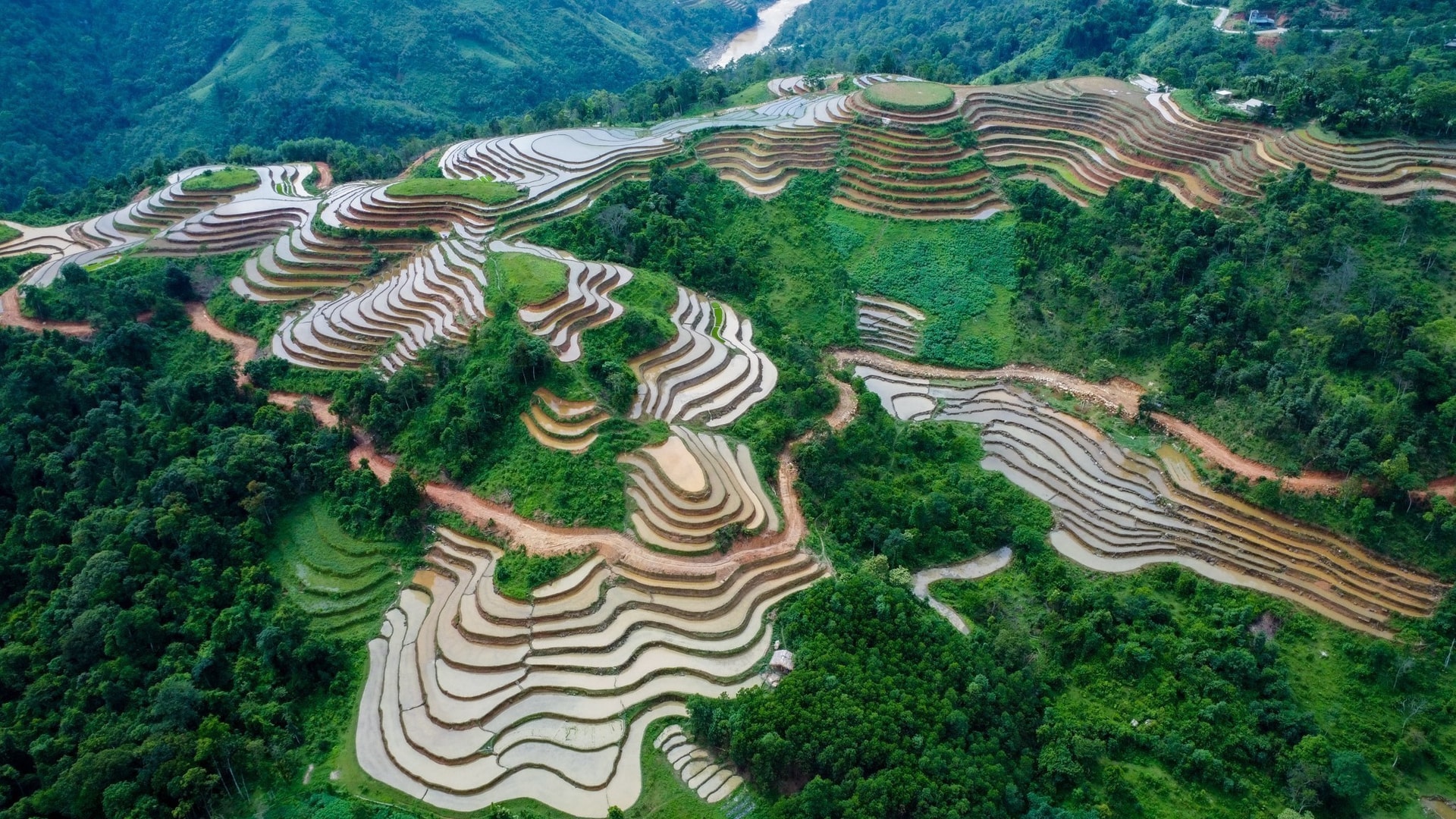
Terraced paddy fields in Ha Giang (now part of Tuyen Quang province) form a tourist magnet. (Photo: VNA)
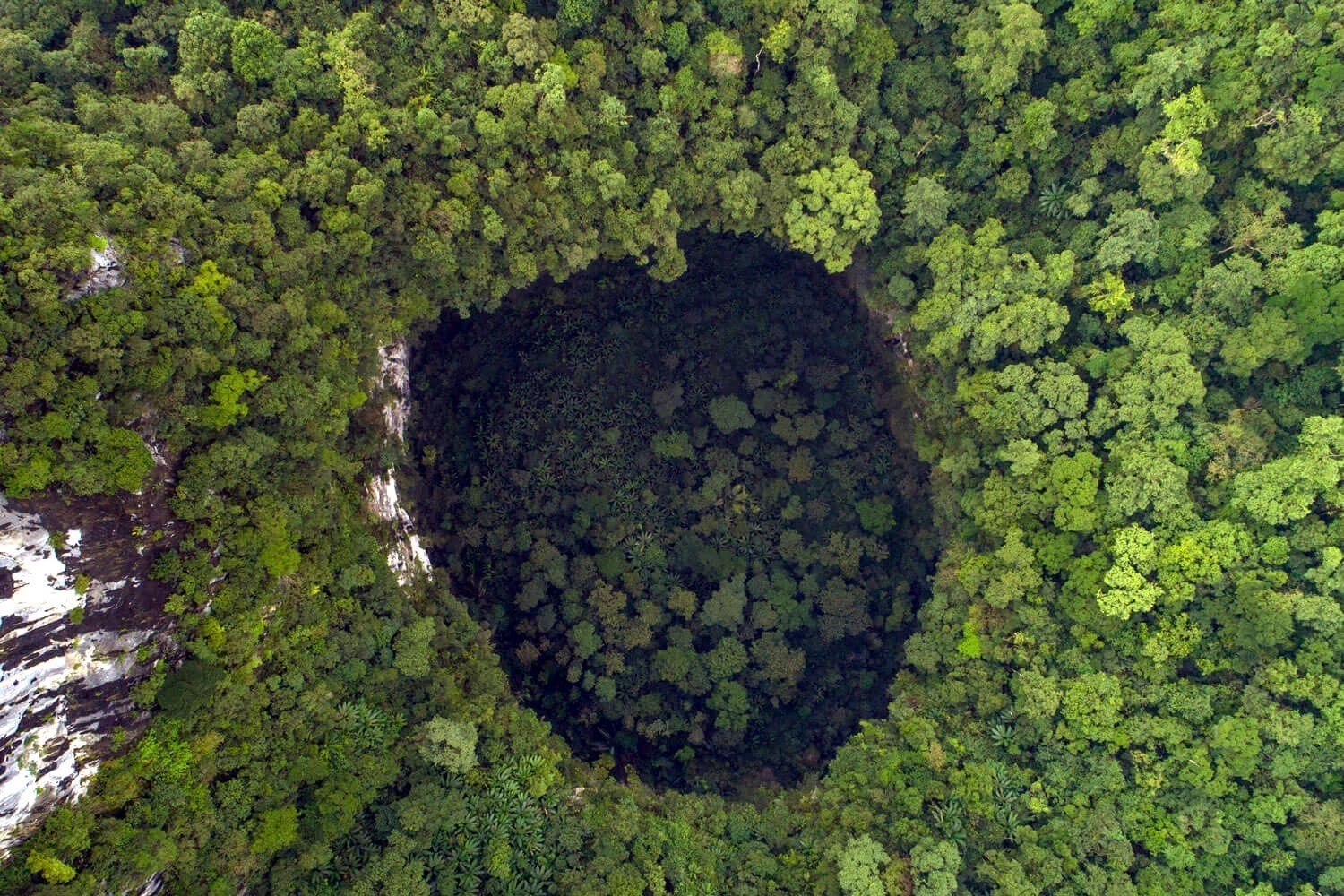
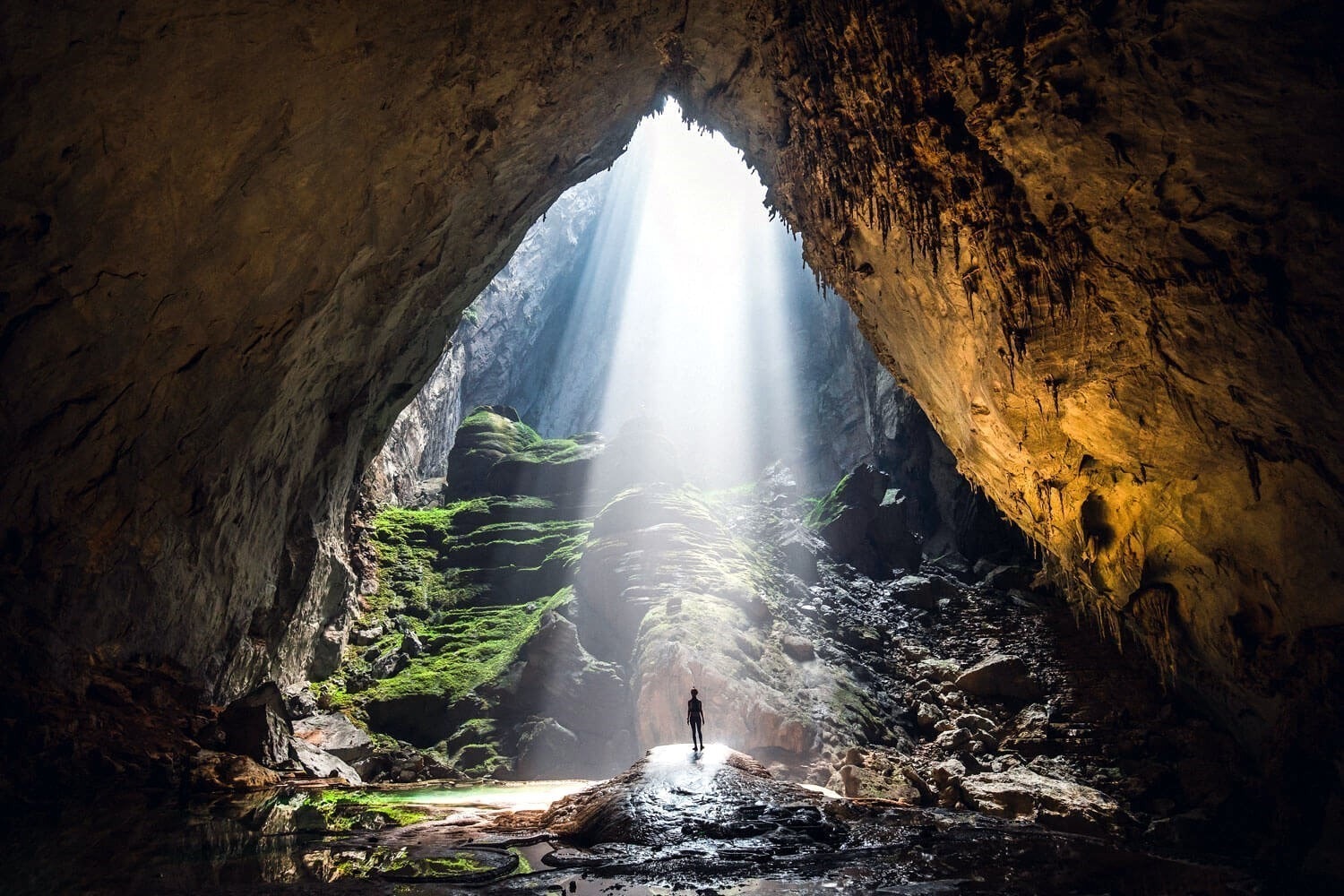
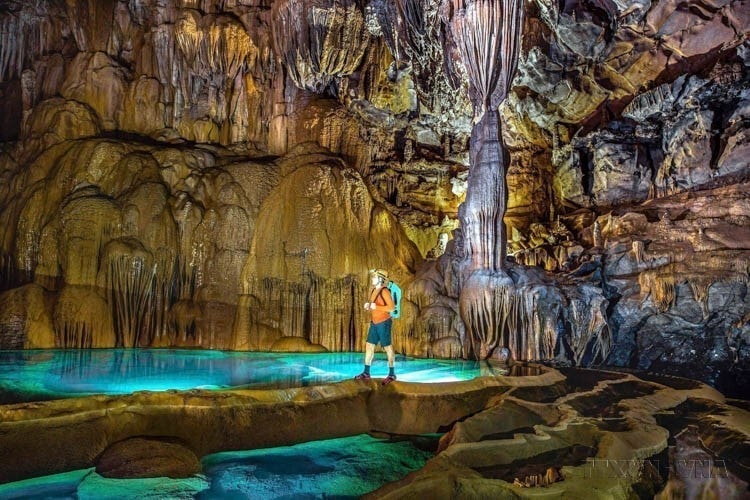
An aerial view of a sinkhole that is one of the most legendary sites along the expedition route through Son Doong Cave (Quang Tri province), which is among the most beautiful of its kind in the world. (Photo: VNA)Inside Son Doong Cave (Photo: VNA)
Phong Nha - Ke Bang is the first transboundary natural heritage site of Vietnam. (Photo: VNA)
Visitors enjoy the tour “Explore ironwood forest – Home of Kong", a tourism product of Quang Binh (now part of Quang Tri province). (Photo: VNA)
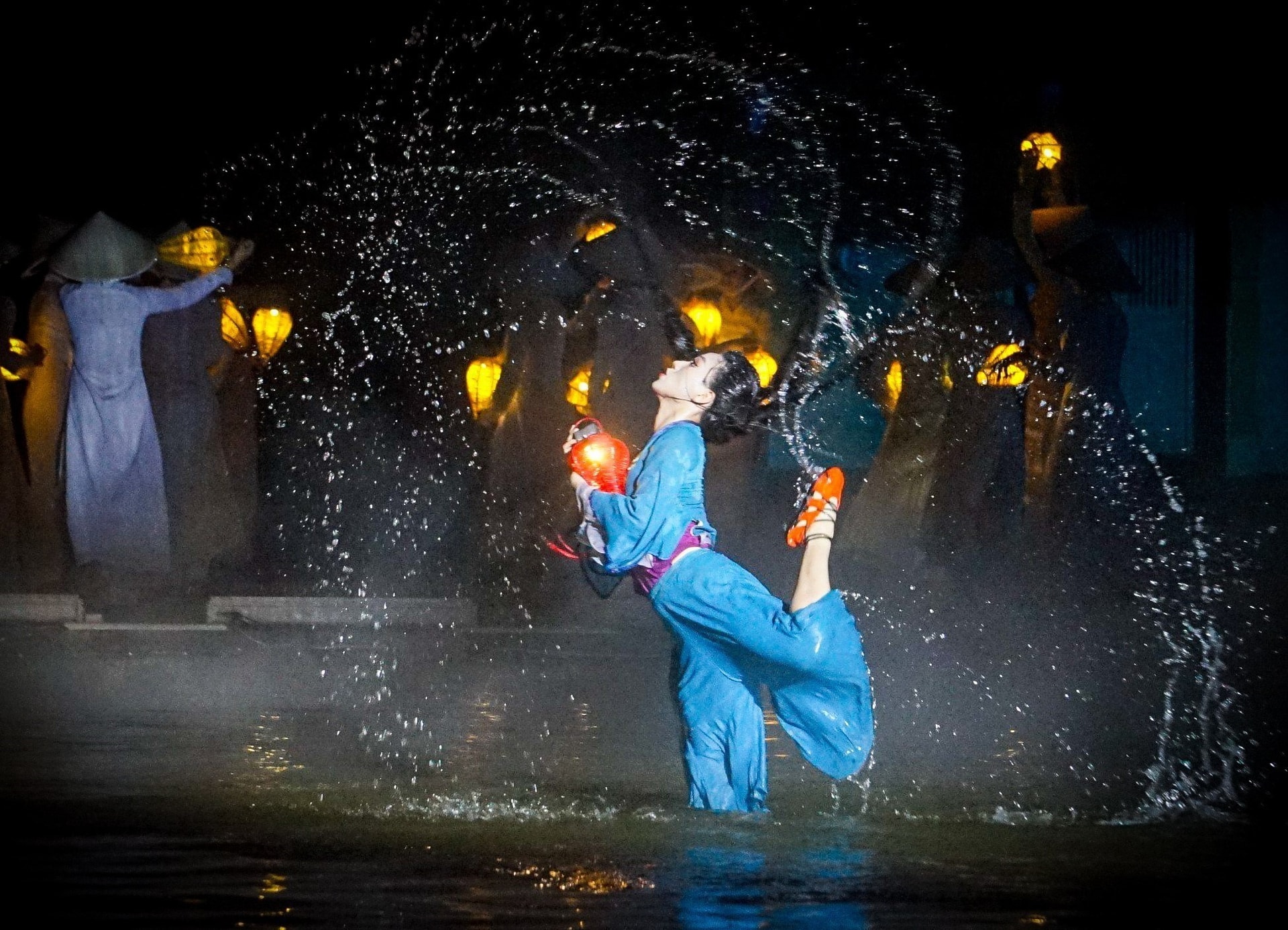
“Hoi An Memories” – an impressive live-action art performance. (Photo: VNA)
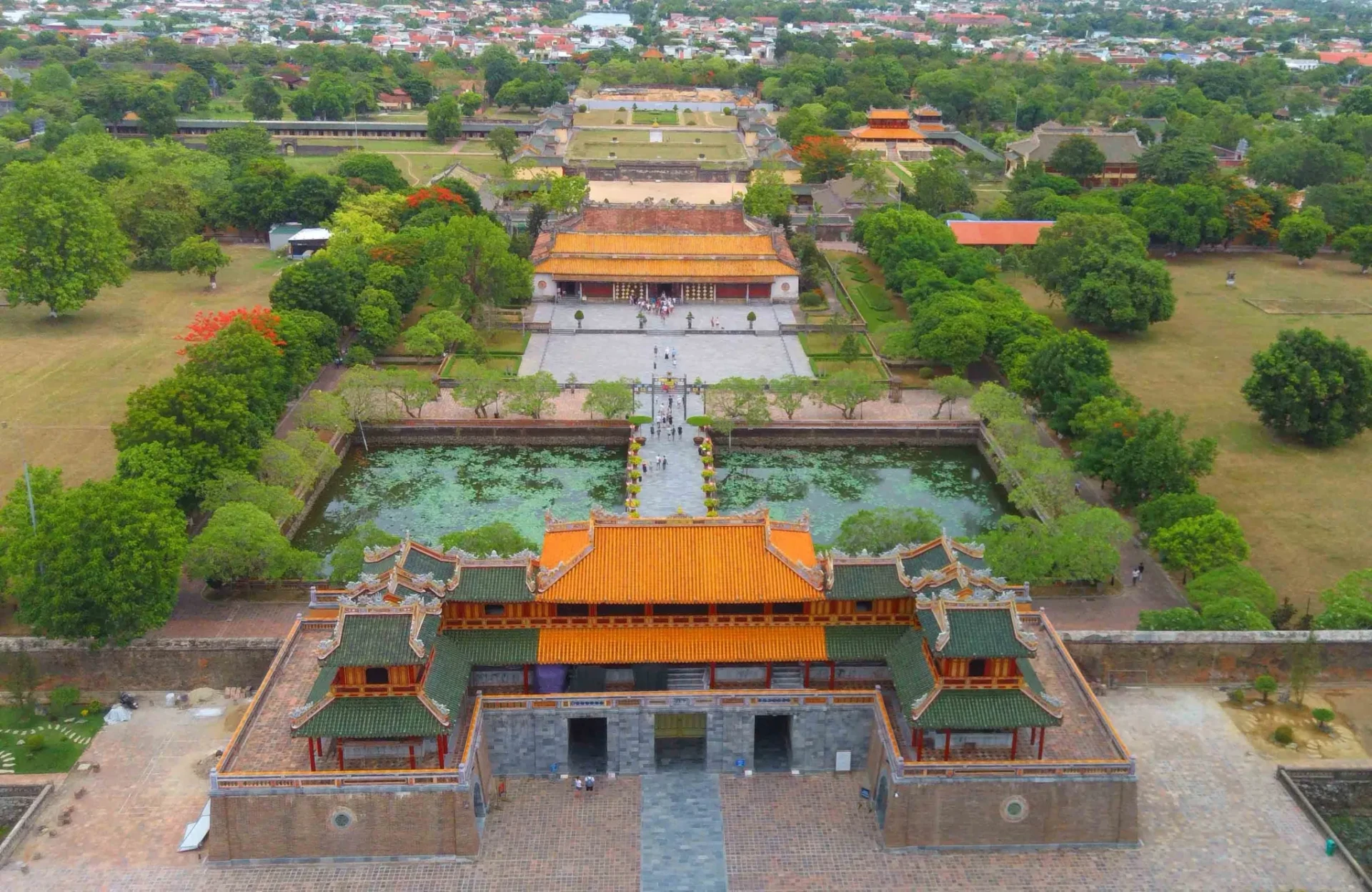
Tangible and intangible cultural heritage highlights the depth of Vietnam’s national identity. Ancient towns and relic complexes such as Hoi An, the former imperial capital of Hue, and the My Son Sanctuary vividly reflect the nation’s rich history and cultural exchanges over the centuries.
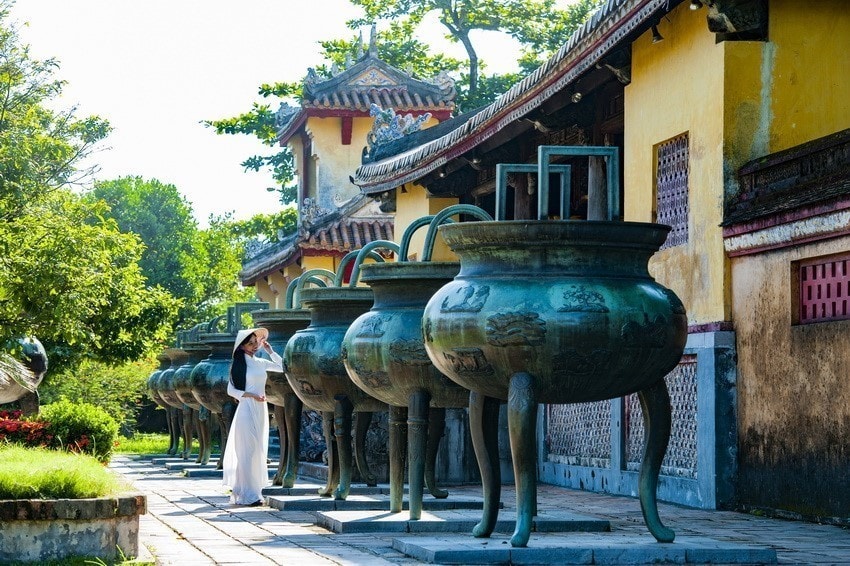
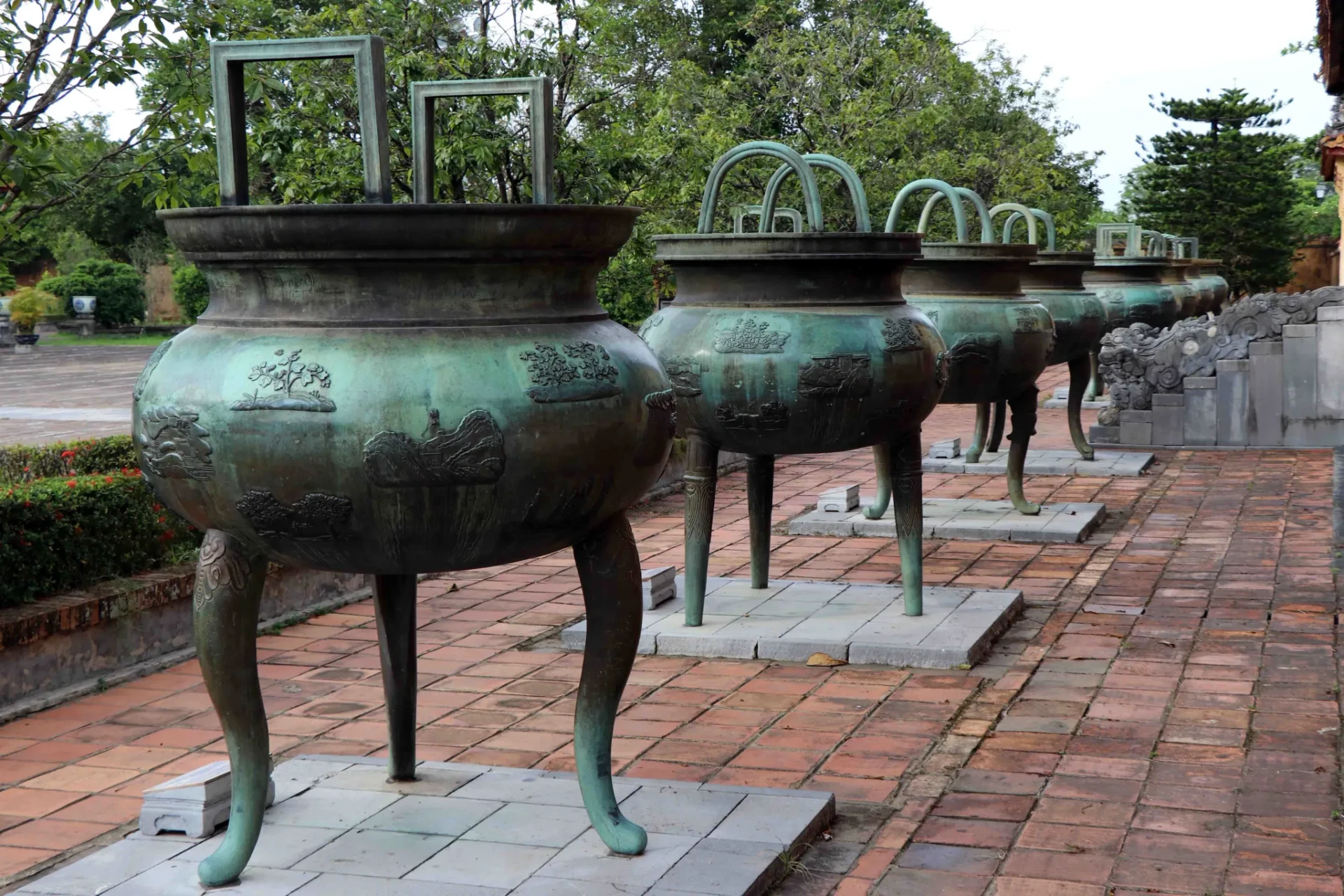
The bas-reliefs on the Nine Bronze Urns, considered an "encyclopedia" from the Nguyen Dynasty, is recognised as World Documentary Heritage by UNESCO. (Photo: VNA)
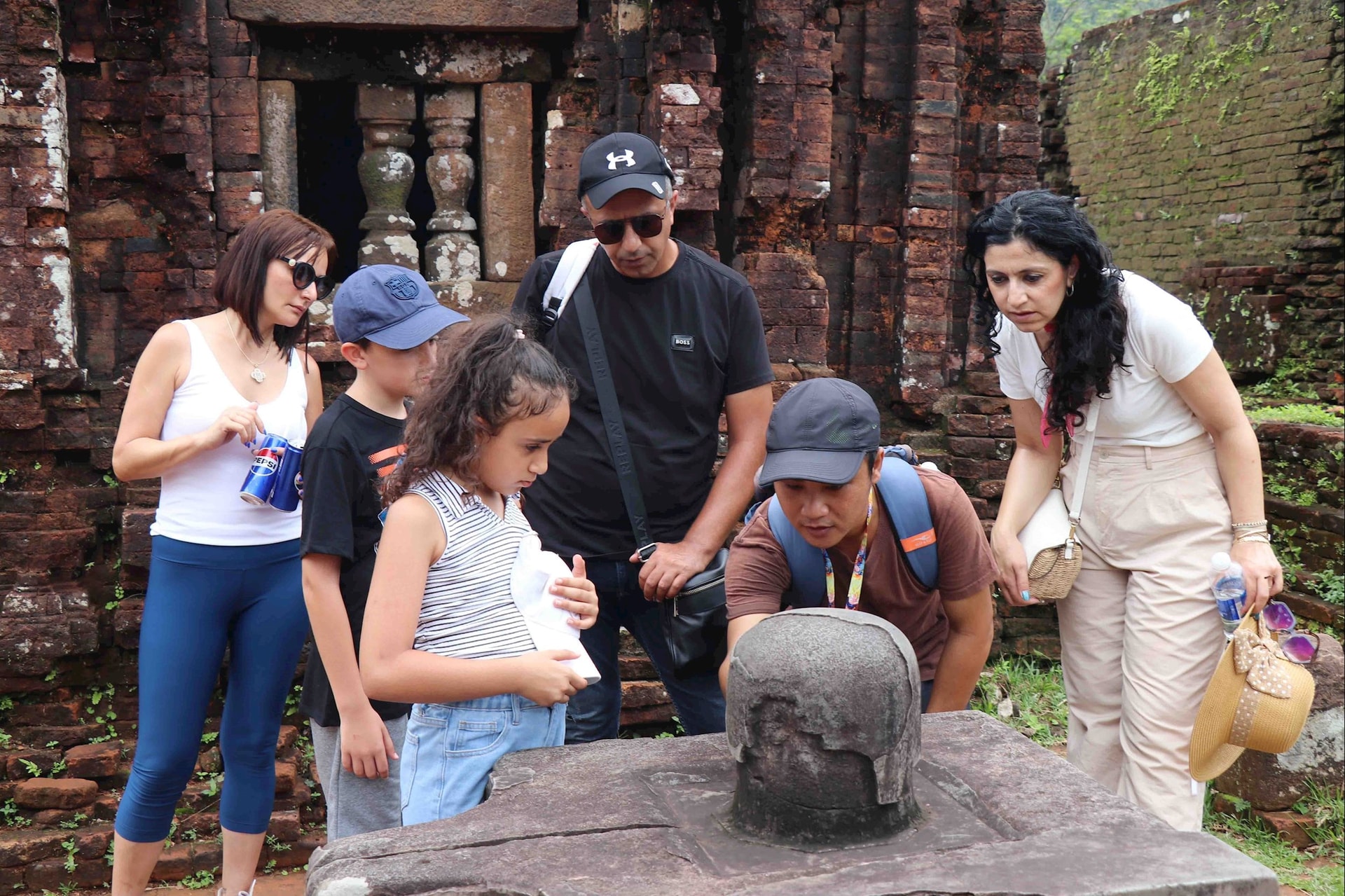
International tourists visit the My Son Sanctuary, recognised by UNESCO as a World Cultural Heritage Site. (Photo: VNA)
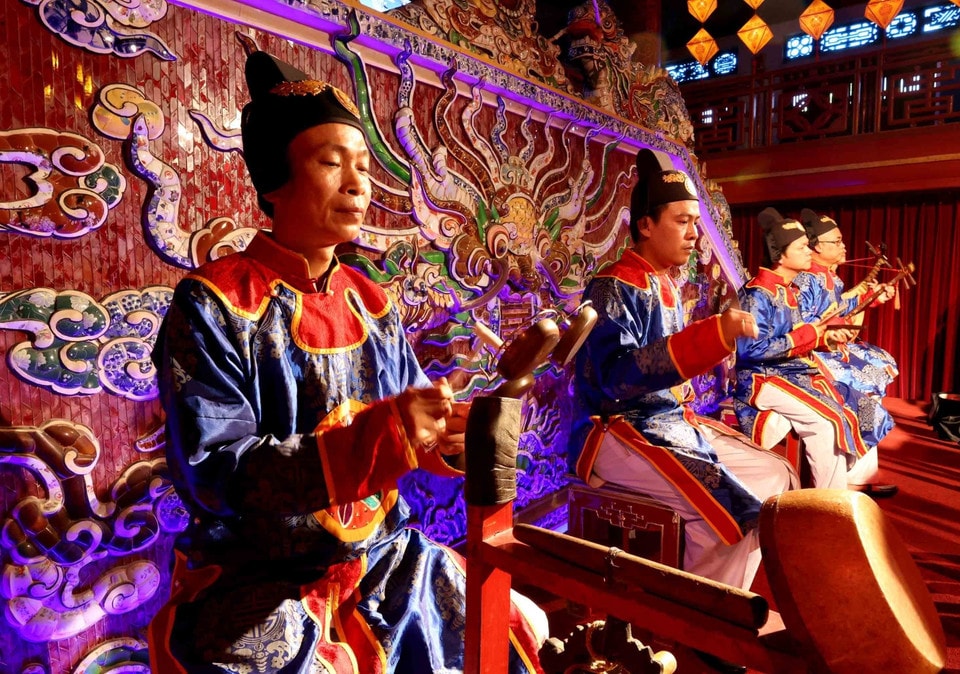
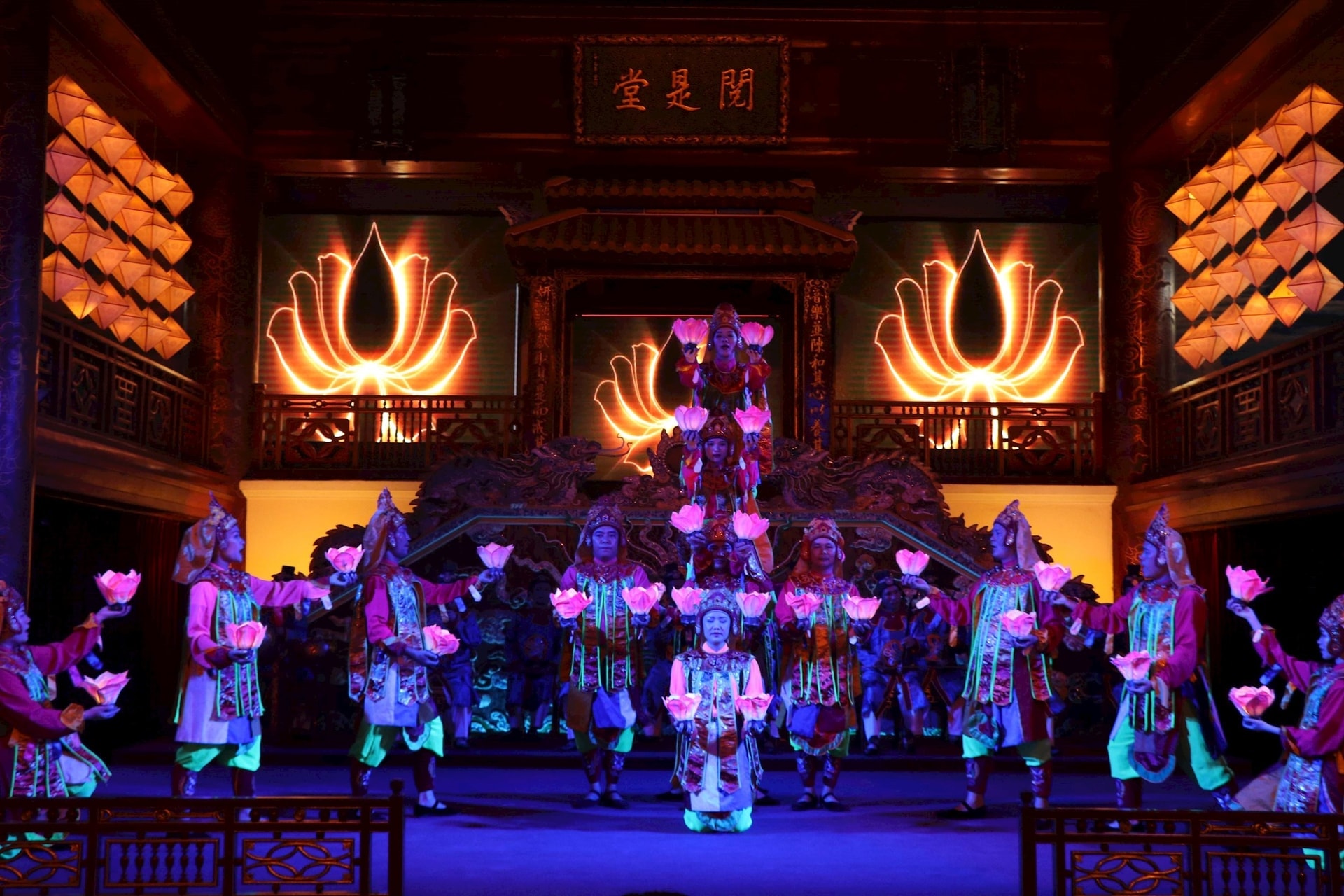
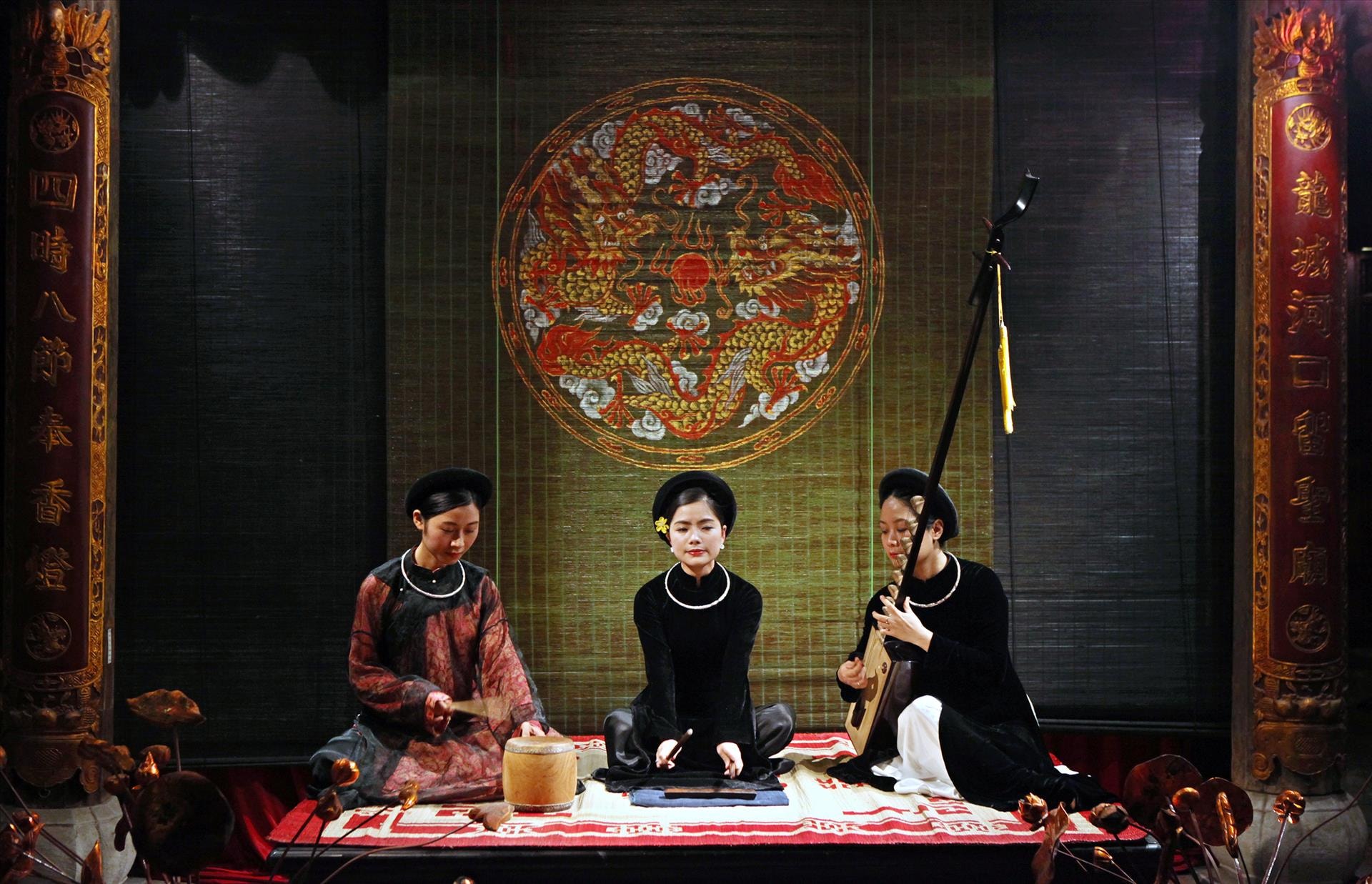
Besides, traditional arts like Hue’s Nha nhac (royal court music), Ca tru singing, Quan ho folk songs, Bai Choi singing, and the worship of Mother Goddesses of the Three Realms not only enrich the spiritual life of local people but also and allow visitors to experience the essence of Vietnamese culture through melodies, customs, and community practices.
Cheo singing (Vietnamese traditional opera) – a traditional theatrical art of Vietnam. (Photo: VNA)
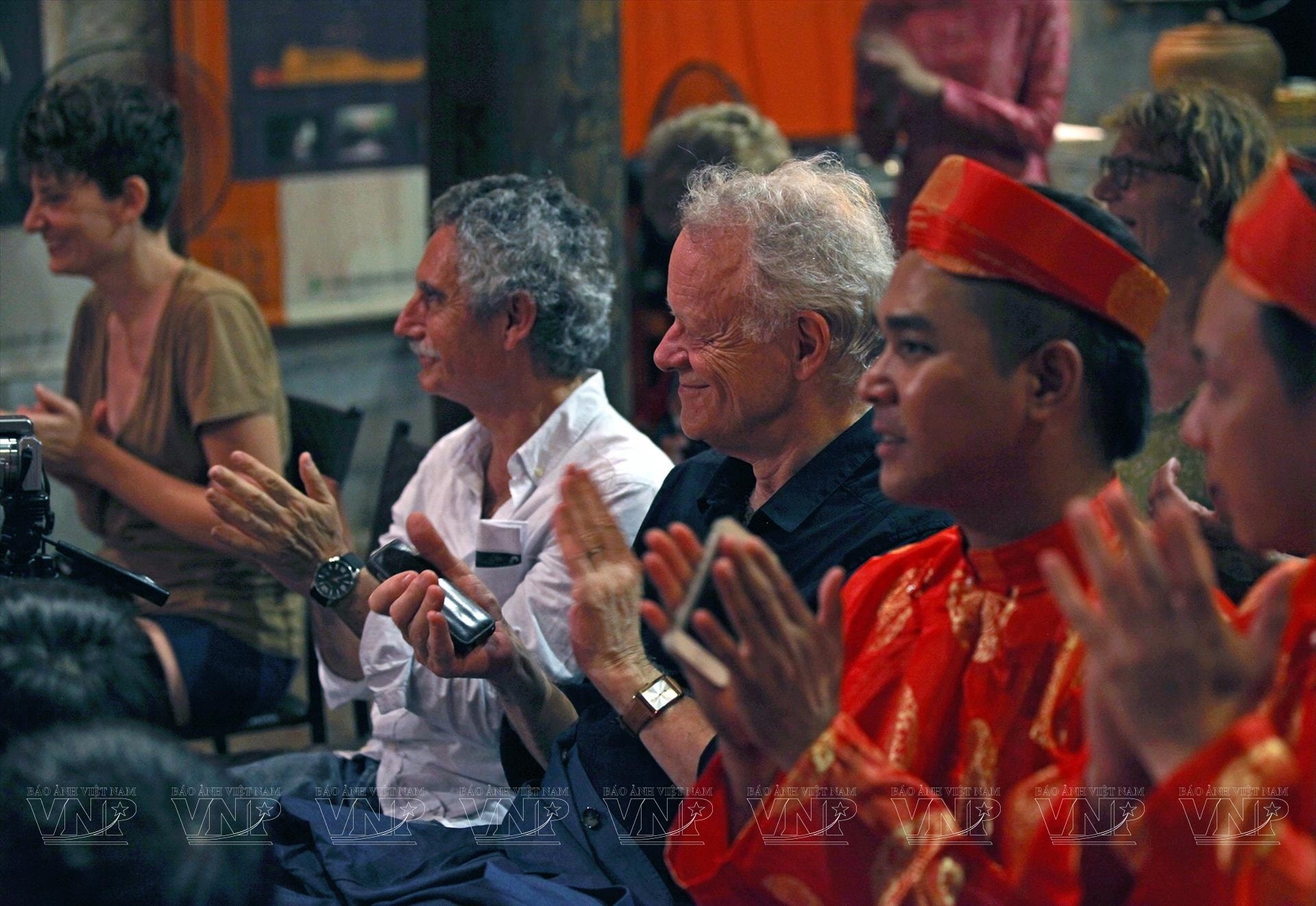
International visitors enjoy a Ca tru singing programme in Hanoi. (Photo: VNA)
“
UNESCO-recognised documentary heritage elements, from Moc Ban (woodblocks) and Chau Ban (official administrative documents) of the Nguyen Dynasty to the stone steles of Van Mieu – Quoc Tu Giam (Temple of Literature – Imperial Academy), help deepen understanding of Vietnam’s history and culture while highlighting its educational tradition and civilisational development over centuries.
They not only hold research value but also play a crucial role in shaping Vietnam’s image as an intellectual and culturally rich nation.
International tourists visit Van Mieu – Quoc Tu Giam (Temple of Literature – Imperial Academy) in Hanoi. (Photo: VNA)
Opportunities to elevate Vietnam's tourism brand
“
Building on its rich heritage, Vietnam has been repeatedly recognised internationally, most notably as the “World’s Leading Heritage Destination” by the WTA
Being honoured for the sixth time not only highlights the outstanding value of Vietnam’s heritage system but also testifies to the country’s continuous efforts to preserve resources, diversify tourism products, and improve service quality
Beyond this core award, Vietnam’s tourism has been recognised in many prestigious categories by the WTA and other international organisations. The country has been named among Asia's leading heritage and natural destinations, reflecting the comprehensive appeal of its tourism resources
A view of the Hon Thom cable car in Phu Quoc – the longest three-wire cable car in the world (Photo: VNA)
Marine activities in Phu Quoc are attractive to tourists. (Photo: VinWonders, VinPearl)
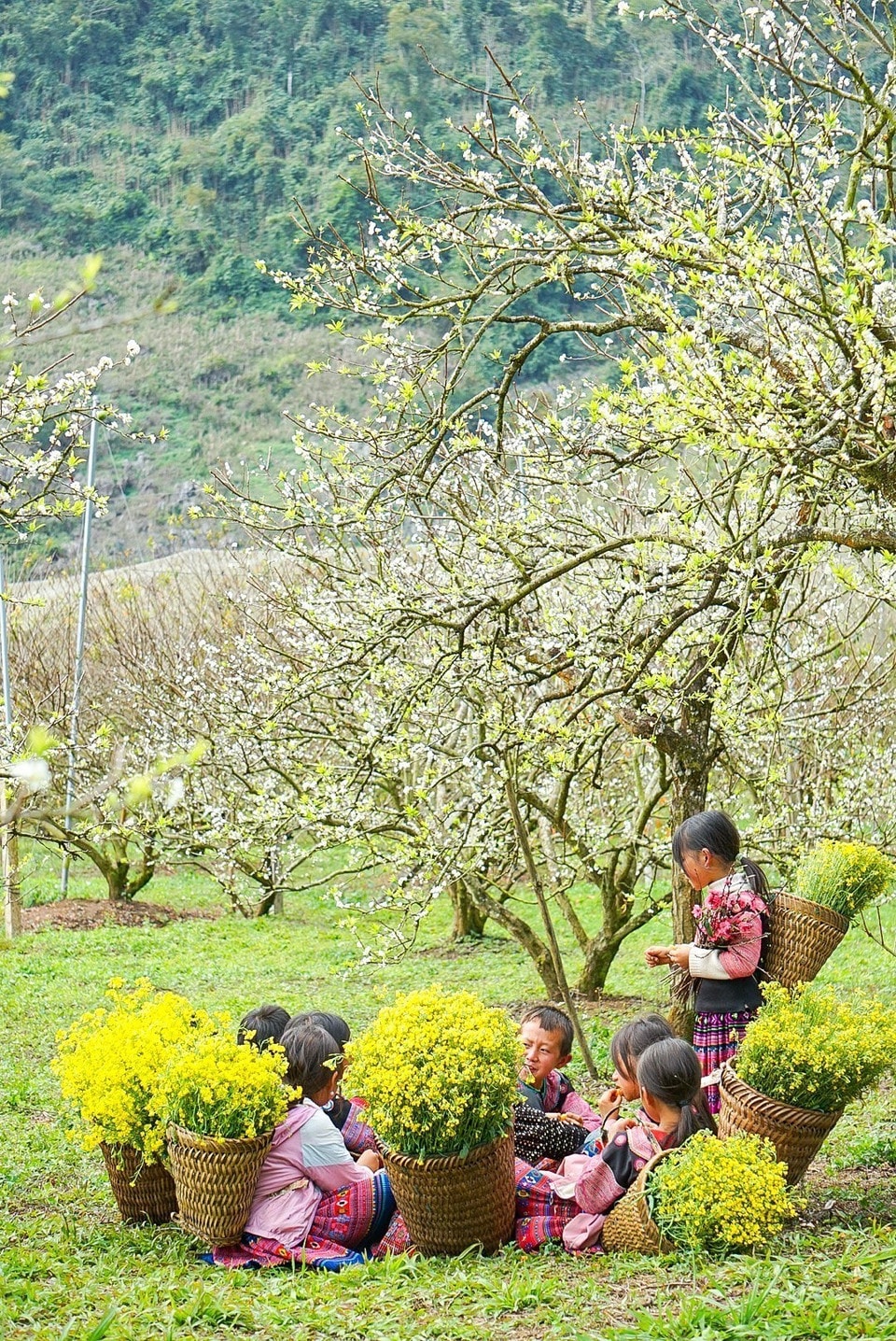
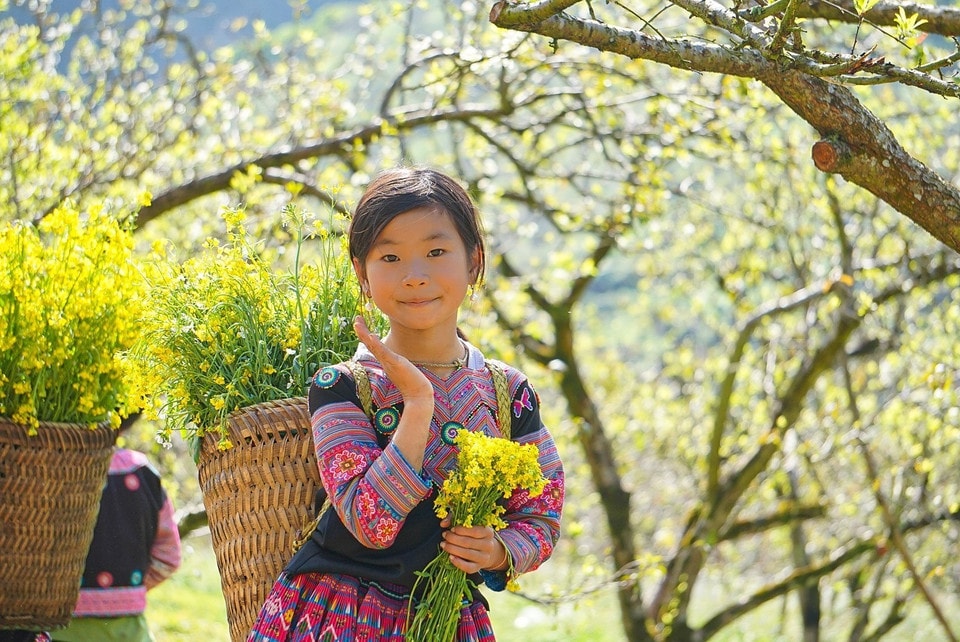
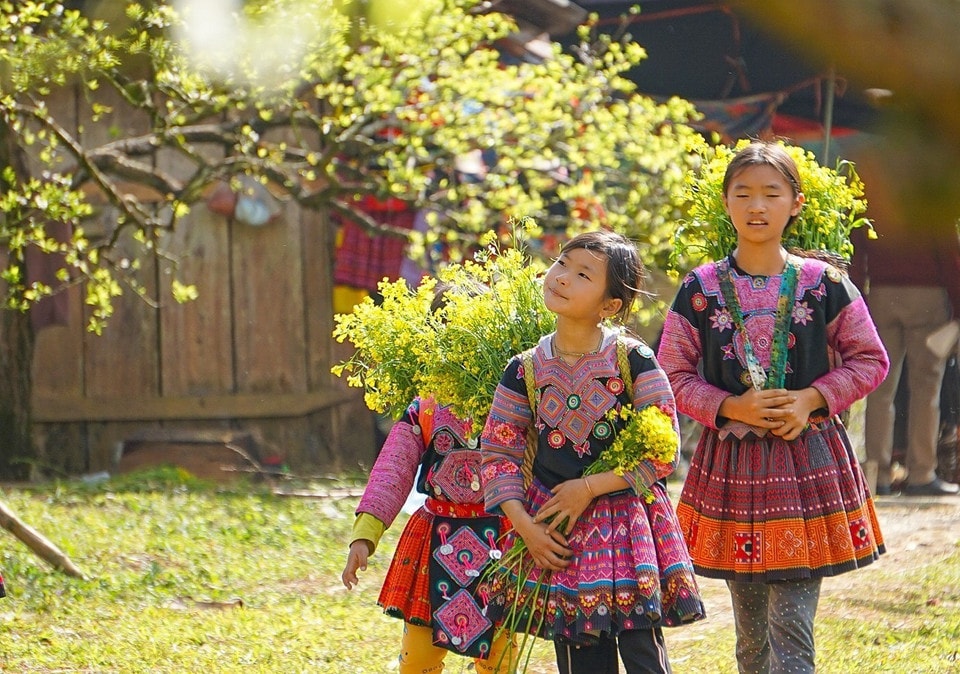
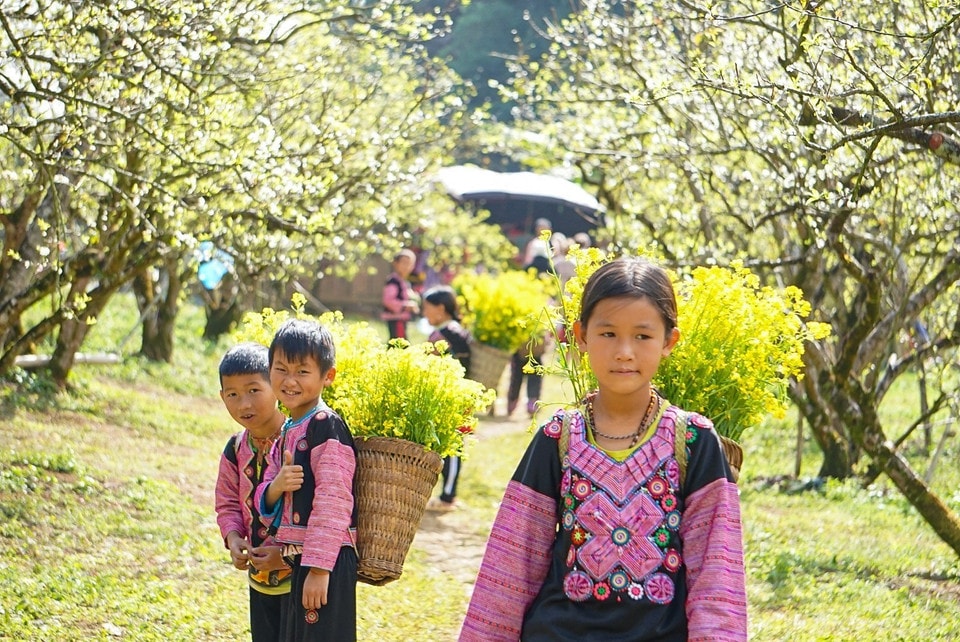
Notably, the Dong Van Karst Plateau in Tuyen Quang province won the title of the World's Leading Regional Cultural Destination for the first time in 2025, highlighting the unique value of the UNESCO Global Geopark and the cultural identity of highland communities.
Moc Chau Plateau in Son La province was listed as the World’s Leading Natural Destination for the third time. With its mild climate and pristine scenery, Moc Chau continues to demonstrate its enduring appeal.
With its mist-shrouded beauty and distinctive French colonial architecture, Tam Dao in Phu Tho province was voted the World’s Leading Town Destination for the fourth time. Meanwhile, Bai Kem beach in Phu Quoc was listed as the World’s Leading Regional Beach.
Many travel, aviation, and accommodation enterprises were also honoured for service quality, underscoring the sector’s comprehensive development and the strong potential for Vietnam’s tourism industry to make even greater breakthroughs in the coming years.
These achievements help further promote Vietnam’s destination image and boost the tourism sector’s competitiveness in the global market
However, awards are not the ultimate goal. The key is to use such honours as a driver for development. With the titles helping pave the way to the world, the sector must continue creating distinctive, modern, and sustainable products to capitalise on its international acclaim
The peaceful and picturesque beauty of the Moc Chau Plateau (Photo: VNA)
Promoting innovation-driven tourism development
To turn opportunities into long-term competitive advantages, Vietnam’s tourism sector is focusing on innovation as a core driver. Instead of exploiting heritage values in the traditional manner, it is adopting new methods, applying technology, developing unique products, and personalising visitor experiences.
In recent years, many localities have moved in this direction. Hanoi has developed nighttime cultural spaces and applied virtual reality to heritage introduction. Hoi An and Hue have continually renewed their offerings through art performances, lighting, and festivals. Meanwhile, northern mountainous areas such as Sa Pa, Moc Chau, and Dong Van have promoted community-based tourism combined with indigenous cultural experiences. These efforts clearly show how heritage is being revitalised into attractive products rather than static sightseeing experiences.
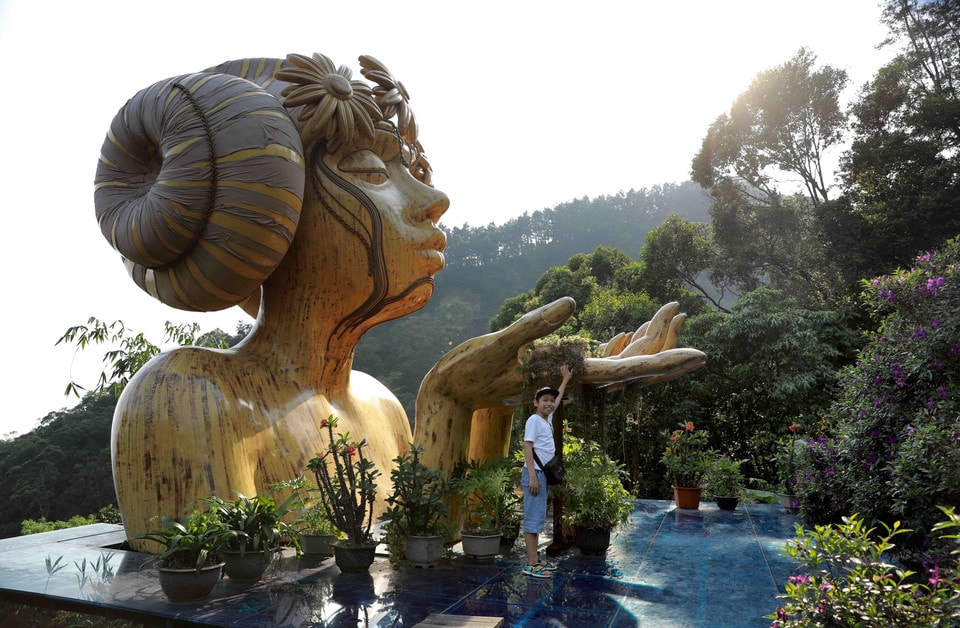
An art installation at Cau May, a tourism highlight of Tam Dao — often called a “mini Sa Pa” in Vinh Phuc (now part of Phu Tho province). (Photo: VNA)The Muong Hoa mountain railway provides eco-tourism experiences for visitors to Sa Pa, Lao Cai province. (Photo: VNA)
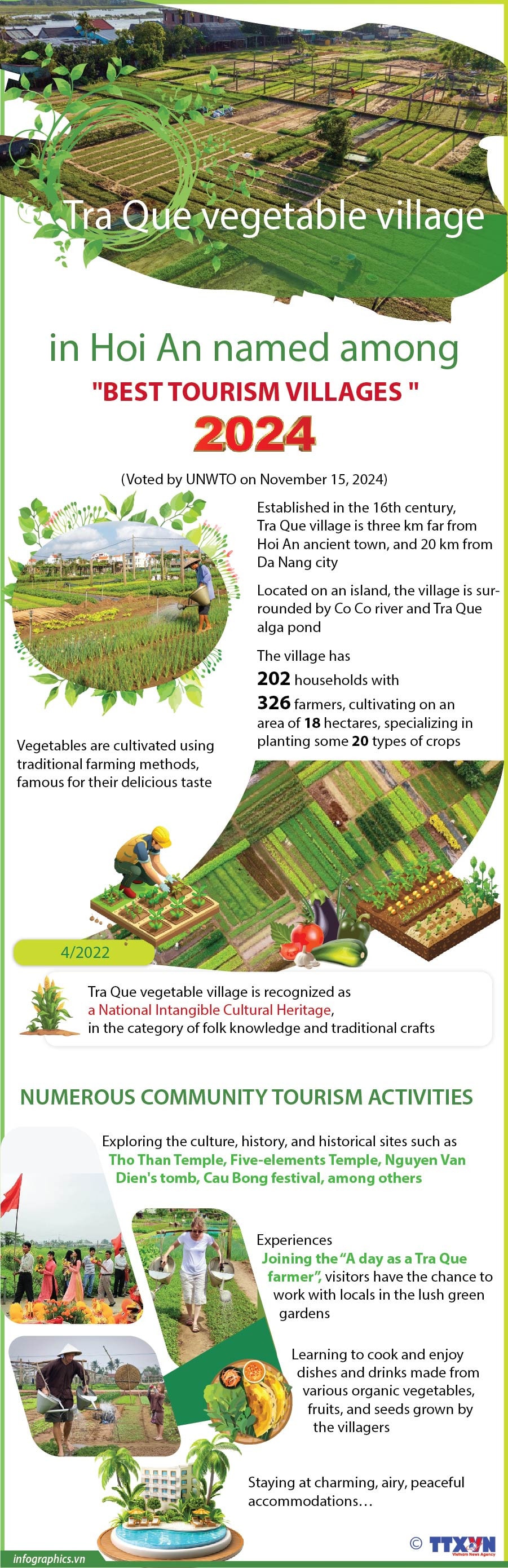
A foreign tourist experiences a day in the life of farmers in Tra Que vegetable village in Hoi An. (Photo: VNA)
However, innovation is only sustainable when paired with professionalism. The tourism sector needs stronger investment in infrastructure, human resources, technology, tourism space planning, transport upgrades, and internationally standardised service ecosystems. Closer collaboration among authorities, businesses, and communities is also essential to create seamless value chains.
With growing competition in the region, creativity is vital for Vietnam to not only hold onto its achievements but also rise as a top heritage tourism destination in Asia, offering visitors a chance to immerse themselves in its culture, explore its natural beauty, and enjoy a Vietnam that blends traditions with modernity, vibrancy, and energy./.
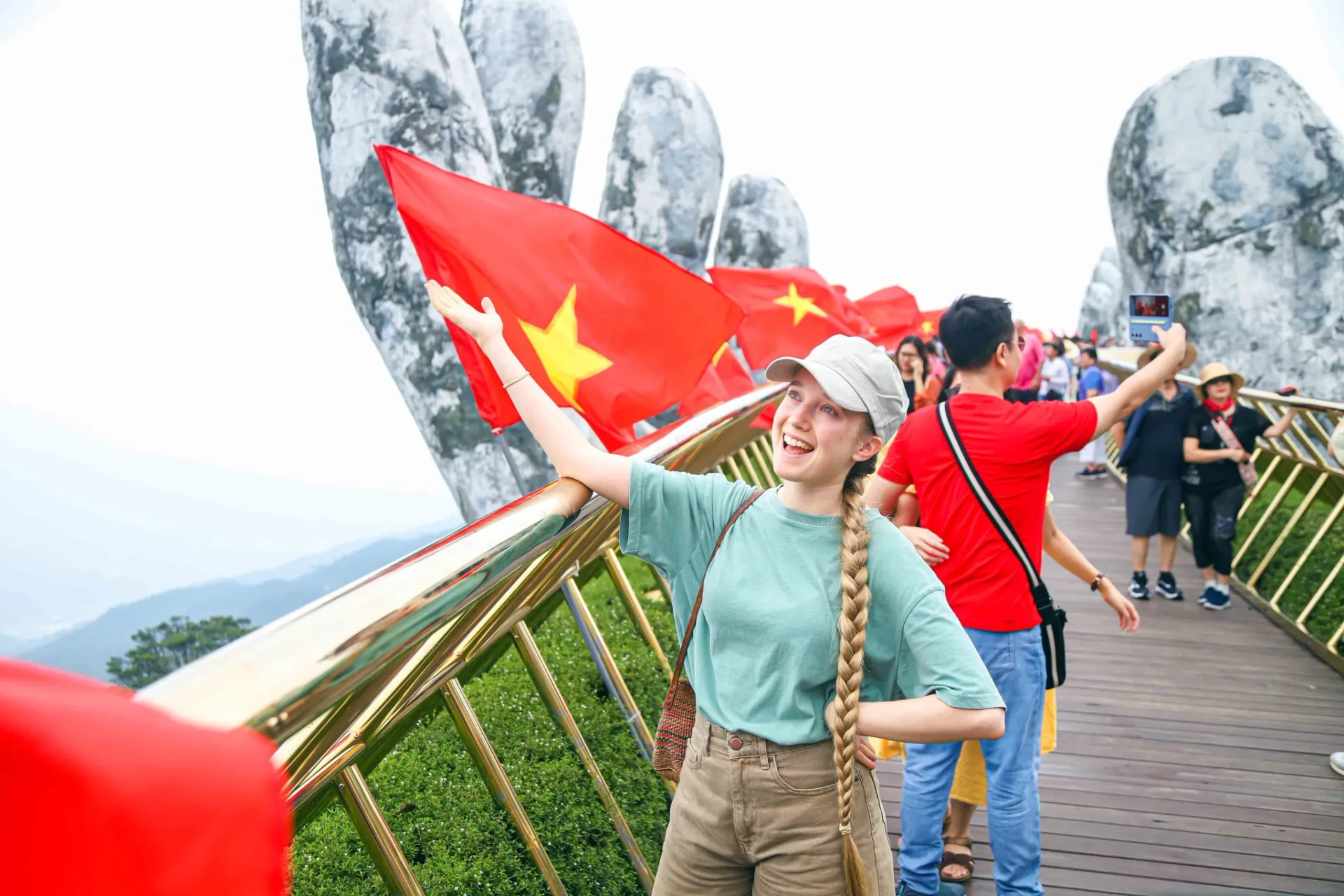
Cau Vang (Golden Bridge) in the central city of Da Nang is a popular check-in spot for both domestic and international tourists. (Photo: VNA)
Bình luận của bạn đã được gửi và sẽ hiển thị sau khi được duyệt bởi ban biên tập.
Ban biên tập giữ quyền biên tập nội dung bình luận để phù hợp với qui định nội dung của Báo.
.jpg)