

Gửi bình luận
LongForm
TURNING INTERNATIONAL TRADE INTO SUSTAINABLE GROWTH DRIVER
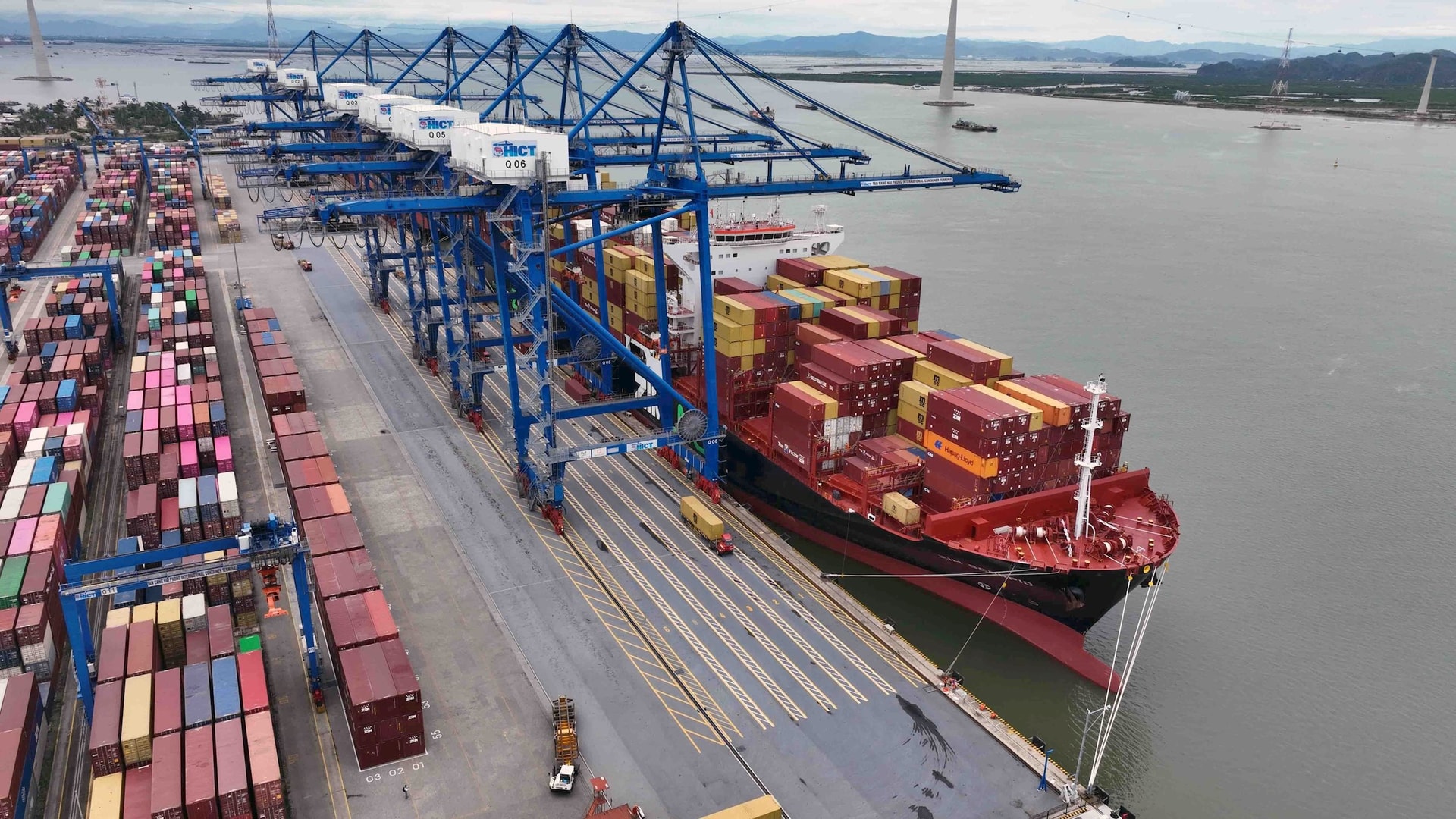
With total import-export revenue reaching 920 billion USD in 2025, Vietnam has officially entered the world’s top 15 economies in terms of international trade, marking a significant milestone in national development after decades of economic integration into the world and 40 years of Doi moi (Renewal). International trade has become a key driver of Vietnam’s economic growth.
Growth driven by new-generation FTAs
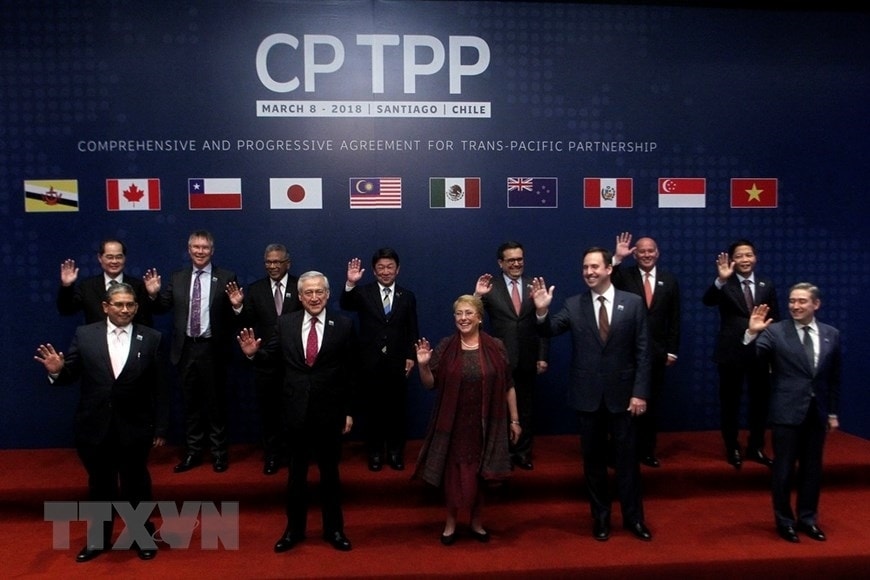
Since joining the World Trade Organisation (WTO) in 2007 and signing a series of new-generation Free Trade Agreements (FTAs), Vietnam has risen to become one of the world’s 15 largest trading economies by the end of 2025. The country now maintains trade links with more than 230 markets, and ranks among the world’s leading nations in FTA participation, with 17 agreements signed with 65 countries and territories, including multiple new-generation FTAs.
Economists note that these FTAs, with deep and comprehensive commitments, have provided a vital foundation for Vietnam to expand market access, accelerate institutional reform, and enhance national competitiveness.
“The signing and implementation of new FTAs with partners and regional blocs have enabled Vietnam to broaden export markets, strengthen the competitiveness of Vietnamese enterprises, and consolidate the country’s role in global supply chains. Notably, new-generation FTAs such as the Comprehensive and Progressive Agreement for Trans-Pacific Partnership (CPTPP), the EU–Vietnam Free Trade Agreement (EVFTA) and the Regional Comprehensive Economic Partnership (RCEP) have also promoted institutional reform and strengthened the competitiveness of the wider economy.”
Prof. Dr Vo Xuan Vinh, Dean of the Institute of Business Research at the University of Economics Ho Chi Minh City
The textile and garment sector is a prime example of effective FTA utilisation. According to Vu Duc Giang, Chairman of the Vietnam Textile and Apparel Association (VITAS), agreements such as CPTPP, EVFTA, UKVFTA and RCEP have opened up extensive new opportunities, helping the industry expand beyond a handful of markets to reach 138 countries and territories. Vietnamese textile enterprises have adapted to diverse purchasing models, embraced technological and automation solutions, and strengthened their competitiveness.
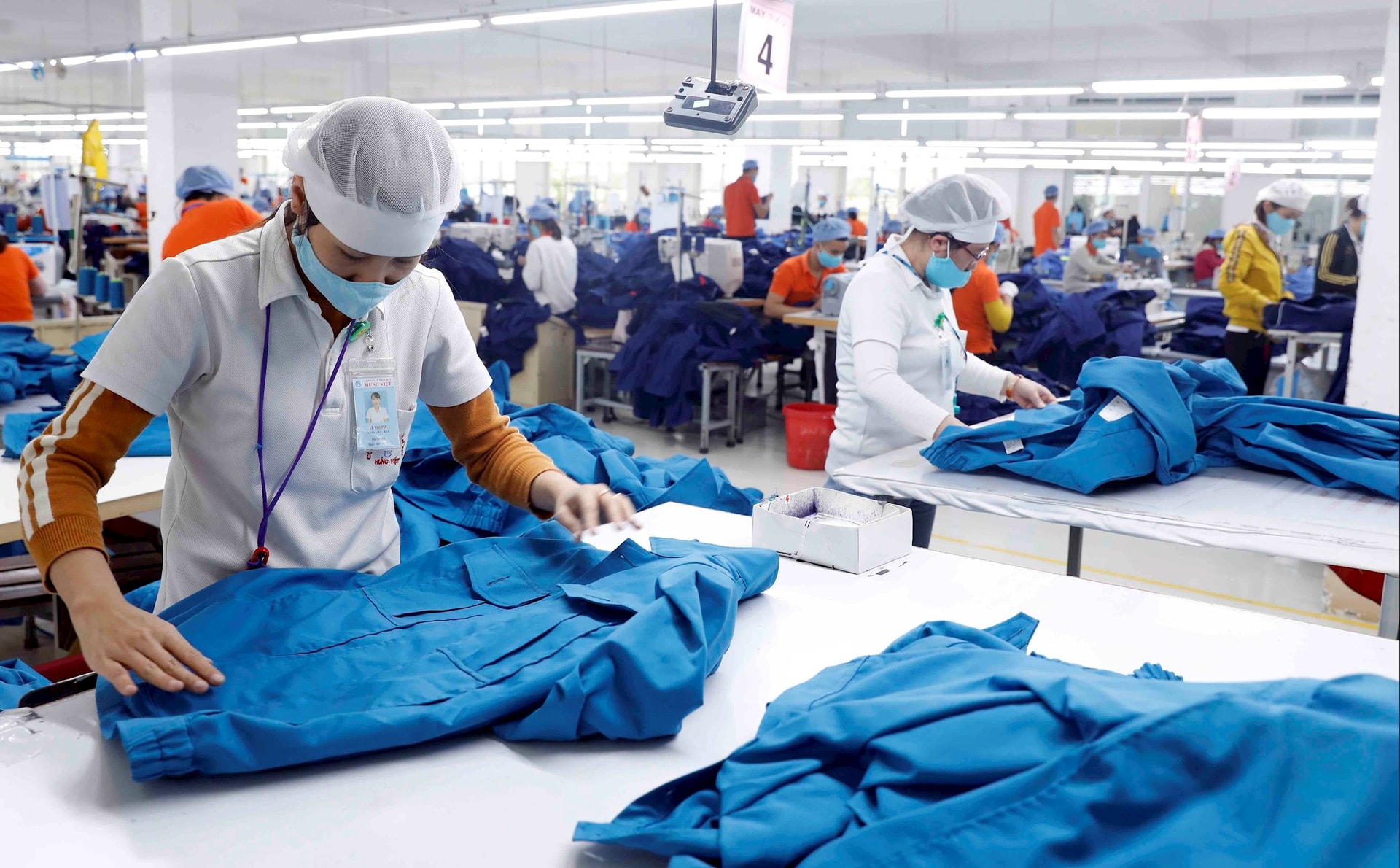
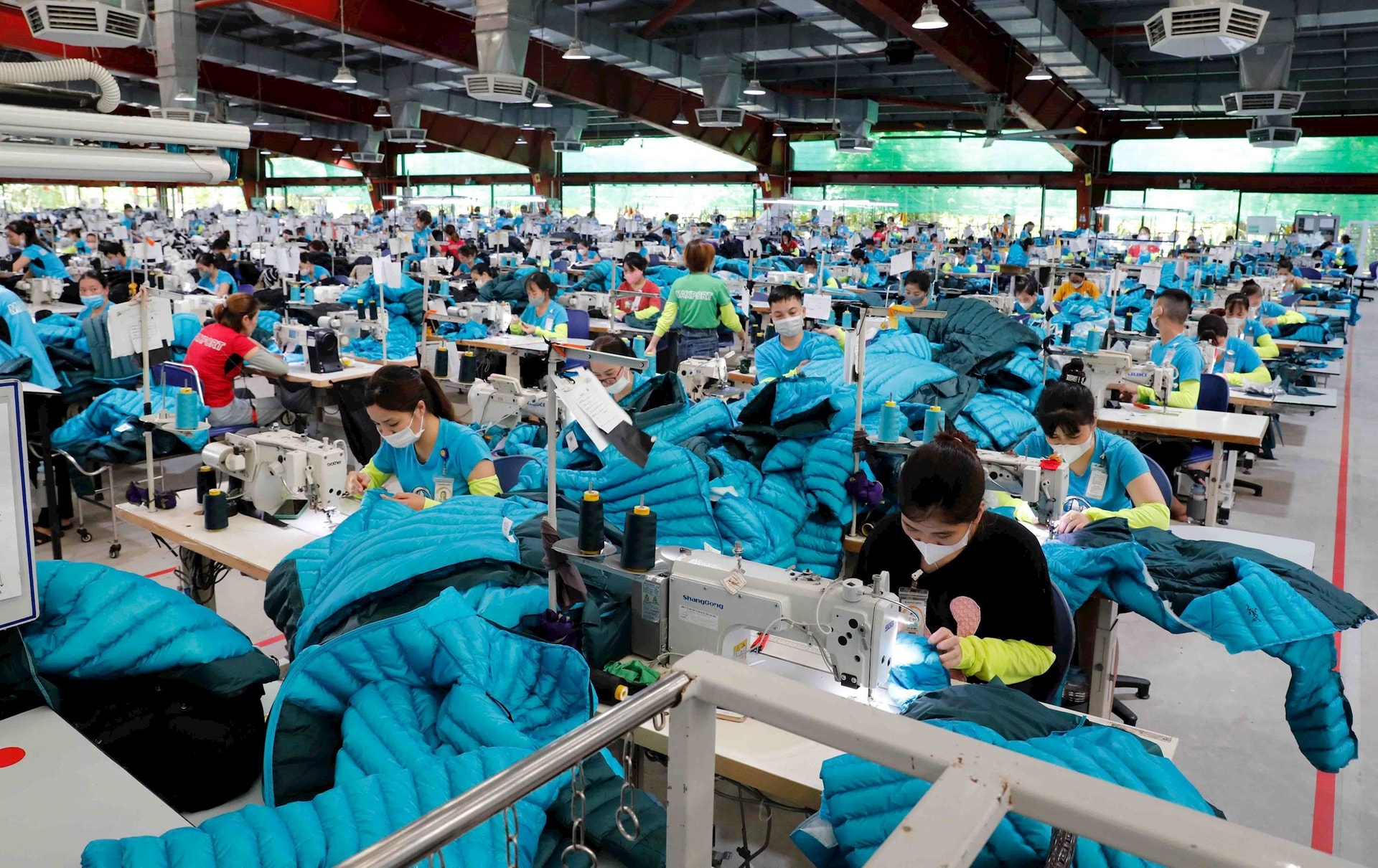
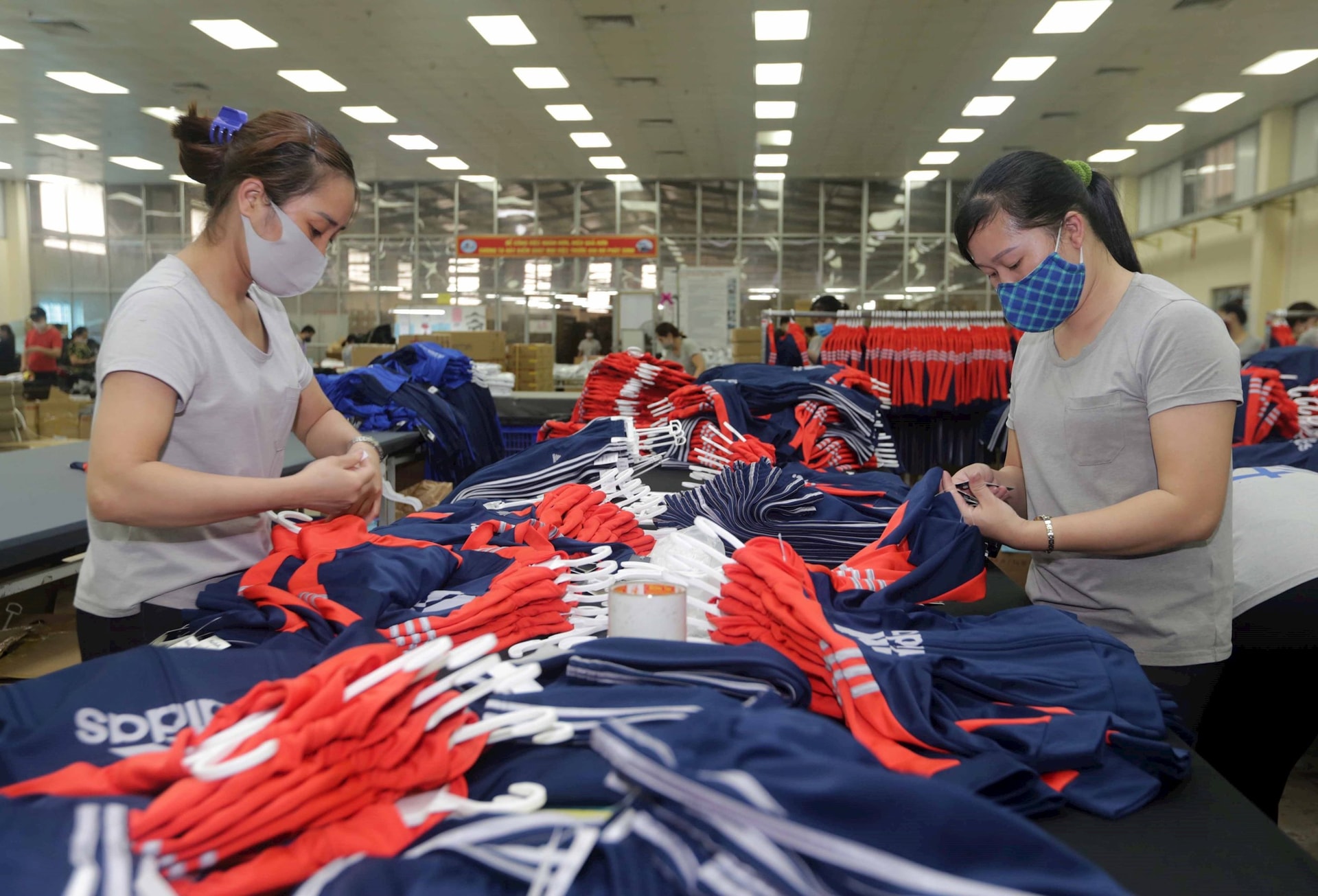
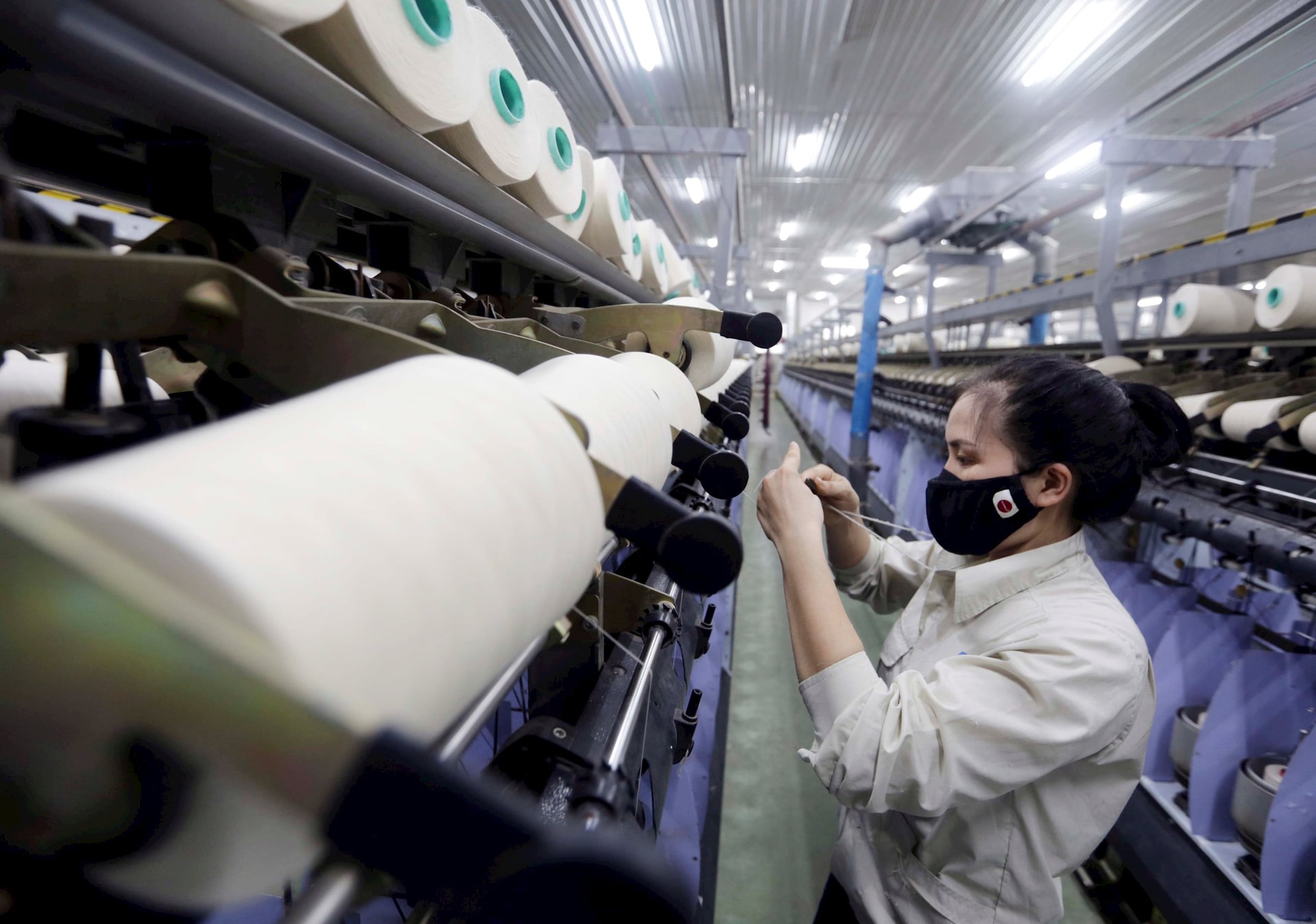
In 2025, textile and garment export turnover is estimated at 46 billion USD, up 5.6% year-on-year. Notably, the sector posted a record trade surplus of 21 billion USD, reaffirming its role as a key pillar of the national trade balance.
Overall, Vietnam’s total trade value in 2025 was estimated at 920 billion USD, up more than 133 billion USD or 16.9% compared with 2024. This achievement secures Vietnam a place among the world’s top 15 trading nations, marking a strong stride forward in global integration and export competitiveness.

Vietnam is increasingly emerging as a new focal point in global supply chains, with advantages in production capacity, skilled human resources, investment stability and rapid integration. The country’s 17 bilateral and multilateral FTAs provide wide-ranging access to leading markets such as the US, Europe, Japan and the Middle East, according to Global Sources – a leading Hong Kong-based sourcing platform – at the “Global Sourcing Outlook 2025” forum held in Ho Chi Minh City in November 2025.
Restructuring exports
Experts noted that as global trade undergoes profound restructuring, Vietnam is also entering a new growth phase. Traditional drivers such as low-cost labour, natural resource advantages, and strong foreign direct investment (FDI) inflows are gradually reaching their limits, requiring new momentum to sustain integration, competitiveness, and high-quality growth.
Exports remain one of the three core pillars of Vietnam’s economy, alongside domestic consumption and public investment. Dr Tran Du Lich, Chairman of the Advisory Council for the implementation of the NA’s Resolution 98/2023, said that although the Vietnamese economy maintains impressive growth of around 8% despite global challenges, a long-standing structural issue is the low localisation rate in exports. This means that the actual added value retained by the economy is not commensurate with total export earnings.
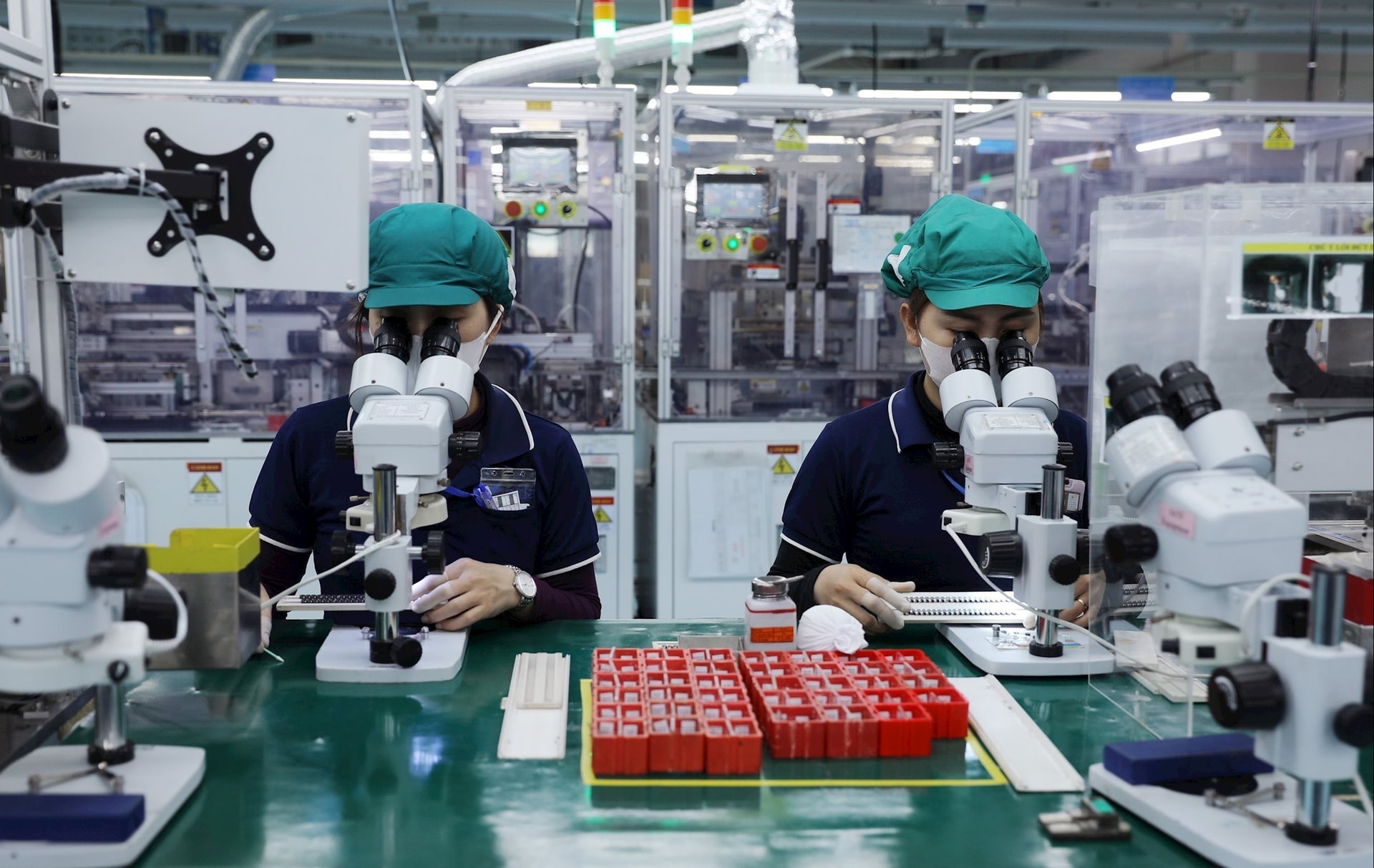

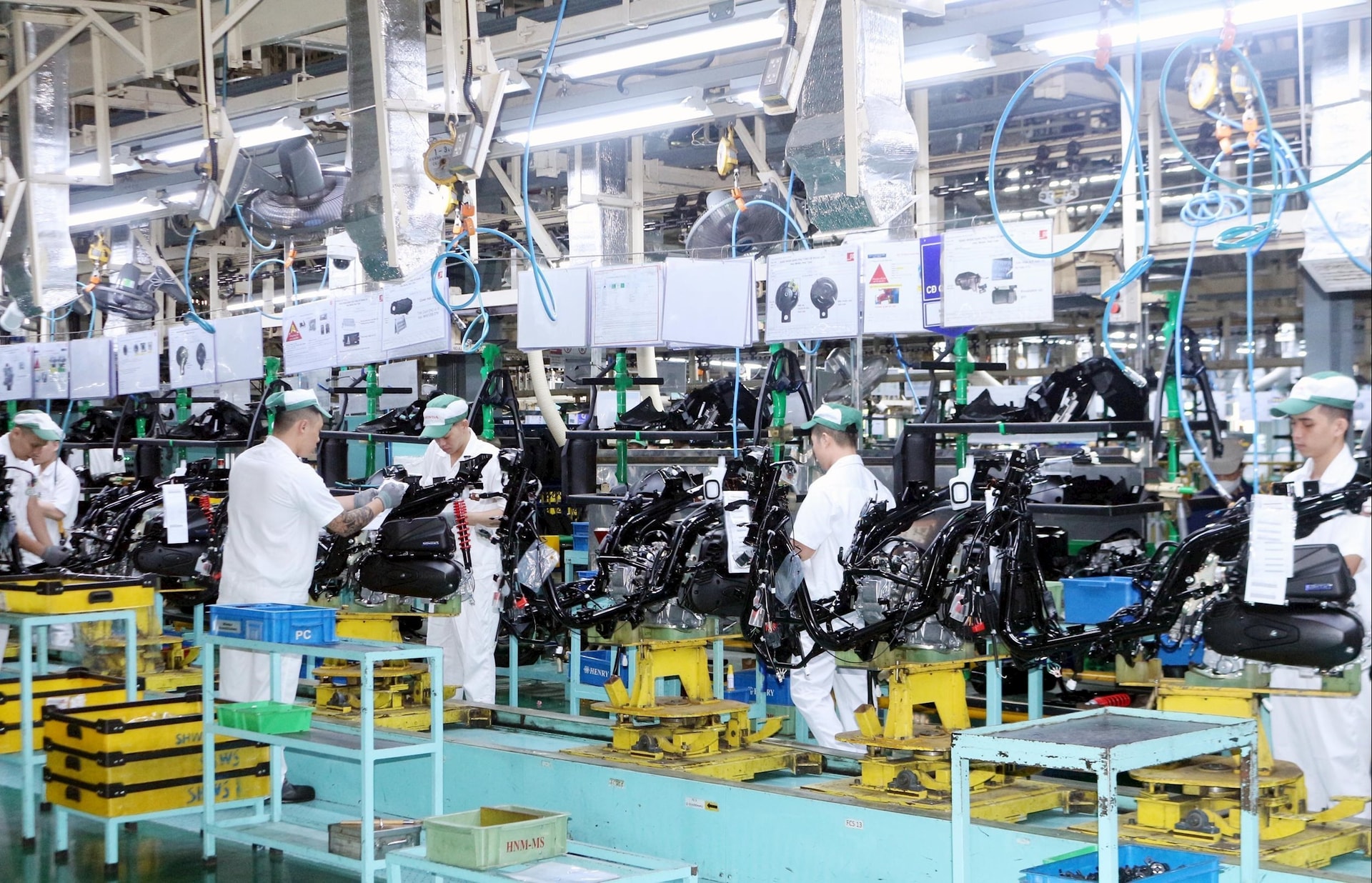
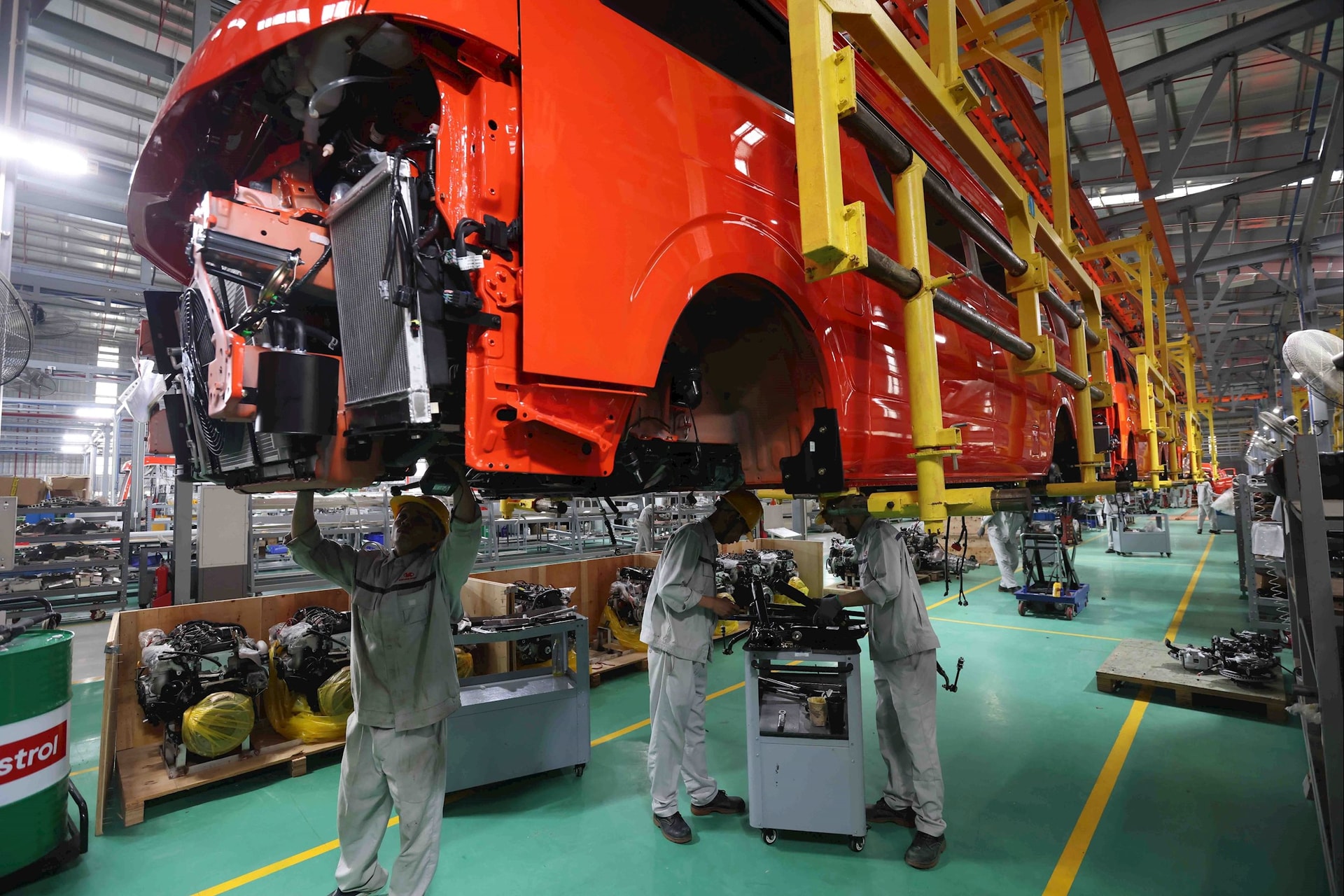
The position of a major trading power reflects the rapidly expanding production, the ability to participate in supply chains, and the increasing competitiveness of Vietnamese goods. However, experts argued that for an export-dependent economy, continuous upgrading of technology, product quality, export standards, and market access capabilities is crucial.
Exports remain an important driving force, but this driving force needs to be restructured. The goal now is not only to increase export turnover, but more importantly, to raise the domestic value-added share. If the ratio could reach 40-50% domestically sourced, it would significantly strengthen growth and support domestic enterprise development.
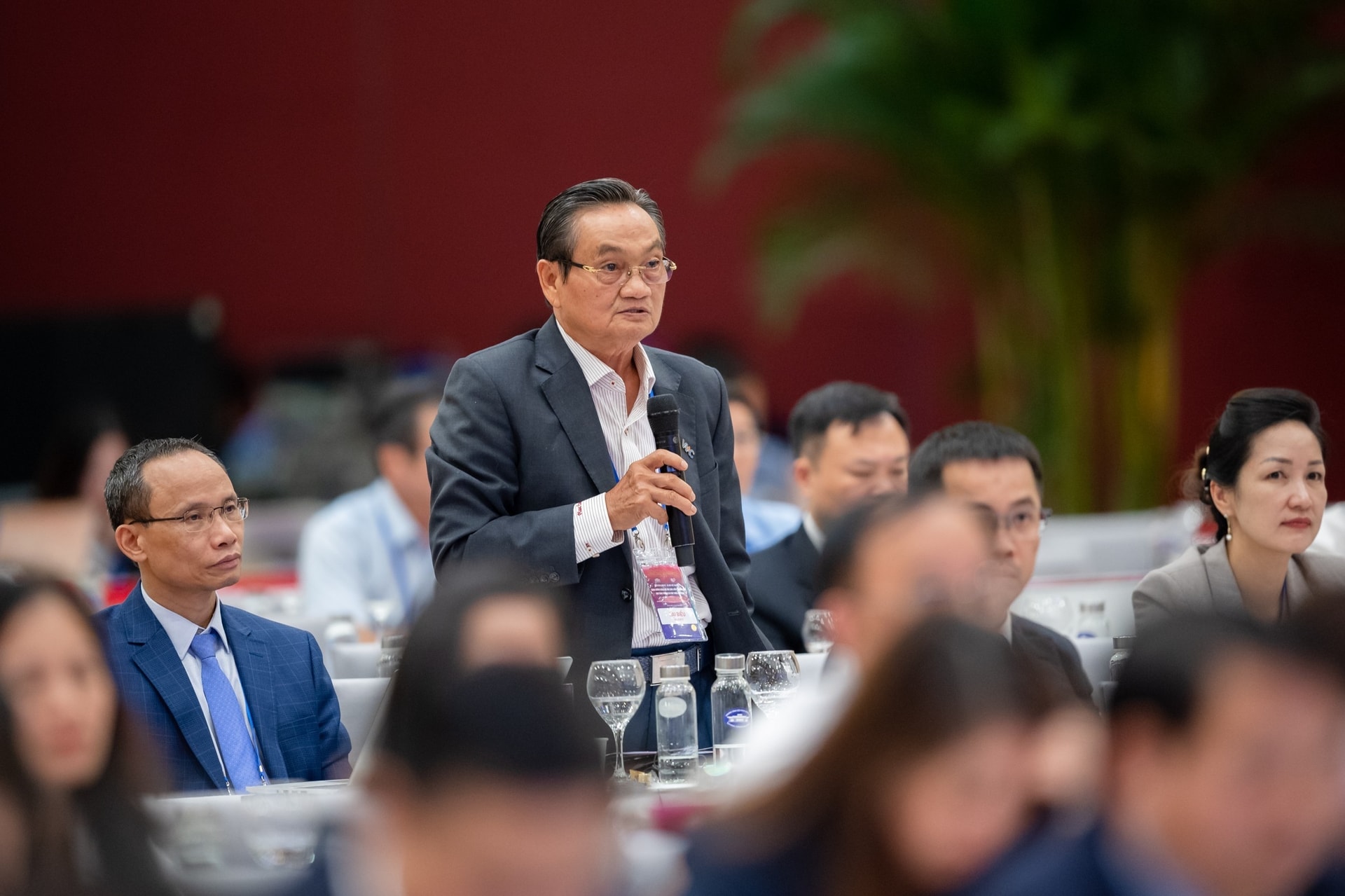
The current export-driven growth model is gradually approaching its limits. If the three current growth pillars do not undergo qualitative and dynamic changes, achieving double-digit growth will be very difficult. He further stated that new growth drivers must include two key elements. These include scientific and technological innovation, as well as creativity, with the digital economy serving as the foundation, and institutional reform aimed at increased competitiveness, transparency, and efficiency, according to Dr Tran Du Lich, Chairman of the Advisory Council for the implementation of the NA’s Resolution 98/2023.
For the textile and garment industry, the domestic value-added ratio has continuously increased in recent years, reaching approximately 52% by 2025, demonstrating significant progress in the supply of raw materials and components. According to VITAS, domestic businesses are continuing to shift towards increasing the use of domestic raw materials and investing in the textile and dyeing process, renewable energy, and the application of wastewater and chemical recycling technologies to meet the origin requirements in new-generation FTAs, including EVFTA, CPTPP, UKVFTA, and RCEP.
With a strategy focused on “green transition and digital transformation”, and a target to raise localisation rate to 60% and export value to 64.5–65 billion USD by 2030, Vietnam’s textile industry aims to sustain growth and maintain its position among the world’s top three textile and garment exporters./.