

.jpg "Превращение культуры во внутренний ресурс и движущую силу развития")

Gửi bình luận
Blog
DIGITAL TRANSFORMATION BRINGS ECONOMIC BENEFITS CLOSER TO BUSINESSES

Digital transformation at the grassroots level is gradually shifting from a focus on improving administrative efficiency to directly serving economic development needs. In addition to streamlining processes and reducing the time required to complete administrative procedures, digital models are creating more opportunities for businesses, household enterprises and small traders to access information, adopt new payment methods, connect with partners and expand their markets.
From administrative services to business connectivity
For businesses, one of the most visible benefits of digital transformation is the reduction in time spent on administrative procedures. Documents can now be submitted online, while reception and processing have become more transparent, allowing businesses to track progress proactively instead of spending considerable time travelling between offices.
Changes in the locality's scale, population and tasks following the implementation of the two-tier local administration model have made information technology application and digital transformation essential
for the local apparatus to cope with a growing workload.Le Truong Hai Hieu, Secretary of the An Lac
ward Party Committee
In An Lac ward, Ho Chi Minh City, digital transformation is being pursued as part of efforts to modernise management methods at a time when the administrative apparatus has been streamlined while workloads have increased.
Building on shared digital systems, the locality is continuing to seek its own solutions that can both support management and provide greater convenience for residents and businesses.

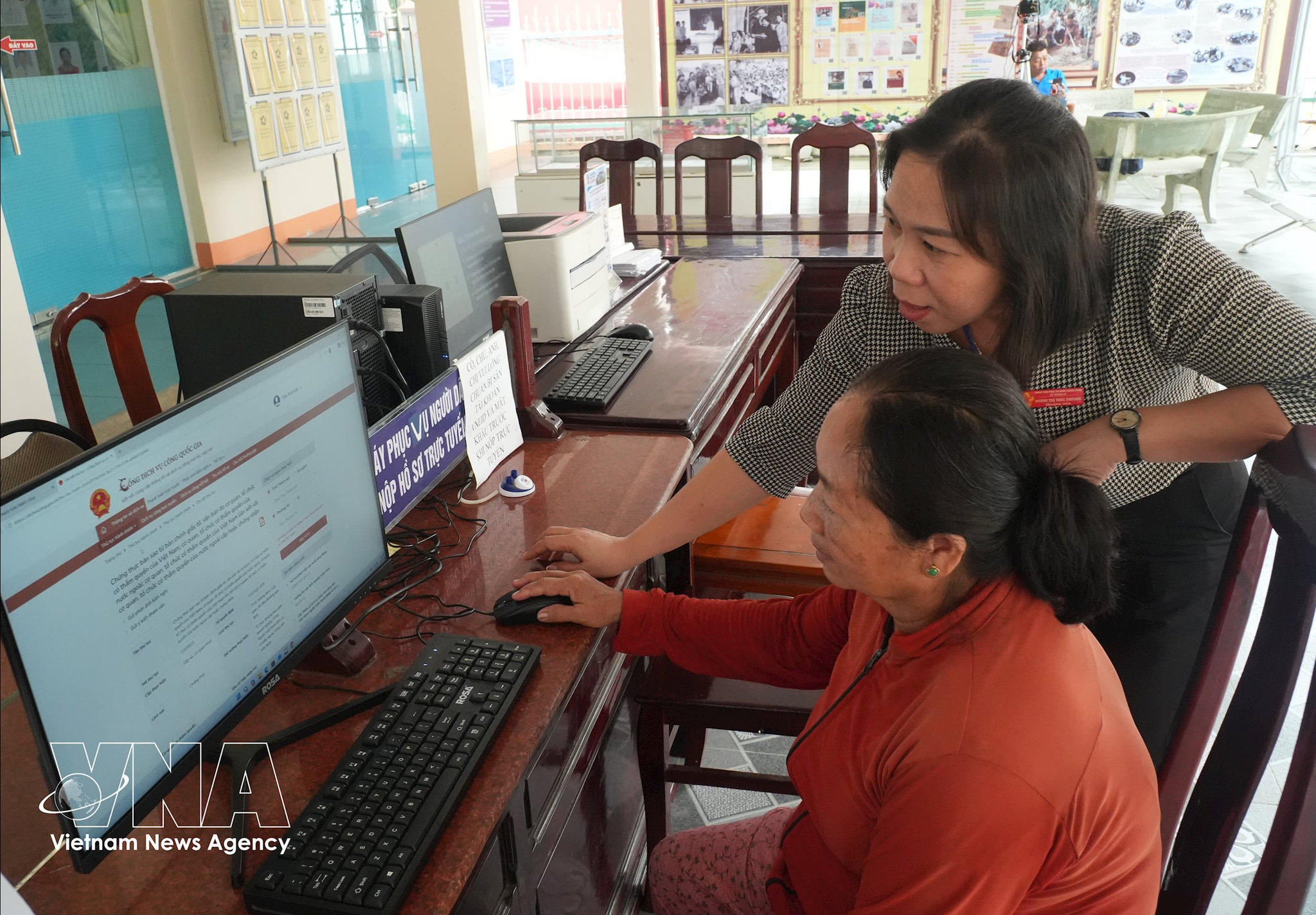
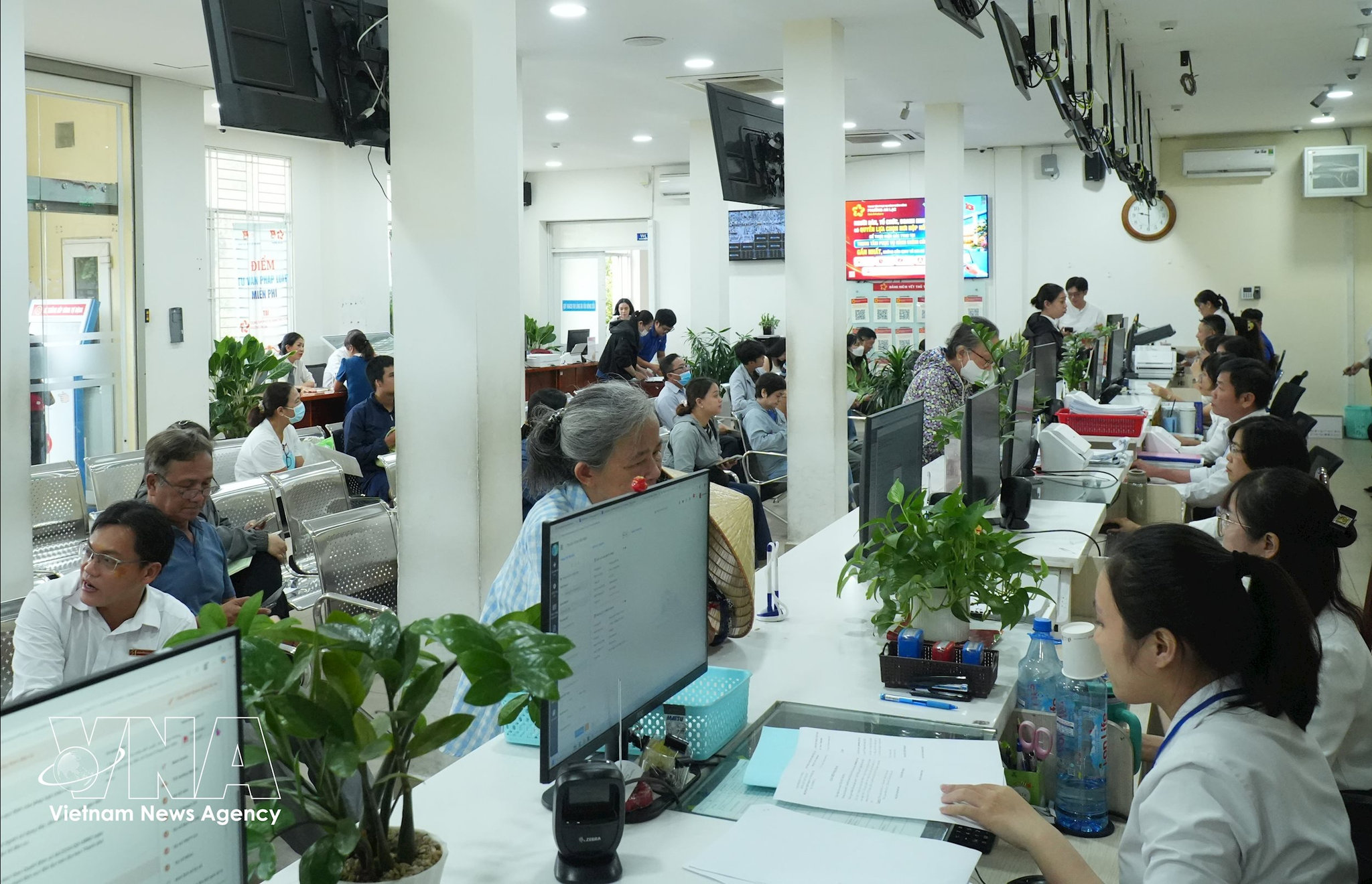
Digital transformation is driving innovation in management practices in An Lac ward, Ho Chi Minh City. (Photo: VNA)
Notably, as a locality oriented towards trade and services, An Lac ward has gone beyond simply moving administrative procedures online to exploring how digital government can create more favourable conditions for businesses to interact and conduct transactions.

Hieu said that in response to the need for stronger connectivity among businesses, the ward has worked with relevant units to develop a business-to-business (B2B) e-commerce platform.
Through the platform, local businesses can interact with one another, connect with external partners and access information to meet their needs for capital, raw materials and supplies, particularly in finding markets for their products.
Decentralising the settlement of many administrative procedures to the local level has helped businesses save time,
reduce travel costs and take greater initiative in planning production and business activities.Le Tu Minh Phuong, Director of Viet Dong Hai Elevator Technology JSC
For Le Tu Minh Phuong, Director of the Viet Dong Hai Elevator Technology JSC, these changes have brought tangible benefits to business operations. Many transactions related to taxation, insurance and corporate documentation can now be conducted online.
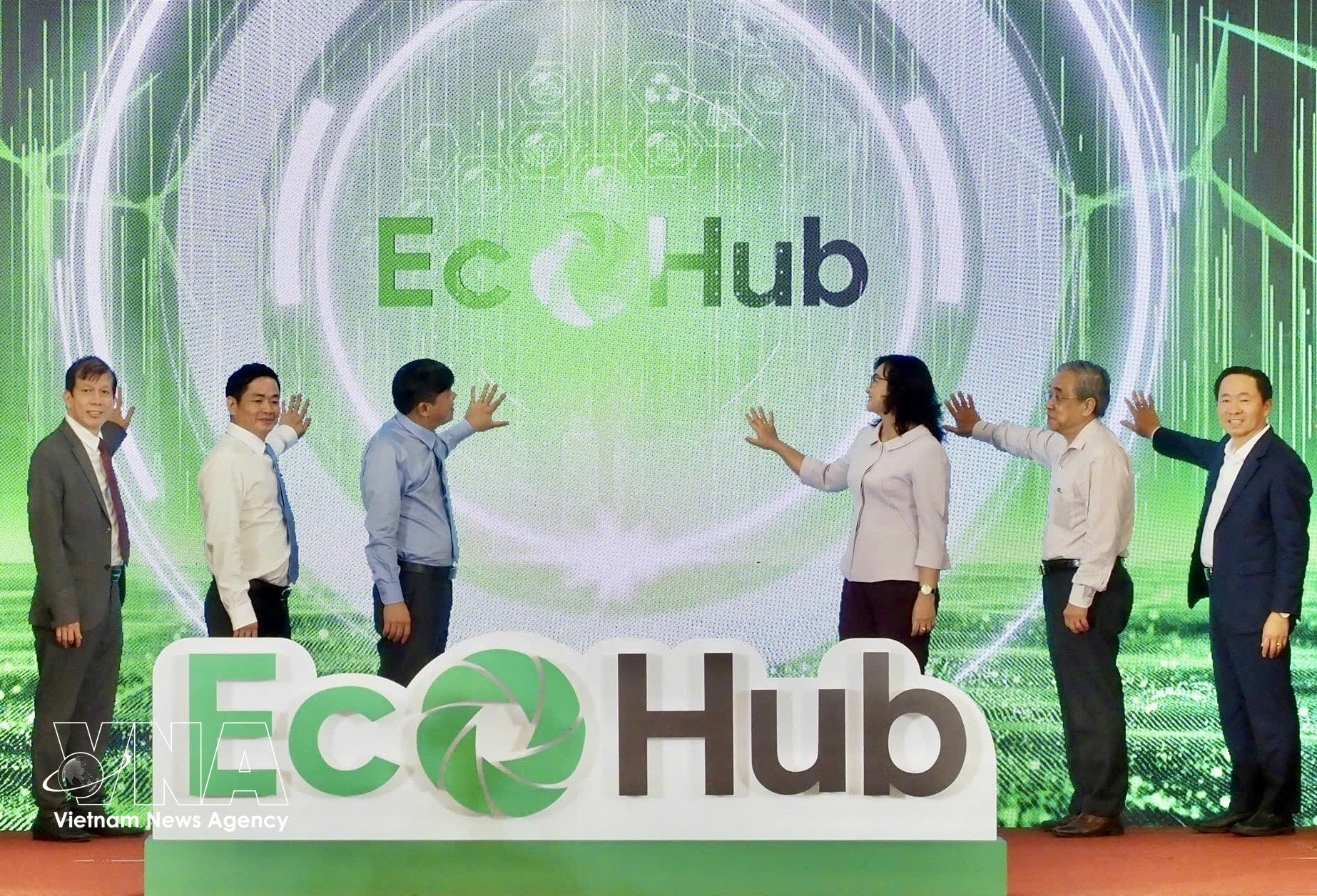
In particular, participation in the B2B network has provided businesses in An Lac with an additional channel for accessing markets. Companies have opportunities to promote their brands within the business ecosystem while reaching more customers with demand for their products.
Alongside B2B connectivity, An Lac is also promoting more convenient digital payment methods, from QR codes to contactless payment solutions, while working with relevant organisations to provide guidance on the application of technology and artificial intelligence (AI).
Bringing digital convenience to every market stall and household business
While An Lac has made business connectivity one of its key focuses, Thanh An commune in Ho Chi Minh City is bringing digital transformation directly into the daily operations of small businesses, production households and market traders.
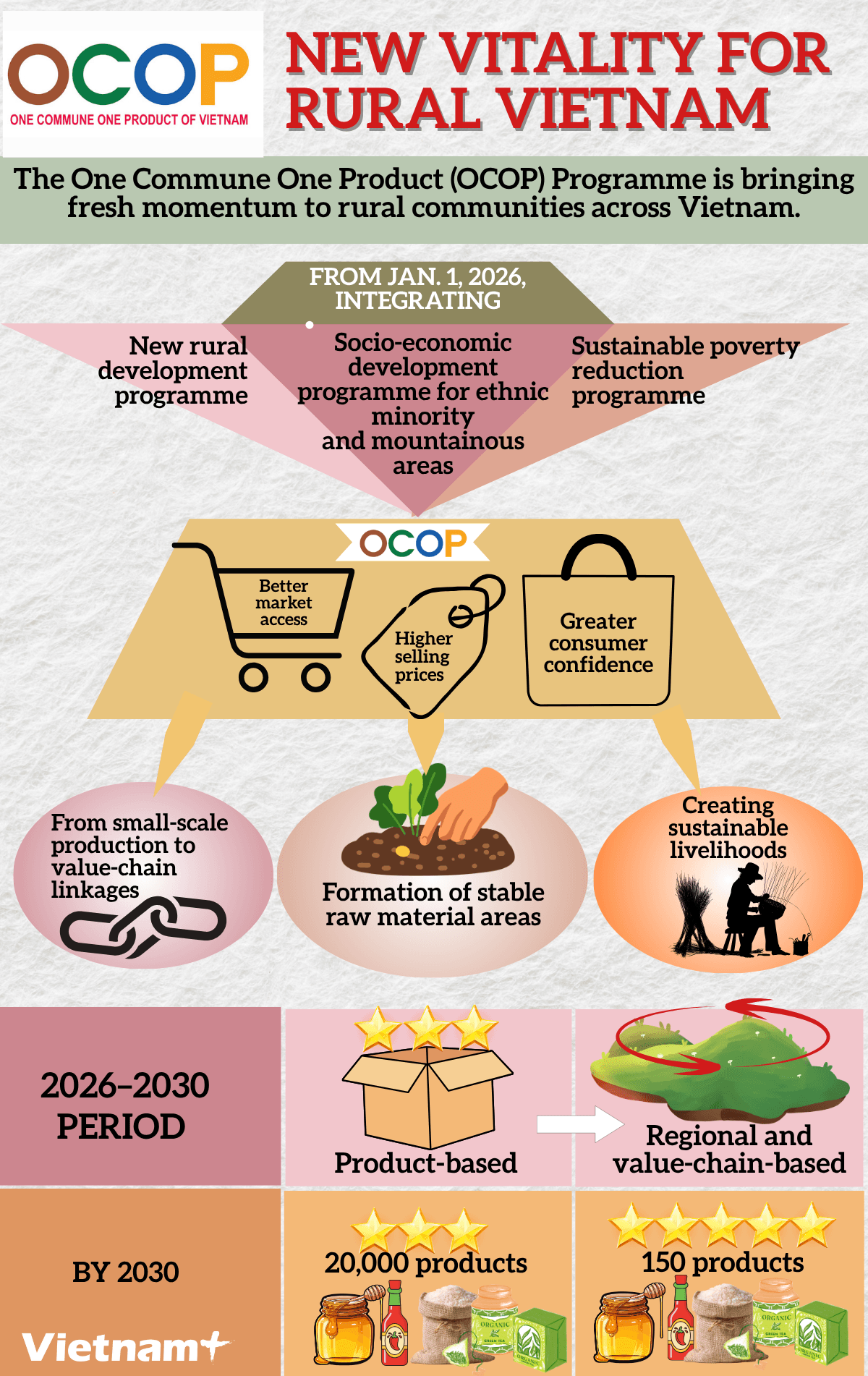
Three signature products under the One Commune One Product (OCOP) programme – An An tea, Tam Thanh avocado and Phuc Dat melon – have been listed and sold on the locality's e-commerce platform.
In the first six months of 2026, 60 out of 78 small and medium-sized enterprises in Thanh An, or 76.92%, adopted digital tools such as e-invoices and e-contracts.



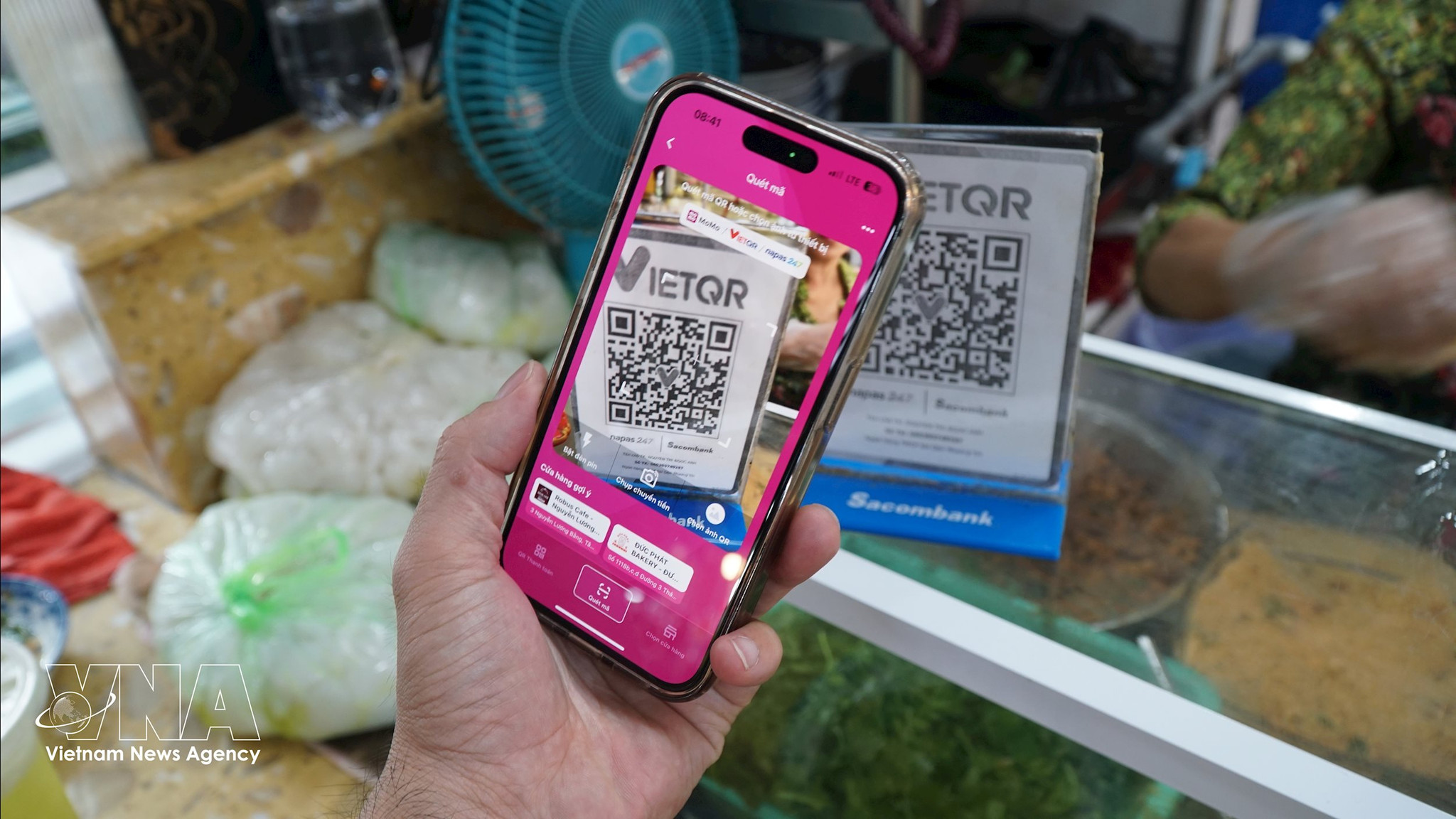
Instead of using cash, many Ho Chi Minh City residents now use internet-connected smartphones to scan QR codes when shopping at traditional markets. (Photo: VNA)
At traditional markets, technology is being introduced through one of the most familiar needs: payment. All traders at Thanh An and An Lap markets have been equipped with QR codes for payment.
The “Market 4.0” model marks a shift from entirely cash-based transactions to digital payments without requiring major changes to traders' long-established business practices.
Dang Minh Hai, Vice Chairman of the Thanh An Commune People's Committee, said that after more than a year of operating under the two-tier local administration model, the locality has focused on moving work processes to the digital environment while organising support measures to help residents and businesses access public services more conveniently.
While Thanh An has favourable conditions for deploying concentrated models at markets and for OCOP products, Long Hoa commune in Ho Chi Minh City faces a different challenge: how to bring the benefits of digital government to household businesses across a large area with a scattered population.
According to Nguyen Ngoc Thanh, Vice Chairman of the Long Hoa Commune People's Committee, the large geographical area makes it difficult to reach different population groups directly.
Therefore, local officials must regularly stay close to communities, while relevant forces are deployed to individual hamlets to guide residents in completing administrative procedures and using digital technology at their places of residence.
The local authorities also maintains direct dialogues in hamlets to better understand people's needs and accordingly adjust and replicate suitable approaches.
This approach is particularly meaningful for small traders and freelance workers, who often find it difficult to attend regular centralised training sessions.
Instead of waiting for residents and household businesses to come to administrative offices, community-based digital technology teams are deployed directly to local areas to provide hands-on support with specific digital tasks.
From the perspective of public services, one issue with direct implications for business operations is the reuse of existing data.
Long Hoa aims to digitise both input documents and administrative outcomes at its Public Administration Service Centre and not require residents and businesses to resubmit documents or information that have already been digitised and integrated into the electronic data repository.
Beyond public services, Long Hoa also plans to introduce digital utilities into commercial activities.



Long An commune has introduced the “Digital Technology Market” model. (Photo: VNA)
Under its digital transformation agenda, the commune is developing a “Digital Technology Market” model to promote cashless payments at traditional markets and grocery stores, with the goal of equipping traders with electronic payment QR codes.
Experience in localities across Ho Chi Minh City shows that digital government aimed at supporting economic development does not necessarily have to begin with a uniform model.
What matters is accurately identifying the needs of different groups and the characteristics of each locality. In areas with a concentration of businesses, the key demand lies in access to information, partners and market connections. In localities with large numbers of production households and small traders, technology needs to be integrated into familiar daily activities such as payments, e-invoicing and bringing products onto e-commerce platforms. Meanwhile, in large areas with scattered populations, the priority is to ensure that support forces are close enough to bring digital skills and services directly to communities.
Only when these digital utilities become an integral part of daily production and business activities can digital transformation complete its journey from improving administrative efficiency to directly serving economic development./.