



Gửi bình luận
Blog
HANOI AFFIRMS ROLE AS CORE, GROWTH POLE OF CAPITAL REGION

Hanoi is facing a growing imperative to shift from development mindset limited by administrative boundaries toward one focused on regional spatial growth. Politburo’s Resolution No. 27-NQ/TW, issued on August 28, 2026, on regional development and the organisation of national development space for the new period, identifies the Hanoi metropolitan area as one of the country’s two major growth poles and urges stronger connections in infrastructure, economy, science and technology, and resources between the capital and localities
New regional development space
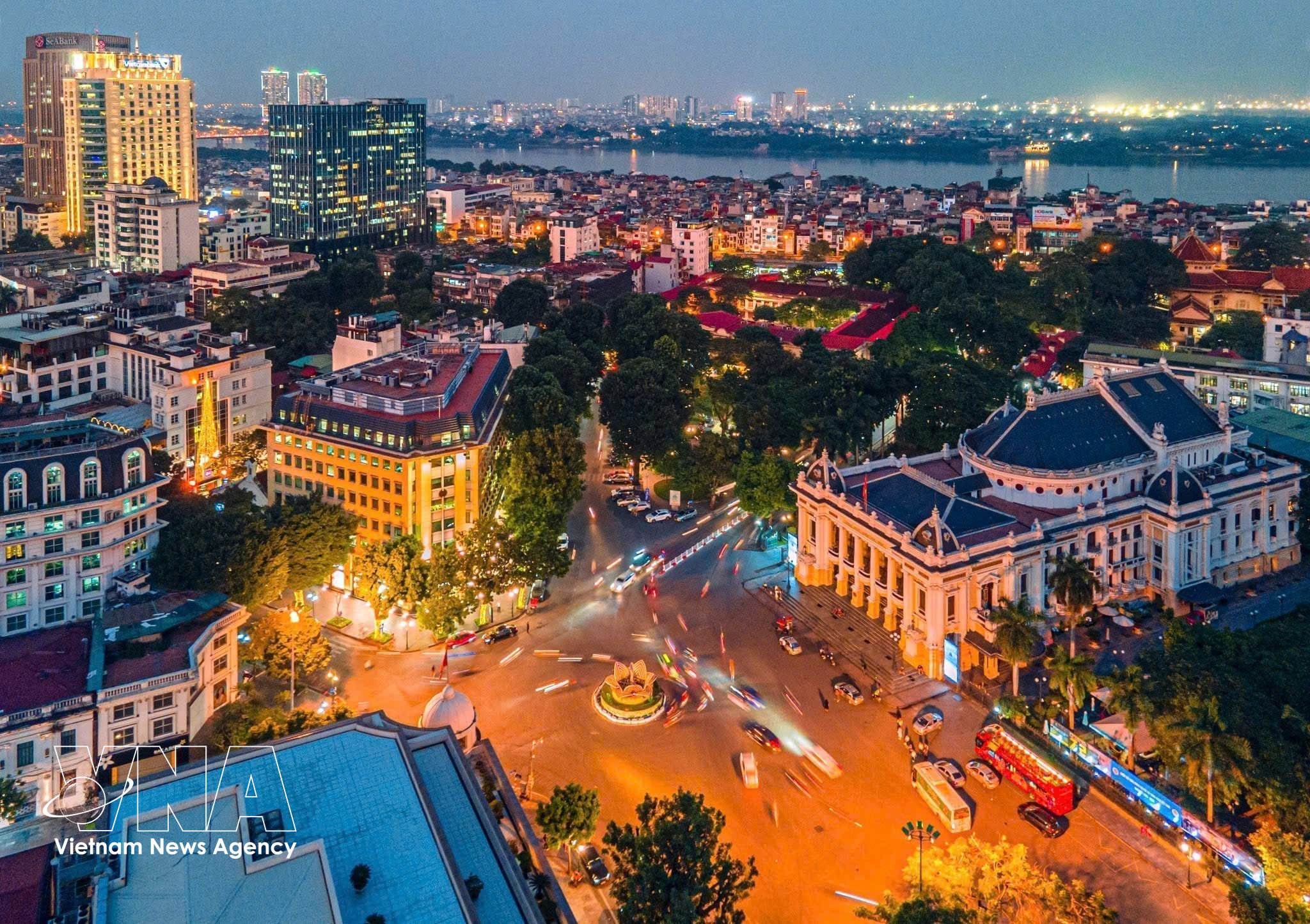
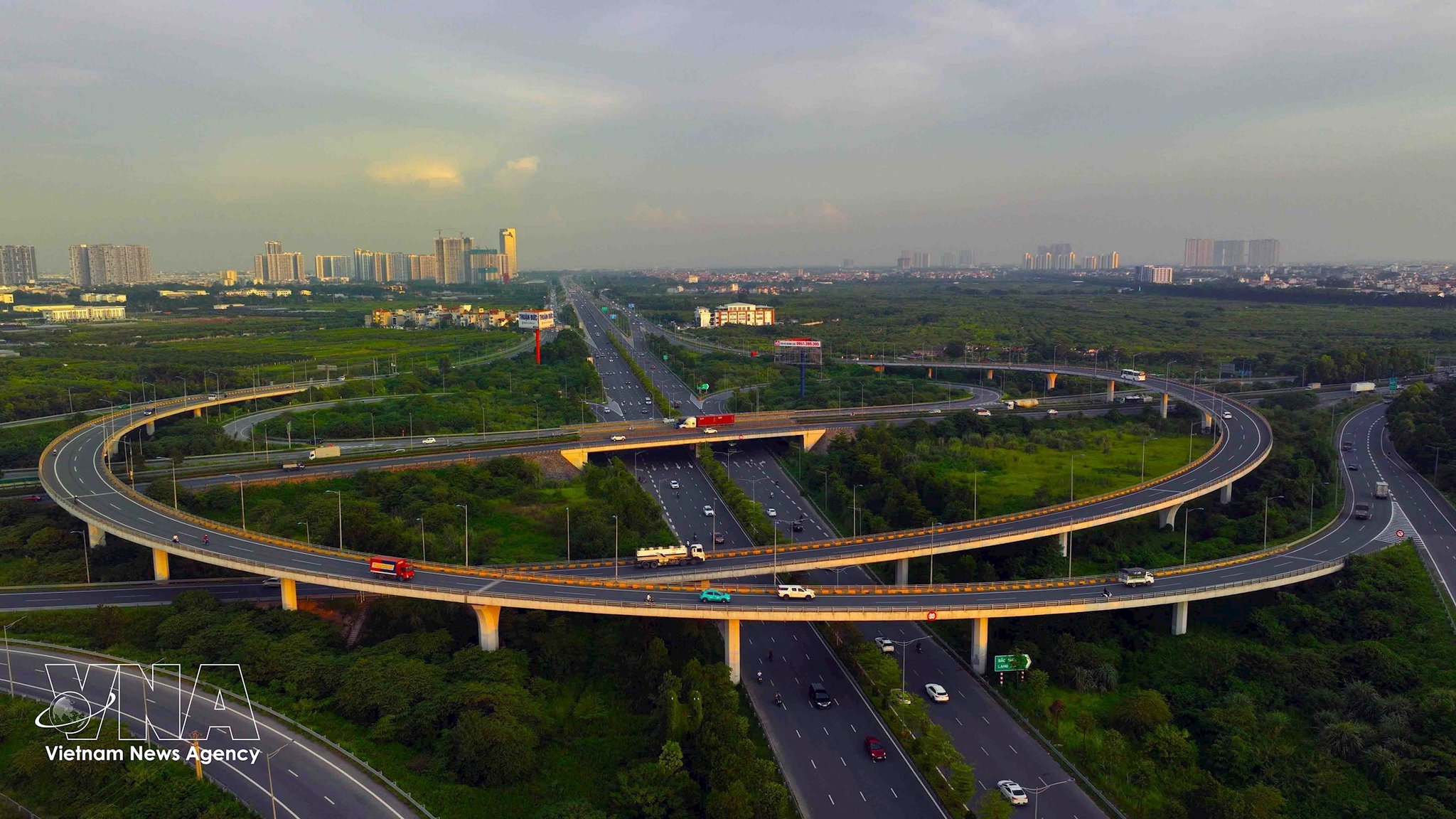
One of the notable aspects of Resolution No. 27 is its new approach to regional development, aimed at reorganising development space, allocating resources and enhancing competitiveness. Under the resolution, the Hanoi and Ho Chi Minh City metropolitan areas are identified as the country’s two largest growth poles, requiring Hanoi to strengthen its internal capacity while promoting its role as a regional connectivity hub and a driver of spillover growth.
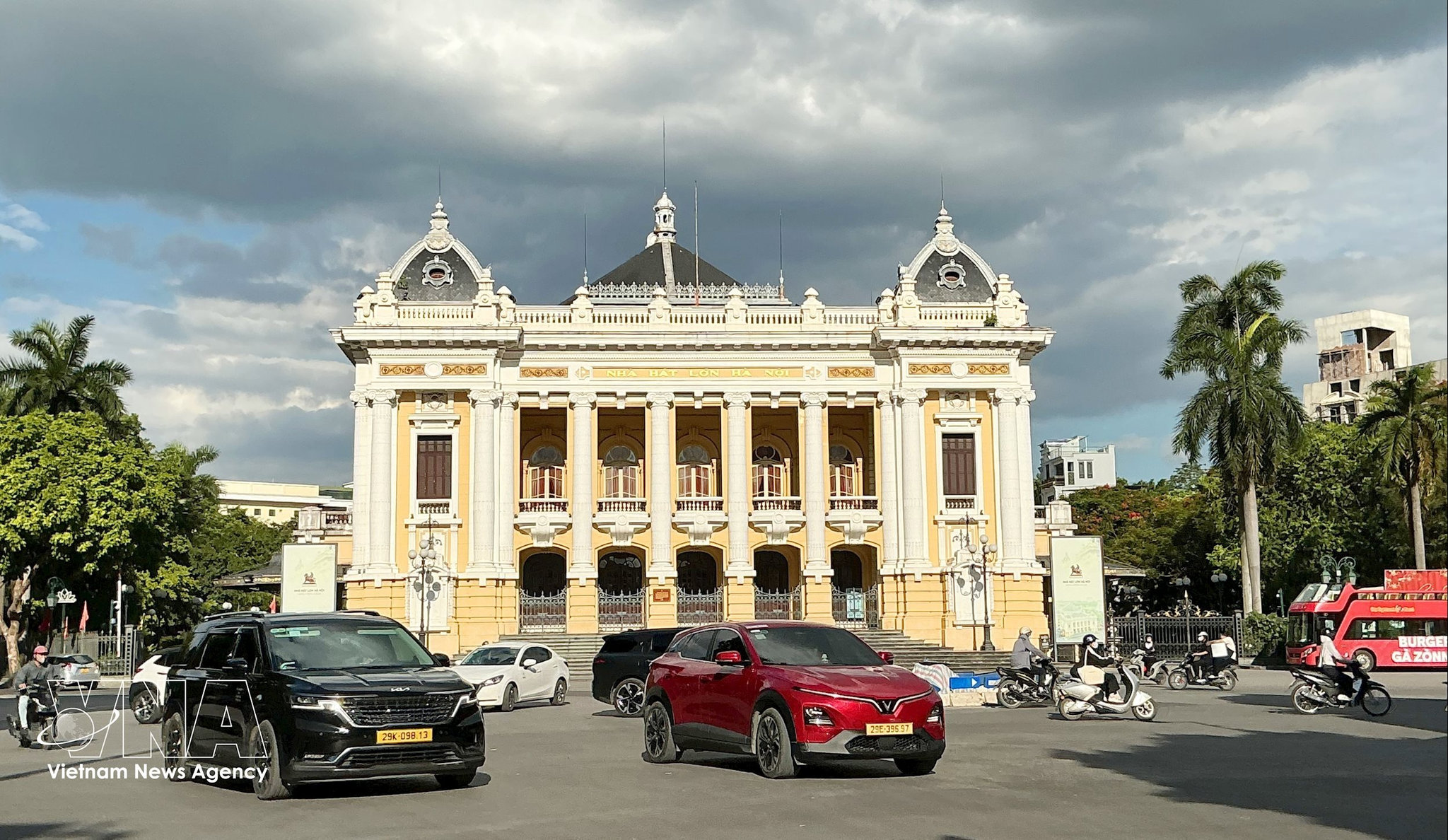



The Hanoi metropolitan area has been identified as one of the country's two largest growth poles (Photo: VNA)
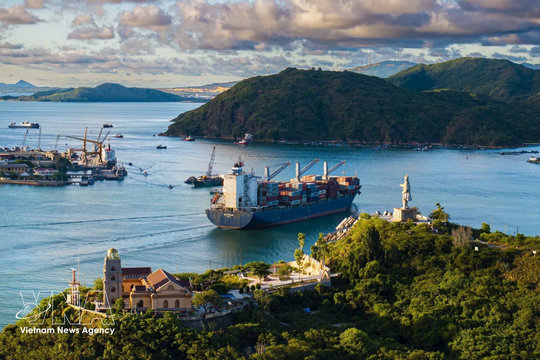
This orientation is further specified in the 2026 Capital Law. Under Article 28 of Capital Law No. 02/2026/QH16, Hanoi serves as the core and connectivity hub, driving linkages and development and acting as a growth pole for the Capital region, the Red River Delta, the northern midland and mountainous region, and the country as a whole. The Hanoi Capital Master Plan with a 100-year vision also expands connectivity with five localities, namely Phu Tho, Thai Nguyen, Bac Ninh, Hung Yen and Ninh Binh, as well as with national and international economic regions and corridors.
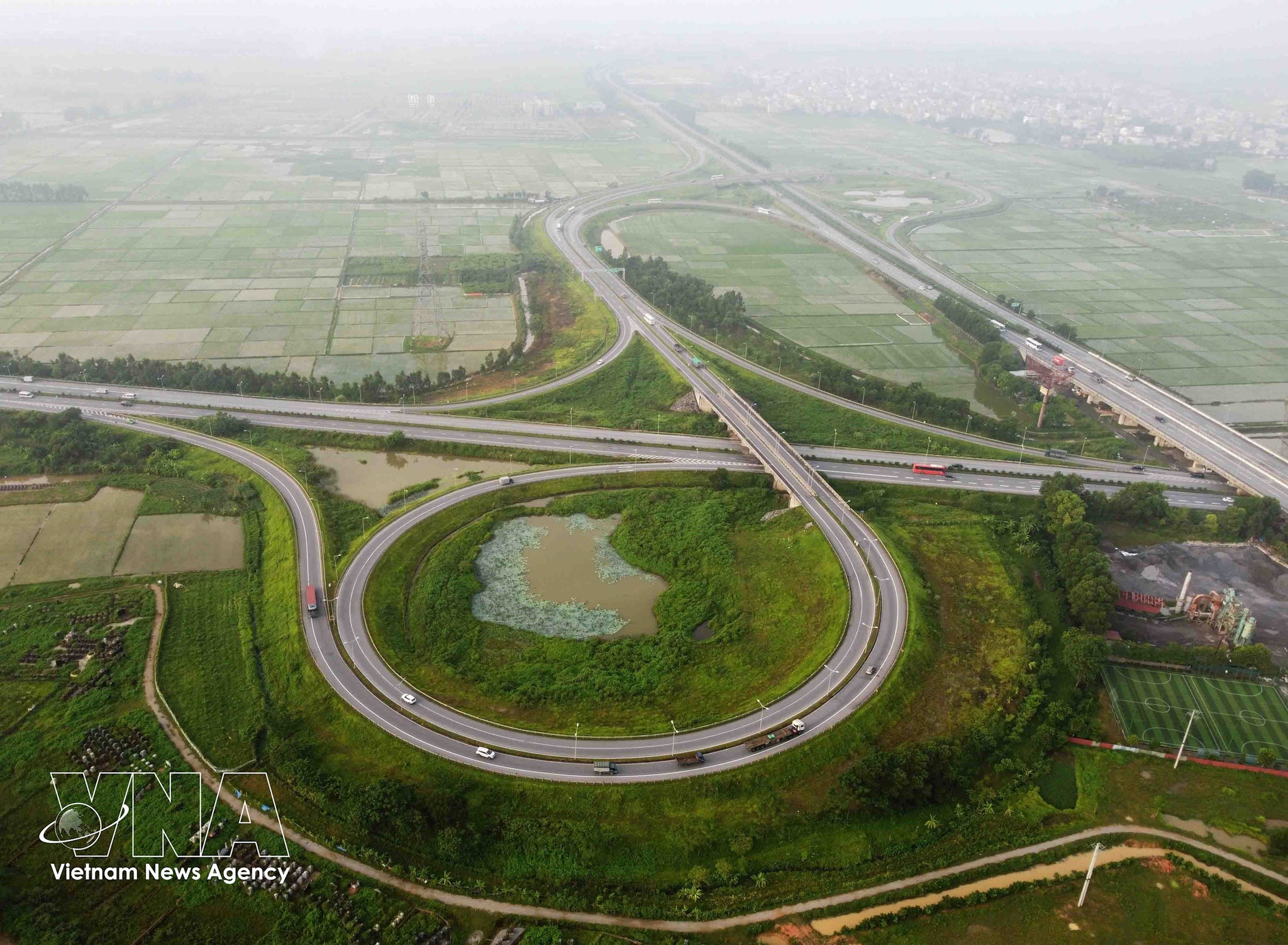
To realise this orientation, the development of synchronised, modern and regionally integrated infrastructure is a key priority. Resolution No. 27 calls for the development of economic and urban corridors, prioritising the Lao Cai-Hanoi-Hai Phong-Quang Ninh corridor; routes connecting Hanoi with other localities; Ring Roads No 4 and No 5 of the Capital region; and railway lines linking seaports, international border gates and urban rail networks.
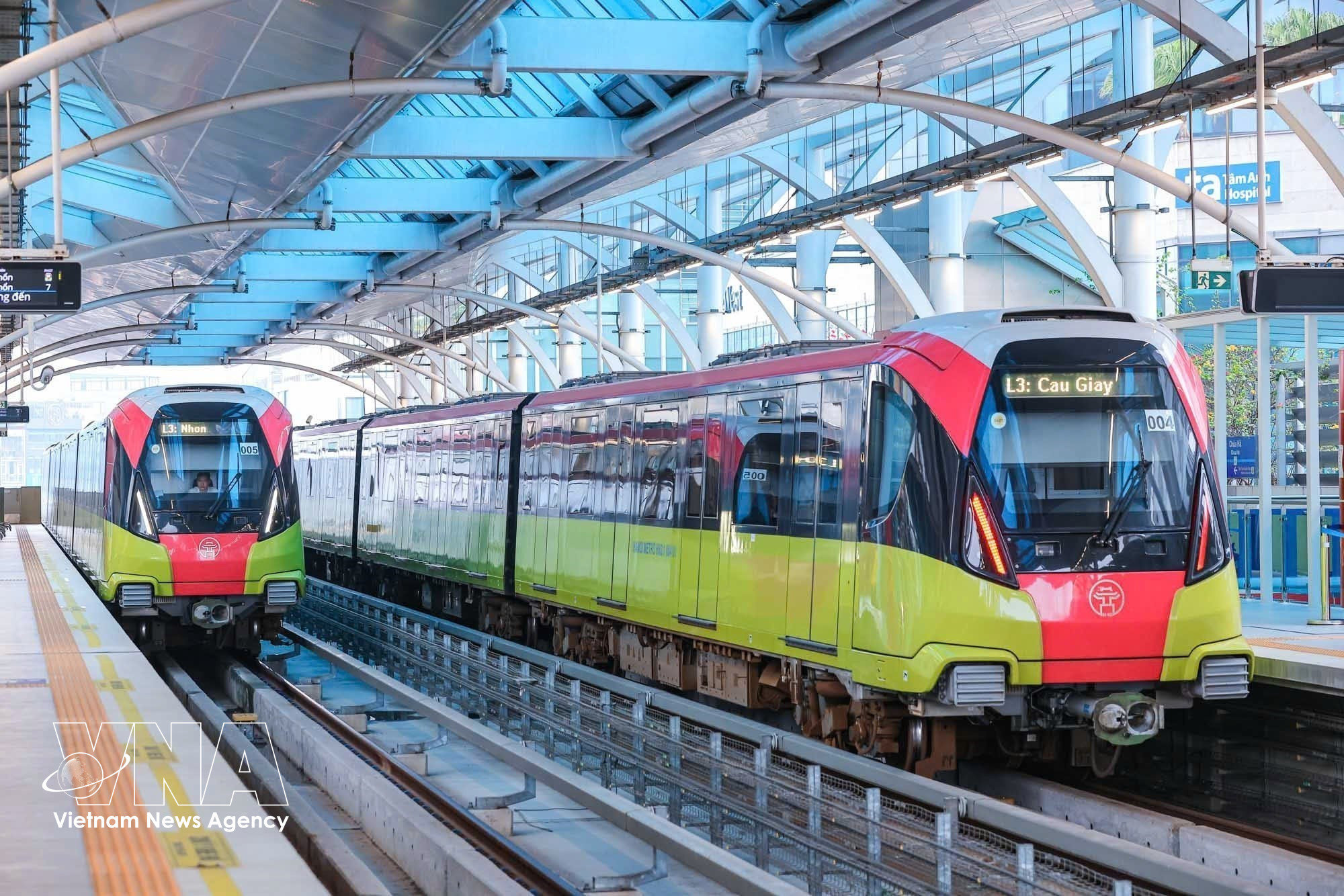
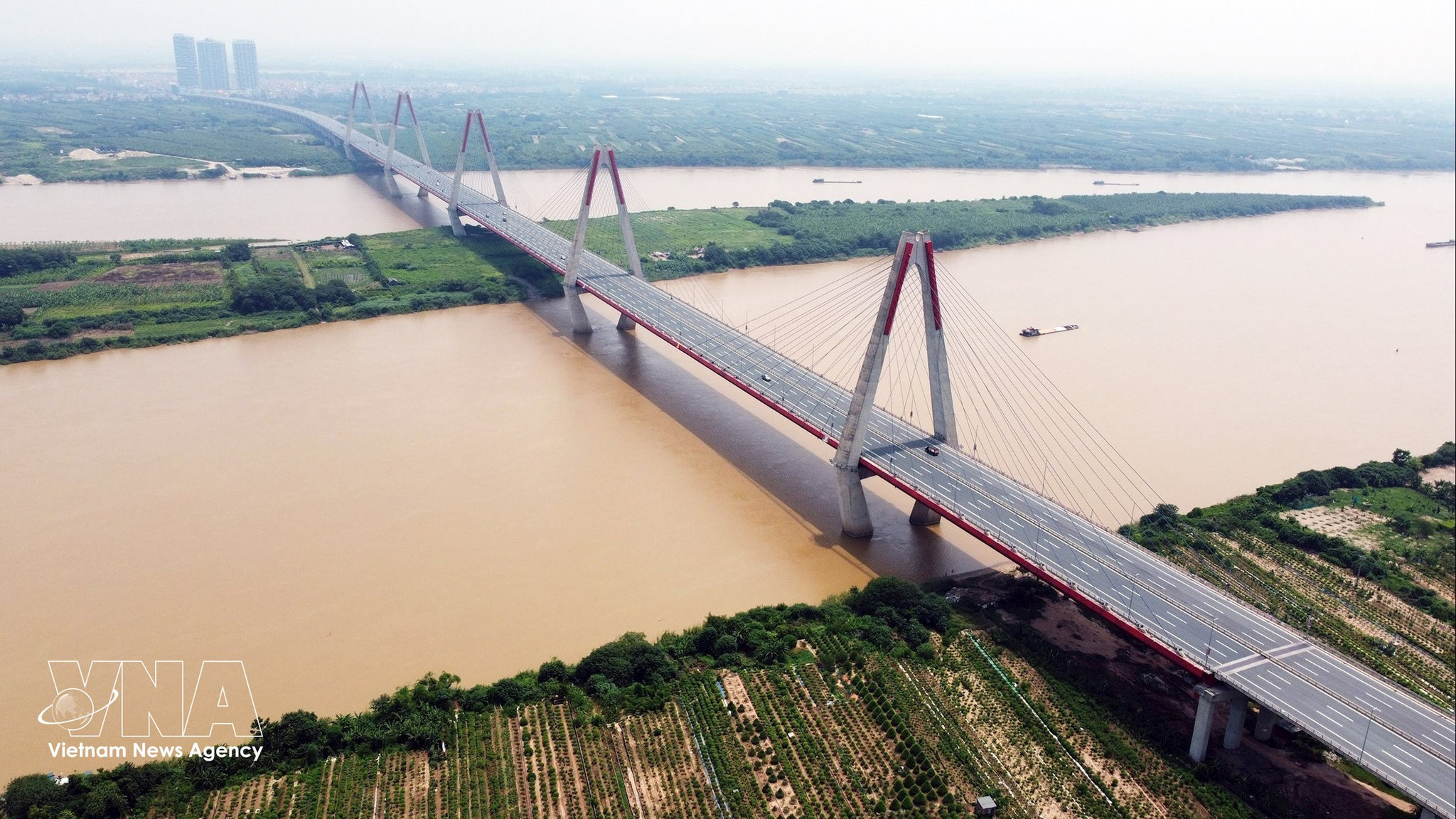
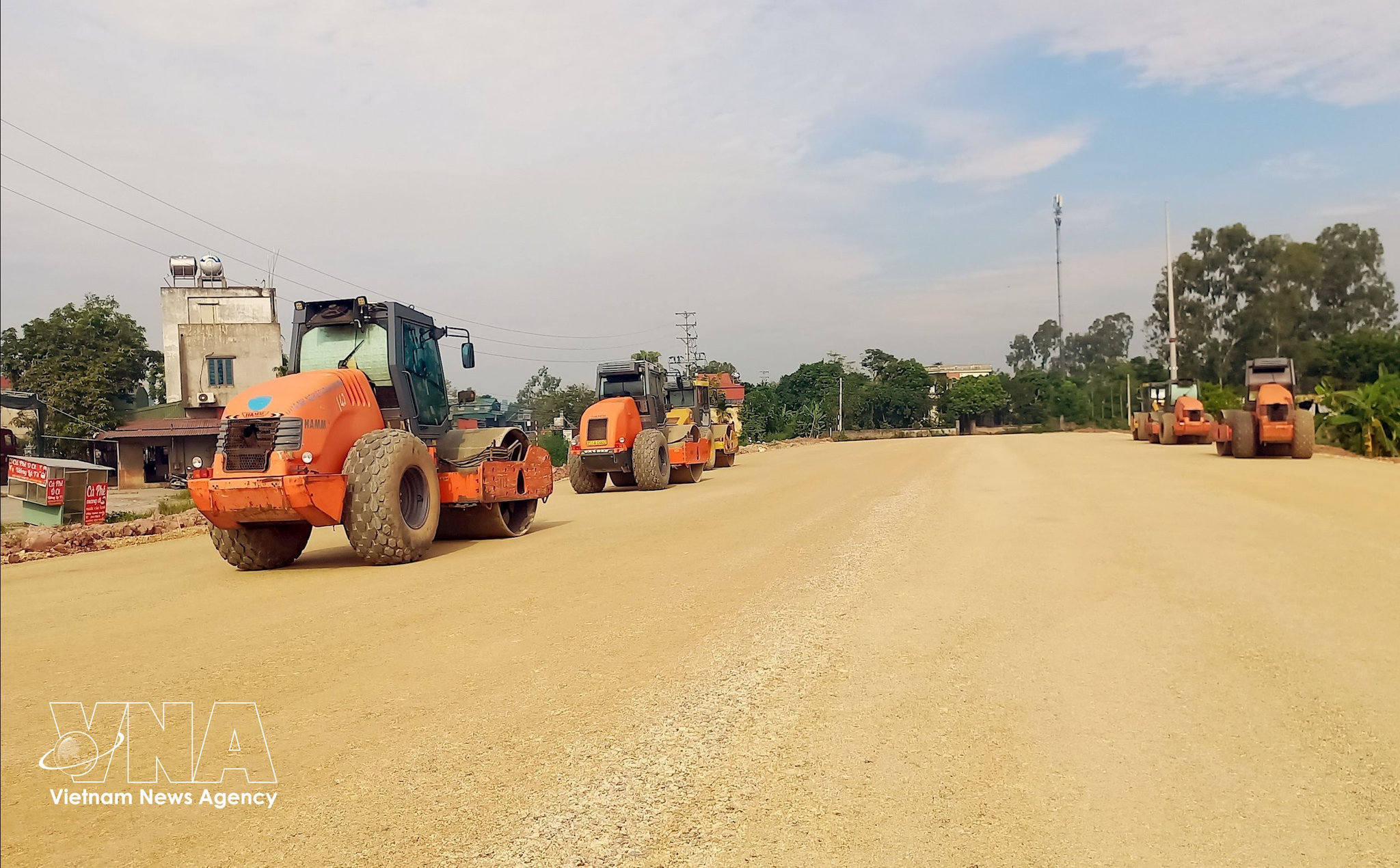
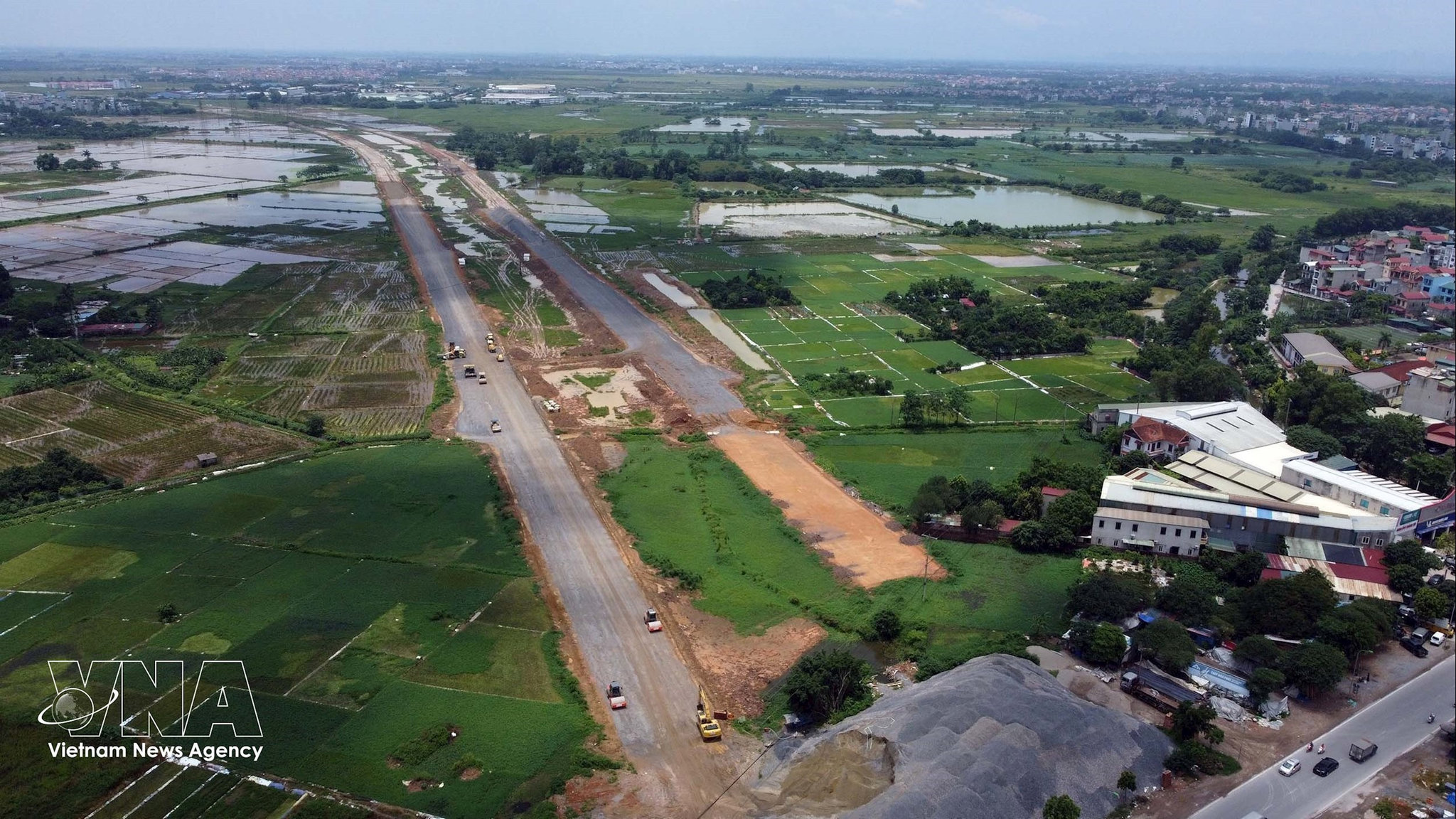
A completed interregional transport network will help ease pressure on Hanoi’s inner-city areas, expand markets, reduce logistics costs and create new spaces for production and services. Regional cooperation should also be extended to industry, agriculture, environmental protection, water resources, human resource training and essential services, based on the shared interests of the entire region.
Harnessing science and technology, strengthening value chain linkages
Hanoi’s new development space will be shaped not only by geographical expansion but also by science and technology, innovation and digital transformation.
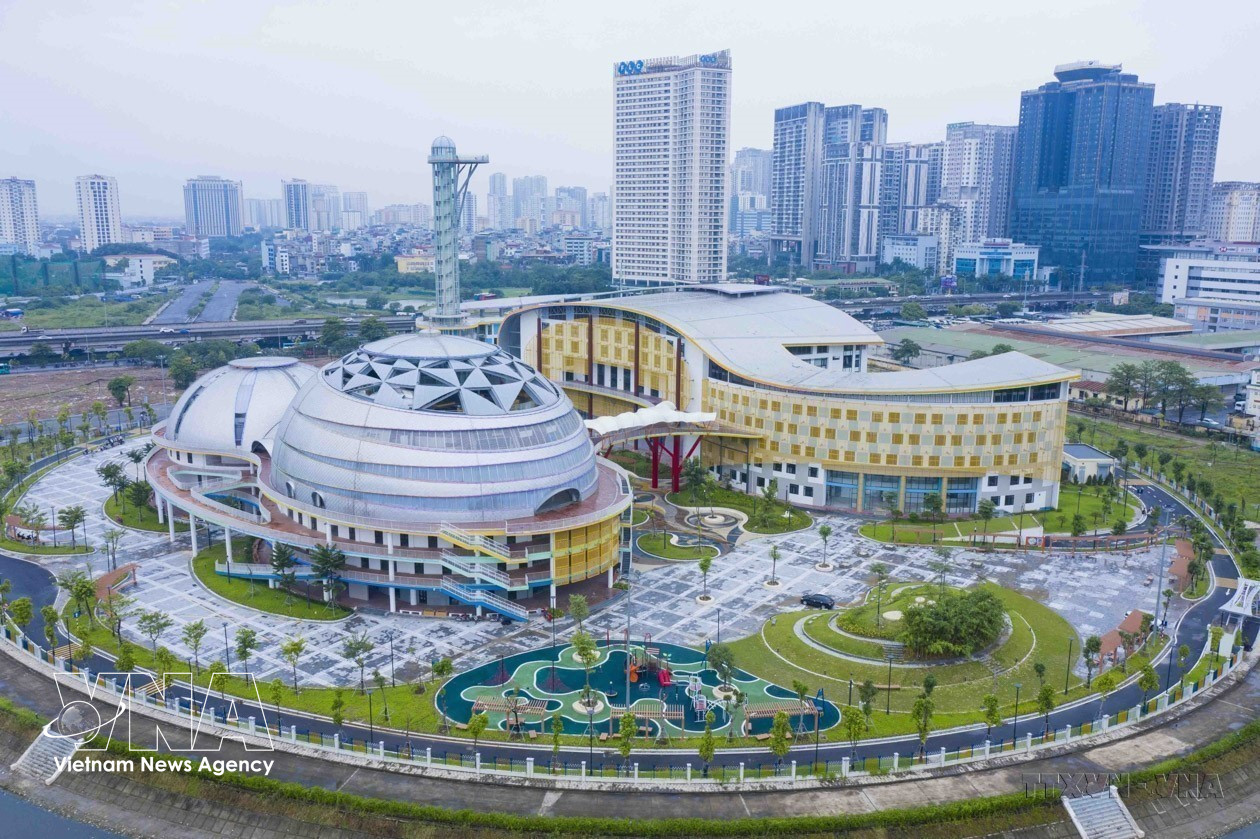
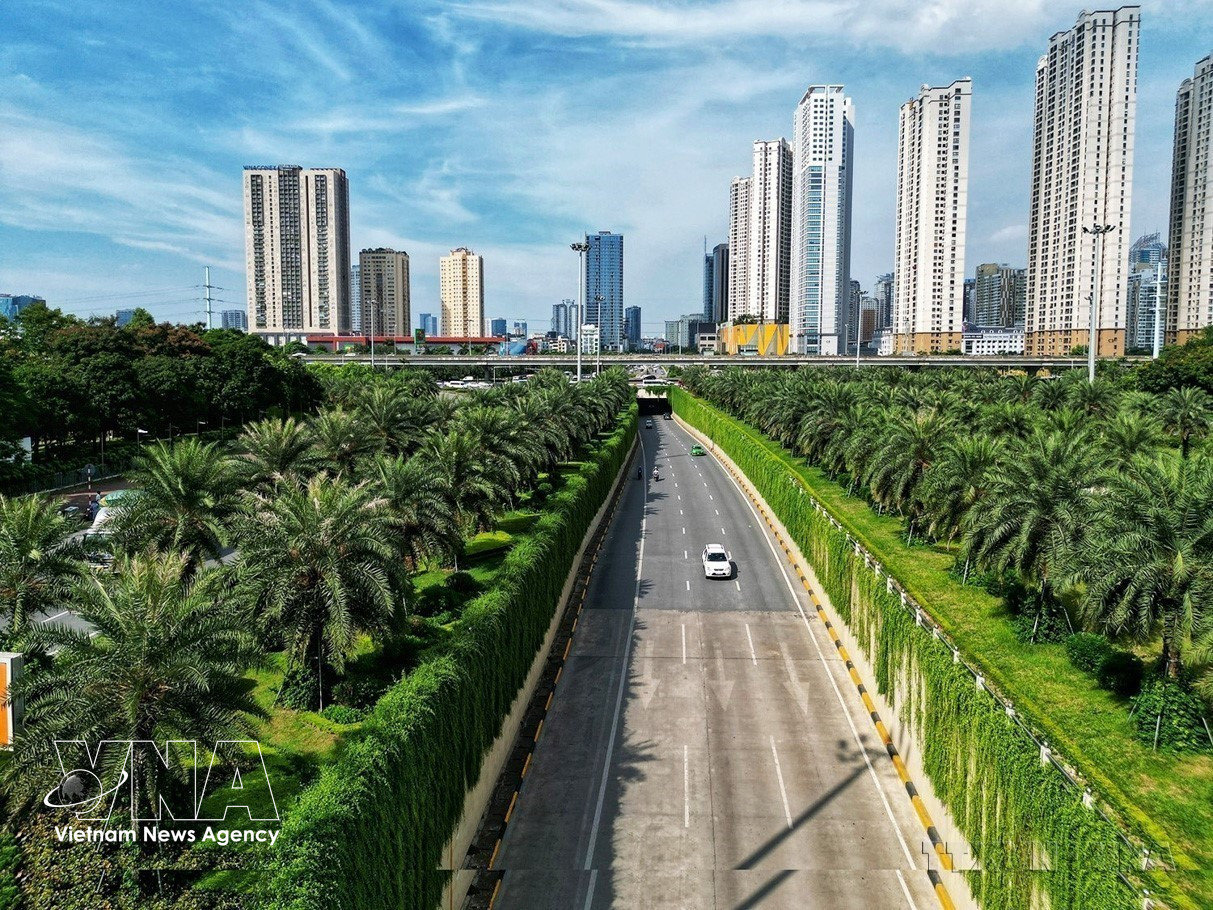
With its network of universities, research institutes and technology enterprises, highly skilled workforce and large consumer market, Hanoi is well positioned to serve as a centre for research, technology transfer and the provision of high-quality services across the region.

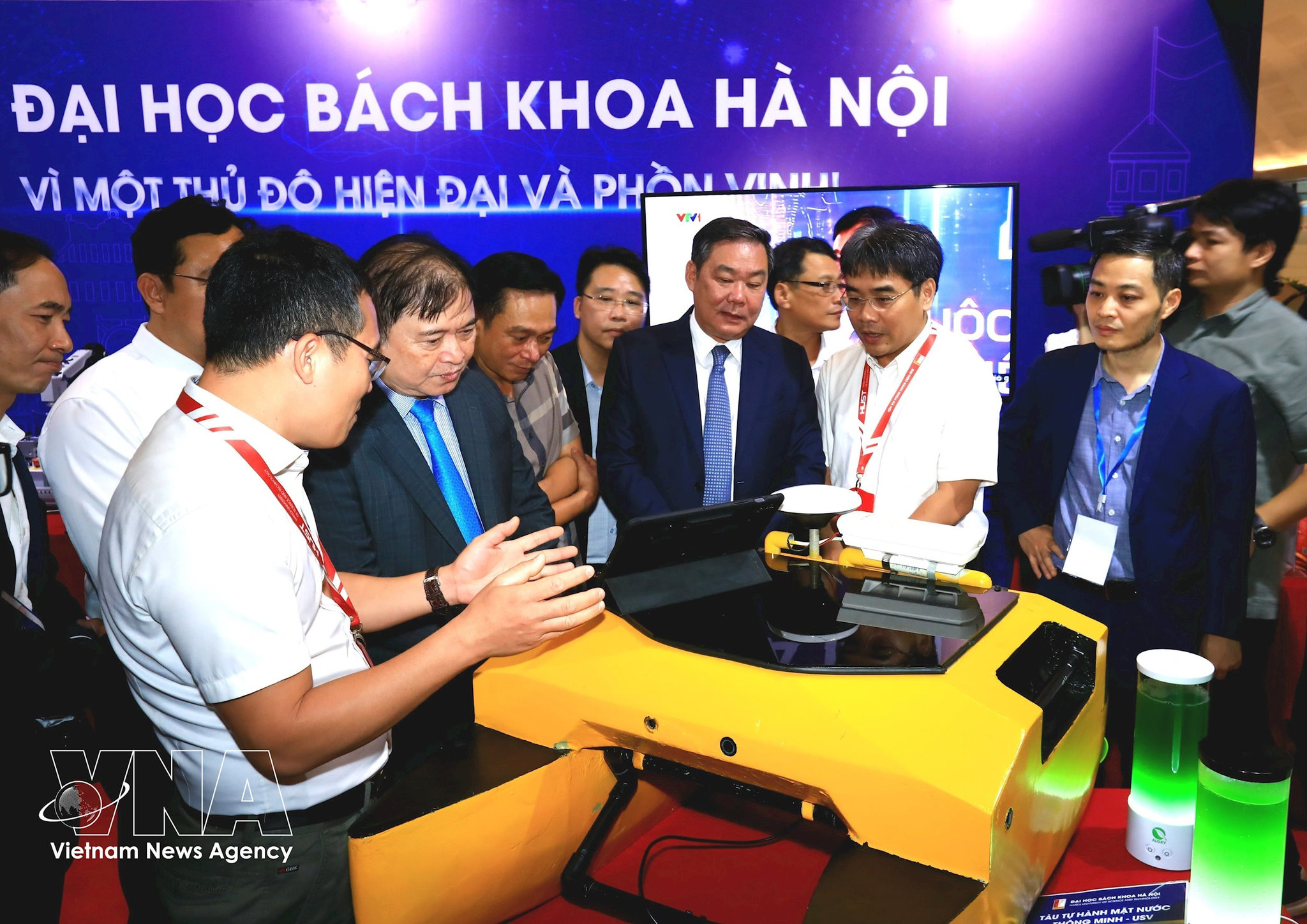
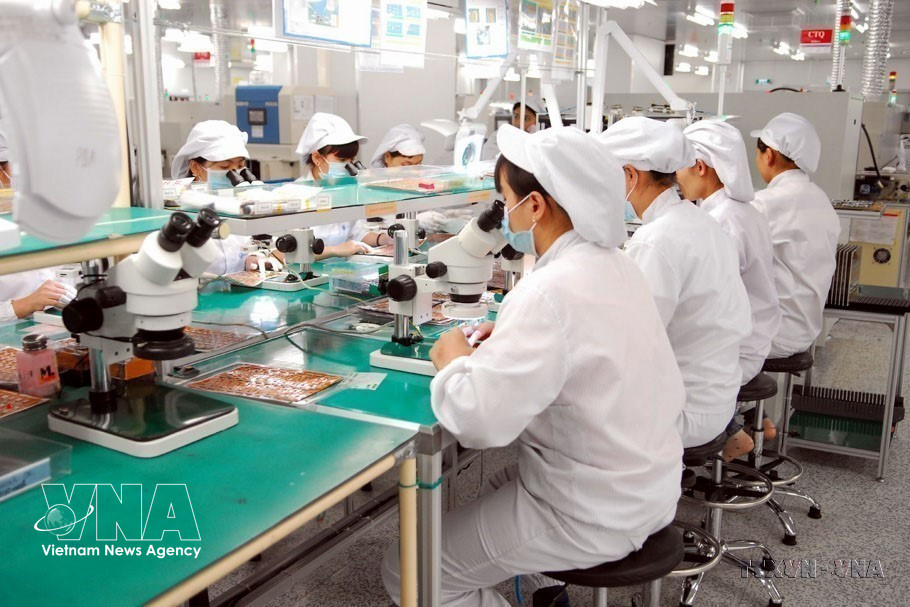
Hanoi plays its role as a hub for research, technology transfer and the provision of high-quality services for the entire region (Photo: VNA)
However, to translate these advantages into tangible value, stronger links are needed between research and training activities and the production and business needs of other localities. Hanoi’s research centres and technology enterprises can partner with production facilities, industrial parks, raw material production areas and logistics hubs in neighbouring provinces, thereby establishing interregional value chains.
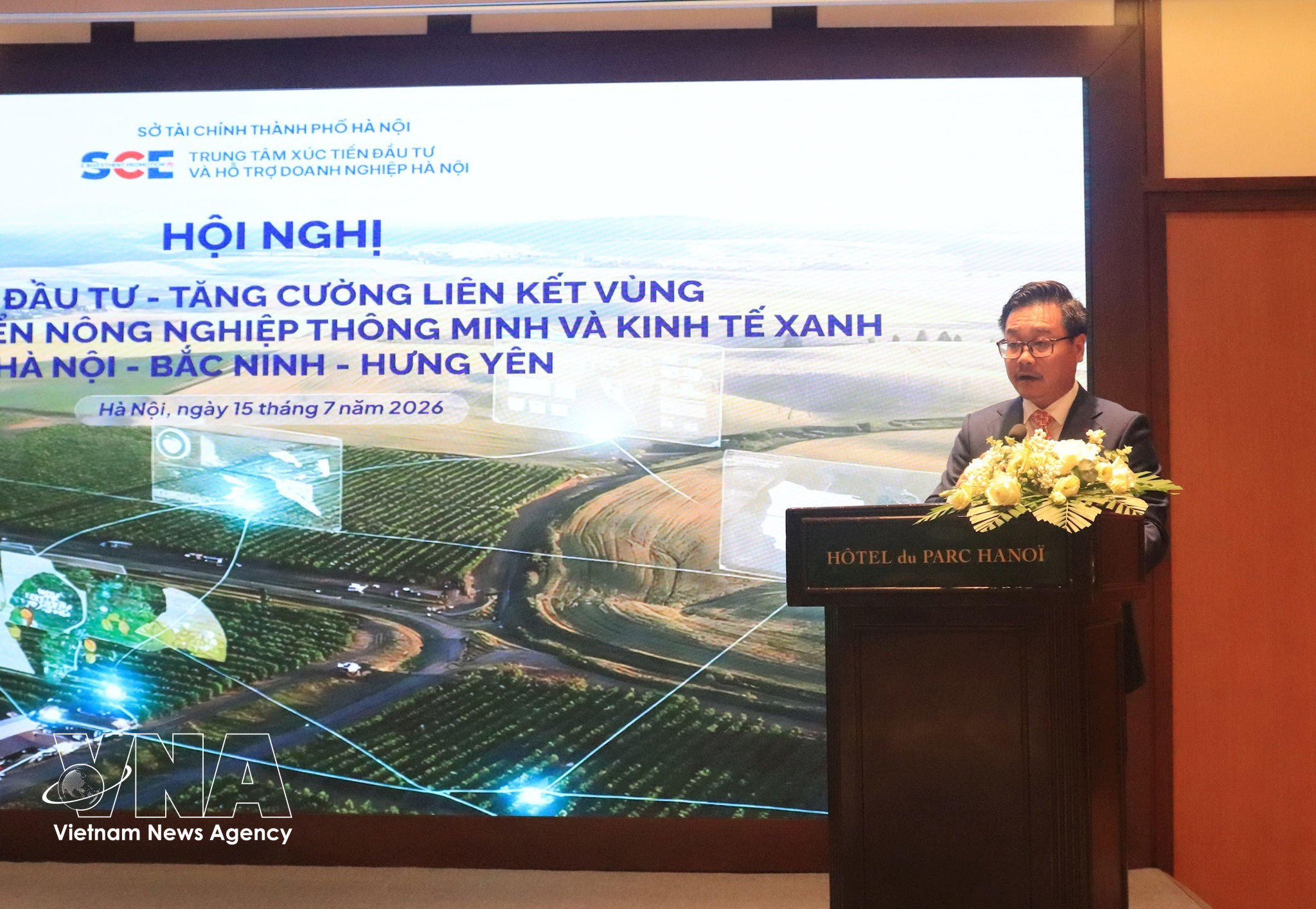
Speaking at an investment networking conference on strengthening regional linkages for smart agriculture and green economy development between Hanoi, Bac Ninh and Hung Yen, held in Hanoi on July 15, Le Trung Hieu, Deputy Director of the Hanoi Department of Finance, said that connecting Hanoi’s strengths in science and technology, finance and markets with Bac Ninh’s high-tech industries and logistics and Hung Yen’s high-quality agriculture and processing industries would create favourable conditions for the formation of interregional value chains.
Expanding development space and strengthening regional connectivity will create more opportunities for Hanoi-based businesses to reach new markets
Tran Van Tam, Director of Viet Thang Investment Trade Co. Ltd.
From a business perspective, Tran Van Tam, Director of Viet Thang Investment Trade Co. Ltd., based in Hanoi's Soc Son commune, said that expanding development space and strengthening regional linkages would create additional opportunities for capital-based businesses to expand their markets, seek partners and participate more deeply in supply chains connecting Hanoi with neighboring provinces and cities.
Tam noted that, for businesses to derive tangible benefits from regional cooperation, it is necessary to quickly complete transport connectivity infrastructure, particularly ring roads, expressways and logistics centres. Information sharing on planning and investment policies should also be strengthened to facilitate business expansion, production and trade, as well as the movement of goods, he added.
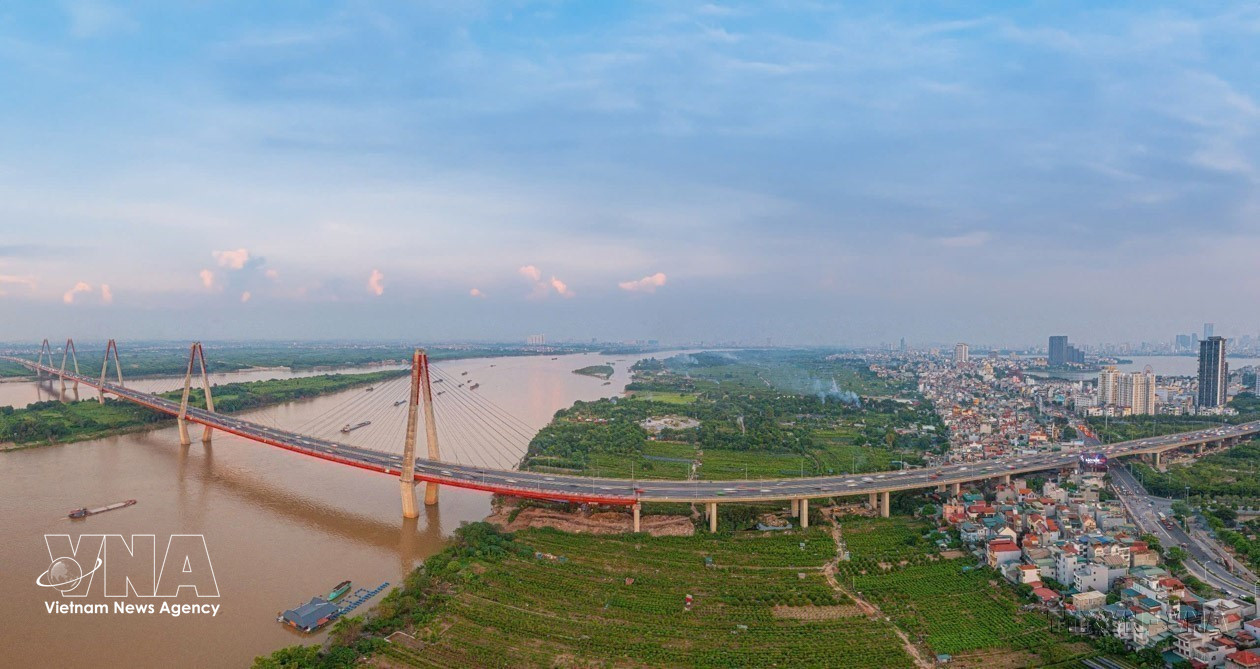
For Hanoi, expanding cooperation also plays an important role in achieving its economic development targets for 2026-2030, including average gross regional domestic product (GRDP) growth of at least 11% per year and a digital economy share of 40% of GRDP in terms of value added 40%.
Establishing effective coordination mechanisms to promote shared development
To translate the orientations of Resolution No. 27 into practice, regional cooperation must be converted into concrete programmes, projects and coordination mechanisms. Experience shows that many of Hanoi’s challenges, including traffic congestion, air pollution, water resources, waste management, logistics and the labour market, cannot be effectively addressed if solutions are confined to the capital’s administrative boundaries.
Localities may agree to designate one locality as the lead agency and use its budget to directly invest in projects located in another locality to serve common interests.
Article 29, the 2026 Capital Law
The 2026 Capital Law provides a legal basis for strengthening coordination and mobilising resources for interregional projects. Under Article 29, localities may agree to designate one locality as the lead agency and use its budget to directly invest in projects located in another locality to serve common interests. The law also provides for the establishment of a Capital Region Development Fund, prioritising resources for transport infrastructure, environmental pollution control and other regional-level tasks.
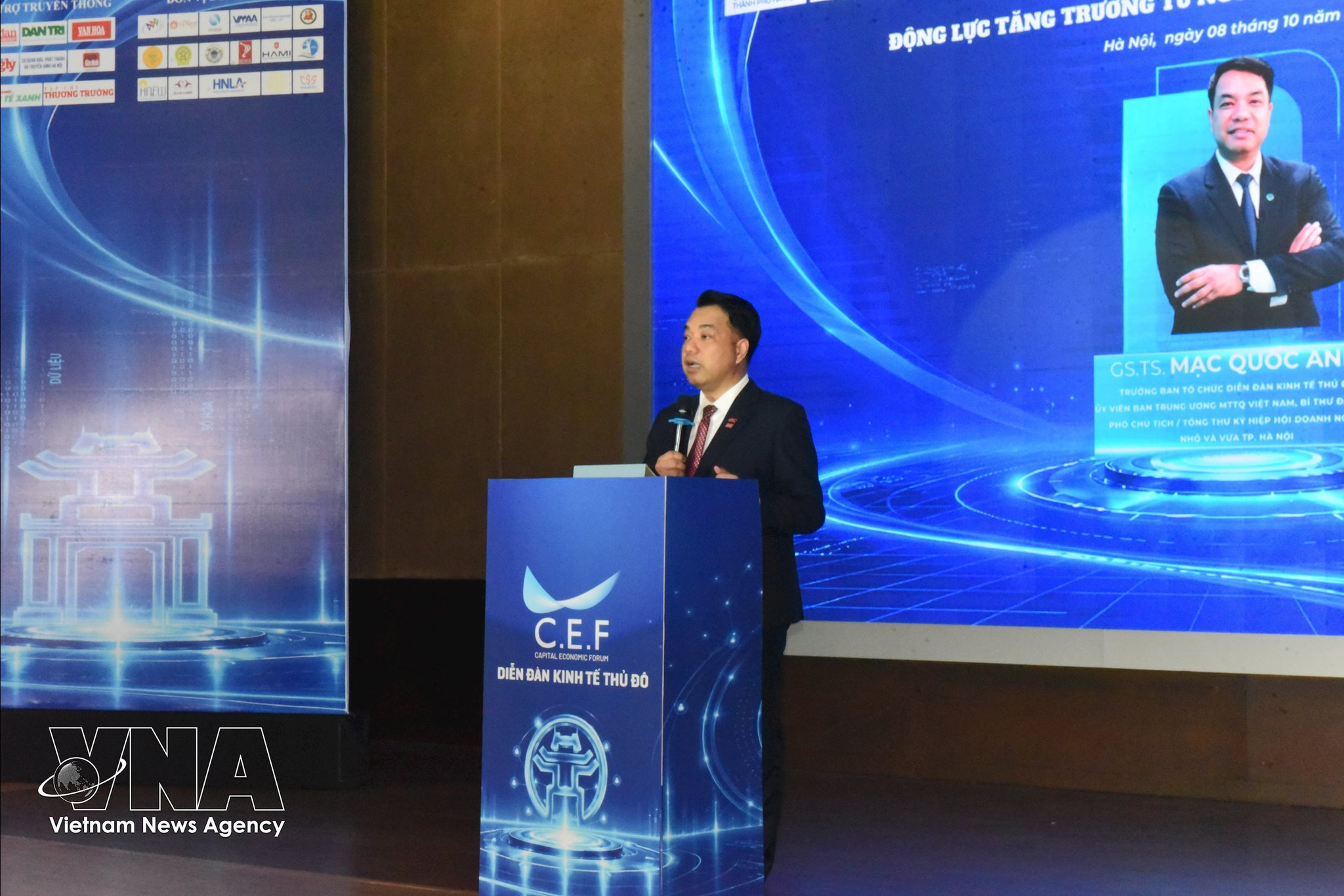
Mac Quoc Anh, Vice Chairman and Secretary General of the Hanoi Association of Small and Medium Enterprises, said Hanoi needs to shift from a development mindset confined to its administrative boundaries to one that enables it to lead and grow together with the wider region. He said effective coordination mechanisms should be established in transport, the environment, logistics and the labour market, while businesses’ role should be promoted through supply chains, value chains and interprovincial cooperation networks. Hanoi should leverage its strengths in research and development, innovation, finance, education and high-quality services in conjunction with the region’s production, industrial and logistics hubs.
From a management perspective, regional cooperation programmes should be translated into specific targets, resource allocations and clearly defined responsibilities. Data and planning information sharing should be enhanced, infrastructure investment coordinated, and bottlenecks in interprovincial projects removed.
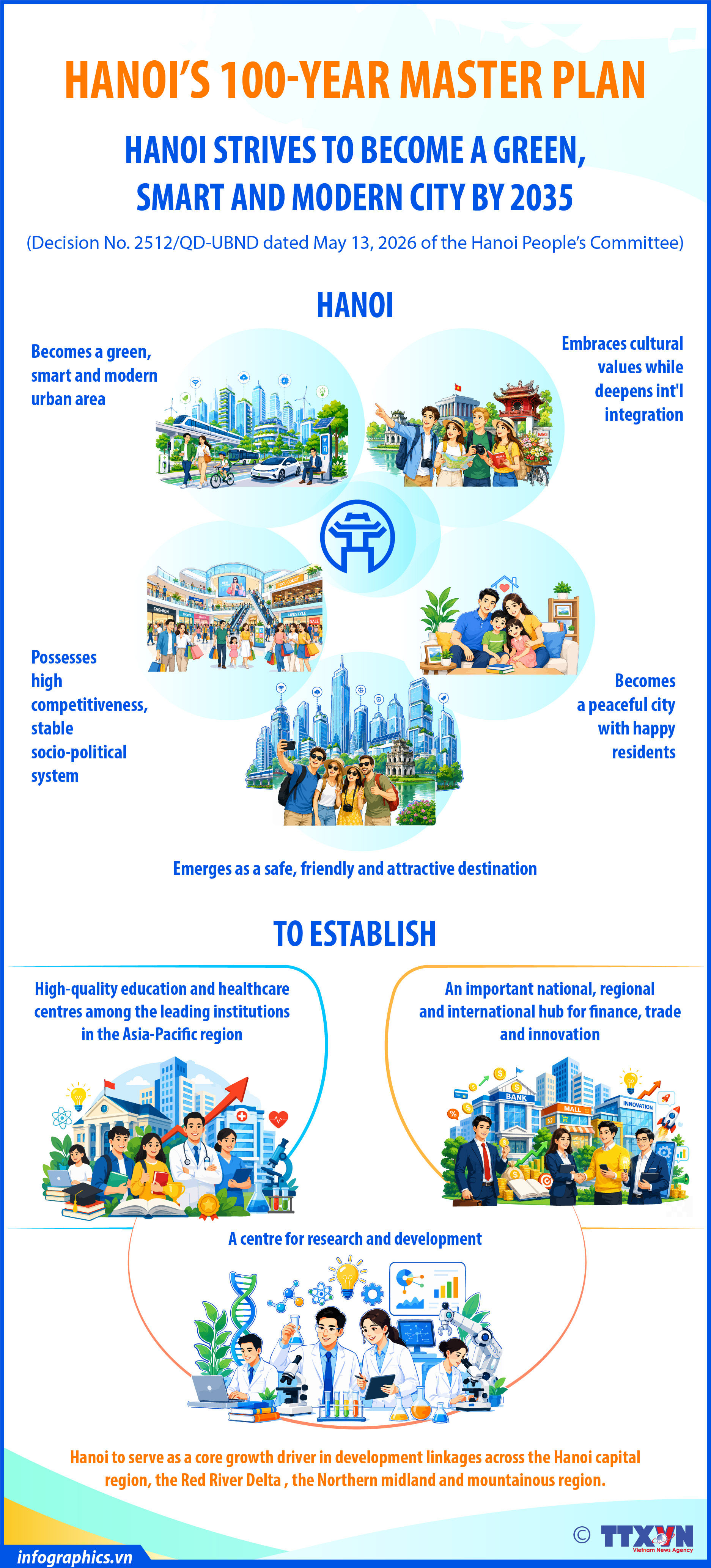
Resolution No. 27, the 2026 Capital Law and the Hanoi Master Plan with a 100-year vision provide a foundation for the capital to reorganise its development space through stronger regional linkages and greater coordination, enabling more efficient use of regional resources. Through this approach, Hanoi can not only leverage its own economic scale but also strengthen resource connectivity, disseminate science and technology, promote value chains and generate new growth momentum for the wider region and the country as a whole./.