BLUE SEA, STRONG ECONOMY: VIETNAM’S VISION FOR SUSTAINABLE DEVELOPMENT
VNA•22/06/2026 16:28
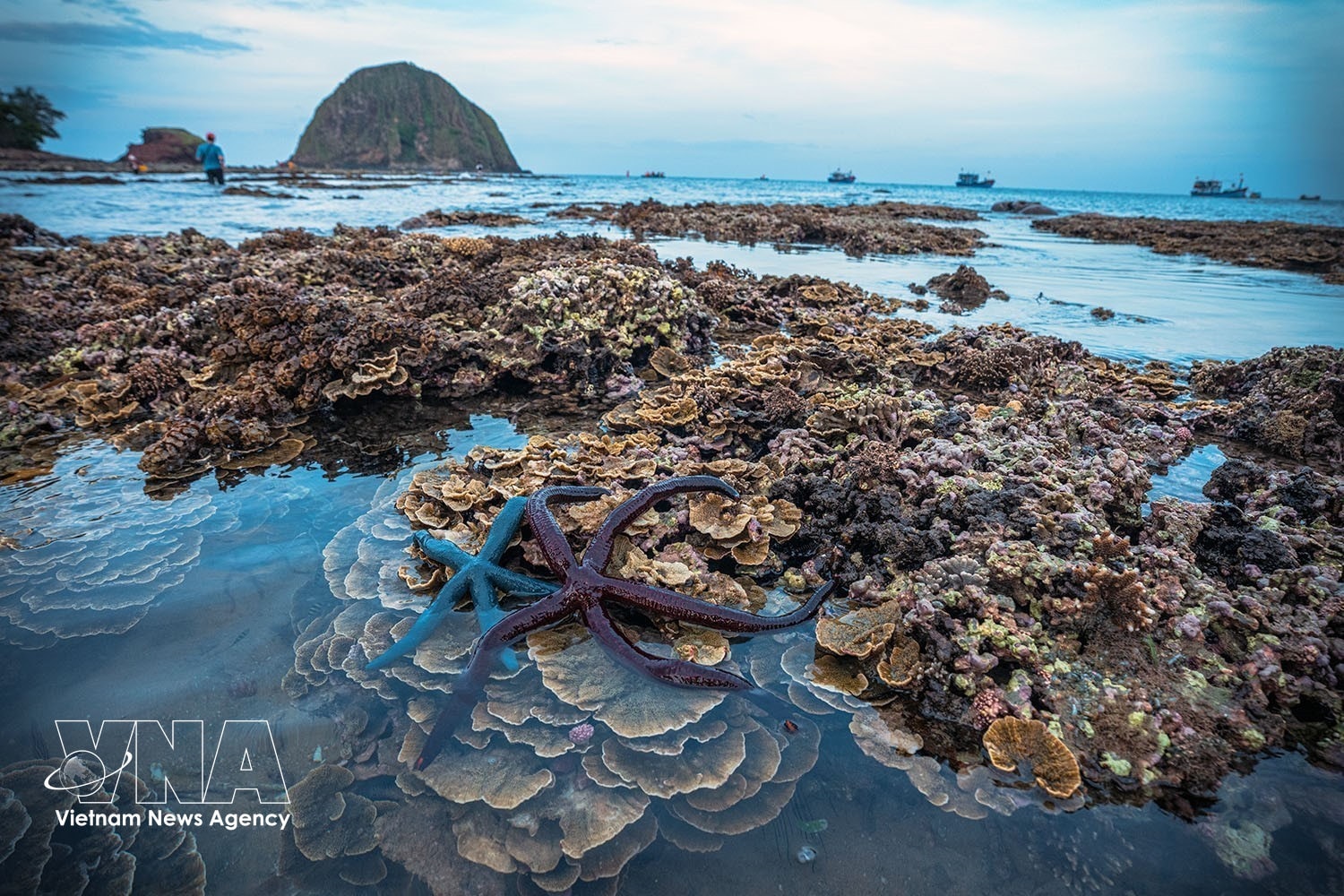
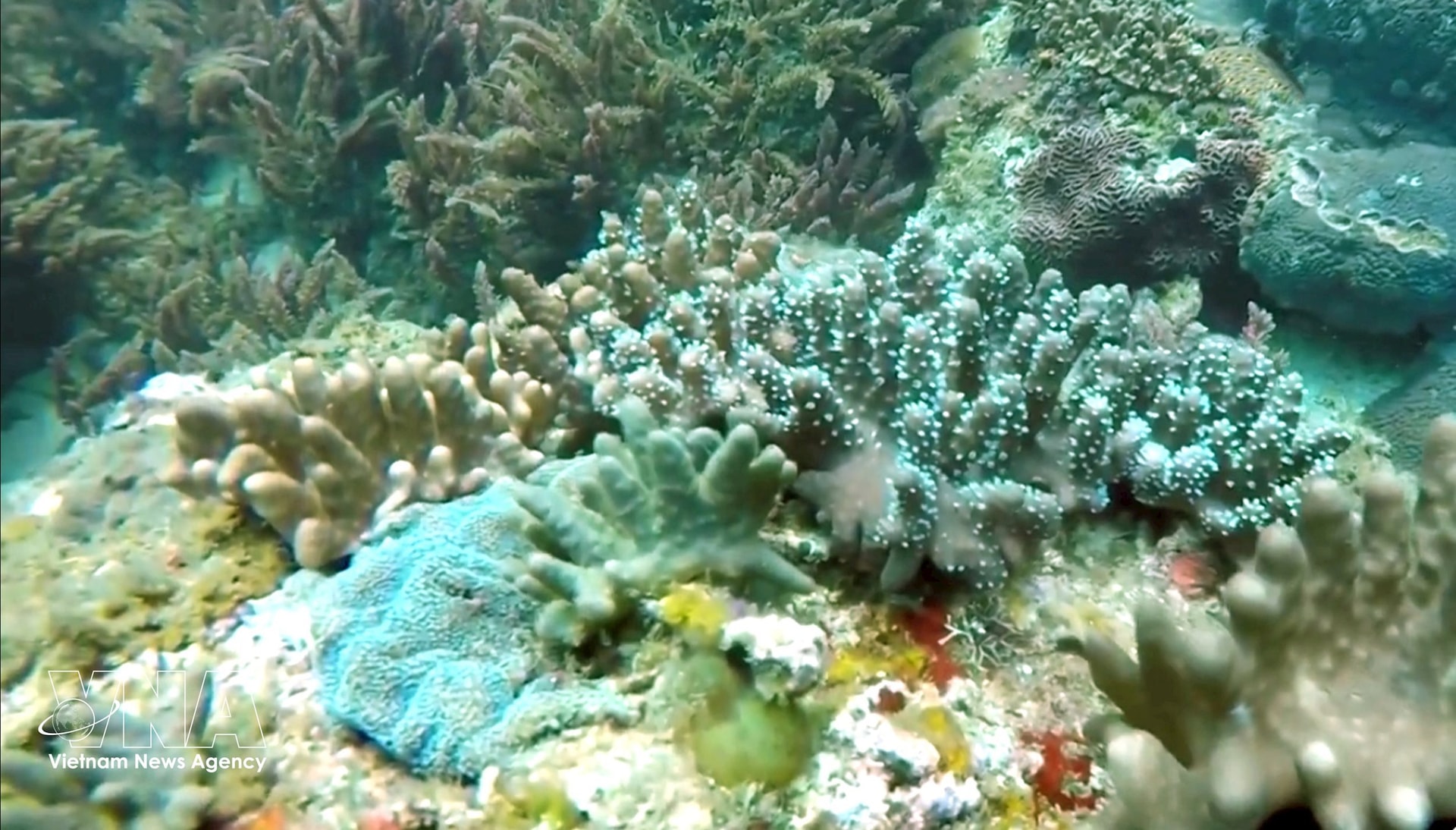
Recognised as a national scenic site in 2018, Hon Yen captivates visitors with its pristine beauty and the opportunity to admire ancient coral reefs without having to dive. (Photo: VNA)
The robust growth of the marine economy has created significant opportunities for Vietnam while at the same time posing major challenges to marine environment protection. From coastal aquaculture areas and renowned tourist bays to marine protected areas rich in biodiversity, traces of plastic waste, land-based pollution and unsustainable exploitation remain visible every day. In this context, protecting the marine environment is no longer merely a slogan. It has become a vital prerequisite for safeguarding livelihoods, preserving biodiversity and securing the future of Vietnam’s marine economy.
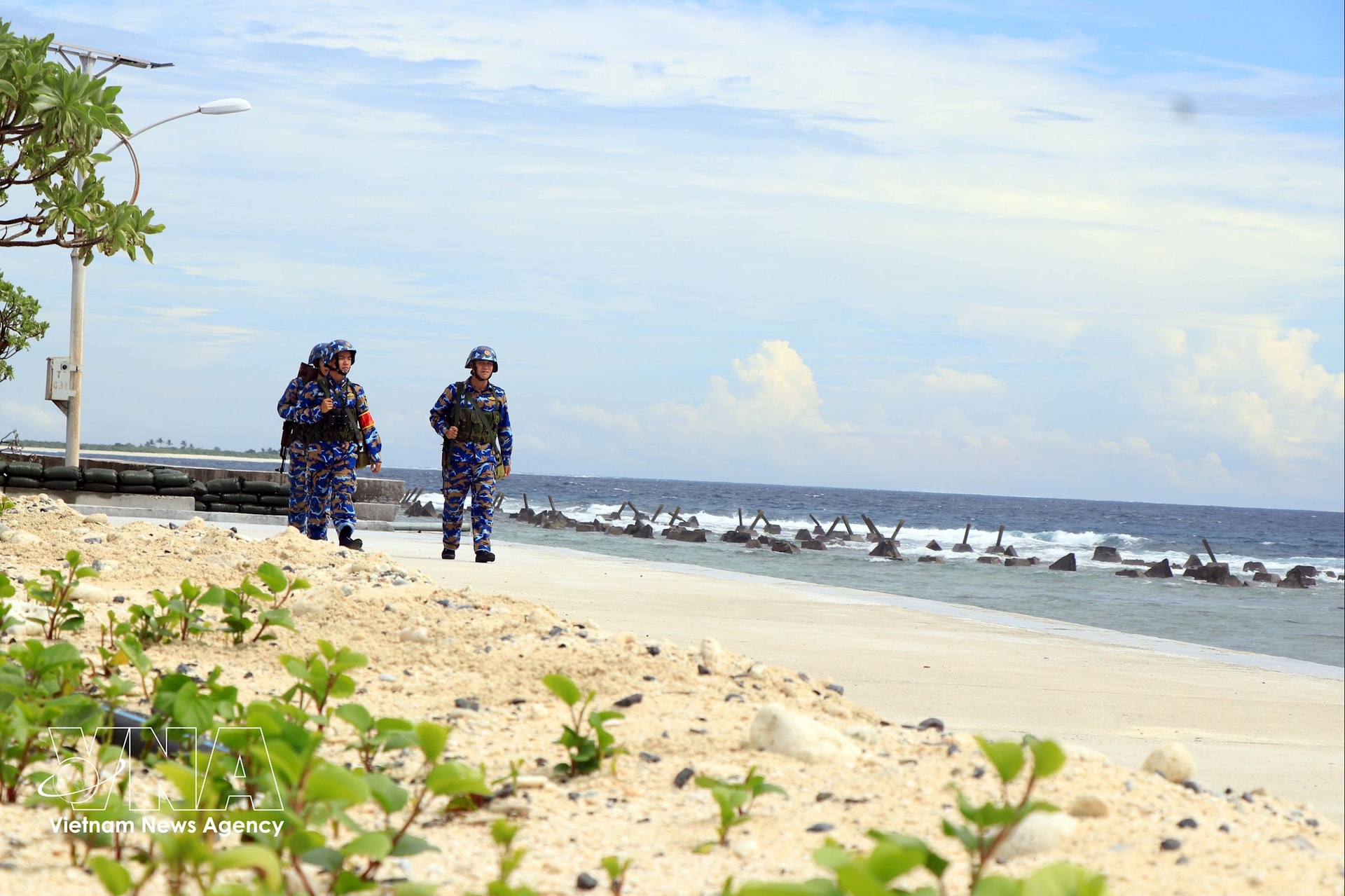
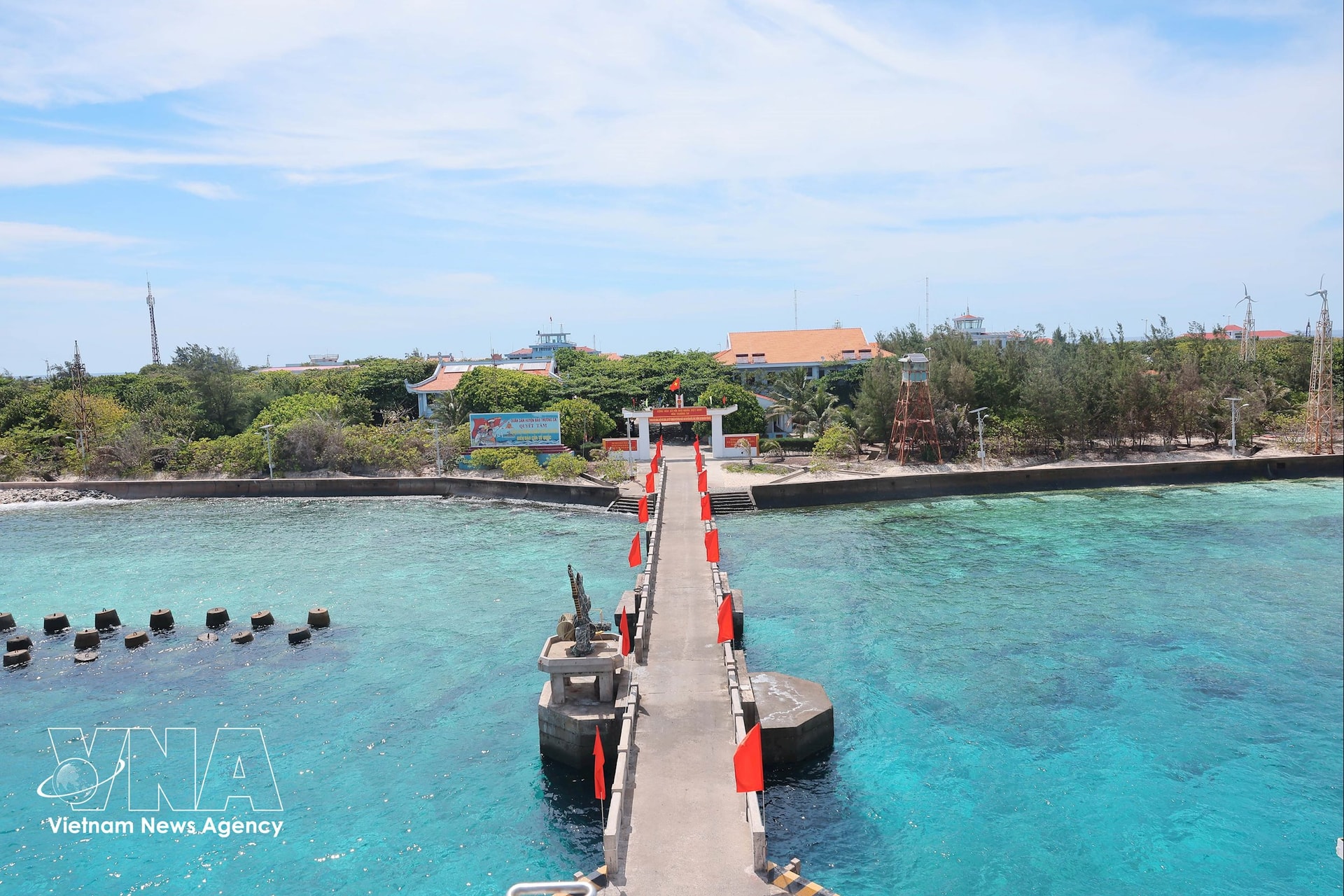
Soldiers and residents in Truong Sa special zone in Khanh Hoa province stand united in safeguarding the nation's sacred sovereignty over its seas, islands and continental shelf. (Photo: VNA)
With more than 3,260 kilometres of coastline and thousands of islands and archipelagos, the sea is not only a living space for Vietnamese people but also a key driver of national growth. Maritime transport, seaports, tourism, aquaculture and renewable energy are making increasingly substantial contributions to the economy. However, economic expansion has been accompanied by mounting environmental pressures, including coastal urbanisation, maritime transport, resource extraction, intensive marine farming and waste discharged into the sea through river systems.
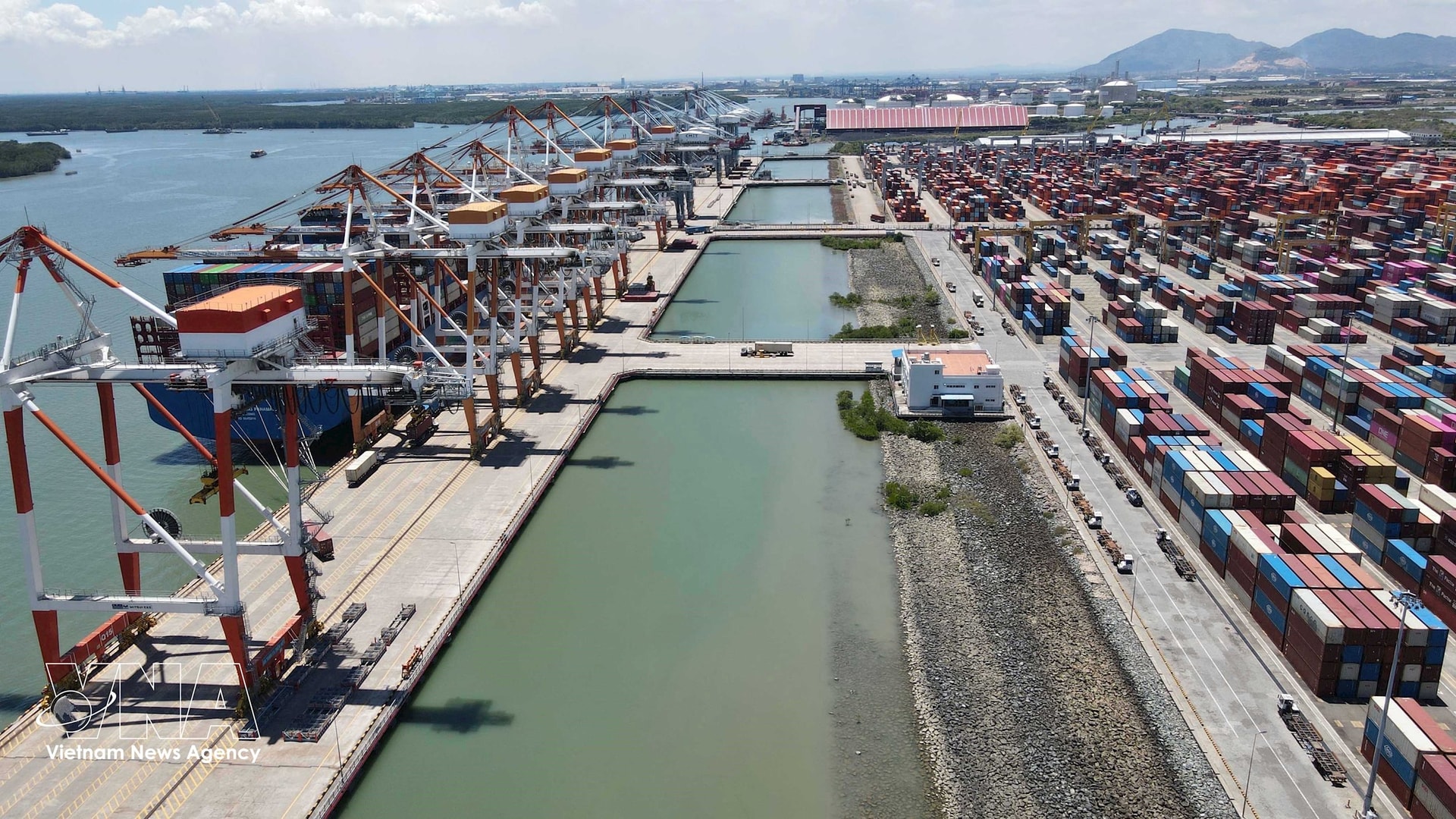
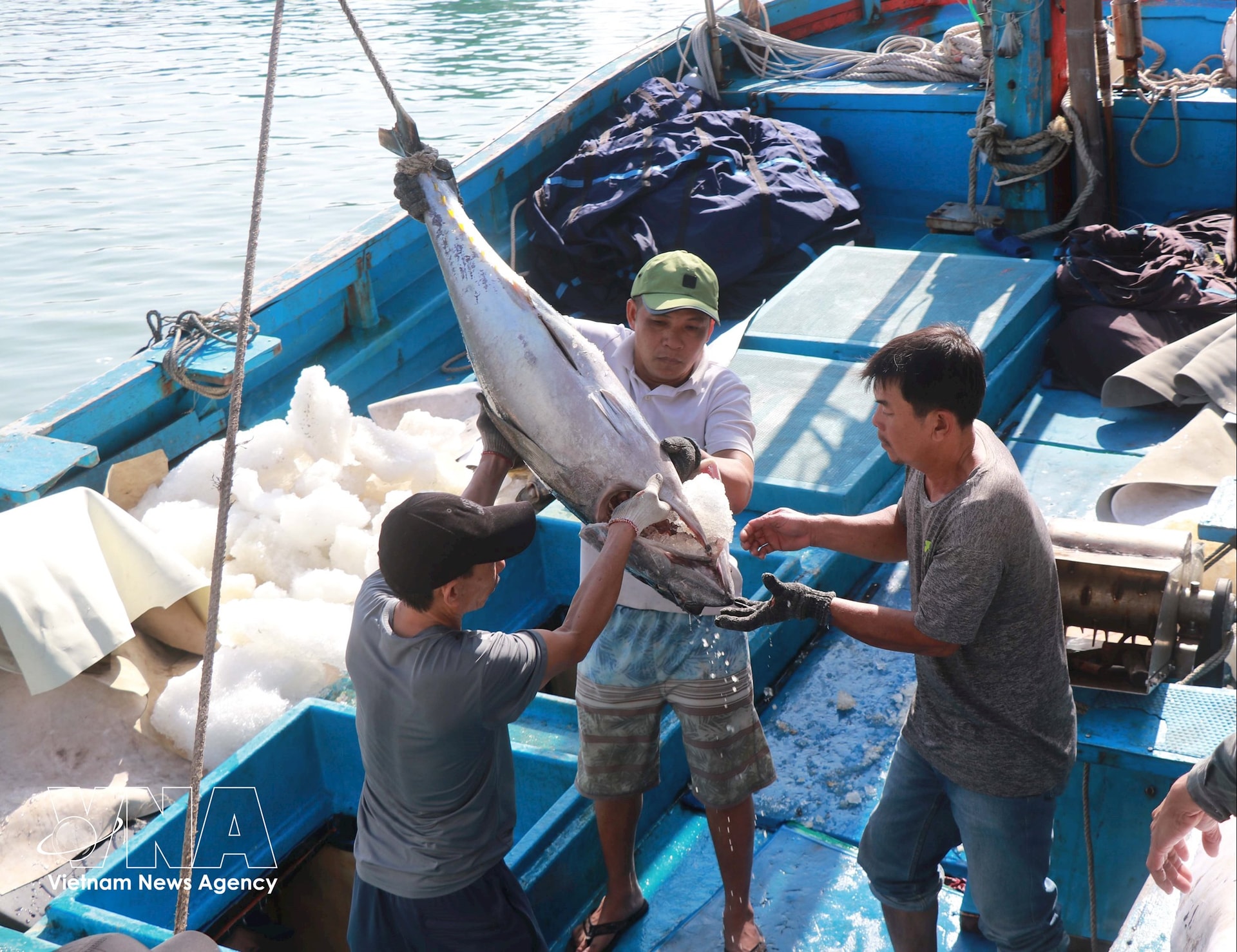
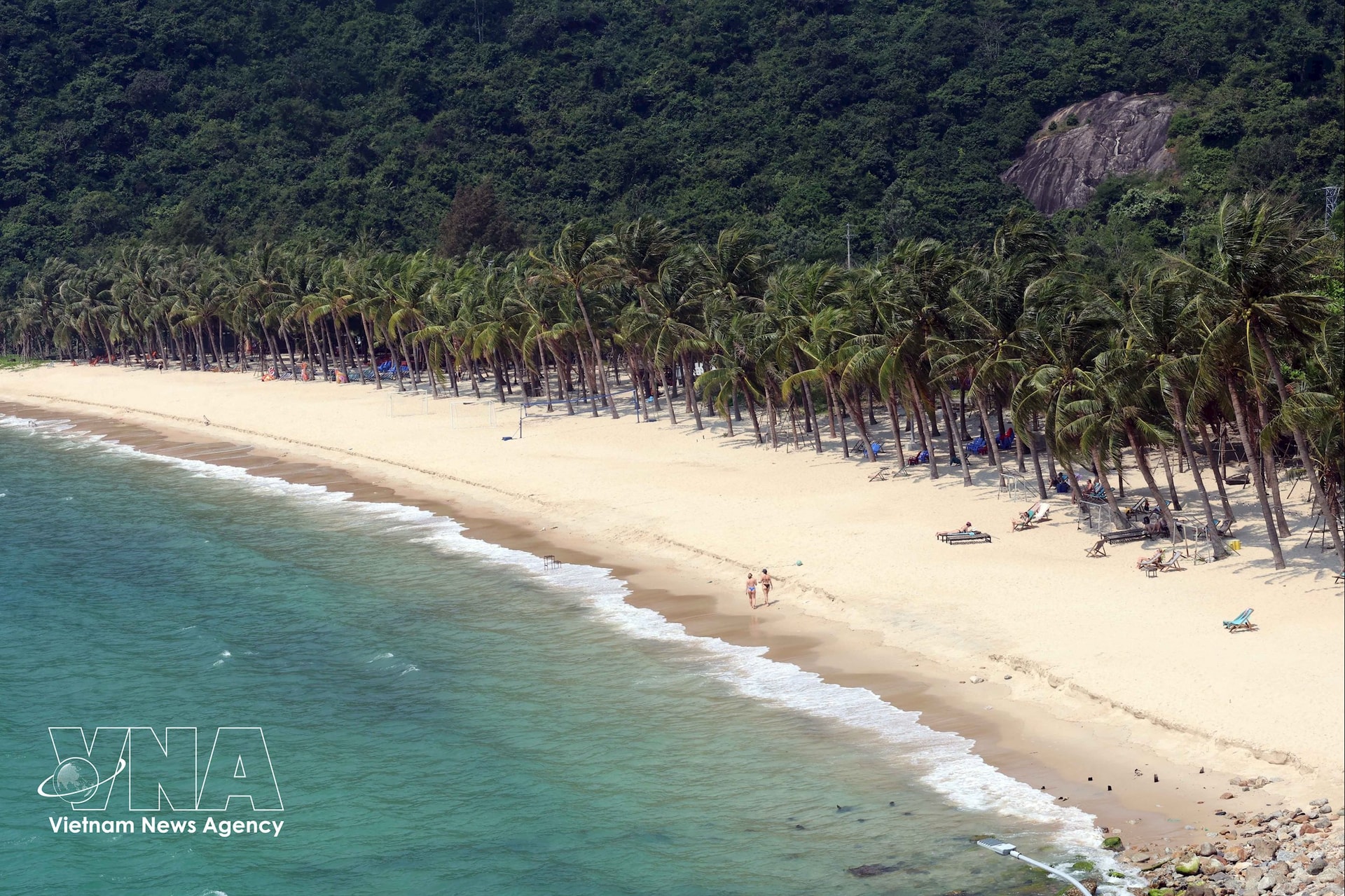
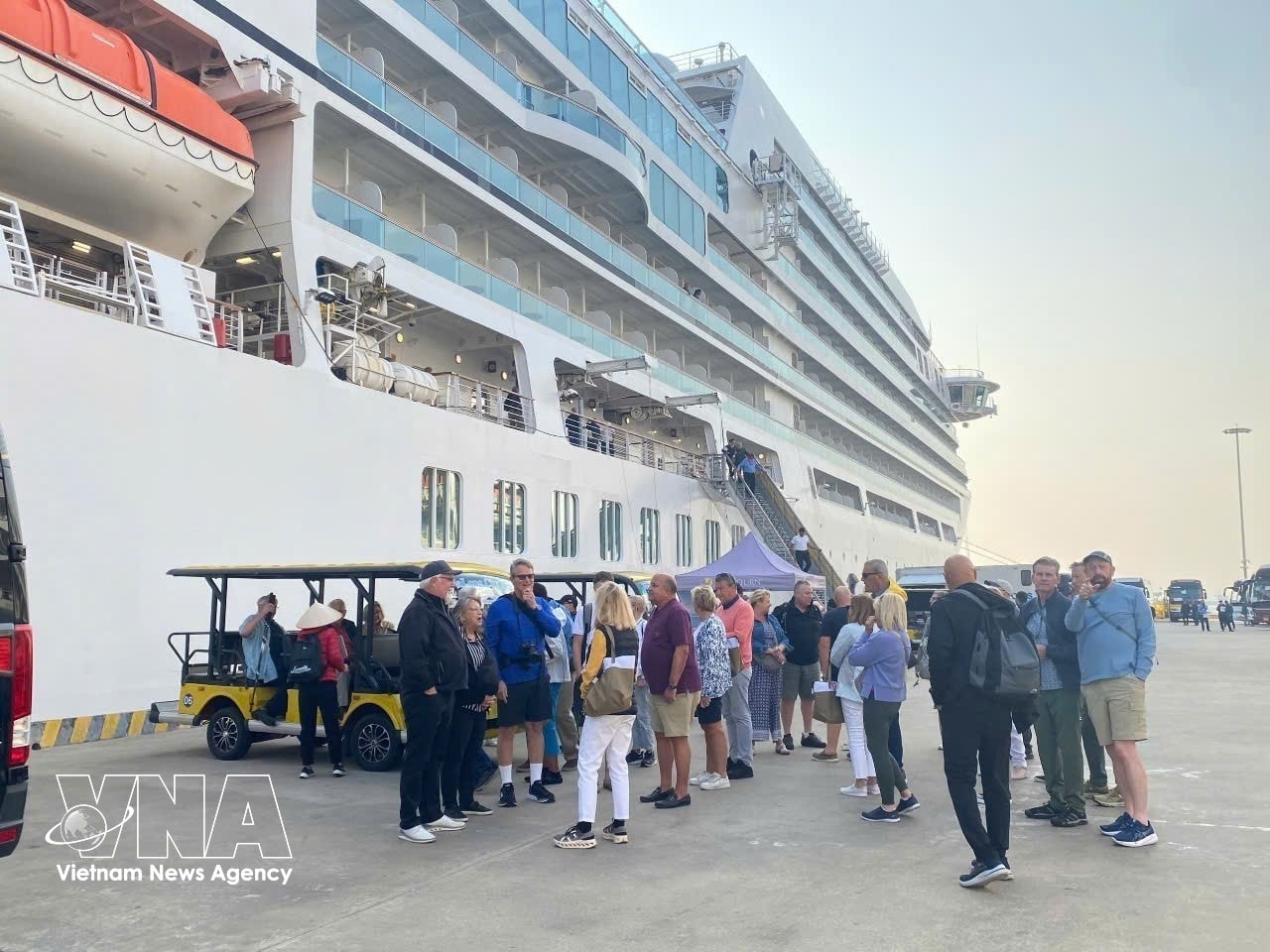
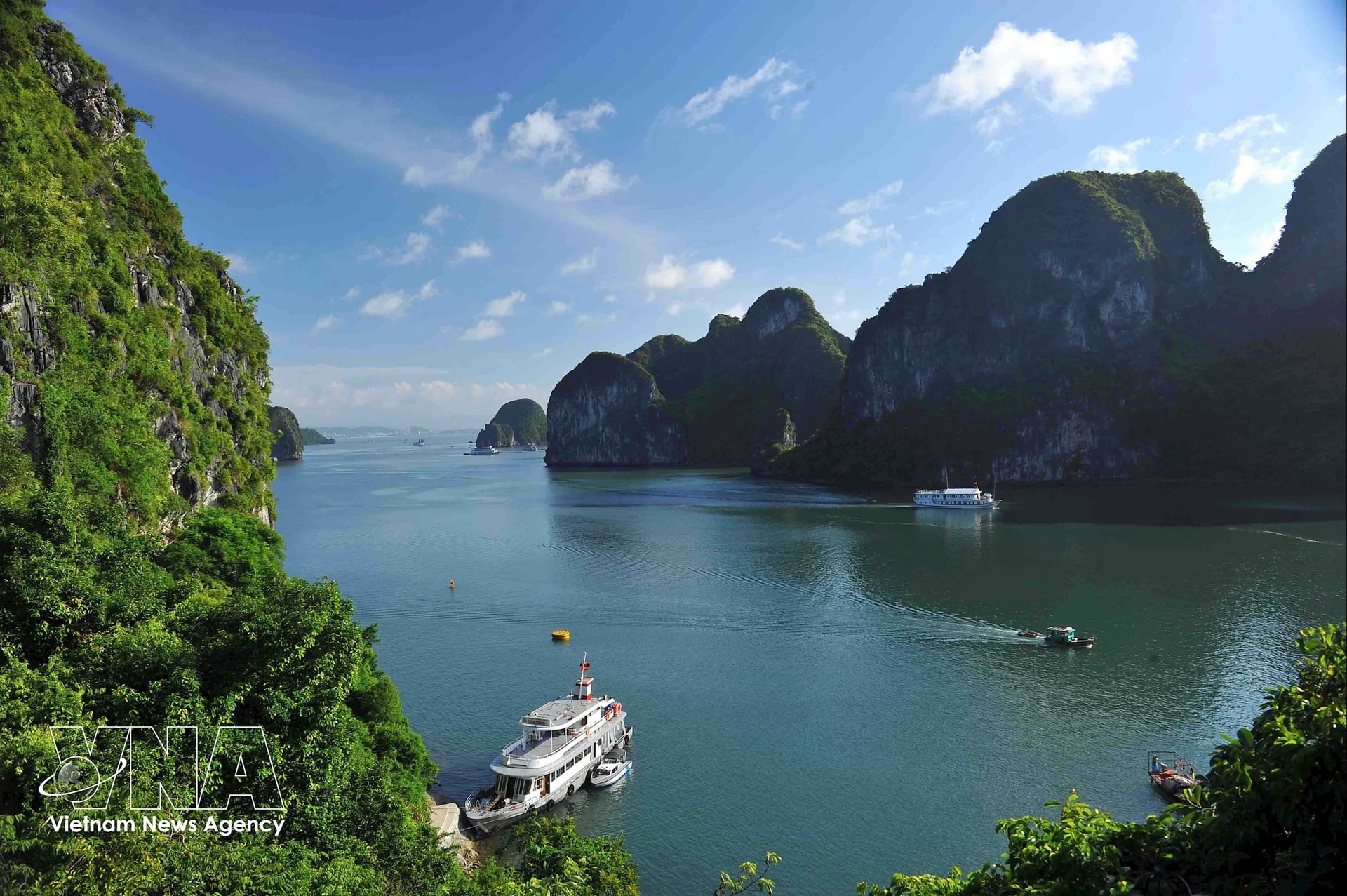
Cai Mep International Terminal (CMIT) has fulfilled criteria required for a green port. (Photo: VNA)Fishermen in Khanh Hoa province haul in bigeye yellowfin tuna during the peak fishing season. (Photo: VNA)A stunning white-sand beach on Cu Lao Cham Island in Da Nang city (Photo: VNA)A cruise ship carries visitors to Ha Long Bay. (Photo: VNA)
Nguyen Quoc Toan, Director of the Vietnam Agency of Seas and Islands (Photo: VnEconomy)
Nguyen Quoc Toan, Director of the Vietnam Agency of Seas and Islands, warned that unless waste is controlled at its source, environmental quality in many coastal areas will continue to deteriorate. Critical ecosystems such as coral reefs, seagrass beds and mangrove forests will face further degradation, directly threatening the livelihoods of coastal communities. What is particularly concerning is that such damage often occurs gradually and silently, yet leaves long-lasting consequences that are difficult to reverse.
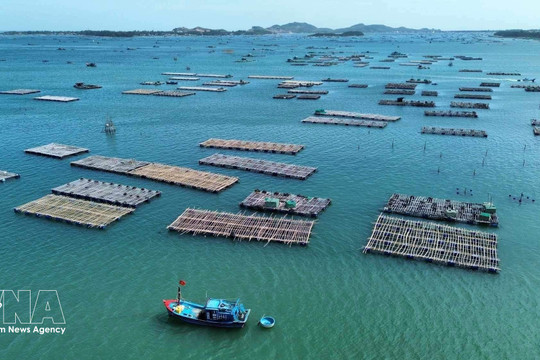
In reality, the marine environment is affected not only by industrial or urban hotspots. Traditional aquaculture zones are also facing growing waste-related pressures. In the south-central province of Khanh Hoa, where Van Phong Bay is regarded as one of Vietnam’s most promising areas for high-tech lobster and marine fish farming, damaged foam floats, plastic bags, feed packaging and household waste generated in concentrated farming areas once placed considerable pressure on the environment. Le Dinh Khiem, head of Khanh Hoa’s fisheries, sea and islands sub-department, stressed that a clean environment is the foundation of sustainable marine farming. If marine aquaculture is to develop in the long term, environmental protection must come first.
Quang Ninh province is actively rolling out the 'Ha Long Bay Without Plastic Waste' programme. (Photo: VNA)
This message extends beyond Khanh Hoa and resonates throughout Vietnam’s broader strategy for developing a blue economy. In many localities, such thinking is gradually being translated into concrete action. The northeastern province of Quang Ninh provides a notable example. As a major centre for tourism, maritime activities and marine aquaculture, it recognised early on that failing to protect Ha Long Bay and its marine ecosystems would erode its most valuable competitive advantage. Its pioneering efforts to completely replace foam floats with HDPE floating materials in aquaculture, relocate illegal farming facilities and implement the “Ha Long Bay Without Plastic Waste” programme demonstrate a more determined approach to marine environment protection.
Recent monitoring results indicate that water quality in Ha Long Bay remains good and continues to improve, while coral reef ecosystems are beginning to show signs of recovery. These outcomes demonstrate that strict management, targeted investment and community participation can help restore marine ecosystems.
Con Co Marine Reserve covers about 4,300 ha, home to 954 species of organisms, over 260 species of fish, and 137 species of coral. (Photo: VNA)
In the central province of Quang Tri, conservation efforts on Con Co Island offer another perspective: protecting the sea is not simply about preserving the status quo but also about actively restoring ecosystems. Home to 954 recorded marine species and relatively intact coral reef systems, Con Co is considered a biodiversity treasure trove. The management board of the Con Co Marine Protected Area is implementing measures such as coral cultivation, mangrove restoration, fisheries resource regeneration and the application of artificial intelligence (AI) and remote sensing technologies for marine environment monitoring. This approach reflects a new mindset: marine conservation cannot rely solely on restricting exploitation. It must also focus on ecosystem restoration and the creation of sustainable livelihoods for local communities.
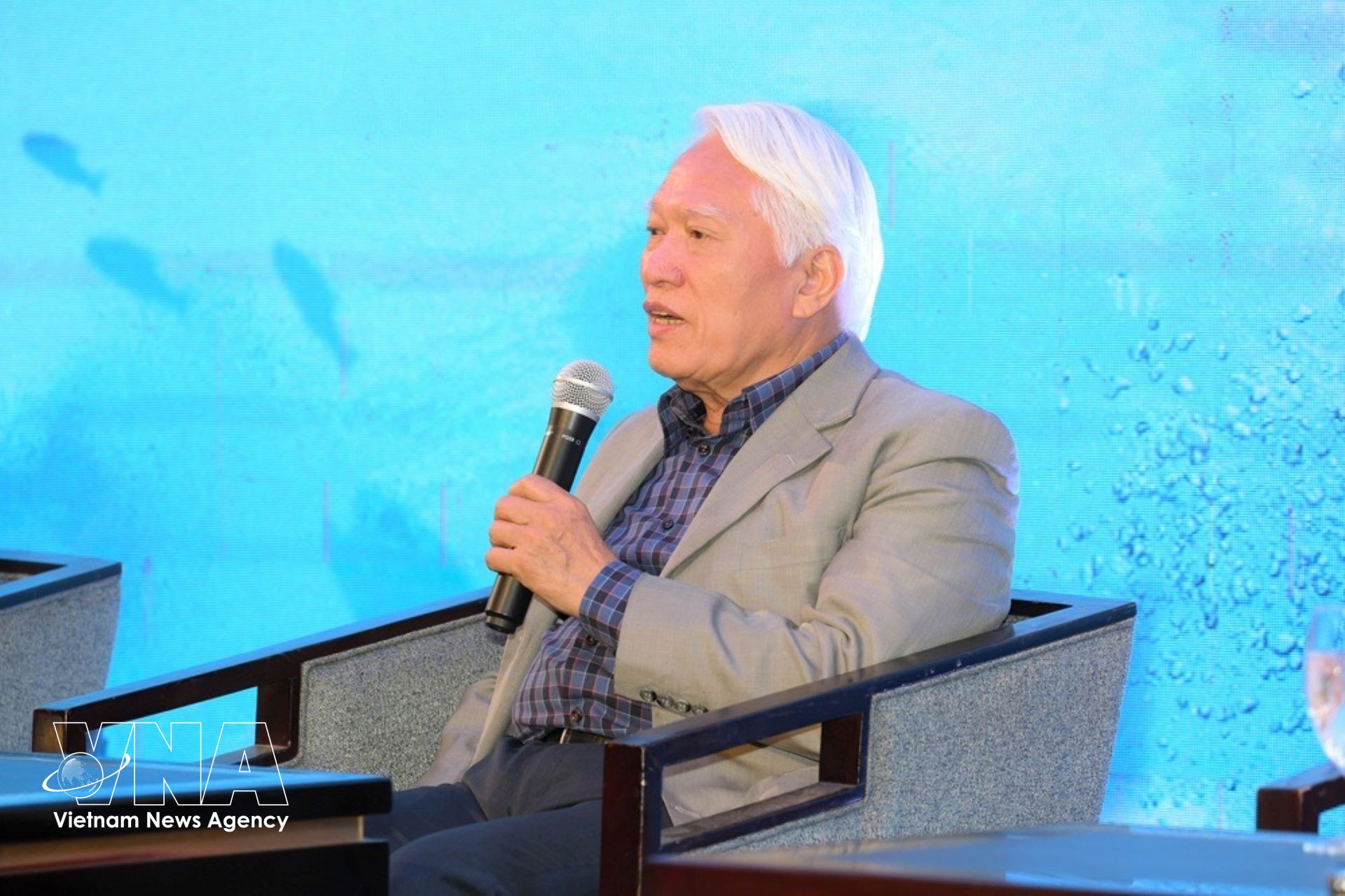
Assoc. Prof. Dr. Nguyen Chu Hoi, Permanent Vice Chairman of the Vietnam Fisheries Society (Photo: VNA)
“
Sea is a three-dimensional space with multiple uses and interests. Therefore, governance should move away from a sector-based approach toward integrated and cross-sectoral management.
Assoc. Prof. Dr. Nguyen Chu Hoi, Permanent Vice Chairman of the Vietnam Fisheries Society
Assoc. Prof. Dr. Nguyen Chu Hoi, Permanent Vice Chairman of the Vietnam Fisheries Society, believes that the sea is a three-dimensional space with multiple uses and interests. Therefore, governance should move away from a sector-based approach toward integrated and cross-sectoral management. According to Hoi, management tools should be ecosystem-based. Rather than focusing on individual species or isolated activities, authorities should manage entire habitats and the factors affecting them. This approach has increasingly become the norm in modern marine governance around the world.
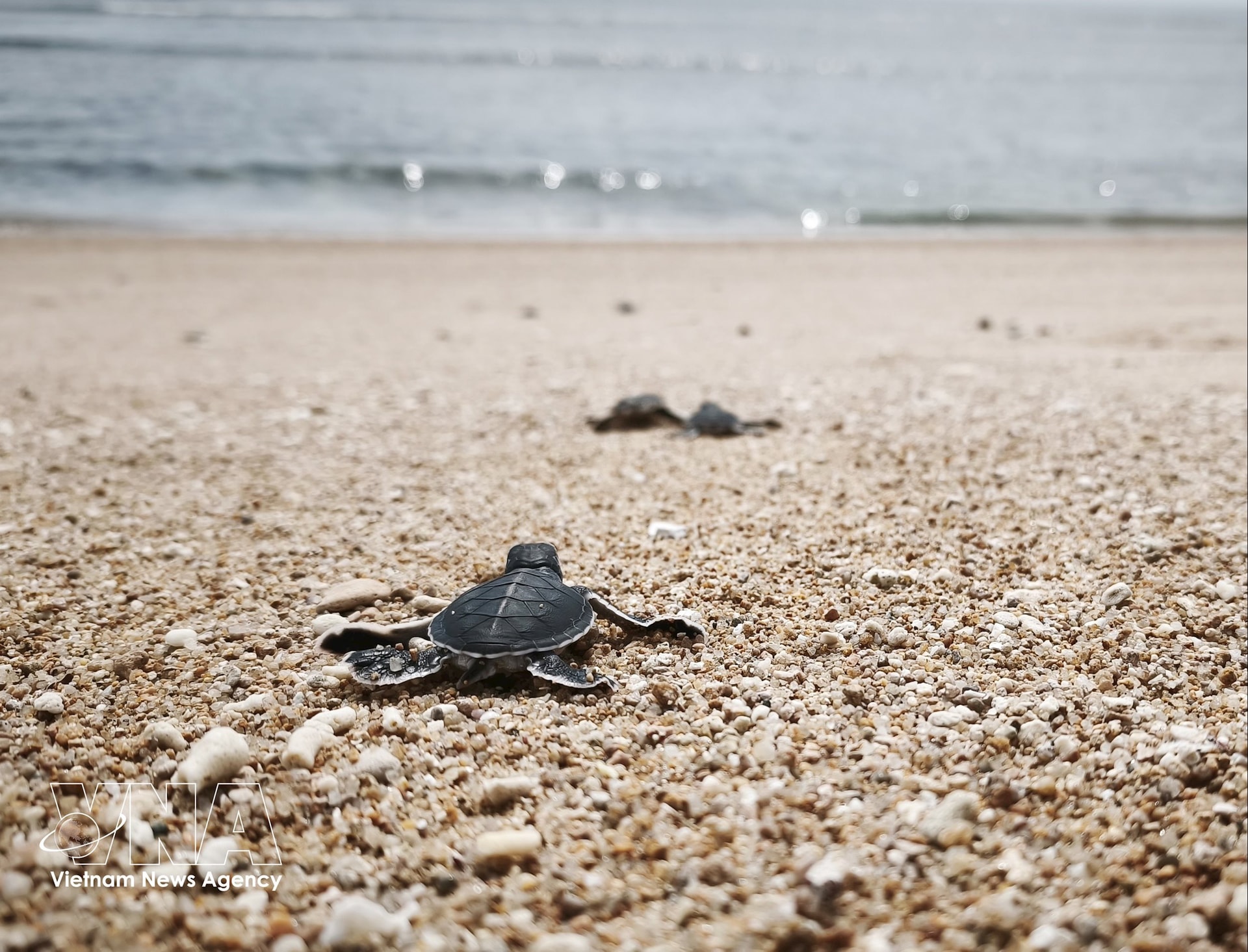
Baby sea turtles make their way back to the ocean in Nui Chua National Park in Vinh Hai commune, Khanh Hoa province. (Photo: VNA)
The perspective is particularly relevant as Vietnam revises its Law on Marine and Insular Resources and Environment. Hoi argued that relying solely on traditional management methods would make it difficult to achieve the dual objectives of developing a blue economy and conserving biodiversity. Vietnam aims to expand marine and coastal protected areas to around 6% of its natural sea area by 2030. However, Hoi emphasised that the key issue is not merely increasing protected area coverage, but enhancing ecosystem recovery and generating positive ecological spillover effects for surrounding marine regions.
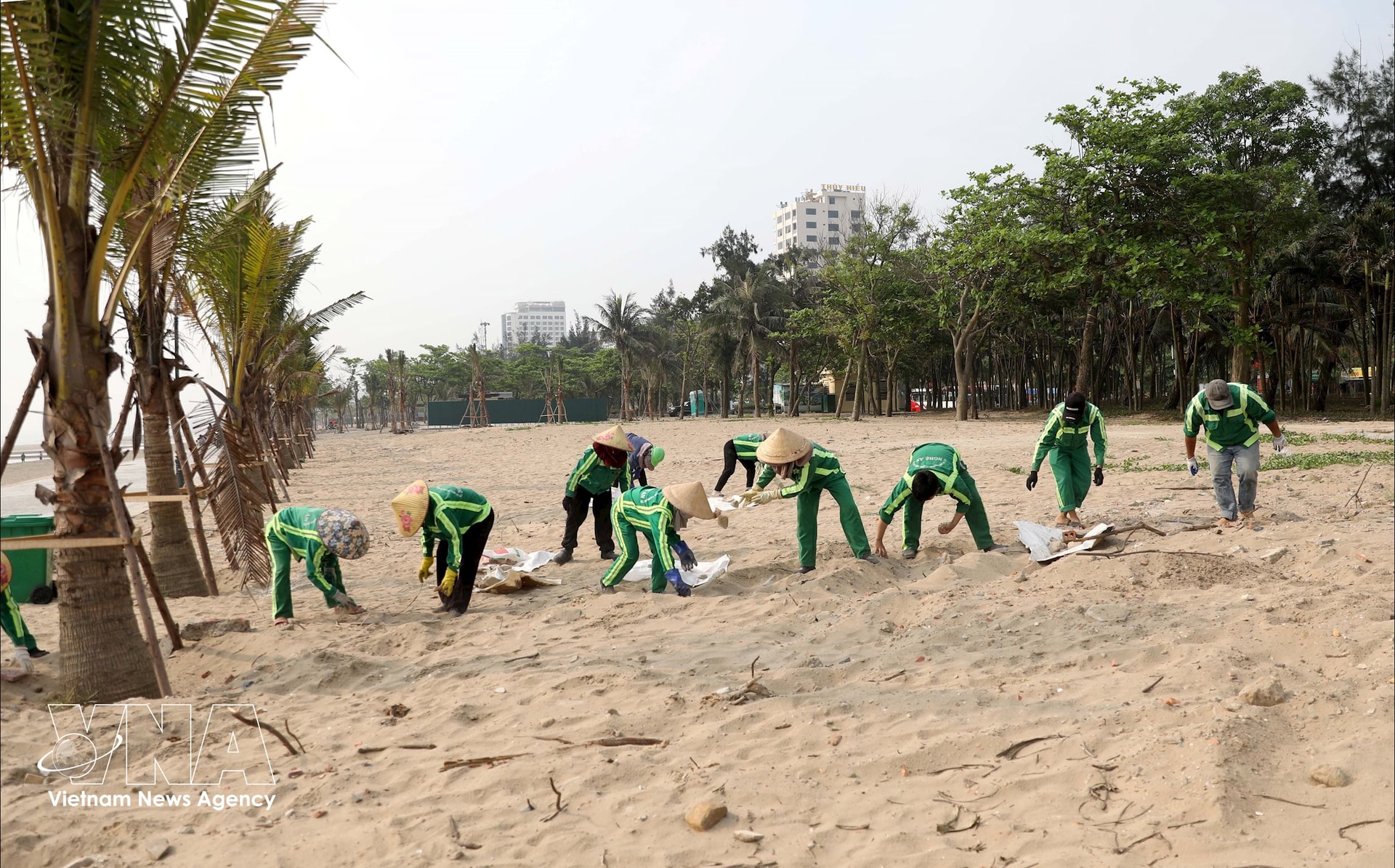
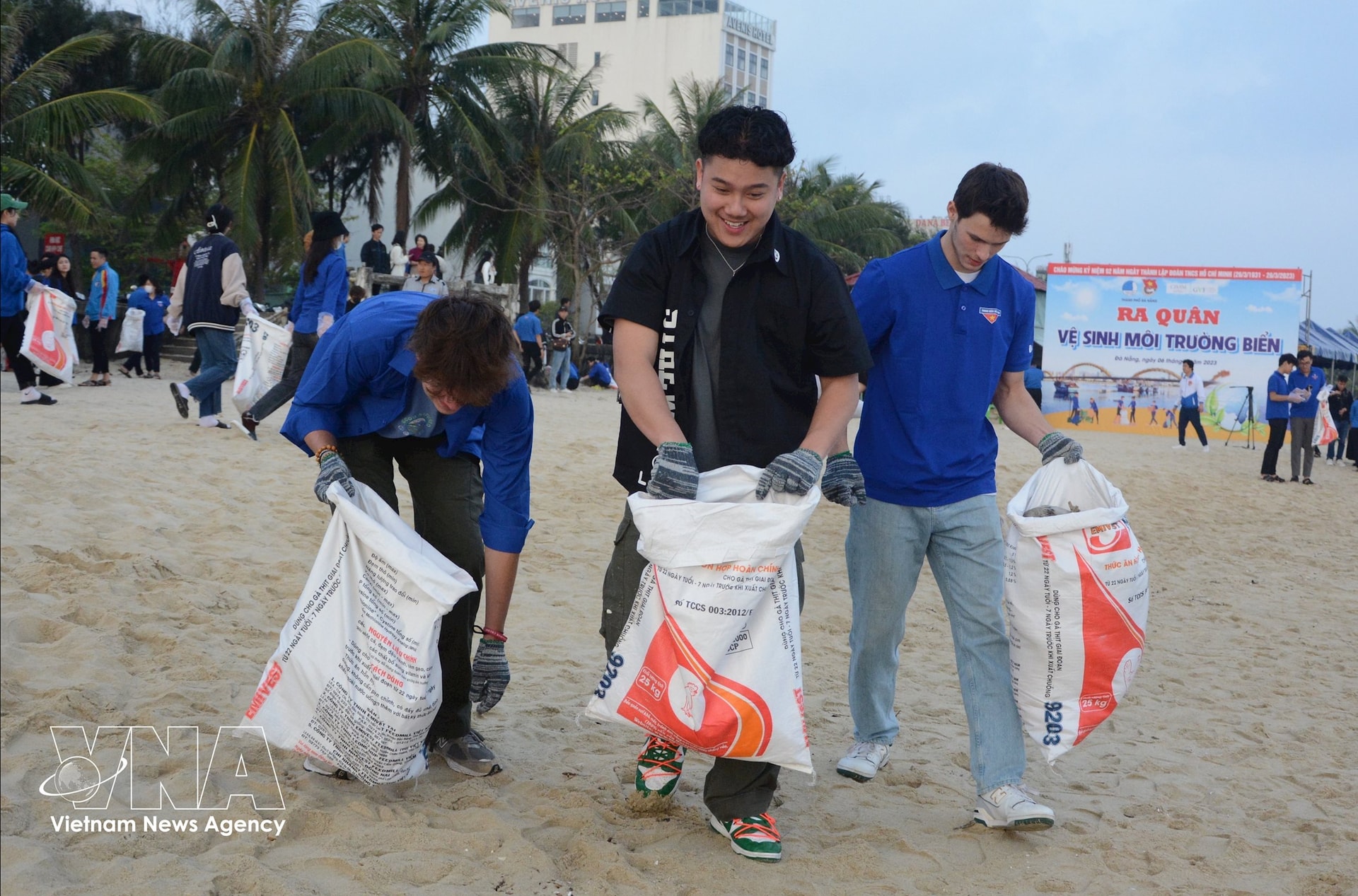
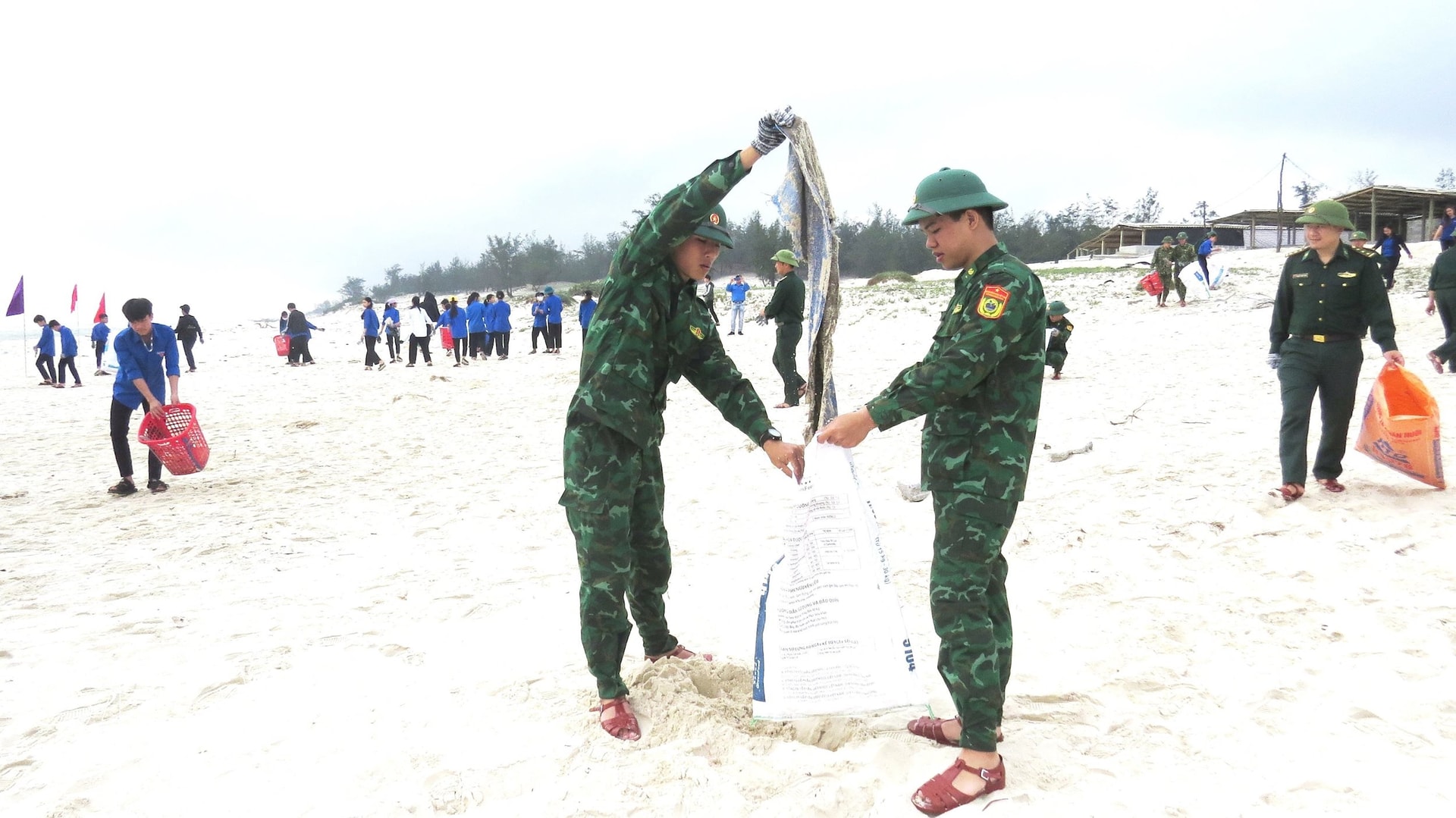
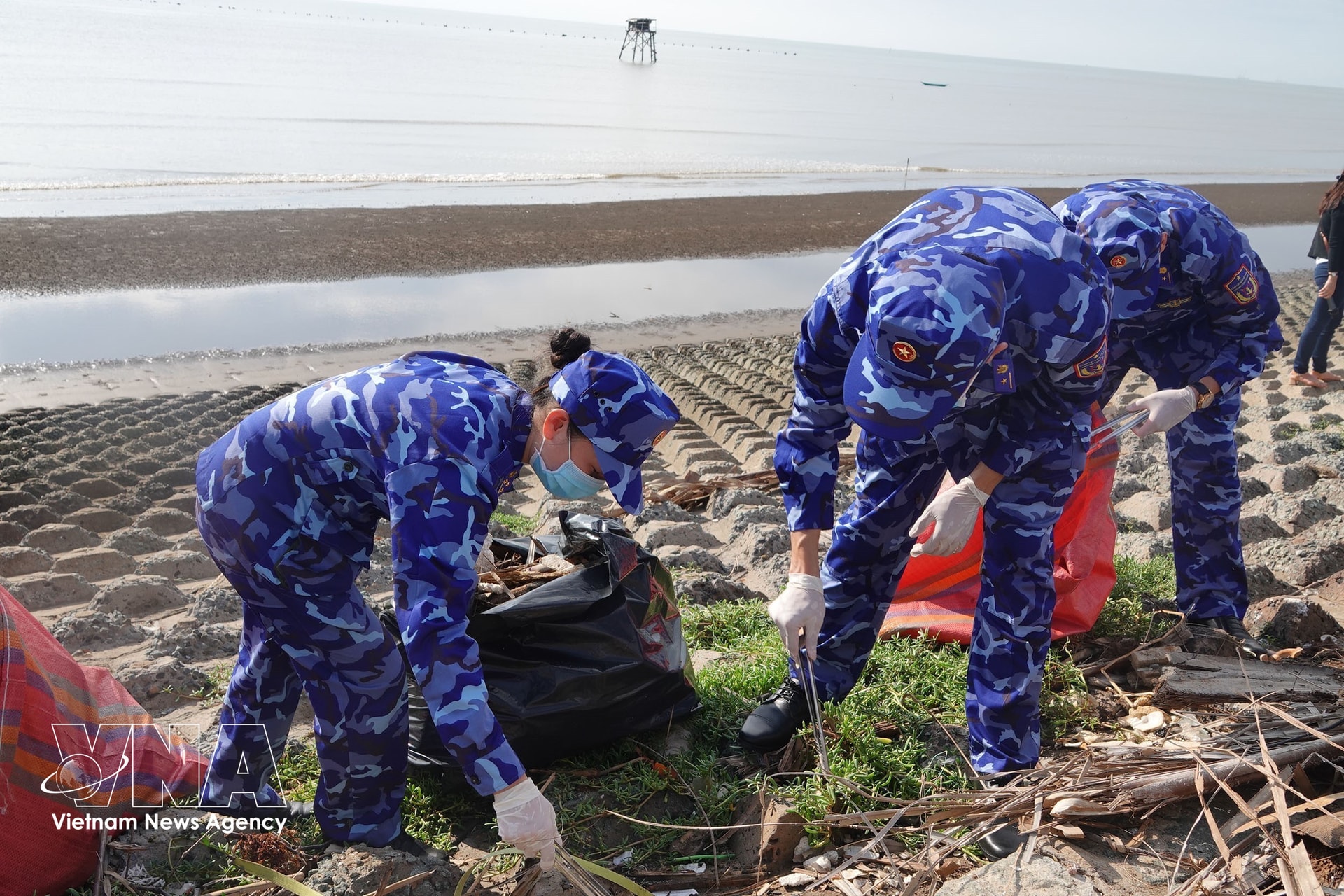
Workers of Nghe An Environment and Urban Works Joint Stock Company clean up a beach in the central province. (Photo: VNA)Youth union members in Da Nang city take part in a beach clean-up campaign along Nguyen Tat Thanh Street. (Photo: VNA)Youth union members of the Quang Tri provincial Border Guard Command collect waste and clean up the beach. (Photo: VNA)Youth union members participate in a beach clean-up campaign in Tien Giang province. (Photo: VNA)
Marine environment protection cannot succeed without active community participation. Small but meaningful initiatives, such as installing fish-shaped rubbish bins carrying the message “Keep the Sea Blue – Feed Me Plastic Waste!” at coastal areas, fishing ports and wharves, have helped change the behaviour of residents and visitors alike. In Quang Ninh’s fishing communities, the “Civilised Fishing Villages” model is promoting solidarity among fishermen, responsible fishing practices and environmental protection as an integral part of local maritime culture.
Protecting the sea begins with everyday actions: refraining from littering, collecting waste after fishing trips, using environmentally friendly materials in aquaculture and reducing single-use plastics in marine tourism. However, for these individual actions to generate meaningful changes, a more comprehensive policy system is needed. This includes stricter control of coastal pollution sources, implementation of extended producer responsibility (EPR), promotion of the circular economy and stronger pollution monitoring through modern technologies.
Keeping the sea blue is not only about protecting nature. It is also about safeguarding the livelihoods of millions of coastal residents, protecting tourism and fisheries industries, and advancing Vietnam’s aspiration to become a strong maritime nation./.
Truong Sa Lon (Big Spratly) of Vietnam (Photo: VNA)
Bình luận của bạn đã được gửi và sẽ hiển thị sau khi được duyệt bởi ban biên tập.
Ban biên tập giữ quyền biên tập nội dung bình luận để phù hợp với qui định nội dung của Báo.
.jpg "Морская аквакультура – новый драйвер морской экономики Вьетнама")