Party's clear-sighted leadership: Decisive factor behind every victory of Vietnam's revolution
VNA•16/01/2026 18:16
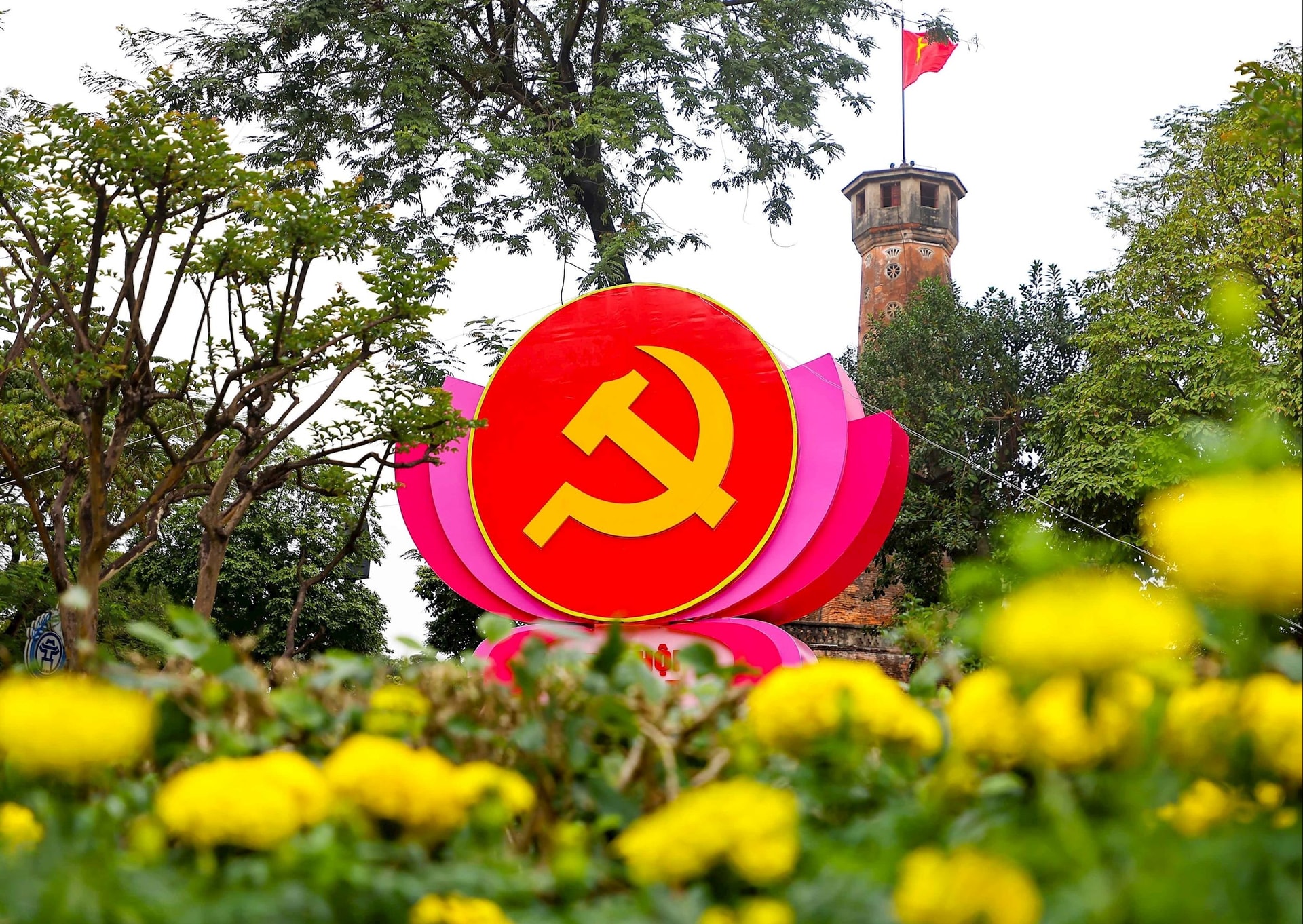
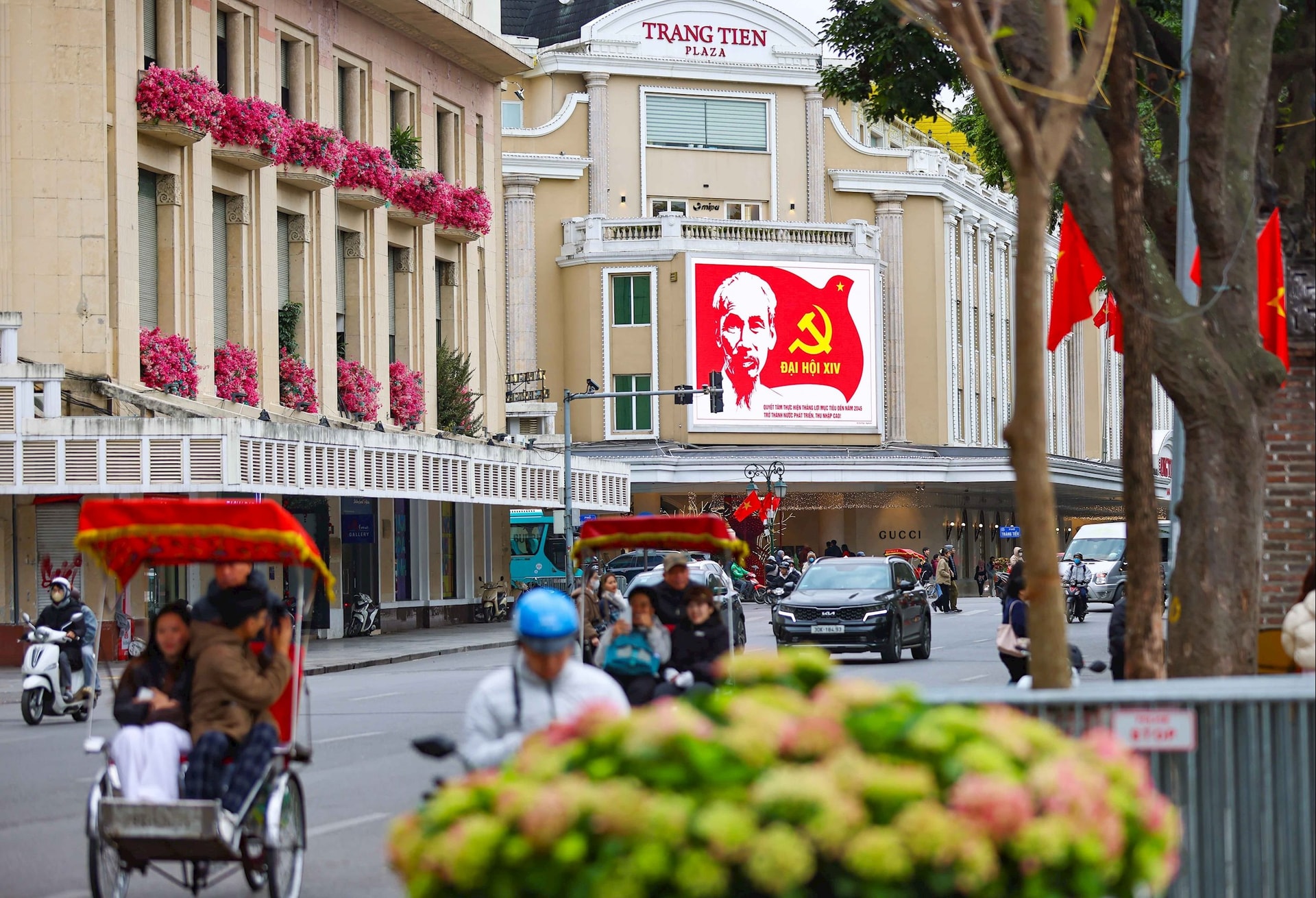
Hanoi is awash with flags and flowers in celebration of the 14th National Congress of the Communist Party of Vietnam. (Photo: VNA)
“
The establishment of the Communist Party of Vietnam on February 3, 1930 marked an inevitable turning point in the nation’s history. It was a brilliant milestone in the long journey of constructing, safeguarding, and developing the country.
Since the Party's foundation, the Vietnamese revolution has thrived through rich and dynamic practice, proving that the Party’s clear-sighted and visionary leadership has been the key to every success, shaping historic achievements of the nation.
Leading struggles for national liberation and reunification
Over three continuous decades, from 1945 to 1975, the Party organised and led two protracted wars of resistance to resounding victory, creating events of international significance and profound historical impact.
The triumph of the historic Dien Bien Phu Campaign and the signing of the Geneva Accords in 1954 brought an end to the French colonial rule in Vietnam, completely liberated the North, set it firmly on the path to socialism, and established the region as a solid rear base for the struggle to liberate the South and reunify the country.
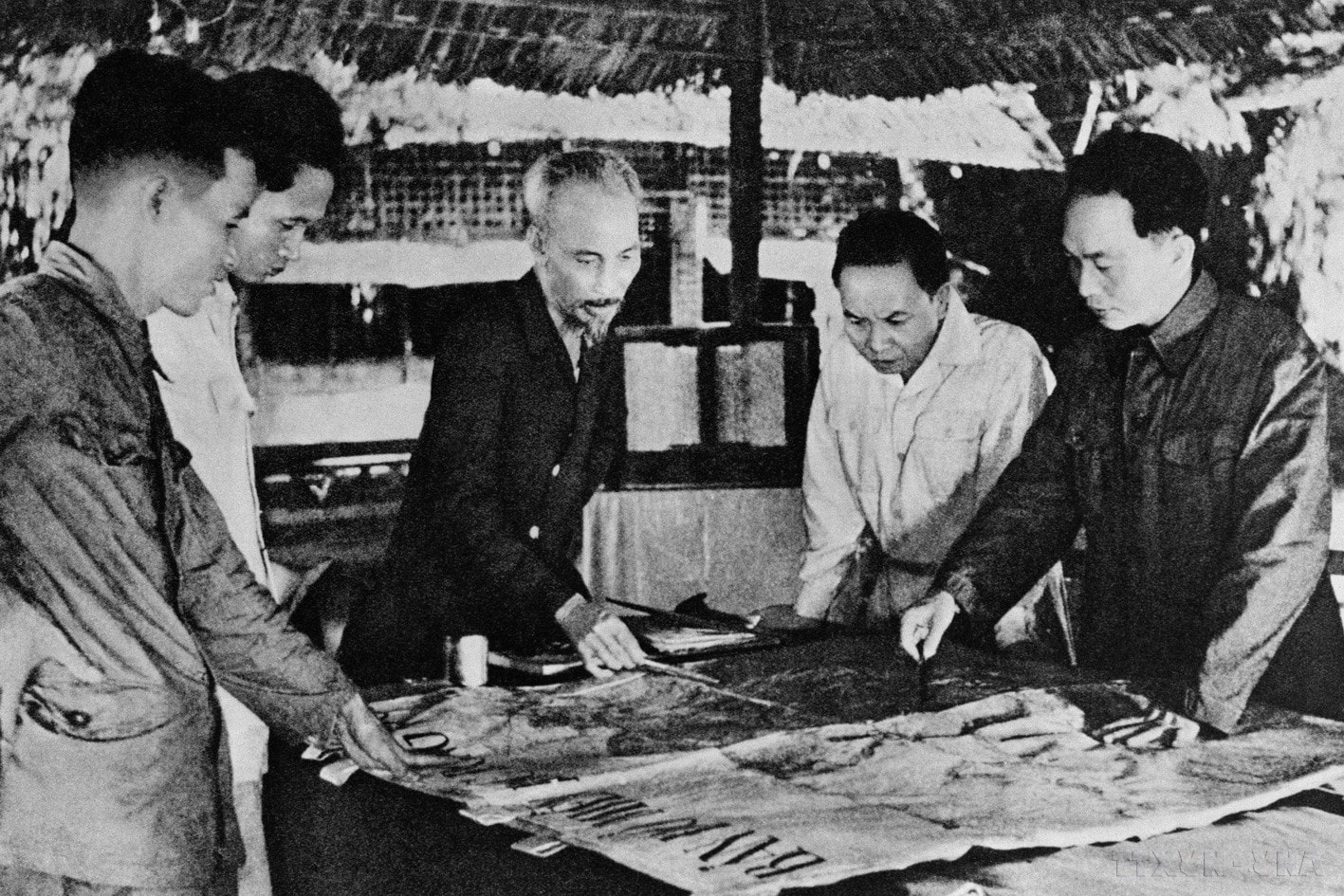
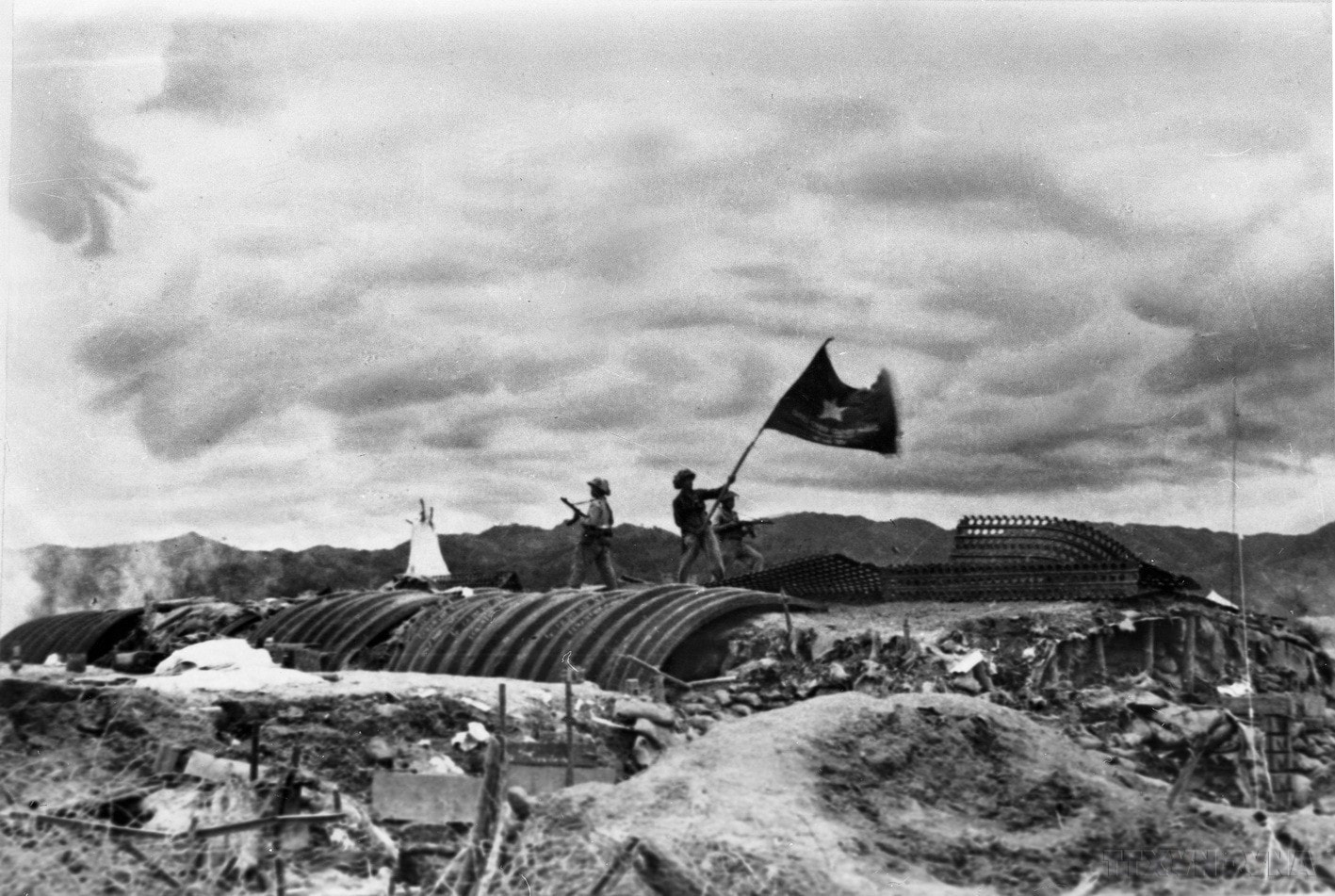
In late 1953, in the revolutionary base of Viet Bac, President Ho Chi Minh and Party leaders decided to launch the Dien Bien Phu Campaign, determined to destroy the French colonialists' strongest fortified complex in Dien Bien Phu. (File photo: VNA)On May 7, 1954, the historic Dien Bien Phu Campaign ended in victory as the enemy’s entire fortified complex in Dien Bien Phu was destroyed. The “Determined to fight, determined to win” flag flew proudly atop General de Castries’ bunker. (File photo: VNA)
With a sound and clear-sighted leadership line, the indomitable fighting spirit that enabled the Vietnamese people to brave every hardship and sacrifice, and the invaluable support of socialist countries and peace-loving peoples worldwide, the Party led the nation to defeat the brutal war strategies of the US imperialists. These glorious victories culminated in the historic Ho Chi Minh Campaign, which ended 30 years of war for national liberation, fully liberating the South and reunifying the Fatherland.
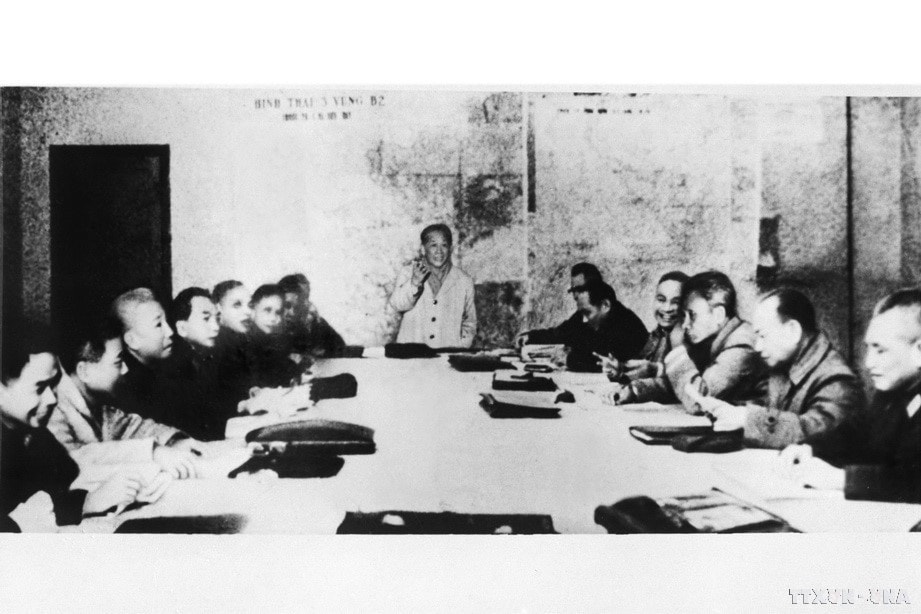
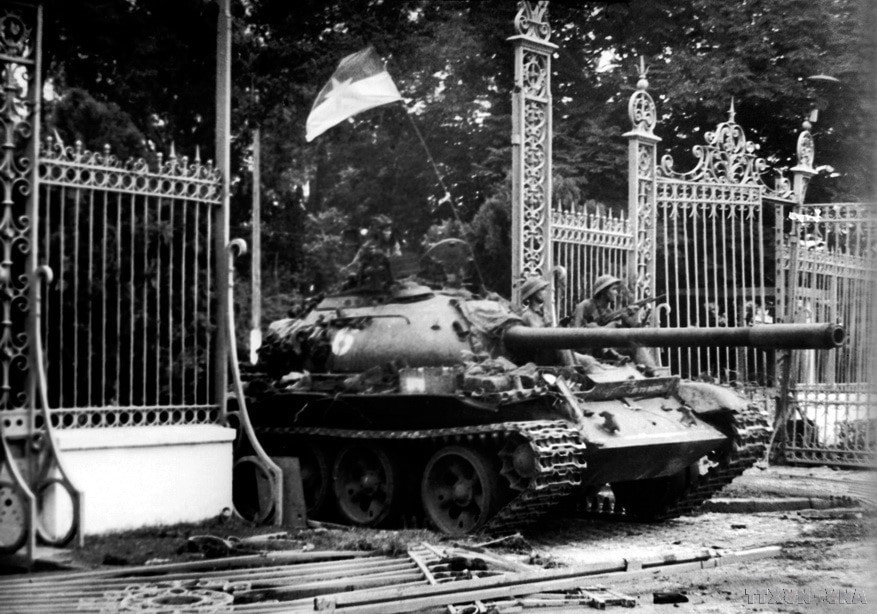
Members of the Politburo, the Party Central Committee's Secretariat and the Central Military Commission met in November 1974, deciding to launch the Spring 1975 General Offensive and Uprising. (Photo: VNA)At 11:30 a.m. on April 30, 1975, Liberation Army tanks smashed through the iron gates and seized the Saigon puppet regime's Presidential Palace—the enemy’s final stronghold, bringing a glorious close to the nation’s 30-year war of resistance against foreign aggression. (Photo: VNA)
During the resistance war against the US, the Party led the people of the North in overcoming the war’s aftermath, rebuilding socioeconomic life, implementing socialist reforms, and moving on the path of transition to socialism. The North made significant progress, establishing the initial material and technical foundations for socialism, blending production with combat, and providing crucial manpower and resources to fulfil its role as the strong rear base for the southern frontline.
Leading renewal, integration, national development
Following the national reunification, the Party focused on reconstructing the country and stabilising people’s lives. Facing severe challenges, including a socioeconomic crisis, a centrally planned and subsidy-based mechanism that constrained development, and widespread hardship, it boldly initiated a comprehensive Doi moi (renewal) policy at the 6th National Congress in 1986, opening a new chapter in the nation’s history.
After four decades of renewal under the Party’s leadership, Vietnam has overcome formidable obstacles and achieved landmark, historically significant accomplishments. From a war-ravaged, impoverished country that once faced blockade and isolation, Vietnam has emerged as a developing nation with middle-income status, deeply and broadly integrated into global politics, the world economy, and human civilisation. The country now shoulders major international responsibilities and plays an active role in numerous international organisations and key multilateral forums.
In particular, reviewing five years of implementing the Resolution of the 13th Party Congress, it could be affirmed that the 2021–2025 term, though fraught with challenges, recorded comprehensive and important achievements with lasting impact. GDP growth reached 8.02% in 2025 and averaged 6.3% over 2021–2025, among the highest rates regionally and globally. GDP per capita surpassed 5,000 USD, placing Vietnam in the group of upper-middle-income countries and fulfilling one of the major milestones set by the 13th National Party Congress.
Also, last year, total registered FDI reached 38.4 billion USD, with disbursed capital at 27.62 billion USD, the highest since the inception of foreign investment. That brought cumulative FDI during the term to 184.2 billion USD, turning Vietnam into one of the world’s top 15 developing countries in FDI attraction. International trade hit a record high of over 930 billion USD (including agricultural exports exceeding 70 billion USD for the first time) in 2025, placing Vietnam among the world’s top 20 trading nations.
Economic achievements
Economic achievements have translated into profound improvements in people’s living standards. Cultural and social aspects, together with people’s life quality, have improved markedly. Social security remains a top priority of the Party and the State. The early completion of the programme to eliminate makeshift and dilapidated houses (with 334,000 units rebuilt or upgraded), the strong expansion of social housing (more than 100,000 apartments built in 2025), and the rapid reduction in multidimensional poverty (down to just 1.3%) underscore the State’s consistent commitment to people-centred development, especially for vulnerable groups, and to social equity.
Education and health care
In education and health care, long-term policies have been implemented, from free and subsidised tuition at the general education level, expanded school construction, and increased investment in disadvantaged and border areas, to strengthening the healthcare system, resolving long-standing bottlenecks, and laying foundations for comprehensive improvements in public health.
National defence and security
While national defence and security have been continuously consolidated, foreign relations and integration into the world have been elevated. From a once-isolated nation, Vietnam now maintains diplomatic ties with 195 countries and territories. In 2025 alone, it upgraded relations with 17 partners, bringing the total number of countries it has comprehensive or higher-level partnerships with to 42, including comprehensive strategic partnerships with all five permanent members of the United Nations Security Council. Vietnam continues to demonstrate trust in, sense of responsibility towards, and a strong commitment to multilateralism and international law. It has played an active part in the pillars of multilateral mechanisms, particularly the Association of Southeast Asian Nations (ASEAN), the UN, the Asia-Pacific Economic Cooperation (APEC), and sub-regional mechanisms.
Party and political system building
The Party and political system building has been further promoted on the basis of steadfastness, continuity, and renewal, directly enhancing the Party’s leadership capacity and the State’s governance efficiency. The apparatus streamlining conducted last year not only addressed bureaucracy or overlaps but, more importantly, improved governance efficiency, effectiveness, and capacity to meet the requirements of a new development phase.
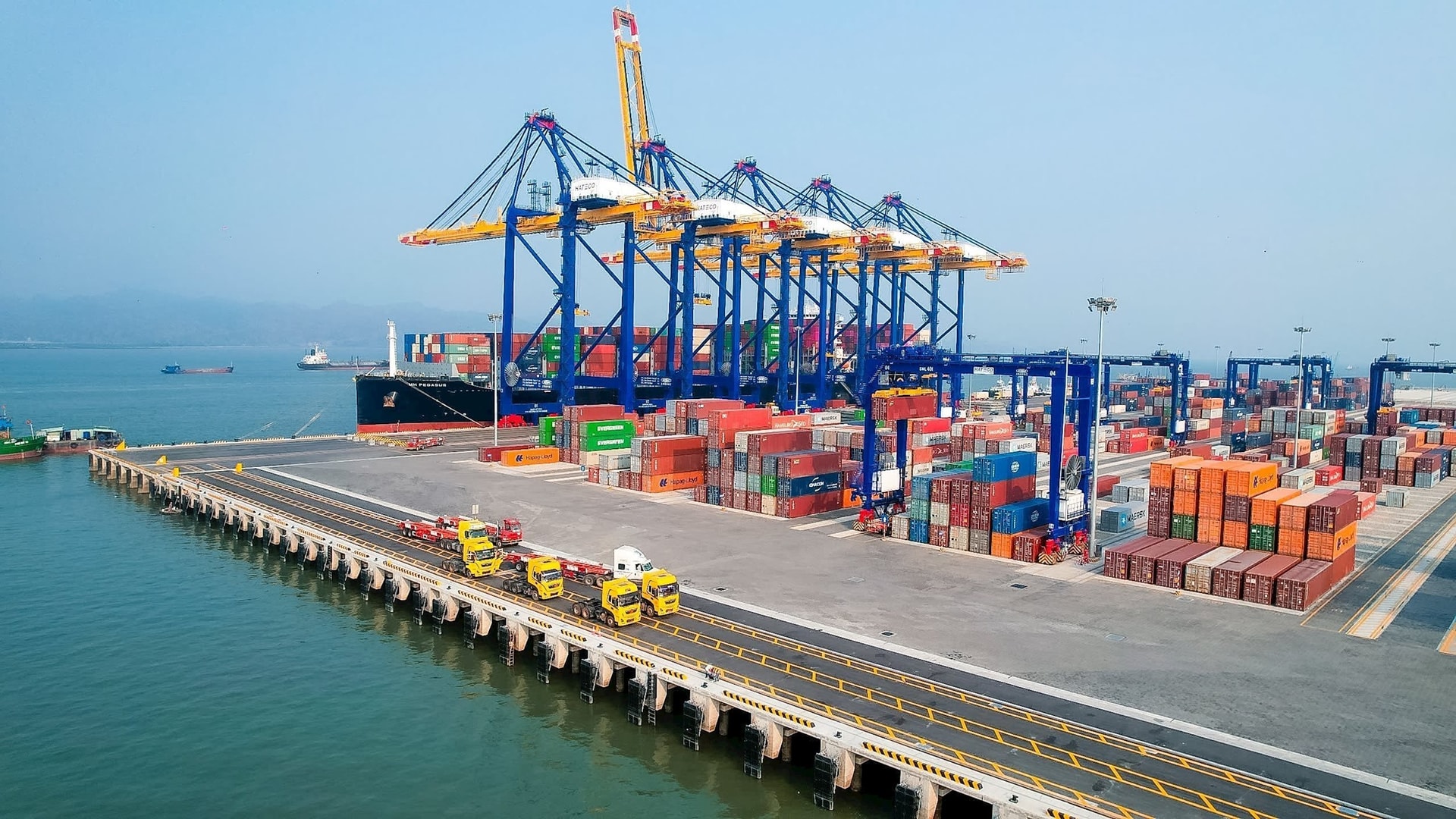
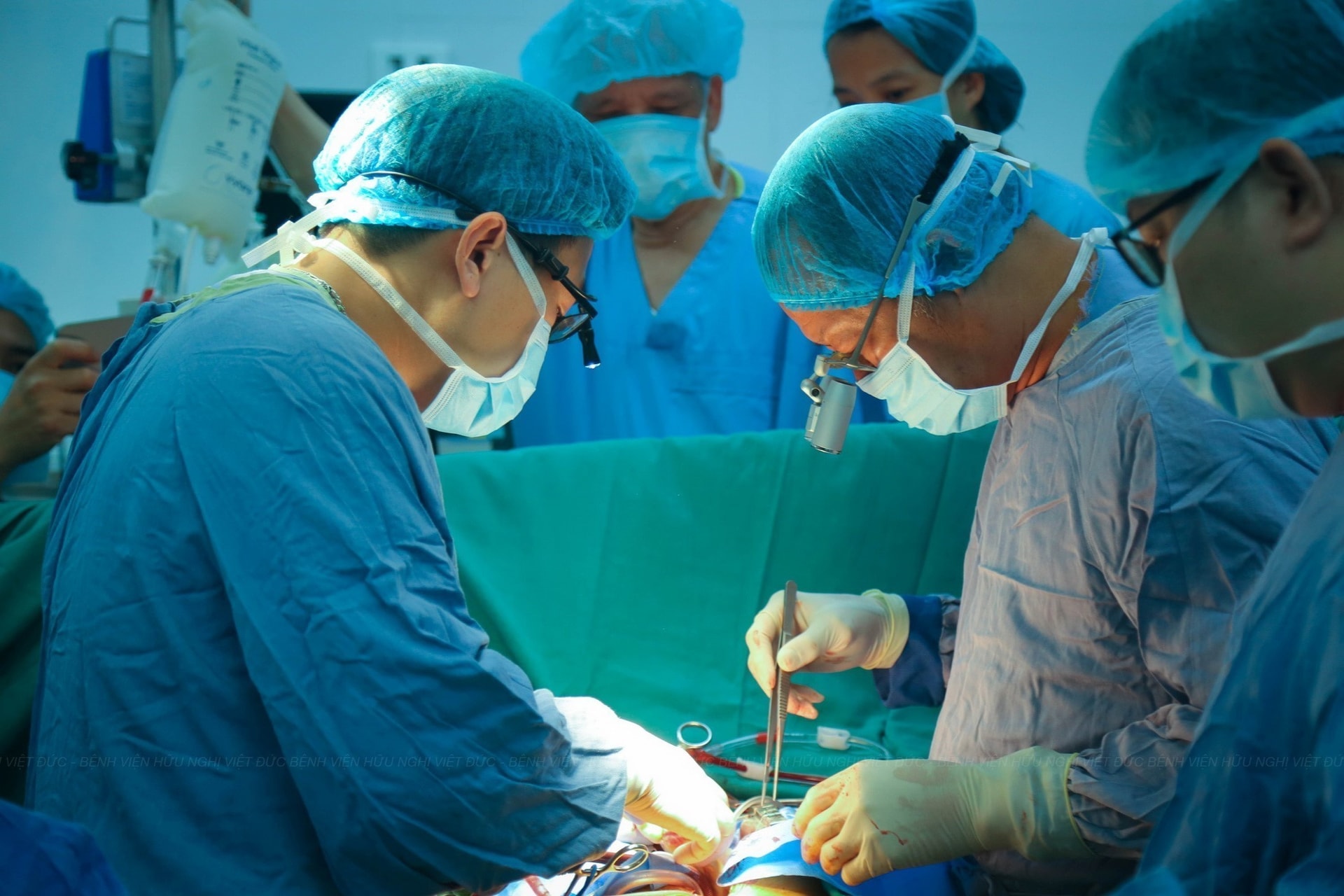
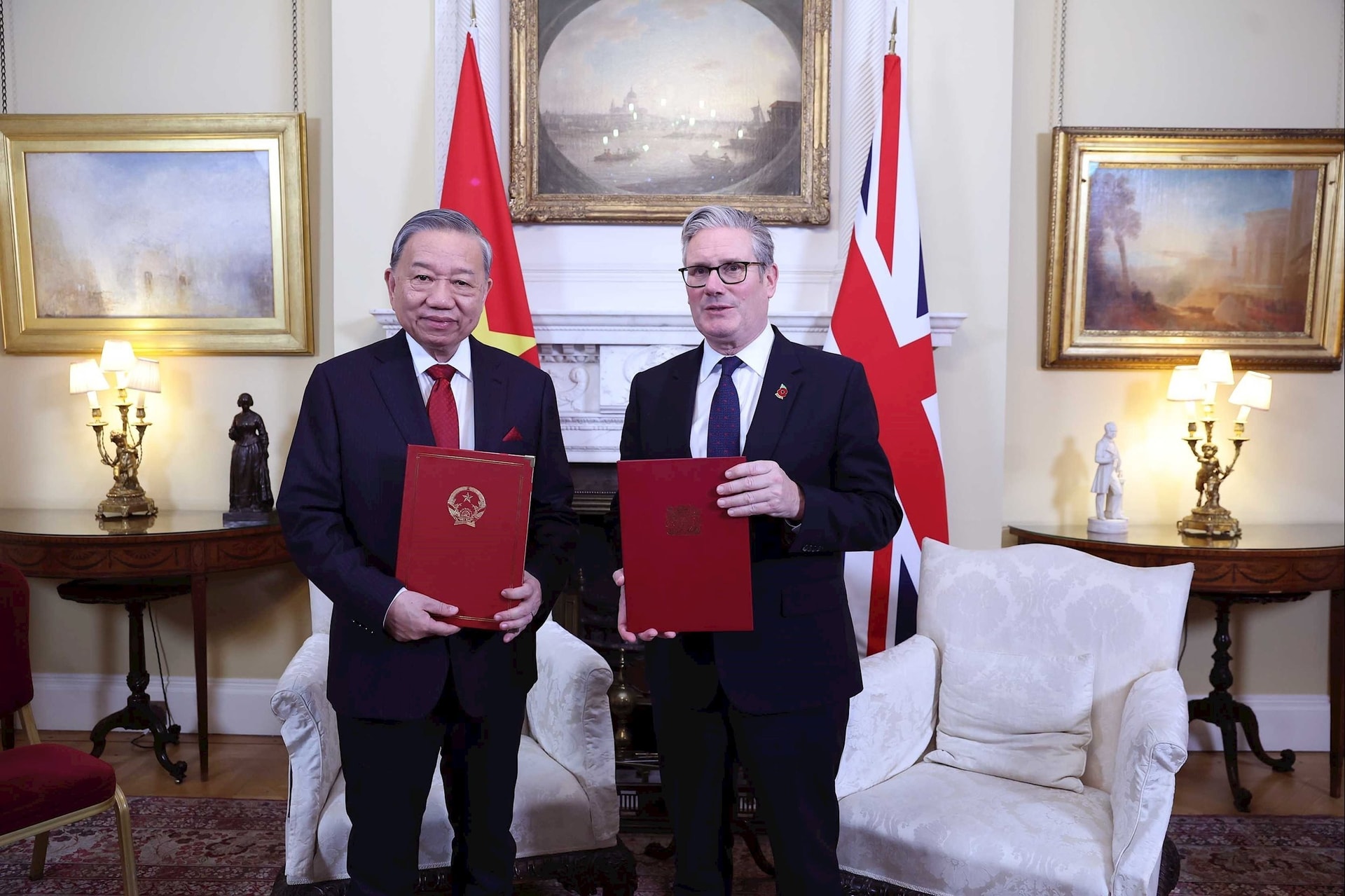
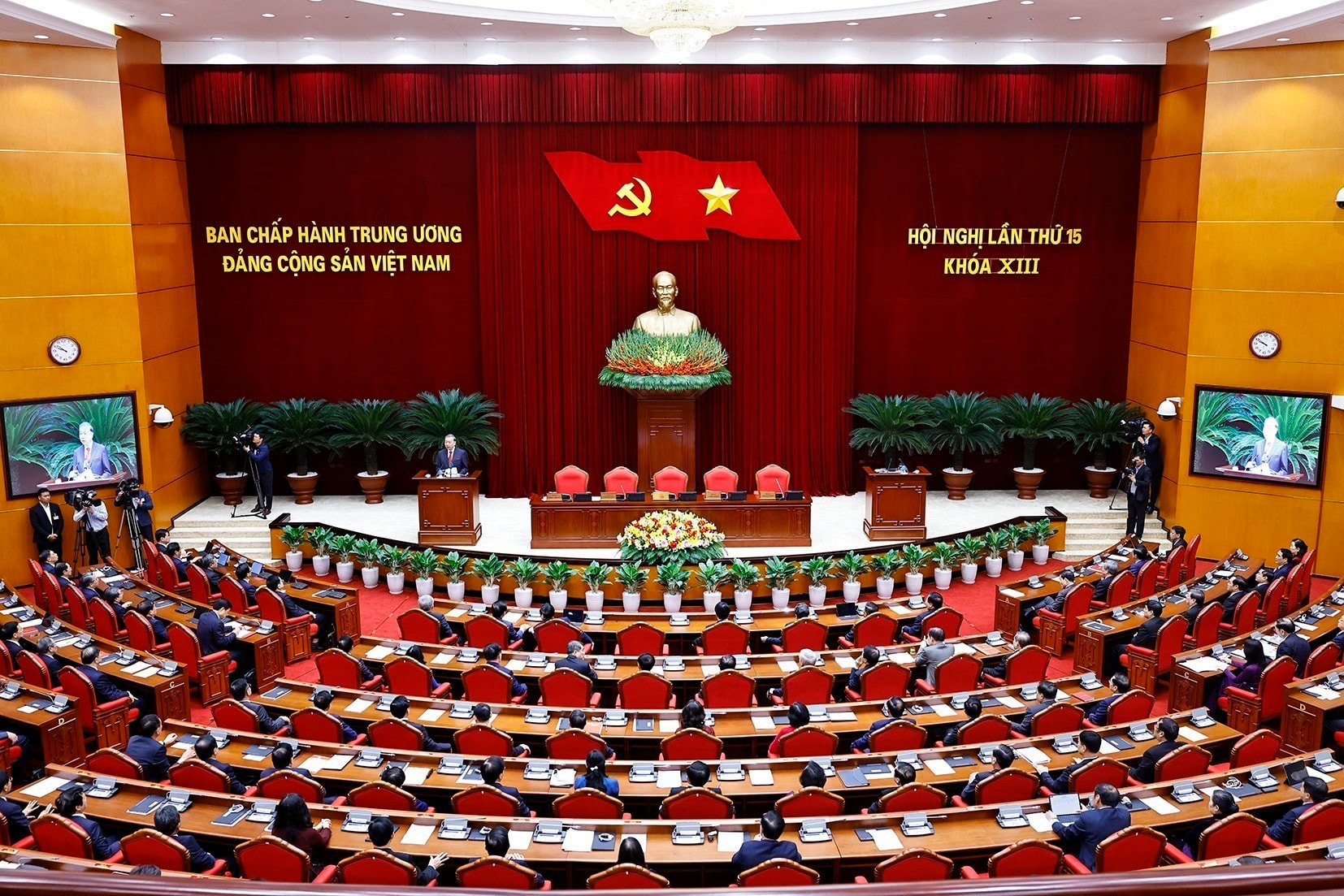
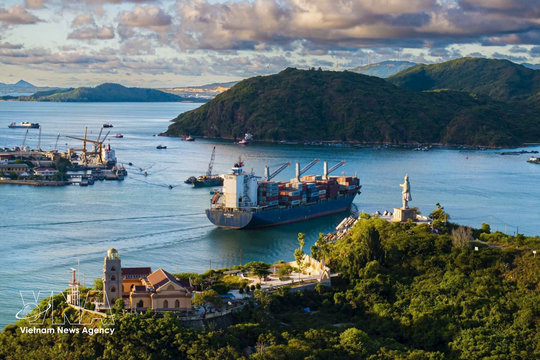
Berths No. 5 and 6 at the Lach Huyen port complex in Hai Phong city are put into operation. (Photo: VNA) For the first time, Vietnam has successfully performed a simultaneous heart – liver transplant on a patient. (Photo: VNA)Party General Secretary To Lam (left) and UK Prime Minister Keir Starmer exchange the Joint Statement on upgrading Vietnam – UK relations to a Comprehensive Strategic Partnership in October 2025. (Photo: VNA)The 15th session of the 13th Party Central Committee concludes in Hanoi on December 23, 2025. (Photo: VNA)
As the entire people are looking forwards to the 14th National Party Congress, the role of the Communist Party of Vietnam’s leadership stands out more clearly than ever. As General Secretary To Lam stated in an interview granted to the Vietnam News Agency on the occasion of the New Year 2026:
“Every Party Congress is an important milestone, but the 14th edition carries even greater significance as we organise this congress at a time of rapid, unpredictable global changes and growing instability, while our country, after decades of renewal, has gained new stature, potential, and position and now faces higher and more demanding development requirements. This is the moment for us to look squarely at reality, correctly identify opportunities and challenges, review what has been achieved, clarify remaining bottlenecks and, most importantly, unite our will and actions to move forward with confidence and resilience.”/.
Bình luận của bạn đã được gửi và sẽ hiển thị sau khi được duyệt bởi ban biên tập.
Ban biên tập giữ quyền biên tập nội dung bình luận để phù hợp với qui định nội dung của Báo.
.jpg)


.jpg "Превращение культуры во внутренний ресурс и движущую силу развития")