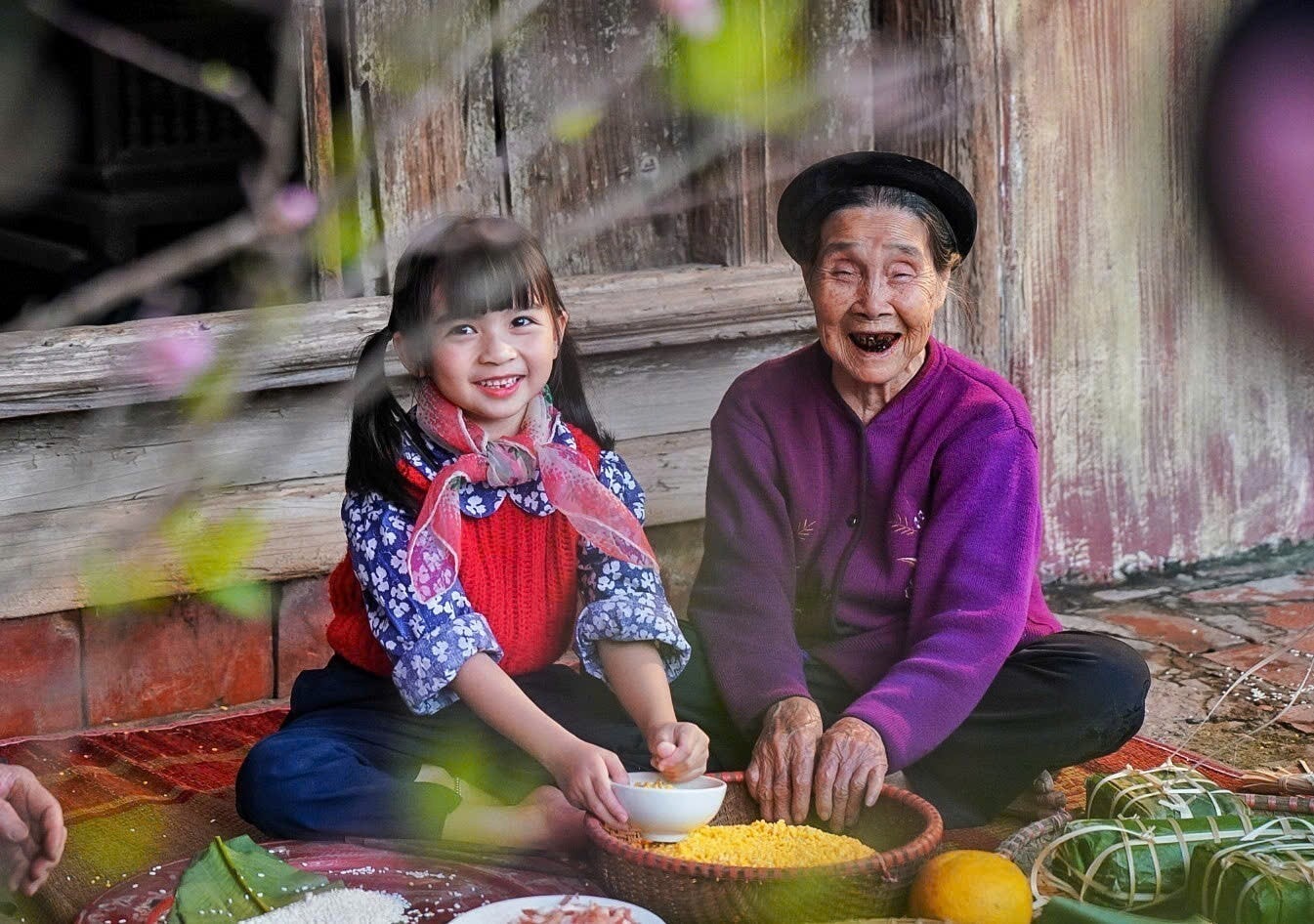
FLAVOURS OF THREE REGIONAL TET FEASTS IN CONTEMPORARY LIFE
VNA•13/02/2026 11:27
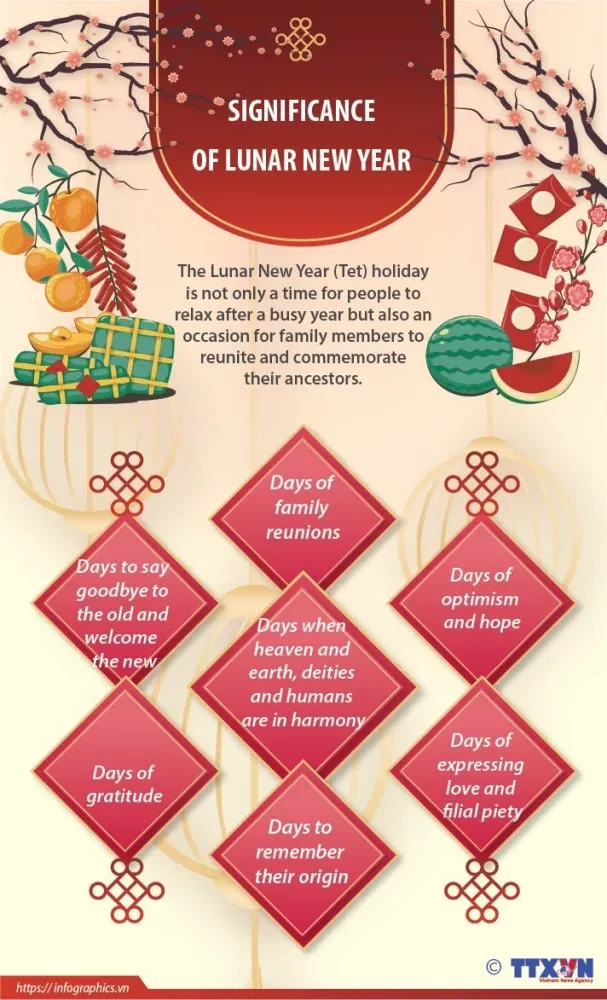
Vietnam’s traditional Lunar New Year (Tet) is recognised not only by spring colours, red calligraphy and family reunions, but also by the Tet feast that takes centre stage in the opening days of the year.
For Vietnamese people, the Tet feast represents the most complete repository of cultural memory, customs and life philosophy. In today’s fast-moving society, preserving and reinterpreting the traditional Tet meal is not simply about maintaining recipes, but about safeguarding a slower rhythm of life, a moment for reflection and a return to one’s roots. Within this shared spirit, however, the Tet feasts of the North, Central and South each display their own distinctive character.
The Northern Tet feast
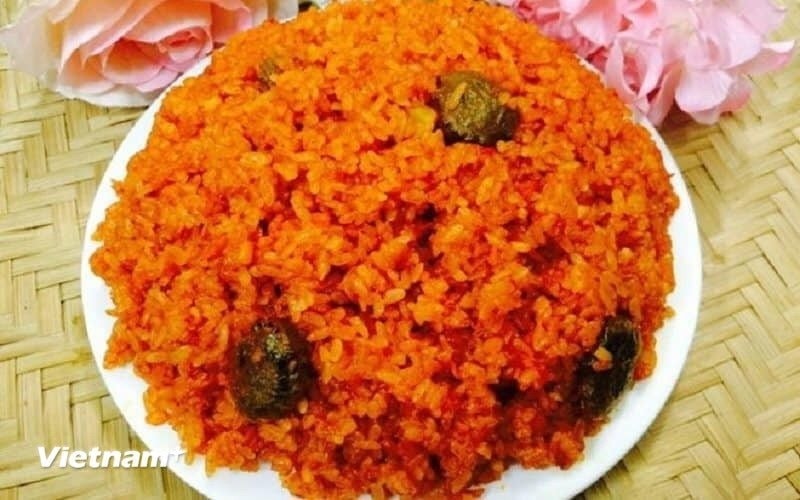
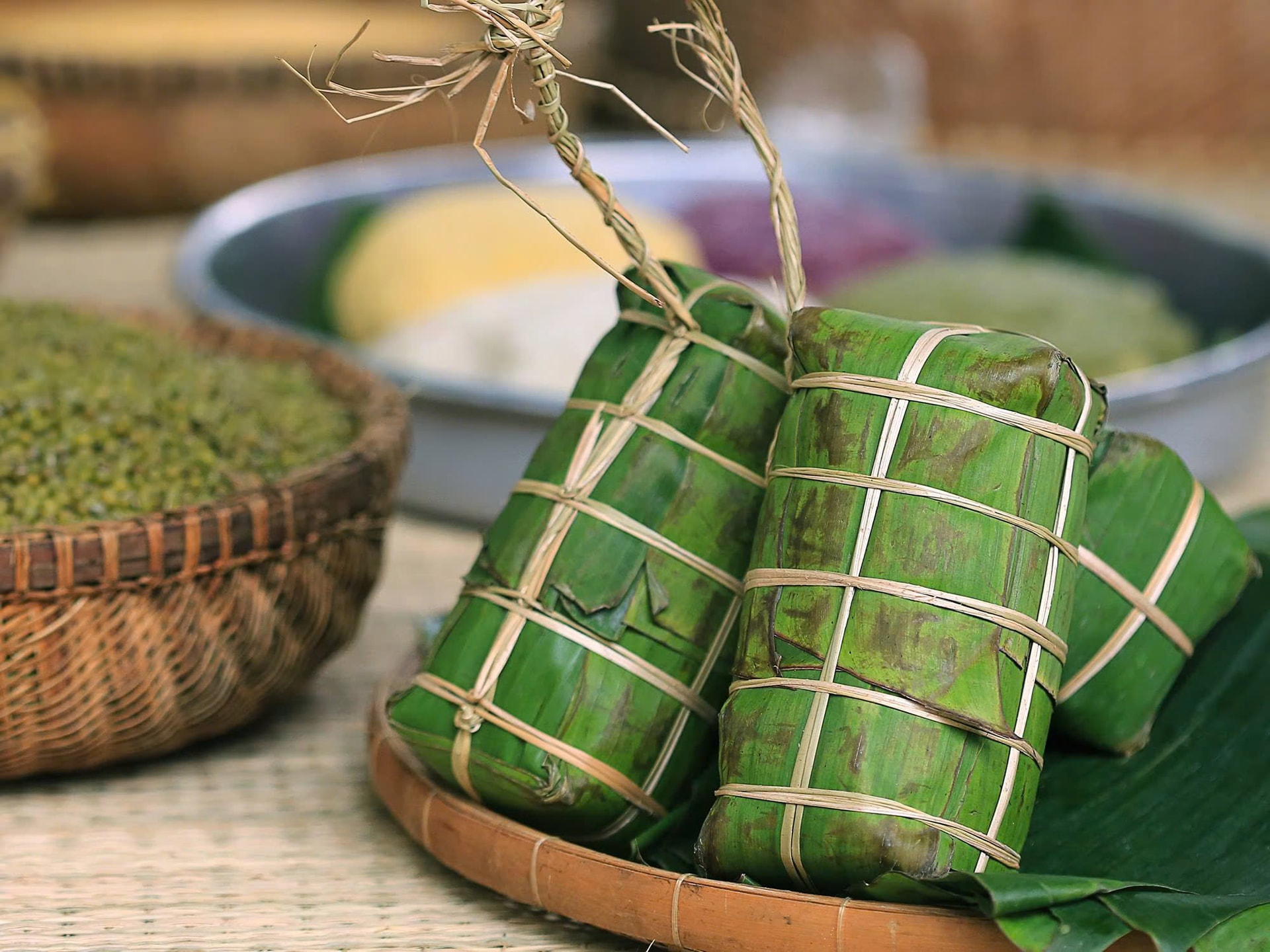
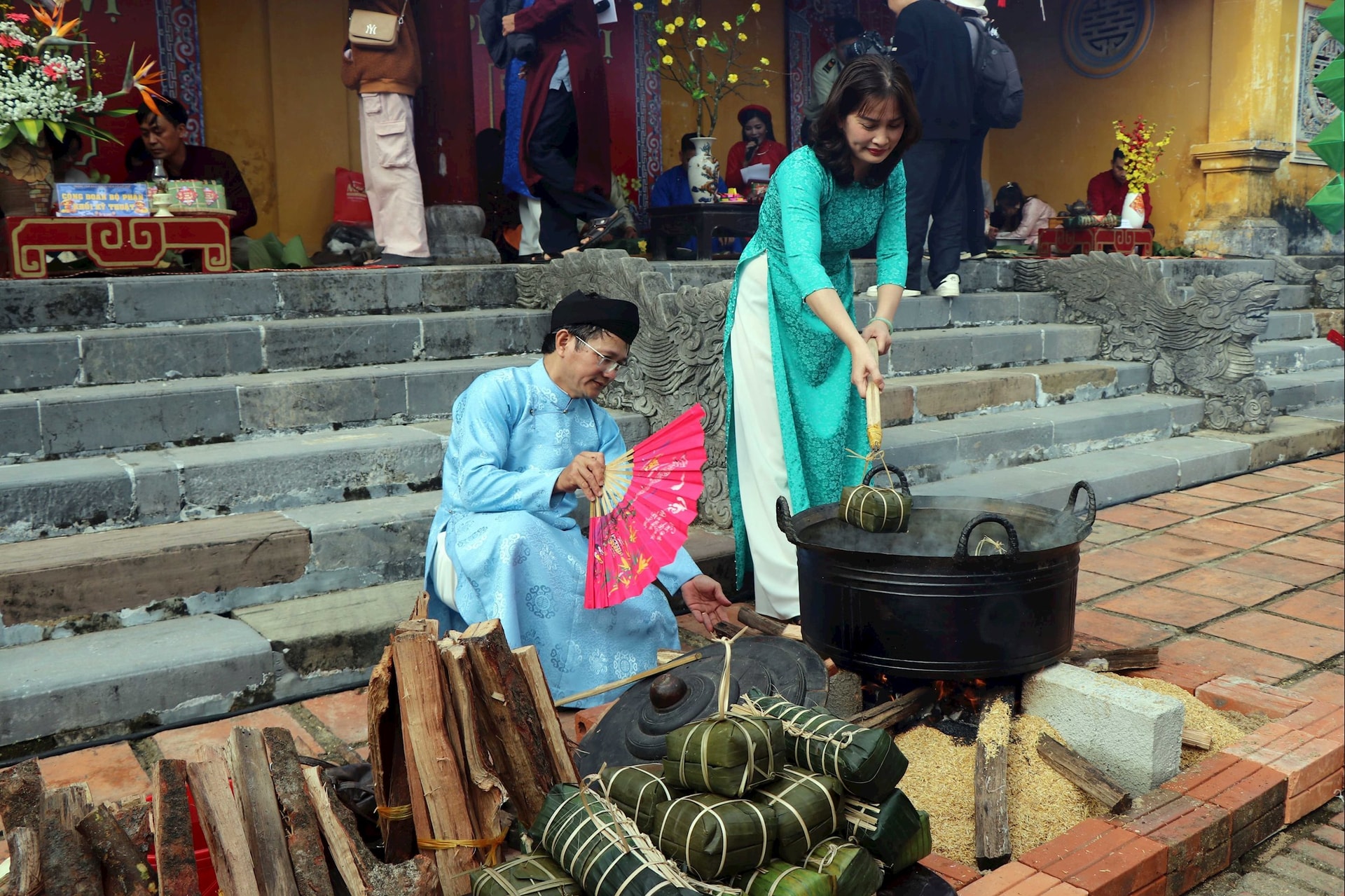
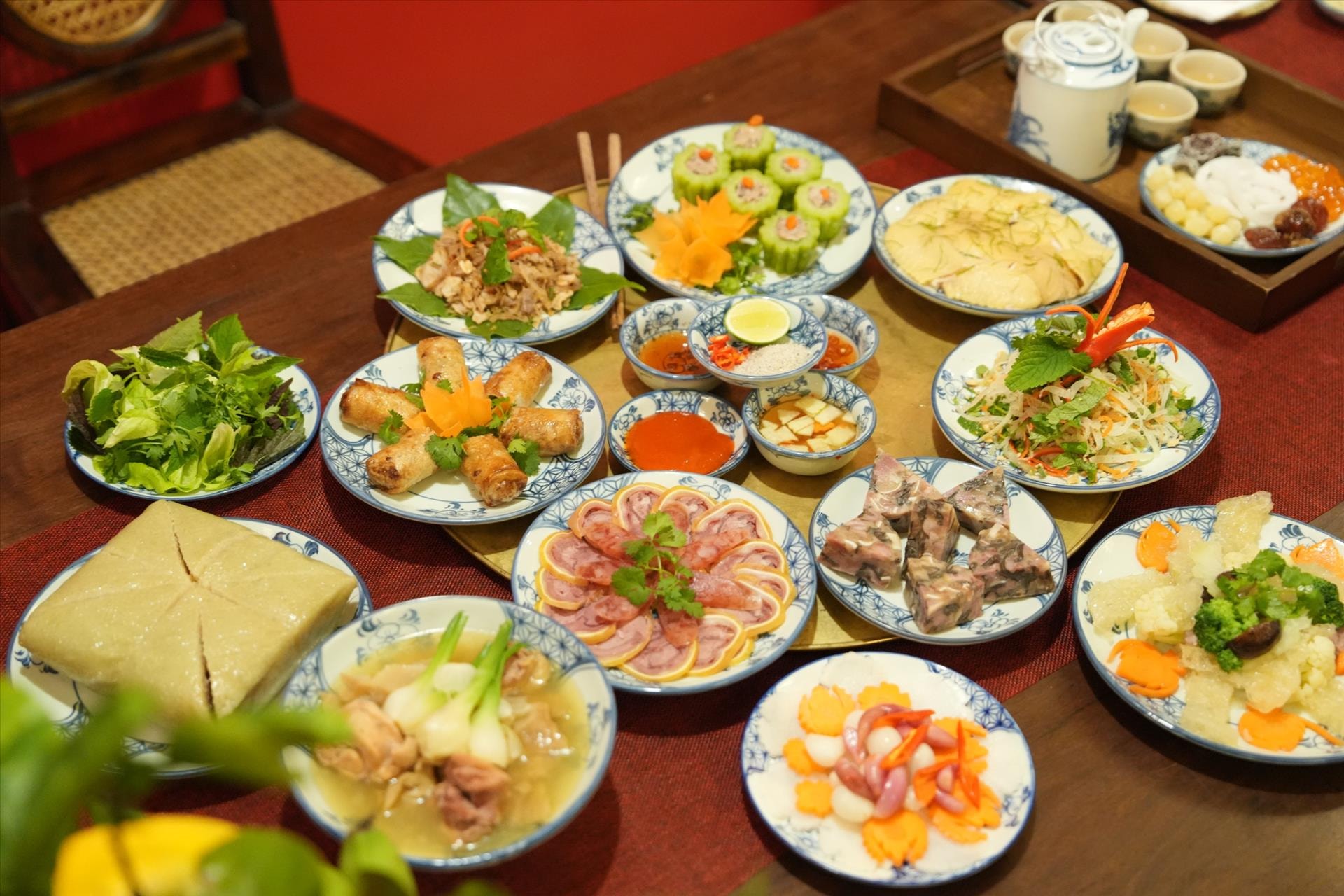
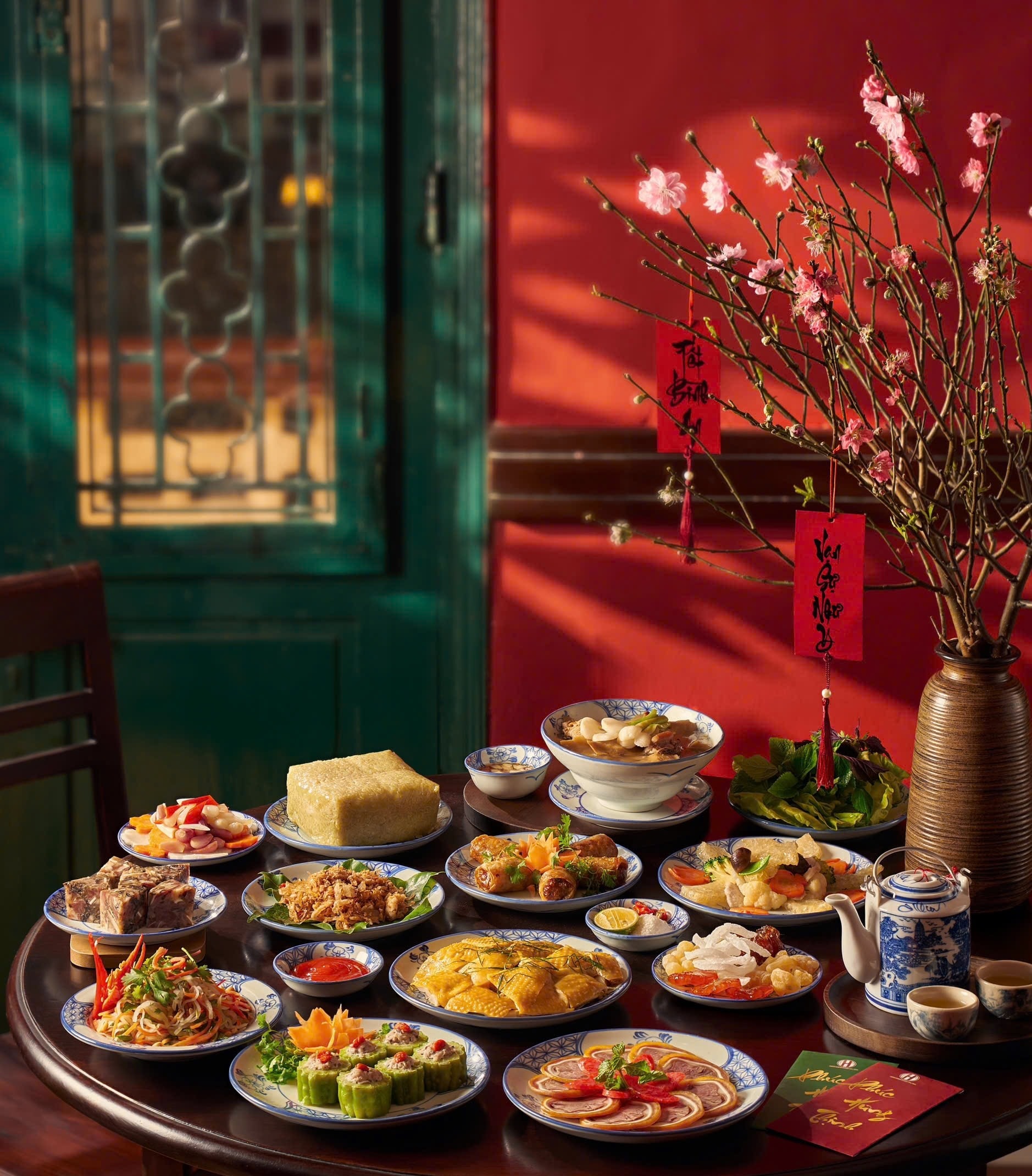
Among the three regions, the Northern Tet feast is widely regarded as the most traditional. It places strong emphasis on careful presentation and the meticulous preparation of long-established dishes. At its heart is banh chung, the square sticky rice cake that is indispensable on both ancestral altars and family dining tables. More than a dish, banh chung is seen as the essence of Tet, symbolising the harmony between heaven and earth shaped through human craftsmanship.
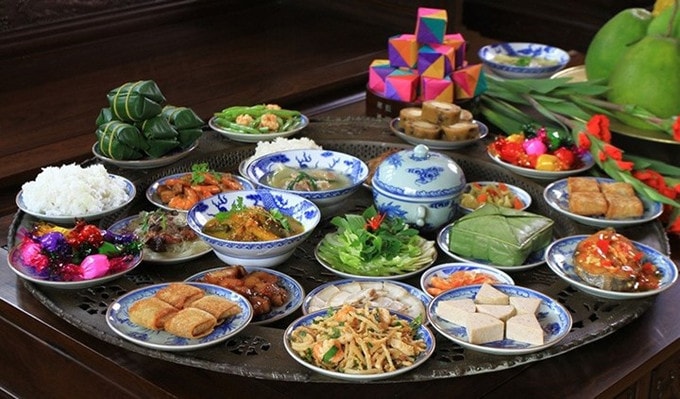
The Northern Tet feast (Photo: VNA)
The Tet feast of northern Vietnamese places strong emphasis on presentation, and therefore typically features a full spread of savoury dishes, stir-fries and soups. (Photo: VNA)
The Central Tet feast
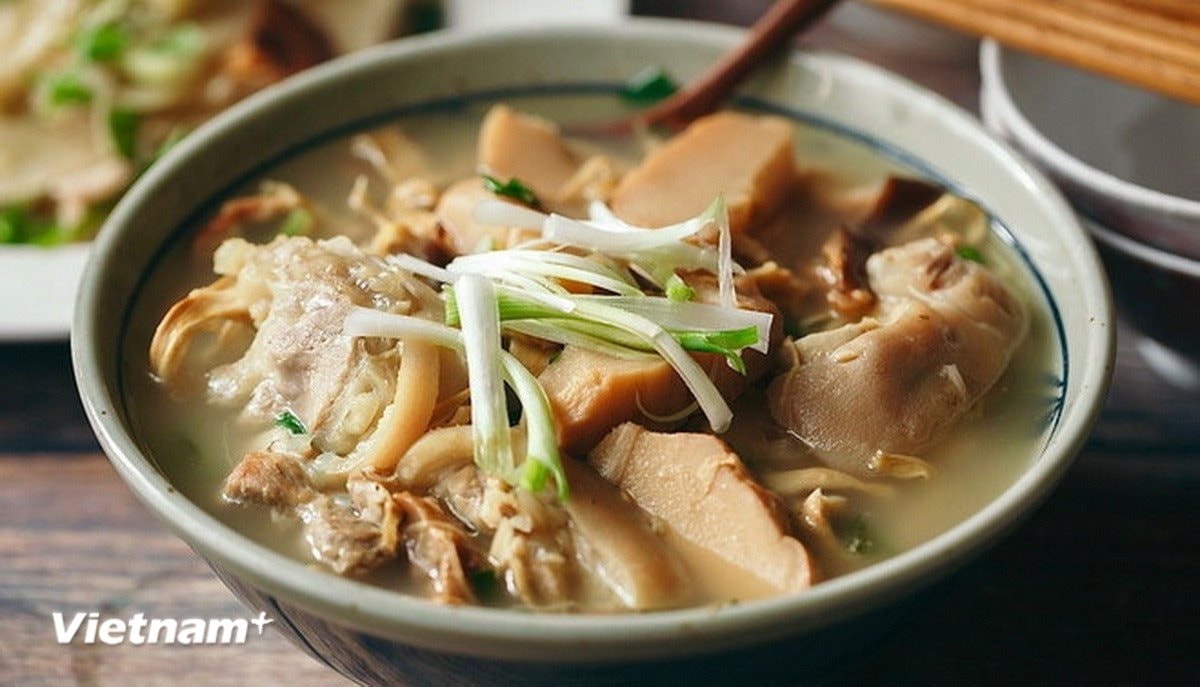
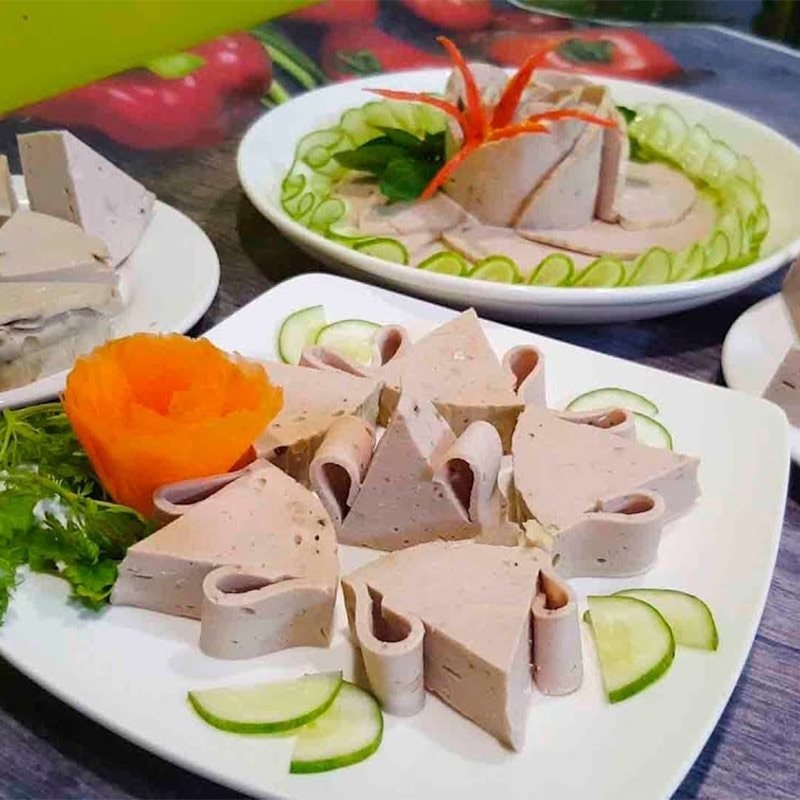
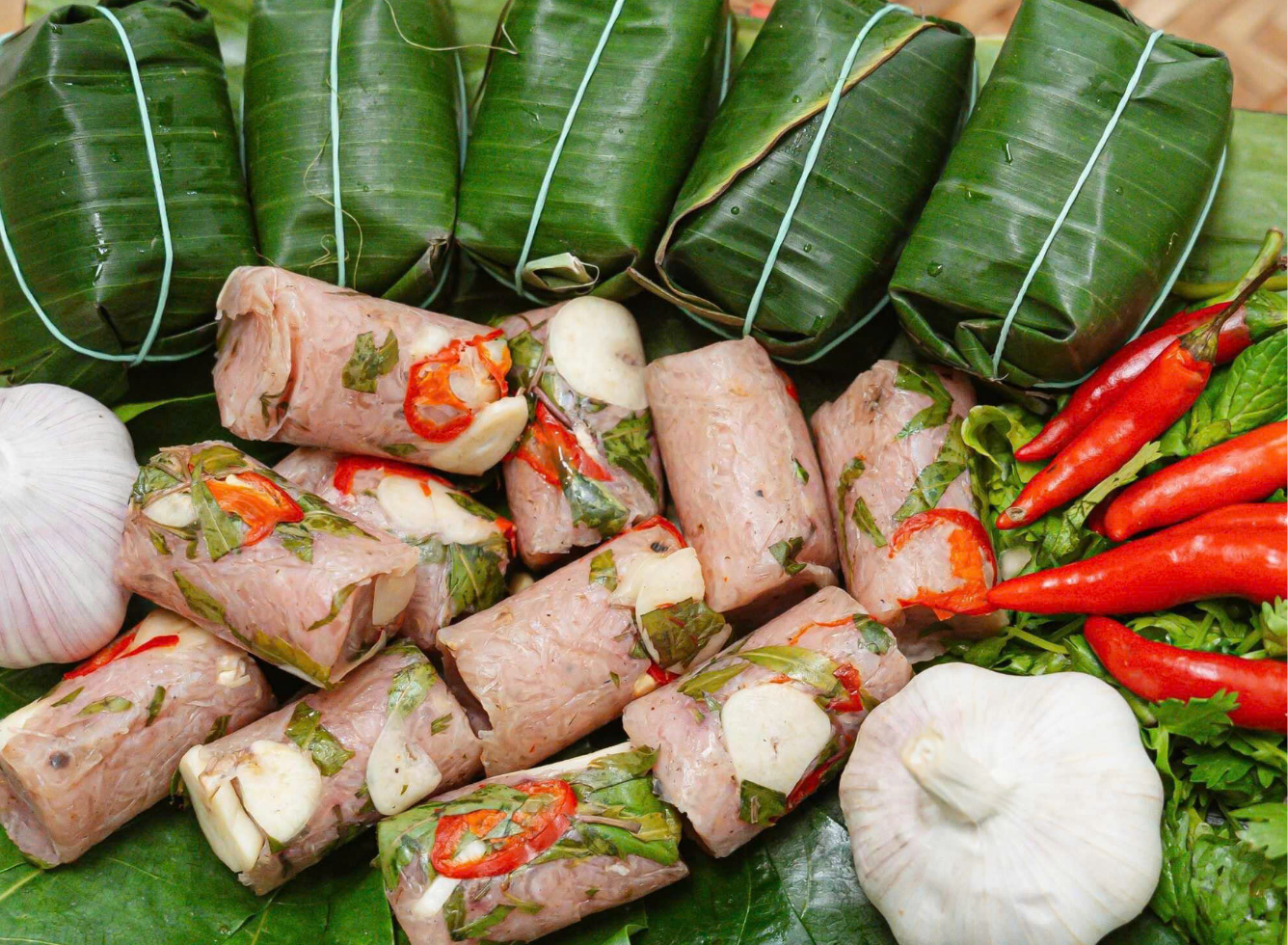
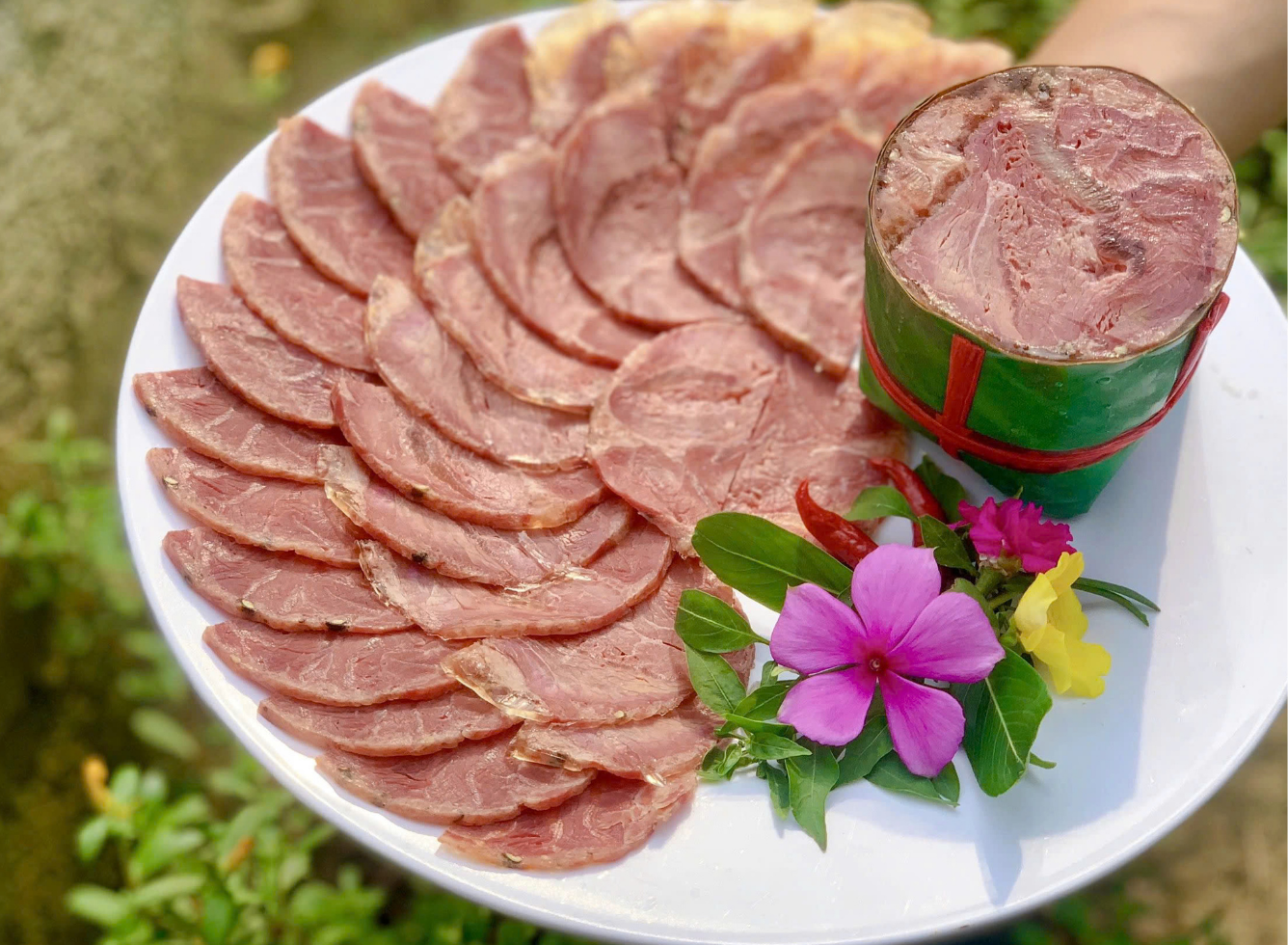
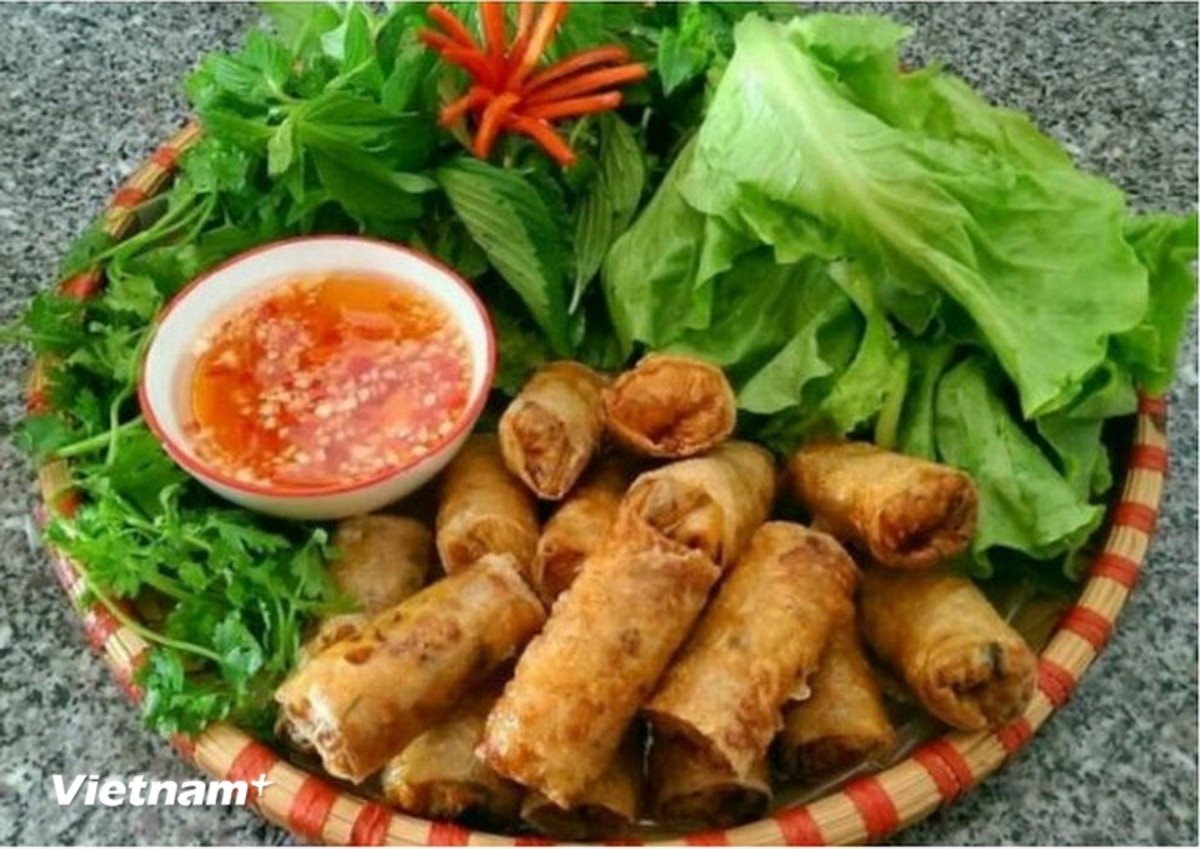
In central Vietnam, Tet tables are incomplete without banh tet (cylindrical sticky rice cakes), fermented pork rolls and vinegar-marinated pork. In Hue, the former imperial capital, the Tet feast often features pork bologna, chilled meat jelly, shredded chicken with laksa leaves, Hue-style pork rolls and boiled pork, commonly paired with stewed pork leg soup and banh tet. Beef and pork preserved in fish sauce are also familiar additions. The Central region is noted for its wrapping-and-rolling dining style, making rice paper and fresh herbs essential elements of Tet meals.
Some must-have dishes on the Central Tet feast, rich in the distinctive flavours of Vietnamese cuisine. (Photo: Viettravel)
These enduring culinary traditions, handed down through generations, help strengthen ties between descendants and ancestors while serving as a cultural bridge linking individuals to their homeland and the nation.
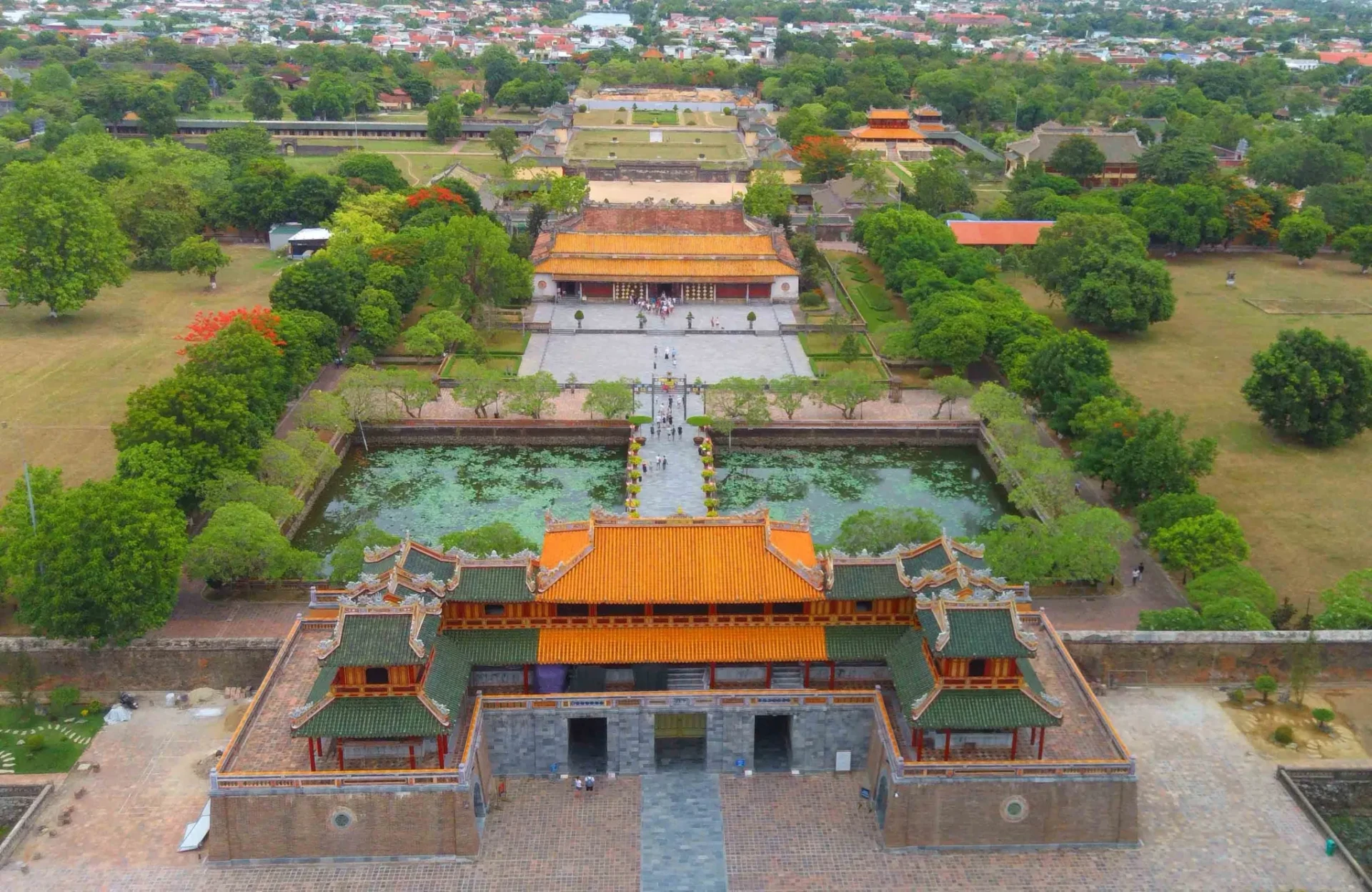
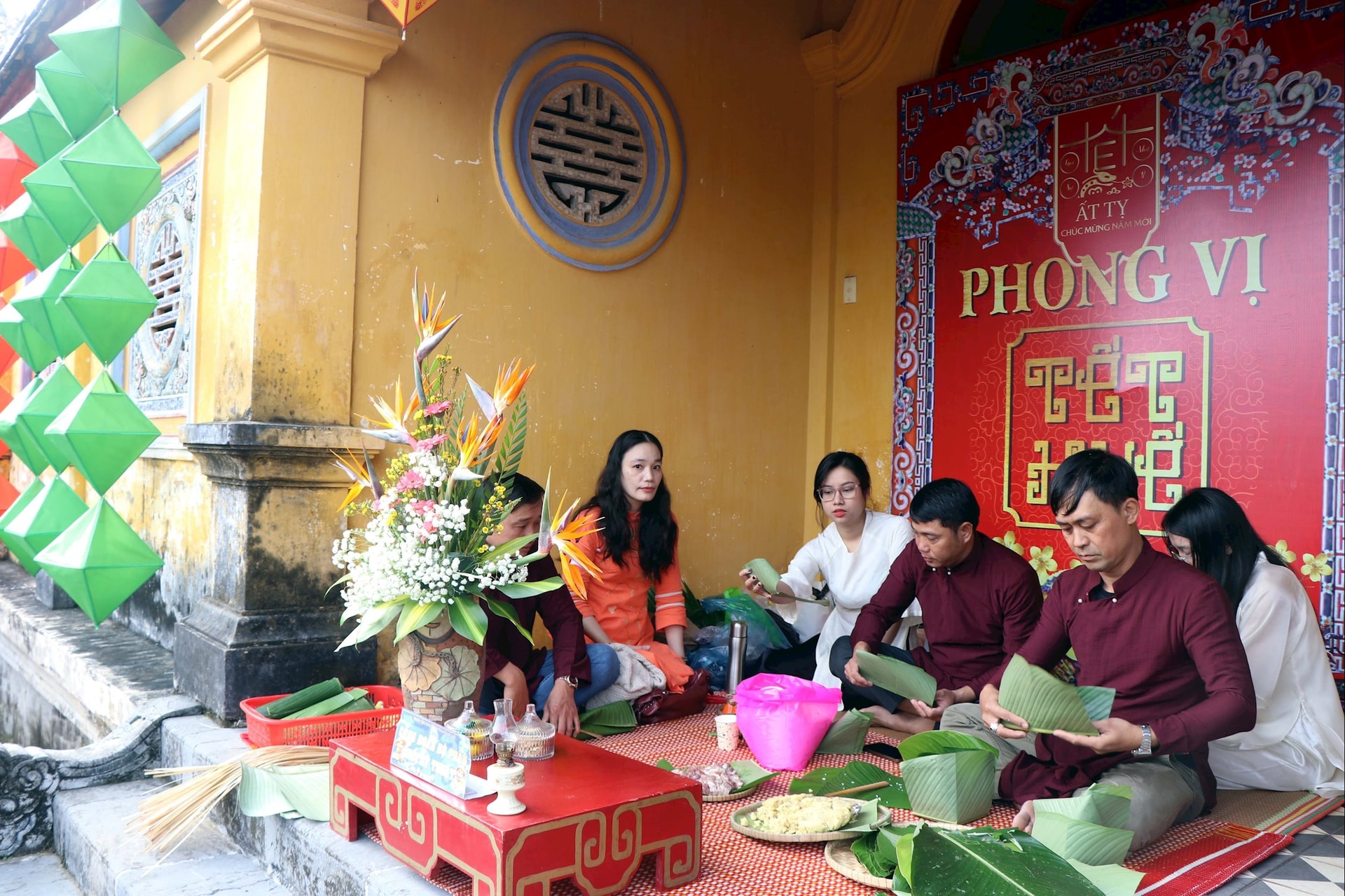
Visitors delight in experiencing the festive atmosphere and flavours of Tet at the Hue Imperial Citadel. (Photo: VNA)
The Southern Tet feast
In contrast to the North’s winter chill, the South welcomes Tet under warm sunshine. Blessed with abundant produce and shaped by waves of migration, Southern Tet feasts are generous and varied, with less emphasis on ritual formality.
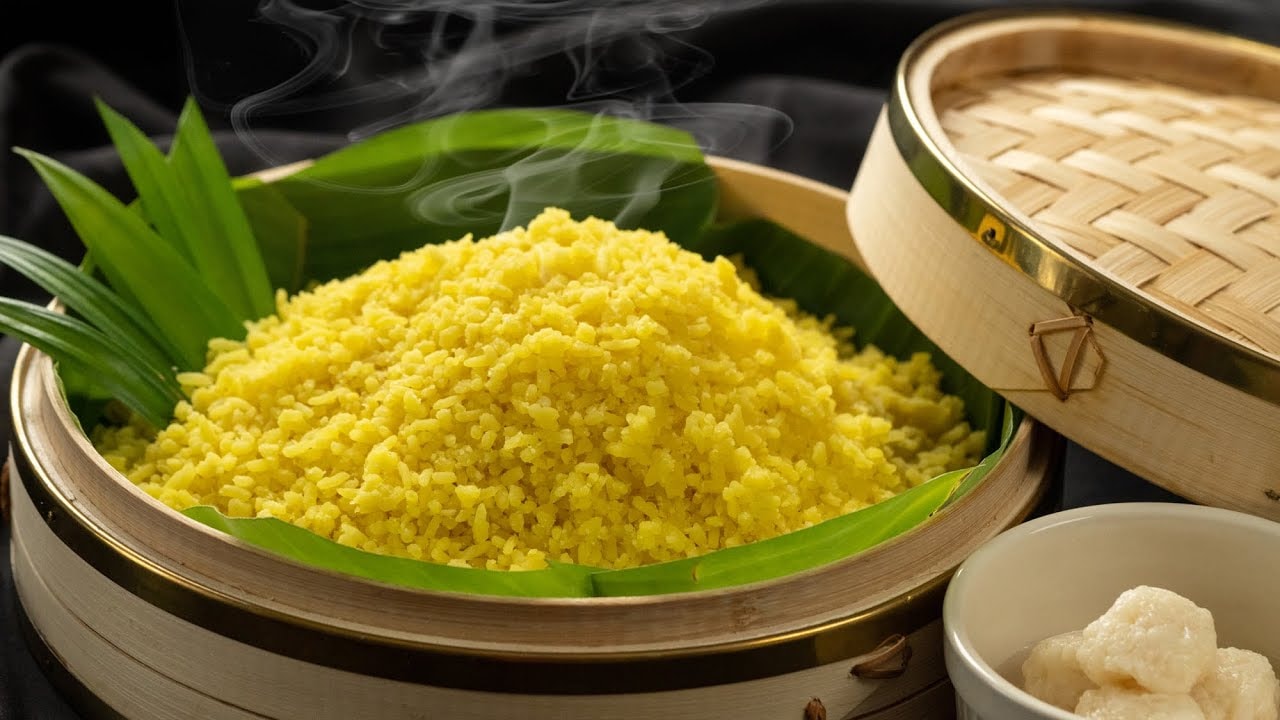
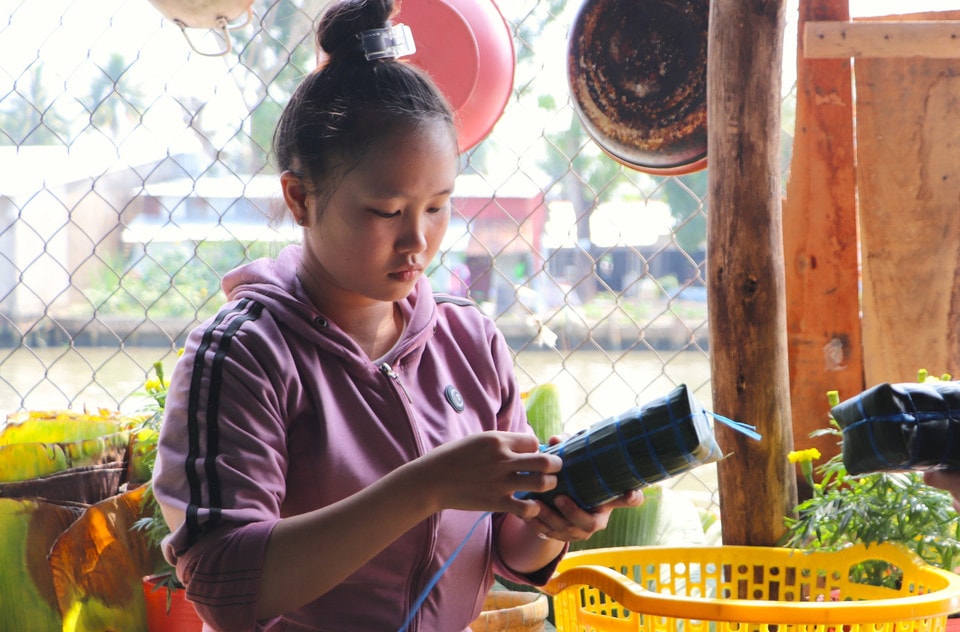
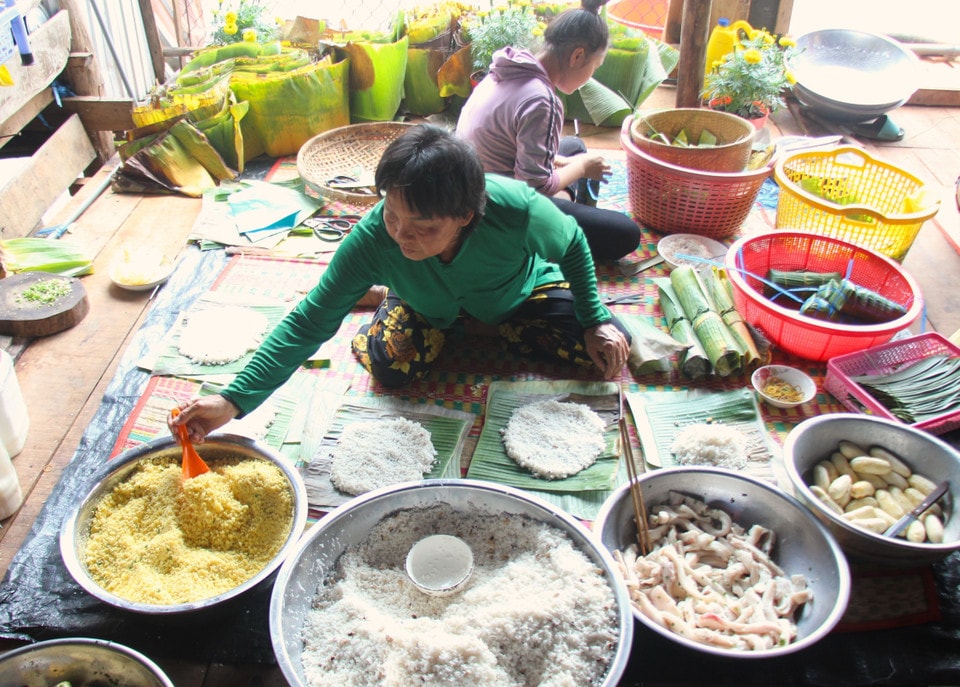
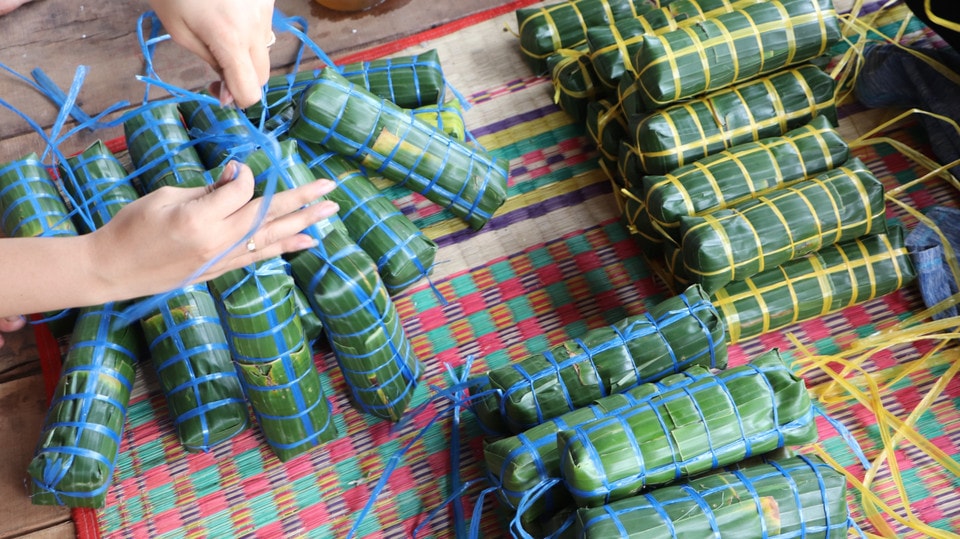
While banh chung embodies Northern Tet, banh tet is indispensable in the South. Southern versions come in many colours and flavours, created by combining sticky rice with coconut, black beans, magenta plant leaves or pandan leaves.
The traditional practice of making banh tet during Tet among people in southern Vietnam. (Photo: VNA)
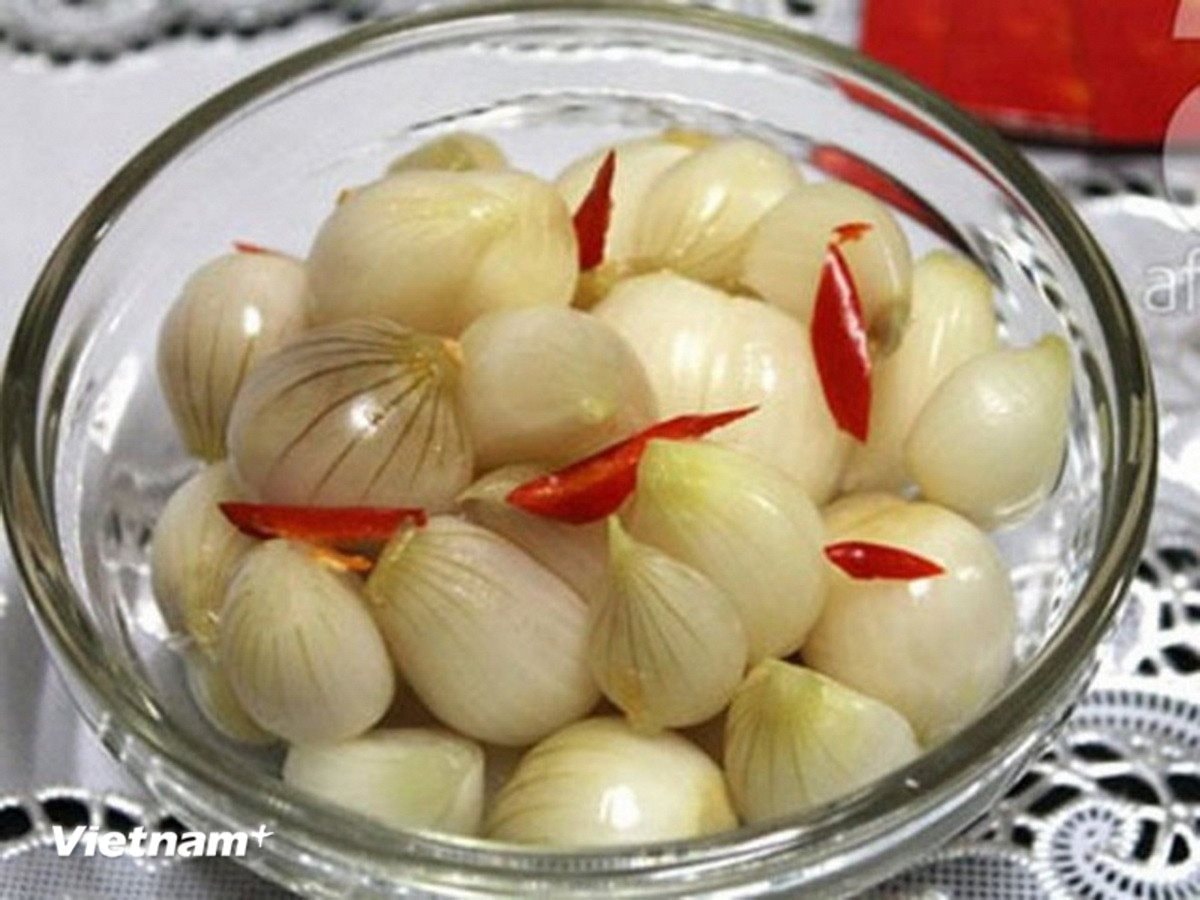
A Southern Tet table is also incomplete without a pot of braised pork with eggs. Other familiar dishes include shredded pork skin rolls, caramelised pork offal, stuffed pig’s trotters, fresh sausages, shredded chicken salad with pickled onions, and dried shrimp served with pickled scallions.
Despite differences in ingredients and presentation, Tet feasts nationwide share a common meaning: paying tribute to ancestors, remembering one’s roots, and expressing hopes for family reunions and a year of prosperity, peace and well-being.
Spring of reunion (Source: Vietnam National Authority of Tourism)
In the past, preparing the Tet feast was a slow and unhurried process, from waiting for new rice and selecting dong leaves to soaking beans and tending banh chung pots simmering overnight. These seasonal rituals shaped a familiar rhythm of life, in which Tet was a journey of patient preparation filled with care and togetherness. Today, as work pressures compress the holiday, the traditional Tet feast has become even more precious, valued not for abundance but for preserving the spirit of reunion and cultural depth.
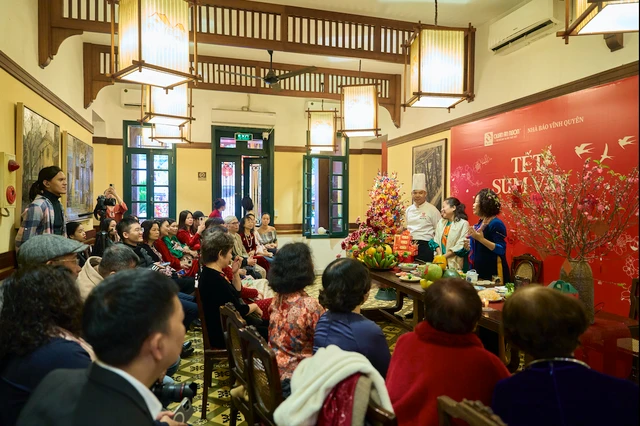
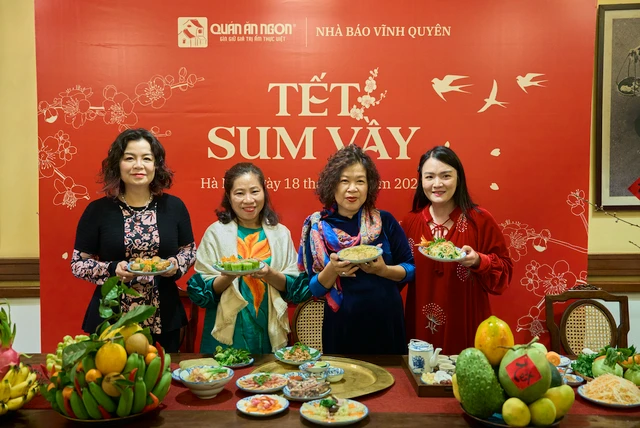
That spirit was recently revived at the “Tet Sum Vay” (Tet reunion) workshop in Hanoi. More than a culinary event, it created an immersive cultural space where customs, beliefs and togetherness converged. Each dish carried its own symbolism, conveying wishes for a peaceful, fulfilling and connected new year.
What distinguished the “Tet Sum Vay” experience was not only its faithful recreation of Tet feasts from all three regions, but also its ability to unite these regional culinary traditions in the heart of the capital. Amid Hanoi’s modern pace, diners could savour Northern, Central and Southern Tet flavours in one setting, embarking on a culinary journey across Vietnam. Each dish acted as a “regional ambassador”, telling stories of local customs and lifestyles.
The “Tet Sum Vay” workshop in Hanoi. (Photo courtesy of the Organisers)
The opportunity to enjoy regional Tet cuisine in Hanoi reflects a positive contemporary trend of integrating cultural heritage into urban life in vivid and accessible ways. Rather than remaining confined to memory or textbooks, traditional Tet feasts are being revived through lived experiences, allowing people to understand and appreciate values shaped over generations.
The “Tet Sum Vay” feast. (Photo: Organisers)
“
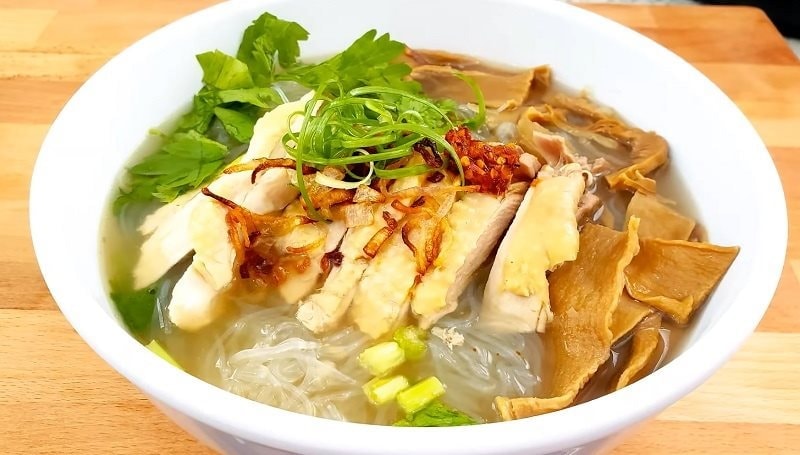
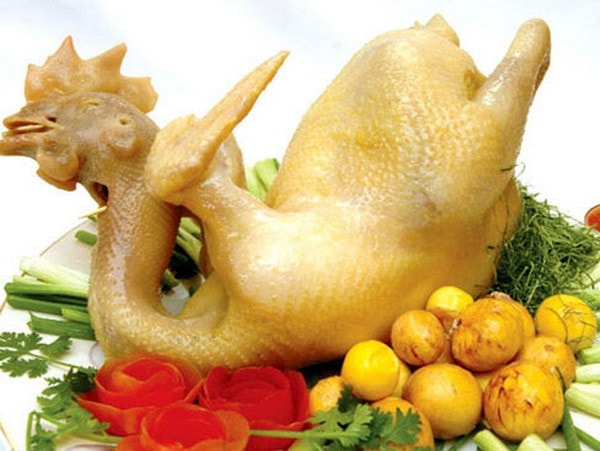
The “Tet Sum Vay” feast opened with familiar Northern dishes such as banh chung, bamboo shoot soup and steamed chicken, simple yet essential elements of a Northern Tet meal.
These were complemented by refined Central Vietnamese touches, marked by quiet depth and restraint, reflecting a land shaped by sun and wind yet rich in cultural substance.
Southern flavours were represented by stuffed bitter melon soup, a light and refreshing dish. In folk belief, bitter melon symbolises the hardships of the old year passing, making way for a smoother and more peaceful new beginning. Its gentle bitterness, balanced with sweet minced pork filling, mirrors the open and optimistic spirit of Southern people at the start of spring.
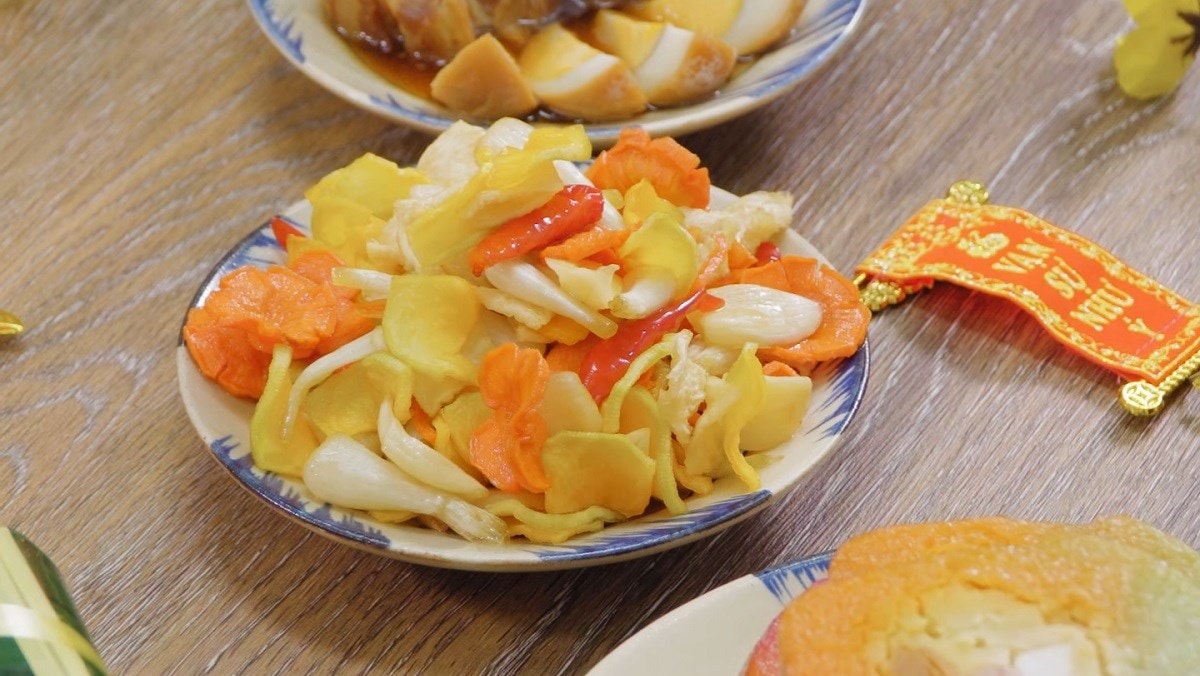
As savoury flavours reached their peak, the feast concluded with candied fruits from all three regions, accompanied by elegant Hue royal tea. This gentle finale allowed the essence of Tet to linger. Together, the dishes formed a complete Tet feast, where each flavour carried a memory, and each aftertaste told a story, leaving behind not only culinary satisfaction but a warm sense that Tet was close, whole, and vividly alive.
Preserving Vietnam’s culinary traditions is a long-term journey. Each dish embodies not only taste but also memories and cultural values nurtured over generations. Sustaining this heritage ensures that Vietnamese cuisine is not eroded by time, but continues to be cherished, renewed and shared with care and respect./.
Making banh chung is a hallmark traditional practice of Lunar New Year (Tet) celebrations. (Photo: VNA)
Bình luận của bạn đã được gửi và sẽ hiển thị sau khi được duyệt bởi ban biên tập.
Ban biên tập giữ quyền biên tập nội dung bình luận để phù hợp với qui định nội dung của Báo.



.jpg)