GREEN PRODUCTION, STANDARDISED VALUE CHAINS KEY TO FRUIT, VEGETABLE SECTOR GROWTH
LongForm - Ngày đăng : 16:21, 16/04/2026
GREEN PRODUCTION, STANDARDISED VALUE CHAINS KEY TO FRUIT, VEGETABLE SECTOR GROWTH
VNA•{Ngày xuất bản}
Facing mounting pressure from increasingly stringent domestic and international standards, Vietnam’s fruit and vegetable sector is accelerating its shift toward green, safe, and sustainable production models. Beyond changing farming practices, localities and businesses are stepping up efforts to standardise value chains and build brands to achieve growth targets for 2026.
Tightening standards, transforming production to retain markets
While domestic and international markets impose stricter requirements on quality, food safety, and traceability, technical barriers are continuously rising, from pesticide residue limits and emissions control to full transparency across the production chain. This compels the sector to undertake comprehensive changes, from cultivation and harvesting to processing, packaging, and export.
Nguyen Thi Thu Huong, Deputy Director of the Department of Plant Production and Protection under the Ministry of Agriculture and Environment. (Photo: Agriculture & Environment newspaper)
Nguyen Thi Thu Huong, Deputy Director of the Department of Plant Production and Protection under the Ministry of Agriculture and Environment, said that without fundamental transformation, Vietnamese farm produce will face growing challenges not only in export markets but also at home, where competition is intensifying. Farmers could otherwise fall into the cycle of bumper crops followed by falling prices and unstable production.
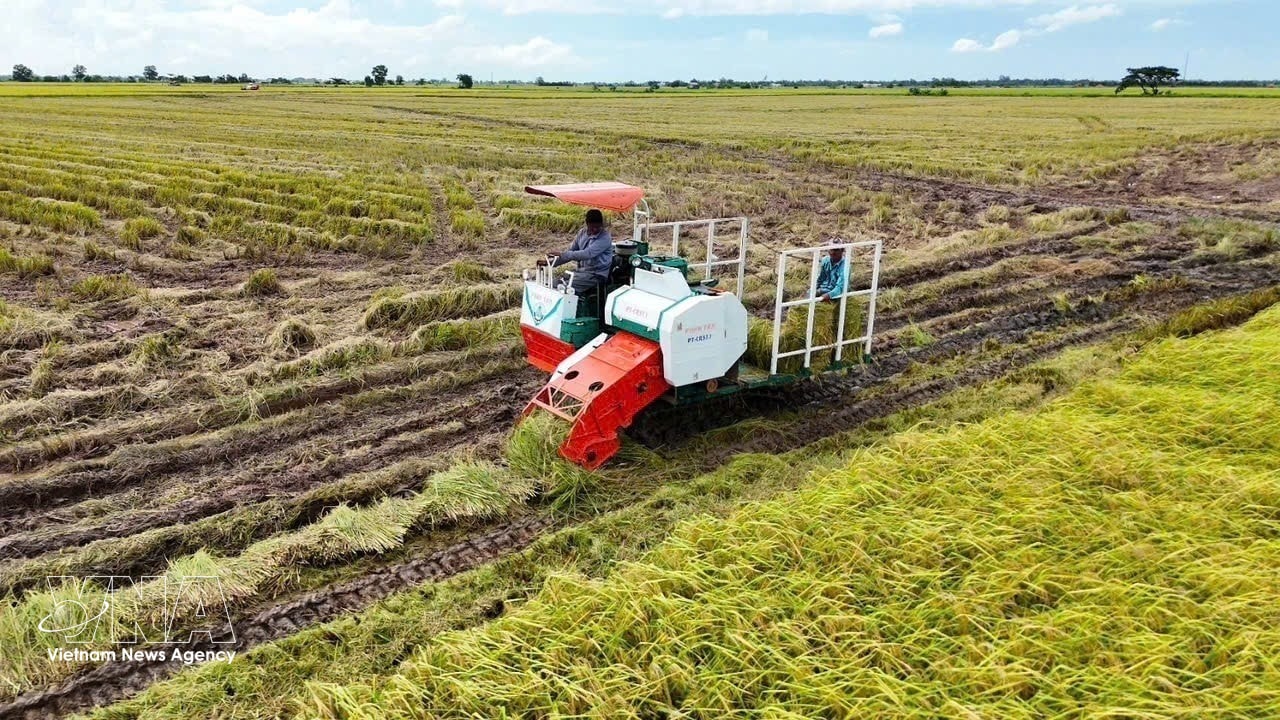
Over the past nearly two years, the Mekong Delta city of Can Tho has implemented 65 models covering 7,830 hectares of high-quality, low-emission rice. (File photo: VNA)
She noted that the project on low-emission crop production for 2025–2035 is laying an important cornerstone for this transition. Nearly 60 low-emission farming models have been registered nationwide, many of them directly related to fruit and vegetable production. These aim to cut emissions by around 15% through optimising seeds, fertilisers, irrigation, and other inputs.
These days, setting up and managing production unit codes is a must. It’s not just for meeting export requirements but also a way to guarantee quality and food safety right from the start. Vietnam now has over 9,300 production unit codes and more than 1,300 packing facilities serving shipments to major markets like the EU, the US, Japan, Australia, and the Republic of Korea.
Local models are already delivering tangible results. The northern mountainous province of Son La maintains 216 production unit codes covering over 2,800 hectares, including 200 codes for export, with products reaching demanding markets. Meanwhile, Hanoi has developed five export-oriented growing areas spanning 37.23 hectares.
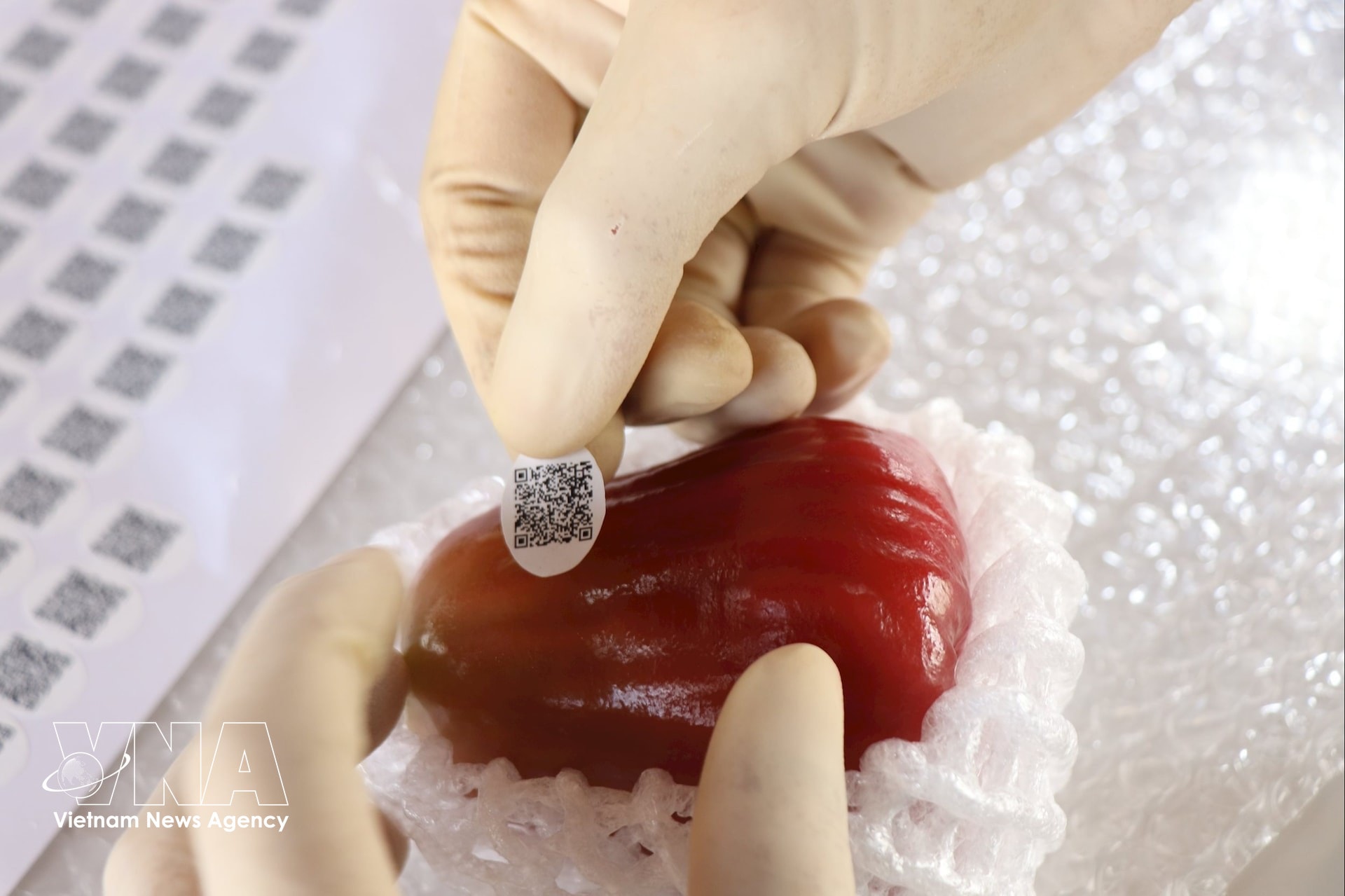
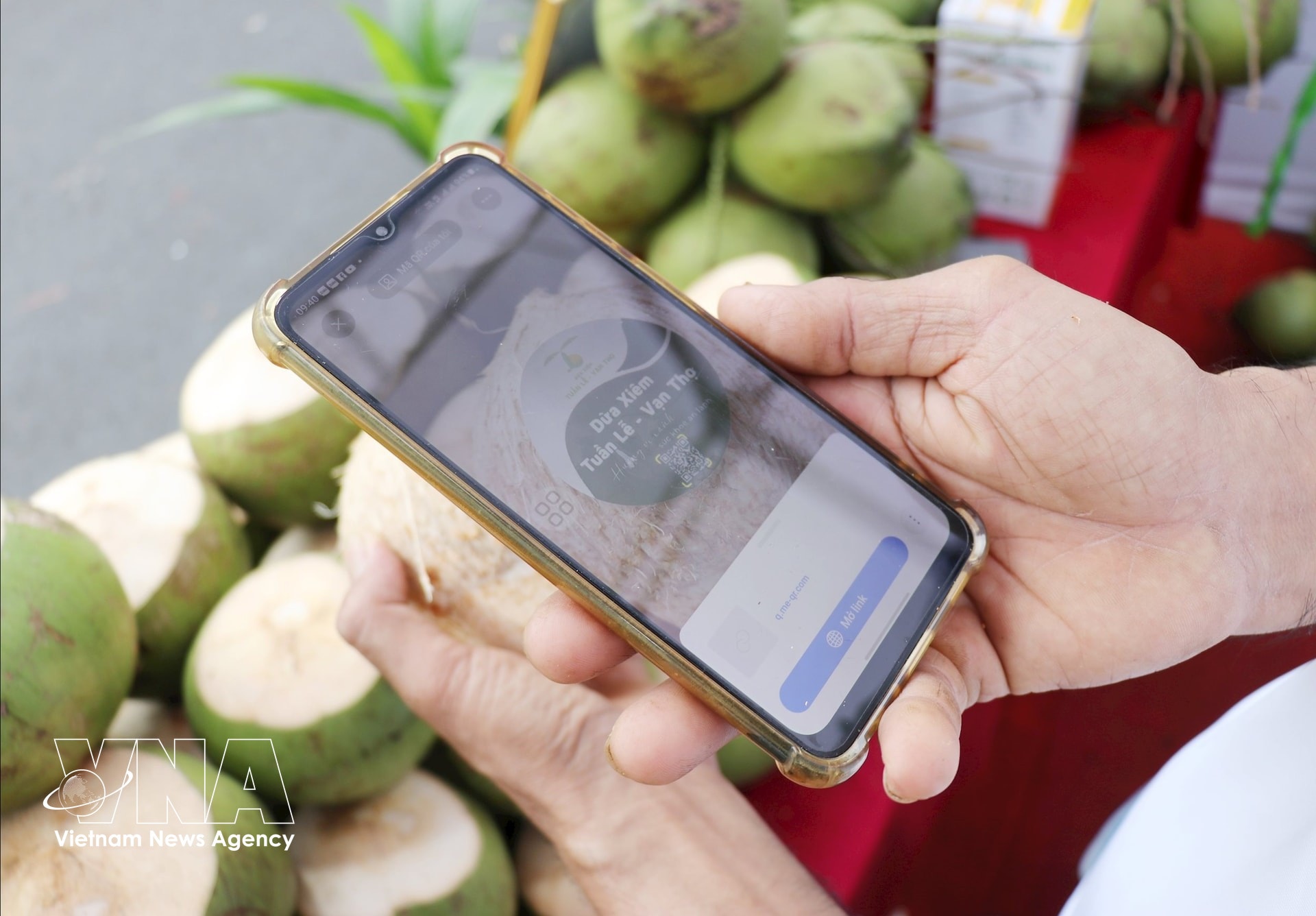
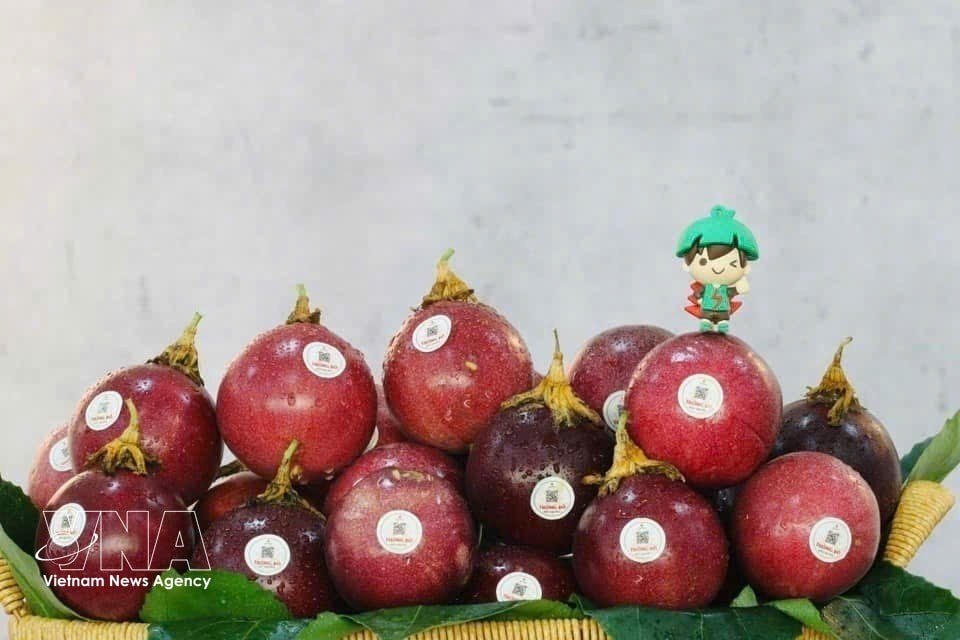
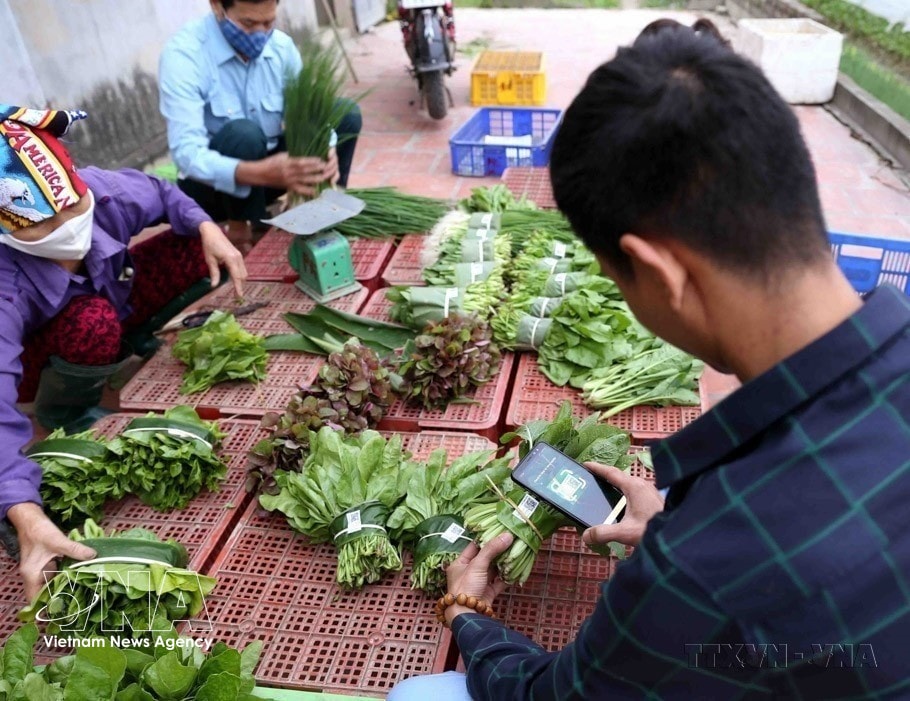
The QR code on Cu Lao Dung wax apples in Can Tho city helps customers to easily trace the fruit's origin. (Photo: VNA)A QR code scanning application is used to trace the origin of farm produce in Khanh Hoa province. (Photo: VNA)Passion fruits from Gia Lai province meet quality standards for both domestic and foreign markets. (Photo: VNA)The Thanh Xuan Organic Vegetable Cooperative in Hanoi applies QR code scanning to ensure traceability as it supplies produce to clean food store chains. (Photo: VNA)
Standardising production zones boosts product quality and builds trust with importers, laying the groundwork for steady growth in the fruit and vegetable sector amid tough global competition.
In the first quarter of 2026, Vietnam’s fruit and vegetable exports were valued at nearly 1.48 billion USD, up 27% from the previous year. This shows the transformation is moving in the right direction and highlights the key role of food safety in driving the industry’s success.
Managing risks, raising value to make export breakthrough
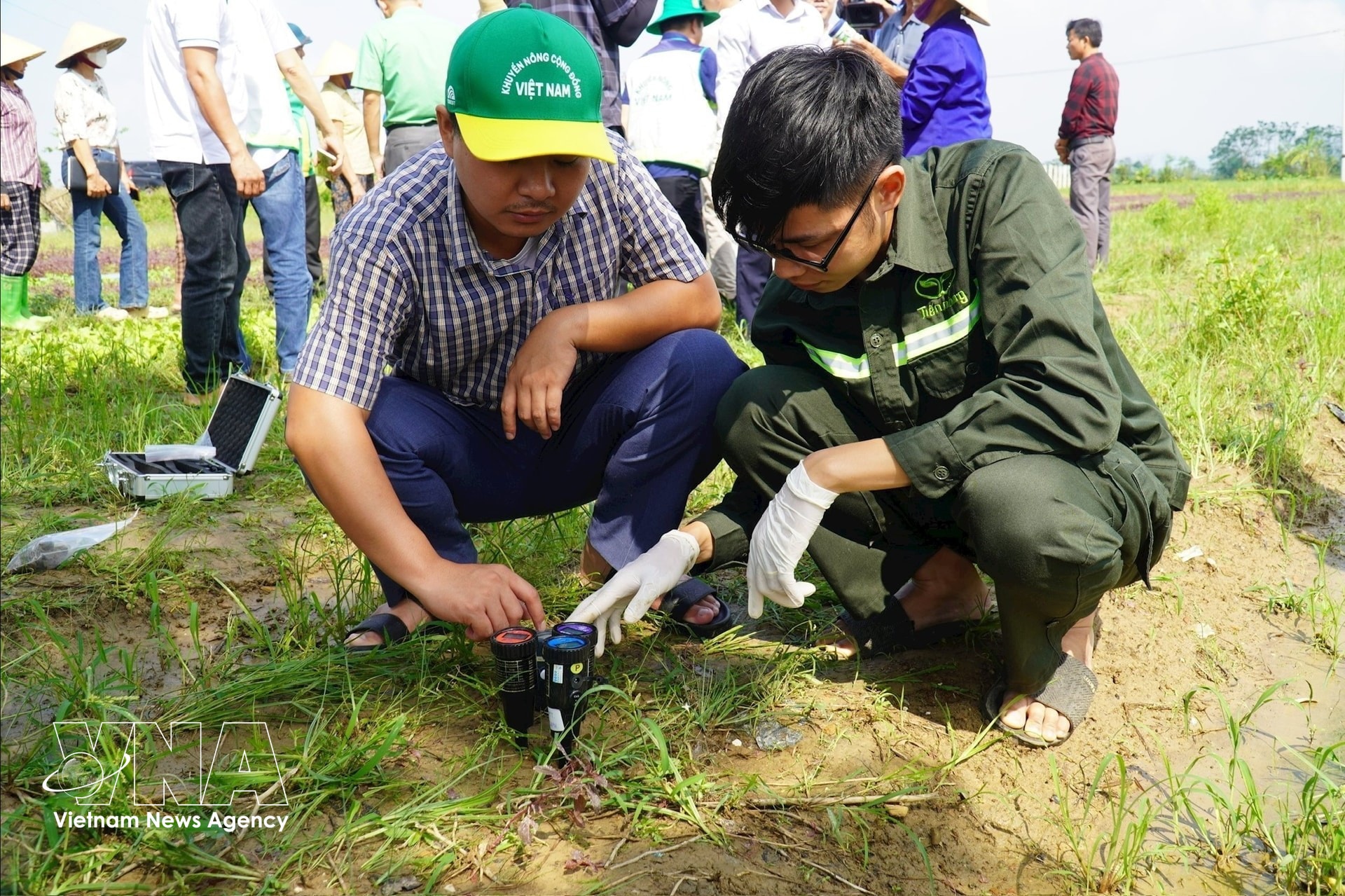
Staff from the National Agricultural Extension Centre use measuring equipment to test soil for the winter crop. (Photo: VNA)
D
espite positive outcomes, the sector continues to face challenges, particularly in food safety.
Experts stress the need for coordinated measures, including zoning, environmental monitoring, and risk mapping. Regular testing of soil, water, and crops is essential to detect and address potential hazards early. Pest management also remains a major concern as excessive use of chemicals can leave harmful residues and damage product credibility in international markets.
To address this, localities are promoting integrated pest management (IPM), increasing the use of biological products, and reducing reliance on chemical pesticides.
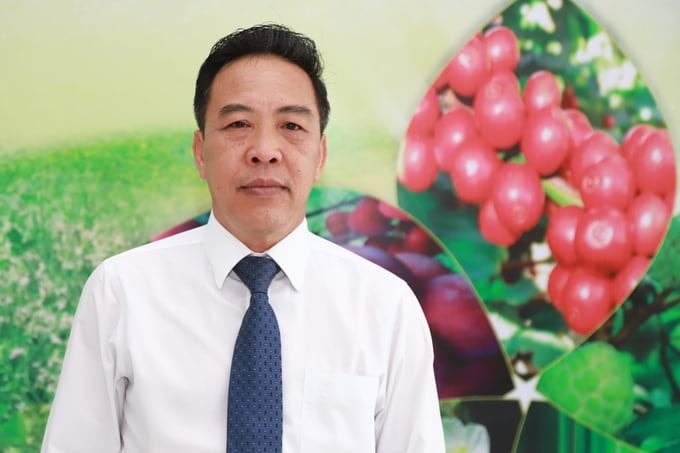
Director of the Son La Department of Industry and Trade Ha Nhu Hue (Photo: Agriculture & Environment newspaper)
From a market development perspective, Director of the Son La Department of Industry and Trade Ha Nhu Hue said the province is implementing comprehensive measures to meet its 2026 export target of 235 million USD. These include providing market information, supporting businesses in connecting with major distribution systems, and participating in international trade fairs.
Coordination with border provinces such as Quang Ninh, Lang Son, and Lao Cai to update customs clearance conditions is also helping businesses minimise the risk of congestion.
Another key trend is investment in deep processing. Deputy Minister of Agriculture and Environment Hoang Trung said reliance on fresh exports limits value addition and poses risks. Localities are therefore encouraged to strengthen linkages and develop processed products such as juices, dried and frozen products.
Deep processing not only helps to increase value but also extend shelf life, expand markets, and ease pressure during peak harvest seasons, he went on, noting that this is an essential pathway for long-term sustainable growth.
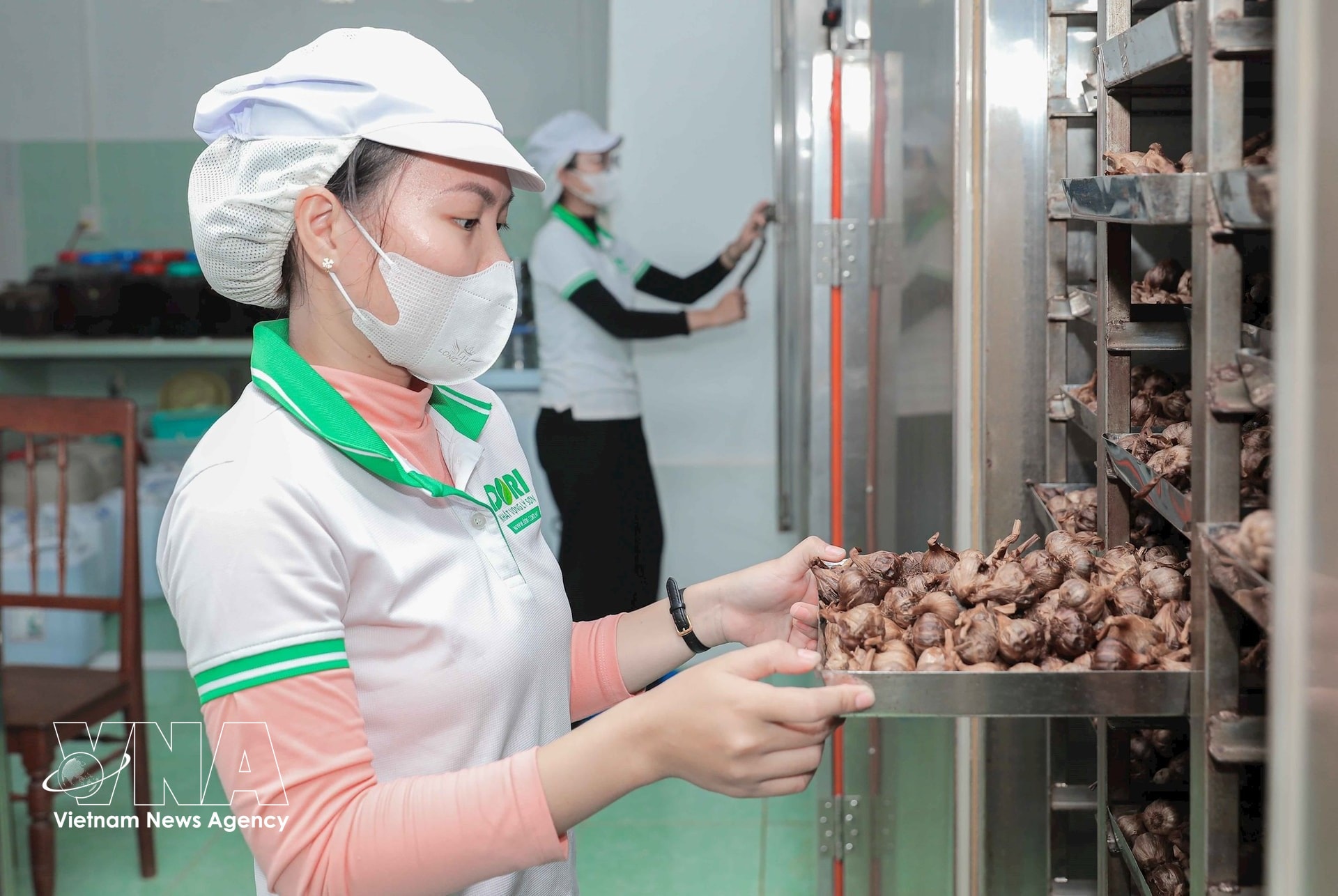
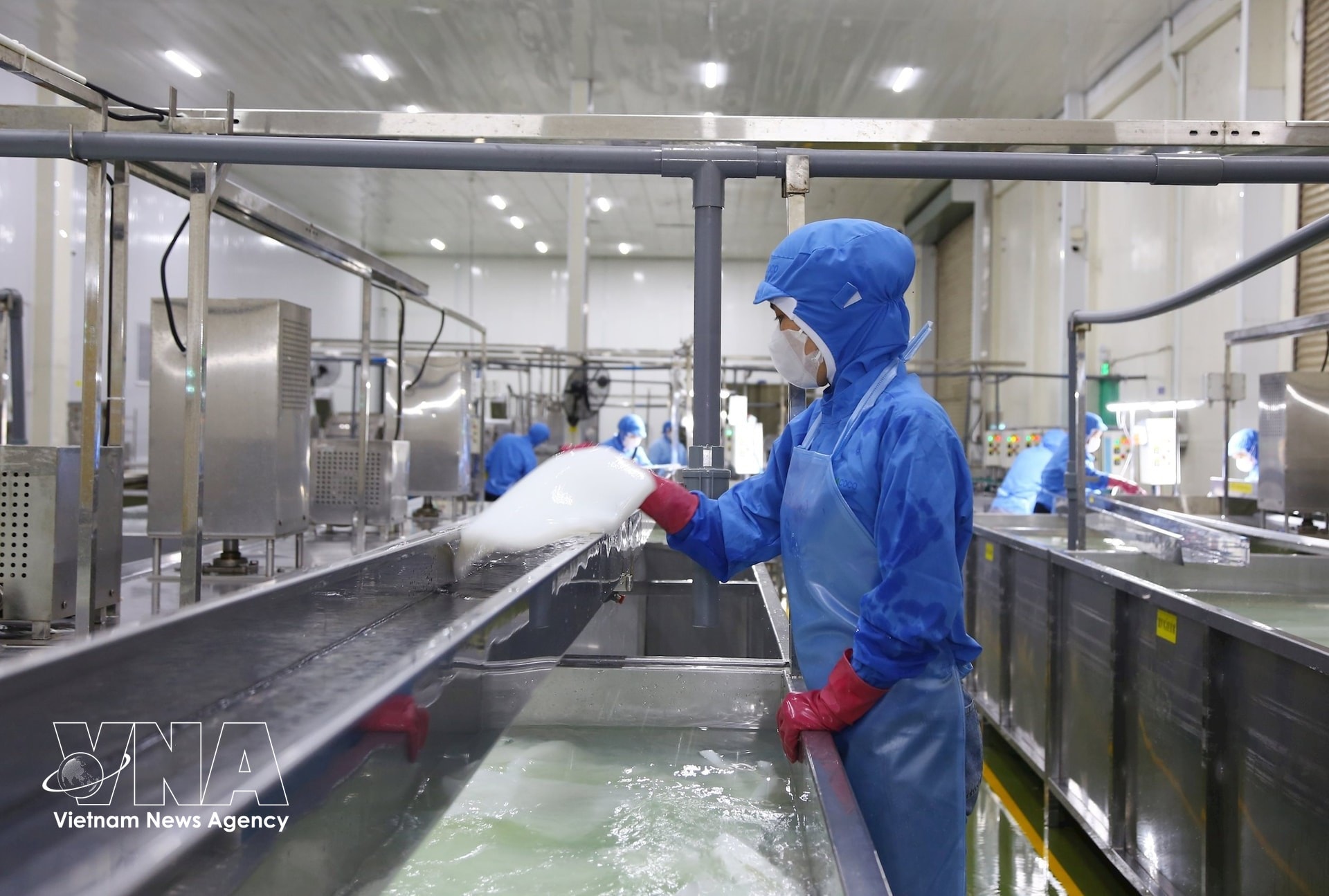
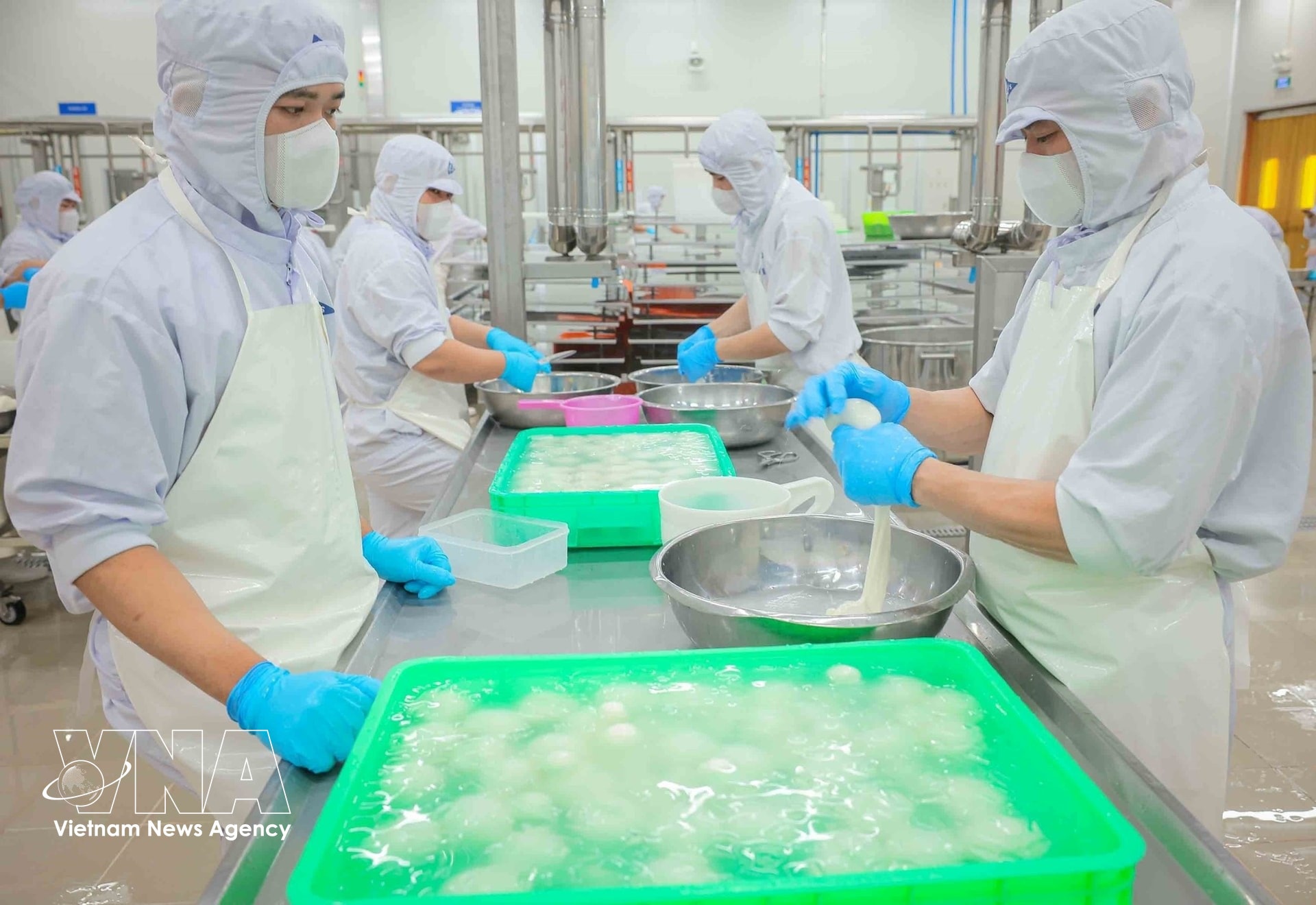
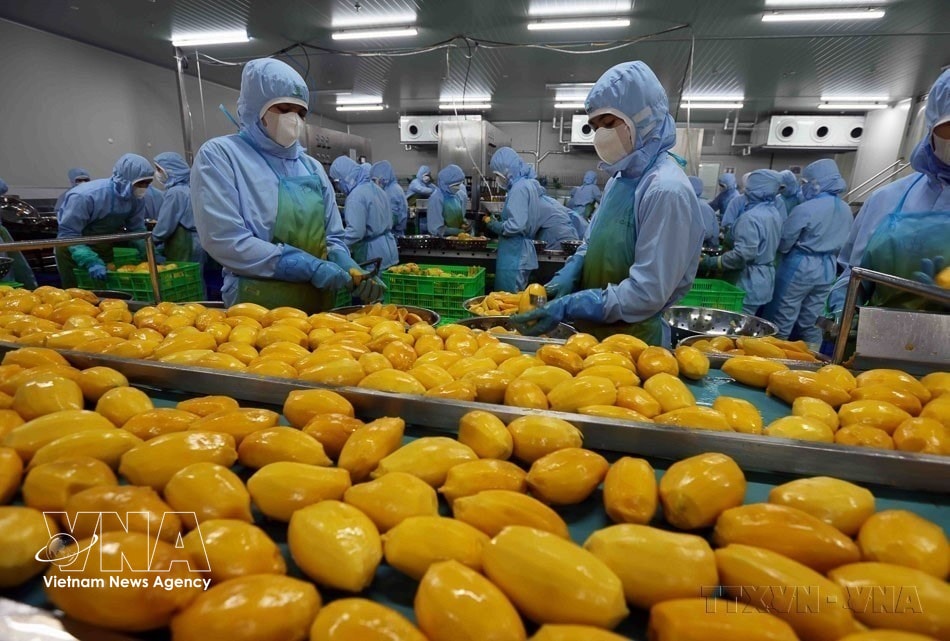
Workers use garlic fermentation technology to produce black garlic at the DORI Joint Stock Company in Quang Ngai province. (Photo: VNA)Workers produce fresh cheese at the Cheese 4P’s JSC in the Phu Hoi Industrial Park, Lam Dong province. (Photo: VNA)The Coco Vietnam Food JSC (GC Food) in Dong Nai province applies advanced technologies to produce coconut jelly meeting four-star OCOP standards and exported to 27 countries. (Photo: VNA)Processing mangoes for export at the B’LaoFood Company in Lam Dong province. (Photo: VNA)
Vietnamese businesses are investing big in deep processing. (Illustrative photos: VNA)
In the context of intensive international integration, Vietnam’s fruit and vegetable sector must shift from quantity-driven to quality-focused growth, with food safety and quality at its core. Green production, strict value chain control, and brand building will be the three important pillars for it to enhance competitiveness, maintain growth, secure sustainable development, and gain a strong foothold in global markets in 2026 and beyond./.
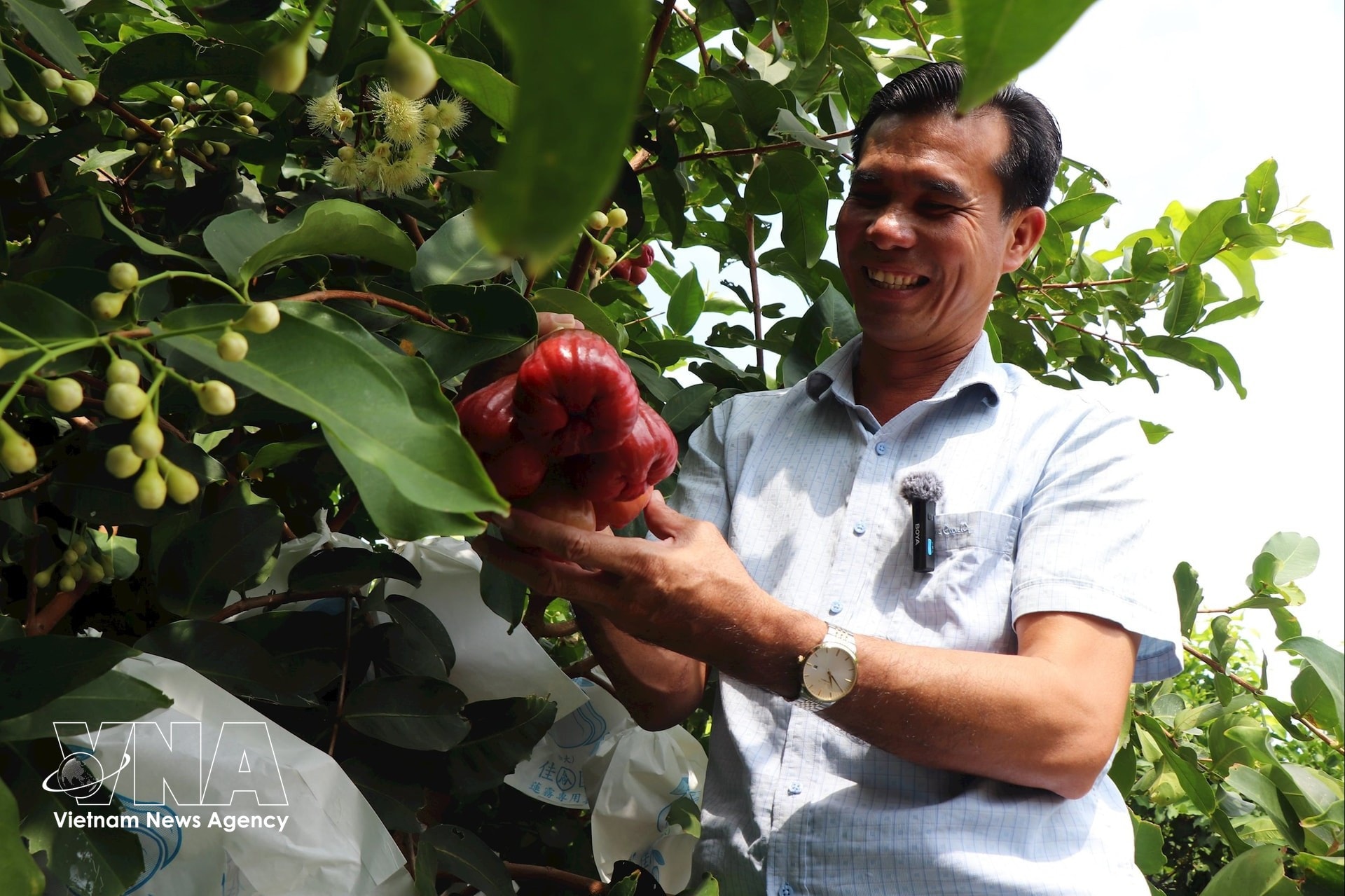
Farmers in An Quoi hamlet of Cu Lao Dung commune, Can Tho city, have successfully created the pink San Tien wax apple variety and adopted strict organic farming practices. (Photo: VNA)


.jpg)