VIETNAMESE COFFEE IN THE VALUE ERA: FROM PRODUCTION HUB TO GLOBAL VALUE PARTNER
LongForm - Ngày đăng : 16:53, 06/02/2026
After more than a century of formation and development, the coffee industry has made Vietnam one of the world’s leading coffee producers.
LongForm
VIETNAMESE COFFEE IN THE VALUE ERA: FROM PRODUCTION HUB TO GLOBAL VALUE PARTNER
•{Ngày xuất bản}
After more than a century of formation and development, the coffee industry has made Vietnam one of the world’s leading coffee producers.
Entering the 2025–2035 period, as the global market undegoes restructuring toward green growth, transparency and responsibility, Vietnam — once primarily known as a strong raw-material supplier — now faces the imperative of transforming from a “volume-based supplying nation” into a “value-creating partner” in the global coffee chain.
Value positioning capacity amid global market restructuring
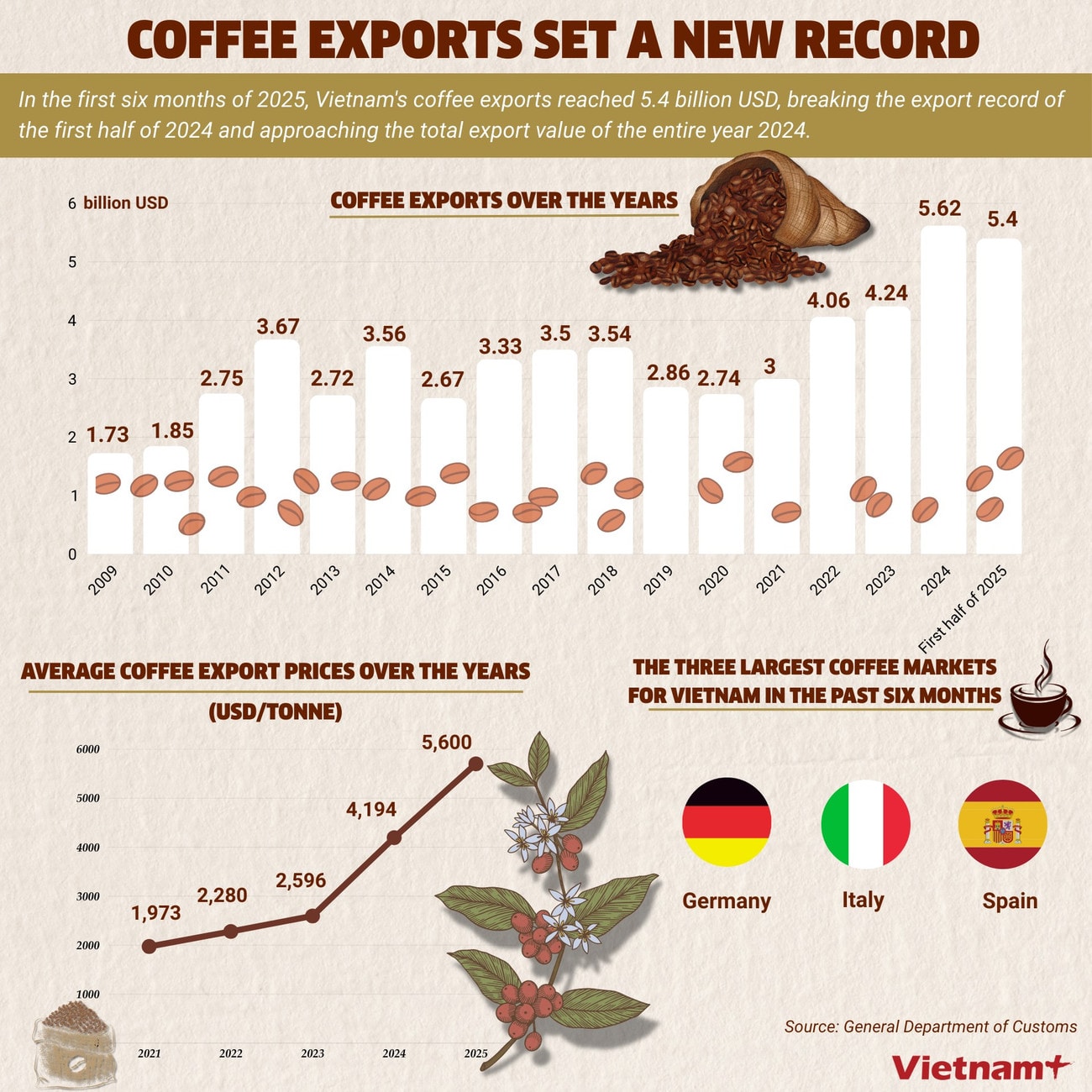
The year 2025 marked an important milestone as Vietnam’s coffee export turnover exceeded 8.6 billion USD for the first time, up more than 52% from the previous year. According to forecasts by the US Department of Agriculture (USDA), Vietnam’s coffee output in the 2025–2026 crop year is estimated at around 31 million 60-kg bags, ranking second in the world after Brazil. Together, the two countries now account for more than 56% of global coffee production, underscoring Vietnam’s increasingly prominent role in the international supply structure.
According to Vietnam’s Ministry of Agriculture and the Environment, the coffee sector’s achievements in 2025 are not merely record-breaking figures, but reflect a deeper shift in how the global market views Vietnamese coffee. That shift is a decisive move in value, from quantity to quality and sustainability, from short-term transactions to long-term partnerships, and from low prices to responsible value.
The Central Highlands has long been recognised as an area particularly suited to coffee cultivation. However, for many years, Vietnam’s coffee success was measured mainly by output and green-bean export volumes. In today’s rapidly restructuring global market, Central Highlands coffee now stands at a historic turning point, with efforts underway to become a regional centre of value and branding.
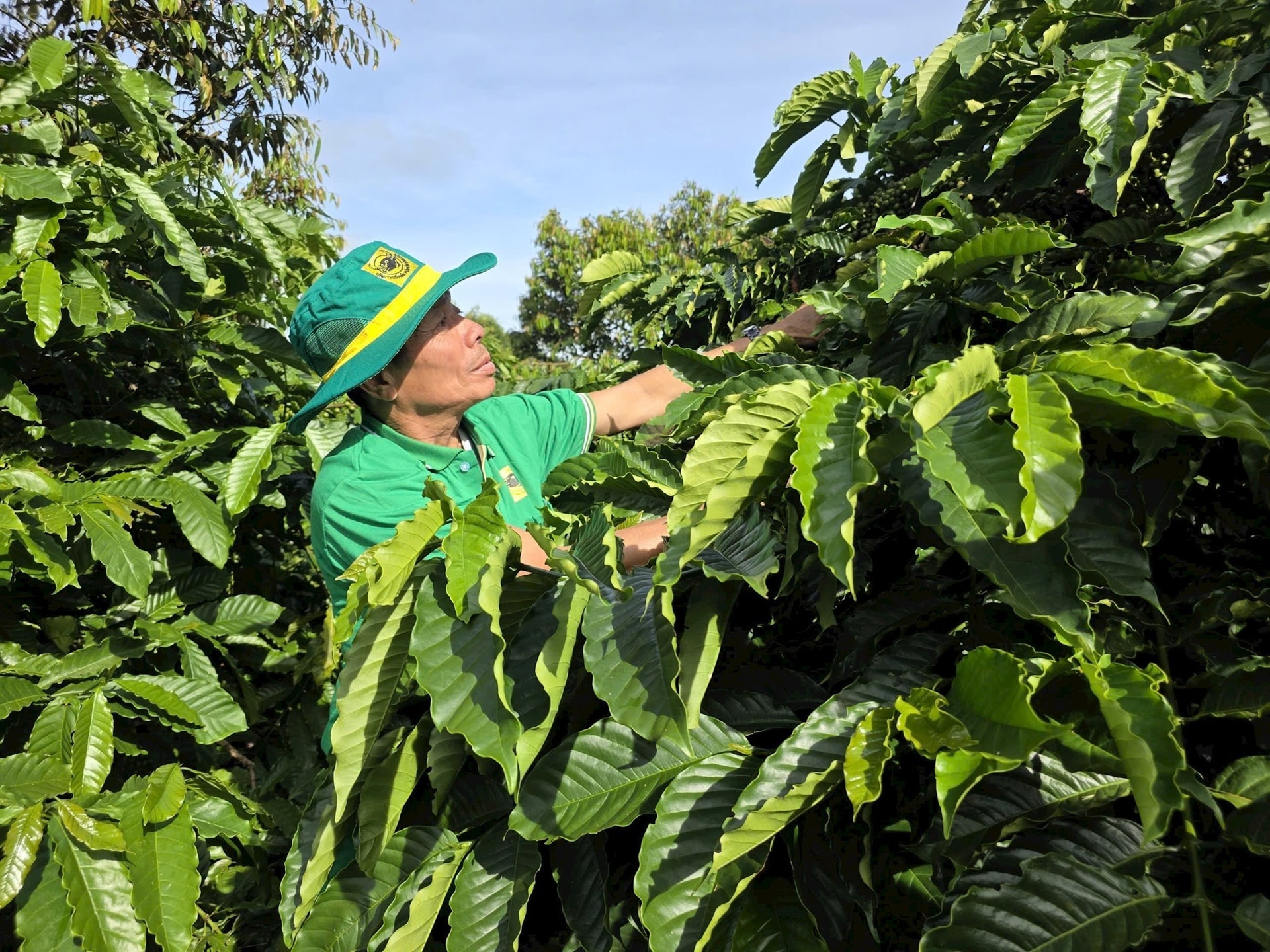
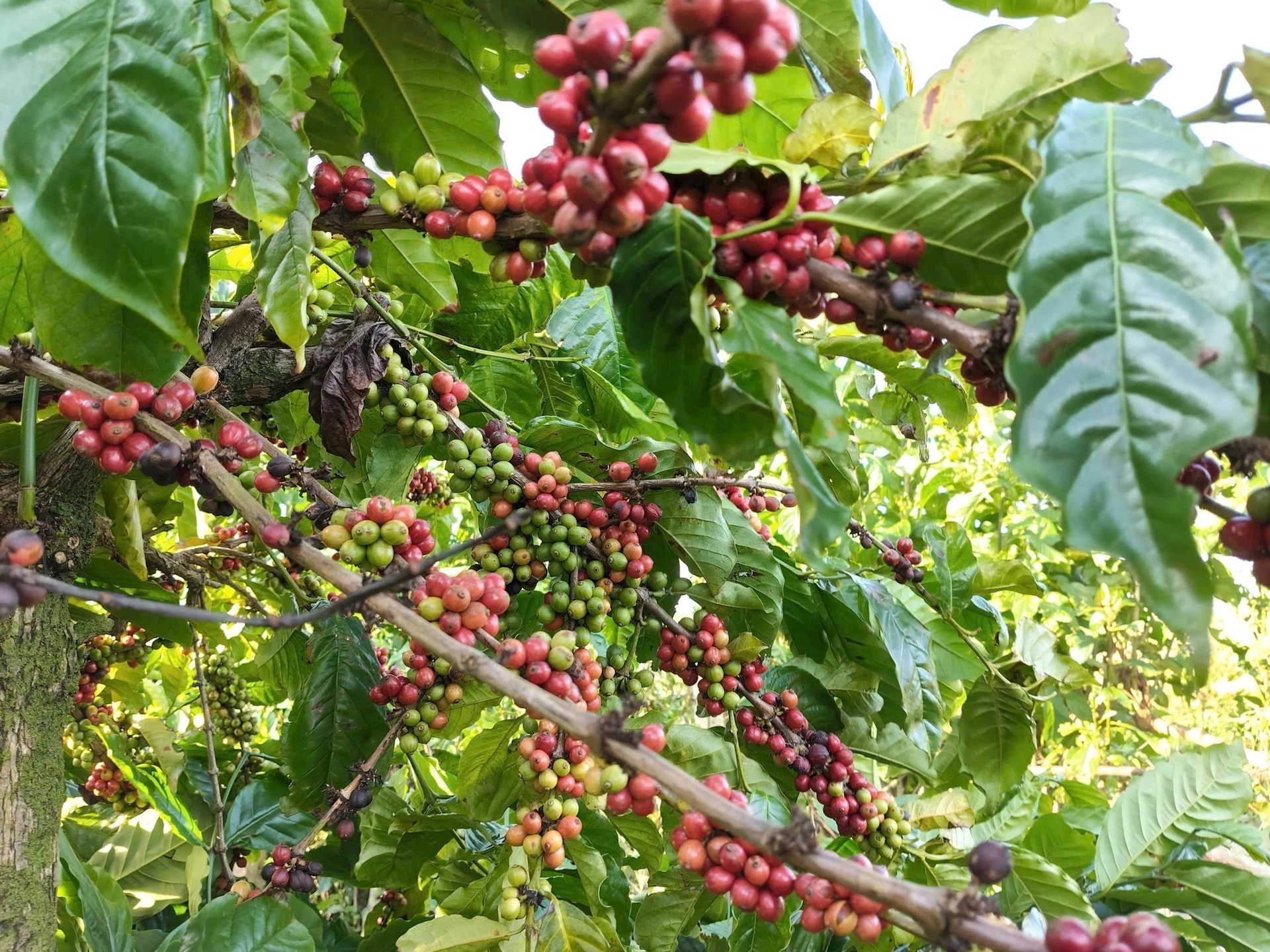
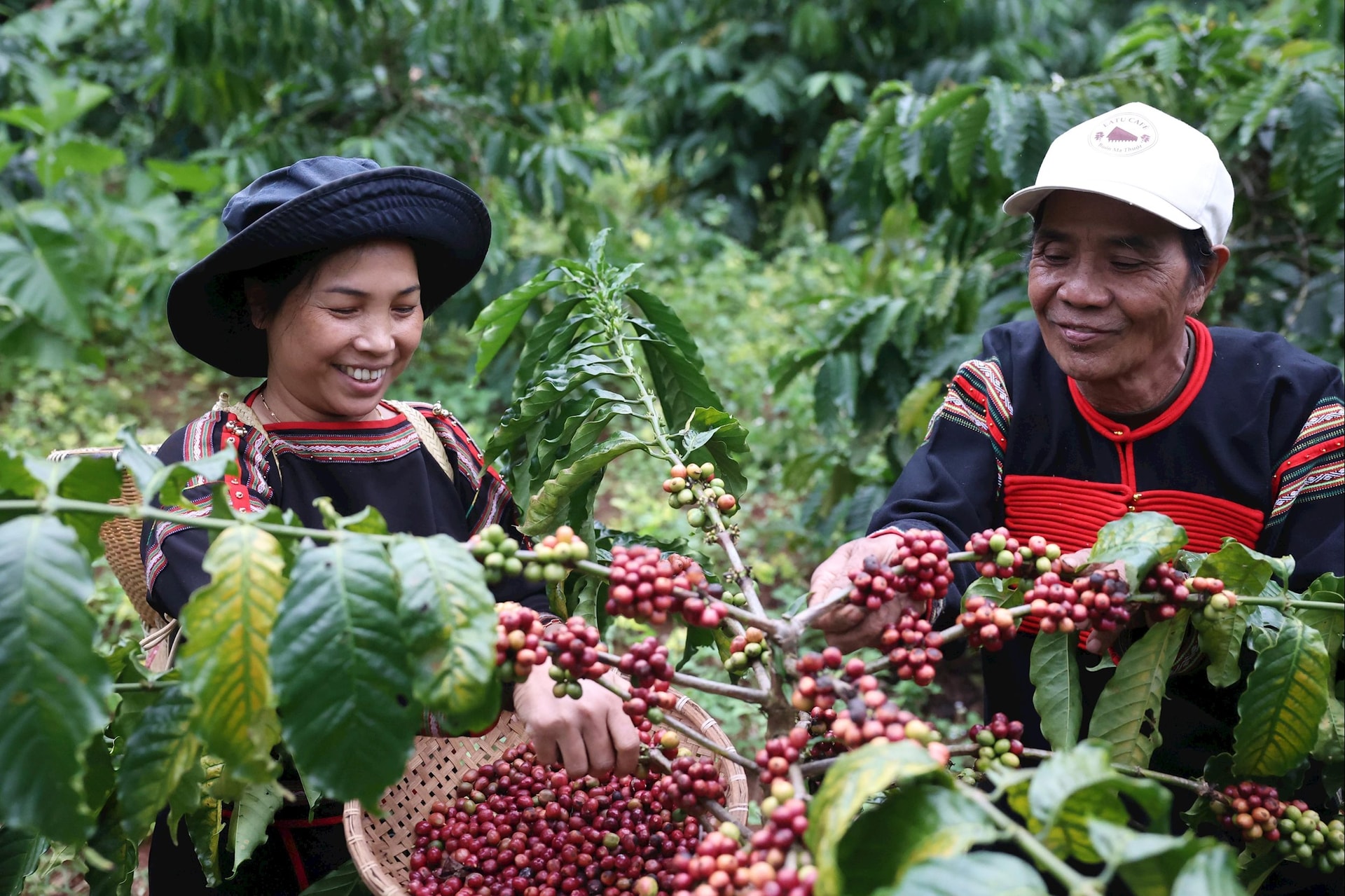
The Central Highlands expand smart coffee farming models (Photo: VNA)
Vietnam’s coffee-growing area currently totals about 710,000 hectares. The provinces of Dak Lak, Lam Dong and Gia Lai account for more than 92.4% of the total planted area and 95% of the national output.
Experts note that when the market no longer asks “how many tonnes,” but rather “how much value per coffee bean,” scale advantages must be converted into positioning advantages within the value chain. This is the foundation for Vietnam to enhance its role in long-term cooperation with international partners.
Quality, identity and credibility – pillars of added value
Along with market shifts, quality, identity and credibility are becoming decisive factors in Vietnamese coffee's competitiveness. In this context, Robusta, the variety that accounts for the largest share of the country’s output, is being repositioned in the high-value segment through speciality-coffee standards.
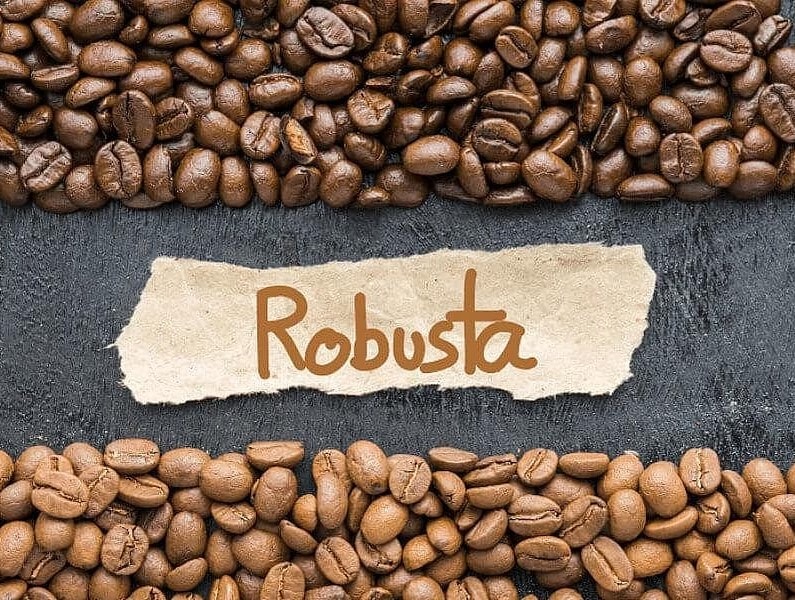
rrobusta 3
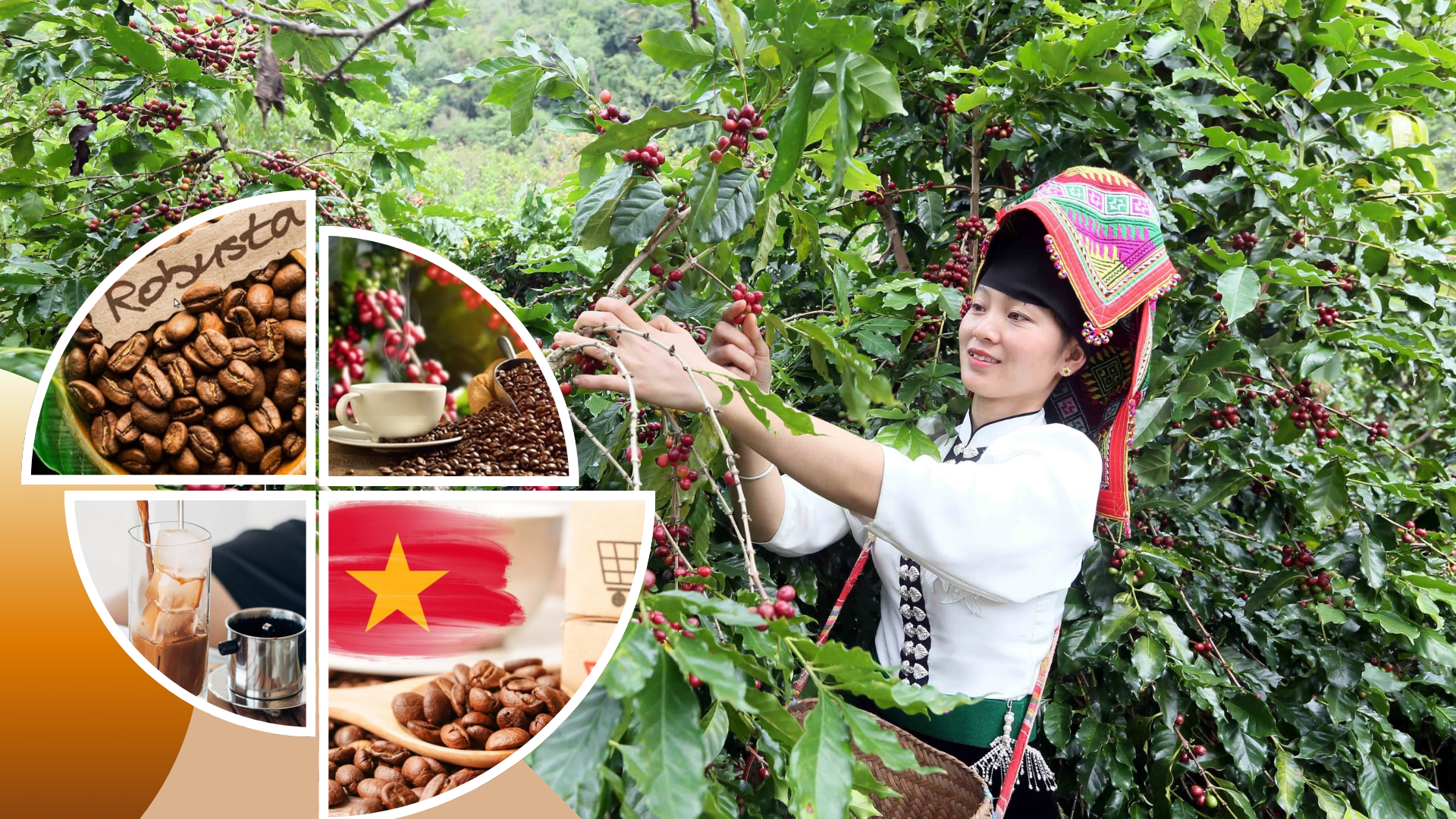
Robusta – the coffee variety accounting for the largest share of Vietnam's production structure (Photo: VNA)
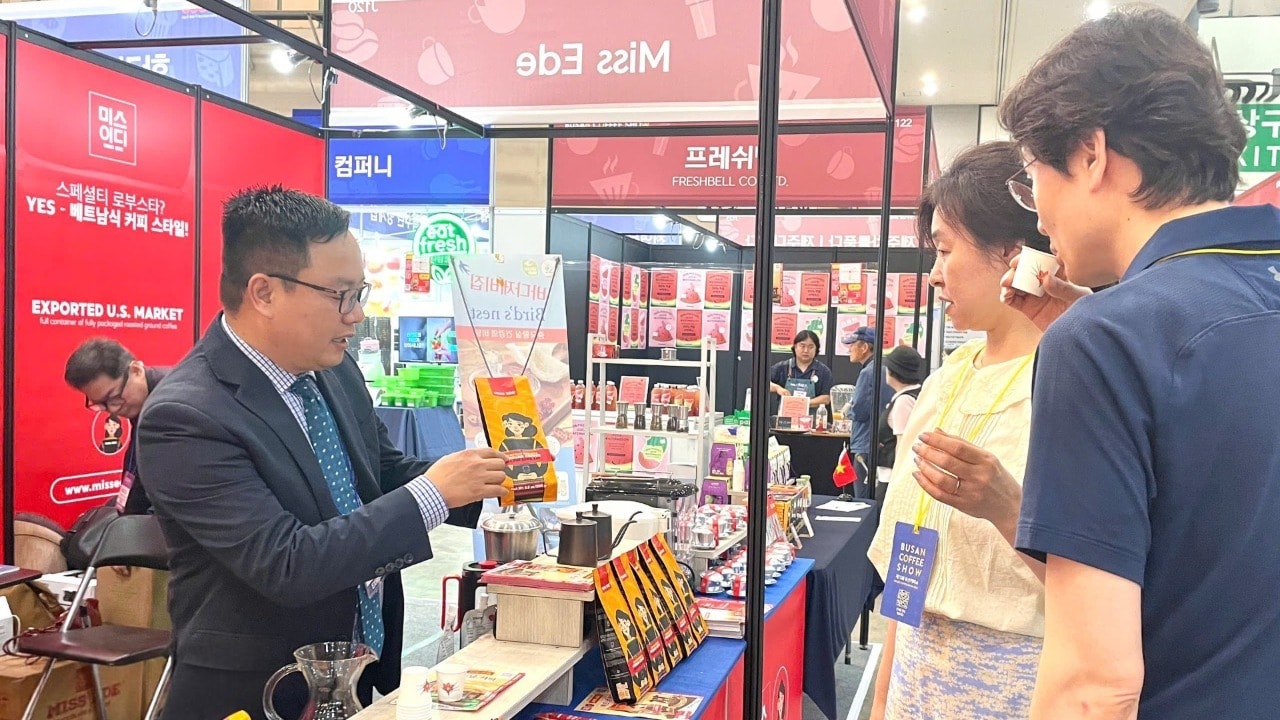
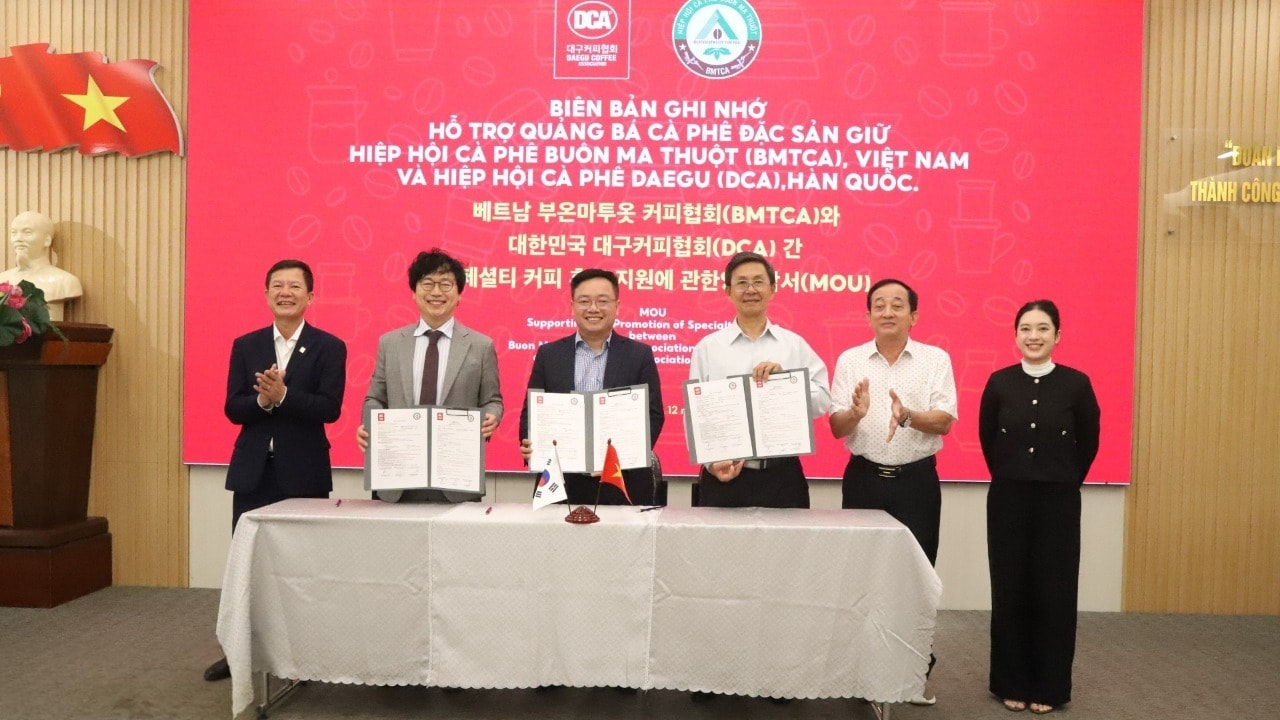
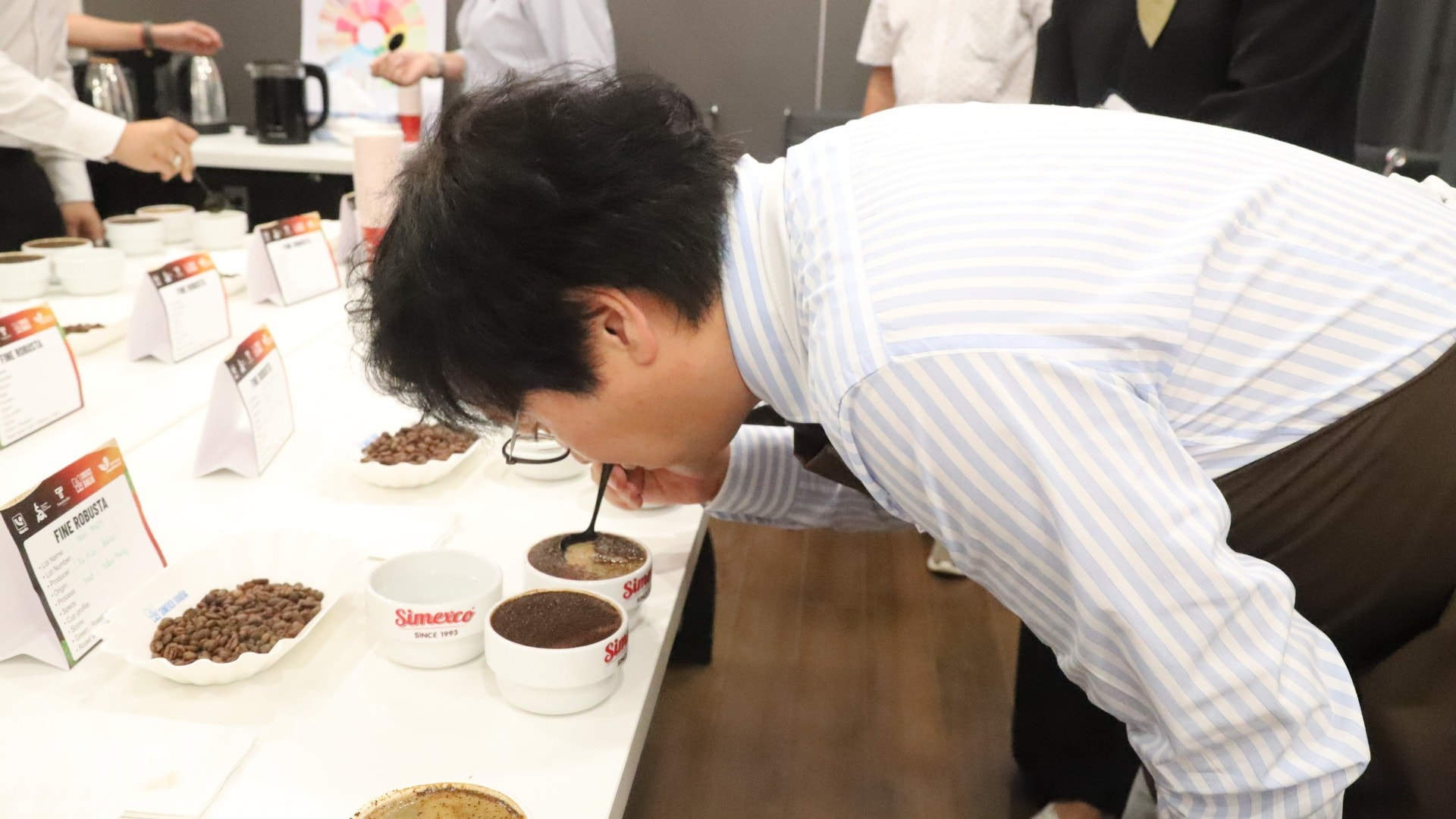
Vietnamese Robusta currently accounts for about 45% of global Robusta output, providing a strong basis for deeper participation in shaping the value of this variety. In recent years, Vietnam's Robusta has gradually entered premium consumer markets in East Asia. The inclusion of a Dak Lak Robusta product in coffee chains in the Republic of Korea, — a market with stringent quality and experience requirements — is regarded as an important milestone in this value-repositioning process.
Miss Ede coffee brand sold in the Republic of Korea market. (Photo: VNA)
While Dak Lak is shaping Robusta for East Asian markets, Lam Dong’s coffee-growing areas are intensifying their development of specialty coffee aimed at the European market that places particular emphasis on traceability, geographical indications and sustainability. In areas such as Di Linh, Lac Duong and Da Lat, Arabica, Bourbon and Moka varieties are cultivated and processed under strict protocols to meet the increasingly demanding standards of the EU market.
In practice, investment in specialty coffee is no longer the story of a few pioneering companies, but is becoming a new development structure for entire growing regions. It not only raises economic value but also helps build long-term credibility for Vietnamese coffee. Linkages between enterprises, cooperatives and farmers are gradually taking shape, reducing market risks and laying the foundation for sustainable development. Coffee, once purely an agricultural product, is now becoming a cultural bridge and an instrument of economic diplomacy in relations with international partners.
Creating a national value space for Vietnamese coffee
Within the Central Highlands coffee landscape, Dak Lak and Lam Dong, the two largest centres of the industry, now face a strategic choice of continuing to compete, or jointly creating a new development structure that will allow Vietnamese coffee to enter the global value era.
The special role of Dak Lak in the history of Vietnam’s coffee industry is undeniable. Buon Ma Thuot, whose name has become a national symbol of Robusta, has played a decisive role in making Vietnam one of the world’s leading coffee producers.
“
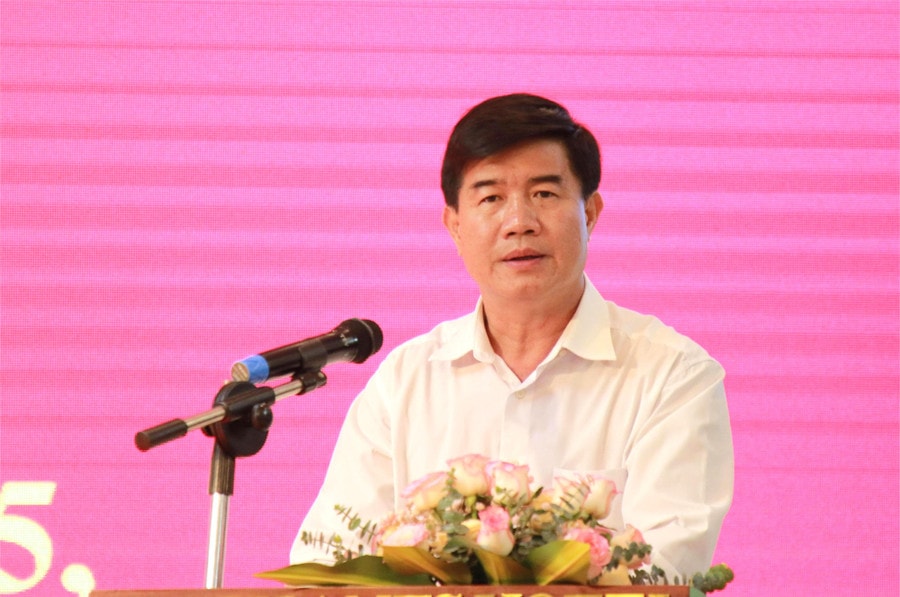
Dak Lak is the cradle of Vietnamese coffee and Robusta. With its large scale and full range of favourable conditions, it is well placed to become “a new symbol of the global coffee industry,” as it is increasingly recognised for quality, sustainability and cultural value.
Nguyen Thien Van - Vice Chairman of the Dak Lak provincial People's Committee
Today, as Vietnamese Robusta is increasingly repositioned in high-quality and speciality segments, Dak Lak’s central role takes on even greater strategic significance. It is no longer merely a raw-material supplier but is becoming a key anchor in the shift of Vietnam’s coffee value chain toward higher-value space.
Meanwhile, Lam Dong is emerging as a new growth pole in Vietnam’s modern coffee development structure. The province is entering a new phase, transforming from a large growing area into a centre for high-value production, processing and export. It is focusing on building high-tech coffee production zones, strengthening traceability, and meeting environmental standards, particularly the EU Deforestation Regulation (EUDR).
“
Coffee is not only the province’s key industrial crop but also its economic and cultural symbol. With the largest coffee area in the country, Lam Dong has the foundation to become a leading centre for coffee production, processing and export in the coming period.
Phan Nguyen Hoang Tan - Director of Lam Dong’s Department of Agriculture and Environment
Lam Dong is no longer positioning itself merely as a “large raw-material region” but is gradually building the image of Vietnam’s speciality and green-standard coffee space. Cau Dat Arabica, Di Linh Bourbon, Bao Lam wet-processed Robusta and other products are becoming more deeply connected to European markets.
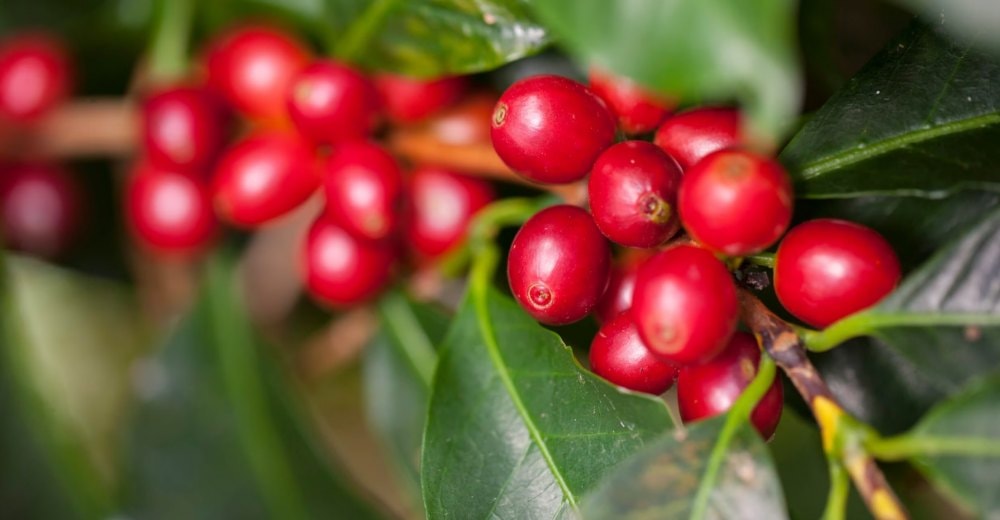
Vietnam is one of the world's largest producers of Robusta coffee (Photo: VNA)
The linkage between these two centres is seen as the foundation for forming a “national value space” for Vietnamese coffee. With Dak Lak serving as the historical centre and symbol of Robusta, and Lam Dong taking the lead in specialty coffee and sustainable production, regional advantages will reinforce one another, creating a more balanced and competitive development structure on the international market.
Experts believe that in this new development phase, Vietnam’s coffee industry must not only maintain its position as a production powerhouse but also elevate its role in the global value chain. Regional connectivity, value-chain linkages and improved governance are key to enabling Vietnamese coffee to enter the value era with a proactive posture, contributing to sustainable economic growth and enhancing Vietnam’s national image on the international stage./.
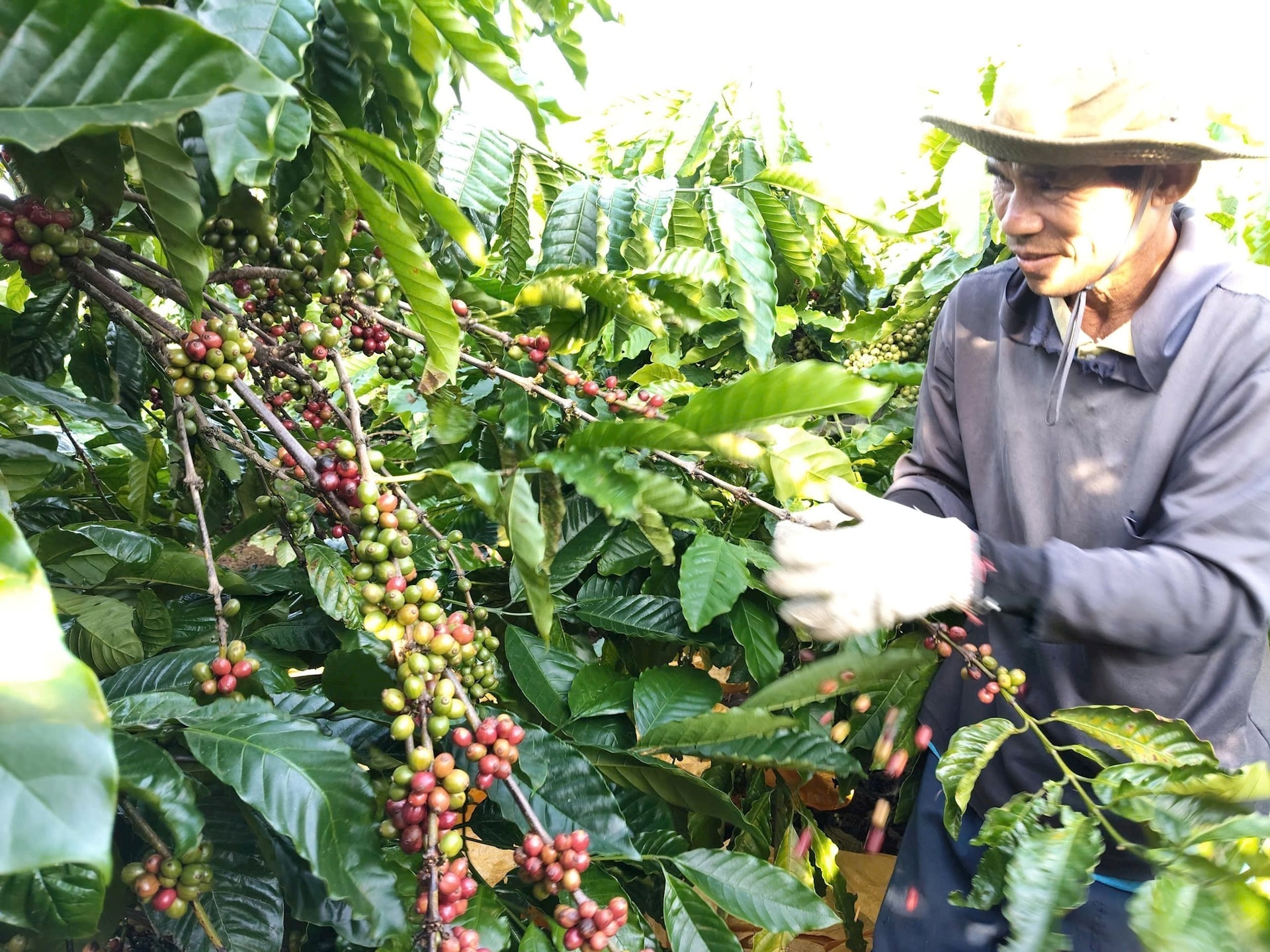
Lam Dong is not only positioning itself as a major raw-material hub, but is also gradually building an image as Vietnam’s specialty and green coffee space. (Photo: VNA)