CAN GIO – A “GREEN LABORATORY” FOR ENERGY TRANSITION
VNA•02/07/2026 10:17
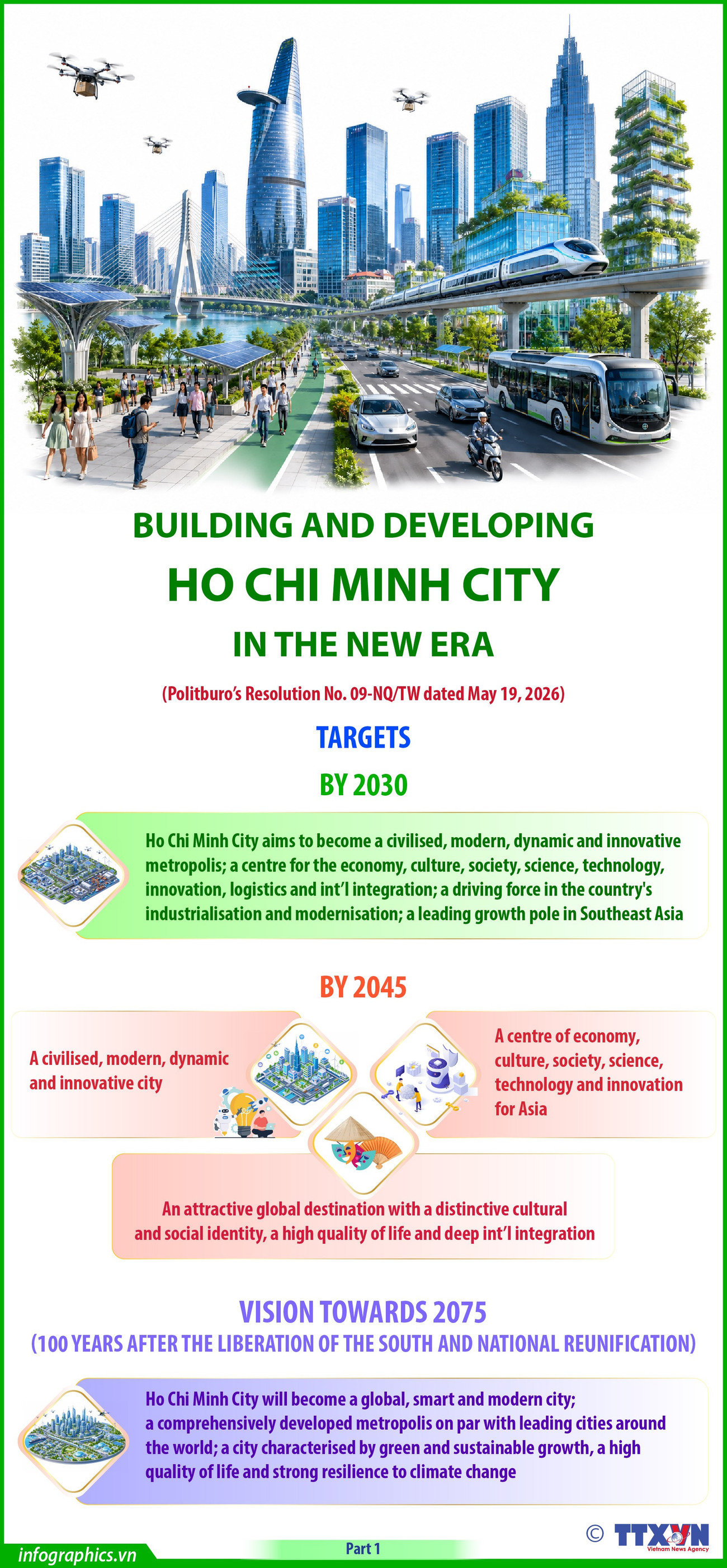
Ho Chi Minh City is entering a new phase of development with the ambition of becoming a green, modern and smart global metropolis, in line with the spirit of the Politburo's Resolution No. 09 on building and developing the city in a new era. In that strategy, Can Gio, the southern city’s only coastal gateway, is emerging as a new development space where the marine economy, renewable energy, ecological conservation and climate adaptation converge.
Once a coastal area facing significant infrastructure challenges, Can Gio is gradually transforming into a new maritime growth pole of the city. With its vast mangrove forests, solar-powered production models, plans for offshore wind energy and green transportation systems, Can Gio is increasingly being viewed by experts as a “green laboratory” for the country's emissions reduction efforts and its commitment to achieving net-zero emissions by 2050.
Towards "A green Can Gio"
Under the implementation plan for the “For a green Can Gio” action programme launched by the People's Committee of Can Gio commune, the locality aims to become a coastal area characterised by smart, environmentally friendly and green urban growth by 2030, while moving towards net-zero emissions.
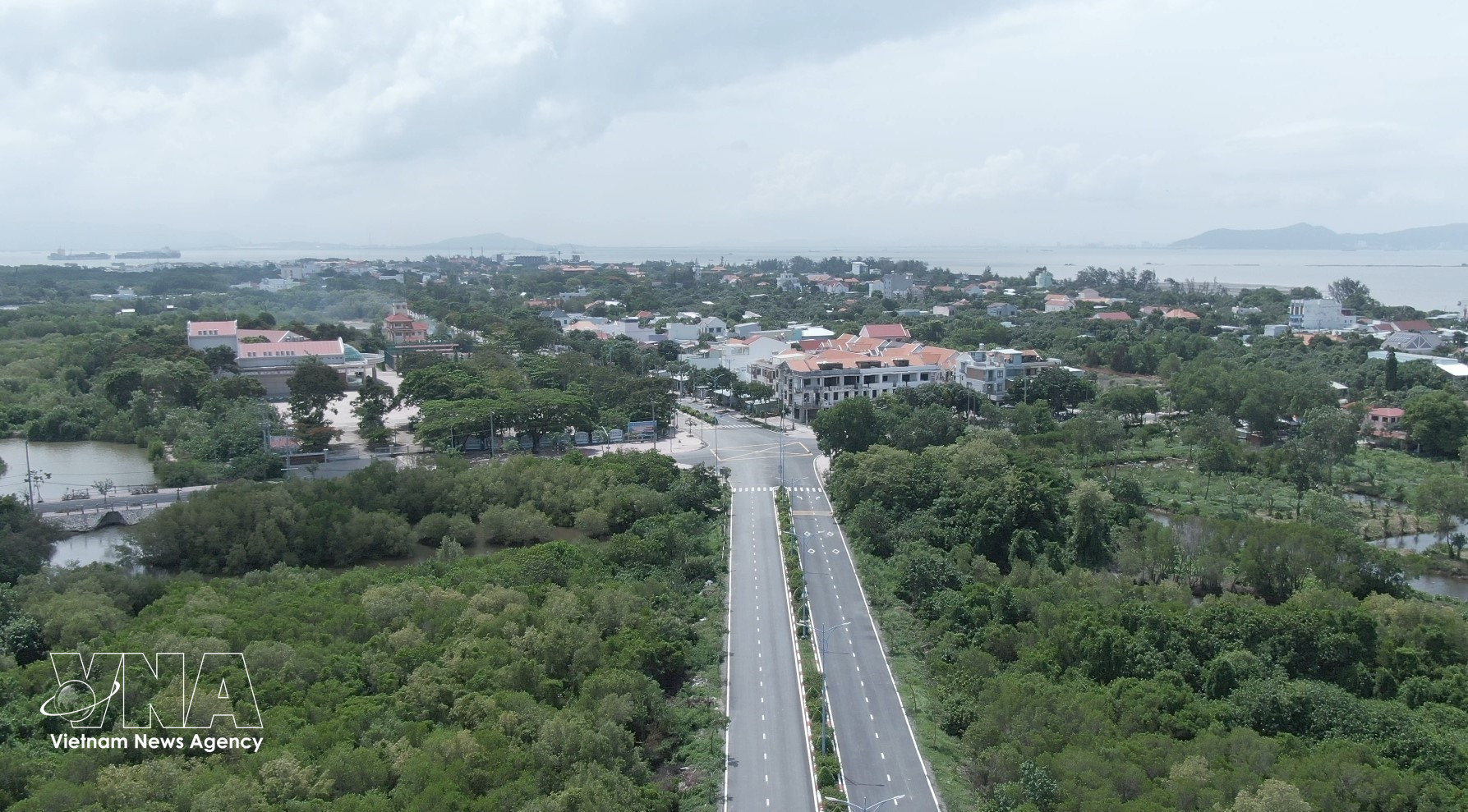
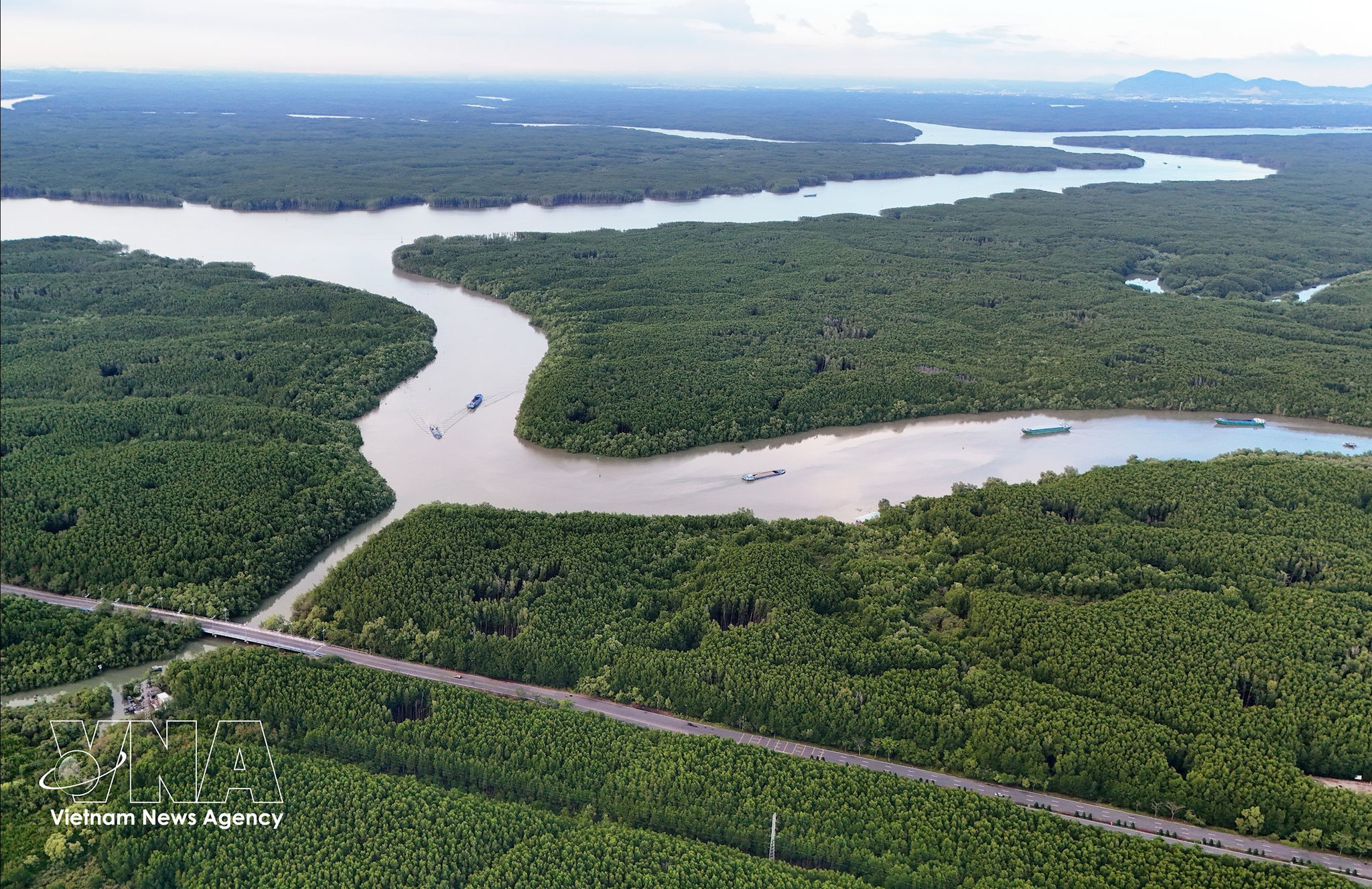
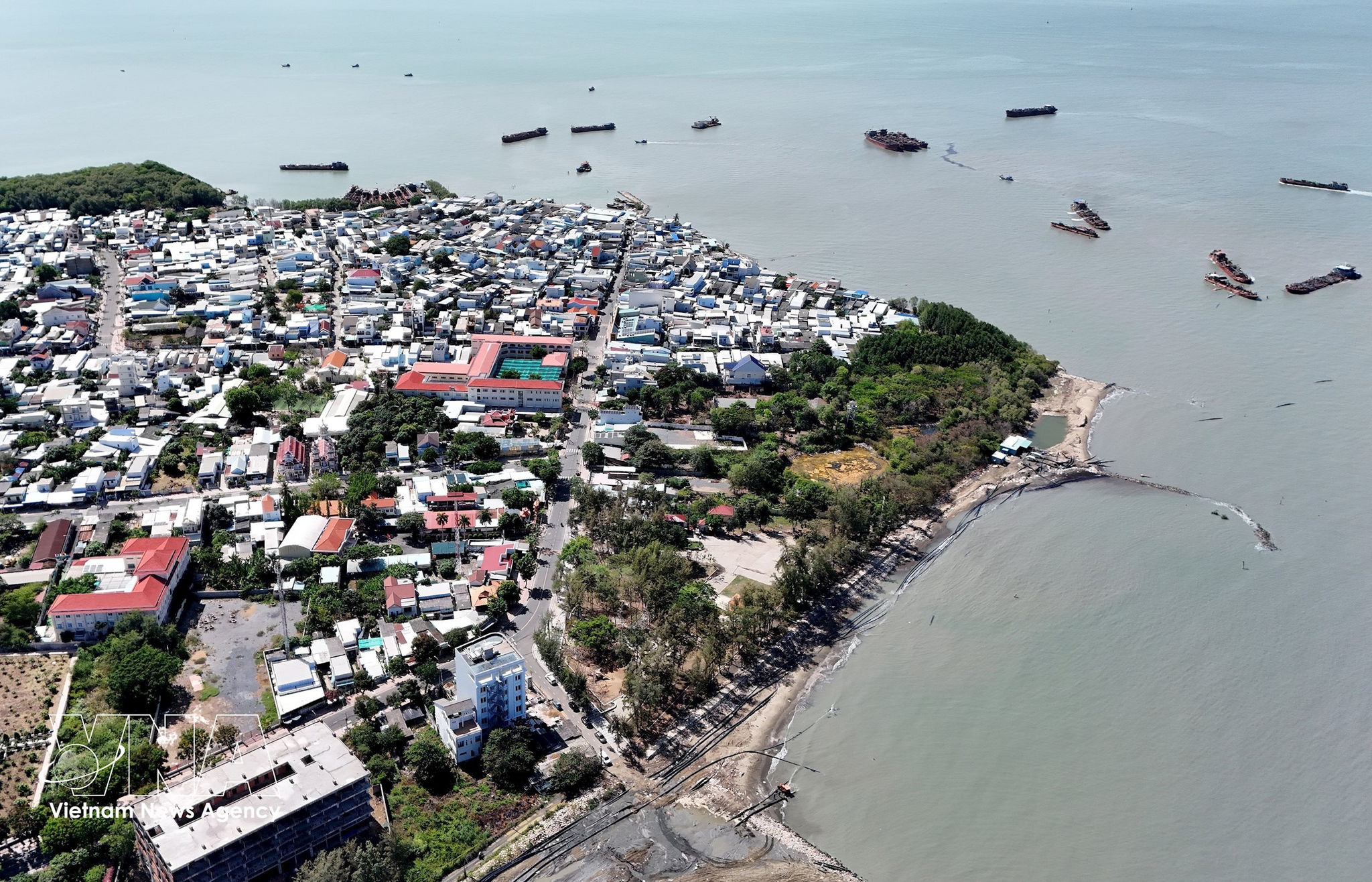
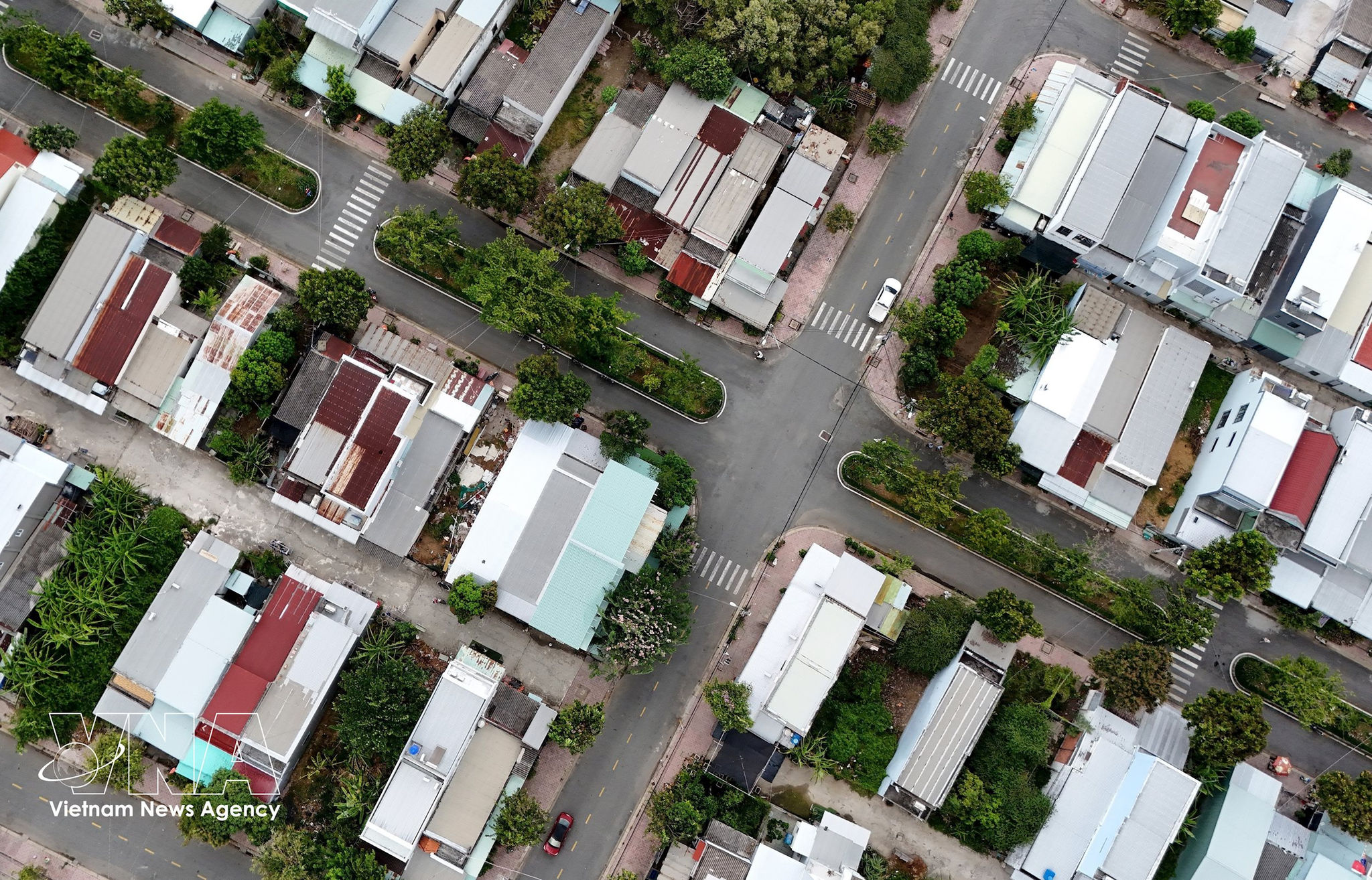
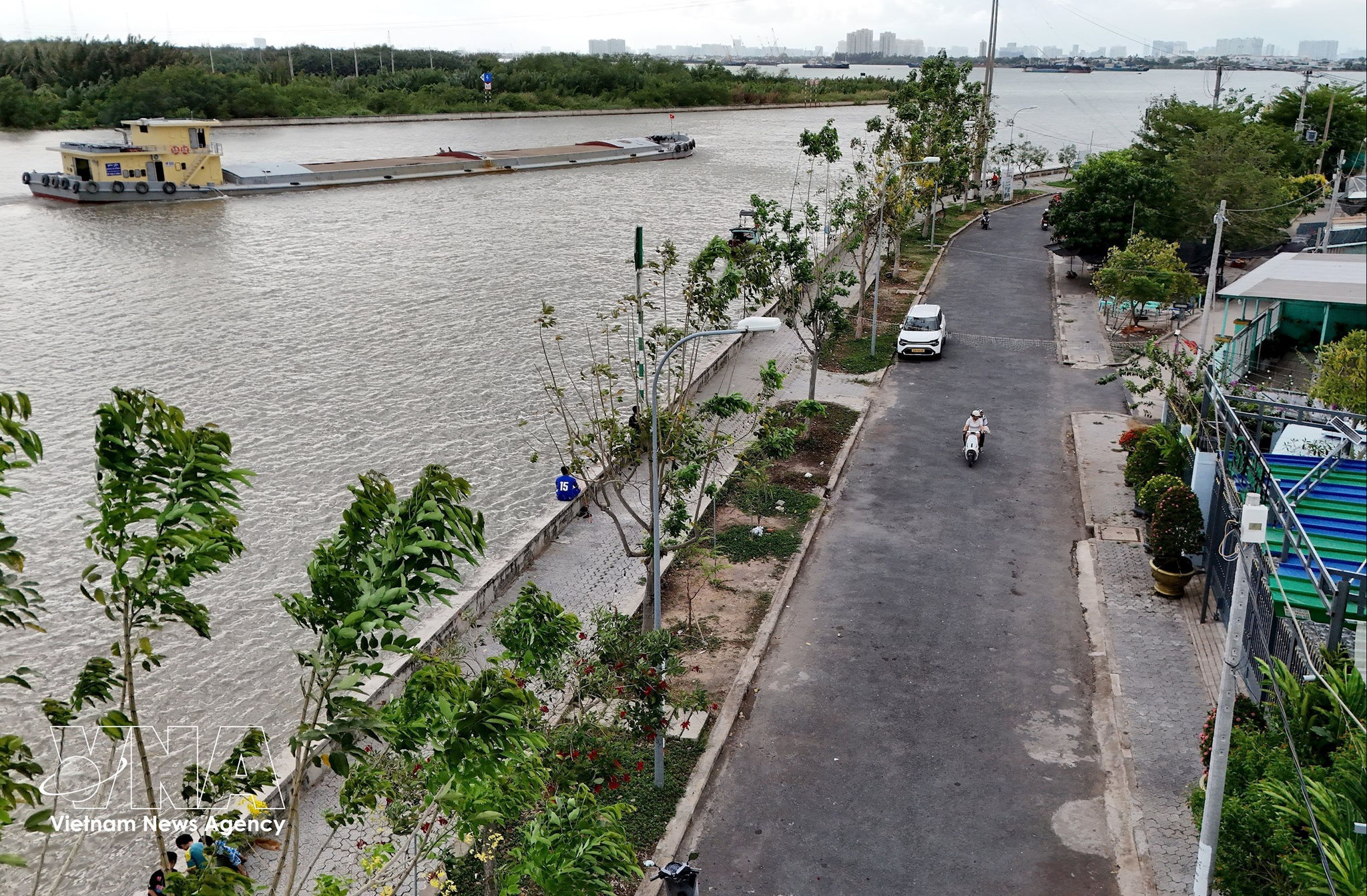
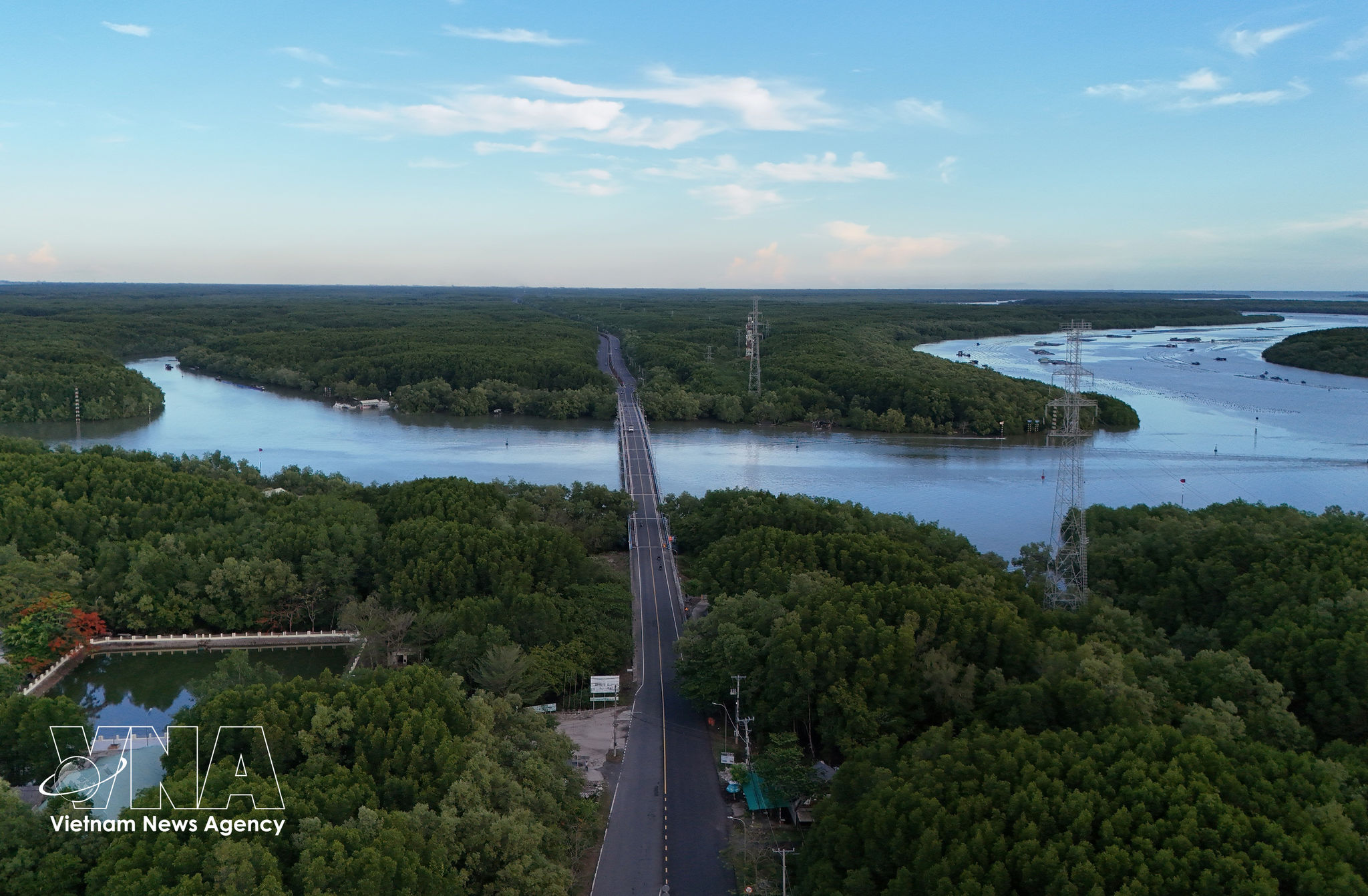
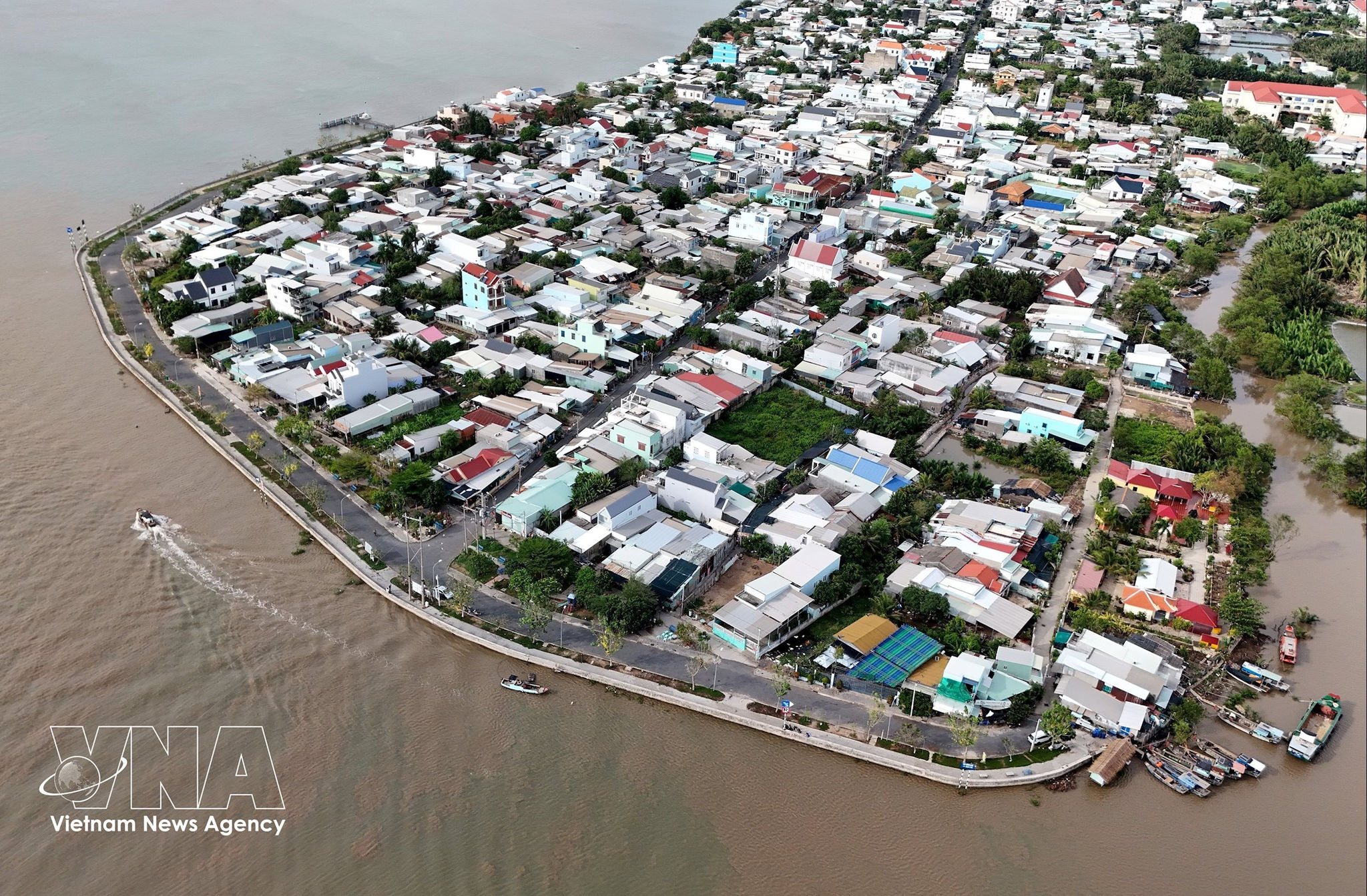
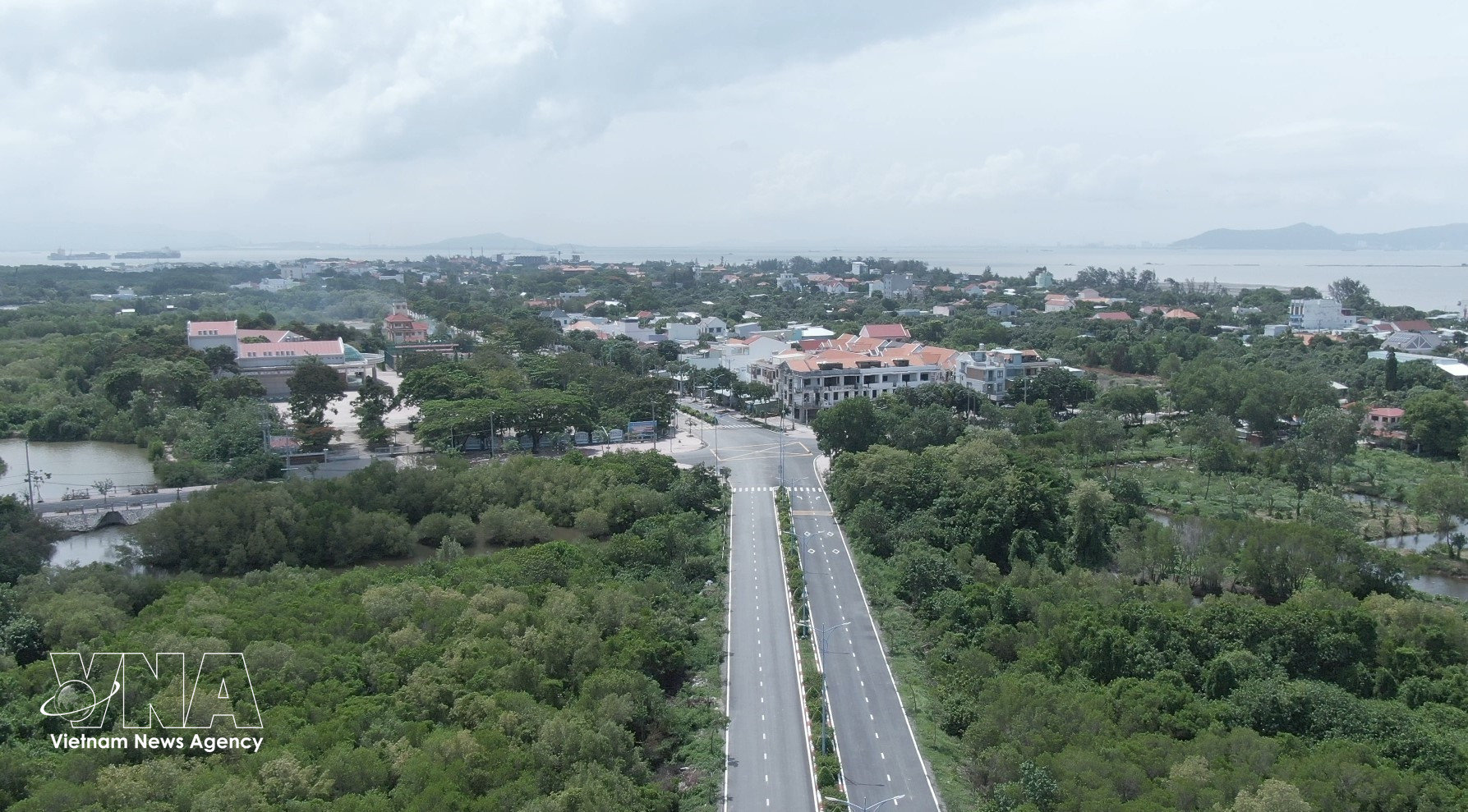
The Ben Thanh – Can Gio metro line will run alongside Rung Sac Road, helping lay the foundation for Can Gio's green transition. (Photo: VNA)The centre of Can Gio commune, the southern coastal gateway to Ho Chi Minh City (Photo: VNA)The Giong Ao residential area exemplifies the green and environmentally friendly living environment in Can Gio commune, Ho Chi Minh City. (Photo: VNA)A road with an embankment system that protects the environment and prevents erosion in Binh My hamlet of Binh Khanh commune, Ho Chi Minh City. (Photo: VNA)Rung Sac Road will also be widened to enhance green connectivity in Can Gio while preserving its natural ecosystem and ensuring the interests of local communities. (Photo: VNA)
Specific targets include ensuring that 100% of eligible public buildings are equipped with rooftop solar power systems, transitioning all public transport vehicles to clean energy, gradually establishing “Green Village” models, and exploring participation in carbon markets based on the carbon sequestration value of its mangrove ecosystems.
To achieve these goals, local authorities have identified several priority measures, including the development of green transportation, promotion of renewable energy use, reduction of plastic waste, enhancement of waste collection and treatment systems, expansion of green buildings, and strengthening public awareness of environmental protection.
“
The commune’s unique advantages in mangrove ecosystems and marine space position it to become a coastal ecological urban area, a centre for the blue economy, eco-tourism and logistics in southern Ho Chi Minh City. The city is also studying low-emission zone models, promoting electric vehicles and green public transportation, and gradually reducing dependence on fossil fuels.
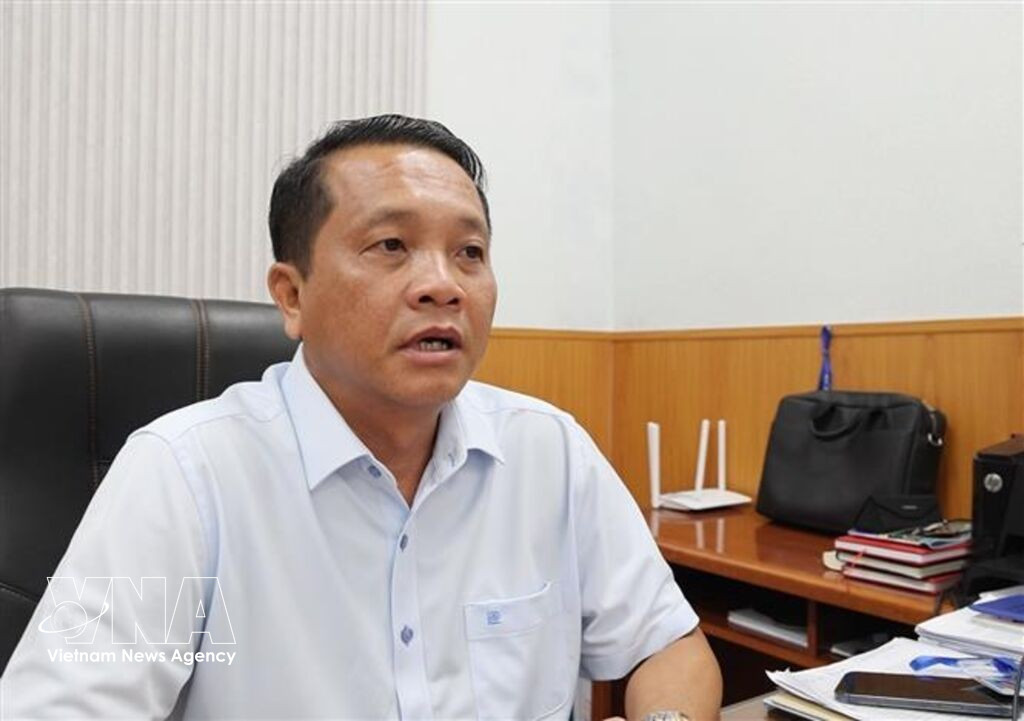
Ho Van Binh, Vice Chairman of the Can Gio People’s Committee
From coastal potential to green development models
In addition to possessing the country’s largest mangrove ecosystem, Can Gio enjoys abundant sunlight, strong winds, and extensive marine areas, all favourable conditions for renewable energy development and a low-carbon economy.
Under Ho Chi Minh City’s development plans, the waters off Can Gio are being studied for large-scale wind power projects to supply electricity to the national grid and support the production of green hydrogen. At the same time, local authorities are exploring the expansion of solar power systems, energy-efficient lighting networks, and infrastructure for green transportation.
“
Can Gio is working closely with relevant agencies to develop carbon credits from mangrove forests, establish carbon absorption databases, and promote green economic models linked to the commune’s distinctive ecosystem.
Ho Van Binh, Vice Chairman of the Can Gio People's Committee
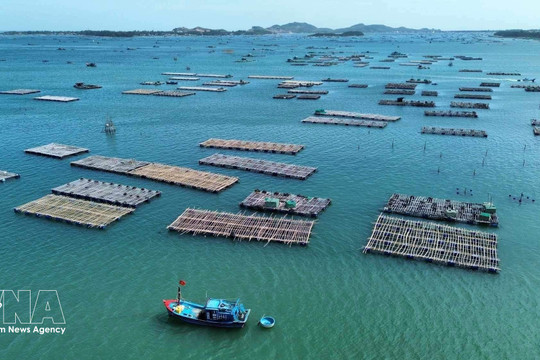
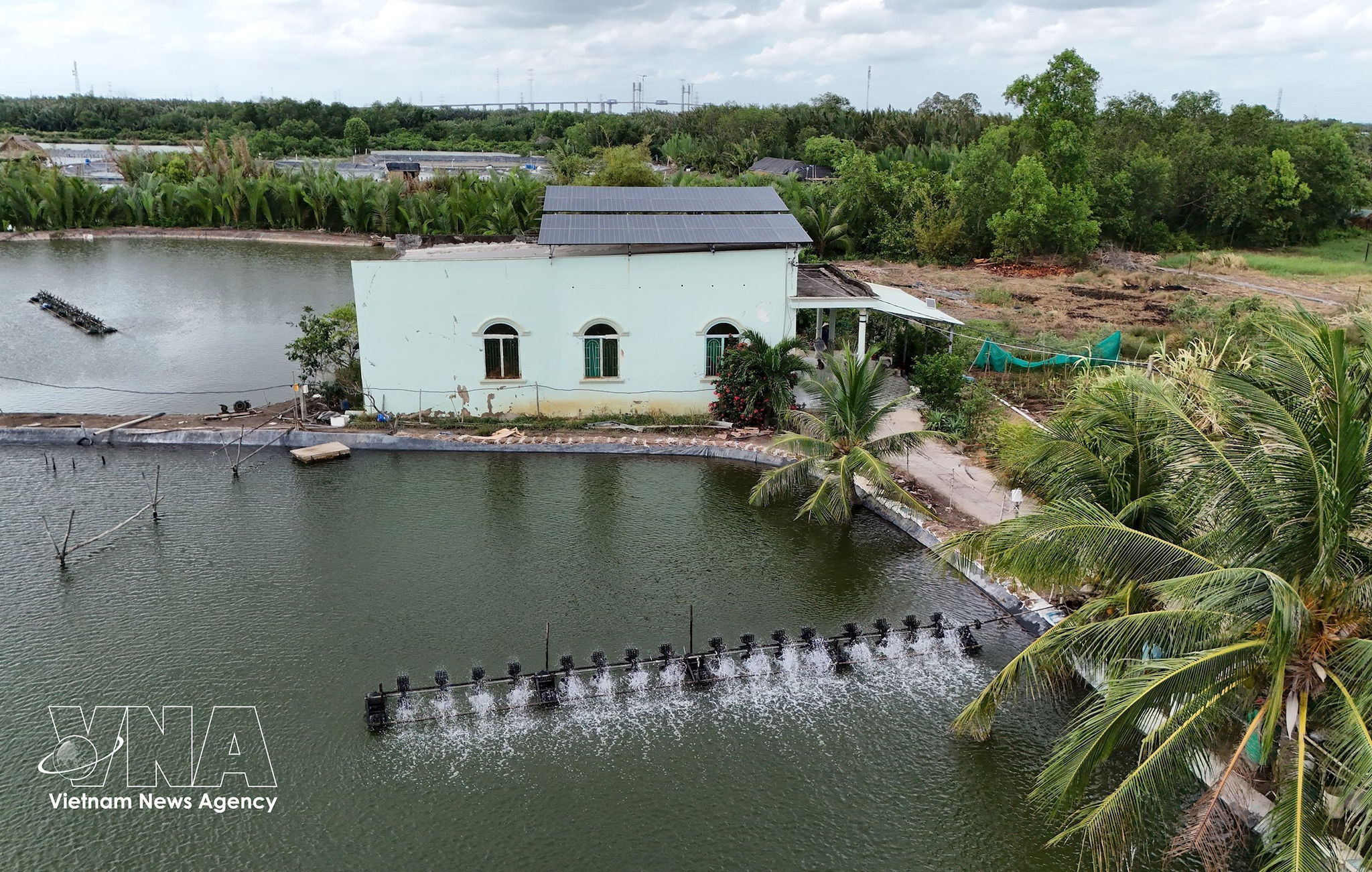
One notable example is the rooftop solar power model adopted by shrimp-farming households, which helps reduce production costs, utilise renewable energy, and generate additional income selling surplus electricity to the grid.
In agriculture, nipa palm nectar production represents a transformation to green agriculture that enhances the economic value, contributes to mangrove ecosystem conservation, prevents erosion, and increases carbon dioxide absorption.
A solar power system energises paddlewheel aerators, oxygenation equipment and water pumps for shrimp farming at the farm of Le Van Suong in Binh Thanh hamlet of Binh Khanh commune, Ho Chi Minh City. (Photo: VNA)Binh My hamlet of Binh Khanh commune, at the gateway to Can Gio, features a clean and well-developed landscape with an embankment system and well-connected internal roads. (Photo: VNA)Vinhomes Green Paradise Can Gio will operate entirely on clean energy, without relying on fossil fuels. (Photo: VNA)
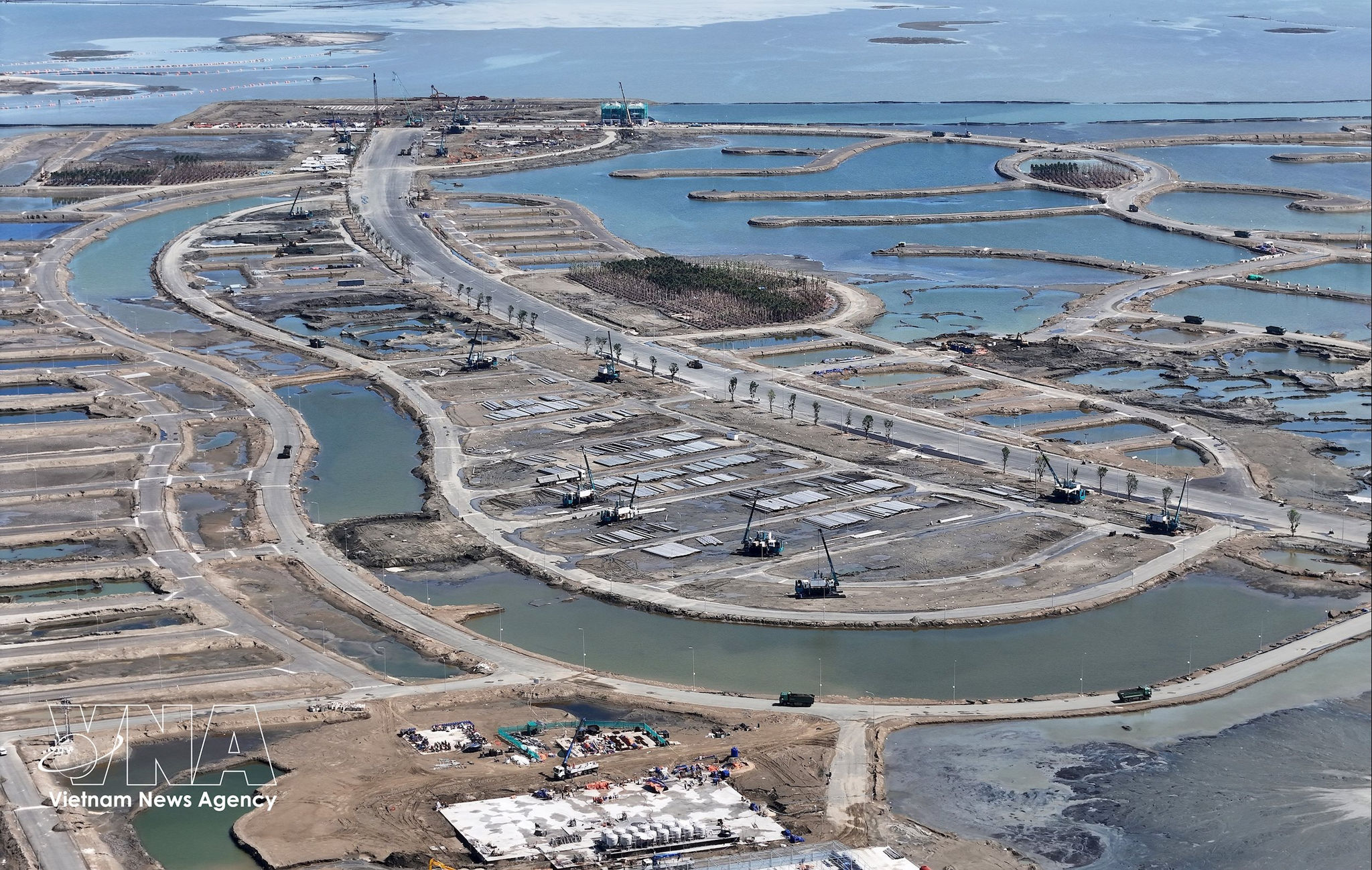
On a larger scale, the Vinhomes Green Paradise project is envisioned to operate using clean energy generated from offshore wind farms and solar power, reflecting the trend towards green urban development associated with carbon reduction.
At the same time, infrastructure projects such as the Can Gio Bridge, the Ben Thanh – Can Gio metro line, the expansion of Rung Sac Road, and waterway transport routes connecting coastal areas are gradually creating the foundation for green mobility, the marine economy, and eco-tourism development.
These initiatives demonstrate that Can Gio’s green transition is no longer merely a long-term aspiration but is steadily becoming a reality through the combined efforts of government authorities, businesses, and local communities.
From a “green lung” to a Net Zero urban model
According to experts, Can Gio’s greatest advantage lies not only in its wind and solar energy potential but also in its mangrove ecosystem, which has a remarkable capacity to absorb and store carbon.
Huynh Duc Hoan, head of Ho Chi Minh City’s Protective Forest Management Board, said the Can Gio mangrove forest has long been regarded as the “green lung” of the city and neighbouring provinces, while also serving as a vital resource for green economic development and climate change adaptation.
Meanwhile, Prof. Dr. Le Thanh Hai, Director of the Institute for Environment and Resources under the Vietnam National University Ho Chi Minh City, believes that Can Gio is a testing ground for renewable energy and low-carbon urban development models in Vietnam.
In his view, the key to success lies in balancing economic growth, clean energy use, ecosystem conservation, and sustainable livelihoods for local communities.
In practice, the green transition is already visible across various sectors in Can Gio, from transportation and production to eco-tourism and public awareness of environmental protection. It also reflects the vision of Resolution No. 09, which identifies Ho Chi Minh City as a national pioneer in green growth, the circular economy, and sustainable development.
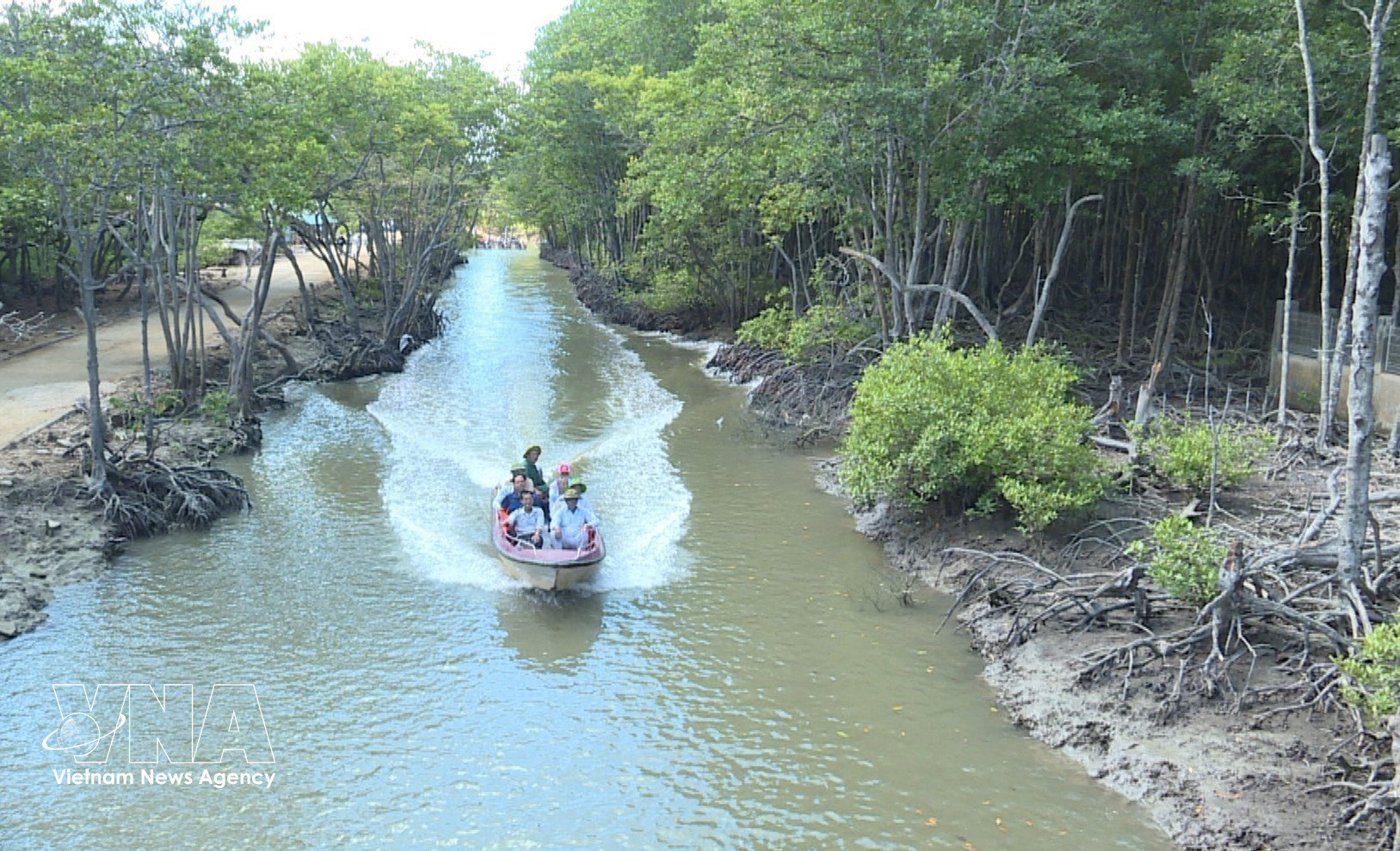
Visitors immerse themselves in the lush greenery of the Can Gio mangrove forest, the "green lung" of Ho Chi Minh City. (Photo: VNA)By 2030, Can Gio aims to evolve beyond economic development into a world-class urban ecosystem. (Photo: VNA)
As evening falls over the southern coastal gateway of Ho Chi Minh City, vast stretches of mangrove forests continue to extend towards the horizon. From carbon-absorbing mangrove ecosystems and solar-powered shrimp farms to ongoing studies of offshore wind energy, Can Gio is steadily turning the southern metropolis’s green development ambitions into reality.
On Vietnam’s journey towards net-zero emissions, this coastal commune is not only preserving its role as the city’s “green lung” but also has the potential to become a model for energy transition and sustainable development across the country in the years ahead./.
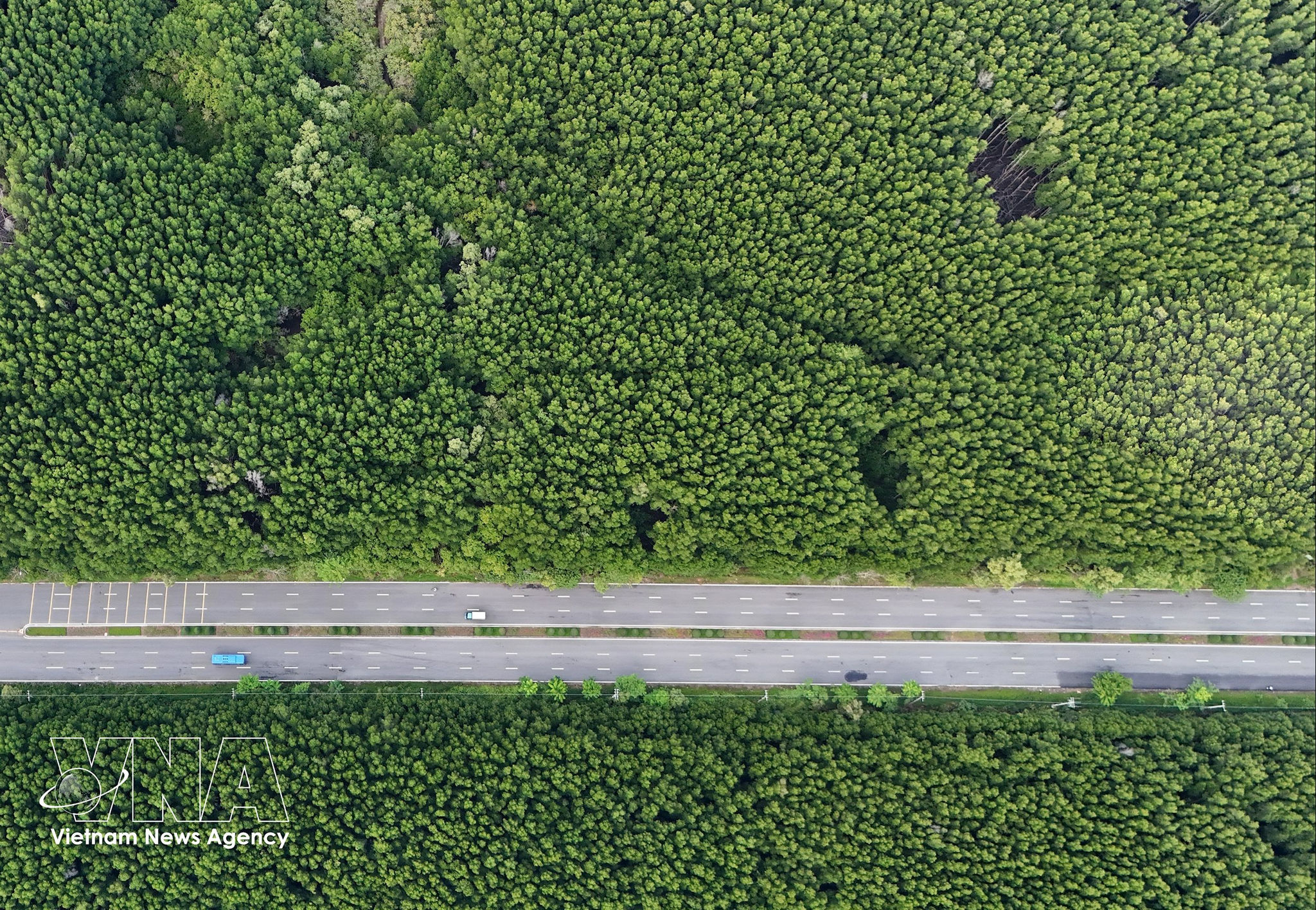
Rung Sac Road will also be expanded to strengthen green connectivity in Can Gio while preserving its natural ecosystem and supporting the sustainable development of local communities. (Photo: VNA)
Bình luận của bạn đã được gửi và sẽ hiển thị sau khi được duyệt bởi ban biên tập.
Ban biên tập giữ quyền biên tập nội dung bình luận để phù hợp với qui định nội dung của Báo.