THREE NATIONAL TARGET PROGRAMMES - A LEVERAGE FOR SUSTAINABLE DEVELOPMENT OF RURAL AND MOUNTAINOUS AREAS
LongForm - Ngày đăng : 16:54, 15/01/2026
THREE NATIONAL TARGET PROGRAMMES - A LEVERAGE FOR SUSTAINABLE DEVELOPMENT OF RURAL AND MOUNTAINOUS AREAS


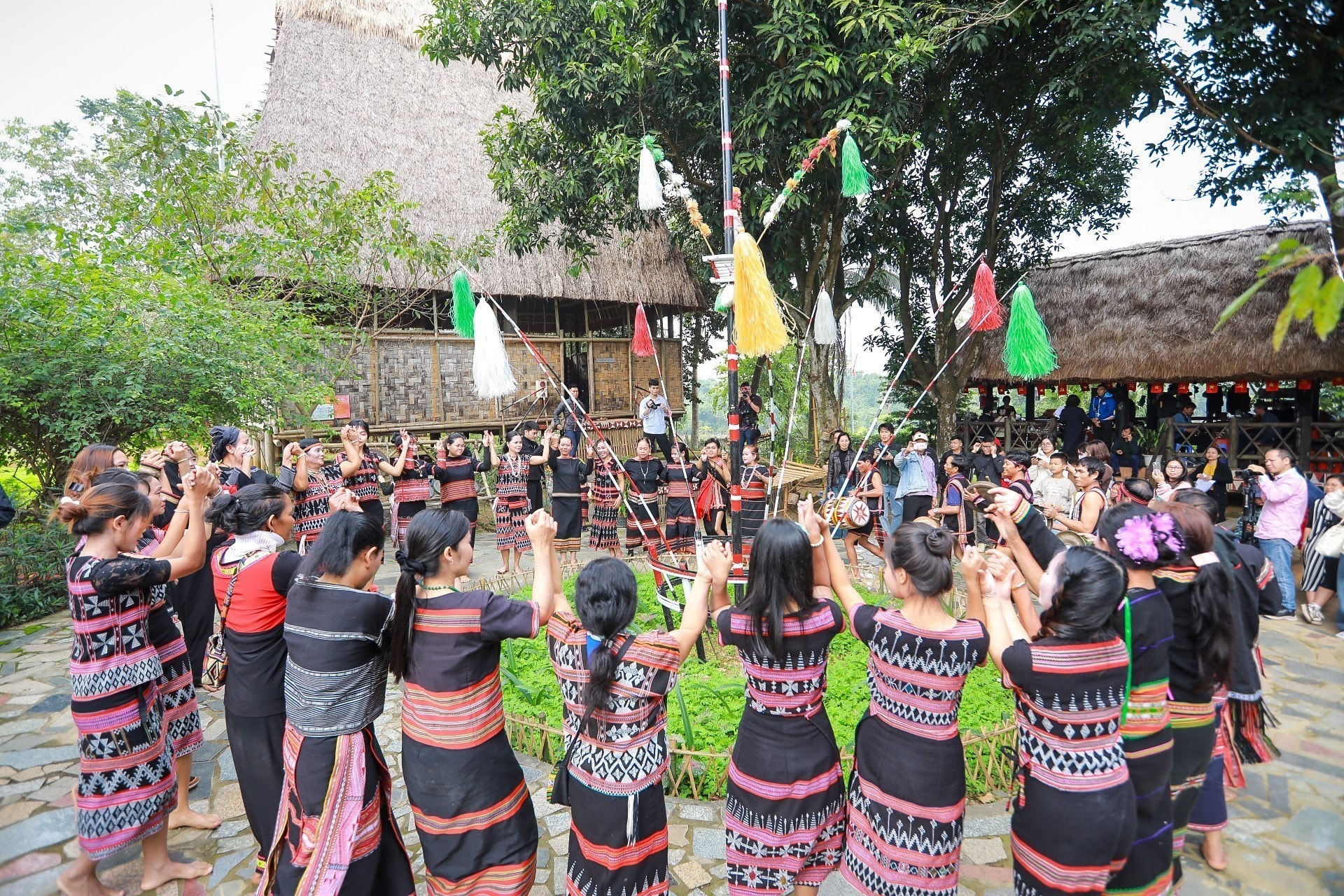
The National Assembly (NA) on December 11, 2025 passed Resolution No. 257/2025/QH15, greenlighting investment policy for a sweeping National Target Programme on new-style rural development, sustainable poverty reduction, and socio-economic development in ethnic minority and mountainous areas through 2035. The resolution underscores the NA and the Government’s strong determination to realise the Party and State’s goal of elevating living standards and delivering shared prosperity to every citizen, especially those in ethnic minority and mountainous areas.
Establishing a unified legal framework
The resolution swiftly institutionalises the Party, NA, and Government’s key policies, focusing on building modern, prosperous, culturally vibrant, and sustainable rural areas that adapt to urbanisation and climate change. It also promotes the holistic development of ethnic minority and mountainous regions, along with multidimensional, inclusive, and sustainable poverty reduction, paying special attention to ethnic and underserved communities.
The continued rollout of national target programmes on socio-economic development in ethnic minority and mountainous areas, new-style rural development, and sustainable poverty reduction, linked to industrialisation, services growth and rural industries, has been identified as a key task in the Party Central Committee’s draft action plan to carry out the Resolution of the coming 14th National Party Congress.
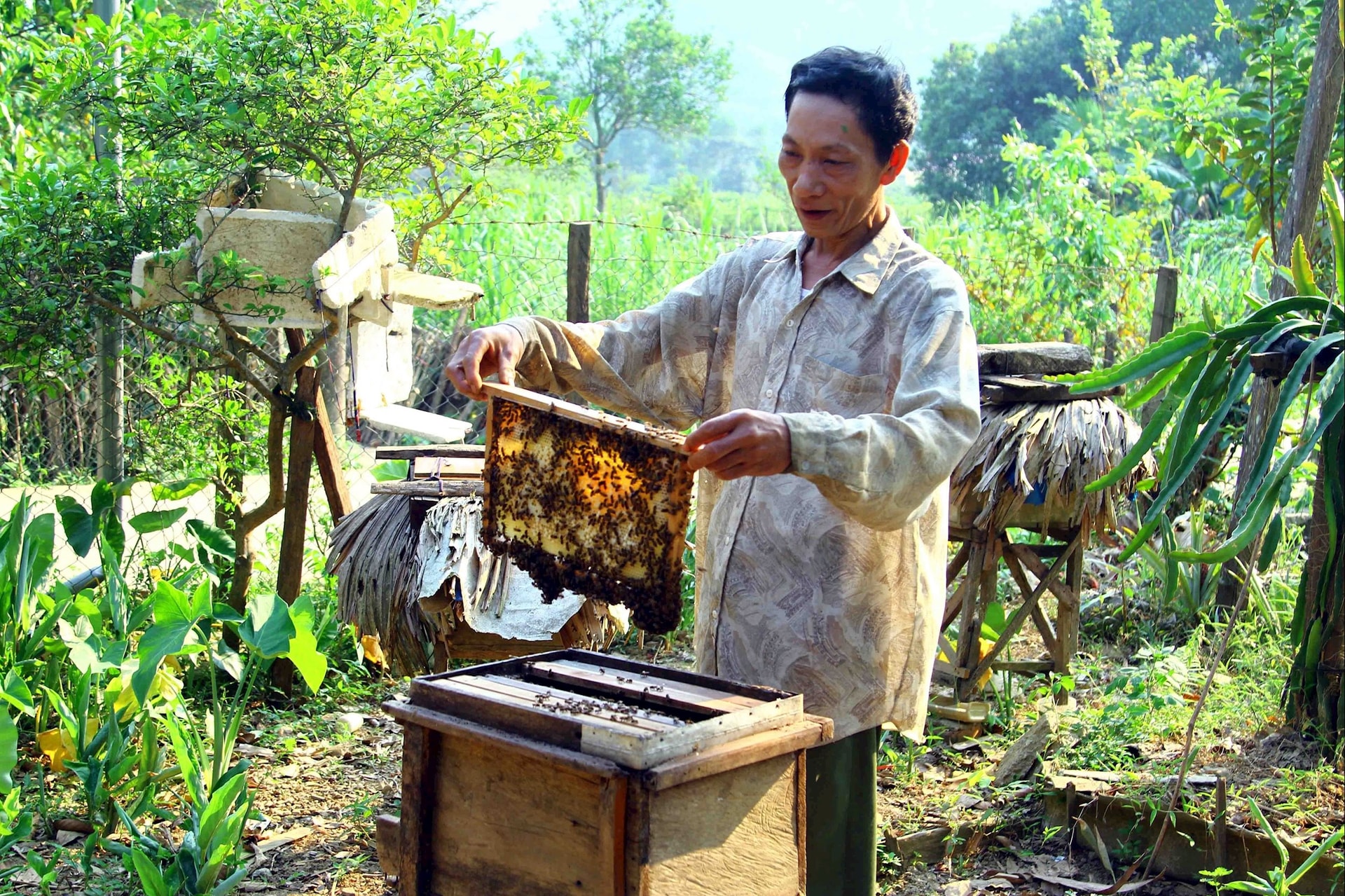
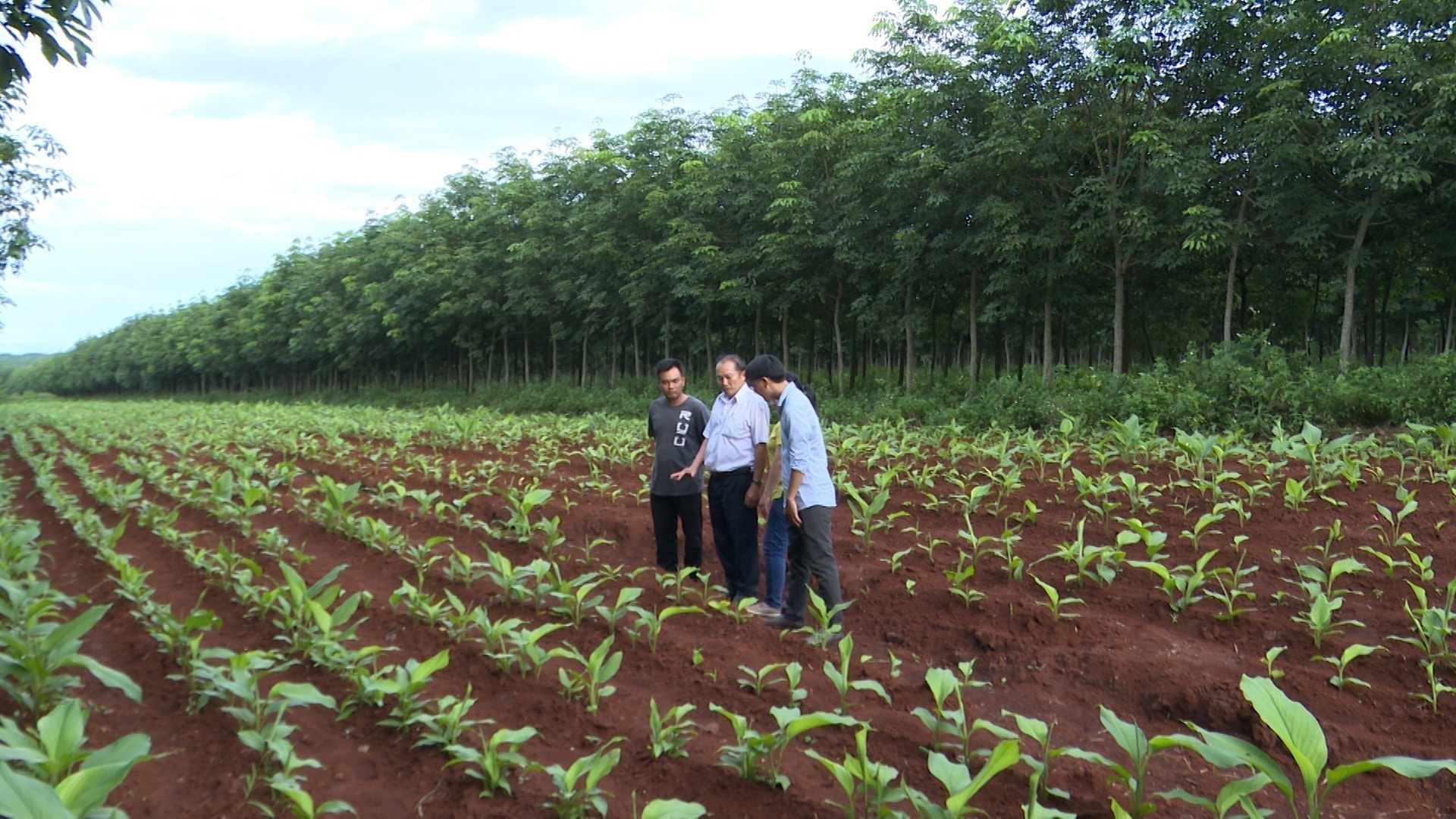
With Resolution 257, the NA has established a unified legal framework at the parliamentary level to merge the three national target programmes, addressing fragmentation and overlap in goals, policies and resources. This step also marks a deliberate turn toward longer-term, targeted, efficient and sustainable investment thinking.
Between 2021 and 2025, the coordinated rollout of the three national target programmes, spanning new-style rural development, sustainable poverty reduction, and socio-economic development in ethnic minority and mountainous areas, has sparked deep and far-reaching transformation across rural and disadvantaged areas. Beyond contributing to economic restructuring toward faster and more sustainable growth, the programmes have dramatically transformed rural landscapes and uplifted the material and spiritual well-being of tens of millions of residents.
Better poverty reduction and livelihoods
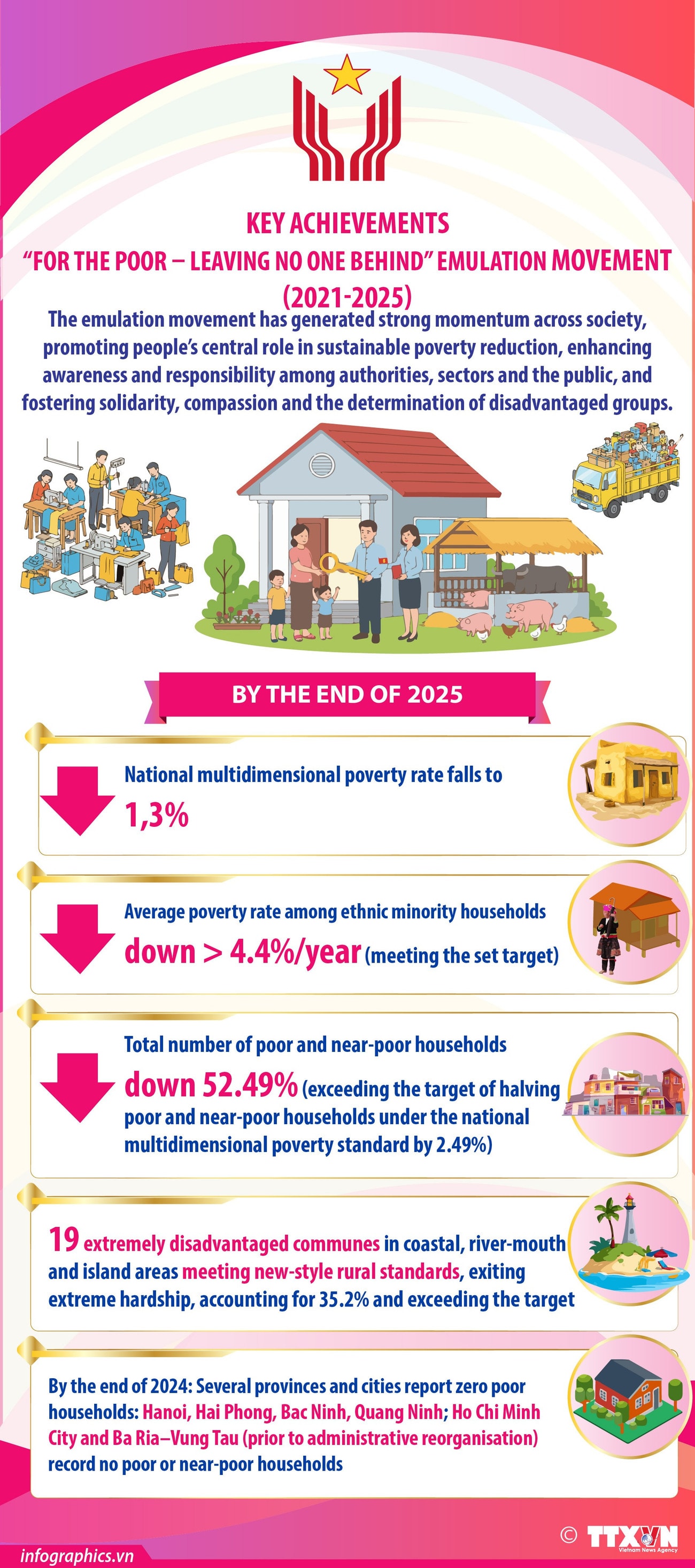




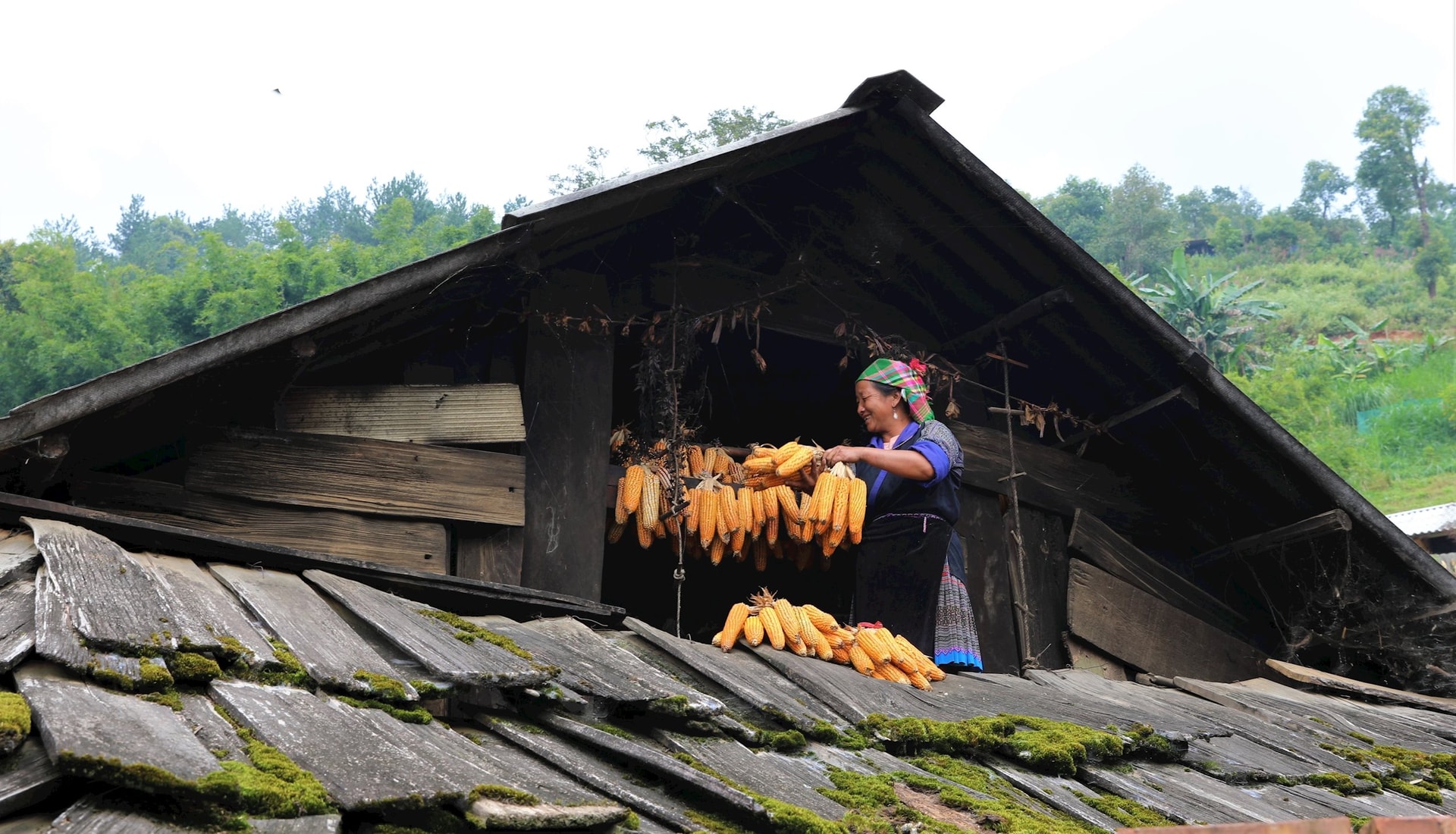
Among the standout successes in the 2021–2025 period was the accelerated drop in poverty rates in ethnic minority and mountainous areas, surpassing the national average. Per capita incomes soared in many localities, often exceeding targets. Rural infrastructure saw massive upgrades, and access to vital social services, including healthcare, education, clean water, and information, pushed deeper into remote and hard-to-reach communities.
At the same time, the rural economy shifted positively, with livelihoods diversifying beyond small-scale, fragmented farming. Emerging focuses like digital transformation, green growth, environment protection, gender equality, rural tourism, vocational training, and sustainable employment have been deployed thoughtfully, tailored to local realities and synced with global commitments on sustainable development and gender mainstreaming, while empowering women in economic advancement and community governance.
After the two-tier local administration model was launched on July 1, 2025, up to 1,719 out of 2,621 communes nationwide (65.6%) are on track to meet the 2021–2025 new-style rural standards. Of these, 362 communes are poised for advanced new-style rural status, while 59 may qualify as model new-style rural communes.
Ministry of Agriculture and Environment
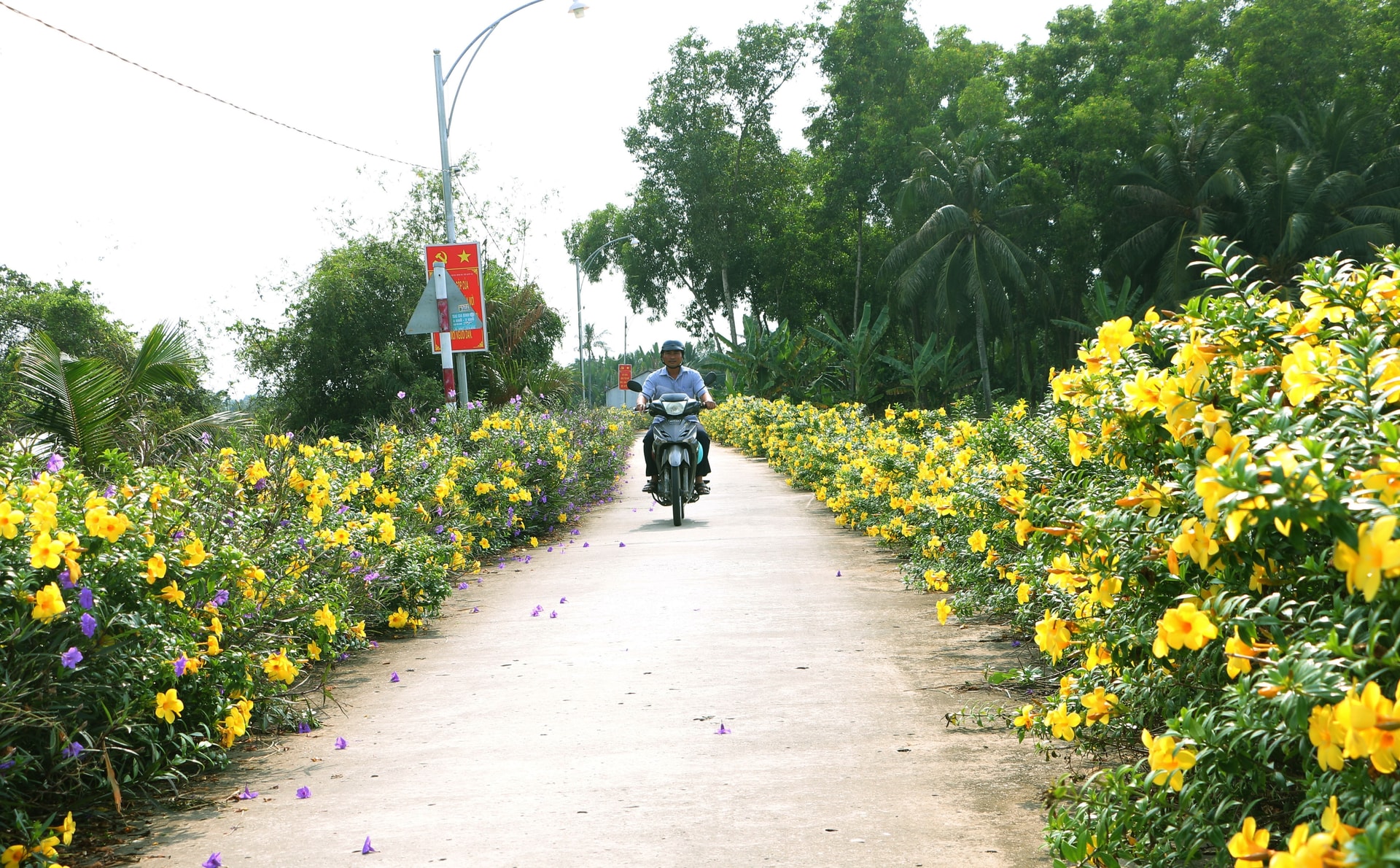
Rural socio-economic infrastructure investment has kept up a strong pace. Transport standards are now met in 87.3% of communes, up 6.3 percentage points from late 2021. Irrigation and disaster prevention systems, particularly in areas prone to drought and saltwater intrusion, now cover 98.1% of communes. Rural electricity networks have also been expanded, delivering stable power to more than 99.7% of households.
Agricultural restructuring linked to rural economic development is proceeding in a focused and coordinated manner. The sector has held steady at around 3.18% average annual growth, while exports of agro-forestry-aquatic products reached a record 62.5 billion USD in 2024, delivering a major boost to food security and macroeconomic stability.
Numerous localities have built concentrated production hubs linked to raw material zones and logistics networks. The “One Commune, One Product” (OCOP) programme has continued to shine, unlocking added value and new approaches to rural economic development.
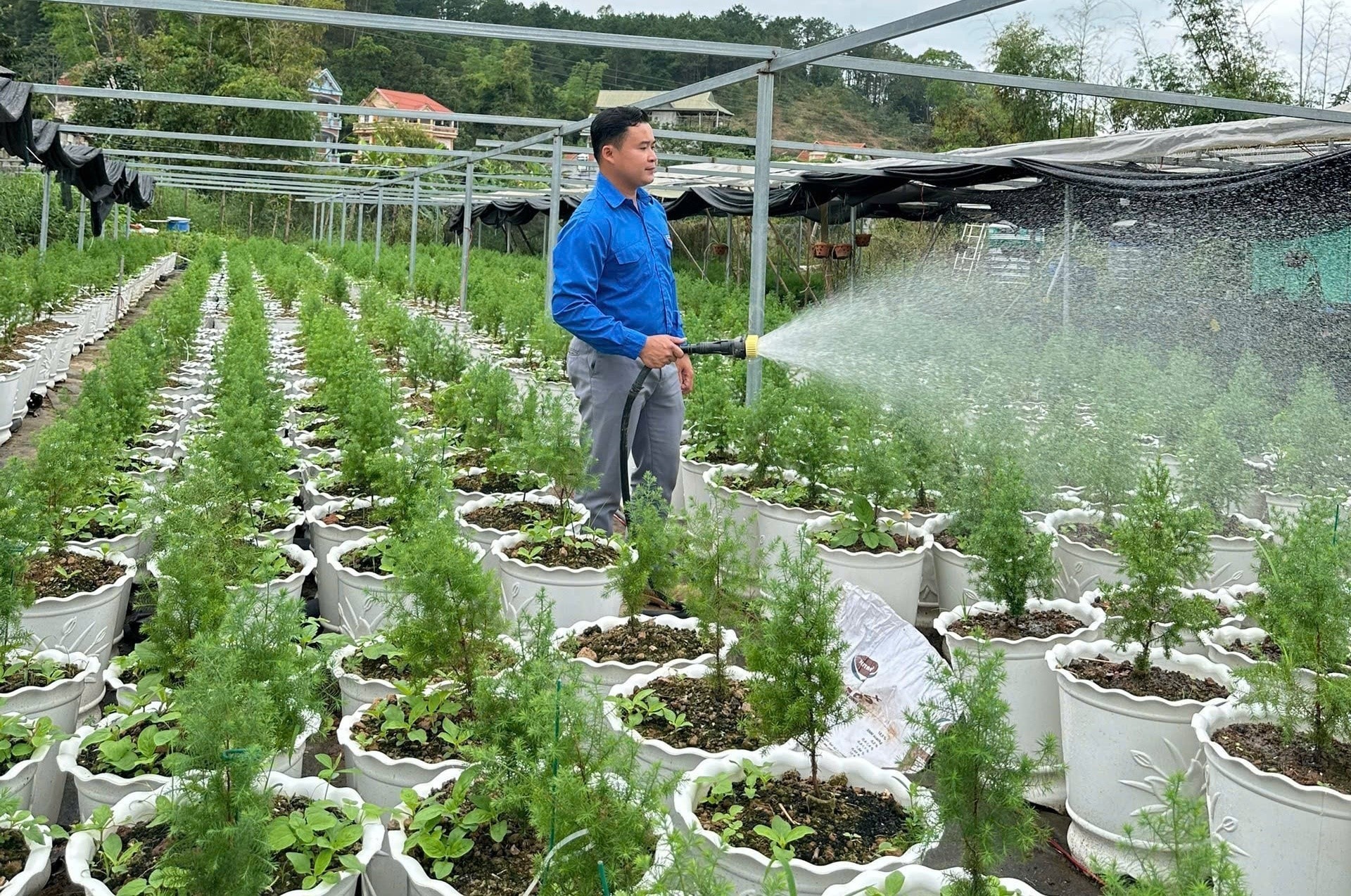
Vocational training for rural workers has been delivered flexibly and closely linked to the real-world demands of enterprises, cooperatives and the labour market. Many training courses run right at production sites, sharpening skills and opening new income streams, even for middle-aged workers. Agricultural entrepreneurship, particularly among young people, is surging with several standout success stories.
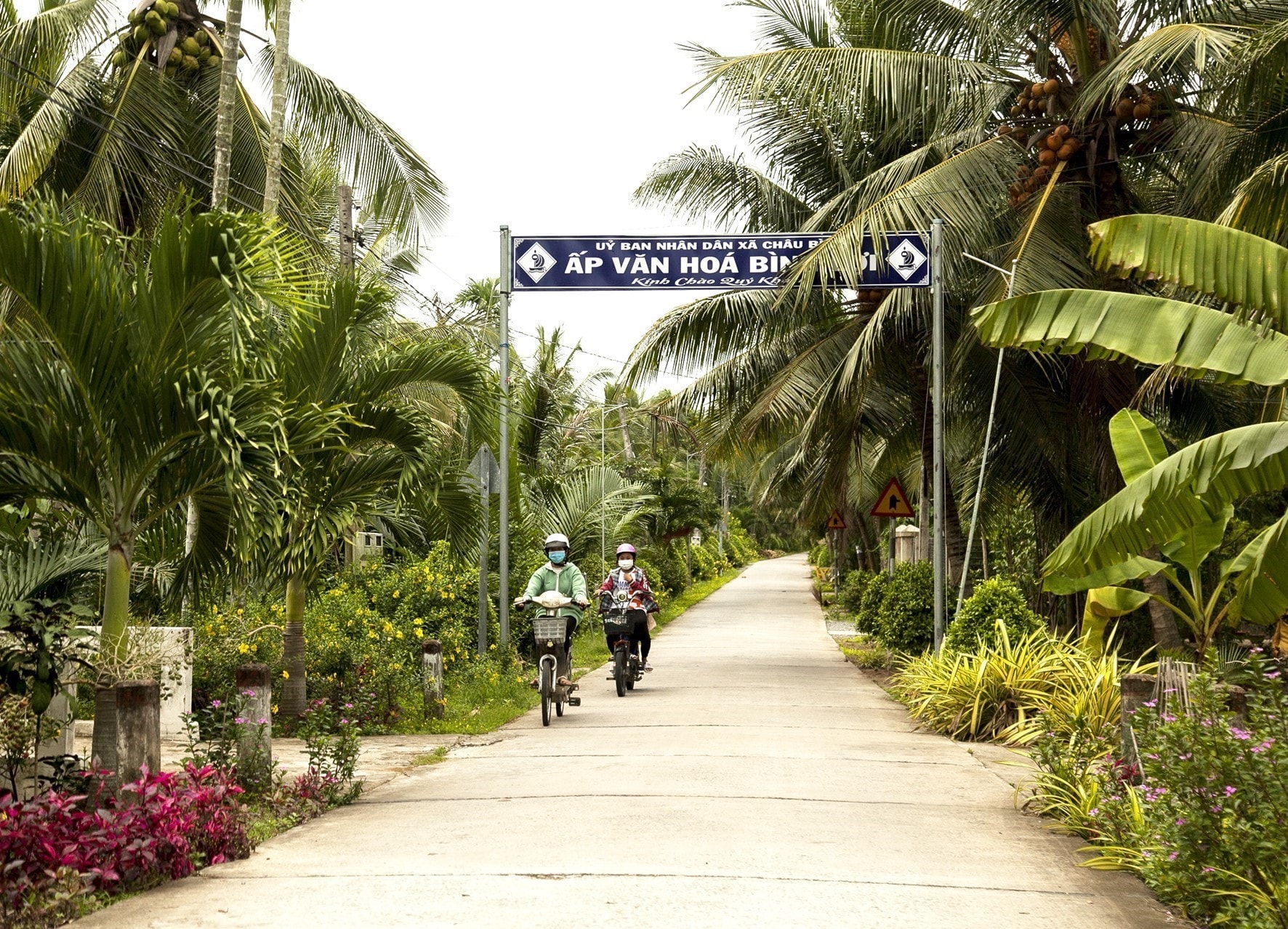
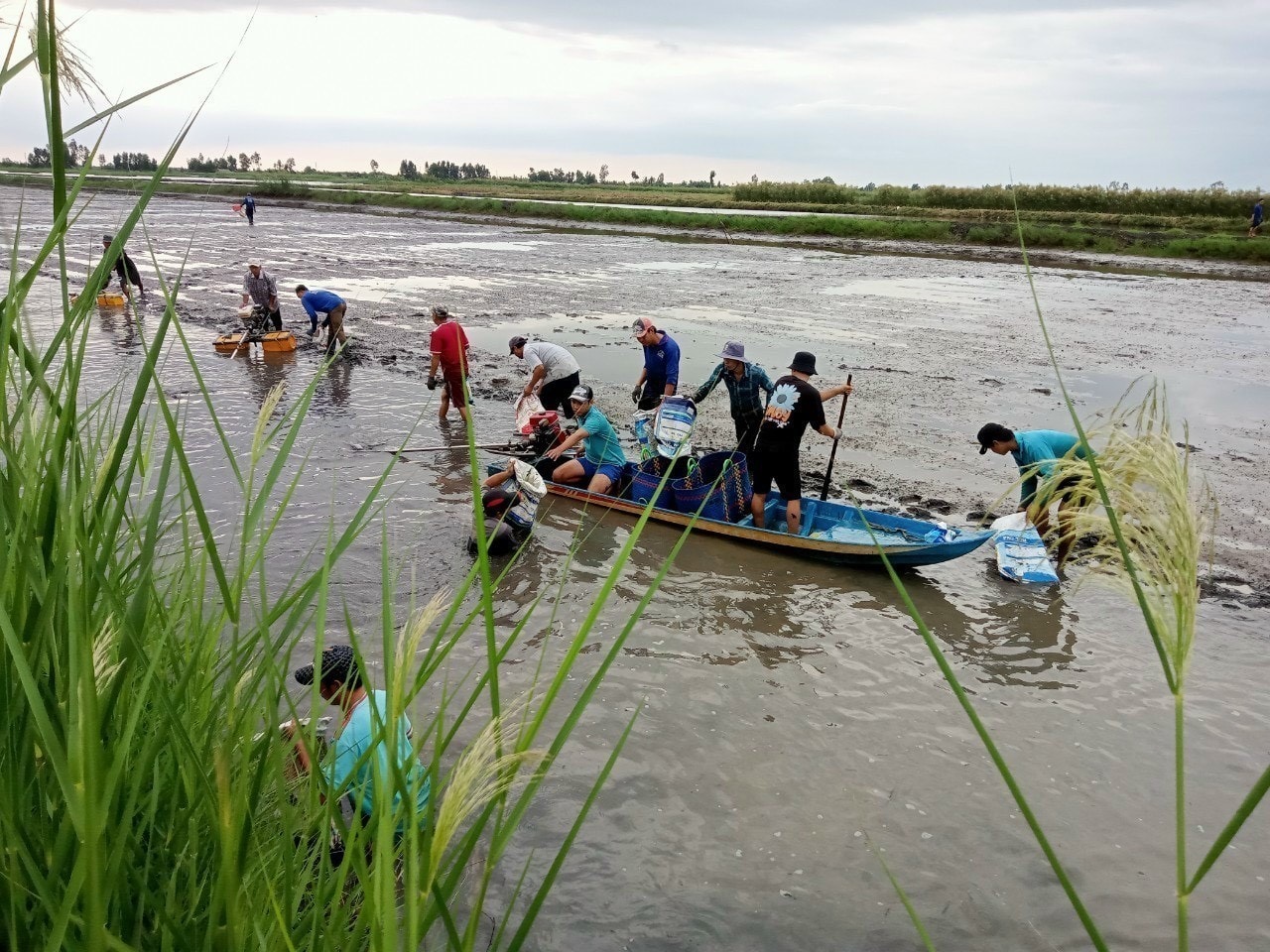
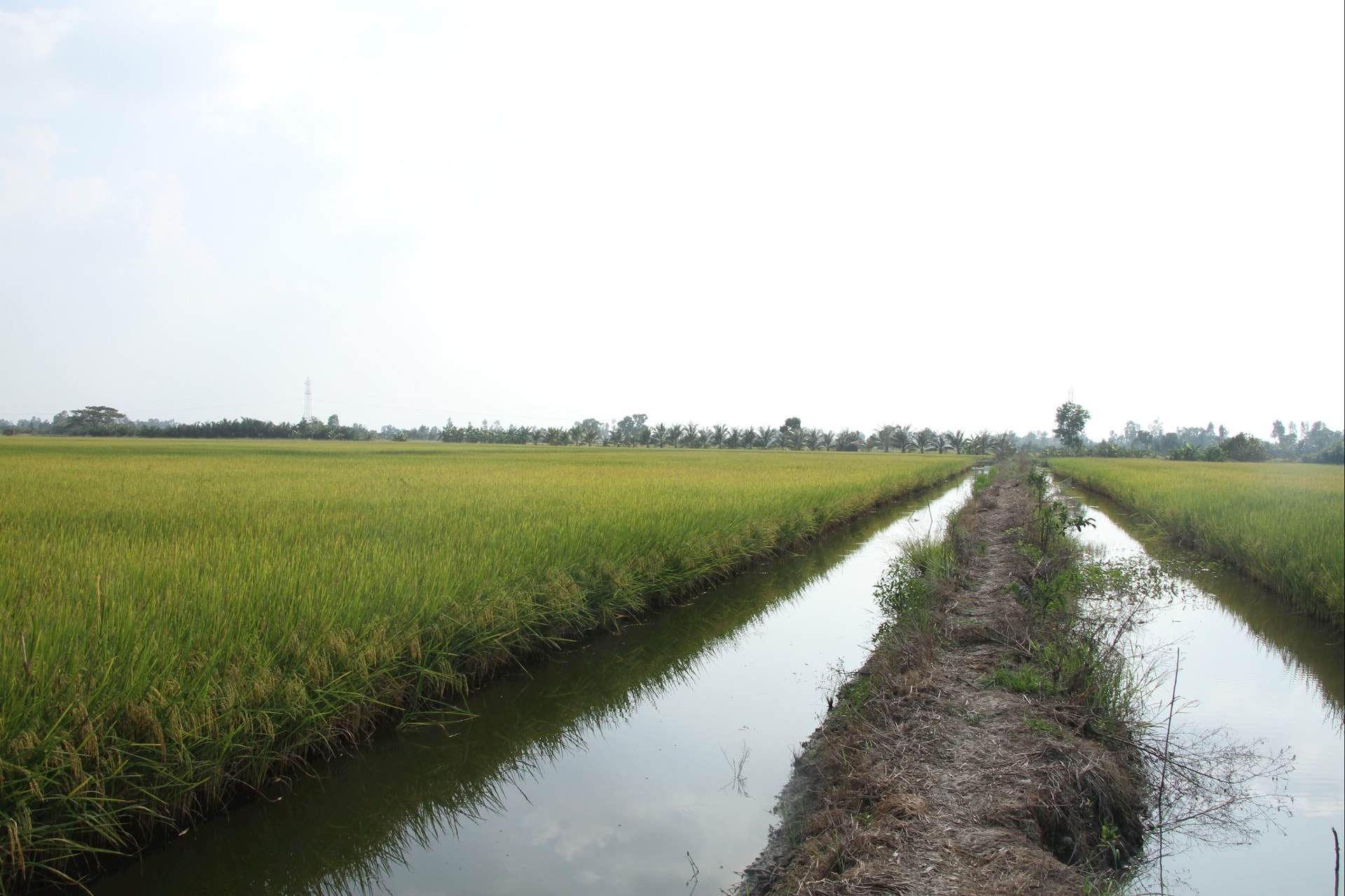
Environmental protection and rural beautification have made impressive gains. By mid-2025, 87.5% of communes met environmental and food safety standards, and every commune ran public awareness campaigns on environmental protection and climate adaptation, contributing to cleaner, greener and safer rural areas.
Nearly 134,000 workers from poor, near-poor, and recently out-of-poverty households have got jobs, far exceeding initial targets. Around 90,000 households in similar situations received support to build or renovate homes, contributing to the national push to eliminate temporary and run-down housing.
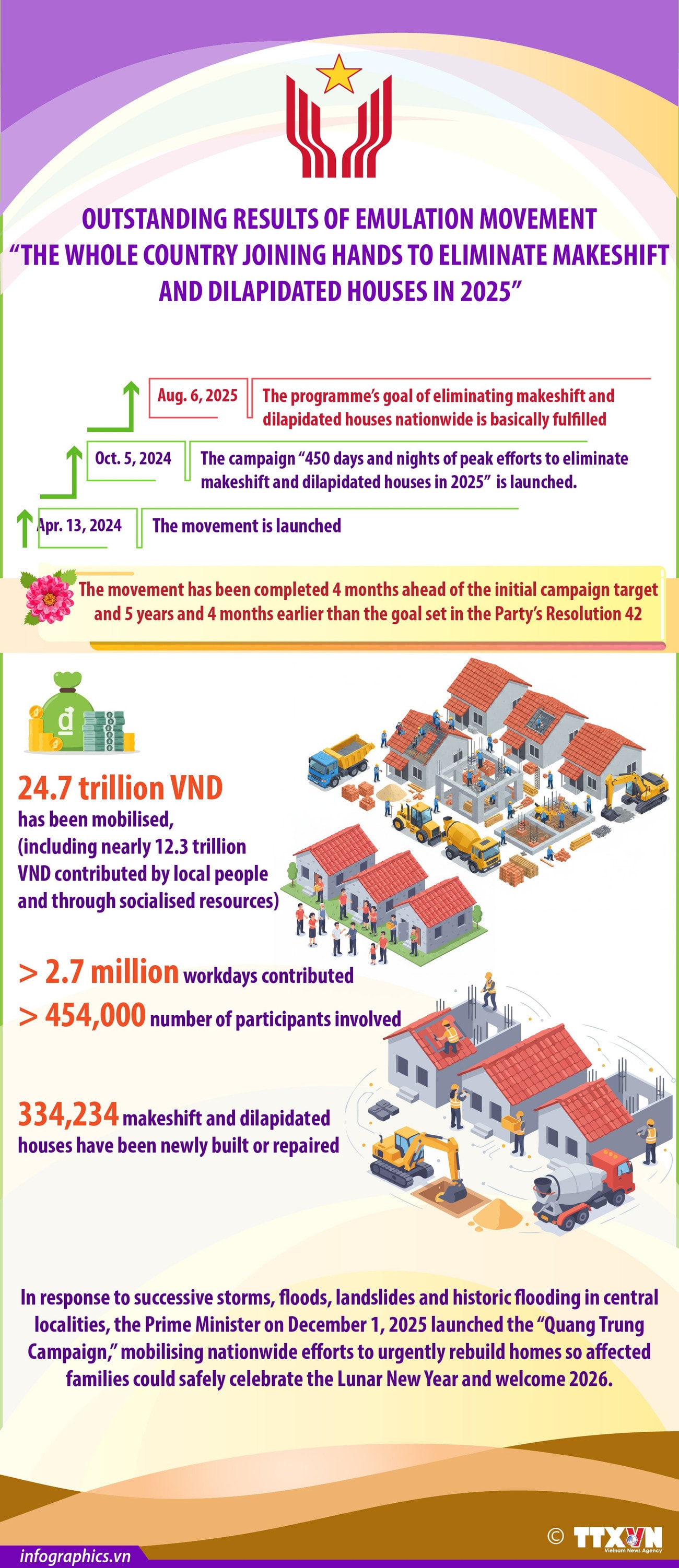
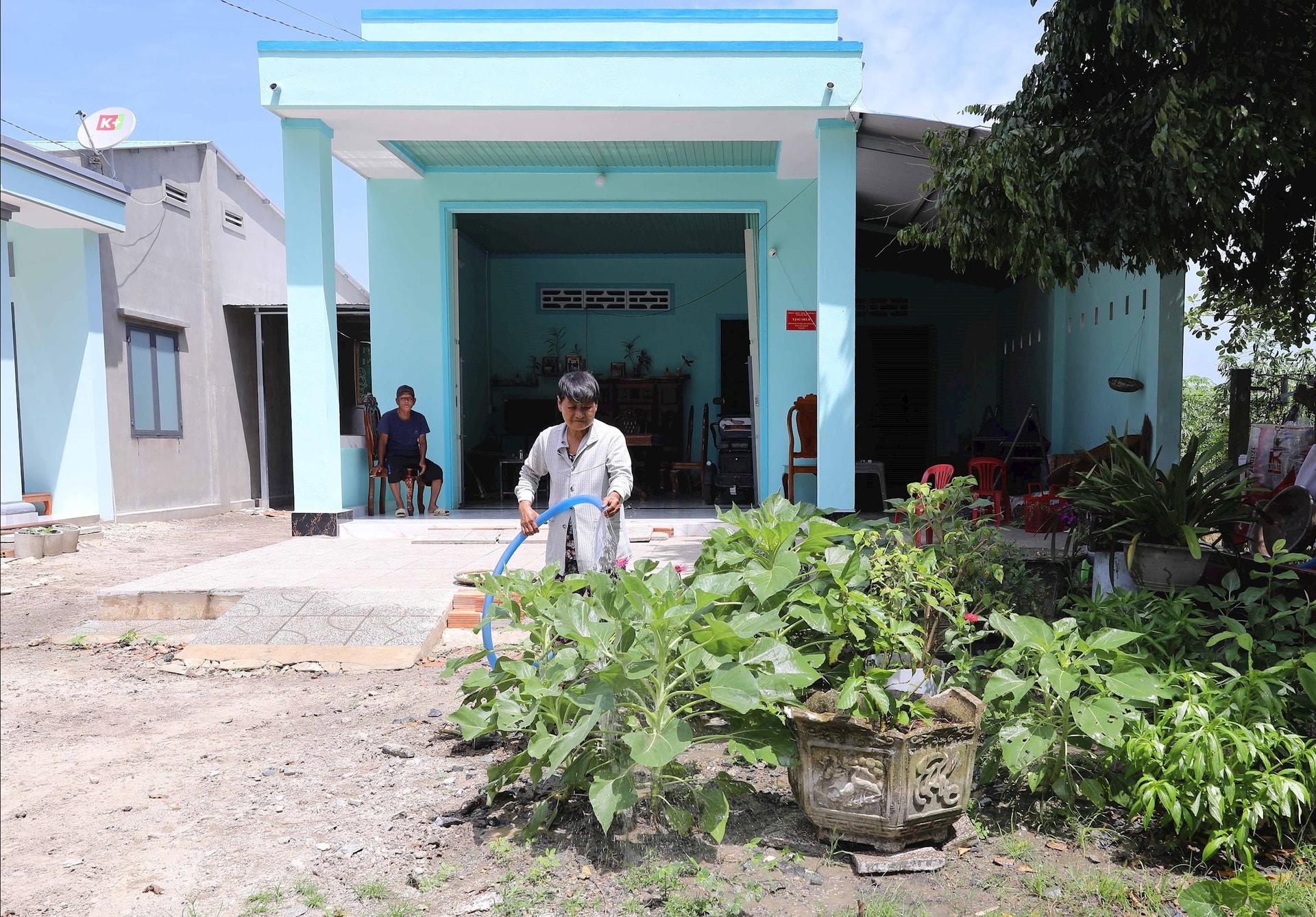
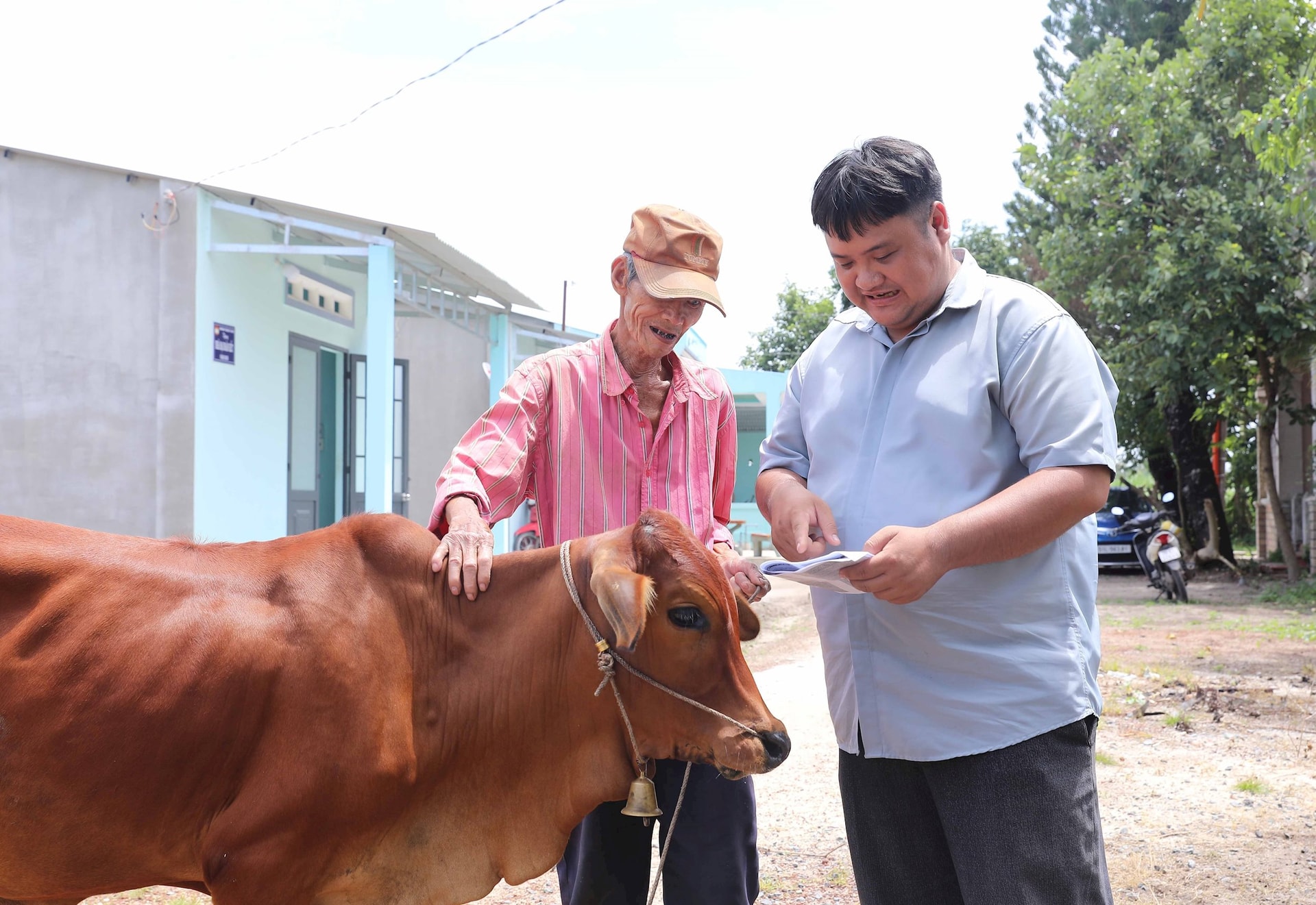
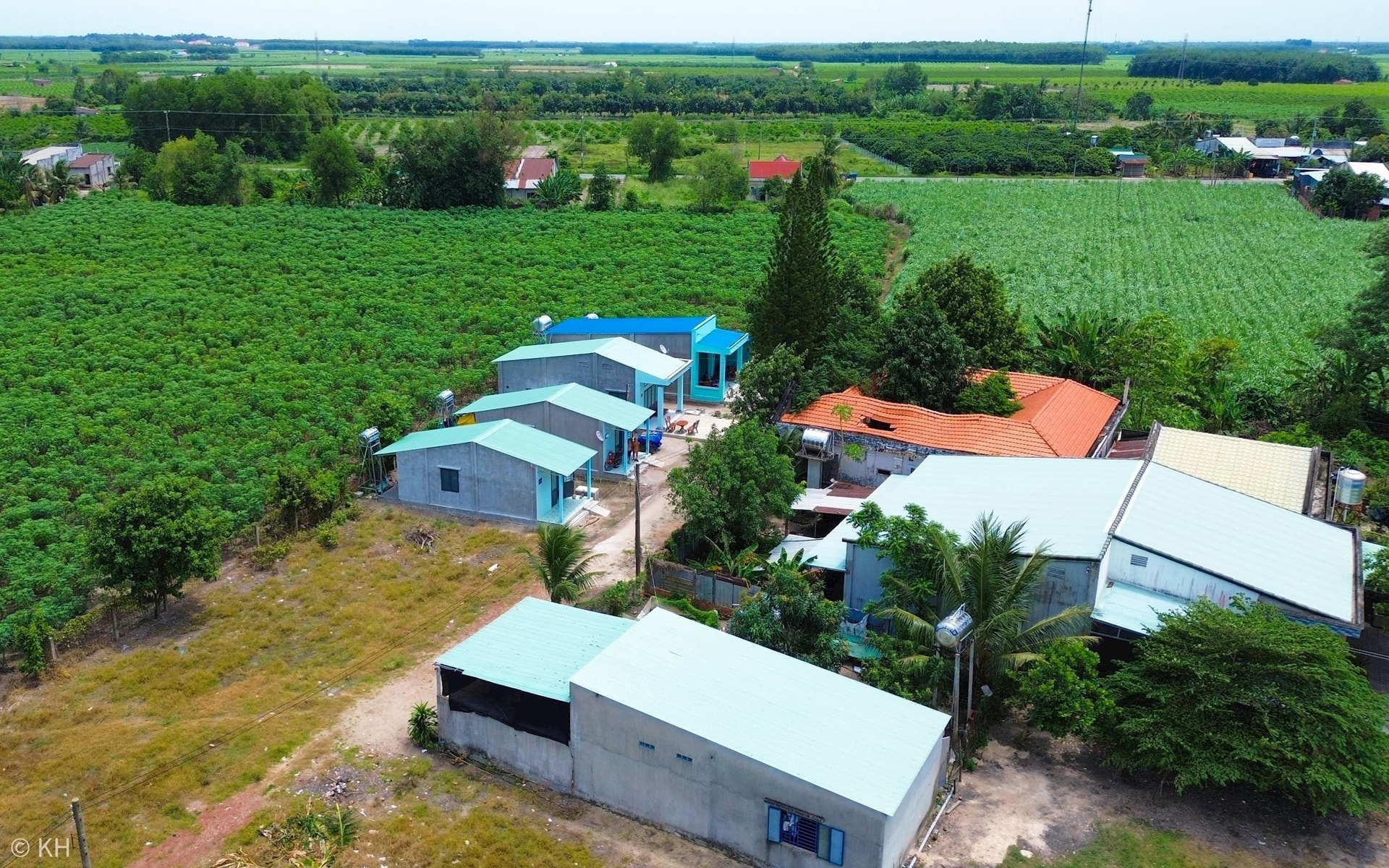
In ethnic minority and mountainous regions, over three years after its launch, the programme replaced 42,567 temporary and run-down houses with funding of 1.7 trillion VND, achieving 230% of its target. It also addressed essential needs like residential land, housing, farmland, clean water, food security, and literacy. At the same time, 403 value chain-based production projects involving 817 enterprises and cooperatives played a key role in improving livelihoods and driving sustainable poverty reduction.
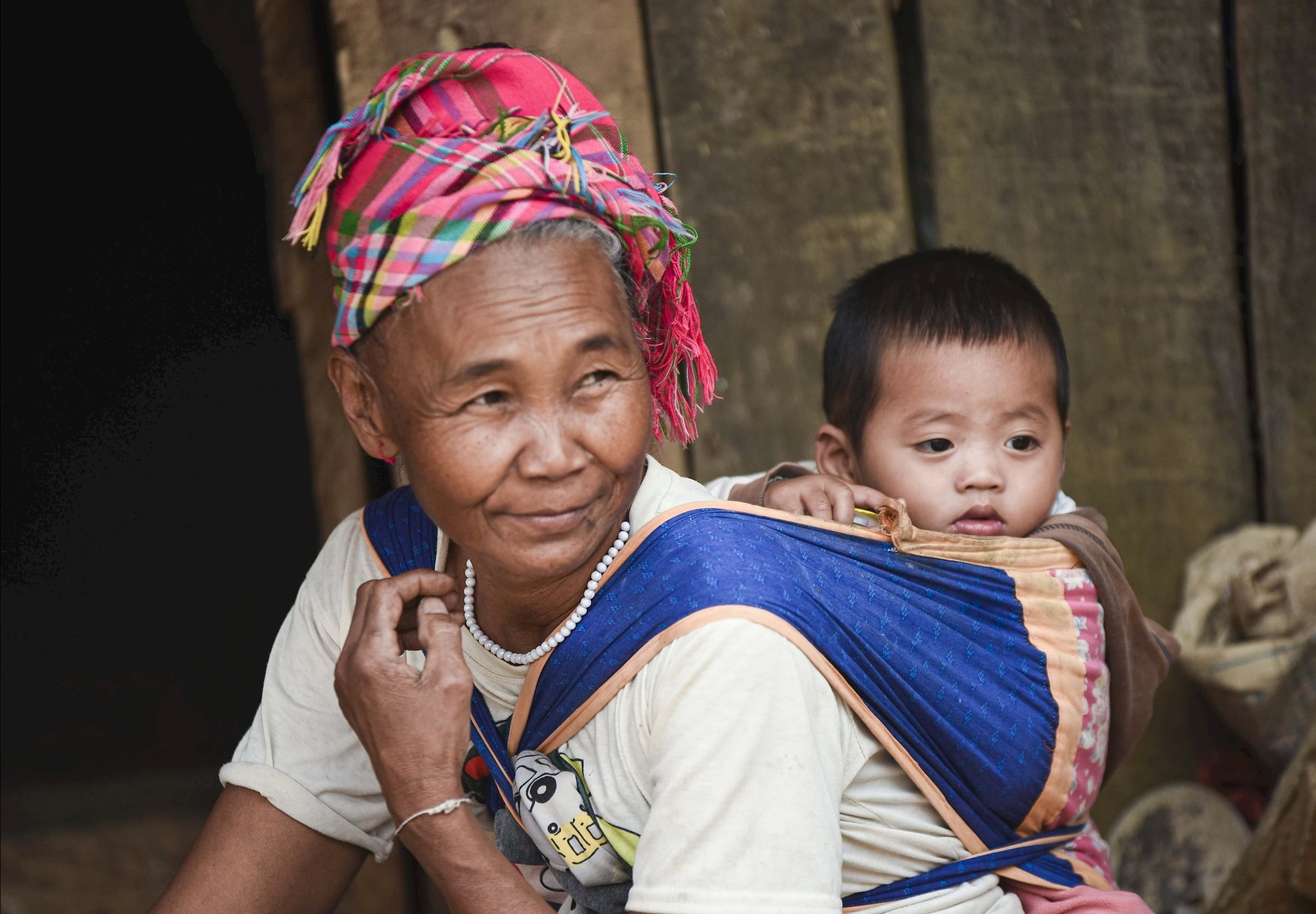
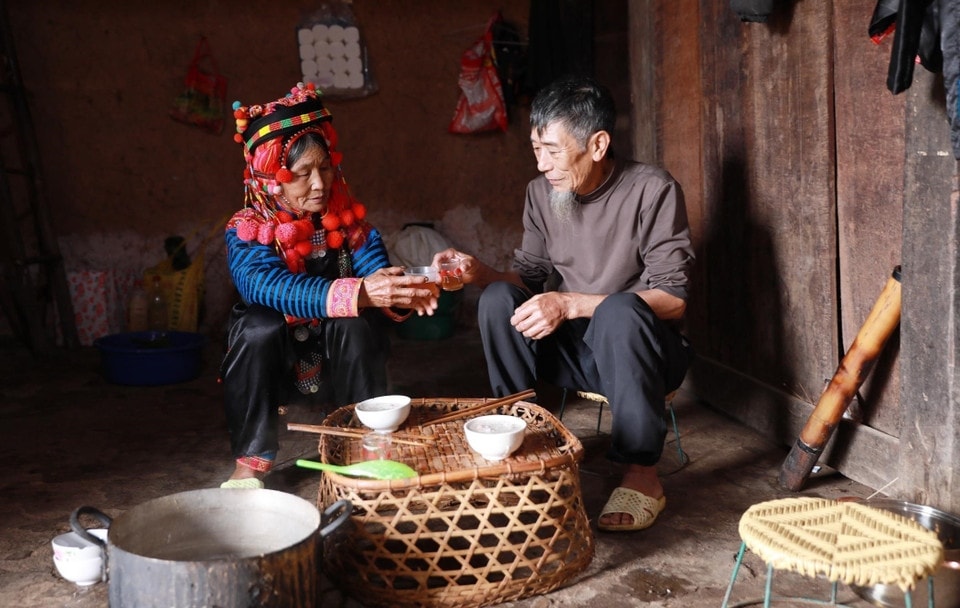
With these achievements, Vietnam continues to garner global acclaim as a standout example and model for poverty alleviation and rural development in line with the Sustainable Development Goals (SDGs)./.