RETURN OF SARUS CRANES: HOPE TAKES WING IN DONG THAP WETLAND
LongForm - Ngày đăng : 15:14, 11/12/2025
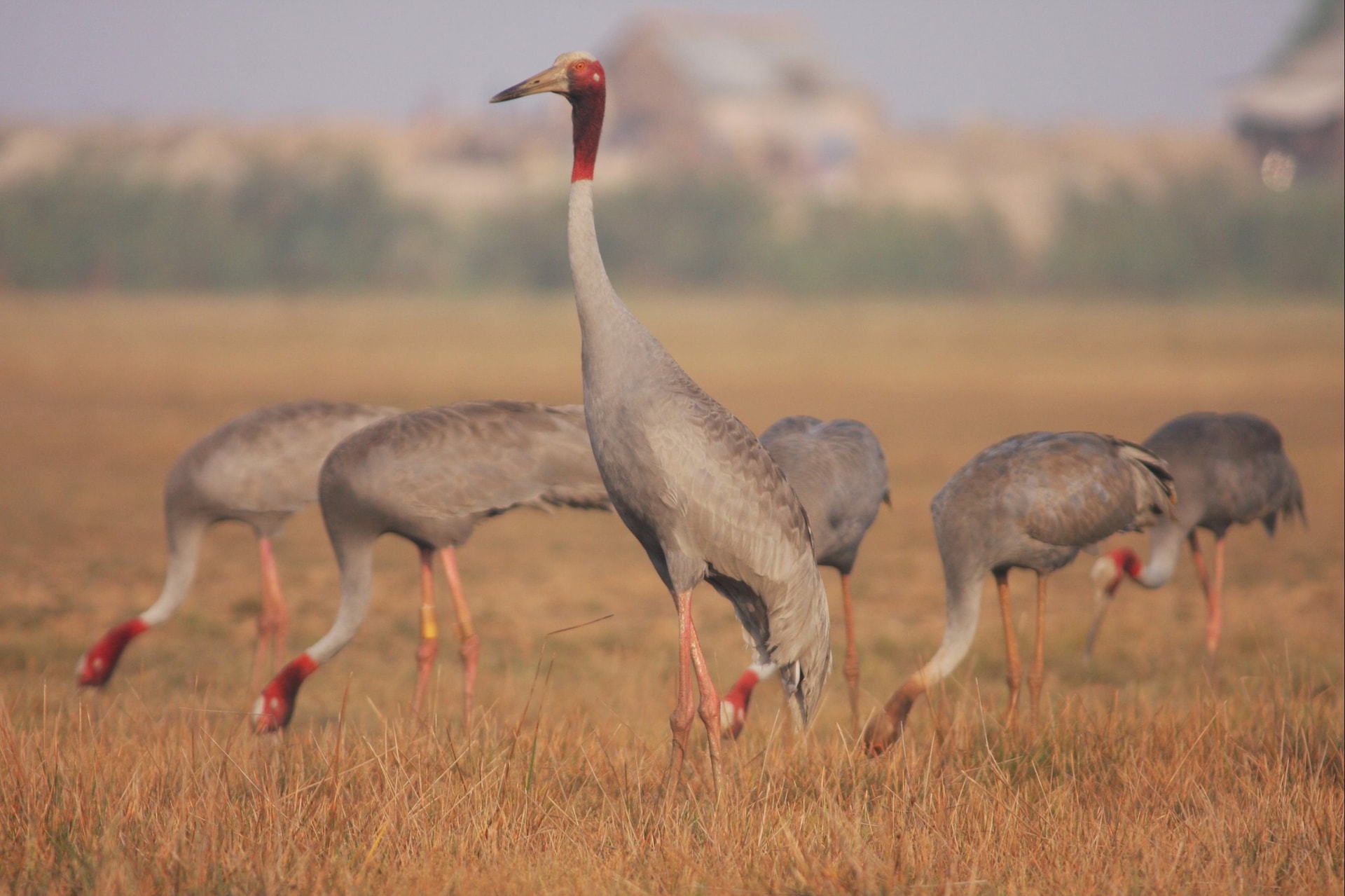
Beneath the wide Mekong Delta sky, Tram Chim National Park is racing against time, pouring heart and science into a decade-long (2022–2032) plan to rescue the Eastern sarus crane – an elegant, scarlet-headed bird listed as endangered on the International Union for the Conservation of Nature (IUCN) Red List and a living emblem of both the park and all of Dong Thap province.
LongForm
RETURN OF SARUS CRANES: HOPE TAKES WING IN DONG THAP WETLAND
VNA•{Ngày xuất bản}
Beneath the wide Mekong Delta sky, Tram Chim National Park is racing against time, pouring heart and science into a decade-long (2022–2032) plan to rescue the Eastern sarus crane – an elegant, scarlet-headed bird listed as endangered on the International Union for the Conservation of Nature (IUCN) Red List and a living emblem of both the park and all of Dong Thap province.
A safe haven reborn
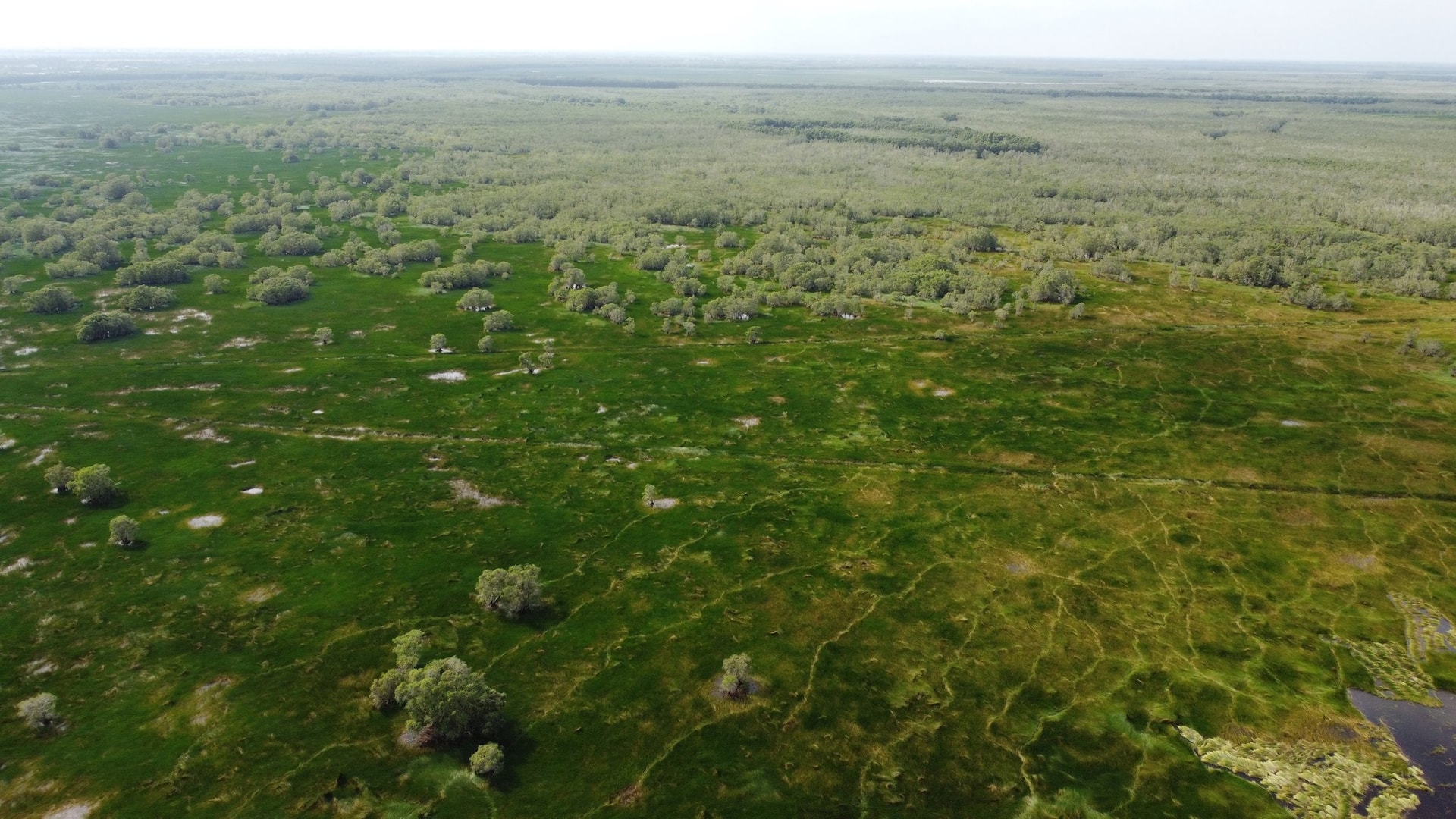
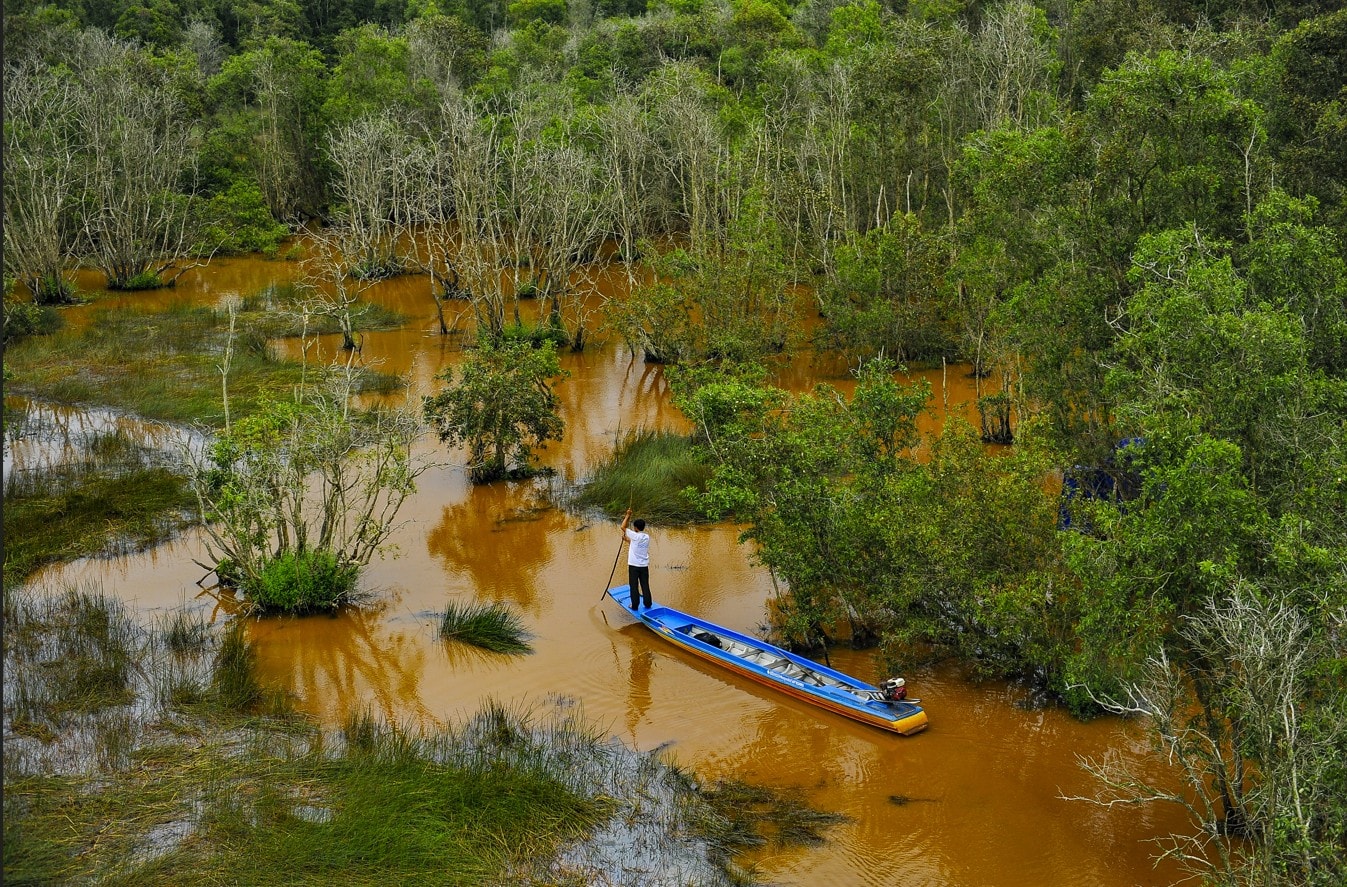
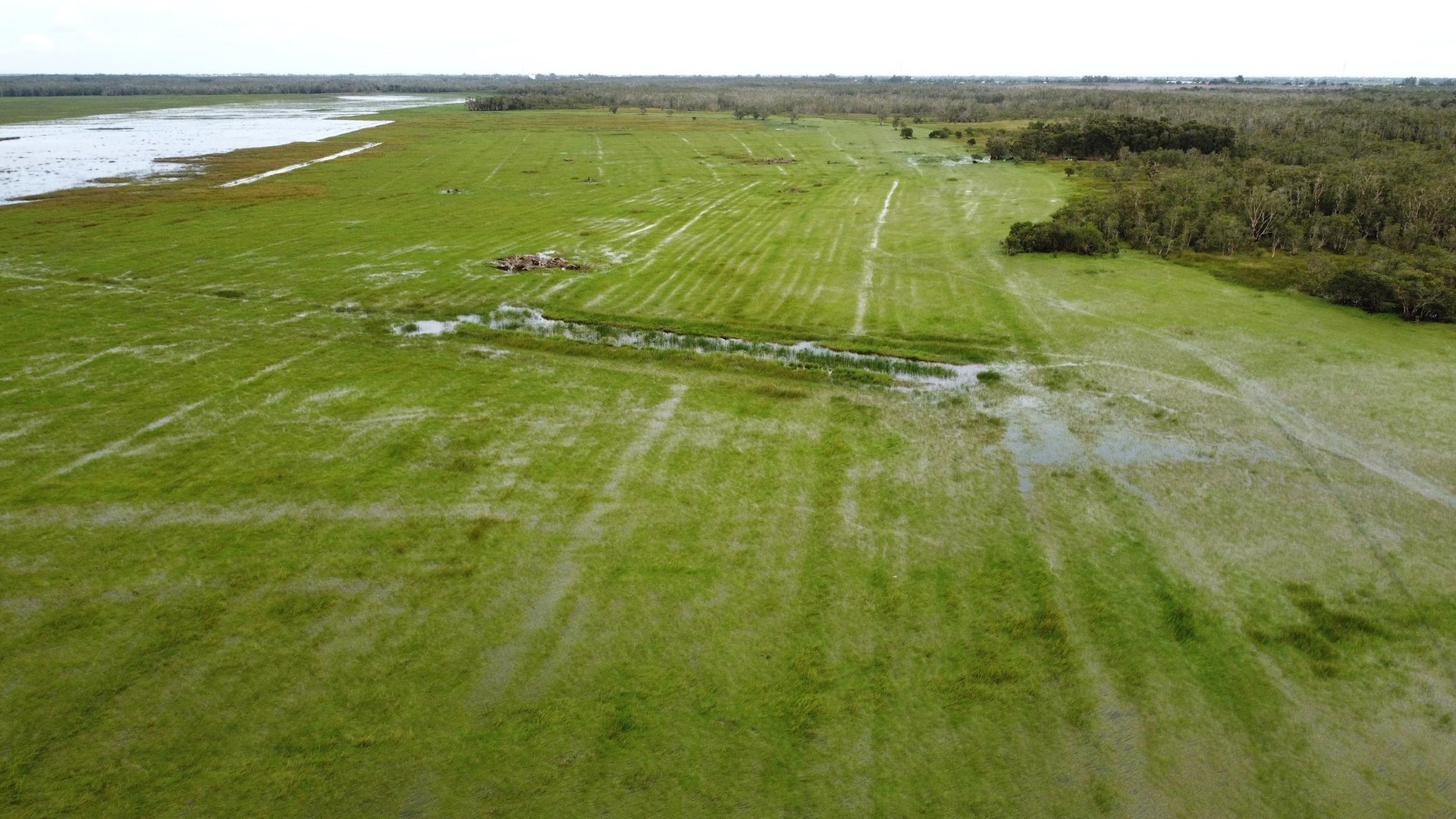
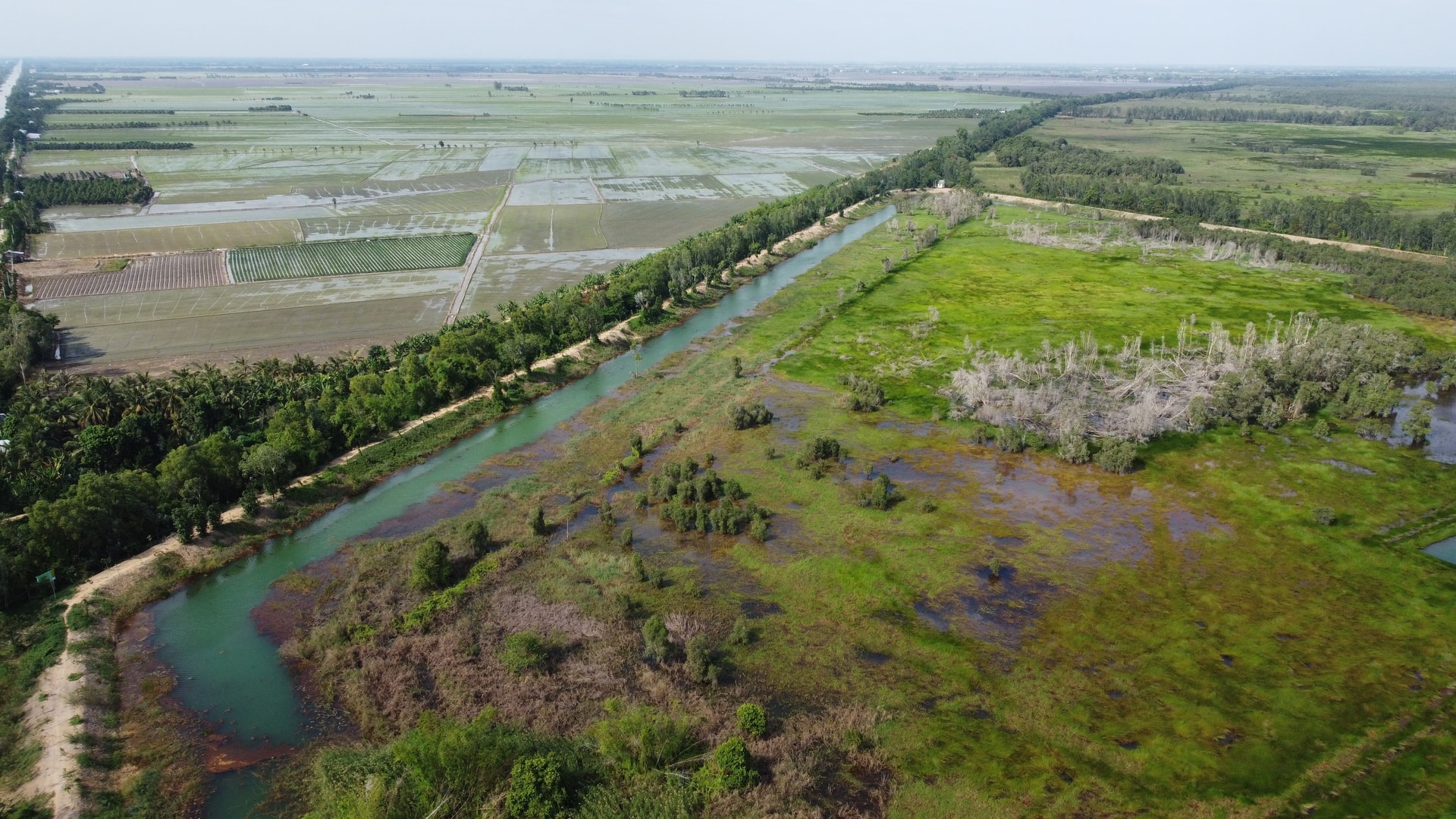
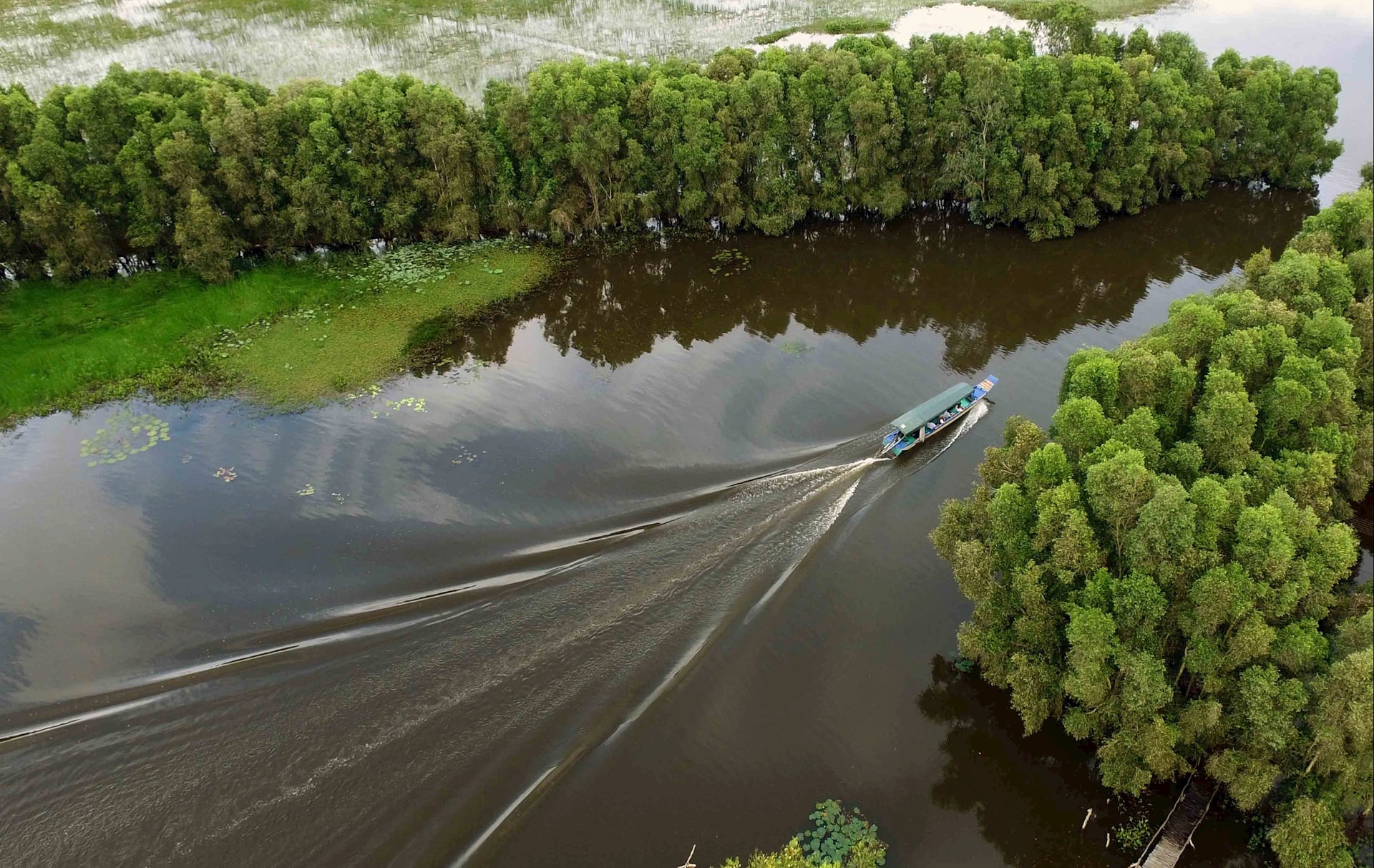
Spreading across over 7,300 ha of shimmering water and emerald grass, Tram Chim is one of the last surviving fragments of the once-vast Dong Thap Muoi wetlands and a biodiversity hotspot hosting hundreds of plant species, water birds, and rare aquatic animals, said its Director Nguyen Van Lam.
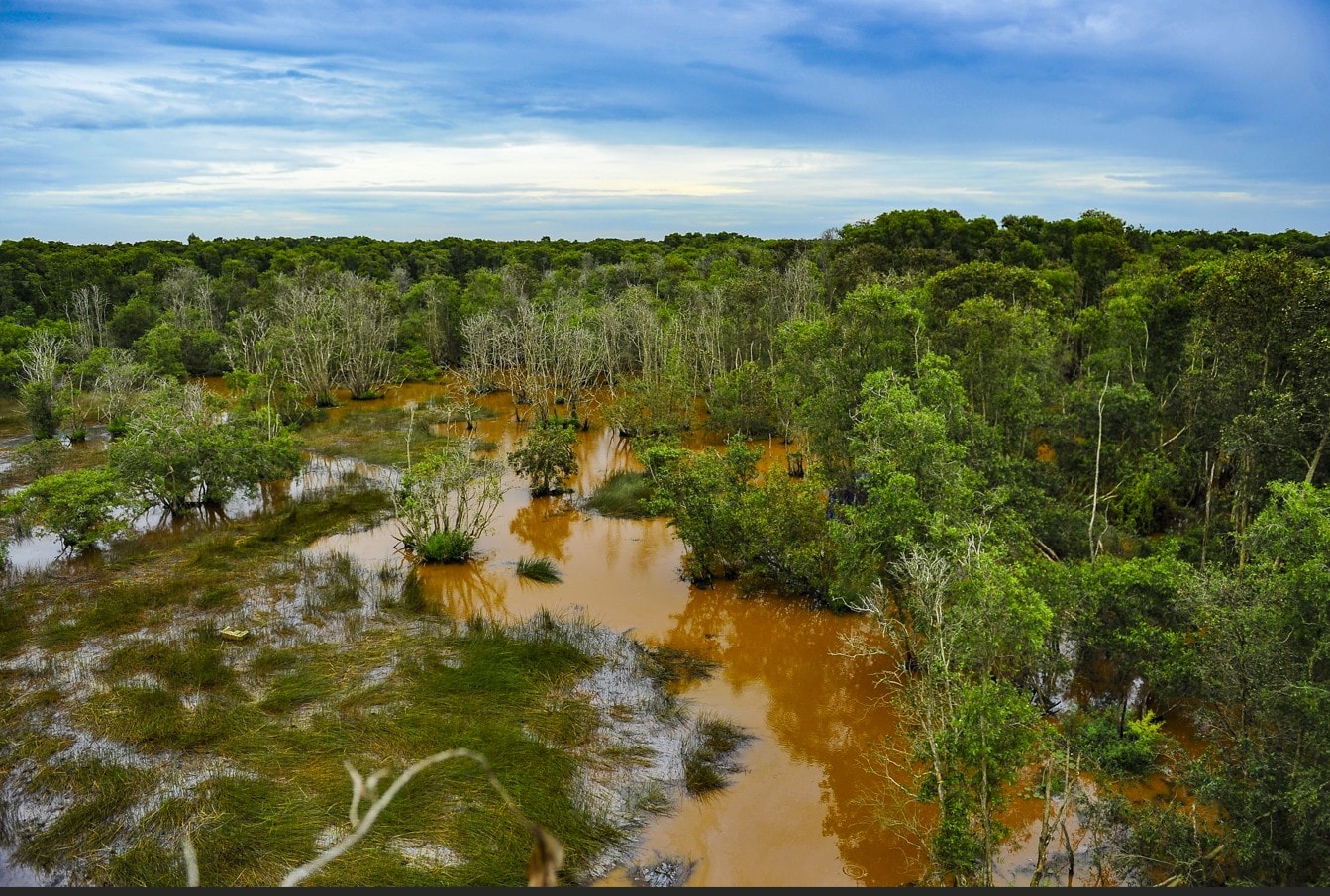
Tram Chim National Park hosts hundreds of plant species, water birds, and rare aquatic animals. (Photo: VNA)
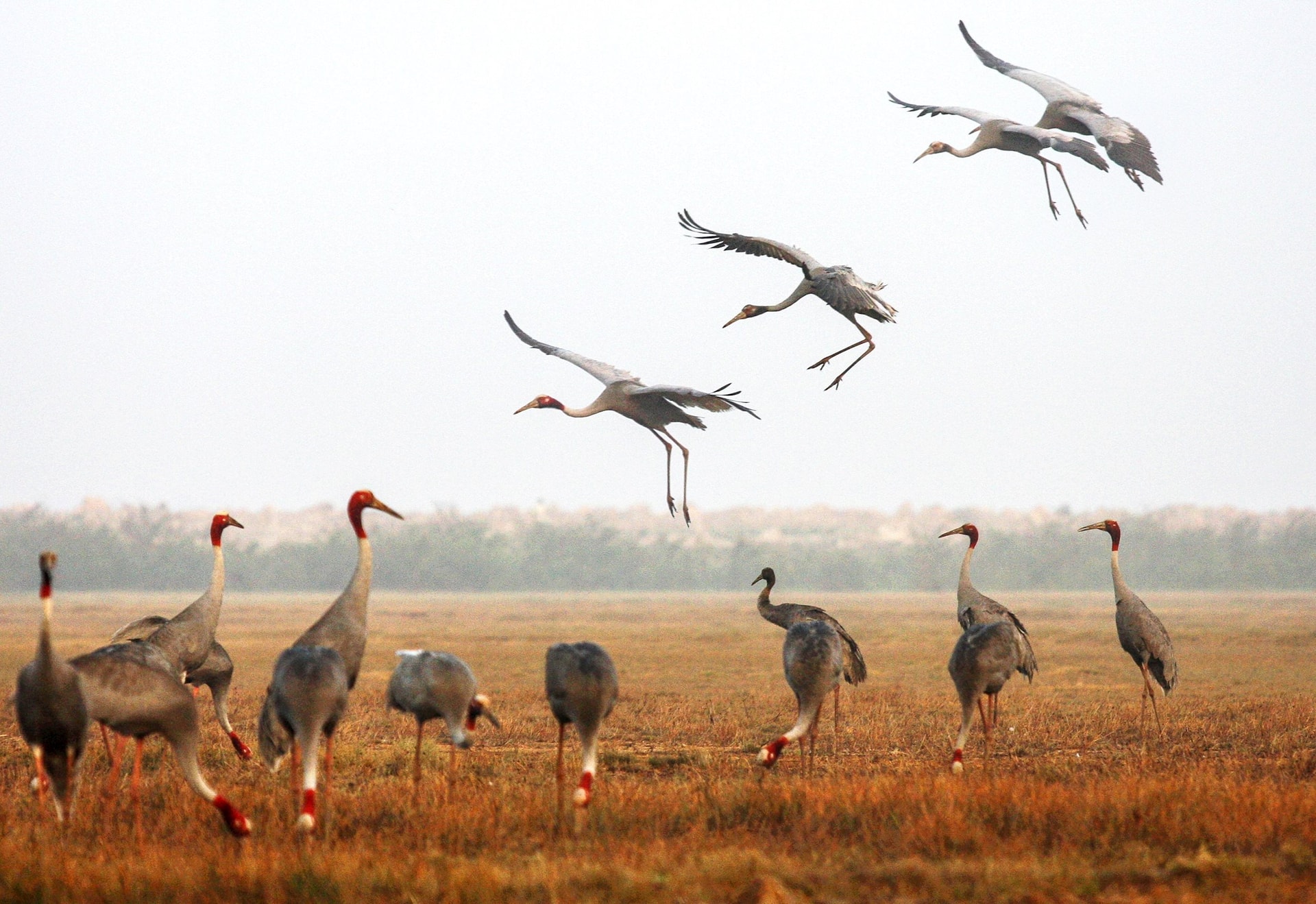
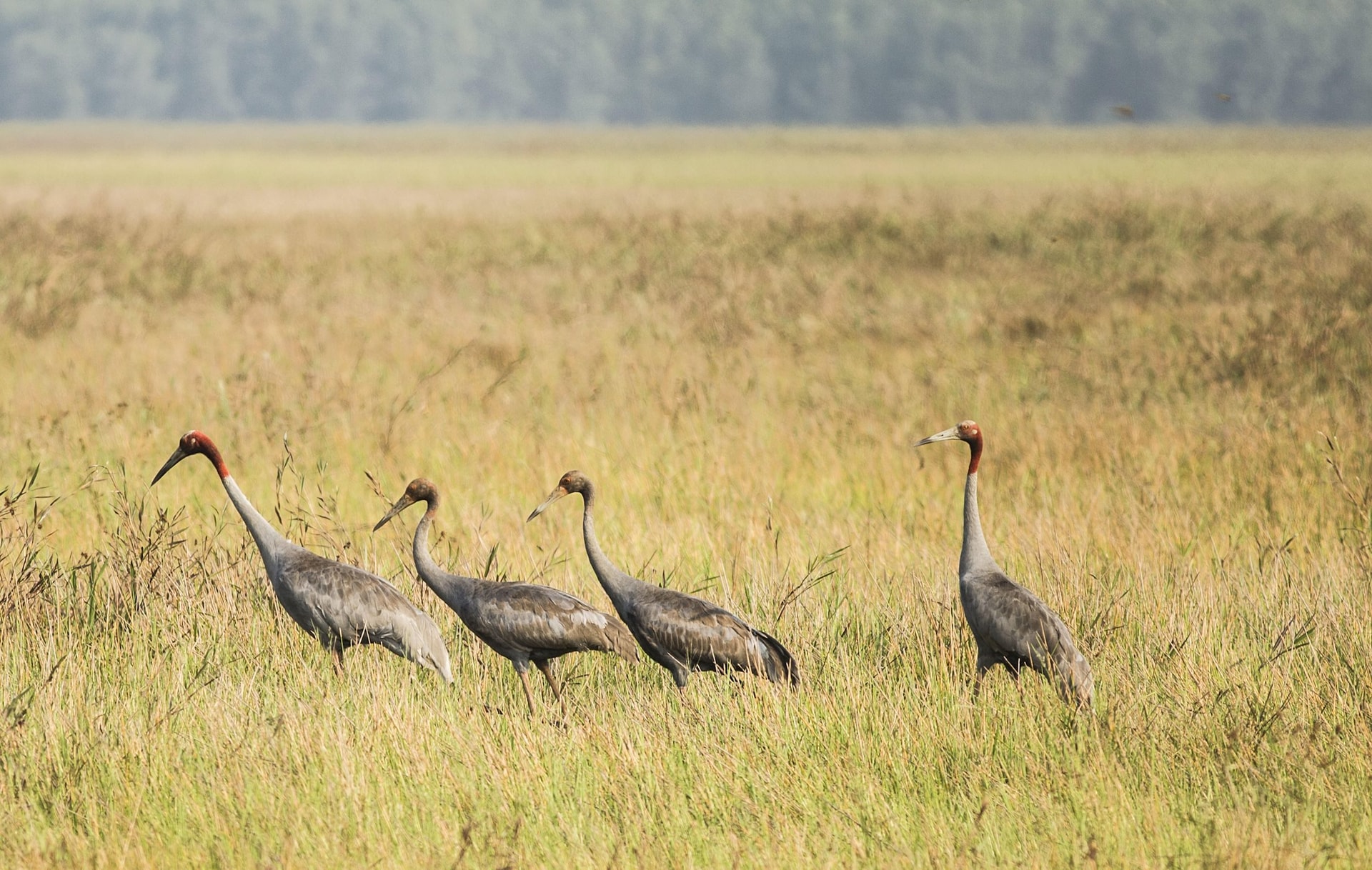
Sarus cranes at Tram Chim National Park (Photo: VNA)
In 2012, Tram Chim became Vietnam’s fourth Ramsar site and the world’s 2,000th, an international seal of approval for wetlands of global importance.
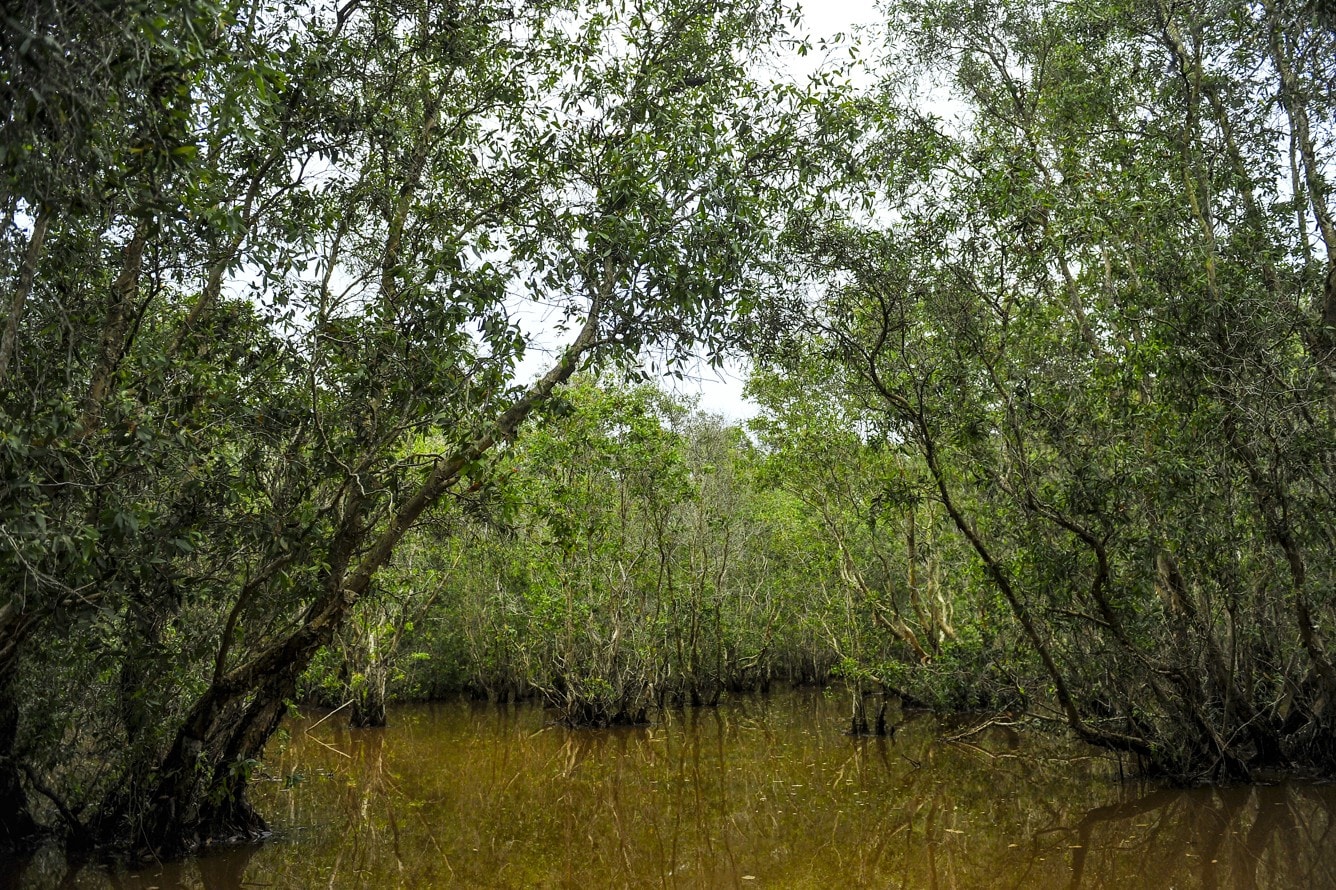
Its mosaic of seasonally flooded grasslands, native Eleocharis sedge, wild rice paddies, and cajuput forests forms an ideal habitat for waterfowl.
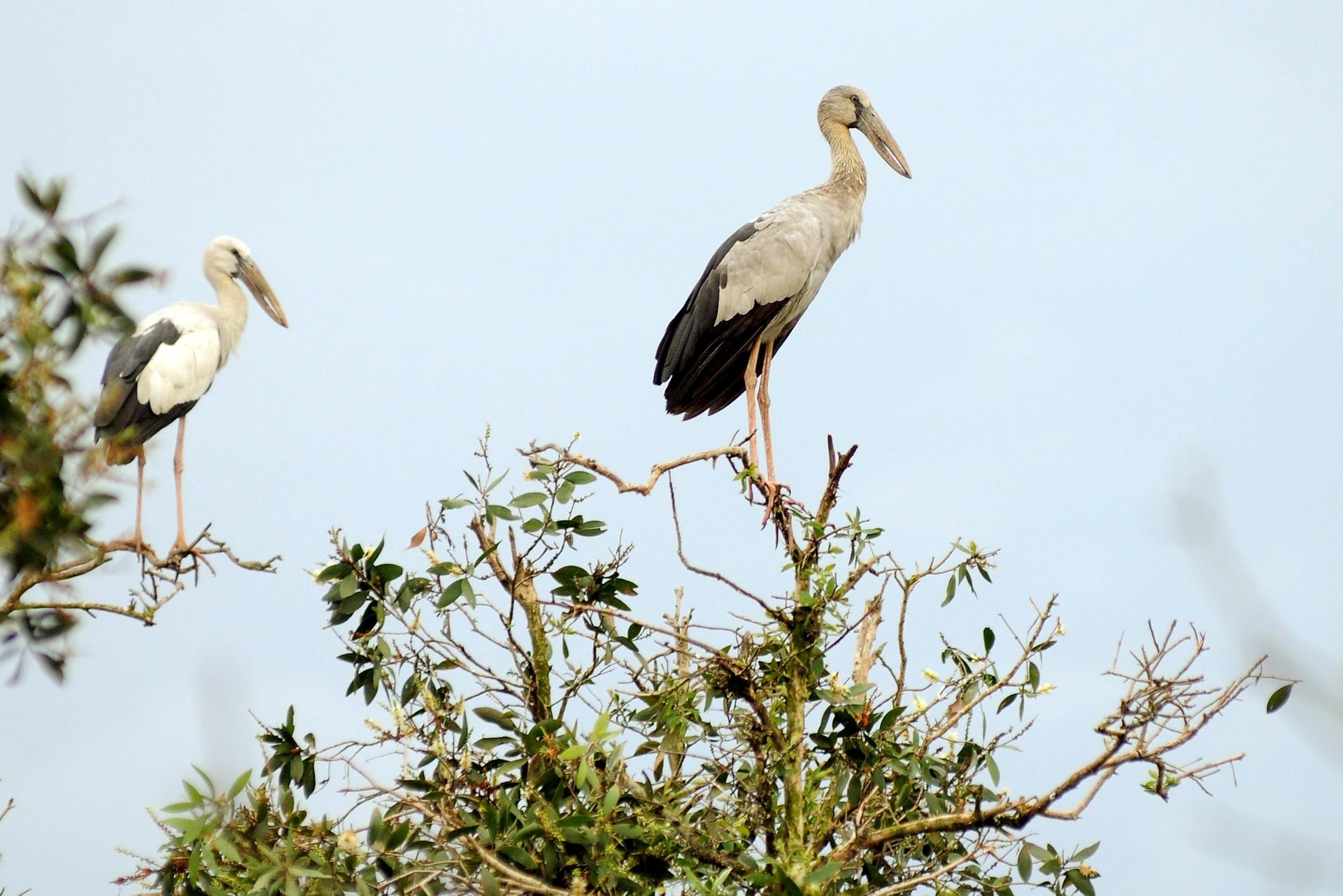
Asian openbill storks gather and breed at Tram Chim National Park. (Photo: VNA)
The park used to be home to one of Vietnam’s largest Eastern sarus crane populations, with over 1,000 birds seen in some years.
!
However, the number sharply declined, and not a single crane returned in 2020, 2022, or 2023. In response, Dong Thap introduced a 2022–2032 conservation and development plan to bring back the cranes and restore the wetland that sustains them.
Due to various factors, the number of cranes returning to Tram Chim declined sharply over time. (Photo: VNA)
To lure the birds back, the park has prioritised full ecosystem rehabilitation: restoring natural water flows, eradicating invasive species, and re-establishing vast Eleocharis fields that serve as the cranes’ primary food source.
“
🌿 Focus on a full ecosystem rehabilitation:
💧Restoring natural water flows
🌱Eradicating invasive species
🪴Re-establishing vast Eleocharis fields that serve as the cranes’ primary food source
The resurgence of Eleocharis is restoring a critical food source for sarus cranes while preserving Tram Chim’s fragile wetland ecosystem. Expansive stands of the sedge are reviving the iconic scenery of Dong Thap Muoi.
“
🌾 Improved hydrology has spurred the recovery of wild rice, wildflowers, and other native wetland vegetation.
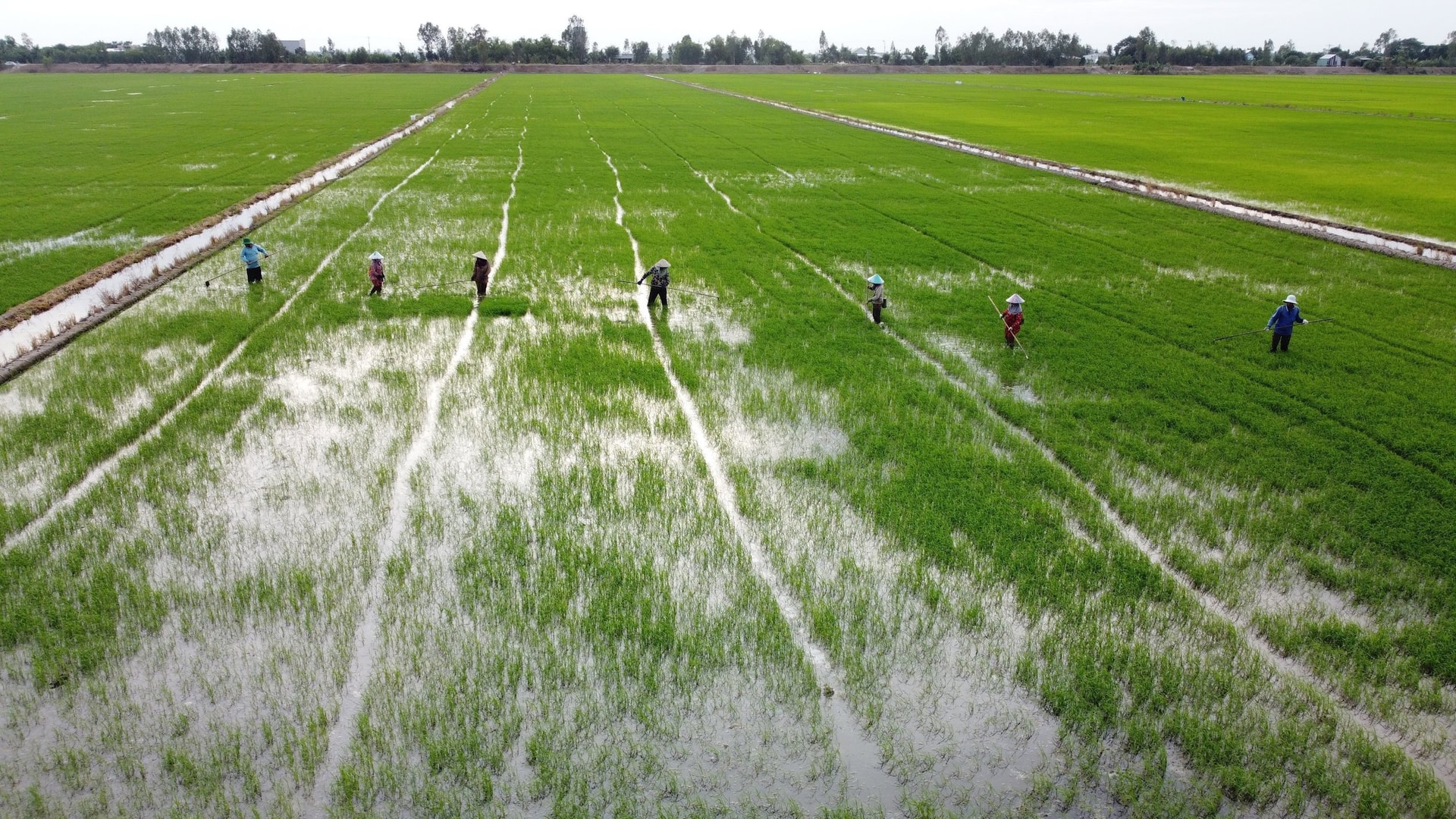
🤝 Tram Chim is also partnering with buffer-zone communities to build infrastructure for ecological rice farming, spreading models that tie sustainable agriculture to crane recovery.
📢 Effors are being made to raise pubic awareness of ecological rice production practices that support the conservation and development of sarus cranes at Tram Chim National Park.
Fields under the model "Ecological rice production combined with the conservation and development of sarus cranes at Tram Chim National Park" (Photo: VNA)
“
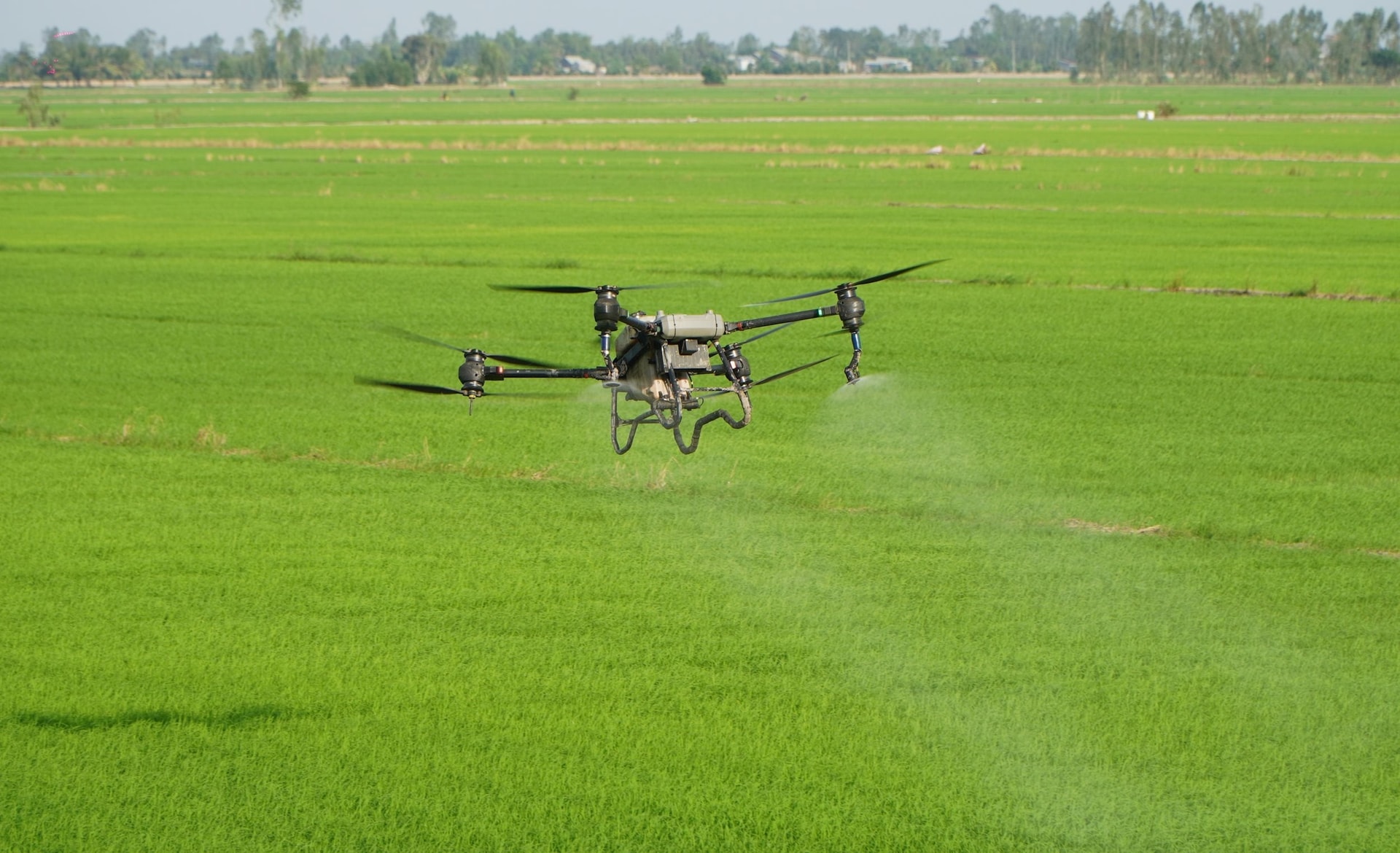
Farmer Nguyen Van Man in nearby Tam Nong commune said authorities convinced him to switch practices. He slashed seed rates from 20 kg to 10 kg per cong (0.1 ha), quit burning straw, and swapped chemical sprays for organic compost. While still growing three crops annually, he has applied technical advances and sharply cut chemical fertilisers and pesticides.
The payoff is already visible: wild rice and Eleocharis are rebounding, and in 2024, several Eastern sarus cranes reappeared in management subzone A5 after years of absence, an encouraging sign that habitat quality is improving. Numerous other rare water birds have also followed.
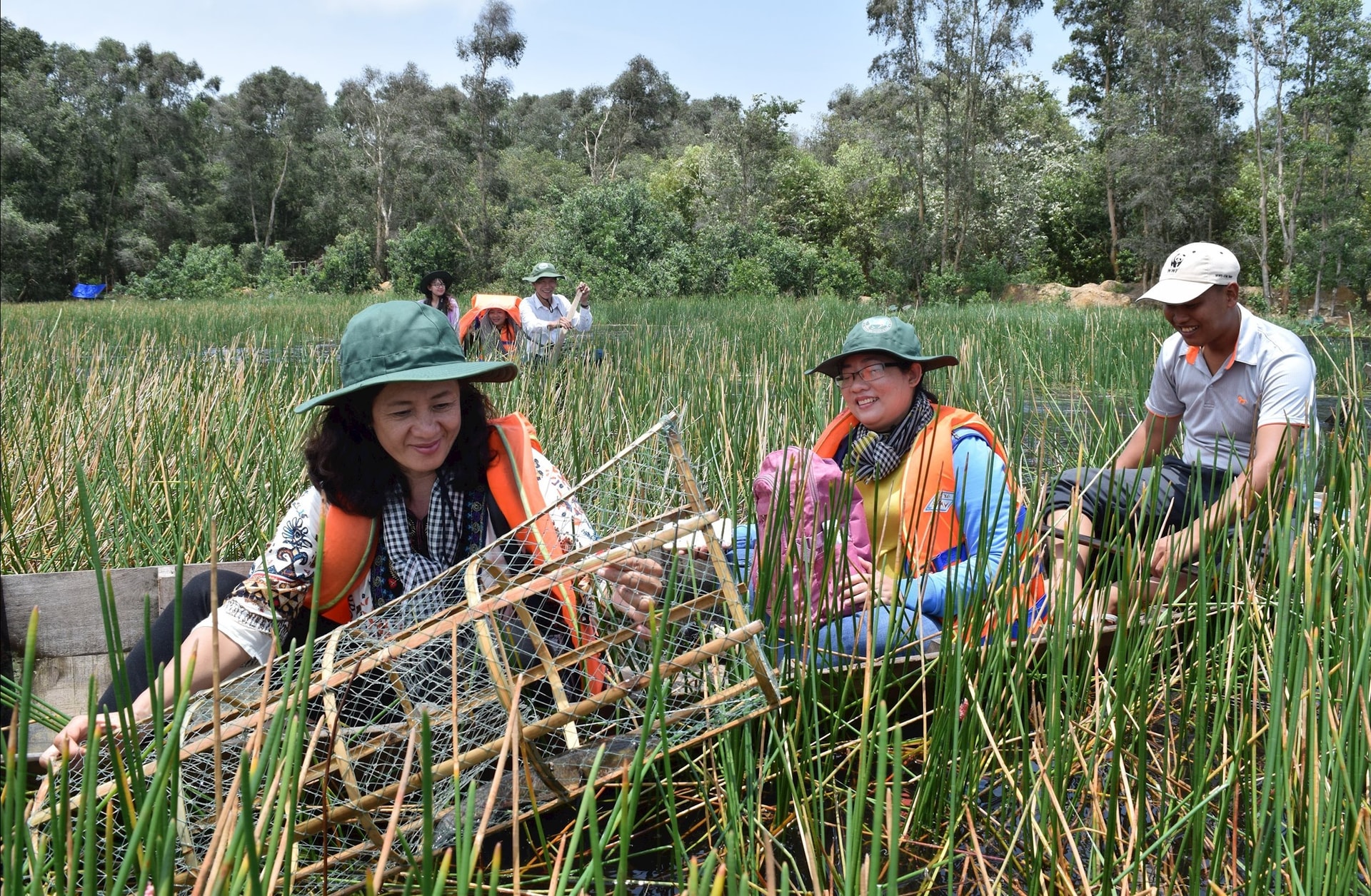
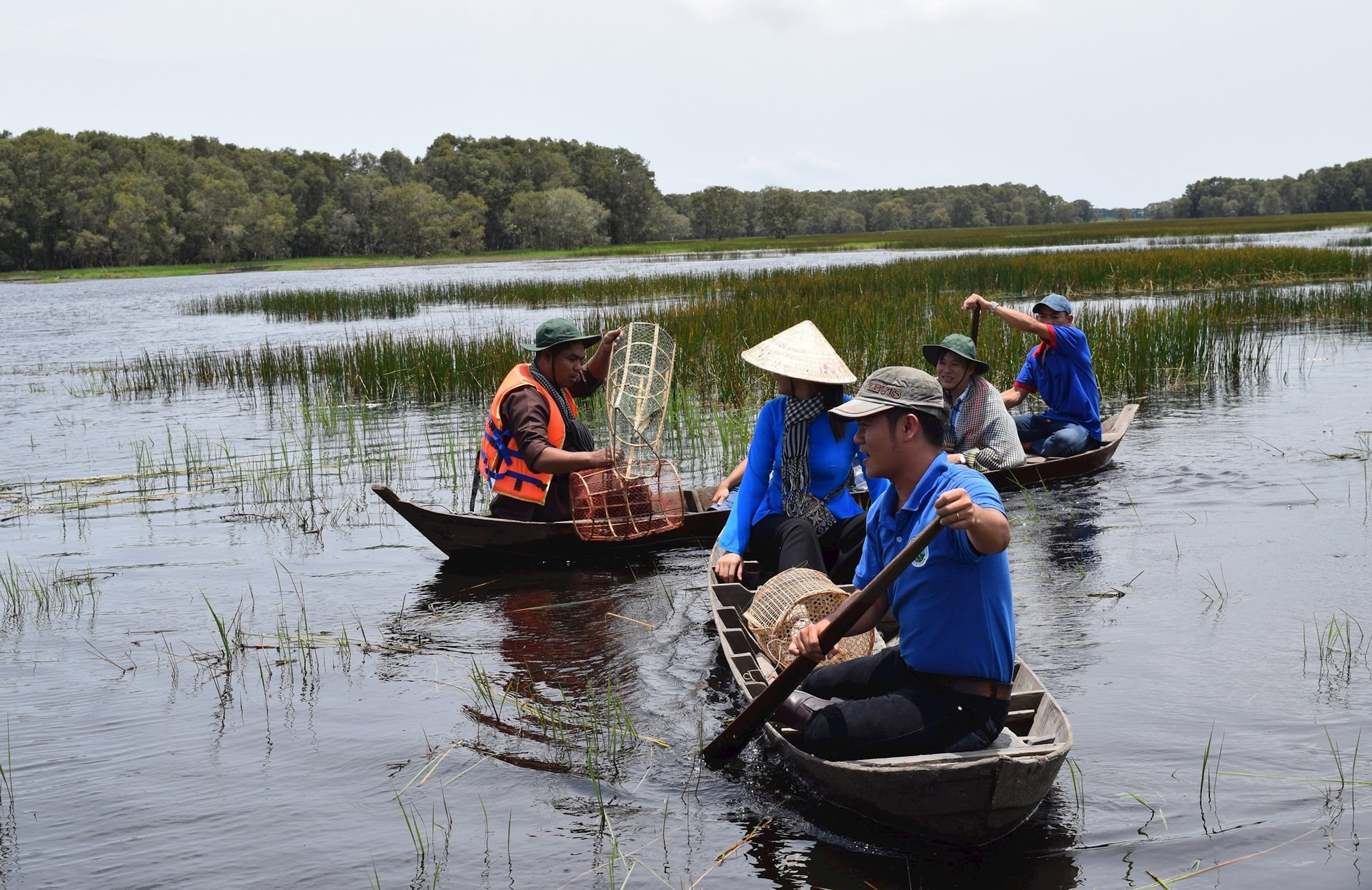
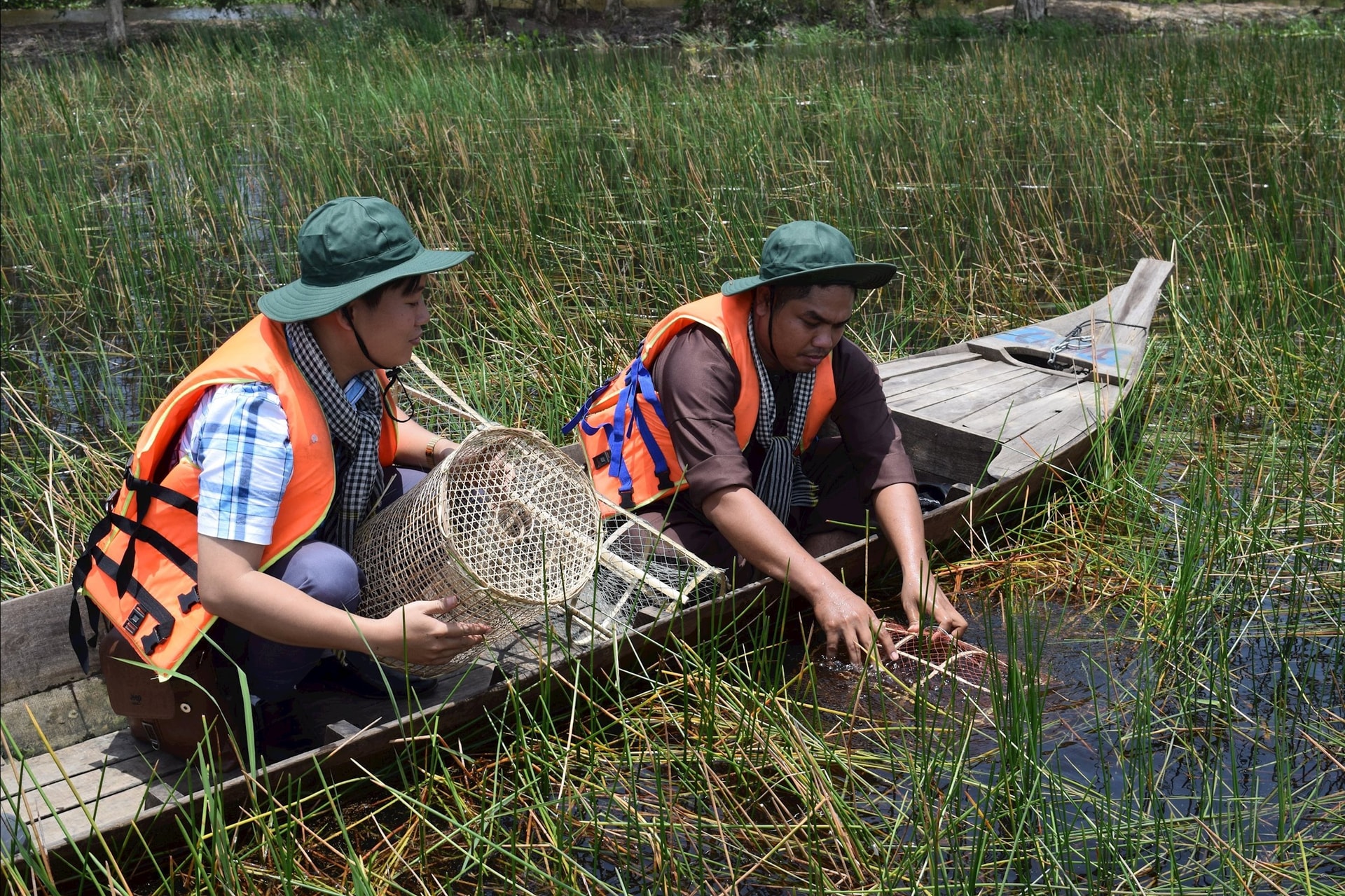
Visitors experience a "day in the life of a fisherman" at Tram Chim National Park. (Photo: VNA)
Breeding and releasing 100 cranes into the wild
“
The ultimate goal is a self-sustaining wild population through captive breeding and staged reintrodution, targeting 100 birds released by 2032, with at least 50 surviving in the wild and eventually establishing a stable year-round presence across Dong Thap Muoi, thereby helping save this species from the risk of extinction in Vietnam
Cao Thai Phong, Deputy Director of Tram Chim National Park
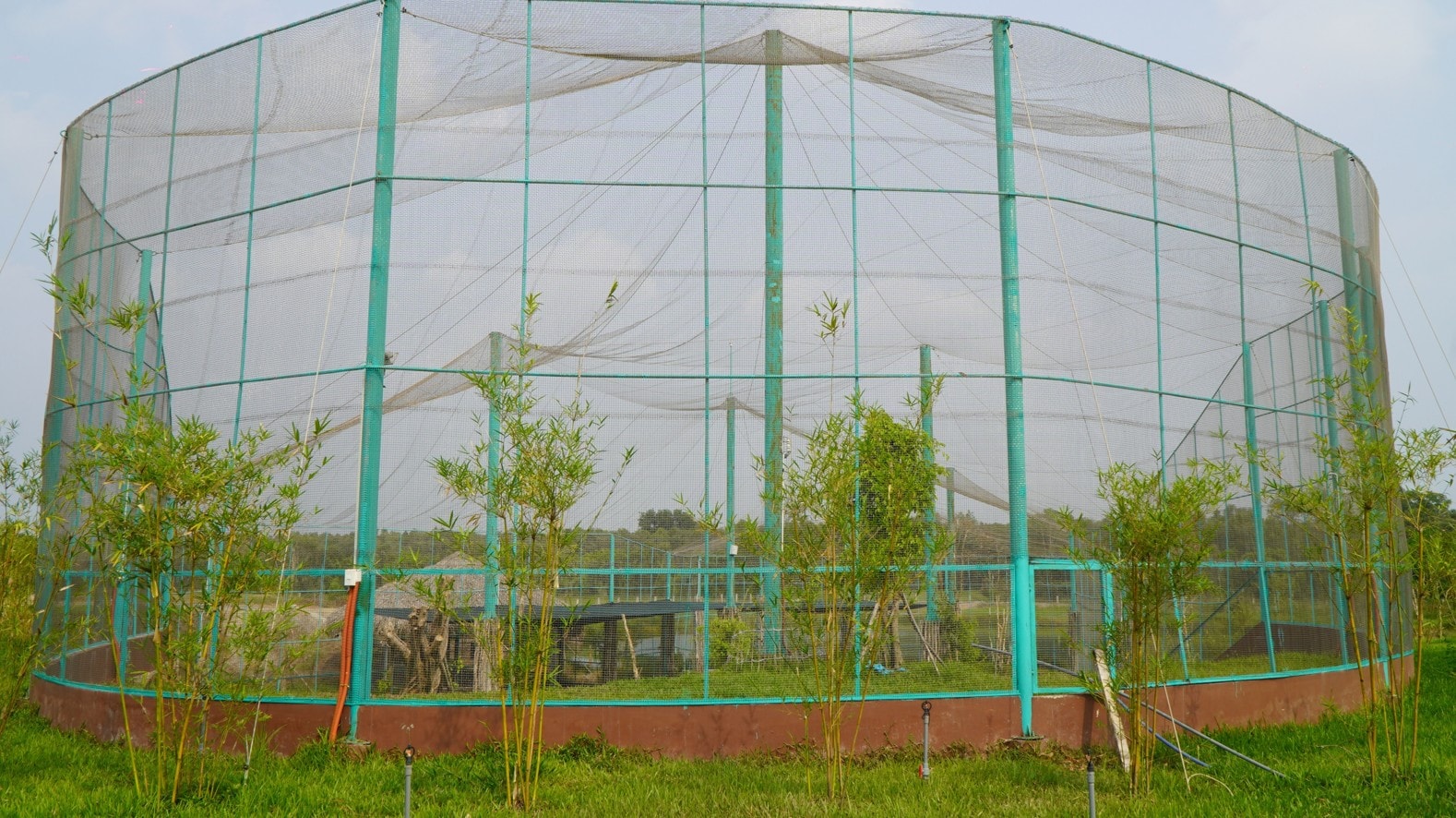
Two years into the project, encouraging initial results have been reaped. Phase 1 facilities, including chick nurseries, pairing cages, semi-wild acclimatisation pens, veterinary clinics, and feed storage, are complete.
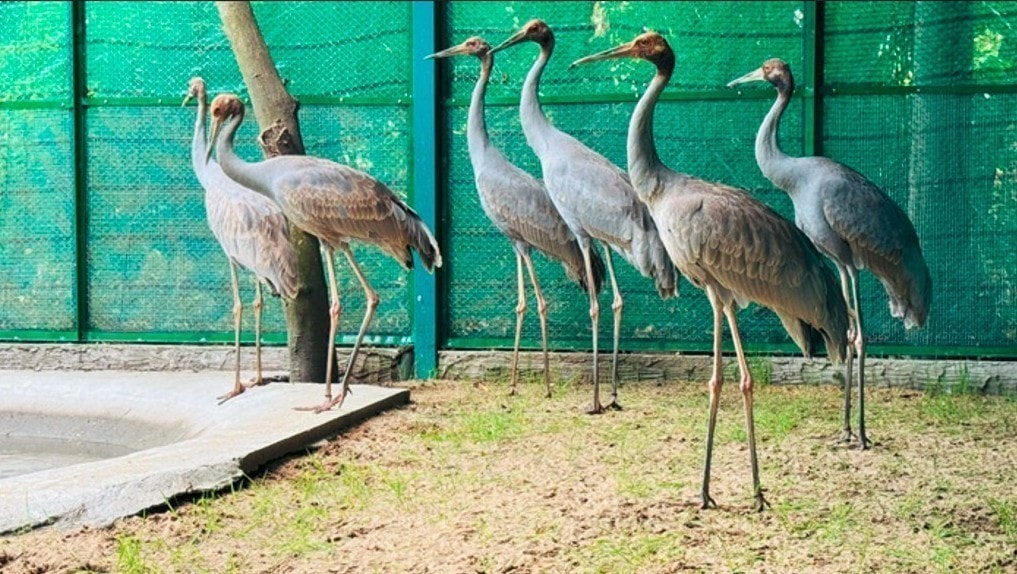
In April 2024, Tram Chim received its first six cranes from Thailand under a bilateral conservation agreement.
The first batch of six sarus cranes hails from Thailand (Photo: VNA)
“
A specialist team now cares for the birds full-time, controlling access to enclosures and providing tailored diets of pellet feed supplemented with fish, crickets, froglets, mealworms, and local tubers. The cranes are showing promising signs of adaptation.
Farmers cultivate ecological rice surrounding Tram Chim National Park to create an ideal habitat for sarus cranes. (Photo: VNA)An enclosure is used for housing bird species at the Wildlife Conservation Centre of Tram Chim National Park. (Photo: VNA)
Looking ahead, Dong Thap will complete the project management board and specialist teams, finalise transport logistics for the next batch of cranes due in 2026, and prepare for initial wild releases.
Vietnamese keepers are to be trained in Thailand on everything from artificial incubation, chick rearing to breeding pair management and post-release monitoring. Foreign experts will mentor on-site, transferring decades of hard-won knowledge, so that the Tram Chim staff can master the entire caring, breeding, and conservation process.
Backed by local resolve, community involvement, and global support, Tram Chim’s Eastern sarus crane project aims to secure the species’ future in-country survival, while boosting biodiversity and cementing Dong Thap’s status as a premier eco-tourism destination with tangible economic benefits and pride for residents./.
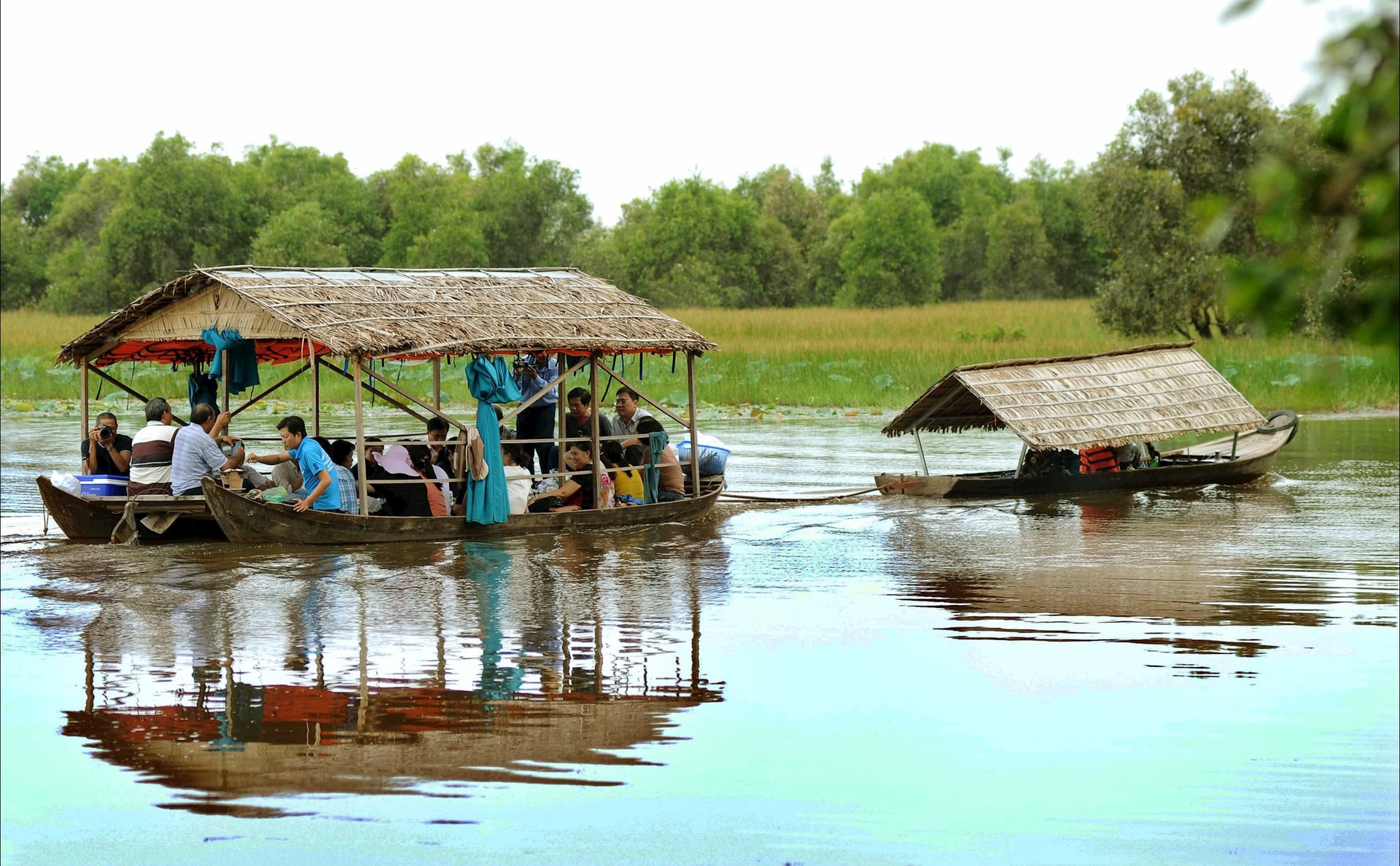
Tourists cruise around Tram Chim National Park. (Photo: VNA)