Vietnamese traditional martial arts - a new bridge connecting Vietnam with the world
LongForm - Ngày đăng : 19:01, 26/11/2026
Vietnamese traditional martial arts - a new bridge connecting Vietnam with the world
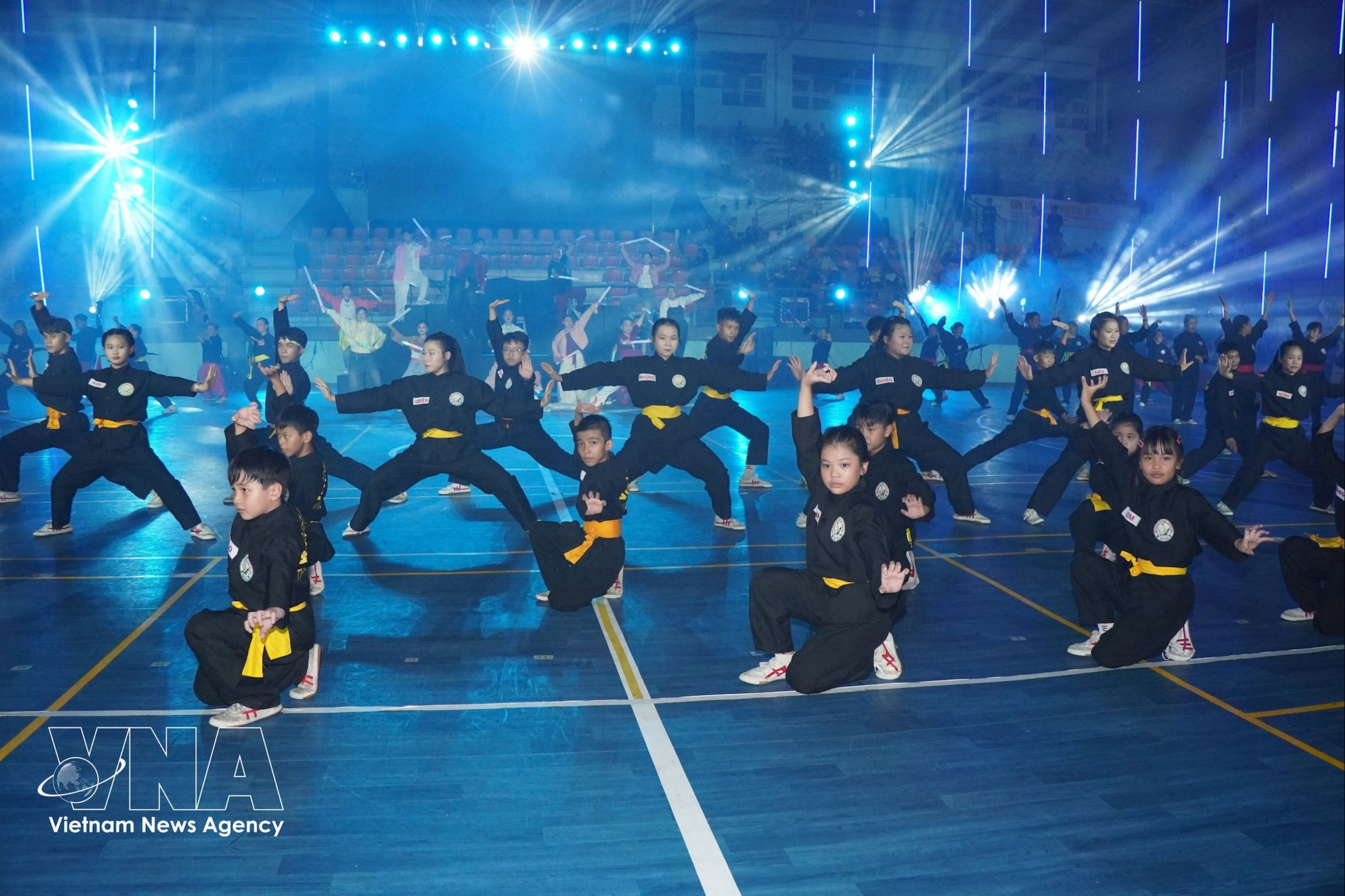
Beyond promoting physical fitness, Vietnamese traditional martial arts are increasingly serving as a cultural bridge, connecting Vietnam with the rest of the world.
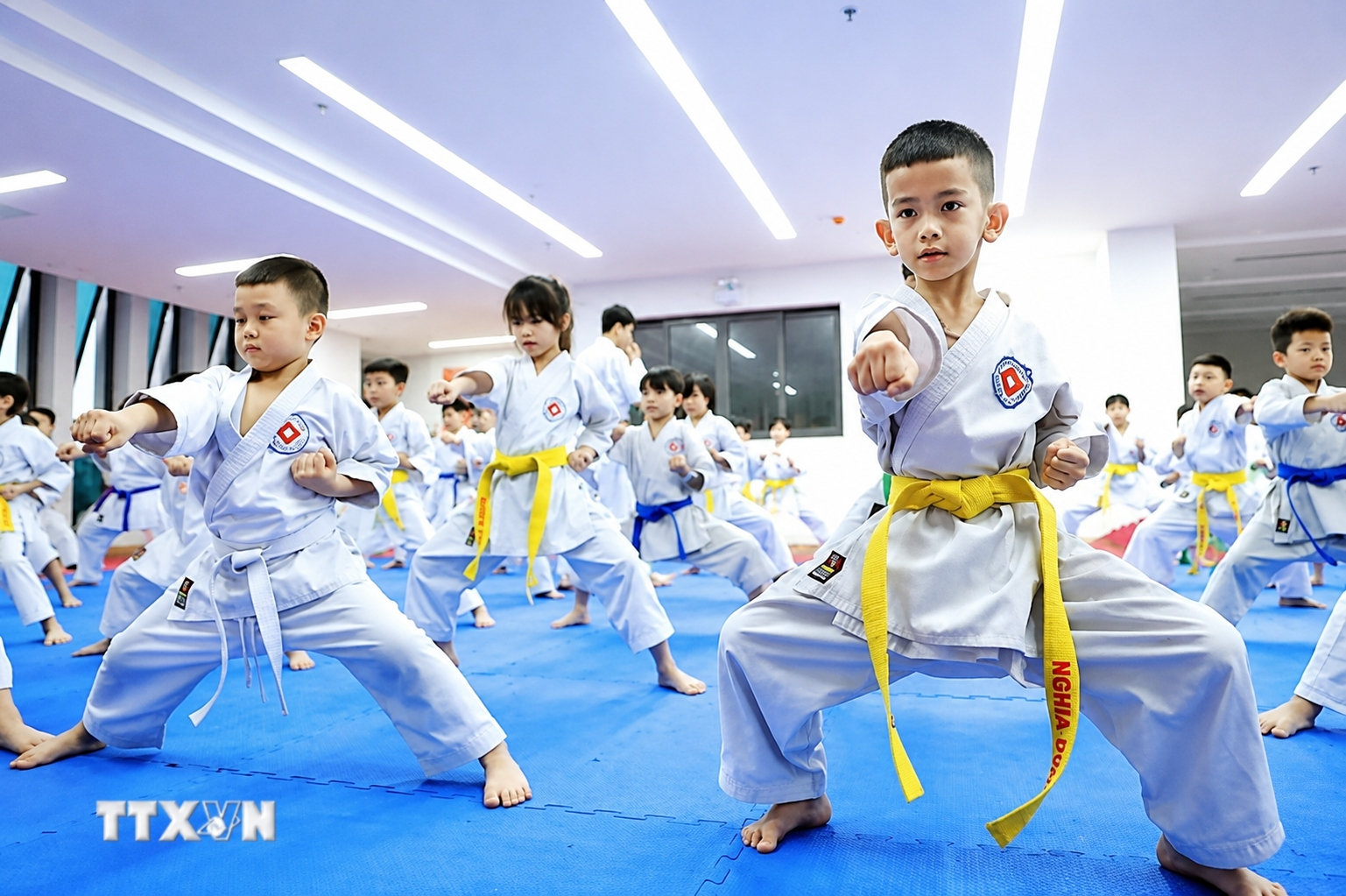
Kids enthusiastically take part in a traditional martial arts club organised at a Sports and Physical Training Centre. (Photo: VNA)
In 2026, Vietnamese traditional martial arts have received unprecedented international recognition. For the first time, Vietnamese martial arts clubs in France, Russia, and Morocco have officially participated in national championships. Additionally, the Thang Long Imperial Citadel also hosted an international martial arts festival for the first time. Beyond promoting physical fitness, Vietnamese traditional martial arts are increasingly serving as a cultural bridge, connecting Vietnam with the rest of the world.
The summer of 2026 witnessed four major international events highlighting the growing global presence of Vietnamese martial arts. From July 22 to 25, Paris hosted the seventh World Vovinam Championships, attracting around 325 martial artists from 15 countries, up from about 250 at the previous edition. From July 26 to August 5, the 15th National Traditional Martial Arts Club Championships took place in Quy Nhon, Gia Lai province, bringing together nearly 900 participants from 33 clubs, alongside four international clubs from Morocco, Russia and France. This marked the first time foreign clubs had officially competed in this prestigious national tournament.
The ninth International Festival of Vietnamese Traditional Martial Arts, held from August 2 to 5, welcomed 16 delegations from nine countries, including France, Switzerland, Germany, Italy, Russia, Morocco, Burkina Faso, Thailand and China.
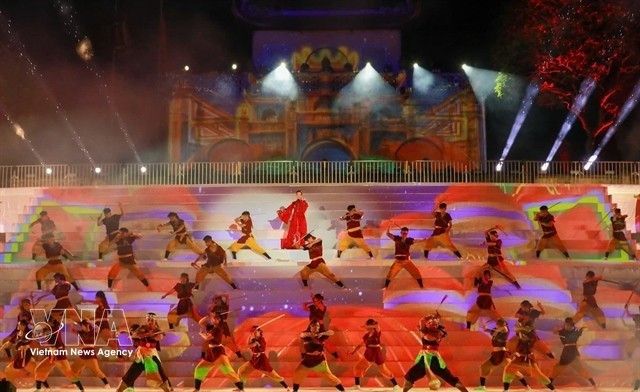
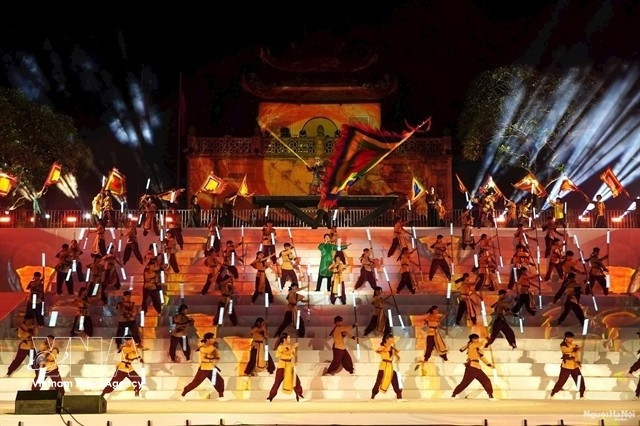
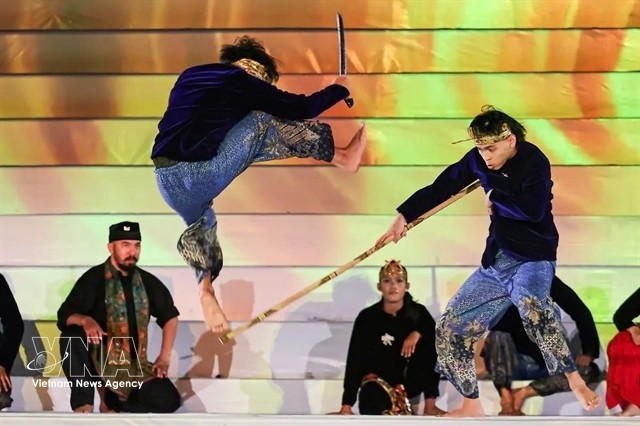
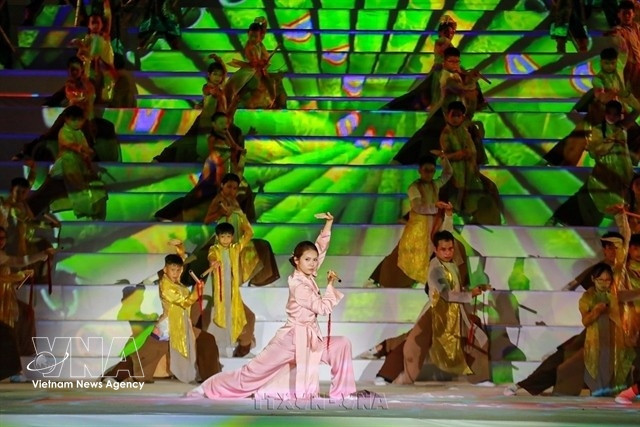
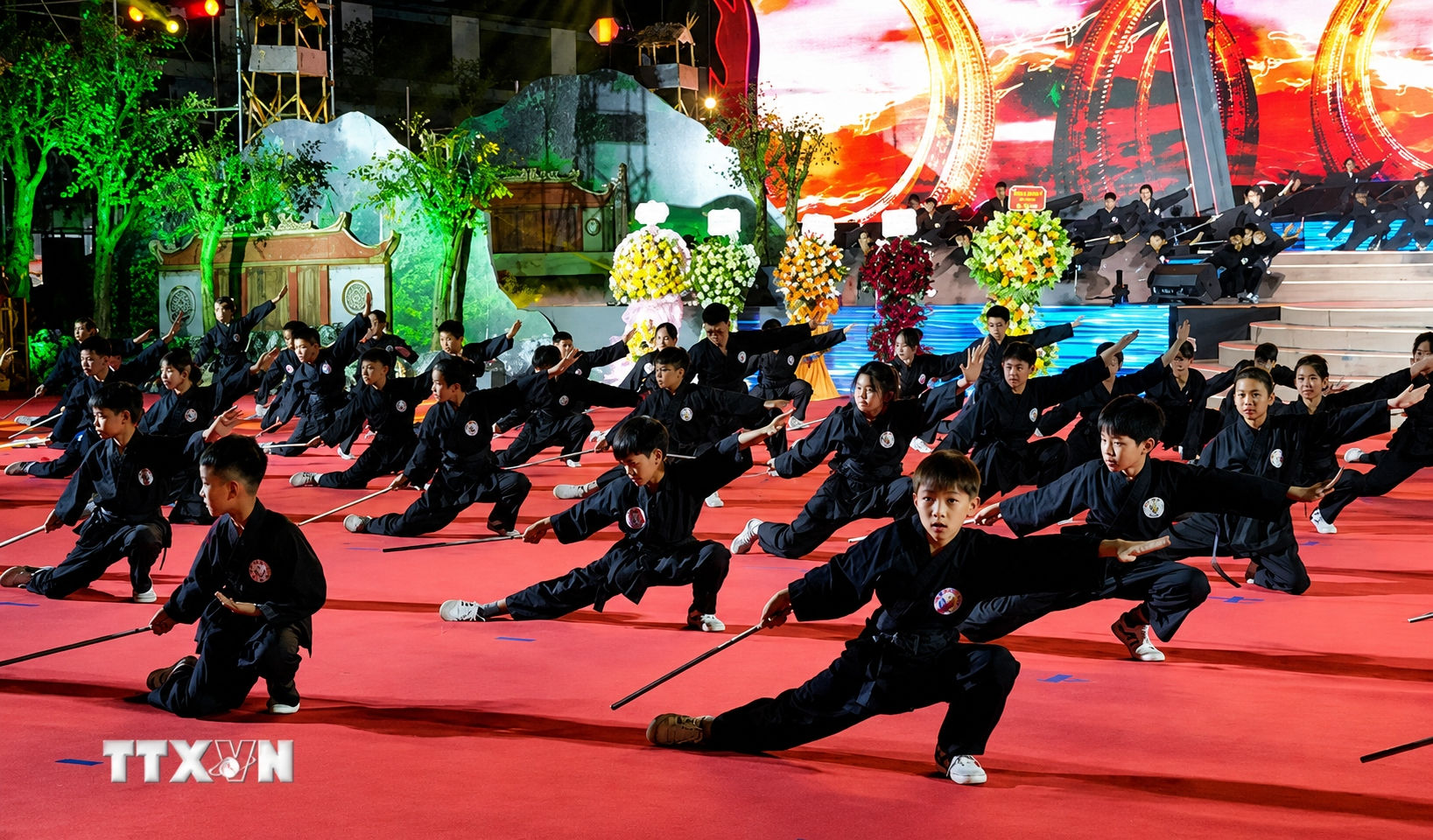
The Hanoi International Martial Arts Festival 2026, held from August 7–9 at the Thang Long Imperial Citadel, brings together around 2,000 martial arts masters and practitioners from Vietnam and abroad, celebrating the essence of Vietnamese martial arts and promoting the capital's image. (Photo: VNA)
Notably, Hanoi hosted its first International Martial Arts Festival at the Thang Long Imperial Citadel from August 7 to 9. The event featured 66 delegations, including seven international ones, attracting around 15,000 spectators and hundreds of thousands of viewers through television and digital platforms.
Speaking to the press, President of the Vietnam Federation of Traditional Martial Arts Nguyen Ngoc Anh said the federation's future goal is to ensure the sustainable development of the country's traditional martial arts while promoting international integration. Hundreds of clubs and training centres across Vietnam are currently attracting large numbers of practitioners. In 2025, martial artists from Thai Nguyen province won 86 gold medals at national and international competitions.
Vietnamese traditional martial arts’ journey onto the world stage
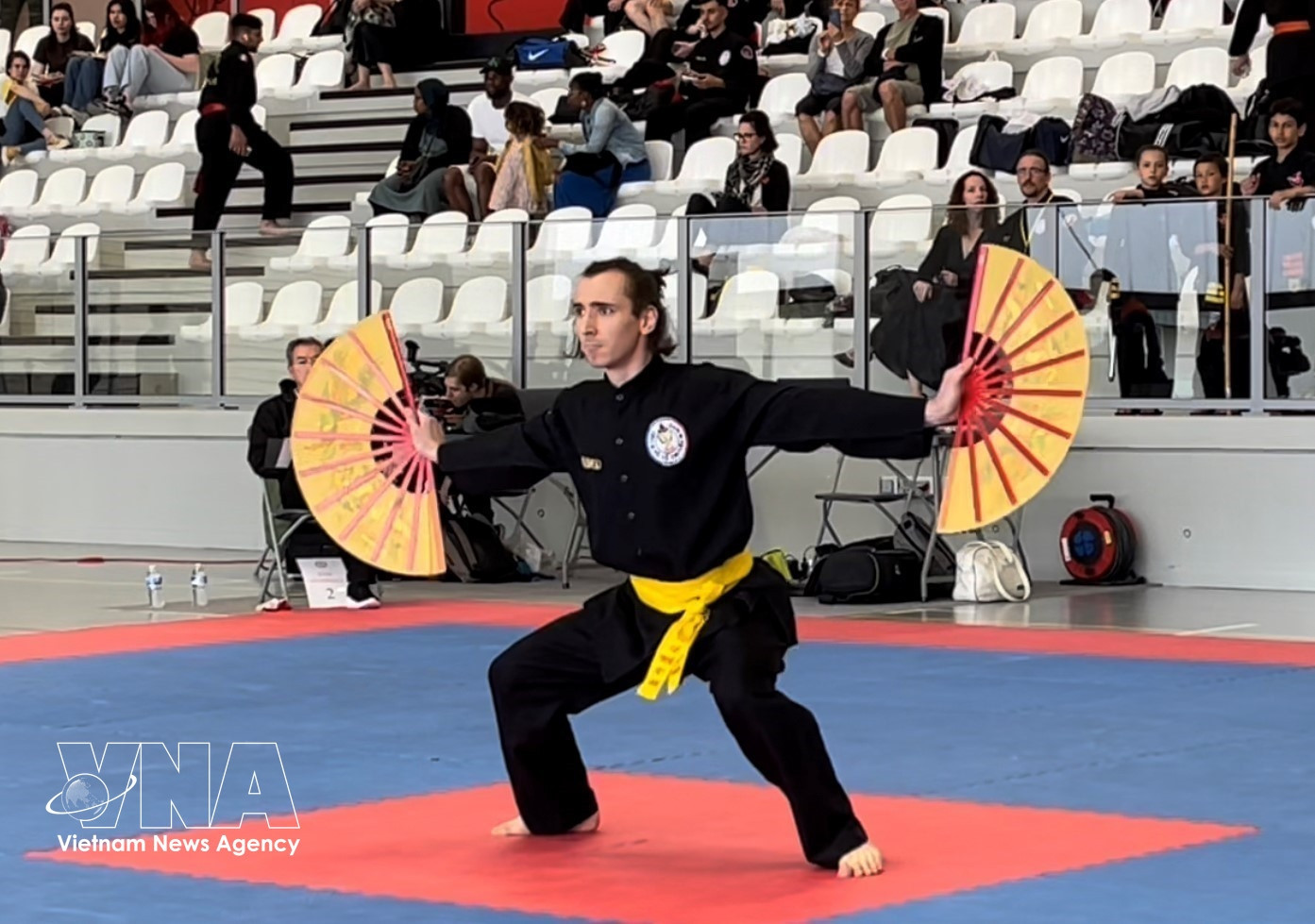
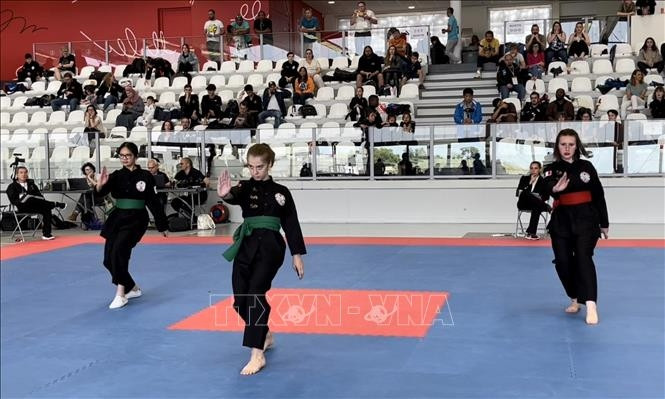
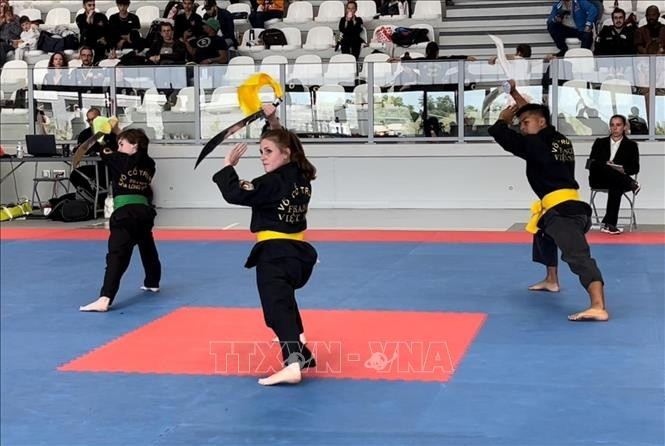
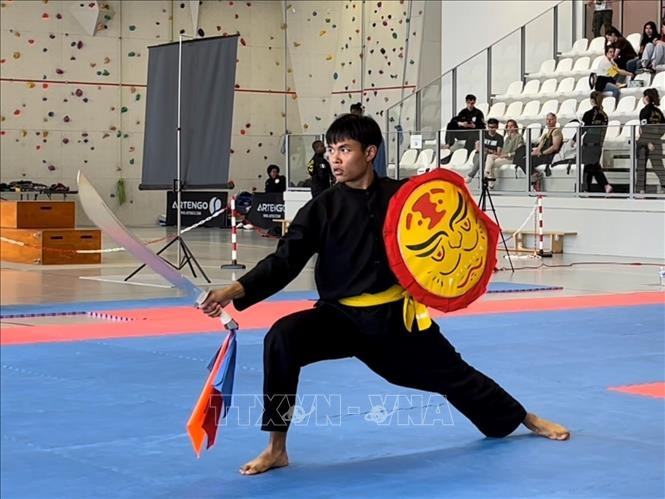
The Vietnam Traditional Martial Arts Federation in France (FVCTVNF) Cup is held at the Montévrain city sports centre, 40km east of Paris. (Photo: VNA)
Vietnamese martial arts were introduced to France in the early 1950s. As of July 2026, Vovinam – Viet Vo Dao alone had attracted more than 10,000 practitioners in France, with around 50 clubs affiliated with the French Vovinam Federation.
In November 2025, the Tran Huy Phong Championships in Paris brought together 320 practitioners and 31 martial arts masters from France, Belgium, the Netherlands and other European countries. Dinh Ngoc Duc, Director of the Vietnamese Cultural Centre in France, stressed that Vovinam is not simply a martial art but also an integral part of Vietnamese culture.
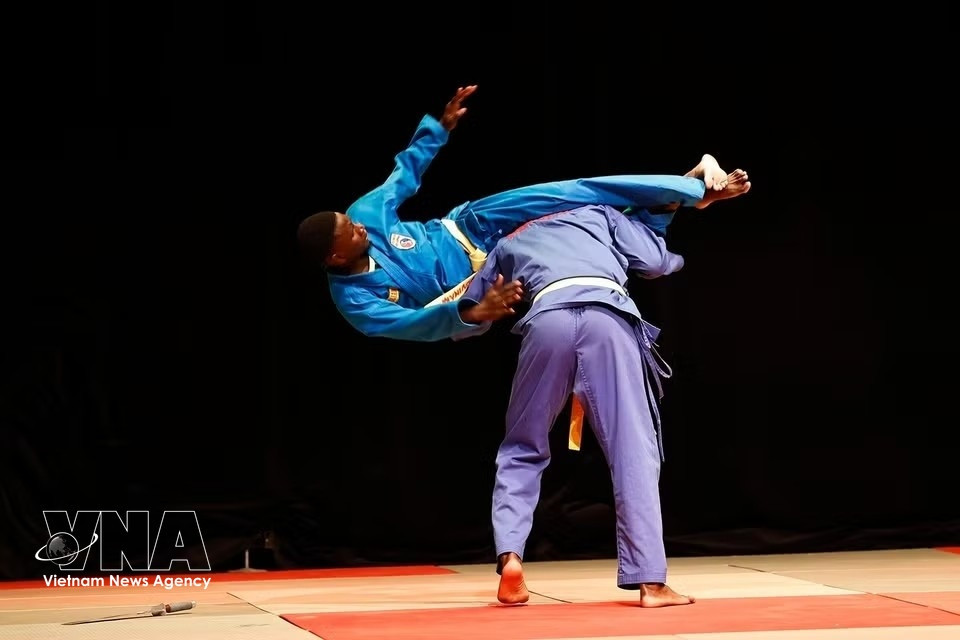
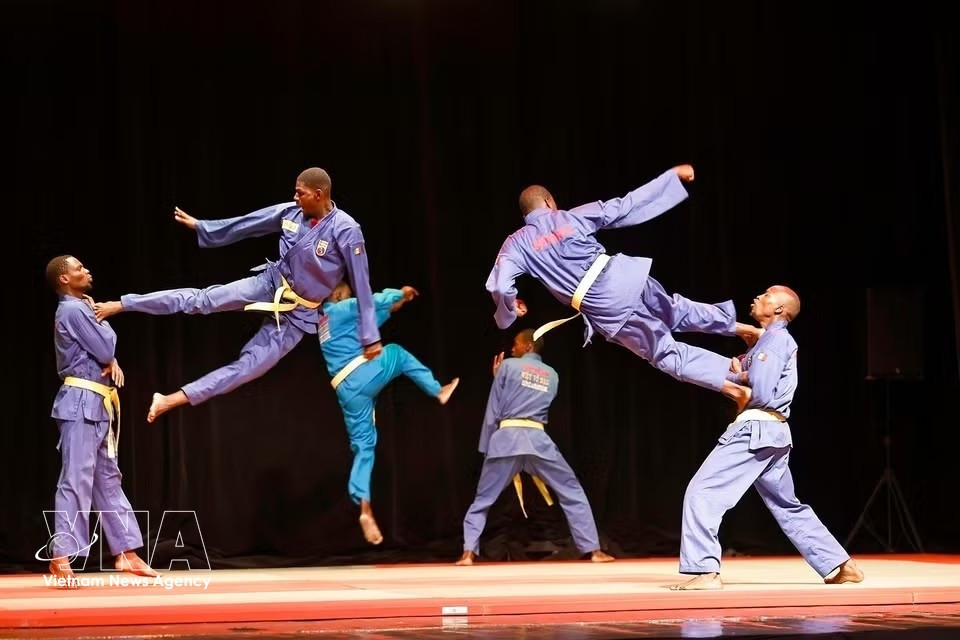
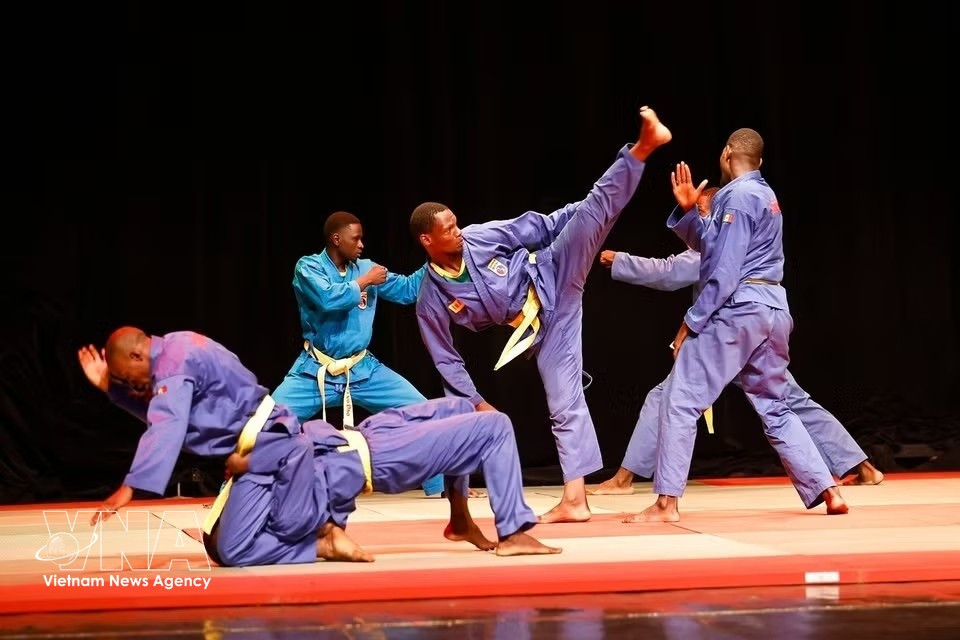
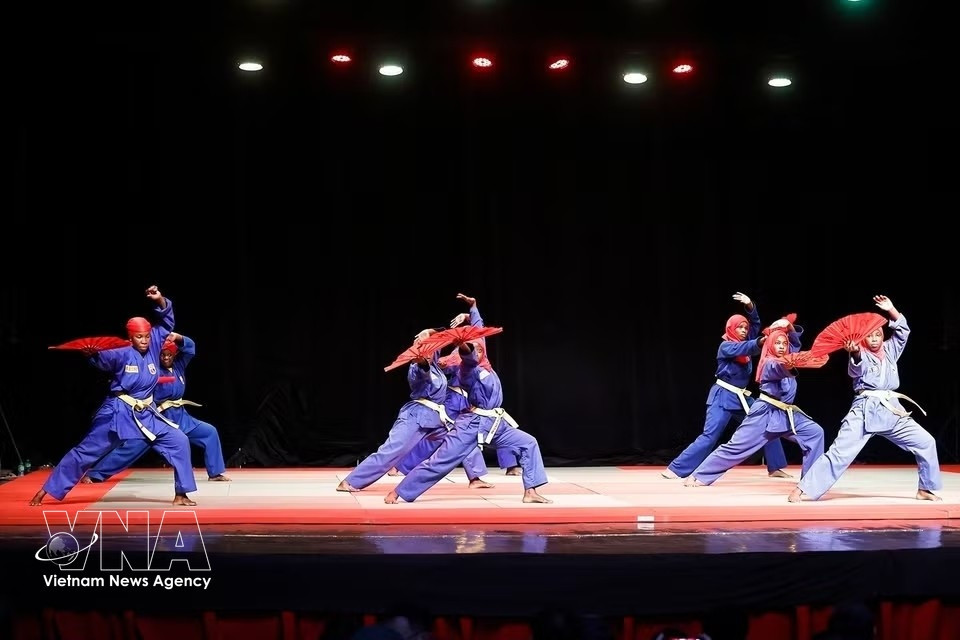
Members of the Senegal Vovinam Federation perform martial arts in Dakar on July 23 (local time). (Photo: VNA)
Grandmaster Tran Nguyen Dao, Chairman of the Council of Masters of the World Vovinam Federation, said Vovinam has been practised outside Vietnam for more than half a century. Starting in France, it has spread across Europe, Africa and other regions.
The martial art is now practised in around 20 countries and has approximately 200 masters. According to Dao, many foreign practitioners also learn and use Vietnamese martial arts terminology, creating another channel for promoting the Vietnamese language internationally. Vietnamese Ambassador to France Trinh Duc Hai noted that Vietnamese martial arts are becoming increasingly popular in the European country.
Resolution 72 creates opportunities for traditional martial arts to spread
The Politburo's Resolution No. 72-NQ/TW, issued on September 9, 2025, on breakthrough solutions to improve public health, promote physical exercise and sports, and designate April 7 as Vietnam's annual National Health Day, is expected to create further opportunities for traditional martial arts to reach wider audiences. Martial arts are among the physical activities that are relatively simple to practise and accessible to people of different ages and backgrounds.
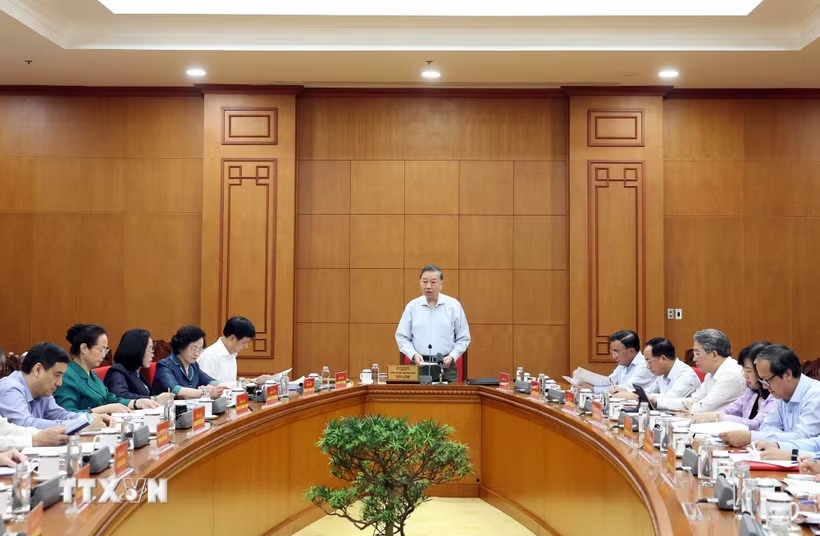
On October 2, 2026, General Secretary of the Communist Party of Vietnam Central Committee and President To Lam stressed that public health and physical fitness are integral components of national strength. He also called for greater attention to school sports. On October 10, a nationwide programme was launched, encouraging every citizen to choose at least one suitable sport and practise it regularly.
In Thai Nguyen, local authorities began implementing a plan to introduce traditional martial arts into schools in late 2024, aiming to establish clubs at all schools in the province by 2030. By April 2026, 117 schools, accounting for 27.4% of the province's total, had introduced martial arts training, attracting more than 6,400 student practitioners.
Local authorities believe martial arts training can improve physical fitness and help prevent obesity and spinal problems, particularly as students today spend increasing amounts of time using electronic devices.
Many students said they are excited to have martial arts included in physical education classes and that practising the sport helps them relieve stress after school.
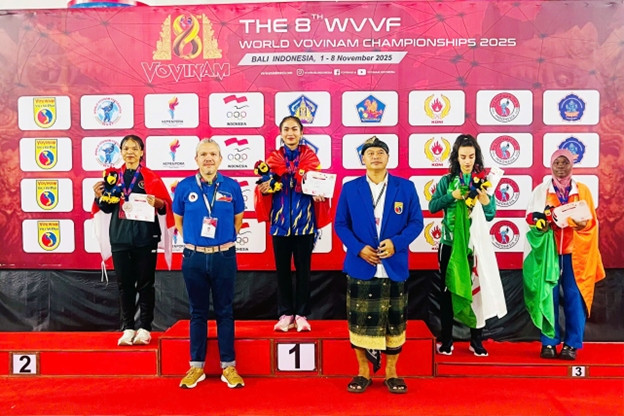
A notable example is Thi Lai, an 18-year-old member of the S'tieng ethnic minority in Dong Nai province, who won a gold medal at the 2025 World Vovinam Championships in Indonesia. She recalled that her mother had initially been concerned about her daughter's decision to learn martial arts. However, her persistence and achievements gradually won her mother's support and encouragement.
Thi Lai said she hopes her story will inspire more girls, particularly those from ethnic minority communities, to take up traditional martial arts.
Enduring appeal of traditional martial arts
The appeal of Vietnamese traditional martial arts is closely associated with the Red River Delta, the cradle of the country's wet rice civilisation, where village communities traditionally trained themselves to defend their homes and protect their communities. Historical records show that when Thang Long became the national capital, military commanders and martial arts masters from across the country gathered there, establishing a major centre of martial arts. Schools such as Mai Dong and La Khe developed, promoting core values such as courage, honour, community spirit and bonds between masters and students. Many traditional martial arts schools have survived through family traditions, village festivals and privately run training centres.
The traditional martial arts of Binh Dinh have gained international recognition for their importance as cultural heritage.
Nguyen Thi Thanh Lich, Vice Chairwoman of the Gia Lai provincial People's Committee, described Binh Dinh martial arts as the “heart” of Vietnam's martial arts tradition, noting that the province has produced many of the country's outstanding martial arts routines and techniques.
The dossier seeking UNESCO recognition for Binh Dinh traditional martial arts has reached its final stages of preparation.
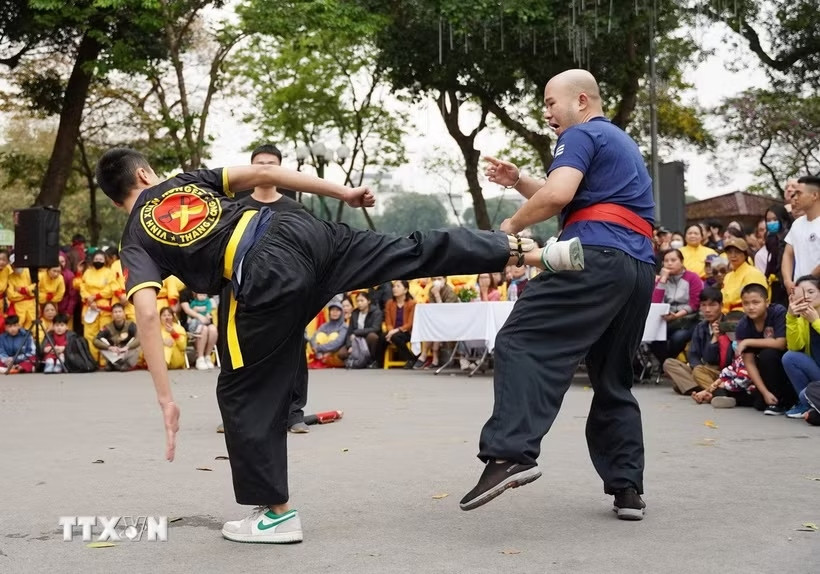
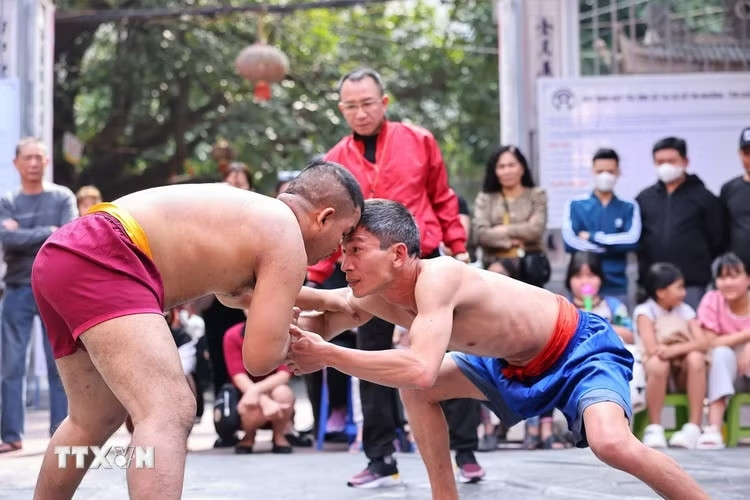
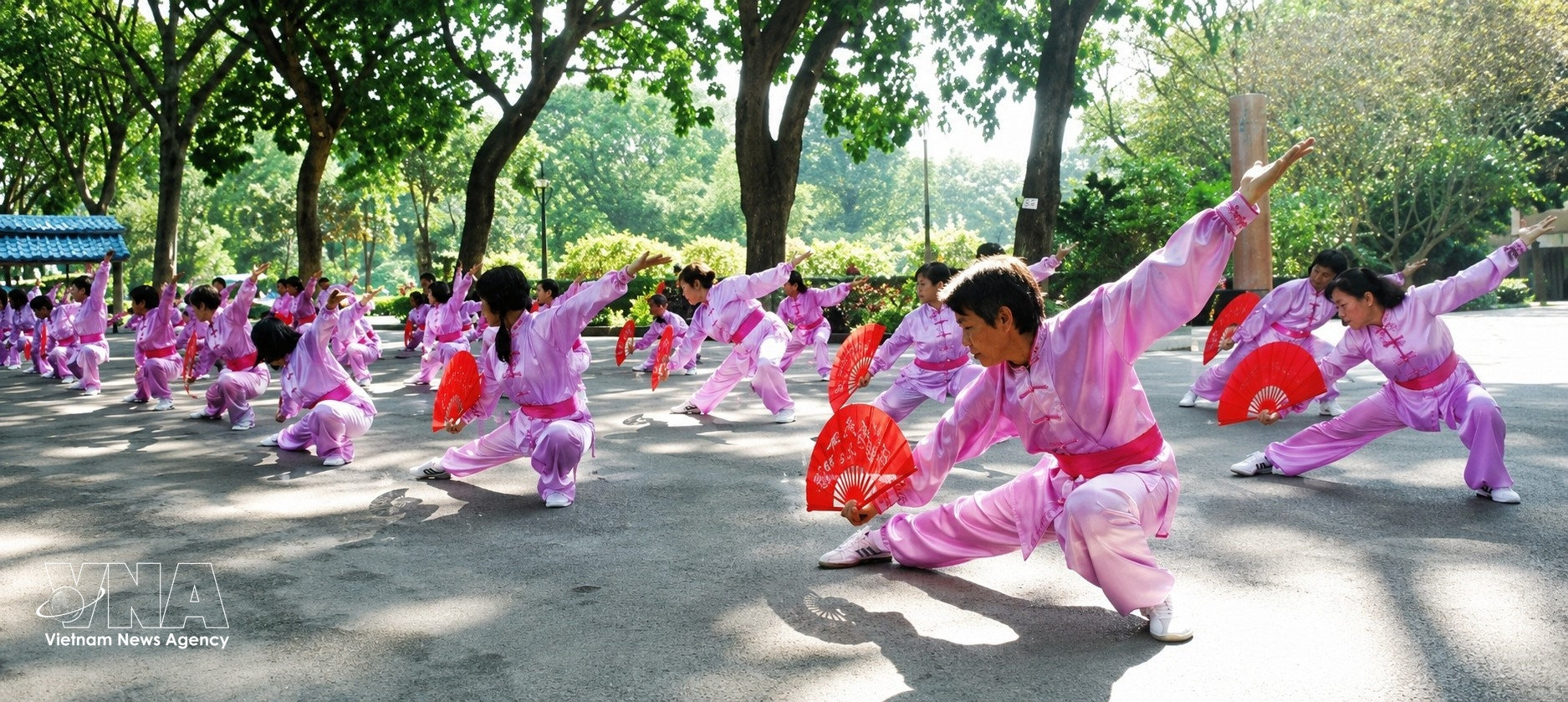
Various traditional martial arts styles have been preserved through families, village festivals and private martial arts schools. (Photo: VNA)
The capital should develop a programme entitled “Thang Long Martial Arts Culture”, combining performances, historical storytelling, heritage education and festival experiences. Experts also believe traditional martial arts could become a valuable resource for tourism and cultural industries, including cinema, performing arts and digital content production.
Associate Professor and Doctor of Science Dinh Cong Tuan, martial arts master and Acting Rector of Hanoi University of Culture
Vietnam hopes to submit the dossier for consideration at a session of UNESCO's Intergovernmental Committee for the Safeguarding of the Intangible Cultural Heritage, scheduled to take place in China at the end of 2026, after fulfilling all the organisation's requirements. Gia Lai is also planning support programmes for martial arts training centres and masters, while promoting the introduction of traditional martial arts into schools during the 2026–2030 period.
These efforts also help realise the Politburo's Resolution No. 80-NQ/TW, dated January 7, 2026, on the development of Vietnamese culture, which sets a target for Vietnam to have five more cultural heritage elements recognised or inscribed by UNESCO.
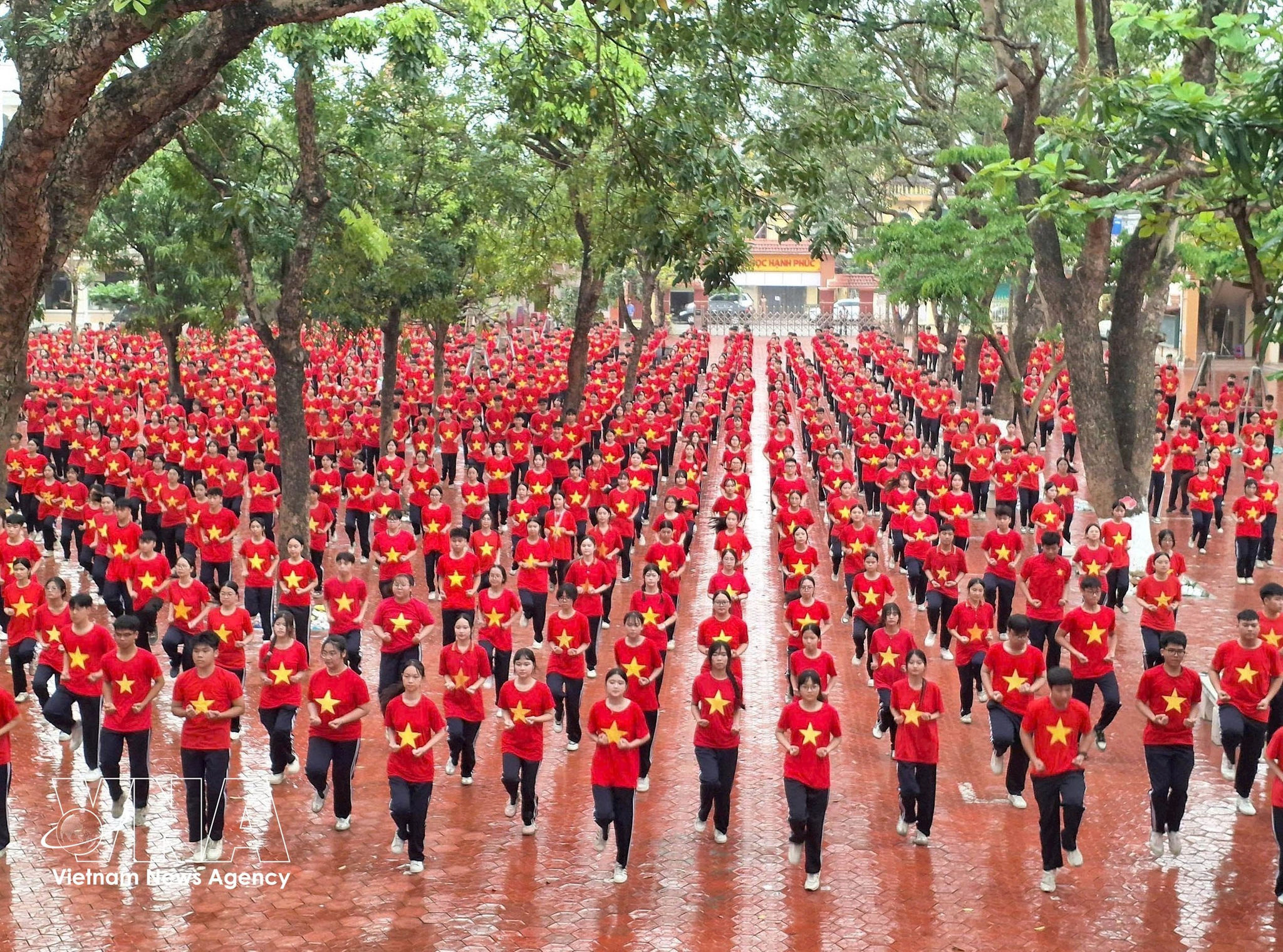
In the near future, the Vietnam Federation of Traditional Martial Arts plans to invite foreign clubs to compete officially in national championships. This will be a practical step towards implementing Resolution 80 by promoting Vietnamese cultural values internationally, encouraging the establishment of Vietnamese traditional martial arts clubs overseas and gradually expanding the sport's global network.
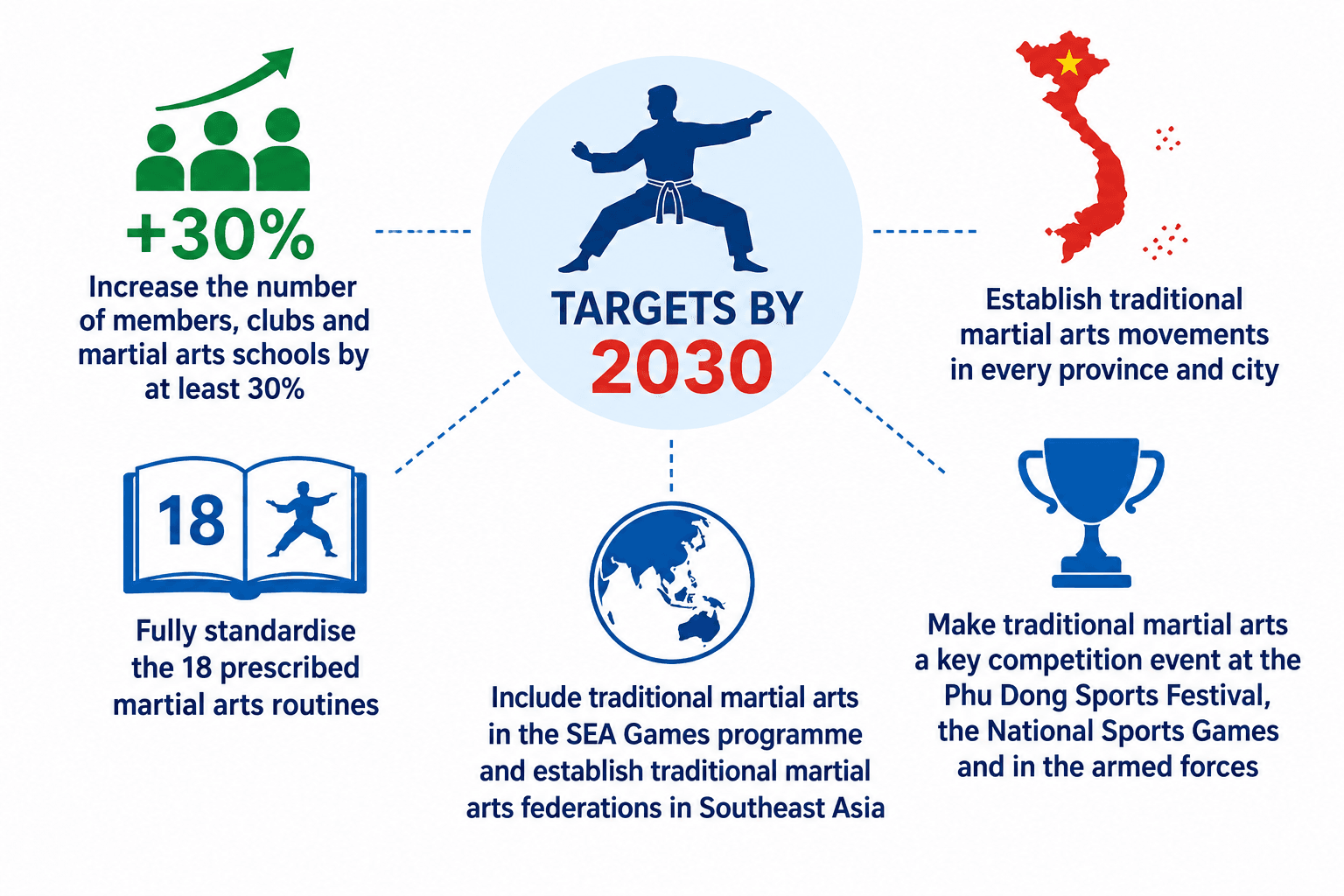
At the sixth National Congress of the federation, held on September 27–28, 2025, for the 2025–2030 tenure, it targeted increasing the number of members, clubs and training centres by at least 30% by 2030. It also aims to establish martial arts movements in every province and city, standardise all 18 prescribed martial arts routines, and make traditional martial arts a key competitive discipline at the Phu Dong Sports Festival, National Sports Games and competitions among the armed forces.
In terms of international cooperation, the federation aimed to introduce traditional martial arts into the SEA Games programme and establish traditional martial arts federations across Southeast Asia.
However, considerable challenges remain. These include a shortage of qualified coaches and assistant instructors, limited funding and inadequate modern training facilities. In Hanoi, many techniques, rituals and historical materials are still passed down orally and risk being lost unless they are properly documented and digitised. Cooperation among different martial arts schools also remains relatively loose and ineffective.
Looking back at history, in 1946, President Ho Chi Minh called on the entire population to exercise, expressing his belief that “A strong people make a strong nation”. Eighty years later, Vietnamese people at home and abroad are responding enthusiastically to his appeal. With Vietnamese traditional martial arts clubs opening in many parts of the world, these disciplines are not only helping people improve health and physical fitness, but also becoming a meaningful cultural bridge connecting Vietnam with the international community./.