PARTY'S STRATEGIC VISION TURNS BORDER SCHOOLS INTO 'SOFT LANDMARKS'
LongForm - Ngày đăng : 17:12, 20/11/2026
The network of boarding schools in border communes is expected not only to improve education and human resources but also to become important “soft landmarks” along the national borders.
{Tên chuyên mục}
PARTY'S STRATEGIC VISION TURNS BORDER SCHOOLS INTO 'SOFT LANDMARKS'
{VNA}•{Ngày xuất bản}
The network of boarding schools in border communes is expected not only to improve education and human resources but also to become important “soft landmarks” along the national borders.
At the ceremony to simultaneously launch the construction of inter-level primary and secondary boarding schools in mainland border communes under the second phase of the programme on March 19, 2026, General Secretary of the Communist Party of Vietnam Central Committee To Lam expressed his confidence that these schools would become “soft landmarks” of education in border areas.
He said they would help train human resources, promote sustainable socio-economic development and continue to inspire confidence in the future of the country's border regions.
With 108 boarding schools in border areas officially beginning operations in the 2026-2027 academic year, 108 “soft landmarks” have been established, making an important contribution to building a new generation of Vietnamese people in the era of national rise and safeguarding the country's frontiers. With more than 90% of their investment coming from the central budget, the schools demonstrate the Party and State's profound attention to people living in border areas. They also play an important role in strengthening the people's support for national defence and security.
The construction of boarding schools in border areas also reflects the Party's consistent policy of placing people at the centre of all development strategies. This was highlighted by General Secretary Lam in his speech at the University of Oxford on October 28, 2025, on Vietnam's renewal process and development orientations in the era of national rise.
“The main goal is not statistical growth figures, but genuine improvements in people's quality of life,” he said, stressing that this includes quality education, social welfare and opportunities for personal development.
Equal access to quality education
Implementing the Politburo’s Notice No. 81-TB/TW dated July 18, 2025, on the policy of investing in school construction in border communes, and the Government's Resolution No. 298/NQ-CP dated September 26, 2025, Dien Bien province has been implementing 15 boarding school projects in 15 border communes, with a total investment of nearly 3.9 trillion VND (152 million USD).
Of these, nine projects were launched in 2025, with a combined investment of more than 2.239 trillion VND, while five others have began construction in 2026, with total investment of 1.37 trillion VND.
Party General Secretary To Lam and other Party and State leaders press the button to inaugurate the Si Pa Phin Primary and Lower Secondary Boarding School in Dien Bien province on January 31, 2026. (Photo: VNA)
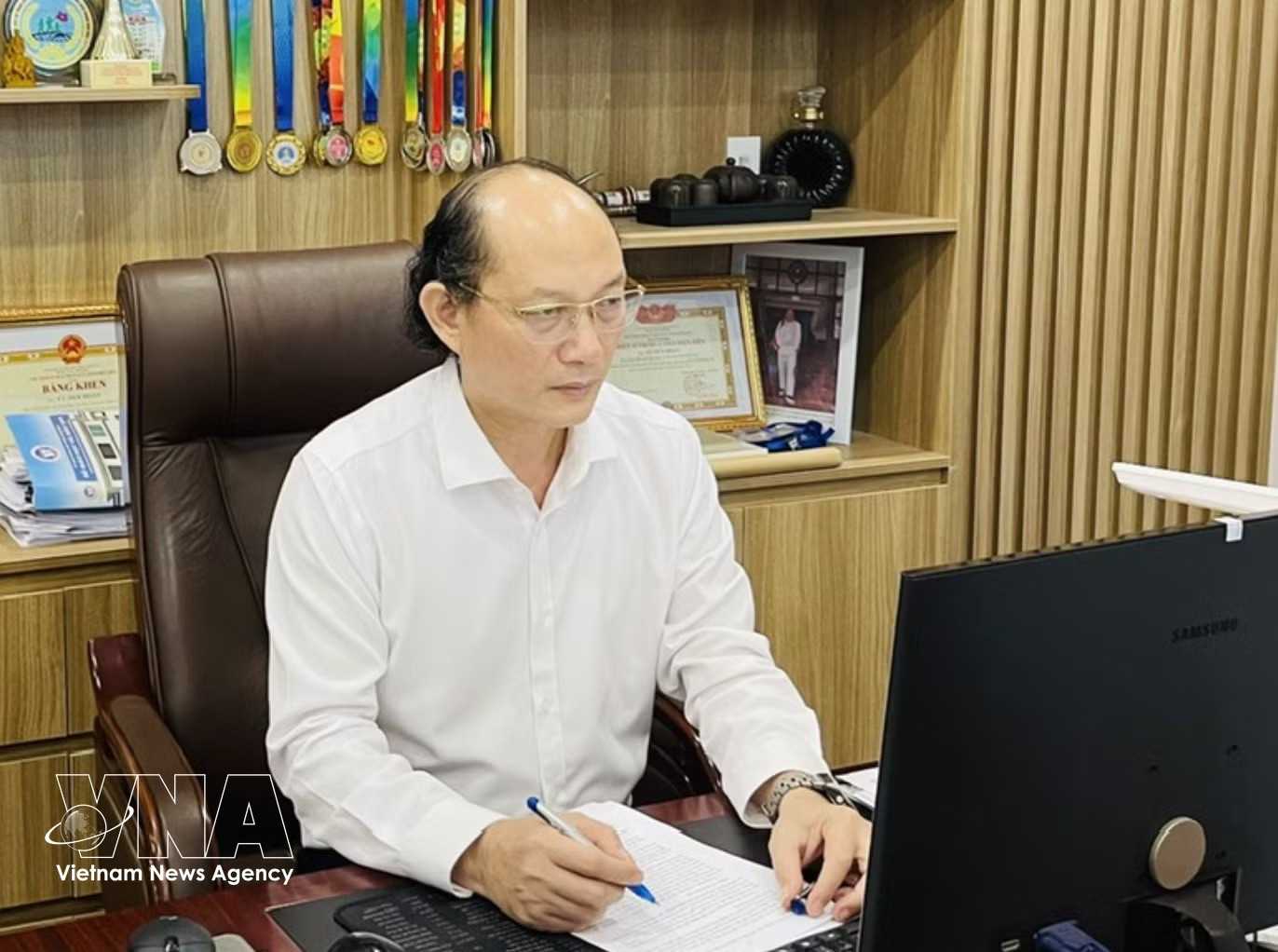
“This is the largest-scale investment programme in education ever implemented in the province,” said Cu Huy Hoan, Deputy Director of Dien Bien province’s Department of Education and Training.
According to Hoan, all nine projects under the first phase are basically on track to meet their targets and become operational before August 30. Their inaugurations were scheduled to take place simultaneously with those of other projects nationwide on the morning of September 5.
Together with the Si Pa Phin Primary and Secondary Boarding School, which had already been inaugurated, 10 ethnic minority boarding schools in the province's border communes were assigned a total enrolment target of 10,148 students in 302 classes for the 2026-2027 academic year.
“
This is a policy of strategic significance adopted by the Politburo and the Government for border areas. For a mountainous border province like Dien Bien, with its fragmented terrain and high proportion of ethnic minority residents, the programme is particularly important, not only for education but also for socio-economic development, national defence and security.
Cu Huy Hoan, Deputy Director of Dien Bien province’s Department of Education and Training
He noted that the boarding schools have expanded access to quality learning environments and helped ensure educational equality for students in disadvantaged areas. Previously, many children in mountainous areas had to study at small satellite schools with limited facilities, while some had to walk very long distances to attend classes.
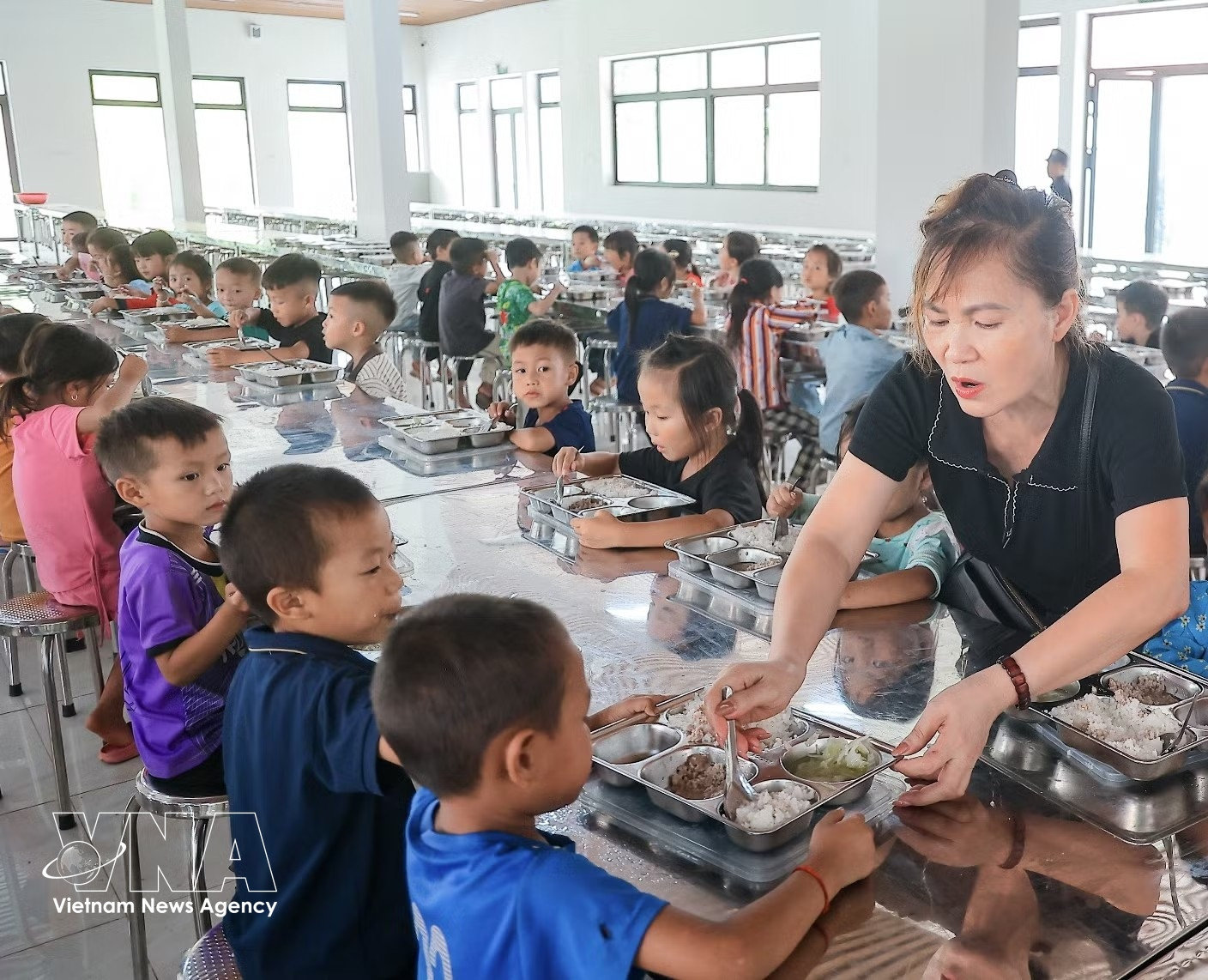
From this academic year, with a synchronised system of well-equipped boarding schools, students can study in concentrated settings and receive meals, accommodation and care at school. They also have access to modern and spacious facilities. This represents an important step towards narrowing the gap in access to quality education between more advantaged and disadvantaged areas.
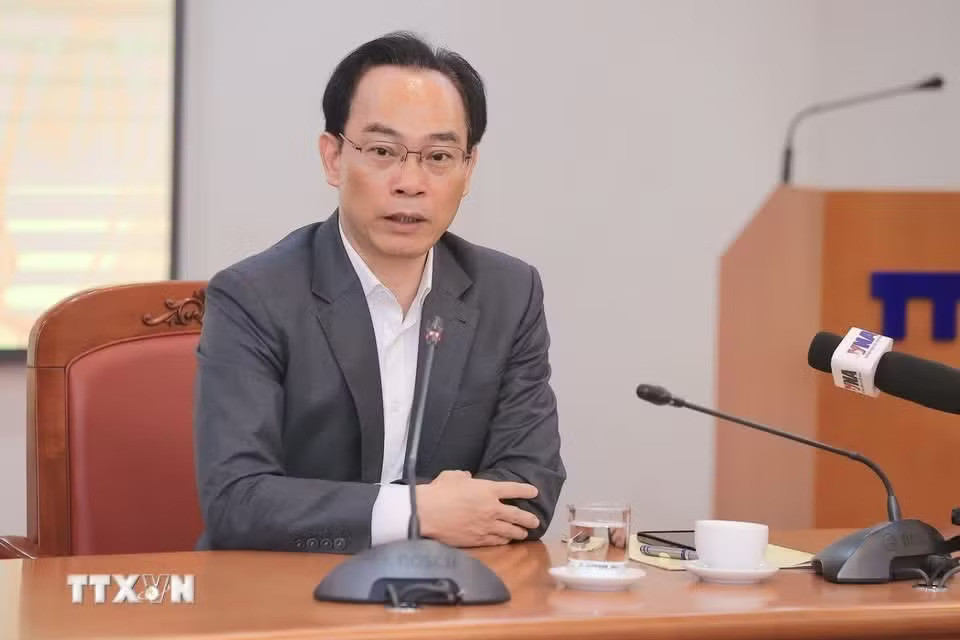
Minister of Education and Training Hoang Minh Son (Photo: VNA)
“
Expanding equal access to quality education for everyone is the Politburo's overarching and consistent priority, as reflected in Resolution No. 71 on breakthroughs in education and training development.
Minister of Education and Training Hoang Minh Son
As learning opportunities expand, the educational attainment and quality of the workforce will improve. This will also create a foundation for identifying, training and developing high-quality human resources across different levels, sectors and regions. Therefore, expanding learning opportunities is not merely an educational issue but also has important implications for sustainable socio-economic development and the country’s future. The construction of schools in border areas is a concrete programme to implement this policy.
Equal access to quality education is an issue that Party General Secretary and President To Lam has repeatedly emphasised. He reaffirmed this position at a working session with relevant agencies on August 25 to review one year of implementing the Politburo’s Resolution No. 71-NQ/TW on breakthroughs in education and training development.
The overall goal, he said, is to ensure that no student has their learning opportunities restricted because of a shortage of schools, classrooms or teachers, and that the quality of education and a child’s future do not depend excessively on where they are born and raised. Ensuring equal access to quality education must be one of the key measures of the implementation of Resolution No. 71-NQ/TW.
According to Son, the reality of education in border areas shows that students still face considerable difficulties in attending school. These are not only related to long travel distances and families’ limited ability to arrange transport, but also to the provision of daily meals so that children can study with peace of mind.
Against this backdrop, the Politburo’s policy of building 248 schools in border communes, with adequate infrastructure and facilities for both learning and daily life, represents a strategic solution.
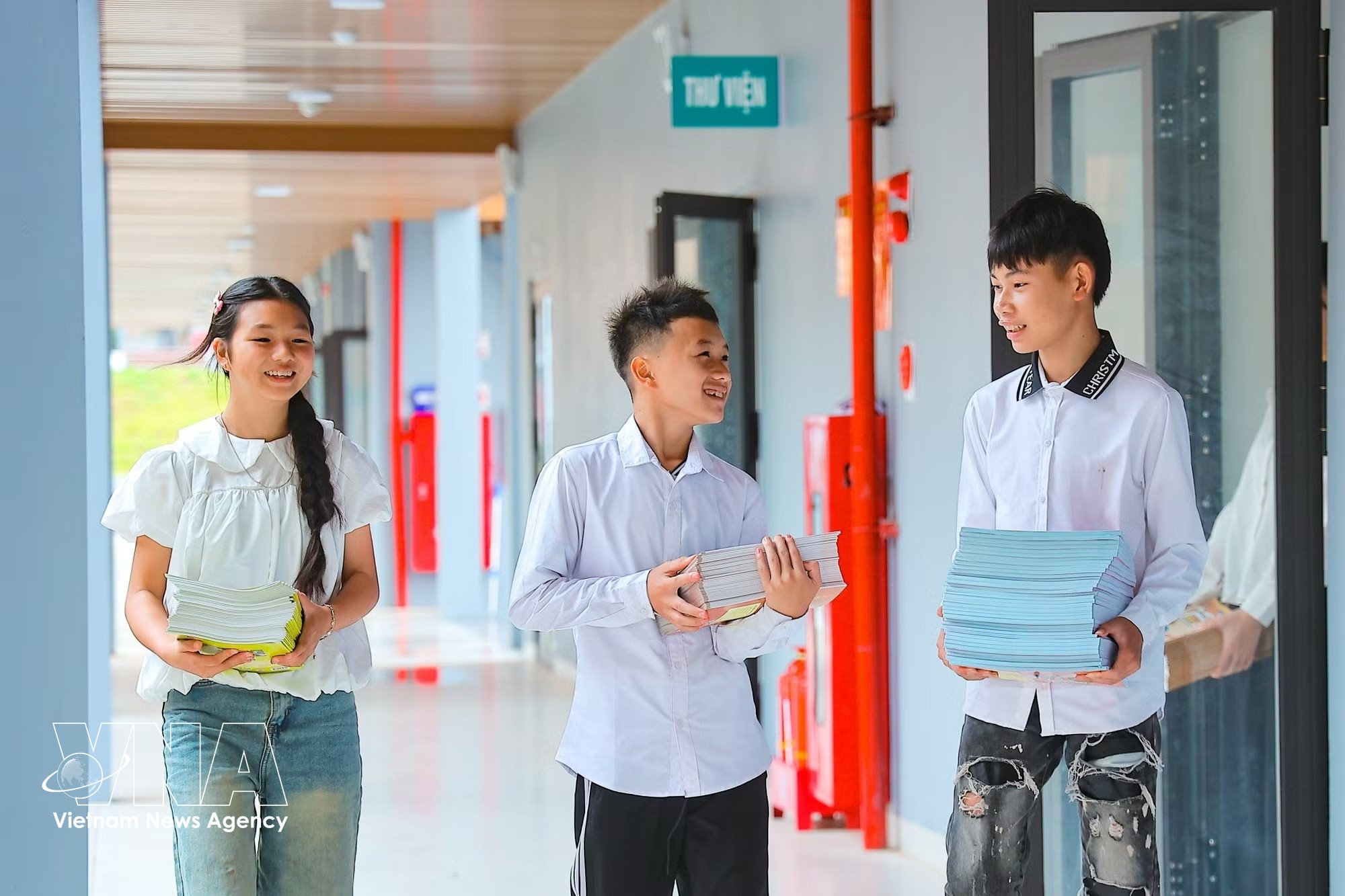
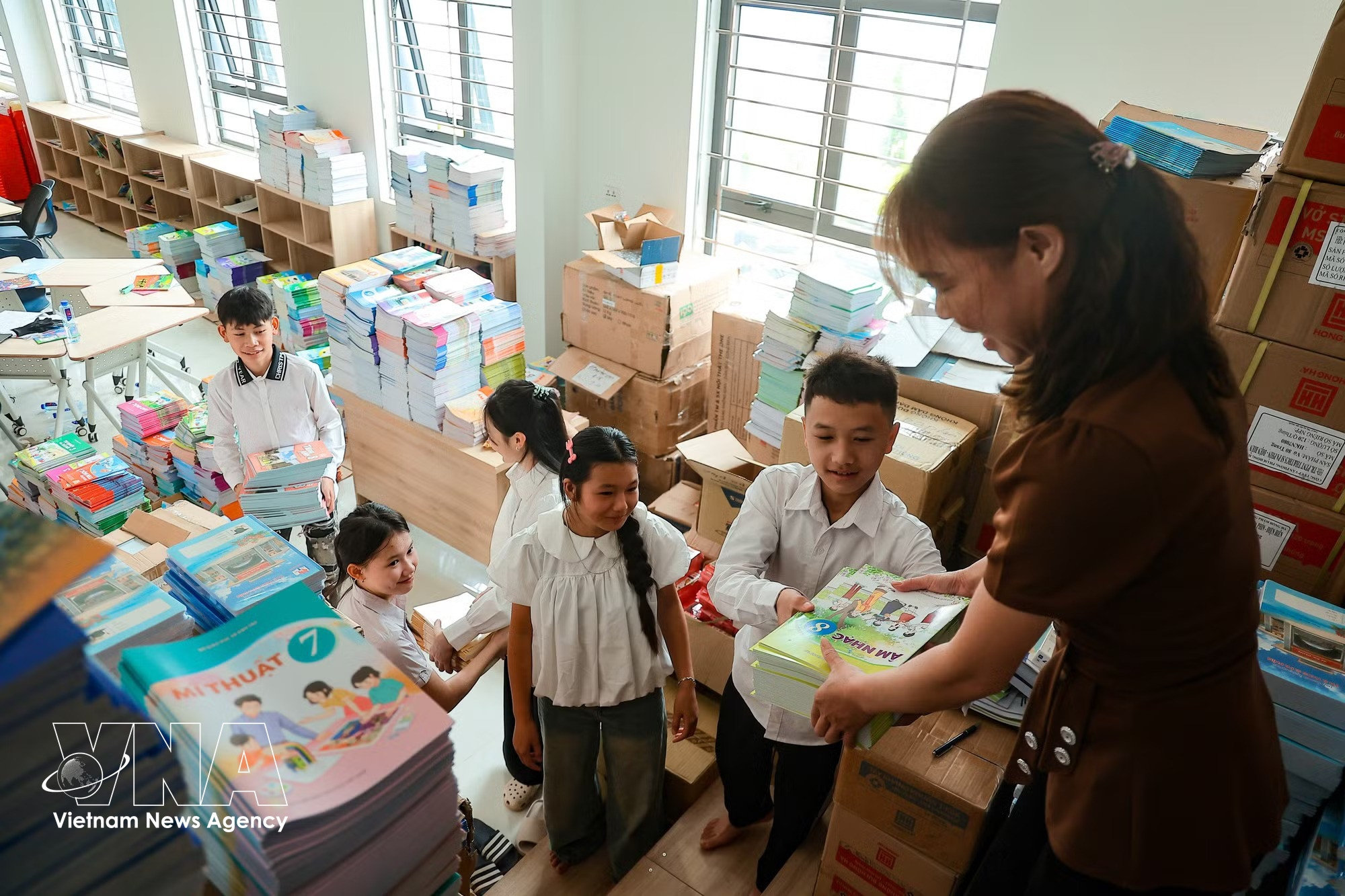
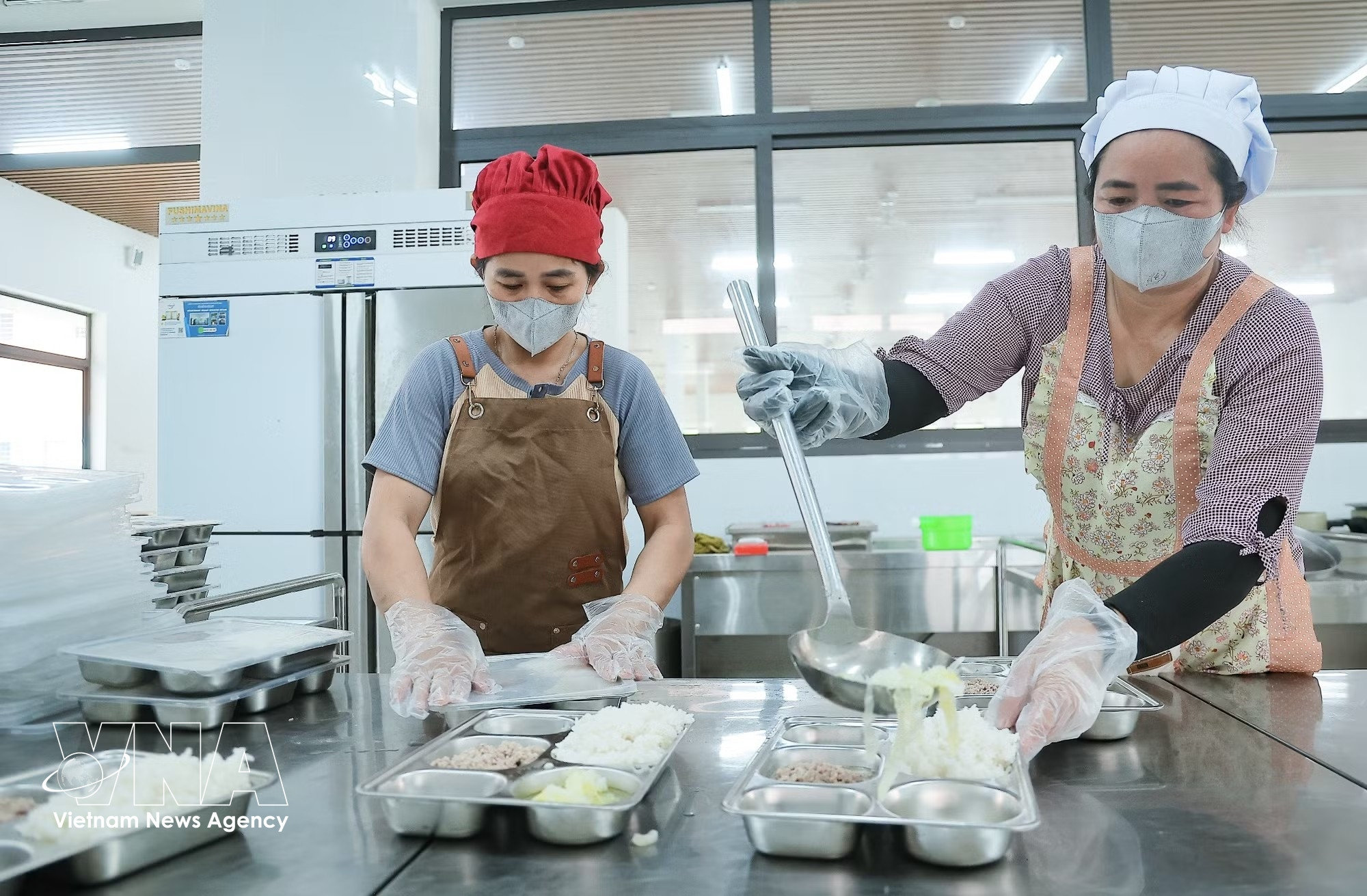
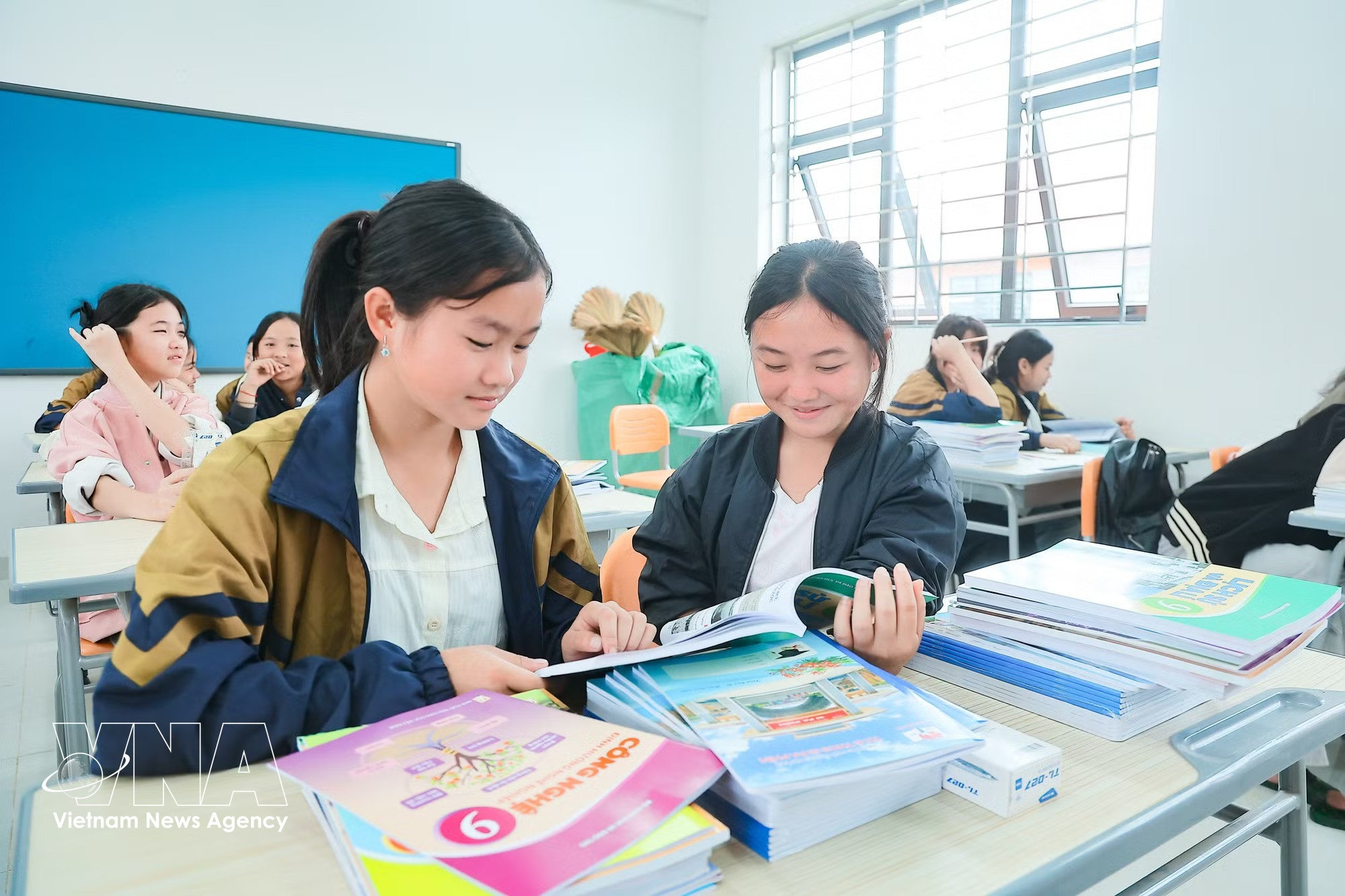
Students receive school supplies and are provided with nutritious meals. (Photo: VietnamPlus)
Alongside the 108 schools scheduled to begin operations in the 2026-2027 academic year, the Government has issued Decree No.188, introducing comprehensive policies to cover students’ education, meals and accommodation costs at school. The Ministry of Education and Training has also issued Circular No. 12/2026/TT-BGDDT on the organisation and operation of general education boarding schools, providing a legal framework for schools to complete their organisational structures, arrange personnel and operate effectively.
Improving quality of human resources in border areas
According to Hoan, modern and fully equipped facilities, spacious classrooms and concentrated learning arrangements will enable schools to organise two sessions of classes per day and strengthen foreign language teaching, information technology education and life skills training.
These improvements will gradually address the problems of combined classes and teachers having to teach subjects outside their specialisations, while improving attendance rates and reducing school dropouts. Teaching staff will also be brought together, giving teachers better opportunities for professional exchanges and training, as well as more stable working and living conditions.
Schools will also become a focal point for stabilising population distribution and improving the quality of human resources. When children can study and receive care at school, their parents will have greater peace of mind to work and engage in production. In the long term, this will contribute to sustainable poverty reduction.
Cu Huy Hoan, Deputy Director of the Dien Bien provincial Department of Education and Training (Photo: VietnamPlus)
In Cao Bang province, Vu Duc Thien, Deputy Secretary of the Party Committee and Chairman of the People’s Committee of Duc Long commune, said the commune is among the province’s particularly disadvantaged areas. Covering more than 107 square kilometres, its terrain consists mainly of hills and mountains, and it has just over 5,200 households.
“Improving the quality of human resources has always been something we hope to achieve, but limited resources have made this difficult,” Thien said.
In recent years, school buildings in Duc Long have gradually been reinforced and upgraded. However, most still stand on foundations built several decades ago and have limited space and capacity.
“This is truly a dream school. When children can study in a quality educational environment and gain early access to new teaching methods, technology and artificial intelligence, they will have better opportunities to develop themselves.
“Duc Long commune will have a future generation that is more capable and dynamic, making a greater contribution to local socio-economic development,” Thien said.
This has already been demonstrated in practice at the Si Pa Phin Primary and Secondary Boarding School in Dien Bien province.
Although the school has only completed one semester of teaching and learning, its educational environment has changed markedly, according to Le Van Luong, Chairman of the Dien Bien Provincial People’s Committee.
Students now study, eat and live in better conditions, reducing the difficulties caused by geographical distances. Teachers also enjoy a better working environment, students achieve better learning outcomes and parents feel more reassured about their children’s education.
According to Prof., Dr Tran Hoang Ngan, a deputy to the 16th National Assembly, the 14th National Party Congress’s Resolution has clearly set the goal of achieving double-digit economic growth to help Vietnam become a developed, high-income country by 2045, marking the 100th anniversary of the country’s founding.
To achieve this goal, the most important requirement is to pursue intensive growth based on science and technology, innovation and digital transformation. Such growth requires many factors, with people being the most important. For this reason, the Politburo has issued Resolution No. 57 on science and technology development, innovation and digital transformation; Resolution No. 71 on education development; Resolution No. 72 on healthcare development; and Resolution No. 80 on cultural development. Their ultimate objective is to develop people and build a high-quality workforce.
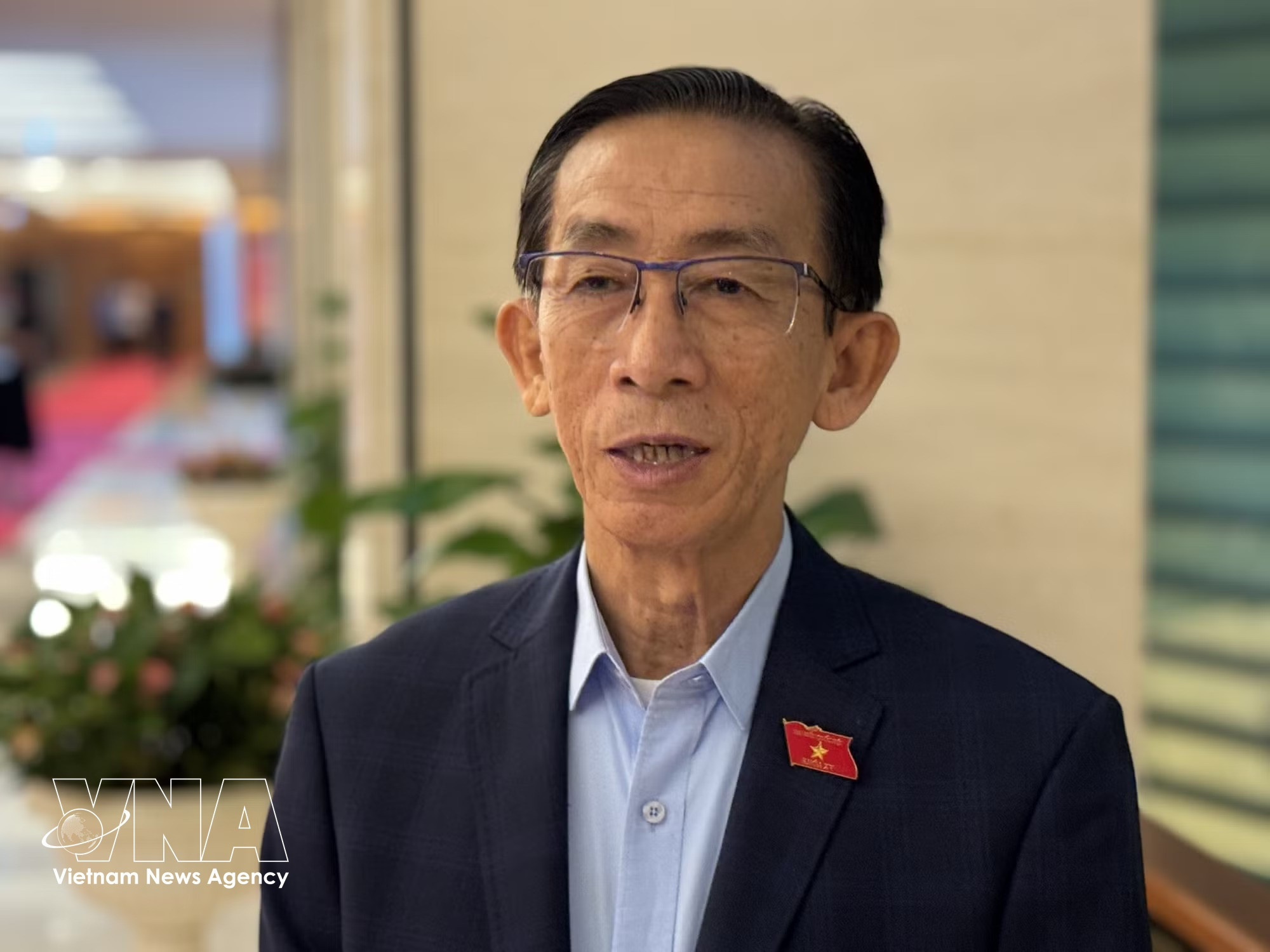
Prof., Dr Tran Hoang Ngan, a deputy to the 16th National Assembly
“
The policy of building schools in border areas is a sound strategic breakthrough, as it directs national budget resources towards disadvantaged areas and localities that cannot balance their own budgets due to geographical and social conditions and have limited resources for educational investment.
Prof., Dr Tran Hoang Ngan, a deputy to the 16th National Assembly
Better infrastructure will provide the foundation for improving educational quality and narrowing the gap between regions. This, in turn, will help improve the quality of the national workforce and meet the country's development requirements.
In addition, Resolution No. 71 sets the goal of raising the quality of Vietnamese education to international standards and placing Vietnam among the world's 20 countries with the best education systems by 2045. Improving educational quality in the most disadvantaged areas is therefore a breakthrough solution towards achieving this target.
A system of spacious, modern and synchronised schools will help improve students' learning, living and care conditions and support their comprehensive development. Special policy mechanisms will enable students to focus on their studies while giving parents greater peace of mind to work, engage in production and develop their livelihoods.
These efforts will make an important contribution to developing local human resources and maintaining national defence and security in border communes.
Addressing cultural barriers, building new generation of Vietnamese people
With 26 years of experience in teaching and managing education at schools across the mountainous areas of Dien Bien, Nguyen Trong Son, Principal of the Sam Mun Primary and Secondary Boarding School, said the provision of concentrated boarding facilities for students carries broad significance. Children not only gain access to better learning environments but also have opportunities to broaden their thinking and awareness and experience cultural exchanges through interaction with students from different ethnic groups.
This is particularly important because, in some ethnic minority communities, long-standing traditional practices that are no longer appropriate remain prevalent, especially child marriage.
The new schools are expected to help improve education for students in border areas. (Photo: VietnamPlus)
According to Son, child marriage causes some students to drop out of school early. Others continue attending classes but cannot receive a full education because they have to look after their babies while listening to lessons.
After years of implementing various measures, ranging from public awareness campaigns and advocacy to administrative penalties, child marriage has yet to be completely eliminated. On May 8, 2026, for the first time, the Standing Board of the Dien Bien Provincial Party Committee issued Resolution No. 27-NQ/TU on preventing child marriage and consanguineous marriage among ethnic minority communities in the province for the 2026-2030 period.
“The new educational environment will help change the mindset of a new generation. This is one of the major social benefits of boarding schools in border areas, as children can leave their villages at an early age and gain exposure to a broader, more modern and more multicultural social environment,” Son said.
La Phi Truong, Vice Chairman of the Tra Linh Commune People's Committee, shared the same view. He said that although rates of child marriage and school dropouts have fallen considerably compared with previous years, these problems still occur at lower secondary school level, particularly among students in grades 7 to 9. At least one such case is recorded every year.
According to Truong, the new boarding schools will offer students more favourable conditions, with modern facilities serving not only their learning needs but also recreational and leisure activities.
In particular, better meals with more adequate nutrition than those available at home will help reduce school dropouts.
When students achieve better learning outcomes, their awareness will also improve. Changes in individual students will gradually bring about positive changes in their families and communities.
As students improve their learning outcomes, their awareness will also change, gradually bringing about positive changes to their families and communities. (Photo: VietnamPlus)
Vu Duc Thien, Deputy Secretary of the Party Committee and Chairman of the Duc Long Commune People's Committee, also expressed concern about these issues. He said Duc Long is home to 11 ethnic groups, including the Kinh, Tay, Nung, Mong, Dao, Thai, Muong, San Chi, Kho Mu and Ha Nhi.
Notably, one village in the commune has a distinctive population structure, with all 63 households belonging to the Black Mong ethnic group. Residents traditionally tend to marry within their own community rather than with members of other ethnic groups, which sometimes gives rise to problems related to consanguineous marriage. Thien believed that the construction of the Duc Long Primary and Secondary Boarding School will provide a shared living and learning environment where students can interact with members of different ethnic communities. Through cultural exchanges and broader exposure to knowledge, they will gradually develop new perspectives and move away from customs that are no longer appropriate.
Given their strategic significance across economic, political and social aspects, Cu Huy Hoan, Deputy Director of Dien Bien’s Department of Education and Training, said each boarding school in a border area is not merely an educational facility but also a “cultural landmark” along the country's border.
“In addition, in border areas, education is closely linked to the tasks of maintaining population stability, safeguarding national territory and building strong public support for national defence and security. Spacious and modern schools located right in border communes demonstrate the Party and State's concrete attention to local communities and younger generations in these areas,” Hoan said.
Lessons for second phase
Professor Ngan said the experience of rapidly constructing the first 108 boarding schools in border areas demonstrates the effectiveness of work when there is consensus and decisive involvement from the entire political system, from central to local levels, together with strong determination from sectors and authorities at all levels.
This also confirms the Party's sound and far-sighted leadership. The first task and solution identified by the Politburo in Resolution No. 71 is to “raise awareness, renew thinking and action, and demonstrate strong political determination to achieve breakthroughs in education and training development”.
According to Pham Van Sinh, Deputy Director of the Planning and Finance Department under the Ministry of Education and Training, the first phase of constructing ethnic minority boarding schools in mainland border provinces was implemented rapidly and decisively within a very tight timeframe.
It was one of the major and important programmes without precedent in Vietnam.
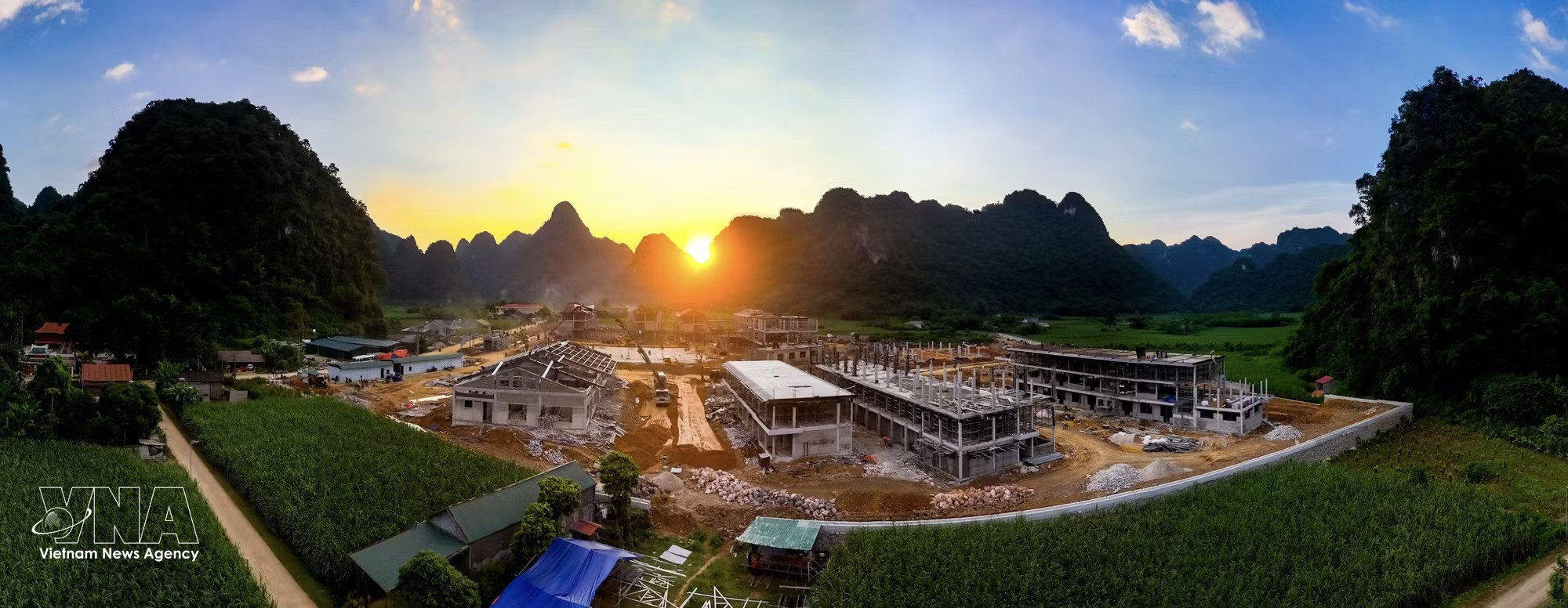
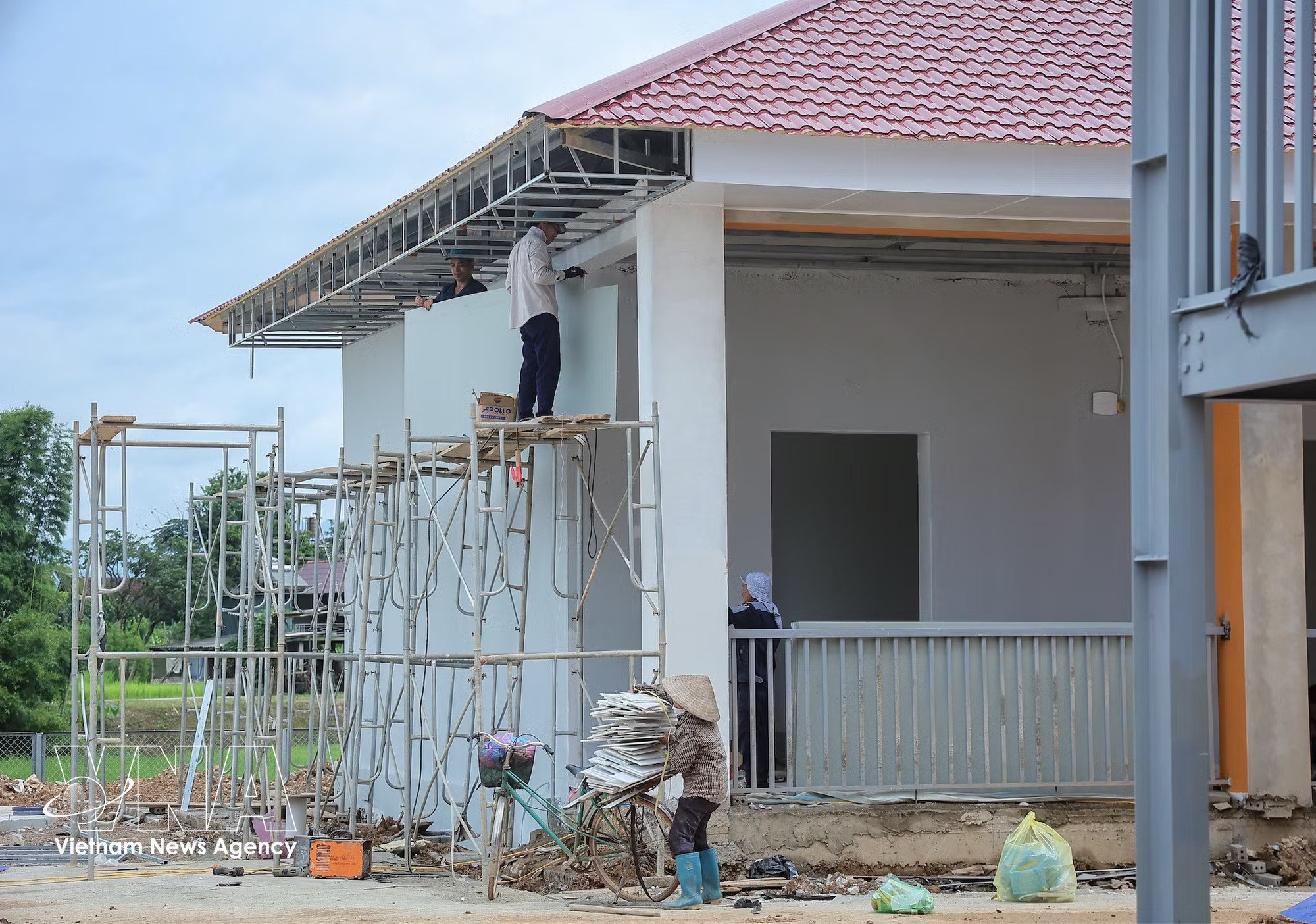
Workers at the construction site of the Sam Mun Primary and Lower Secondary Boarding School. (Photo: VietnamPlus)
Experience from the first phase has shown that several aspects need to be adjusted and improved to ensure more effective implementation of the 121 schools planned for the second phase.
One key issue is the criteria for selecting construction sites. During the first phase, some schools were located on unsuitable sites with weak ground conditions, resulting in landslides and subsidence. This required considerable time and additional costs to address. Some schools were also located far from transport routes, making it difficult to deliver construction materials.
Sinh said that, drawing on these practical lessons, the Ministry of Education and Training has issued guidance to local authorities on selecting suitable sites that ensure safety and convenient transport access.
In addition, the preparation, appraisal and approval of projects, as well as their implementation, must be carried out in a synchronised and consistent manner to shorten construction time and ensure that projects meet their deadlines. Sinh said the second phase is expected to have more favourable conditions than the first, as local authorities have gained experience and have a longer implementation period. However, the ministry has advised localities against complacency, as various external factors may still affect construction, including natural disasters, storms and floods, shortages of workers and construction materials, and transport difficulties. These risks are particularly real in mountainous areas. It is therefore essential to maintain construction progress and complete the projects as soon as possible.
Instead of setting August 30, 2027 as the completion deadline, the Ministry of Education and Training has instructed local authorities to ensure that construction works are finished one month earlier than scheduled.
This will provide additional time to complete any outstanding work and ensure that the schools can begin operating in the 2027-2028 academic year.
“In addition, the Ministry of Education and Training has instructed local authorities to urgently arrange sufficient workers and machinery for contractors to ensure safe construction and compliance with the schedule. Particular attention must be paid to construction quality, avoiding situations in which quality is compromised in an attempt to meet deadlines,” Sinh said.
Drawing on experience from the first phase, school principals have also proposed several improvements to the design of boarding facilities. They recommend building self-contained accommodation units with private bathroom facilities for students rather than continuing with shared toilets, as at present, to make daily life more convenient. Teachers' official-duty housing areas should also include cooking facilities so that teachers do not have to order meals from outside the schools, which is often inconvenient in mountainous areas.
Minister of Education and Training Hoang Minh Son said that in the coming period, the ministry will conduct a preliminary review and assessment before making proposals to the Politburo and the Government on expanding the programme to other disadvantaged communes, beyond those located along the national border./.
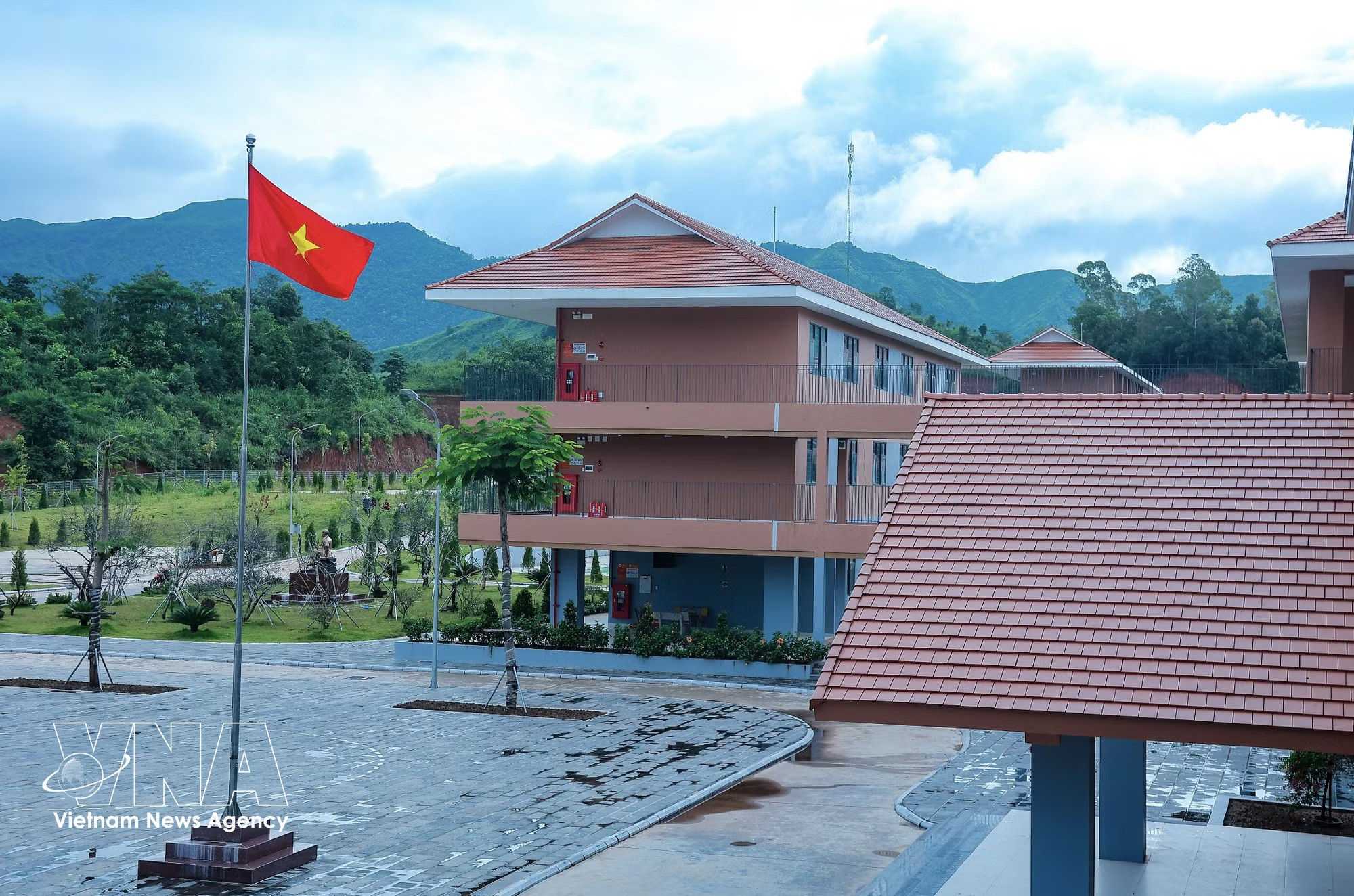
Each border-area boarding school is a "soft landmark" on the frontier. (Photo: VietnamPlus)