950 YEARS ON, QUOC TU GIAM CONTINUES TO INSPIRE VIETNAM'S PURSUIT OF KNOWLEDGE
LongForm - Ngày đăng : 08:23, 13/11/2026
950 YEARS ON, QUOC TU GIAM CONTINUES TO INSPIRE VIETNAM'S PURSUIT OF KNOWLEDGE
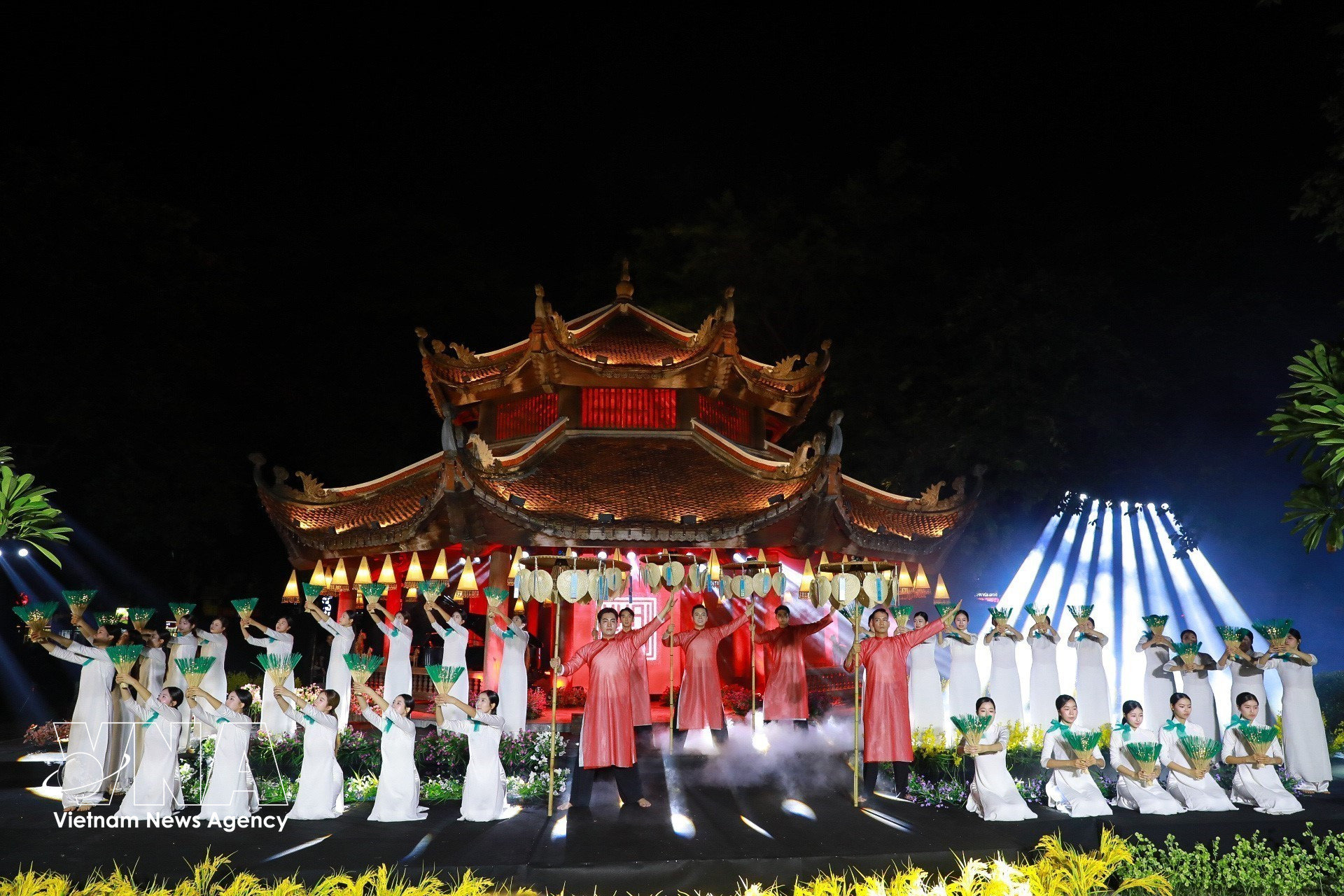
The 950th founding anniversary of Quoc Tu Giam (Imperial Academy), Vietnam’s first national university, is an occasion to reaffirm the enduring values of the country's tradition of learning, respect for teachers, and promotion of talent, which have shaped the nation’s intellectual foundations and continue to support its development in a new era.
At a cultural programme entitled “Dao hoc” (The tradition of learning), held at the UNESCO headquarters in Paris on June 17, more than 200 participants, including ministers, ambassadors and representatives of over 100 member states, explored an exhibition of 82 doctoral steles, viewed ao dai collections inspired by Vietnam’s educational tradition and experienced the traditional woodblock printing of stele patterns. They expressed surprise upon learning that Vietnam had established a higher education institution nearly a millennium ago. Founded in 1076, Quoc Tu Giam marks its 950th founding anniversary this year
Quoc Tu Giam – the legacy of learning
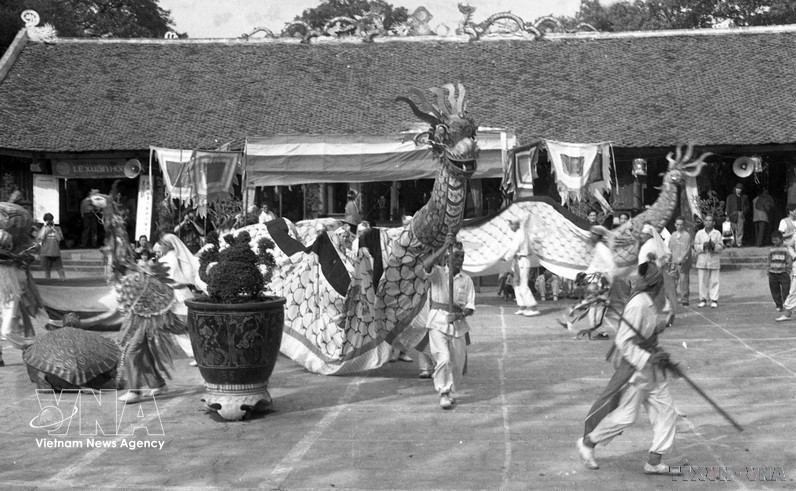
Historical records show that in 1070, King Ly Thanh Tong ordered the construction of Van Mieu (Temple of Literature) in the capital of Thang Long to worship Confucius and other sages. Six years later, in 1076, Quoc Tu Giam was established next to the temple, making it the country's first university. From 1076 to 1779, the institution educated thousands of talented people who contributed to the nation, including Kings Ly Thanh Tong, Ly Nhan Tong and Le Thanh Tong, as well as renowned teacher Chu Van An.
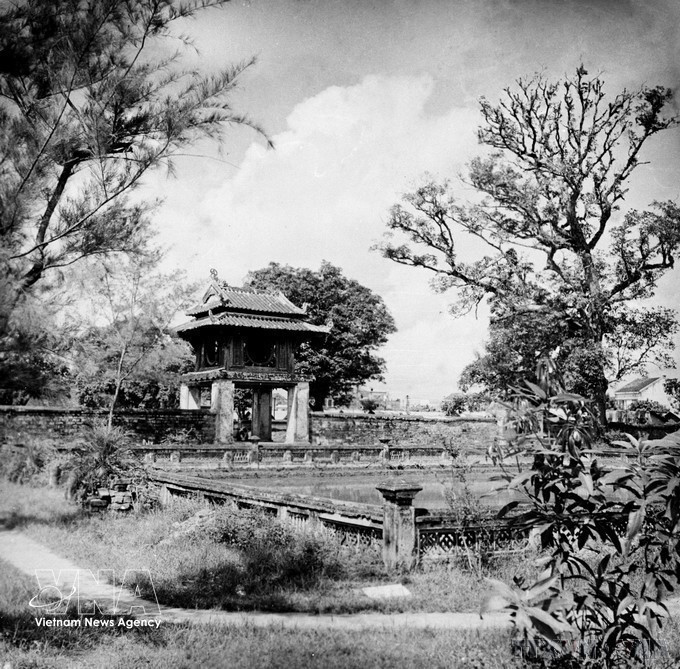
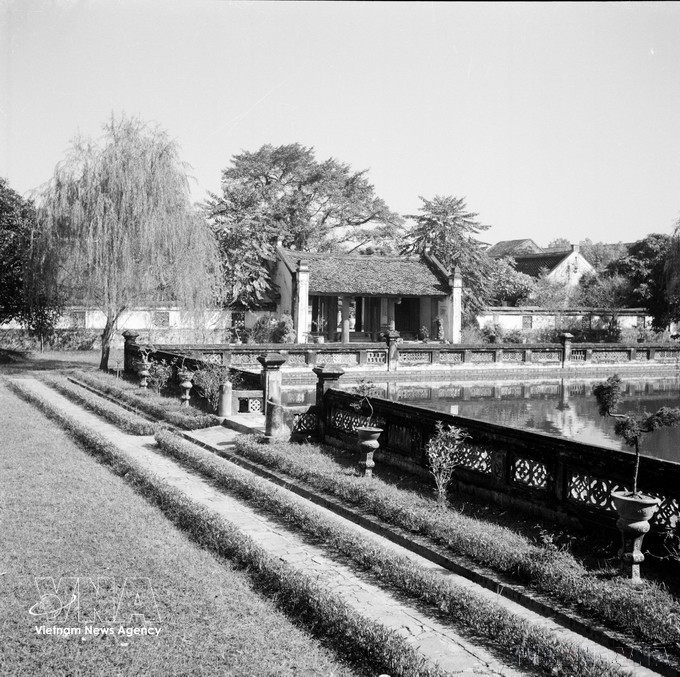
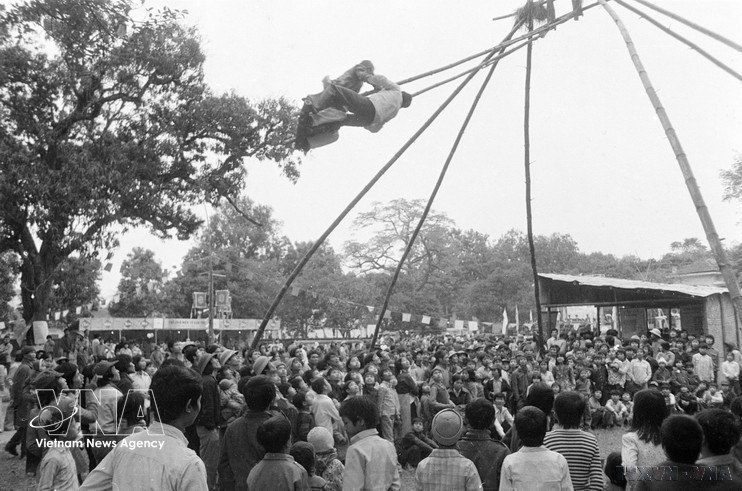
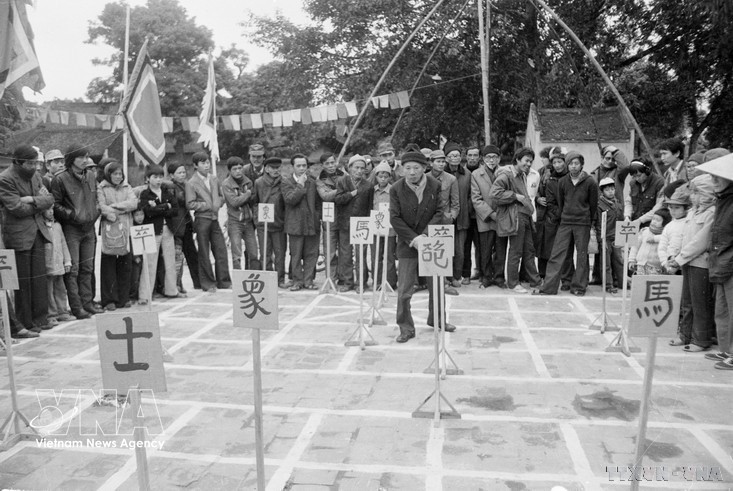
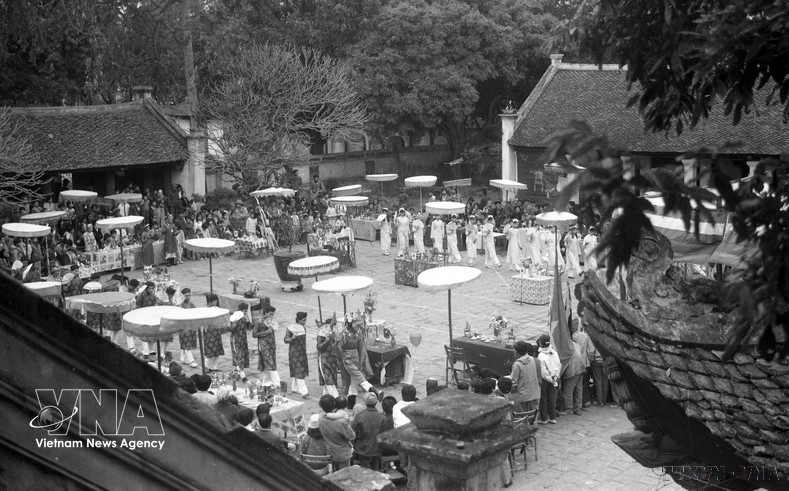
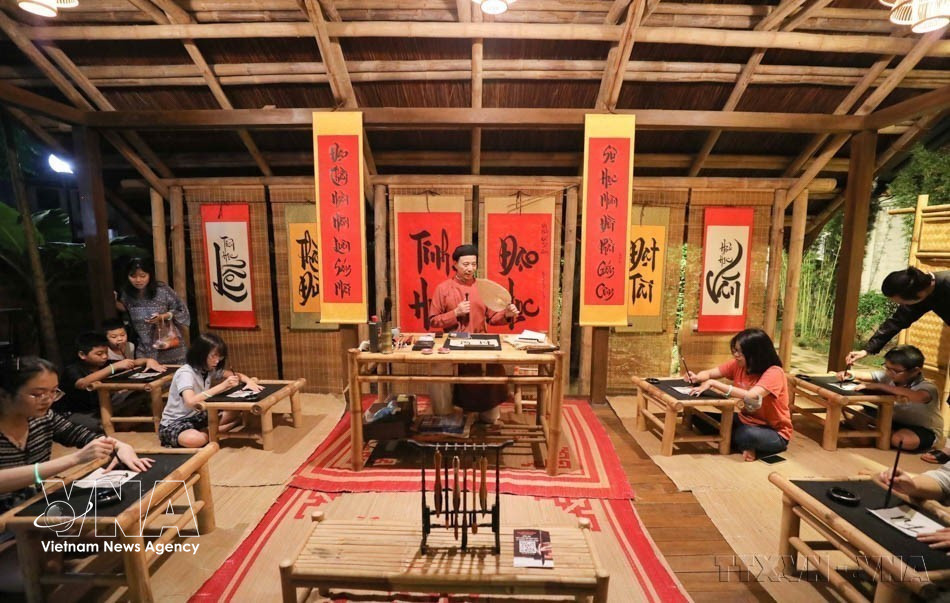
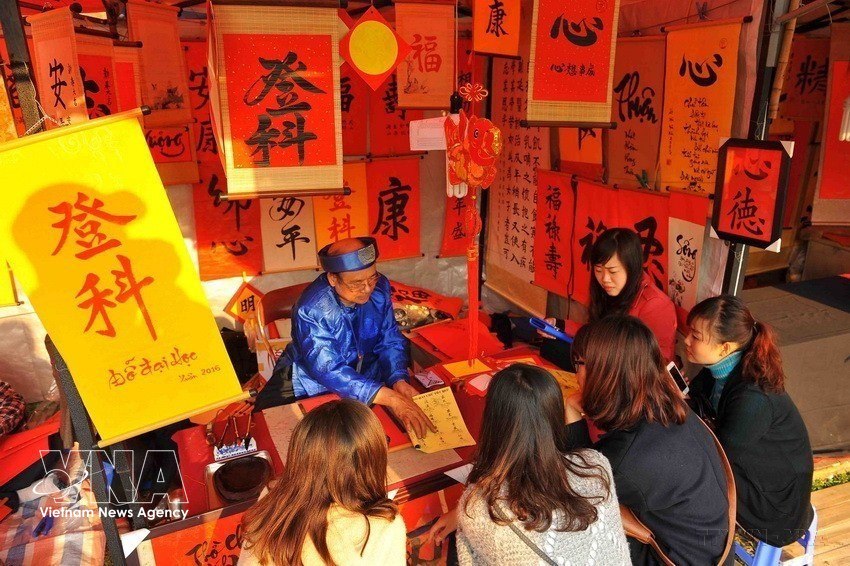
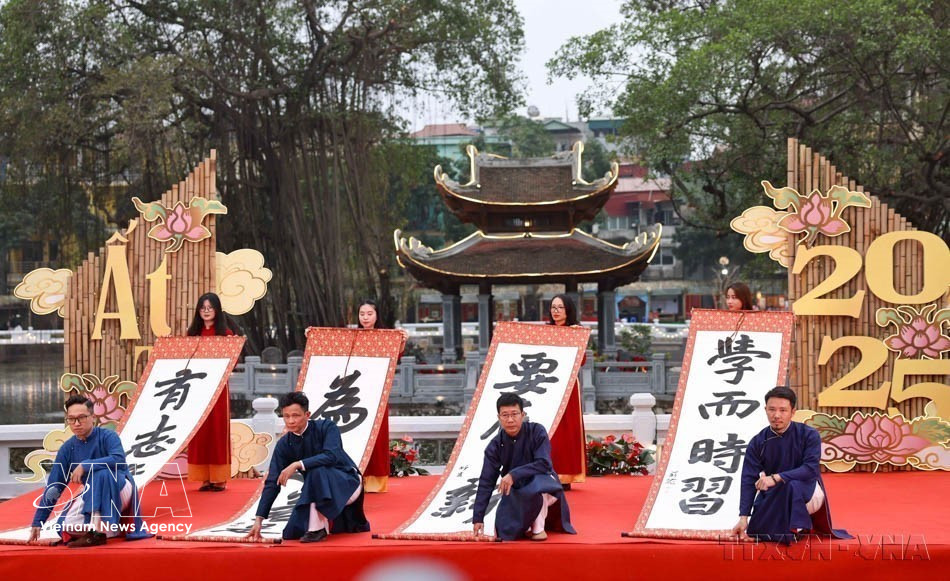
Today, the special national relic continues to embody the enduring spirit of learning. Every Lunar New Year, long queues of people form at the calligraphy-writing area to seek auspicious characters for the new year. Speaking at the opening of the exhibition “950 Years of Thang Long's Quoc Tu Giam” on October 11, Tran Trung Hieu, Deputy Director of the Hanoi Department of Culture, Sports and Tourism, stressed that Quoc Tu Giam is not only a testament to a glorious chapter in the nation's history but also a reminder for future generations to reflect more deeply on the role of education, knowledge and talent in national development.
Stone steles – world-recognised heritage
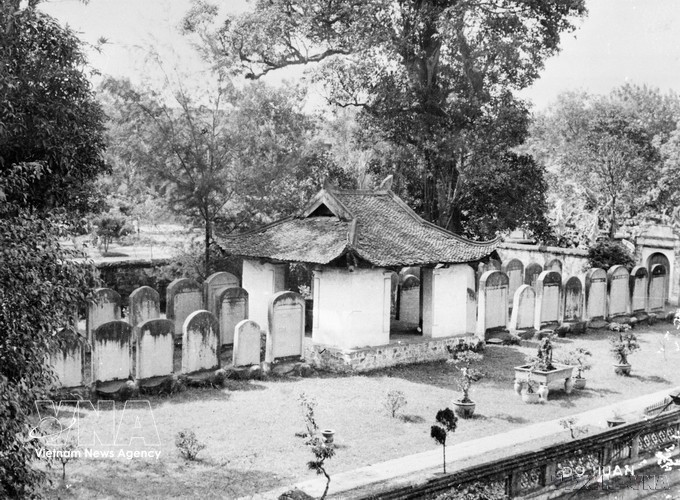
Quoc Tu Giam houses 82 stone steles honouring doctoral laureates. Each stele corresponds to an examination held under the Le and Mac dynasties between 1442 and 1779. Together, they record the names of more than 1,300 doctoral laureates and inscriptions documenting each dynasty's examinations and philosophy of valuing and employing talented people. The steles rest on stone tortoises and are protected inside dedicated pavilions within the relic site.
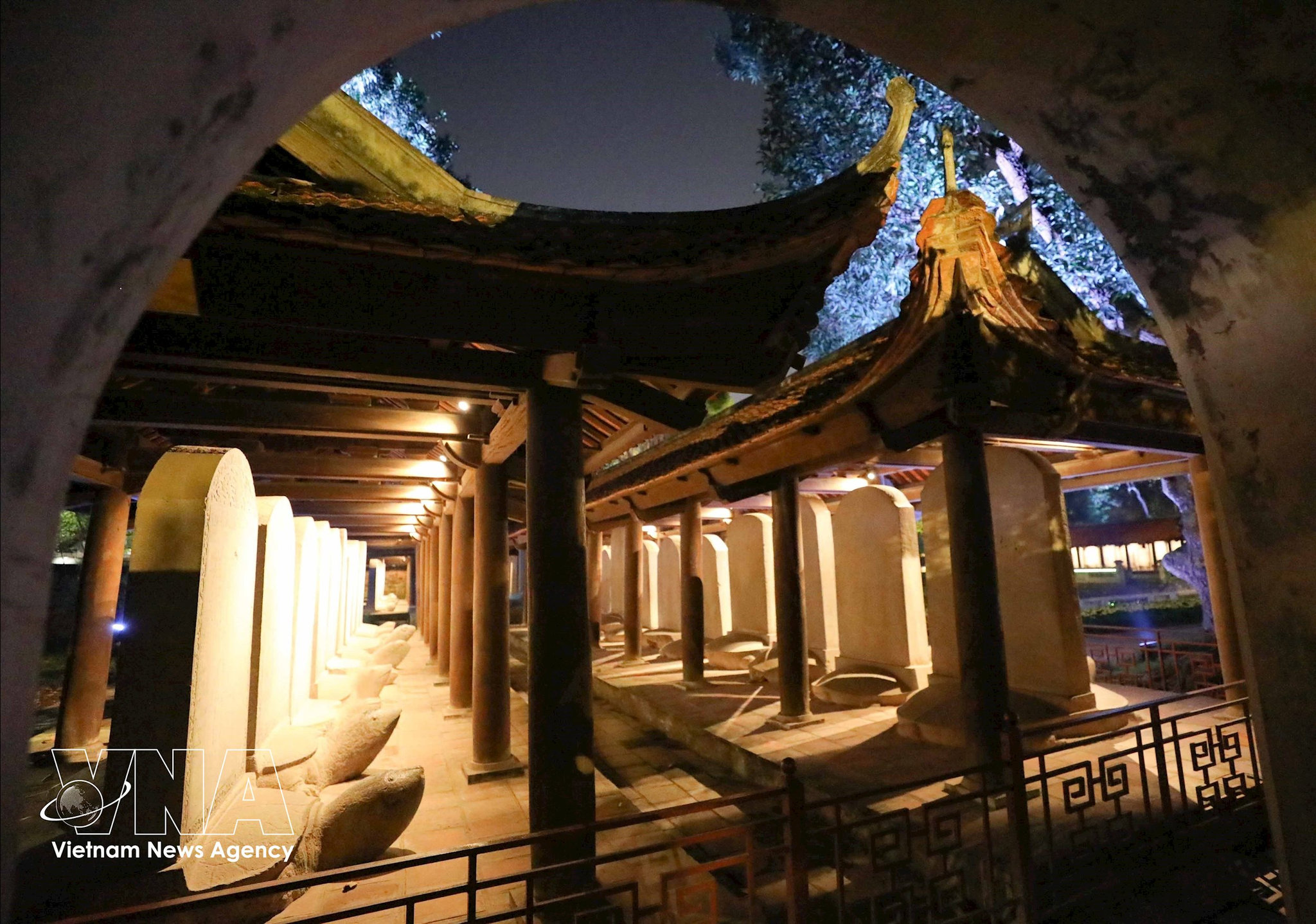
Their significance has received international recognition. In late May 2011, then UNESCO Director-General Irina Bokova approved the inclusion of the stele system in the Memory of the World Register. On January 14, 2015, the Prime Minister recognised the 82 doctoral steles as national treasures.
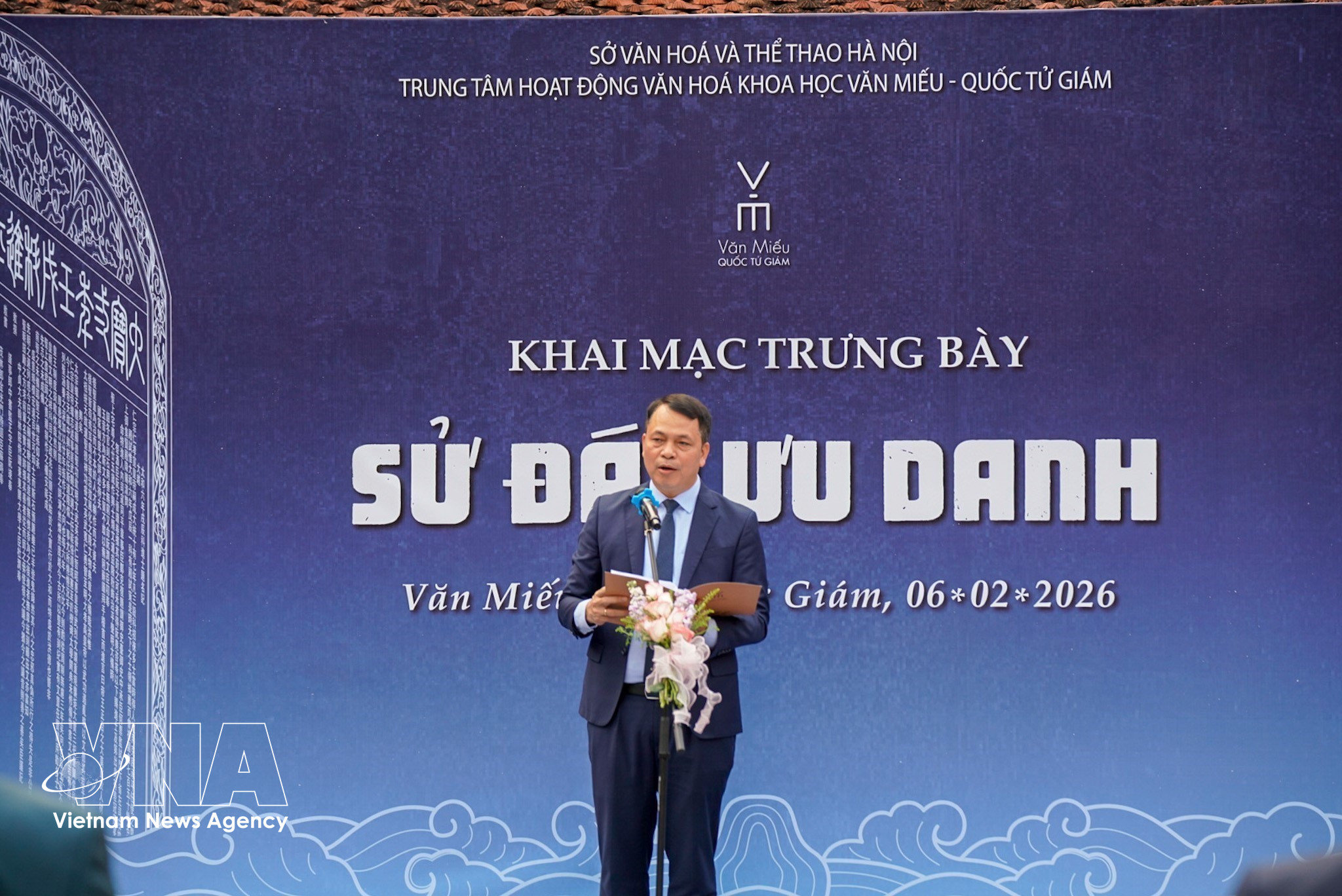
Dr Le Xuan Kieu, Director of the Centre for Scientific and Cultural Activities of Van Mieu – Quoc Tu Giam, described the stele system as one of the nation's particularly precious heritage assets.
Against this backdrop, the “Dao hoc” programme held in France on June 17 was among the notable activities honouring Quoc Tu Giam. It was also part of a series of events marking the 50th founding anniversary of Vietnam–UNESCO relations (1976–2026), jointly organised by the Vietnam National Commission for UNESCO, the Hanoi People's Committee and the Permanent Delegation of Vietnam to UNESCO.
The programme coincided with the session of the General Assembly of States Parties to the 2023 Convention for the Safeguarding of the Intangible Cultural Heritage. UNESCO Director-General Khaled El-Enany, UNESCO’s Assistant Director-General for Culture Nayef Al-Fayez, the President of the General Assembly and the Chairperson of the UNESCO Executive Board attended the event.
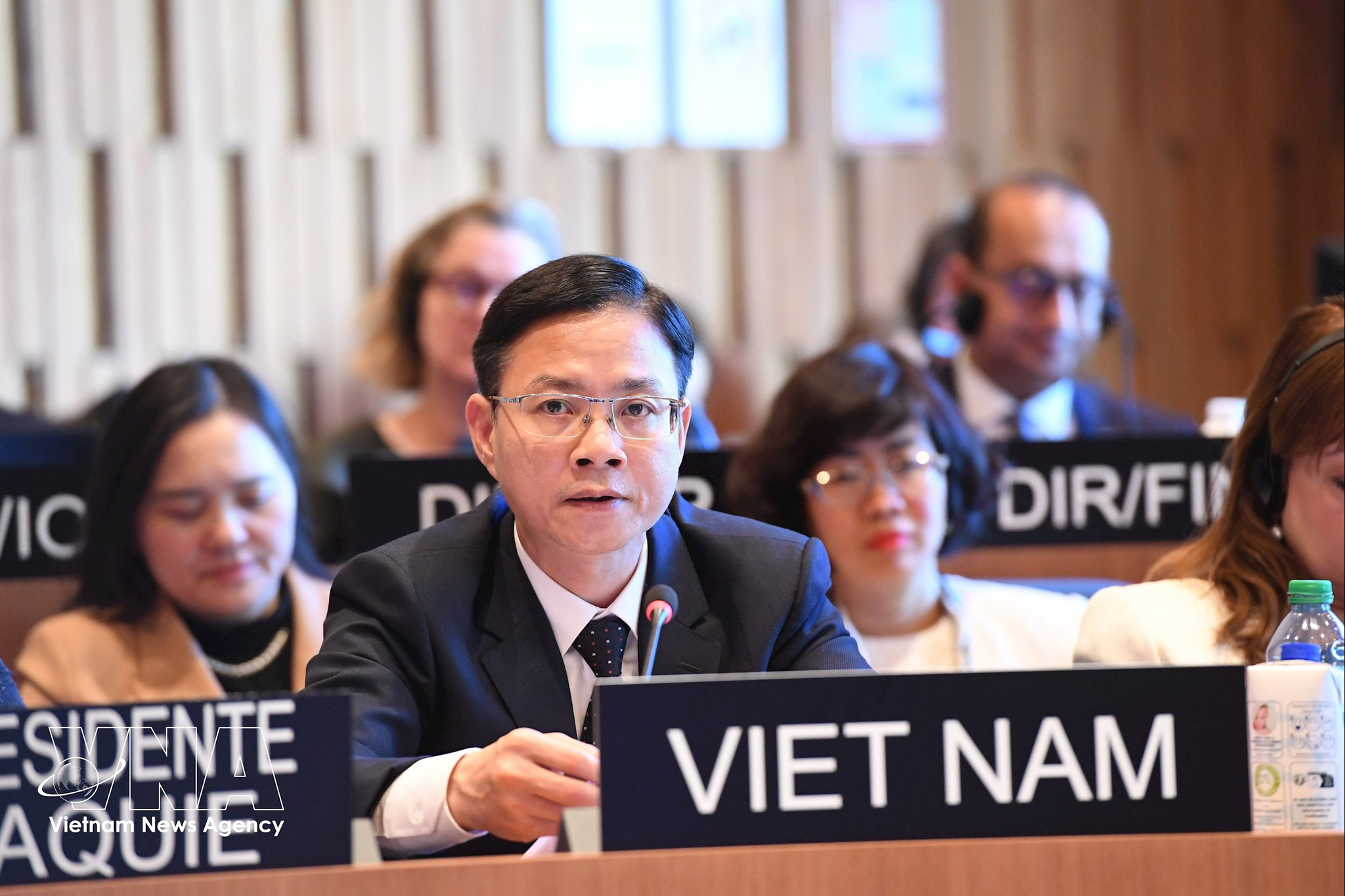
Deputy Minister of Foreign Affairs and Chairman of the Vietnam National Commission for UNESCO Ngo Le Van described Van Mieu – Quoc Tu Giam as a symbol of Vietnam's time-honoured culture, embodying the tradition of learning, respect for teachers and the appreciation of talented people
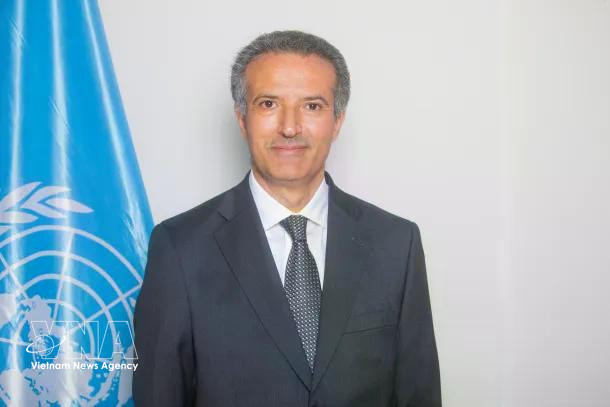
For UNESCO, Nayef Al-Fayez said Van Mieu – Quoc Tu Giam transcends the value of an architectural structure or historical relic, serving as a vivid testament to Vietnam's longstanding tradition of treasuring knowledge, education and scholarship.
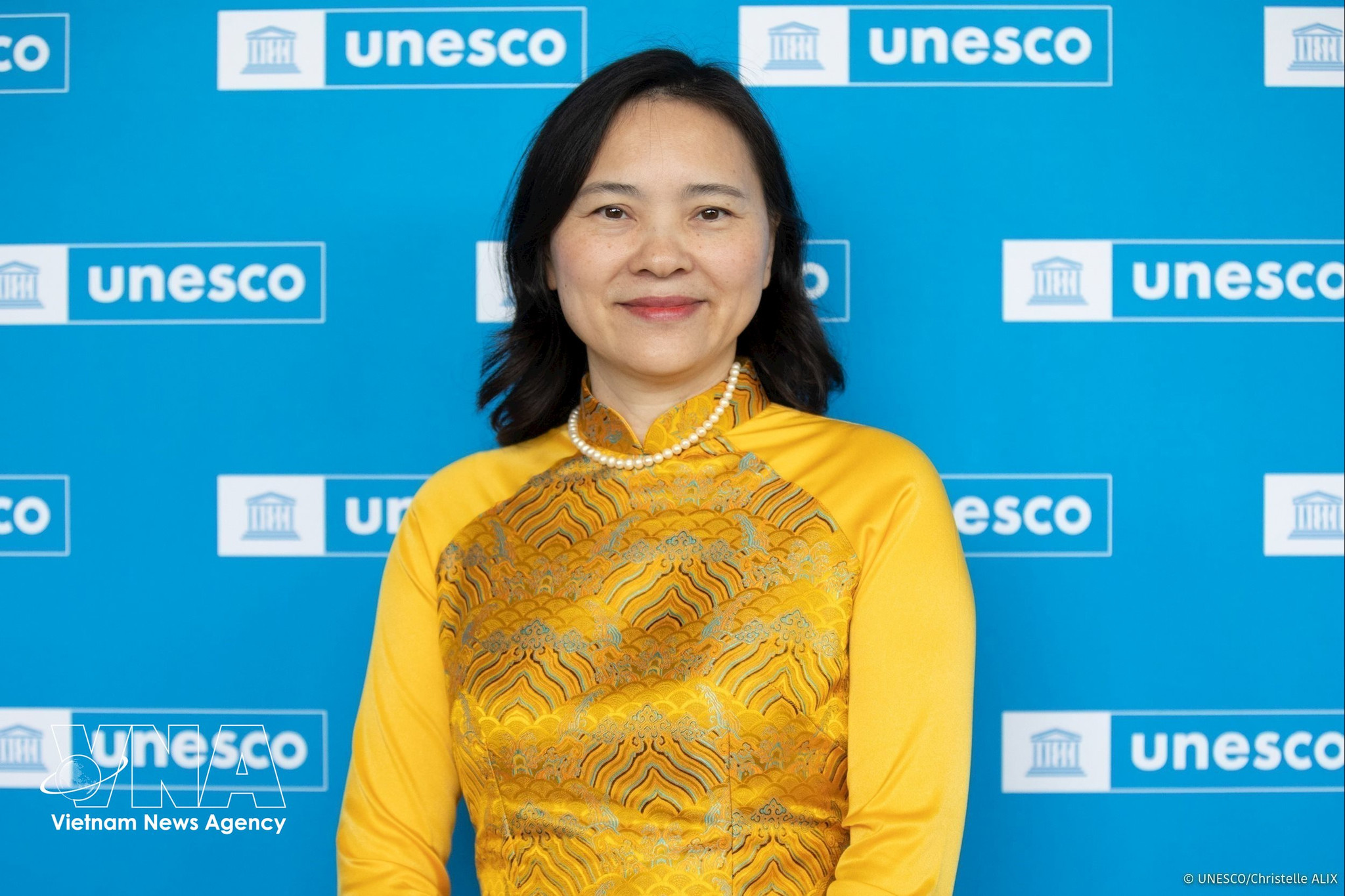
Ambassador Nguyen Thi Van Anh, Permanent Representative of Vietnam to UNESCO, said the “Dao hoc” programme received positive feedback from international participants and UNESCO leaders, helping international friends gain deeper insights into Vietnam's history, culture and humanistic values.
Honouring the spirit of Quoc Tu Giam
Throughout 2026, a wide range of activities have been organised to honour Quoc Tu Giam, from the “Khai Van” (opening the way to learning) programme, which told stories of the learning tradition through contemporary artistic expressions at the Thang Long – Hanoi Festival 2026, to a series of events running from October 11 to the end of November, including the exhibition “950 Years of Thang Long's Quoc Tu Giam” at the Vietnam National Village for Ethnic Culture and Tourism.
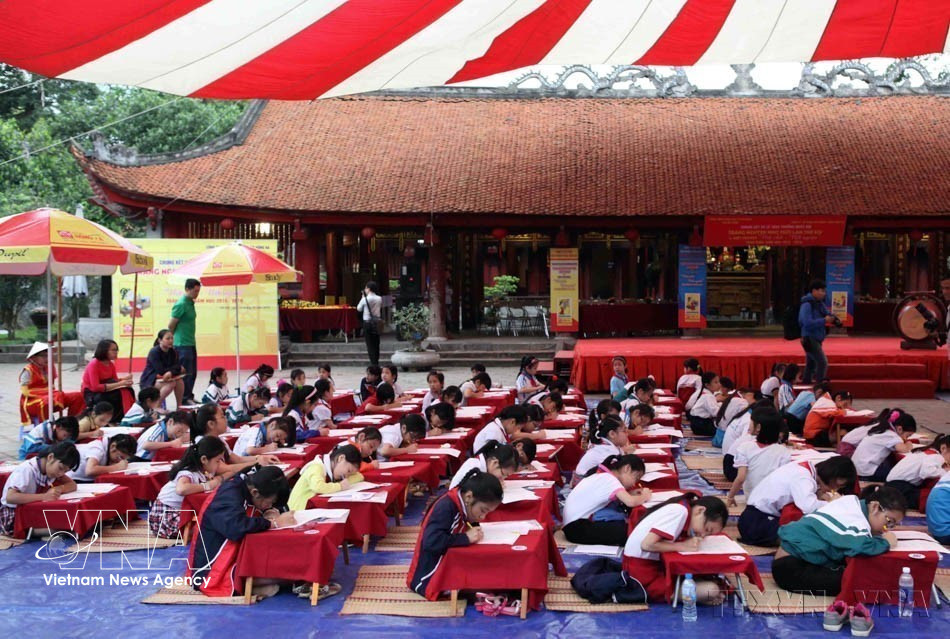
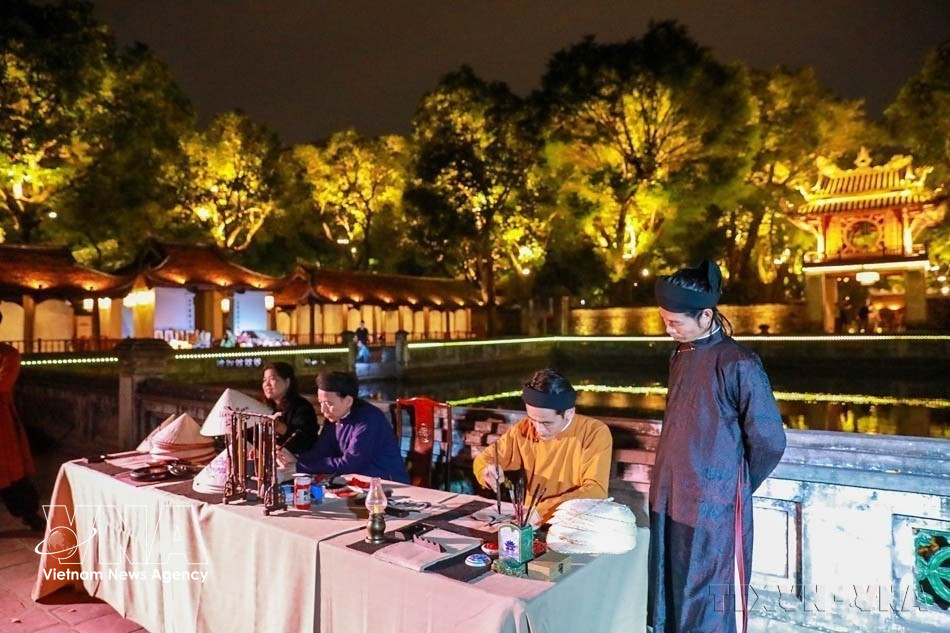
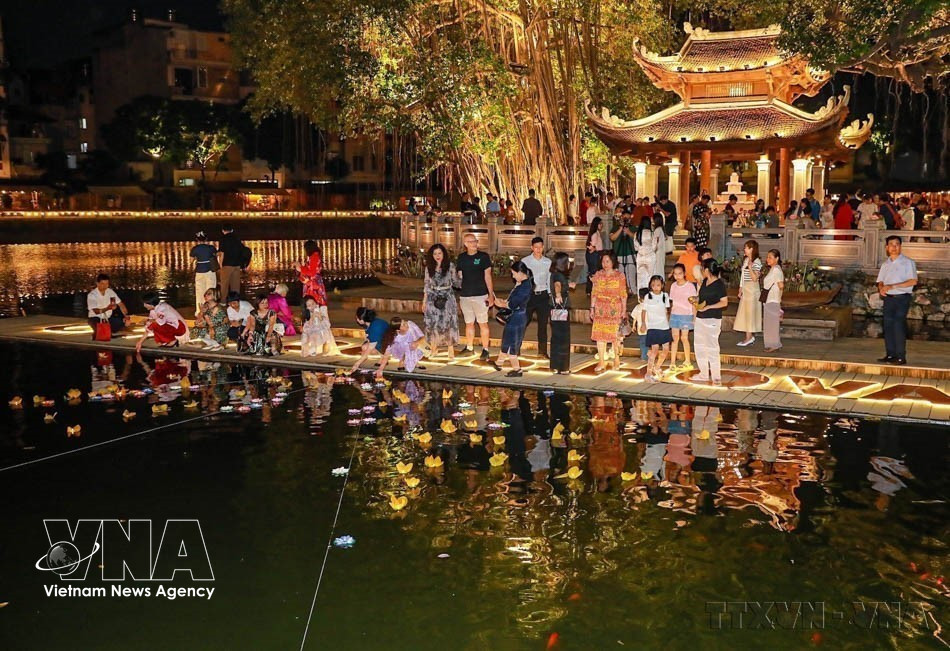
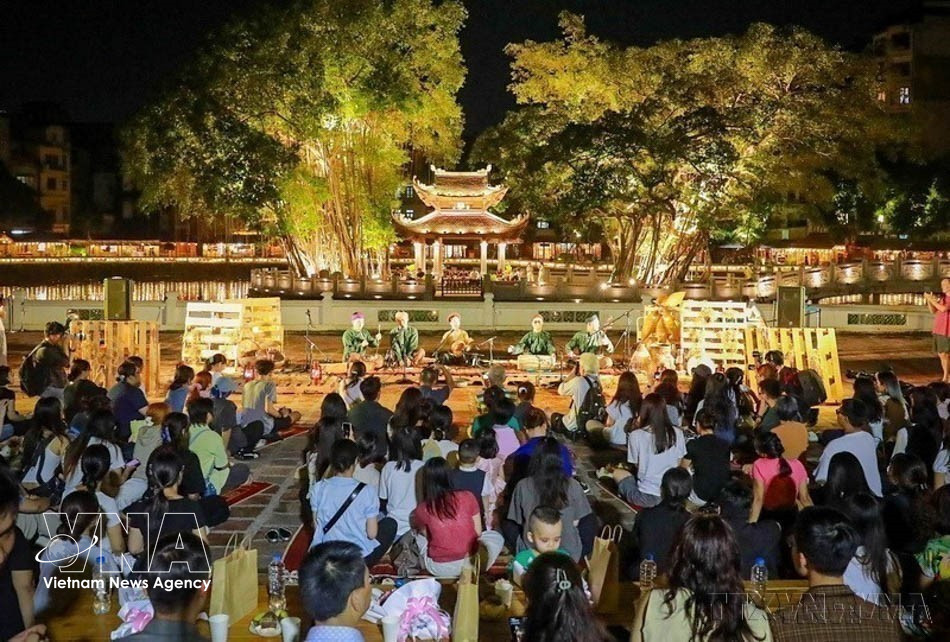
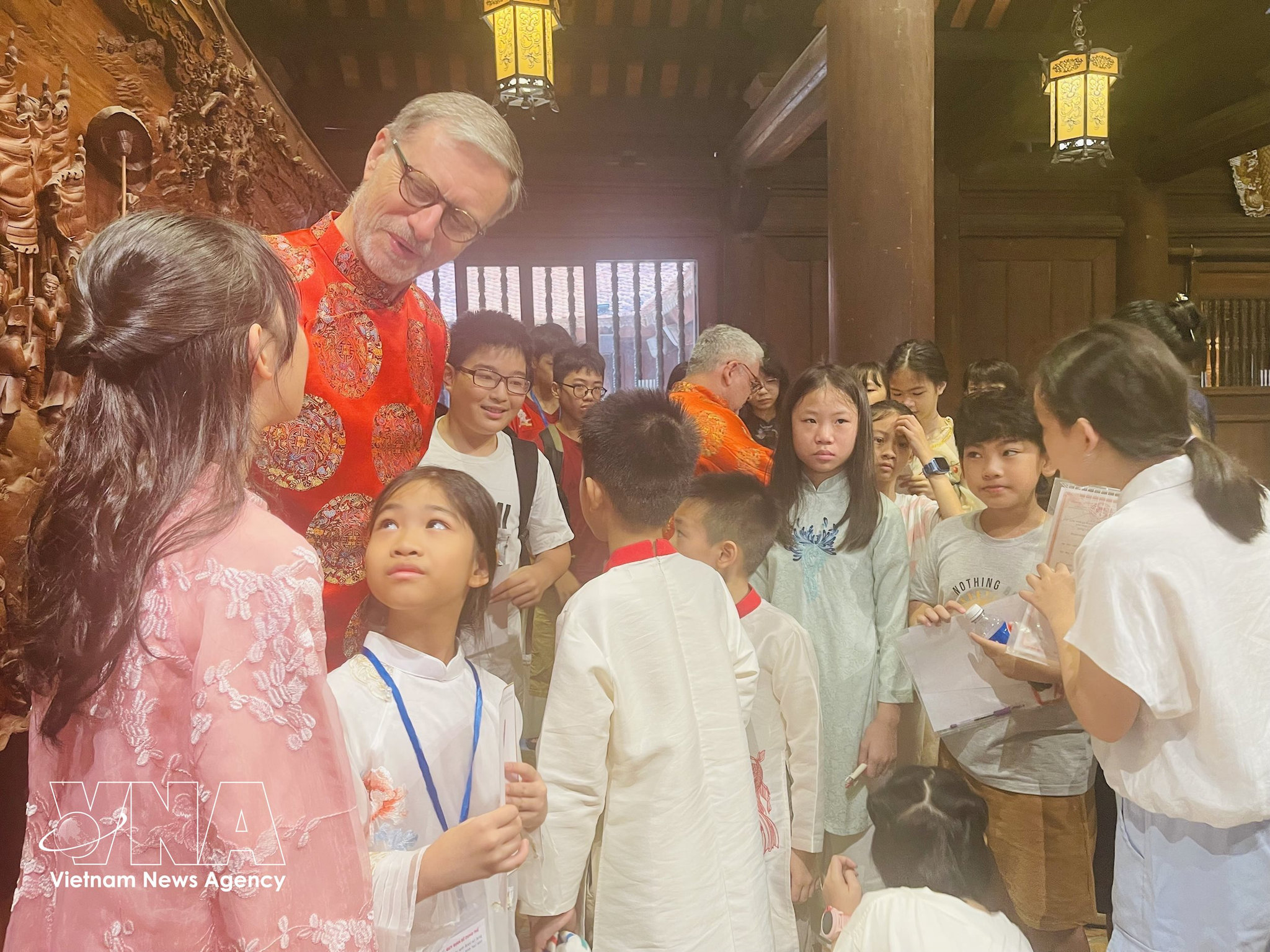
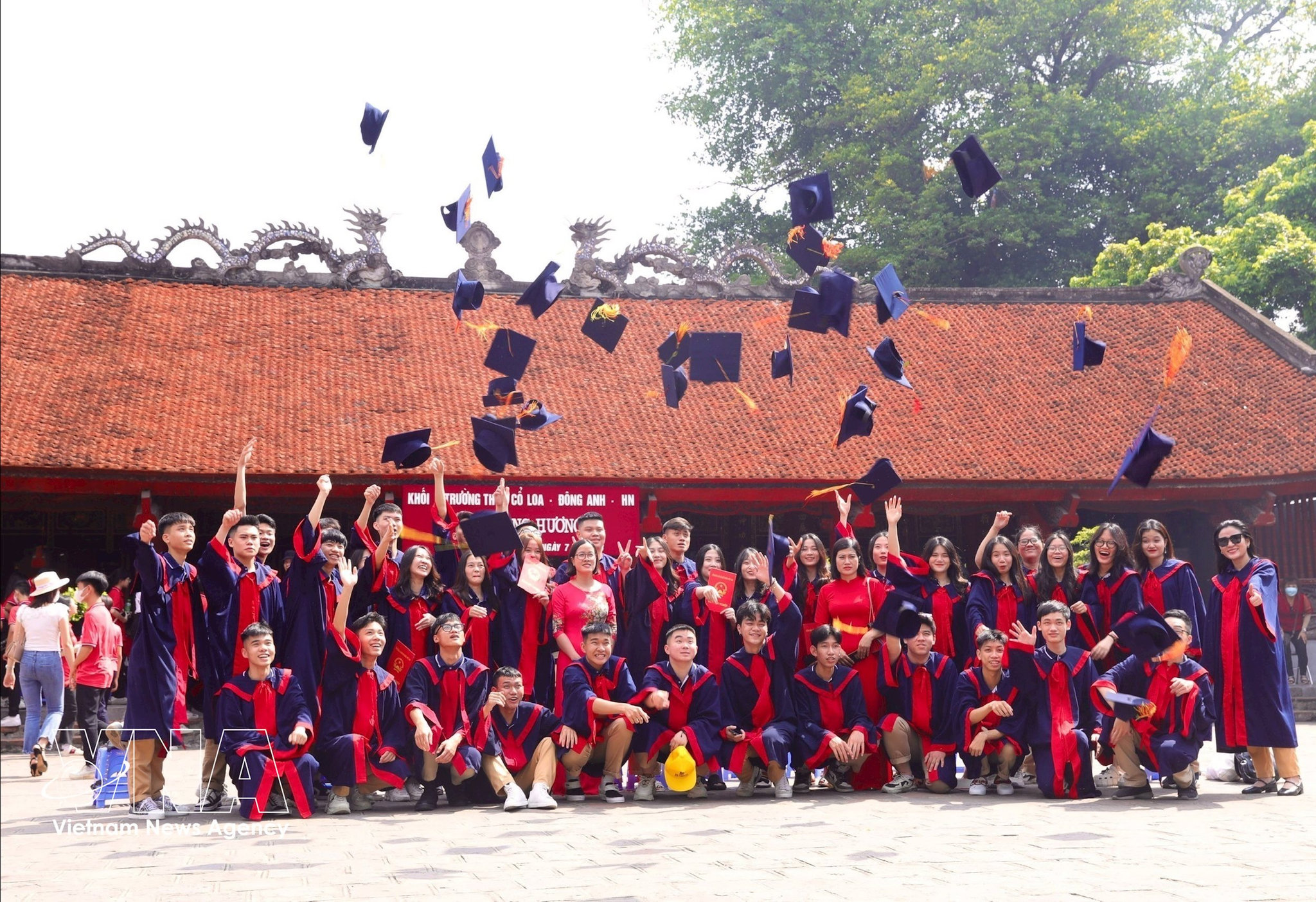
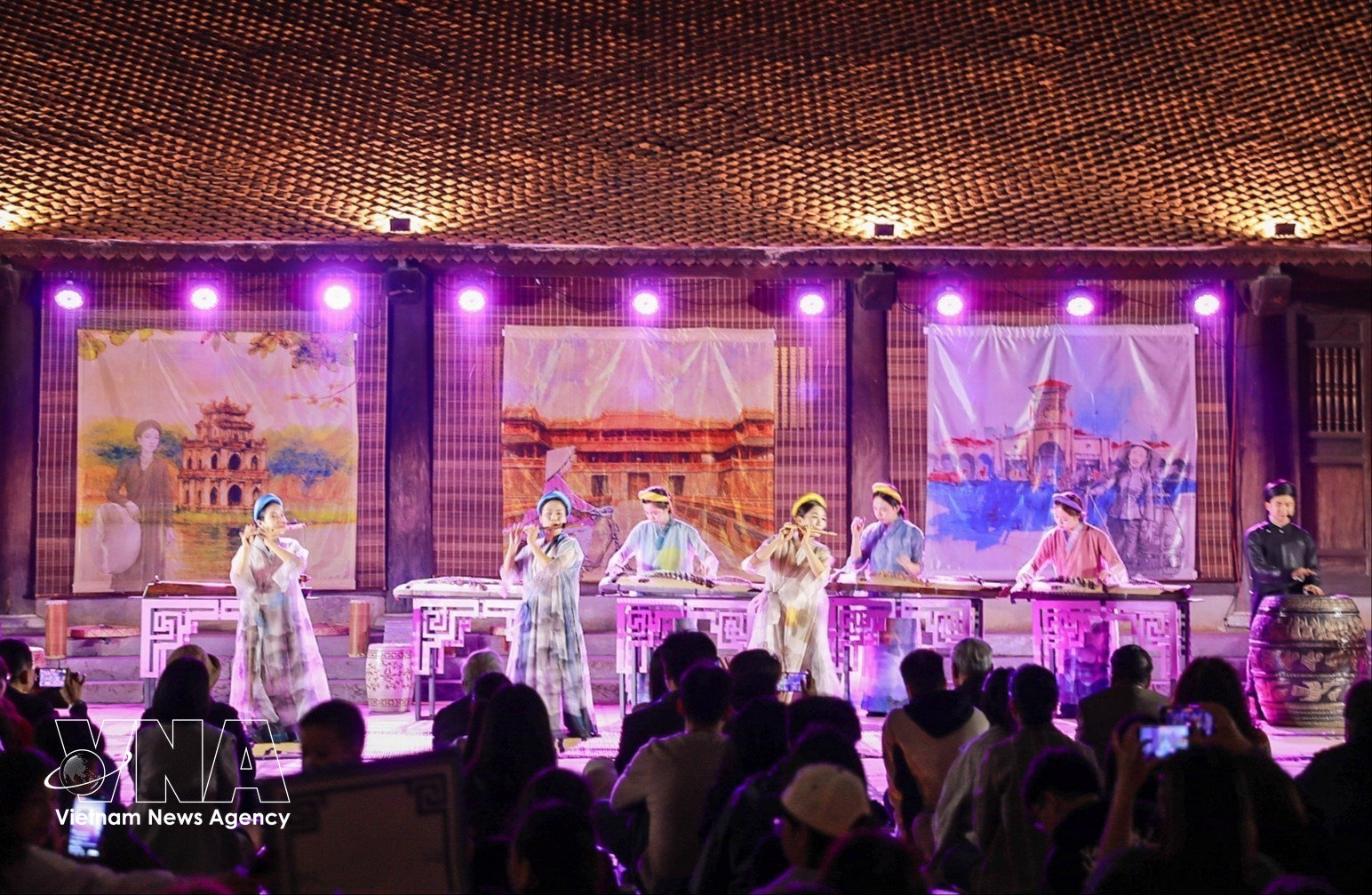
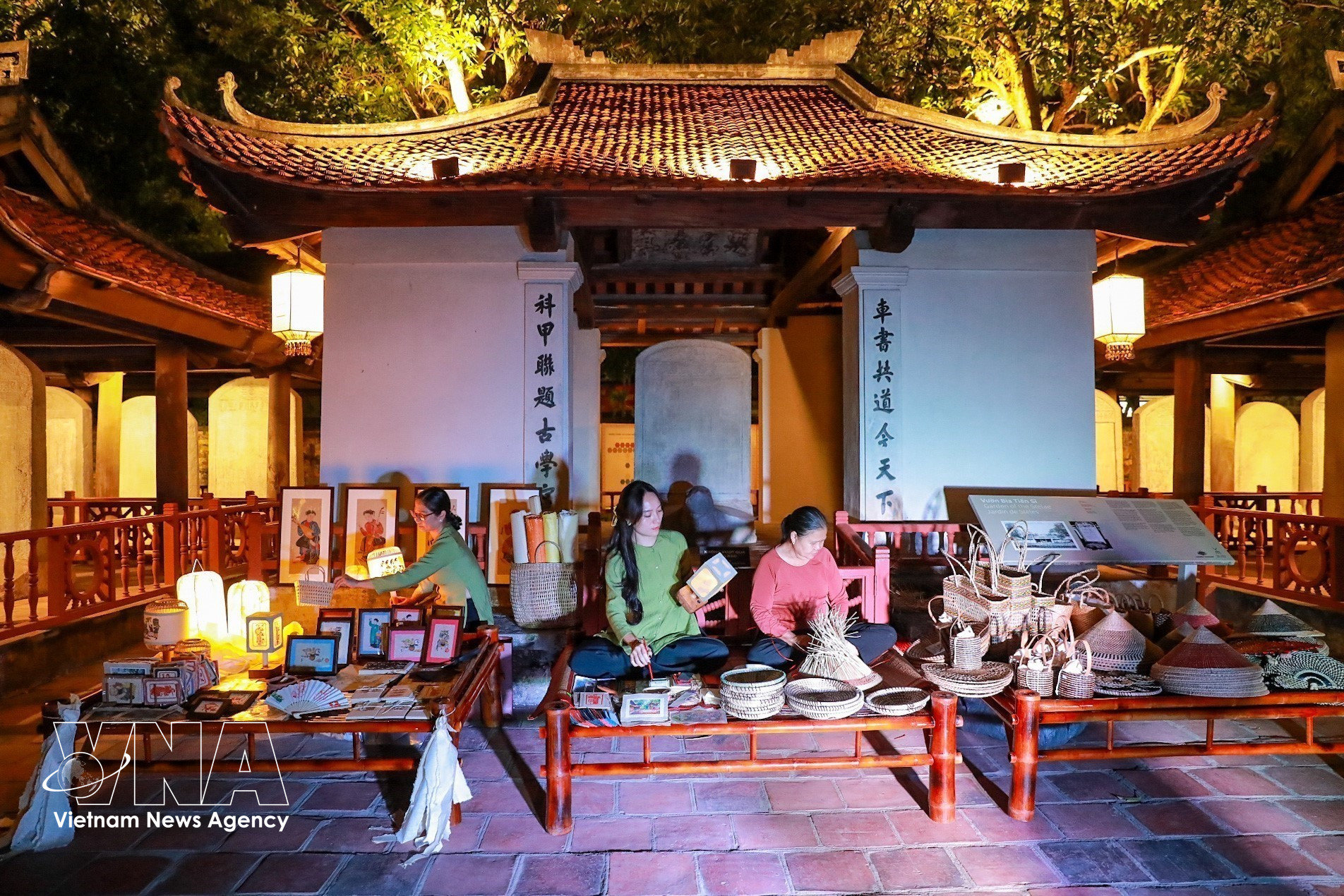
Since July 2026, a regular programme themed “Strolling Around Van Lake – Living with Heritage” has been held every Saturday, featuring activities with artisans and craft villages, cultural performances and exchanges. This also continues the historical function of Van Lake, which once served as a venue for poetry and literary discussions among Confucian scholars and students of Quoc Tu Giam.
Meanwhile, programmes for pupils and students include a knowledge competition on Quoc Tu Giam, focusing on its history, heritage values, and the fondness for learning, respect for teachers and appreciation of talent.
Hanoi plans to organise events honouring outstanding talents, intellectuals, scientists and experts, thereby highlighting the continuity between the tradition of valuing talented people in the past and today's intellectual community.
International cooperation activities have also been incorporated into the event series from June to October 2026, with the participation of UNESCO, diplomatic missions, international organisations, along with foreign experts and scholars, helping introduce Quoc Tu Giam to global audiences through culture, education and academic exchange.
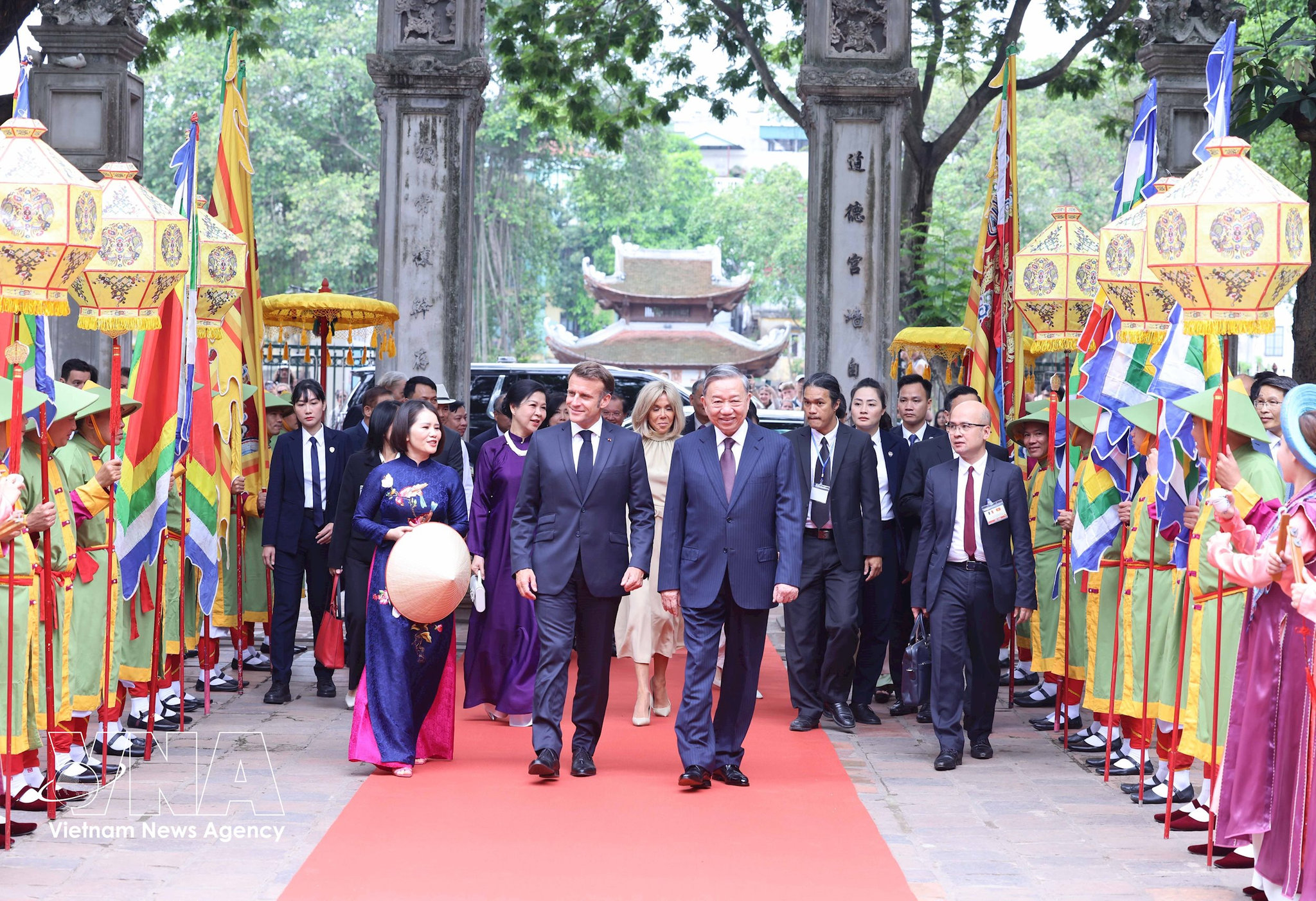
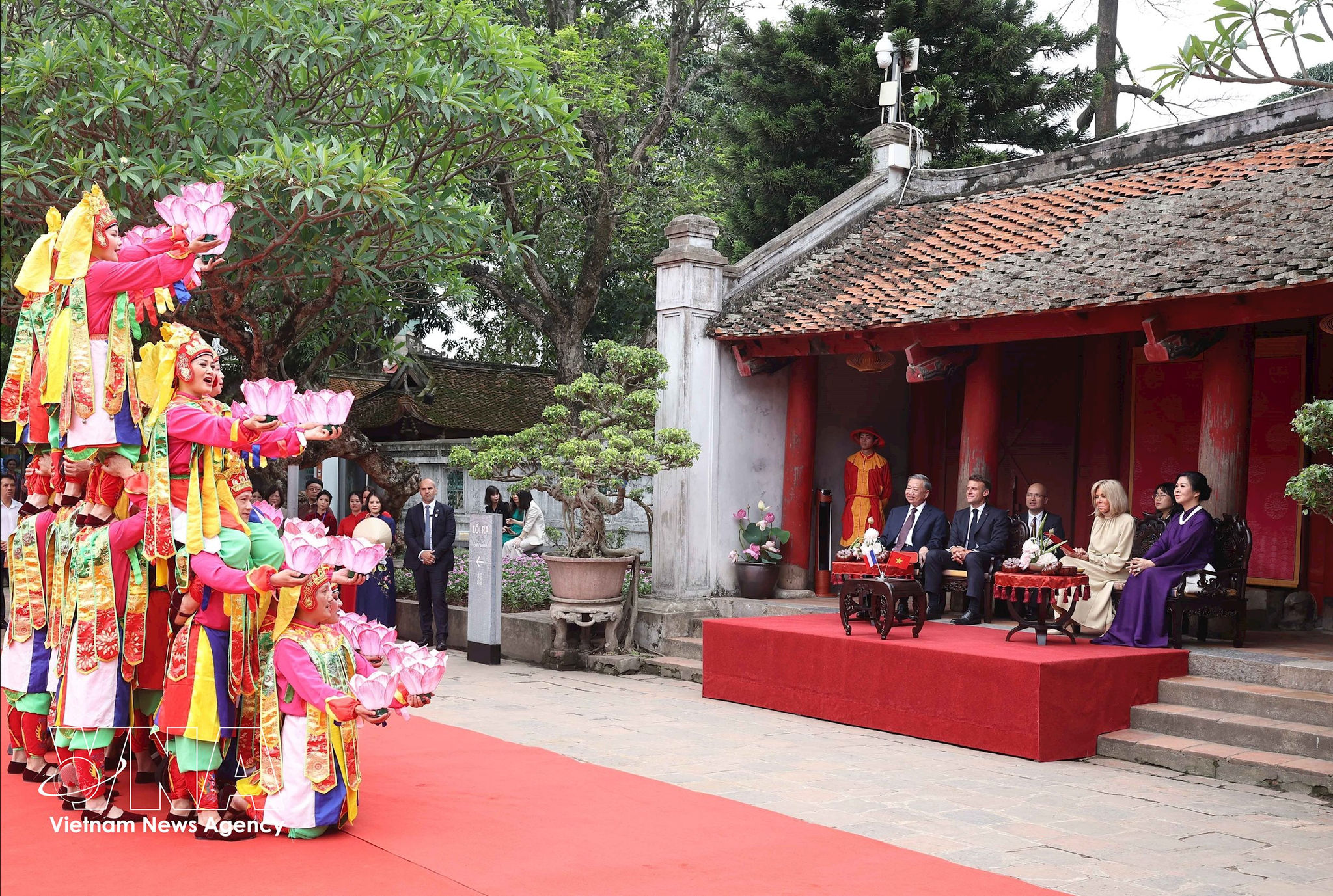
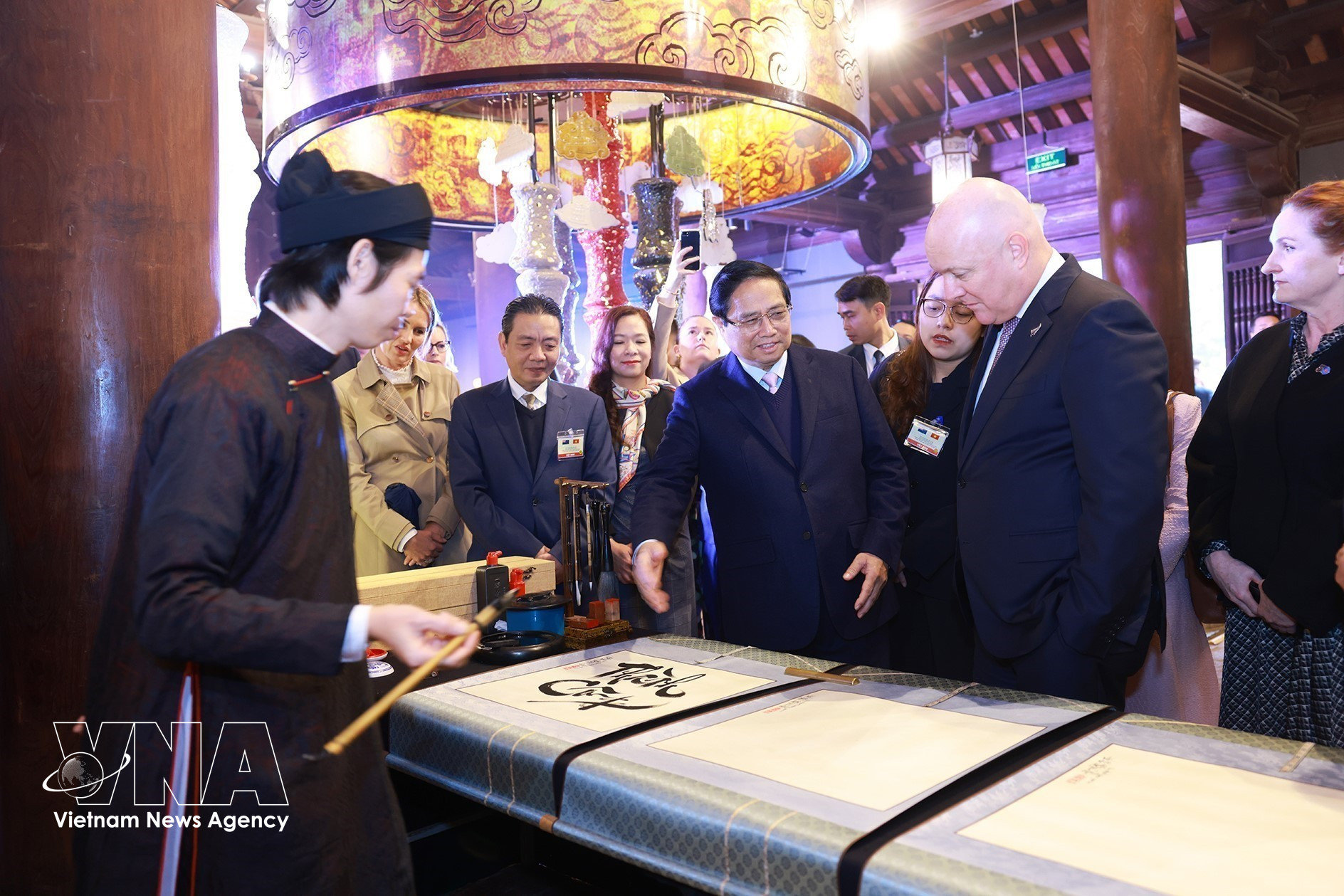
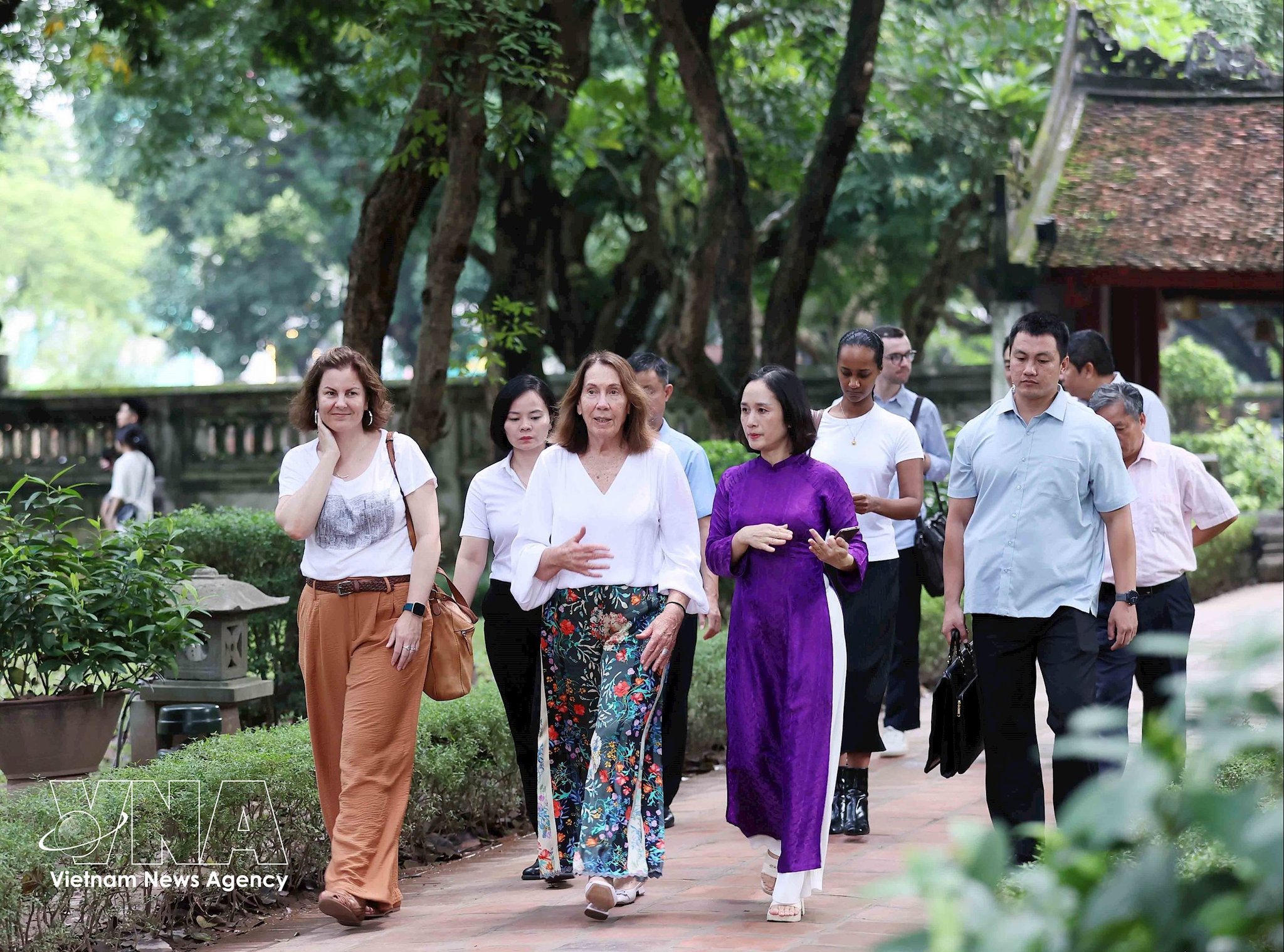
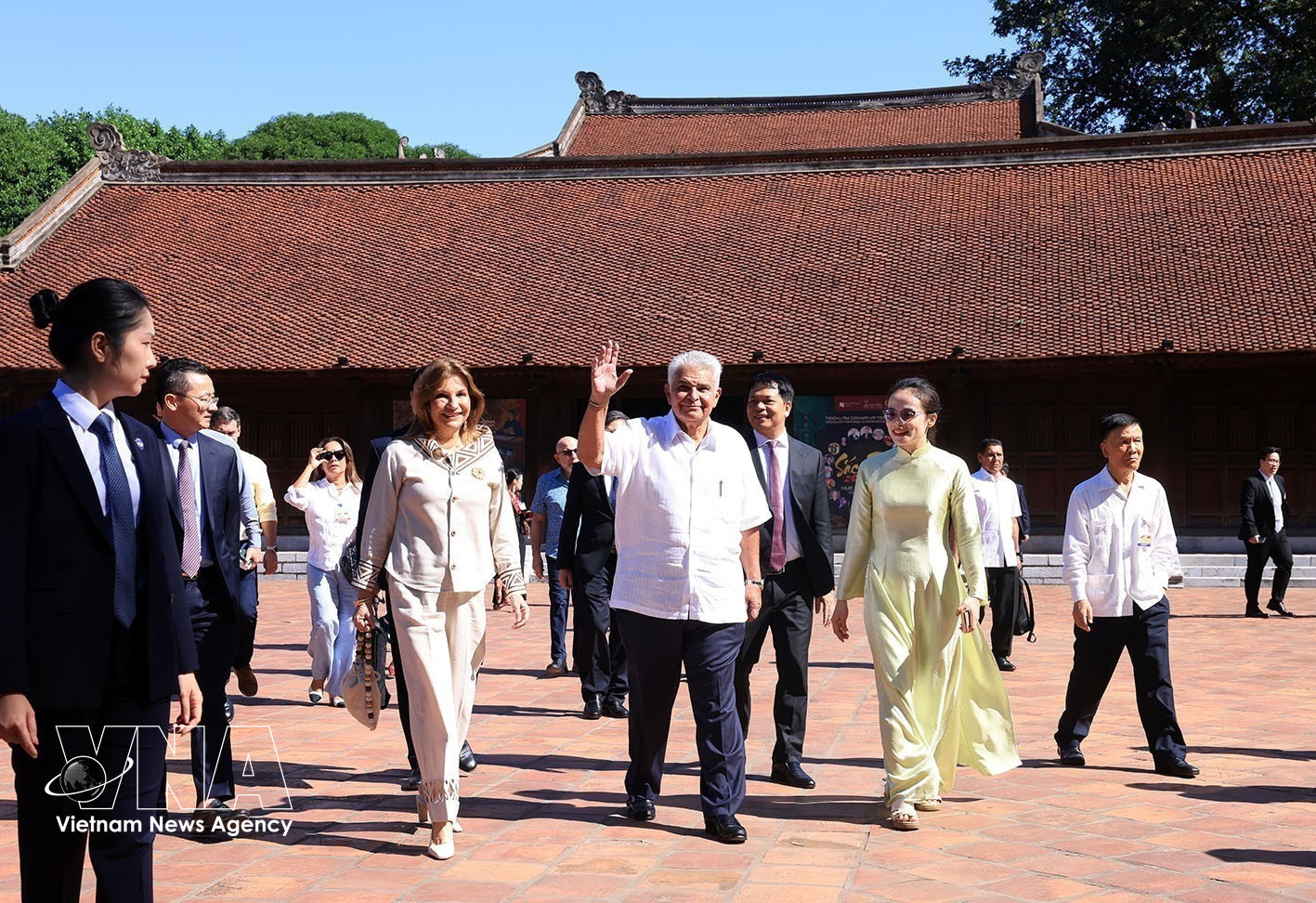
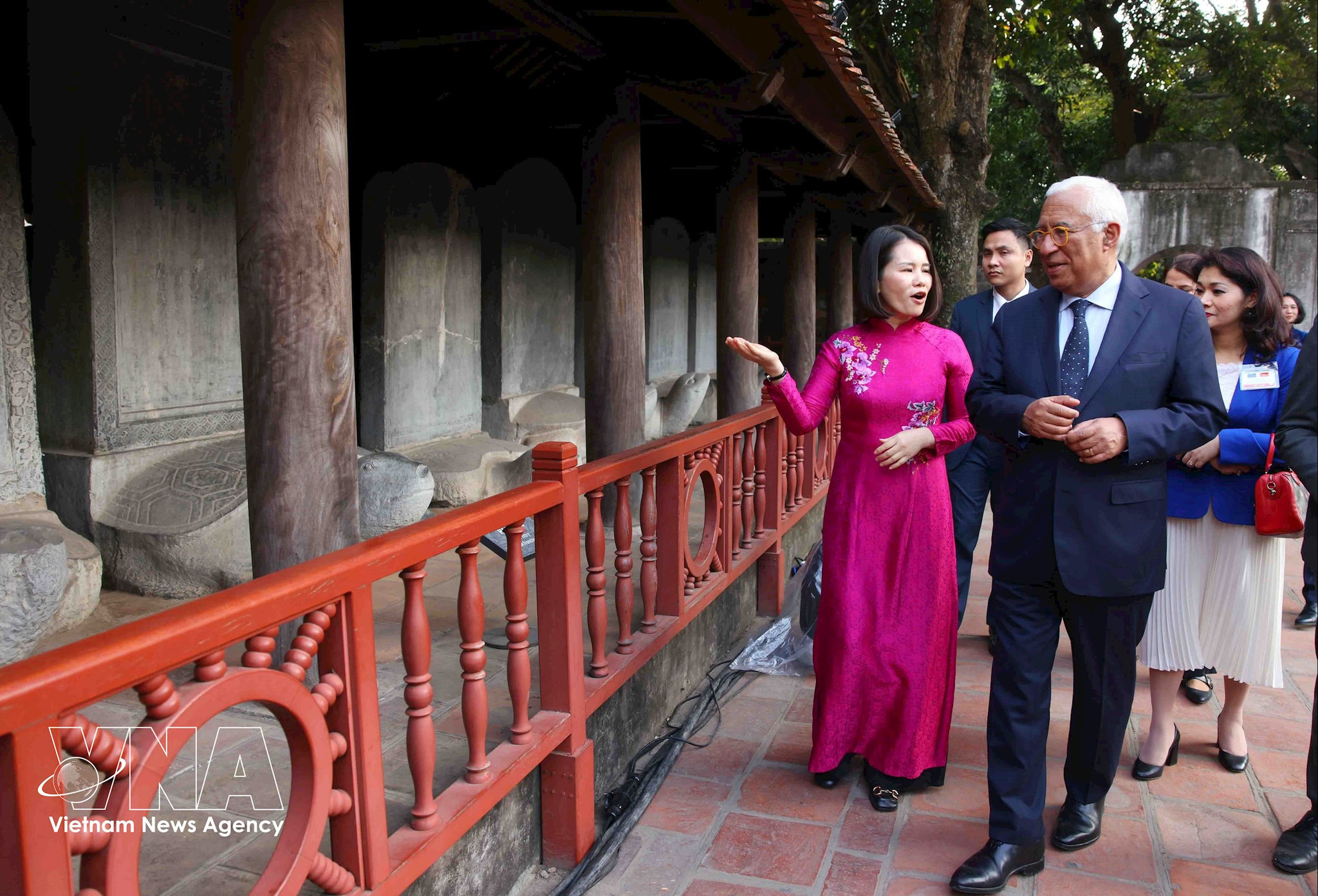
Vietnamese and foreign leaders visit Van Mieu – Quoc Tu Giam (Photo: VNA)
The heritage site is gradually embracing digital technologies, including 3D, artificial intelligence (AI) and augmented reality (AR), to build a smart heritage environment. A digital platform, “Van Mieu – Quoc Tu Giam: Digital Interactive Heritage Space”, is expected to be launched.
The site is also being developed into a vibrant cultural space, hosting heritage education programmes, a competition on the life and career of teacher Chu Van An, and exhibitions of traditional and contemporary calligraphy.
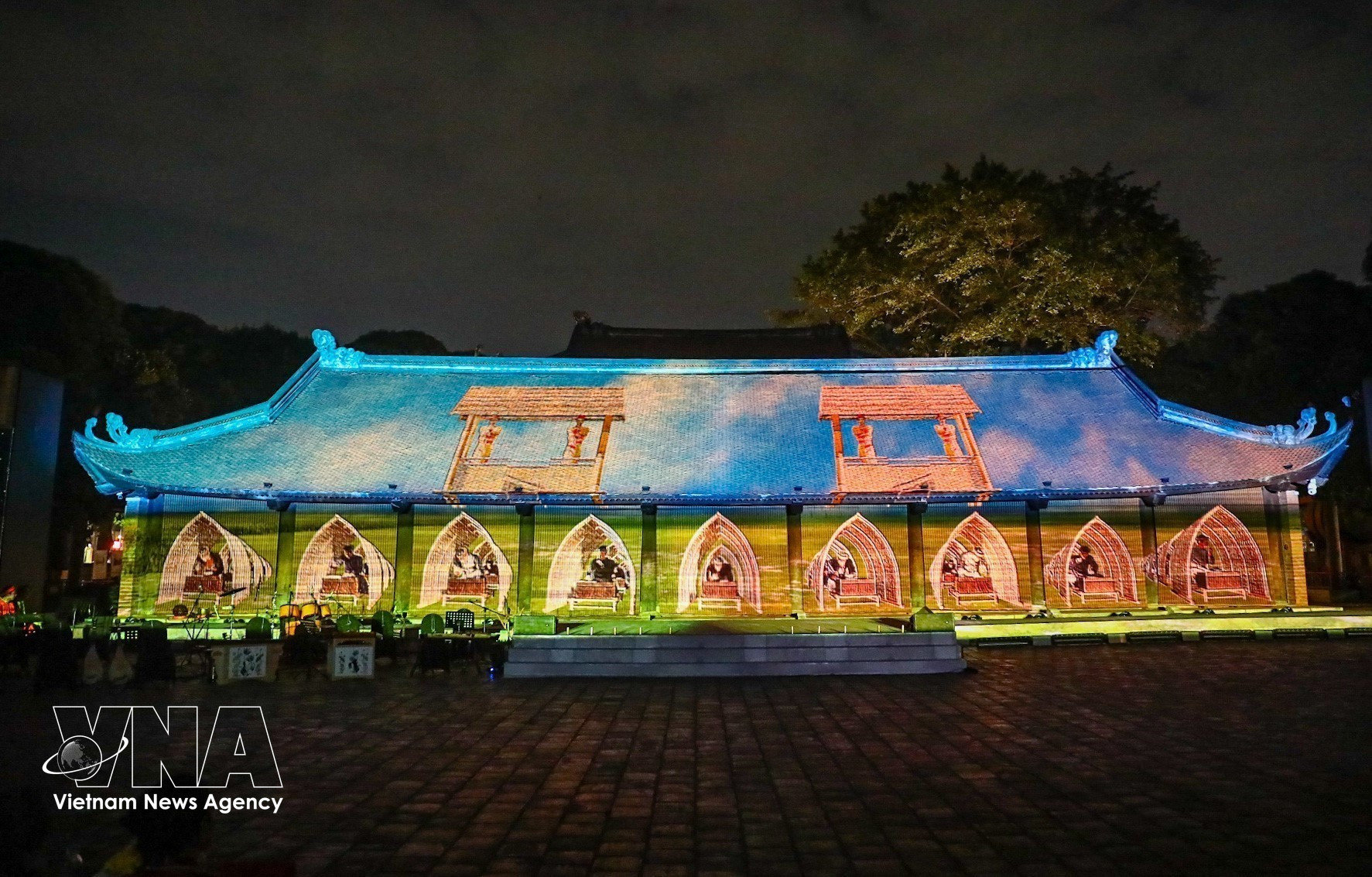
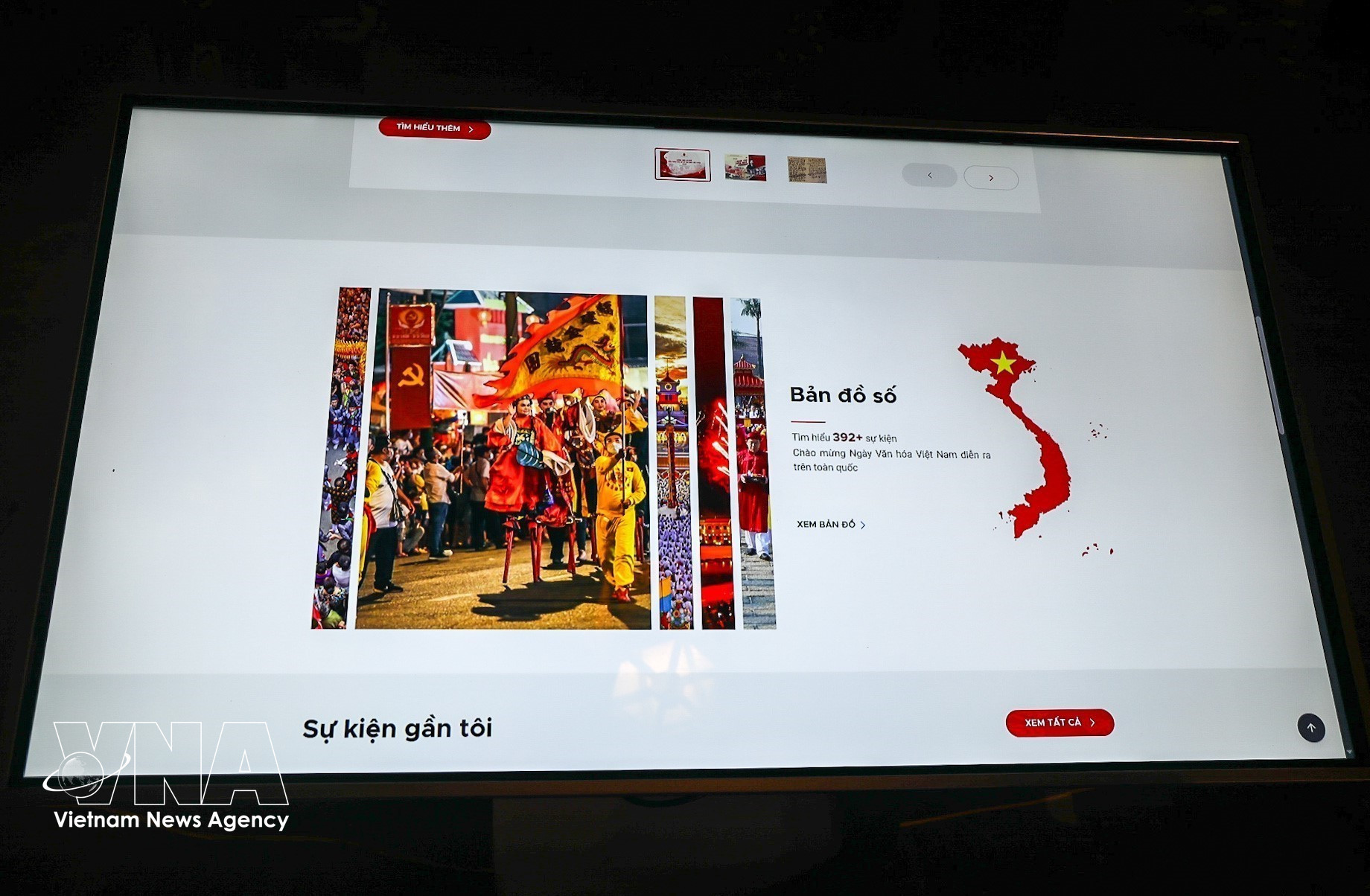
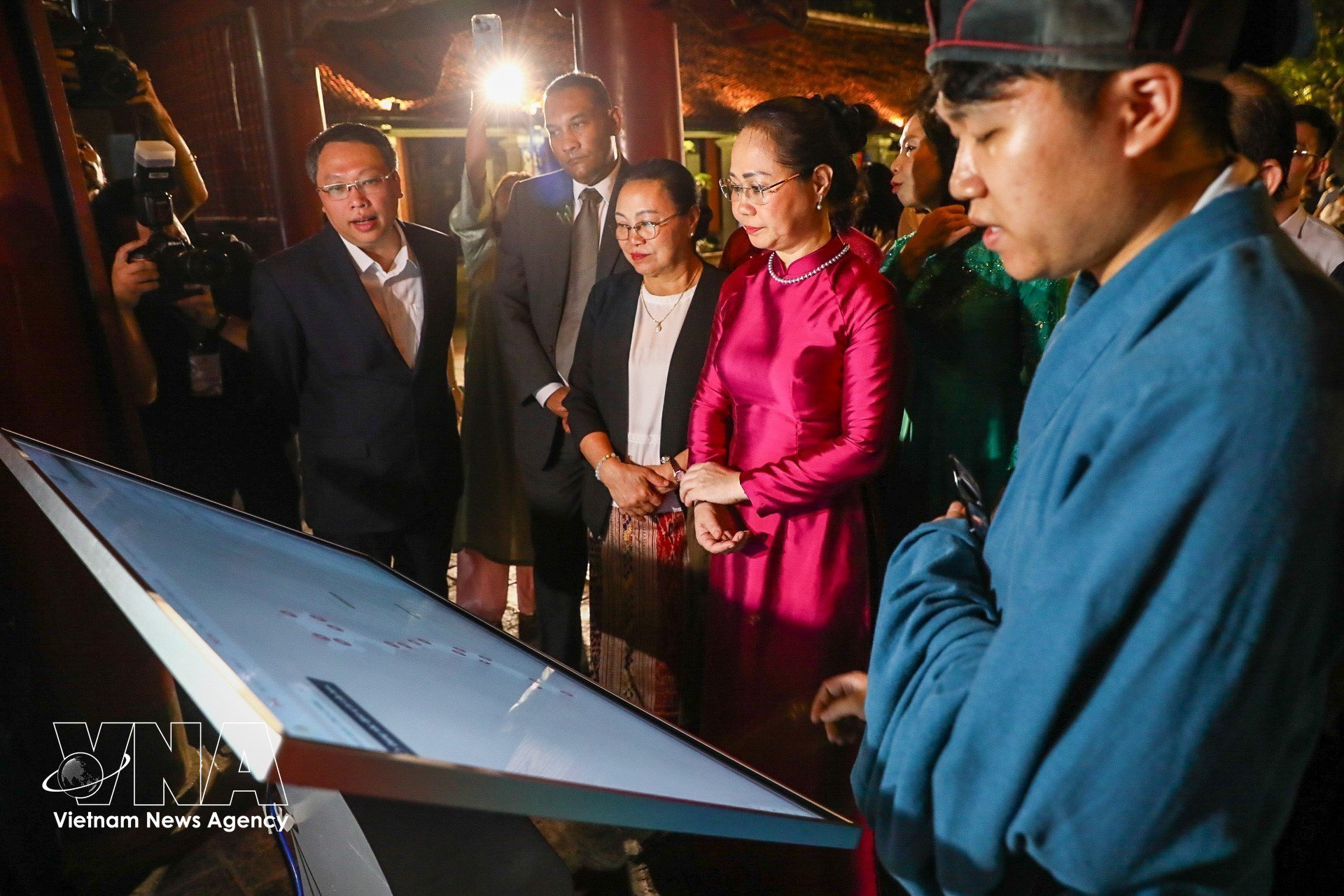
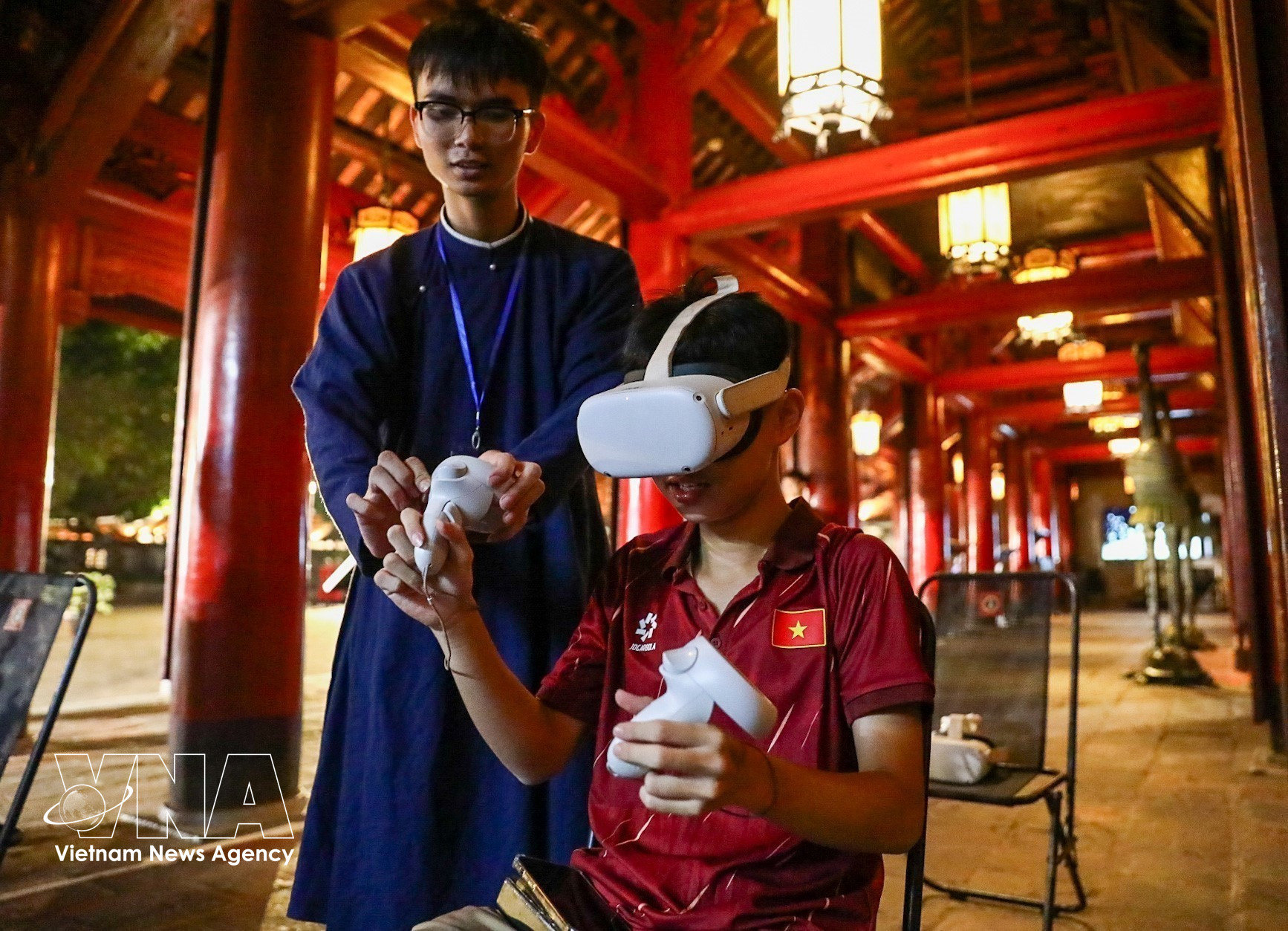
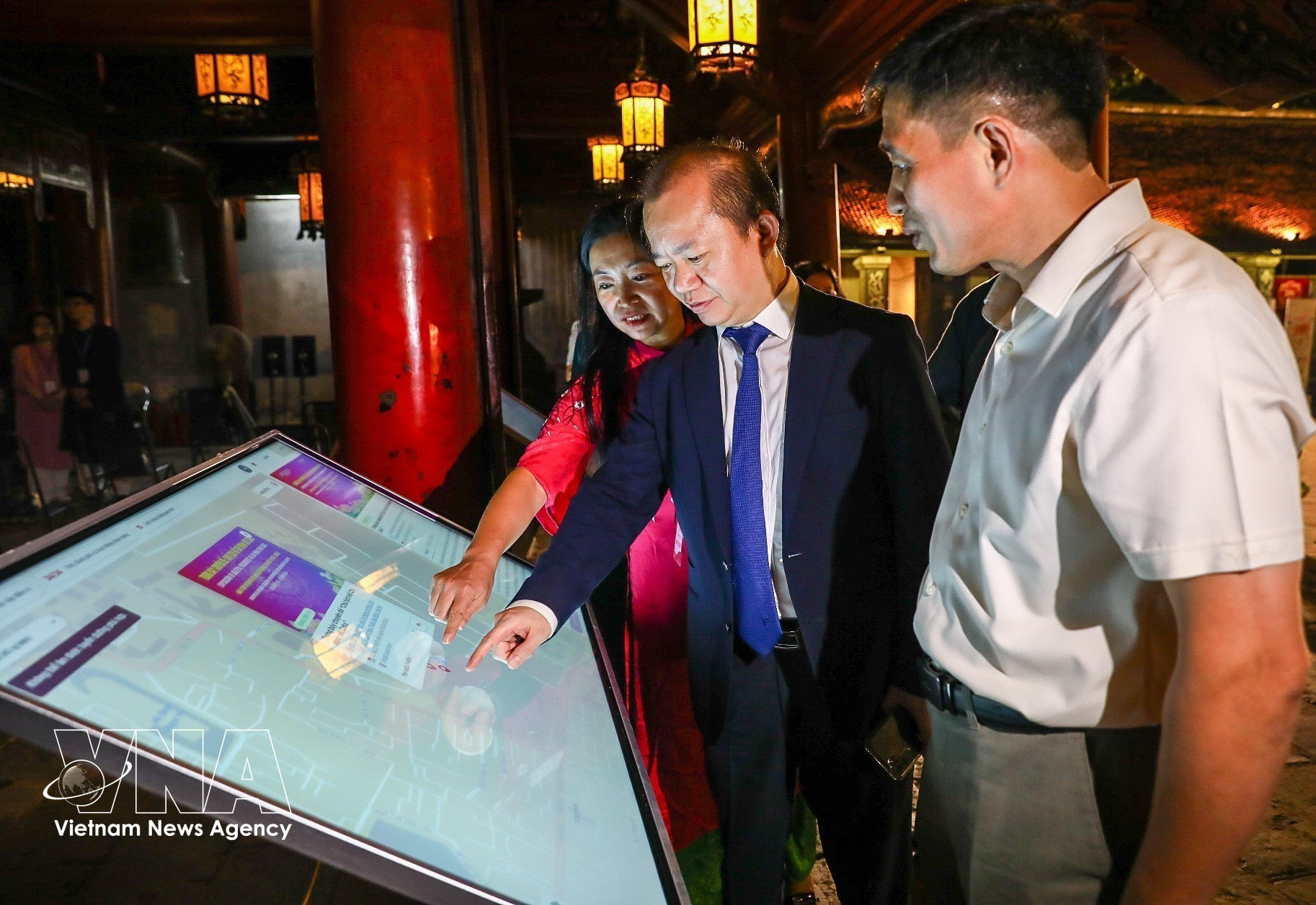
The Vietnam Cultural Digital Map (CMAP) platform is launched at Van Mieu – Quoc Tu Giam (Photo: VNA)
A national-level ceremony marking Quoc Tu Giam's 950th founding anniversary is scheduled for November 14 evening at the heritage site, under the theme “950 Years of National Learning – Inspiring the Aspiration for Talent in a New Era of Development”.
Hanoi plans to gradually develop the site into a leading cultural and educational destination in the region, expanding its role beyond a historical relic to a space for learning and cultural experiences, towards the 1,000th anniversary of Quoc Tu Giam in 2076.
Quoc Tu Giam in the spirit of Resolution No. 80
The Political Bureau’s Resolution No. 80-NQ/TW, dated January 7, 2026, on Vietnamese cultural development, defines culture as the crystallisation of the nation’s finest values accumulated over thousands of years of national construction and defence, as well as an important endogenous resource shaping the Vietnamese people’s intellect, soul, spirit and mettle.
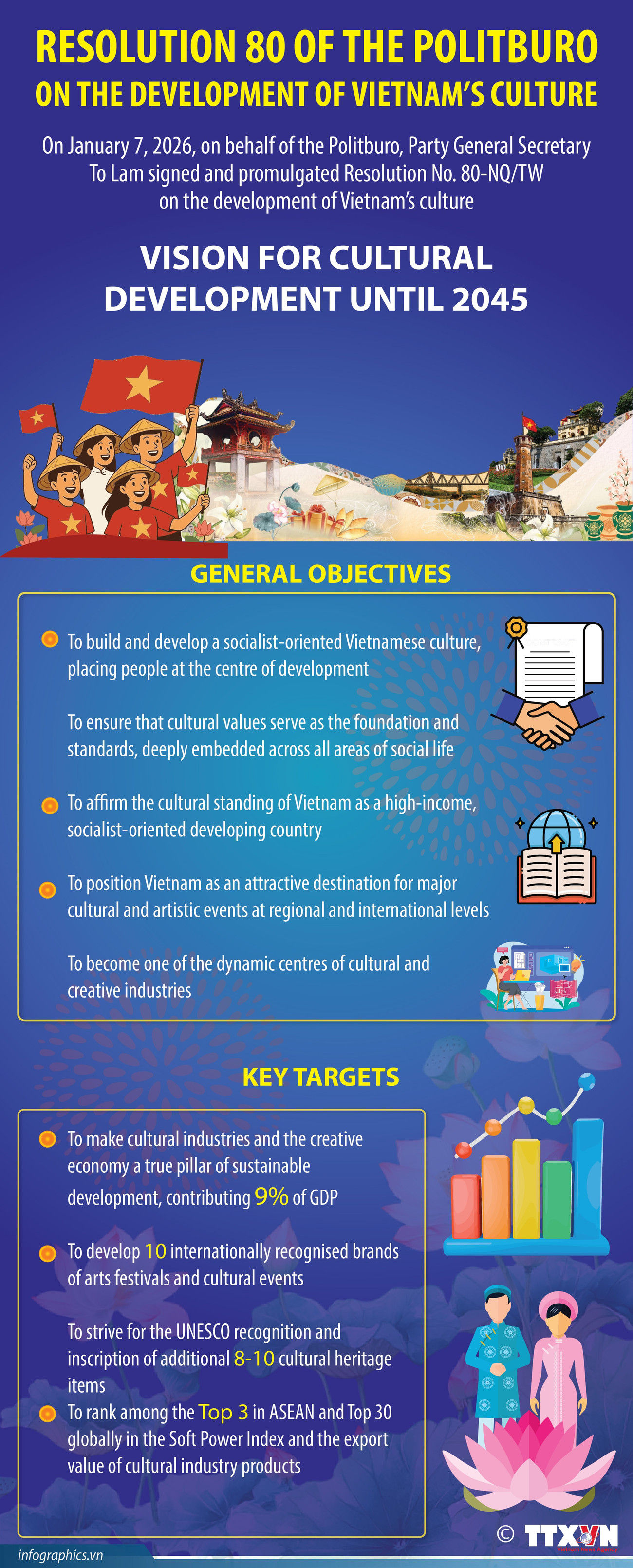
Cultural industries are expected to increase their contribution to GDP from around 4% currently to 7% by 2030 and 9% by 2045
Le Thi Hong Van, Director General of the Department of External Relations and Cultural Diplomacy under the Ministry of Foreign Affairs
The resolution requests the completion of restoration and preservation work at special national relic sites, while identifying cultural industries as a new growth driver.
Le Thi Hong Van, Director General of the Department of External Relations and Cultural Diplomacy under the Ministry of Foreign Affairs, said cultural industries are expected to increase their contribution to GDP from around 4% currently to 7% by 2030 and 9% by 2045.
Prof. Dr Le Hong Ly, President of the Vietnam Folklore Arts Association, said the new provisions in Resolution No. 80 will help safeguard traditional cultural values and enrich world culture.
In line with this direction, Vietnam will continue to promote culture as an endogenous source of strength, preserve and promote heritage values, and actively engage in cultural exchanges, multilateral cooperation, and efforts to achieve UNESCO’s goals of peace, sustainable development and human progress.
Van, who is also Secretary-General of the Vietnam National Commission for UNESCO, said Vietnam's proposal on the International Decade of Culture for Sustainable Development (2027–2036) won support from 163 countries.
On November 14, the relic site beside Van Lake will be illuminated during the national-level ceremony, conveying a message to future generations that a nation that values learning and talent can achieve great progress and share inspiring stories with the world./.