PHU QUOC SPECIAL ZONE STEPS UP GREEN TRANSITION AHEAD OF APEC 2027
LongForm - Ngày đăng : 17:37, 05/11/2026
PHU QUOC SPECIAL ZONE STEPS UP GREEN TRANSITION AHEAD OF APEC 2027
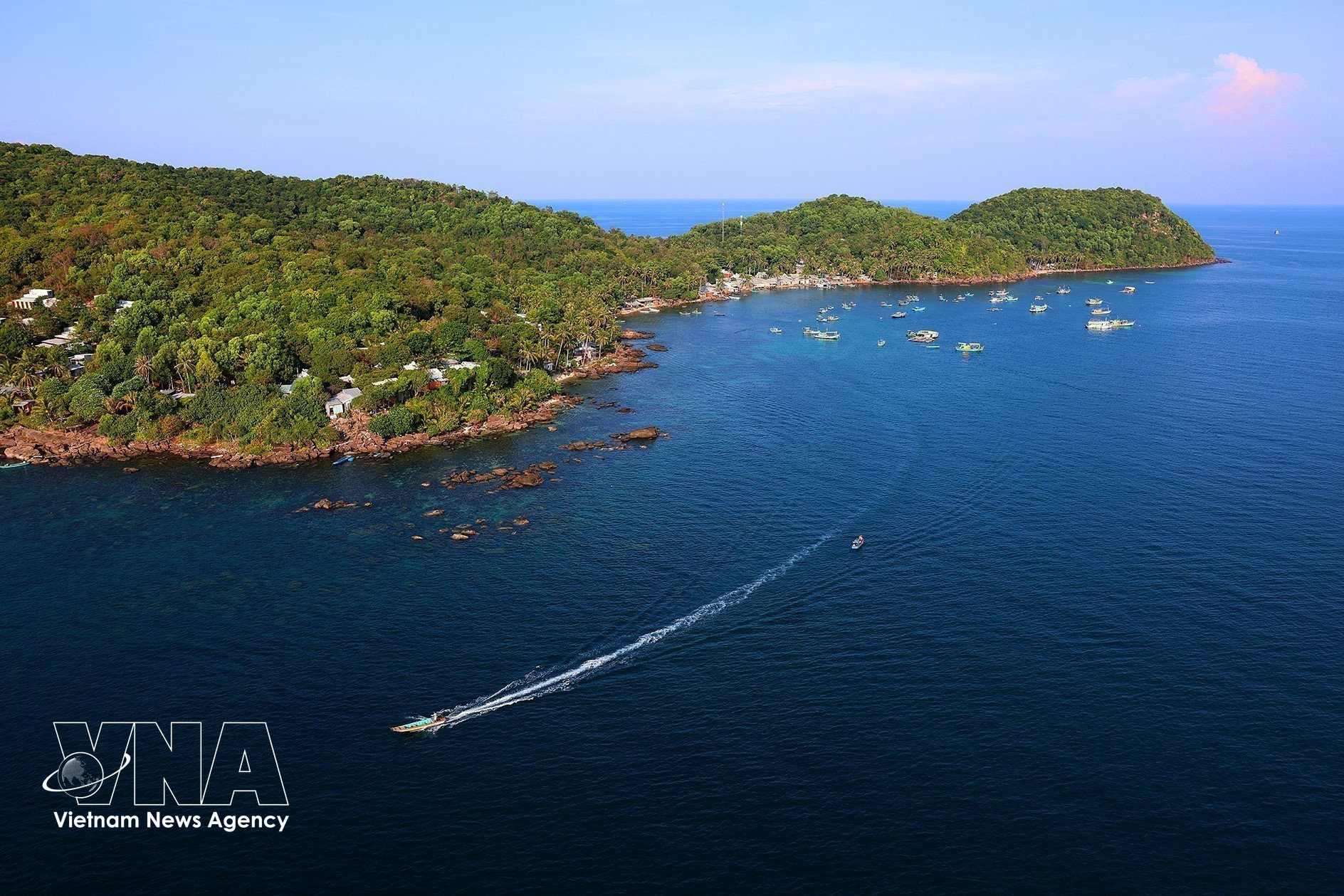
Phu Quoc special zone in the southern province of An Giang is being positioned as a nationally and internationally recognised centre for eco-tourism and a driving force for the marine economy. It now faces an urgent need to shift towards a green and sustainable growth model. Rapid tourism growth, coupled with mounting pressure on infrastructure and natural ecosystems, presents the island with new development challenges, particularly as it prepares to host APEC 2027.
Removing environmental bottlenecks to promote green growth
In recent years, tourism in Phu Quoc has expanded rapidly, with more than 8.2 million visitors in 2025 and over 7.8 million in the first eight months of 2026. International arrivals exceeded 1.7 million, up 57.6%. However, environmental infrastructure remains inadequate. Only 17% of domestic wastewater is collected and treated, while just 1-3% of tourism establishments have obtained green labels. Waste-to-energy technologies have yet to be introduced.
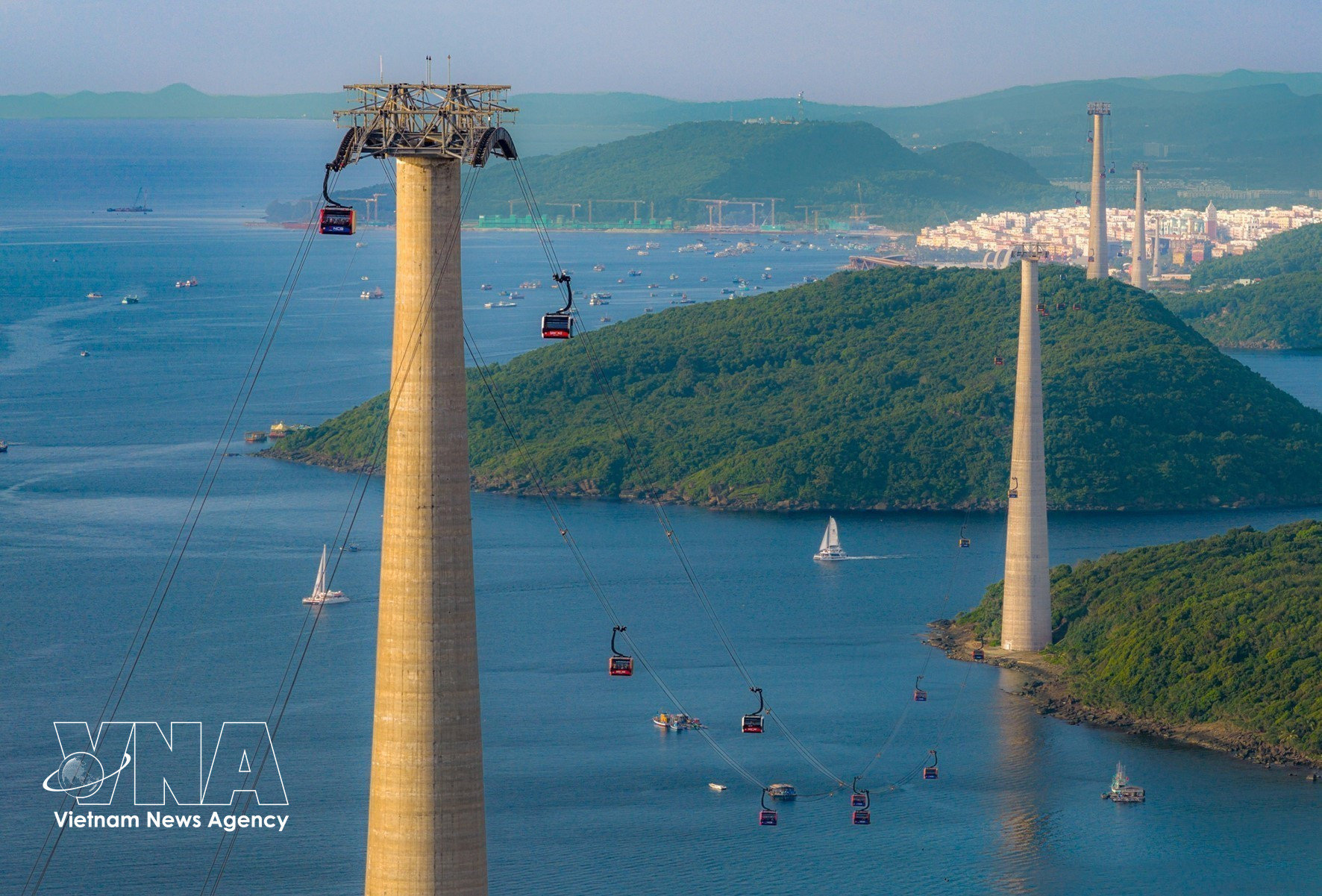
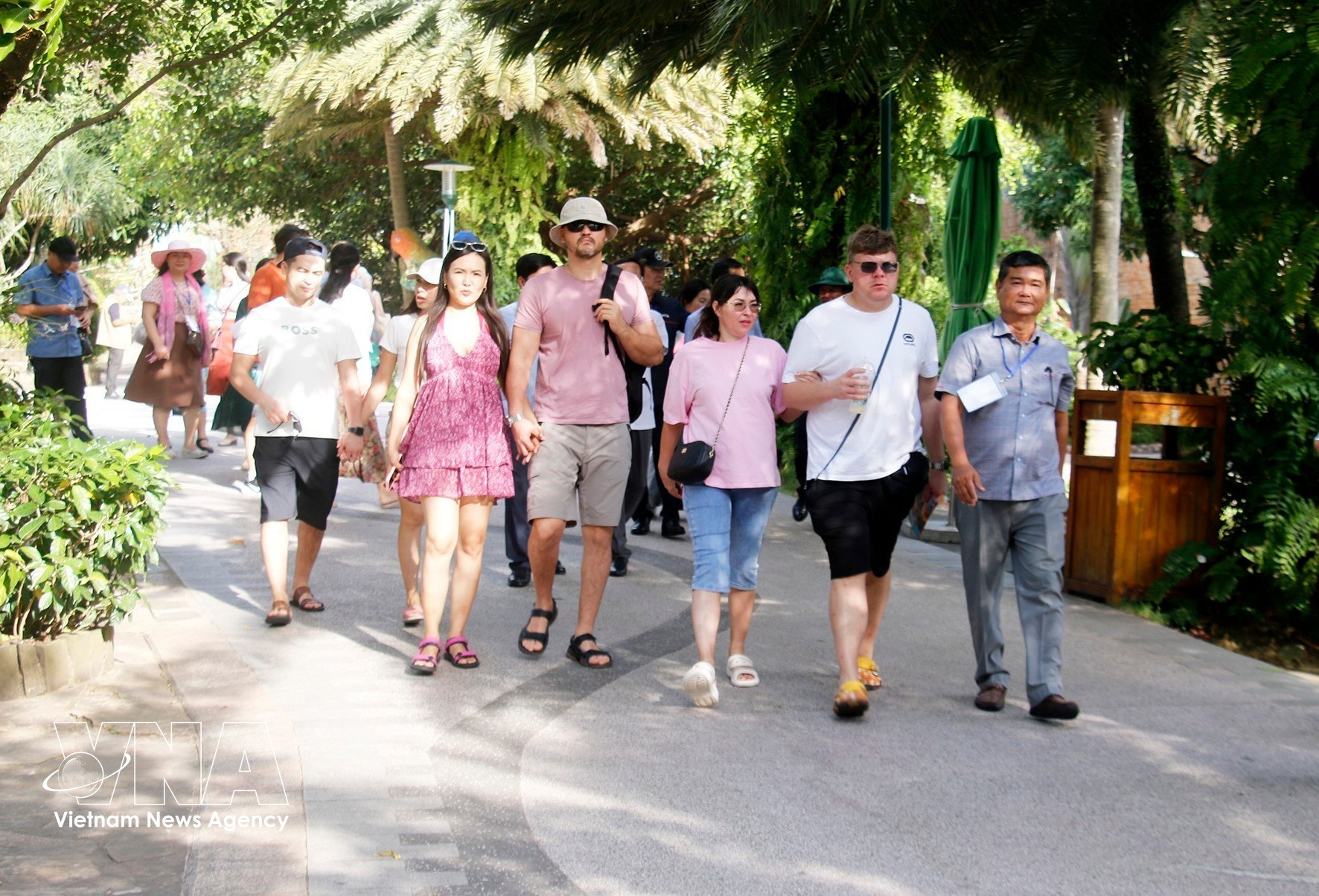
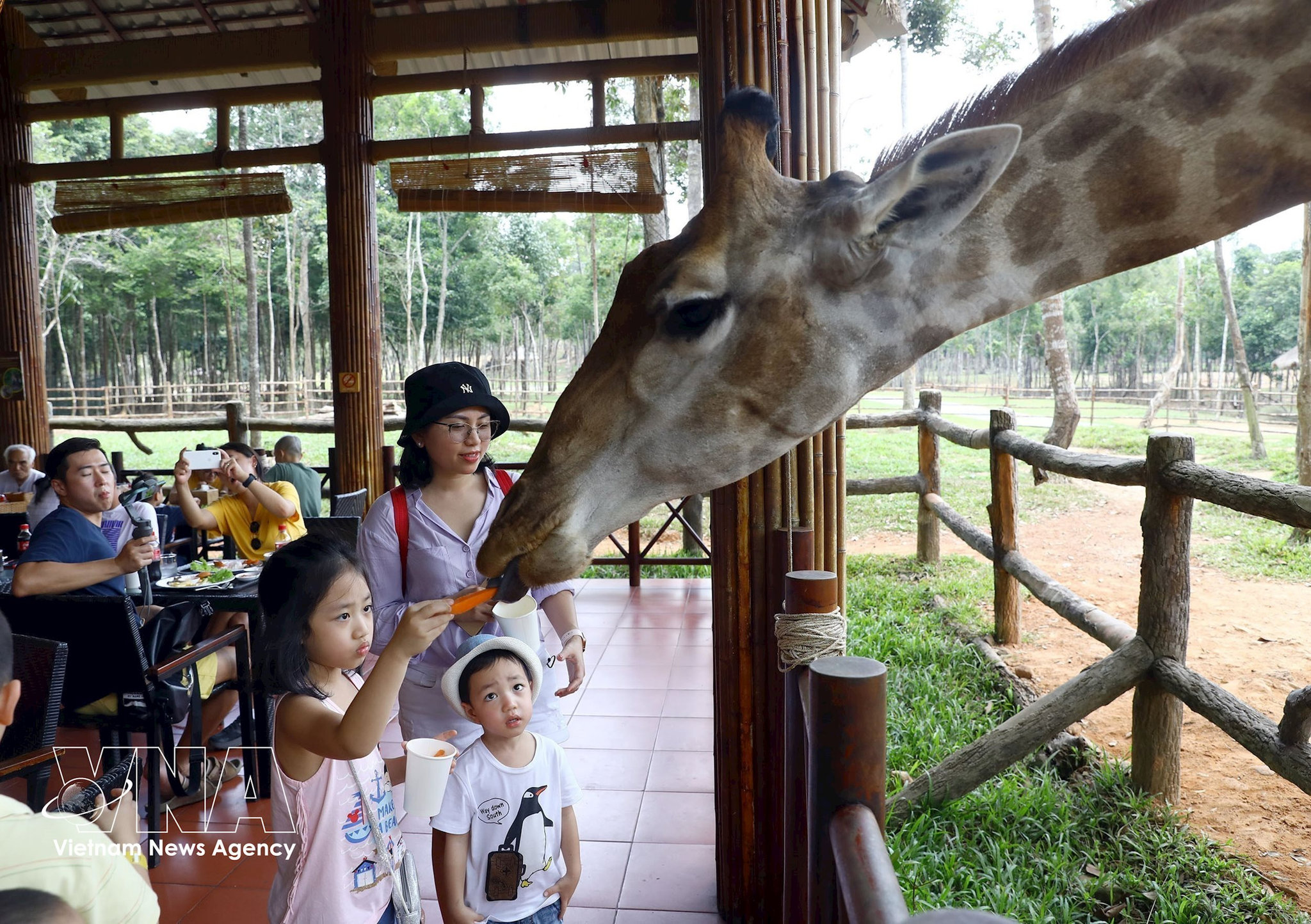
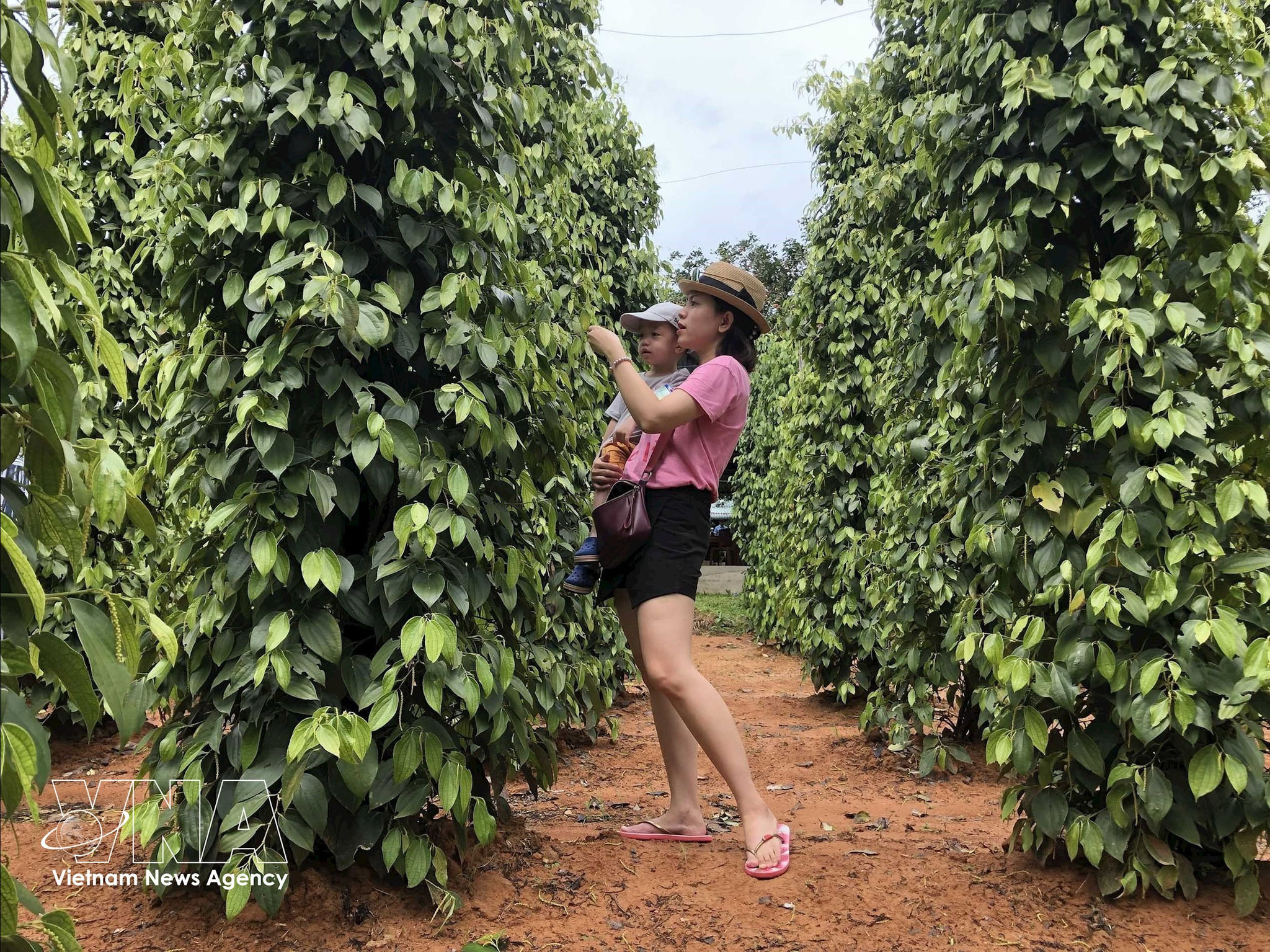
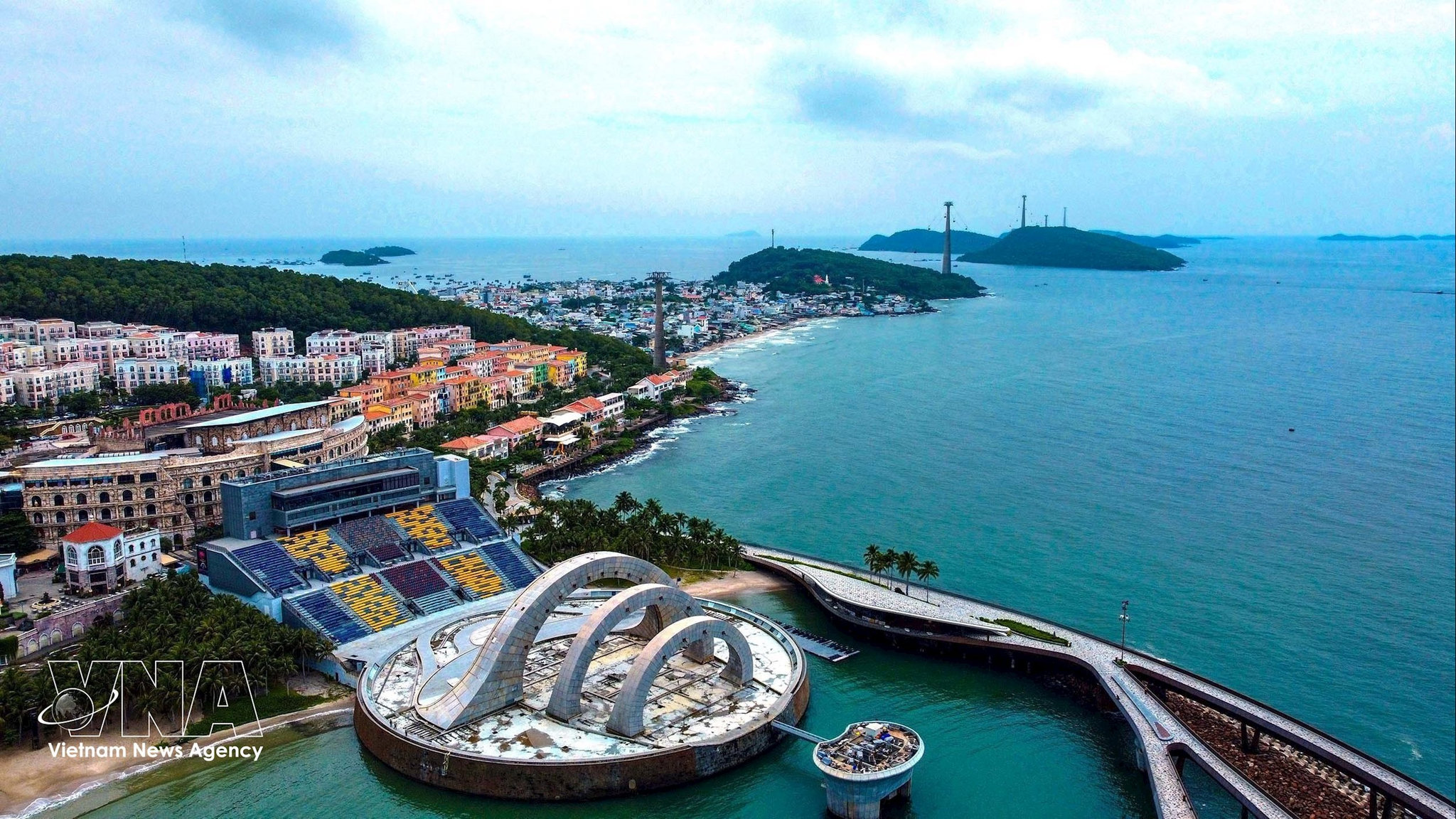
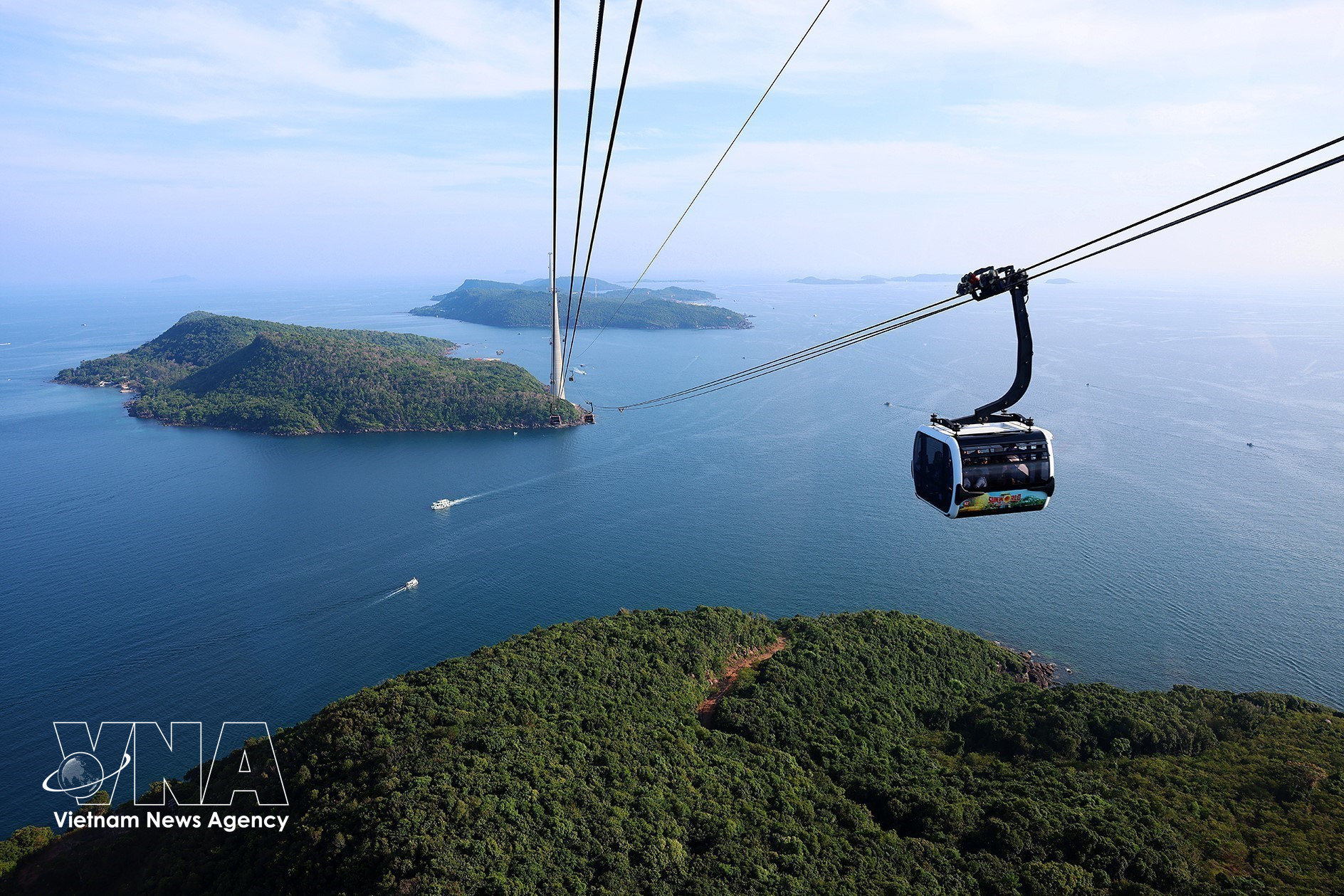
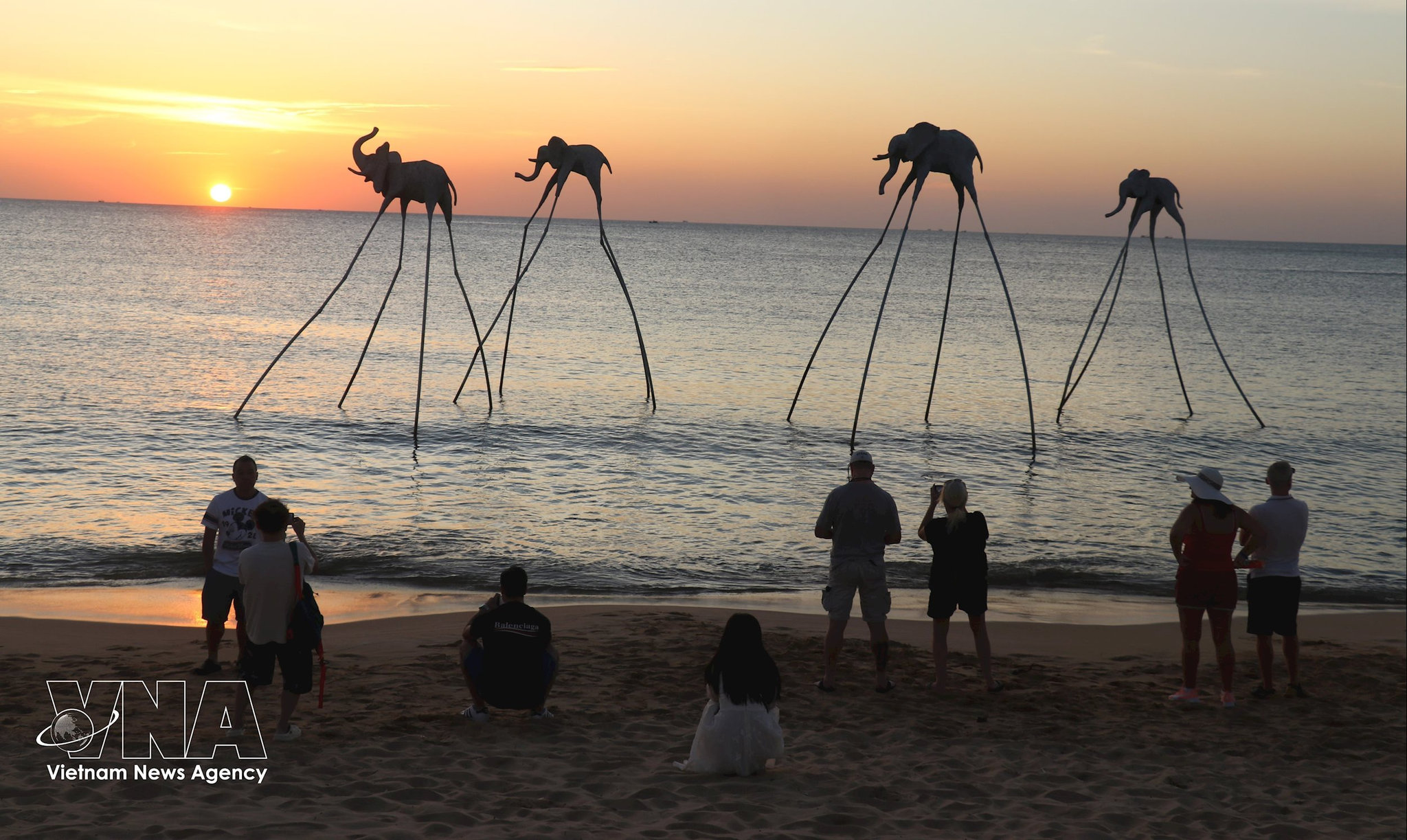
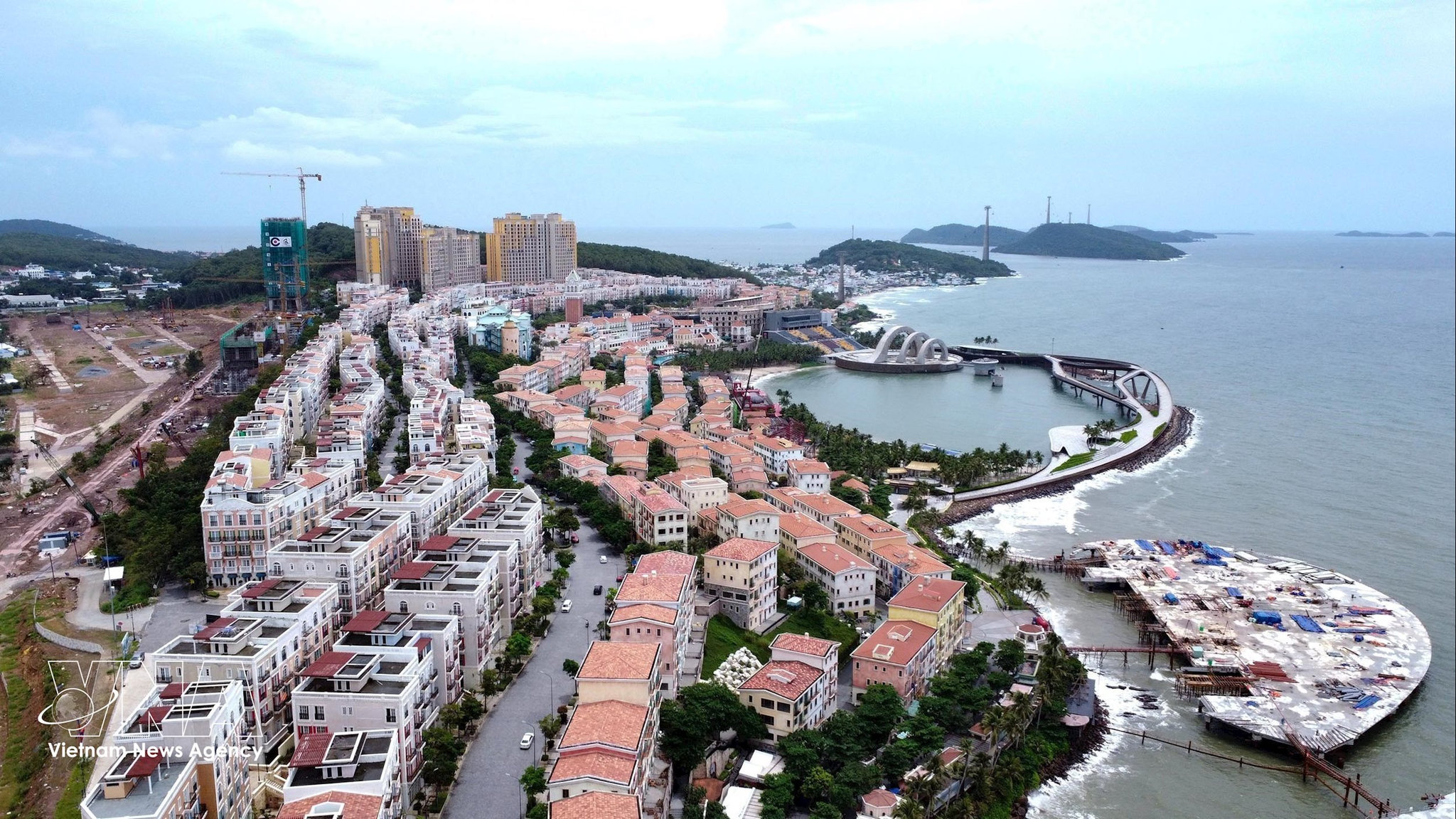
Phu Quoc is a magnet for tourists who seek sightseeing and leisure. (Photo: VNA)
Development pressures have also degraded marine ecosystems, with the widespread loss of seagrass beds and a decline in species diversity in both seagrass and coral reef habitats. As an island city particularly vulnerable to climate change, Phu Quoc is facing even greater pressure on its natural resources and environment amid rapid population growth driven by migration.
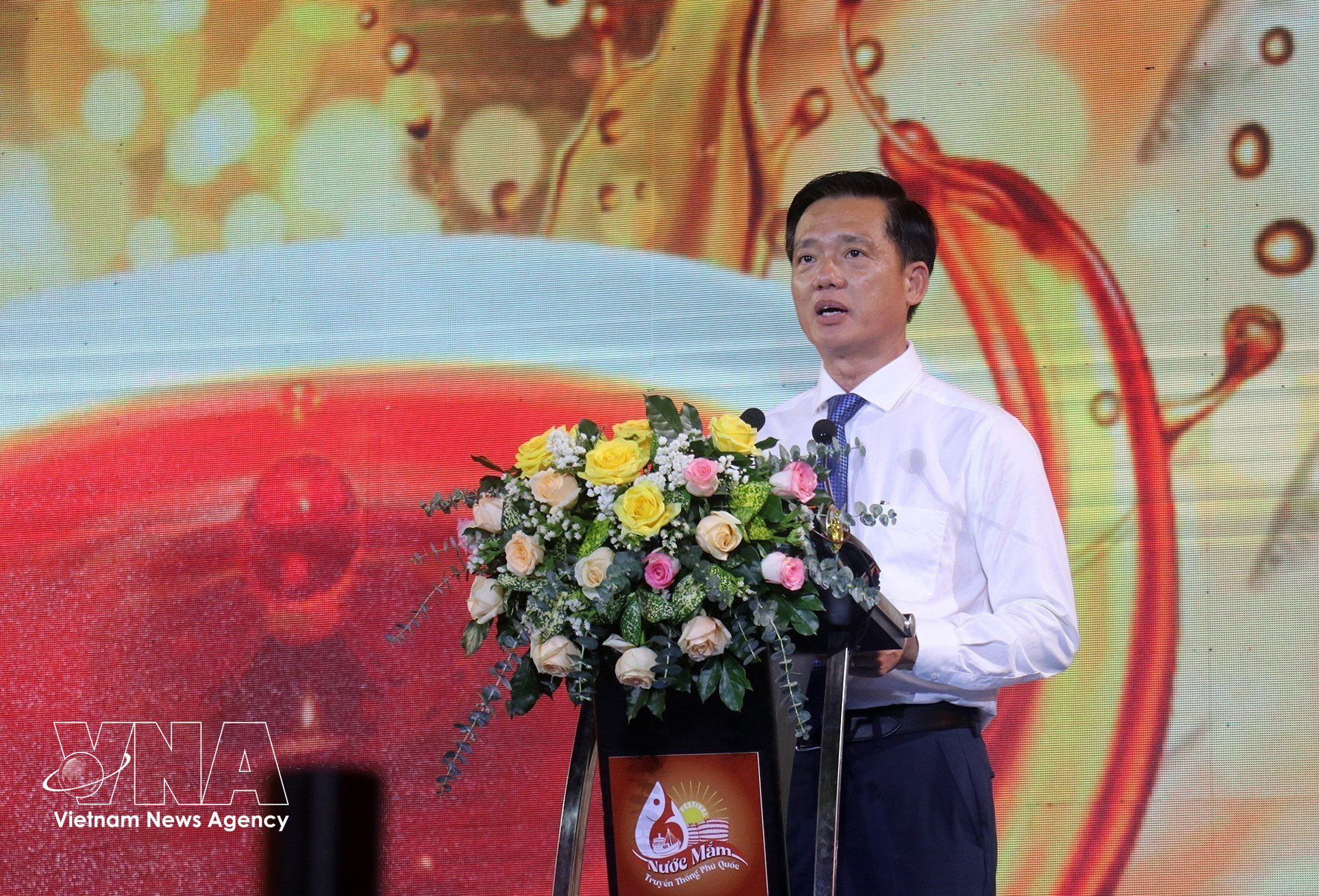
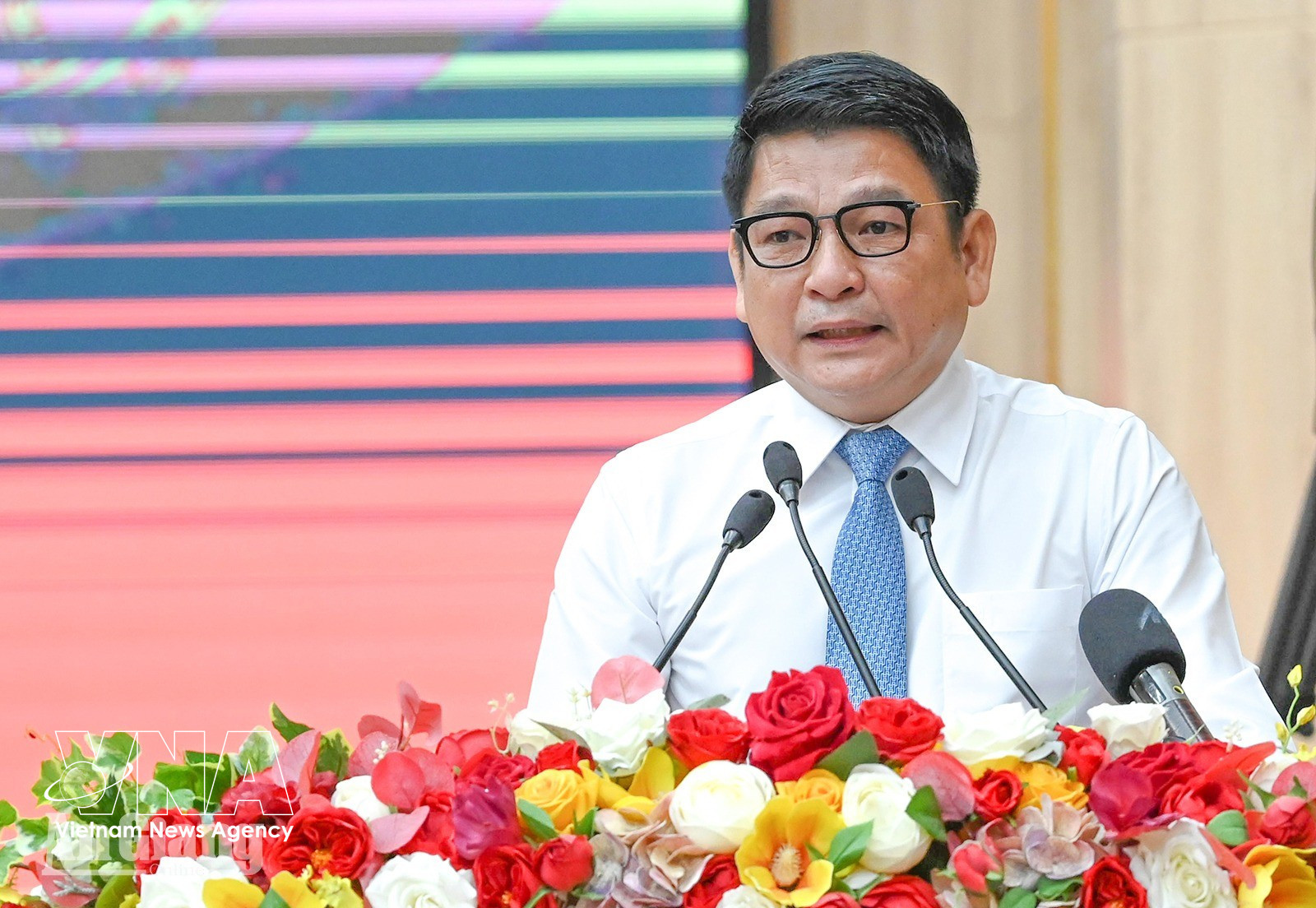
According to Tran Minh Khoa, Chairman of the People's Committee of Phu Quoc special zone, the urgent priority is to transform the island's growth model. APEC 2027 is expected to provide fresh momentum for infrastructure upgrades, green transition and ecosystem protection. The island has 21 infrastructure projects serving APEC 2027, which are being developed in line with sustainable development goals, with total investment exceeding 137 trillion VND (5.32 billion USD). These projects are expected to help Phu Quoc move towards a smart, low-emission urban model.
Establishing pillars of green transition
An Giang is working with VinUniversity to develop and implement a project entitled “Green Transition for Phu Quoc Special Zone” for 2026-2035 with a vision towards 2050, which aims to turn the island into a Net-Zero island and coastal urban model. The project identifies six pillars - green transport, green urban infrastructure, green tourism, nature conservation, green energy and digital governance, each with specific targets for different stages.
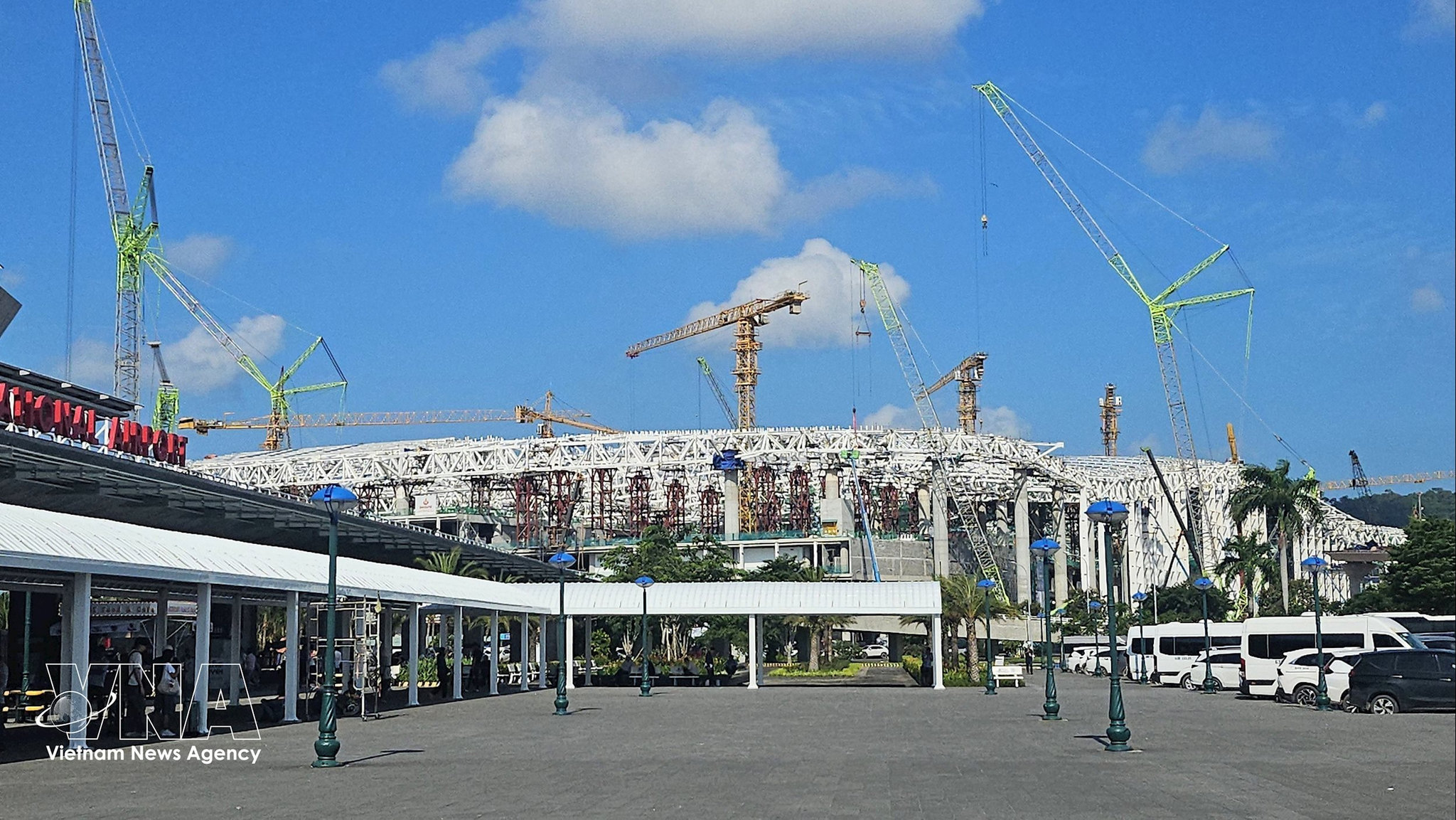
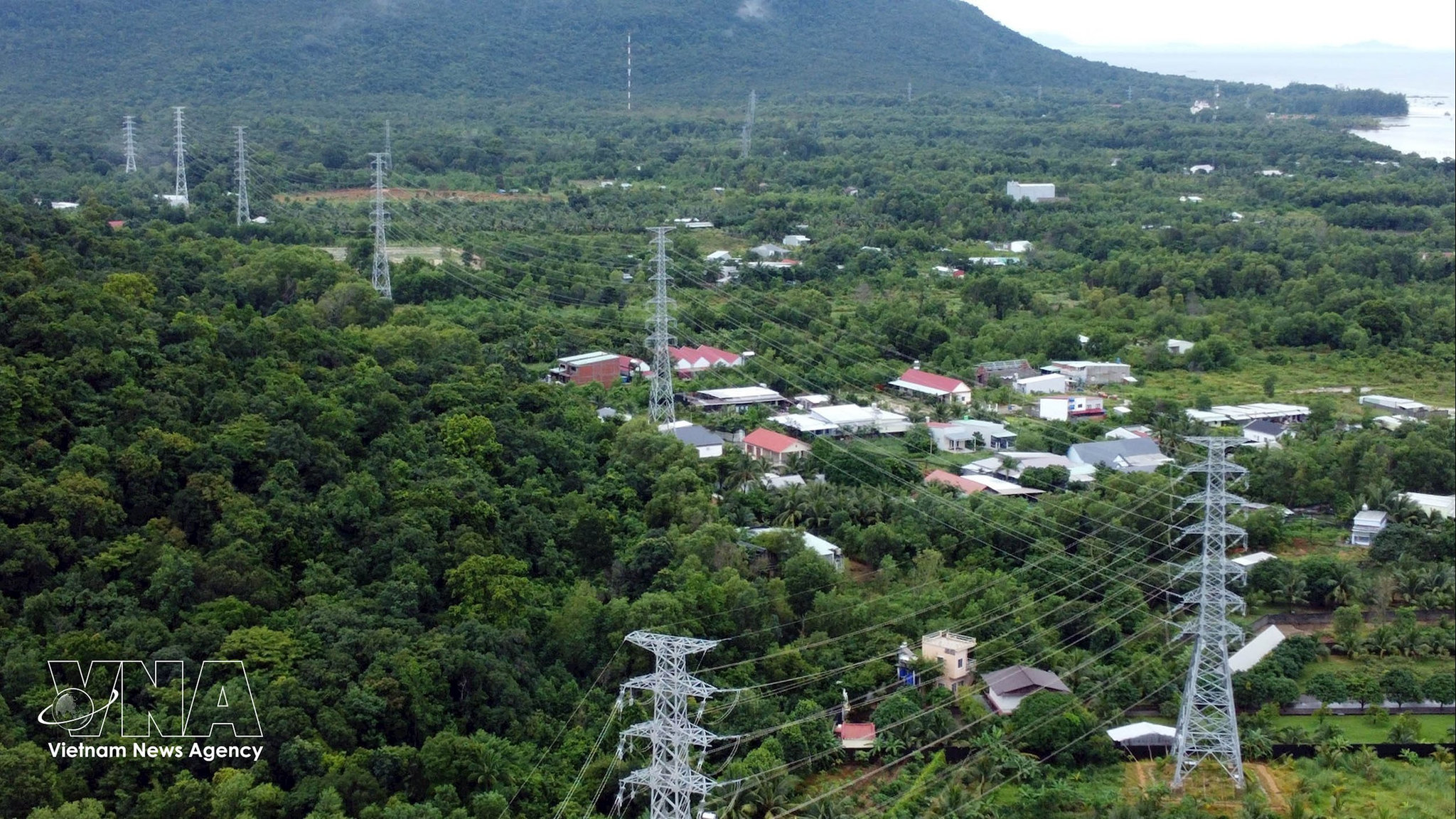
Phu Quoc aims to increase the share of public transport powered by green energy to 50% by 2027 and 100% by 2035.
Under the smart green transport pillar, Phu Quoc aims to increase the share of public transport powered by green energy to 50% by 2027 and 100% by 2035. The corresponding targets for green motor vehicles are 10% and 100%. The island will also develop green mobility corridors linking its airport, seaports and APEC 2027 venues.
The target is to provide clean water to 70% of the population by 2027, collect more than 30% of wastewater and treat 30% of waste using waste-to-energy technologies.
For green and climate-resilient urban infrastructure, the target is to provide clean water to 70% of the population by 2027, collect more than 30% of wastewater and treat 30% of waste using waste-to-energy technologies. The proportion of the population with access to clean water is expected to reach 100% by 2030. By 2035, wastewater collection is targeted to reach 80%, while all waste is expected to be treated using waste-to-energy technologies. Phu Quoc also plans to pilot a Sponge City model to enhance the natural absorption, storage and filtration of rainwater, as well as its reuse, thereby reducing flooding.
30% of tourism establishments are expected to obtain green labels by 2027 and the figure is hoped to reach 80% by 2035.
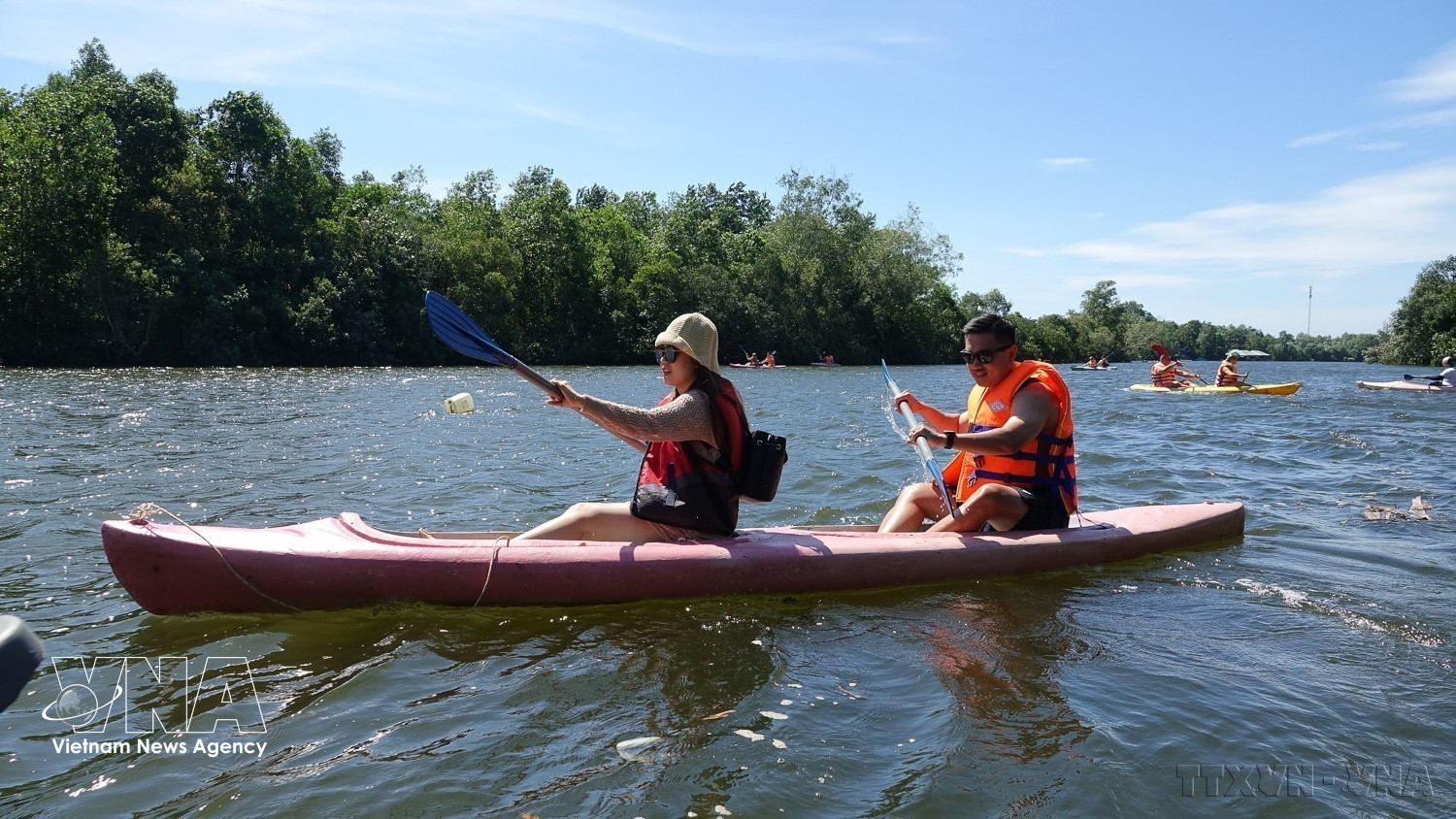
In tourism, the island will establish a set of green-label criteria, aiming for 30% of tourism establishments to obtain green labels by 2027 and 80% by 2035. Key measures include developing plastic-waste-free tourism, introducing green labels for attractions, managing destination carrying capacity and maintaining clean beaches.

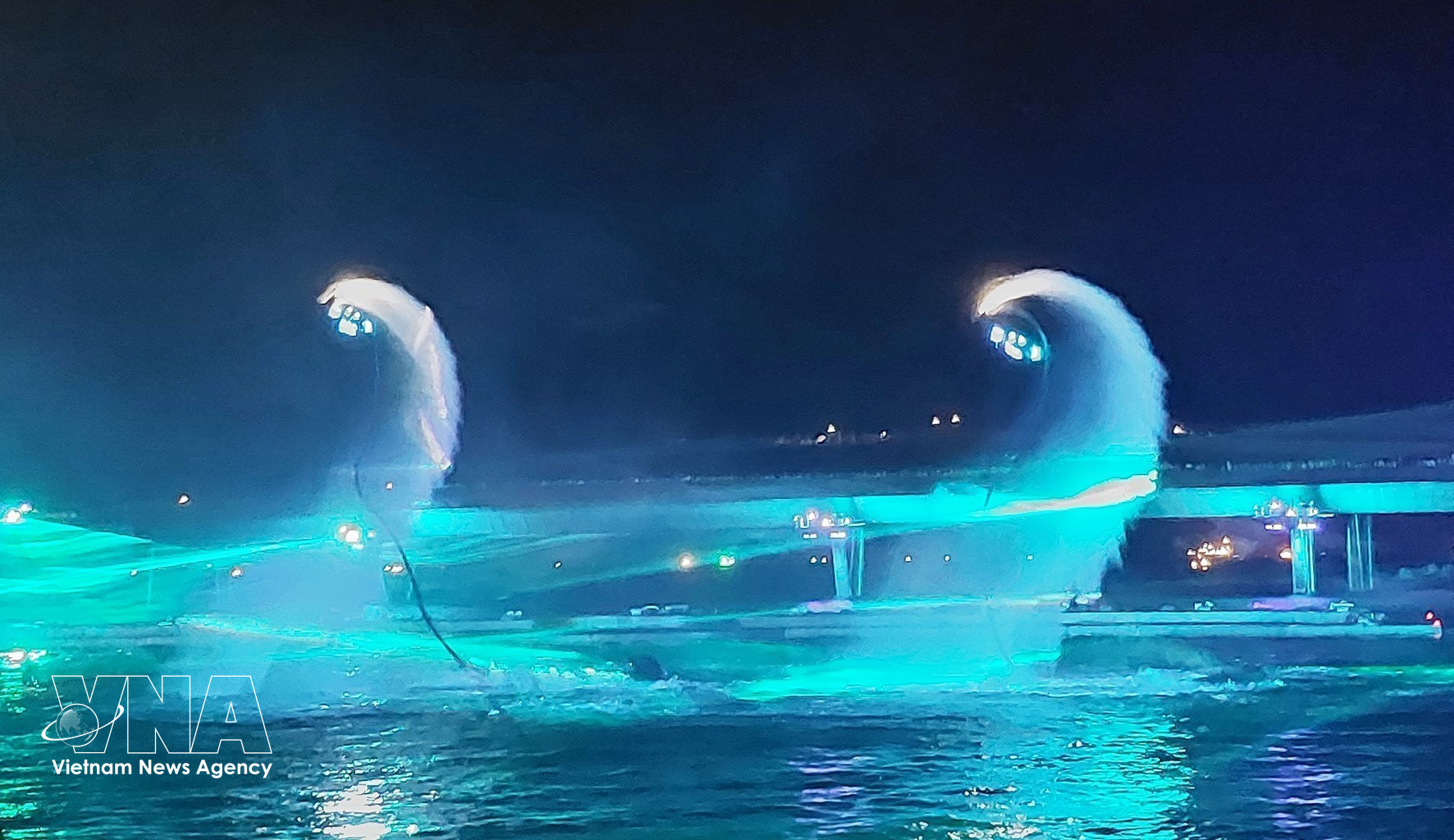
Bui Quoc Thai, Director of the An Giang Department of Tourism, said the sector will work with relevant agencies and local authorities to translate the national green growth strategy into concrete measures. Priorities include raising public awareness, developing criteria and spaces for green tourism, promoting digital transformation, and linking tourism development with the protection of natural resources and local cultural heritage.
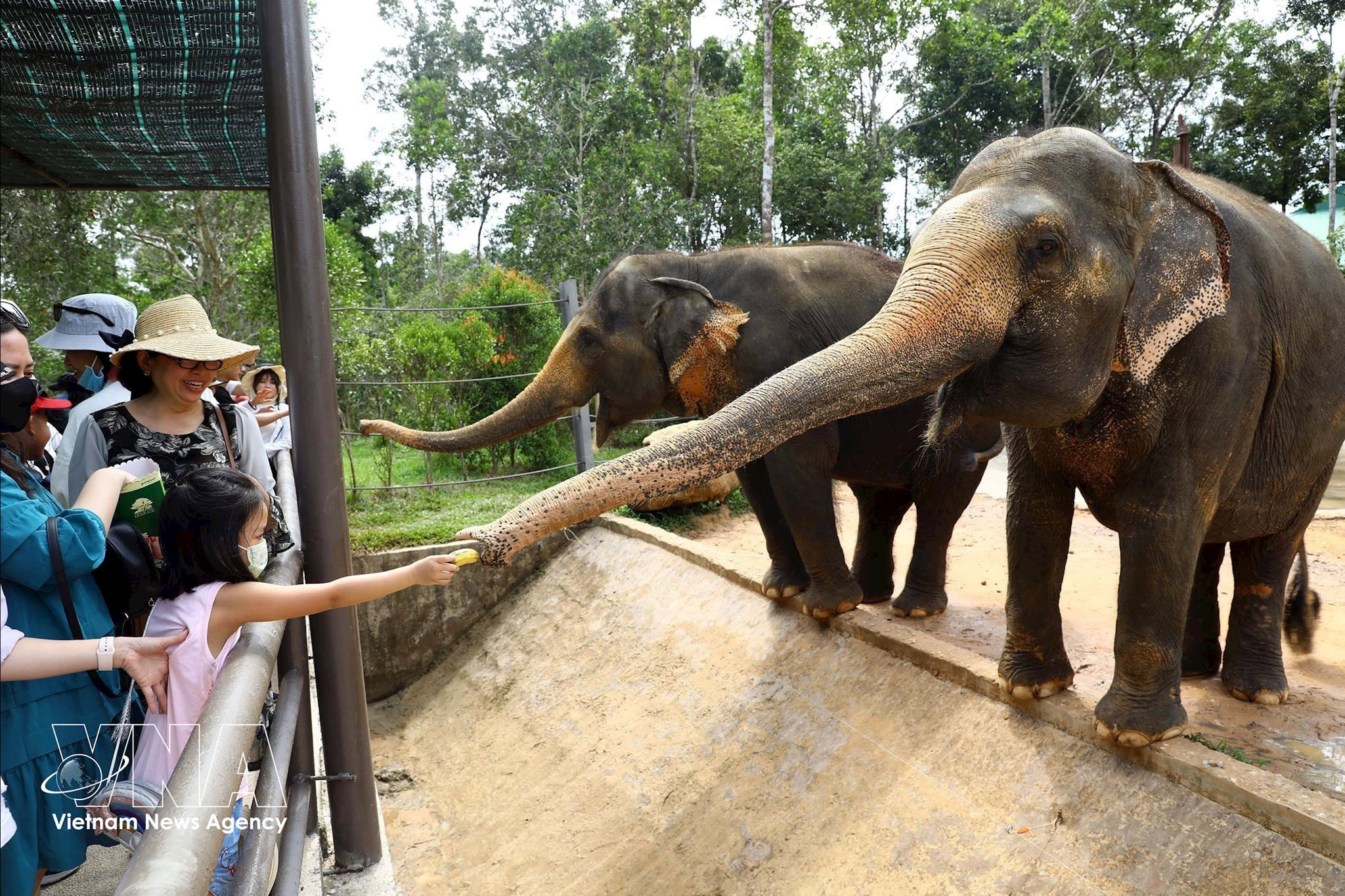
In terms of natural resource and biodiversity conservation, Phu Quoc aims to maintain forest coverage at 60-61% and restore 20% of degraded marine ecosystems, wetlands and natural forests by 2027. The restoration target will rise to 70-80% by 2035.
Under the smart green energy pillar, the island will promote rooftop solar power installations combined with battery energy storage systems (BESS) at resorts, hotels and public buildings. It aims to increase the share of renewable electricity in total consumption to 35% by 2027 and 50% by 2035. Smart electricity grids are expected to serve 40% of the population by 2027 and 90% by 2035.
The final pillar focuses on behavioural change, digital governance and the application of carbon emissions measurement, reporting and verification (MRV) technologies. Phu Quoc aims to ensure that all households sort waste at source from 2027, while plastic waste collection is targeted to reach 85% by 2027 and 100% from 2030. The island will also develop shared green data infrastructure and a digital MRV system to monitor and report carbon emissions, supporting real-time management.
Accelerating environmental infrastructure projects
Of the 21 infrastructure projects serving APEC 2027, Phu Quoc is implementing five waste and wastewater treatment projects with total investment of more than 1.9 trillion VND.
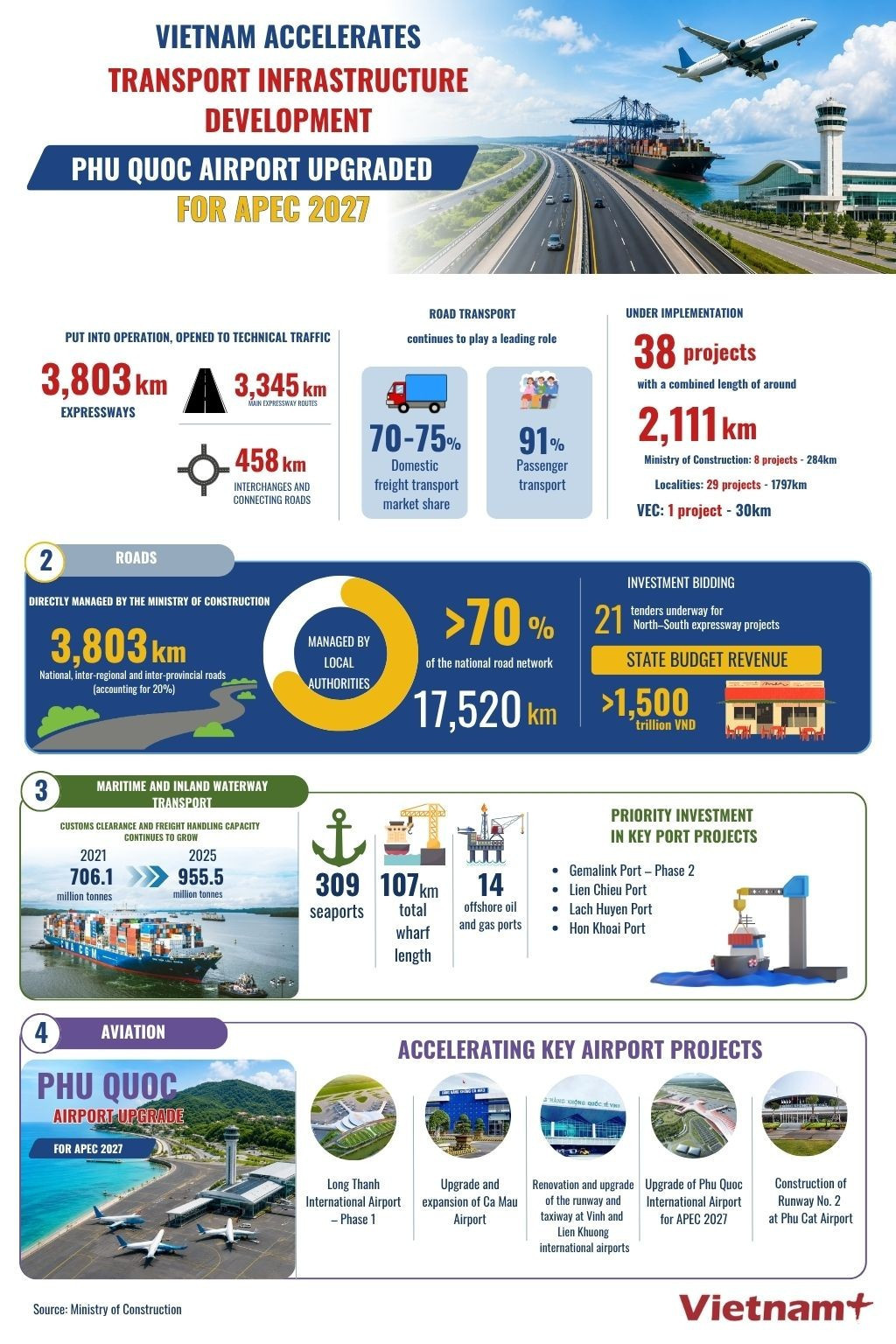
Binh Duong Water and Environment Corporation JSC is undertaking three projects: the Bai Bon domestic solid waste treatment plant, the An Thoi domestic solid waste treatment plant and the Bai Bon waste-to-energy plant. The other two projects are the Duong Dong wastewater treatment plant, with investment of 600 billion VND and a capacity of 15,000-20,000 cu.m per day, and the An Thoi wastewater treatment plant, with investment of 480 billion VND and a capacity of 15,000 cu.m per day. These are being carried out by a consortium comprising Seraphin Green Environment Technology JSC and Vietnam Construction Investment Development JSC.
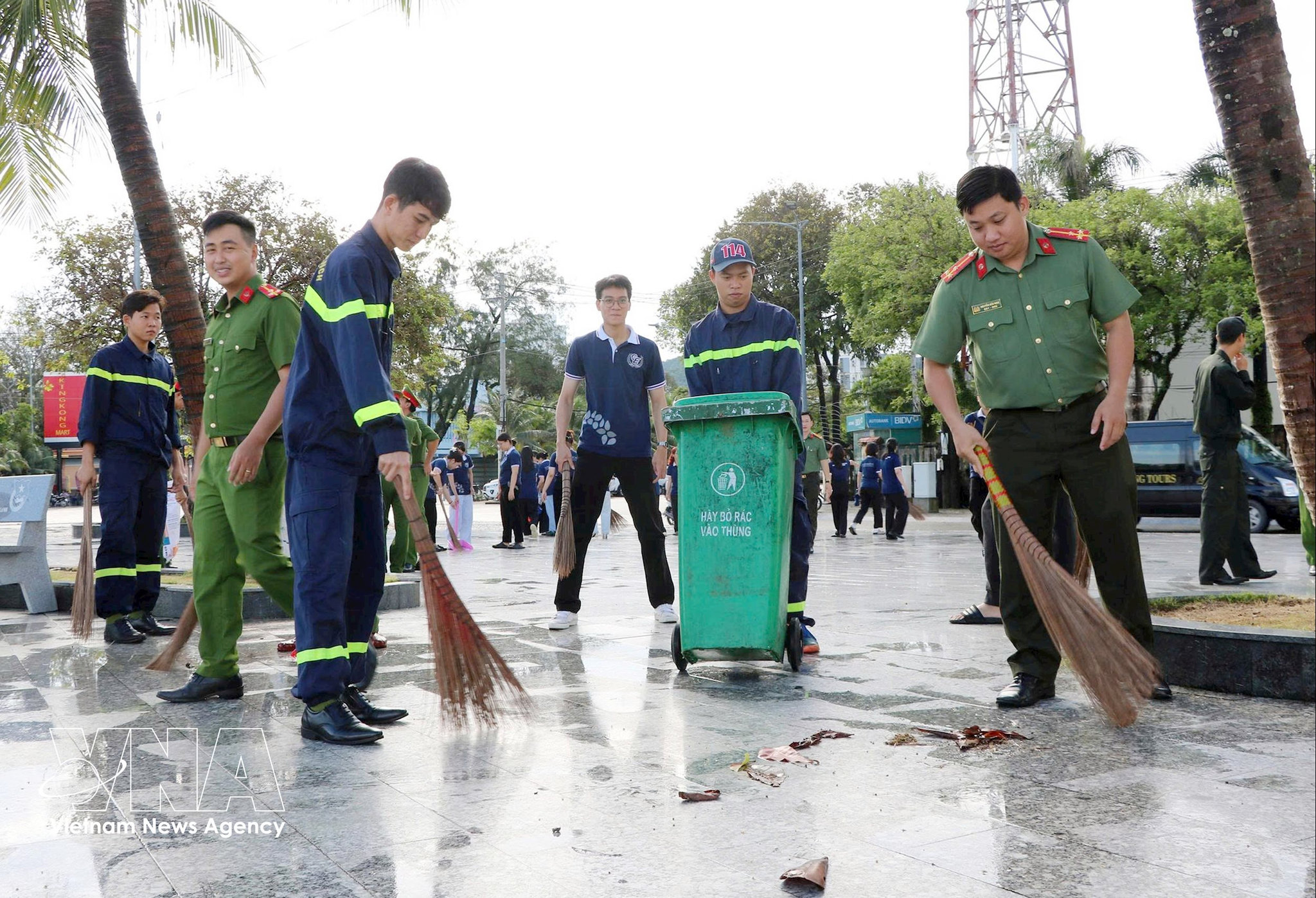
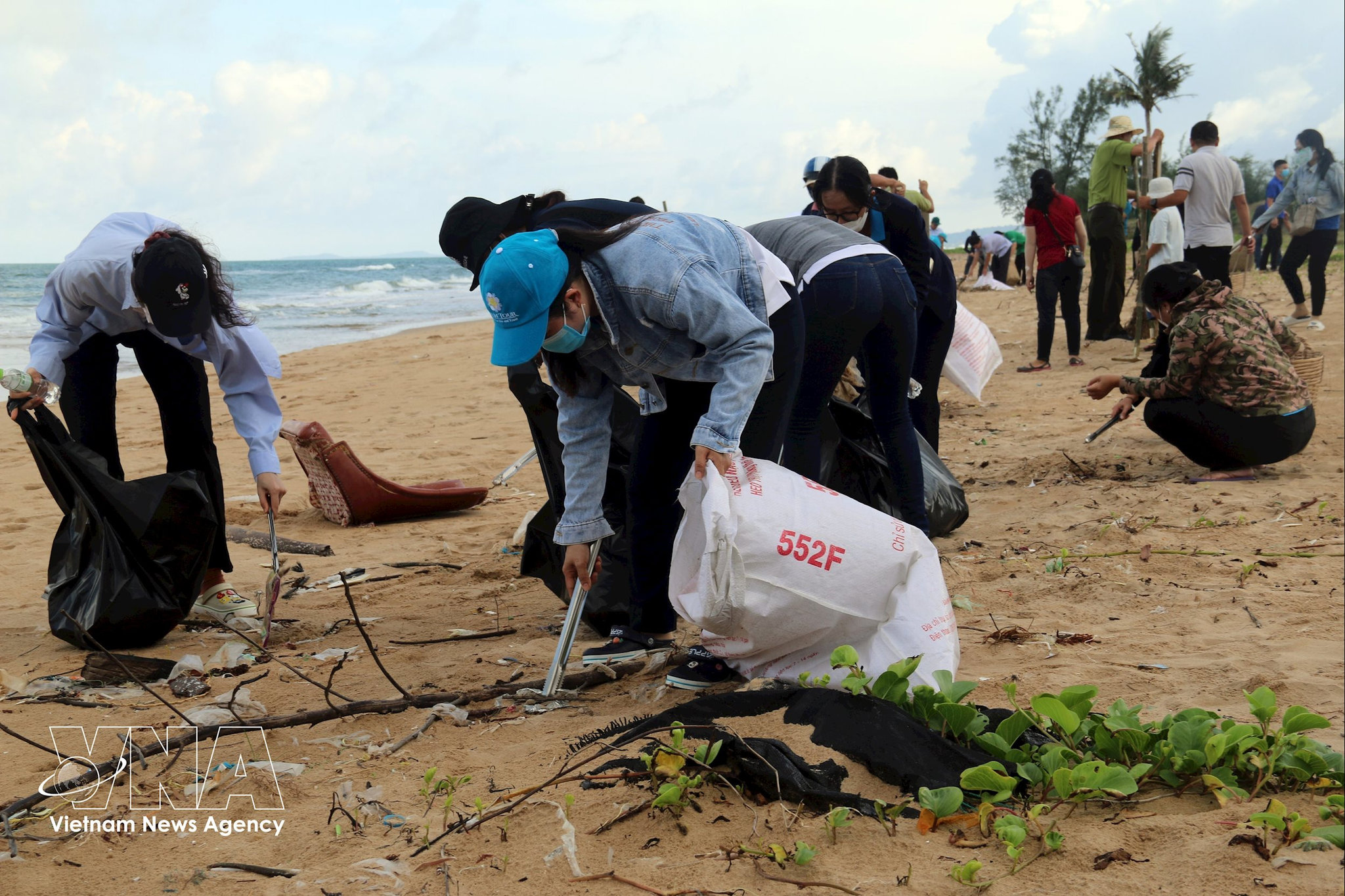
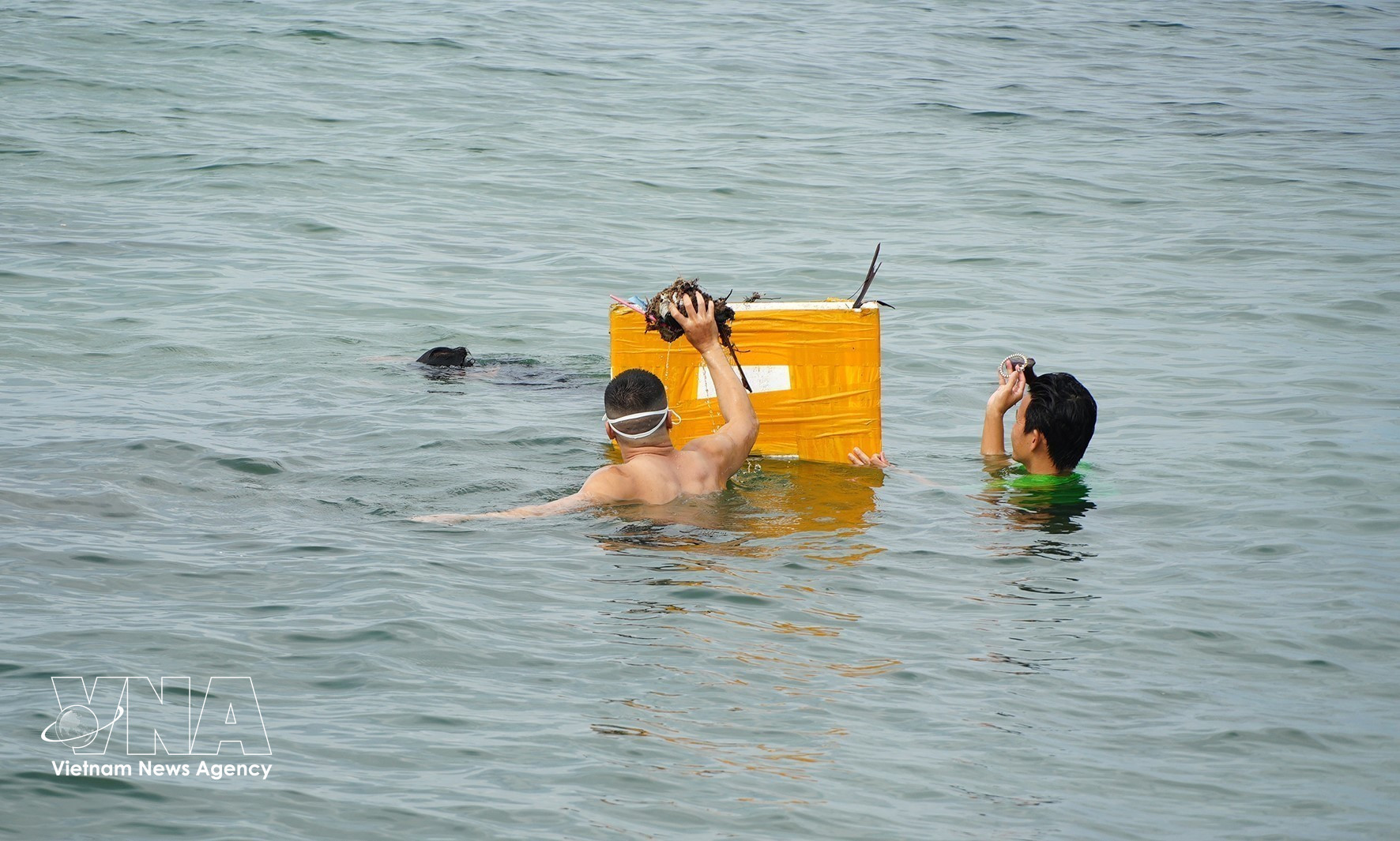
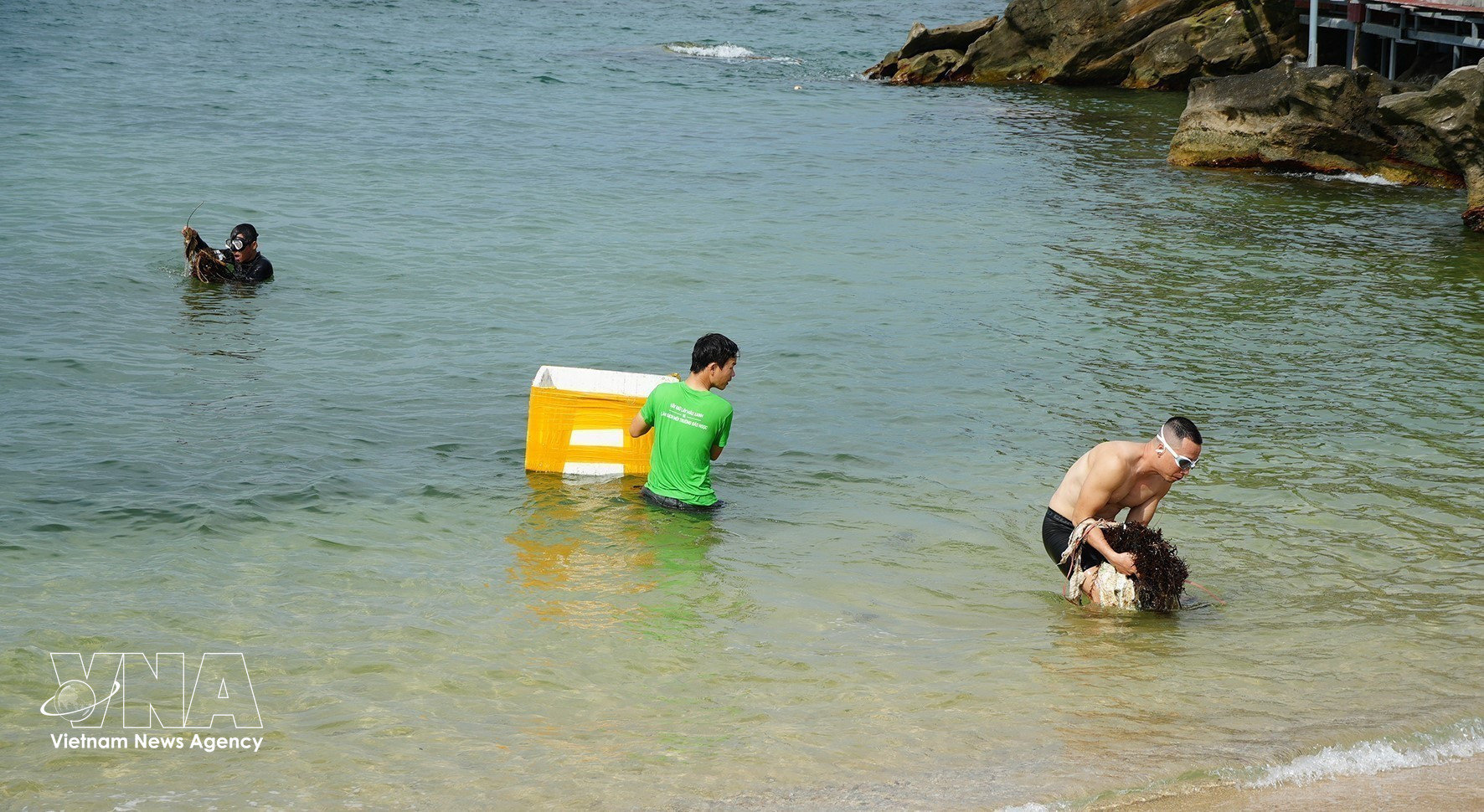
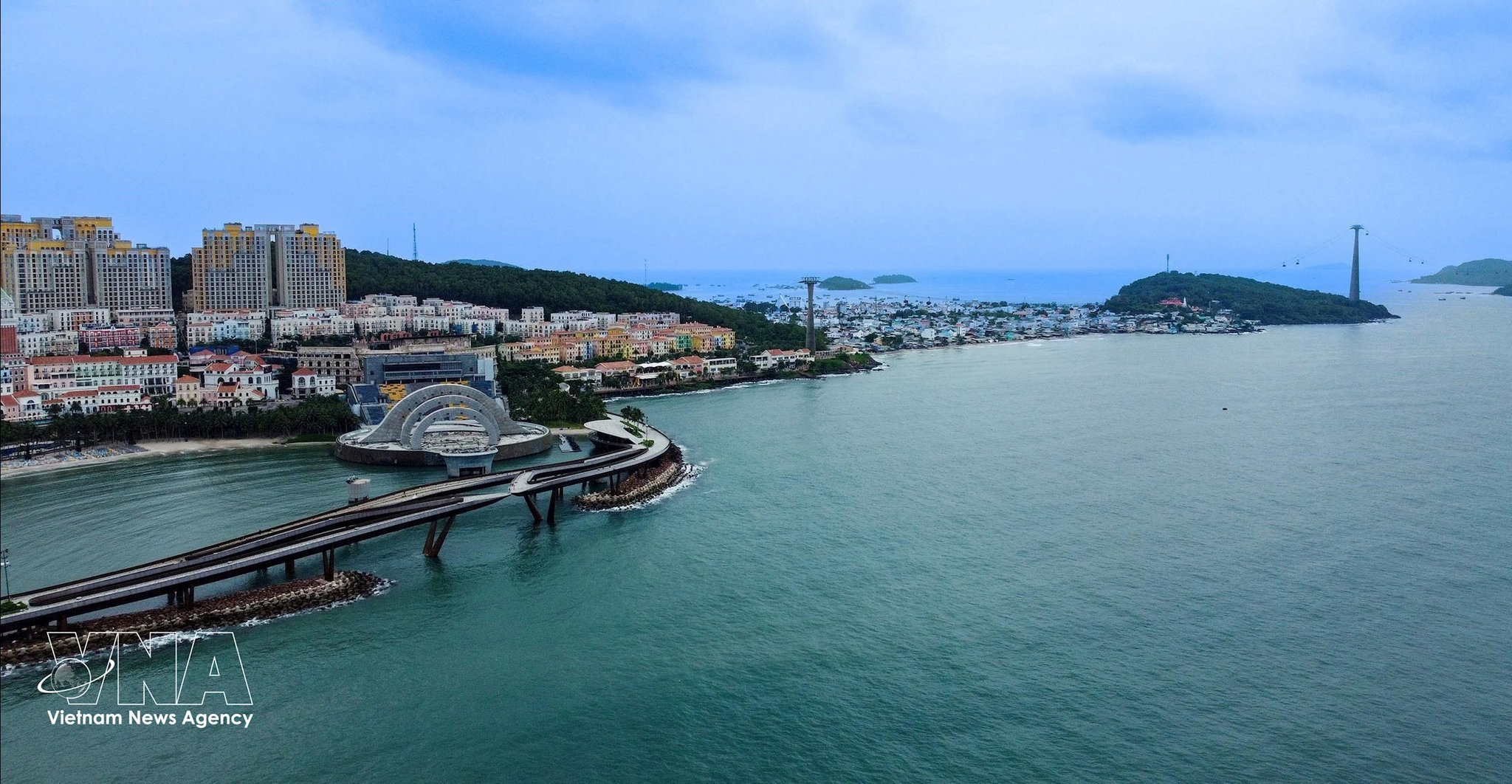
Joint efforts are underway to make Phu Quoc greener, cleaner and more beautiful in preparation for APEC 2027. (Photo: VNA)
Once operational, the facilities are expected to improve the collection and treatment of domestic waste, gradually end the dumping of rubbish at the temporary Dong Cay Sao landfill, and reduce the discharge of untreated wastewater into the environment. The Bai Bon plant is designed to turn waste into electricity, helping ease environmental pressures and improve resource efficiency.
Alongside the waste treatment projects, Phu Quoc is developing two freshwater reservoirs, Cua Can and Duong Dong 2, together with water supply plants to expand the island's capacity to store and supply clean water. According to the project investor's representative, once operational, the two projects are expected to add nearly 85,000 cu.m of clean water per day to the island-wide supply network. Pipelines connecting the reservoirs with various areas will help ensure a stable supply, enable water to be stored during the rainy season and reduce the risk of shortages in the dry season.
As an island without a direct water supply from the mainland, Phu Quoc needs to strengthen its water self-sufficiency, particularly amid increasingly complex climate change and extreme weather patterns.
The coordinated implementation of water supply, solid waste and wastewater treatment projects is expected to improve the living environment, protect ecosystems and enhance residents' quality of life, while laying the foundations for Phu Quoc to develop into a smart, ecological, modern and sustainable urban area./.