VIETNAM'S SEAPORT DEVELOPMENT A CATALYST FOR DEVELOPING MARITIME FINANCE
LongForm - Ngày đăng : 15:17, 27/10/2026
VIETNAM'S SEAPORT DEVELOPMENT A CATALYST FOR DEVELOPING MARITIME FINANCE
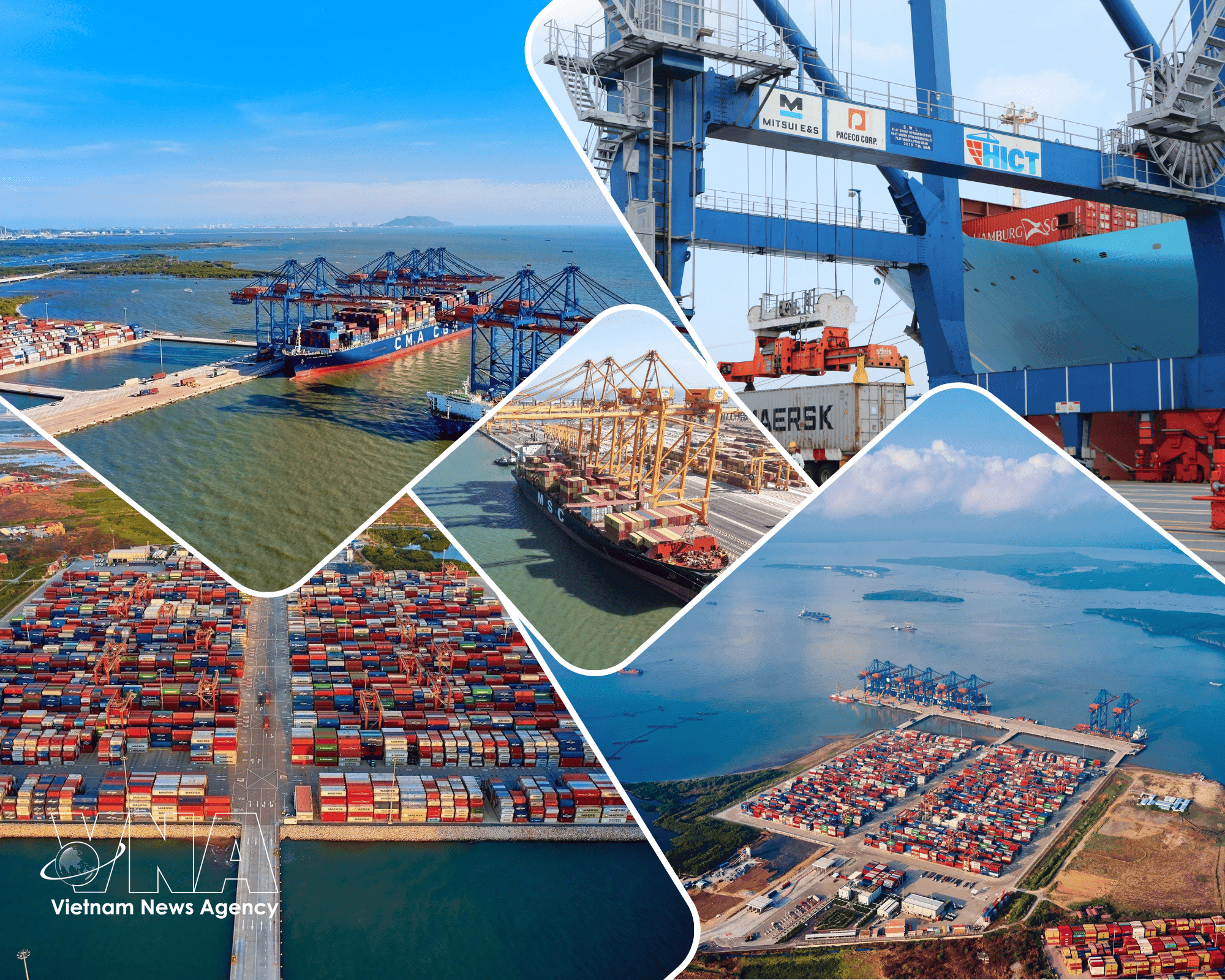
Vietnam’s growing seaport infrastructure and increasing cargo volumes create opportunities for developing maritime finance and premium shipping services. Strategically located, it is emerging as a key link in the global maritime transport and logistics chains. However, the sector’s highest-value-added segment, particularly maritime finance, remains underdeveloped relative to its potential.
A diverse seaport ecosystem
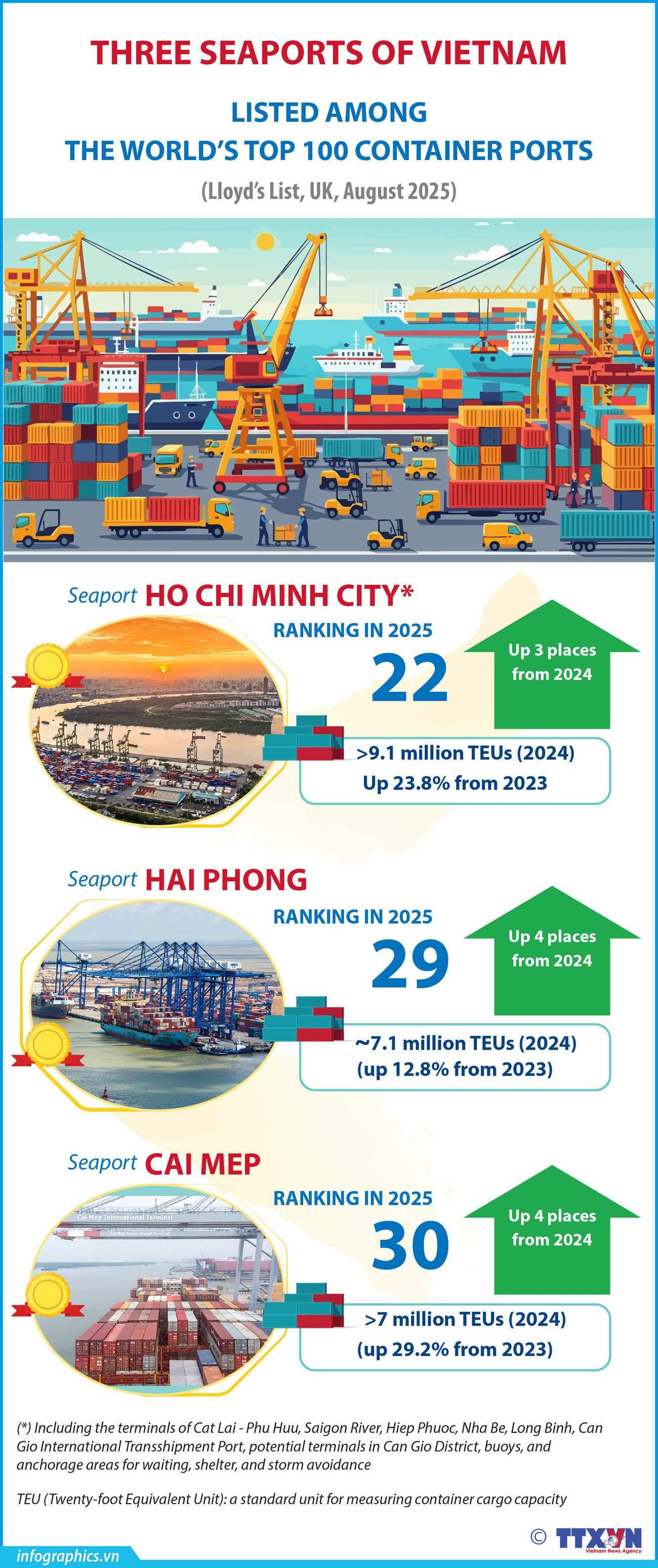
According to statistics from Lloyd’s List for 2025, Vietnam has three ports among the world’s 30 largest container ports: Cat Lai Port in Ho Chi Minh City ranked 22nd, Hai Phong Port in Hai Phong City 29th, and Cai Mep –Thi Vai in Ho Chi Minh City 30th. The presence of three major ports in the global rankings reflects the strong growth in Vietnam’s seaport handling capacity and reinforces the country’s position in international shipping networks.
Notably, Ho Chi Minh City is emerging as a major regional seaport hub, with Cat Lai and the Cai Mep – Thi Vai deep-water port complex. The city has more room for development and port infrastructure after its administrative boundary expansion, making it capable of receiving some of the world’s largest container ships.
The Vietnam Ship Agents and Brokers Association (VISABA) said these advantages in space and infrastructure provide a foundation for the city to develop into a large-scale regional seaport hub.
Major port infrastructure projects are gaining strong momentum as progress continues. On April 29, the Ho Chi Minh City People’s Committee approved the investor consortium for the Can Gio International Transhipment Port project, comprising Vietnam Maritime Corporation, Saigon Port JSC and Terminal Investment Limited Holding S.A.
Covering about 571 hectares, the project has a total investment of 128.87 trillion VND (nearly 5 billion USD), with a designed capacity of 4.8 million TEUs by 2030 and 16.9 million TEUs by 2047. It is expected to become a major regional transhipment port, contributing to enhancing Vietnam’s logistics competitiveness.
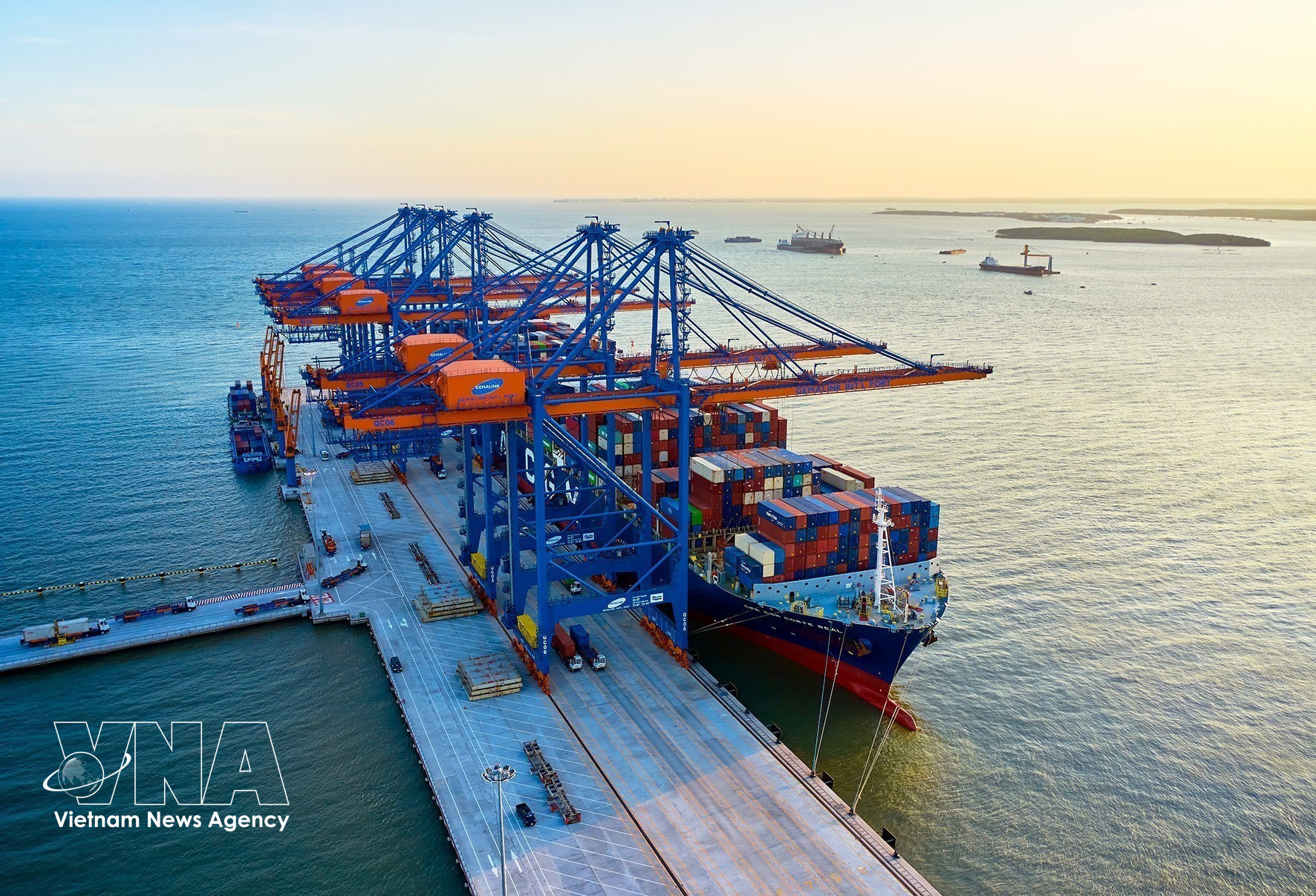
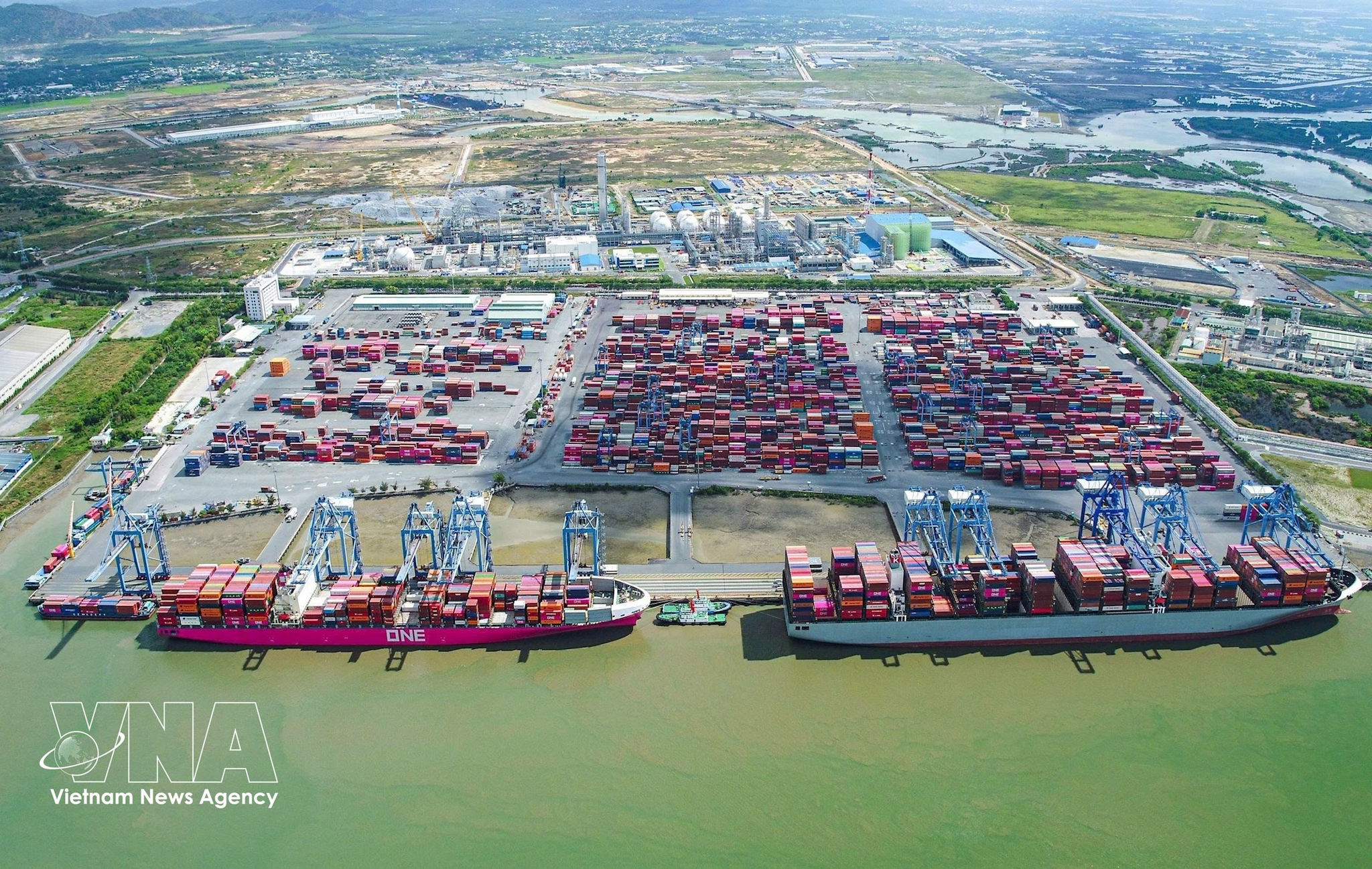
At the Cai Mep – Thi Vai port complex, construction has begun on the second phase of Gemalink port, with an investment of nearly 13.8 trillion VND. The expansion will raise the port’s total capacity to 3 million TEUs annually. Once completed, it will be able to accommodate container ships of up to 250,000 DWT, thus strengthening deep-water port operations and connections to international shipping routes.
Ho Chi Minh City is also planning port and logistics projects for 2026–2030, including Long Binh Inland Clearance Depot, Long Son International Port, Vung Tau International Passenger Port and specialised logistics centres.
Meanwhile, plans for the Cai Mep Ha Free Trade Zone are being advanced, with a proposed connection to Long Thanh International Airport to establish an integrated maritime and air logistics corridor.
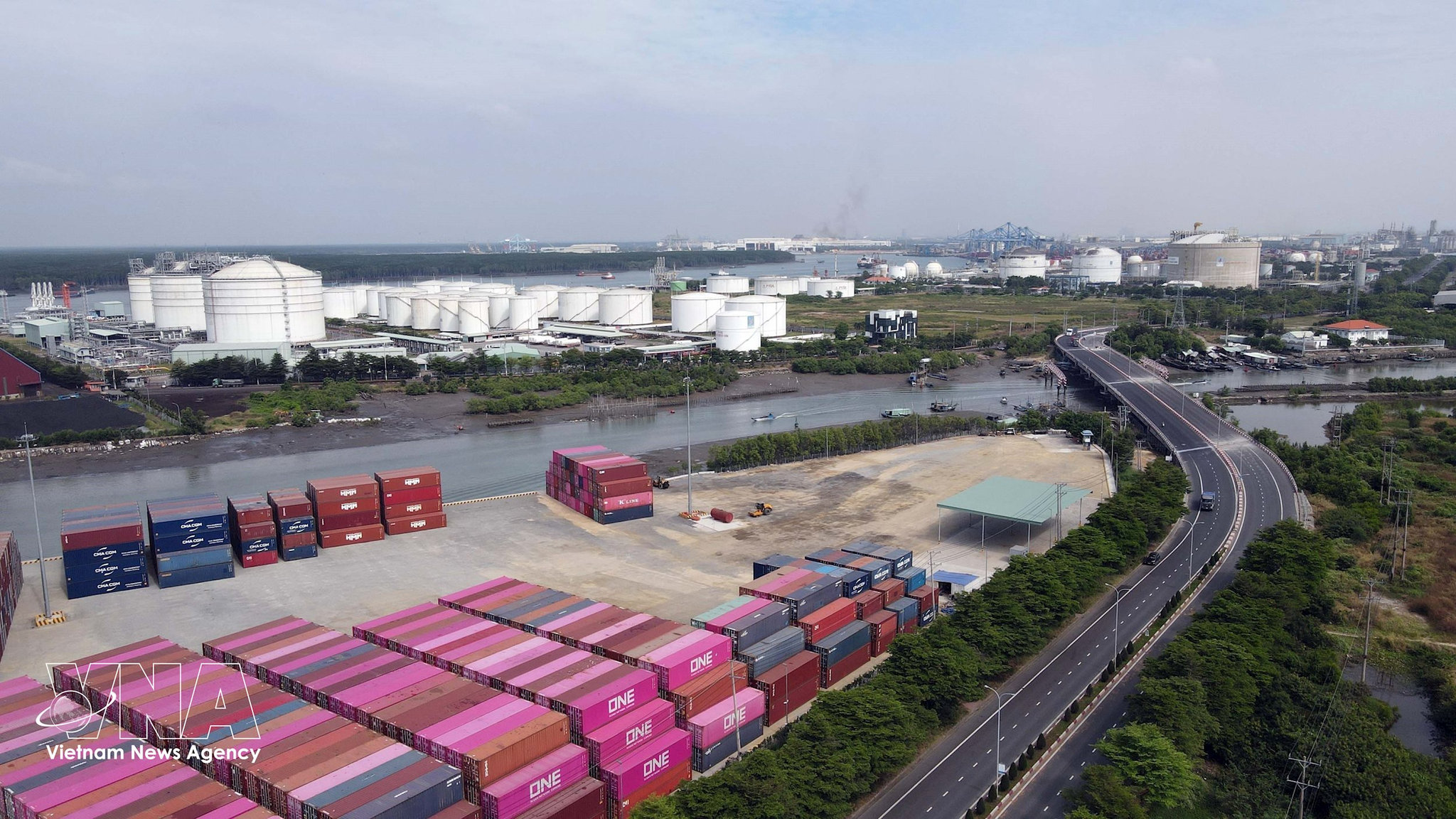
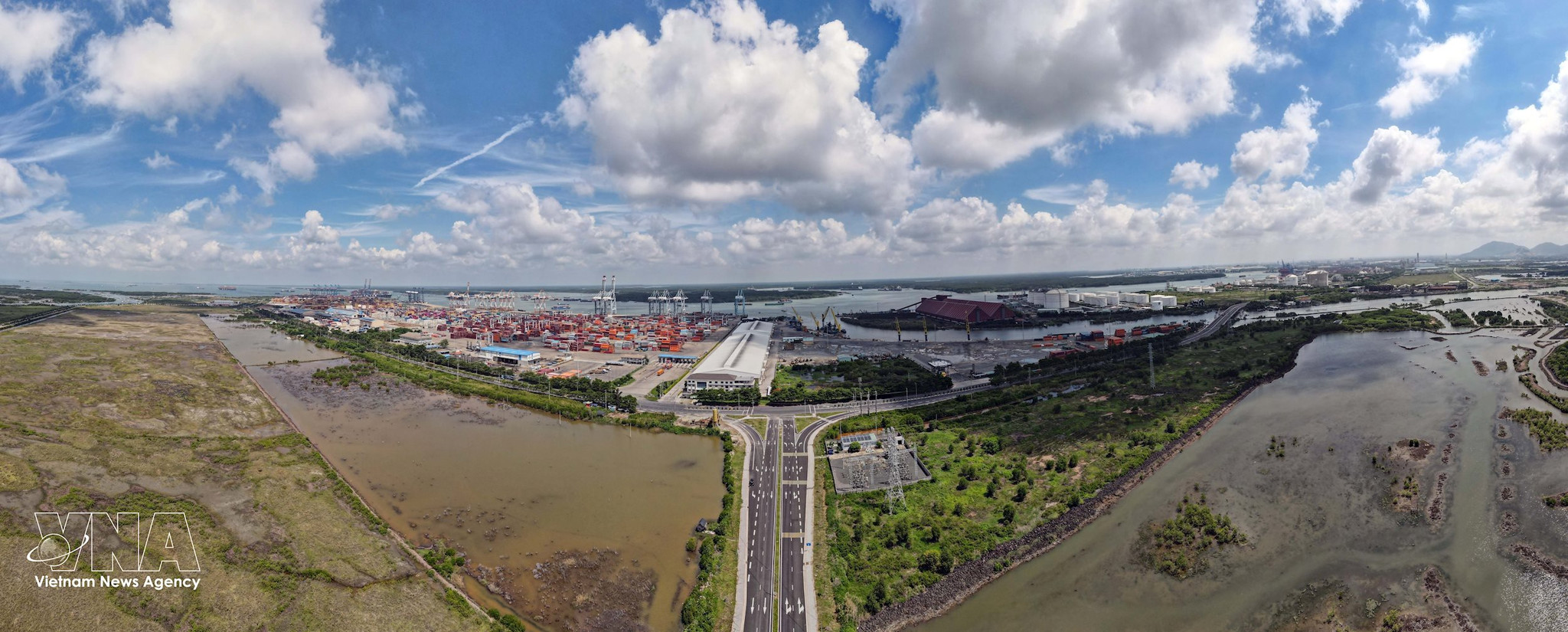
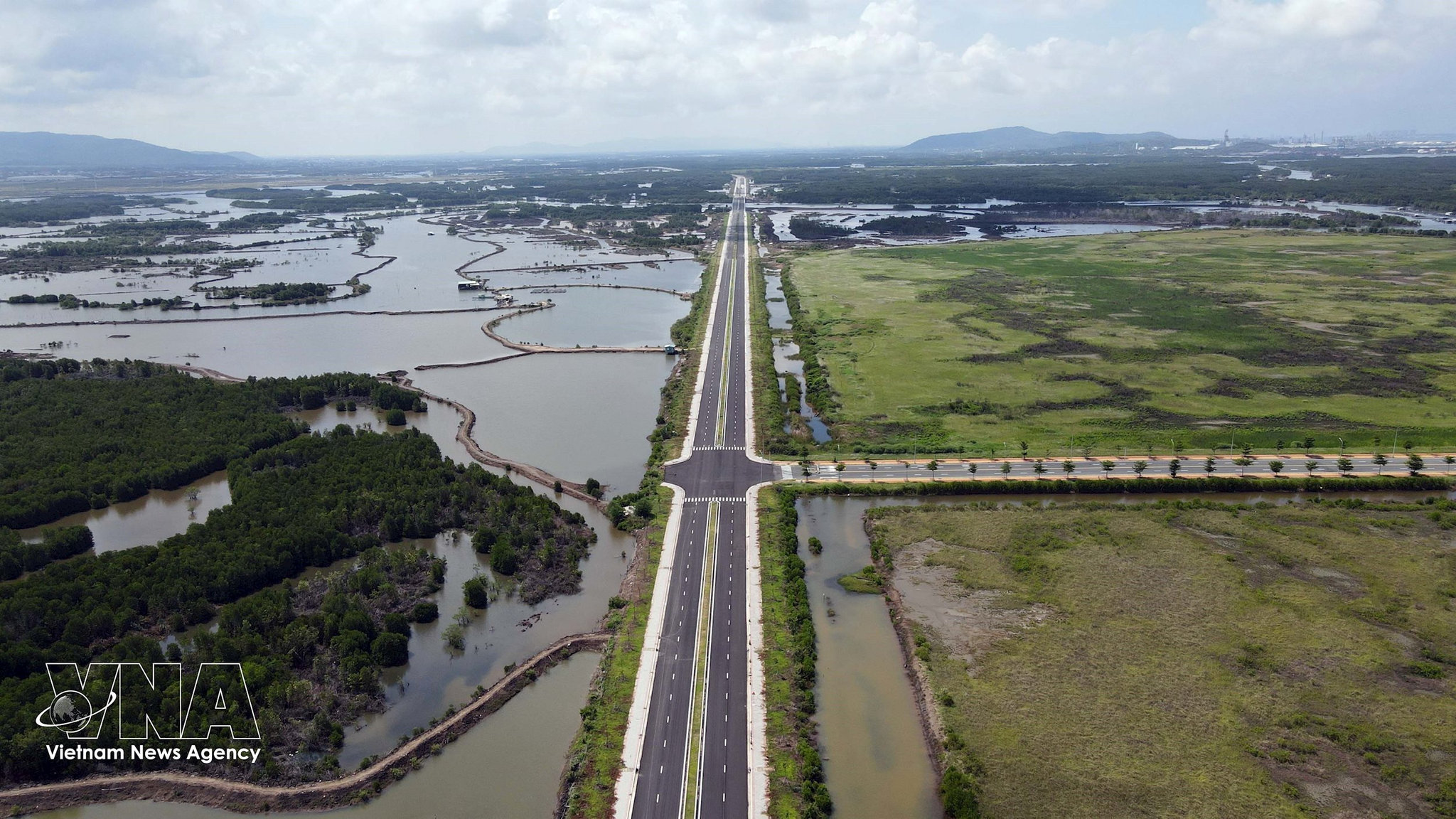
The Cai Mep Ha Free Trade Zone is planned to cover more than 3,800 hectares across Tan Phuoc and Tan Hai wards (Photo: VNA).
Together, these projects are shaping a large-scale port and logistics ecosystem, laying a foundation for the southern metropolis to strengthen its role in the regional transhipment network.
Untapped potential in maritime services
Despite rapid port infrastructure development, Vietnam still lacks a comprehensive maritime services ecosystem, leaving many high-value activities underdeveloped.
VISABA said maritime transport accounts for up to 90% of global trade, while Vietnam’s container throughput grows by around 15% annually, among the region’s highest rates. However, much of the revenue from maritime services is still generated overseas.
Activities in Vietnam currently focus mainly on cargo handling at ports, while ancillary services such as fuel and supplies provision, crew changes and maritime financial services remain underdeveloped.
Pham Quoc Long, Chairman of VISABA
About 90% of protection and indemnity (P&I) insurance premiums are still held by insurers and insurance markets in developed countries. Many of Vietnam’s shipping-related financial services, including trade finance, payments and brokerage, are also conducted through international financial centres such as Hong Kong (China) and Singapore.
Developing maritime finance
Under plans for the Vietnam International Financial Centre in Ho Chi Minh City (VIFC-HCMC), maritime finance has been identified as one of its four key pillars. Developing this sector would help Vietnam better leverage its import-export advantages while enhancing connectivity between international capital flows and trade.
Experts said establishing an international maritime centre in Ho Chi Minh City could be a strategic step towards filling gaps in the maritime value chain. Unlike traditional port models, the centre is envisioned as a multi-layered ecosystem integrating port operations, logistics, shipping services, finance and insurance, technology, training, and research.
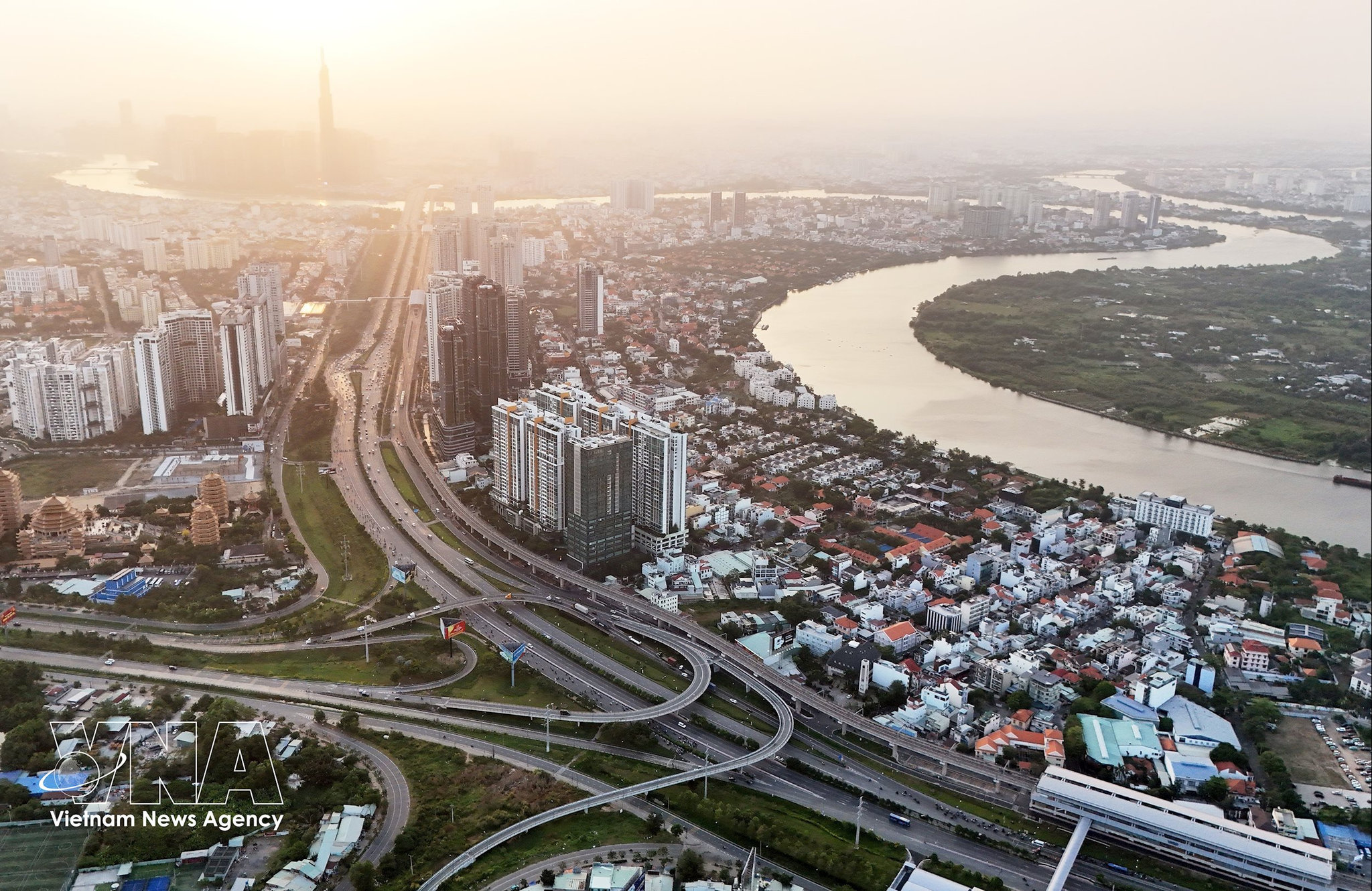
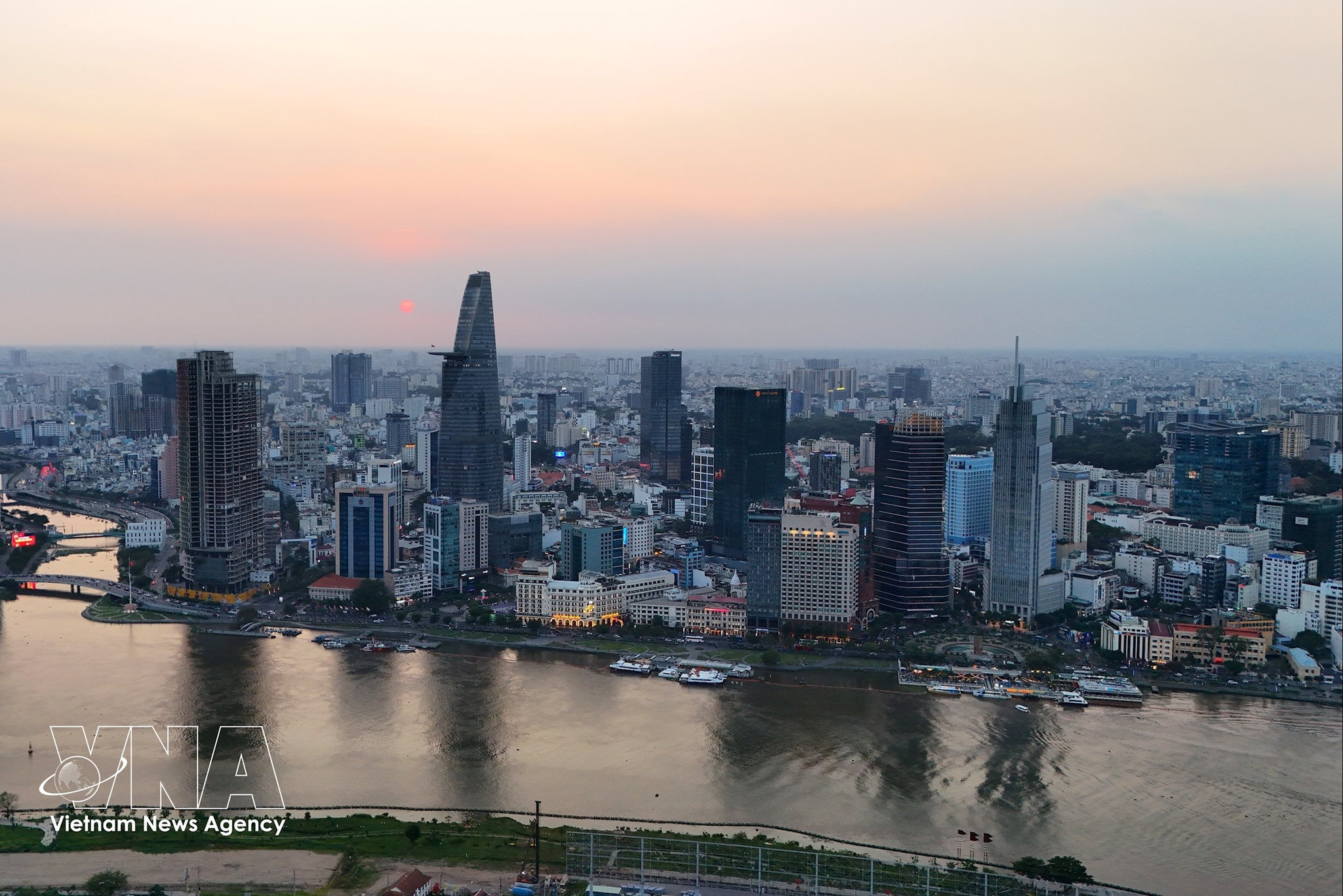
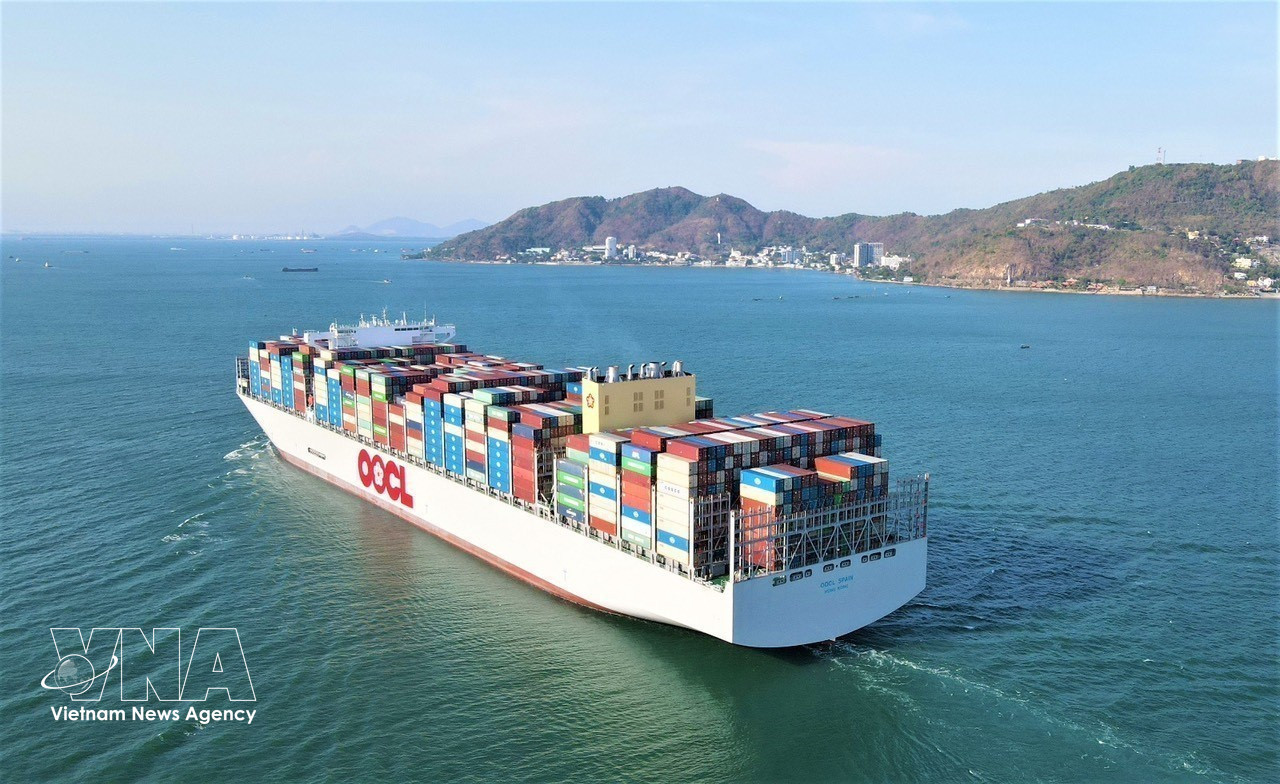
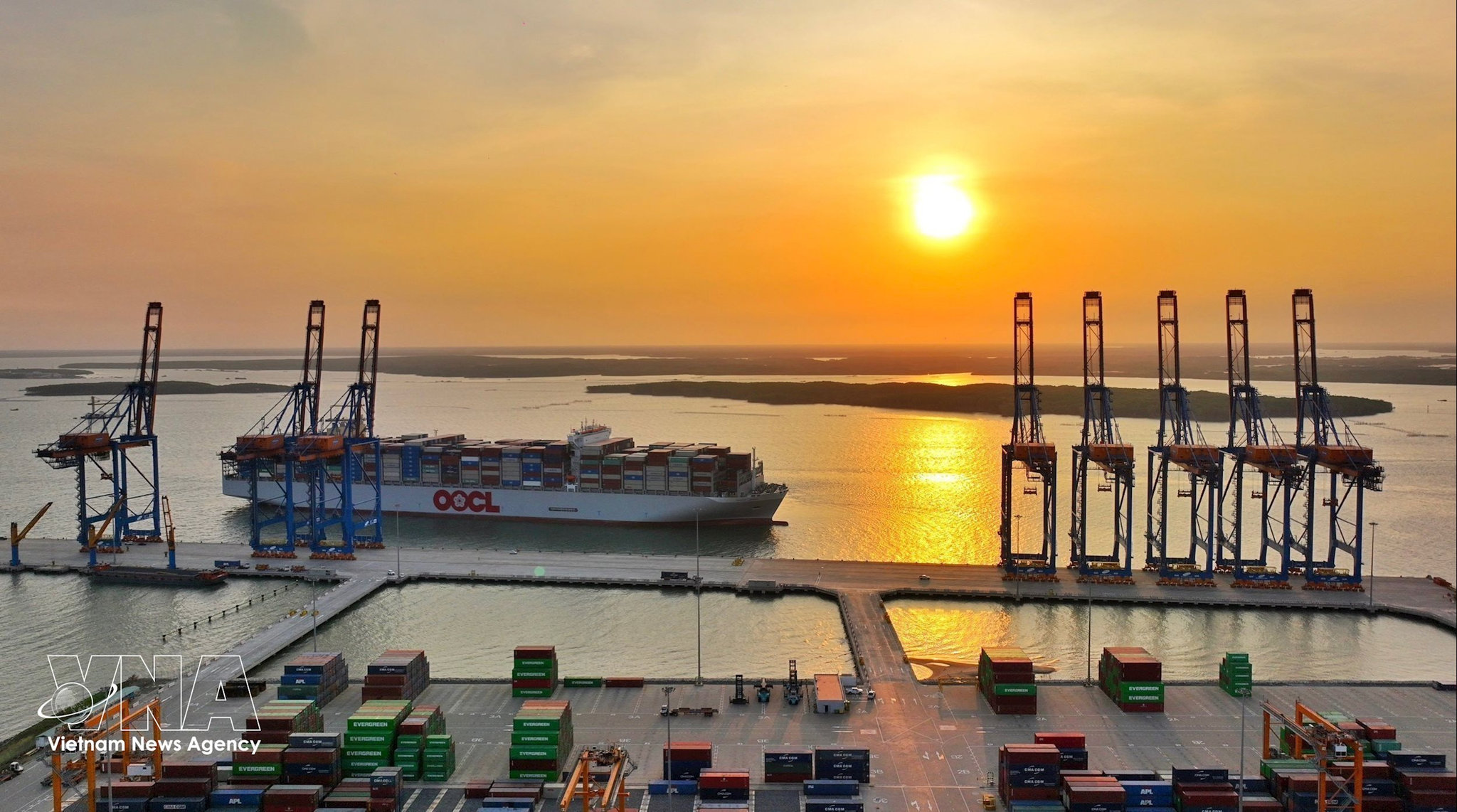
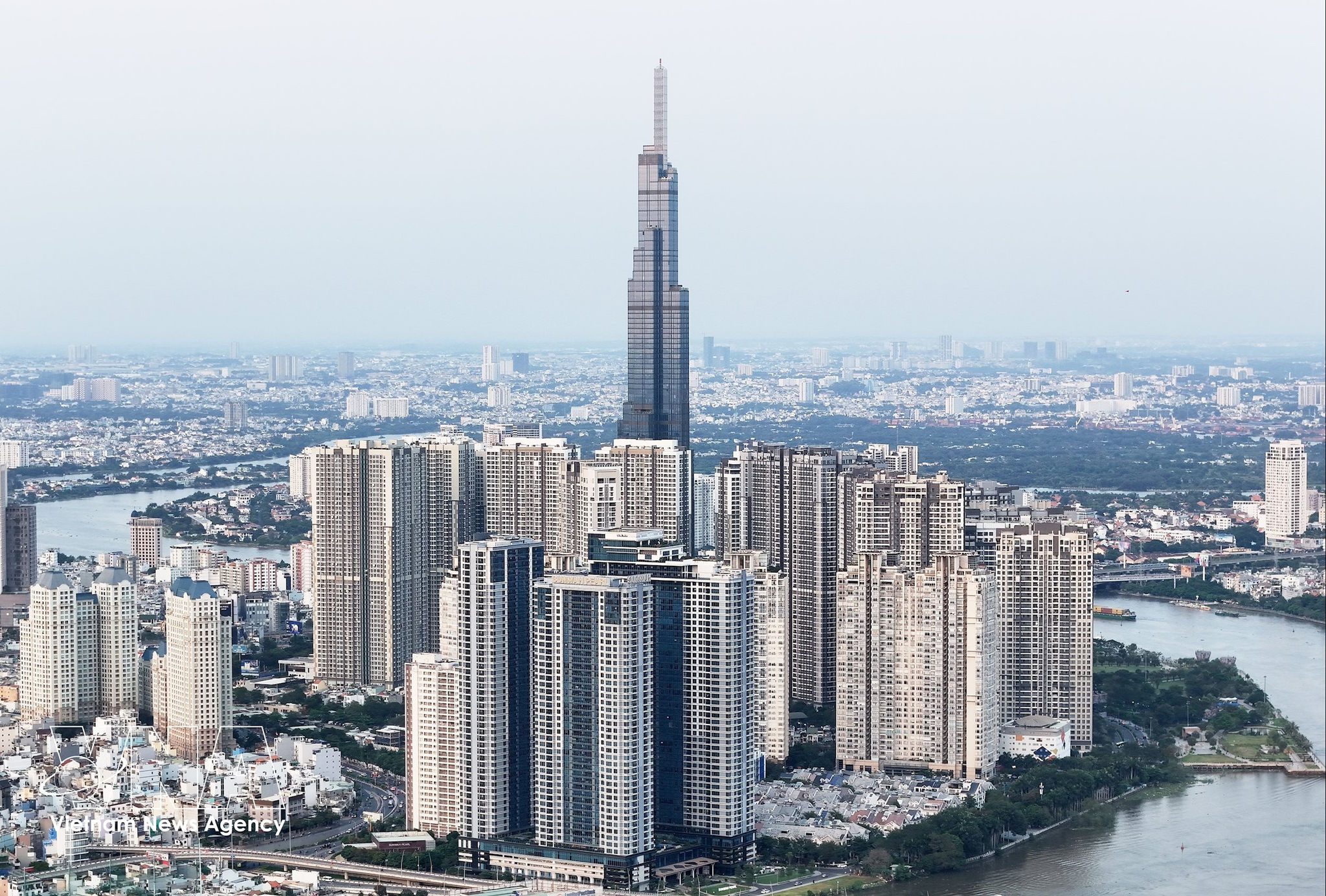
Maritime finance is identified as one of the key pillars of the Vietnam International Financial Centre in Ho Chi Minh City (VIFC-HCMC) (Photo: VNA)
Preliminary estimates suggest the operating hub of an international maritime centre could contribute an additional 1.3% of GDP annually, equivalent to 6–8 billion USD, create more than 100,000 high-quality jobs and attract 20–30 billion USD in investment in infrastructure, shipbuilding, repair services and logistics.
Long said the centre will directly support VIFC-HCMC through data, cargo flows and financial transactions, including insurance and commodity trading, which are fundamental to building a large-scale financial hub.
Some infrastructure projects are expected to serve as links in this ecosystem. According to Do Cong Khanh, Deputy General Director of Gemadept JSC, said the second phase of Gemalink port, located in the core area of the Cai Mep Ha Free Trade Zone, will directly connect production, services and logistics, laying the groundwork for Ho Chi Minh City to develop an international maritime finance centre.
Experts said Vietnam has a solid foundation in port infrastructure and cargo volumes, but moving from strength in port operations to maritime services, particularly maritime finance, requires structural changes.
Effectively developing value-added services, capitalising on major port projects and successfully establishing a maritime finance centre could help Vietnam capture more value from global supply chains and create fresh impetus for sustainable economic growth over the next decade. /.