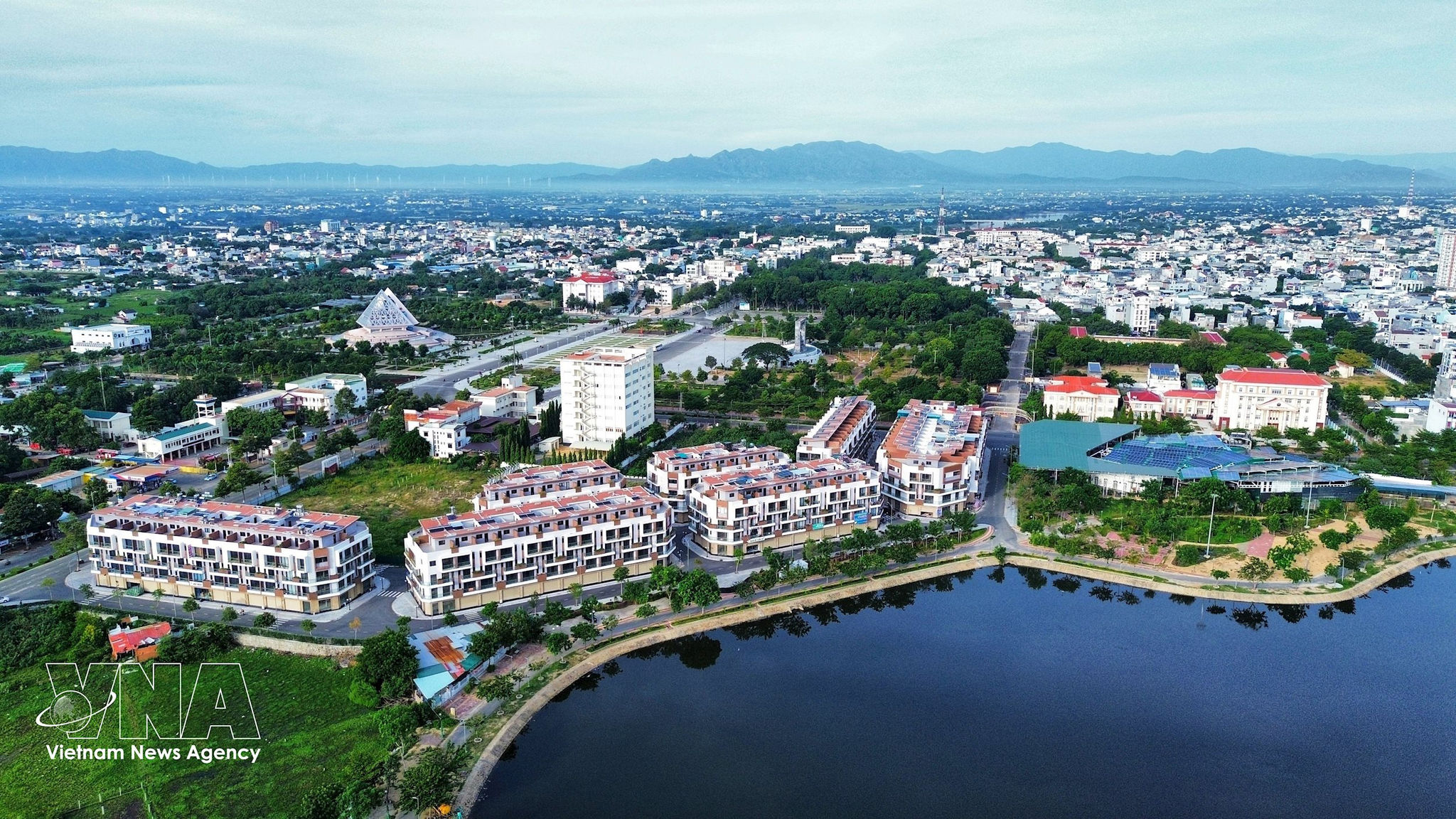
LEVERAGING COASTAL, HIGHLAND STRENGTHS TO EXPAND DEVELOPMENT SPACE
LongForm - Ngày đăng : 16:49, 22/10/2026
LEVERAGING COASTAL, HIGHLAND STRENGTHS TO EXPAND DEVELOPMENT SPACE
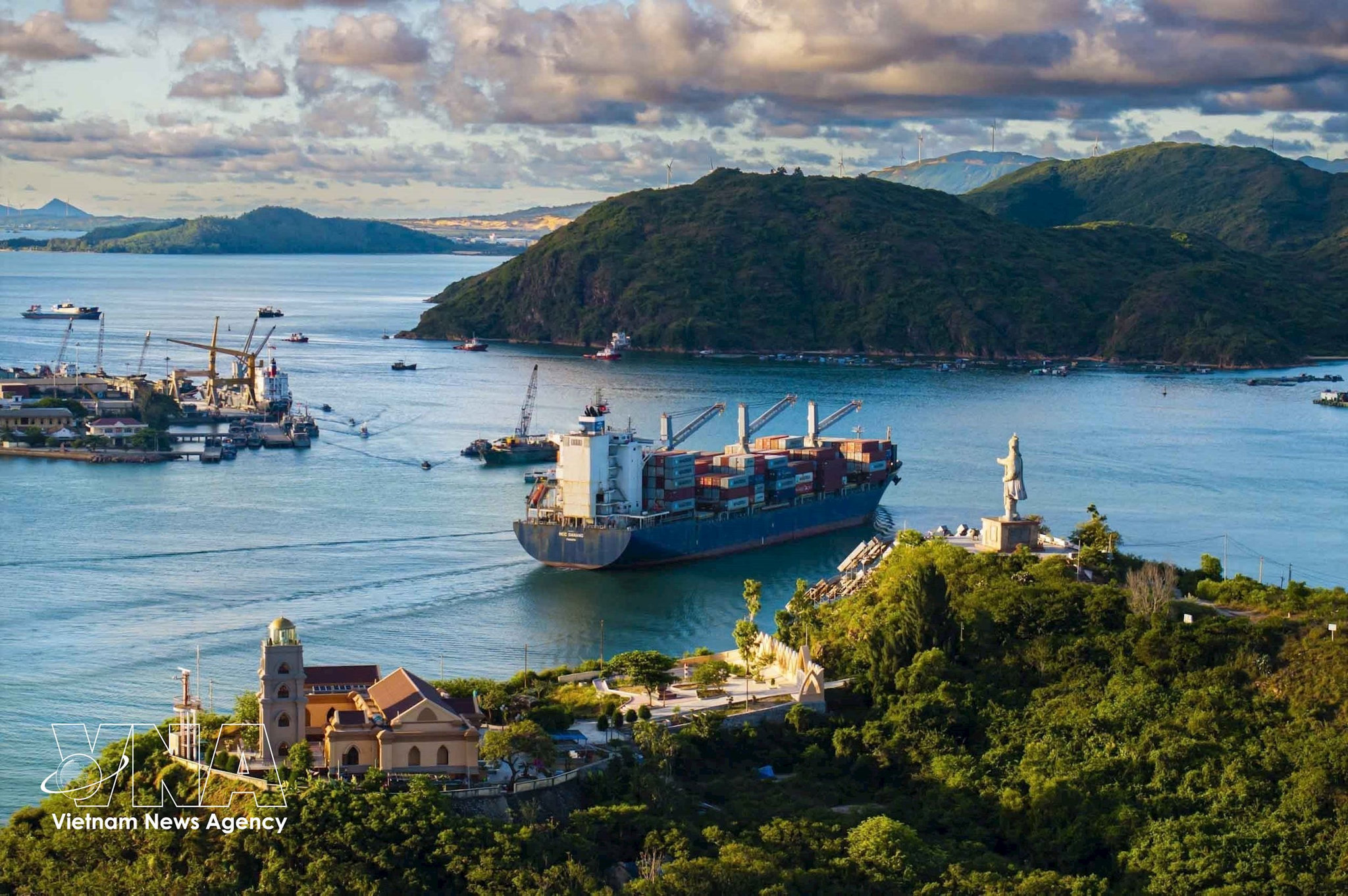
The South Central Coast and Central Highlands hold a strategic position linking domestic and international regions, serving as a driving force for the development of the marine economy, commercial agriculture, and national security and defence.
Politburo Resolution No. 27-NQ/TW, dated August 28, 2026, on regional development and the organisation of national development space in the new period, sets the goal that by 2030, the South Central Coast and Central Highlands will become a region of rapid and sustainable development, underpinned by green and circular economies. It calls for the harmonious integration and efficient use of development linkages between coastal areas, highlands, border regions and border gates; the development of spaces for science and technology, innovation and digital transformation; the expansion of marine economic and energy hubs, particularly in renewable energy; and the establishment of an attractive destination for marine, island, ecological and cultural tourism.
A development space rich in potential and advantages
Following the reorganisation of administrative units, the South Central Coast and Central Highlands comprise six provinces and centrally governed cities, including Da Nang, Quang Ngai, Gia Lai, Dak Lak, Khanh Hoa and Lam Dong. The region has a distinctive development landscape encompassing coastal areas, highlands, border regions, and border gates.
The coastal areas have strengths in the marine economy, seaports, port services, industry, trade, and marine and island tourism. The Central Highlands, meanwhile, benefits from abundant land resources, favourable climate, forests, minerals, agricultural and forestry production areas, renewable energy potential and the distinctive cultural values of ethnic communities.
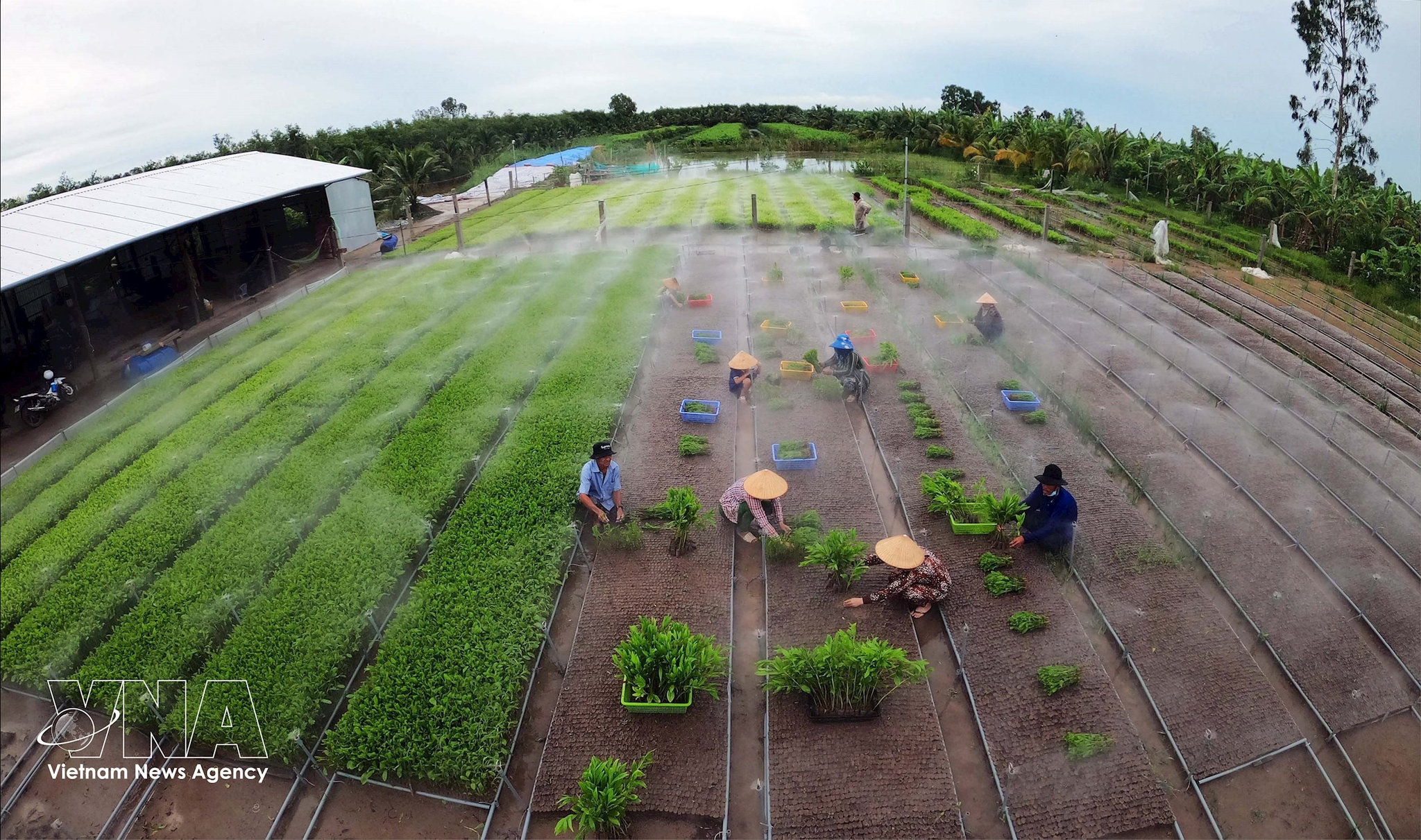
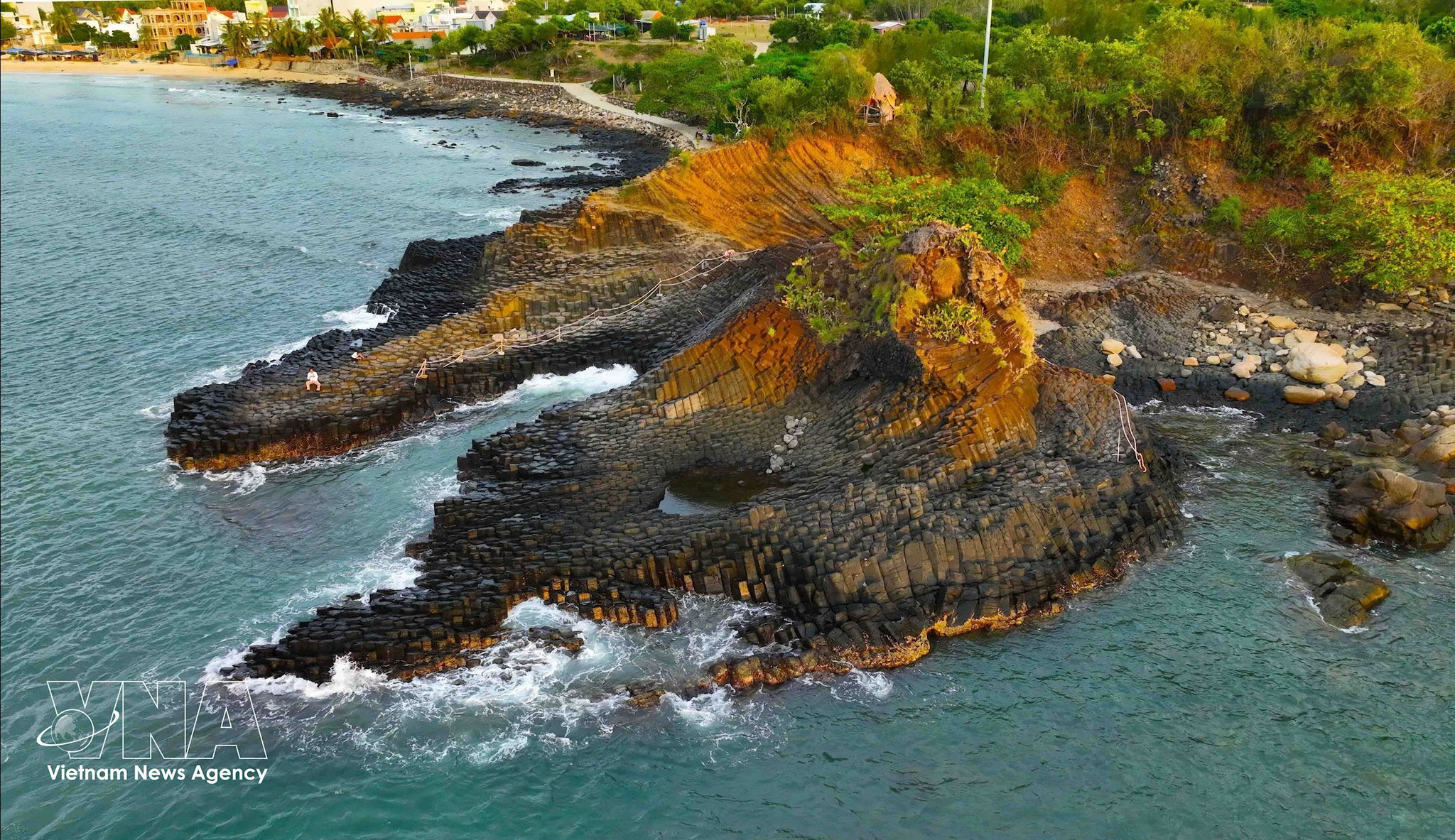
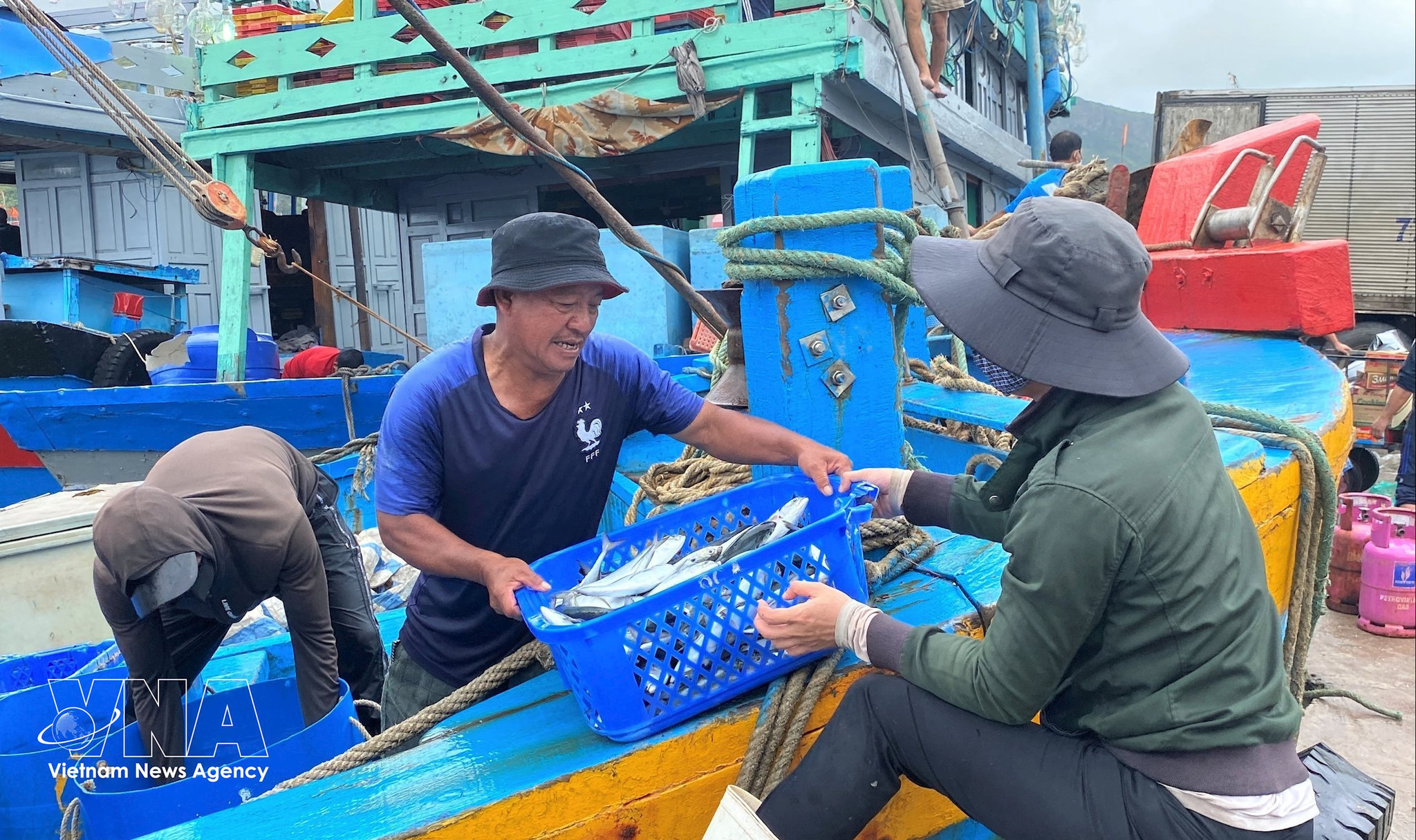
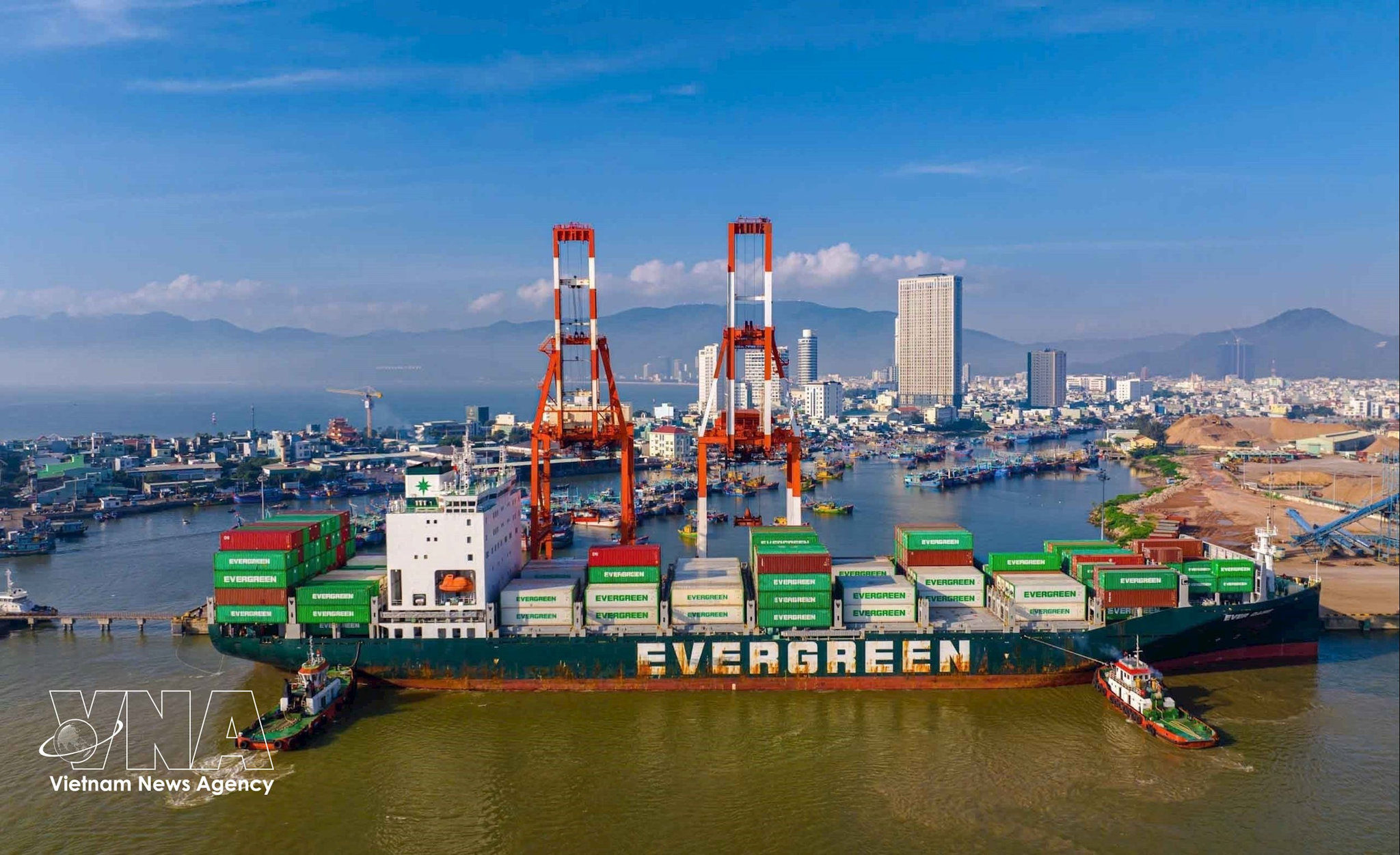
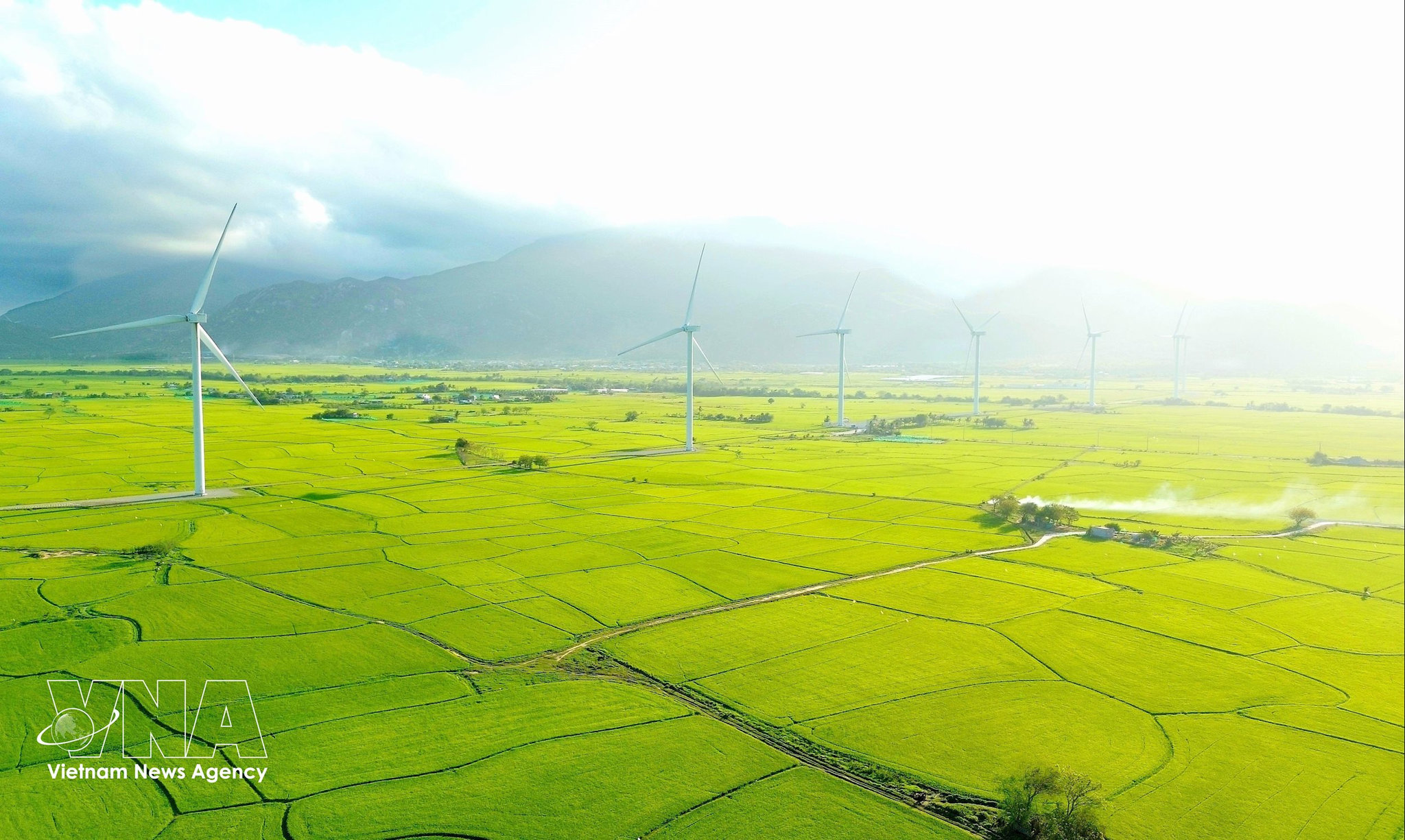
The complementary advantages of these areas create opportunities to develop integrated chains spanning production, processing, transport, trade, services and tourism. They also facilitate stronger connections with southern Laos and northeastern Cambodia through East-West economic corridors.
In recent years, the region has gradually capitalised on its distinctive advantages, contributing to economic growth and a more diversified and modern economic structure. In 2025, its gross regional domestic product (GRDP) was estimated to grow by 7.74%, accounting for 9.56% of the country's overall economic growth. Growth drivers have become increasingly diverse, encompassing manufacturing and processing, renewable energy, high-tech agriculture, and tourism services
In the first half of 2026, localities maintained relatively strong growth, with Da Nang expanding by 9.52%, Khanh Hoa by 9.03%, Quang Ngai by 8.55%, Gia Lai by 8.21%, Lam Dong by 7.9%, and Dak Lak by 7.84%.
Da Nang continued to strengthen its role as a growth pole, driven by services, trade, tourism, transport and industry-construction. Quang Ngai recorded strong performance in industry and construction, while Khanh Hoa capitalised on its industrial, service and tourism strengths. Gia Lai continued to leverage advantages in industry, exports and agriculture, while Dak Lak and Lam Dong drew on their strengths in agriculture, services and tourism.
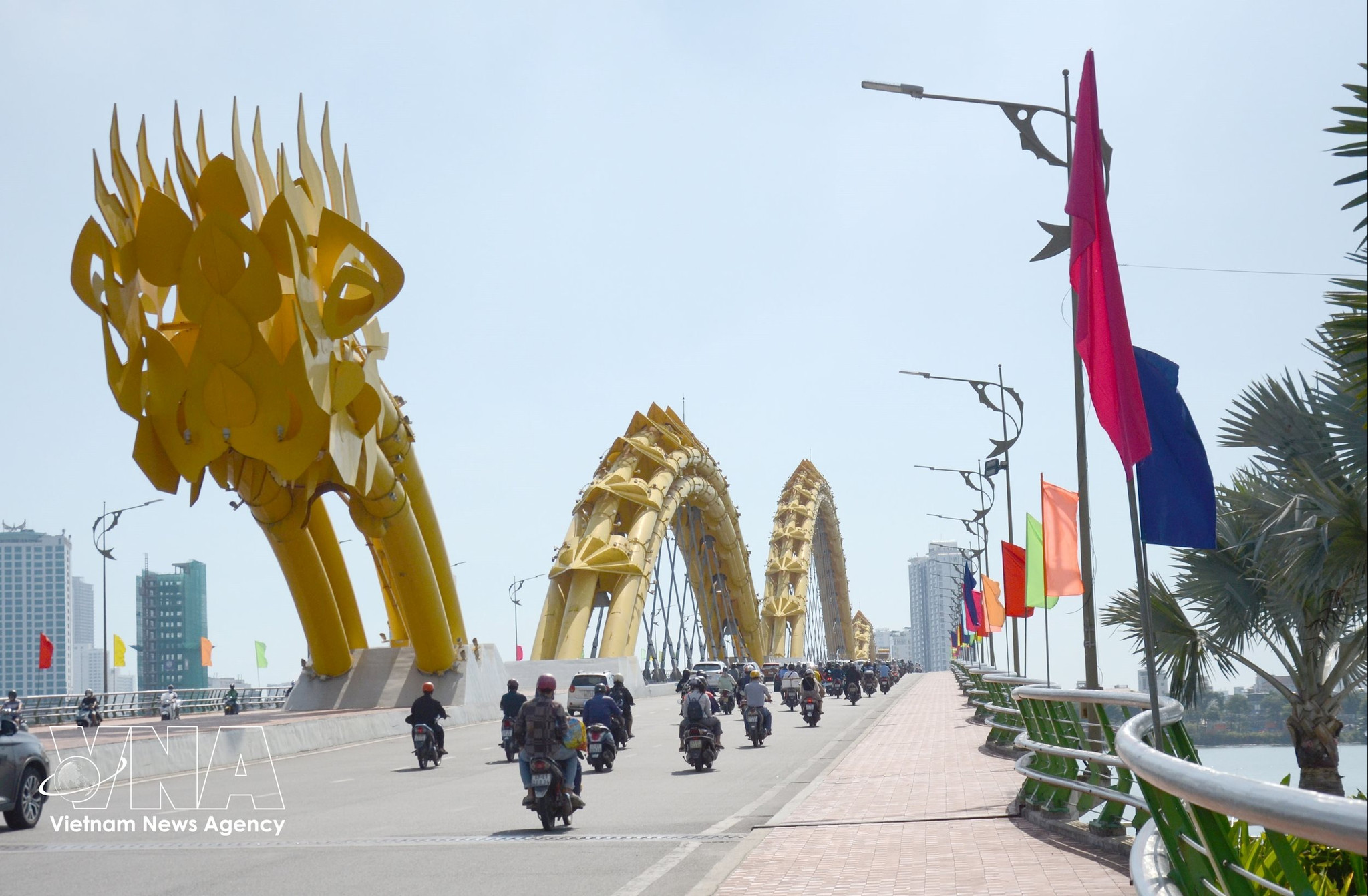
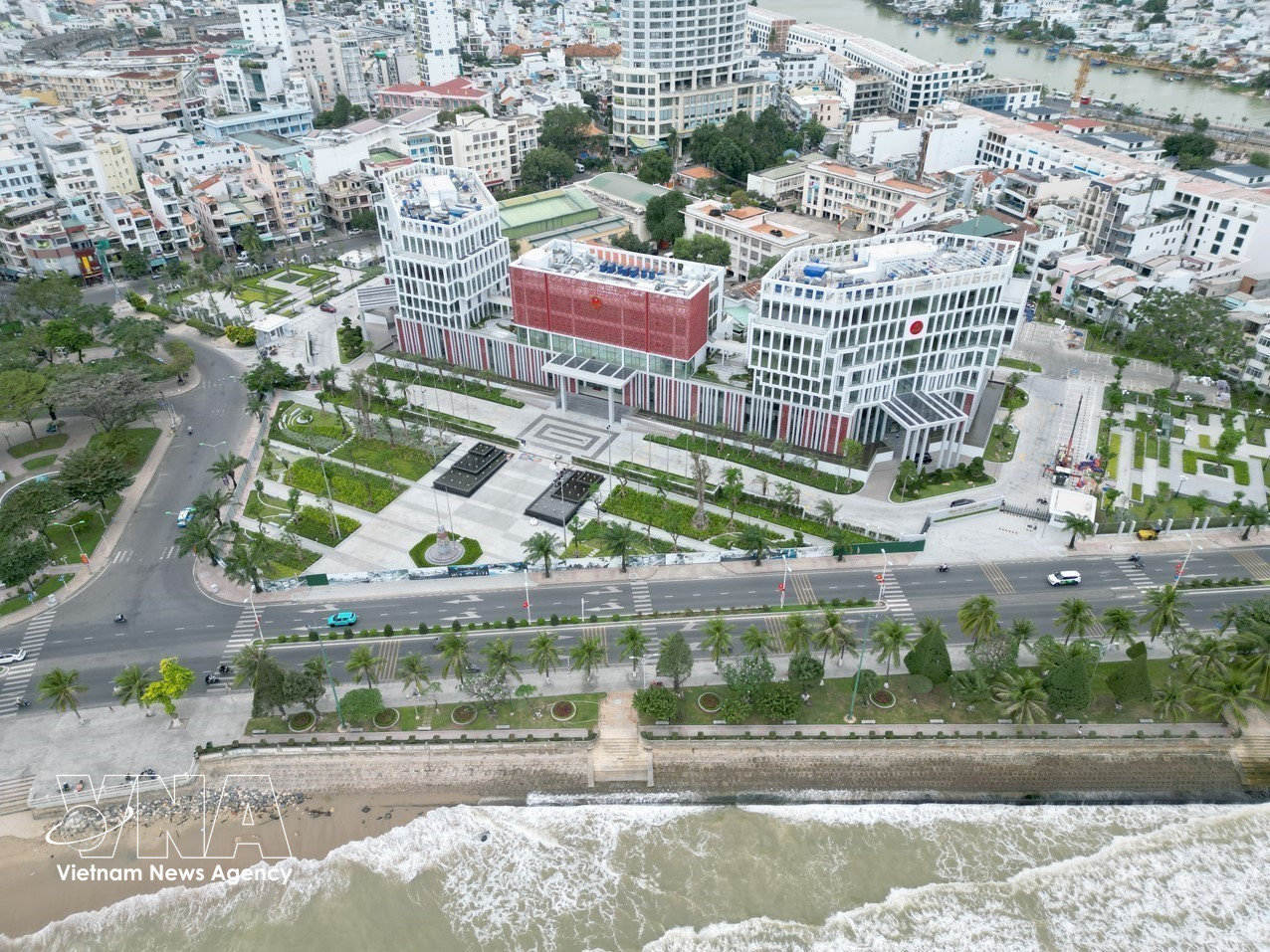
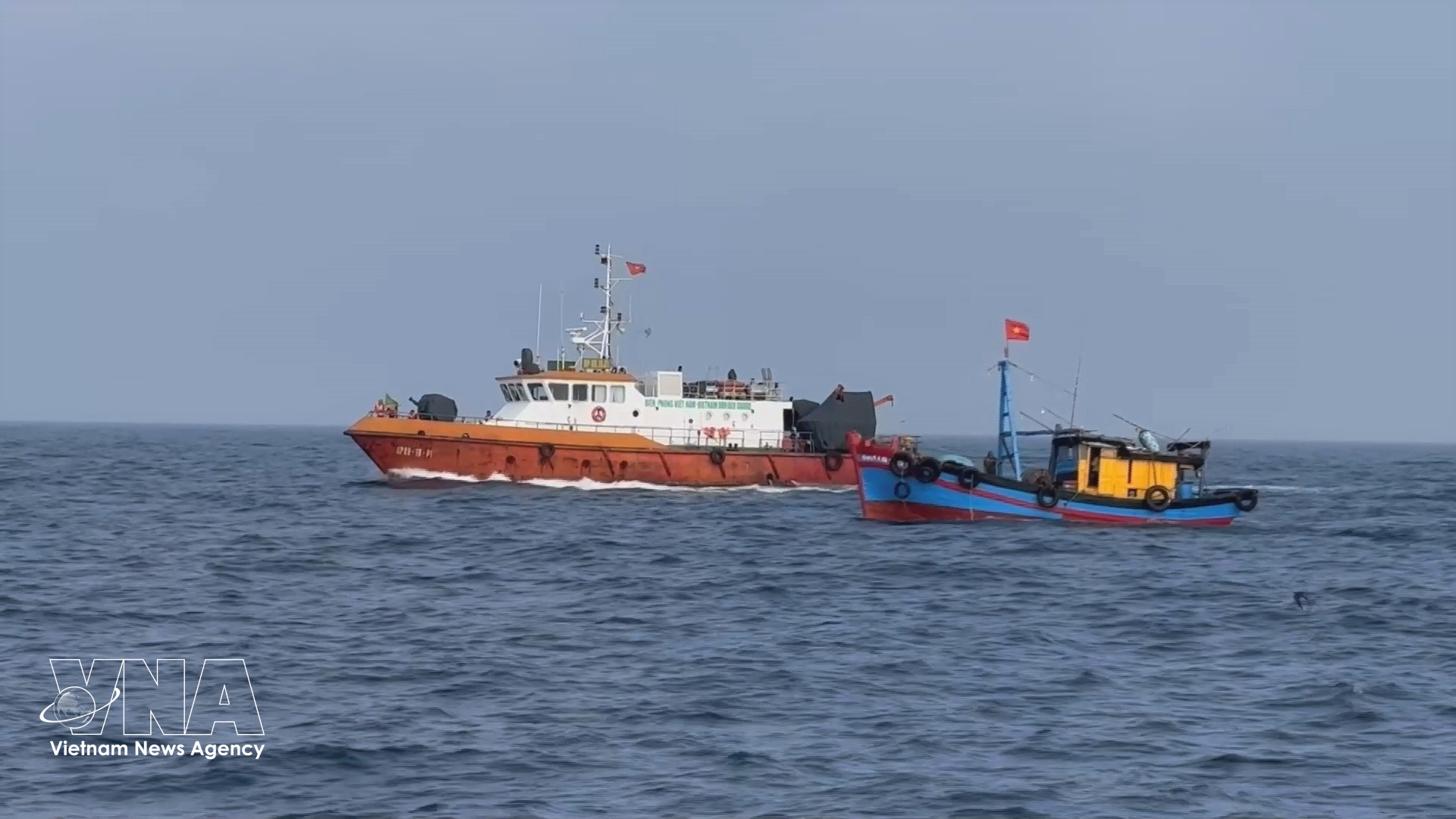
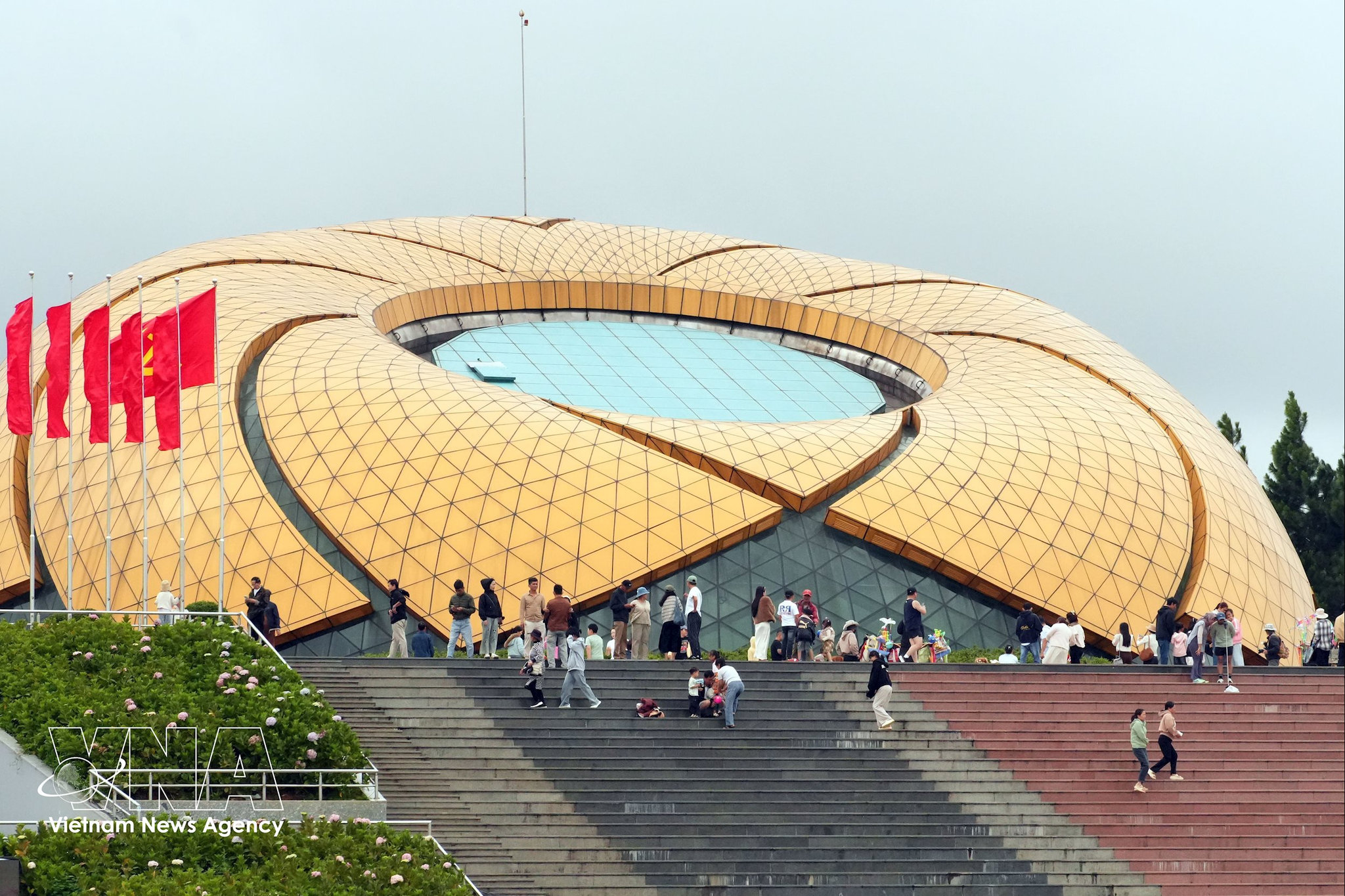
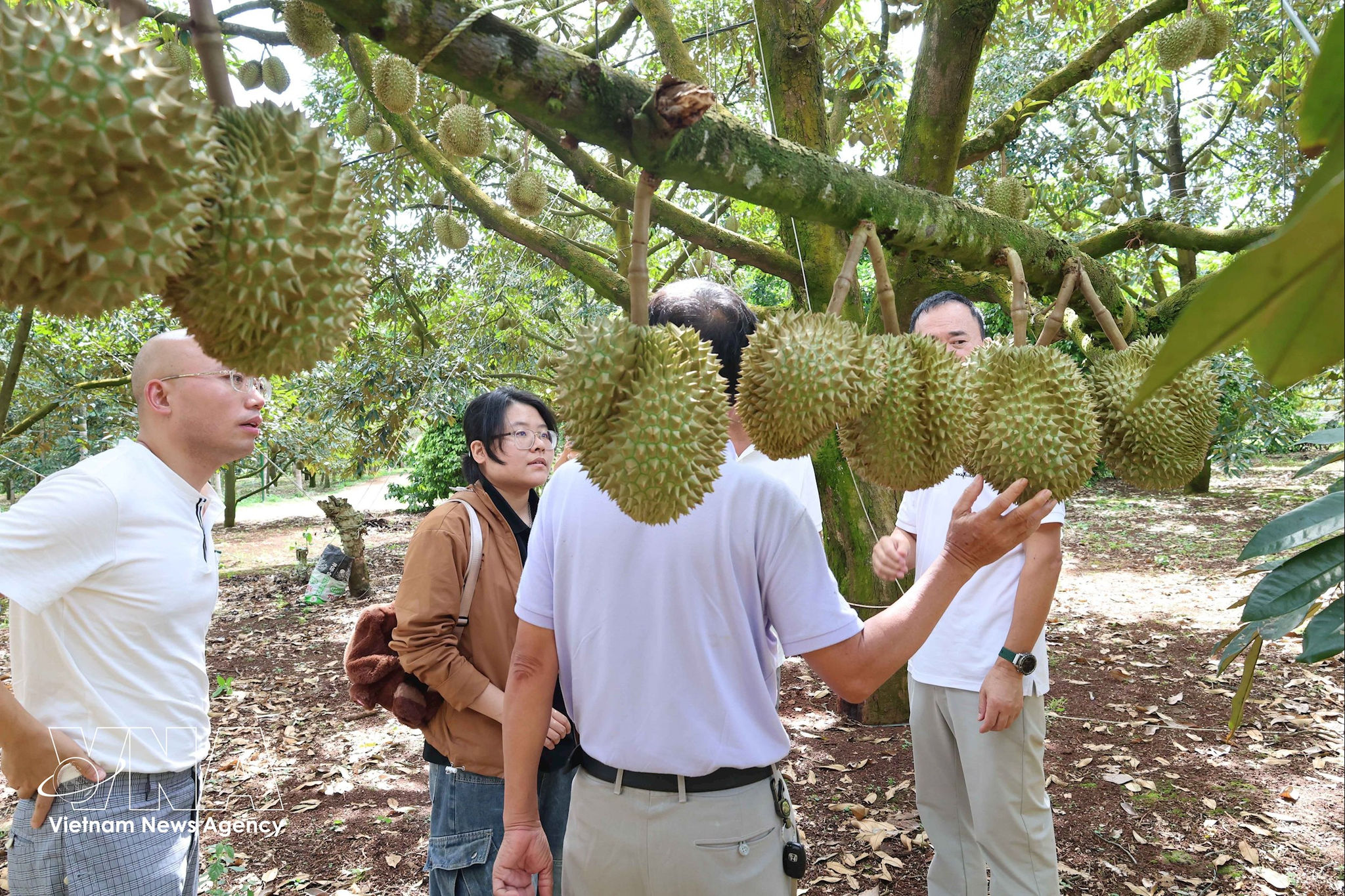
These results demonstrate that the region has developed many important growth drivers. However, to fully realise its potential, localities need to strengthen connections between their respective advantages, transforming individual strengths into the collective capacity of a highly complementary regional economy.
Reorganising development space and establishing new growth drivers
The regional plan for the South Central Coast and Central Highlands was adjusted in April 2026, identifying the development of north-south and east-west economic corridors and stronger connections between the Central Highlands and the South Central Coast, the Southeast region and western areas. It also aims to gradually establish a growth-driving zone encompassing Khanh Hoa, Lam Dong and surrounding areas.
Resolution No. 27-NQ/TW develops this orientation by calling for more effective use of the links between coastal areas, highlands, border regions and border gates. The advantages of individual localities are to be considered within a framework of connectivity and complementarity, providing a basis for reorganising economic space and expanding development opportunities.
The resolution sets a target of average annual regional GRDP growth of 10% by 2030, with per capita GRDP reaching 8,000 USD.
Industry and construction are to account for 33-34% of the regional economy, services for 43-44%, manufacturing and processing for 14%, and the digital economy for 30%. Labour productivity is targeted to increase by an average of 8.5% annually, while the urbanisation rate is expected to reach 50%.
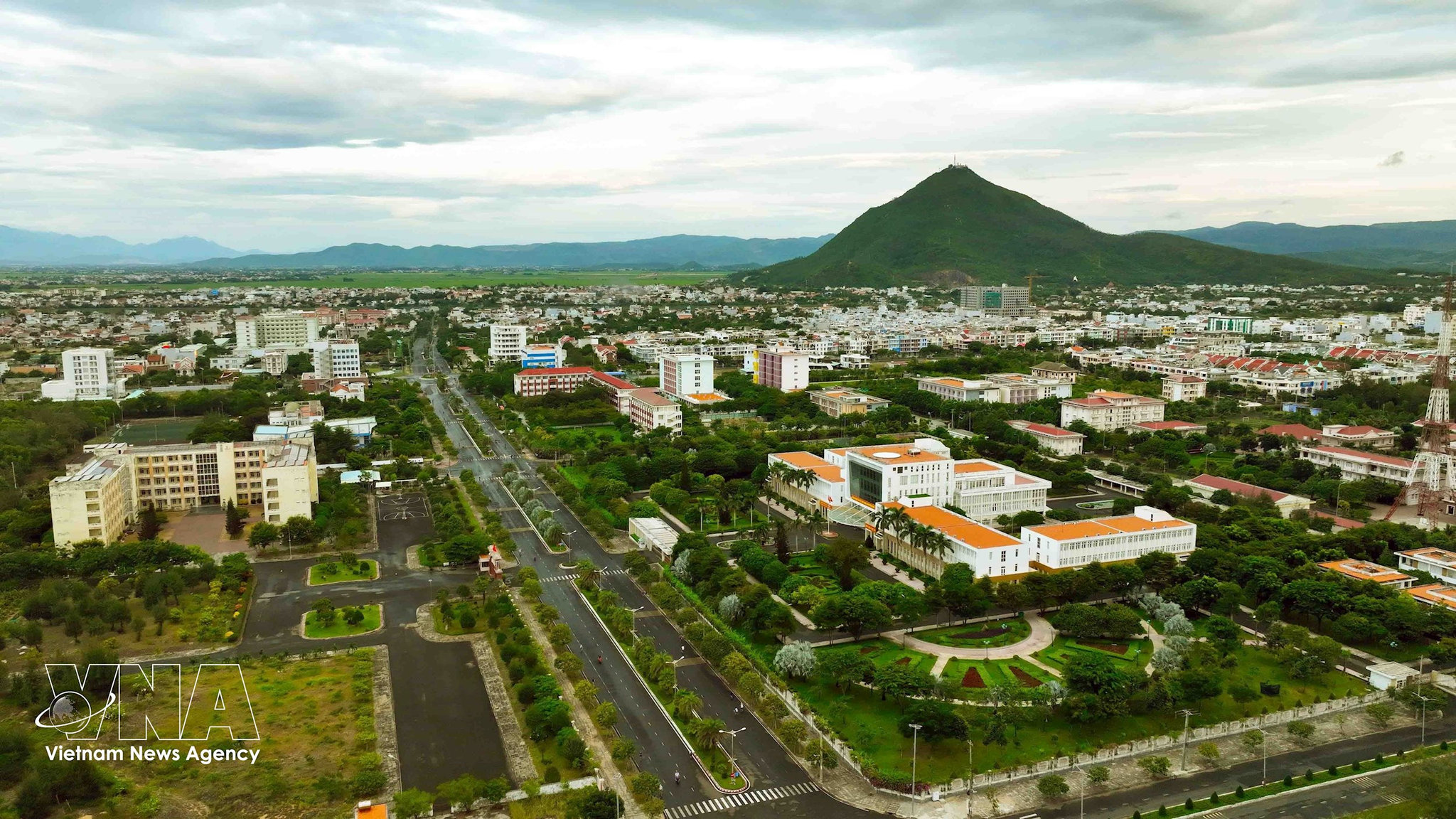
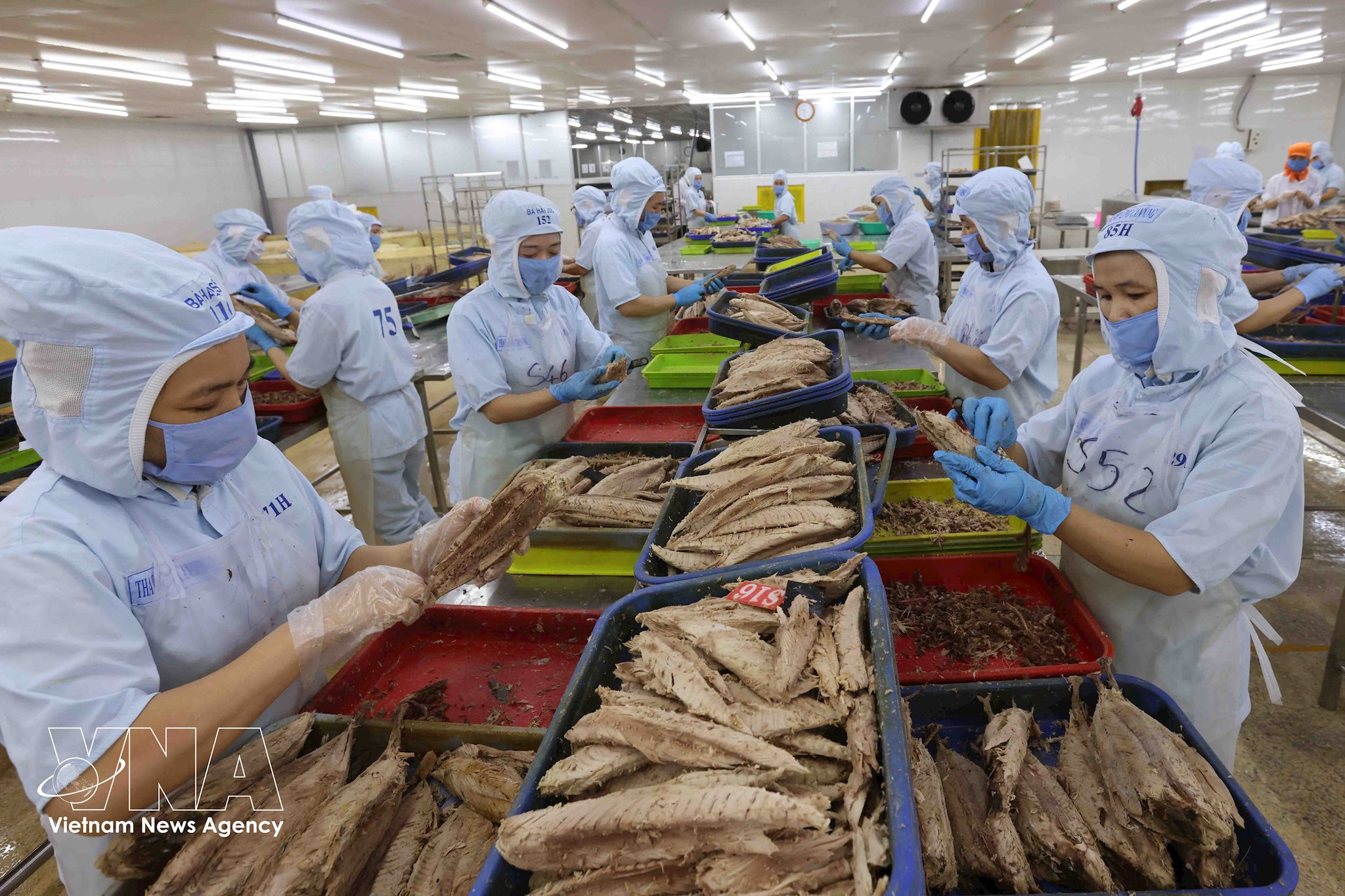
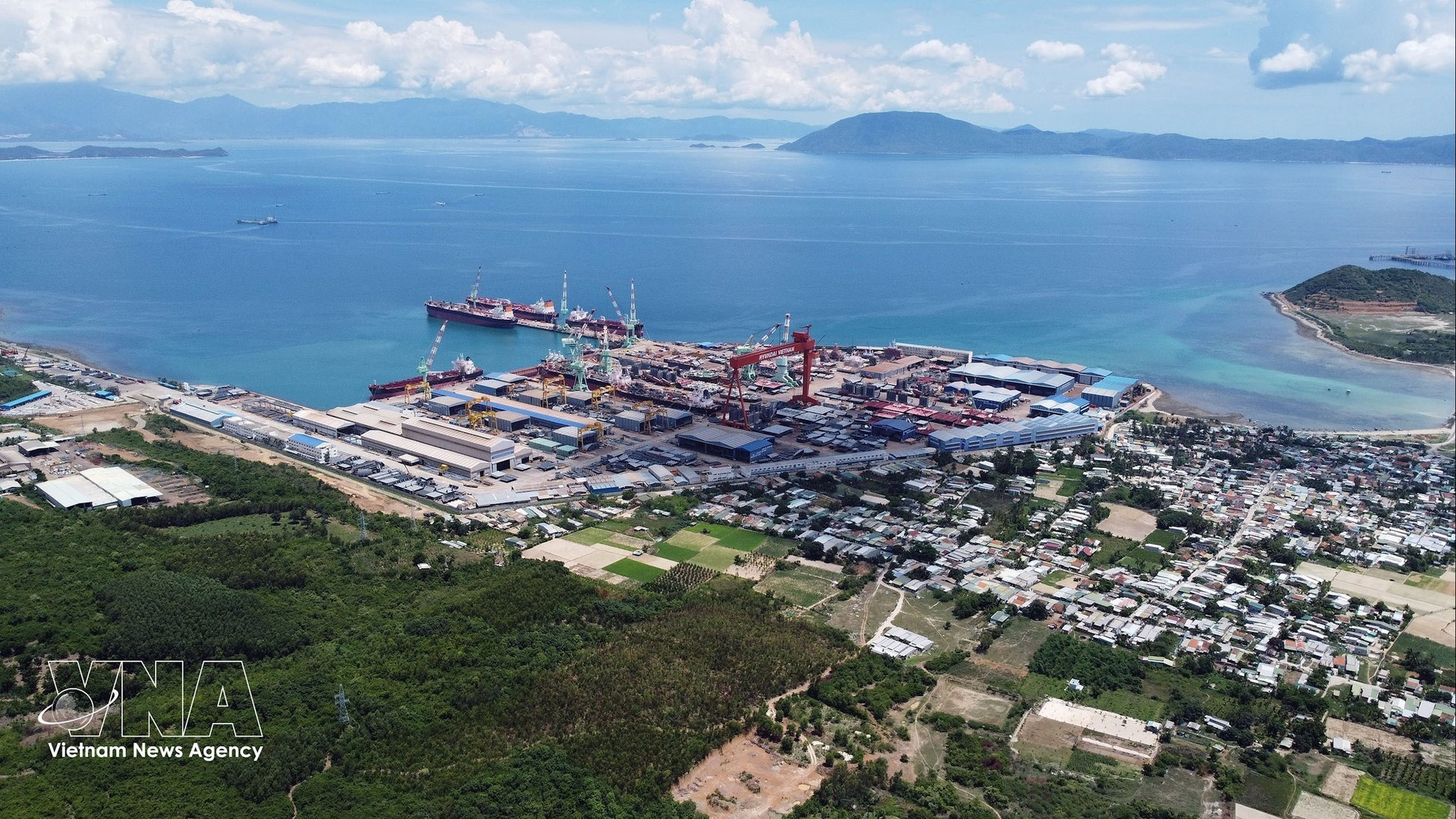
To achieve these goals, the resolution prioritises mechanical engineering and manufacturing, the processing of agricultural, forestry and aquatic products, and renewable energy. It also calls for the coordinated and sustainable development of the bauxite industry, alumina processing and aluminium production. These priorities align with the Central Highlands' strengths while opening up opportunities for deeper processing and greater value addition to agricultural products and natural resources.
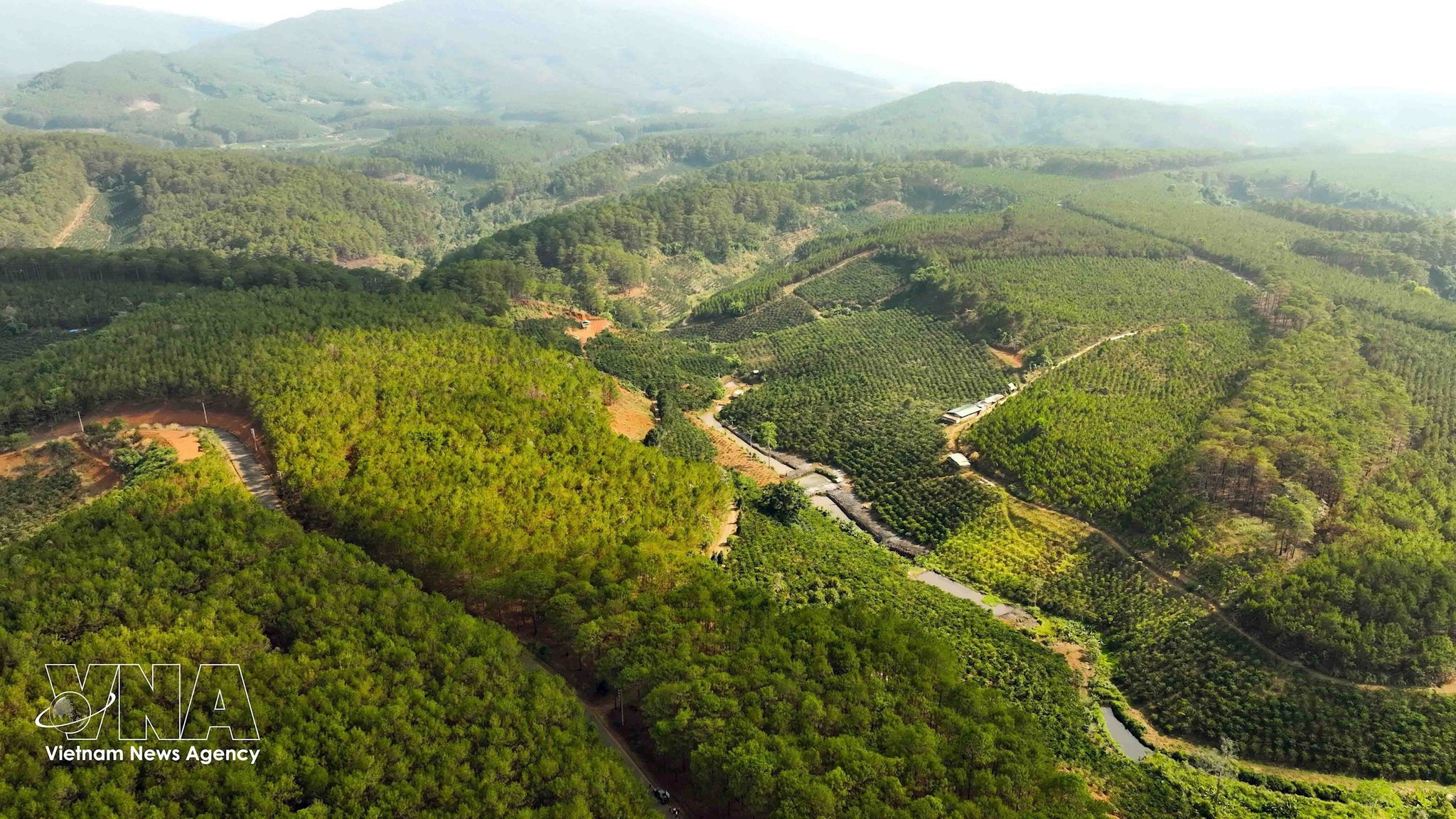
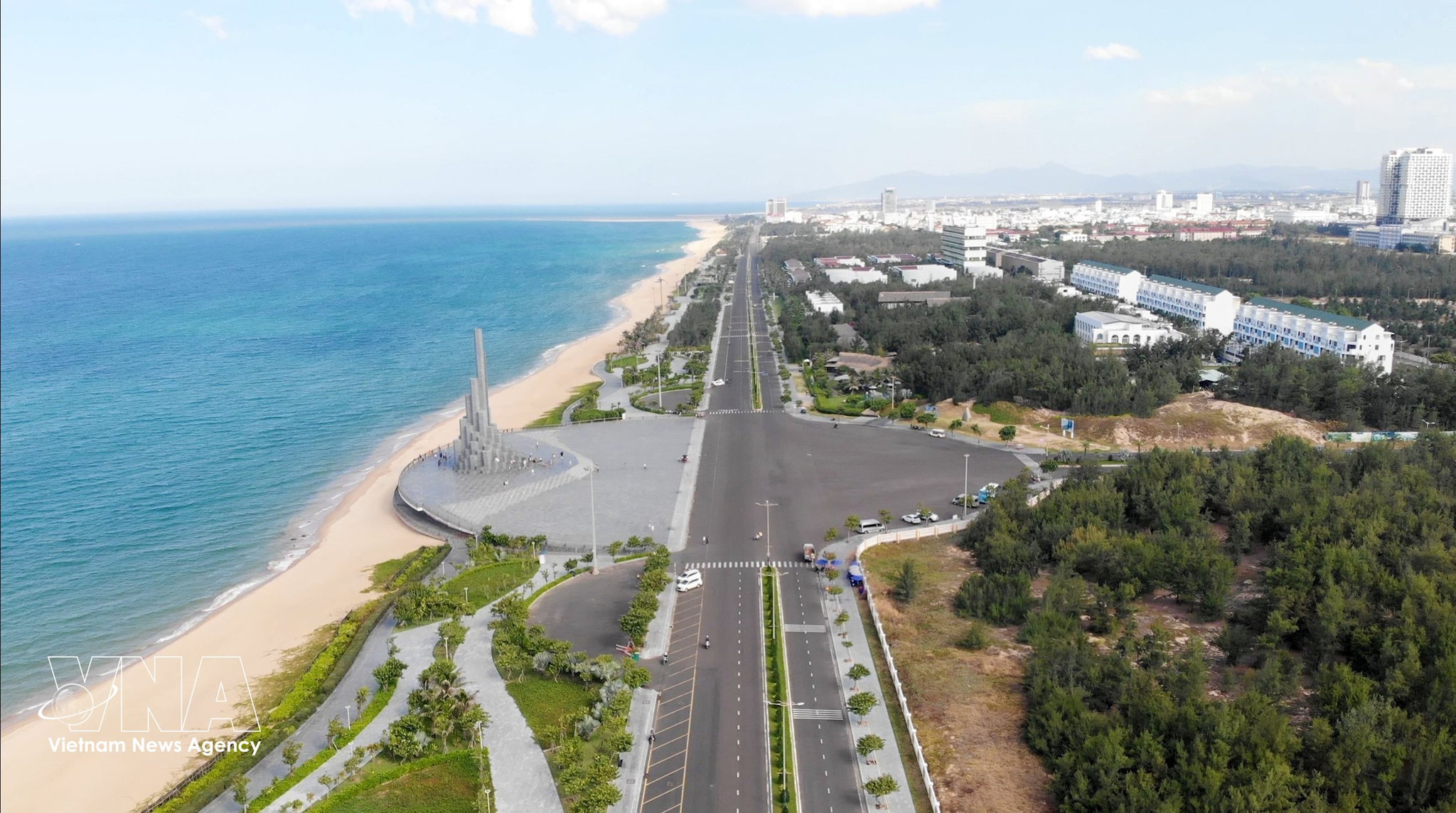
In coastal areas, the focus is on developing a strong and sustainable marine economy, border-gate economic zones and major tourism centres. Tourism routes would connect mountains, forests and the sea, as well as cultural and heritage destinations. This approach would enable localities to jointly capitalise on their marine, landscape, ecological and cultural assets rather than developing individual destinations in isolation.
The resolution calls for the gradual establishment of a growth-driving zone in Khanh Hoa, Lam Dong and surrounding areas. Da Nang is a major national growth pole and a modern, smart and liveable coastal city, while Khanh Hoa is oriented towards becoming a centrally governed city.
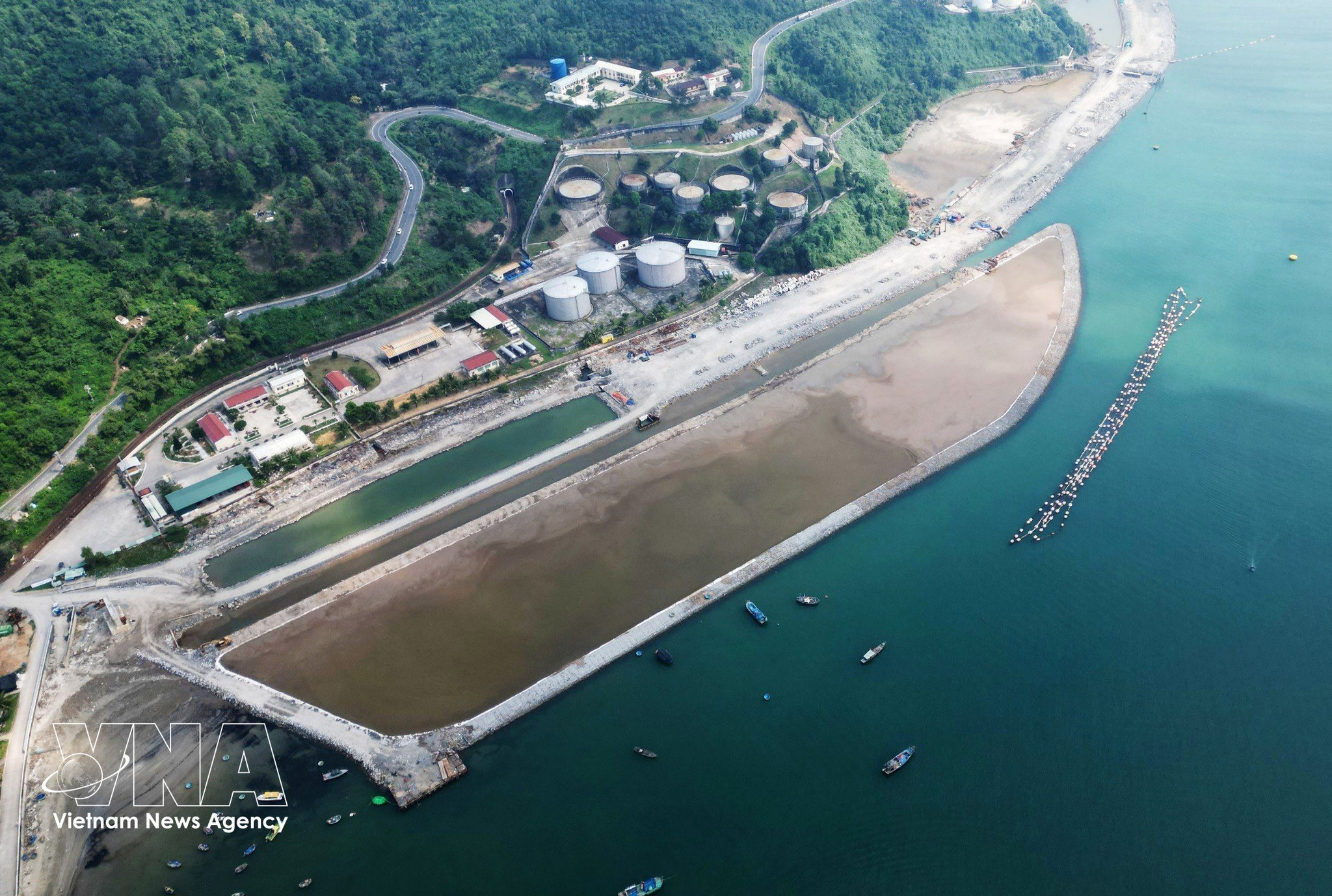
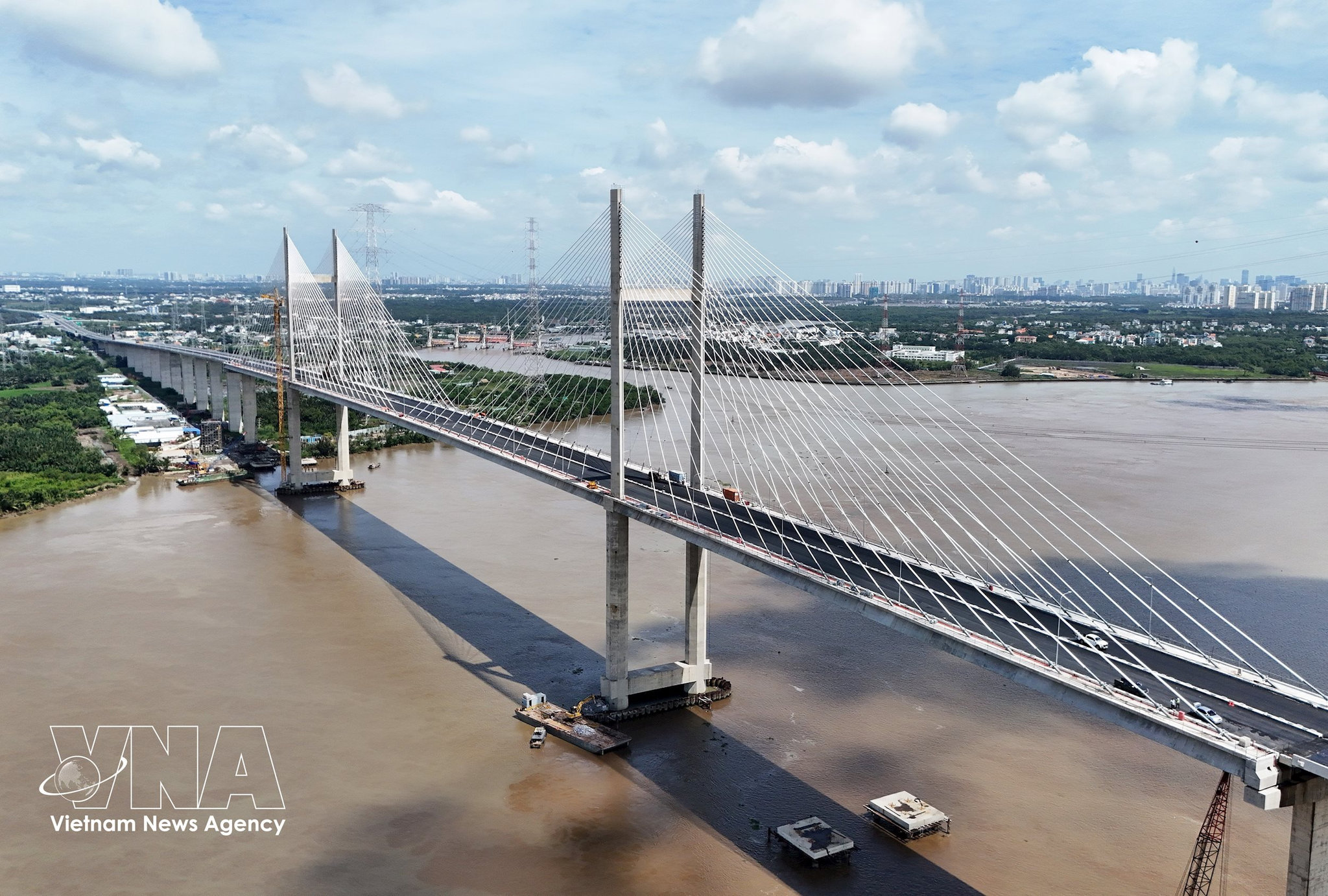
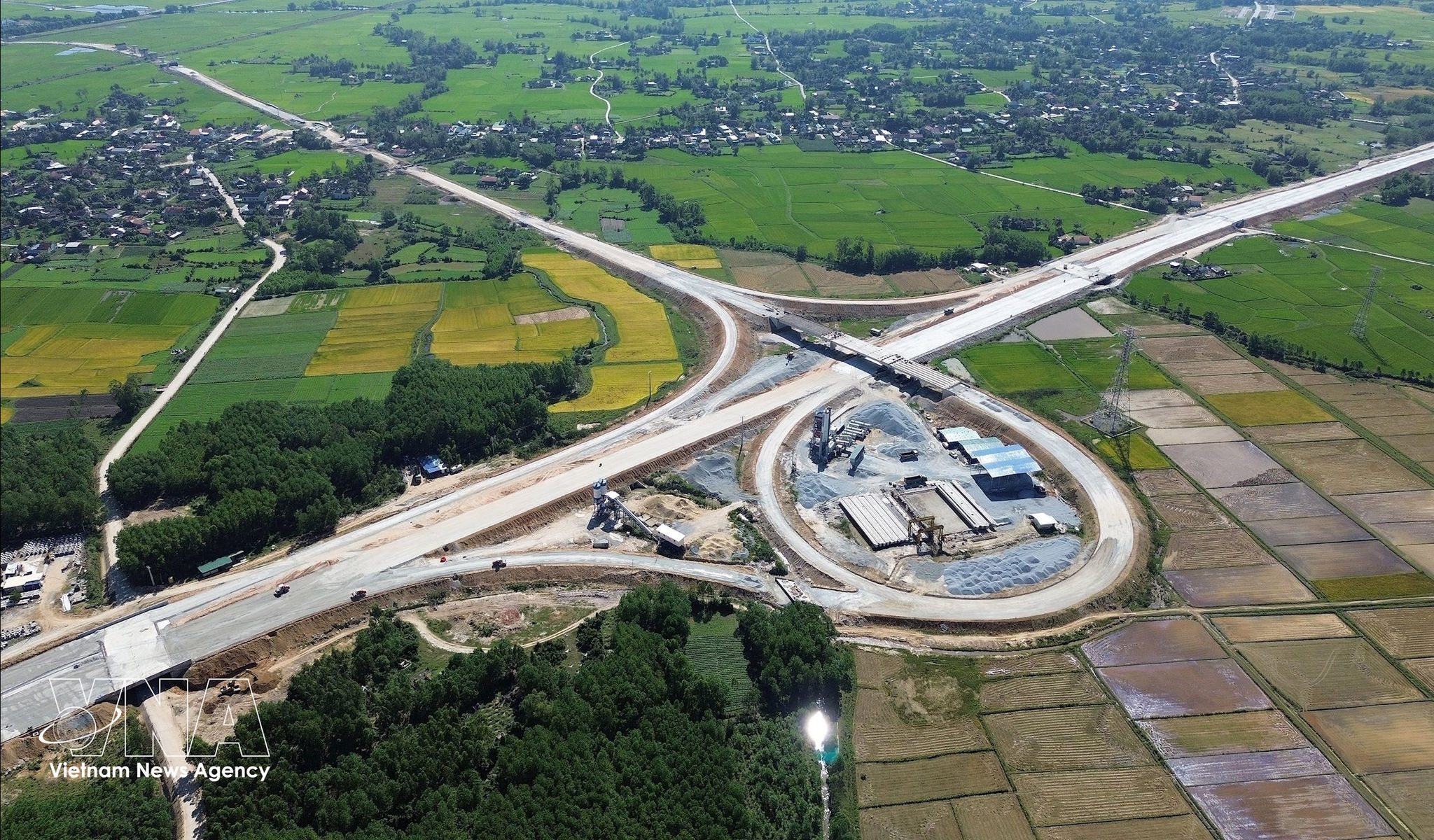
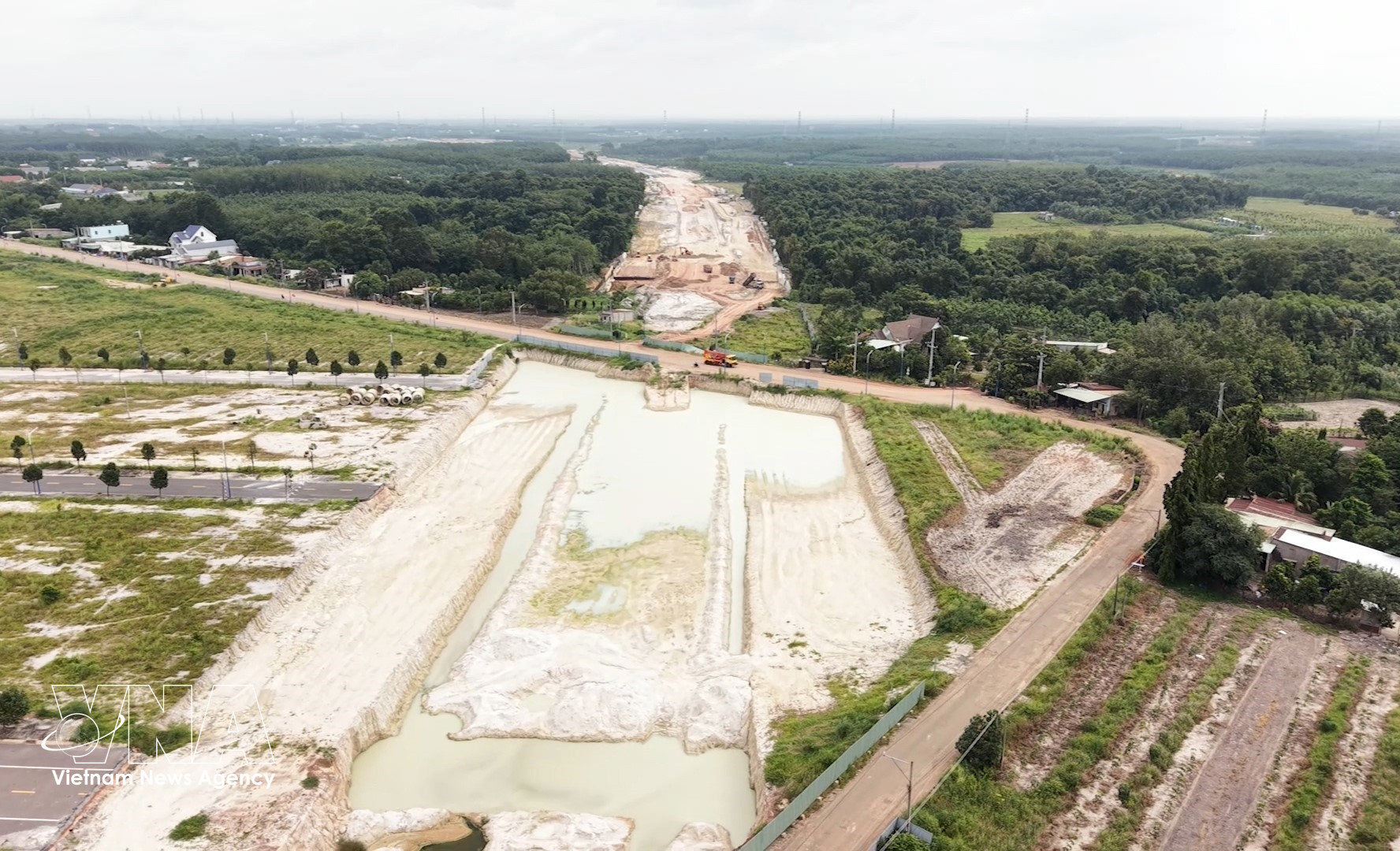
Transport infrastructure is key to expanding development opportunities in the South Central Coast. (Photo: VNA)
Transport infrastructure is identified as a key condition for expanding development space. Resolution No. 27-NQ/TW prioritises the completion and expansion of the eastern North-South Expressway, and the development of east-west expressways connecting with the Southeast region, southern Laos and northeastern Cambodia, as well as the completion of the Quy Nhon-Pleiku and Quang Ngai-Kon Tum expressways, as well as the western North-South Expressway section through the Central Highlands and the Gia Nghia-Chon Thanh expressway.
The resolution also calls for the development of the Lien Chieu port complex, studies into additional expressway and railway links between the Central Highlands and coastal areas, the upgrading and expansion of airports, and investment in railway routes connecting the Central Highlands.
When implemented in a coordinated manner, this transport network will improve connections between production areas in the west and industrial, service, logistics and seaport hubs in the east. It will also expand trade routes towards western regions and neighbouring countries. Better infrastructure will help combine each locality's advantages in raw materials, production, tourism and services into larger-scale value chains.
Alongside transport infrastructure, the resolution calls for an urban system based on a polycentric model that is green, smart, adaptive and rich in local identity, ensuring harmonious links between coastal areas, highlands, border regions and major economic corridors. Coastal urban networks are to be developed in conjunction with marine tourism centres, financial hubs, economic zones, free trade zones and industrial parks.
Resolution No. 27-NQ/TW establishes a development direction for the South Central Coast and Central Highlands based on capitalising on regional strengths, strengthening interprovincial connectivity and making effective use of coastal, highland, border and border-gate spaces. The focus is on connecting infrastructure, economic activities and value chains to establish growth poles with strong spillover effects, expanding development opportunities and increasing the region's contribution to national development./.