Mobilising overseas Vietnamese resources to connect Vietnam with the world
LongForm - Ngày đăng : 16:59, 19/10/2026
Mobilising overseas Vietnamese resources to connect Vietnam with the world
Resolution No. 23-NQ/TW, issued on August 2, 2026, further broadens the scope for policy development, creating appropriate mechanisms to unlock, mobilise and effectively harness the resources of overseas Vietnamese.
In the broad and dynamic flow of a new era, every Vietnamese abroad carries not only memories of their homeland, but can also serve as a bridge bringing Vietnam closer to the world.
After more than 20 years of implementing Politburo Resolution No. 36-NQ/TW dated March 26, 2004, the achievements have laid an important foundation for Vietnamese people overseas to enter a new phase.
The Politburo’s Resolution No. 23-NQ/TW issued on August 2, 2026, establishes mechanisms to unlock the resources of the Vietnamese abroad. Vietnamese living far from home can be a small stream flowing back to merge into the great river of the nation. When these resources are connected, the diaspora can become a strategic resource, helping carry Vietnam's image further into the world and support the country's journey towards prosperity and strength.
An integral part of the homeland
Throughout history, the Vietnamese community abroad has always stood alongside the nation. Since the establishment of the Communist Party and the founding of the State, the country's revolutionary cause has consistently received the wholehearted support, assistance, protection and valuable contributions of Vietnamese people around the world.
In 1959, following the restoration of peace in northern Vietnam, and in recognition of the contributions made by overseas Vietnamese to the struggle for national liberation as well as their desire to contribute to national development, the Prime Minister signed Decree No. 416/TTg on November 23, 1959, establishing the Central Committee for Overseas Vietnamese Affairs. This marked an important milestone in work concerning the overseas Vietnamese community.
On January 10, 1960, when the first ship carrying overseas Vietnamese returning home arrived at Hai Phong Port, President Ho Chi Minh personally came to welcome them, demonstrating the Party and State's affection and appreciation for Vietnamese living far from their homeland.
Many overseas Vietnamese intellectuals and patriots answered the call of the Fatherland and returned home. They were entrusted with important responsibilities by President Ho Chi Minh and brought their knowledge, skills and dedication to the cause of national resistance, construction and defence.
Amid rapid socio-economic changes in the country, the Government issued Decree No. 74-CP on July 30, 1994, defining the functions, tasks, powers and organisational structure of the Committee for Overseas Vietnamese Affairs, replacing the Central Committee for Overseas Vietnamese Affairs.
During the Doi moi (Renewal) period, contributions from overseas Vietnamese, both in material resources and in knowledge and management experience, played a significant role in helping the country overcome an extremely difficult period and build the position and strength it has today.
With around 6.5 million Vietnamese living in more than 130 countries and territories, the Vietnamese community abroad has particular advantages in connecting Vietnam with the world.
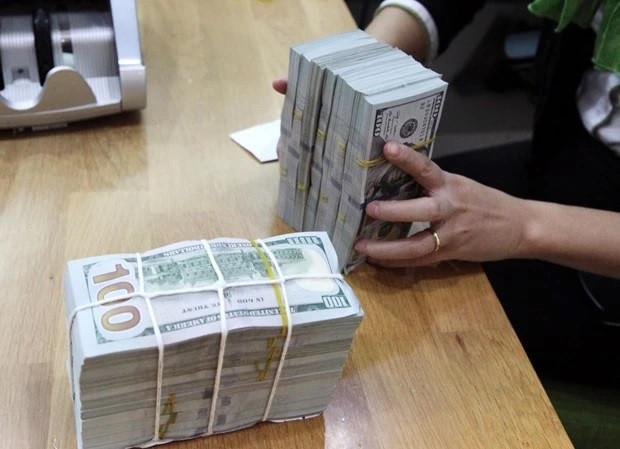
Besides preserving national cultural identity, overseas Vietnamese make important contributions to the country's socio-economic development. According to the Ministry of Foreign Affairs, remittances rose from 2.3 billion USD in 2004 to 17.7 billion USD in 2025. Total remittances from 1993 to date have exceeded 250 billion USD, equivalent to the amount of disbursed FDI over the same period.
If remittances are a stable source of finance contributing to the prosperity of the homeland, knowledge, technology, management expertise, market information and the ability to grasp emerging trends are equally valuable resources flowing back to Vietnam. In the drive to renew the growth model, advance science and technology, promote innovation and digital transformation, and strengthen national competitiveness, these resources are becoming increasingly essential, providing fresh impetus for Vietnam as it ventures into the wider world.
Over time, the Vietnamese community abroad has grown in both size and quality, as well as in its level of integration. From laboratories and lecture halls to businesses and creative spaces around the world, increasing numbers of Vietnamese intellectuals, experts, scientists, entrepreneurs, artists and cultural figures have established their own positions and made their mark. Wherever they live, they continue to hear the call of their roots. They carry Vietnamese identity with them as they integrate without losing themselves, while also serving as “people-to-people ambassadors”, helping broaden the circle of friendship, foster international cooperation and bring Vietnam's image to greater prominence around the world.
Recognising the important role and vast potential of overseas Vietnamese, the Party and State have adopted a number of major guidelines and policies concerning the Vietnamese diaspora, notably Resolution No. 36-NQ/TW in 2004, Directive No. 45-CT/TW in 2015, Conclusion No. 12-KL/TW in 2021 and, most recently, Politburo Resolution No. 23-NQ/TW dated August 2, 2026, on work concerning Vietnamese people abroad. These documents affirm a long-term vision for supporting and promoting the role of the diaspora.
These policy orientations have also been translated into new and revised policies aimed at better safeguarding the legitimate rights and interests of overseas Vietnamese. Legal provisions concerning nationality, entry and exit, and residence, along with amendments to the Law on Investment, Land Law and Housing Law, have created a more open framework, enabling overseas Vietnamese to enjoy rights and fulfil obligations increasingly similar to those of people in the country, while encouraging them to invest and do business in Vietnam.
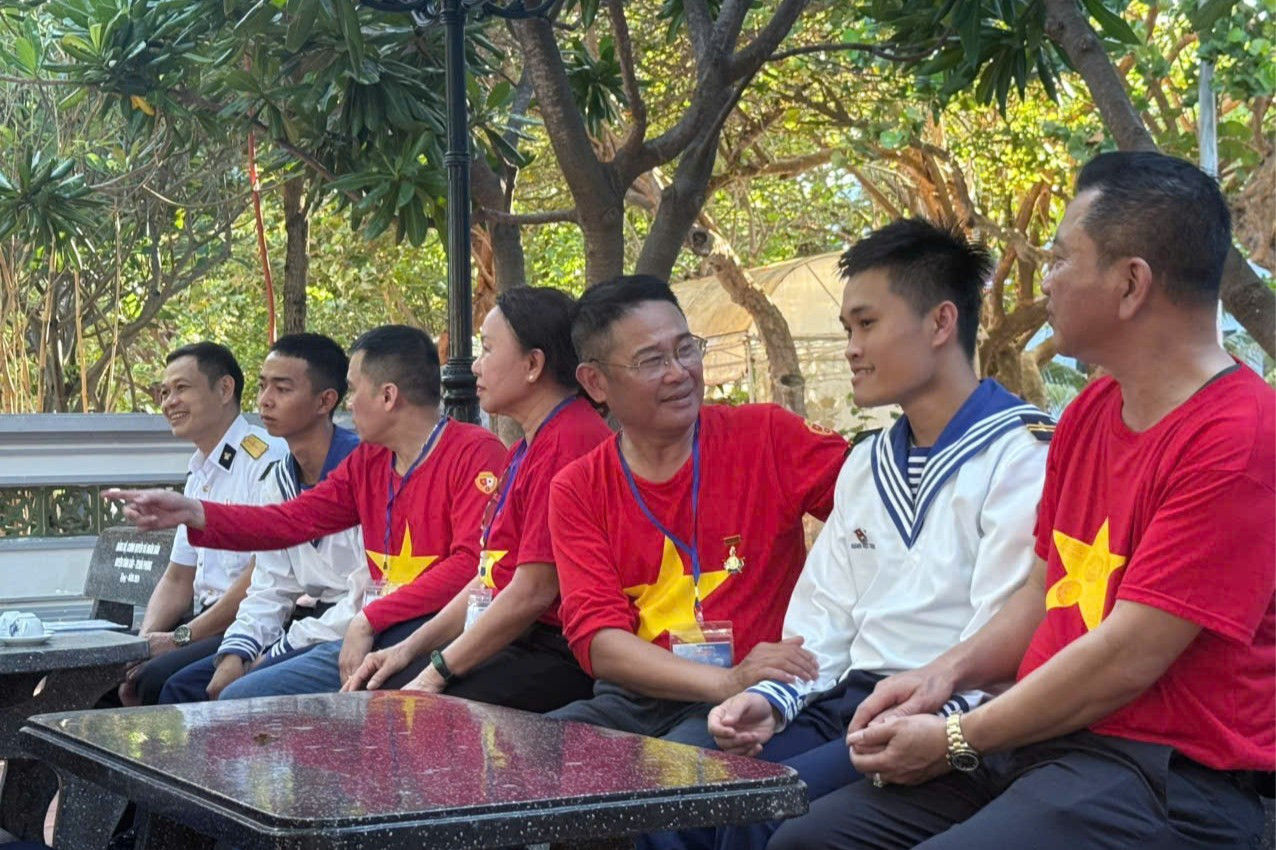
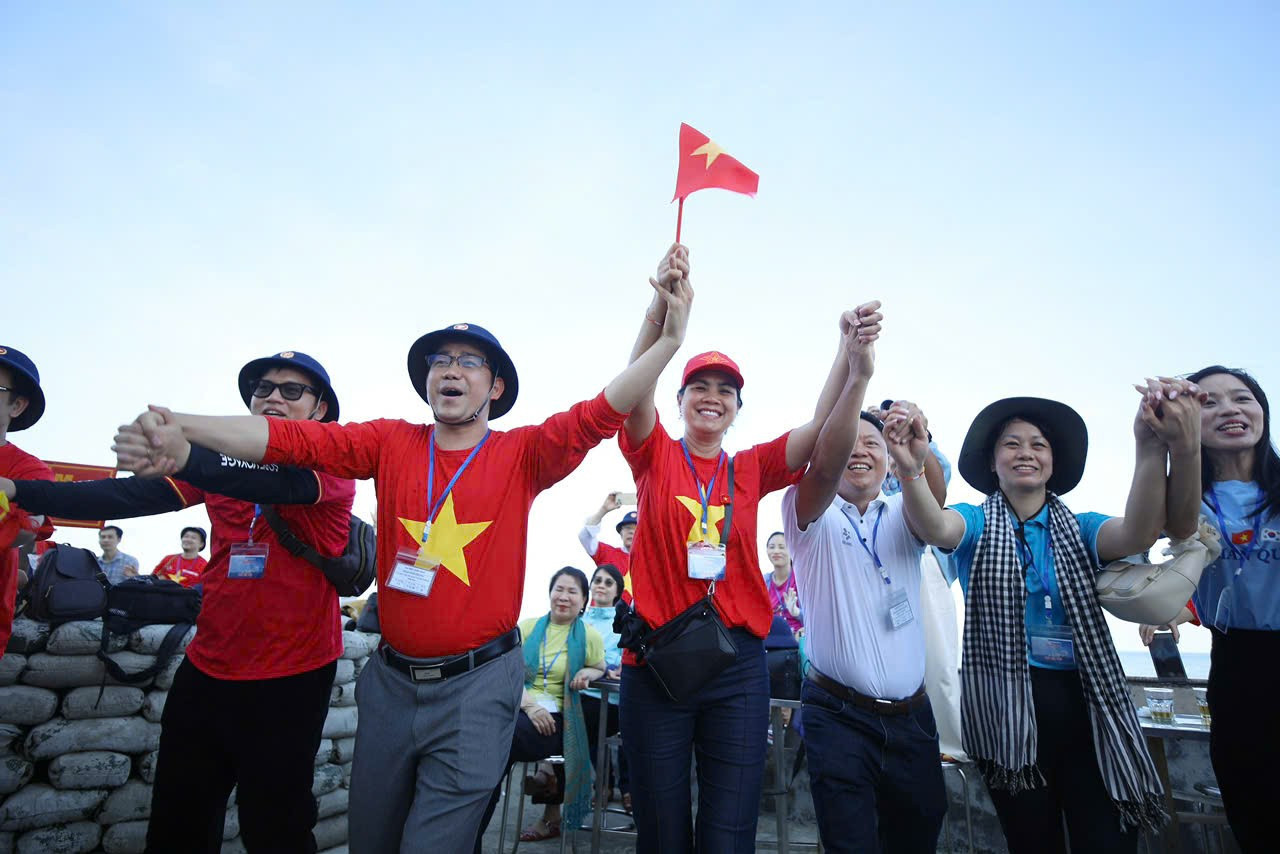
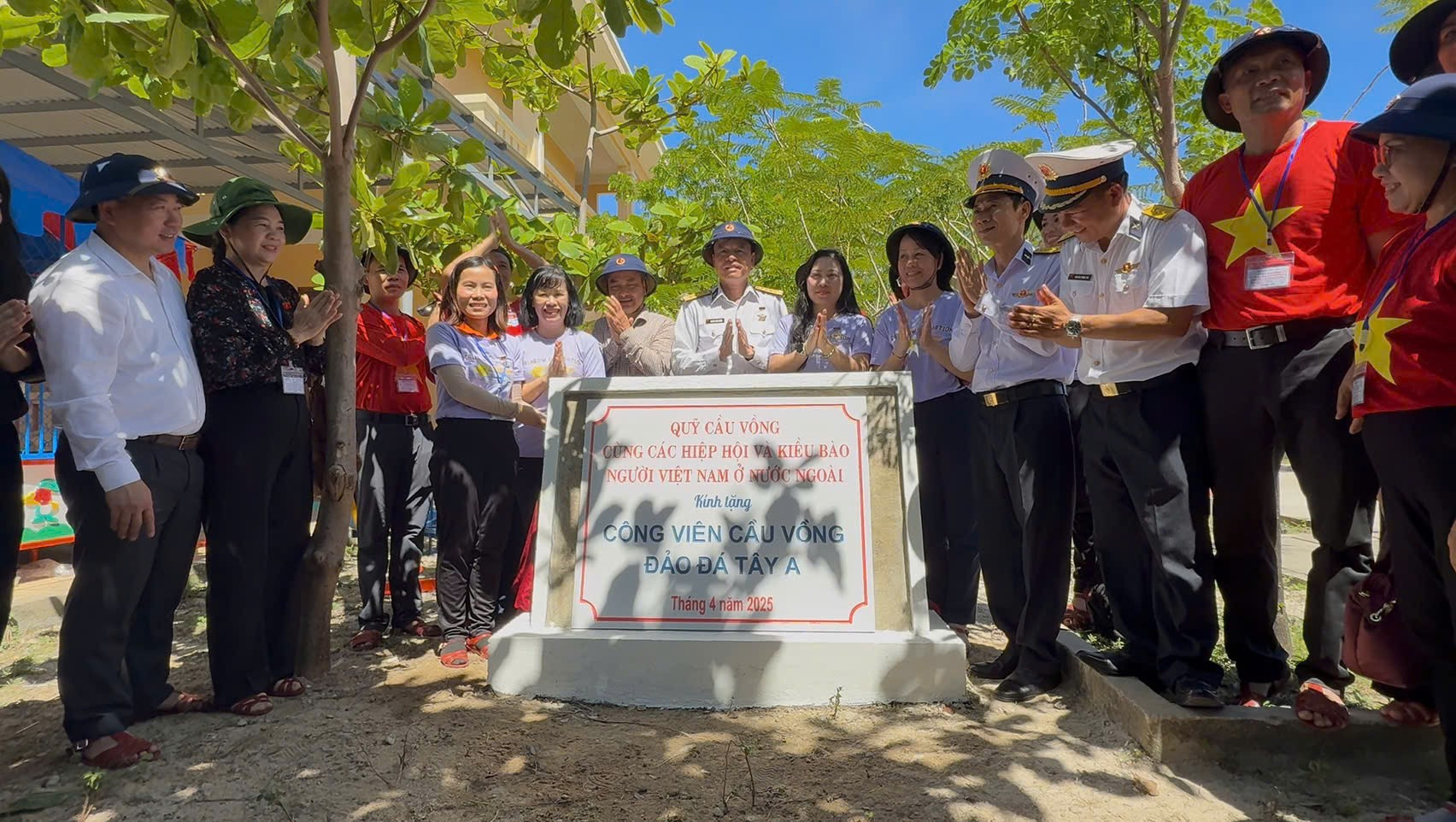
The overseas Vietnamese delegation visits officers and soldiers stationed in Truong Sa. (Photo: VietnamPlus)
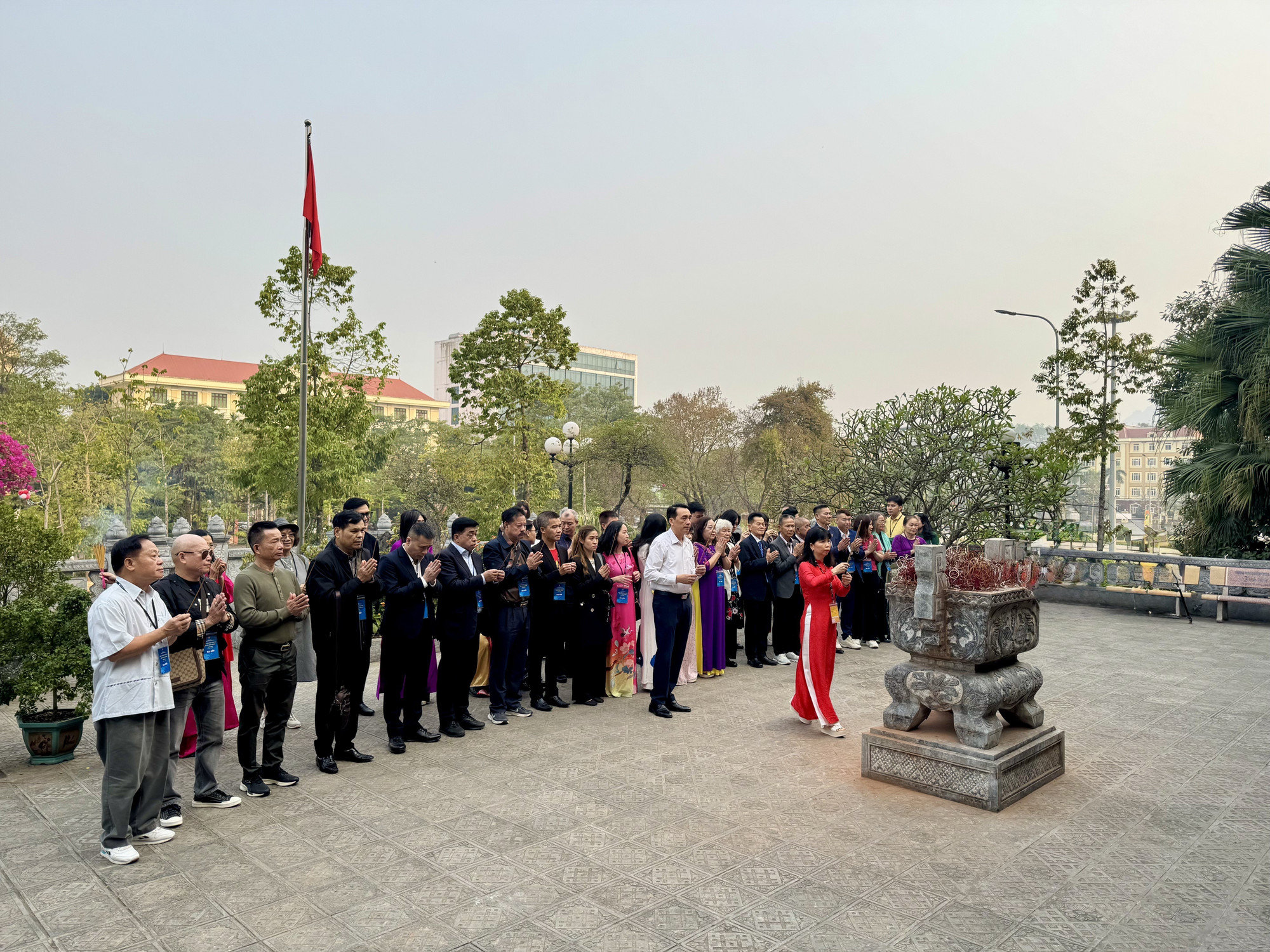
Programmes organised by the State Committee for Overseas Vietnamese, including the Homeland Spring programme, trips to Truong Sa, the Hung Kings' Commemoration Day and summer camps for young people, together with the Party and State's policies on great national solidarity, have helped strengthen the bond with overseas Vietnamese.
In science and technology, the Party and State have identified these fields as a strategic breakthrough and a key driver of productivity, quality, efficiency and national competitiveness. Politburo Resolution No. 57-NQ/TW dated December 22, 2024, on breakthroughs in science and technology development, innovation and national digital transformation, marks an important step in attracting overseas Vietnamese intellectuals and experts in key fields such as AI, biomedicine, renewable energy, high technology and education.
"Awakening" the resources
General Secretary and State President To Lam signed Politburo Resolution No. 23-NQ/TW on August 2, 2026, to improve the effectiveness of work concerning Vietnamese people overseas.
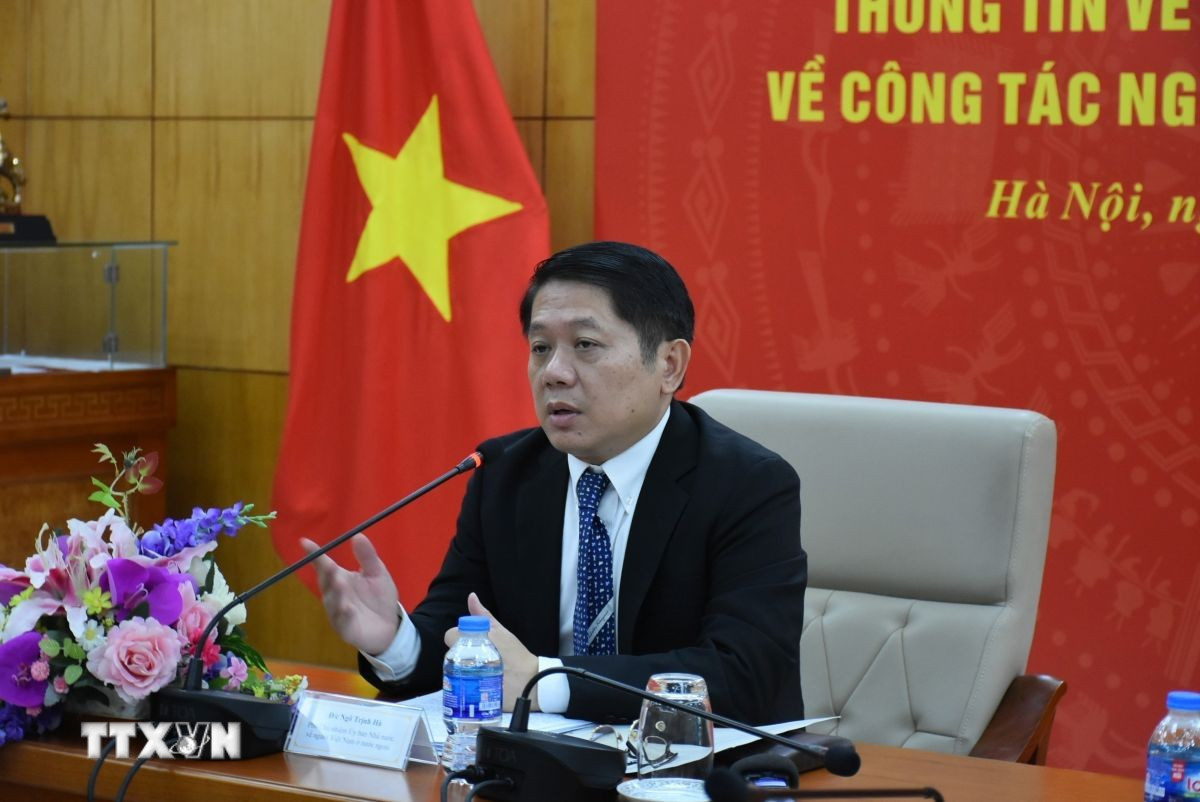
Ngo Trinh Ha, Deputy Chairman of the State Committee for Overseas Vietnamese, said Resolution No. 23 is the result of a review of 20 years of implementing Resolution No. 36-NQ/TW and related directives issued by the Politburo and the Party Central Committee's Secretariat concerning Vietnamese people abroad.
The resolution inherits the consistent viewpoints and guiding principles of Resolution No. 36-NQ/TW that remain valid, while reflecting new thinking on work concerning overseas Vietnamese in line with the country's development requirements in the new period and changes within the Vietnamese community abroad.
The overarching message of Resolution No. 23-NQ/TW is that overseas Vietnamese are not only an inseparable part of the Vietnamese community, but also an important strategic resource that serves as a bridge between Vietnam and the world, and the cause of national construction, development and defence.
The resolution shifts focus from “mobilising, bringing together and caring for” the community towards accompanying them and creating mechanisms that enable overseas Vietnamese to participate more deeply in the country's integration, construction, and development.
According to Ha, Resolution No. 23 was issued against the backdrop of increasingly intense global competition for knowledge, technology, talent and national soft power, while Vietnam is seeking to mobilise the maximum possible resources for development. This new approach helps harness the strength of the entire nation and mobilise Vietnamese resources around the world for the cause of national construction, development and defence./.