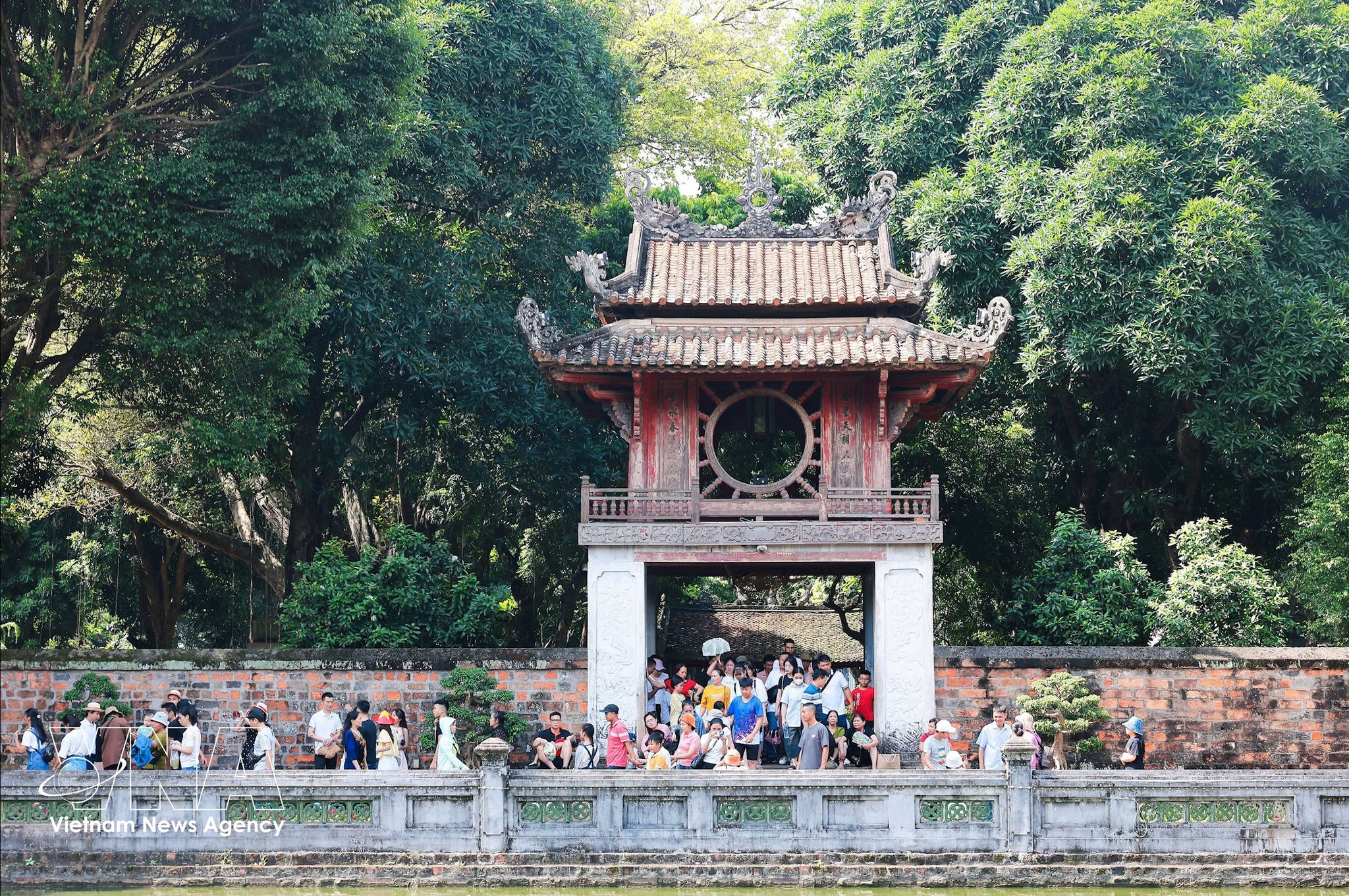
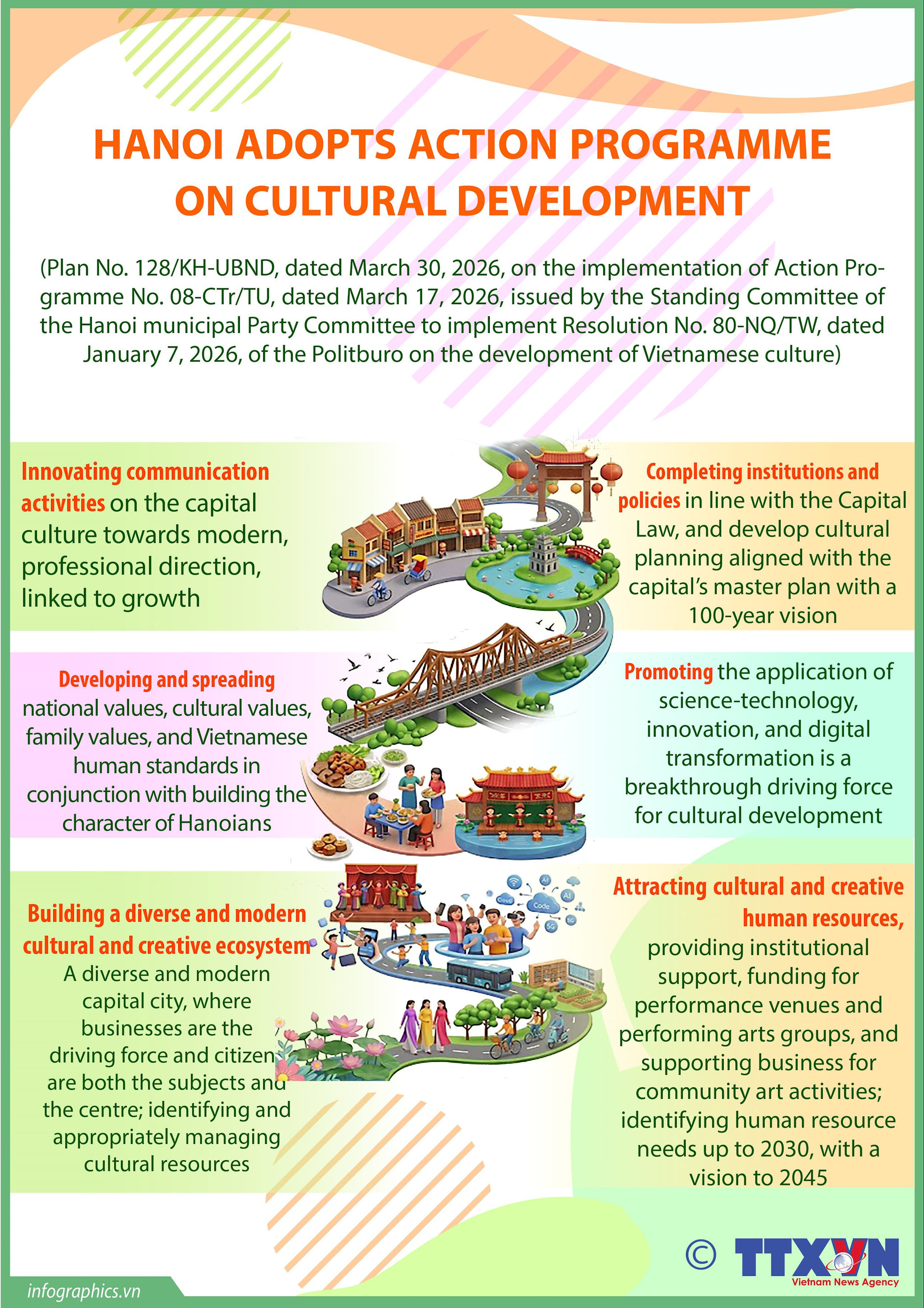
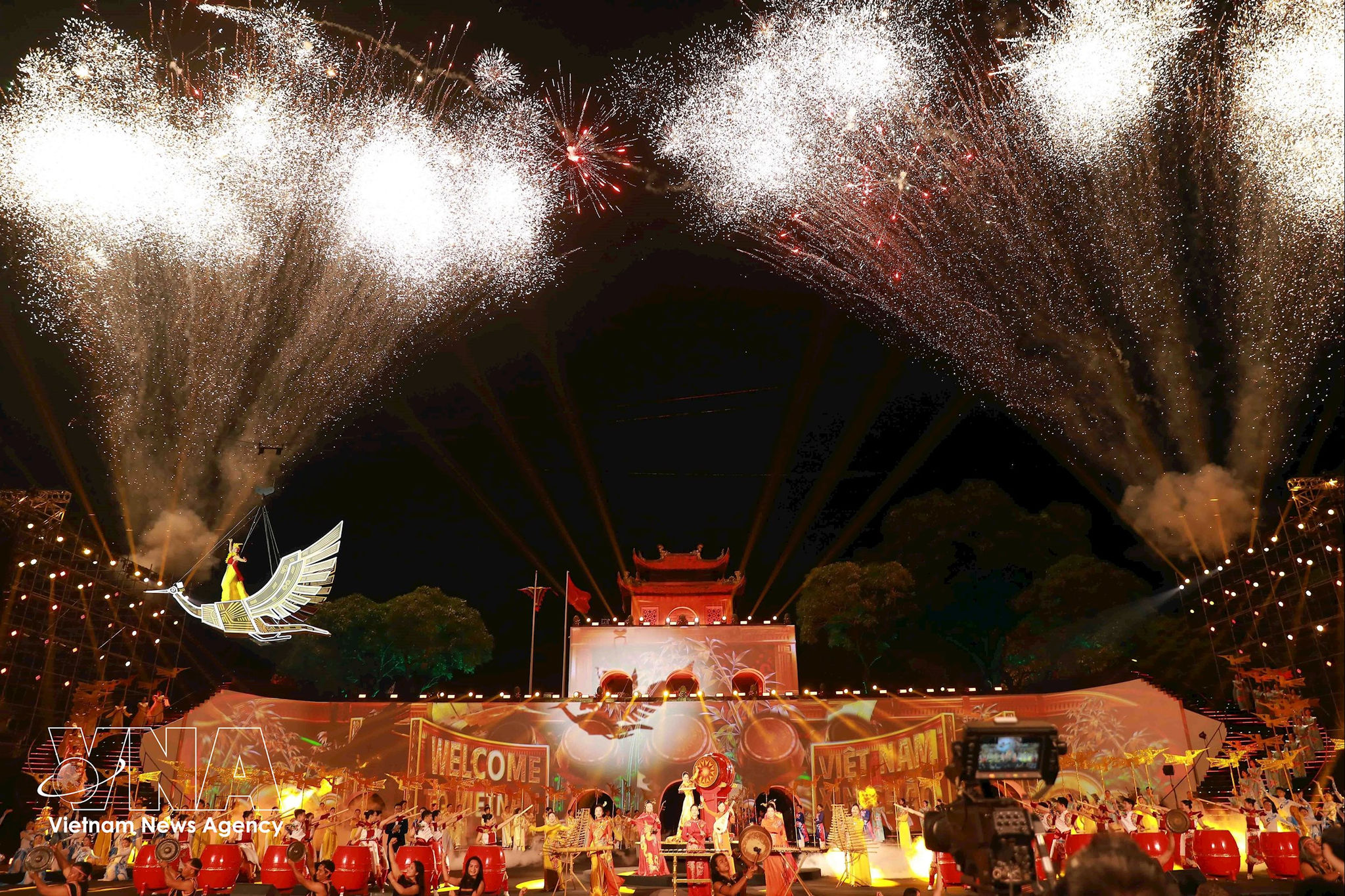
Hanoi, a UNESCO Creative City with rich heritage and abundant creative talent, is positioning culture as an internal strength and a driver of economic growth.
Under a March 17, 2026 action plan from the municipal Party Committee, which follows the Politburo’s Resolution 80-NQ/TW dated January 7, 2026, on Vietnamese cultural development, the city is moving beyond preservation alone. It is now upholding heritage values while developing cultural products, spaces and markets tied to innovation and global integration.
Upholding heritage values
“
The capital counts 6,489 relic sites, 1,793 intangible cultural heritage elements, six UNESCO-recognised heritage sites, 351 national treasures and 1,350 craft villages and villages with traditional crafts.
Together with the Old Quarter, its architectural works and cultural mechanisms, these assets underpin the city’s cultural depth and distinct identity.
Its workforce is another strength, with numerous universities, research institutes, experts, scientists, artists and artisans. That base can turn traditional values into new products, services and experiences.
Programme 08-CTr/TU names culture and people as the foundation, internal strength, driving force and regulatory mechanism for Hanoi’s rapid and sustainable development. Preservation, accordingly, must go hand in hand with value promotion, innovation and global integration.
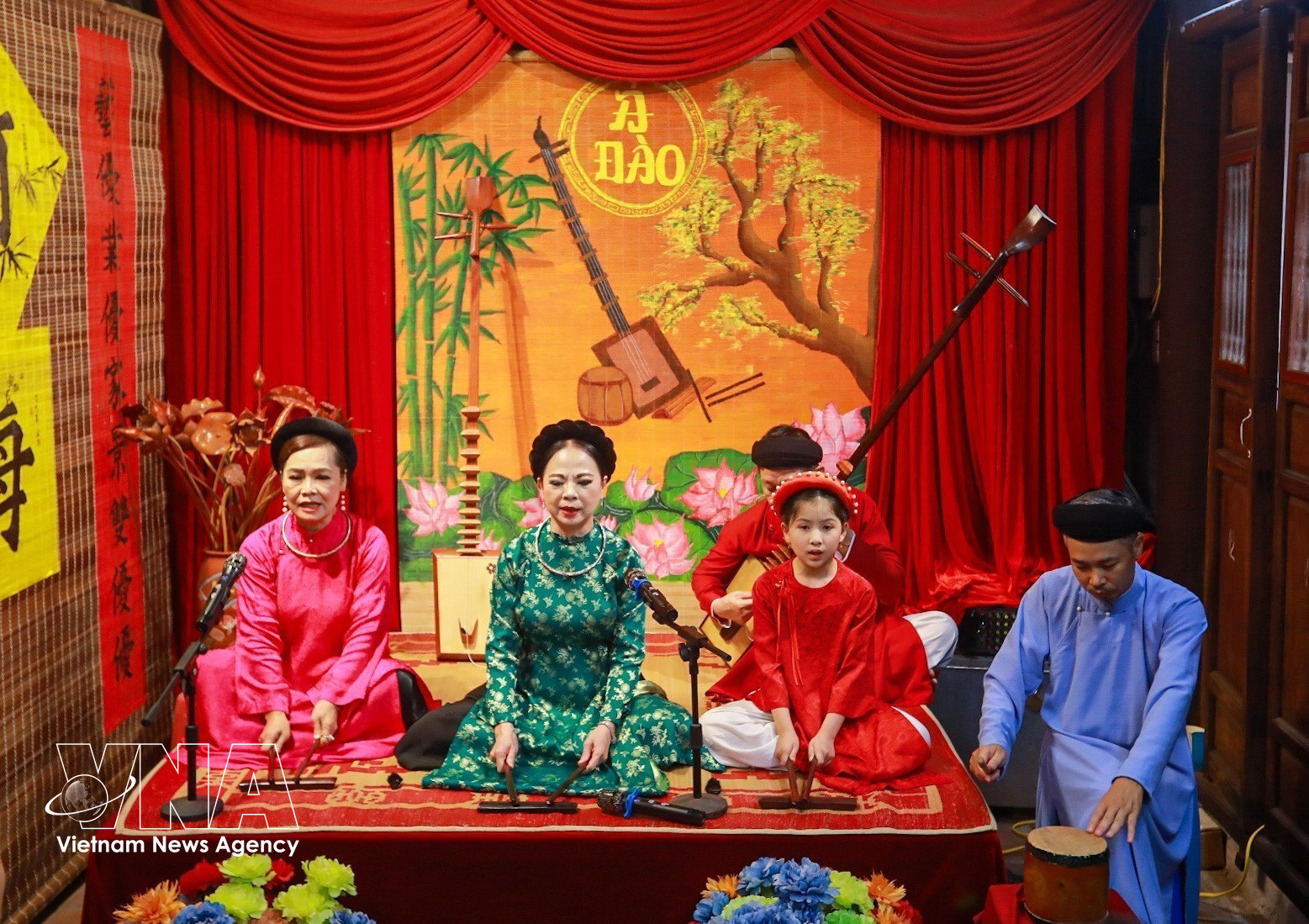
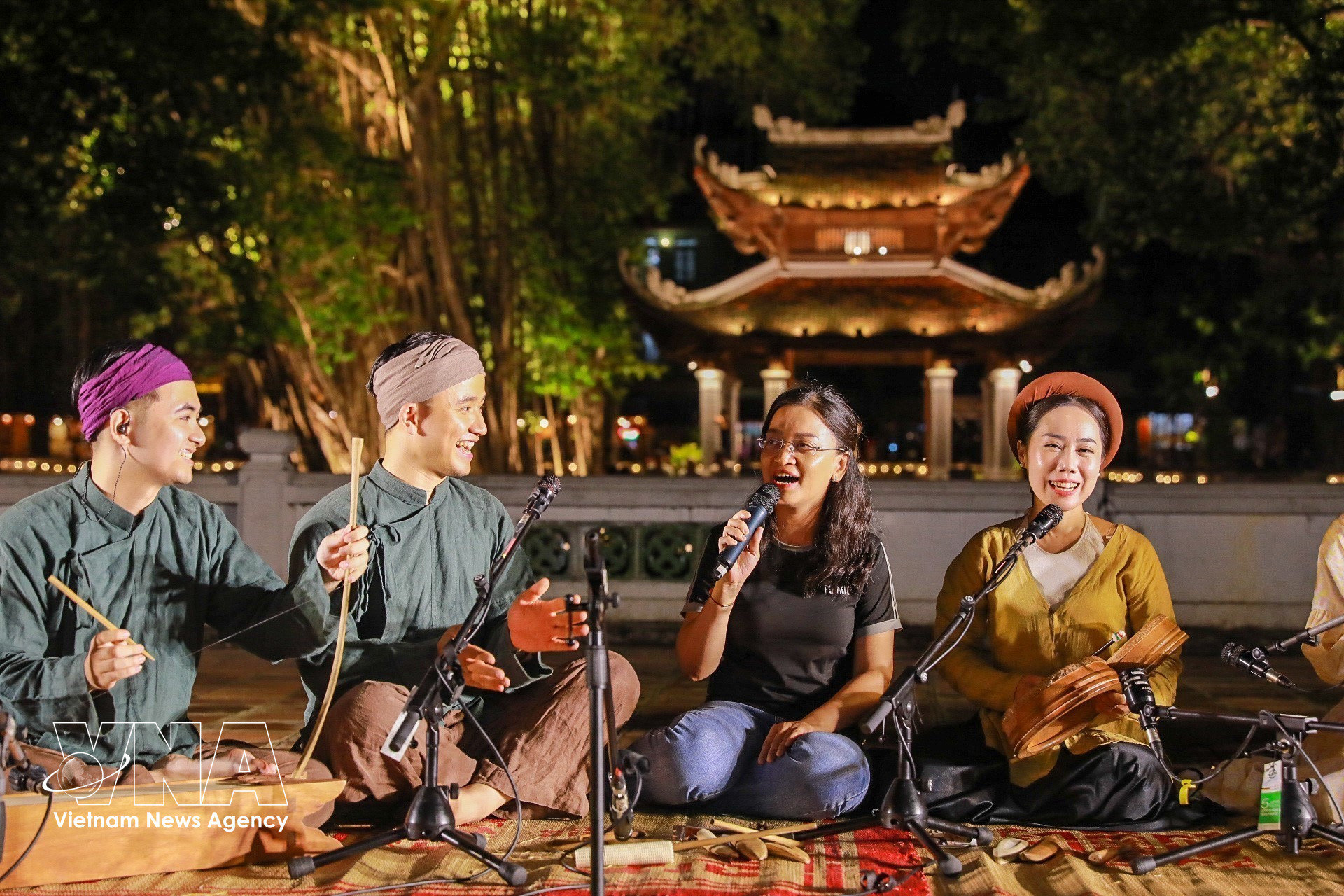
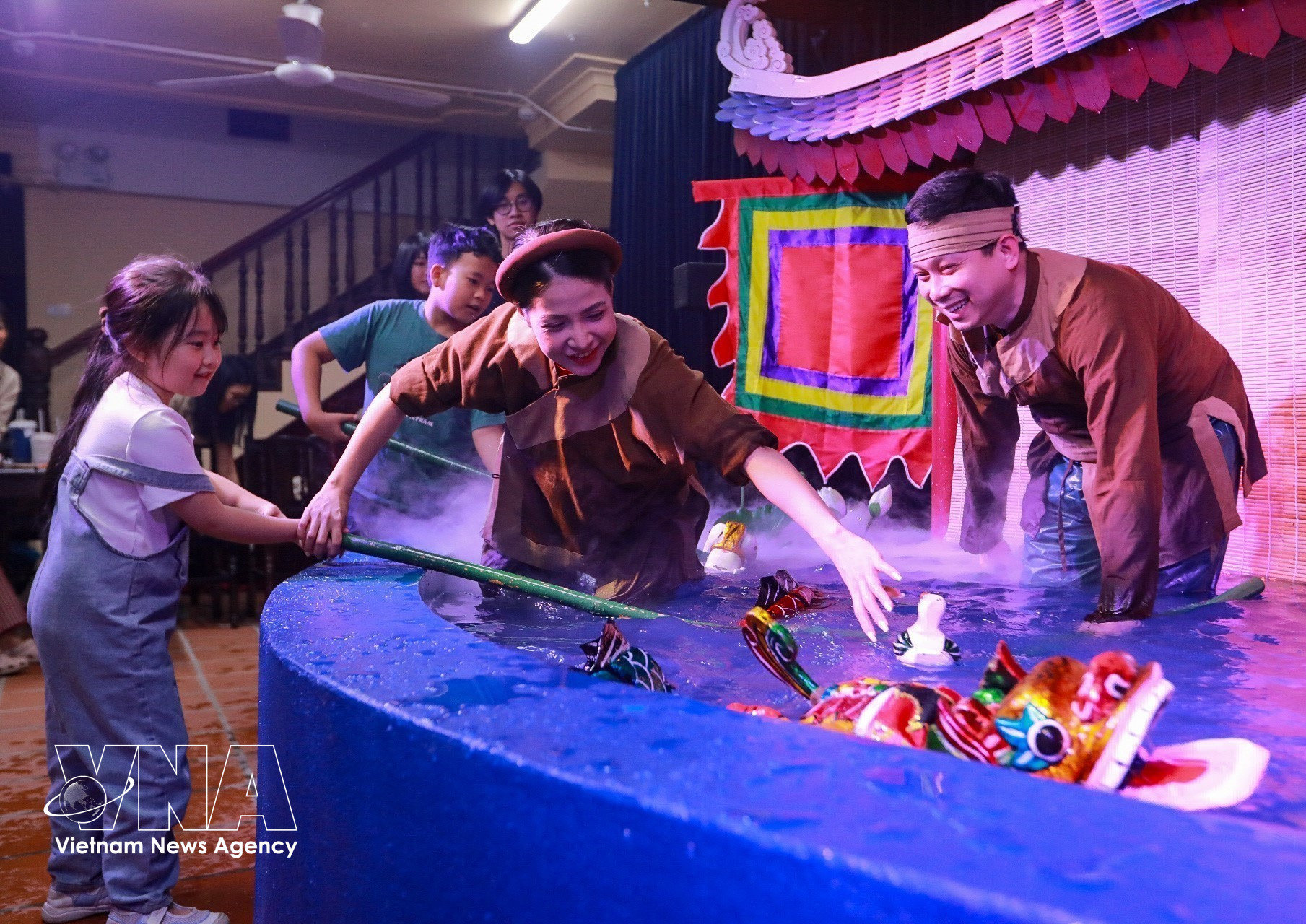
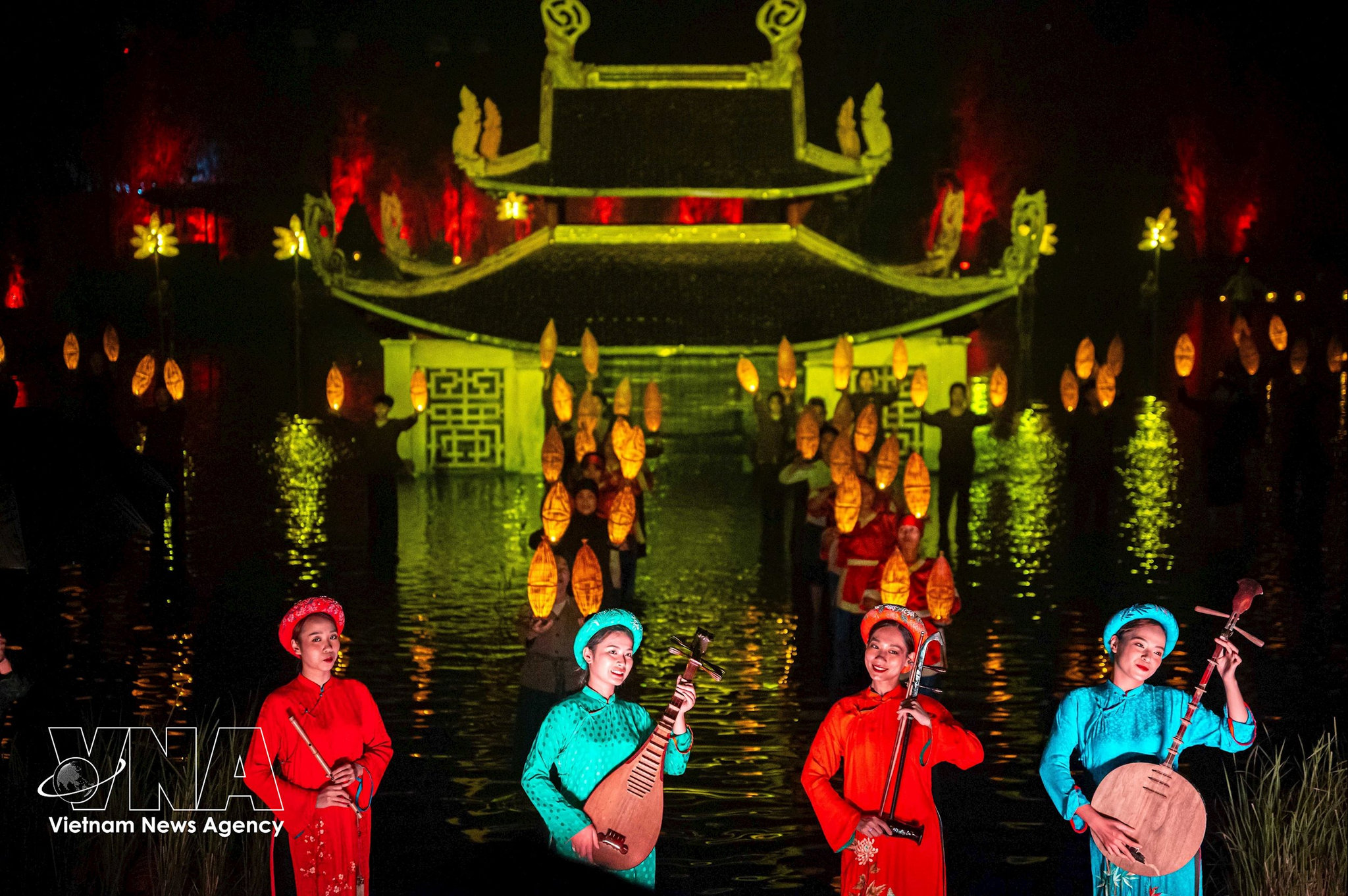
A traditional "ca tru" performance (Photo: VNA)A community project brings Xam folk singing closer to younger audiences at Van Lake, part of the Temple of Literature complex in Hanoi (Photo: VNA)Visitors experience traditional Vietnamese water puppetry (Photo: VNA)“Quintessence of Tonkin” – a distinctive night tour offering visitors a glimpse into the cultural heritage of the capital.
Pham Tuan Long, Director of the municipal Department of Culture, Sports and Tourism, said the city is rolling out 81 targets and tasks under the programme. Four are complete, and 20 others are due in 2026. Hanoi has also staged seven major events to build its brand and set up five hubs and zones for cultural industry, trade and cultural development.
Digital tools are changing how heritage is handled. Hanoi has built cultural databases and a cultural map on the WebGIS platform. At the Temple of Literature, 200 artifacts have been digitised in 3D, alongside digital exhibitions, QR codes and interpretation systems in 12 languages. The technology aids preservation and management, supports education and creates new experiences for residents and visitors.
From heritage to products
If heritage is the resource, the next step is creating products that can reach the public and the market, turning that resource into a growth driver.
“
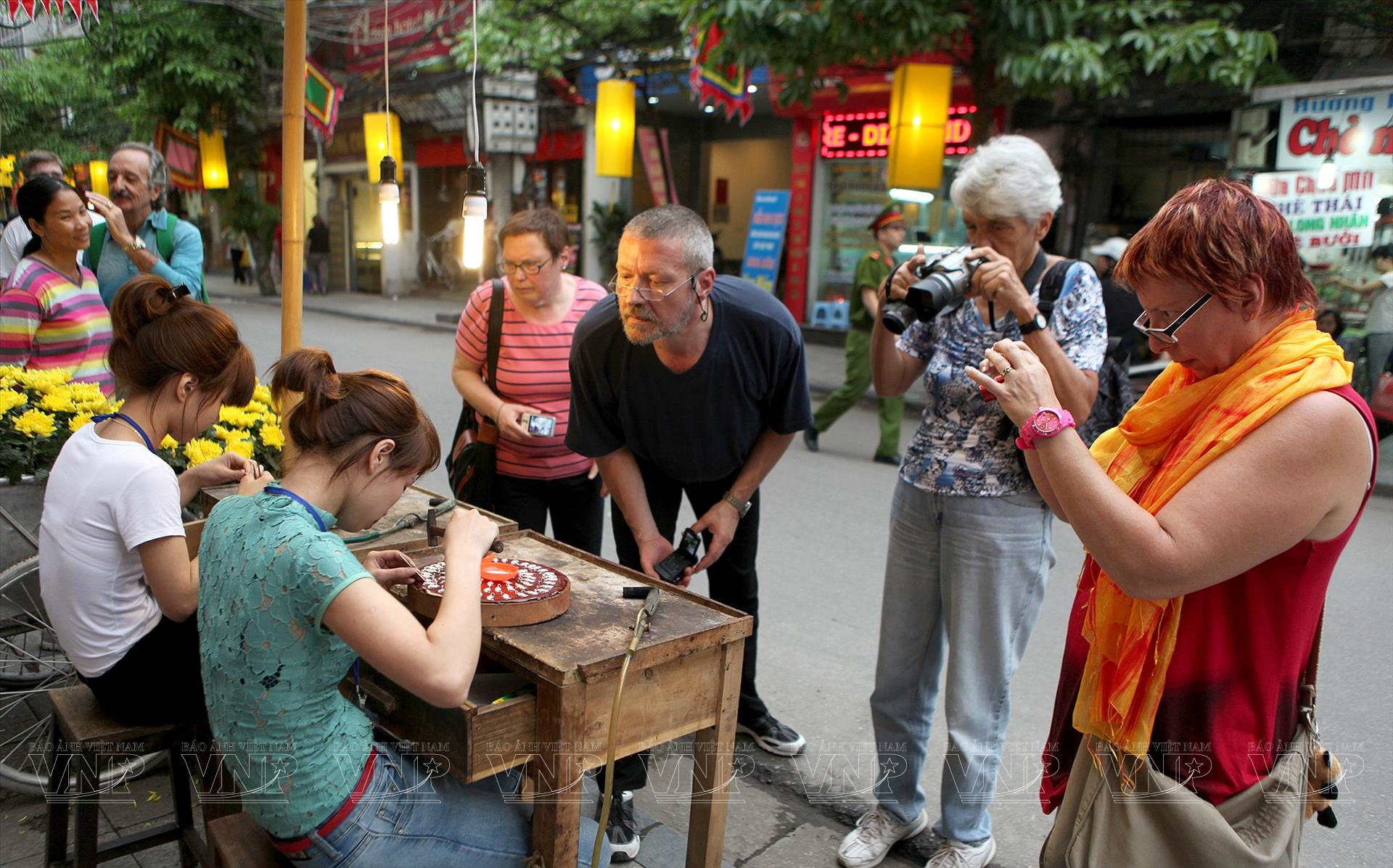
Hanoi is building a creative ecosystem of 82 creative spaces linked with 11 universities. Nearly 200 students and lecturers have visited craft villages and worked with artisans to develop products, and 400 works by students from four universities have been displayed in commercial spaces.
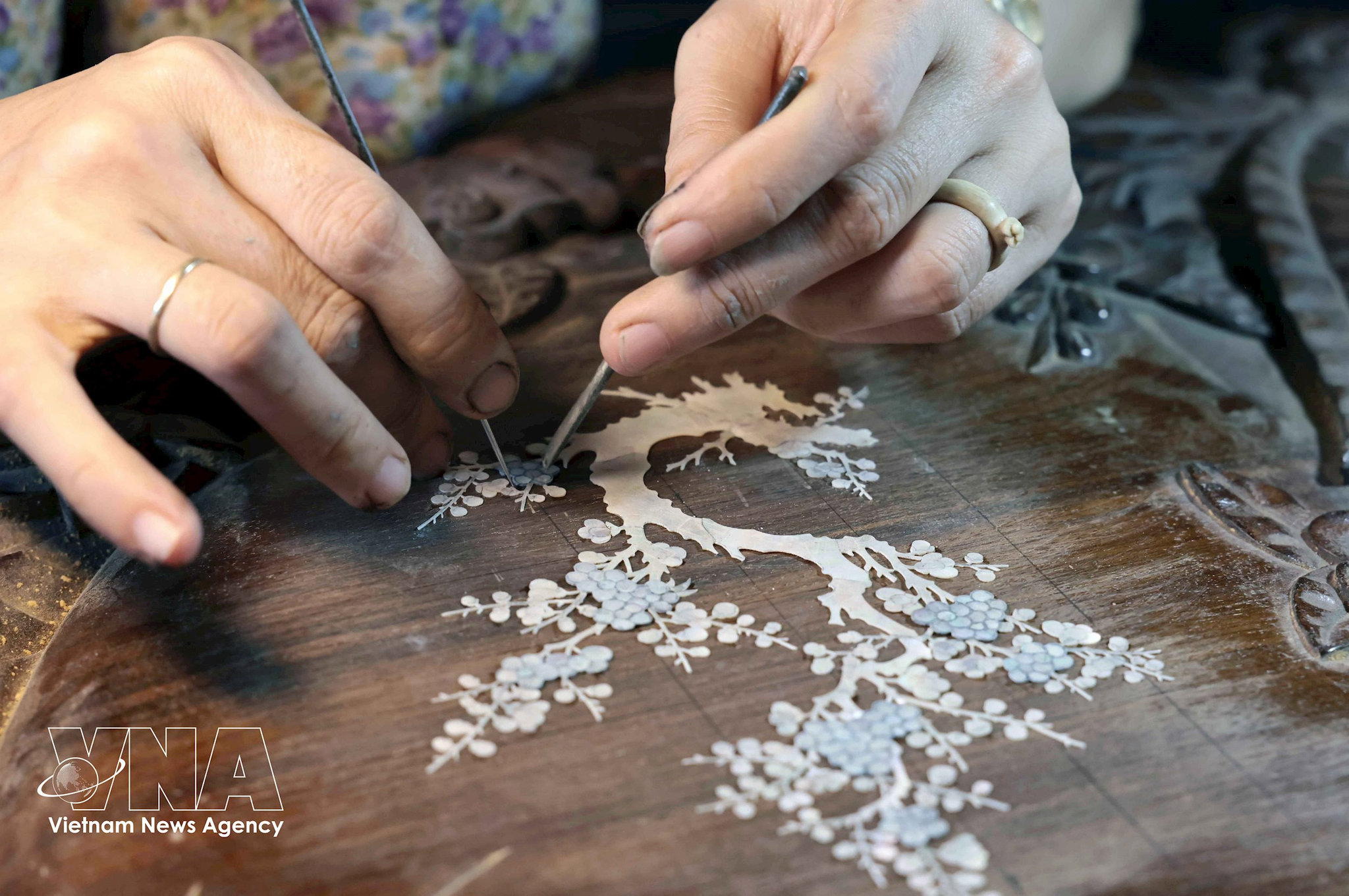
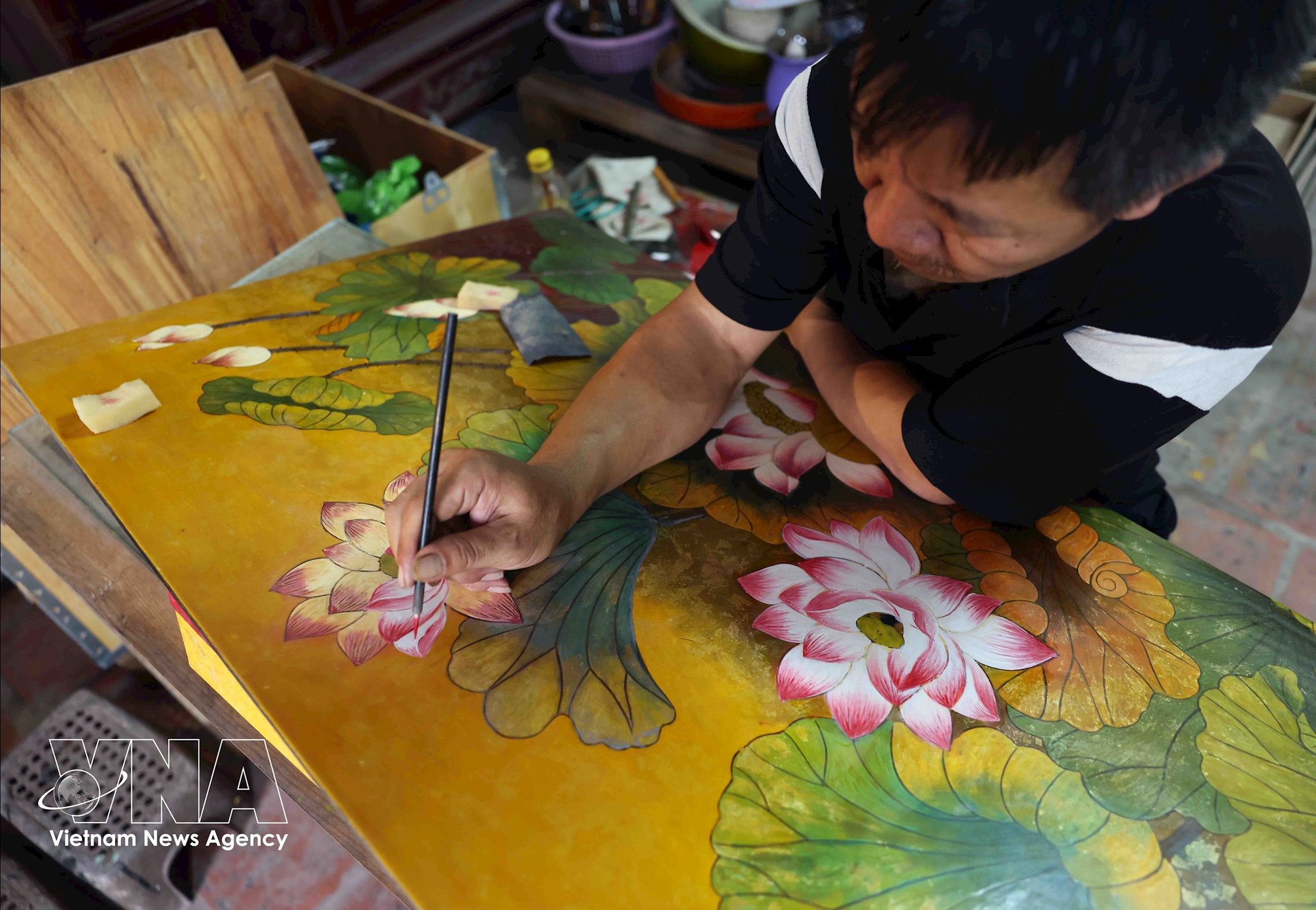
Models in Son Dong and Chuyen My, the “Cong Doai – Xuong Doai” initiative, and planned expansion to Dong Xuan – Bac Qua and Thong Nhat Park are turning craft villages, heritage sites and public spaces into meeting points for artisans, designers, businesses and communities.
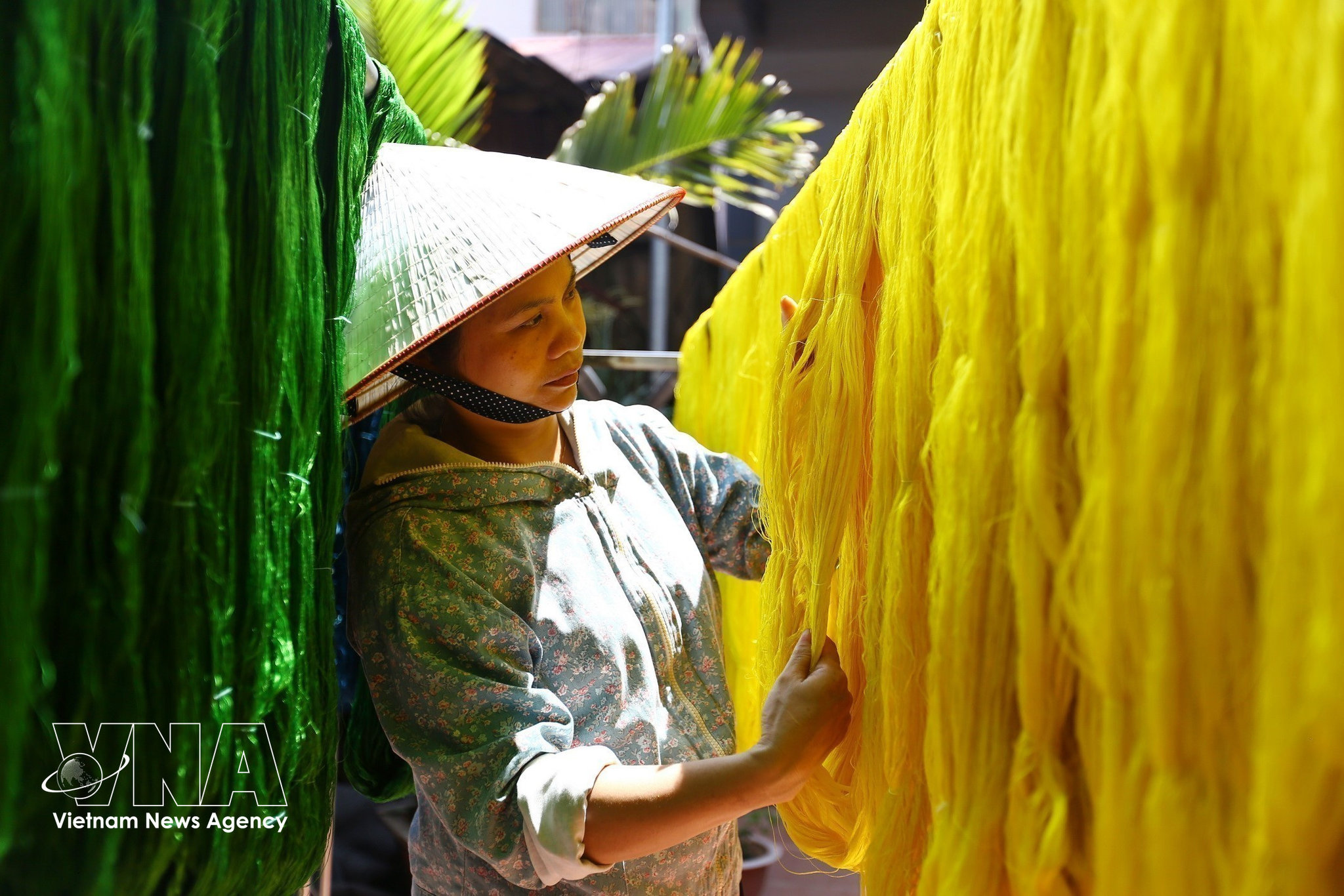
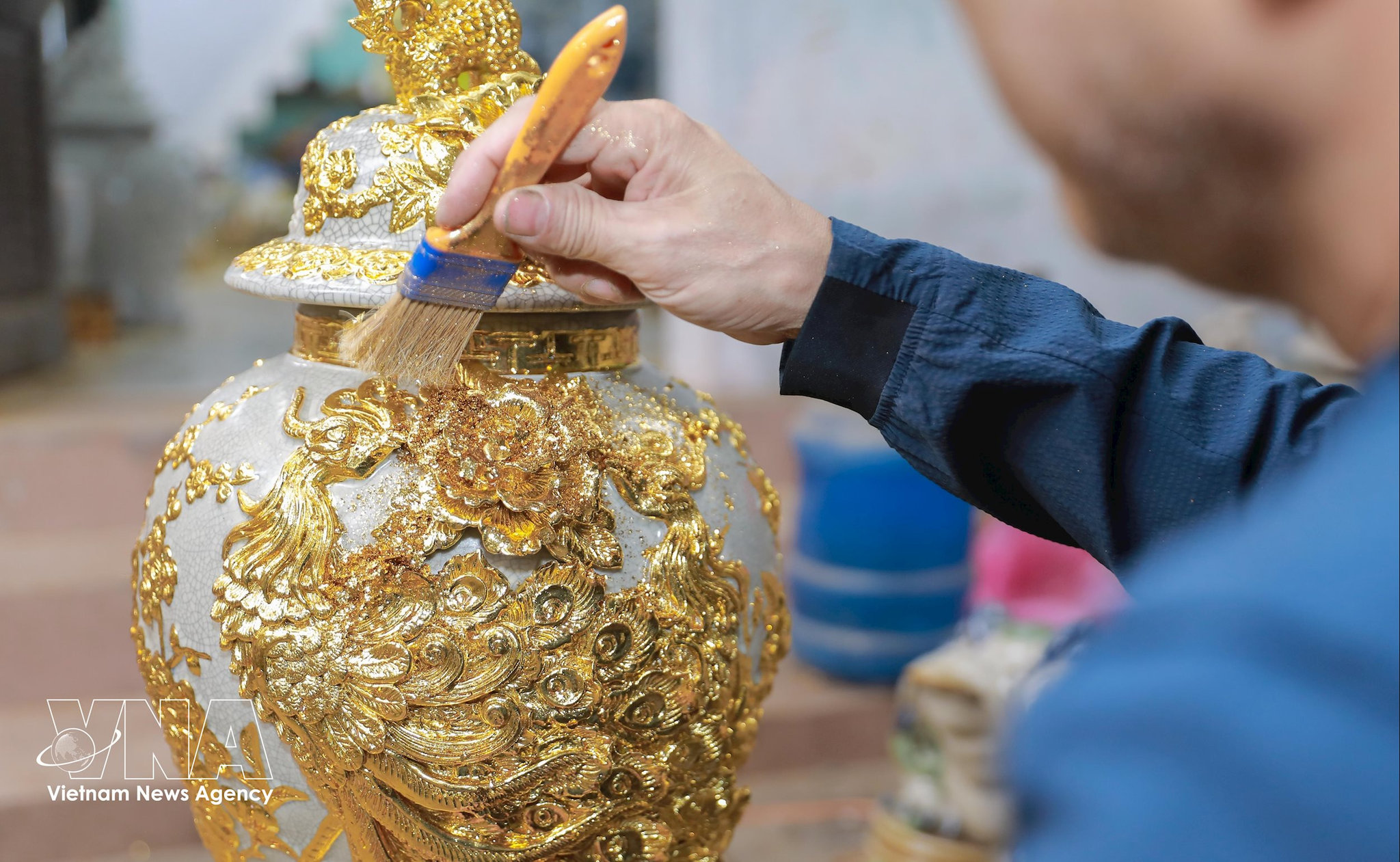
Known as a land of a hundred crafts, Thang Long – Hanoi has long been a hub of traditional craftsmanship, home to renowned craft villages where skills and time-honoured techniques are preserved and passed down through generations (Photo: VNA)
The city sees the cultural industries as a source of products, revenue and jobs, with spillovers for tourism, trade and services. It has completed a statistical indicator system covering 11 cultural industries to gauge their contribution to the gross regional domestic product. It is also developing cultural industry hubs in Cua Nam, Dong Xuan – Bac Qua and Ho Van, plus a cultural industry development zone in Bat Trang.
Still, the gap between potential and competitive products remains wide. Pooling social resources continues to hit bottlenecks, and coordination across sectors is uneven. The city needs to set priorities and avoid scattered investment, pick projects that can lead the field, and publicly list the spaces and heritage sites open for cooperation.
“
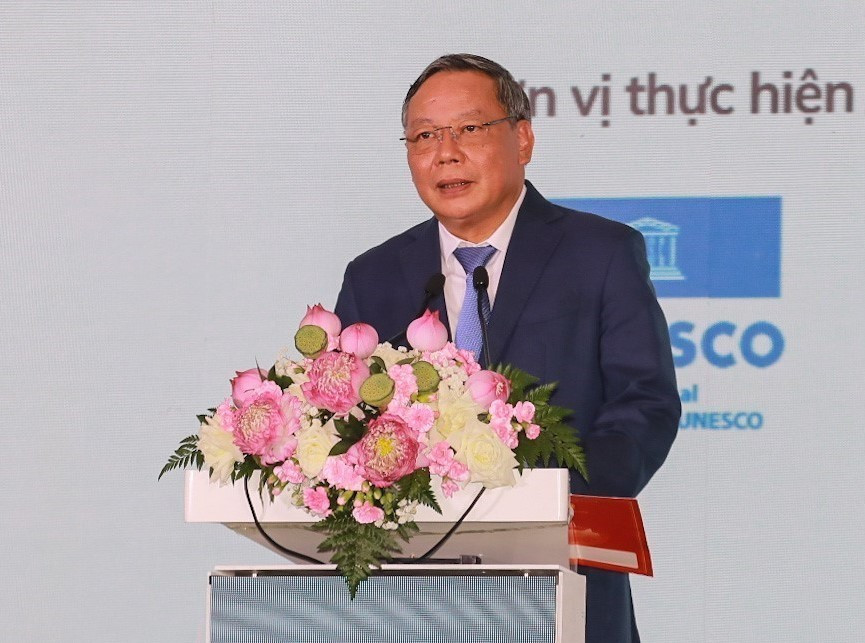
The city must define a list of projects and priority areas to draw in social resources. It must also build a network of experts, research institutes and universities at home and abroad for consultancy. The city needs to embrace global trends and professionalise the promotion of its cultural products.
Deputy Secretary of the Hanoi Party Committee Nguyen Van Phong
Expanding creative spaces
For culture to become a real growth driver, Hanoi must expand creative spaces, connect resources and bring in more private sector involvement.
Tran Duc Thang, Secretary of the municipal Party Committee and Head of the Steering Committee for the Development of Hanoi Culture, called for a full review of all targets and tasks under Programme 08-CTr/TU. He wants clear roles, tasks and timelines, pooled resources and bottlenecks cleared. Areas the private sector can handle should be opened to investment, he said.
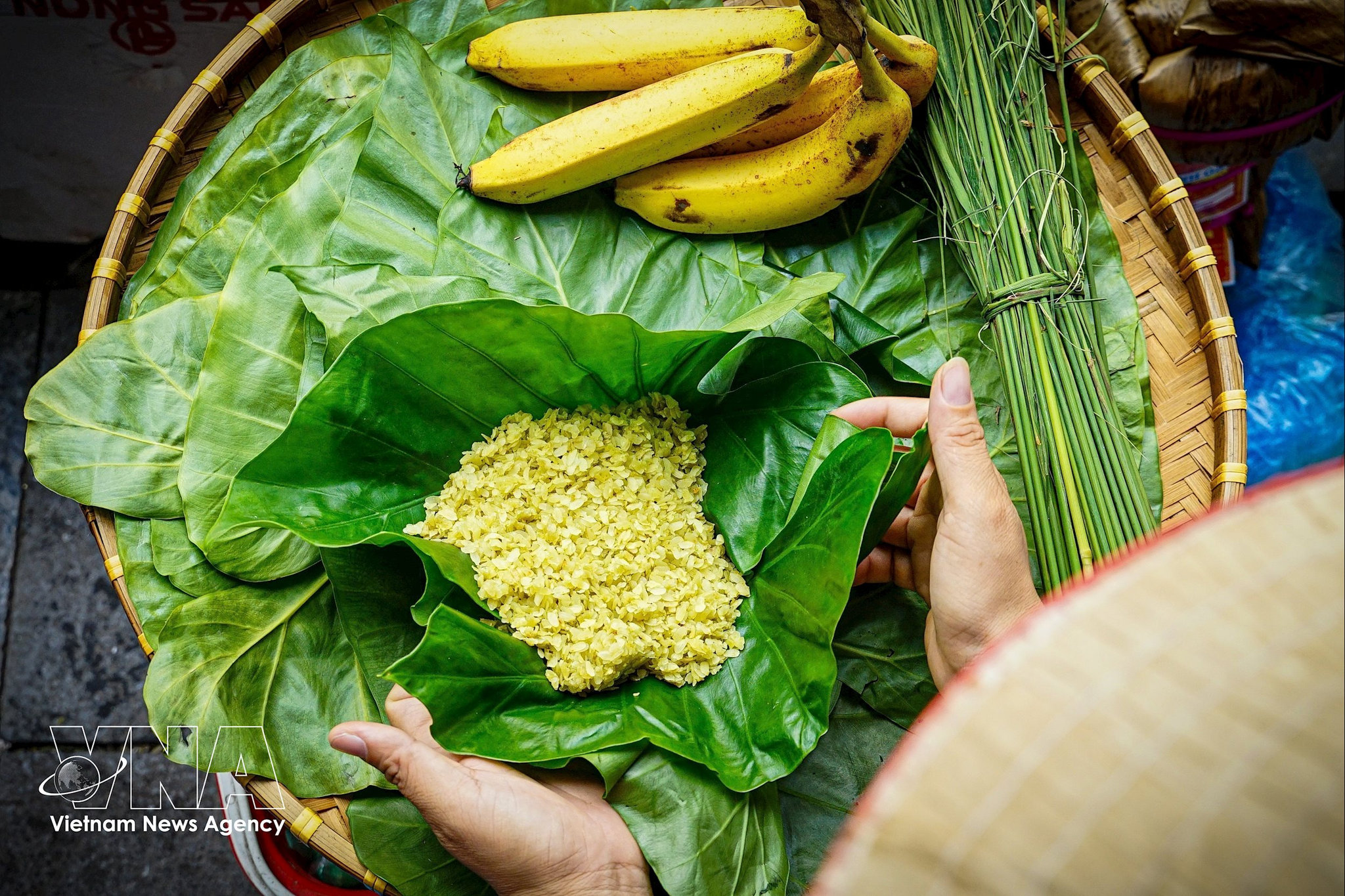
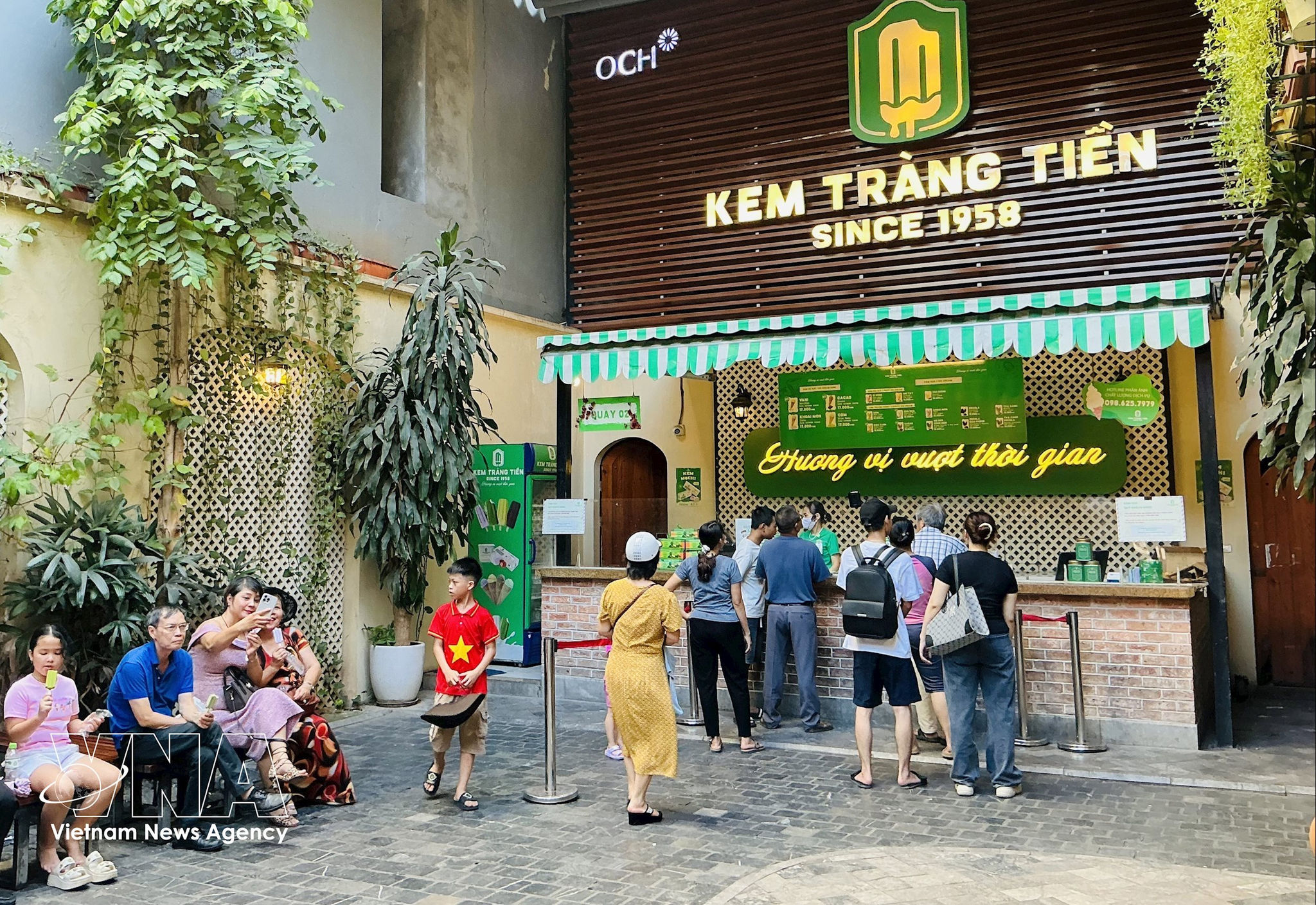
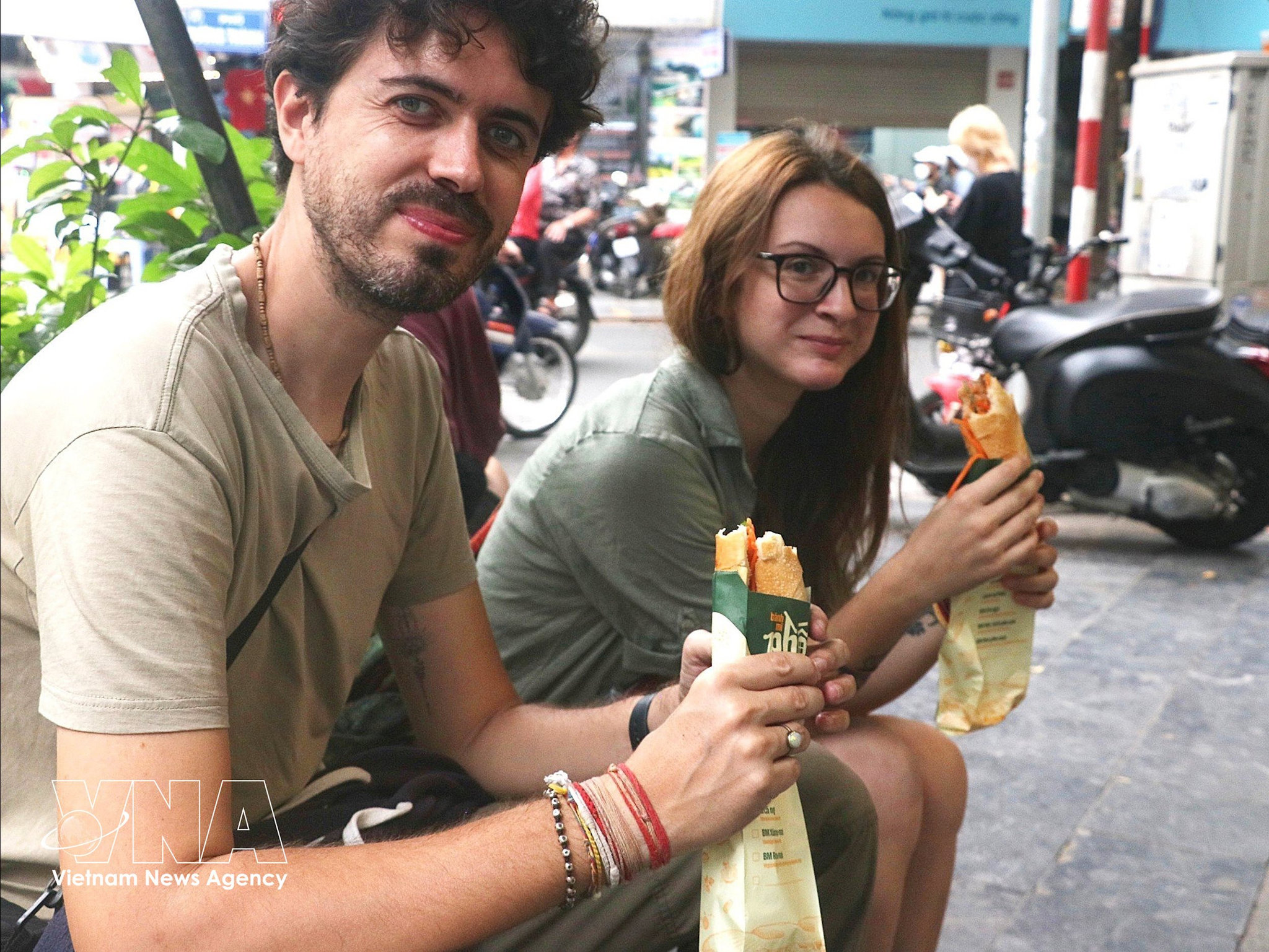
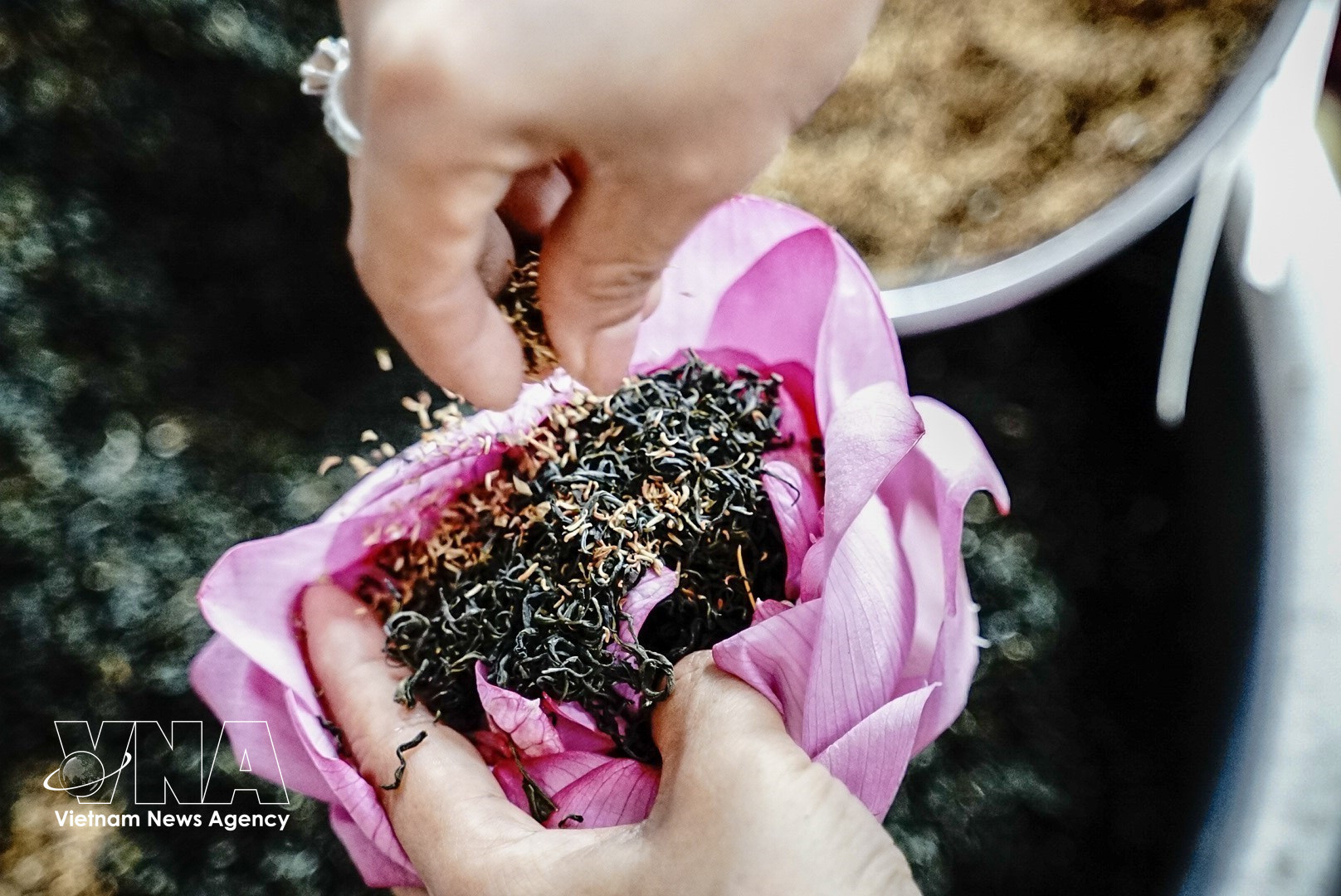
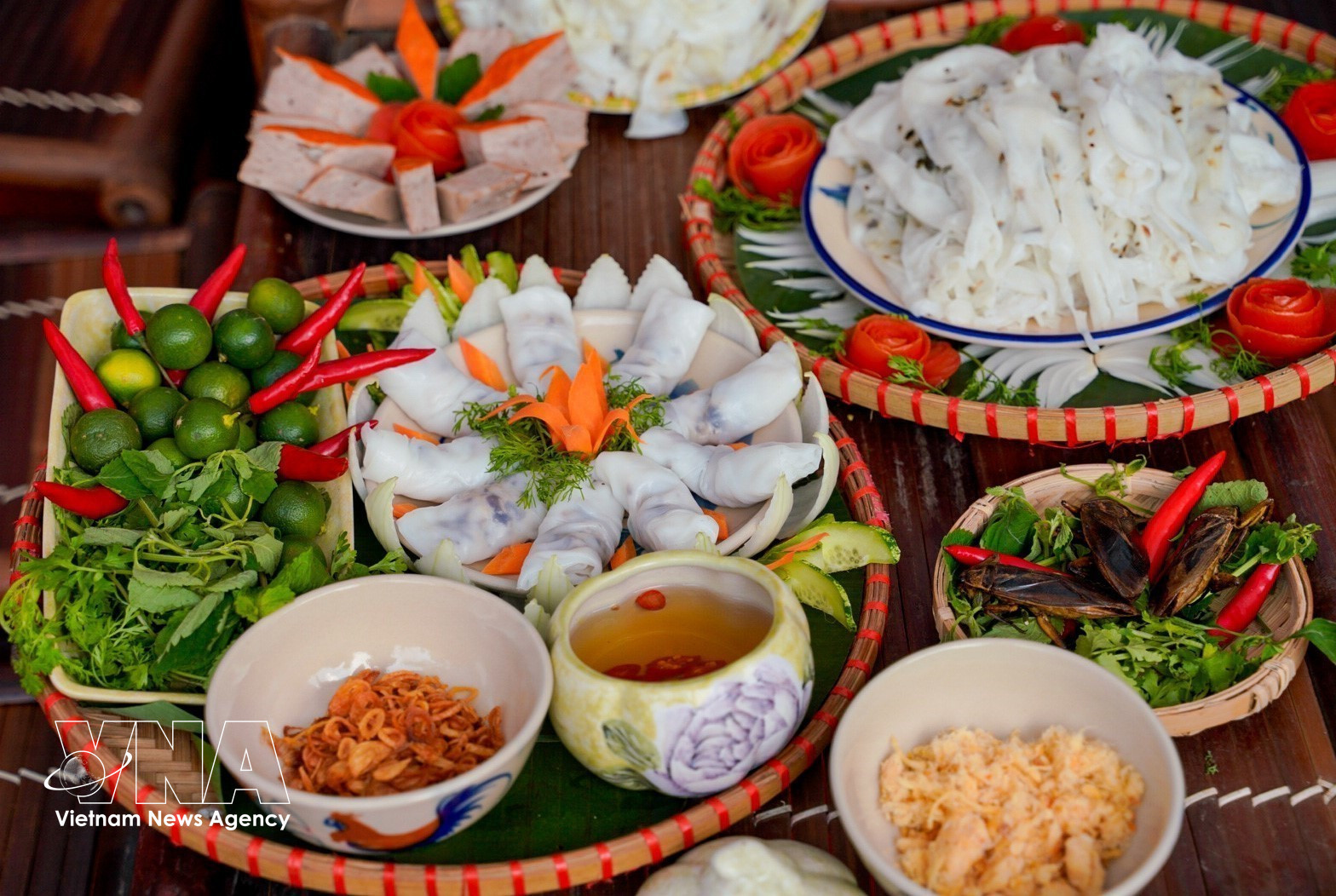
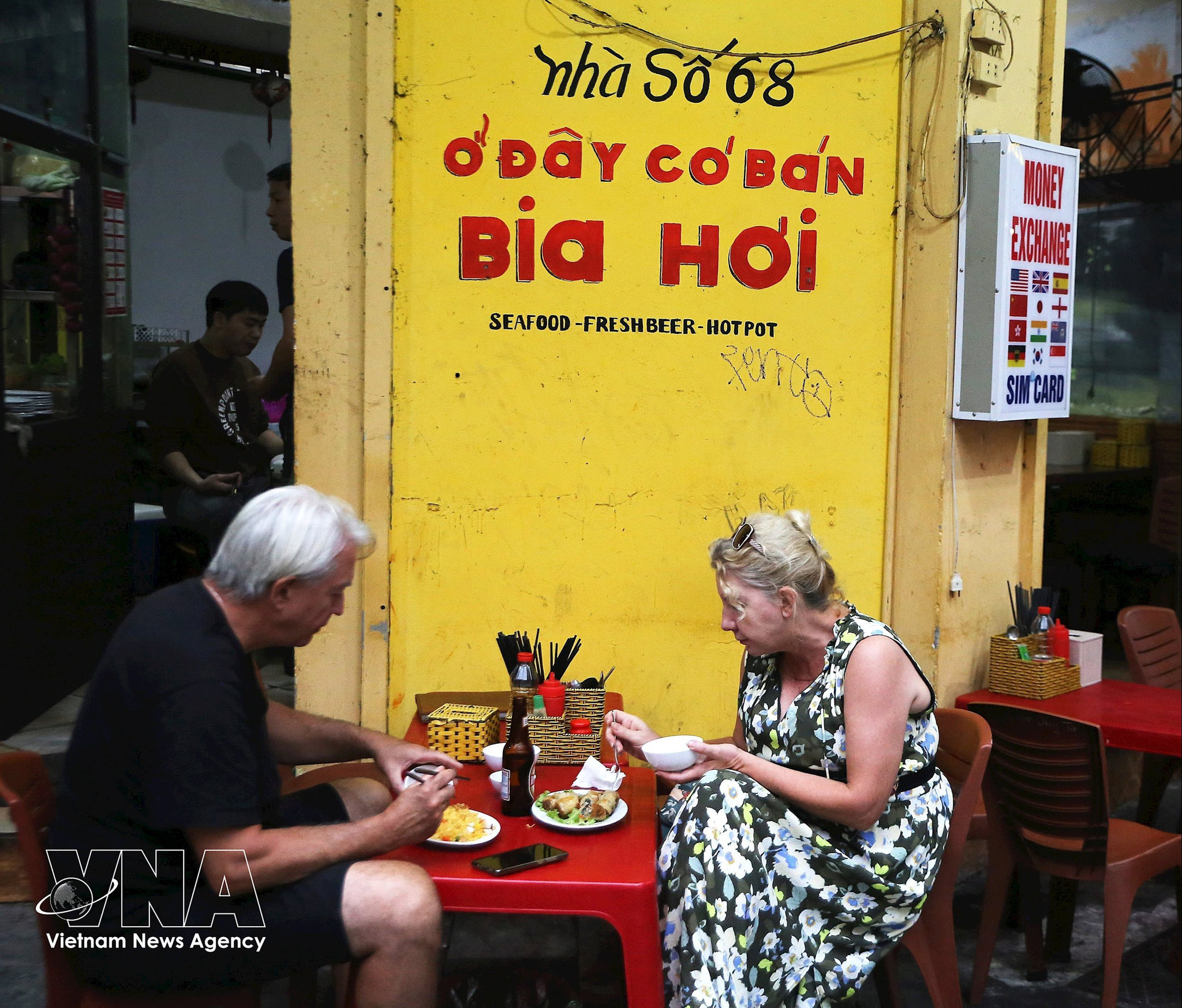
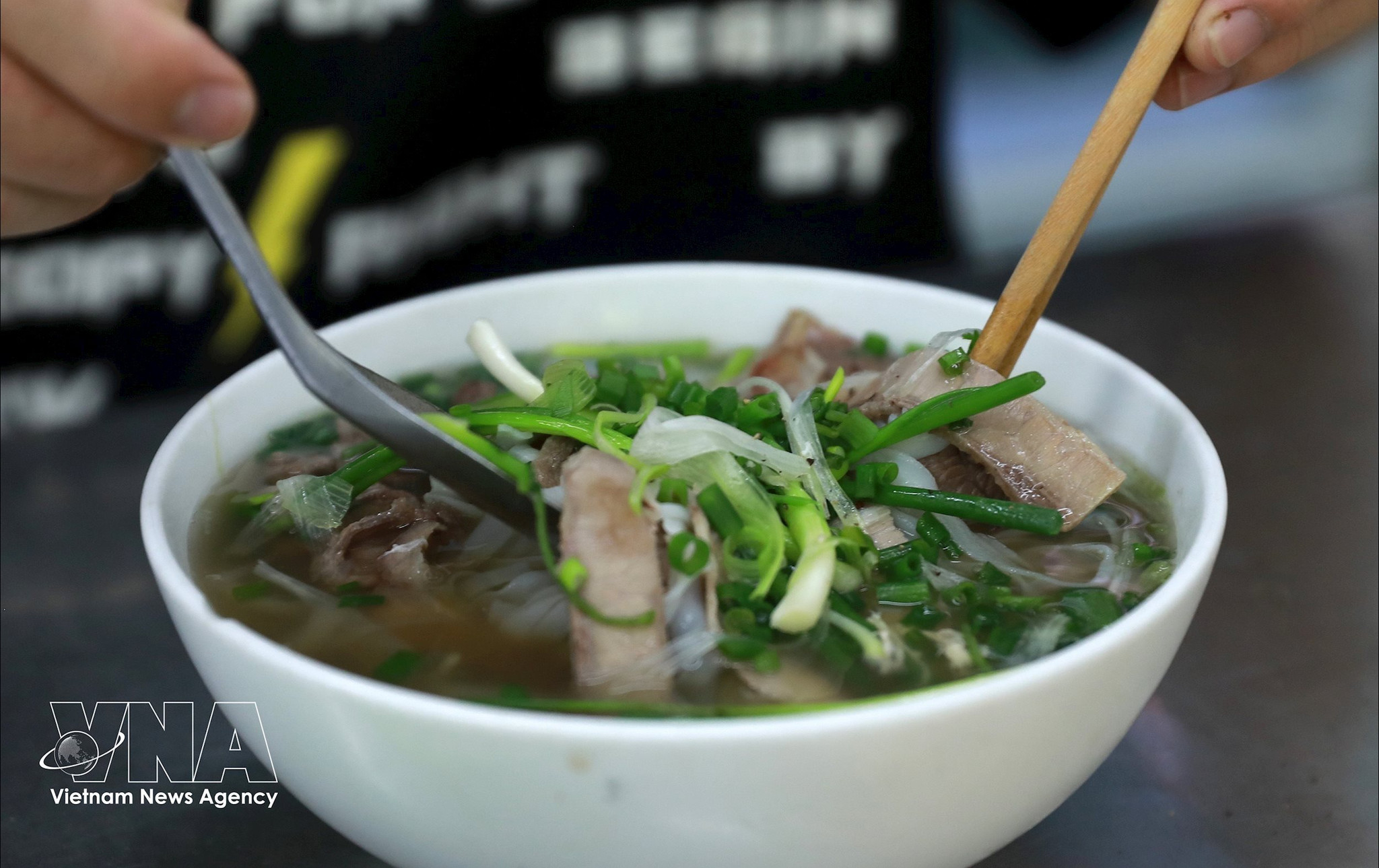
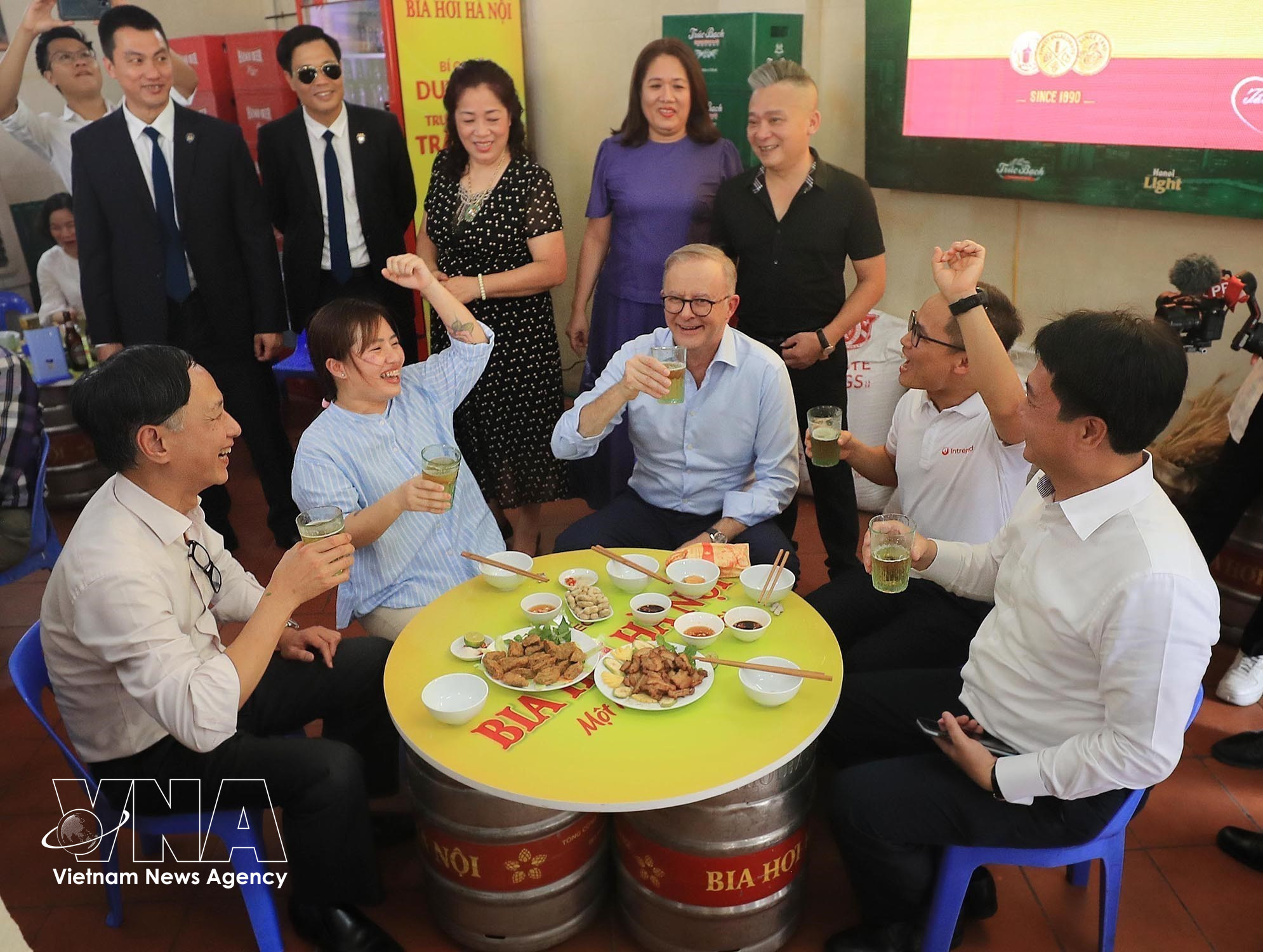
Bananas dipped in fresh Vong Village green rice flakes (com) make a perfect pairing in Hanoi’s culinary tradition (Photo: VNA)Trang Tien ice cream, a familiar destination for locals and visitors alike, reflects culinary traditions nurtured over generations and contributes to Hanoi’s distinctive cultural identity (Photo: VNA).Foreigners eat Vietnamese bread on a Hanoi sidewalk (Photo: VNA)West Lake lotus tea – a refined expression of Hanoi’s cultural heritage (Photo: VNA)Once a humble dish from Hanoi’s suburban areas, Thanh Tri steamed rice rolls are included in the cultural heritage list, elevating this traditional delicacy into a symbol of the capital’s culinary culture (Photo: VNA)A humble eatery draws visitors on Luong Ngoc Quyen street (Photo: VNA)On August 13, 2024, the Ministry of Culture, Sports and Tourism issues a decision adding Hanoi pho to the National List of Intangible Cultural Heritage (Photo: VNA).Hanoi is not only a safe and reliable destination but also an attractive meeting place for foreign dignitaries and international friends. In the photo: Australian Prime Minister Anthony Albanese enjoys fresh draft beer and traditional Hanoi banh mi on Duong Thanh Street in Hoan Kiem district (Photo: VNA)
Thang also urged a review of land bases to consolidate cultural industry hubs, with a focus on lead projects and products and on large-scale events with wide impact. Progress reviews must be tied to accountability, particularly for heads of agencies and units.
People must also be placed at the centre. Hanoi is drafting criteria to assess public service culture, aiming to quantify attitudes toward serving the people, discipline, order, and responsibility in leading by example. The effort embeds culture in public administration, official conduct and the quality of urban services.
“Having products and achieving results” is the key benchmark. A creative space must operate regularly, a restored heritage site needs a plan to uphold its value, support mechanisms must reach artisans, artists and businesses, and major events must leave a lasting mark on the Hanoi brand.
Hanoi holds advantages few cities can match: thousands of years of cultural depth, abundant brainpower and a creative workforce, and an increasingly established international standing. If heritage is linked with technology, creativity and the market, with businesses and communities working together and residents acting as both creators and beneficiaries, culture will become the capital’s soft power, internal strength and driver of development.
That is also Hanoi’s path to preserving the depth of a thousand-year-old cultural city while creating new value as a modern, creative and globally integrated one, in pursuit of a capital that is “cultured – civilised – modern – happy”./.