AI OPENS UP OPPORTUNITIES FOR PEOPLE WITH DISABILITIES
LongForm - Ngày đăng : 17:21, 15/10/2026
Amid the rapid development of the Fourth Industrial Revolution, artificial intelligence (AI) is changing the way people learn, work and communicate. For persons with disabilities (PwDs), AI is opening up new opportunities to overcome barriers once considered insurmountable, narrow the digital divide, and promote an inclusive society where no one is left behind.
AI OPENS UP OPPORTUNITIES FOR PEOPLE WITH DISABILITIES
VNA•{Ngày xuất bản}
Amid the rapid development of the Fourth Industrial Revolution, artificial intelligence (AI) is changing the way people learn, work and communicate. For persons with disabilities (PwDs), AI is opening up new opportunities to overcome barriers once considered insurmountable, narrow the digital divide, and promote an inclusive society where no one is left behind.
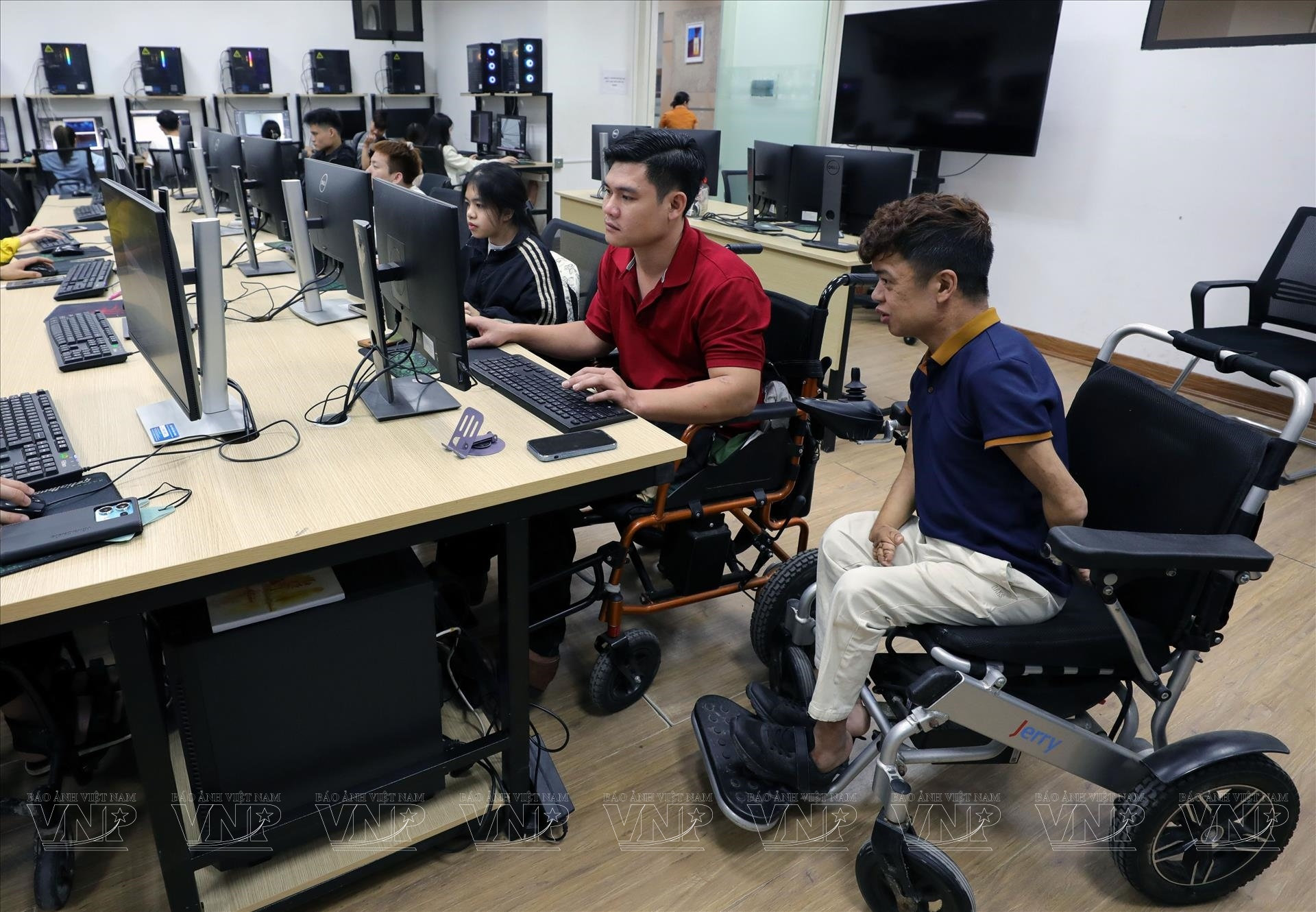
A class taught by Vu Phong Ky at the Nghi Luc Song Centre, which provides vocational training in information technology while inspiring and supporting people with disabilities. (Photo: VNA)
Vietnam has more than 7 million PwDs, accounting for around 7% of the population. For them, technology not only provides convenience but can also serve as a “bridge” to help overcome barriers, gain greater control over their lives, and integrate into society.
Technology helps remove barriers
One of the greatest advantages AI offers to PwDs is enhancing the functionality of assistive devices. PwDs in Vietnam and around the world are increasingly using various applications that enable them to live more independently.
For those with visual impairments, AI-powered computer vision applications can read text, describe images, identify objects and text, assist with shopping, and convey information through voice.
AI also helps people with hearing impairments recognise speech and generate captions, enabling them to follow meetings and television programmes. It supports the group with mobility impairments in controlling devices through voice commands or eye movements. AI also serves as a “virtual assistant” for people with autism or cognitive impairments in learning, working and performing daily activities.
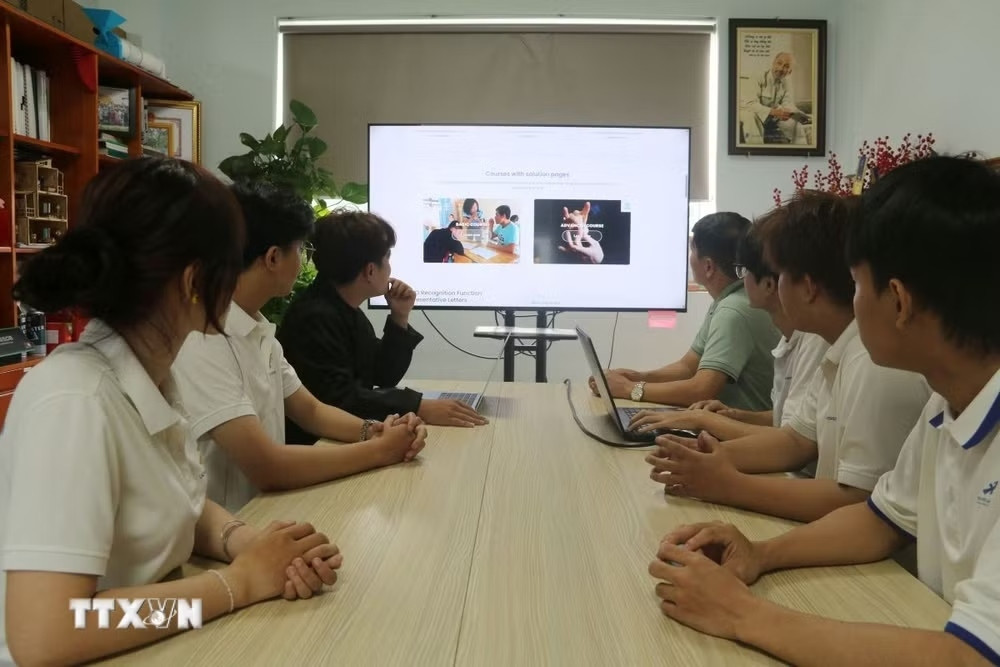
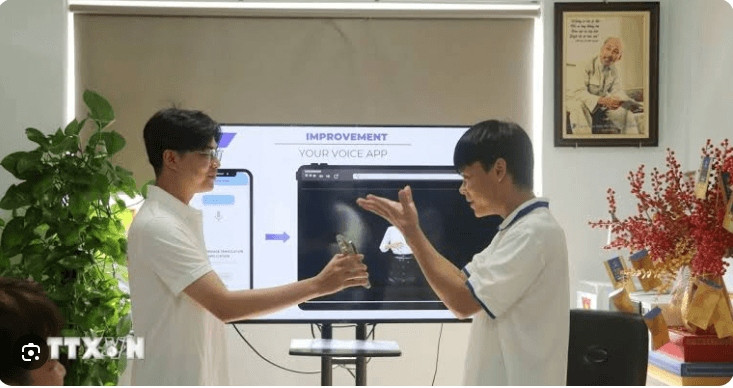
The “Your Voice” software was developed by students of Lac Hong University in Ho Chi Minh City for people with hearing impairments. (Photo: VNA)
In Vietnam, a number of “Made in Vietnam” AI applications for PwDs have been put to effective use. One example is Blife, a product developed by a team of scientists from the University of Engineering and Technology under Vietnam National University, Hanoi, led by Assoc.Prof. Dr. Le Thanh Ha. Based on observations of people with central nervous system injuries or mobility impairments, Ha and his team developed an intelligent AI-integrated human-machine communication system capable of converting eye movements into speech, enabling patients to communicate more easily. With an affordable and user-friendly design, Blife is being used at several hospitals, helping improve the quality of life of many patients.
Dr. Tran Kim Ba of the Vietnam Academy of Social Sciences said PwDs are among the disadvantaged and vulnerable groups in society. With remarkable technological advances, particularly in AI, PwDs are gradually gaining access to benefits that were previously beyond their reach.
Equal opportunities for all
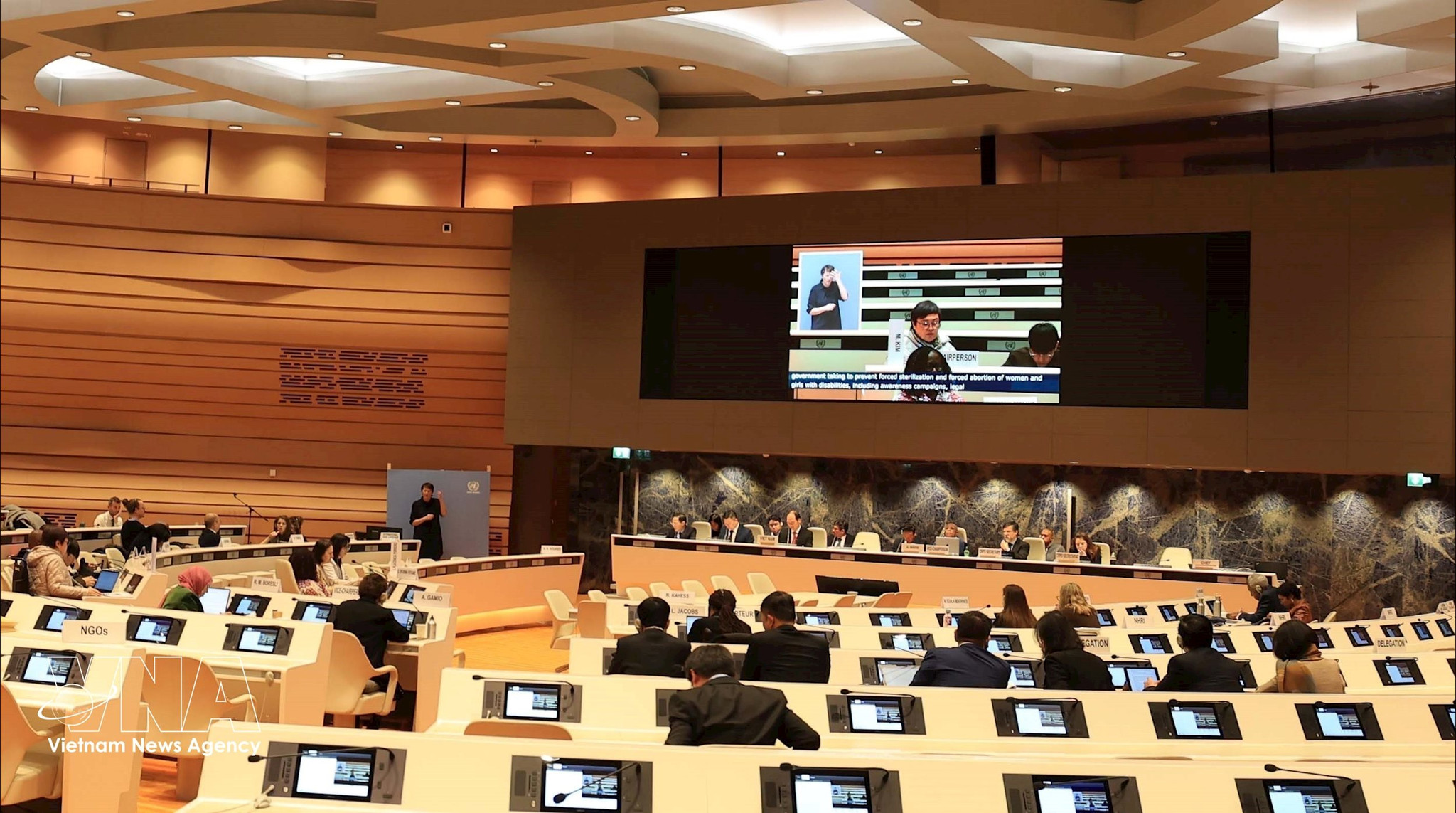
Deputy Minister of Home Affairs Nguyen Van Hoi affirms Vietnam’s commitment to consistently implementing policies to promote and protect the rights of persons with disabilities at a session for defending reports on the implementation of the UN Convention on the Rights of Persons with Disabilities (CRPD) at the UN headquarters in Geneva on March 7, 2025. (Photo: VNA)
However, technology should go beyond providing convenient support functions for PwDs. The humanistic value of technology also lies in creating opportunities for PwDs to participate, learn, master technology, and contribute to society through employment. This means that opportunities for PwDs must be ensured fairly and equally in training and employment connection programmes.
UNDP Resident Representative in Vietnam Ramla Khalidi
“
UNDP views AI as a practical tool for promoting inclusion if the technology is designed and governed in a way that meets the needs of persons with disabilities.
UNDP Resident Representative in Vietnam Ramla Khalidi
According to a 2026 study on AI readiness, Vietnam is at the “making a mark” stage in terms of inclusion in AI, reflecting the country's commitment to promoting inclusive development.
A survey on digital competence of PwDs in Vietnam, conducted by the Management and Sustainable Development Institute (MSD) in 2026, covered 201 PwDs aged between 16 and 60 in Hanoi, Quang Tri, Da Nang, Ho Chi Minh City and Can Tho. The survey, which used an assessment framework adapted from the European Union's DigComp model, showed that the current digital divide is more a matter of skills than access to devices.
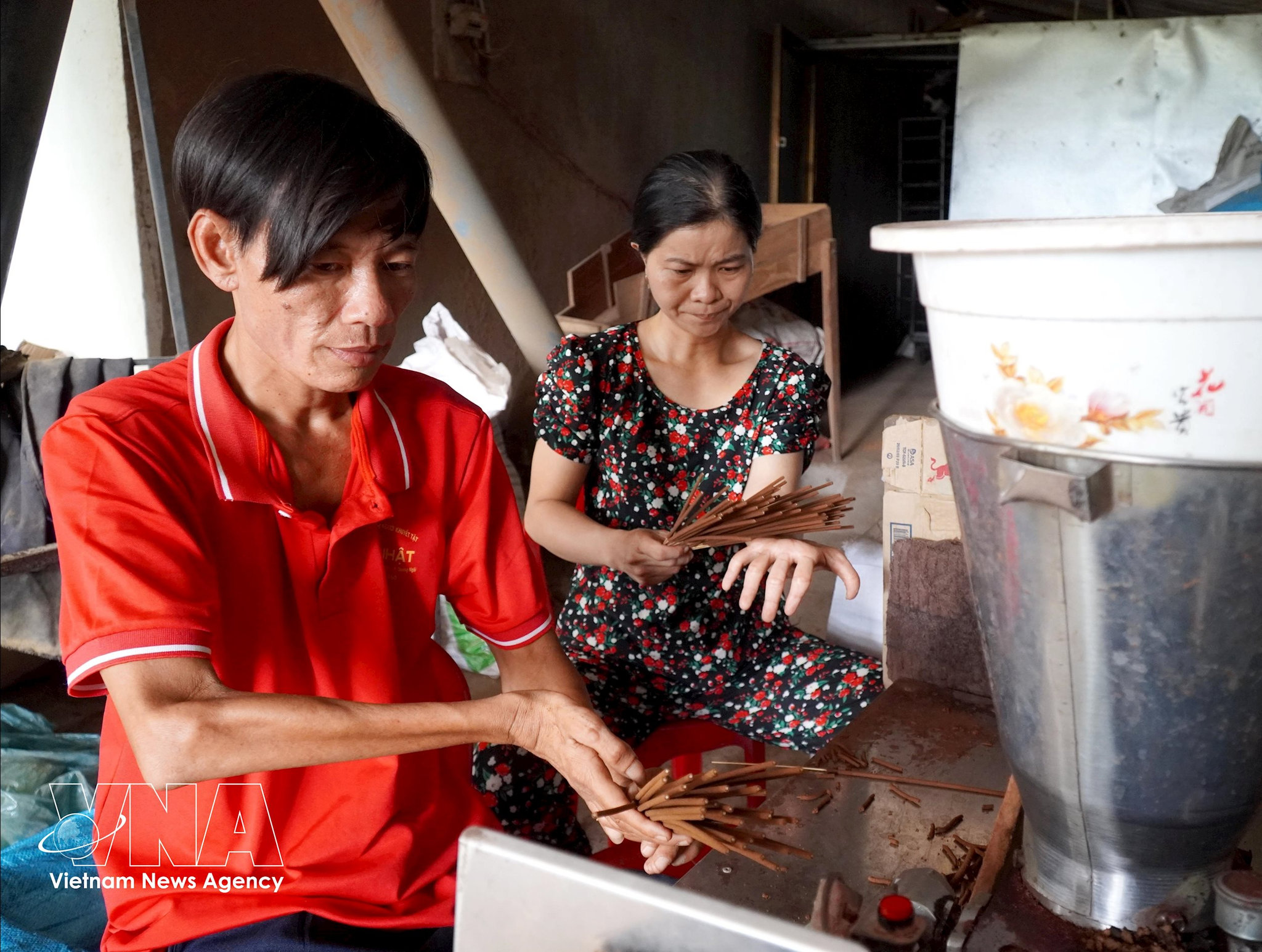
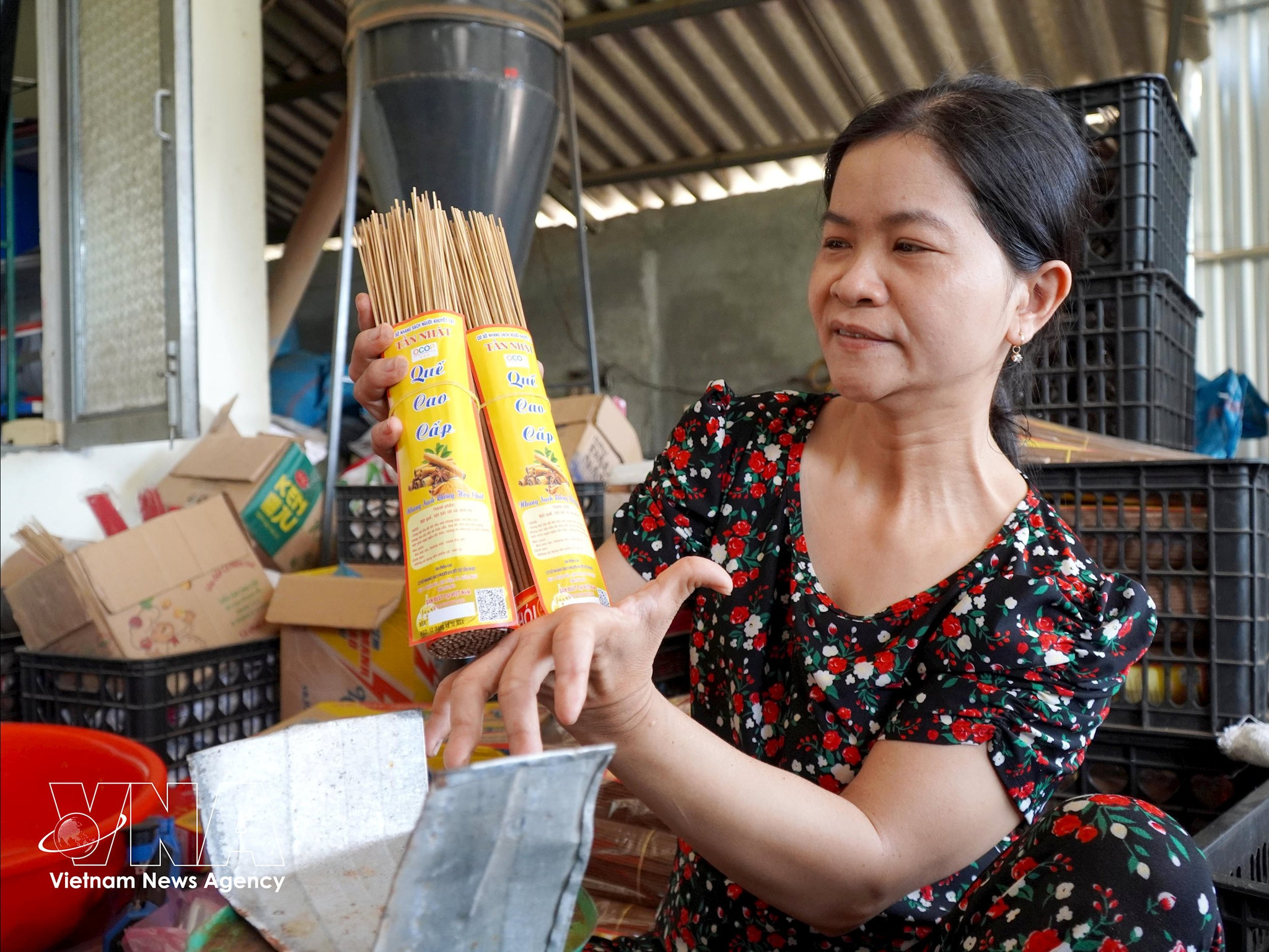
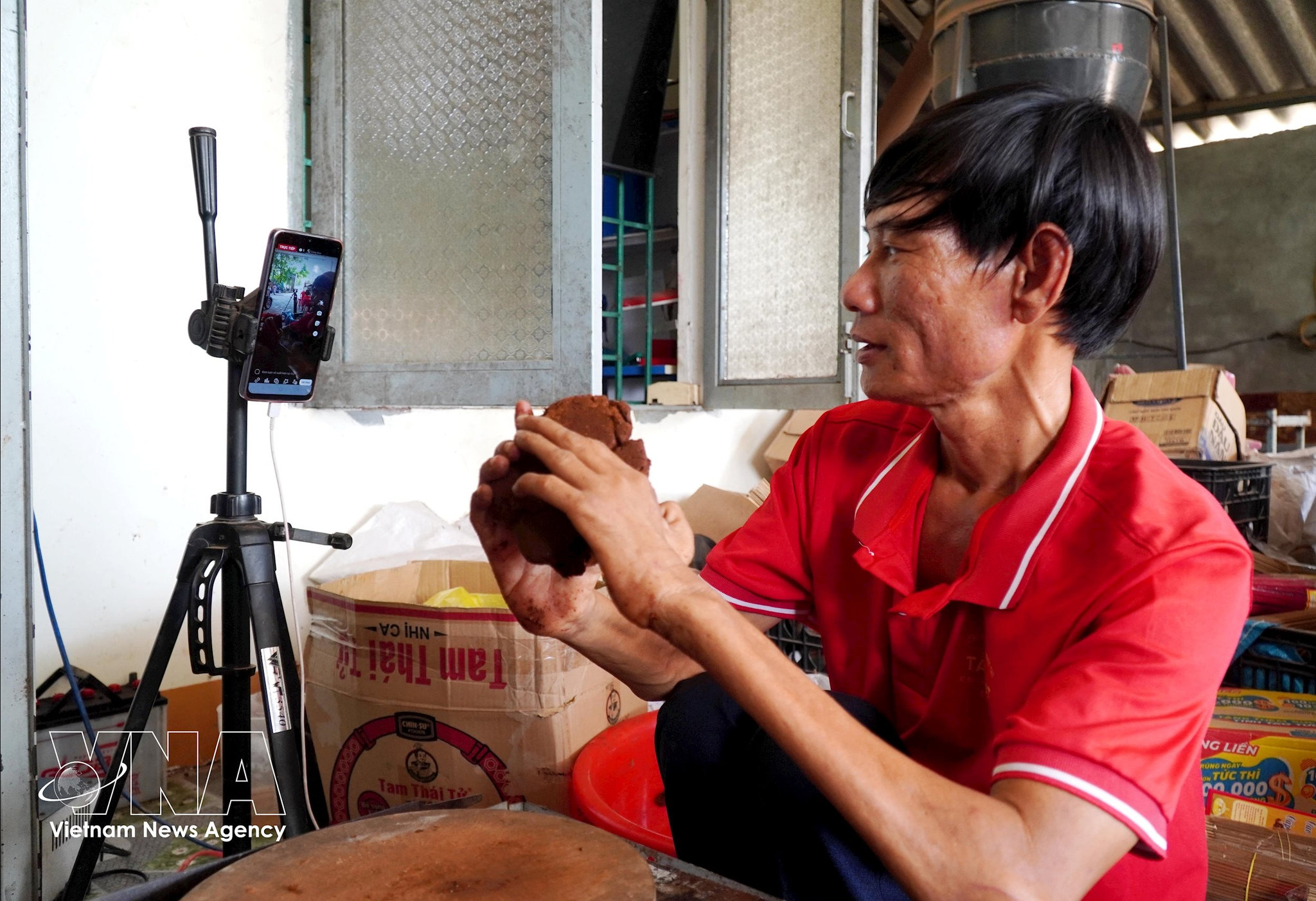
The Tan Nhat incense production facility, owned by the couple with disabilities Mai Thi Truc Le and Dang Van Tan in Long Khanh hamlet of Tinh Khe commune, Quang Ngai province, livestreams to sell products on social media platforms. (Photo: VNA)
As many as 91% of respondents owned digital devices and regularly accessed the internet, but most rated their digital skills as basic or said they did not know how to use them. Accessibility features played a decisive role, with 65% using devices equipped with such features. Those who did not know how to use accessibility functions had significantly lower digital capabilities.
There were also significant differences between the groups. People with visual impairments, upper-limb mobility impairments and cognitive limitations faced greater difficulties. Those facing multiple barriers, such as people with multiple disabilities or those living in rural areas with low educational attainment, were the most disadvantaged.
The proportion of respondents who said they did not know how to perform a task was only 10-20% for basic skills but rose to 60-70% for advanced skills. Creating digital content was the weakest area, while 52% of respondents did not know how to use AI tools. Very few had completed administrative procedures online, due to inaccessible interfaces, complicated procedures, and difficulties using electronic identification.
Vietnam is implementing a range of social welfare policies to improve living conditions, increase support and create inclusion opportunities for people with disabilities. (Photo: VNA)
In terms of policy, the survey report recommended that the Ministry of Science and Technology issue digital accessibility standards based on WCAG 2.2 (Web Content Accessibility Guidelines 2.2), a set of web accessibility guidelines developed by the World Wide Web Consortium (W3C) to enable websites and applications to be used by people with visual, hearing, mobility, or cognitive impairments. It also proposed developing a national database and adding a chapter on digital accessibility to the amended Law on Persons with Disabilities.
Nguyen Thi Van, co-founder of the Nghi Luc Song centre, speaks at a seminar on global trends in information technology employment for people with disabilities held in Hanoi on March 24, 2021. (Photo: VNA)
The Ministry of Education and Training was recommended to incorporate digital and AI skills into inclusive education programmes while standardising accessible digital learning materials. The Ministry of Home Affairs should link digital capabilities with employment programmes and develop remote-working models. The Government Office and Ministry of Public Security should upgrade the National Public Service Portal and VNeID application in line with accessibility standards, while the Ministry of Health should ensure that digital healthcare platforms are user-friendly for PwDs.
The report's core message is that without timely policies, the AI wave could create a form of structural digital inequality, leaving PwDs behind.
The Ministry of Education and Training has been asked to incorporate digital skills and artificial intelligence (AI) into inclusive education curricula while standardising accessible digital learning materials.
In reality, the Party and State of Vietnam have consistently worked to improve policies to ensure the rights and equal opportunities of PwDs to participate in society and promote their social inclusion. This orientation is increasingly linked to digital transformation, assistive technologies and AI, as many essential services are moved online.
An important milestone was the programme on assistance for PwDs for 2021-2030. The programme aims to create a barrier-free environment while improving access to education, healthcare, employment, and information and communications technology for PwDs. During 2026-2030, it targets ensuring that PwDs who have the need and meet the requirements can access support services for vocational training, employment and technology.
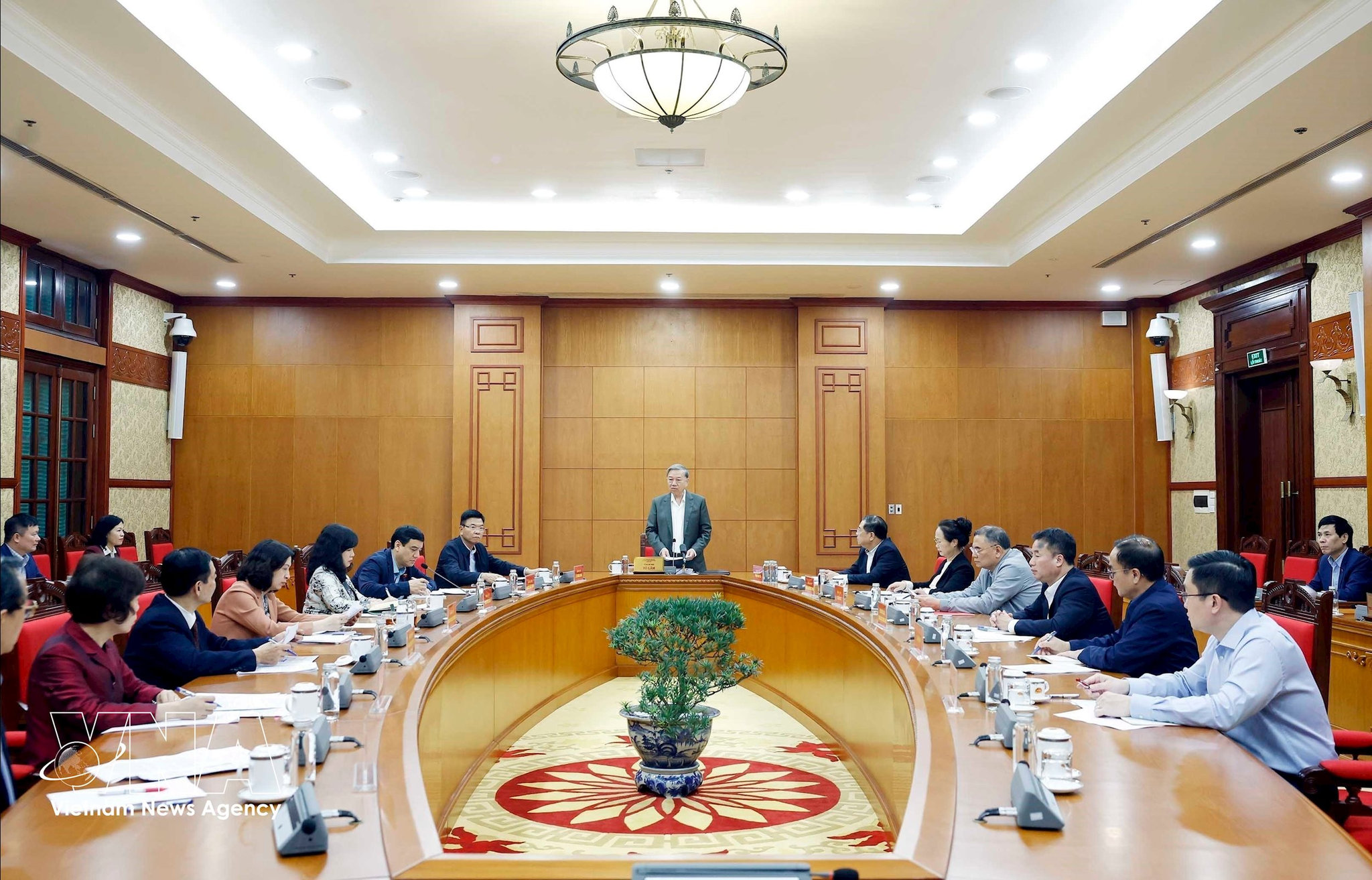
Party General Secretary To Lam chairs a meeting on the implementation of Party and State policies on persons with disabilities at the Party Central Committee headquarters in Hanoi on December 3, 2025. (Photo: VNA)
The orientation was further emphasised in late 2025, when Party General Secretary and President To Lam called for a shift from a care-oriented approach towards an inclusive social model, under which PwDs are recognised as members of society capable of making contributions. He also stressed accelerating digital transformation so that online public services and assistive technologies can reach those who need them.
Dinh Viet Anh, Vice Chairwoman of the Vietnam Blind Association, said that enabling PwDs to access electronic information portals and online public service portals is not merely a technical requirement, but also a concrete expression of citizenship rights and equal participation in political, economic and social life.
A digitally accessible platform can help PwDs access information, policies, public services, learning and employment opportunities, thereby enhancing their autonomy and capacity for social inclusion.
Nguyen Dinh Chieu Special School in Ho Chi Minh City holds its first English-speaking contest for students with visual impairments on December 27, 2025. ( Photo: VNA)
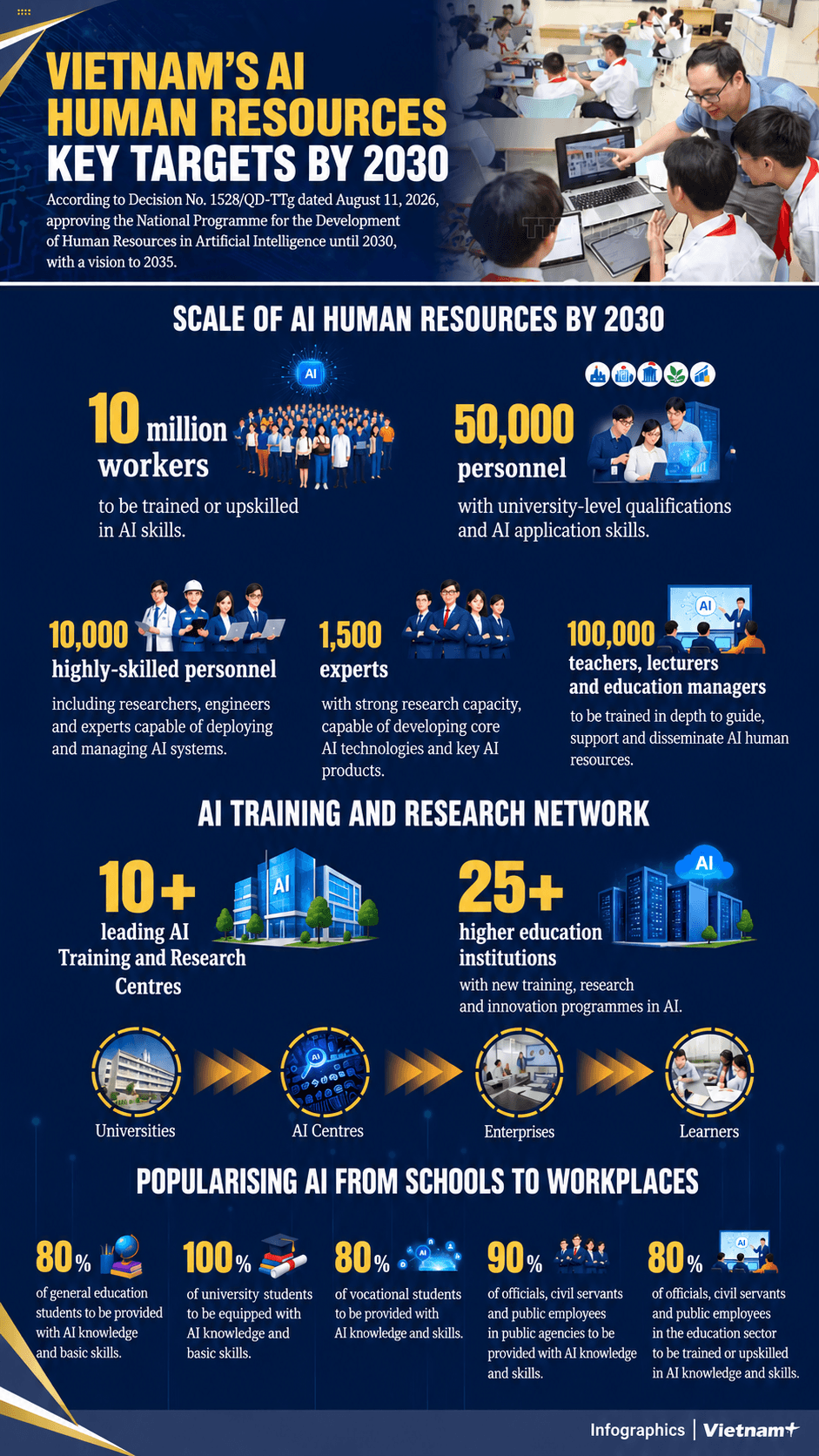
Notably, in 2026, Vietnam implemented the Law on Artificial Intelligence and the AI Human Resources Development Programme through 2030, with a vision to 2035. The AI programme prioritises groups that need to be ensured equal access opportunities, including PwDs.
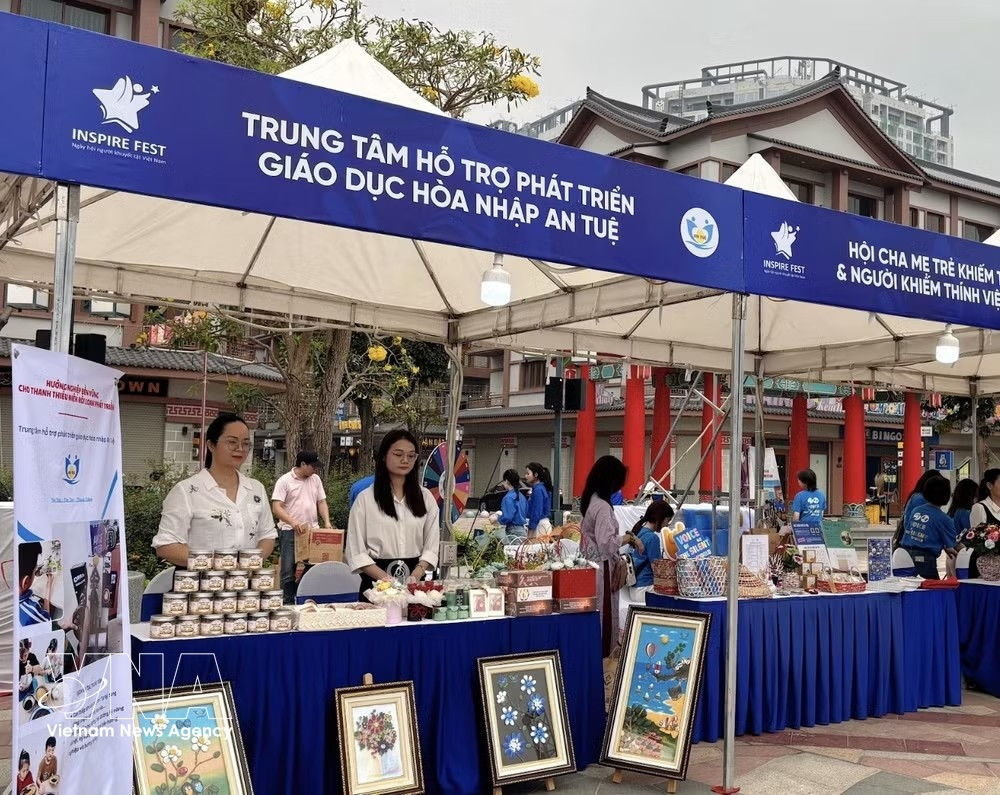
Booths showcasing products made by people with disabilities at INSPIRE FEST 2026, a programme marking Vietnam's Persons with Disabilities Day (April 18). The Hanoi event is organised by the Vietnam Association of Youth with Disabilities. (Photo: VNA)
“
At INSPIRE FEST 2026, a programme marking Vietnam Persons with Disabilities Day organised by the Vietnam Association of Youth with Disabilities in Hanoi, a range of practical support initiatives were launched, including the provision of 100,000 scholarships for AI tool applications, 1,000 personal development courses, essential equipment and free surgeries for people in difficult circumstances.
Recognising the importance of learning and seeking employment opportunities for PwDs through AI, the Vietnam Association of Youth with Disabilities recently presented 100,000 scholarships for for AI skills training.
Previously, the association signed an agreement with the Centre for E-commerce and Digital Technology Development under the Ministry of Industry and Trade to implement training, employment support and digital-economy entrepreneurship programmes for PwDs. Under the agreement, PwDs can participate in e-commerce and modern business-thinking courses designed to suit their accessibility needs and practical circumstances. Learners are supported throughout the process, from developing business models to accessing markets.
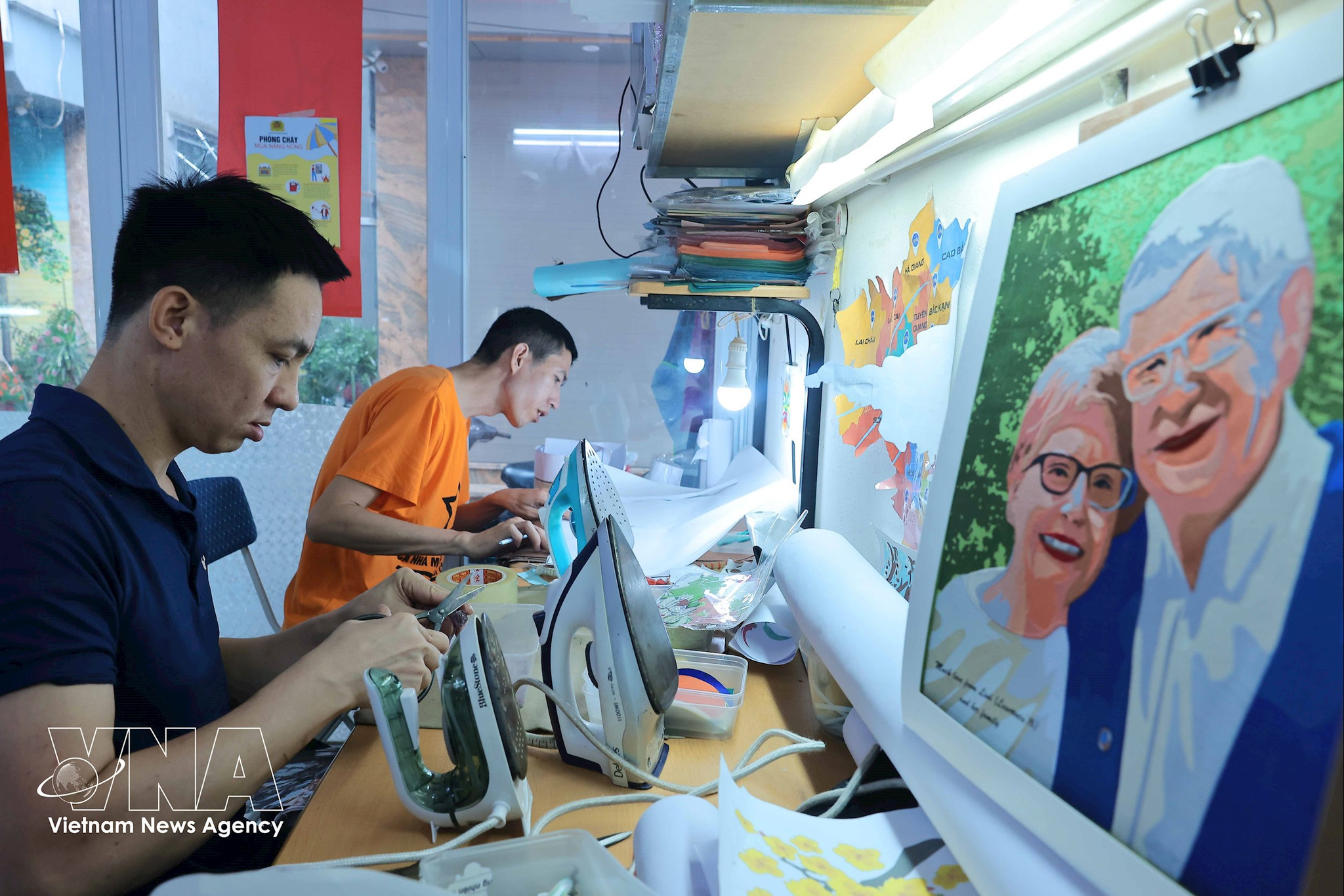
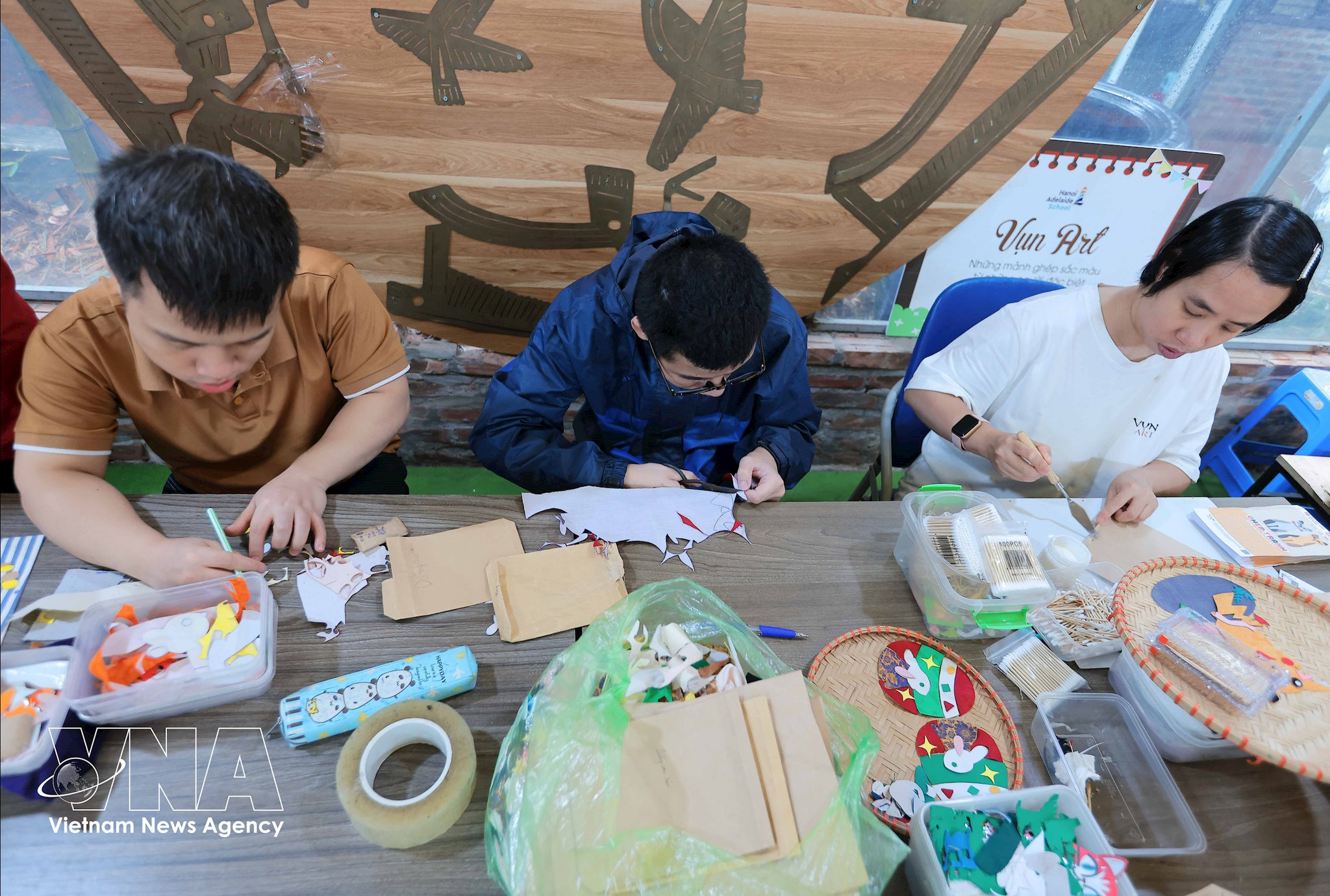
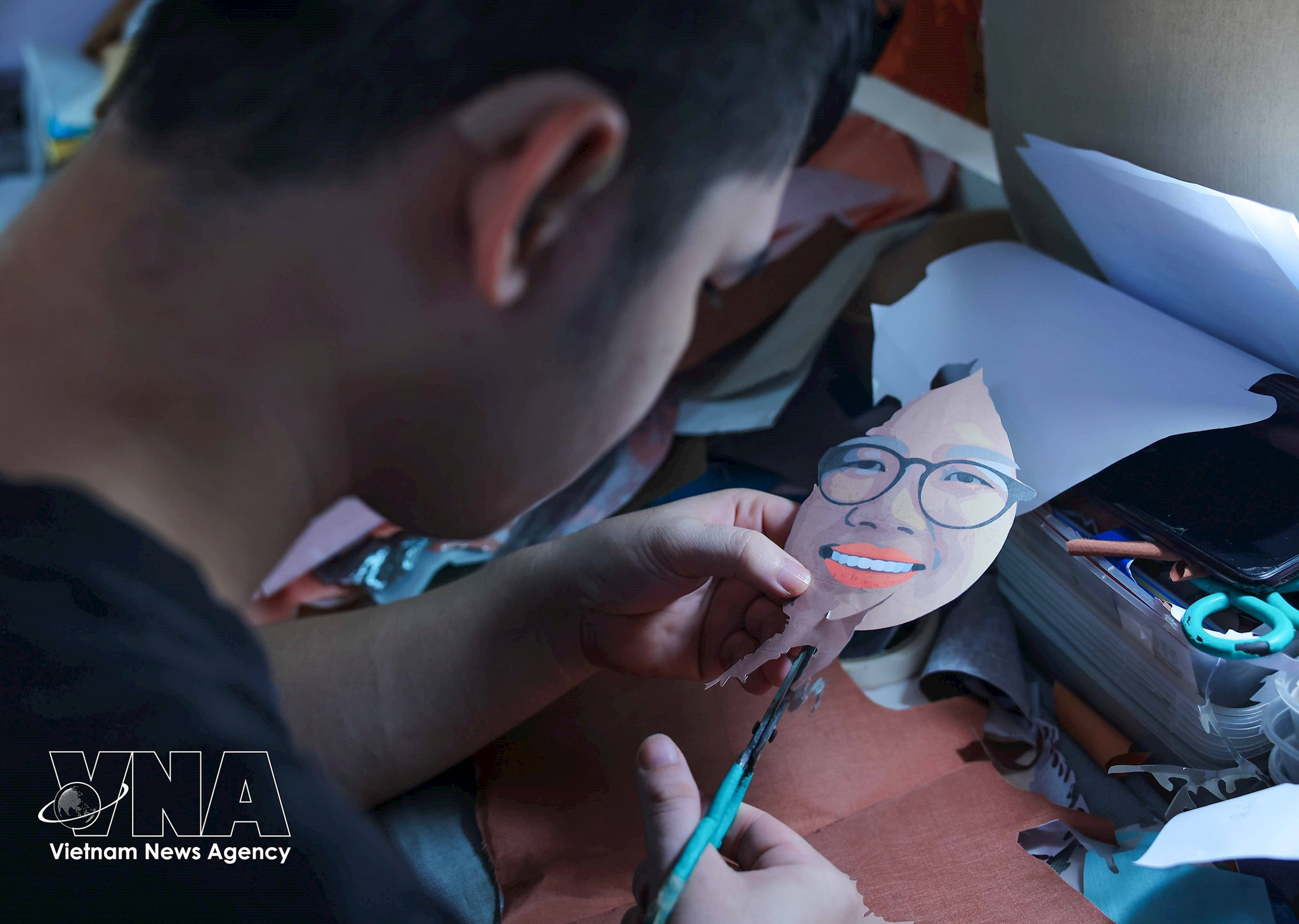
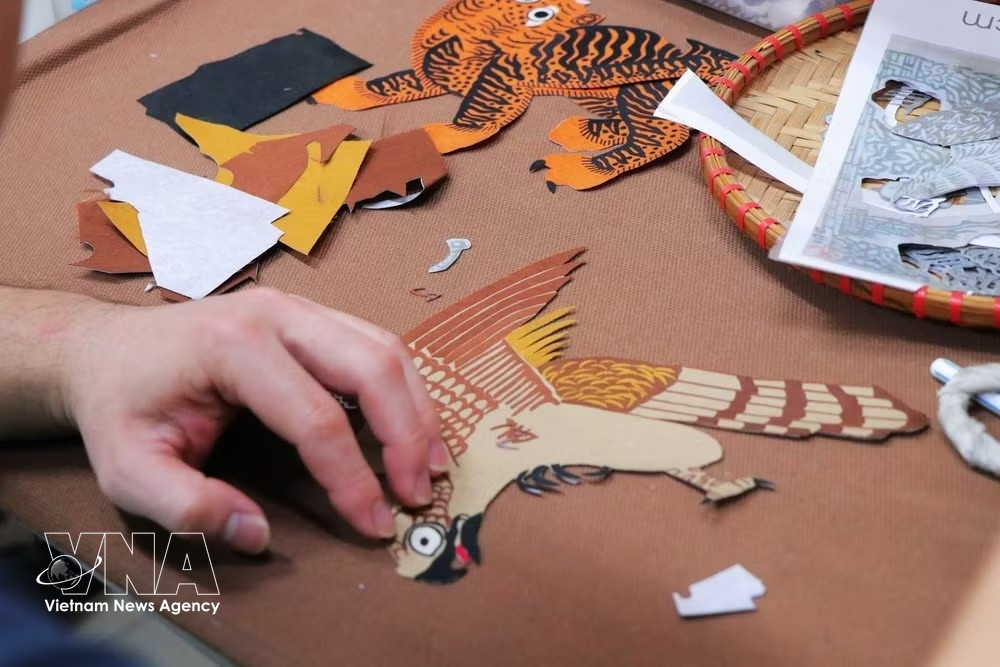
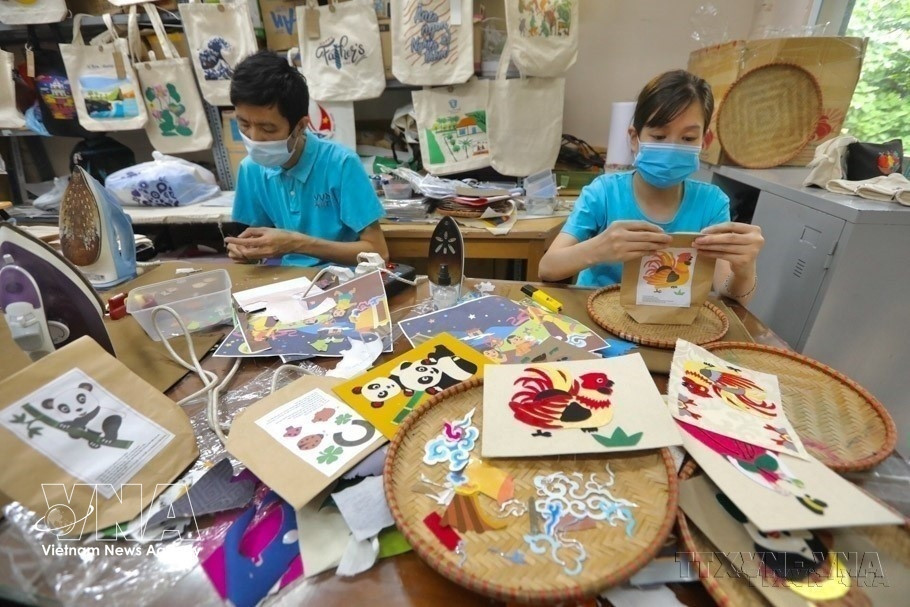
Several businesses have also led the way in training their workers to use AI effectively. One notable example is Vun Art, which creates jobs and promotes creativity among PwDs through products made from leftover silk.
Discarded fabric scraps are transformed into unique products by the skilled hands of workers with disabilities at Vun Art Cooperative in Ha Dong ward, Hanoi. (Photo: VNA)
The model aims to produce handicrafts while creating employment opportunities, boosting the confidence of PwDs and generating value for society. At Vun Art, AI is used in product design and to develop work processes suited to different types of disabilities, particularly autism and intellectual disabilities. Previously, a personalised design could take three to five days to complete, but with AI, the time has been reduced to around one day.
Workers with disabilities at Vun Art Cooperative in Ha Dong ward, Hanoi (Photo: VNA)
“
The model aims to produce handicrafts while creating employment opportunities, boosting the confidence of PwDs and generating value for society. At Vun Art, AI is used in product design and to develop work processes suited to different types of disabilities, particularly autism and intellectual disabilities. It serves as a tool accompanying PwDs in artistic creation, helping them turn ideas into reality even without formal training in fine arts.
Le Viet Cuong, Director of Vun Art Cooperative
Seeking learning opportunities for PwDs is also a priority for PwDs themselves. The “Starlight - Community Initiative Group” project, carried out by young people with visual impairments from the Hanoi Club for Students with Disabilities, aims to train trainers who are themselves PwDs who can then teach skills to PwDs in local communities.
Project leader Nguyen Duc Nghi said the trainers are ready to help learners master AI skills for content creation, music composition and other activities.
However, ensuring equal rights and benefits for PwDs requires more than this. It calls for comprehensive and inclusive policies as well as the engagement of society as a whole. To achieve this, Vietnam needs to improve digital capabilities and complete the institutional framework for AI development with PwDs in mind./.
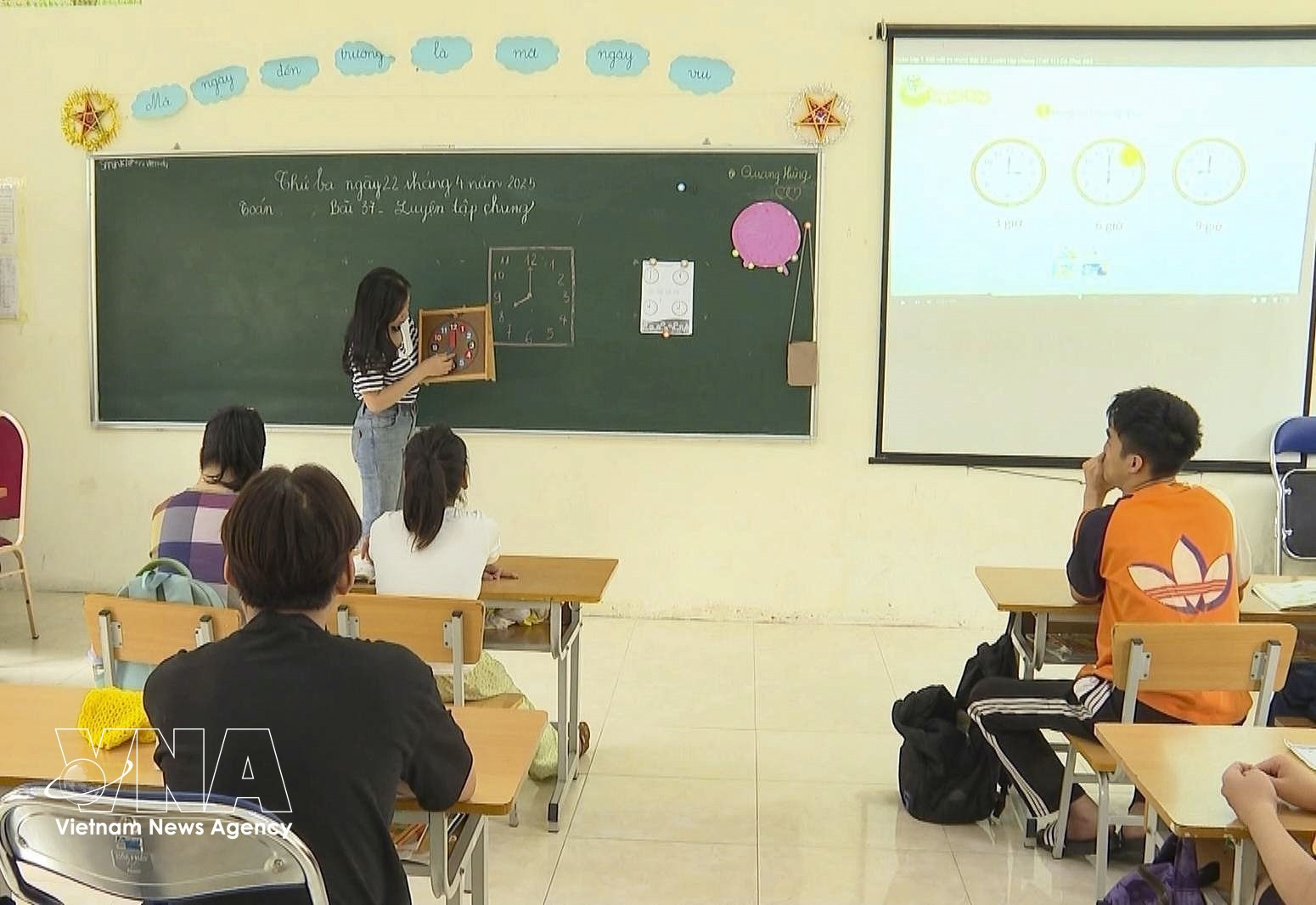
A teacher at Dien Bien province's Centre for Supporting Inclusive Education Development guides students with disabilities in writing practice. (Photo: VNA)