VIETNAM IN THE NEW ERA Reforming marine governance: Foundation for Vietnam to become a strong maritime nation
LongForm - Ngày đăng : 09:26, 12/10/2026
VIETNAM IN THE NEW ERAReforming marine governance: Foundation for Vietnam to become a strong maritime nation
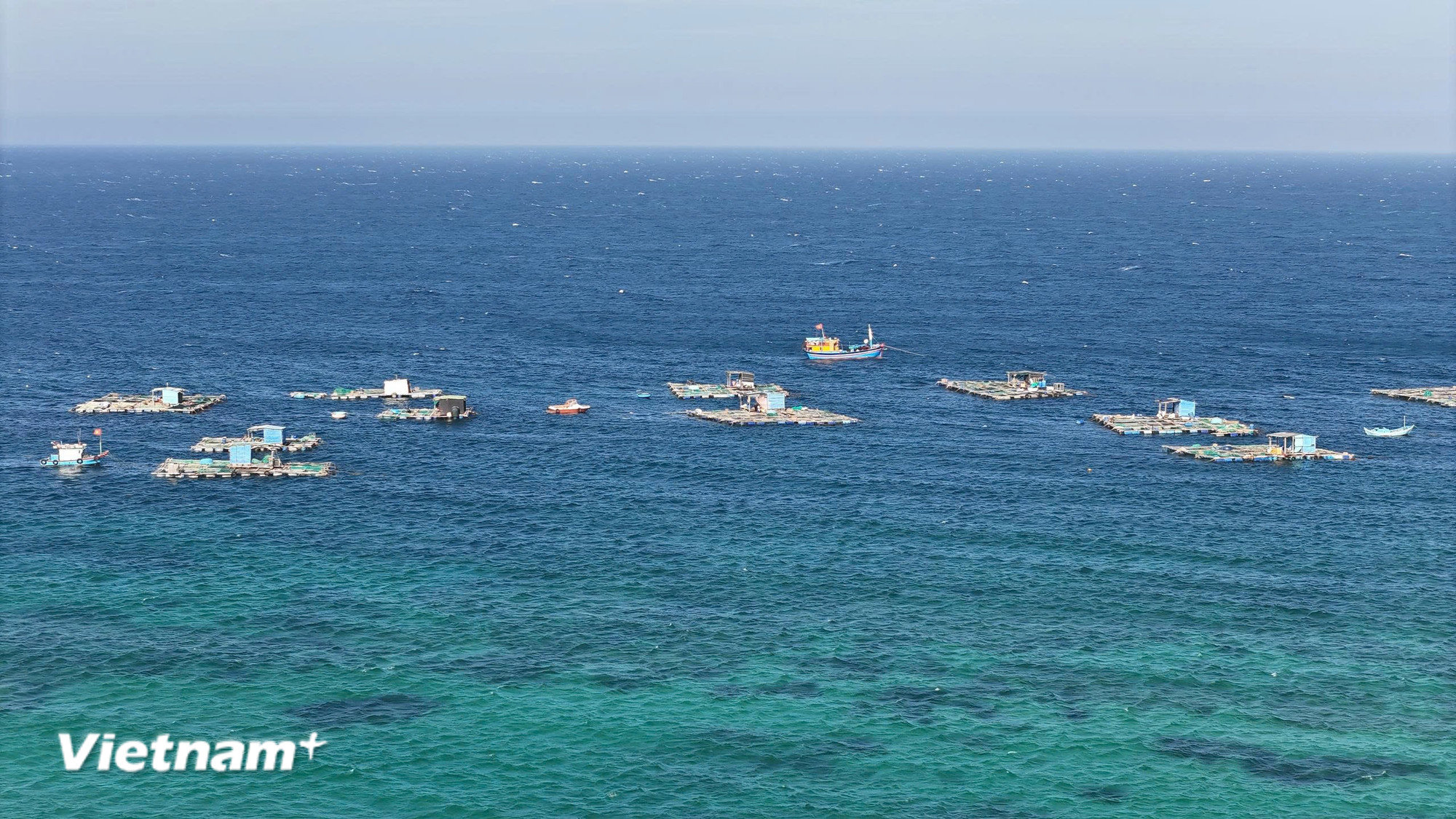
Establishing “multi-use marine areas,” granting certificates of rights to use marine areas, and capitalising on expanded space following administrative mergers will lay the foundation for new marine economic growth poles.
With the goal of closely linking the development of a modern, prosperous marine economy with the protection of national sovereignty and improved living standards, on July 28, 2026, on behalf of the Party Central Committee, General Secretary and President To Lam signed Resolution No. 20-NQ/TW of the third meeting of the 14th Party Central Committee on building and developing Vietnam into a strong maritime nation.VietnamPlus interviewed Tran Dinh Luan, Director General of the Department of Fisheries and Fisheries Surveillance under the Ministry of Agriculture and Environment, about institutional and governance breakthroughs to turn the marine economy into a strategic growth driver and realise the goal of developing Vietnam into a strong maritime nation.
VietnamPlus interviewed Tran Dinh Luan, Director General of the Department of Fisheries and Fisheries Surveillance under the Ministry of Agriculture and Environment, about institutional and governance breakthroughs to turn the marine economy into a strategic growth driver and realise the goal of developing Vietnam into a strong maritime nation.
Establishing “multi-use marine areas”
- Director General Tran Dinh Luan, in the new context, how should marine management change so that the sea can truly become a driver of national development, rather than being managed mainly by individual sectors and fields as in the past?
Director General Tran Dinh Luan: Resolution No. 36-NQ/TW on the Strategy for Sustainable Development of Vietnam’s Marine Economy to 2030, with a vision to 2045, clearly states the viewpoint of “sustainably developing the marine economy on the basis of green growth and the conservation of biodiversity and marine ecosystems; ensuring harmony between economic and natural ecosystems, between conservation and development, and between the interests of coastal and non-coastal localities; strengthening linkages and restructuring sectors and fields towards higher productivity and quality...”
The fisheries development strategy to 2030, with a vision to 2045, also emphasises sustainable development, contributing to marine economic development, green growth, and the conservation of biodiversity and marine ecosystems.
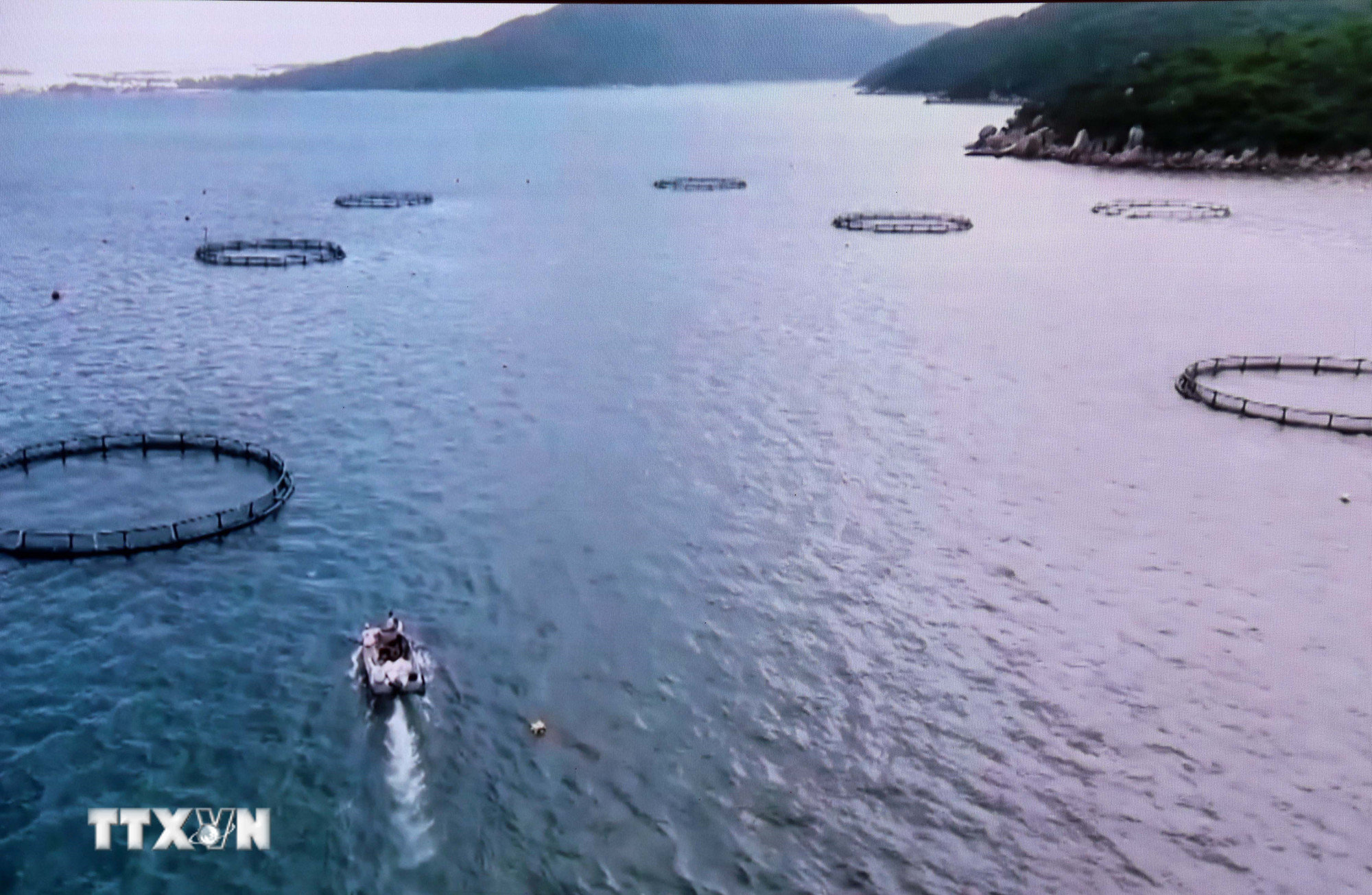
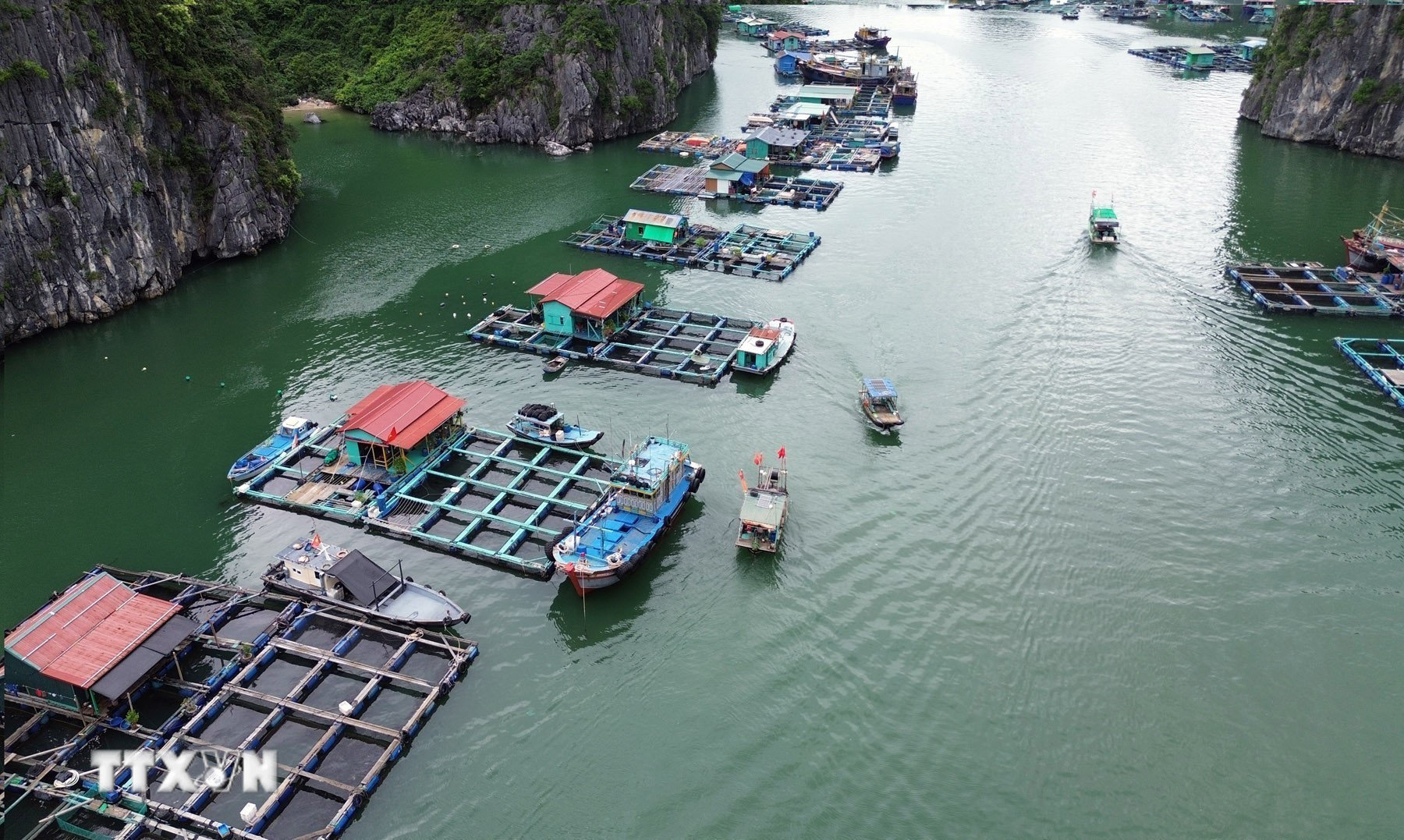
Therefore, marine and marine resource management needs to shift from “resource exploitation” to “marine spatial governance,” treating the sea as an integrated whole. Marine economic sectors such as fisheries must be developed in coordination with other sectors, including renewable energy, marine tourism and biodiversity conservation. This requires establishing “multi-use marine areas,” where industrial marine aquaculture can be combined with energy facilities or conservation areas to share infrastructure and protect the environment.
Developing a marine resources database is also essential. Data from marine economic sectors and on the marine environment should be jointly managed and used to ensure coordinated management, avoid overlaps and enable timely updates for monitoring, management and production in relevant sectors.
To make the sea a driver of economic development, the State plays a leading role and encourages private investment in marine economic infrastructure and services, such as industrial marine aquaculture infrastructure, ports, logistics and other supporting services.
- One of the new points in the draft revised Law on Marine and Island Resources and Environment is a proposal to grant certificates of rights to use marine areas. What does this mean for protecting the legitimate rights and interests of people and businesses investing at sea?
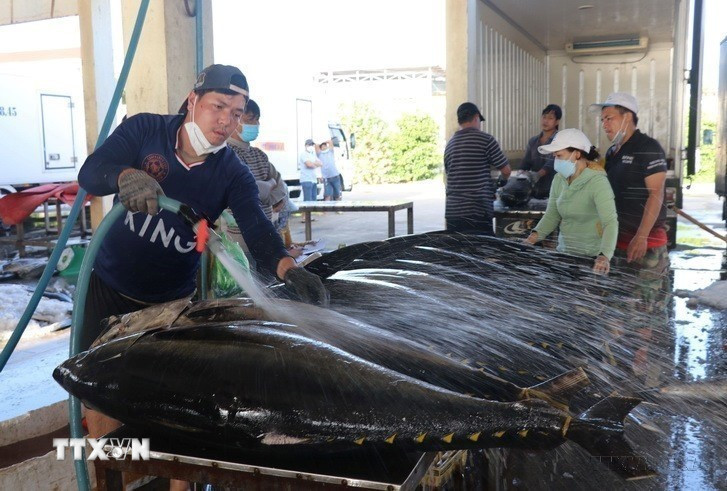
Director General Tran Dinh Luan: This is an important step in improvement of marine resource management institutions and making them more modern, transparent and better suited to sustainable marine economic development. Once rights to use marine areas are clearly established, people and businesses will have a stable legal basis for long-term investment, particularly in sectors requiring marine waters, such as industrial marine aquaculture, fisheries logistics, seaports, renewable energy and other marine economic activities. This will help reduce legal risks, strengthen investor confidence, and facilitate capital mobilisation, production expansion and the application of science and technology.
From a management perspective, establishing rights to use marine areas will help ensure unified marine spatial management, reduce overlaps in resource use, and improve monitoring and the use of marine resources in line with planning. It will also provide an important foundation for developing a green marine economy.
Forming new, large-scale marine economic growth poles
- What strategic opportunities does the merger of cities and provinces offer for the development of Vietnam’s marine economy and fisheries sector?
Director General Tran Dinh Luan: The reorganisation and merger of provincial-level administrative units is a major policy of the Party and State aimed at improving management efficiency, making better use of resources and creating new development drivers. For coastal localities, expanded development space will create favourable conditions for more effective planning and use of marine potential and advantages.
For the fisheries sector, this is an
opportunity to develop regional-scale plans instead of planning within
individual localities as in the past.
Marine aquaculture areas, fishing grounds, fishing ports, storm shelters, processing centres and logistics facilities can be planned in a coordinated manner, connecting the entire value chain and attracting businesses to invest in high technology, AIoT and automation. This will lay the foundation for Vietnam to become a global centre for fisheries research, production, processing and trade.
Larger production scale will also help localities attract businesses to invest in industrial marine aquaculture, deep processing, fisheries logistics and high technology, while a larger population will provide an abundant workforce for fishing, aquaculture and processing.
This is also an opportunity to strengthen regional linkages, capitalise on the comparative advantages of each area, and improve the efficiency of infrastructure and public investment. If effectively harnessed, coastal localities will become modern marine economic development centres, helping develop a modern, sustainable and higher-value fisheries sector.
- In the coming period, what should localities do to take advantage of their new scale to establish closed fisheries value chains from fishing and aquaculture to processing, logistics and exports?
Director General Tran Dinh Luan: I think we need to shift from development based on administrative boundaries to development based on value chains and marine economic space. As localities expand, fisheries development planning should be more integrated and coordinated across fishing, aquaculture, processing, logistics and consumer markets.
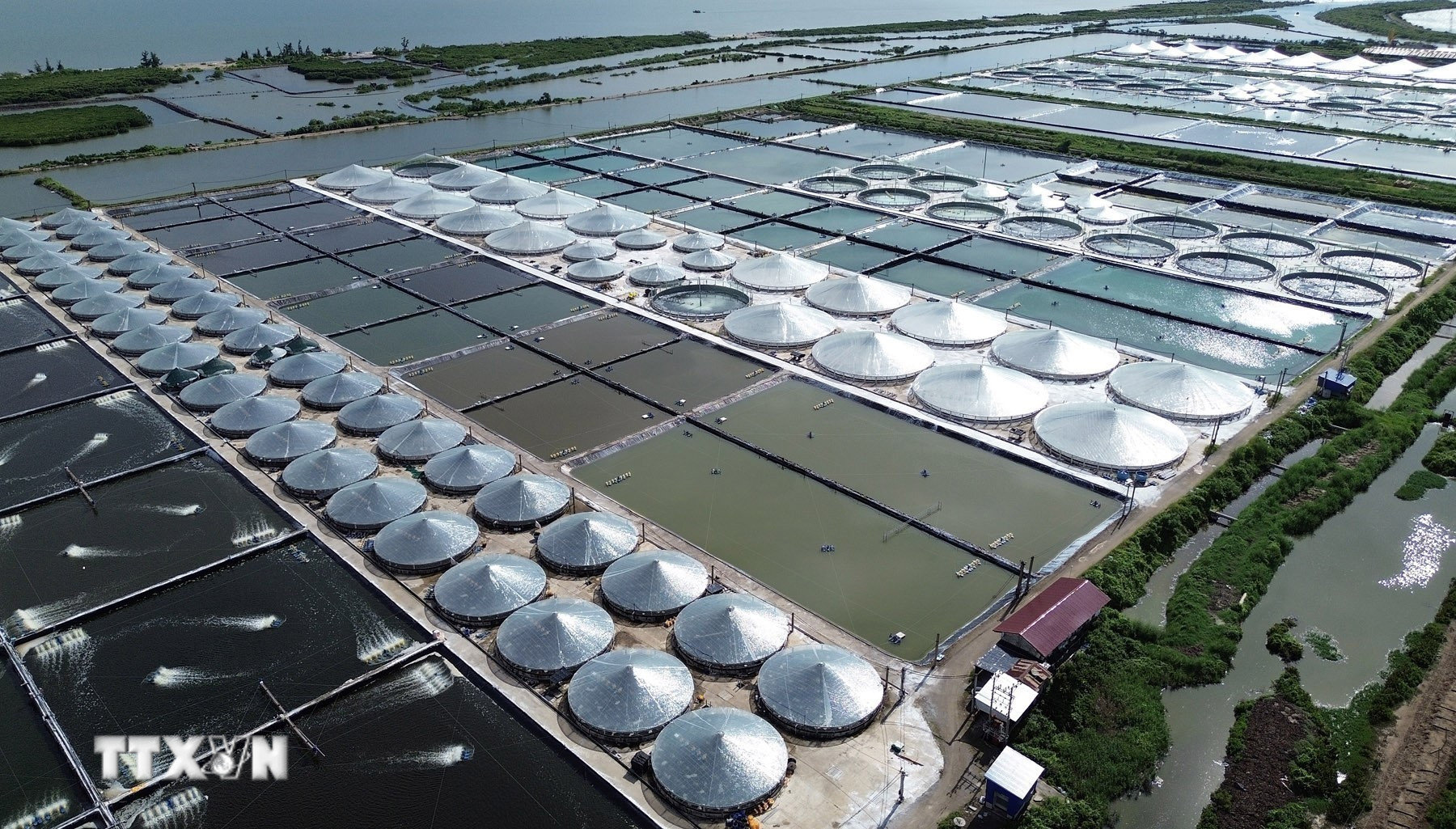
Localities should therefore focus on establishing modern fisheries centres, industrial marine aquaculture centres, and large-scale processing and logistics centres linked with fishing ports, seaports and transport infrastructure; and strengthen links among businesses, cooperatives, fishermen, research institutions and credit institutions to create complete value chains, reduce production costs, and improve product quality and traceability.
We expect localities to develop new marine economic growth poles large enough to attract domestic and foreign corporations to invest in high-tech marine aquaculture, deep processing and logistics.
This will be an important driver for enhancing the competitiveness of the fisheries sector and gradually deepening its participation in global fisheries supply chains.
Promoting innovation, building a national brand for Vietnamese fisheries
- From the perspective of a State management agency, what message would the Department of Fisheries and Fisheries Surveillance like to send to businesses, investors and coastal localities to help realise the goal of building Vietnam into a strong maritime nation that prospers from the sea in the 21st century?
Director General Tran Dinh Luan: To become a leading nation in the green marine economy, Vietnam needs not only to maintain fisheries output and export turnover but, more importantly, to improve growth quality, develop high value-added products, build a national brand for Vietnamese fisheries, and protect fisheries resources and marine ecosystems.
Only through innovation, modern governance and sustainable use of marine resources can the marine economy truly become a long-term driver of national development.
Therefore, the message the fisheries sector would like to send to businesses, investors and coastal localities is to share a common vision of developing a modern, responsible and sustainable fisheries sector.
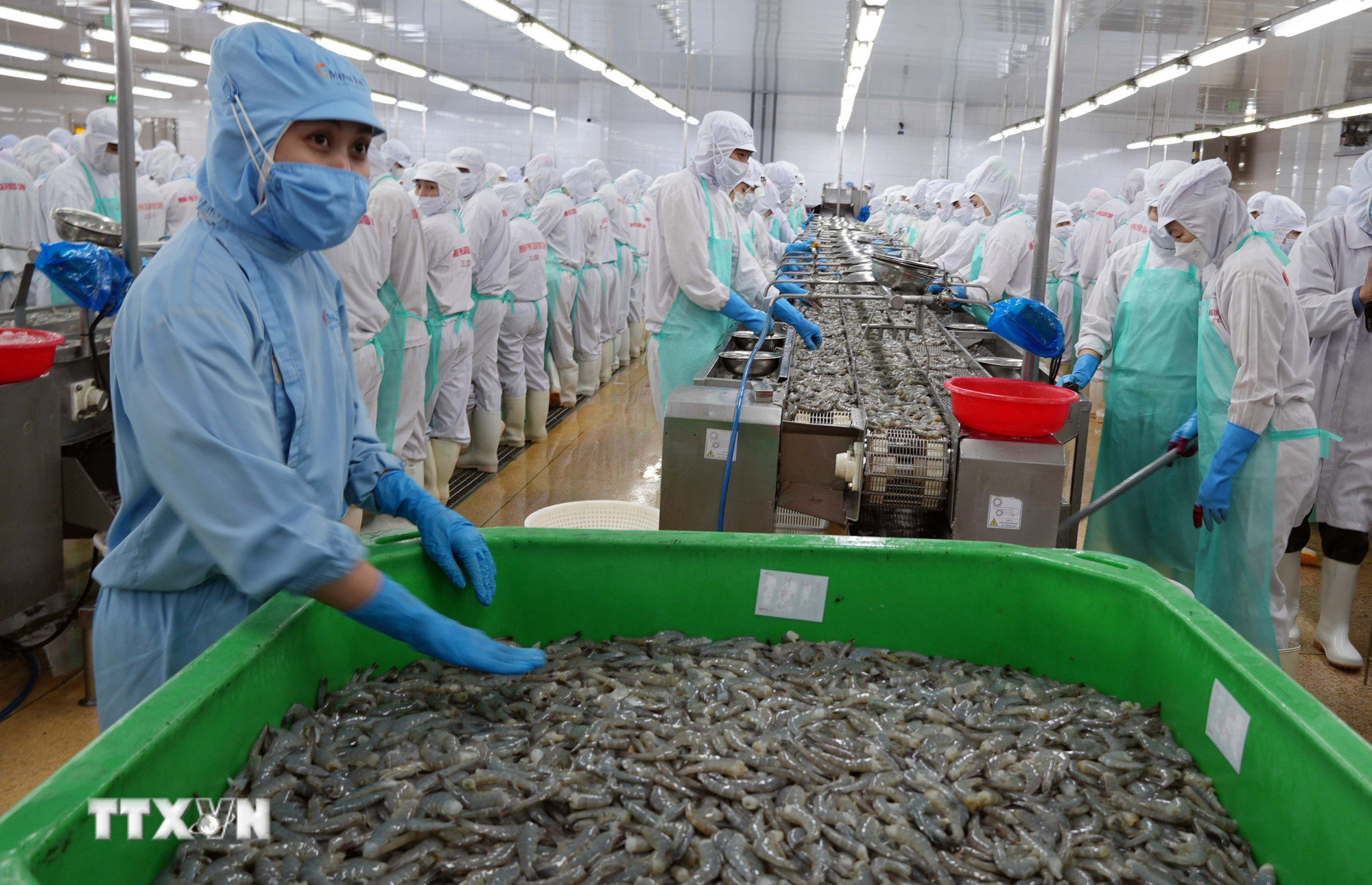
For its part, the fisheries sector is committed to continuing to work with businesses and localities to improve institutions, reform administrative procedures, and create a more transparent, stable and favourable investment environment. At the same time, it will strongly encourage the application of science and technology, digital transformation, the circular economy and green economy, and the development of modern fisheries value chains to increase the value of fisheries products.
With the combined efforts of the State, businesses, scientists, fishermen and society, I believe Vietnam will effectively harness its marine potential and advantages, build a highly
competitive and sustainable fisheries sector, and contribute to the goal of making the country a strong maritime nation that prospers from the sea in the 21st century.
Thank you very much!