HO CHI MINH CITY TARGETS TOP ASIAN LOGISTICS HUB STATUS BY 2045
LongForm - Ngày đăng : 16:22, 23/09/2026
HO CHI MINH CITY TARGETS TOP ASIAN LOGISTICS HUB STATUS BY 2045
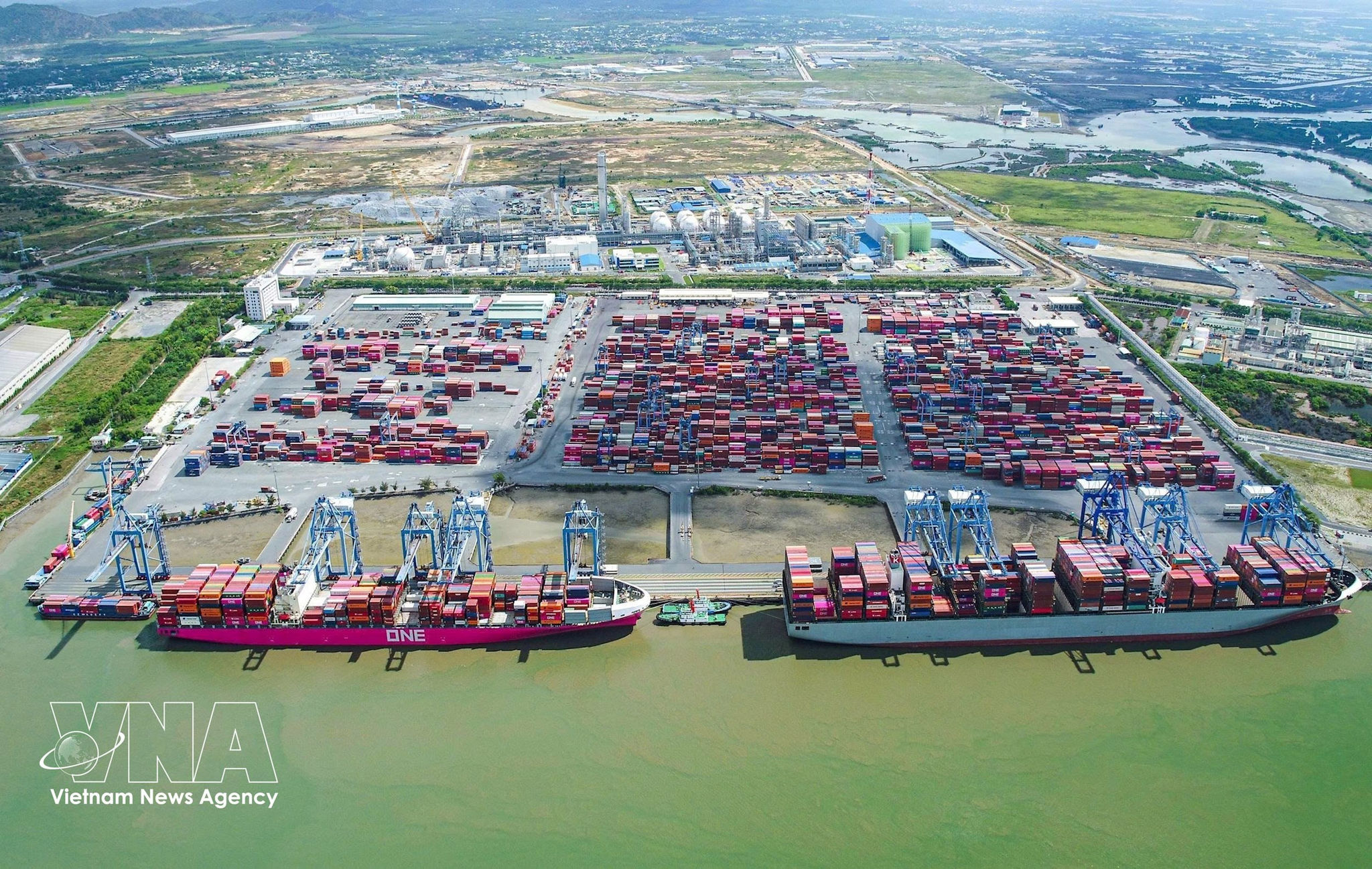
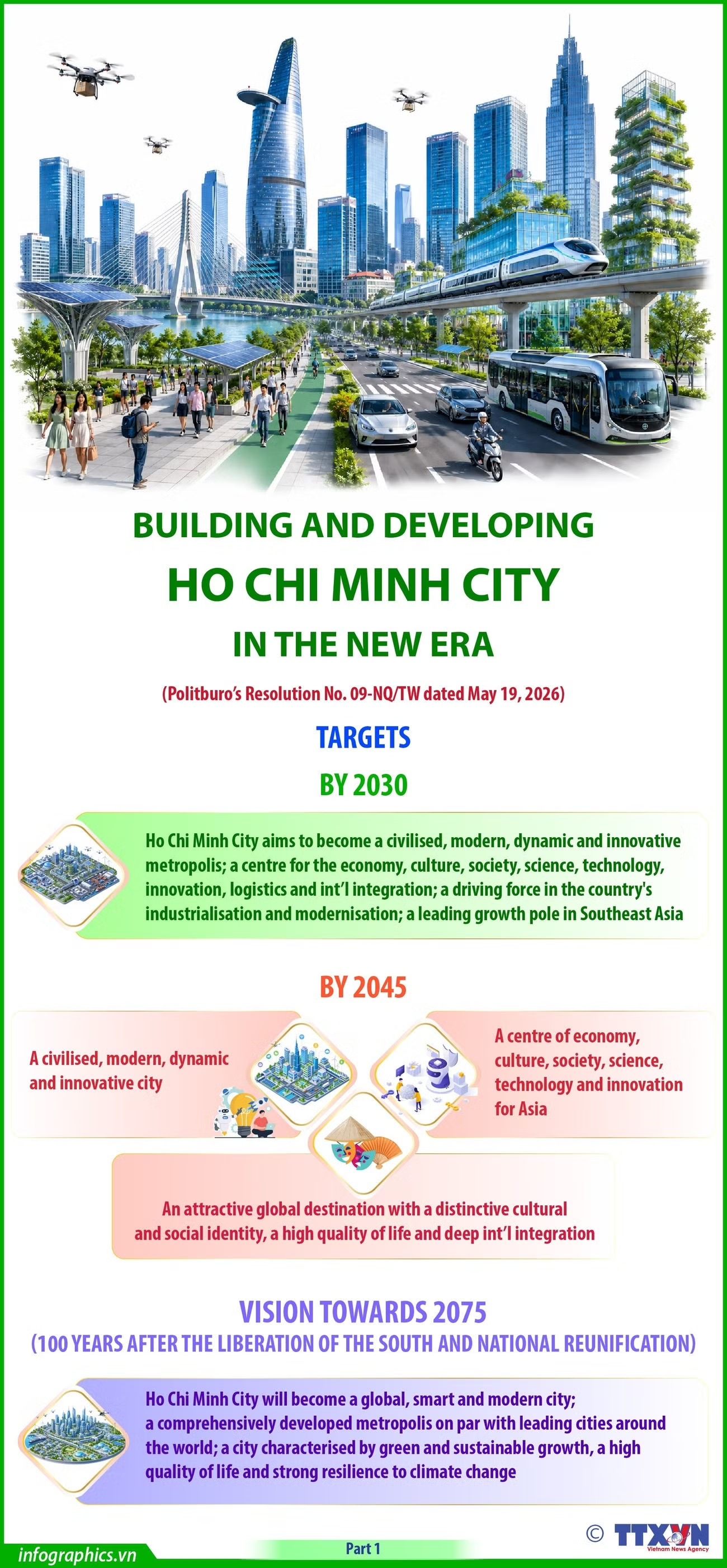
Ho Chi Minh City aims to become one of Asia’s top logistics and international transshipment hubs by 2045, while transforming into a smart and sustainable coastal city.
The city will work closely with localities through integrated planning and coordinated infrastructure investment to build out a marine economy and a green, modern seaport system, said Bui Minh Thanh, Vice Chairman of the municipal People's Committee.
Regional connectivity creates unified, multifunctional development space
The merger of Binh Duong and Ba Ria-Vung Tau provinces into Ho Chi Minh City, combined with stronger regional connectivity, is creating a unified, multifunctional development space built to maximise the marine economy's potential. For the city, that connectivity brings four core strategic advantages.
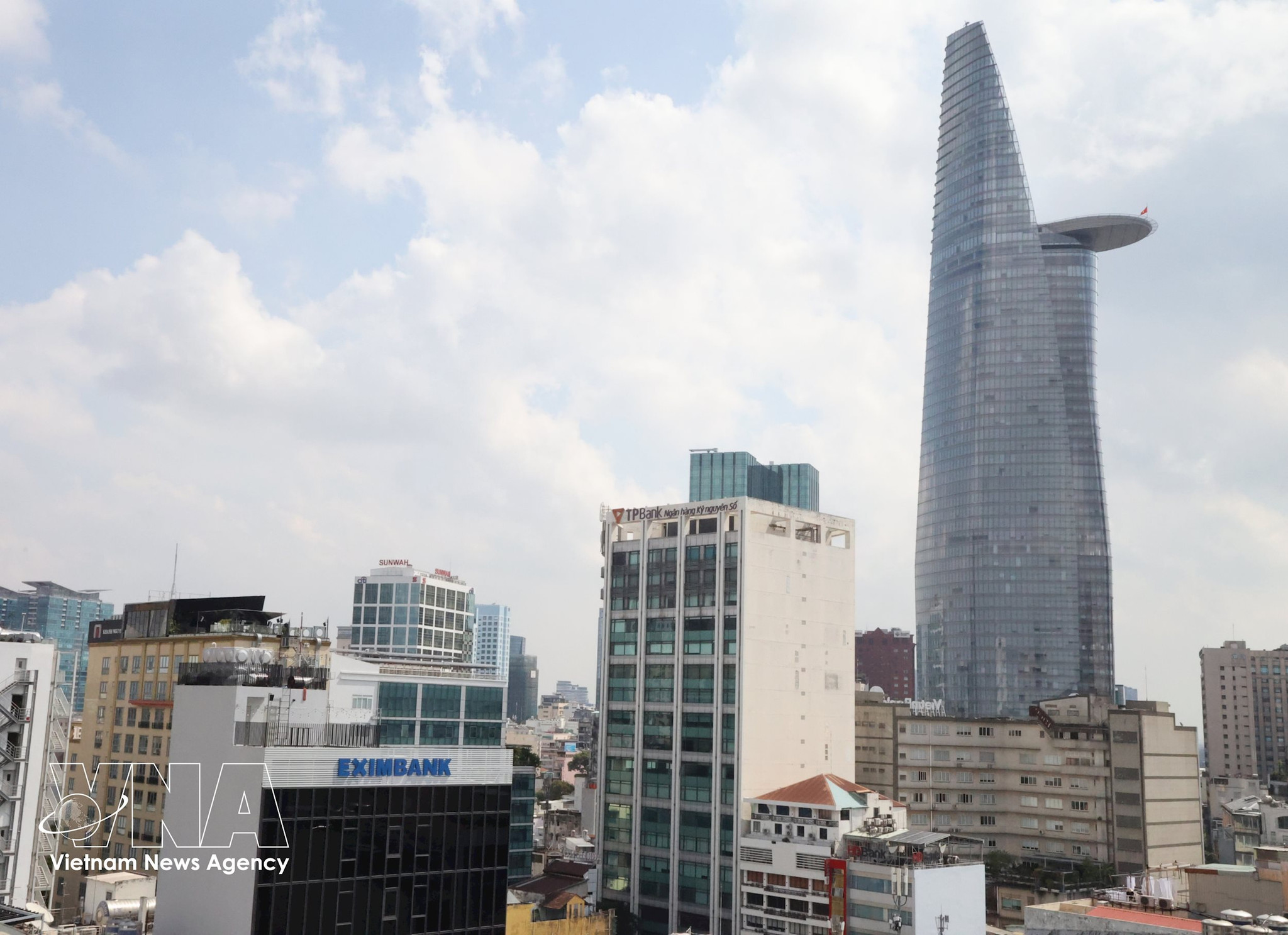
It pairs the city's industrial production strength with financial and science-technology hubs and the deep-water port and logistics advantages of its southeast, particularly Ba Ria-Vung Tau and Can Gio.
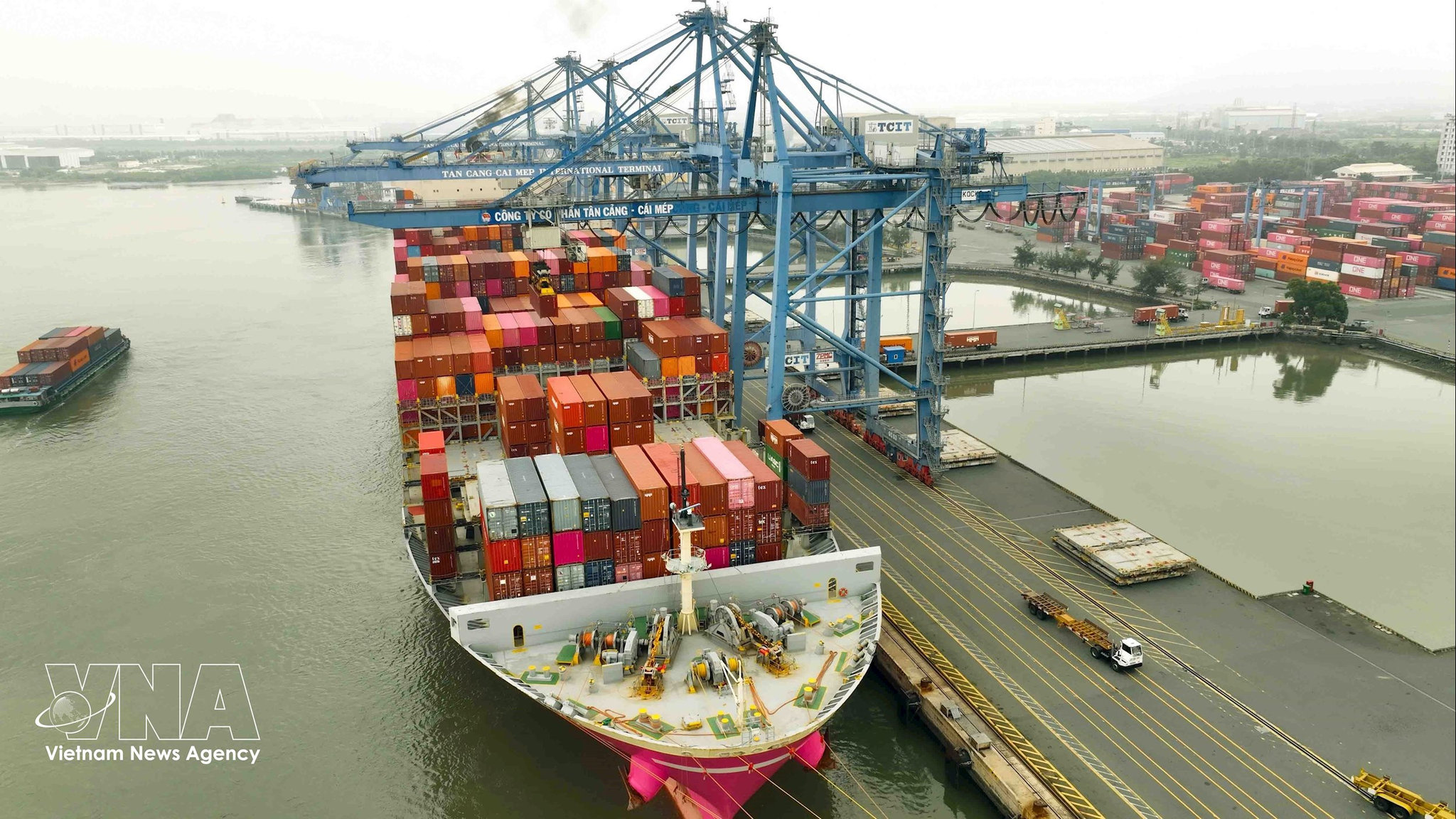
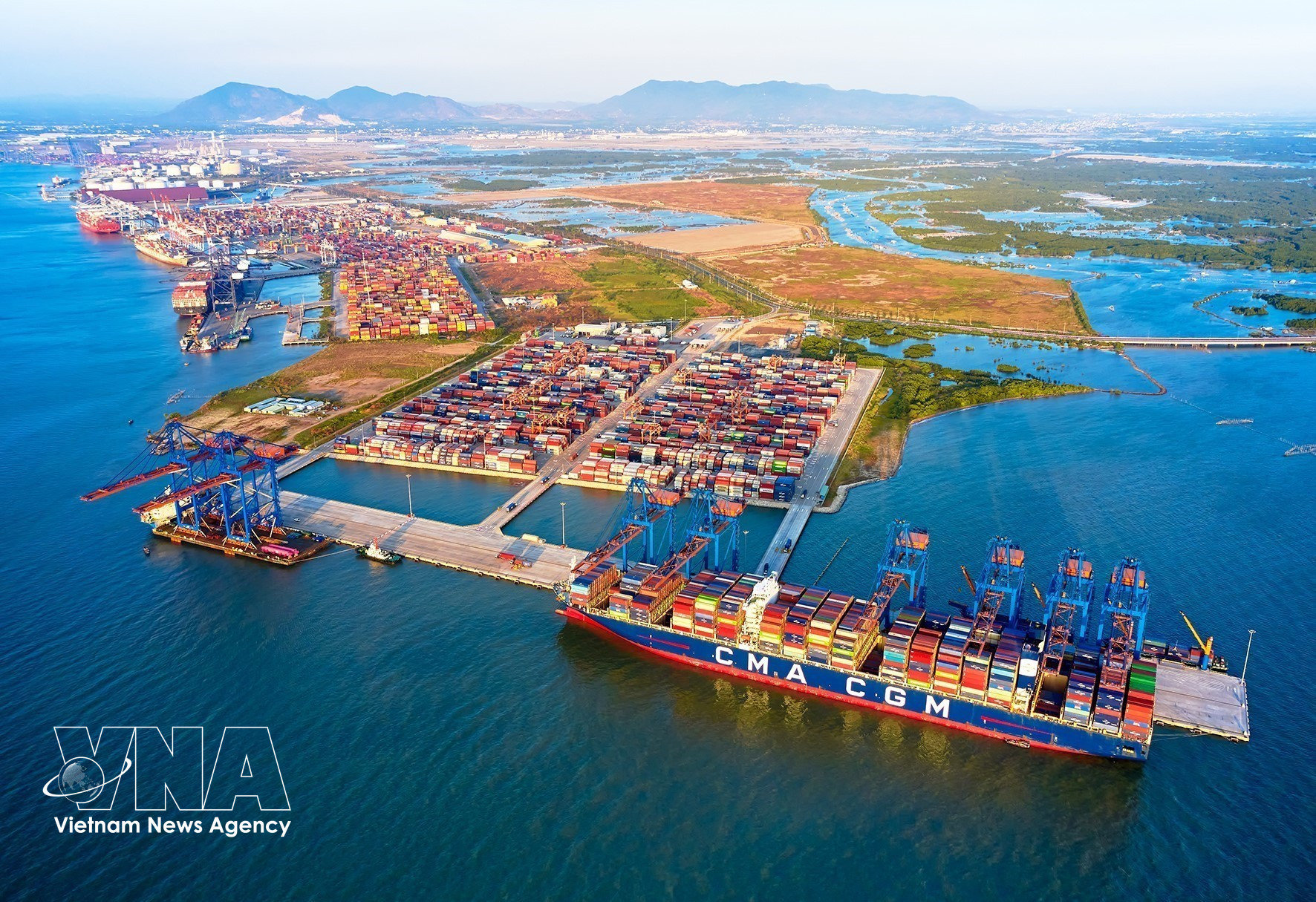
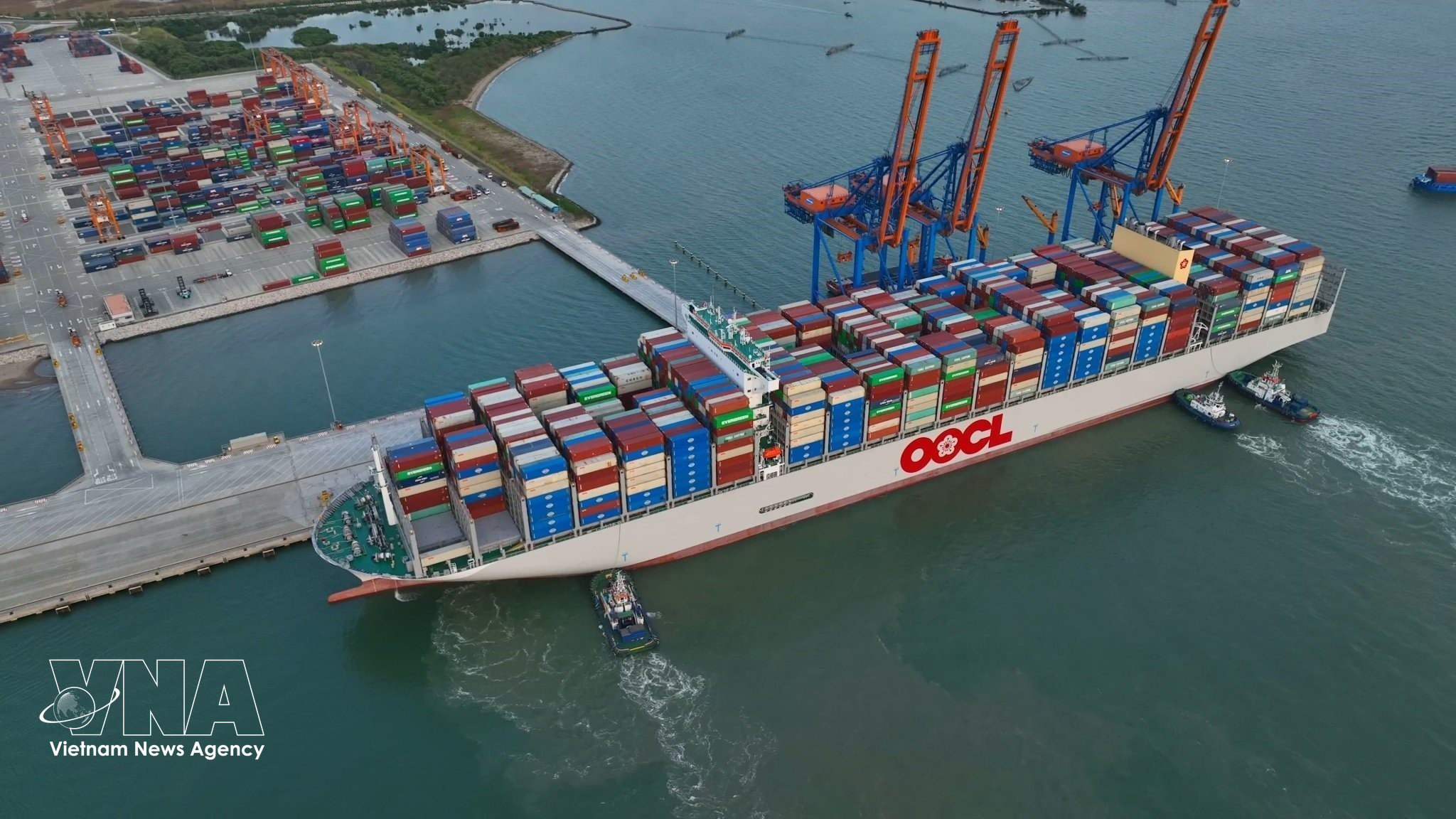
The Cai Mep-Thi Vai port complex can already handle container ships of more than 200,000 DWT with direct links to Europe and North America. Regional connectivity will boost cargo throughput and deepen integration into global supply chains.
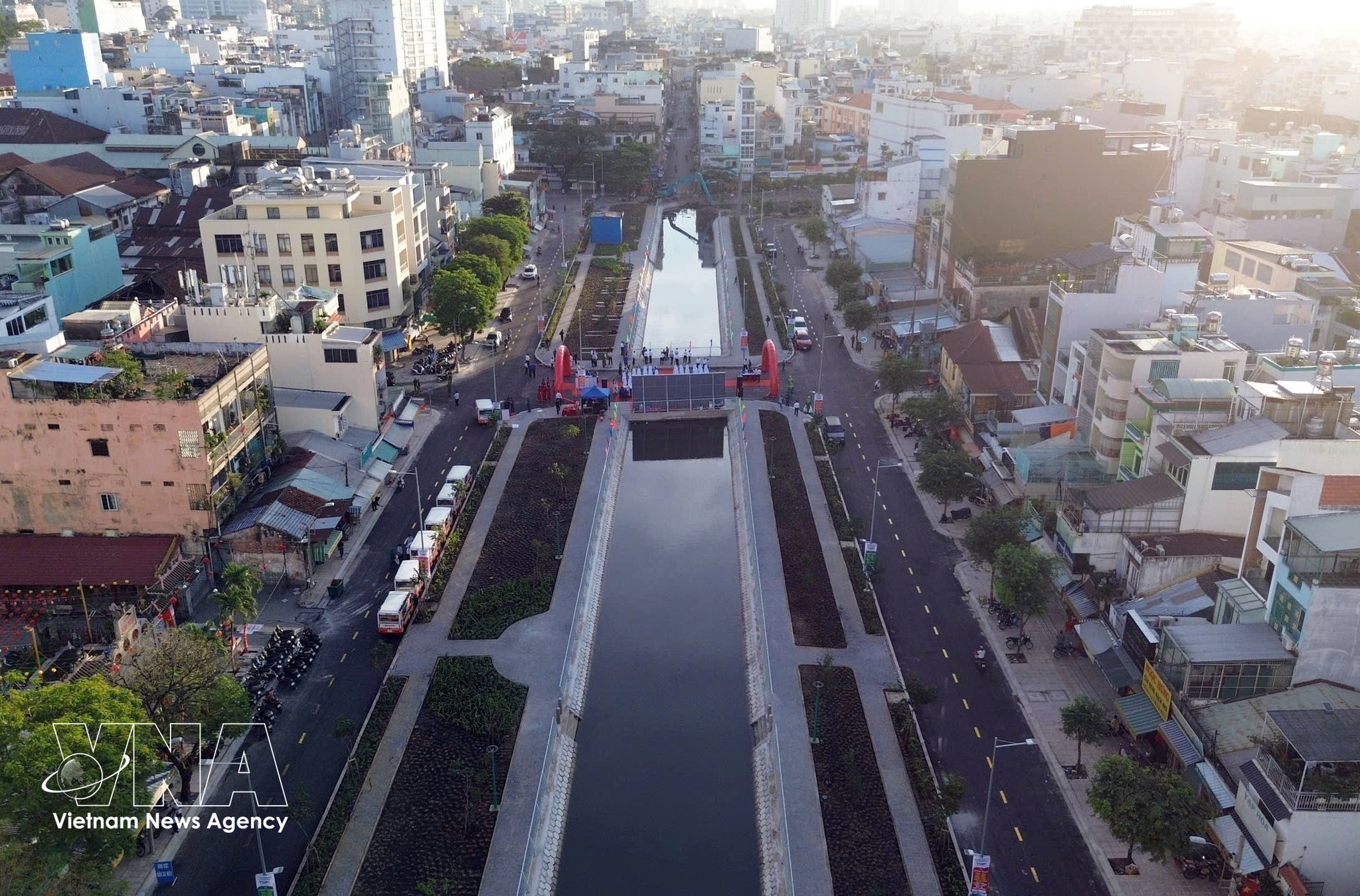
It tyes transport infrastructure to technical infrastructure, flood prevention, and climate adaptation.
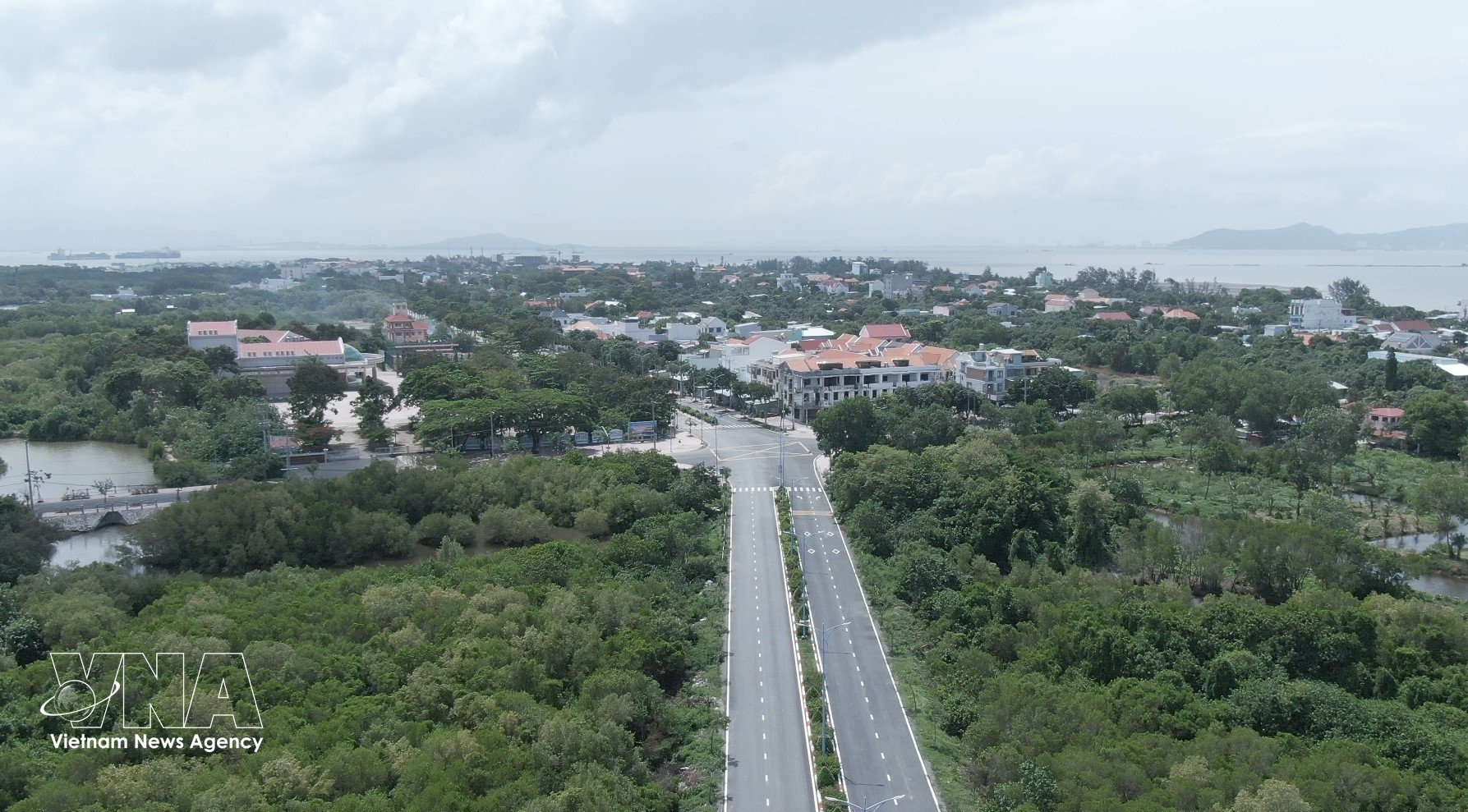
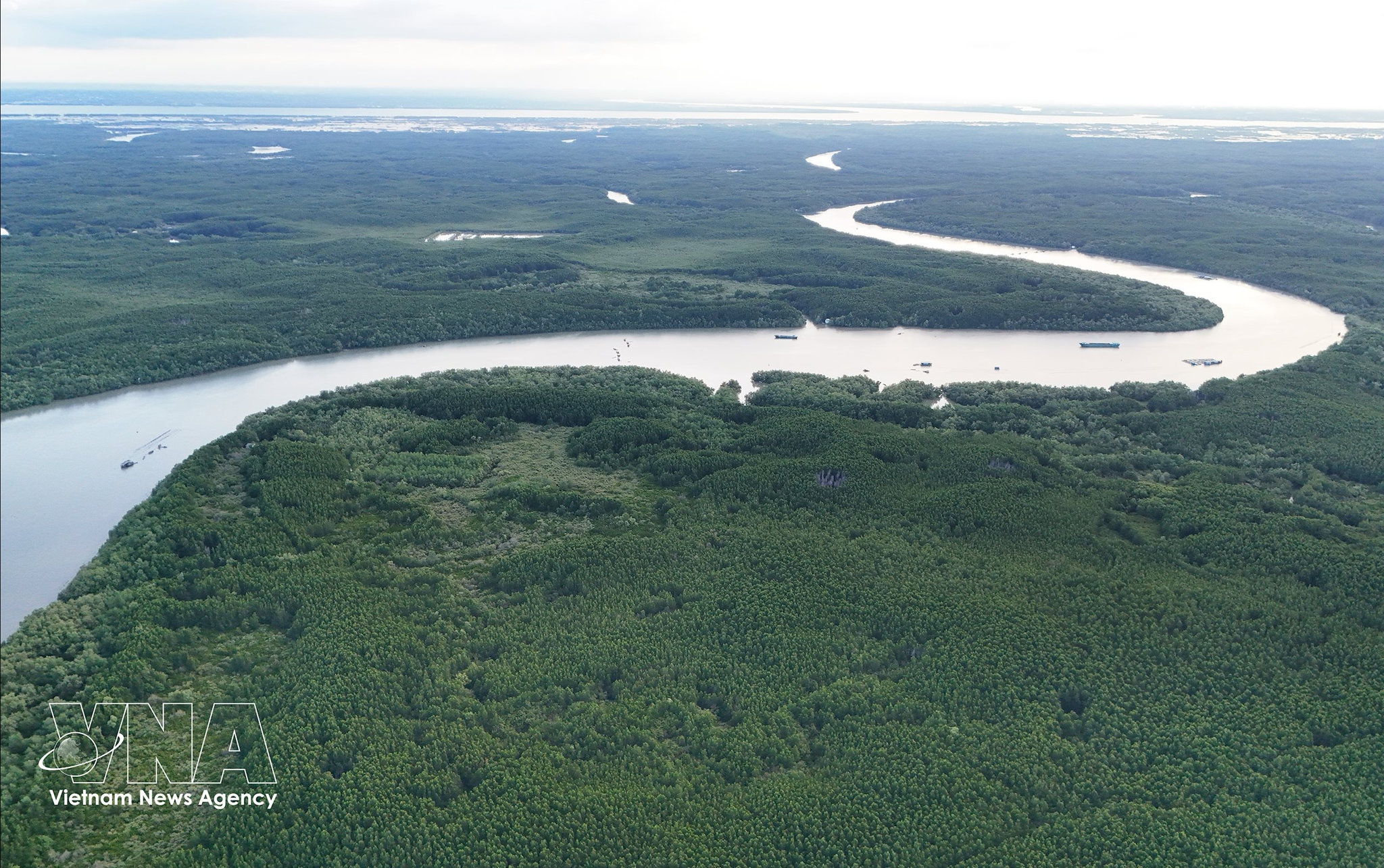
This approach allowes natural resources to be managed by ecosystem and river basin rather than administrative lines, connecting Can Gio with Ba Ria-Vung Tau to help preserve biodiversity and expand marine and island tourism.
Building on those foundations, the city is focusing on five areas to drive breakthroughs.
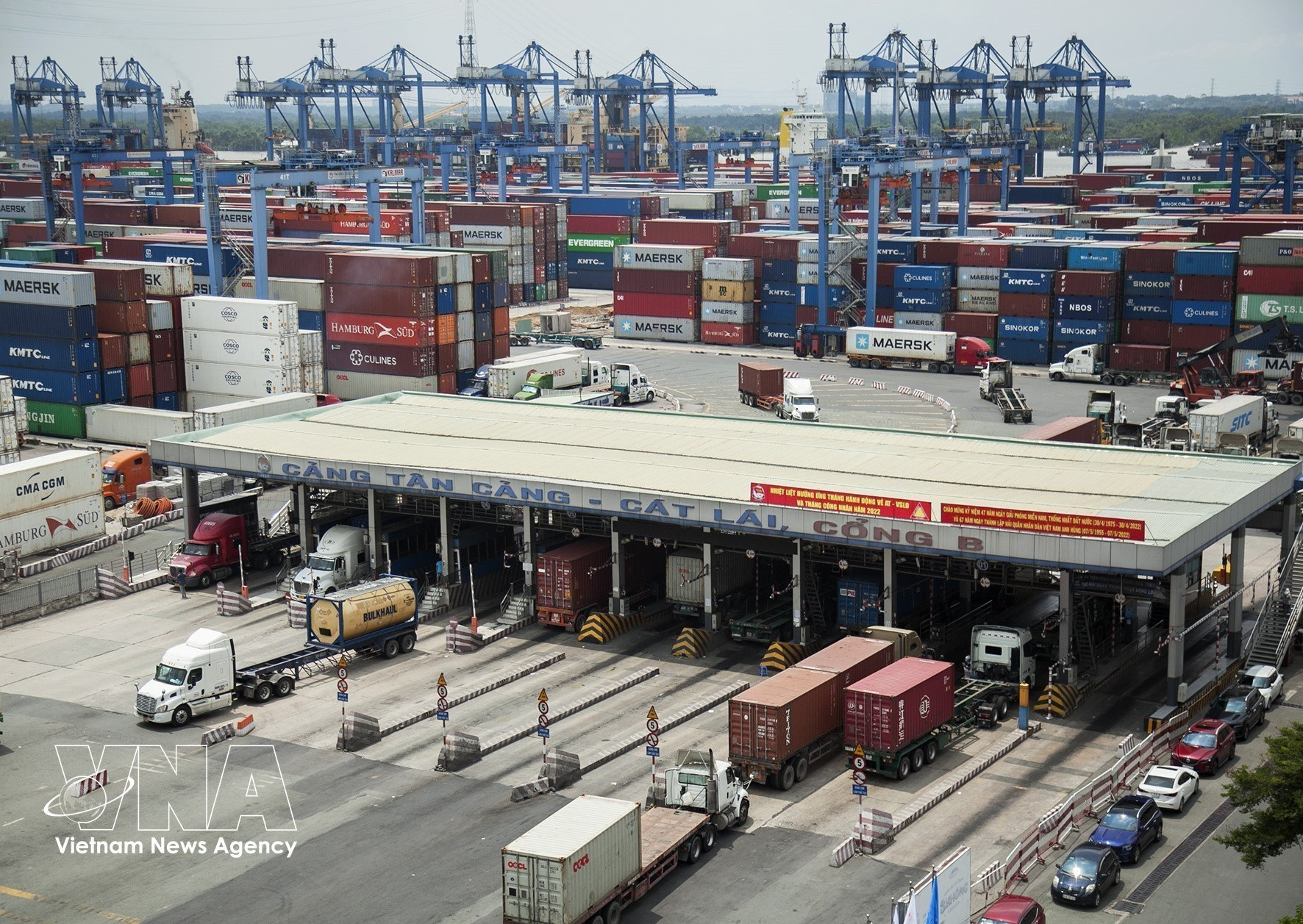
The city will prioritise investment in the Can Gio International Transshipment Port, upgrade the Cai Mep-Thi Vai complex, expand maritime services and cold-chain logistics, and build green-fuel supply infrastructure for ships.
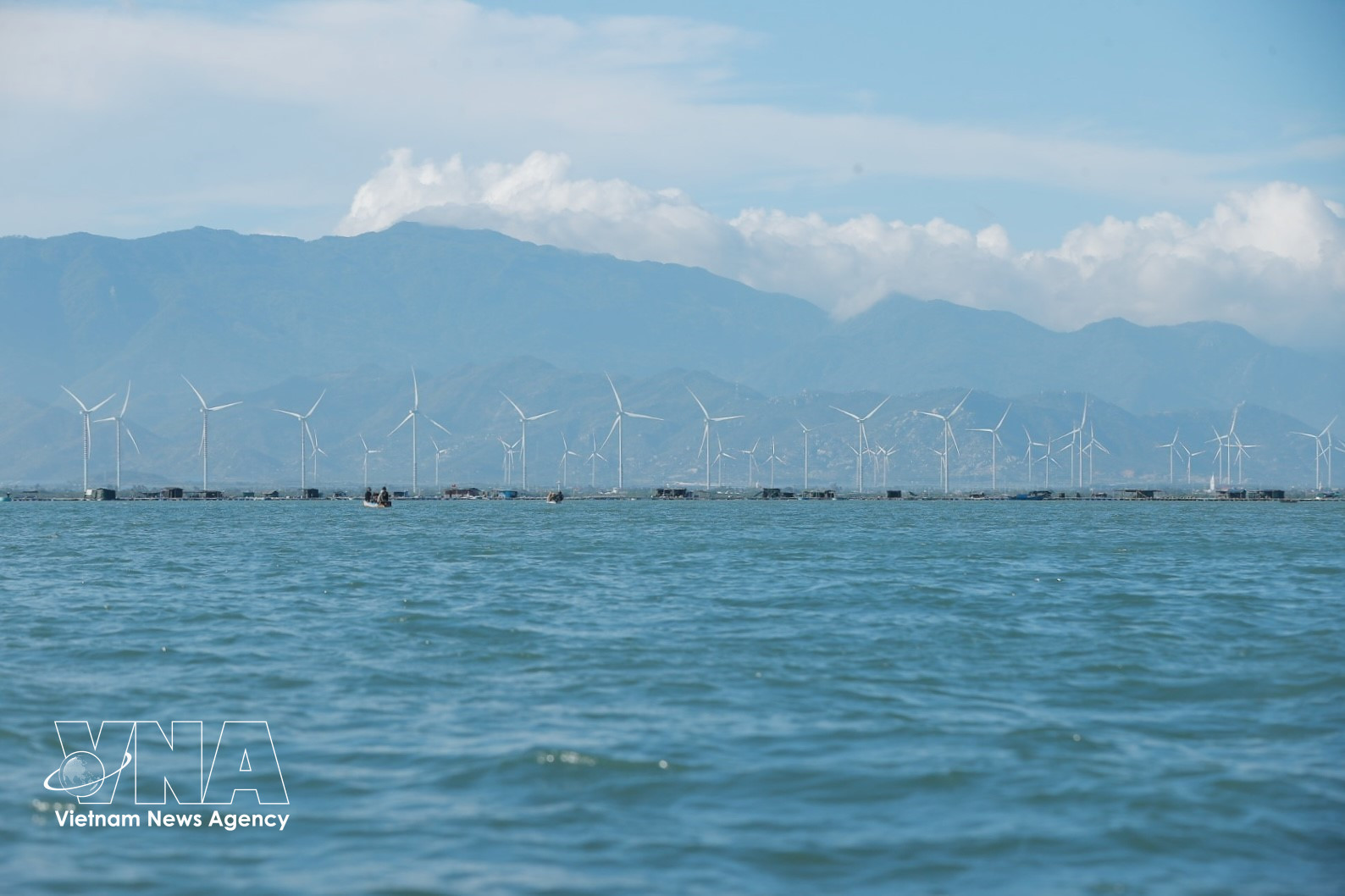
The city has plans for offshore wind projects and specialised infrastructure to assemble and maintain renewable energy equipment, while meeting marine environmental protection requirements.
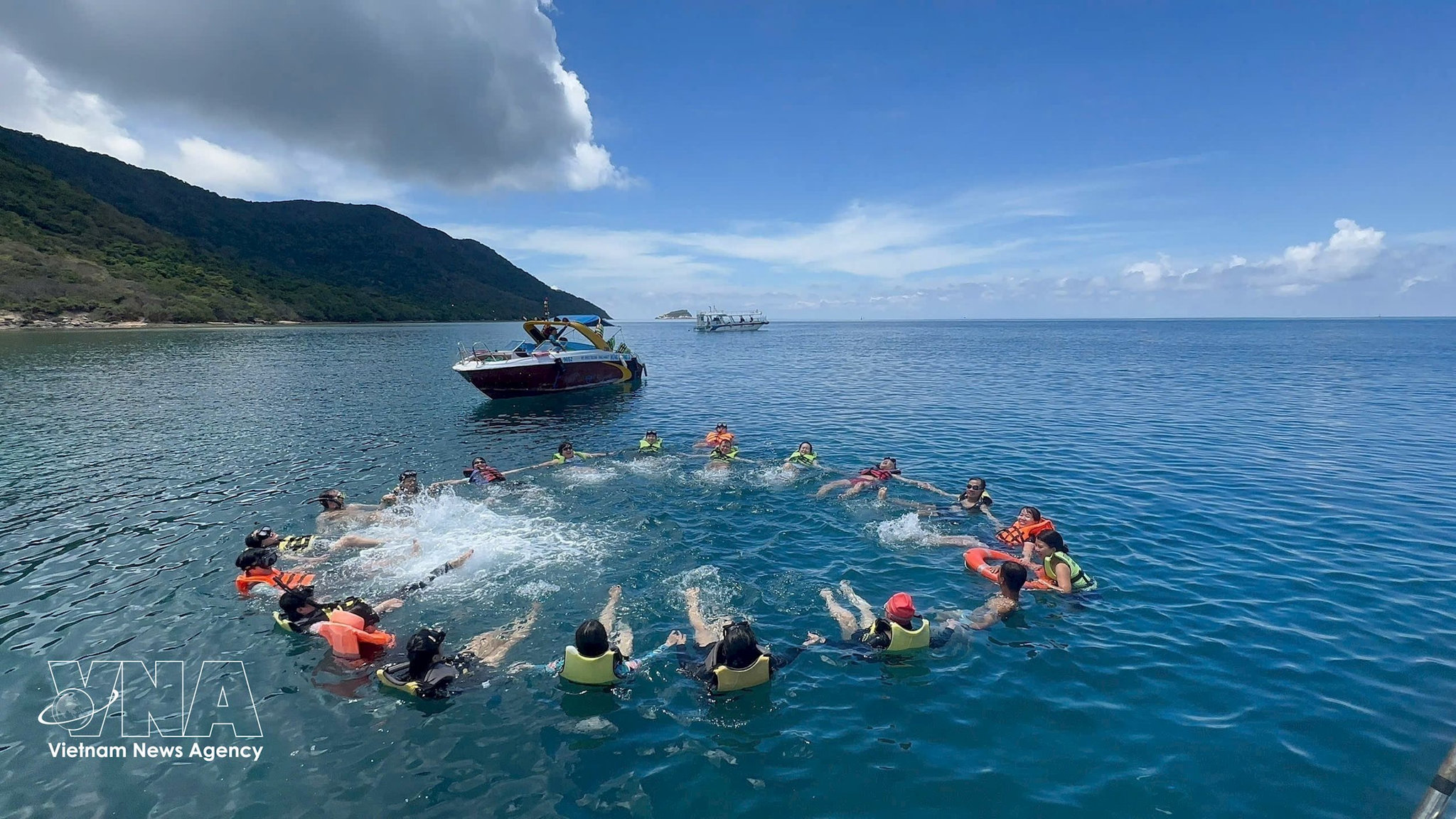
High-tech industry and the marine digital economy, interprovincial marine and island tourism, and natural resource management and environmental protection.
Sharpening competitiveness in global supply chains
Sci-tech, innovation and green transition are the key drivers of shifting the marine economy from extensive to intensive growth, Thanh said.
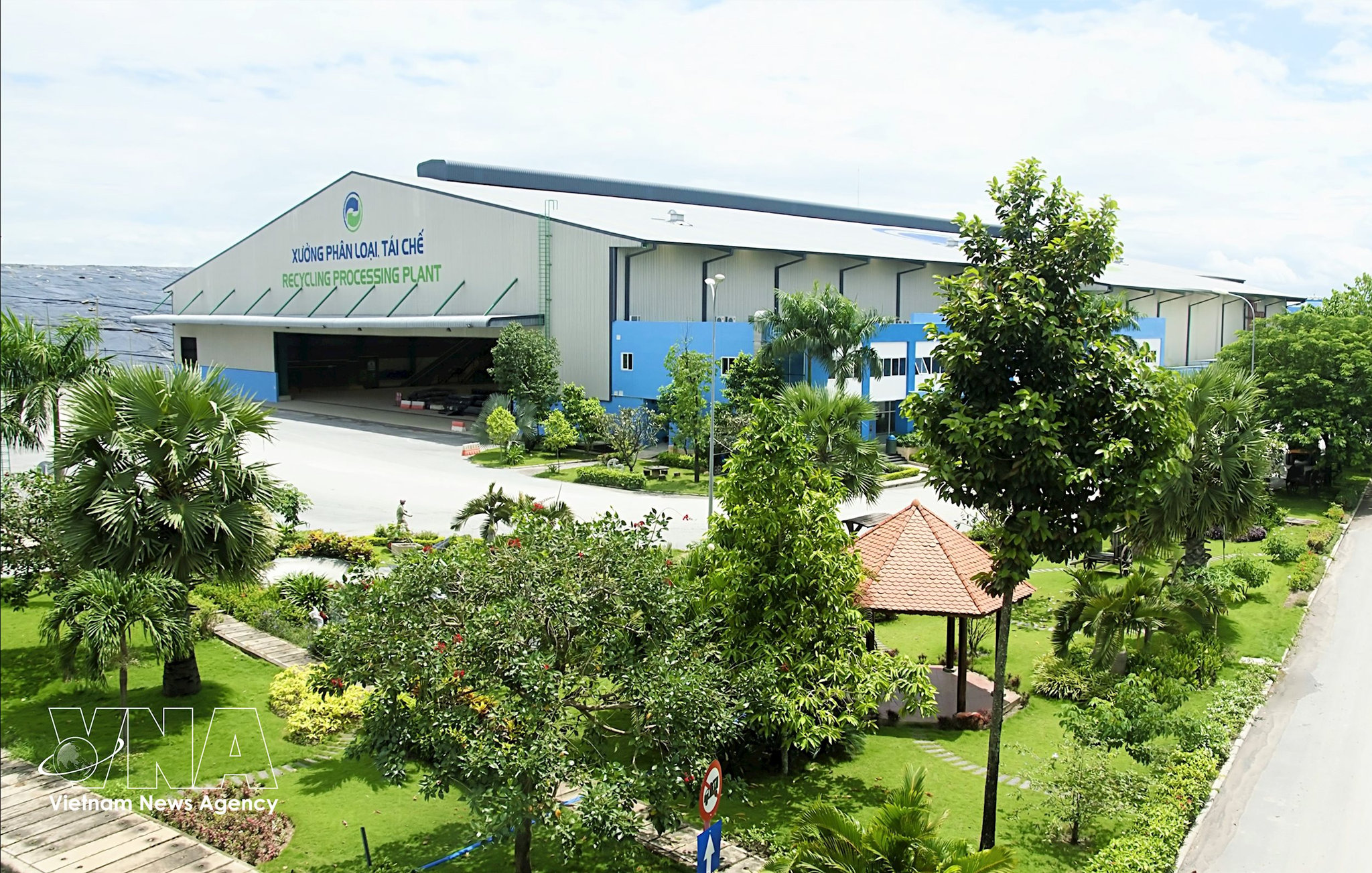
Near-term priorities include a pilot scheme to commercialise state-funded scientific research under the Decision No. 3053/QD-UBND, paired with preferential policies for experts and scientists, and a smart urban governance scheme adopted under Decision 4714/QD-UBND.
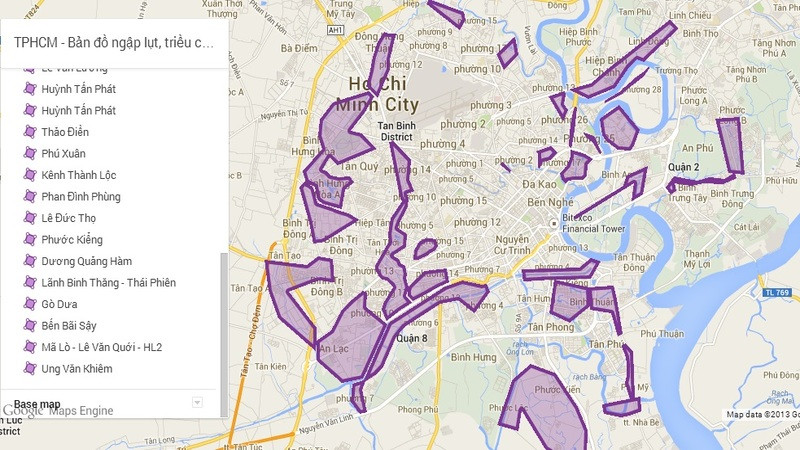
The city also plans a digital mapping platform with 205 interconnected data layers for flood warnings, alongside a traffic monitoring camera system to optimise logistics coordination at ports.
It will also build real-world testing zones for autonomous vehicles and delivery drones between localities, deploy 5G infrastructure for coastal environmental management, push forward marine biotechnology and green transition, and accelerate infrastructure digitalisation.
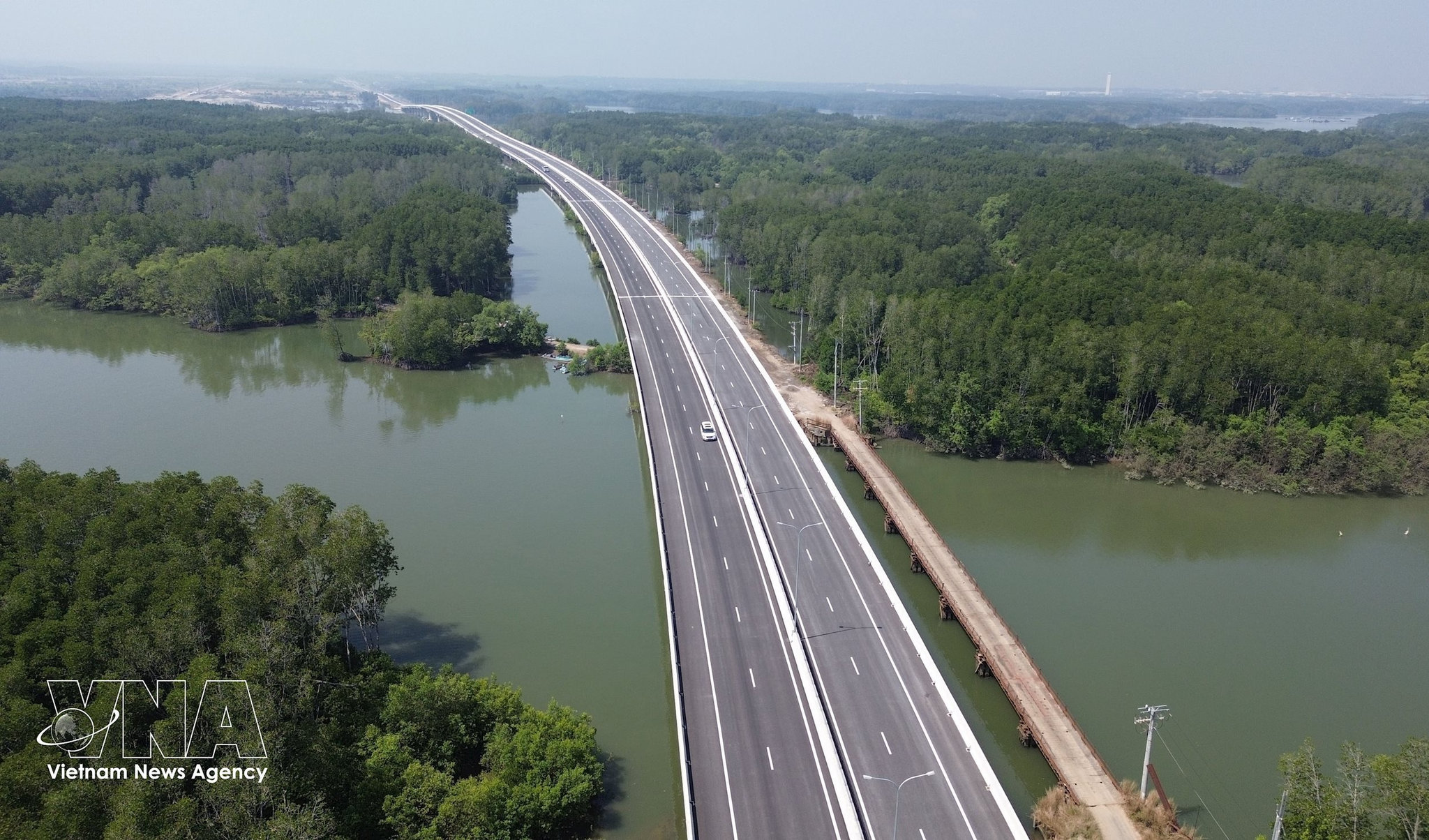
Marine economic development is expected to generate spillover effects and drive socio-economic growth regionally and nationally through key connectivity strategies.
The city will build an integrated transport network linking seaports, airports, expressways and inland waterways, and use its position as a knowledge-economy and finance hub to transfer clean marine biotechnology, renewable energy and port automation technology to neighbouring provinces and regions.
It will also position its seaport system and financial services to handle transshipment and trade for the wider southeastern region, build interprovincial marine and island ecotourism corridors, and work with localities across the Saigon-Dong Nai and lower Mekong river basins to manage water resources, control saltwater intrusion, share monitoring data and respond to climate change.
By sharing infrastructure, data, technology and markets, the city aims to sharpen the competitiveness of the Southeast, the Mekong Delta and the country as a whole in global supply chains.
Striving to become a leading logistics service hub in Asia
To reach its goal of becoming a leading logistics and transshipment hub in Asia, Ho Chi Minh City has identified five major bottlenecks it needs to clear.
First, links among production, logistics, finance, and scientific research remain too loose, with weak regional coordination mechanisms and sectoral planning that's often poorly synchronised.
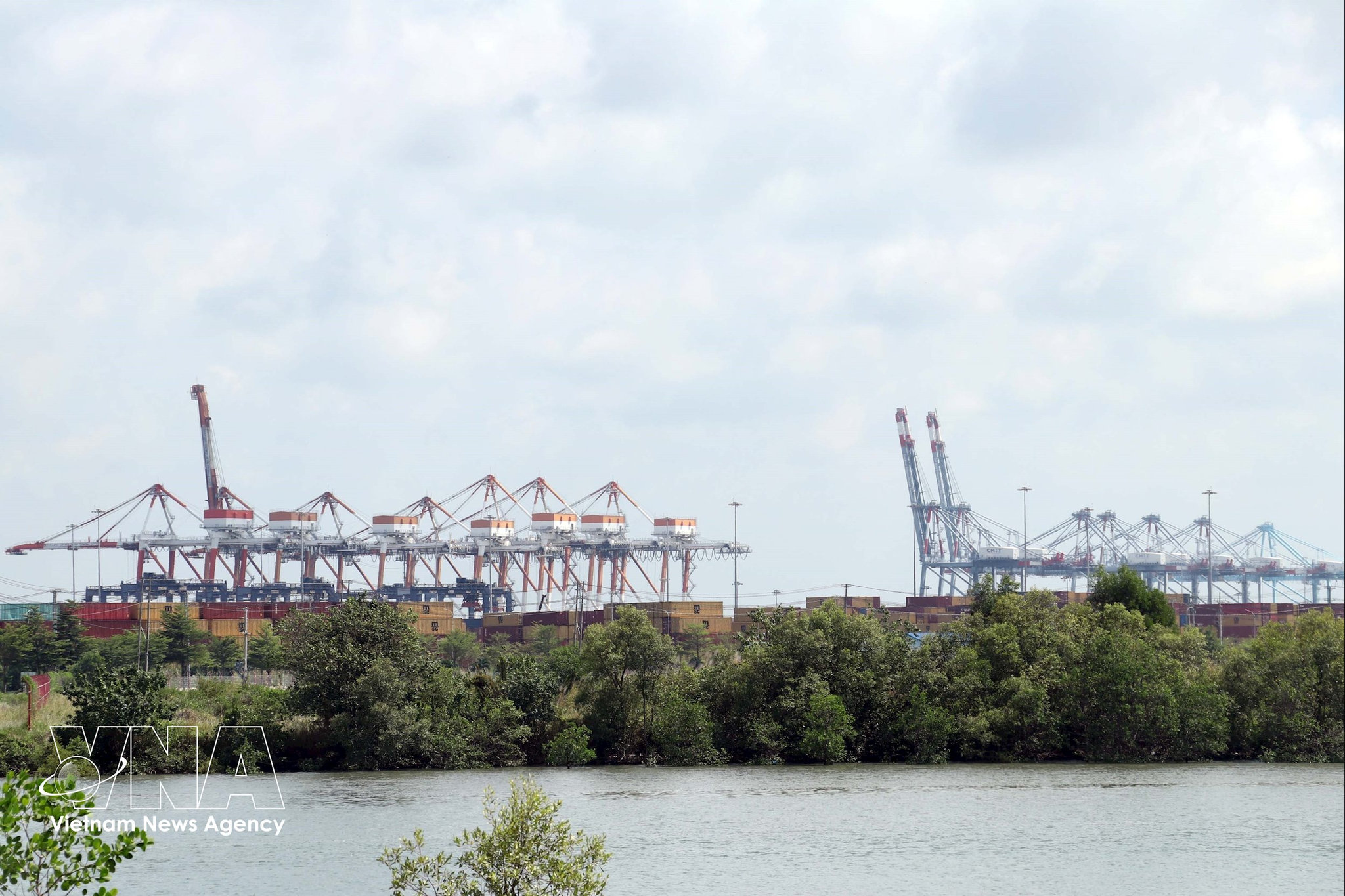
Infrastructure gaps are another obstacle, including no direct rail links to ports, an incomplete interprovincial expressway network, slow site clearance, and limited land for logistics facilities and container yards, on top of the high costs and long payback periods infrastructure projects require.
Climate change, sea-level rise and land subsidence are also taking an increasing toll, while sector-specific data remains scattered across agencies without standardised connectivity, undercutting management and planning.
To clear these bottlenecks, the city proposed six groups of solutions to the Government, ministries and agencies.
First, the Government should move quickly to follow Decisions No. 1061/QD-BXD and 1062/QD-BXD from the Ministry of Construction, establish a free trade zone mechanism, and continue with decentralisation and delegation of authority under the National Assembly's Resolution No. 98/2023/QH15 and Resolution No. 260/2025/QH15.
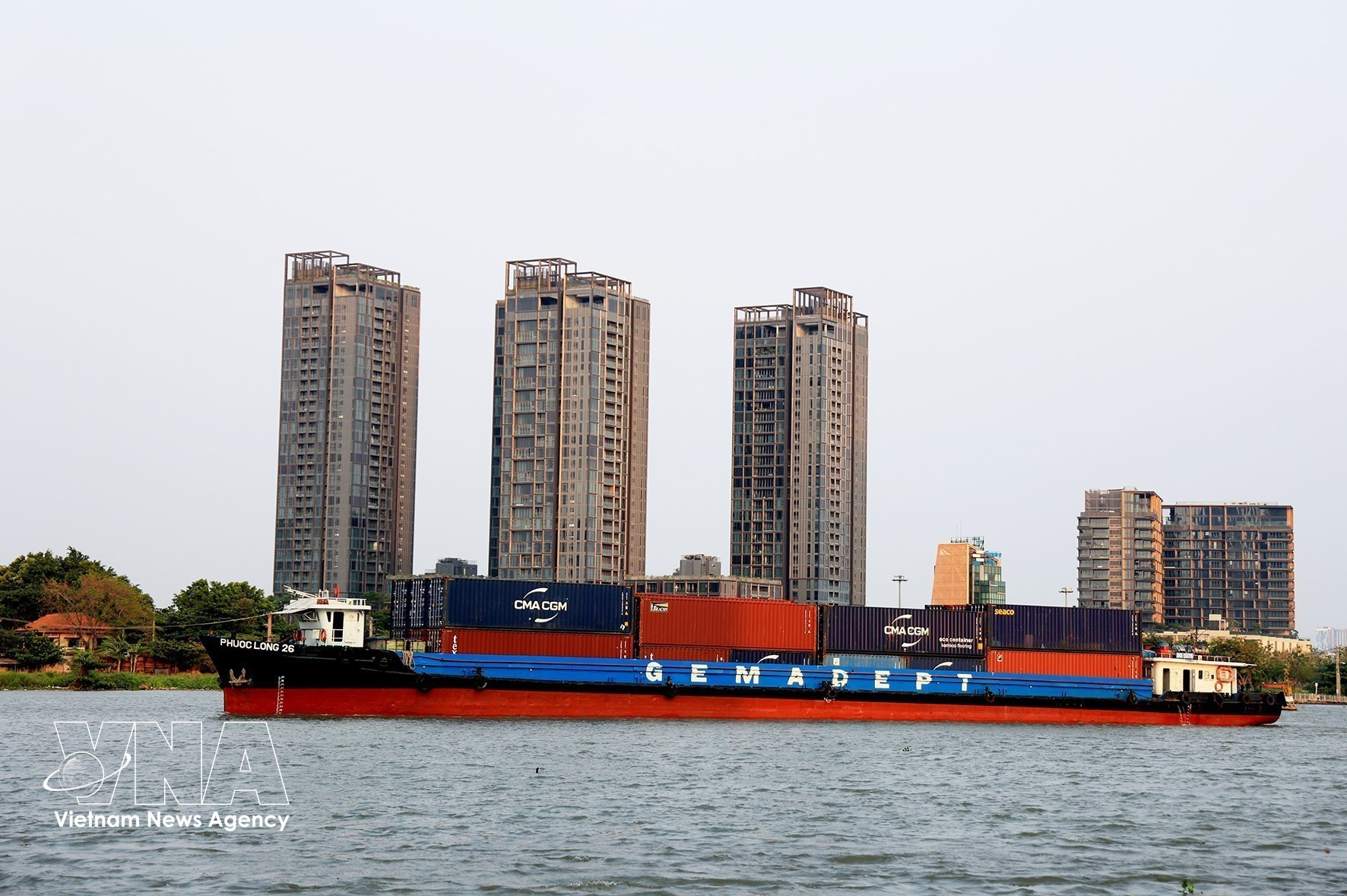
The city also called for prioritised resources and special mechanisms to speed up transport routes linking seaports, railways and expressways; standardise inland waterway channels, and boost non-state capital, particularly through public-private partnerships, for shared infrastructure projects.
Another priority is a shared, interconnected national database covering seaports, logistics, natural resources and the environment to improve State management, along with a completed legal framework, coordination mechanisms and investment policies for renewable energy, power transmission infrastructure and specialised ports.
Looking to 2045, the city expects to establish itself firmly in two areas.
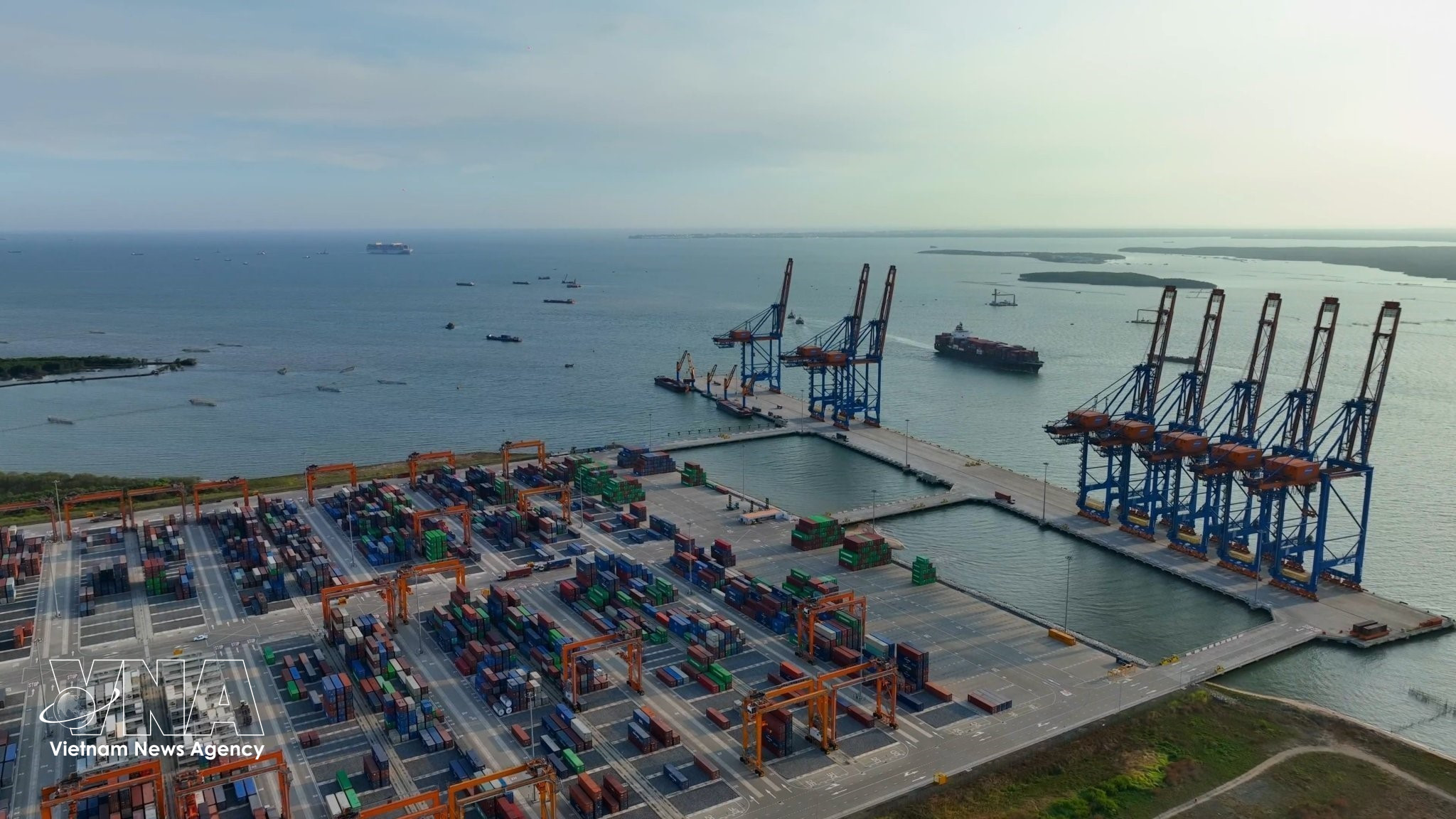
First, as a leading logistics and international transshipment hub in Asia, it looks to generate added value from cargo flows through logistics services, maritime finance and supporting industries.
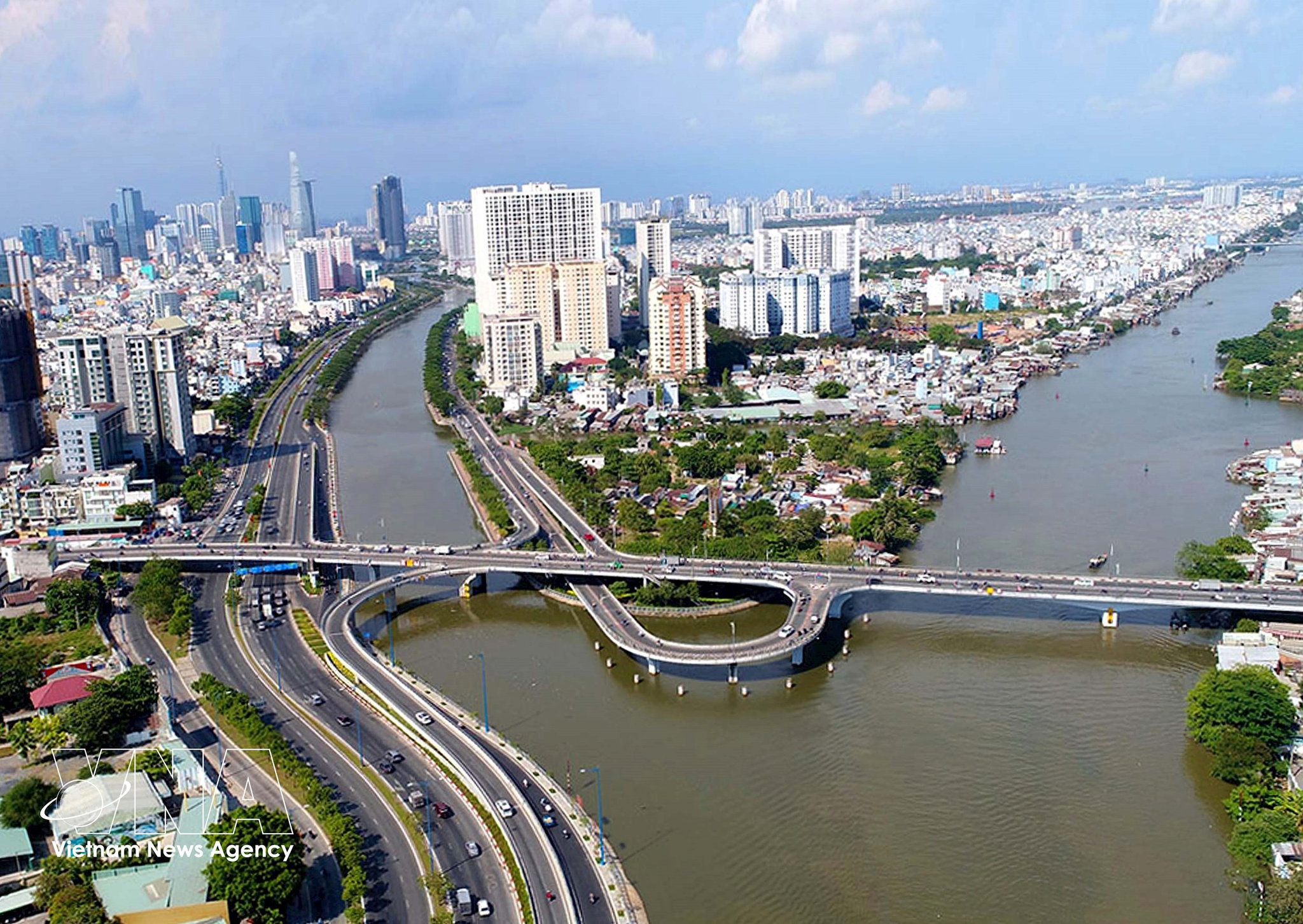
Second, it expects to build a modern, climate-resilient city that harmoniously connects its waterways (Saigon and Dong Nai rivers) to the sea through Can Gio, while balancing economic development, nature conservation and residents' quality of life.
To get there, the city is calling on firms to invest in green seaports, green logistics services, offshore renewable energy and marine supporting industries, and is pledging a transparent, favourable and sustainable investment environment in return.
It also urges residents to work with local authorities to protect riverside corridors, preserve the Can Gio mangrove forest, cut plastic waste and safeguard biodiversity, and join hands to build a distinctive and sustainable coastal city./.