Enhancing students’ awareness on digital culture. Photo: VNA
In the digital era, cyberspace has become an essential part of social life, helping create an open communication environment, foster creativity, connect communities, and spread knowledge. While there’s plenty of positive content online, misinformation, harmful material, and inappropriate behavior have also become an issue. That’s why the Ministry of Culture, Sports and Tourism introduced the Code of Conduct for Cultural Behaviour in the Digital Environment, aiming to guide how organisations and individuals act on online platforms, boost their sense of responsibility, and encourage positive values in the digital space.
Digital space becomes a “new public space”
Digital transformation has created a new cultural environment – the digital environment, including the Internet and virtual spaces – alongside the physical environment in which people have traditionally lived and interacted. In recent years, Vietnam’s digital environment has developed rapidly in both scale and influence. According to data from DataReportal, as of the end of 2025, Vietnam had around 85.6 million Internet users, accounting for more than 84% of the population, and 79 million social media accounts, equivalent to nearly 78% of the population. This places Vietnam among the countries with the highest social media penetration rates in the Asia-Pacific region.
“
As of the end of 2025, Vietnam had around 85.6 million Internet users, accounting for more than 84% of the population, and 79 million social media accounts, equivalent to nearly 78% of the population.
These figures show that cyberspace has become an important part of social life. Today, the digital space is not merely a place for exchanging information, but has also become a “new public space” where individuals and organisations express their views, share knowledge, shape public opinion, conduct commercial transactions, buy and sell consumer goods, and promote brands.
The emergence and rapid growth of social media platforms such as Facebook, Zalo and TikTok have brought profound changes to the way Vietnamese society communicates and receives information. In this environment, information is transmitted almost instantly, overcoming geographical and temporal barriers and creating a broad space for interaction. As a result, individuals are no longer merely information recipients. They can also become “publishers”, capable of disseminating their views, images, and data to thousands or even millions of people within a short period of time. With solid digital infrastructure, a large user base, rapidly expanding digital services, supportive State policies, and dynamic businesses, Vietnam is gradually strengthening its position in the digital era and moving towards a comprehensive and modern digital society.
However, alongside development opportunities, the digital environment presents growing challenges concerning online conduct, information authenticity, and users’ social responsibility. Fake, distorted, and false information can misrepresent the Party’s guidelines and the State’s policies and laws, erode public trust, undermine social and ethical standards, and cause public confusion. The rapid development of artificial intelligence (AI) and deepfake technology has made fabricated content increasingly sophisticated and difficult to identify, posing new challenges to information management and orientation.
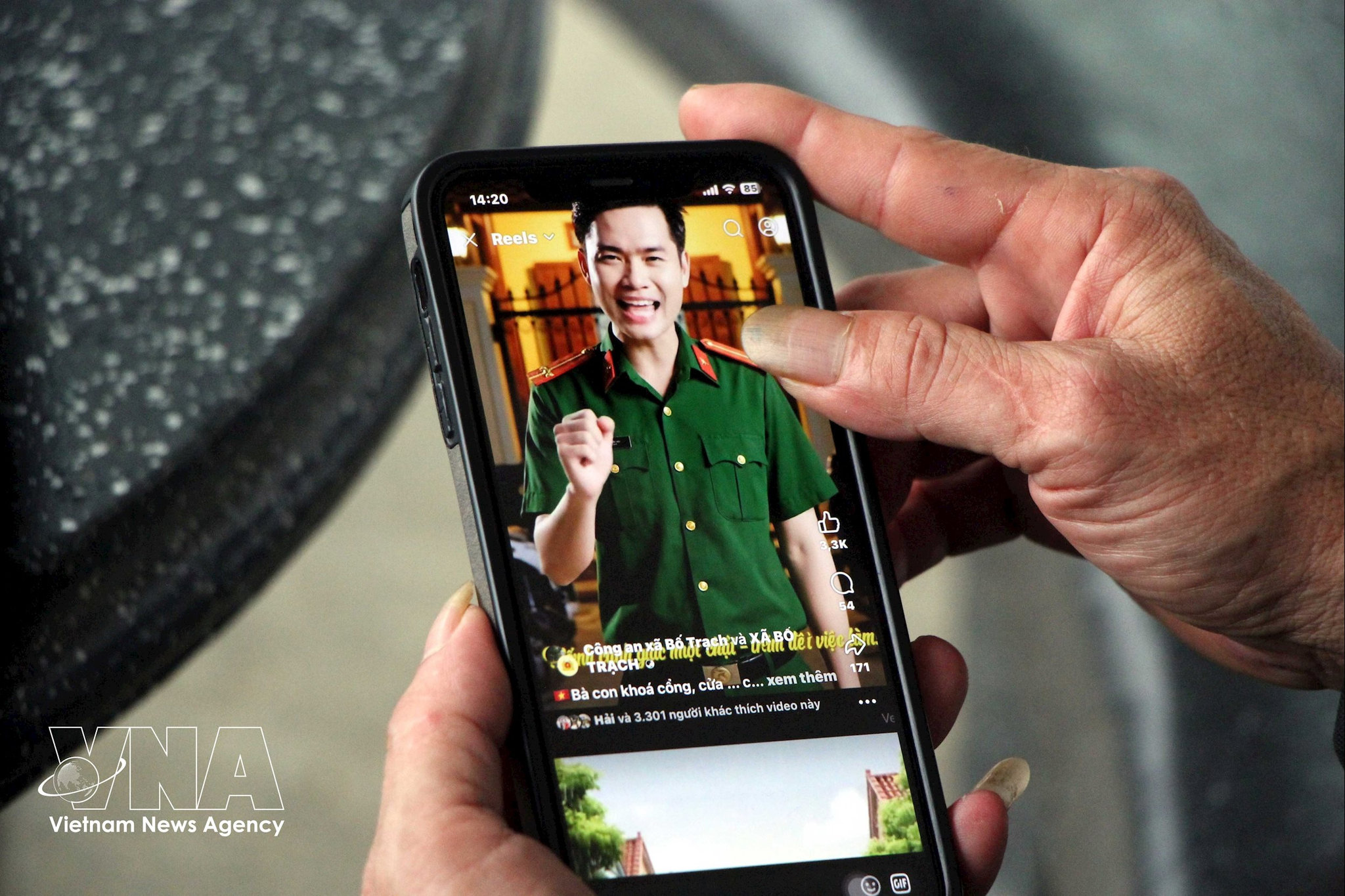
“Digital police” disseminate information and warn the public about crime. (Photo: VNA)
The proliferation of harmful content, websites promoting violence and hatred, and videos violating social and cultural norms has also raised concern. Unverified information can spread rapidly with just a few clicks, affecting public opinion and potentially damaging the reputation of organisations and individuals. Repeated irresponsible behaviour, if left uncorrected, can gradually become an unhealthy norm in social media interactions.
Fostering a healthy and humane digital environment
Nguyen Thi Thanh Huyen, Deputy Director of the Authority of Broadcasting and Electronic Information, said that although important legal documents such as the Cybersecurity Law, the Law on Intellectual Property and the Law on Children have been issued, public awareness and compliance remain limited. Many Internet users are not fully aware of their legal responsibilities and the need for culturally appropriate conduct online.
Nguyen Thi Thanh Huyen, Deputy Director of the Authority of Broadcasting and Electronic Information (Photo: VNA)
In this context, the Code of Conduct for Cultural Behaviour in the Digital Environment is set to be a key tool for guiding online behavior, encouraging good habits, and setting ethical standards. Its goal is to build a healthy, respectful digital space that promotes positive values, safeguards national cultural identity, and supports the growth of a unique Vietnamese digital culture.
“
The “healthy conduct” requires behaviour and conduct to be consistent with the ethical, cultural and traditional values of the Vietnamese people.
The code builds on the Code of Conduct on Social Media issued by the then Ministry of Information and Communications under Decision No. 874/QD-BTTTT on June 17, 2021. The earlier code established four general principles applicable to all users: respect and compliance with the law; healthy conduct; information safety and security; and responsibility.
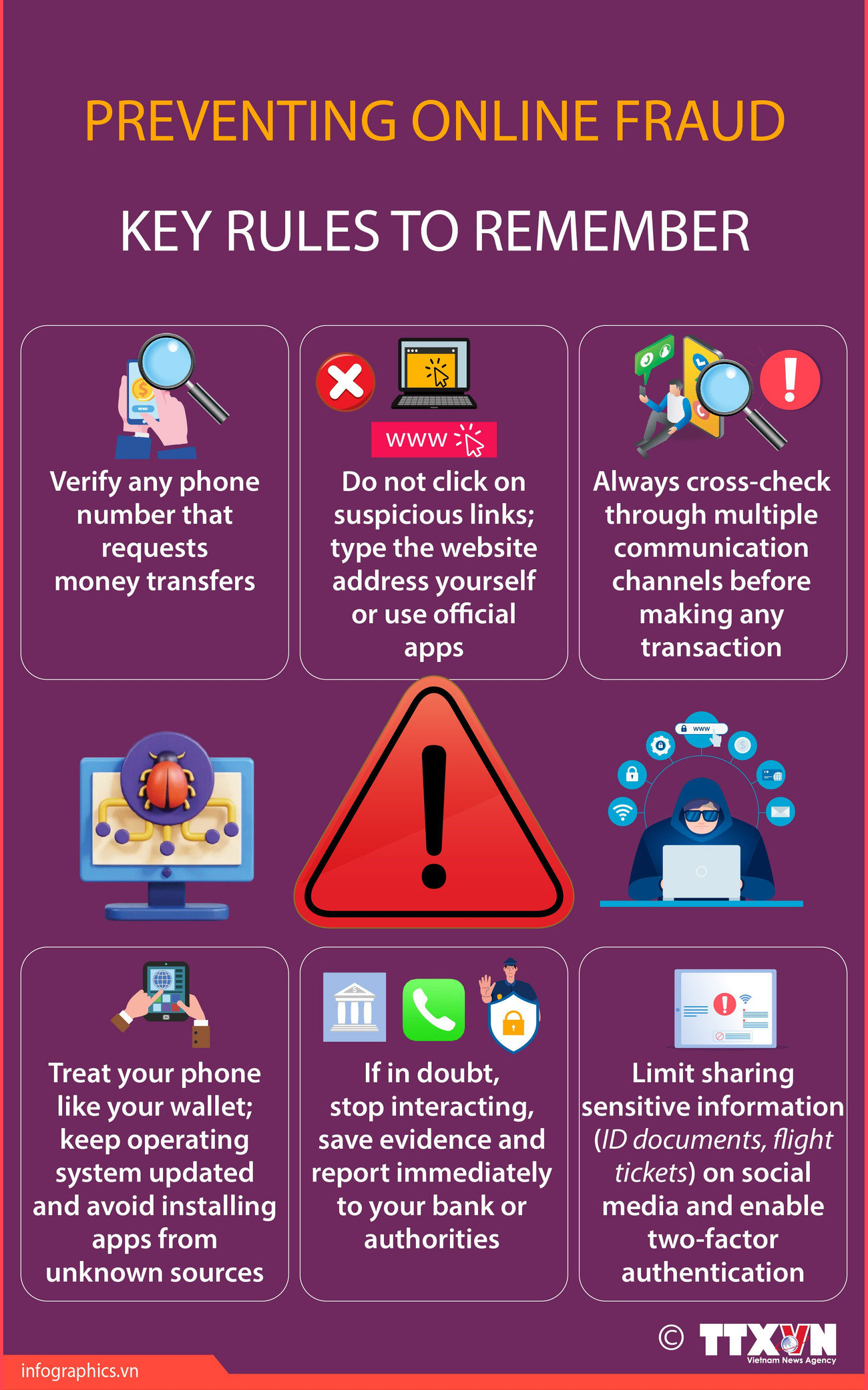
With technology developing rapidly and cyber threats such as cyberattacks, fraud and personal data leaks becoming more complex, experts consider it necessary to develop a more comprehensive framework, with greater emphasis on digital culture and ethics.
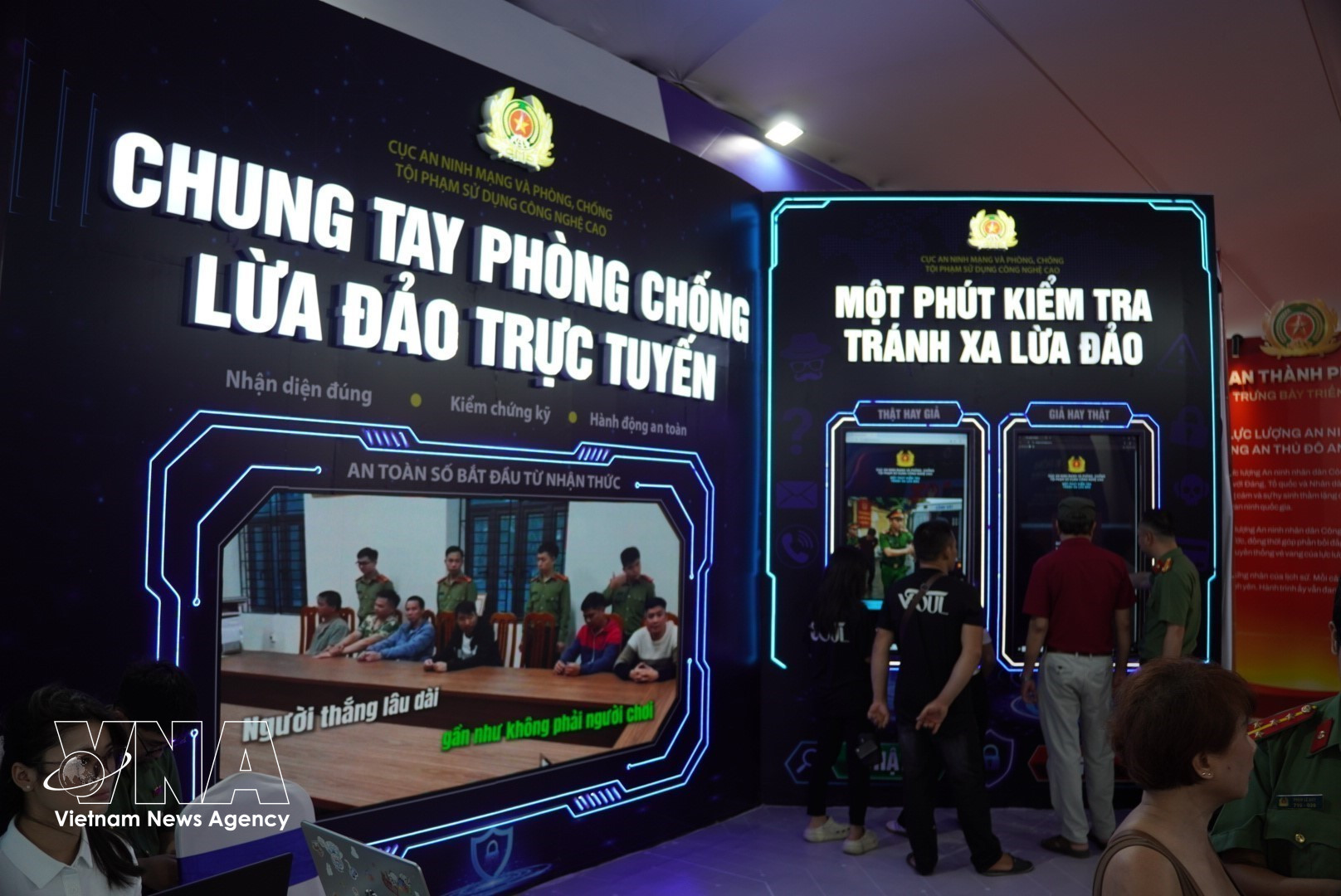
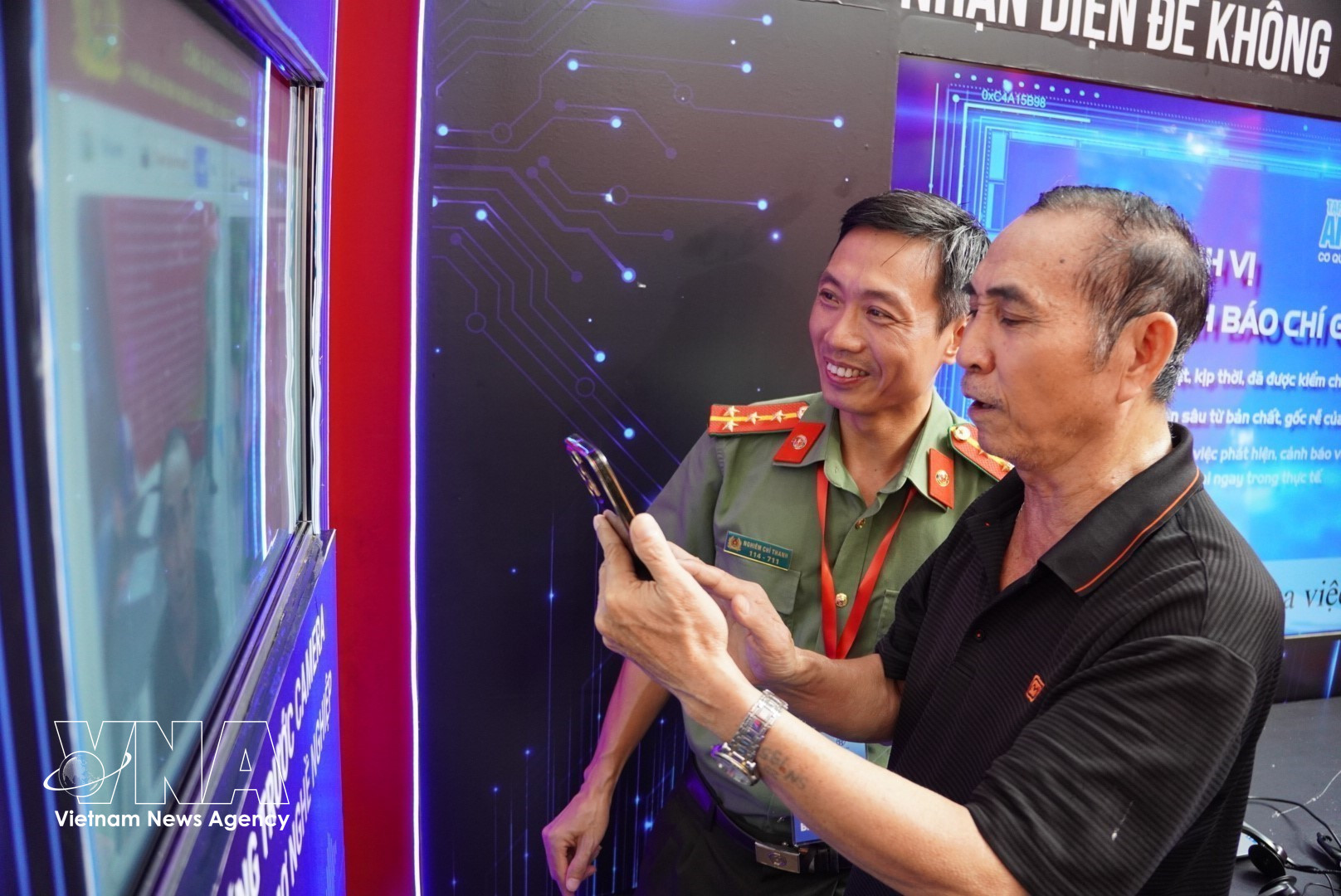
Residents and tourists learn about various forms of online scams. (Photo: VNA)
A notable feature of the new code is its broad scope. Rather than focusing solely on individual users, it sets out responsibilities for social media and digital platform providers at home and abroad, Internet service providers, press and broadcasting agencies, media companies, advertising service providers, performing arts organisers, and other organisations and businesses. This reflects a comprehensive approach, recognising that building a healthy digital culture requires the participation of all actors involved in creating, operating and disseminating information online.
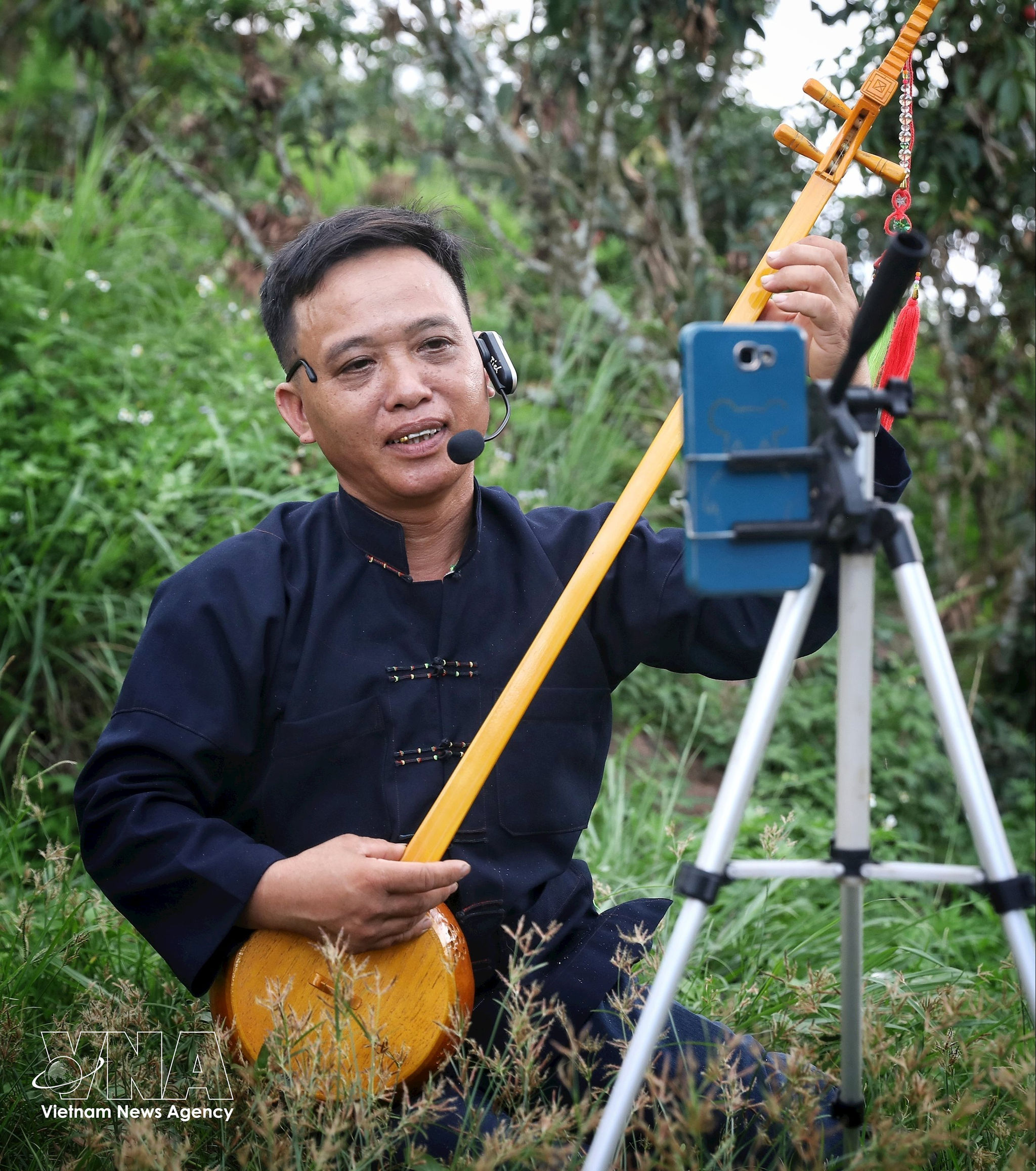
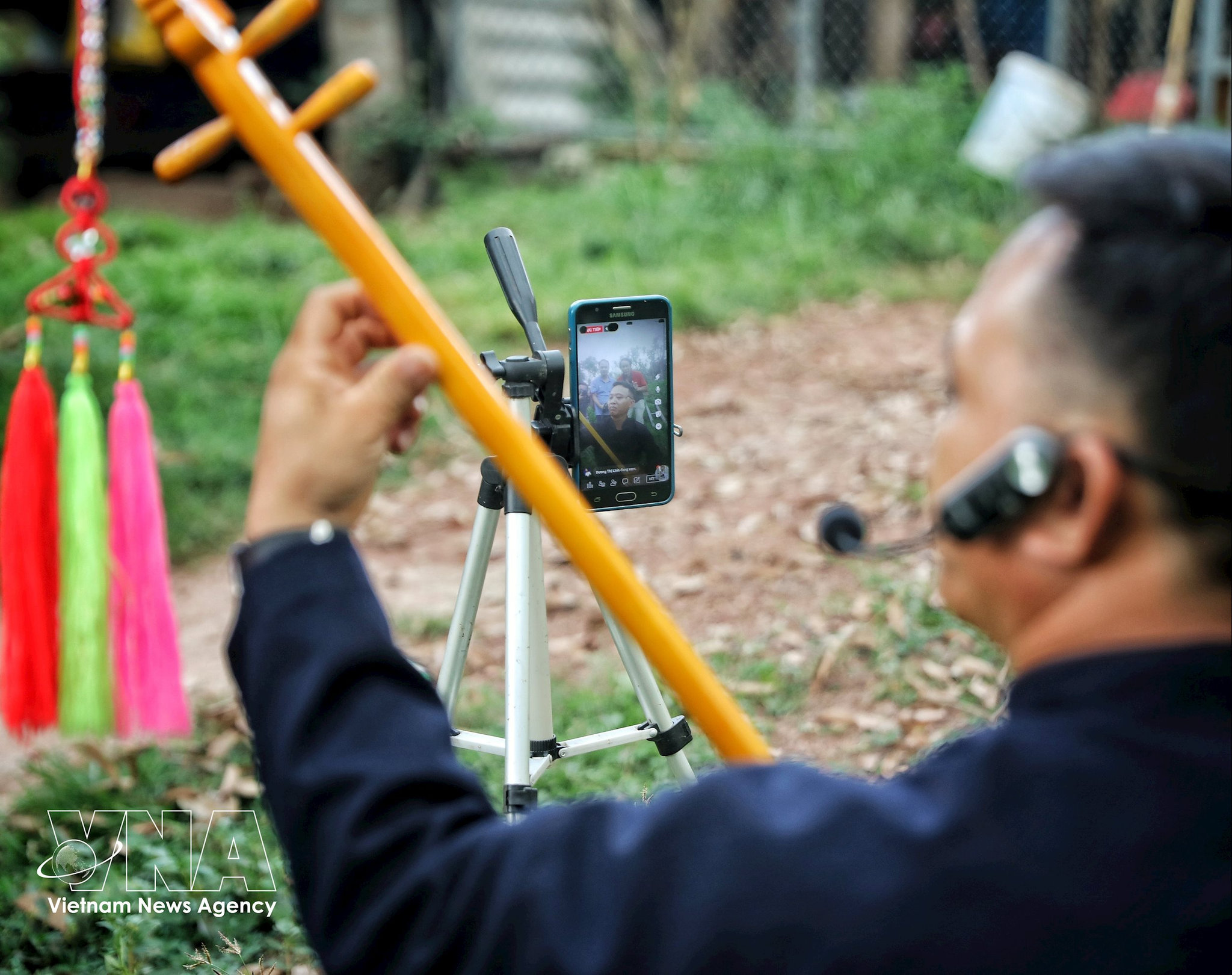
Meritorious Artist Luc Van Tich performs Then singing and Tinh lute music in a livestream on social media. (Photo: VNA)
The code establishes fundamental principles for individuals and organisations in the digital environment, including compliance with Vietnamese law, respect for the legitimate rights and interests of others, civilised and polite conduct, respect for cultural and ethical values and national traditions, and responsibility for information they post or share.
For individuals, it encourages the use of real names or legally owned names and brands when engaging in digital activities. Users are advised to exercise caution with unverified information and share content from clear and reliable sources, particularly useful, positive, and humane information that contributes to a healthy and safe digital environment.
When encountering fake information or content that violates the law, users should notify service providers, digital platforms, or competent authorities for timely handling and warnings. When posting warnings about fake or false information or illegal content, users should clearly identify such content, including through the prescribed red strikethrough marking.
Secretary of the Party Committee of Van Son commune, Phu Tho province, Nguyen Duy Tu records a video introducing Bai Pang tourist site. (Photo: VNA)
Influencers and administrators of pages and online communities are encouraged to proactively create and promote valuable content, preserve and promote Vietnamese culture on digital platforms, and contribute to developing national, cultural, and family values and standards for Vietnamese people in the new era.
Experts noted that the code marks a new development from the 2021 Code of Conduct on Social Media, as the rapid expansion of short-form videos, livestreaming, e-commerce and AI has transformed online activities far beyond the traditional concept of social media. Expanding the regulatory scope to the entire digital environment therefore reflects the realities of technological development.
Associate Professor Dr. Bui Hoai Son, a full-time member of the National Assembly’s Committee for Cultural and Social Affairs, said the code will contribute to establishing a “cultural order” in the digital space. While law sets boundaries to prevent wrongdoings, he said, cultural codes of conduct provide standards for nurturing what is right, beautiful and humane.
“
When the code of conduct is issued, it will send a clear message that the digital environment is also a cultural space. There, every word, image, and interaction must be associated with social responsibility and community standards. The code can be said to help shift the mindset from ‘dealing with violations’ to ‘prevention and facilitation’. It is not only intended to curb negative content and behaviour, but also to nurture positive values.
Associate Professor Dr. Bui Hoai Son, a full-time member of the National Assembly’s Committee for Cultural and Social Affairs
For the code to become part of everyday life, experts stressed the need for coordinated measures, including stronger and more diverse public communication tailored to different groups, particularly young people.
Digital culture education should also be promoted in schools and families, while media agencies, celebrities and online influencers should lead by example through responsible language and information sharing.
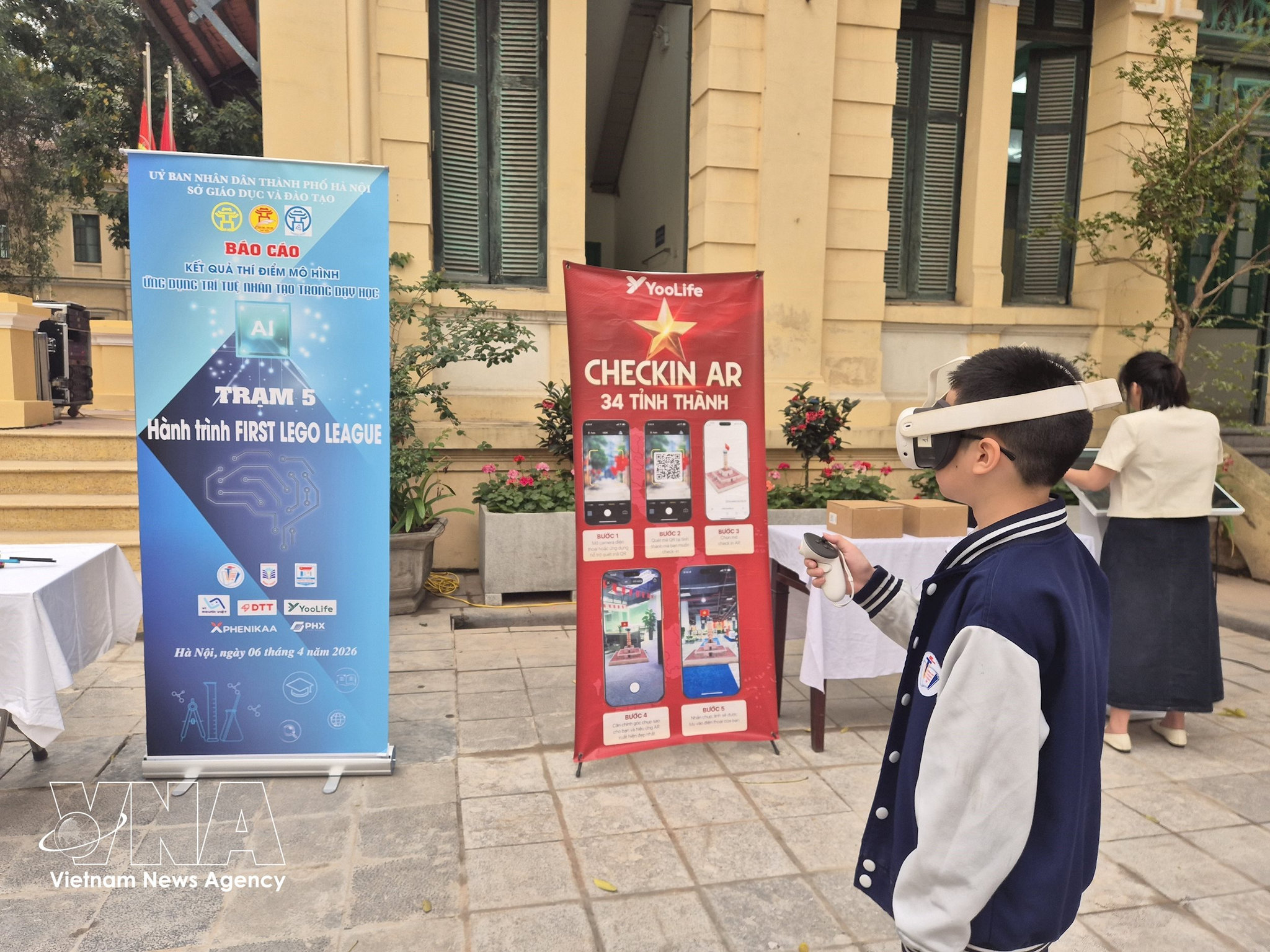
Forming a generation of digital citizens through educational innovation. (Photo: VNA)
Ultimately, digital culture begins with individual awareness and responsibility: verifying information before sharing it, respecting others, complying with the law and actively promoting positive and humane values. Sustained responsible behaviour by each user can gradually establish common standards, helping build a healthy, safe and trustworthy digital environment for society./.
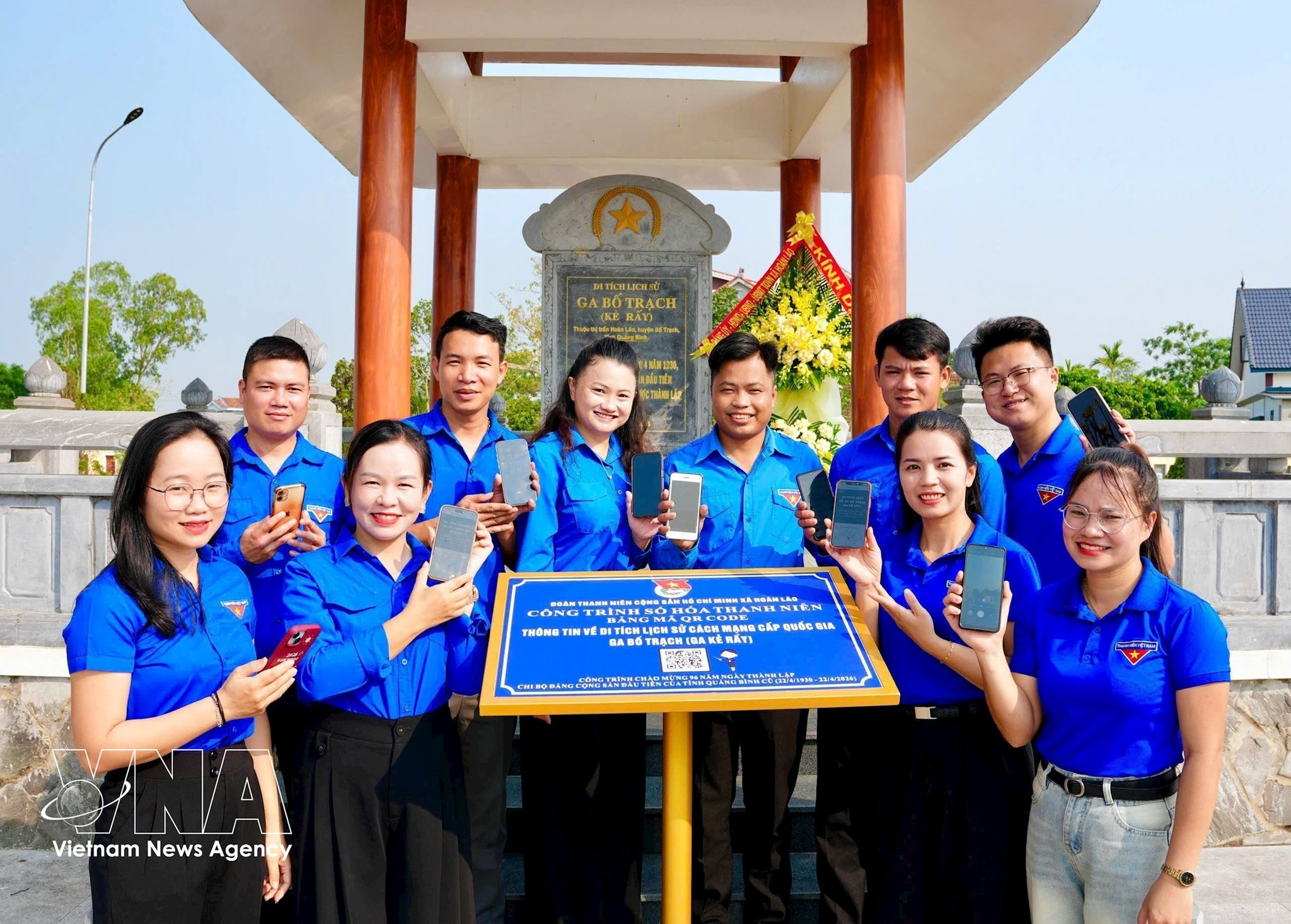
Direct participation in the digitisation of Bo Trach Station national-level revolutionary historical site has helped many young people gain a deeper understanding of their homeland’s historical values and a greater sense of responsibility for heritage preservation. (Photo: VNA)