VIETNAMESE DURIAN INDUSTRY PIVOTS FROM VOLUME TO VALUE
LongForm - Ngày đăng : 21:37, 14/09/2026
{Tên chuyên mục}
VIETNAMESE DURIAN INDUSTRY PIVOTS FROM VOLUME TO VALUE
VNA•{Ngày xuất bản}
“
Durian has morphed from a high-value crop into a strategic Vietnamese export. But as output climbs and importing markets tighten rules on quality, food safety and traceability, the industry must pivot from volume growth to sustainable value chains, better quality and diversified markets.
From crop to high-value commodity
Vietnam’s durian industry has built concentrated production zones and gained global shelf space. Land, growers and business resources give it room to add value through preservation technology, deep processing, logistics and market expansion.
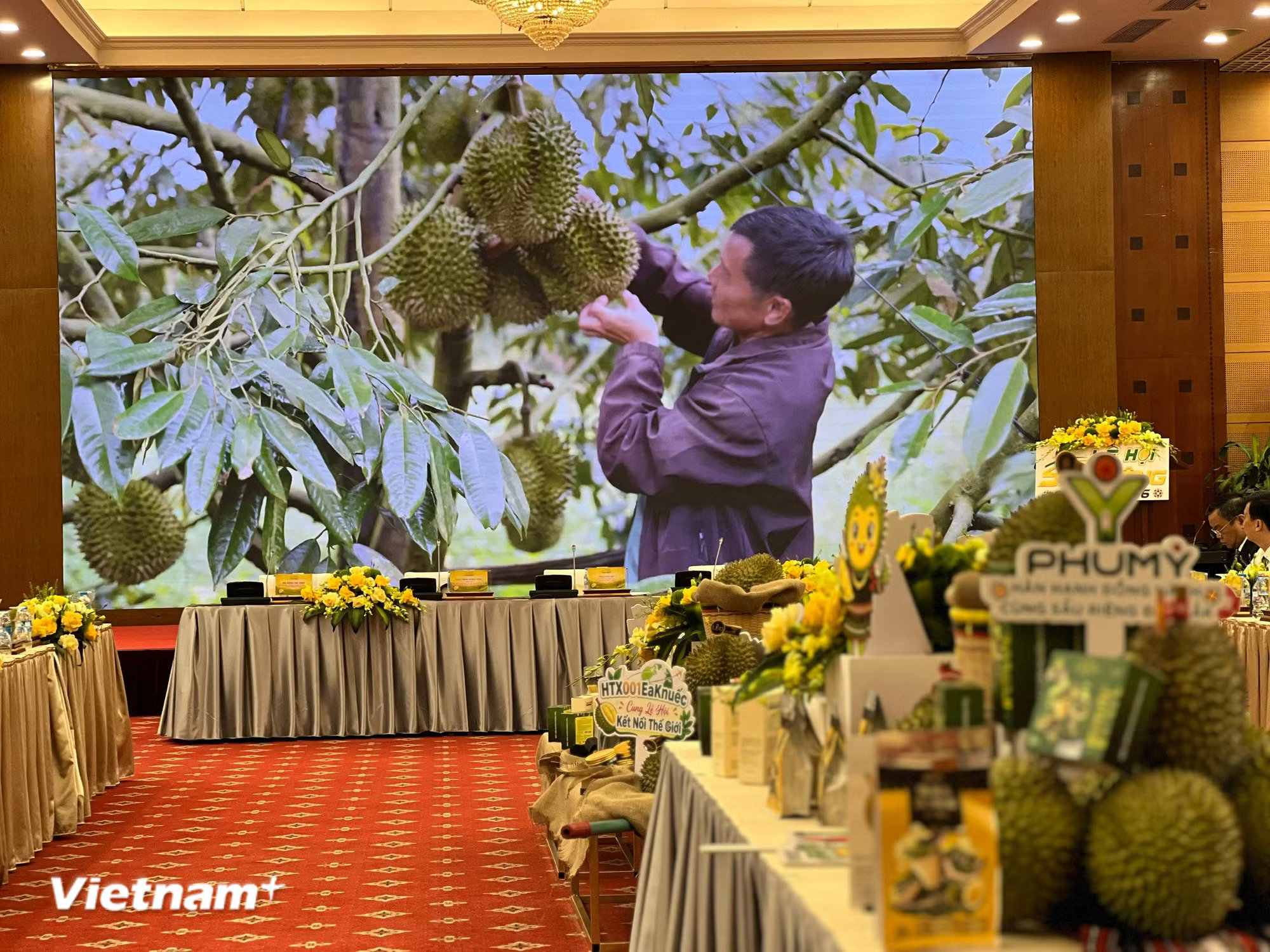
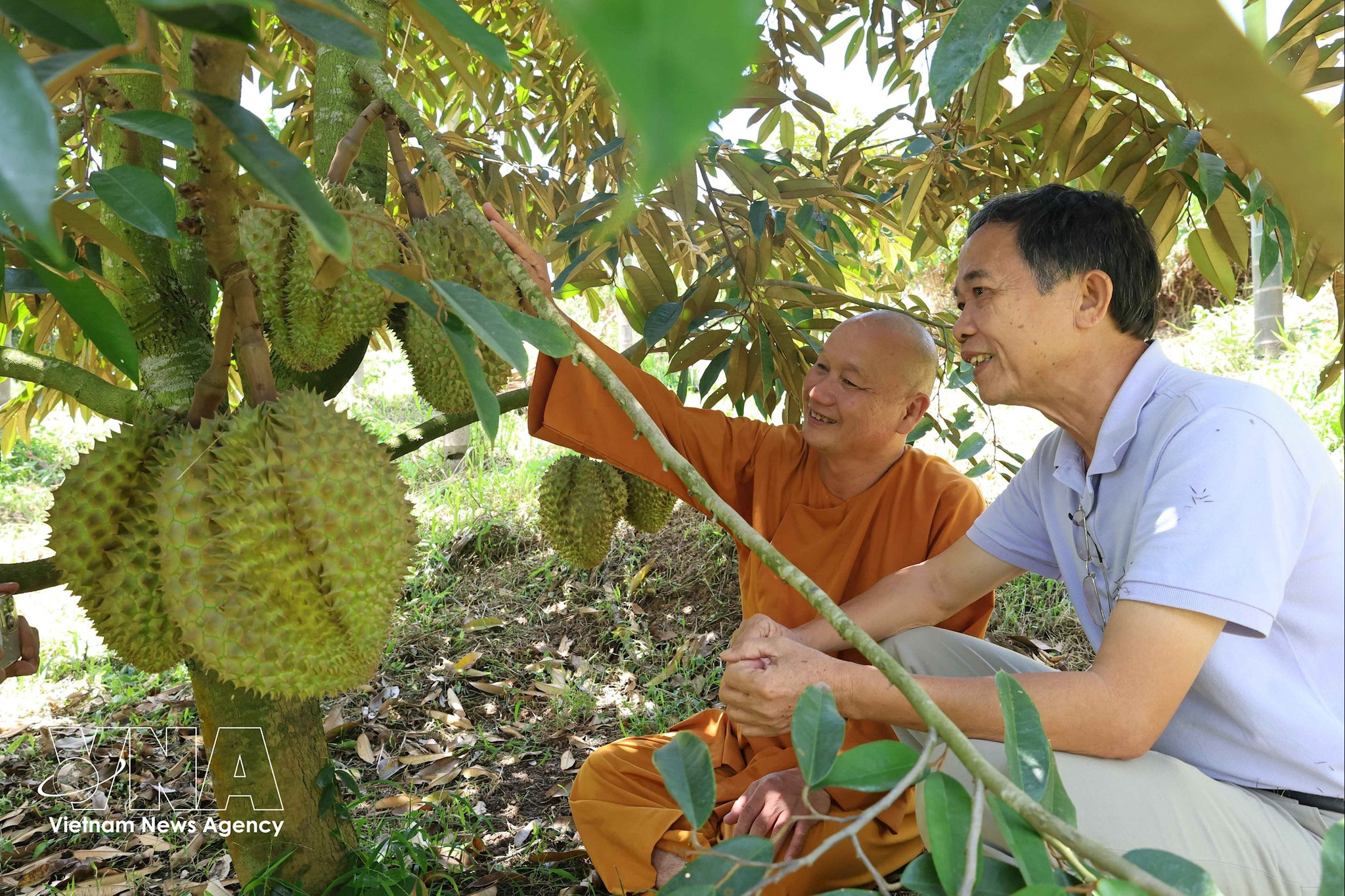
Dak Lak plans to harvest 500,000 tonnes in 2026 (Photo: VNA)
But rapid cultivation area and output are straining the model. Dak Lak, about 22% of national durian area, now has roughly 44,000 ha, with nearly 30,000 ha in harvest. Its 2026 output is projected at about 500,000 tonnes, a record. Cold-chain infrastructure remains incomplete while post-harvest preservation and deep processing are limited. Production remains fragmented, value chain links are weak, and quality control and traceability lag growth.
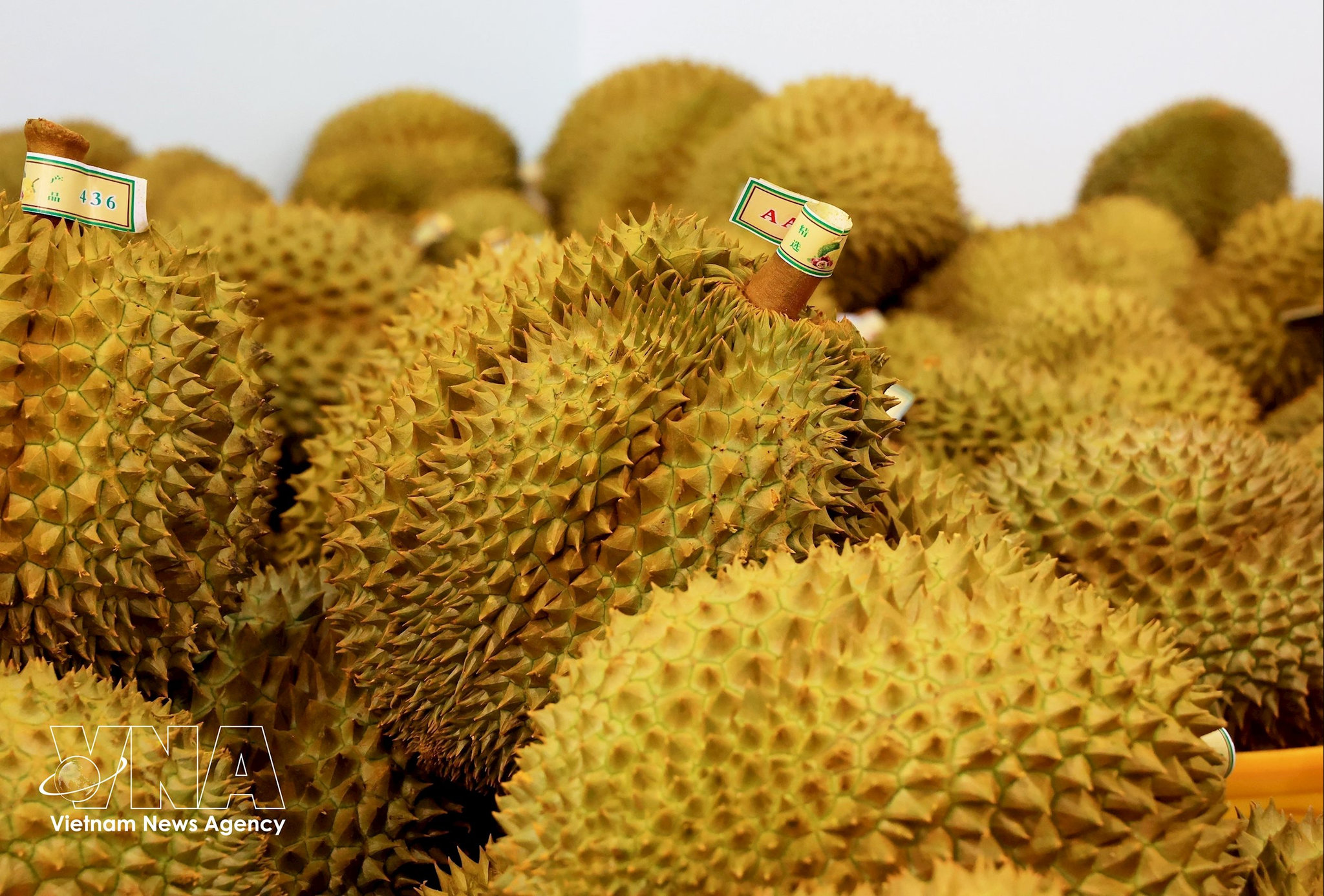
Vietnamese durian exports (Photo: VNA)
“
The industry must move from a “commodity chain” to a “commodity ecosystem”. That means involving farmers and buyers, plus cooperatives, input suppliers, exporters, banks, insurers, research institutes, universities, agricultural promotion agencies, logistics providers, quarantine authorities and consumers. Authorities should connect them, fostering long-term cooperation over seasonal buy-sell relationships.
Former National Assembly Vice President Le Minh Hoan
Standardisation to boost competitiveness
A comprehensive quality management and traceability system is a core requirement. It is also a priority of the Ministry of Agriculture and Environment.
Since July 1, 2026, the ministry’s agricultural product traceability system has been live. To date, data on 48,754 products from nine product lines of 19 enterprises have been uploaded, while 24 of 34 cities and provinces have reported progress. Cumulatively, the system holds data on 158,234 products across 18,524 product lines, involving 200 companies and 2,948 households and cooperatives.
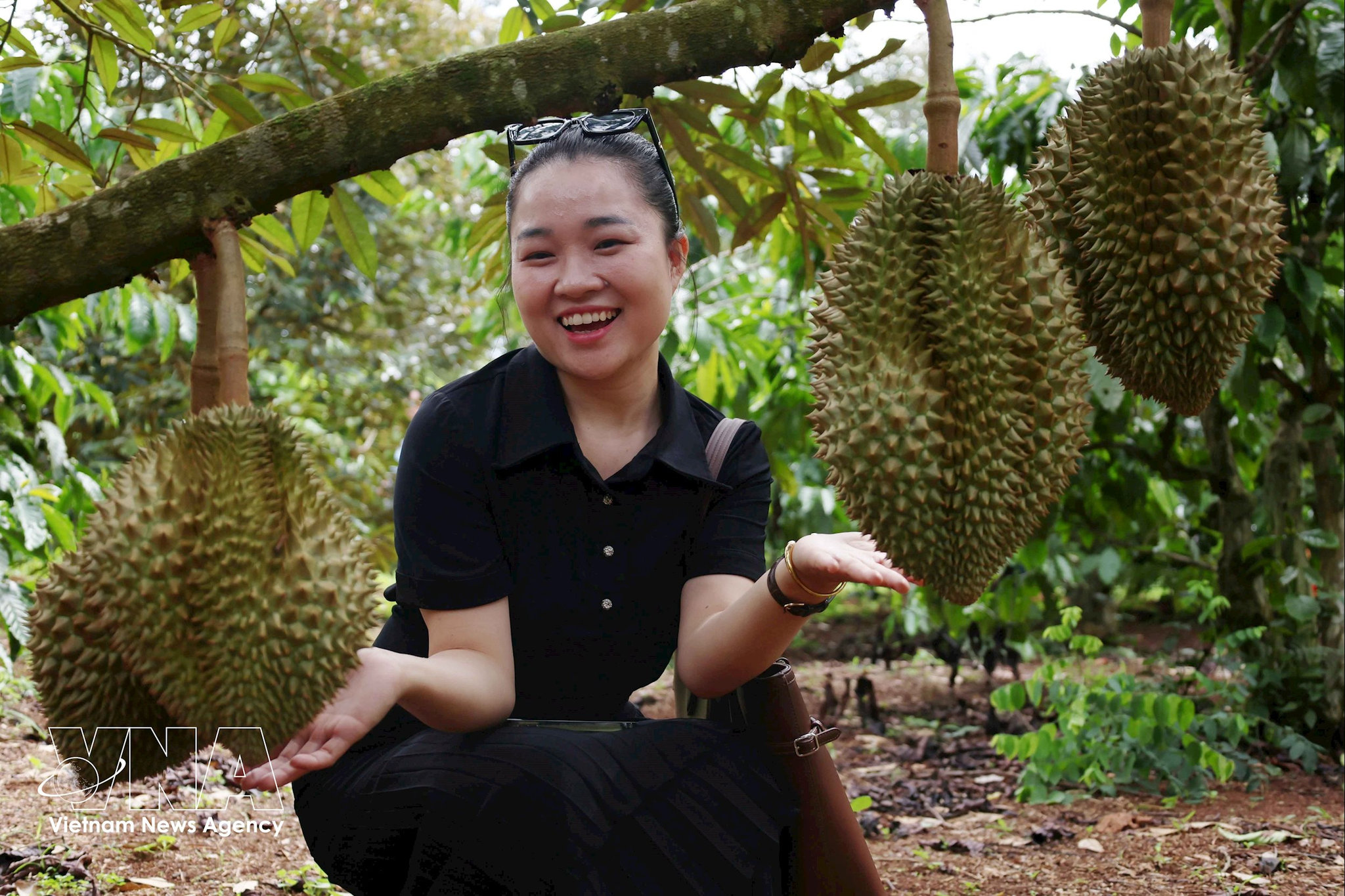
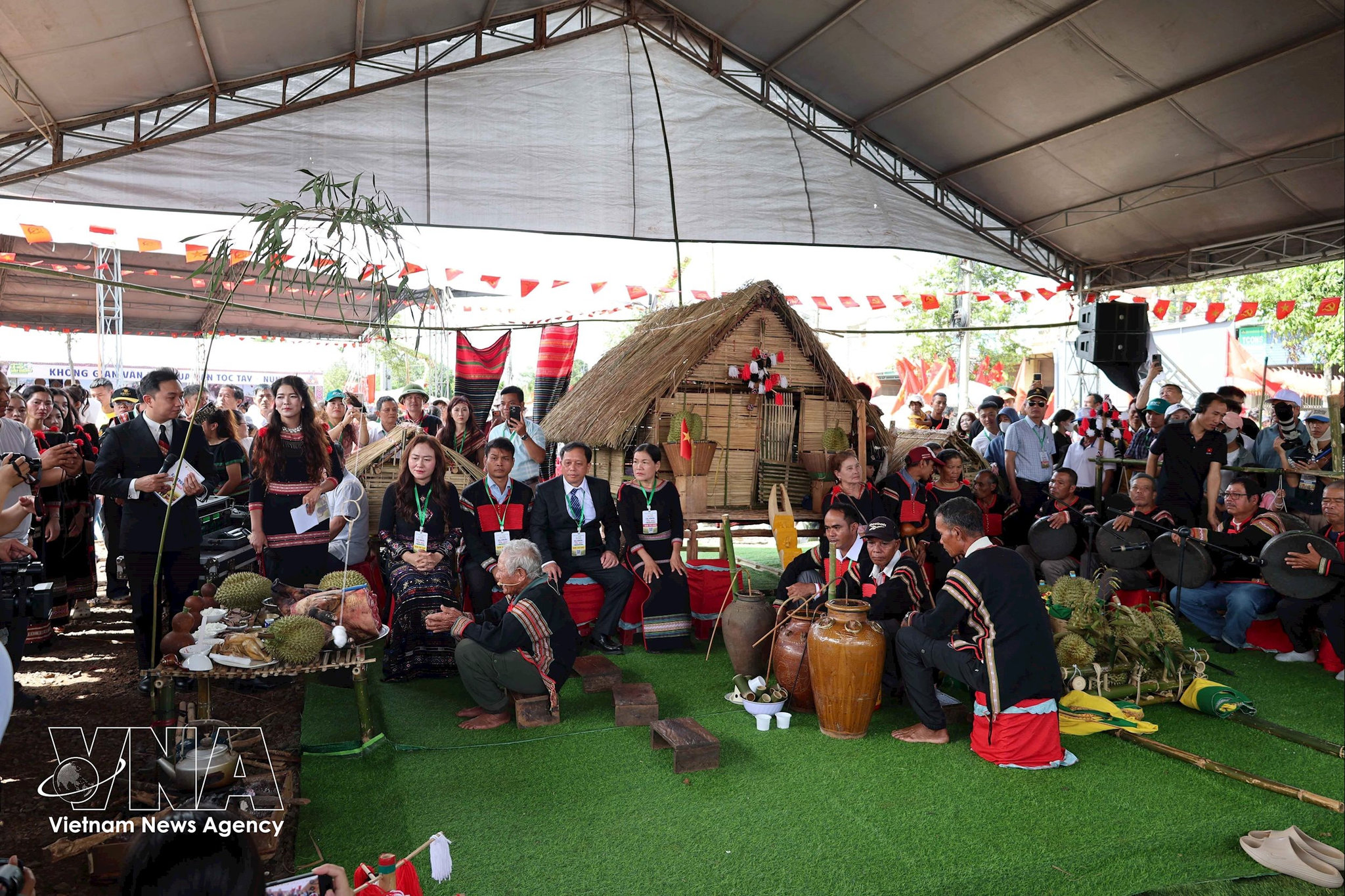
The ripe durian season is offering new experiences to visitors in Dak Lak (Photo: VNA)
The ministry has flagged durian as a priority commodity for chain-based traceability, linking growing-area codes, packing facilities, testing, quarantine and export consignments. It is finalising data standards, APIs, connectivity procedures and interoperability with national systems, laying the groundwork for data to be created once and used many times.
That matters at home and for exports. International markets increasingly demand control over origin, quality and food safety.
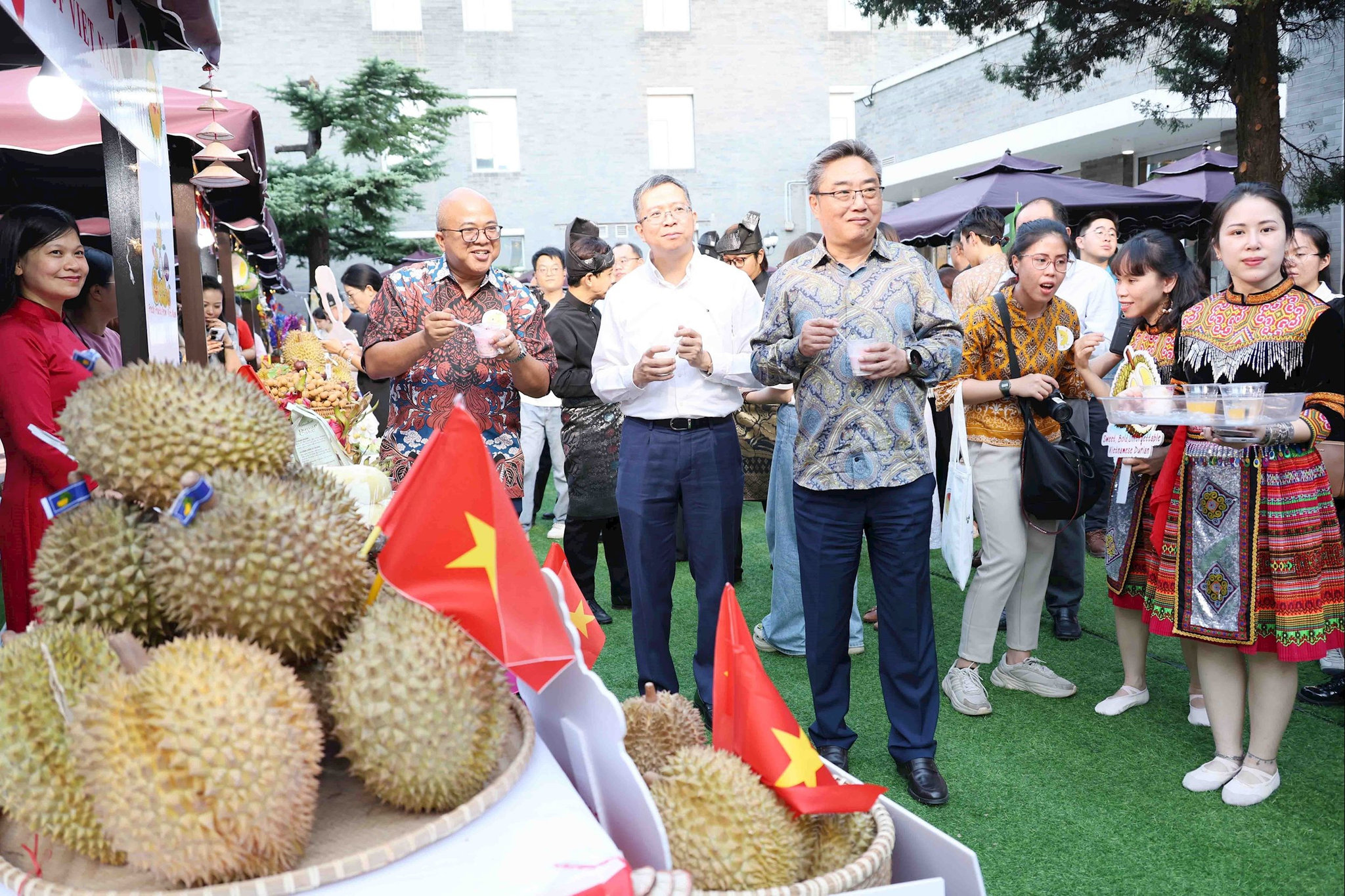
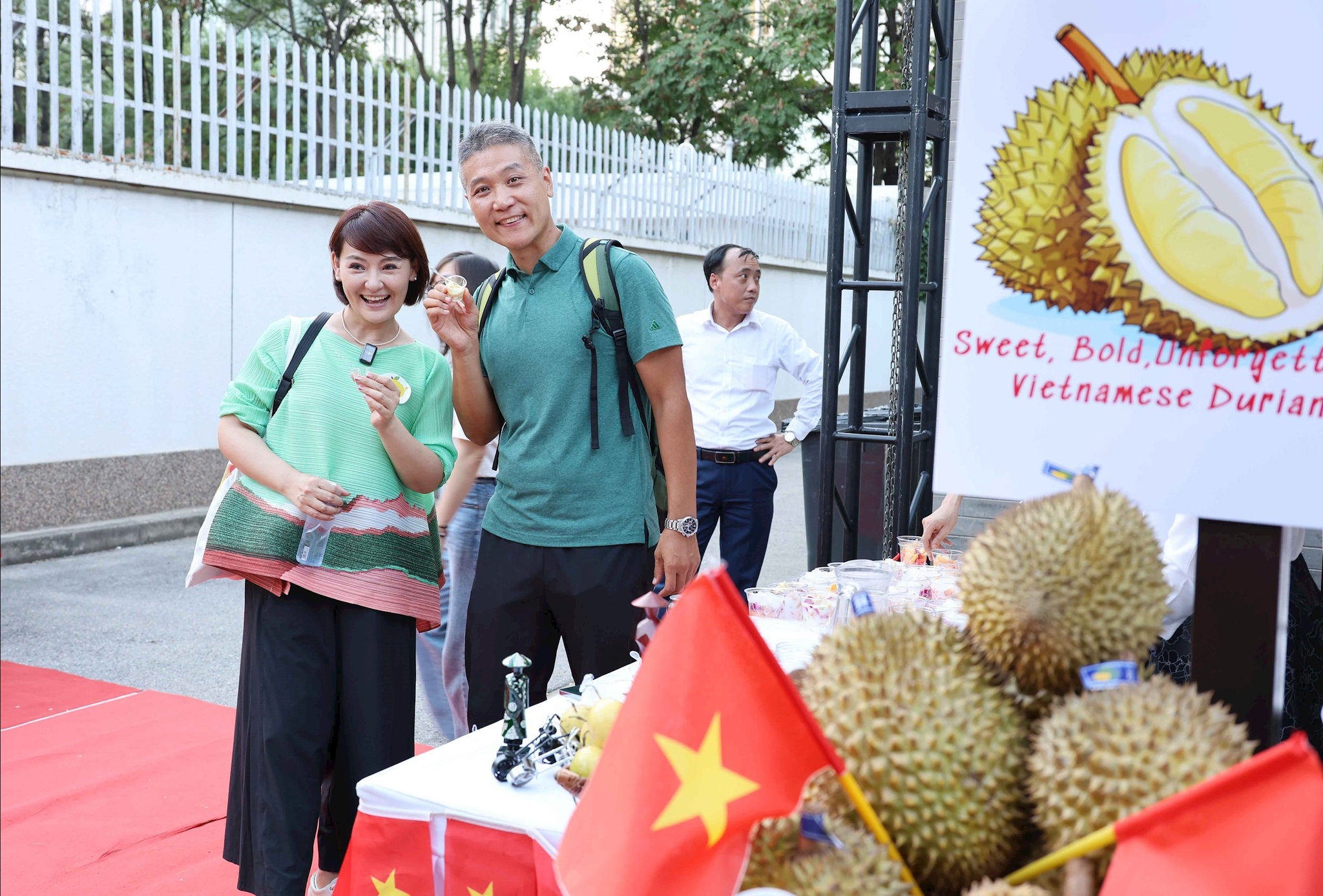
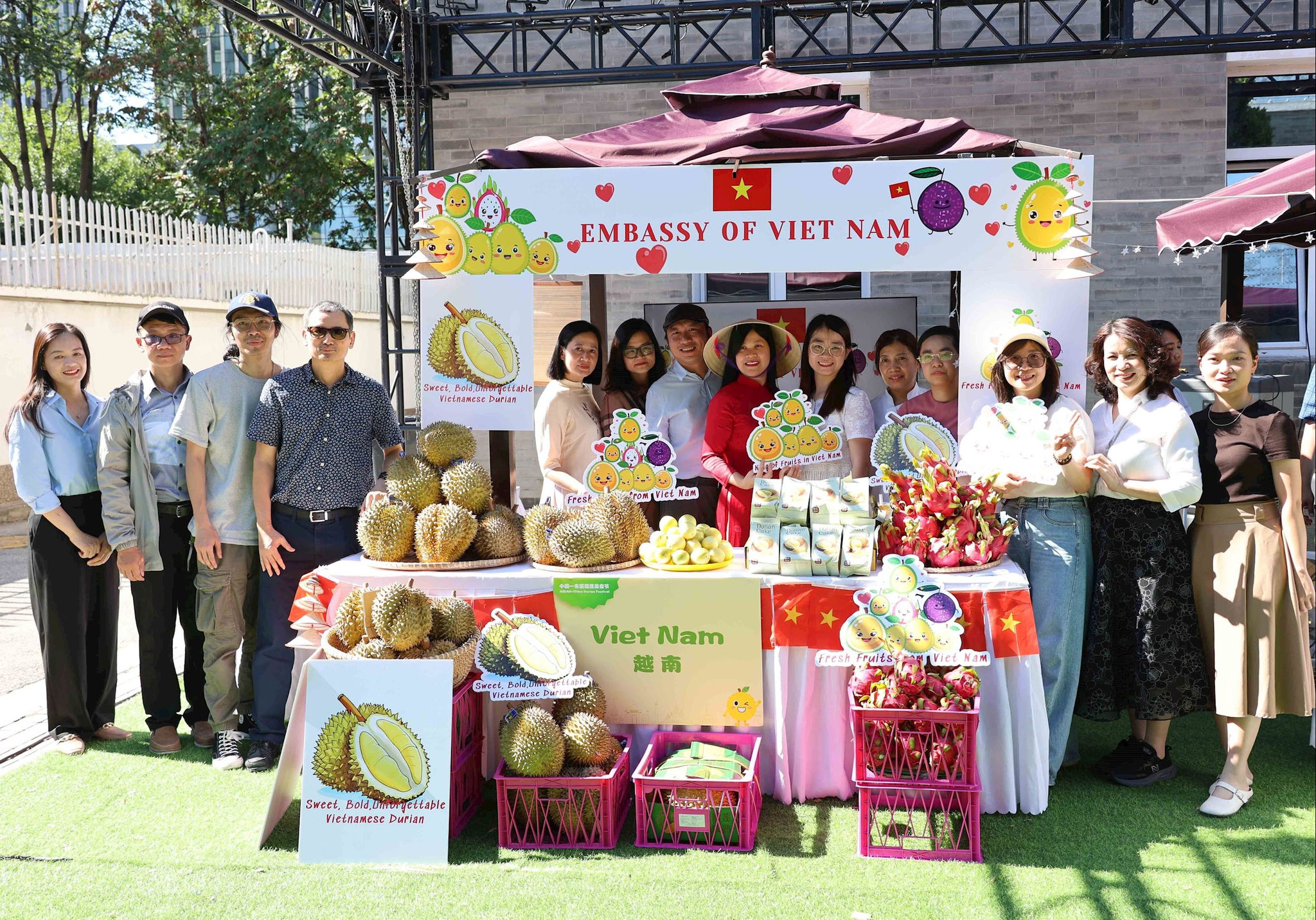
Vietnamese durians are showcased at ASEAN - China Durian Festival 2025 (Photo: VNA)
Dak Lak aims to build durian ecosystem
Dak Lak, a top producer, is shifting from expanding area to lifting quality and value.
On August 20, the General Administration of Customs of China approved 140 additional durian growing-area codes in Dak Lak, covering more than 4,321 ha, plus 31 packing facilities with combined area above 91,000 sq.m. and capacity of about 5,470 tonnes per day. The approvals give the province more room to plug into formal export supply chains.
At a ceremony announcing the export of the first shipment of durians to China under the protocol signed between the Vietnamese Ministry of Agriculture and Rural Development (now the Ministry of Agriculture and Environment) and the General Administration of Customs China (Photo: VNA)
Registered growing areas and packing facilities must fully comply with Vietnamese and importing-country rules, according to the ministry’s Department of Plant Production and Protection. Export consignments must be inspected before shipment for plant quarantine and food safety. Those requirements are critical to protecting Vietnamese durian quality and reputation.
Dak Lak currently has around 41,000 hectares of durian, with the 6th harvest expected to yield nearly 500,000 tonnes. In 2025, its durian export turnover was estimated at 1.1 billion USD. However, newly approved growing area codes only cover about 17-28% of the province’s durian plantations, leaving plenty of room to expand production that meets export standards.
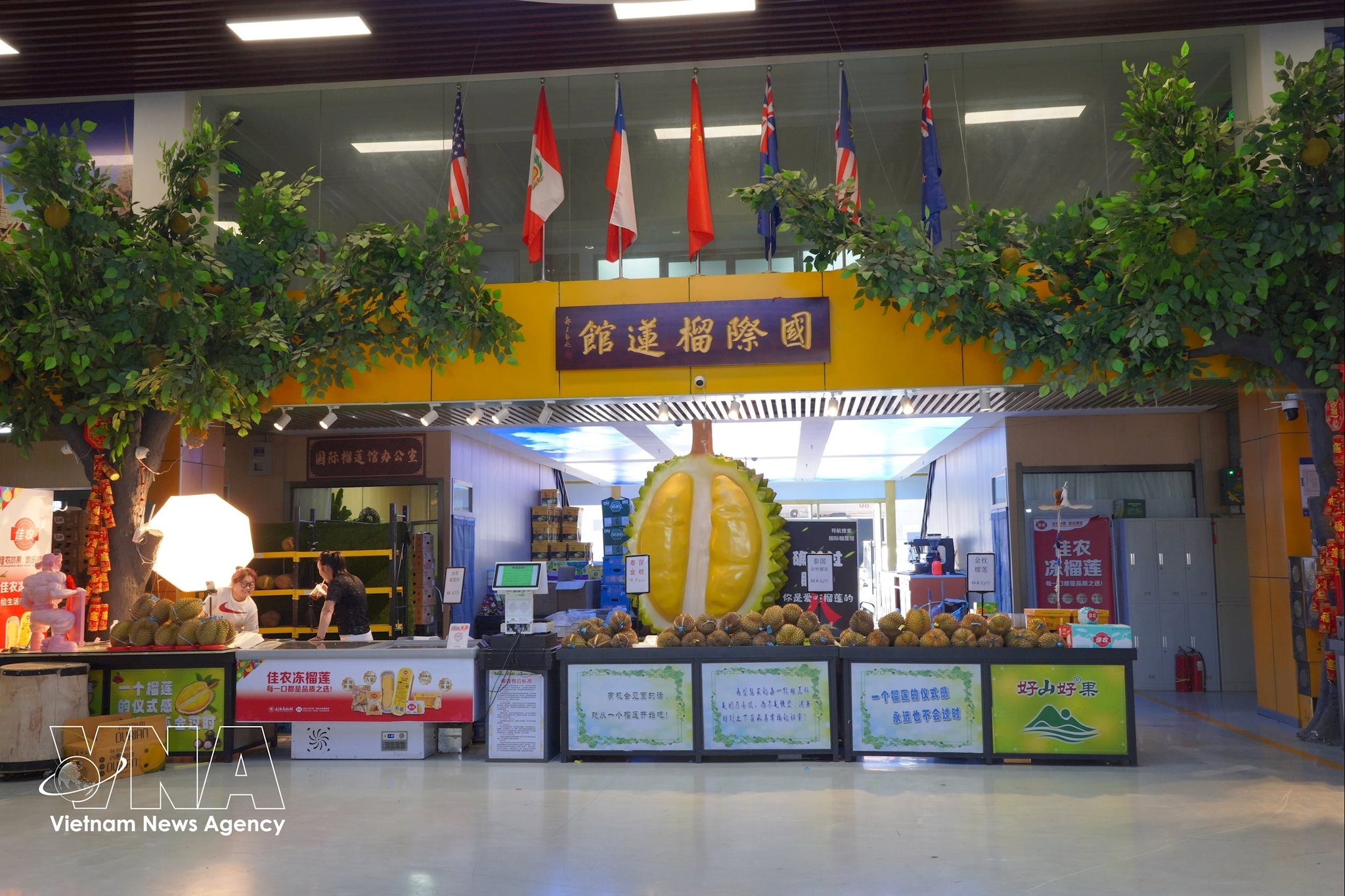
Vietnamese durian is gaining more and more popularity in China (Photo: VNA)
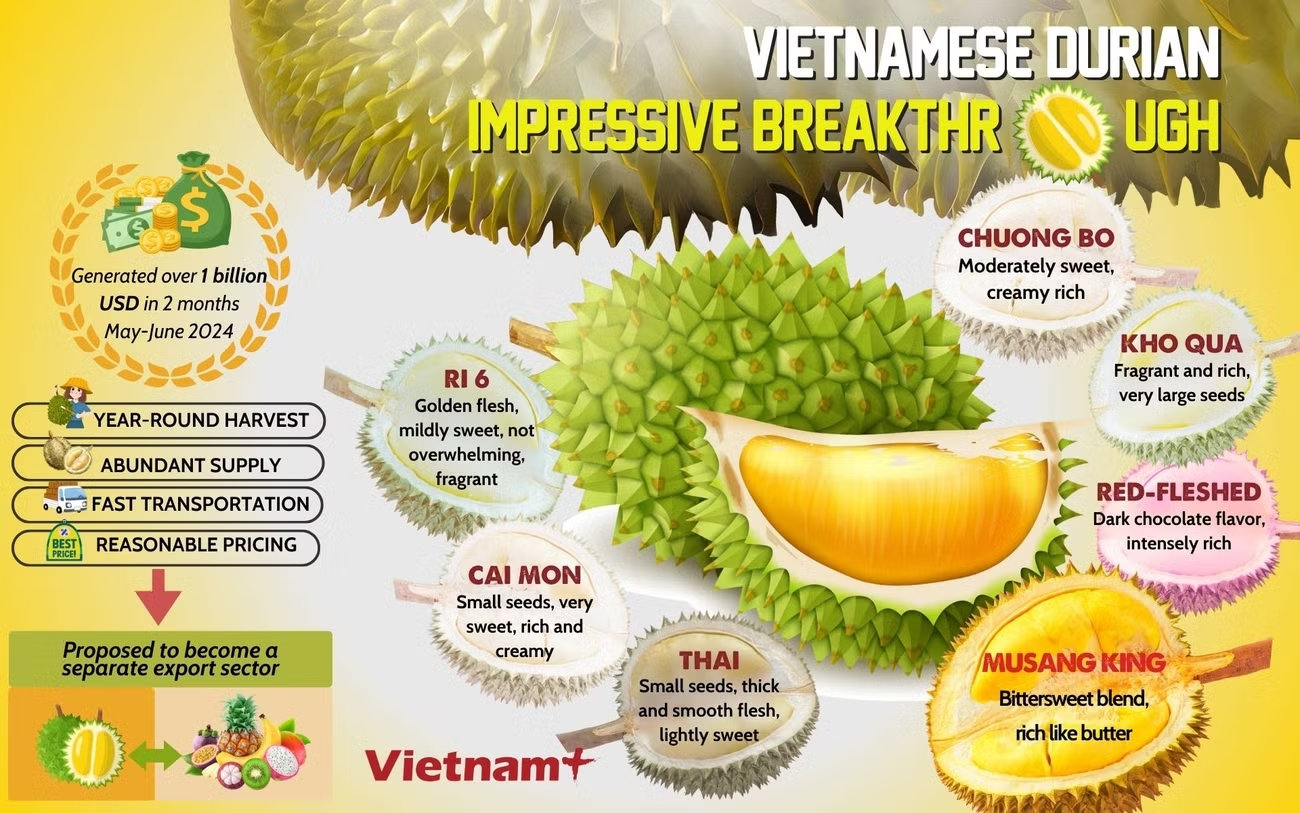
To lift value, experts recommend Dak Lak keep developing international-standard growing areas, expand growing area codes, manage crop calendars, tighten quality control, study climate-resilient varieties, and step up preservation technology and deep processing. Alongside China, the province should diversify export markets, raise the share of frozen and deeply processed products, and bolster its ability to supply premium markets.
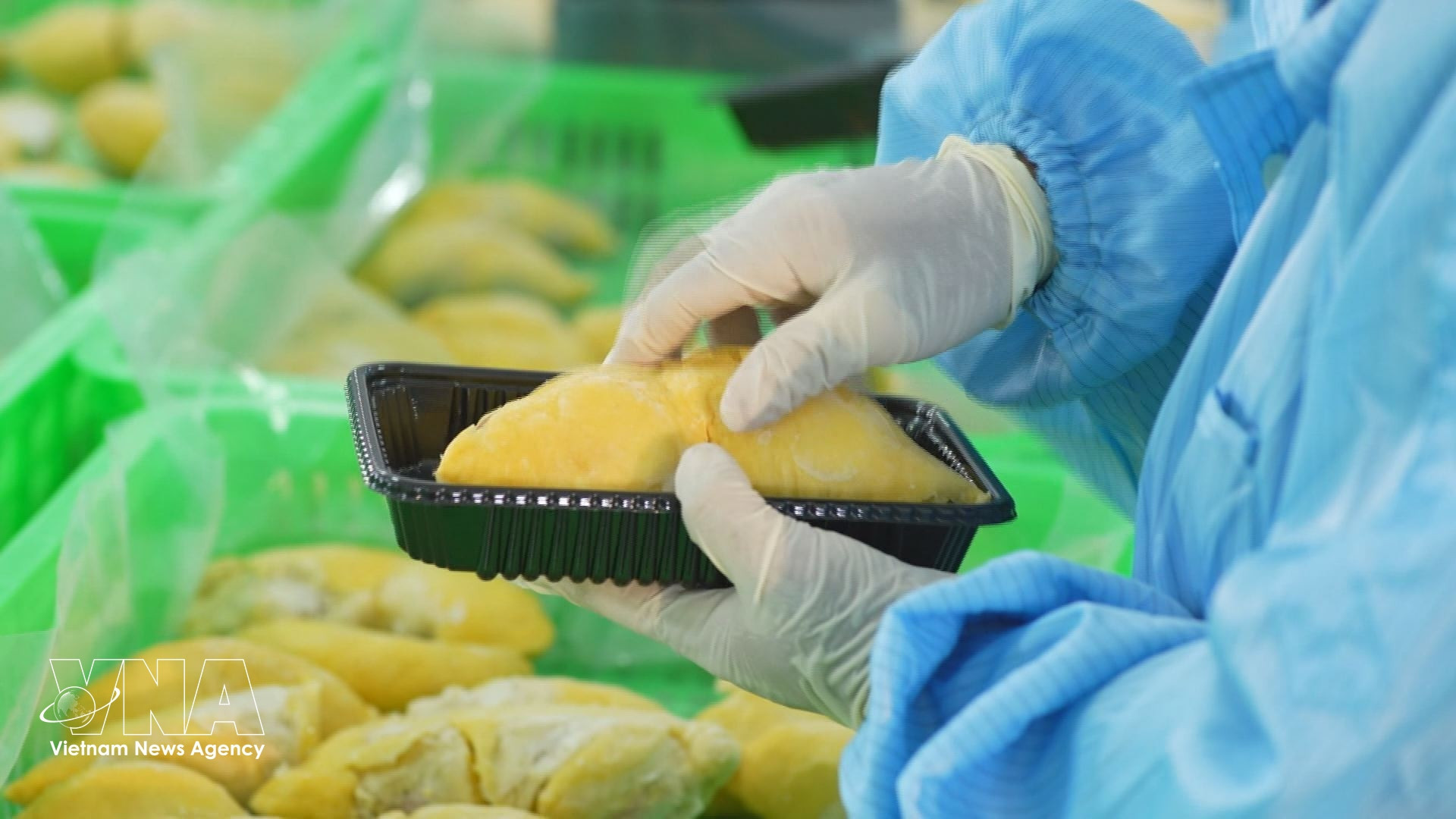
Another route is squeezing more value from durian products. Nguyen Thi Thanh Thuc, Director of the Vietnam Institute for Agricultural Research and Development, said the industry should not rely solely on fresh fruit. It should develop frozen peeled segments and raw materials for food processing while better using by-products.
At the local level, Dak Lak will not chase output at all costs. It is shifting from an “agricultural production” mindset to an “agricultural economy” approach, from selling products to building value chains and brands. The province will tighten control over growing areas and quality; foster links among businesses, cooperatives and producers; and encourage investment in deep processing, freezing, cold storage, packing centres and logistics.
From the basalt-rich Central Highlands region to international markets, Vietnamese durian has a major opening to raise its value. Synchronising raw-material areas, quality standards, traceability, processing and logistics will help the industry move from volume-driven growth to development based on quality, value and reputation. With support from ministries, local authorities, scientists, businesses and producers, Vietnam’s durian industry is building a stronger foundation to sharpen competitiveness and cement its place in global markets./.
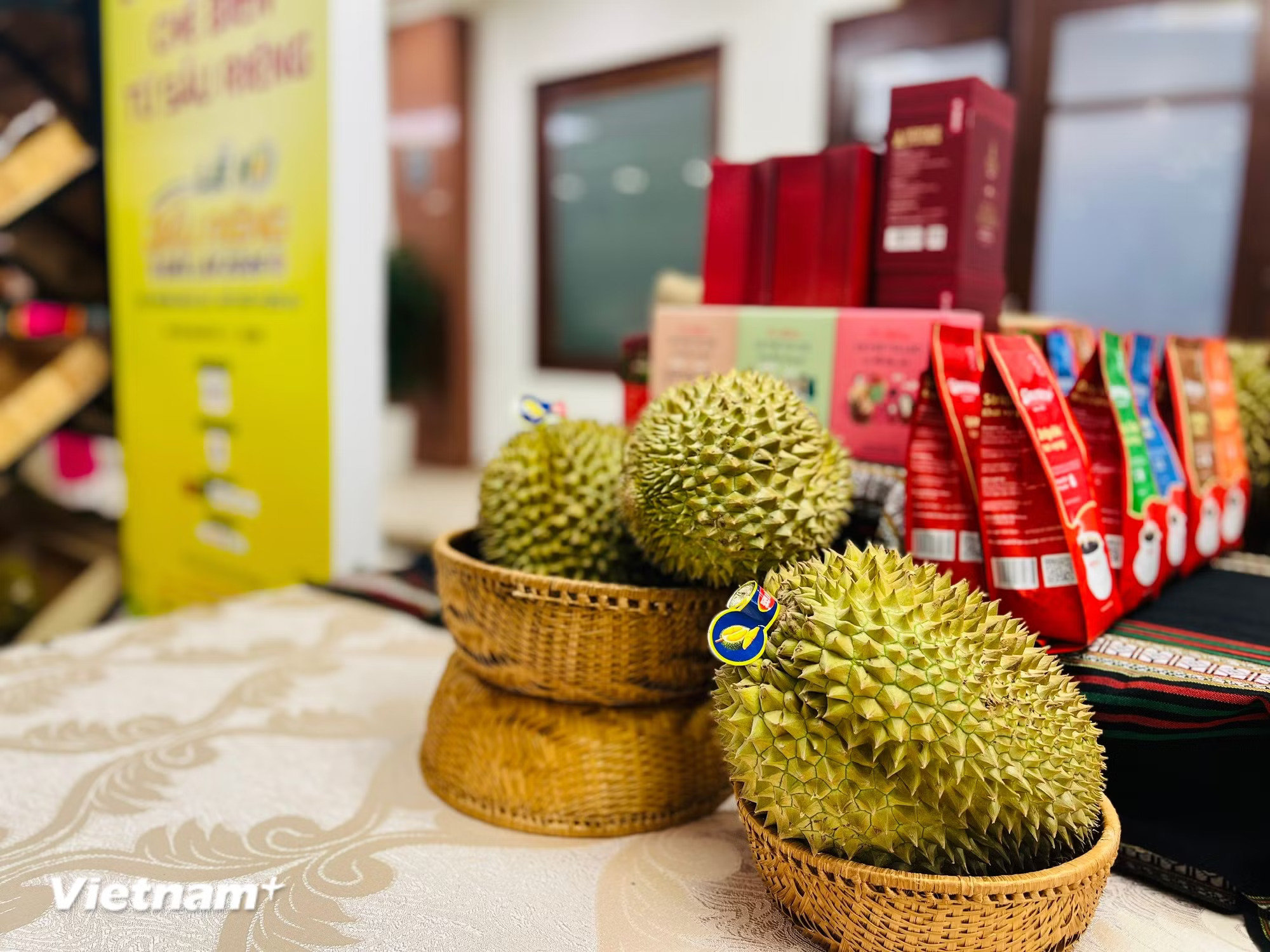
Vietnamese durian has a major opening to raise its value (Photo: VNA)


.jpg)

.jpg)
.jpg)
.jpg)