HARNESSING OVERSEAS VIETNAMESE RESOURCES IN NEW ERA
LongForm - Ngày đăng : 16:42, 10/09/2026
HARNESSING OVERSEAS VIETNAMESE RESOURCES IN NEW ERA
After more than two decades of implementing Politburo Resolution No. 36-NQ/TW, dated March 26, 2004, on overseas Vietnamese affairs, the Politburo adopted Resolution No. 23-NQ/TW on the same matter on August 2, 2026. The resolution ushers in a new phase with a more comprehensive approach, focusing on creating mechanisms to unlock and make effective use of the vast potential of the Vietnamese community abroad.
Elevating role of overseas Vietnamese
Resolution 23 affirms that Vietnamese people living abroad are not only an inseparable part of the community of Vietnam's ethnic groups, but also one of the country’s important strategic resources. It emphasises their role in enhancing national comprehensive strength, serving as a bridge between Vietnam and the world, and directly contributing to the cause of national construction, development and defence.
This represents a significant evolution in the way Vietnam views its community of more than 6.5 million people living in over 130 countries and territories. Amid increasingly intense global competition for knowledge, technology, human resources and soft power, the strength of the overseas Vietnamese community extends far beyond financial resources to encompass knowledge, technology, management expertise, networks and access to international markets.
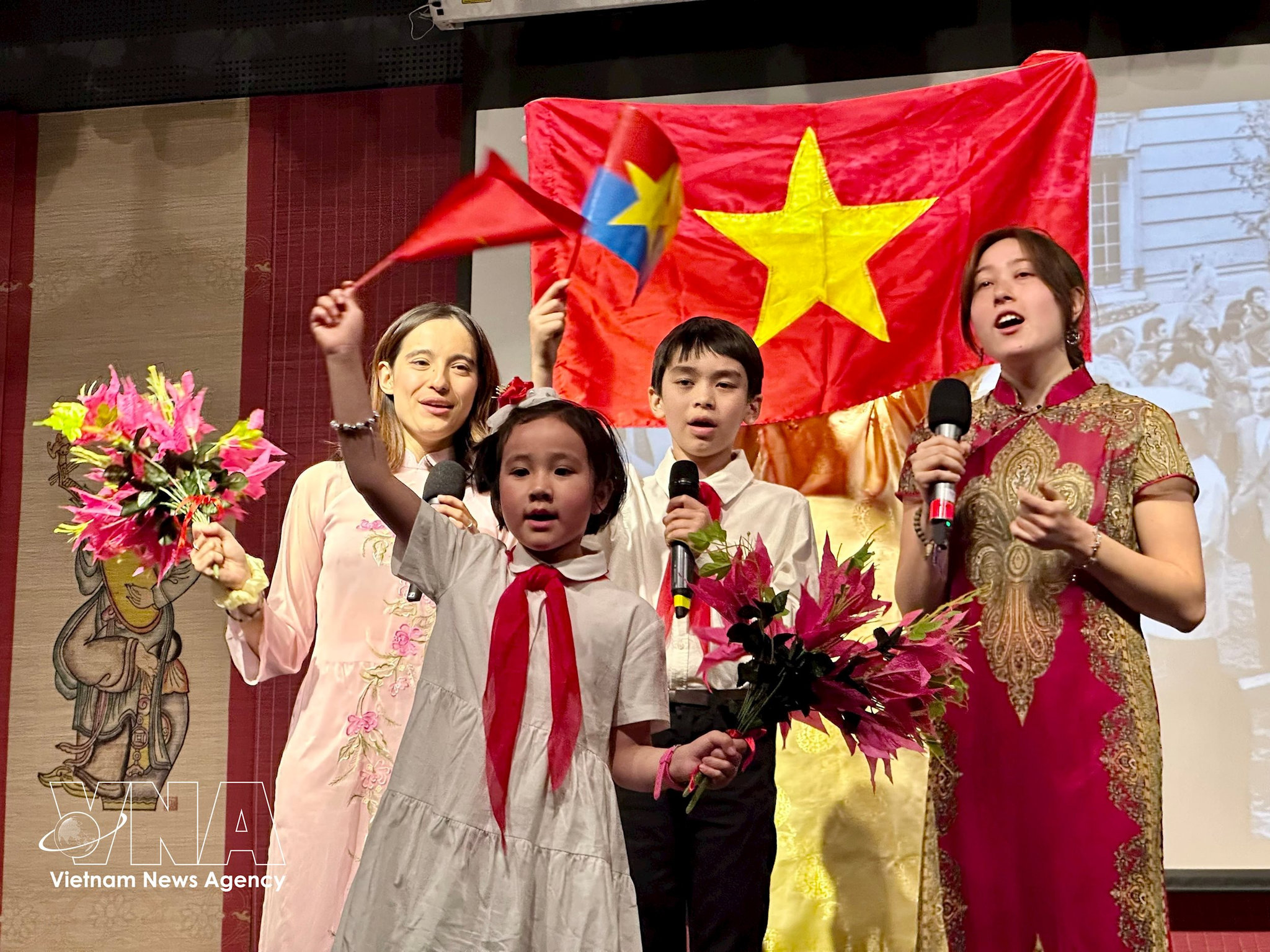
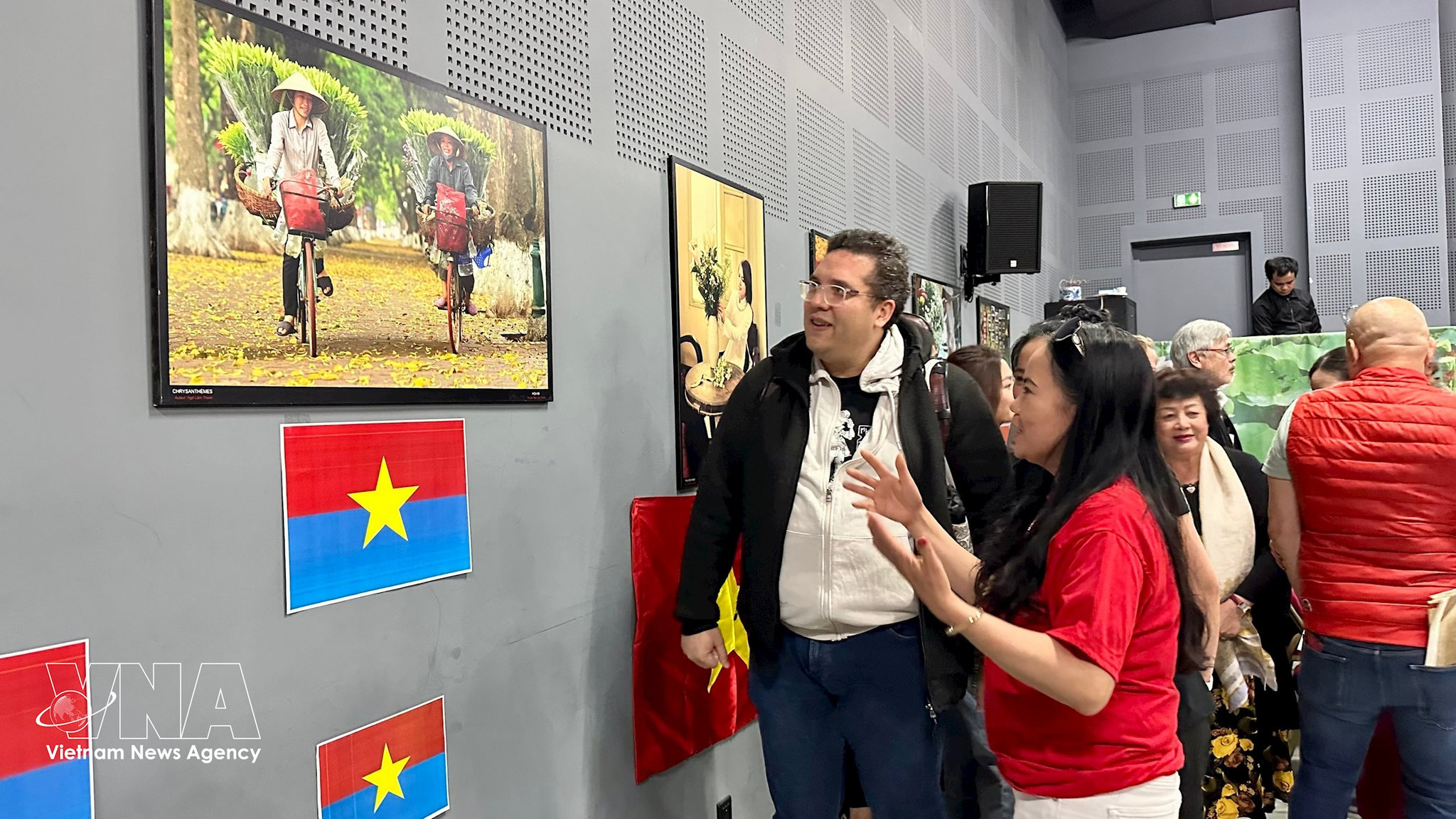
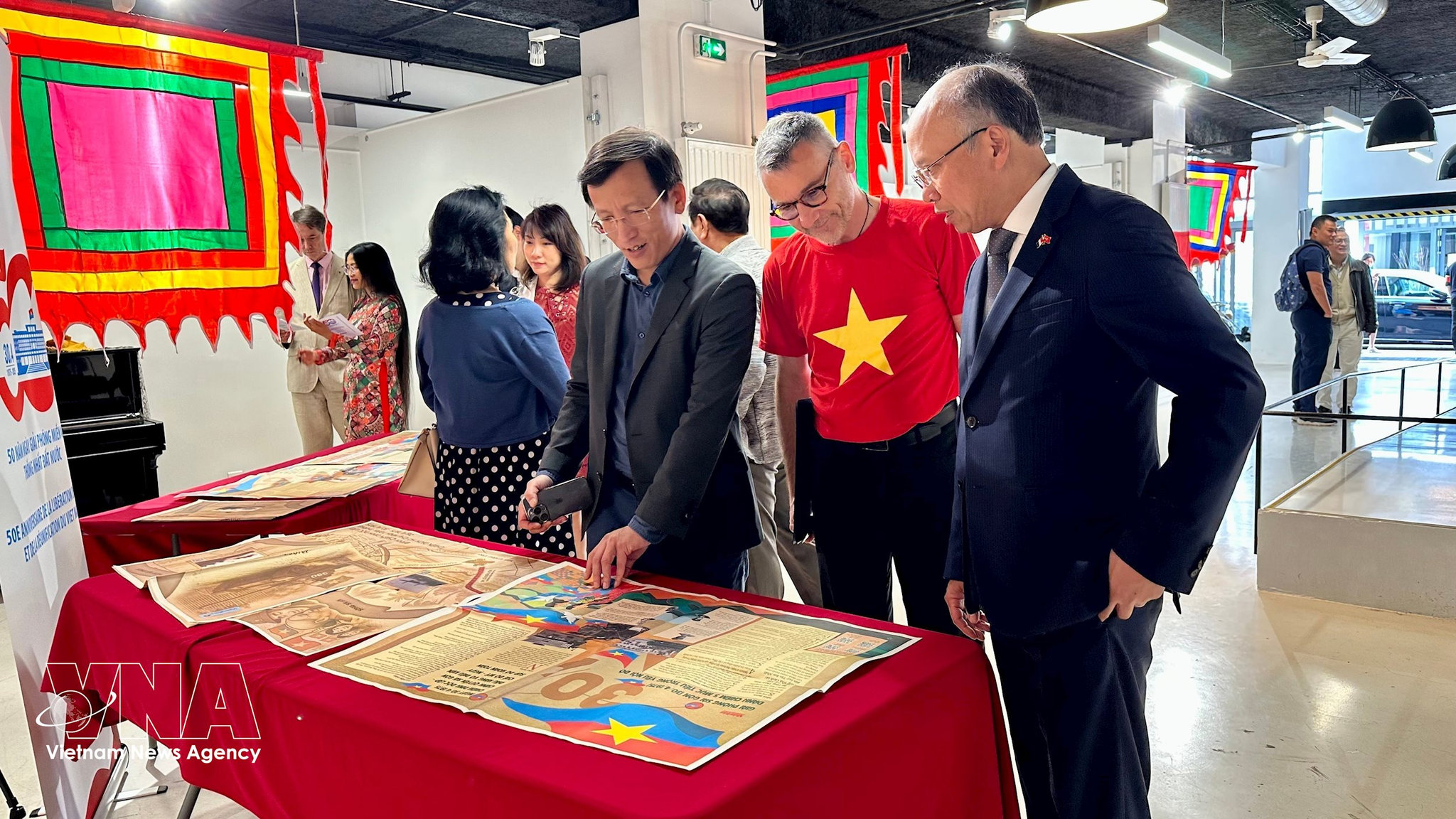
Overseas Vietnamese form a bridge connecting Vietnam with the world, accompanying the homeland and directly contributing to national construction, development and defence. (Photo: VNA)
This shift is also reflected in the approach to overseas Vietnamese affairs: from primarily mobilising, bringing together and supporting the community to working alongside and creating mechanisms and conditions for overseas Vietnamese to participate more deeply in the country’s construction, development and national defence. The State is taking on an enabling role by improving institutions and policies to attract and effectively harness the resources of Vietnamese communities around the world.
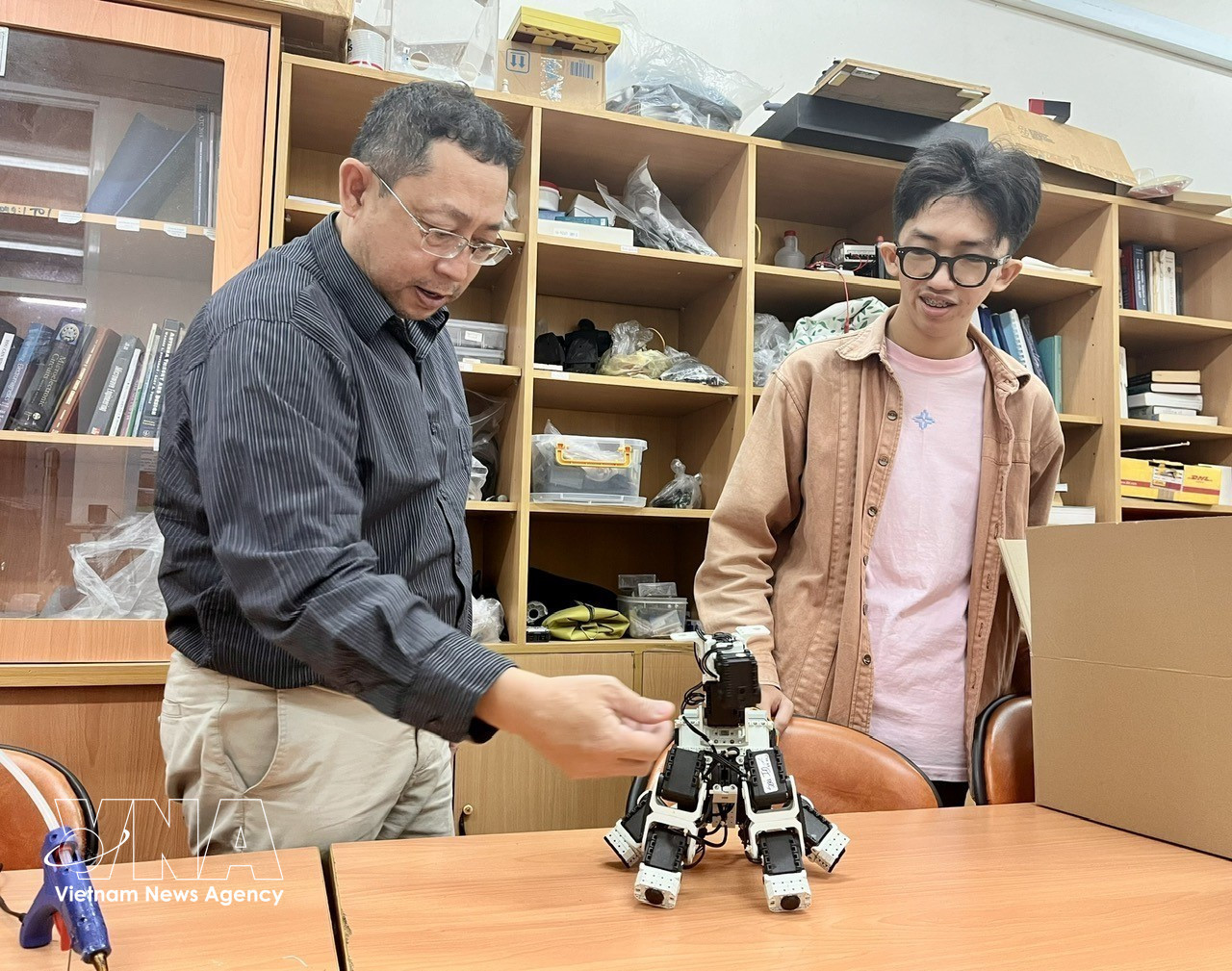
A notable focus of the resolution is to make greater use of overseas Vietnamese resources in areas critical to the country's new growth model, including science and technology, innovation, digital transformation, artificial intelligence, semiconductor technology, biotechnology and the startup ecosystem.
The approach to resource mobilisation is also being renewed. Instead of focusing mainly on connecting individuals, the resolution calls for the development of global databases, networks and ecosystems that bring together overseas Vietnamese experts, intellectuals, scientists, entrepreneurs, artists and younger generations.
Overseas Vietnamese are also to be given greater opportunities to contribute to national development, from providing input to the formulation of policies and guidelines to participating in national development programmes and activities in science and technology, innovation and digital transformation. At the same time, the resolution highlights their role in safeguarding the Fatherland from an early stage and from afar, strengthening friendship and cooperation between Vietnam and other countries, and contributing to the protection of national interests.
Overseas Vietnamese as an important national resource
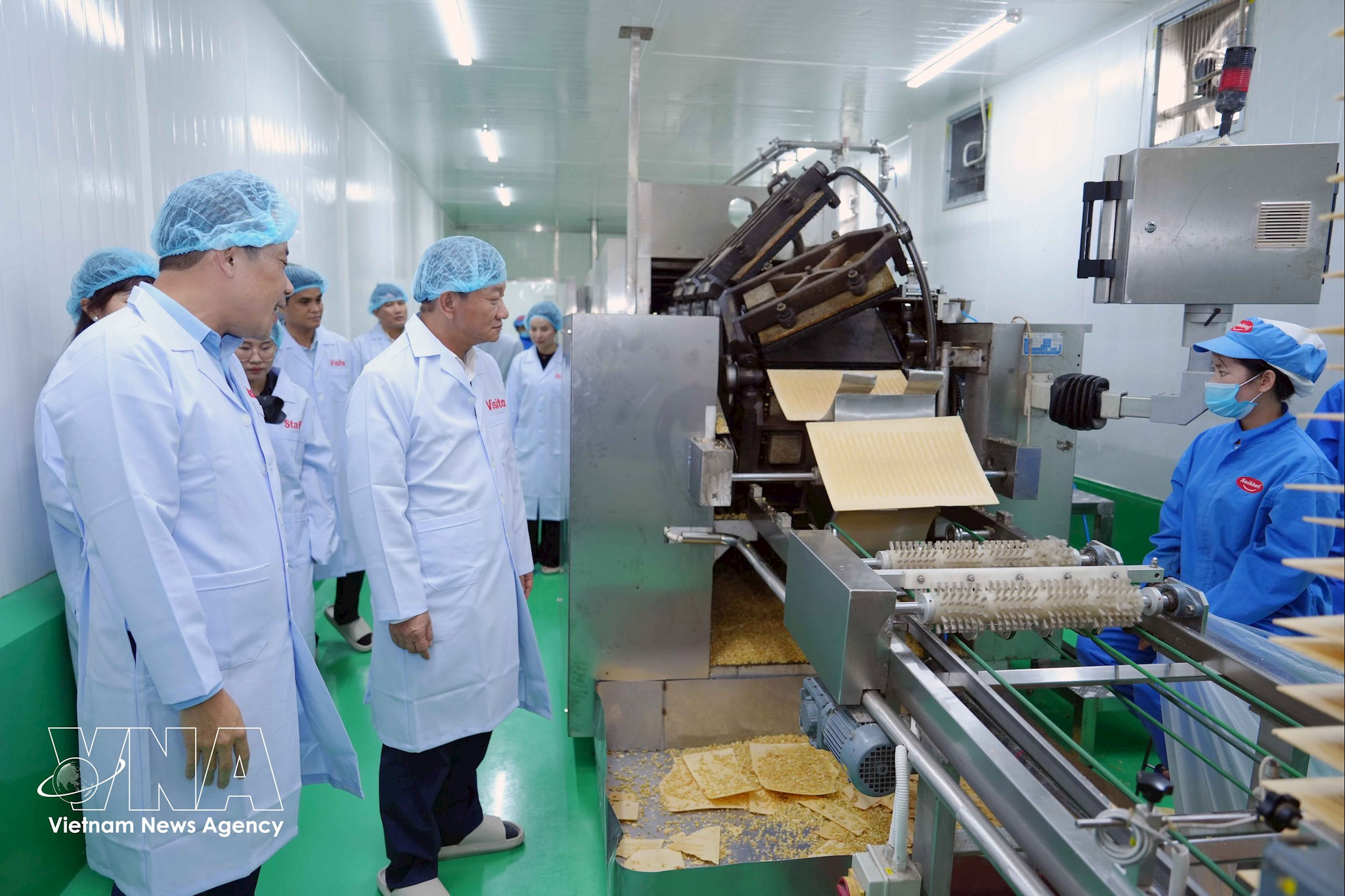
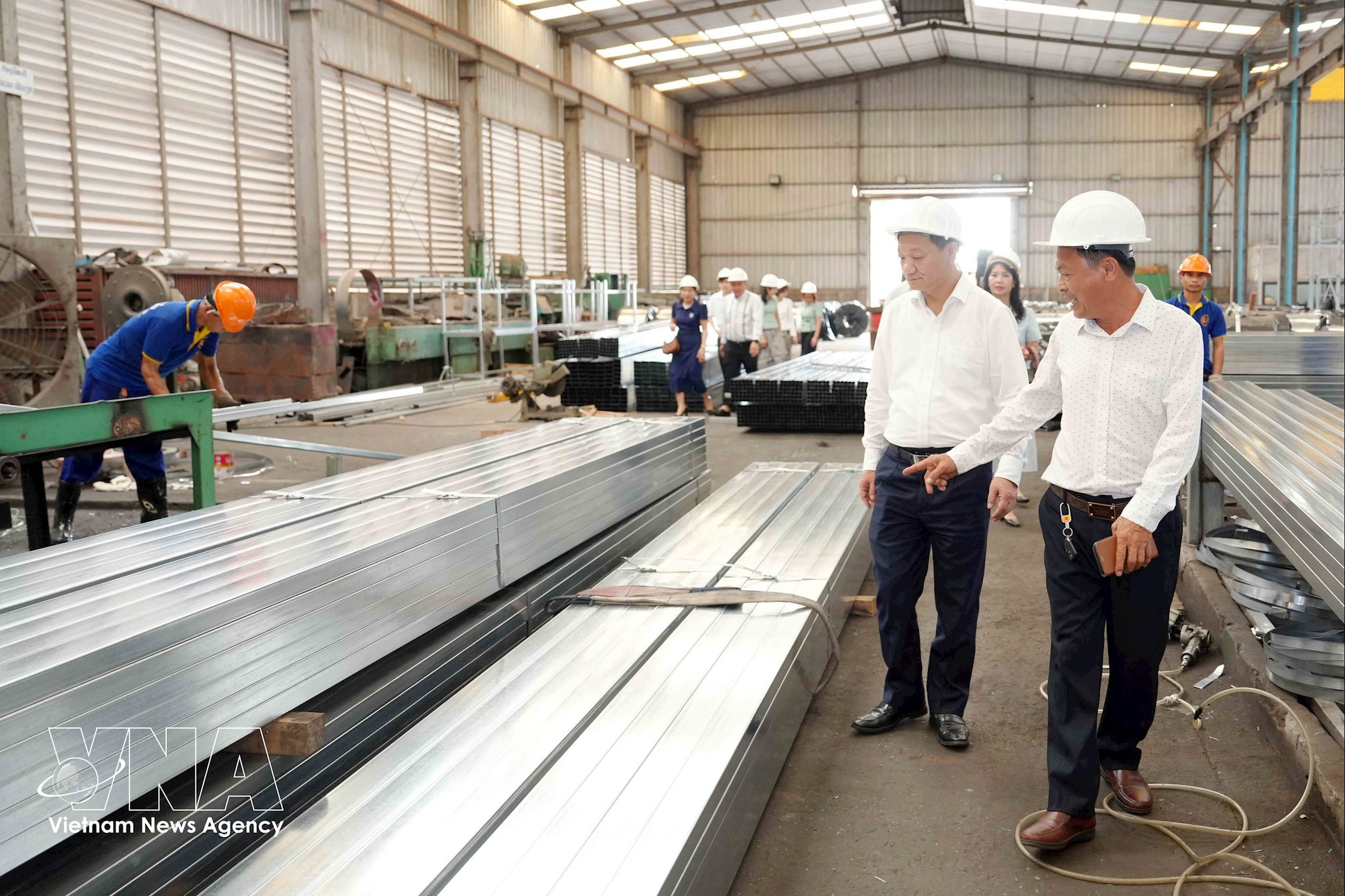
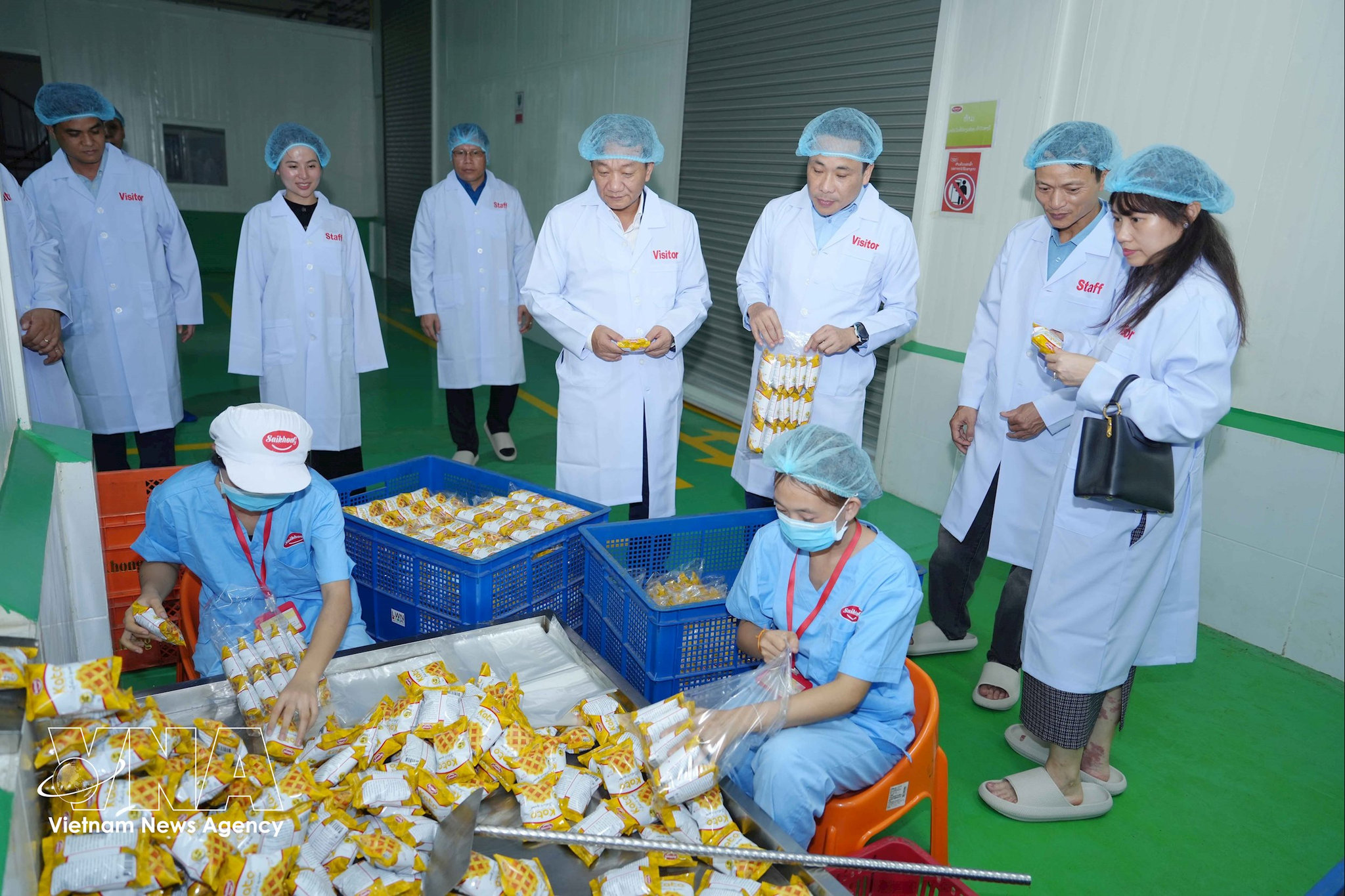
The Vietnamese business community in Laos has contributed to maintaining community bonds and fostering the special relationship between the two countries. (Photo: VNA)
Total remittances received between 1993 and 2025 exceeded 250 billion USD, equivalent to the amount of FDI disbursed over the same period.
The growing contribution of overseas Vietnamese to the homeland is already evident in many areas, with financial resources being among the most visible. Thanks to increasingly open policies, remittances to Vietnam have surged from 2.3 billion USD in 2004 to 17.7 billion USD in 2025. Total remittances received between 1993 and 2025 exceeded 250 billion USD, equivalent to the amount of FDI disbursed over the same period.

Beyond remittances, many overseas Vietnamese have invested in Vietnam, conducted business activities and expanded their operations in the country, helping create jobs, boost production and connect domestic enterprises with international markets. Their knowledge of overseas markets, extensive business networks and management experience represent an important additional resource for Vietnam’s international economic integration.
The community’s contribution in knowledge and technology is becoming increasingly prominent. The community includes a large pool of intellectuals, experts, scientists, entrepreneurs and artists who have established themselves in many countries. Many have returned to Vietnam to work, conduct research, transfer technologies, train human resources or connect Vietnamese organisations and businesses with international partners.
In key technology fields such as artificial intelligence, biomedicine, renewable energy, high technology and education, overseas Vietnamese intellectuals are helping bring advanced knowledge, technologies and management practices to Vietnam. At the same time, they serve as bridges connecting the country with strategic partners and facilitating access to international resources for innovation.


Two Vietnamese scientists receive awards from the French Academy of Sciences. (Photo: VNA)
Another important contribution lies in connecting Vietnam with the world and promoting the country’s image. Deeply integrated into their host societies, overseas Vietnamese are well positioned to foster people-to-people exchanges, promote mutual understanding and expand cooperation. Resolution 23 describes them as “ambassadors of Vietnamese culture, the country and its people”, highlighting the role of culture not only in preserving national identity but also in strengthening Vietnam’s soft power.
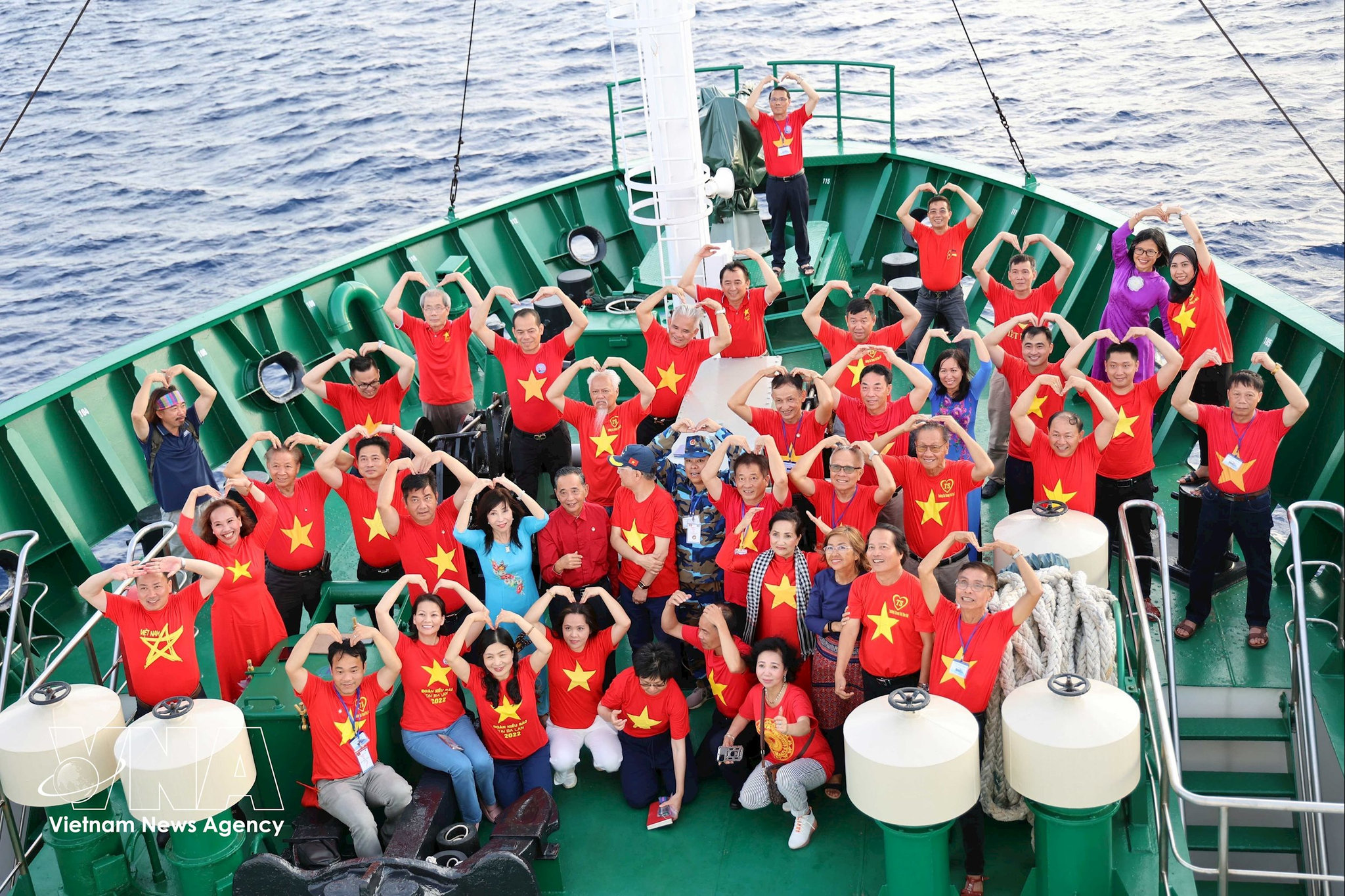
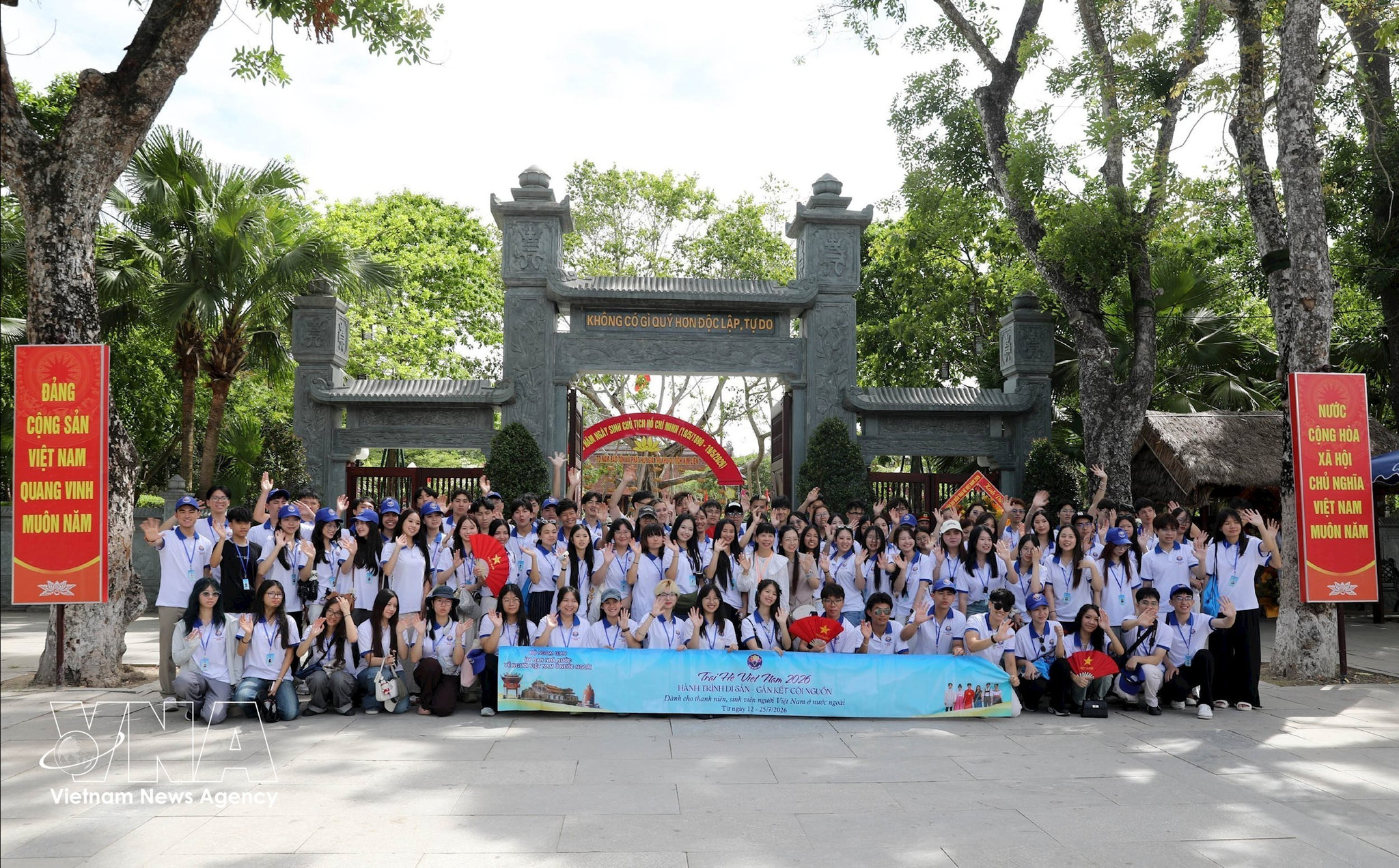
Activities that nurture bonds with the homeland, including the Homeland Spring programme, visits to Truong Sa, participation in the Hung Kings’ Commemoration Day and various programmes connecting overseas Vietnamese entrepreneurs and intellectuals, have likewise helped strengthen their sense of belonging, trust and attachment to the country.
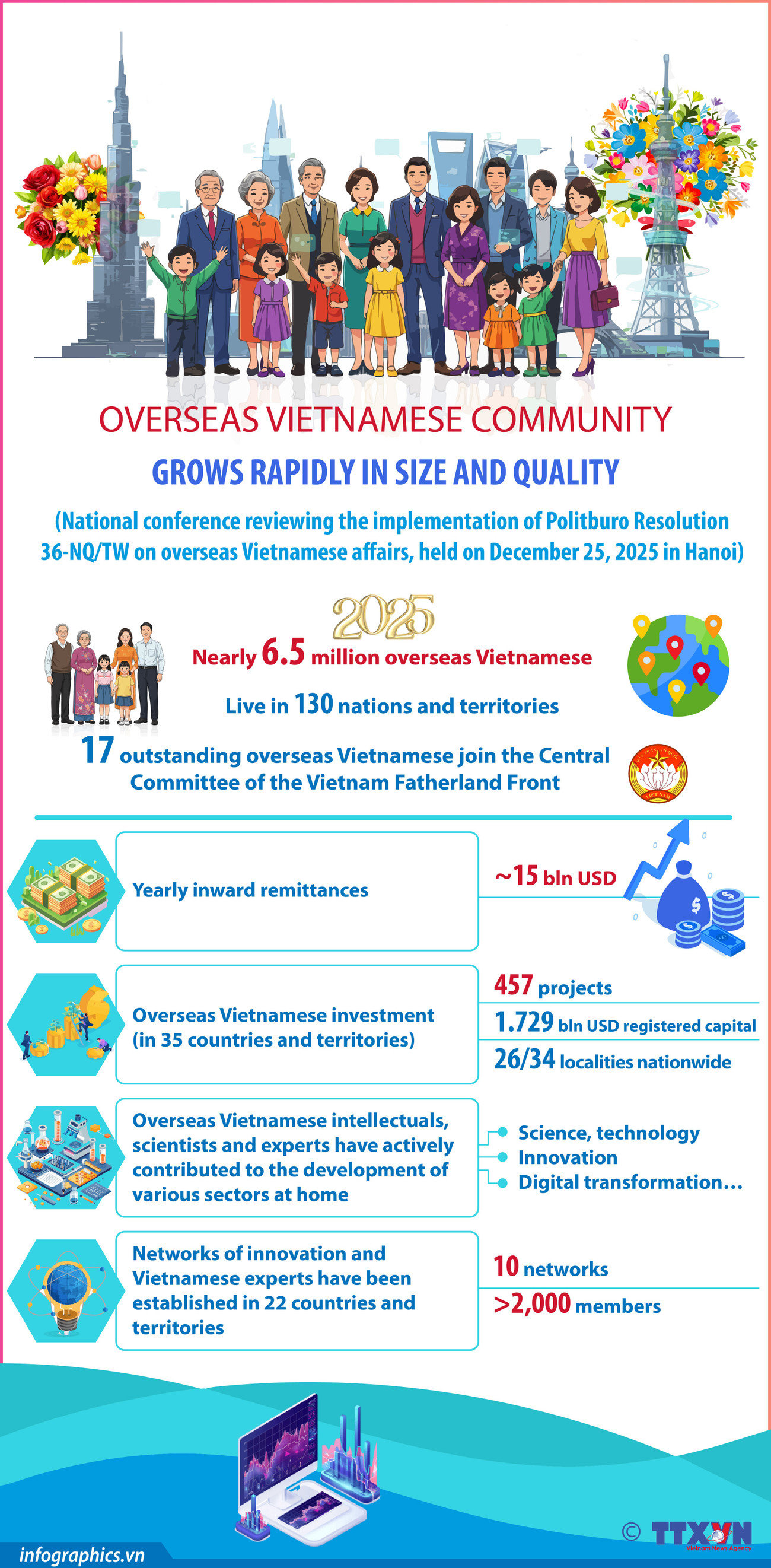
In the new era, these contributions are expected to grow in both scale and depth. Resolution 23 goes beyond recognising the contributions of overseas Vietnamese to establishing mechanisms that enable the global Vietnamese community to play a more direct and substantive role in the country’s development.
From financial resources to knowledge, technology, international networks and cultural strength, overseas Vietnamese are increasingly becoming an important component of Vietnam’s national strength. With the new approach set out in the resolution, this wealth of resources is expected to be connected and harnessed more effectively, making a more substantive contribution to the goal of building a strong, prosperous, globally integrated and sustainably developing Vietnam./.